
City driving places unique pressure on fuel consumption because of constant stopping, traffic congestion, short trips, and extended idling at intersections.
Traditional gasoline vehicles tend to waste fuel in these conditions, burning energy even when movement is minimal or completely paused. Hybrid vehicles were designed to address exactly this problem by combining electric motors with gasoline engines, allowing each system to operate where it is most efficient.
In urban environments, hybrids rely heavily on electric power at low speeds, reducing fuel use during the most inefficient phases of driving. This directly translates into lower daily fuel costs for commuters, delivery drivers, and families navigating busy streets.
Beyond savings at the pump, hybrids also reduce wear on engines and braking systems, which indirectly lowers maintenance expenses over time. Regenerative braking captures energy normally lost during deceleration and converts it into usable electric power, making stop and go traffic far less wasteful.
Many modern hybrids automatically shut off the engine while idling, preventing unnecessary fuel burn at traffic lights and long queues. As fuel prices fluctuate and cities become more crowded, the economic advantages of hybrids grow stronger each year.
These vehicles are not limited to compact cars anymore, as manufacturers now offer hybrid sedans, hatchbacks, and even SUVs designed for urban efficiency. The following sections examine ten hybrid models known for cutting fuel costs in city driving through smart engineering, reliable performance, and practical everyday usability.
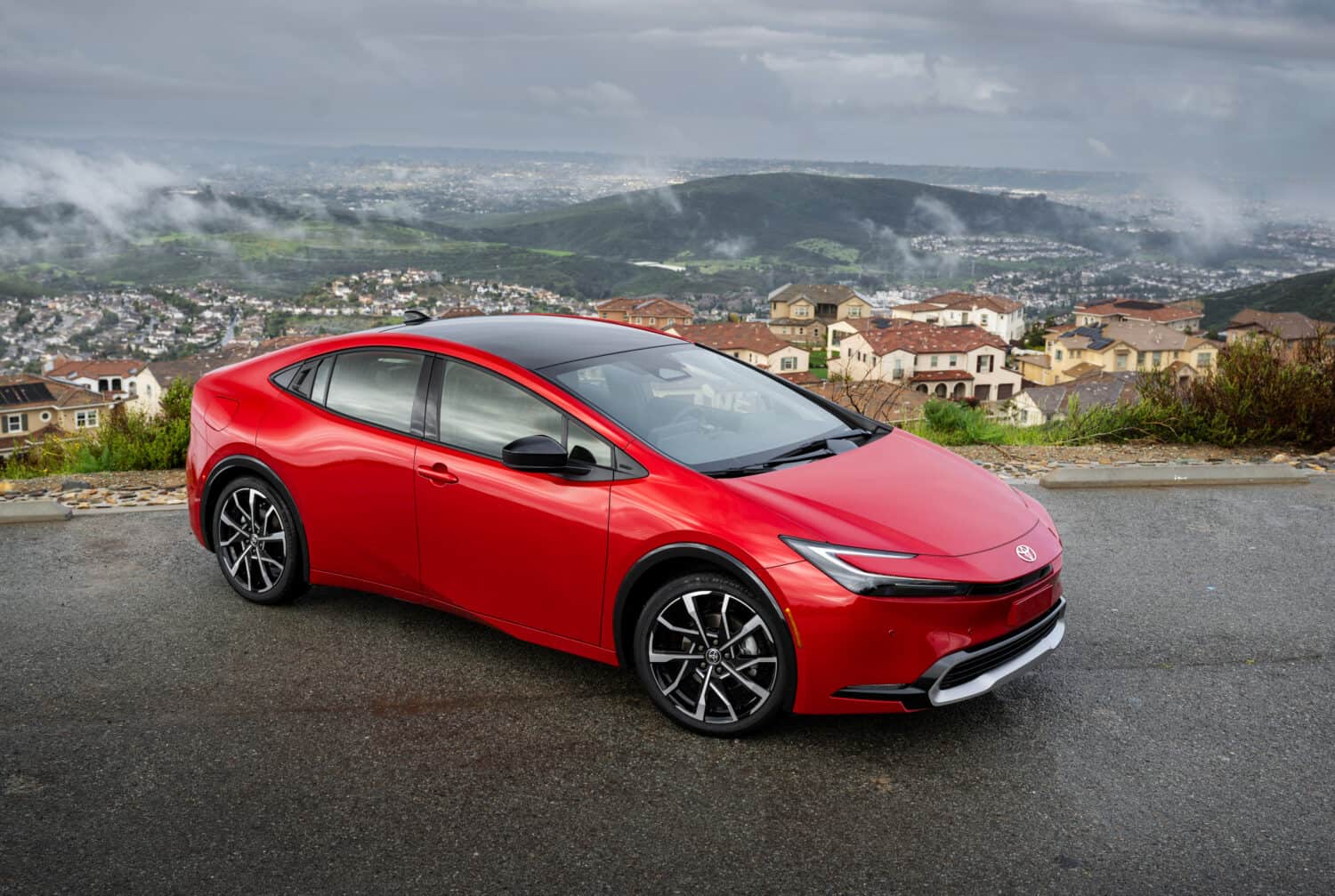
Toyota Prius
The Toyota Prius has long been recognized as a benchmark for city fuel efficiency due to its well-balanced hybrid system and innovative design. Its electric motor handles low speed driving smoothly, allowing the gasoline engine to remain off during short urban movements and reducing fuel consumption.
The vehicle’s advanced computer system constantly monitors driving conditions to optimize when the engine runs and when the battery provides power. Drivers often experience consistent savings because the Prius adapts well to frequent stops, heavy traffic, and unpredictable urban conditions, making it one of the most reliable hybrids for city commuters.
Regenerative braking in the Prius plays a major role in reducing city fuel costs by capturing energy normally lost during deceleration. Each time the car slows down, energy is recovered and stored in the battery instead of being wasted, which increases the efficiency of repeated stop and go driving.
This stored energy is then used for acceleration and low speed cruising, significantly decreasing the need to consume gasoline. In real-world city conditions, drivers notice the battery assists more frequently, directly lowering fuel expenses during daily commutes and errands.
The Prius also benefits from lightweight construction and a highly aerodynamic design that reduces air resistance, even at city driving speeds. These features lower the energy required to move the vehicle, ensuring that less fuel is burned during acceleration, braking, and idling.
Additionally, the low rolling resistance tires and careful attention to weight distribution enhance the hybrid system’s efficiency. Urban drivers quickly notice that even short trips around town become far more economical compared with traditional gasoline cars.
Maintenance costs for the Prius remain reasonable because the hybrid system reduces strain on mechanical components. The gasoline engine runs less frequently in city traffic, extending the life of oil, filters, and engine components. Brake systems last longer due to regenerative braking, which reduces wear on pads and discs.
Over time, these benefits combine to reduce total operating costs, making the Prius not only fuel-efficient but also cost-effective for long-term city ownership.
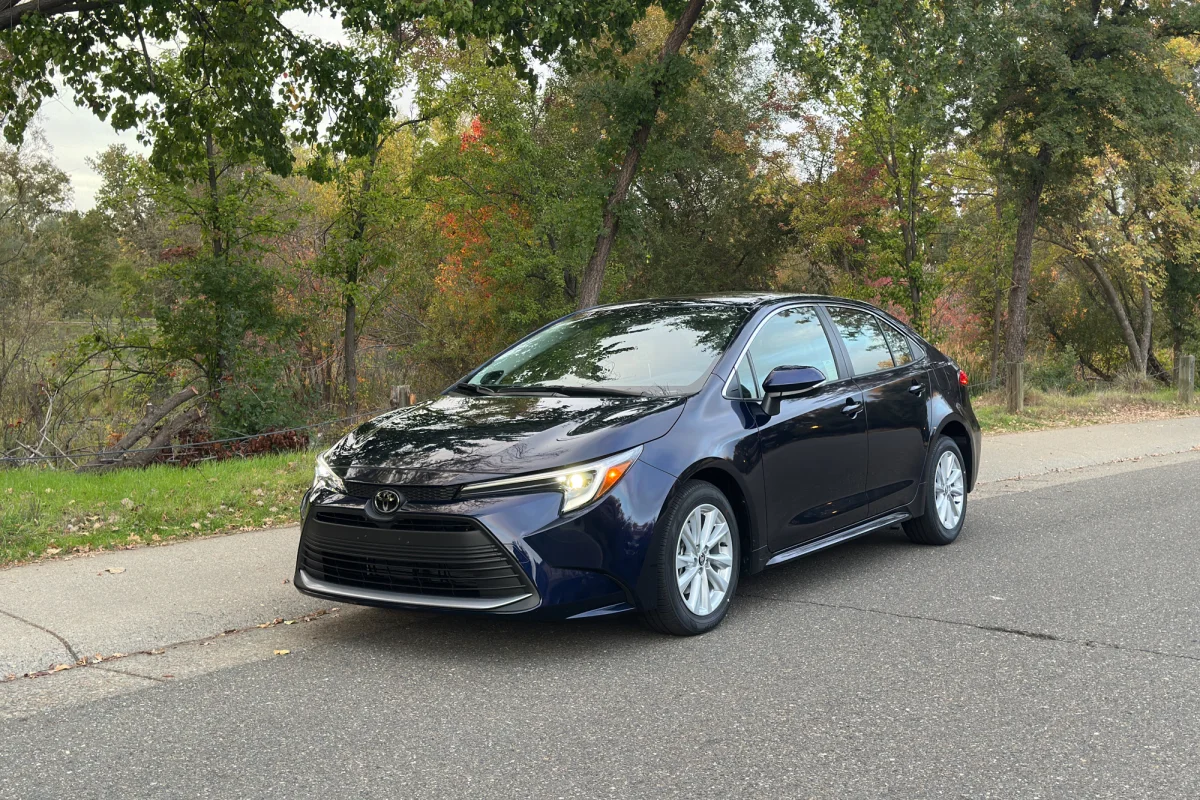
Toyota Corolla Hybrid
The Toyota Corolla Hybrid combines the familiar reliability of the Corolla brand with hybrid efficiency tailored for urban driving conditions. Its electric motor provides strong support during low speed travel, dramatically reducing fuel usage in stop and go traffic.
The gasoline engine is activated only when additional power is necessary, such as for faster acceleration or highway merging, allowing the car to remain primarily electric in city streets. The seamless interaction between the electric and gasoline systems provides smooth acceleration and consistent fuel efficiency, making it a practical choice for city commuters.
City traffic benefits greatly from the Corolla Hybrid’s intelligent power management, which automatically switches between electric and gasoline power based on driving conditions. Drivers do not need to manually select modes; the system maximizes energy efficiency while maintaining smooth operation.
During frequent stops, traffic lights, or congested intersections, the hybrid system ensures that energy consumption is minimized. Over time, these small daily efficiencies translate into significant reductions in fuel costs, especially for drivers who spend hours navigating urban streets.
The compact size and lightweight construction of the Corolla Hybrid further contribute to its city-friendly performance. Smaller dimensions make maneuvering through tight streets, parking, and navigating crowded intersections easier. Reduced weight decreases the energy required for acceleration, which directly improves fuel economy.
The combination of design, hybrid technology, and practicality ensures that drivers experience both cost savings and convenience in everyday urban travel.
Long term ownership costs remain low due to Toyota’s reputation for durability and reliability. The hybrid components are engineered to last for many years, and reduced engine usage means fewer repairs and extended intervals between maintenance tasks.
Brake wear is reduced thanks to regenerative braking, while engine strain is minimized during frequent low speed driving. These factors combine to make the Corolla Hybrid a sustainable and affordable option for urban residents seeking lower city fuel costs.
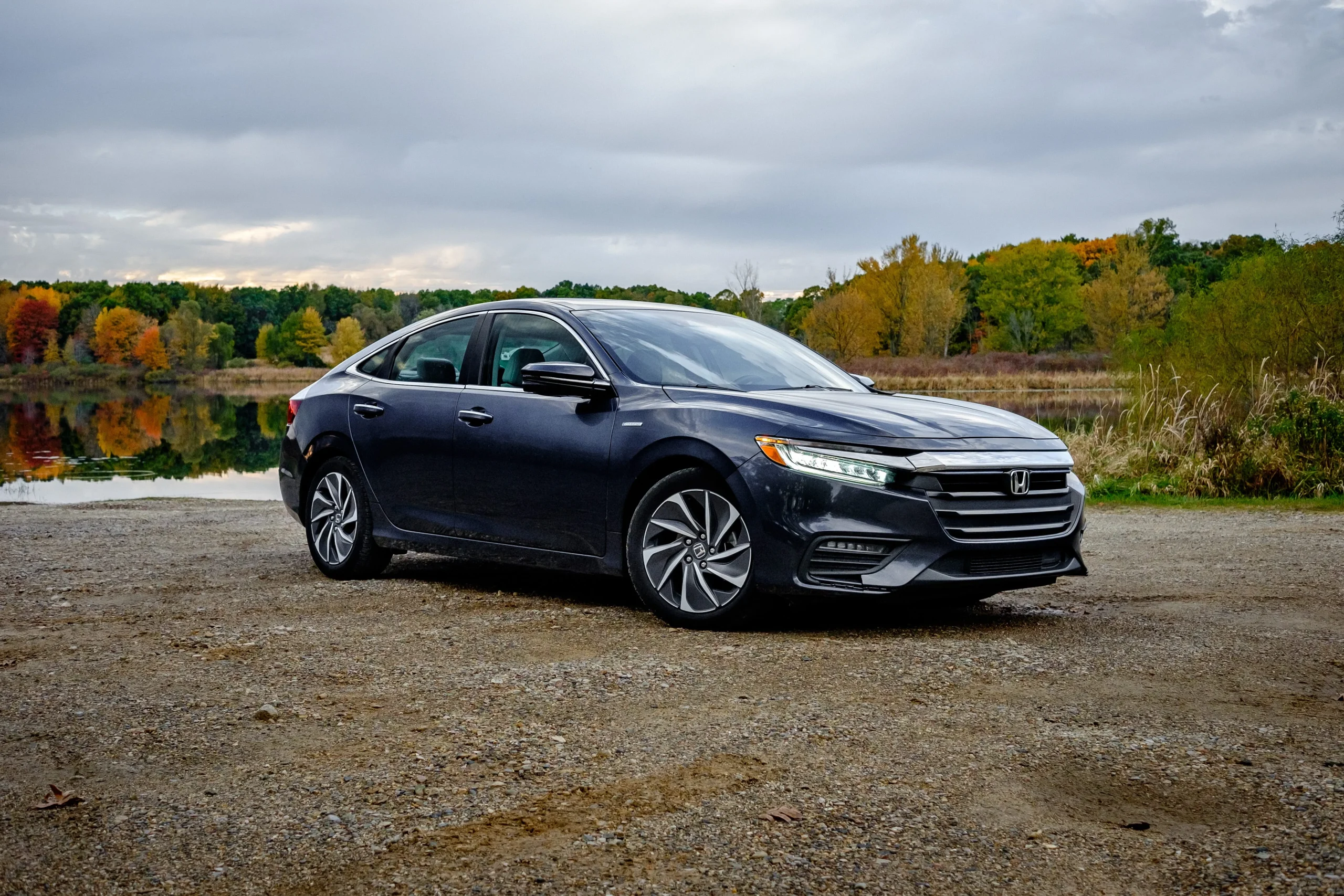
Honda Insight
The Honda Insight focuses on efficient city performance through a well-integrated hybrid system designed for urban environments. Its electric motor provides significant support when accelerating from a standstill, reducing gasoline consumption during the most inefficient phases of city driving.
The system continuously balances the electric and gasoline power to optimize efficiency, ensuring smooth acceleration and minimal fuel usage. Drivers often notice that even in dense traffic, the engine runs less frequently, resulting in measurable savings on fuel over weeks of urban commuting.
Honda designed the Insight with optimized energy flow for city conditions, prioritizing electric power at lower speeds where the gasoline engine would otherwise be less efficient. This helps reduce fuel burn in stop and go traffic, particularly during rush hours.
In addition to energy management, the system adapts to driving style, making city trips more economical for both aggressive and moderate drivers. As a result, the vehicle remains efficient whether commuting through congested streets or running multiple short errands.
The Insight’s compact sedan design also enhances its urban efficiency. A smaller body reduces aerodynamic drag, while balanced weight distribution lowers the energy needed to move the car.
These features ensure that each trip requires less fuel, even during frequent stops and starts. In addition, interior and exterior design choices, such as lightweight materials and optimized tires, support the hybrid system in maintaining maximum fuel economy during city driving conditions.
Owners benefit from the Insight’s reliable performance and cost-effective maintenance schedule. The hybrid components are designed to last, and less engine operation extends the life of critical systems, including oil, transmission, and exhaust components.
Brake pads and rotors are preserved due to regenerative braking, further lowering long-term costs. Combined with low fuel consumption, the Insight delivers a practical and economical option for city dwellers seeking an affordable hybrid.
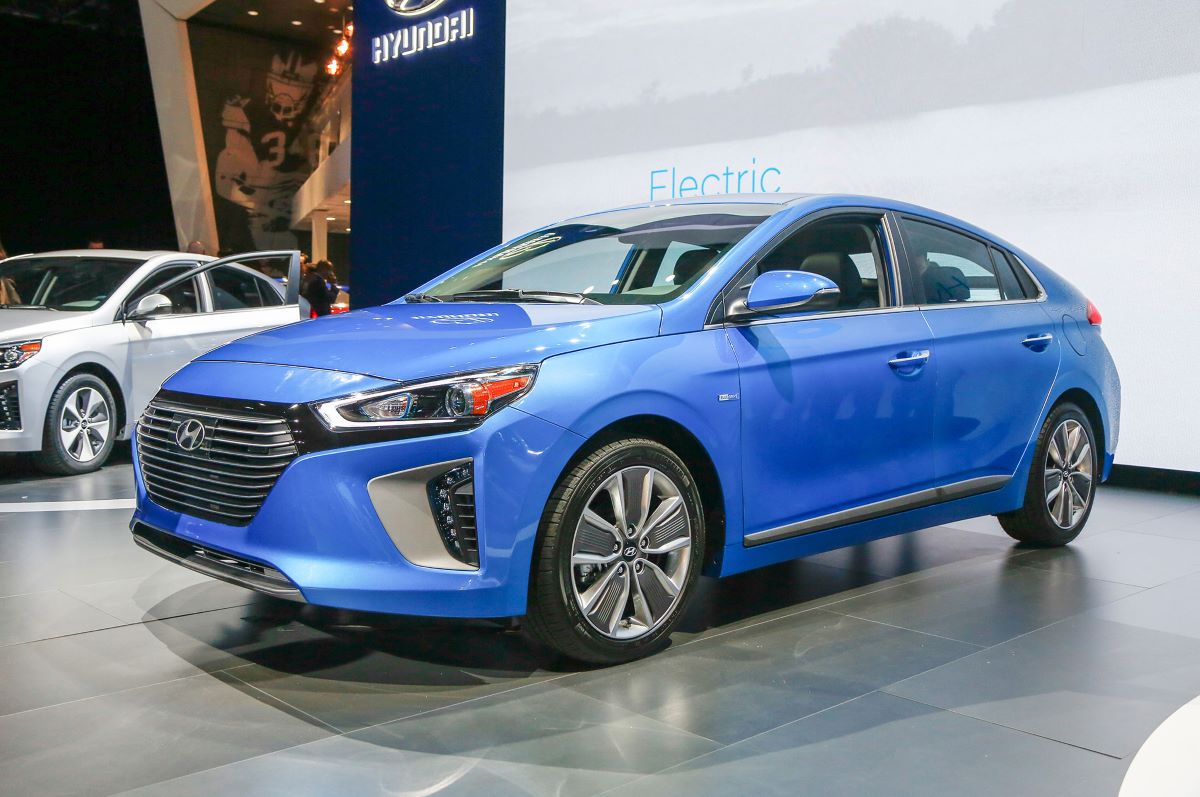
Hyundai Ioniq Hybrid
The Hyundai Ioniq Hybrid was developed with efficiency as its central goal, particularly for city driving. Its electric motor easily handles low speed conditions, reducing the need for gasoline in stop and go traffic. Regenerative braking efficiently captures energy that would otherwise be lost during deceleration, storing it in the battery for later use.
These design features make the Ioniq Hybrid one of the most practical options for drivers seeking reliable urban fuel savings without sacrificing comfort or performance.
Urban drivers appreciate the Ioniq Hybrid’s responsive and adaptive hybrid system, which quickly adjusts the balance between electric and gasoline power based on speed and traffic conditions.
The car prioritizes electric power during low speeds while automatically switching to gasoline when higher energy demands arise. This seamless management ensures consistent fuel efficiency while minimizing unnecessary engine operation. Drivers notice that even heavy city traffic results in lower fuel consumption compared with non-hybrid vehicles.
The Ioniq Hybrid’s lightweight materials and streamlined body contribute further to its urban efficiency. Lower mass reduces the energy needed for acceleration, while aerodynamics decrease resistance during movement. These qualities enhance the hybrid system’s effectiveness, particularly in short, stop-heavy trips common in city environments.
In addition, parking and maneuverability remain simple due to the vehicle’s compact footprint and precise handling, supporting fuel-efficient daily use.
Maintenance is straightforward and cost-effective because the hybrid system reduces wear on the gasoline engine and transmission. Regenerative braking preserves the lifespan of brake components, while optimized energy management decreases engine stress.
These factors not only extend component life but also reduce total ownership costs over time. For city drivers, the Ioniq Hybrid offers a combination of practicality, efficiency, and durability.
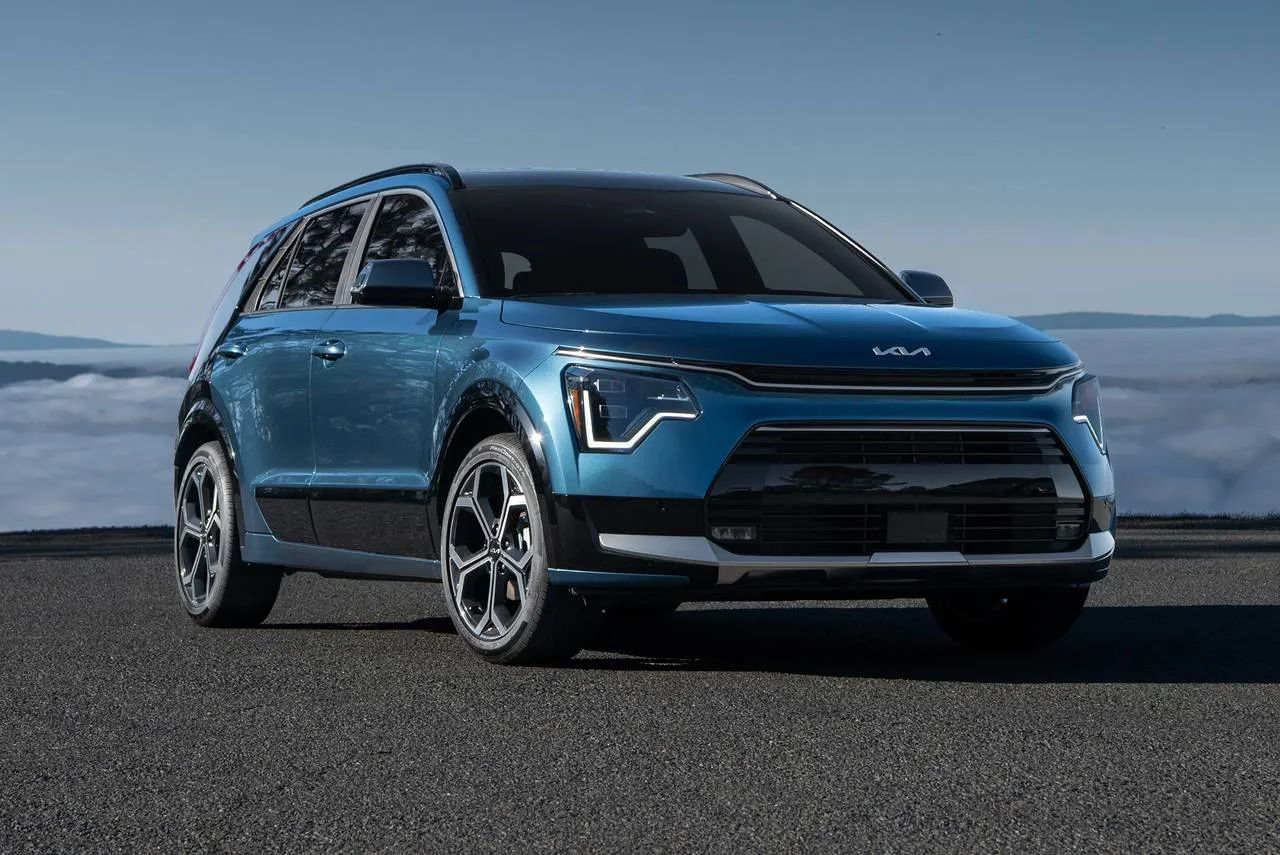
Kia Niro Hybrid
The Kia Niro Hybrid brings the advantages of hybrid technology to a small crossover, providing both interior space and excellent urban fuel efficiency. Its hybrid system emphasizes electric power during low speed driving, minimizing gasoline consumption in congested streets.
The car delivers smooth acceleration without sacrificing comfort or usability, making it an attractive option for families or drivers needing cargo space while maintaining city-friendly fuel efficiency. The balance between size and efficiency ensures that drivers enjoy both practicality and economy in everyday use.
Stop and go traffic highlights the strengths of the Niro Hybrid’s hybrid system, which seamlessly combines electric and gasoline power. The electric motor handles acceleration and low speed cruising, while regenerative braking captures energy during deceleration.
This process reduces fuel use significantly compared with conventional vehicles, even in dense urban conditions. Drivers often notice consistent savings, especially when using the vehicle for errands, school runs, or commuting in city traffic.
Despite being a crossover, the Niro remains efficient due to careful design and hybrid engineering. Aerodynamic shaping reduces wind resistance, while thoughtful weight distribution lowers energy requirements.
The vehicle performs well during frequent short trips, helping drivers achieve meaningful reductions in city fuel consumption. Its combination of efficiency and practicality makes it suitable for drivers who need a versatile vehicle without compromising economy.
Long term ownership remains cost-effective due to the hybrid system’s reliability. The engine experiences reduced wear from frequent electric assistance, while regenerative braking extends the lifespan of brake components. Regular maintenance intervals remain manageable, and the hybrid design reduces the likelihood of expensive repairs. For city dwellers seeking both space and low fuel costs, the Niro Hybrid represents a well-rounded and efficient choice.
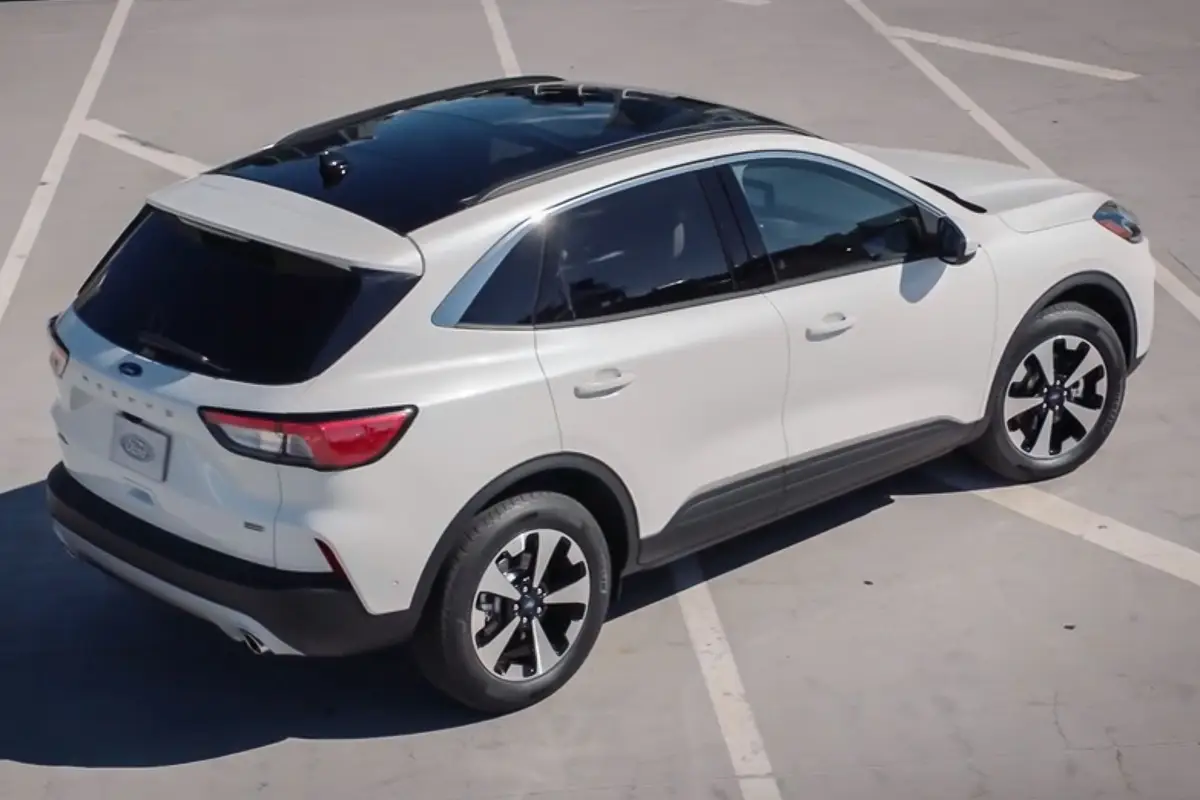
Ford Escape Hybrid
The Ford Escape Hybrid brings hybrid efficiency to a compact SUV format, combining space and comfort with city-friendly fuel economy. Its electric motor provides strong assistance during low speed driving, reducing gasoline use significantly during urban commutes.
The vehicle adapts automatically to changing traffic conditions, switching seamlessly between electric and gasoline power. This intelligent energy management allows drivers to experience smooth acceleration and consistent efficiency, even in stop and go city traffic.
City commutes particularly benefit from the Escape Hybrid’s responsive hybrid system, which prioritizes electric power during low speed travel while activating the gasoline engine only when higher energy is required.
This approach reduces fuel consumption in crowded streets, traffic lights, and urban stop-and-go conditions. Drivers often notice that daily trips consume far less fuel compared with traditional gasoline SUVs, and regenerative braking further contributes to efficiency.
The Escape Hybrid manages to balance performance and economy despite its larger size. Its lightweight construction and aerodynamic design reduce energy requirements, helping to maintain fuel efficiency in city driving.
The SUV also provides a comfortable ride for multiple passengers and cargo, making it practical for families or drivers who need versatility without sacrificing economy. Urban drivers benefit from both the efficiency of a hybrid system and the space of a compact SUV.
Long-term ownership costs for the Escape Hybrid remain manageable due to reduced strain on mechanical components. Regenerative braking lowers wear on brake pads and discs, while less frequent engine operation extends the life of oil, filters, and critical engine parts.
Hyundai engineering ensures the hybrid components remain reliable over time, making the Escape Hybrid a cost-effective and practical choice for city residents who require both comfort and fuel savings.
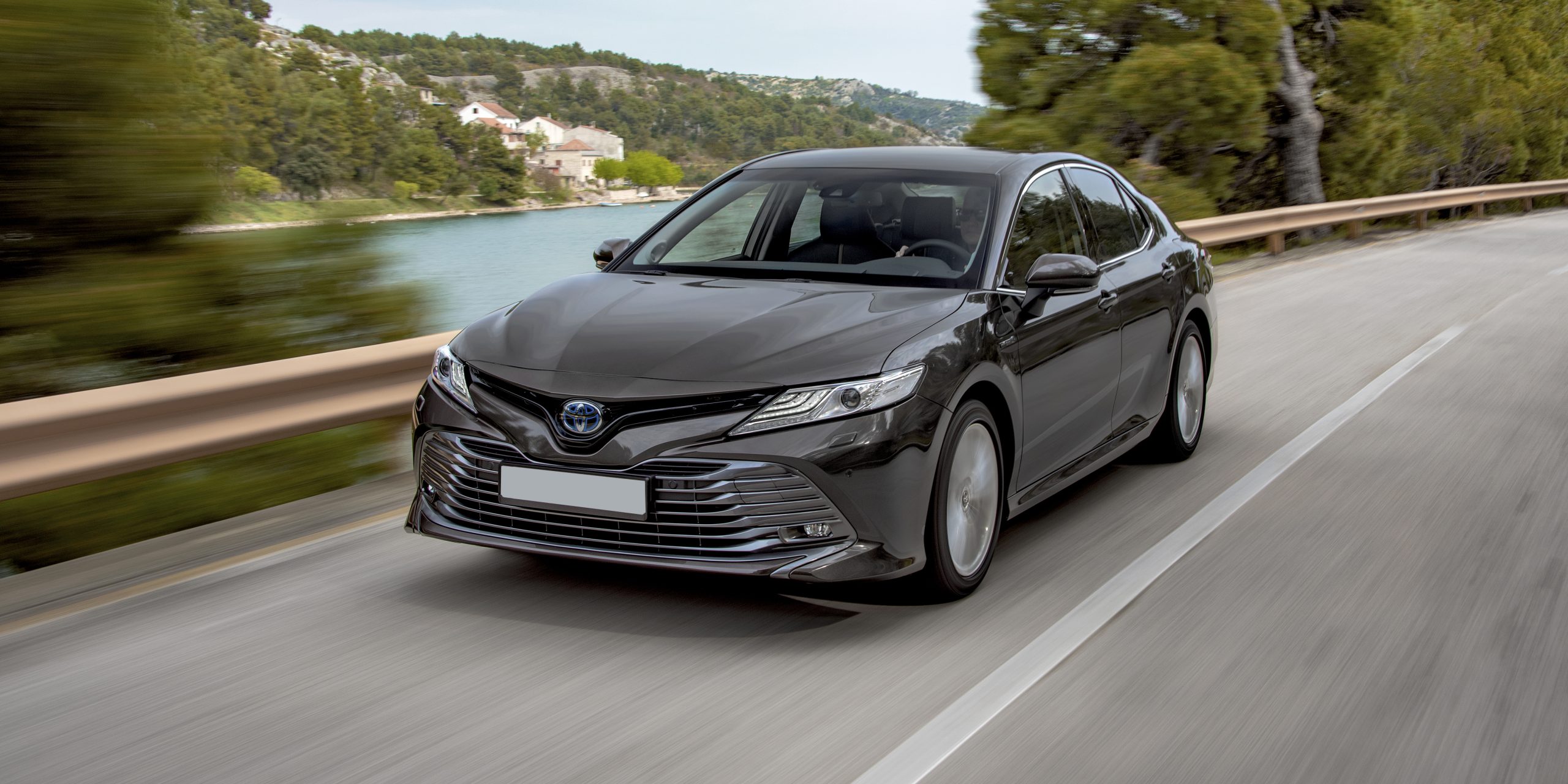
Toyota Camry Hybrid
The Toyota Camry Hybrid provides the comfort and size of a midsize sedan while maintaining city-friendly fuel efficiency. Its electric motor assists heavily during low speed driving, significantly lowering gasoline consumption during urban commutes.
The system automatically switches between electric and gasoline power to optimize efficiency, making frequent stops, traffic lights, and short trips more economical. Drivers enjoy smooth acceleration and quiet operation, which enhances both comfort and fuel savings in city traffic.
The Camry Hybrid excels in stop-and-go traffic due to its intelligent hybrid system, which determines the most efficient energy source based on driving conditions.
The electric motor handles low speed travel, while the gasoline engine activates only when additional power is necessary. This energy management strategy reduces fuel waste and provides a responsive driving experience. Drivers often report noticeable reductions in city fuel costs over weeks of regular urban commuting.
Despite its larger size compared to compact hybrids, the Camry Hybrid maintains excellent efficiency thanks to its aerodynamic design and lightweight construction.
Advanced engineering ensures energy is used effectively during acceleration, deceleration, and cruising, even in dense city traffic. Interior comfort, spacious seating, and smooth handling make it an ideal choice for drivers who want both practicality and economical performance in urban settings.
Reliability and maintenance play a key role in long-term cost savings for the Camry Hybrid. Reduced engine usage decreases wear on mechanical components, while regenerative braking preserves brake life.
Scheduled maintenance intervals are predictable, and the hybrid system has been designed to last for many years. These factors combine to make the Camry Hybrid an efficient, reliable, and cost-effective option for drivers navigating urban environments daily.
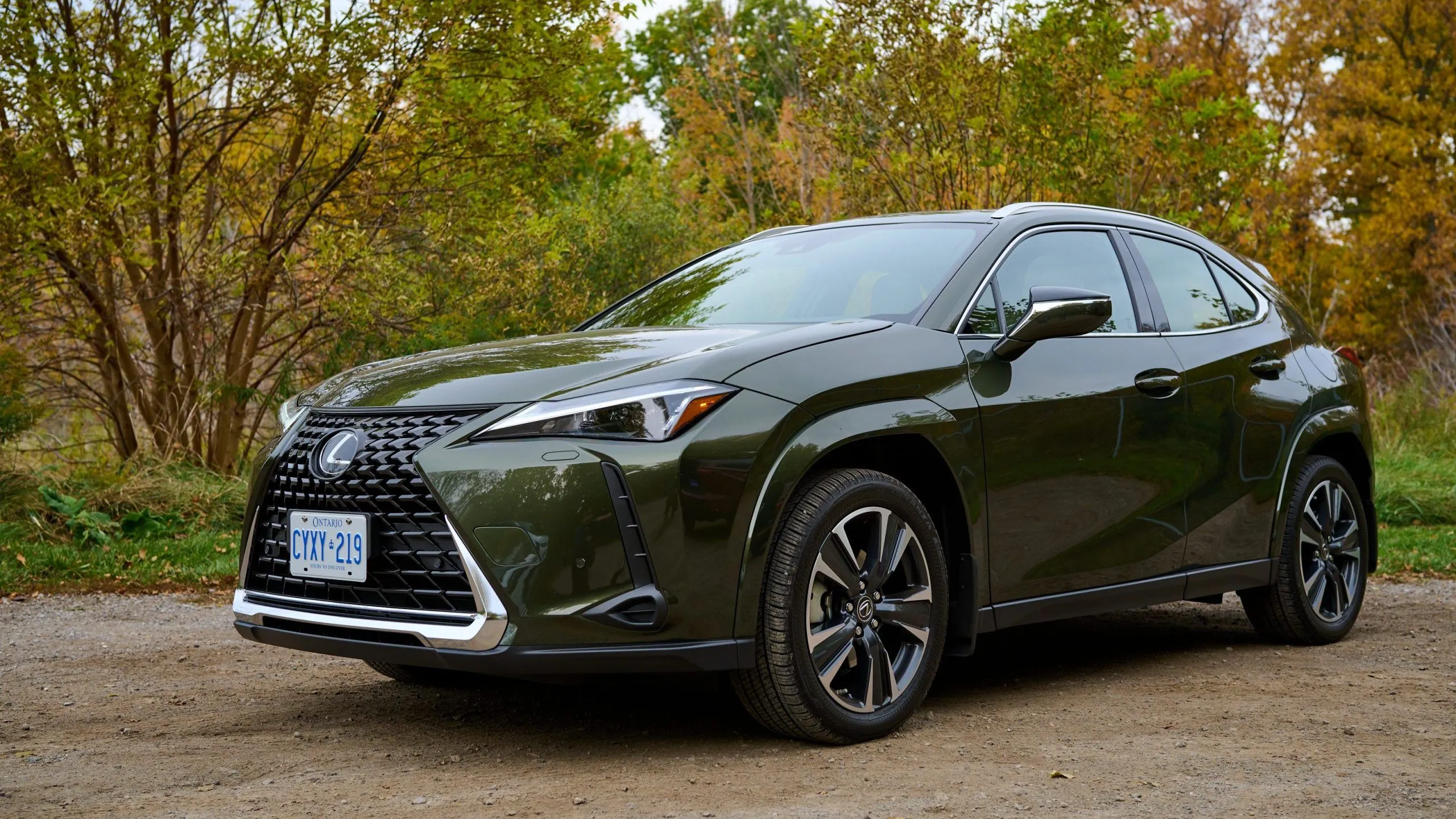
Lexus UX Hybrid
The Lexus UX Hybrid combines premium comfort and style with city-focused hybrid efficiency. Its electric motor provides significant support during low speed urban driving, reducing gasoline consumption in stop-and-go conditions.
The vehicle operates quietly when using electric power, which enhances the driving experience in traffic-heavy city streets. Drivers enjoy a refined ride while benefiting from fuel savings and lower operational costs.
City driving highlights the UX Hybrid’s smooth and intelligent power delivery. Electric assistance reduces fuel usage and engine wear during frequent acceleration and deceleration.
Regenerative braking captures energy during stopping, which is then stored for later use, further improving efficiency. Urban commutes become less stressful and less costly as fuel consumption is minimized.
The compact design and aerodynamic features of the UX Hybrid improve maneuverability in tight urban streets. Reduced weight lowers energy demands, and careful engineering ensures that city trips remain fuel-efficient even with frequent stops.
Interior comfort, high-end features, and handling precision create a premium driving experience without compromising the hybrid system’s effectiveness.
Long-term ownership is supported by the hybrid system’s durability and reduced mechanical stress. Brake components last longer due to regenerative braking, while reduced engine operation extends service intervals for oil and filters.
Reliable engineering ensures that fuel efficiency and performance remain consistent over time. The Lexus UX Hybrid offers drivers the perfect combination of luxury, practicality, and economy for city living.
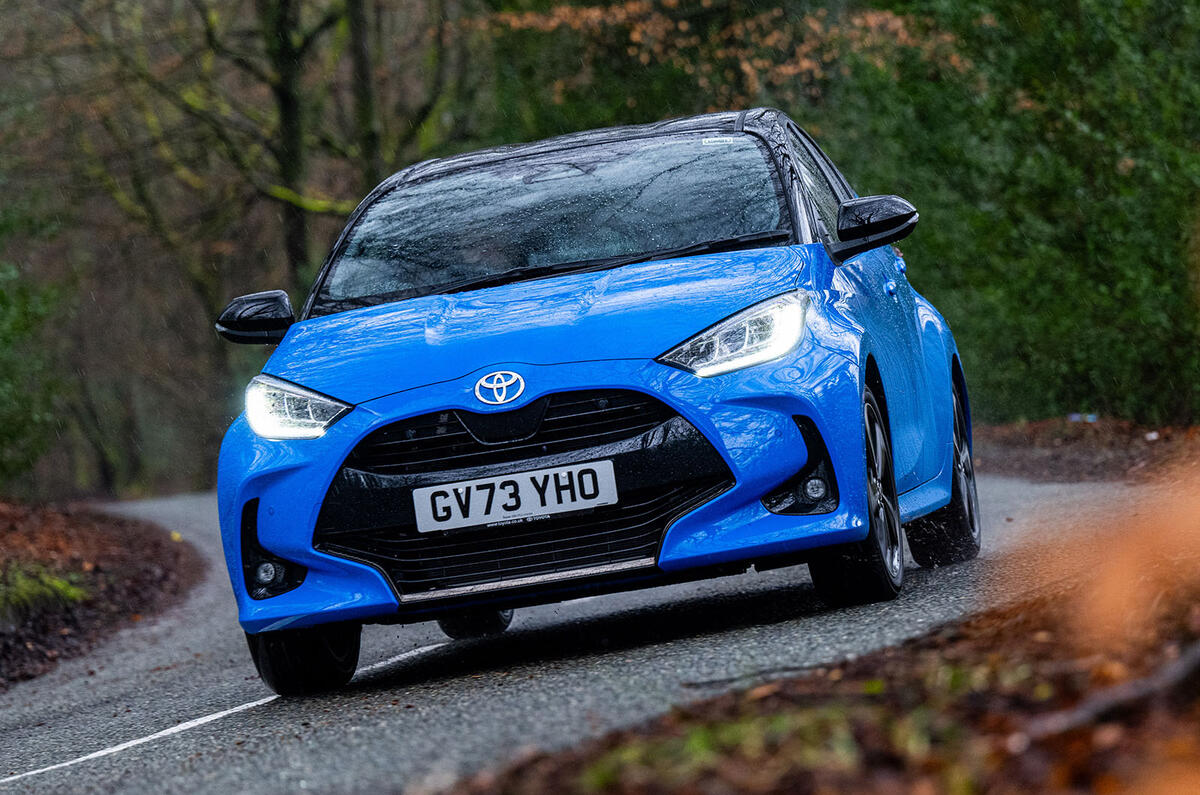
Toyota Yaris Hybrid
The Toyota Yaris Hybrid is built with city efficiency as a priority, offering compact size and strong hybrid performance. Its small footprint and electric motor allow gasoline consumption to remain low during frequent stops and starts in urban traffic.
The gasoline engine runs only when extra power is needed, maximizing the use of electric energy for short city trips. Drivers quickly notice how the vehicle saves fuel during daily errands and commuting.
Stop-and-go driving is where the Yaris Hybrid truly excels. Regenerative braking recovers energy that would otherwise be lost, recharging the battery for future use.
The system reduces gasoline engine operation during frequent city acceleration, helping drivers achieve consistent fuel savings. Daily commutes, school runs, and shopping trips all become more economical over time, thanks to efficient hybrid technology.
The lightweight and aerodynamic design of the Yaris Hybrid further supports city efficiency. Less mass requires less energy for movement, and reduced air resistance improves performance during urban driving.
Compact dimensions make parking and maneuvering easy, which is a practical advantage for dense city streets. The combination of small size and hybrid efficiency makes the Yaris Hybrid an ideal urban vehicle.
Maintenance costs remain low due to the hybrid system reducing strain on the gasoline engine. Brake components are preserved thanks to regenerative braking, and fewer mechanical stresses mean longer service intervals for the engine and transmission.
This contributes to long-term ownership savings. The Yaris Hybrid offers city drivers a combination of economy, reliability, and convenience in one compact package.
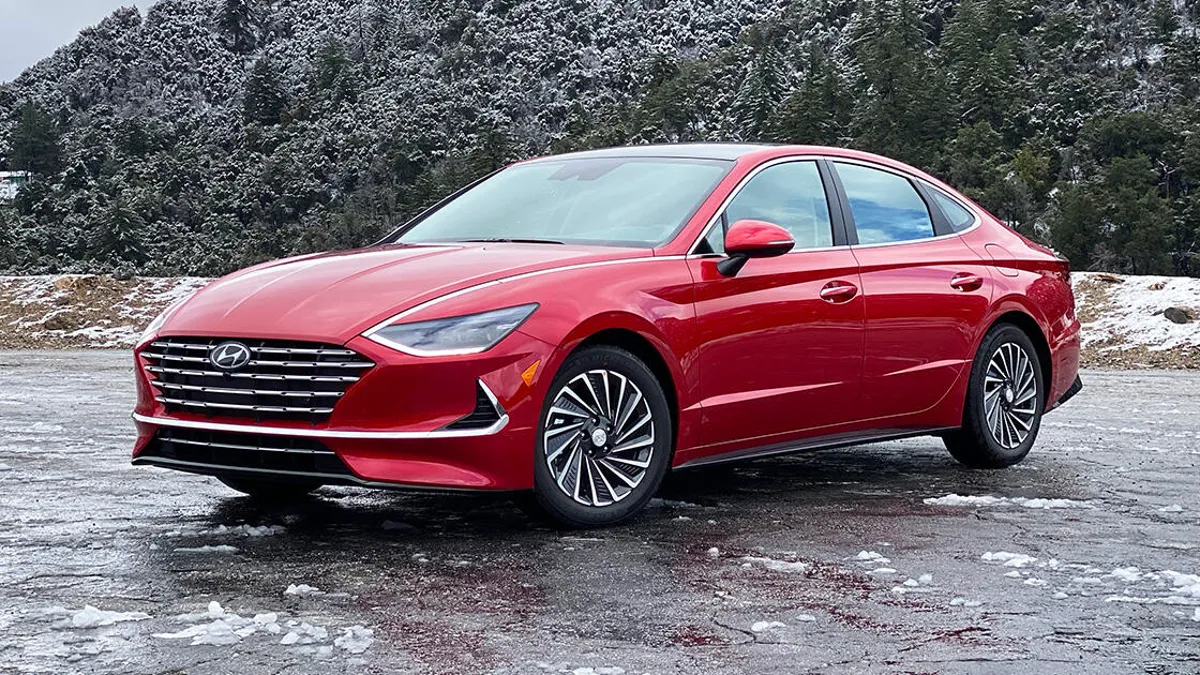
Hyundai Sonata Hybrid
The Hyundai Sonata Hybrid provides midsize comfort with strong urban fuel efficiency, combining practicality and savings. Its electric motor manages low-speed driving effectively, reducing gasoline consumption during city commutes.
Stop-and-go traffic is handled efficiently, with the gasoline engine operating only when additional power is needed. Drivers benefit from smooth acceleration and lower fuel costs during frequent urban trips.
The hybrid system in the Sonata prioritizes electric power in city conditions while intelligently balancing gasoline use. Frequent deceleration and regenerative braking capture energy that is reused for future acceleration, making city driving far more efficient. Fuel savings are noticeable over weeks of commuting, especially for drivers navigating congested streets or multiple short errands daily.
Despite being a midsize sedan, the Sonata Hybrid maintains efficient performance through advanced engineering and lightweight materials. Aerodynamic design reduces energy loss, while careful weight distribution lowers fuel consumption. Urban driving remains comfortable, responsive, and cost-effective, with enough interior space to accommodate passengers and cargo comfortably.
Long-term ownership benefits from reduced engine wear and minimized brake stress thanks to hybrid technology. Regular maintenance intervals are predictable, and hybrid components are engineered for durability. The combination of low fuel consumption, reliable performance, and moderate upkeep makes the Sonata Hybrid an ideal choice for city dwellers seeking both comfort and economy.
