
The Land Rover name has long been associated with rugged off-road capability and British engineering that could handle some of the harshest environments on Earth. Before the reputation for quirky electrical issues and inconsistent reliability became widespread, Land Rover produced vehicles that were solid, dependable, and truly built to last.
These early models combined practical design with mechanical simplicity, allowing owners to repair them almost anywhere with basic tools and parts. Many of these vehicles have become icons not just for their looks, but for the sense of adventure they promised and delivered.
Land Rovers were designed with a clear purpose: to traverse rough terrain while carrying people and cargo without complaint. Unlike later models that focused on luxury or electronics, the earlier vehicles emphasized function over form, and their strength came from straightforward mechanics.
These Land Rovers were often used in agriculture, military service, and expedition travel, proving that their reliability was not merely a marketing claim but a real-world necessity. Over time, enthusiasts began to recognize that these early models represented a golden age of Land Rover engineering.
The charm of these vehicles lies not only in their toughness but also in their character. They are honest machines, where every rattle or squeak has a story, and every dent represents a journey completed.
While modern cars offer convenience, these older Land Rovers demand involvement and reward it with a sense of control and confidence that few vehicles can match. Their engines, chassis, and drivetrain components were designed to endure, often outlasting owners themselves and continuing to serve across generations.
Today, these early Land Rovers are cherished by collectors and adventurers alike. They symbolize a time when engineering prioritized reliability, simplicity, and durability. The appeal goes beyond nostalgia; these vehicles are capable, versatile, and remind us that a well-built vehicle can be both practical and exciting.
Looking at the top ten Land Rovers built before reliability became optional offers insight into how design choices, engineering priorities, and real-world performance intersected to create machines that still command respect decades after their production.
1. Series I 80-Inch (1948–1958)
The Series I 80-inch is often considered the original Land Rover, the foundation upon which the brand’s reputation was built. Its design was simple, with a lightweight aluminum body and a four-cylinder engine capable of handling harsh terrain.
Every aspect of the vehicle was meant to be functional and easy to maintain. This model set the tone for Land Rover’s philosophy of rugged, no-nonsense engineering.
Early Series I vehicles were fitted with permanent four-wheel drive and a basic gearbox that allowed them to tackle mud, sand, and rocky trails.
The suspension was straightforward yet effective, providing stability without overcomplicating the design. Many of these vehicles remained operational for decades with minimal maintenance. Their reliability came from simplicity, not sophistication.
The 80-inch wheelbase allowed for excellent maneuverability in tight spaces while still providing sufficient cargo capacity. Farmers, explorers, and military units relied on this model to carry supplies and personnel safely across uncharted terrain.
Parts were interchangeable, and repairs could be done with standard tools, making it a practical choice for remote areas. This versatility added to its legendary status among early off-road enthusiasts.
Collectors today prize the Series I 80-inch for its historical significance and durability. Vehicles that have survived often still run using mostly original parts.
Restoring one is a labor of love, rewarding the owner with a piece of automotive history that proves reliability was once a hallmark of Land Rover. The Series I remains a symbol of the brand’s foundational engineering philosophy.
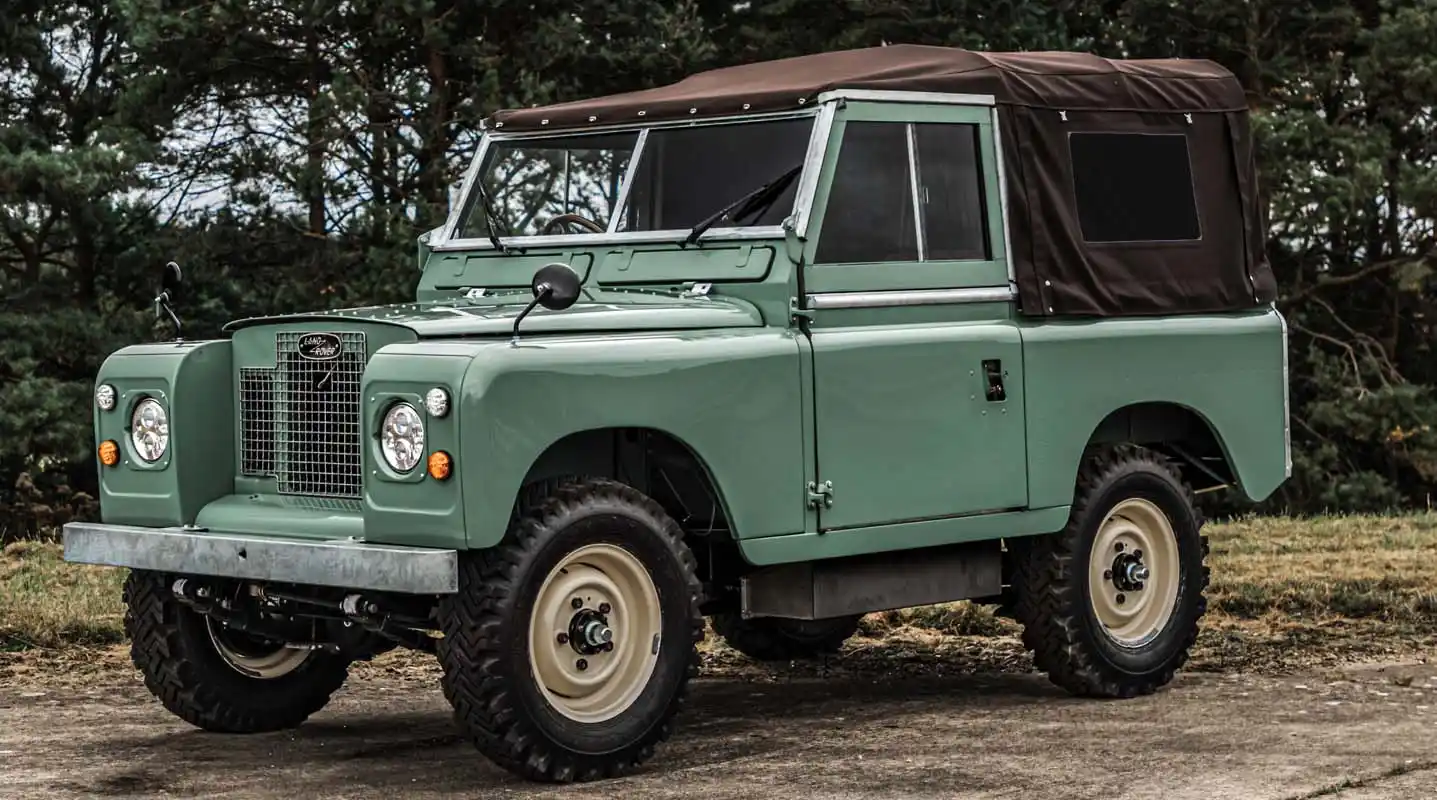
2. Series II 88-Inch (1958–1961)
The Series II 88-inch built on the strengths of its predecessor while addressing minor limitations in comfort and performance. The engine was more refined, and the chassis provided additional strength for heavier loads.
These improvements were made without sacrificing the mechanical simplicity that made Land Rovers dependable. The Series II quickly gained popularity among commercial and recreational users alike.
Its suspension and drivetrain were designed for longevity, allowing the vehicle to handle prolonged use in extreme conditions. Drivers could rely on consistent performance even when traversing unpaved roads or remote trails. Maintenance remained simple, and the mechanical layout was logical, allowing owners to troubleshoot effectively. These vehicles were built for real work, not just appearances.
The Series II 88-inch featured a slightly more spacious interior, making it practical for longer journeys or transporting multiple passengers. Despite the modest comfort upgrades, it retained the rugged charm that defined early Land Rovers. Its predictable handling and mechanical resilience contributed to its reputation as a trustworthy workhorse.
Even today, the Series II 88-inch is celebrated for its engineering integrity. Many surviving models still operate reliably, demonstrating that early Land Rover design focused on practical solutions rather than unnecessary complexity. This vehicle remains a favorite among vintage off-road enthusiasts for its balance of capability and durability.
3. Series IIA 88-Inch (1961–1971)
The Series IIA 88-inch marked a turning point in Land Rover history. The model incorporated improvements in both engine performance and body design while maintaining the rugged simplicity of earlier vehicles.
It offered greater reliability in demanding conditions, making it a staple for farmers, explorers, and the military. The Series IIA became one of the most widely recognized early Land Rovers worldwide.
Engine choices included robust four-cylinder petrol units, capable of delivering consistent power across varied terrain. Cooling and lubrication systems were designed to withstand prolonged use, making breakdowns rare.
The vehicle’s body panels were corrosion-resistant, a practical consideration for those using it in coastal or wet environments. This durability reinforced the model’s reputation for reliability.
The Series IIA’s chassis allowed for multiple configurations, including pickups, station wagons, and soft tops. Its modularity made it adaptable to a wide range of applications, from agricultural work to expedition vehicles. Owners valued the ease with which modifications could be made without compromising the vehicle’s core reliability.
Collectors and enthusiasts often seek out the Series IIA for its blend of practicality and authenticity. Many examples remain on the road today, performing admirably in off-road competitions or as everyday drivers. The model demonstrates that Land Rover’s early engineering prioritized endurance over convenience, a principle that modern vehicles sometimes overlook.
4. 109-Inch Series II/IIA (1960s)
The 109-inch wheelbase models were introduced to address the need for greater cargo space and passenger capacity.
These vehicles retained the mechanical simplicity and dependability of shorter Series models while providing enhanced functionality. The longer wheelbase allowed for more comfortable seating and larger load areas without compromising off-road performance.
The drivetrain and suspension were reinforced to handle the extra weight, ensuring consistent handling even under full loads. Land Rover engineers focused on strengthening key components rather than adding unnecessary electronics or complexity. This approach resulted in vehicles that could endure decades of heavy use.
These models were popular among government and military agencies, often serving in regions where repair facilities were limited. Their reputation for reliability made them an obvious choice for demanding applications. Owners knew they could depend on a 109-inch Land Rover in situations where other vehicles might fail.
Even in modern times, surviving 109-inch Series vehicles continue to demonstrate remarkable durability. Restorers often emphasize maintaining original components, as the engineering decisions made during production allowed these vehicles to endure extensive use. Their longevity cements their place among the most dependable Land Rovers ever built.
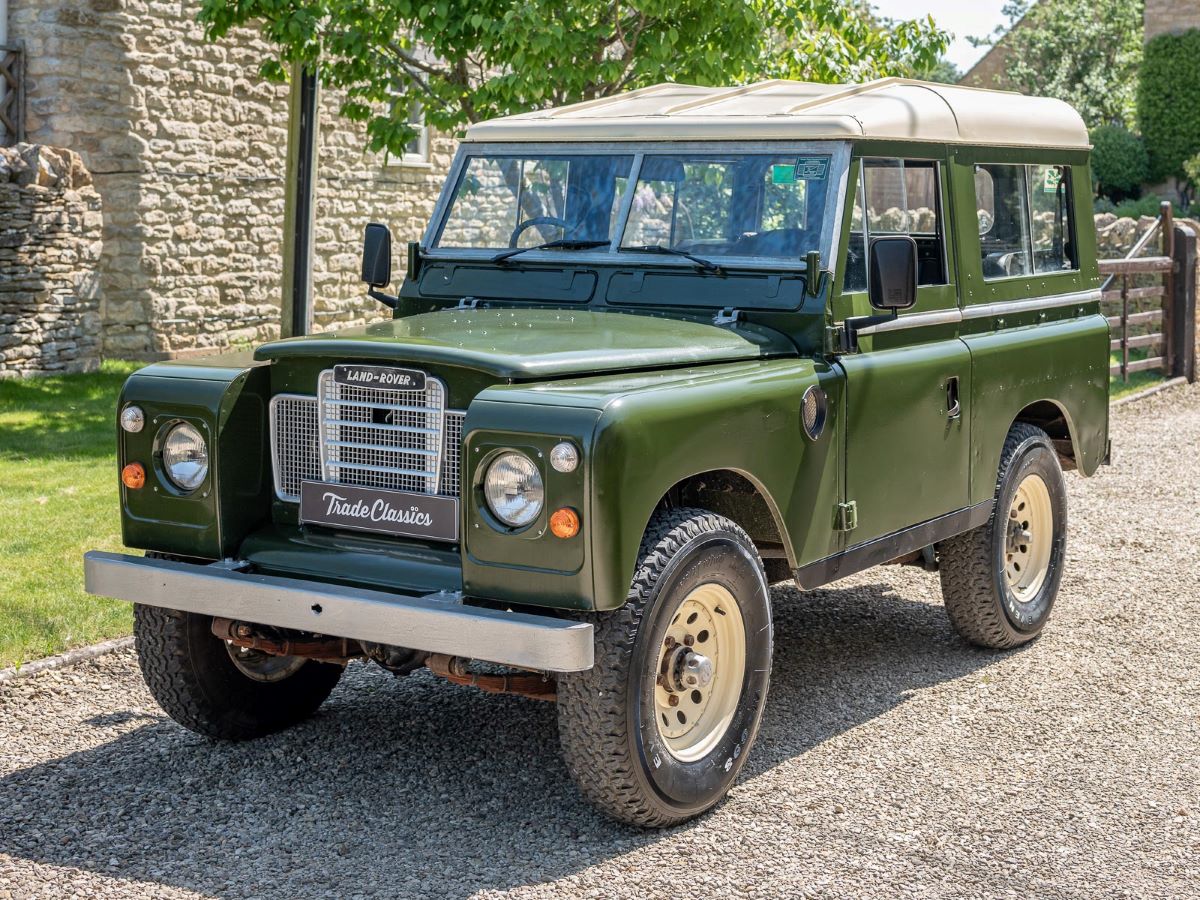
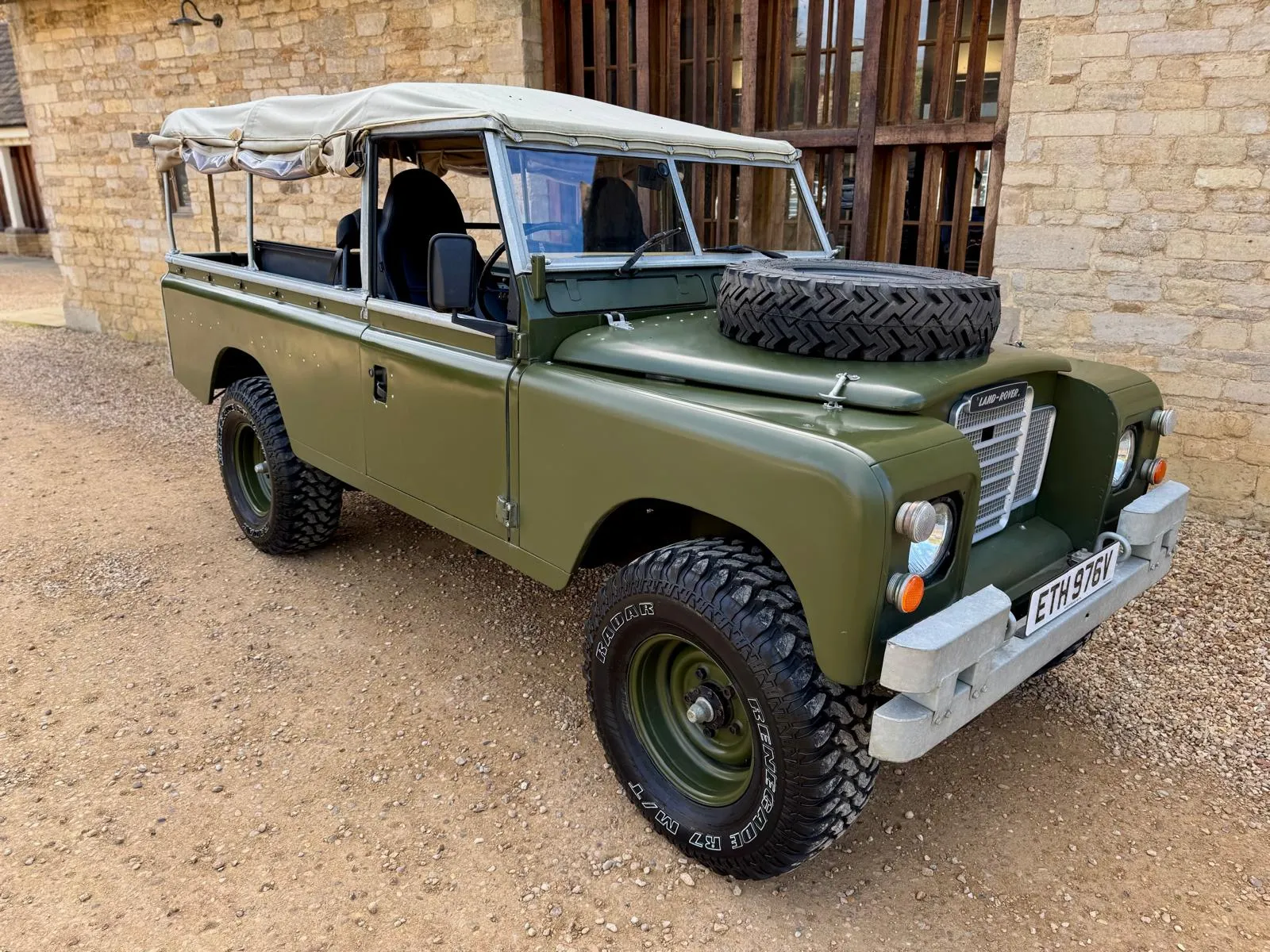
5. Series III 88-Inch and 109-Inch (1971–1985)
The Series III represented the last of the classic Land Rover design before the brand began introducing more modernized features. While its appearance remained familiar, several mechanical upgrades improved reliability and performance.
The engine was strengthened, and the gearbox was more robust, allowing the vehicles to tackle off-road challenges with less wear and tear over time. Its simplicity remained a key selling point, giving owners the confidence that repairs could be handled in remote areas without specialized tools.
One of the major improvements in the Series III was the refinement of the electrical system. Earlier models were notorious for tricky wiring, but Series III Land Rovers benefited from a more organized setup that reduced common faults.
The suspension system also became more resilient, with reinforced components capable of handling heavy loads while maintaining stability on uneven terrain. Owners appreciated these changes, as they enhanced the reliability of a platform already known for durability.
The Series III also introduced subtle comfort improvements without compromising ruggedness. Interiors were slightly more ergonomic, with better seating layouts for both drivers and passengers.
Practicality was never sacrificed; the vehicles remained modular, capable of supporting soft tops, pickups, and station wagon configurations. This versatility made the Series III a favorite among farmers, expedition teams, and enthusiasts seeking dependable off-road performance.
Even decades after production ended, the Series III remains a symbol of the final era of pure, mechanical Land Rover reliability.
Enthusiasts continue to restore and maintain these vehicles because they exemplify the balance of rugged utility, durability, and straightforward engineering. Driving one today offers a sense of continuity with a time when reliability was a core feature, not an afterthought.
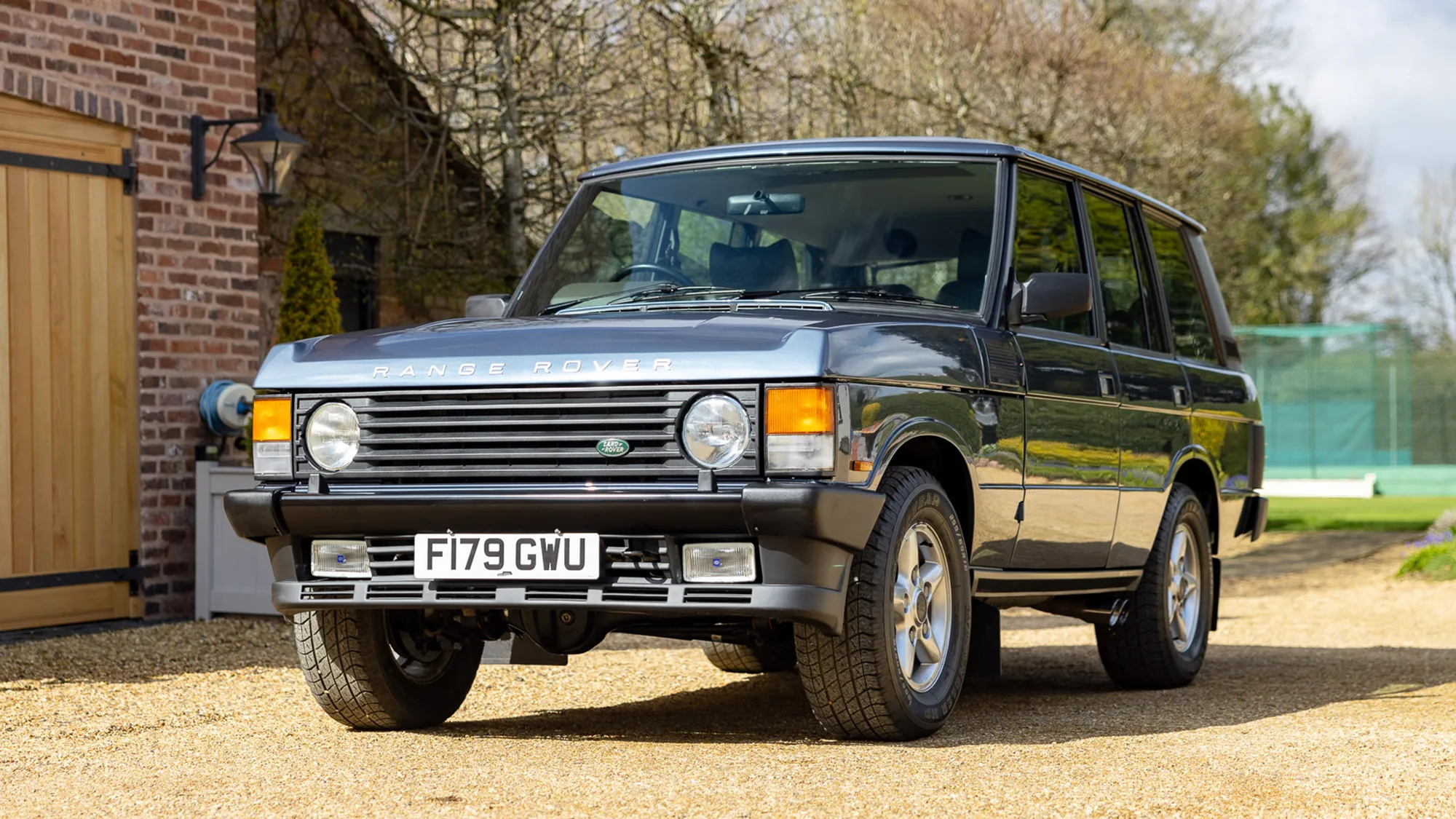
6. Early Range Rover Classic (1970–1985)
The Range Rover Classic emerged as a revolutionary model, combining off-road prowess with a level of comfort unheard of in its predecessors.
Despite introducing luxury elements such as power steering, better seating, and improved suspension, the early Range Rover retained the mechanical simplicity that made Land Rovers dependable. Its V8 engine, though more powerful, was known for durability and could handle extreme conditions with minimal maintenance.
Unlike modern SUVs, the Range Rover Classic relied on a body-on-frame design, allowing it to maintain structural strength while offering flexibility for heavy-duty use.
The four-wheel-drive system was robust and uncomplicated, ensuring drivers could rely on it in challenging environments. Its mechanical clarity made it easier to repair than contemporary luxury SUVs, which often hid their complexity behind electronics.
The vehicle’s suspension design improved ride quality without sacrificing off-road capability. Long-travel coil springs and improved dampers provided comfort for longer journeys, while the chassis remained rugged enough for unpaved tracks or muddy farmland. Early Range Rovers proved that Land Rover could blend comfort with dependability, appealing to both urban and rural users alike.
Collectors now prize the Range Rover Classic not only for its timeless design but for its enduring reliability. Early models, when properly maintained, remain capable of impressive off-road performance and long-term durability.
They stand as a bridge between the original utility-focused Land Rovers and the modern luxury SUVs that would eventually prioritize electronics over raw mechanical resilience.
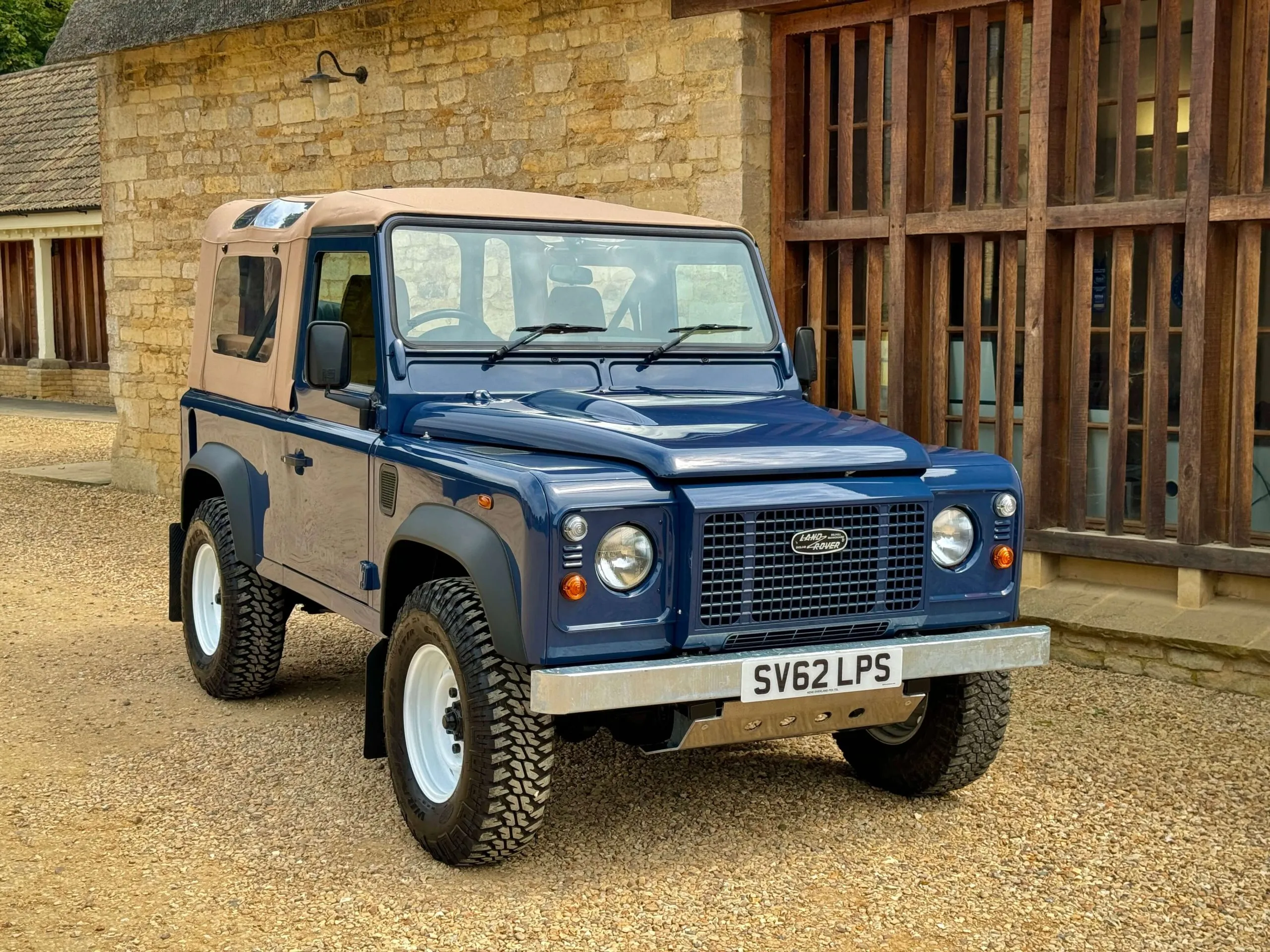
7. Defender 90 (1983–1990)
The Defender 90 introduced a new generation of Land Rover that emphasized off-road capability while maintaining traditional reliability.
With a shorter wheelbase, this model was highly maneuverable on rugged trails, yet it retained a powerful four-cylinder or V8 engine capable of sustained heavy use. Simplicity in design meant that repairs were straightforward, and parts were widely available, even in remote locations.
The chassis and drivetrain were designed for toughness. Box-section frames and permanent four-wheel drive ensured that the vehicle could endure years of rigorous use without structural fatigue.
Suspension components were reinforced, and the straightforward braking system added to the vehicle’s dependability. These engineering choices reflected Land Rover’s commitment to building vehicles for real-world use rather than mere style.
The Defender 90 also offered versatility in body styles, from hardtop to soft-top configurations, allowing users to adapt the vehicle to a variety of tasks.
Military and agricultural users particularly appreciated its durability, as it could carry cargo, tow equipment, and transport passengers with minimal risk of mechanical failure. Its interior, though spartan, prioritized functionality over unnecessary luxury.
Even today, the Defender 90 remains a favorite among enthusiasts seeking a true off-road vehicle. Its reliability and robustness have made it a benchmark for classic Land Rovers.
Owners appreciate that it delivers a driving experience free from the electrical issues that would later affect more modern models. The Defender 90 demonstrates how Land Rover engineering could balance ruggedness with practical usability.
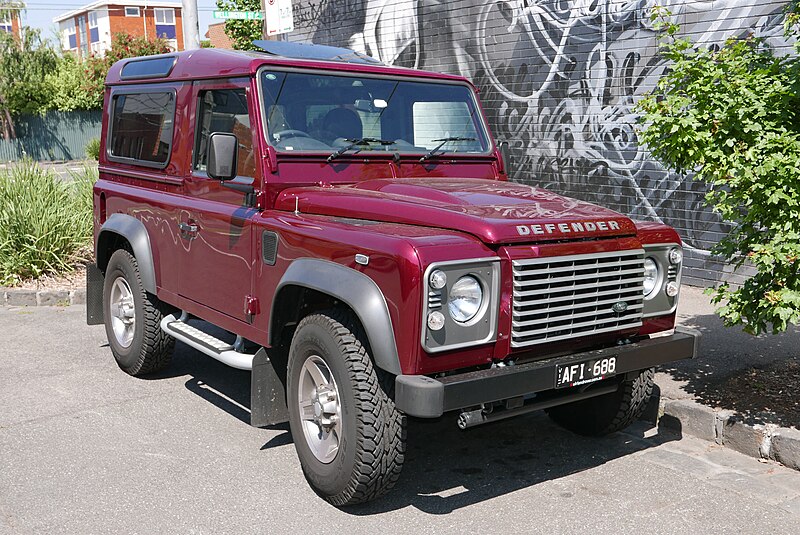
8. Defender 110 (1983–1990)
The Defender 110 built on the strengths of the 90-inch model while offering greater cargo capacity and passenger accommodation.
Its extended wheelbase improved stability for carrying heavier loads and allowed for more practical interior layouts. Like the Defender 90, it combined a simple mechanical layout with reinforced chassis components, making it a dependable choice for off-road use or work in remote regions.
Powertrain options included a reliable inline-four diesel, a petrol engine, and optional V8s for more demanding applications.
The four-wheel-drive system, along with solid axles front and rear, ensured that the vehicle could perform under extreme conditions without significant wear. Maintenance remained straightforward, and parts were interchangeable across multiple models, further enhancing practicality.
The Defender 110’s design emphasized longevity and adaptability. It could serve as a troop carrier, ambulance, expedition vehicle, or family SUV without compromising core functionality. Land Rover’s focus on modularity allowed owners to configure interiors and cargo spaces according to their needs, ensuring maximum utility over many years of use.
Enthusiasts continue to value the Defender 110 for its blend of size, capability, and mechanical integrity. Even vehicles decades old can be trusted in demanding environments, a testament to the reliability-first engineering philosophy that defined this era of Land Rover production. The model remains a benchmark for off-road vehicles built before complexity became a liability.
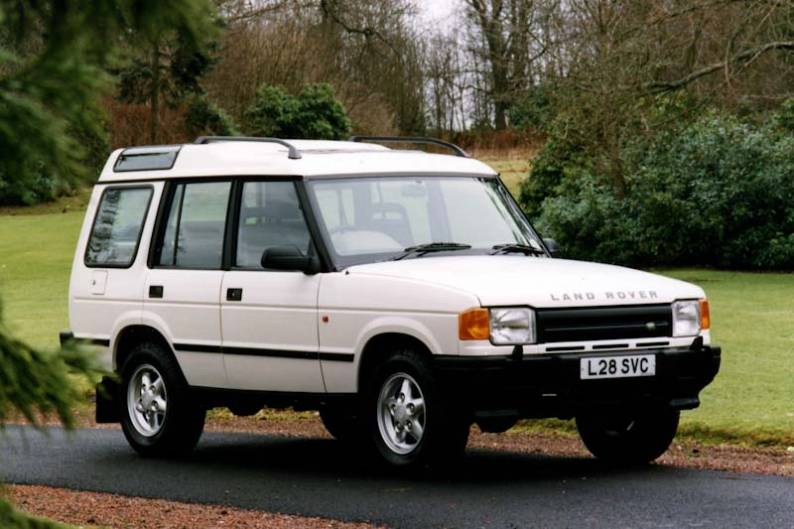
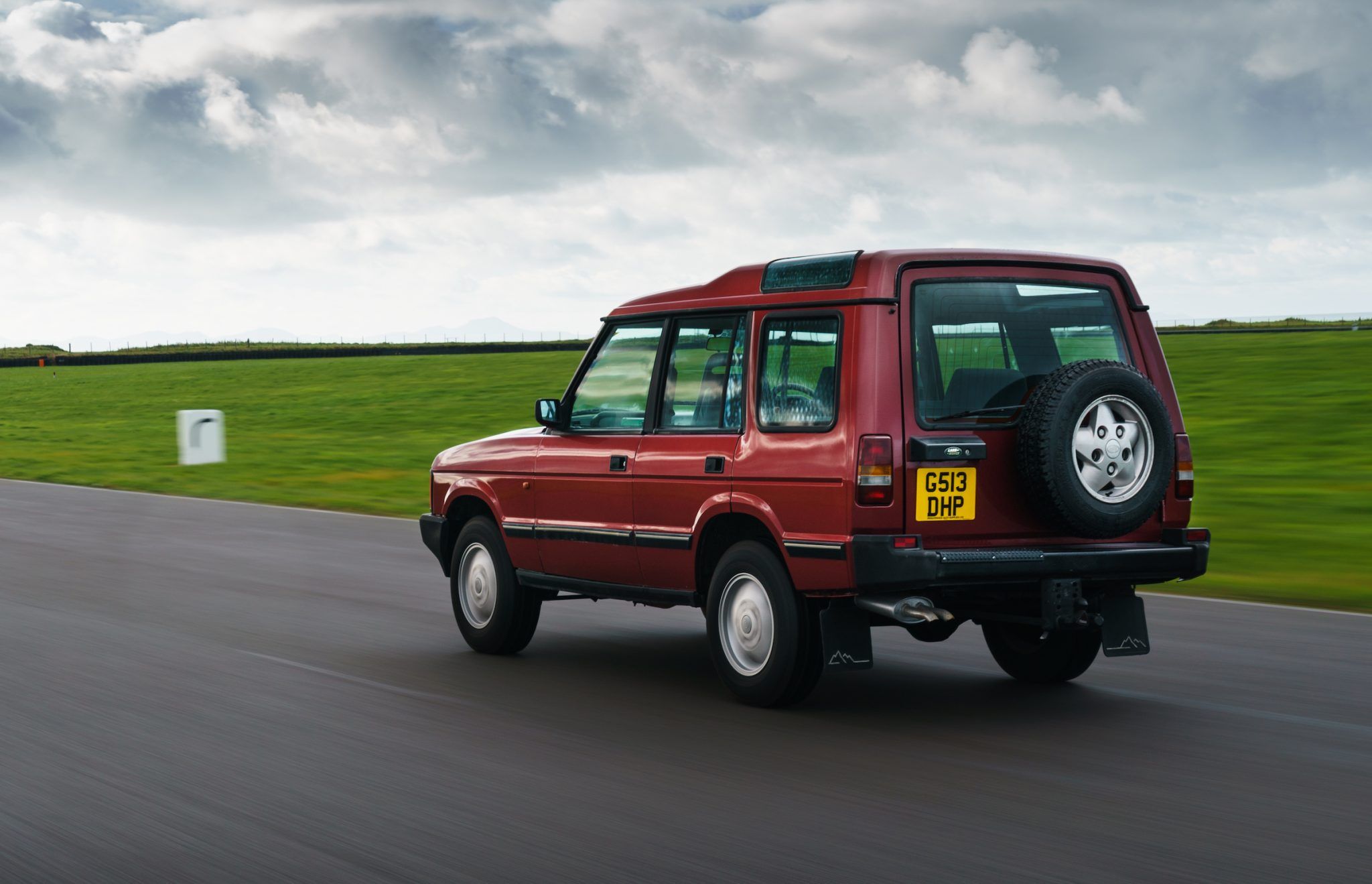
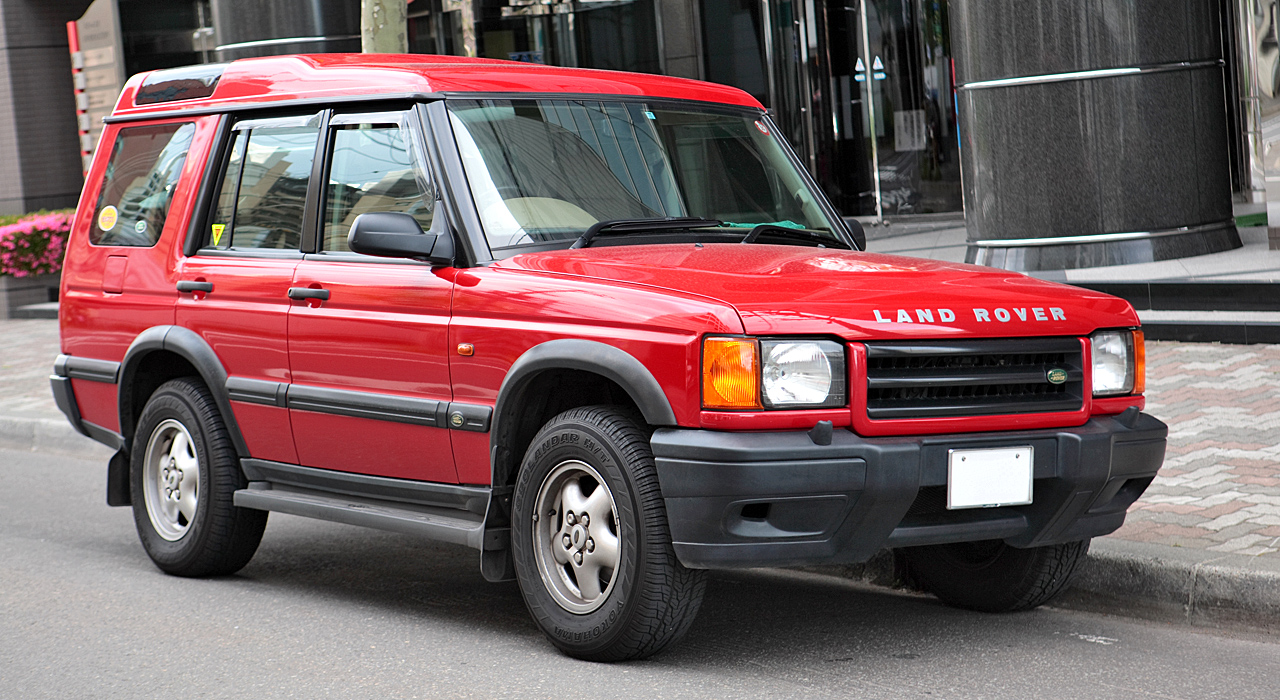
9. Early Discovery Series I (1989–1998)
The Discovery Series I was Land Rover’s first attempt at a more family-friendly off-roader without abandoning ruggedness.
Though slightly more sophisticated than earlier models, it retained the mechanical simplicity necessary for dependable operation. With a strong V8 petrol or turbo diesel option, the Discovery offered enough power for towing and off-road maneuvering without frequent breakdowns.
The suspension system, a mix of coil springs and live axles, provided both comfort and robustness. This allowed the Discovery to carry passengers and cargo over long distances while enduring off-road terrain without straining its components. Its engineering was focused on functionality rather than unnecessary electronics, giving drivers confidence in remote locations.
The Discovery Series I also introduced improved ergonomics and interior layouts for families and professional users alike. The vehicle could serve as a daily driver while remaining fully capable for weekend adventures or rural work. Its balance of comfort, reliability, and capability made it a versatile addition to the Land Rover lineup.
Today, early Discovery models are respected for their longevity and mechanical resilience. Many remain in active service, capable of fulfilling the same roles their owners intended decades ago. They represent a transitional phase where Land Rover began introducing more complexity while still preserving the durability that defined the brand’s early reputation.
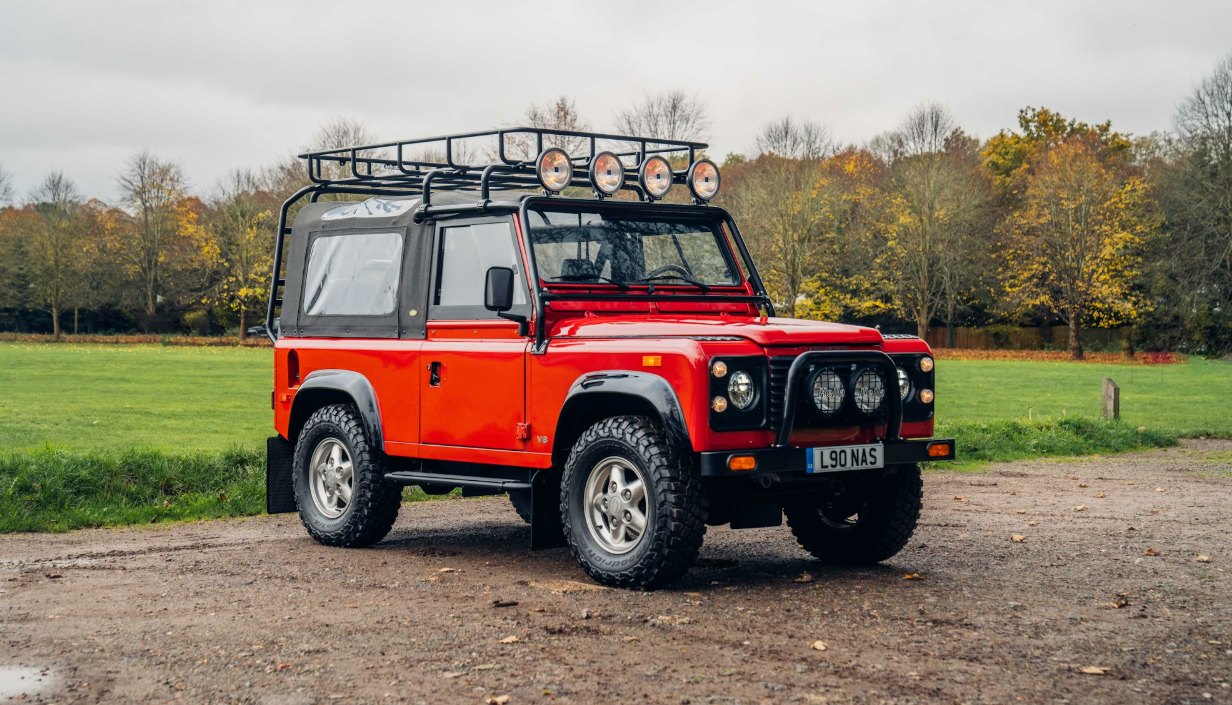
10. Defender NAS (North American Specification, 1987–1997)
The NAS Defender was specifically adapted for the North American market but retained the rugged qualities that defined Land Rover reliability.
he adaptations included minor safety and emission modifications, but mechanically, these vehicles were identical to their UK counterparts. They featured the dependable inline-four diesel and V8 petrol engines, both known for enduring heavy use over time.
The Defender NAS maintained the traditional ladder-frame chassis, solid axles, and simple four-wheel-drive system. These components were tested in some of the harshest environments, from snow-covered mountains to desert trails.
The lack of complicated electronics ensured that maintenance was straightforward, even in remote locations. Drivers could count on the vehicle to perform reliably when needed most.
These Defenders offered flexibility for commercial, recreational, and expedition use. Interiors could be configured for passengers, cargo, or equipment transport without compromising structural integrity.
Owners appreciated that the vehicle could be adapted for multiple roles without sacrificing the reliability and ruggedness that Land Rover was known for.
Today, the NAS Defender is celebrated as a rare example of classic Land Rover engineering in North America. Enthusiasts value it for its mechanical resilience and adaptability. The model stands as a testament to a time when Land Rover vehicles were designed to endure, proving that reliability was once a defining feature rather than an optional trait.
