
High altitude cities place unique demands on vehicles, and many drivers underestimate how much thinner air, steep terrain, and colder temperatures affect performance. Engines rely on oxygen for combustion, and when that oxygen becomes scarce, power drops, fuel efficiency changes, and stress on mechanical components increases.
Transmission behavior, braking confidence, and cooling systems are also tested in ways that do not appear at sea level. A vehicle that feels smooth and responsive in flat coastal areas can feel sluggish and strained when climbing mountain roads every day.
Cities located thousands of feet above sea level often combine altitude with sharp elevation changes, heavy traffic, and unpredictable weather. This combination requires vehicles that can maintain torque, manage heat, and remain stable during long climbs and descents.
Turbocharged engines, well tuned transmissions, and advanced traction systems often perform better in these conditions. On the other hand, vehicles with underpowered engines or outdated designs may struggle to adapt.
Drivers living in these environments need more than just horsepower numbers from a brochure. Real world usability matters more, especially when passing on uphill roads, merging onto short ramps, or navigating steep neighborhoods with full passenger loads.
Braking reliability and engine response play a major role in daily comfort and long term durability. Altitude also exposes weaknesses in cooling systems and fuel delivery that may remain hidden elsewhere.
This article breaks down ten vehicles based on how well they handle high altitude city life. Five models are well suited for thin air and elevation changes, while five others face noticeable challenges.
Each vehicle is discussed in detail with attention to engine behavior, drivability, and daily usability in mountainous urban settings. The goal is to provide a clear understanding of what works and what does not when the road climbs and the air gets thinner.
5 Vehicles That Handle High-Altitude Cities
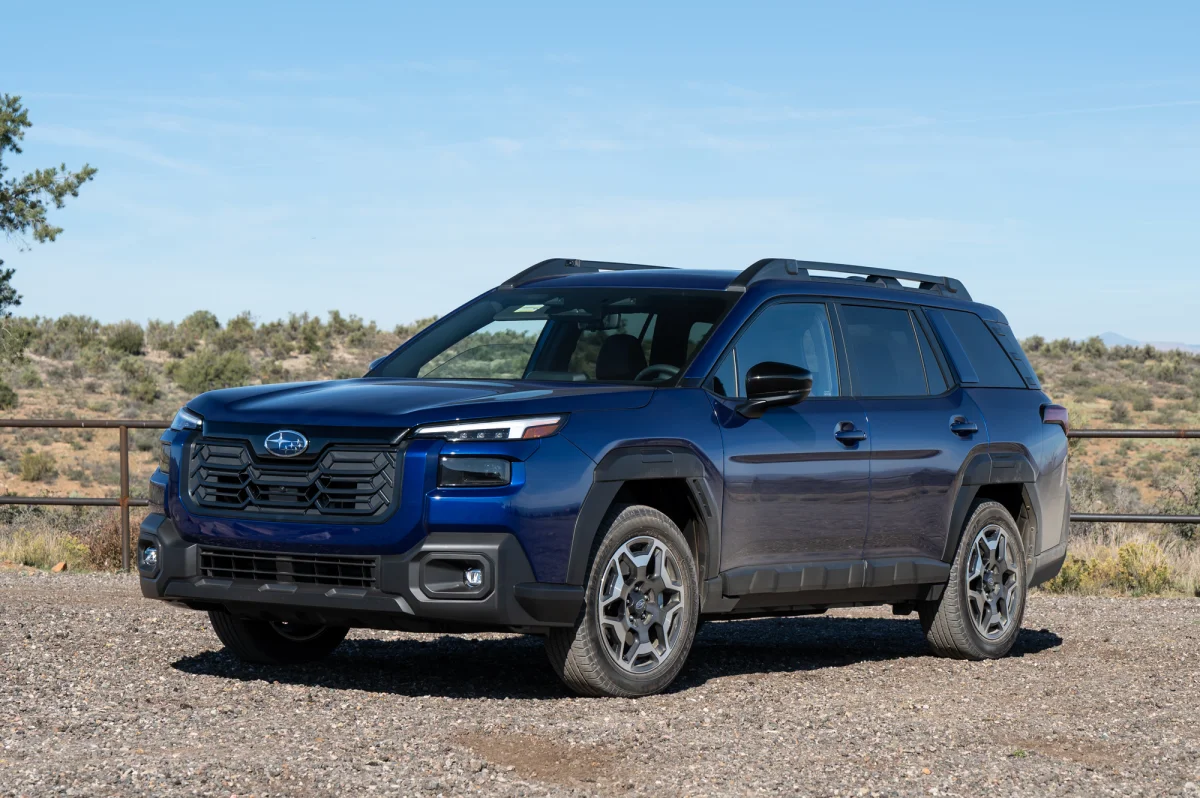
Subaru Outback
The Subaru Outback performs exceptionally in high altitude cities due to its balanced power delivery and standard all wheel drive system. Its engine maintains steady response even when oxygen levels drop, making uphill acceleration feel predictable and reliable.
Drivers benefit from confident traction on steep roads, especially during colder months when snow or ice is present. The vehicle feels composed rather than strained when navigating elevation changes, which makes longer daily commutes less stressful.
Transmission tuning in the Outback supports smooth power transfer at both low and mid speeds, which is crucial when climbing long grades in city traffic. The vehicle avoids sudden power gaps that can make driving stressful at altitude, and throttle response remains consistent under varying conditions.
Drivers can maintain momentum even on short uphill stretches with multiple stops. Gear changes are smooth and synchronized with engine load, enhancing comfort on demanding routes.
Cooling performance remains stable during extended climbs, even when passengers and cargo are onboard. The vehicle does not overheat easily, which is critical in thin air where cooling efficiency can drop.
Radiator and engine management systems work together to maintain optimal temperatures. This ensures the engine operates without strain, prolonging its life while keeping driving predictable.
The Outback’s suspension and chassis balance contribute to driver confidence on uneven roads and steep inclines. High altitude cities often have older infrastructure and sharp intersections, but the vehicle handles these conditions without excessive body movement.
Ride comfort remains high even on bumpy streets. Stability, traction, and braking work together to create a controlled and safe driving experience in mountainous urban areas.
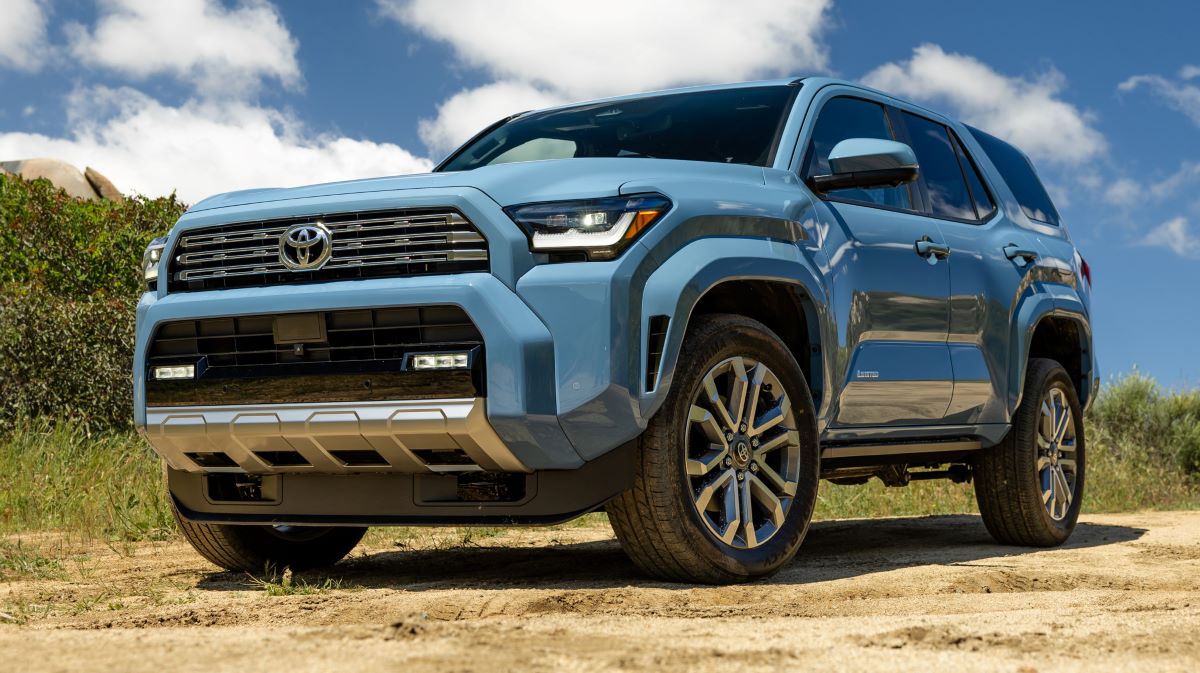
Toyota 4Runner
The Toyota 4Runner handles altitude well thanks to its robust engine design and body on frame construction. Its larger displacement engines deliver consistent torque when climbing steep roads, reducing the feeling of power loss.
Drivers notice fewer limitations compared to lighter vehicles with smaller engines. The 4Runner’s weight and stability help it maintain traction, even on uneven terrain or during heavy rains.
Its transmission is geared for low speed control, which helps when navigating sharp inclines, steep ramps, and crowded uphill streets. The system rarely feels overwhelmed, even when fully loaded with passengers or cargo.
Gear changes remain smooth under stress, and throttle response does not lag. This makes the vehicle predictable and confidence inspiring in demanding city conditions.
Cooling systems in the 4Runner are designed to handle heavy duty conditions, ensuring the engine remains within safe temperatures. Long climbs do not cause sudden spikes in heat, and the vehicle resists strain even under repeated elevation changes.
Fans, radiator, and engine management work in unison. This design prioritizes long term durability, making it a reliable choice for mountainous urban environments.
The vehicle’s weight and suspension provide stability on steep descents and winding streets. Braking feels planted and predictable, which is critical when descending long hills.
While it may feel large in tight city spaces, its ability to handle altitude challenges outweighs size considerations. The 4Runner combines power, durability, and confidence for drivers navigating high elevation cities daily.
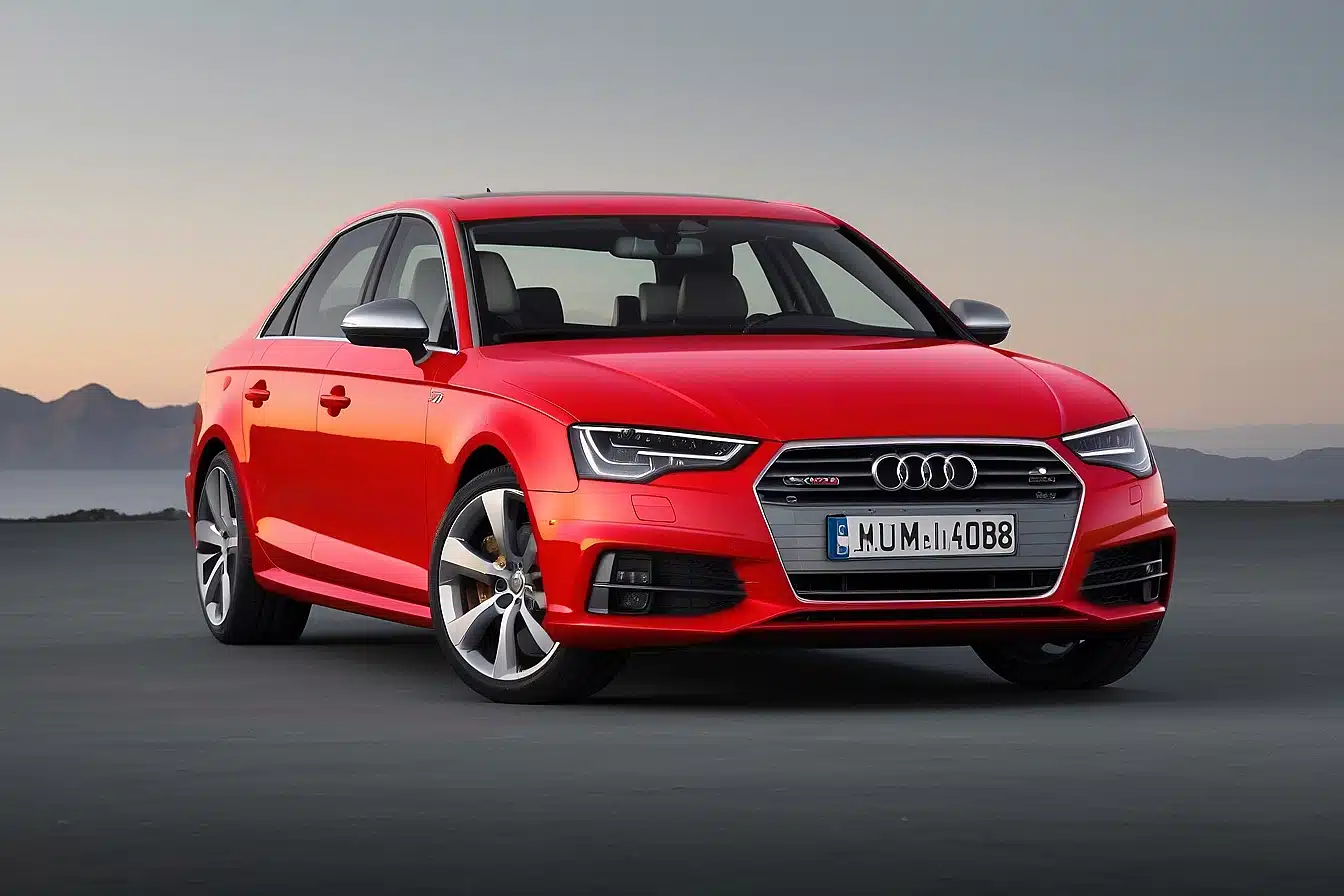
Audi A4 Turbo
The Audi A4 equipped with a turbocharged engine performs strongly in high altitude cities, where thin air can reduce naturally aspirated engine power.
Turbocharging forces more air into the engine, maintaining horsepower and torque closer to sea level performance. Drivers experience smooth, responsive acceleration even during uphill merges or traffic-filled streets. The vehicle’s engine feels refined and capable, preventing fatigue on steep city roads.
The transmission pairs well with the turbo engine, offering quick and precise shifts that keep the engine within the optimal power range.
This is especially helpful in stop and go traffic on slopes, where acceleration must remain consistent. Gear selection is seamless, and torque delivery feels continuous. Drivers can climb hills confidently without feeling the vehicle struggle, even under full passenger loads.
Cooling and engine management systems adapt efficiently to altitude variations, maintaining safe operating temperatures during prolonged climbs. Radiator and turbo intercooler work together to prevent heat buildup, which improves engine reliability.
Fuel delivery and ignition timing adjust automatically for thin air conditions, enhancing drivability. This combination ensures the vehicle does not feel overworked even in challenging urban environments.
The chassis and suspension are tuned for balance rather than soft comfort, allowing precise handling on winding city roads at elevation. Steering response remains sharp and predictable, providing control in narrow streets or tight turns.
Suspension absorbs irregularities while maintaining composure under load. This makes the A4 a practical yet enjoyable option for drivers dealing with mountainous cities.
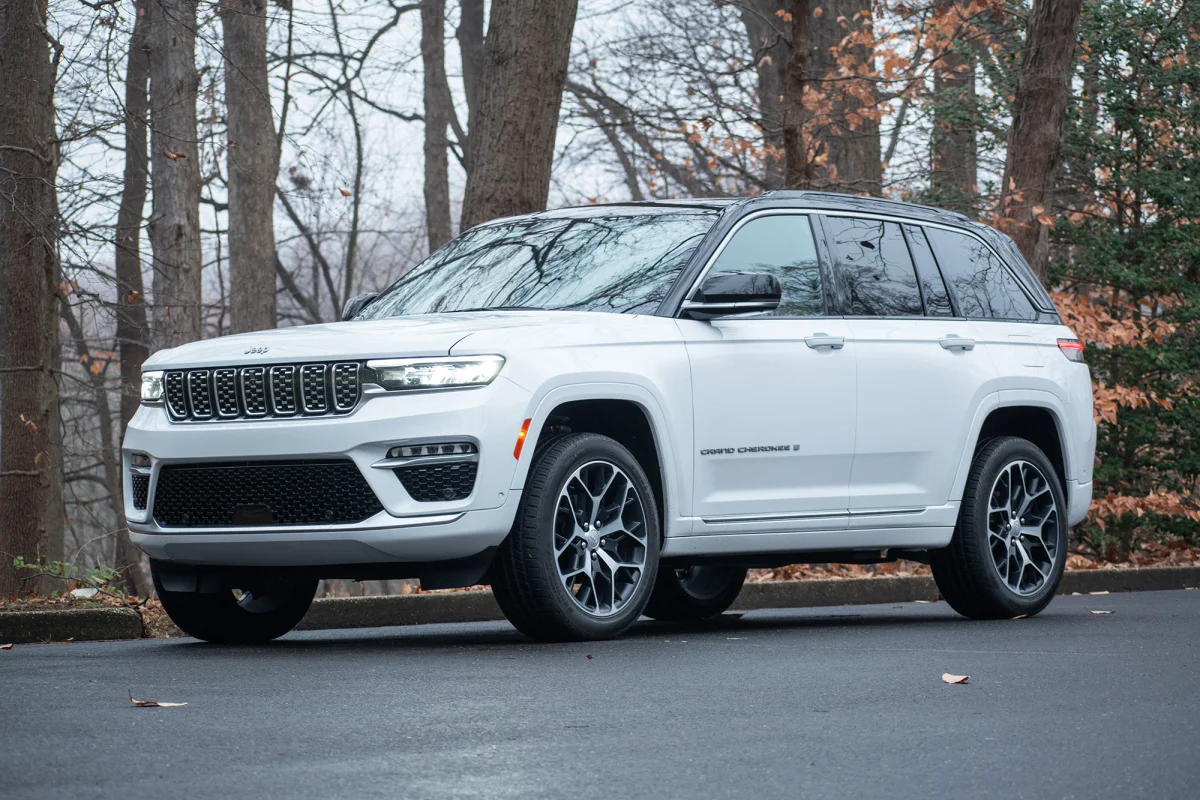
Jeep Grand Cherokee
The Jeep Grand Cherokee performs reliably in high altitude environments due to its strong engine options, which maintain torque availability even when air density drops.
This helps when climbing steep urban roads or towing light loads, making the vehicle feel capable and confident. Multiple engine choices allow drivers to match power to city demands, while maintaining composure on hills.
Its transmission adapts intelligently to changes in grade and throttle input, delivering smooth and responsive shifts. Gear selection feels intuitive rather than hesitant, which is essential in stop and go traffic on steep inclines. Drivers can maintain momentum without excessive revving or unnecessary gear hunting. This improves both comfort and efficiency when commuting at elevation.
Cooling capacity is a strong advantage for the Grand Cherokee, allowing extended climbs without overheating. Engine temperature remains stable, preventing performance degradation during repeated elevation changes.
Fans, radiators, and oil cooling systems are designed to sustain consistent operation under stress. This enhances reliability and reduces long term wear on engine components.
The suspension setup balances comfort with control on both steep inclines and declines. Braking feels firm and predictable on long downhill stretches, while stability is maintained even with a full load.
The vehicle remains composed on rough or uneven roads, providing confidence in tight or challenging urban areas. Altitude does not compromise its usability, making it a suitable choice for mountain city living.

Volvo XC60 Turbo
The Volvo XC60 with a turbocharged engine is well adapted to high altitude city conditions, as turbocharging ensures power delivery remains strong despite reduced oxygen levels.
Acceleration feels smooth and consistent, even when climbing steep hills with passengers or cargo. Engine response remains predictable, minimizing driver stress during daily commutes in challenging environments.
Transmission tuning emphasizes seamless gear changes that support steady climbing on inclines. The vehicle avoids sudden shifts or hesitation that can affect control on hilly roads.
Drivers can maintain momentum easily, and gear ratios are optimized for both efficiency and performance. This contributes to a calm and controlled driving experience.
Engine cooling and electronic management systems are highly efficient, maintaining stable temperatures during extended climbs.
Radiators and turbo intercoolers regulate heat, preventing thermal stress that could reduce engine life. Fuel delivery adjusts automatically for altitude, preserving drivability and performance. These systems ensure reliability under repeated elevation changes.
The vehicle’s chassis and suspension prioritize stability and comfort on uneven or winding streets. Steering remains precise, allowing confident handling through narrow or steep roads.
Suspension absorbs road imperfections without compromising control or ride quality. These attributes make the XC60 a practical and reliable choice for drivers in elevated urban areas.
5 That Don’t
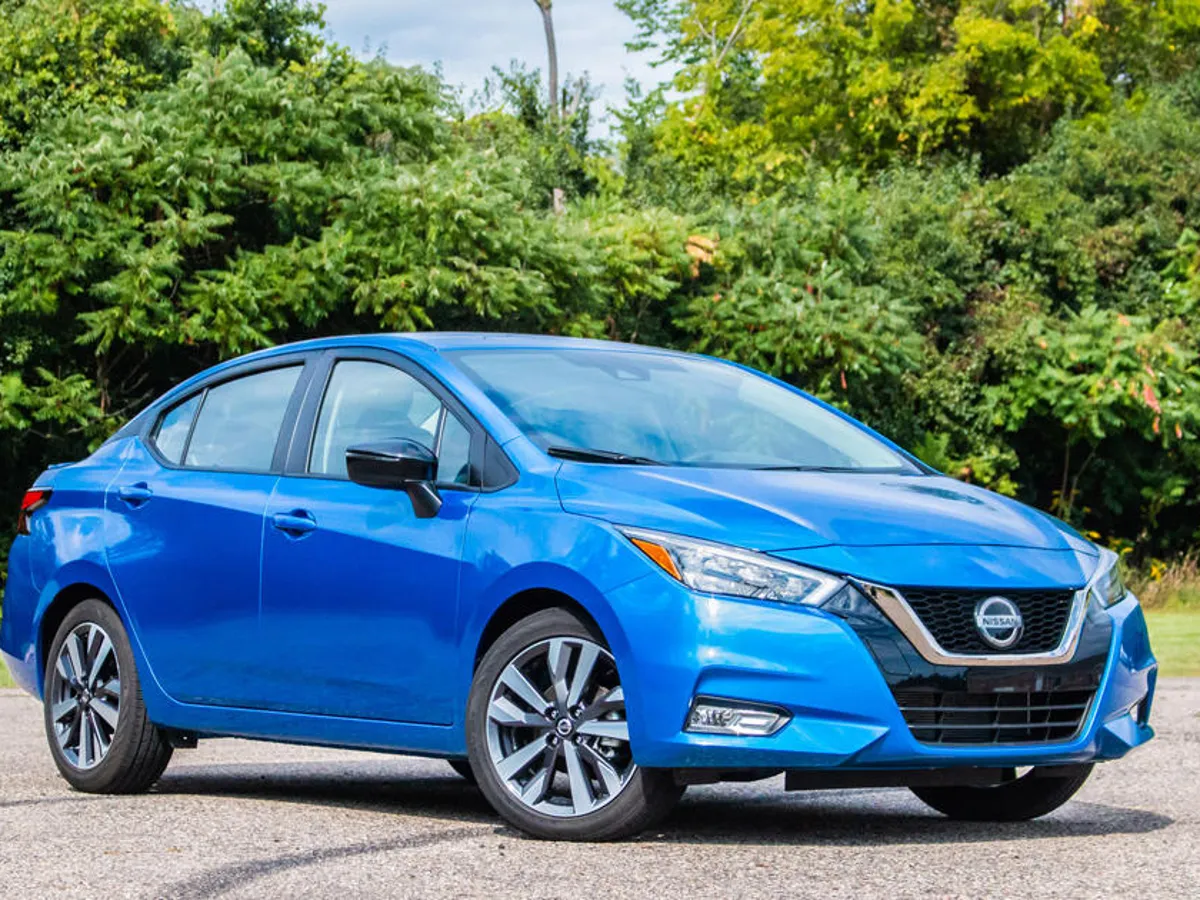
Nissan Versa
The Nissan Versa struggles in high-altitude cities because its small naturally aspirated engine loses a noticeable amount of power as oxygen levels drop. Uphill acceleration becomes sluggish, making merging onto steep roads or passing slower vehicles more difficult.
Drivers often need to press the throttle more aggressively just to maintain speed, which can make commuting tiring. Long climbs may require careful planning to avoid excessive strain on the engine.
Transmission behavior adds to the challenge, as the gearbox allows the engine to rev higher without delivering meaningful acceleration.
Uphill starts can feel hesitant, and maintaining momentum on hilly streets demands constant adjustments. The lack of torque can make city driving feel stressful, especially when carrying passengers or cargo. Even gentle inclines become more noticeable under daily use.
Cooling systems in the Versa are not designed for prolonged high load conditions, which can lead to higher engine temperatures during repeated climbs. While short or moderate hills are manageable, sustained elevation changes increase stress on the engine and drivetrain.
This may affect long-term durability if high altitude driving is frequent. Heat management is less forgiving compared to larger or turbocharged vehicles.
The lightweight chassis does not provide much stability on steep descents, which requires drivers to be cautious when braking.
Steering response and suspension are adequate on flat roads but feel less controlled on hills, especially with full passenger loads. The Versa is more suitable for low elevation or flat city environments. Drivers in mountainous urban areas often find it underpowered for daily demands.
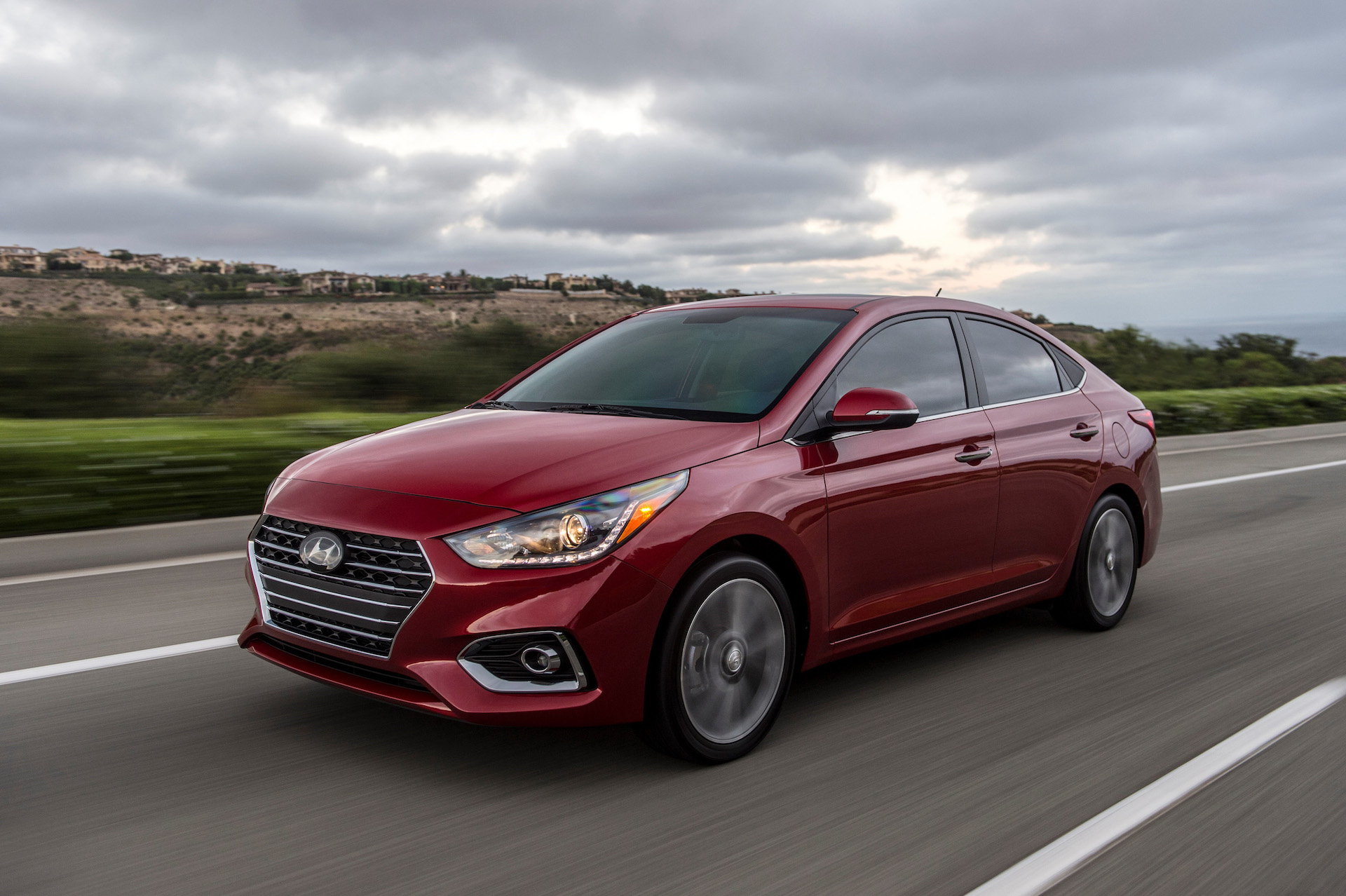
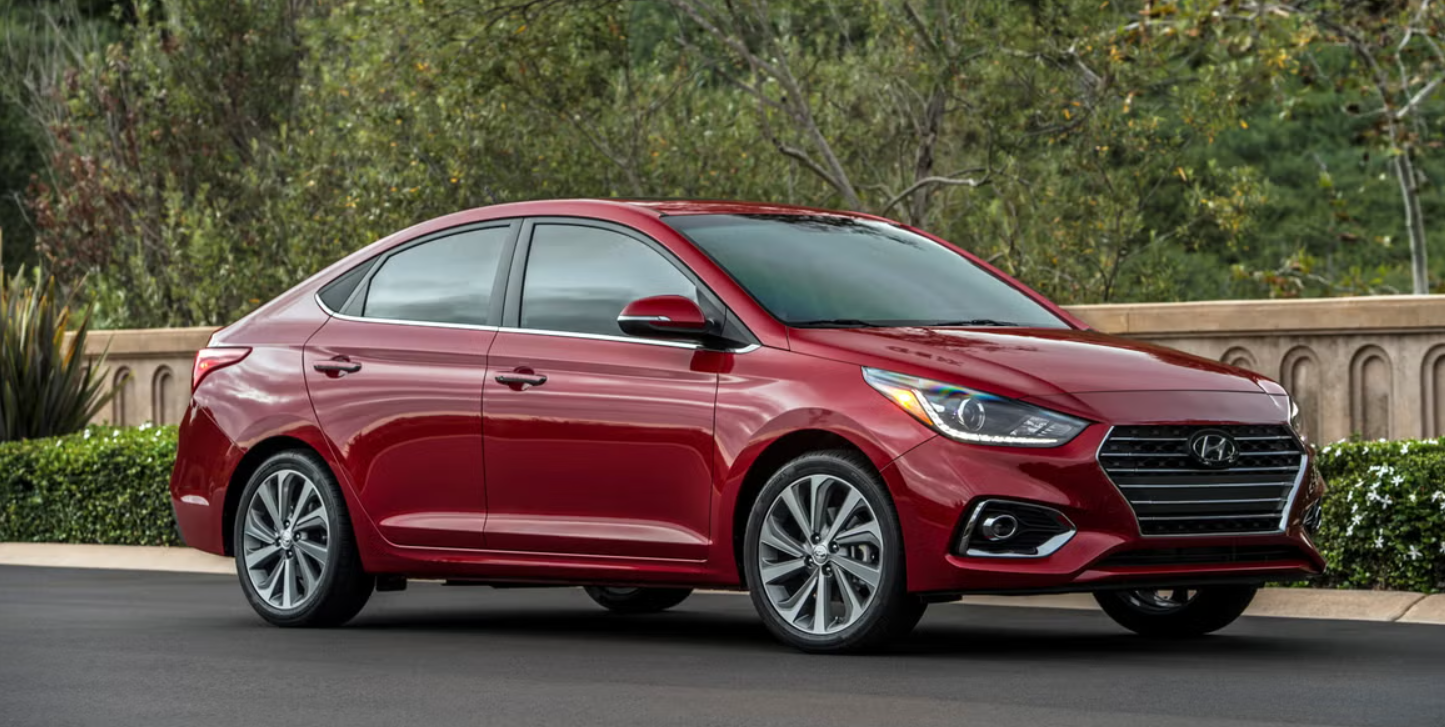
Hyundai Accent
The Hyundai Accent experiences noticeable performance decline in thin air, as its naturally aspirated engine struggles to maintain adequate torque for uphill driving. Acceleration on city streets with steep inclines feels delayed, forcing drivers to anticipate traffic movements more carefully.
Frequent hills can turn short commutes into a more exhausting task. Passengers and cargo add further strain to the already limited engine capacity.
Transmission tuning prioritizes efficiency over raw power, resulting in hesitant responses during uphill starts. The vehicle struggles to maintain momentum on longer grades, making it difficult to accelerate smoothly in stop-and-go traffic.
Gear changes may feel slow or mismatched to driver input. Drivers often find themselves having to shift manually to gain any real speed on steep inclines.
Cooling capacity is limited for repeated high load operation, which reduces engine performance during sustained elevation gain.
Short climbs are generally manageable, but frequent steep hills increase heat buildup and can affect drivability. Thin air makes thermal management more challenging, and the engine works harder than it would at lower altitudes. Over time, this strain may reduce engine efficiency.
The Accent’s suspension and braking systems are designed for efficiency and city comfort rather than mountain driving. Steep descents require careful speed control, as stability is less confident under load.
Steering remains adequate on flat terrain but feels less precise on hills or sharp turns. In high altitude cities, the Accent feels mismatched to the demands of daily driving and is better suited for lower elevation conditions.
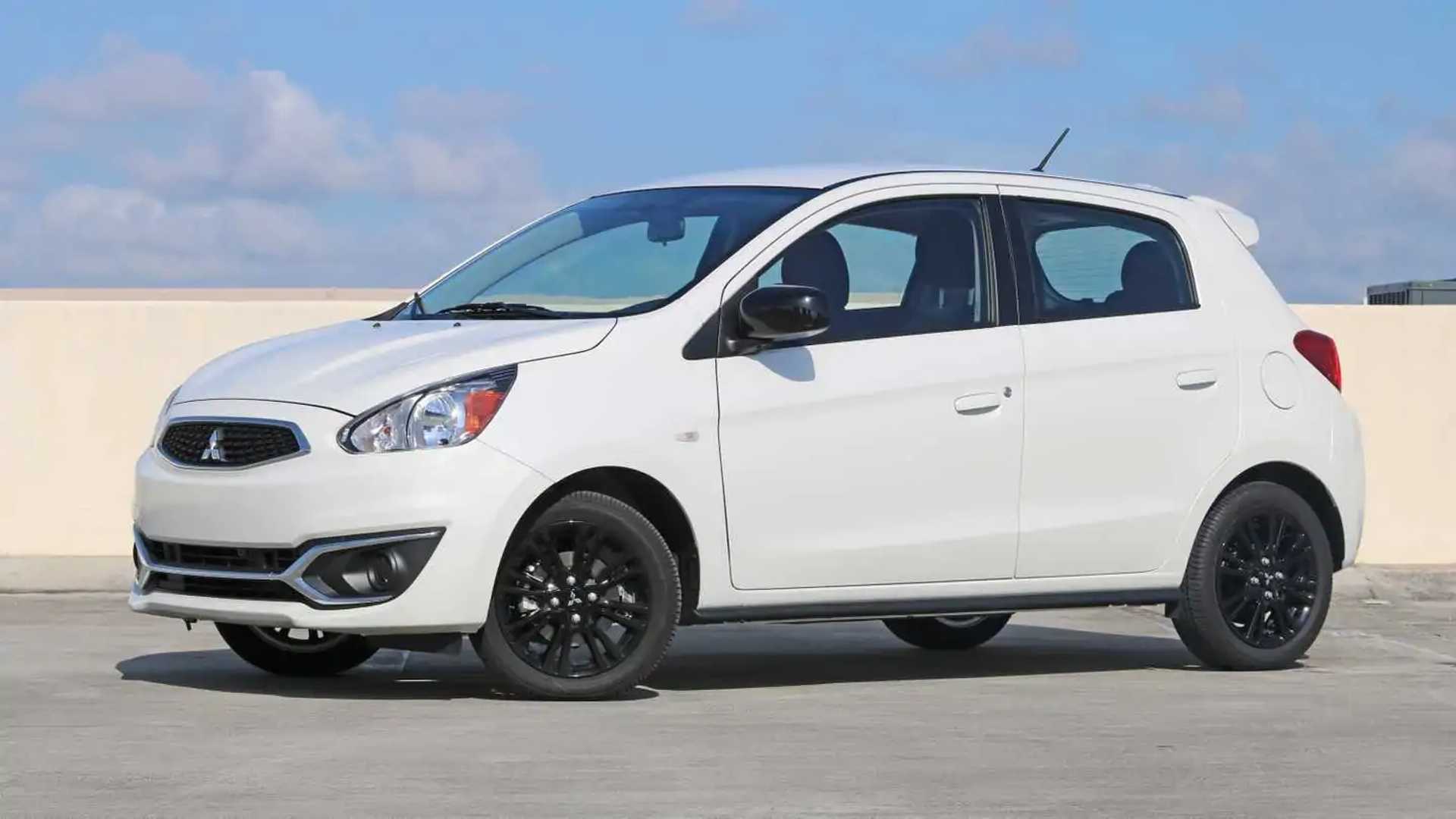
Mitsubishi Mirage
The Mitsubishi Mirage is heavily impacted by high altitude conditions, as its small engine loses a significant portion of its already modest output in thin air.
Uphill driving requires patience and planning, and acceleration feels weak even on moderate inclines. Drivers often experience difficulty maintaining speed in traffic or merging safely onto busy roads. Carrying passengers or cargo makes these challenges even more pronounced.
Transmission behavior emphasizes fuel savings over responsive performance, which compounds the power loss problem.
Gear shifts can feel slow or disconnected from engine output during uphill climbs. Drivers often notice hesitation when pressing the throttle, which can create stress in urban driving situations. Frequent stops on steep grades worsen the vehicle’s limitations.
Cooling systems are not optimized for repeated climbing, which can lead to higher engine temperatures during long uphill drives.
While the vehicle remains operational, extended elevation changes cause additional stress on the engine and drivetrain. Heat management is less effective in thin air, impacting both performance and comfort. Drivers may notice the engine struggling under moderate load.
The lightweight design contributes to instability on steep descents, and braking requires more attention to maintain control.
Suspension is tuned for city roads, so the vehicle feels unsettled on uneven, sloped streets. Narrow or winding roads increase the challenge of controlling the car safely. The Mirage is far better suited for flat urban areas rather than mountainous cities.
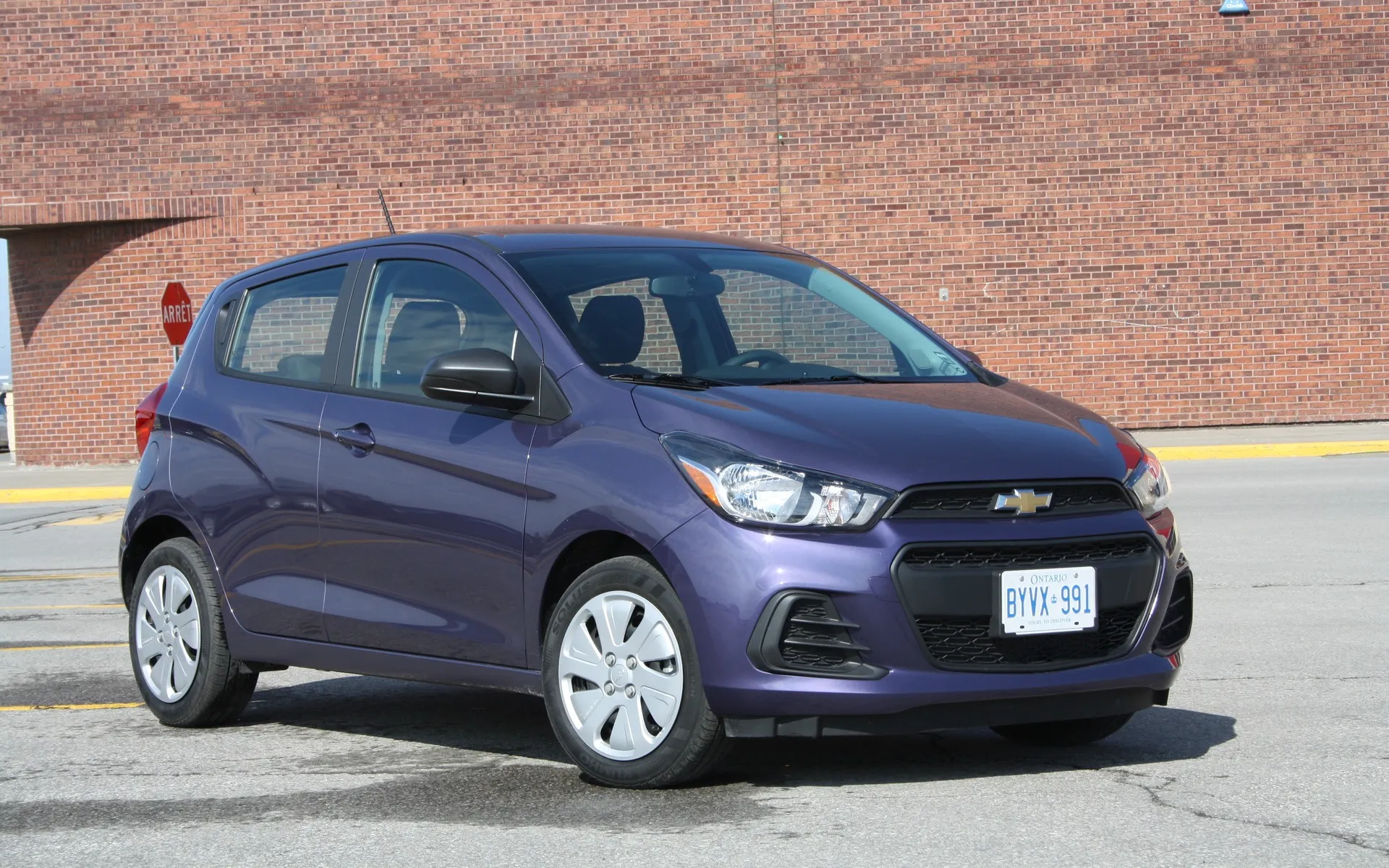
Chevrolet Spark
The Chevrolet Spark struggles with high altitude due to limited engine power, which affects acceleration and drivability on inclines.
Thin air reduces combustion efficiency, making uphill starts feel slow and underpowered. Drivers often need to anticipate traffic patterns more carefully, and short climbs become tiring. Even modest inclines feel challenging when the car is loaded with passengers or cargo.
Transmission tuning does little to compensate for power loss, as the gearbox often keeps the engine in low gears without meaningful speed gain.
Gear changes may feel noisy or ineffective, providing little assistance during climbs. Uphill merging and stop-and-go traffic require constant throttle adjustments. These factors make city driving stressful and less predictable compared to more capable vehicles.
Cooling systems in the Spark are adequate for normal driving but can struggle during repeated elevation gains. Sustained high load or steep climbs may raise engine temperatures and reduce efficiency.
Thermal management is not as robust as in larger or turbocharged vehicles, which limits performance during demanding daily use. Drivers may notice inconsistent acceleration under these conditions.
Handling and braking are acceptable on flat terrain but less reassuring on steep descents, where stability is more challenging.
Suspension absorbs minor bumps but does not provide confidence during longer or sharper inclines. Drivers need to remain attentive to maintain control. In high altitude urban environments, the Spark lacks the power and stability required for comfortable and safe driving.
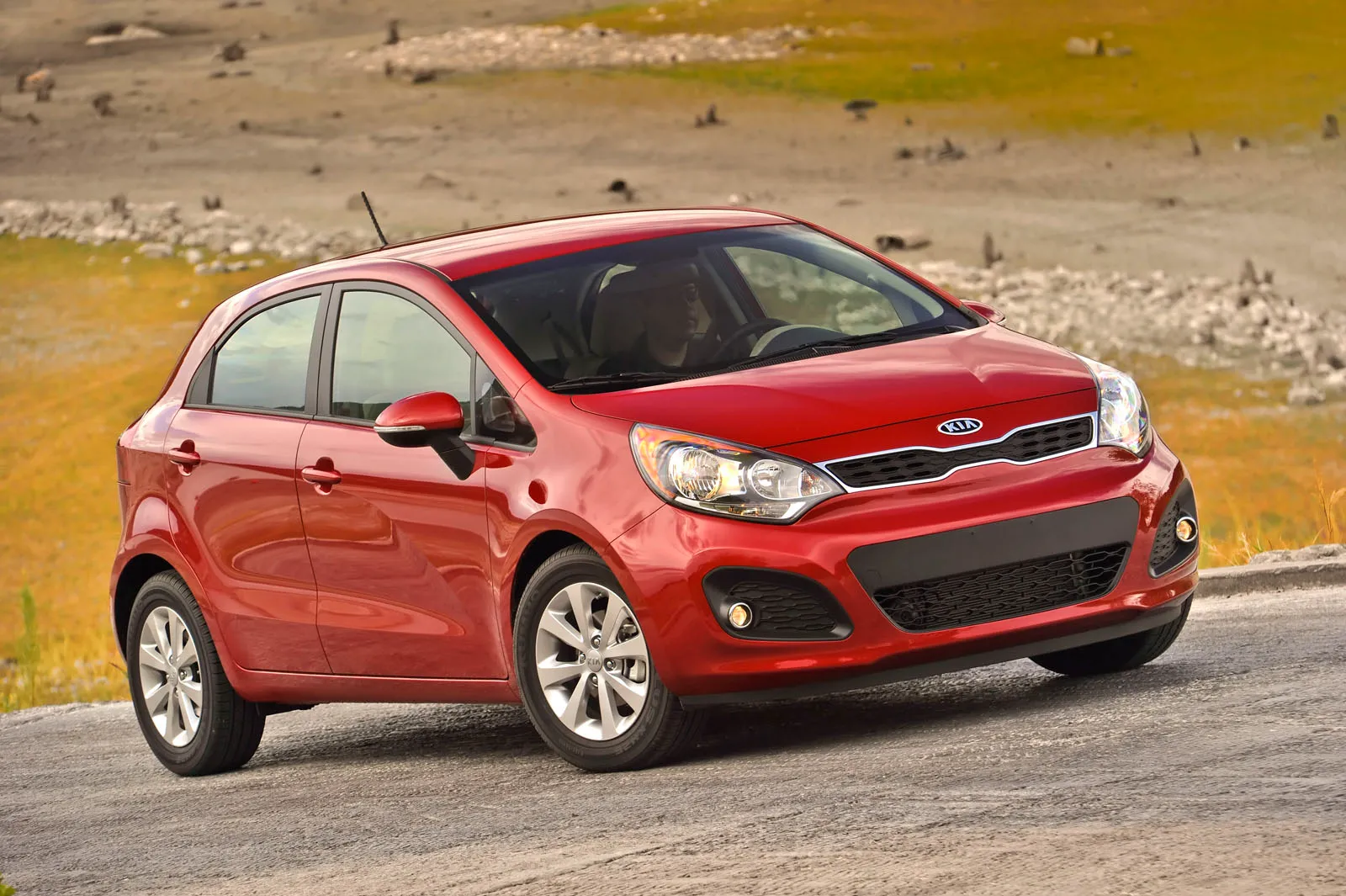
Kia Rio
The Kia Rio faces similar challenges in elevated urban environments, as its naturally aspirated engine struggles to maintain power at altitude.
Uphill acceleration feels strained, and merging onto steep roads requires extra throttle input. Drivers must anticipate traffic carefully, especially when carrying passengers or cargo. Frequent hills make city driving more exhausting compared to lower elevation areas.
Transmission response prioritizes smooth operation and fuel economy over torque delivery, which results in delayed power on inclines.
Gear changes often feel sluggish or disconnected from engine output, reducing control during climbs. Maintaining momentum on steep streets can be difficult, requiring constant throttle adjustment. Drivers may experience a noticeable loss of confidence when navigating hilly terrain.
Cooling performance is limited during sustained elevation gain, and repeated uphill driving increases engine stress. While short climbs are manageable, longer or repeated ascents push the engine harder than intended.
Heat management becomes critical for maintaining performance and reliability. The Rio’s engine may feel strained in cities with constant hills or steep grades.
Suspension and braking systems are optimized for efficiency and comfort rather than mountainous conditions. Steep descents require cautious braking, and the vehicle may feel less stable under load.
Steering is adequate on flat roads but lacks precision on hills or winding streets. In high altitude urban areas, the Kia Rio struggles to meet the demands of daily driving, making it better suited for lower elevation cities.
