
Jeeps have always held a unique place in the hearts of automotive enthusiasts and adventurers alike. They are not merely vehicles; they are symbols of durability, versatility, and freedom. Across decades, Jeep has built a reputation for producing machines capable of handling extreme terrains, harsh weather, and relentless wear.
Many Jeep owners push their vehicles beyond ordinary limits, whether through off-road trails, rocky paths, deep mud, or long desert journeys, yet these machines continue to perform reliably. Unlike many other vehicles, Jeeps are designed with resilience in mind, with frames, suspensions, and drivetrains built to withstand abuse that would disable most standard cars.
This inherent toughness is why certain Jeep models have gained legendary status among those who test the limits of automotive engineering.
The engineering philosophy behind Jeeps is straightforward: create a vehicle that works in any environment. From their military roots to modern civilian models, Jeeps have been developed with the mindset that failure is not an option.
Drivers often report taking their Jeeps through conditions that include steep inclines, water crossings, deep snow, and intense off-road trails without significant mechanical issues.
This reliability comes from decades of incremental design improvements, focusing on suspension strength, engine durability, and chassis flexibility.
In addition, Jeep’s use of body-on-frame construction in many models contributes to their ability to withstand impacts and maintain structural integrity even in harsh conditions. This construction method is one of the key reasons these vehicles survive abuse that would compromise many unibody vehicles.
Another factor contributing to Jeep’s durability is the simplicity of its mechanical components. While modern vehicles increasingly rely on electronic systems that can be sensitive to moisture, dirt, and extreme temperatures, many Jeep models retain robust, easy-to-service mechanical systems.
Engines, transfer cases, and axles are designed to be repaired and maintained in the field, which appeals to adventurers and overlanders who may be far from service centers. This mechanical simplicity also increases the likelihood that a Jeep will remain operational even after years of hard use. Jeep owners often praise the brand for its reliability during long expeditions and grueling off-road excursions where every component is tested to its maximum.
Jeep culture further reinforces the brand’s reputation for toughness. Enthusiasts form communities that share tips on maintenance, modifications, and extreme usage. Over time, these shared experiences highlight which models and configurations are most capable stressed.
Certain models have emerged repeatedly as favorites for extreme off-roading, rock crawling, and endurance adventures. These vehicles not only survive challenging conditions but also maintain performance and reliability where others might fail.
The combination of engineering, mechanical simplicity, and cultural reinforcement has created a group of Jeep models that are almost legendary for surviving abuse that would cripple most other vehicles.
This article focuses on the top ten Jeep models recognized for their ability to endure abuse. Each selection has earned its reputation through decades of testing in the harshest conditions imaginable. From engines that refuse to quit to frames that remain unbent after collisions with obstacles, these Jeeps exemplify durability.
The models presented here are not ranked by popularity but by proven resilience, capability, and consistency under extreme conditions. Whether you are a casual driver or a dedicated off-roader, understanding why these Jeep models perform exceptionally under stress provides insight into automotive durability, engineering design, and what it takes for a vehicle to truly survive abuse.
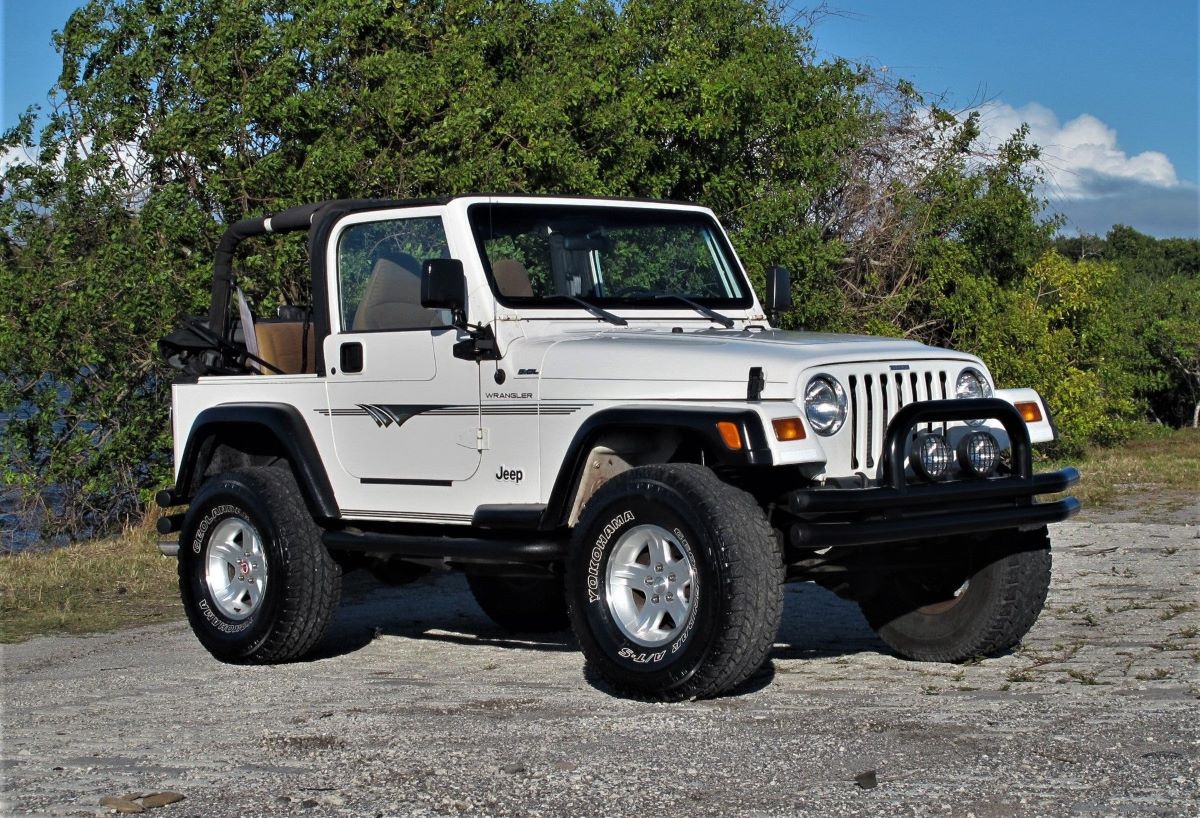
1. Jeep Wrangler (TJ, 1997–2006)
The TJ Wrangler is a model that many off-road enthusiasts regard as almost indestructible. Its coil spring suspension system offers greater flexibility than previous solid axle setups, making it capable of absorbing rough terrain without significant damage.
The TJ is also lighter than some other models, allowing it to maneuver through tight trails while maintaining stability. Owners often report that these vehicles can endure repeated off-road trips without major mechanical issues.
The engine options for the TJ, including the 4.0-liter inline-six, are legendary for their simplicity and durability. These engines are known to run for hundreds of thousands of miles when properly maintained.
Their design emphasizes reliability over high-tech features, which reduces the likelihood of failure under stress. The power delivery is consistent and robust, ideal for crawling over rocks or fording streams. Many enthusiasts even use TJ engines in custom builds because of their toughness and availability.
Body and frame construction in the TJ contributes significantly to its resilience. The body-on-frame layout allows the vehicle to flex without compromising structural integrity, which is crucial in off-road situations. Additionally, the TJ’s skid plates and reinforced sections protect vital components from rocks, stumps, and other obstacles.
The compact design and high ground clearance provide a further advantage when navigating extreme trails. Even under repeated abuse, the TJ maintains its functional shape and performance.
Another strength of the TJ is its drivetrain. The four-wheel-drive system is robust and reliable, with transfer cases capable of handling intense stress. Axles such as the Dana 35 front and Dana 44 rear are known for toughness and availability of aftermarket upgrades.
Even in high-stress situations like steep climbs or deep mud, the drivetrain maintains traction and power delivery. This makes the TJ a preferred choice for off-roaders who need a vehicle that continues to function when conditions are most demanding.
Finally, the TJ Wrangler benefits from a strong aftermarket community. Replacement parts, upgrades, and modifications are widely available, enabling owners to repair or enhance their vehicles after heavy use. Suspension lifts, armor, and reinforced axles further increase durability.
The combination of factory toughness and aftermarket support ensures that a TJ can survive abuse for decades. These qualities make the TJ Wrangler a standout among Jeeps designed for extreme conditions.

2. Jeep Cherokee XJ (1984–2001)
The Cherokee XJ is often regarded as one of the most durable SUVs ever made. Its unibody construction is surprisingly strong, offering rigidity while keeping weight manageable. This balance allows the vehicle to navigate rough trails without suffering significant body stress. Off-road enthusiasts favor the XJ for its compact size and maneuverability in challenging environments.
Under the hood, the Cherokee XJ features engines known for endurance. The 4.0-liter inline-six, in particular, has a reputation for running smoothly even after hundreds of thousands of miles.
It tolerates neglect better than most engines, and repairs are straightforward due to the lack of complex electronic systems. Many owners have reported using XJs for long off-road trips without major failures, emphasizing the engine’s reliability under stress.
The suspension system of the XJ is another key factor in its durability. It combines coil springs and a solid axle setup that can absorb impacts without transferring stress to the frame.
This design helps the vehicle maintain traction and stability in rough terrain. Axles, differentials, and transfer cases are all built to endure repeated abuse, which makes the Cherokee XJ a trusted companion for overlanders.
The Cherokee XJ’s interior and body components are simple but functional. Controls, gauges, and mechanical systems are designed to survive heavy use without electronic failures. Even after decades, many XJs retain their core functionality.
This straightforward design reduces potential points of failure, which is crucial for vehicles expected to endure extreme conditions. The resilience of the interior components complements the ruggedness of the drivetrain and chassis.
Lastly, aftermarket support and enthusiast knowledge have extended the XJ’s life for extreme use. Replacement parts are widely available, and the vehicle’s simplicity makes modifications easier.
Suspension lifts, reinforced bumpers, and upgraded axles can enhance durability even further. As a result, the Cherokee XJ continues to be a favorite for off-road adventurers seeking a Jeep that will survive extensive abuse.
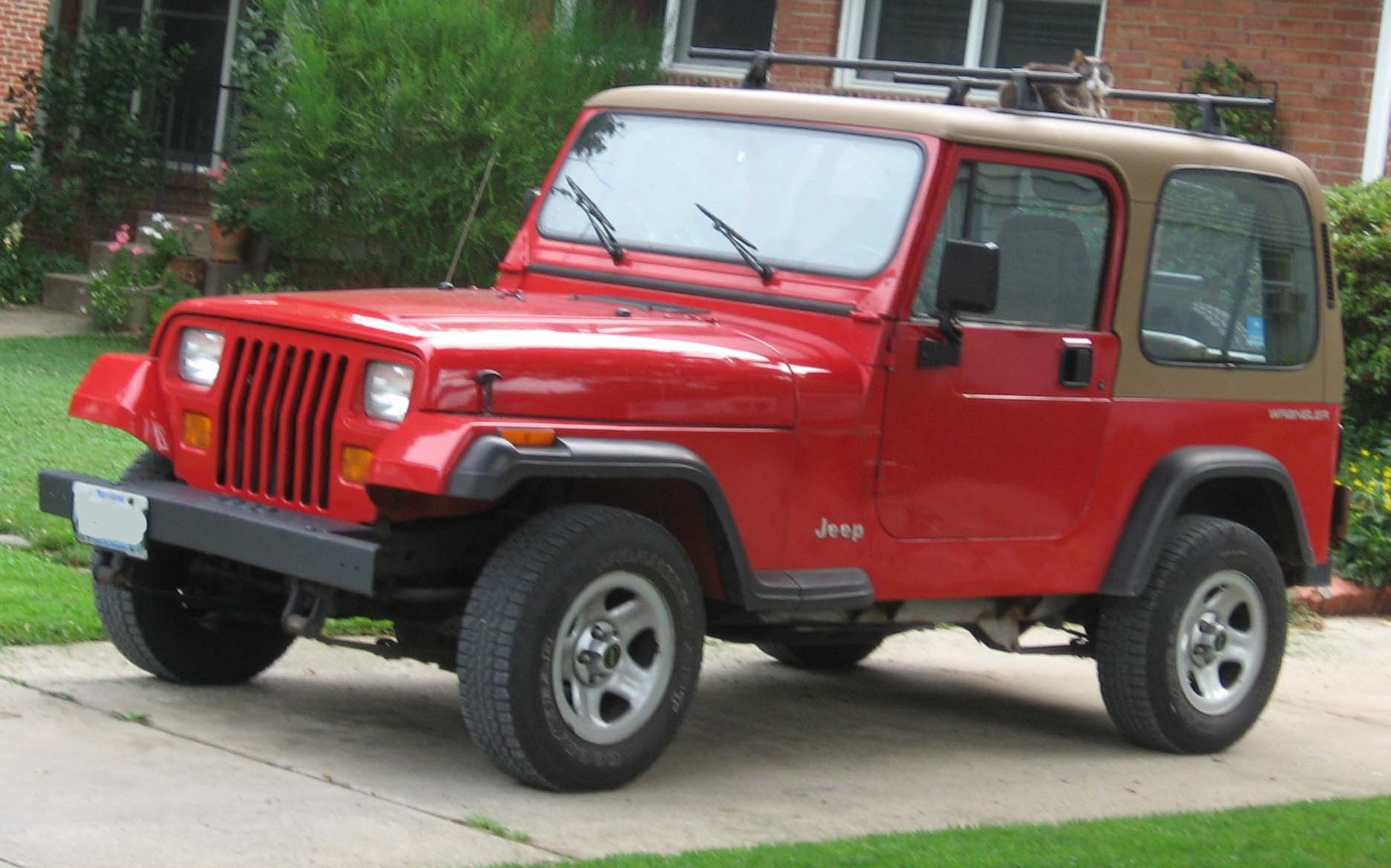
3. Jeep Wrangler YJ (1987–1995)
The YJ Wrangler represents a key evolution in Jeep history, blending rugged off-road capability with more comfortable driving characteristics. Its square headlights and slightly wider frame differentiated it from previous models, but the mechanical core remained extremely tough.
Owners consistently praise the YJ for handling trails and rocky terrain without succumbing to major mechanical issues. The YJ’s compact size and precise steering made it easier to navigate narrow trails and steep inclines compared to larger SUVs of its era.
Under the hood, the YJ offered several engine options, but the 4.2-liter inline-six became a favorite for its durability and torque. This engine delivers consistent performance, even under heavy loads or repeated off-road use.
The simplicity of its design allows for easy maintenance and repairs in remote locations, which is why many long-time Jeep enthusiasts trust it for extreme adventures. Reliability under stress is a defining characteristic of this engine.
The suspension and axle configuration also contributed to the YJ’s legendary toughness. Leaf springs paired with solid axles provided stability on uneven terrain and reduced the risk of damage during rock crawling.
Reinforced frame sections and skid plates protected critical components from impacts, ensuring the vehicle could survive abuse that would challenge lesser SUVs. Even under extended off-road excursions, the YJ maintains structural integrity.
Interior and mechanical simplicity further strengthened the YJ’s reputation. Without complex electronics, owners could focus on essential systems like the transmission, transfer case, and differential.
This reduced points of failure, making the YJ highly dependable in extreme conditions. Over decades, this simplicity has allowed many YJs to accumulate massive mileage without significant issues, proving the robustness of both its design and construction.
Finally, aftermarket support makes the YJ even more resilient. Replacement parts, off-road armor, and suspension upgrades are readily available, allowing the vehicle to be tailored for extreme conditions.
Many off-road enthusiasts reinforce axles, install skid plates, and upgrade suspension components to handle additional abuse. Combined with the original design’s durability, these enhancements make the YJ Wrangler a vehicle that can survive harsh off-road conditions for years without major repairs.
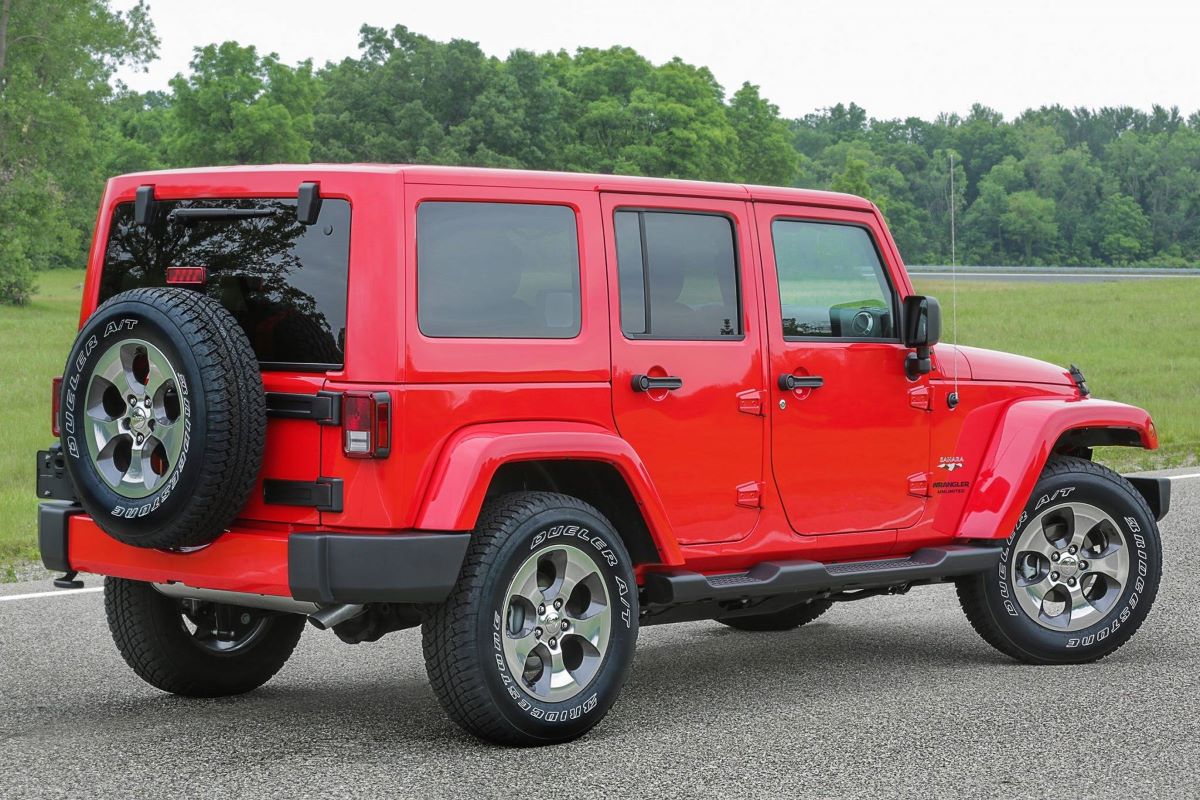
4. Jeep JK Wrangler (2007–2018)
The JK Wrangler marked a modern leap in Jeep design while maintaining the core durability that has defined the brand for decades. Its larger body allowed for improved stability, while off-road performance remained uncompromised.
High ground clearance and reinforced frame components made the JK suitable for rock crawling, mud trails, and desert terrain. Owners consistently report that the JK can survive extreme use, including repeated exposure to water, mud, and rocky scapes, with minimal long-term damage.
The JK’s engines, particularly the 3.8-liter V6 and the later 3.6-liter Pentastar V6, combine reliability with performance. While newer than classic engines, they still emphasize robustness and simplicity where possible.
Cooling systems, fuel delivery, and other critical components are designed to endure stress, making them suitable for long journeys off-road. With proper maintenance, these engines are capable of surviving thousands of miles under harsh conditions without failure.
One key feature of the JK is its enhanced suspension system. The solid axles and coil springs provide significant articulation and ground contact, essential for technical off-road driving. Reinforced differential covers and upgraded suspension mounts help protect against impacts, reducing the likelihood of component failure.
Many JK owners report that the suspension can endure rock gardens and uneven trails for extended periods without damage or degradation, reflecting careful engineering.
Drivetrain durability is another highlight. The JK’s transfer case and axles are built to endure repeated stress under challenging conditions. Its four-wheel-drive system maintains traction on loose or slippery surfaces, whether mud, sand, or snow.
The combination of rugged axles, reliable transfer cases, and durable differentials allows the vehicle to withstand significant abuse without compromising mobility, which is crucial for extreme off-road enthusiasts.
Finally, the JK Wrangler benefits from extensive aftermarket support and strong community knowledge. Lift kits, reinforced bumpers, upgraded axles, and additional skid plates allow owners to enhance durability even further.
Customizations tailored for extreme conditions can transform an already robust vehicle into one that thrives in the harshest environments. With a combination of factory resilience and aftermarket reinforcement, the JK continues Jeep’s tradition of creating vehicles capable of surviving abuse over decades of demanding use.
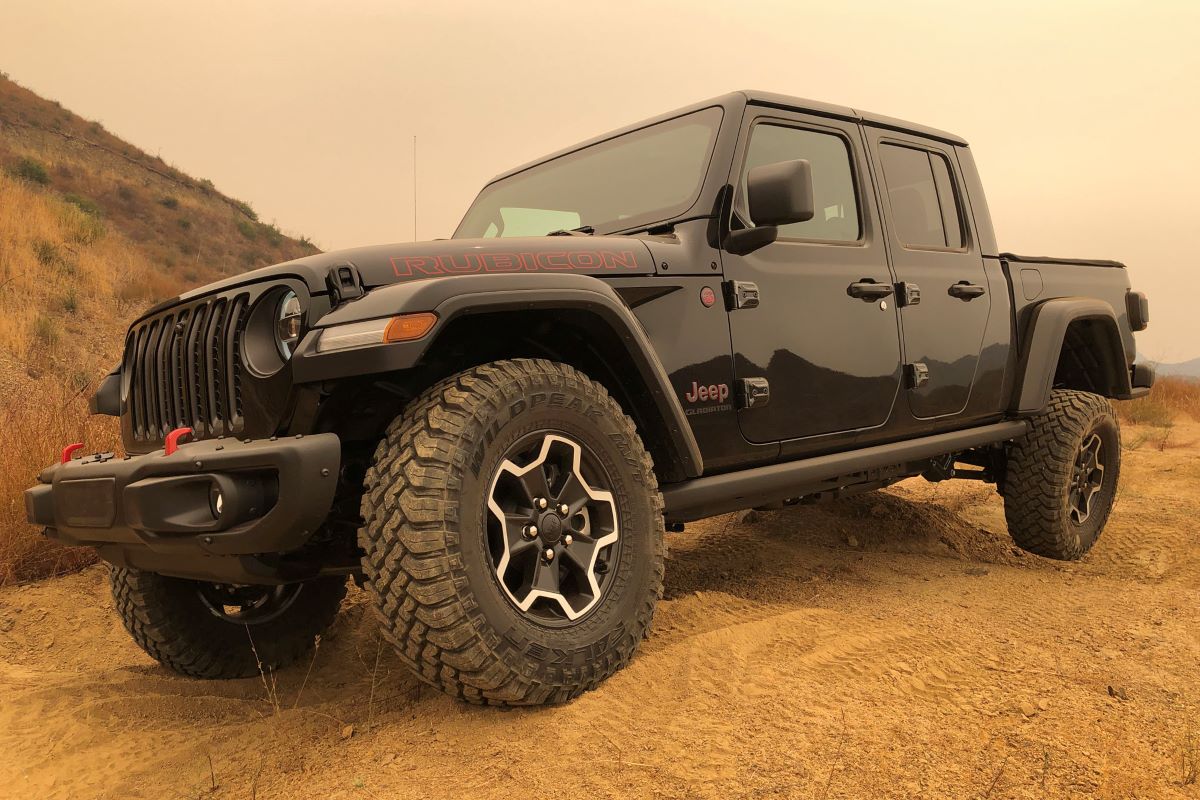
5. Jeep Gladiator JT (2019–Present)
The Gladiator JT is Jeep’s modern pickup iteration, combining off-road capability with hauling capacity. Its robust frame and reinforced suspension allow it to endure heavier loads and more extreme trails than many standard SUVs.
Gladiator owners frequently report that the vehicle handles difficult terrains such as deep mud, rocky inclines, and water crossings with minimal mechanical strain. The vehicle’s long wheelbase provides stability while still maintaining approach, breakover, and departure angles suitable for extreme off-road use.
The Gladiator JT’s engines, particularly the 3.6-liter Pentastar V6 and the optional 3.0-liter EcoDiesel, offer a combination of power, torque, and endurance.
These engines are designed for reliability, capable of delivering consistent performance under heavy loads or off-road stress. Cooling and lubrication systems are reinforced to prevent overheating, even in slow, intense off-road climbs. This makes the Gladiator suitable for both extreme adventure and everyday reliability.
Suspension design is another critical factor in the Gladiator’s toughness. Its coil springs, solid axles, and upgraded shocks allow the vehicle to maintain stability and articulation over irregular terrain.
Reinforced trailing arms and crossmembers protect against stress fractures, while skid plates shield vulnerable components. The suspension’s durability enables repeated heavy use without compromising structural integrity, contributing to the Gladiator’s reputation for surviving abuse.
The drivetrain is built to withstand extreme conditions. The transfer case, axles, and differential assemblies are robust, capable of handling repeated stress without failure.
Four-wheel-drive systems are designed for consistent traction and torque distribution, making the vehicle reliable in mud, sand, snow, and rocky trails. These drivetrain features ensure that the Gladiator remains operational even in scenarios that would challenge lesser trucks or SUVs.
Finally, the Gladiator’s adaptability and aftermarket ecosystem enhance its resilience. Reinforced bumpers, armor kits, winches, and suspension upgrades allow owners to customize for extreme conditions. The combination of factory durability and extensive aftermarket support ensures that the Gladiator can endure abuse while maintaining functionality, making it a modern example of Jeep toughness in both off-road and utility applications.
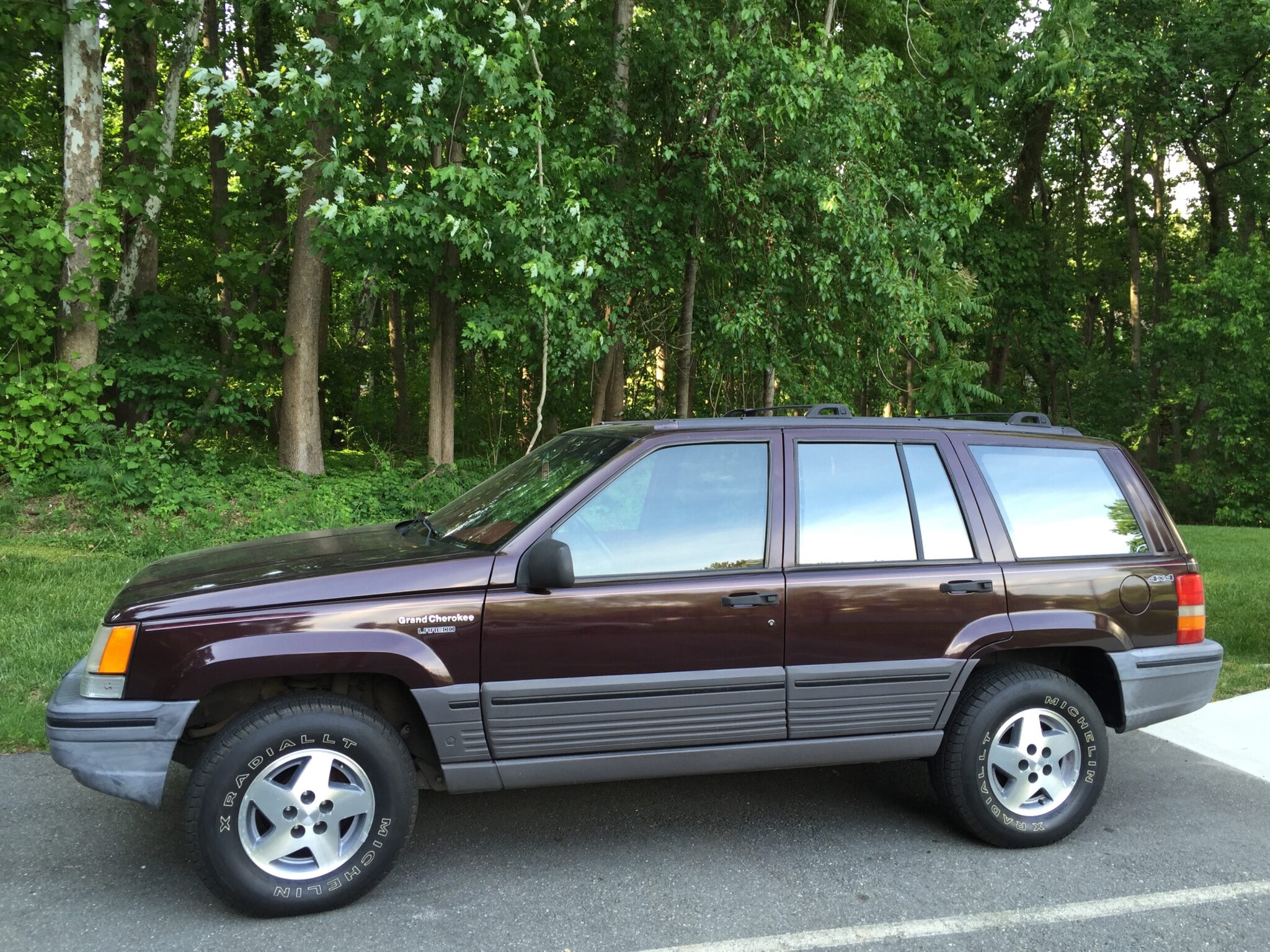
6. Jeep Grand Cherokee ZJ (1993–1998)
The Grand Cherokee ZJ represented a new era for Jeep, blending comfort with the ruggedness Jeep was already known for. Its unibody construction, while more refined than earlier body-on-frame models, still offered exceptional strength under extreme conditions.
The combination of reinforced sections and quality suspension components allowed the ZJ to navigate rough trails, rocky paths, and unpaved roads without compromising the chassis. Many owners report that these vehicles can handle both urban driving and challenging off-road excursions with equal reliability.
Engine options, particularly the 5.2-liter V8, are known for longevity and endurance. These engines can handle significant stress, including towing and off-road use, without losing reliability.
The 4.0-liter inline-six is another standout for its simplicity, durability, and consistent performance. Cooling and lubrication systems were designed to withstand both high temperatures and extended use, contributing to the vehicle’s ability to survive harsh conditions over long periods.
Suspension design played a key role in the ZJ’s durability. With coil springs, robust control arms, and reinforced mounting points, the vehicle maintained stability across uneven terrain.
Axle assemblies and differentials were engineered to tolerate heavy loads and stress, making it possible for the ZJ to perform repeated off-road maneuvers without damage. The combination of suspension and chassis strength gave it a unique balance of comfort and off-road capability.
The drivetrain, including the transfer case and four-wheel-drive systems, is designed for resilience. The Quadra-Trac system provided consistent traction on mud, snow, and loose gravel while maintaining durability.
Even in long off-road trips, owners report minimal drivetrain failures, demonstrating the ZJ’s ability to survive abuse that would challenge many contemporary SUVs. Its mechanical reliability was a major factor in its reputation among enthusiasts.
Finally, aftermarket support and a dedicated owner community have helped keep the ZJ relevant for extreme use today. Reinforced bumpers, skid plates, suspension lifts, and upgraded axles allow the Grand Cherokee to be adapted for challenging conditions.
The combination of original design toughness and modification options ensures the ZJ remains a vehicle that can endure significant abuse while retaining performance and functionality.
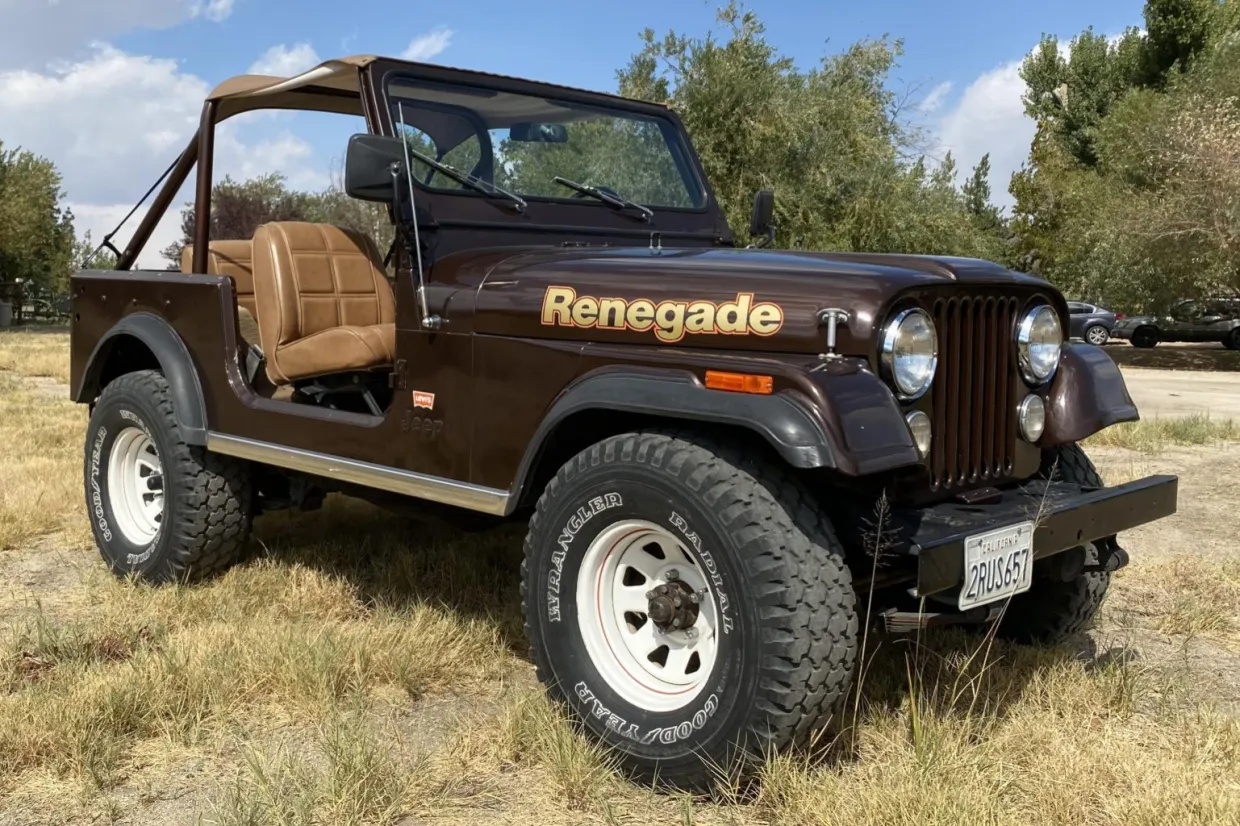
7. Jeep CJ-7 (1976–1986)
The CJ-7 is an iconic Jeep model known for its compact size, agility, and rugged construction. Its body-on-frame design and short wheelbase made it a favorite among off-road enthusiasts.
The CJ-7 was designed to handle uneven terrain, rocks, and mud with minimal damage. The frame flexibility allowed the vehicle to twist over obstacles while protecting critical components. Many CJ-7s remain operational decades after manufacture due to the vehicle’s proven structural integrity.
The CJ-7 featured durable engines, including the 4.2-liter inline-six and the 6-cylinder options, capable of enduring extreme conditions.
These engines emphasized reliability over sophistication, allowing them to survive repeated off-road use without major repairs. Their simplicity made maintenance straightforward, even in remote locations, which contributed to the CJ-7’s legendary reputation among overlanders and adventure seekers.
Suspension and axle design were key factors in the CJ-7’s off-road prowess. Leaf springs paired with solid axles offered durability and articulation. Reinforced differential housings and skid plates protected critical components from rocks and debris.
This combination allowed the vehicle to traverse trails, steep inclines, and rough spaces without compromising mechanical integrity. Repeated off-road use was rarely damaging to the chassis or suspension, which is why so many CJ-7s remain functional decades later.
Interior and mechanical simplicity further enhanced the vehicle’s reliability. Minimal electronics reduced the risk of failure, while controls and gauges were designed to withstand rough handling. Even under heavy use, the CJ-7’s core systems remained operational.
Drivers often relied on this simplicity during expeditions where reliability mattered more than luxury, proving the value of a straightforward, durable design.
Finally, the CJ-7’s aftermarket and enthusiast network allowed modifications for increased durability. Reinforced bumpers, upgraded axles, and suspension enhancements helped owners prepare their vehicles for extreme conditions.
The combination of original toughness and custom modifications allowed the CJ-7 to survive abuse that would have disabled most other vehicles of its time. Its continued popularity reflects both its engineering and its adaptability.
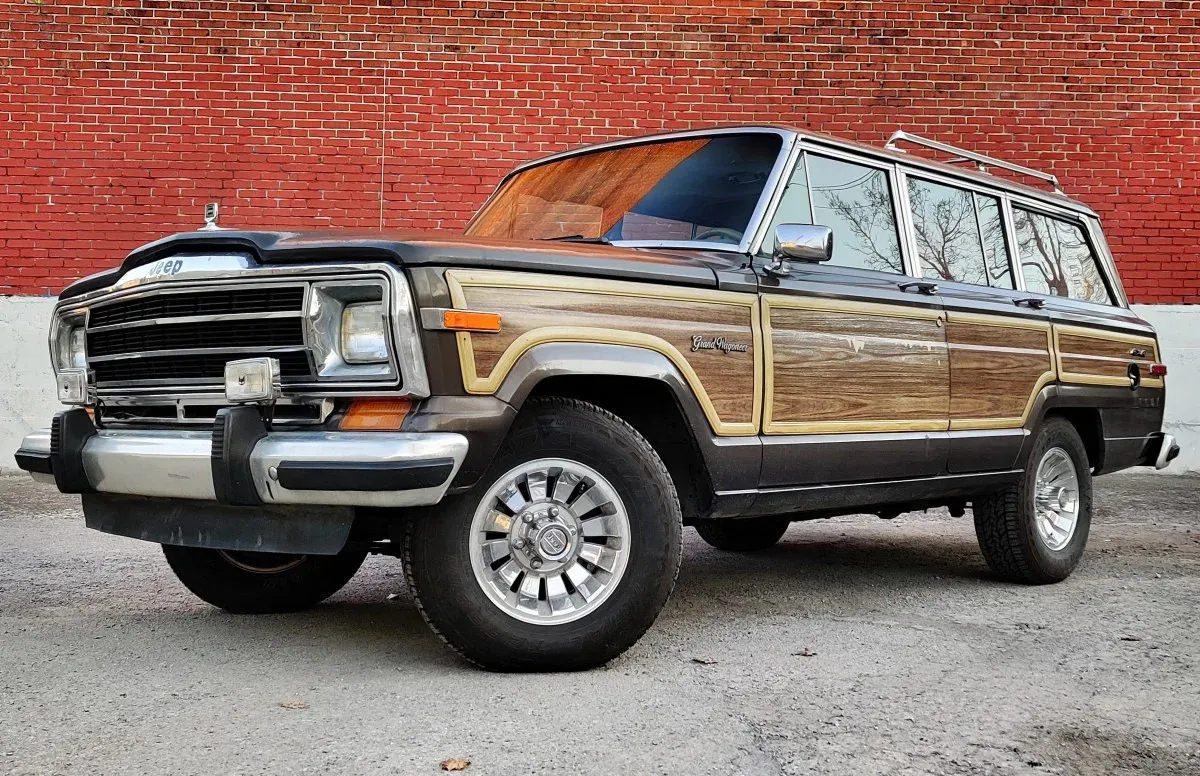
8. Jeep Wagoneer (SJ, 1963–1991)
The Wagoneer SJ was one of Jeep’s earliest luxury off-road vehicles, combining comfort with exceptional durability. Despite its size and weight, the SJ offered a body-on-frame construction capable of withstanding rough terrain.
Its reinforced frame sections and durable suspension components allowed it to endure repeated off-road use without compromising structural integrity. Many Wagoneers still operate today, reflecting their resilience under harsh conditions.
Engine options, including the AMC 360 V8, were designed for reliability and torque. These engines could handle heavy towing, long-distance driving, and off-road stress without major failures.
Cooling systems and drivetrains were engineered for durability, making the Wagoneer suitable for both long highway trips and rugged backcountry adventures. Owners consistently report that these vehicles survive conditions that would challenge lesser SUVs.
The suspension system played a critical role in the Wagoneer’s ability to endure abuse. With coil springs, robust control arms, and heavy-duty shocks, the vehicle could absorb impacts while maintaining stability. Axles and differential assemblies were reinforced, ensuring that repeated exposure to rough terrain did not compromise functionality. This suspension strength made the SJ a reliable option for extreme conditions and long-term use.
Drivetrain durability further strengthened the Wagoneer’s reputation. Its transfer case and four-wheel-drive system maintained traction in mud, snow, and rocky trails. Axle housings and differentials were designed to tolerate high torque and repeated stress. This mechanical resilience allowed the Wagoneer to survive abuse that would often lead to drivetrain failure in other SUVs.
Finally, aftermarket support and owner knowledge contributed to the Wagoneer’s longevity. Reinforced bumpers, skid plates, and suspension upgrades enhanced its off-road durability.
The combination of factory design strength and custom modifications allowed the Wagoneer SJ to endure extreme conditions while maintaining performance. Its continued use today is a testament to Jeep’s engineering excellence during that era.
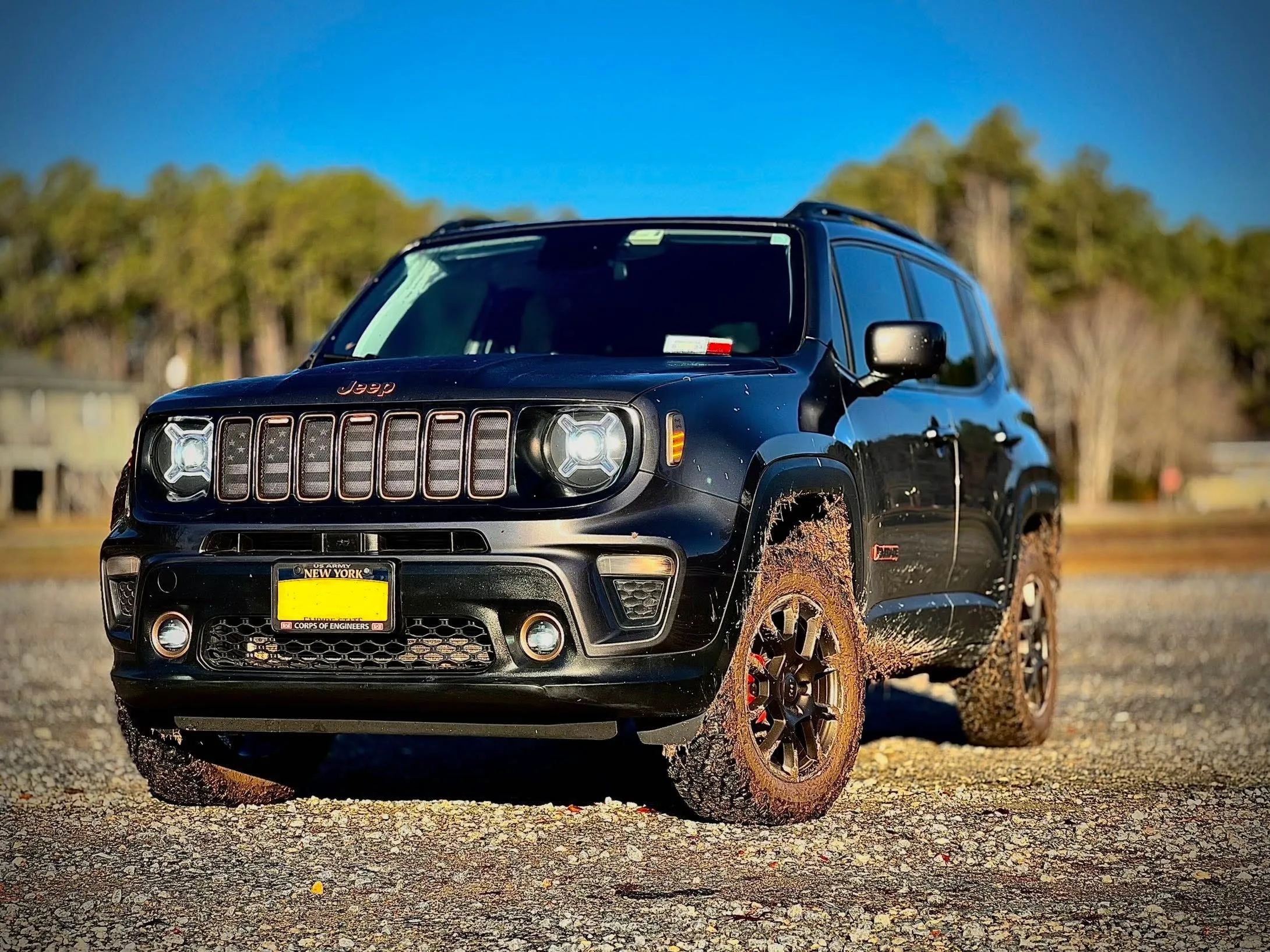
9. Jeep Renegade Trailhawk (2015–Present)
The Renegade Trailhawk is a compact modern SUV designed to provide serious off-road capability in a smaller package. Its reinforced frame, skid plates, and off-road tires make it capable of handling rugged terrain despite its size.
The vehicle’s suspension and drivetrain systems are engineered for durability under repeated stress. Many owners report taking the Renegade on trails, deep mud, and uneven spaces with confidence in its ability to survive challenging conditions.
Engine options, including the 1.4-liter turbocharged inline-four, emphasize reliability and fuel efficiency. Despite being smaller than traditional Jeep engines, these powertrains endure extreme conditions without major failures.
Cooling and lubrication systems are designed to prevent overheating during slow, intense off-road driving. Many Trailhawk owners have accumulated extensive mileage while subjecting their vehicles to harsh conditions, proving their endurance.
The suspension system of the Trailhawk enhances durability. Independent front suspension combined with a solid rear axle provides stability and traction while absorbing impacts from rocks and uneven terrain. Reinforced components and skid plates protect critical systems, ensuring that the vehicle continues to operate even under repeated off-road stress. Suspension articulation and ground clearance allow the Renegade to handle trails well beyond ordinary SUV capabilities.
Drivetrain robustness is another highlight. Jeep’s active four-wheel-drive system ensures consistent traction and power distribution under difficult conditions.
Axles, differentials, and the transfer case are built to endure stress while maintaining functionality. Even with repeated off-road use, the Renegade’s drivetrain remains resilient, contributing to the vehicle’s reputation for surviving abuse.
Finally, aftermarket support and community knowledge enhance the Renegade’s capabilities. Upgrades such as suspension lifts, skid plates, and reinforced bumpers allow the Trailhawk to tackle extreme conditions with confidence.
Combined with its factory durability, these modifications ensure that the Renegade remains reliable and resilient, continuing Jeep’s tradition of producing vehicles capable of surviving abuse in modern off-road scenarios.
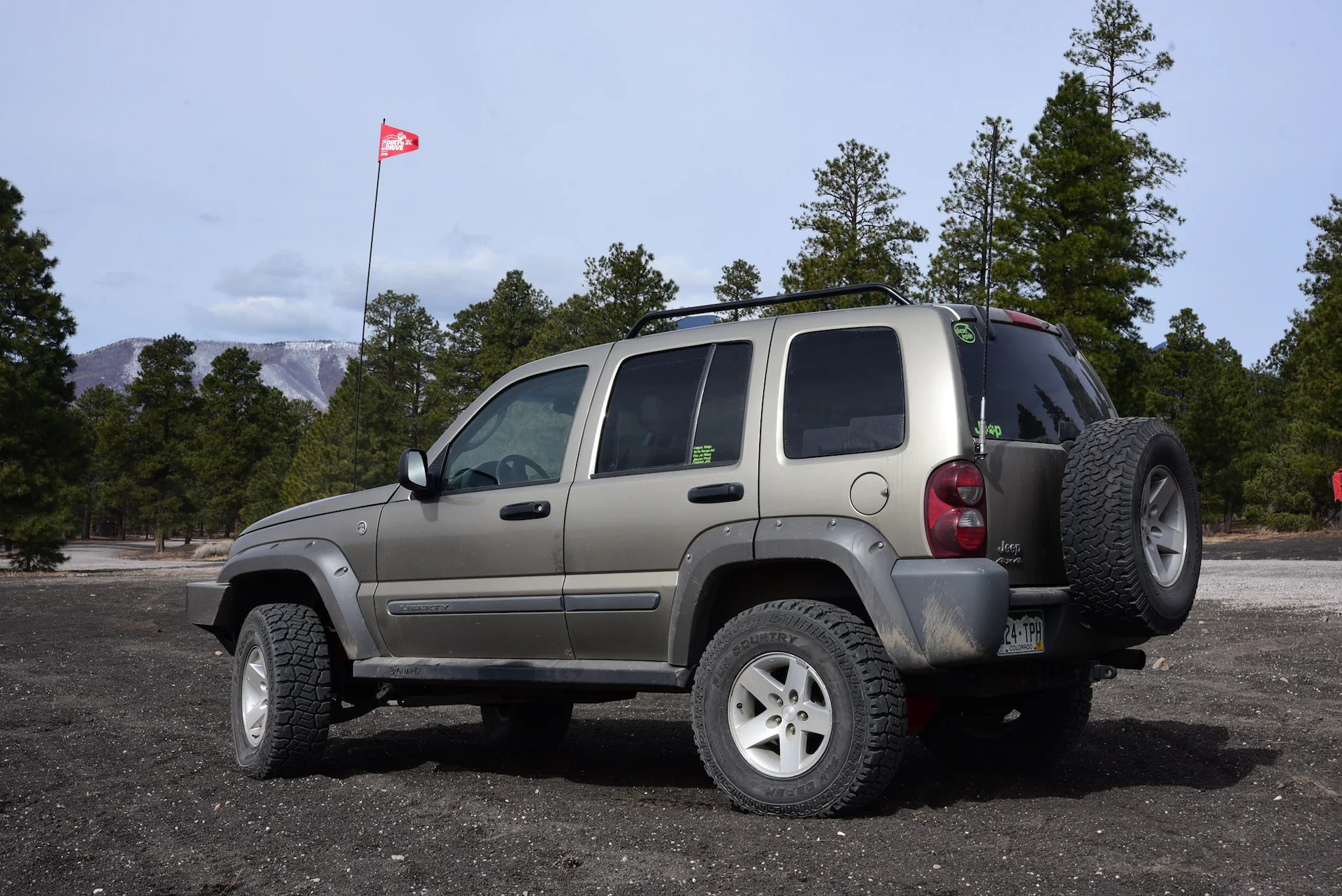
10. Jeep Liberty KJ (2002–2007)
The Jeep Liberty KJ brought modern SUV design while maintaining off-road resilience. Its unibody frame and reinforced suspension allowed the vehicle to handle rocky trails, mud, and steep inclines without compromising structural integrity.
Owners have consistently praised the Liberty KJ for its ability to endure repeated abuse while retaining drivability. Its compact size makes it nimble on trails, and its strong components allow it to survive conditions many larger SUVs struggle with.
Engine options, particularly the 3.7-liter V6, provide reliable performance under stress. The engines were designed for consistent power delivery and durability, making them suitable for off-road use and towing.
Cooling systems and drivetrain components are robust, capable of tolerating extreme temperatures and terrain. Many Liberty KJ owners have taken their vehicles on long off-road expeditions without experiencing major failures, highlighting the vehicle’s toughness.
Suspension design is a critical factor in the Liberty’s durability. With coil springs, solid rear axle, and reinforced components, the KJ absorbs impacts while maintaining stability. Differential housings, axles, and control arms are built to endure repeated abuse.
Combined with high ground clearance and off-road tires, the suspension ensures the Liberty can survive rough trails and obstacles that might disable lesser SUVs.
The drivetrain, including the four-wheel-drive system and transfer case, is engineered for resilience. It maintains traction in mud, snow, sand, and uneven terrain. Axles and differentials are robust, allowing for repeated extreme use without failure. Owners consistently report that the Liberty KJ retains functionality even after years of challenging off-road conditions, proving the vehicle’s endurance and reliability.
Finally, aftermarket support and community knowledge have extended the Liberty’s off-road lifespan. Lift kits, reinforced bumpers, skid plates, and upgraded axles allow owners to adapt their vehicles for extreme conditions. The combination of factory durability and customization options ensures the Liberty KJ continues Jeep’s tradition of producing vehicles that survive heavy use, demanding terrain, and long-term abuse.
