
The 1990s were a strange and transitional decade for European sports cars. Manufacturers were caught between old school mechanical purity and the early arrival of electronics, safety regulations, and cost cutting measures that reshaped the industry.
This period created cars that were fast, stylish, and character driven, yet many failed to achieve iconic status at the time. As a result, several excellent machines slipped through the cracks of mainstream appreciation. Today, these cars exist in a pricing sweet spot that rewards buyers who value driving experience over brand hype.
During this era, Europe produced a wide variety of sports cars that blended performance with usability. Lightweight coupes, turbocharged hatchbacks, rear wheel drive sedans, and compact roadsters all shared showroom space.
Some were overshadowed by Japanese rivals that offered greater reliability reputations, while others suffered from brand image problems or confusing market positioning. The result was a group of vehicles that enthusiasts now recognize as far better than their historical reputations suggest.
Many of these cars offer analog driving experiences that feel increasingly rare. Steering systems were hydraulic, gearboxes were manual focused, and driver aids were limited or nonexistent. Engines relied on natural aspiration or early turbocharging rather than heavy electronic management.
These characteristics make the cars engaging in ways modern vehicles often struggle to replicate. They demand involvement and reward skill without isolating the driver from the road.
Another reason these cars remain affordable is complexity perception. European vehicles from the 1990s developed a reputation for being expensive to maintain, even when that reputation was not fully deserved. While some models require attentive ownership, many are robust when maintained properly. Parts availability has also improved thanks to enthusiast communities and aftermarket support, lowering the barrier to ownership.
This list ranks ten underappreciated European sports cars from the 1990s that still offer strong value today. Ranking is based on performance, design, driving feel, historical significance, and current affordability.
Each car represents a different philosophy and national character, yet all share one thing in common. They deserve far more recognition than they received, and they remain attainable for buyers willing to look beyond obvious choices.
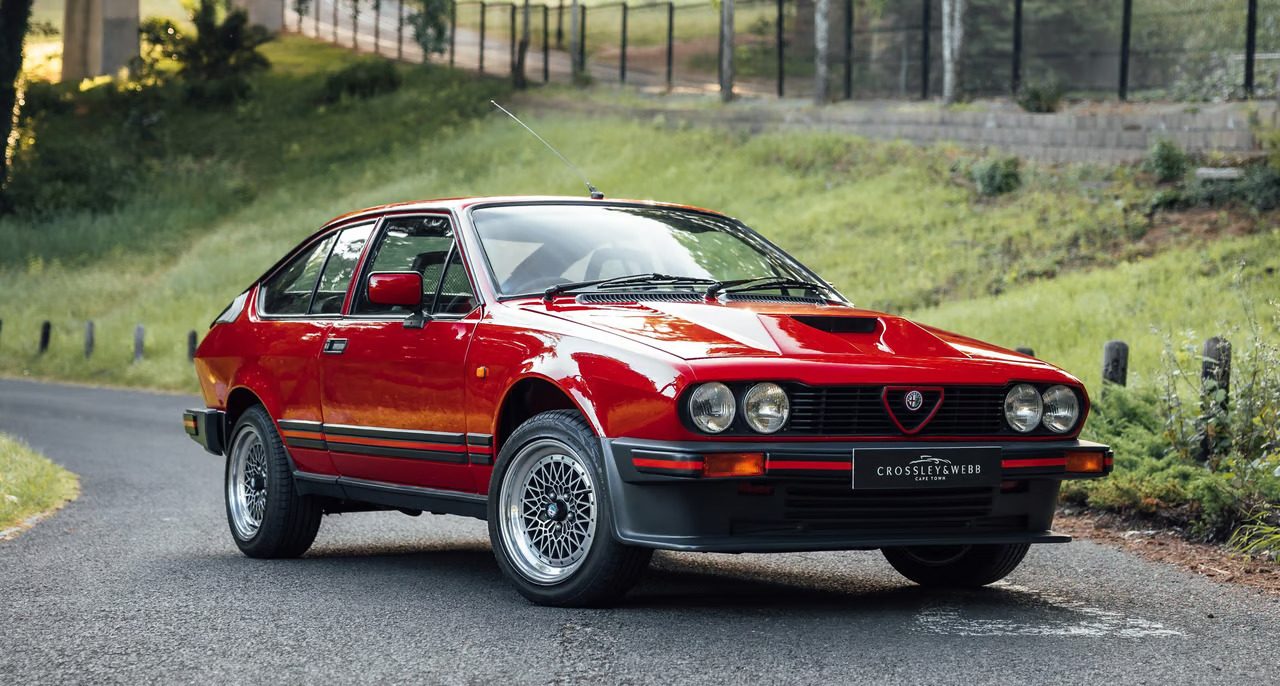
1. Alfa Romeo GTV6 and GTV V6 Turbo
The Alfa Romeo GTV6 of the 1990s carried one of the most emotional engines ever fitted to a compact sports coupe. The legendary Busso V6 delivered a sound that could raise goosebumps even at low RPMs.
It offered a unique combination of smoothness and aggression, with power arriving in a linear, natural way that made every shift feel meaningful. Drivers could enjoy spirited acceleration while feeling fully connected to the car’s character.
Styling was dramatic and unmistakably Italian, balancing elegance with a sense of speed even at rest. The low nose, flowing roofline, and sharply creased rear end created a silhouette that was both aggressive and refined.
Inside, the cockpit focused on the driver with well-placed gauges, firm seats, and a minimal distraction layout. It felt purposeful and sporty while still accommodating comfortable cruising for longer trips.
Handling leaned toward engagement rather than perfection, which added to the car’s charm. The front wheel drive layout surprised skeptics, providing excellent balance when cornering with proper throttle modulation.
Steering was sharp and communicative, rewarding precise inputs and making tight roads feel exhilarating. Suspension tuning offered a compromise between compliance and control, keeping the car lively without punishing everyday comfort.
Despite its mechanical and aesthetic strengths, the GTV struggled commercially in a world dominated by German and Japanese alternatives. Reliability fears, a complicated maintenance perception, and brand stigma limited its appeal outside Italy.
Many enthusiasts overlooked it, leaving a market filled with capable vehicles at affordable prices. Today, this imbalance makes the GTV an intriguing option for those seeking emotional performance.
Ownership requires a committed approach, but the rewards are substantial. A well-maintained V6 can be reliable and thrilling for decades, with a passionate community ready to support parts and knowledge.
The car’s distinctive engine note, engaging chassis, and timeless design combine to create one of the most charismatic bargains of the 1990s. Few cars offer such emotion for their price, making the Alfa GTV6 a hidden gem waiting to be rediscovered.
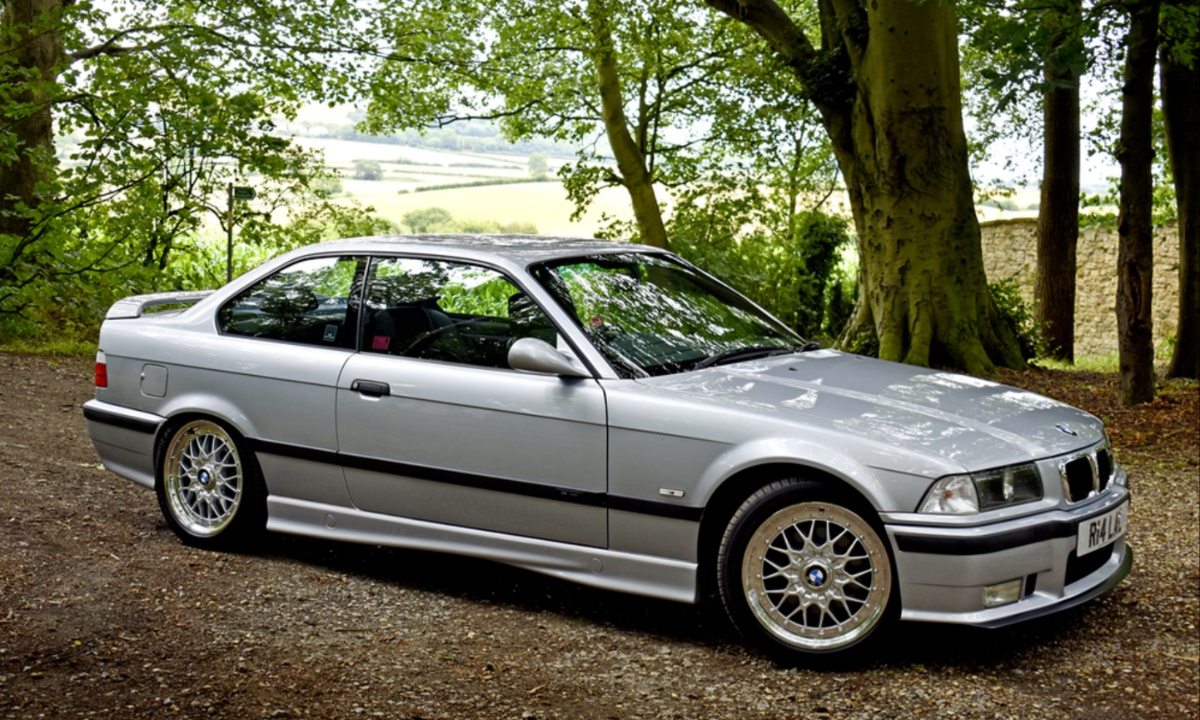
2. BMW E36 328i Coupe
The BMW E36 generation refined the brand’s approach to sports coupes, combining performance with usability in a way that few competitors matched.
While the M3 often steals headlines, the 328i coupe quietly delivered most of the same experience for a fraction of the cost. Its naturally aspirated inline-six engine offered smooth, linear power and an exhaust note that enhanced driver engagement at every speed.
Chassis balance was exceptional, thanks to near-perfect weight distribution and rear wheel drive. The suspension setup offered a mix of precision and comfort, making the car feel confident both in spirited cornering and daily commuting.
Steering feedback was direct, providing immediate connection with the road. The E36 rewarded skill without demanding it, appealing to drivers who wanted a pure, mechanical experience.
Inside, the cabin was thoughtfully designed, reflecting BMW’s focus on ergonomics and driver-centered layouts. Controls were logically placed, seats offered excellent support, and visibility remained strong in all directions.
The interior materials aged gracefully, maintaining quality and a sense of luxury that complements the car’s performance credentials. It felt like a car designed for drivers rather than fashion.
The 328i suffered from being overshadowed by its flashier siblings and high-performance variants. Many buyers preferred more extreme options, leaving the 328i undervalued and often overlooked. This neglect, however, created a hidden opportunity for enthusiasts seeking balance between cost, performance, and reliability.
Today, clean examples remain affordable, with a robust aftermarket and parts availability making ownership straightforward. The car delivers an experience that modern equivalents struggle to replicate, combining lightness, responsiveness, and driver engagement. For those seeking an authentic ’90s European sports coupe, the E36 328i remains one of the most compelling options available.
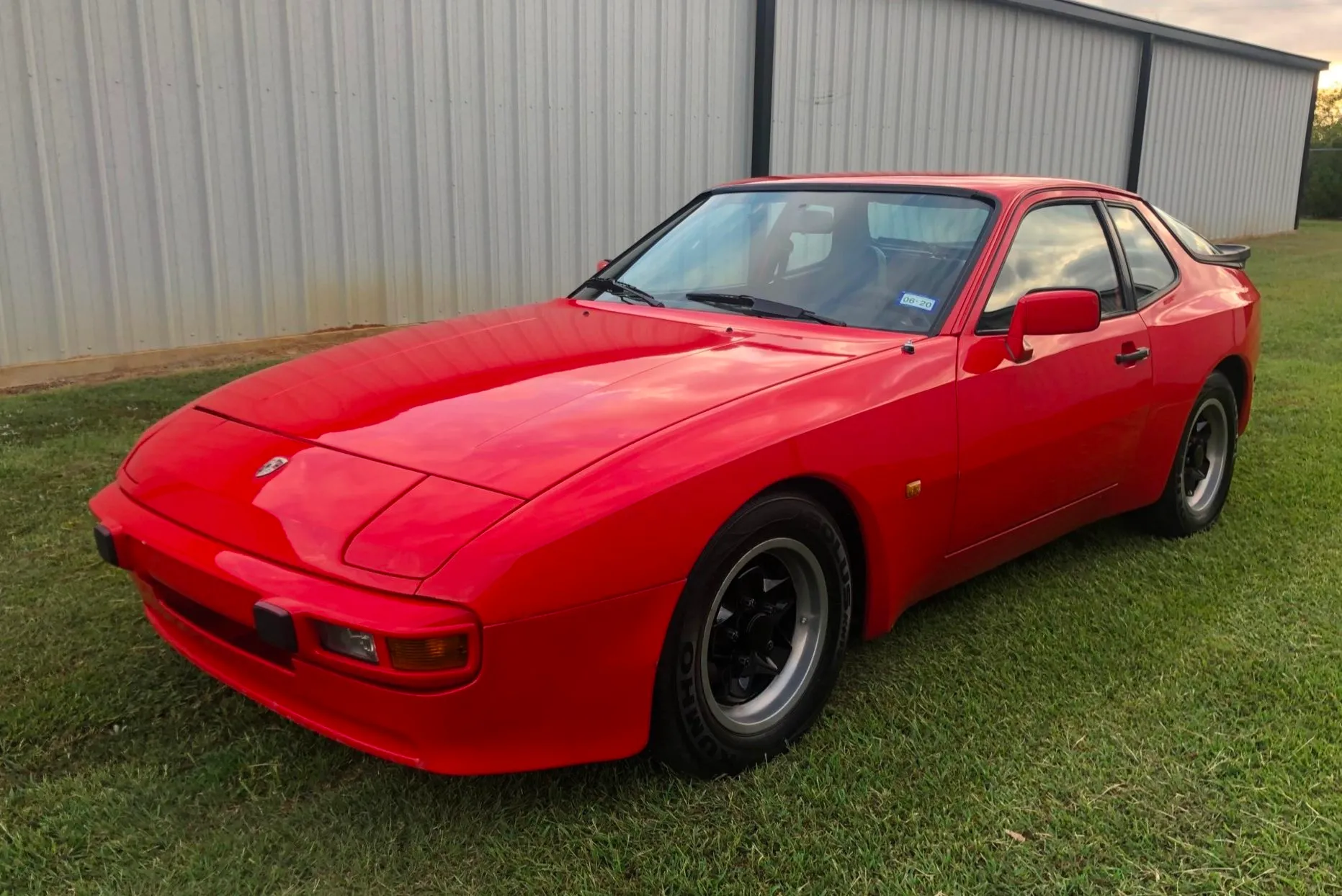
3. Porsche 944 S2
The Porsche 944 S2 represented a turning point in the brand’s approach to sports cars, balancing performance, handling, and usability in a single package.
It offered a refined naturally aspirated four-cylinder engine, delivering smooth power and impressive torque. The S2 could accelerate confidently without overwhelming the driver, making it a balanced option for both daily driving and spirited outings.
Weight distribution was nearly perfect thanks to the innovative transaxle layout, giving the car exceptional cornering stability. Steering feel was precise and direct, allowing the driver to place the car exactly where intended.
Suspension tuning reinforced confidence at speed, inspiring trust even in aggressive cornering. The S2 handled predictably while rewarding careful inputs with an engaging driving experience.
Design remained subtle but purposeful, blending pop-up headlights with clean lines and gently flared fenders. The timeless exterior looked modern decades after its debut. Inside, the cabin emphasized function, offering clear gauges, supportive seating, and well-laid-out controls. The interior quality reinforced the sense of mechanical precision found throughout the car.
Despite its strengths, the 944 S2 never achieved the recognition of other Porsche models, like the 911 or Boxster. Many dismissed it as a “lesser” Porsche, often overlooking its engineering sophistication and driving enjoyment. As a result, prices remained lower, making it an appealing entry point into the brand’s heritage.
Today, the 944 S2 is a rewarding sports car for enthusiasts who value engagement over prestige. Proper maintenance ensures reliability, and aftermarket parts are widely available. With its balanced chassis, rewarding engine, and classic styling, it remains one of the most underappreciated Porsche models from the 1990s.
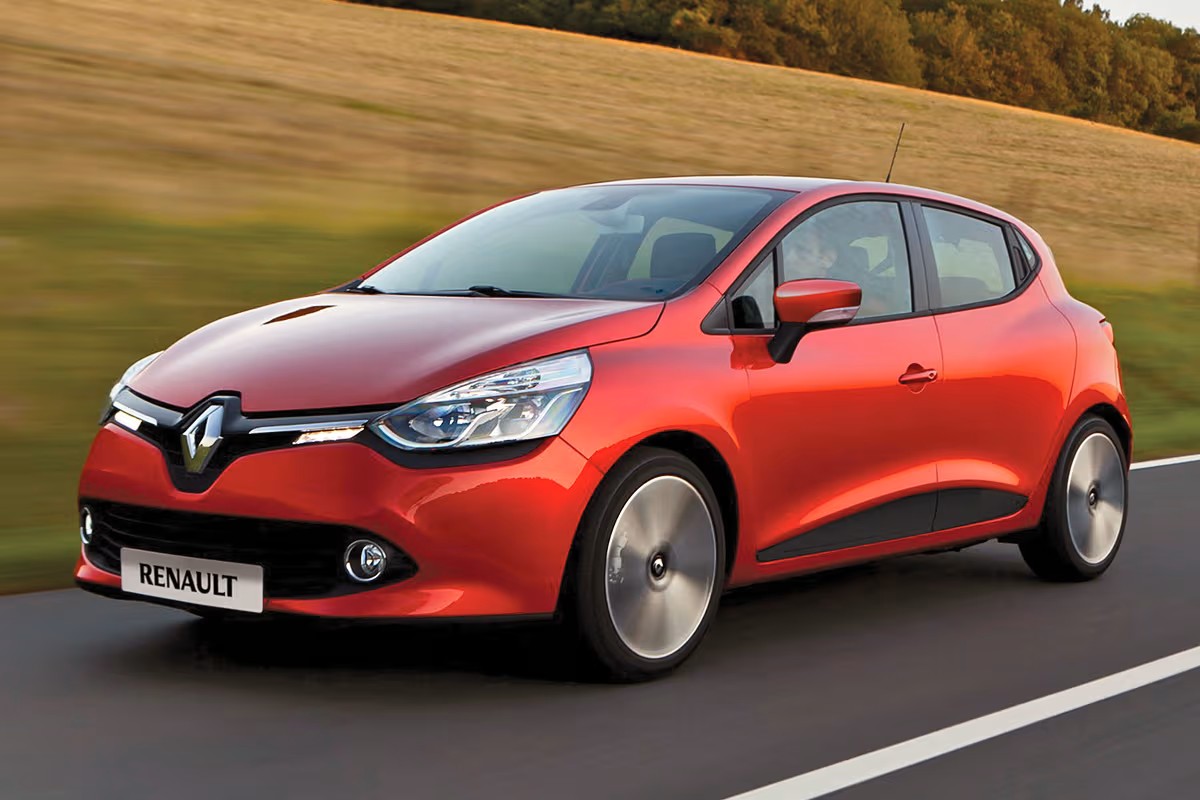
4. Renault Clio Williams
The Renault Clio Williams was a small hatchback built with motorsport in mind, a true homologation special for rally enthusiasts. Its naturally aspirated engine offered lively throttle response and excellent power for its lightweight chassis. Coupled with a stiffened suspension and performance-oriented tuning, it delivered one of the most thrilling front wheel drive experiences of the decade.
Performance relied on precision and agility rather than raw horsepower. The lightweight design allowed rapid direction changes, tight cornering, and confident handling on narrow roads. The engine provided consistent, lively acceleration, rewarding smooth driving technique. Its playful nature made it feel faster than numbers alone suggested.
Styling was understated yet purposeful, with iconic blue paint and gold wheels distinguishing it from regular Clios. The interior remained simple, emphasizing function and driver focus. Seating and control placement allowed for an engaging driving posture, keeping the driver in complete command of the car’s behavior.
Limited production numbers increased the car’s exclusivity, but market awareness was low. Many overlooked the Clio Williams in favor of larger, flashier sports cars, leaving it as a bargain for those who appreciated pure handling and connection. Its rally heritage added credibility and authenticity to the package.
Today, the Clio Williams is highly sought by enthusiasts but remains attainable in some markets. Its analog feel, lightweight chassis, and driver-focused design make it a rare example of front wheel drive excitement. Owning one provides both historical significance and a genuinely fun driving experience.
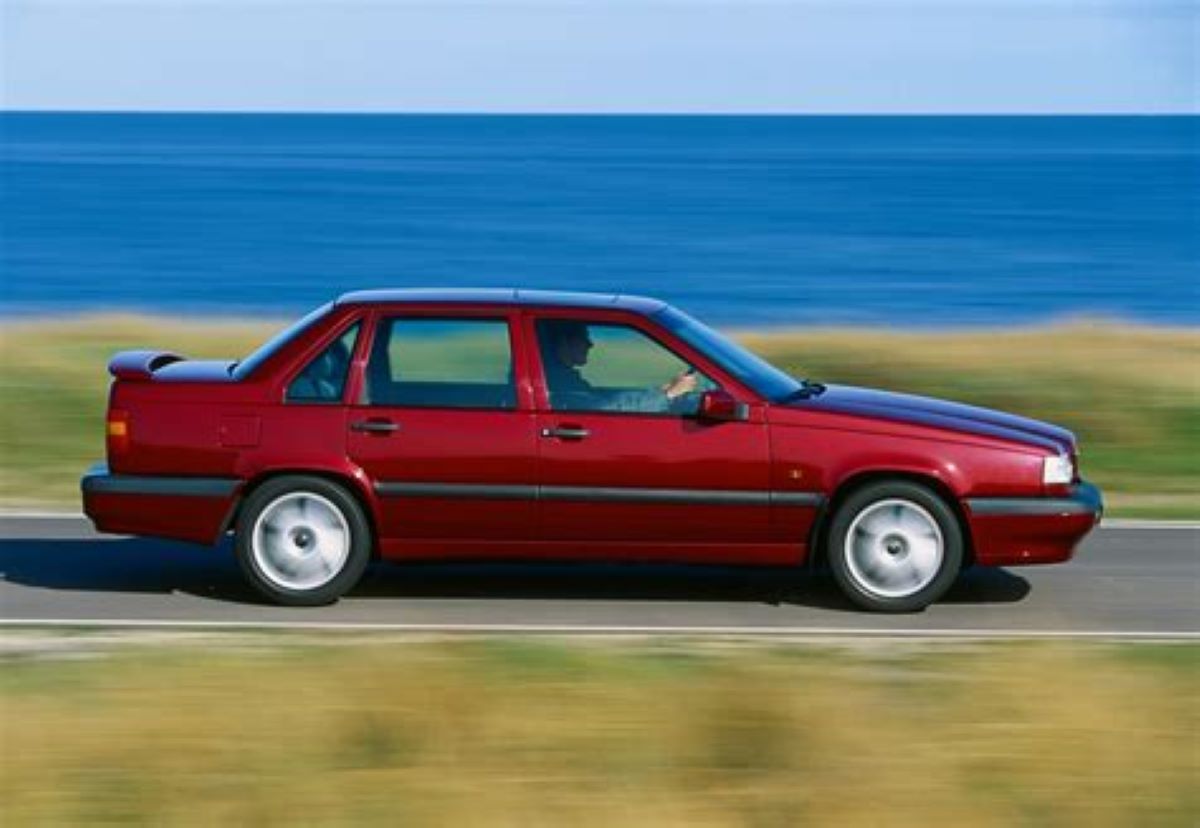
5. Volvo 850 T5 R
The Volvo 850 T5 R broke conventional thinking about what a sports car could be. While Volvo was known for safety and practicality, this turbocharged sedan and wagon combined real performance with everyday usability. Beneath its boxy exterior, it offered serious speed, responsive handling, and a powerful five-cylinder turbo engine capable of strong midrange thrust.
The turbocharged engine delivered impressive acceleration for the time, providing a distinctive sound that combined character with authority. Highway overtakes felt effortless, and the engine’s torque curve made city driving flexible and responsive. Unlike many contemporary performance cars, the 850 T5 R offered both comfort and excitement in a single package.
Handling was precise for its size and configuration. While front wheel drive, the suspension managed torque efficiently, keeping the car composed under spirited driving. It felt solid and stable at high speeds, providing confidence to drivers who appreciated control without sacrificing safety.
Design prioritized function but remained purposeful, with squared edges and strong lines that gave it a unique presence. The interior focused on practicality, with comfortable seats, a logical layout, and long-distance comfort. The car managed to balance performance with everyday usability in a way few others could match.
Due to its unconventional appearance, the 850 T5 R was often overlooked by performance car buyers. Today, it stands as a cult classic that still offers great value, combining rarity, practicality, and excitement. It demonstrates that a sports car does not need traditional aesthetics to deliver an engaging driving experience.
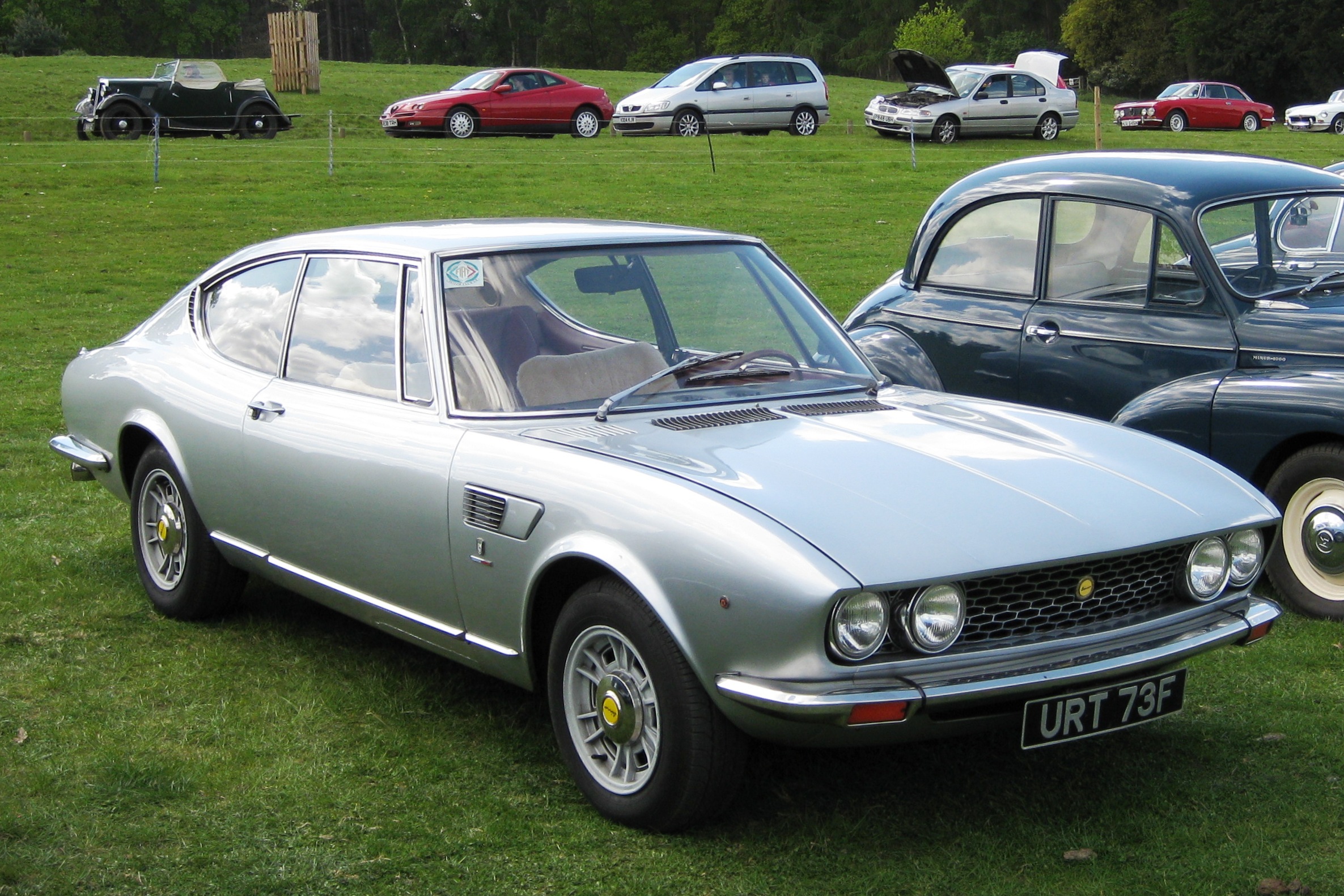
6. Fiat Coupe 20V Turbo
The Fiat Coupe 20V Turbo was a bold and ambitious sports car with a personality as loud as its styling. Designed by Chris Bangle, its angular bodywork and aggressive proportions divided opinion but guaranteed it would never blend into traffic. Beneath the exterior, a turbocharged five-cylinder engine produced energetic acceleration, delivering power in a way that felt both raw and sophisticated at the same time.
Acceleration was sharp and confidence inspiring, thanks to the turbo’s strong midrange delivery. The car surged forward with a satisfying rush, while gear changes required engagement and rewarded careful timing. Despite its front wheel drive layout, the Coupe felt composed under hard acceleration, and it could keep pace with rivals twice its cost when pushed on twisty roads.
Handling required a precise hand but offered a high level of satisfaction when mastered. Steering feedback was crisp, allowing drivers to feel the road and anticipate grip changes.
The suspension struck a balance between sportiness and comfort, absorbing bumps reasonably well without sacrificing cornering precision. Driving the Coupe was always engaging and demanded focus, which added to its charm.
The interior design mirrored the car’s bold exterior, with exposed body-colored metal panels giving the cabin a distinctive industrial feel. Seats were supportive, and control placement was logical, making the driver feel fully in command. While it lacked modern luxury touches, the cabin felt purposeful and exciting, perfectly matching the character of the car.
Reliability concerns affected the Coupe’s reputation, leading many to overlook its qualities. However, well-maintained examples prove durable, and parts availability is sufficient thanks to enthusiast networks.
Today, the Fiat Coupe 20V Turbo remains a striking and underappreciated bargain, offering dramatic styling, enjoyable performance, and a unique European flavor at an attainable price.
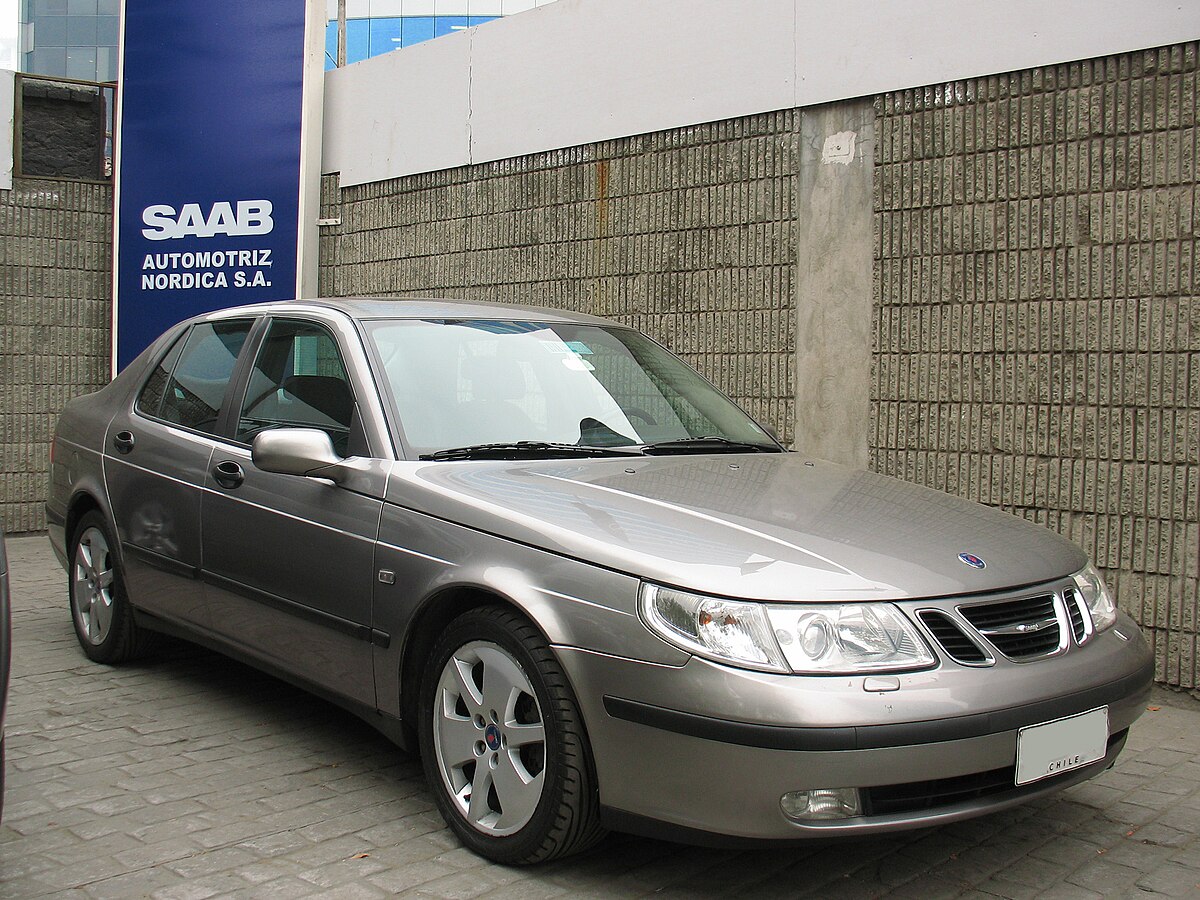
7. Saab 9000 Aero
The Saab 9000 Aero combined Scandinavian practicality with serious performance in a package few expected. Its turbocharged engine delivered strong acceleration, with a linear torque curve that made it flexible in both urban driving and high-speed cruising.
While it was a large sedan, the Aero could match smaller sports cars in spirited driving due to its engine responsiveness and chassis control.
Chassis tuning emphasized stability and confidence rather than outright agility, which suited the car’s weight and size. It handled predictably through corners, with minimal understeer and well-managed body control.
Steering was communicative enough to feel engaged, while the suspension absorbed road imperfections without upsetting composure. The car excelled as a high-speed tourer with the ability to entertain on winding roads.
Inside, the cabin reflected Saab’s aviation-inspired design philosophy. Controls were intuitive, seats comfortable for long drives, and visibility was excellent in all directions. Materials were durable, and the layout encouraged focused driving without distraction. The interior made long journeys enjoyable while supporting a sporty demeanor when required.
Despite its strengths, the Aero suffered from a perception problem. Saab was rarely associated with sports cars, and buyers often overlooked the 9000 for flashier alternatives. This limited mainstream recognition, leaving a niche market where enthusiasts could find excellent examples at reasonable prices. Its understated approach made it a sleeper in every sense.
Today, the 9000 Aero offers tremendous value for a turbocharged European performance sedan. Reliability is strong with attentive maintenance, and the car rewards drivers with engaging performance, comfort, and durability. It stands as proof that true sports car character can exist in unexpected forms.
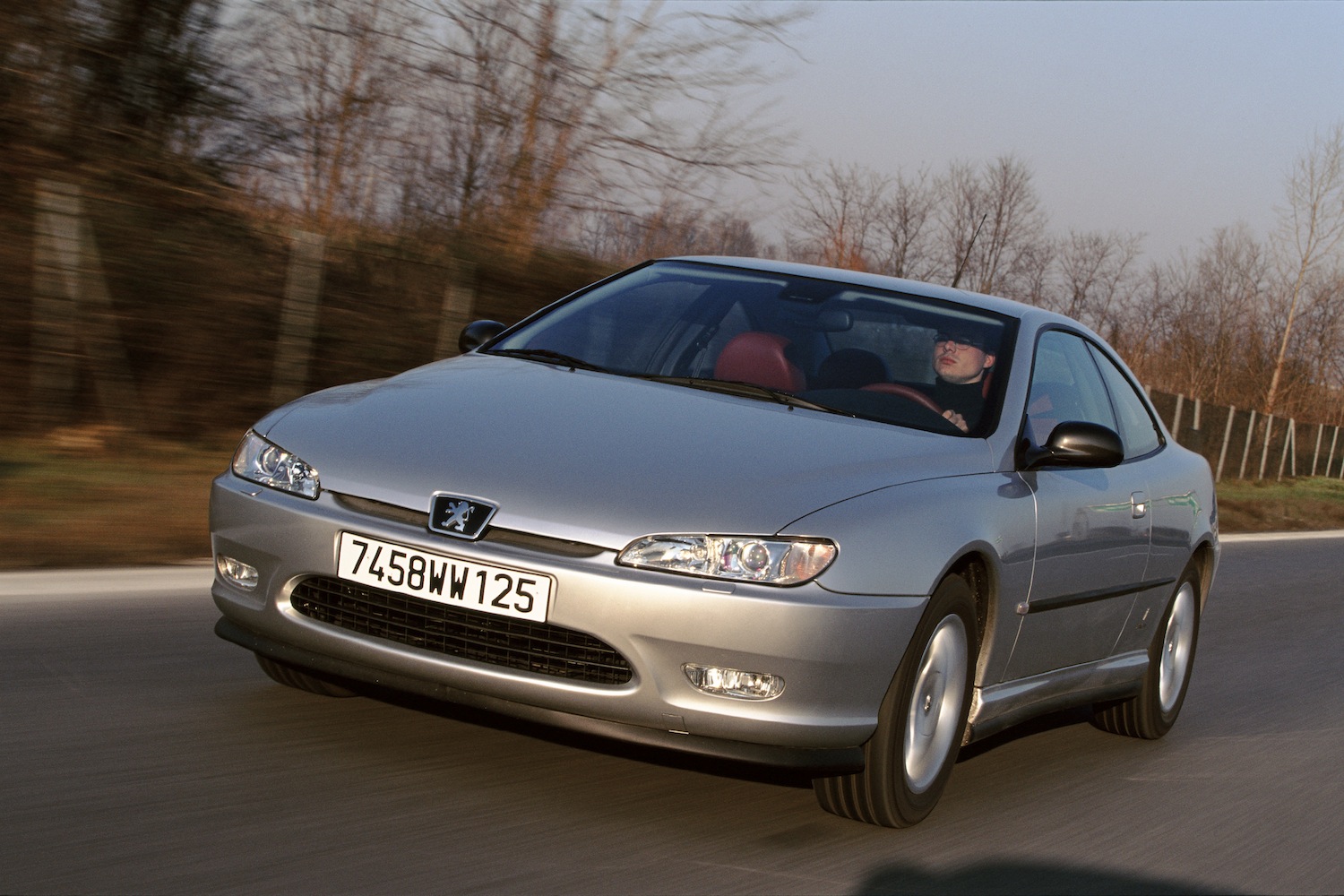
8. Peugeot 406 Coupe
The Peugeot 406 Coupe was an elegant, understated sports car with design pedigree from Pininfarina. Its graceful lines, low stance, and balanced proportions created a sense of sophistication that few contemporaries could match. Even today, its styling feels refined, managing to combine class with subtle aggression in a way that avoids flashiness.
Engine options, particularly the V6 variants, offered smooth, linear power delivery. Acceleration was not extreme but perfectly suited to the car’s character, delivering effortless highway performance and confident responses through corners. The engine complemented the chassis, creating a harmonious driving experience that favored control and poise over raw aggression.
Handling reflected a careful balance between sportiness and comfort. The suspension absorbed imperfections without sacrificing composure, allowing the car to remain stable through corners and spirited driving. Steering was precise, giving enough feedback to remain engaging without being demanding. Overall, the 406 Coupe felt confident and controlled.
Interior quality was strong, with supportive seats, logical controls, and comfortable ergonomics for daily use. The cabin struck a balance between driver focus and passenger comfort, making the car suitable for long journeys without fatigue. Attention to detail in materials and finishes enhanced the sense of refinement throughout.
Because it lacked a clear sports car badge, the 406 Coupe was often overlooked in its era. Today, it offers remarkable value as a stylish, reliable, and well-balanced European coupe. It remains a compelling choice for buyers who appreciate elegance, comfort, and capable driving dynamics at a reasonable price.
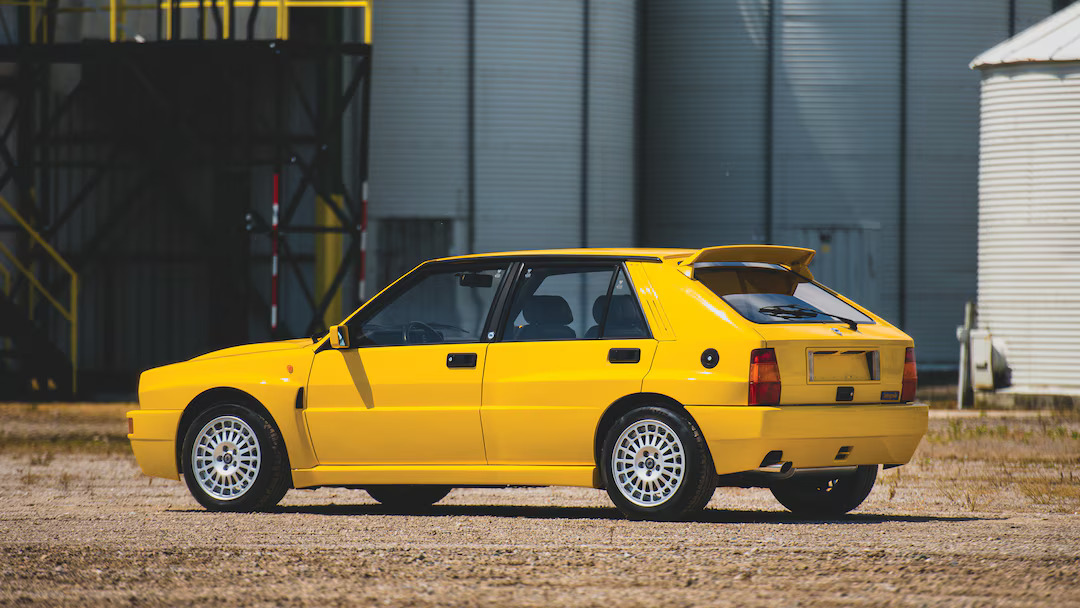
9. Lancia Delta HF Integrale Evolution
The Lancia Delta HF Integrale Evolution was a rally legend, built to dominate special stages while still being road legal. Turbocharged power combined with a sophisticated all wheel drive system created explosive performance. Acceleration was rapid, and traction was exceptional, making the car feel planted and controllable even in challenging conditions.
Driving the Integrale Evolution was an intense experience. The car demanded respect, with a chassis that rewarded precise inputs and punished hesitancy. Every turn delivered feedback through the steering, brakes, and suspension, making the driver feel connected to the road and the car’s dynamic limits. Few cars offered such raw, engaging handling for the price.
Styling reflected its competition heritage, with wide fenders, functional spoilers, and a stance that broadcasted performance. Inside, the cabin was simple but functional, keeping the focus squarely on driving. Gauges, seating, and ergonomics were designed for control rather than luxury, enhancing the car’s purposeful nature.
Despite its legendary reputation in rally circles, the Integrale Evolution remained underappreciated among mainstream buyers. Maintenance concerns and limited availability prevented broader adoption, keeping prices modest relative to its performance and pedigree. Many examples remain attainable for enthusiasts today.
For those seeking a pure rally-inspired driving experience, the Integrale Evolution delivers unmatched character and engagement. Its turbocharged punch, all wheel drive grip, and raw mechanical feel make it one of the most thrilling and underappreciated European sports cars from the 1990s.
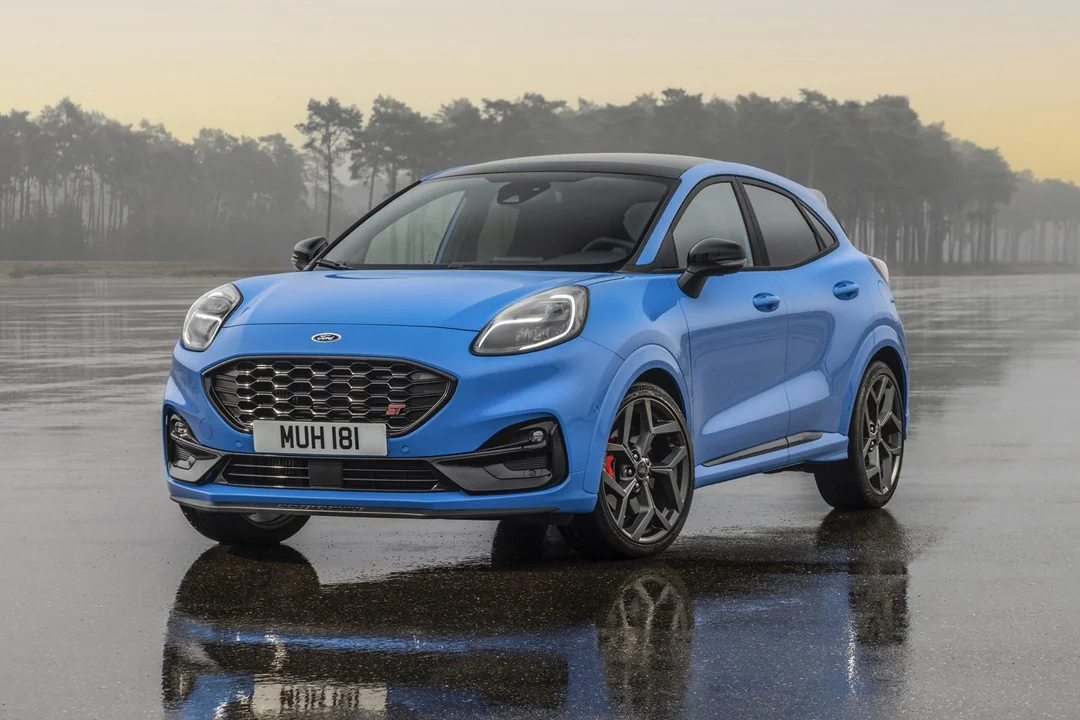
10. Ford Puma 1.7
The Ford Puma 1.7 was a lightweight coupe with surprising depth, combining playful handling with approachable performance. Its naturally aspirated engine, developed in collaboration with Yamaha, offered a lively rev range and engaging throttle response. While horsepower was modest, the car’s small size and light weight allowed it to feel quick and nimble on any road.
Handling was the Puma’s strongest suit, with a chassis designed to reward precise inputs and agile maneuvering. Steering was sharp and communicative, giving the driver complete control. Corners became an opportunity for fun rather than a challenge, and the car encouraged a confident, spirited driving style. Every twist of the road felt alive.
Exterior styling was compact, modern, and distinctive for the era. The interior was simple yet functional, with driver-focused ergonomics and supportive seating. Despite its small footprint, the cabin remained comfortable and logical, reinforcing the car’s sporty intentions while retaining everyday usability.
Due to its Ford badge, the Puma was often overlooked by enthusiasts seeking more “exotic” European sports cars. This kept resale values low and availability reasonable. Today, the Puma 1.7 is recognized as one of the most enjoyable affordable sports coupes from the 1990s, proving that thrilling driving does not always require extreme power or luxury.
