
The decision to choose a hatchback for daily short city trips comes from an understanding of what urban driving demands.
When navigating narrow streets, frequent stopping at traffic lights, tight parking spaces, and unpredictable potholes caused by ongoing construction, a hatchback that remains dependable and consistent becomes a companion that transforms everyday travel into something less stressful and more predictable.
Many drivers will tell you that they value durability, simple maintenance, comfortable handling, and a smooth response from the engine when moving from stop to stop, and these priorities are shaped by the rhythm of urban life itself.
For families taking children to school, for professionals commuting to work, or for anyone running daily errands, the hatchback needs to provide a reassuring presence, giving confidence that the vehicle will start easily in the morning, maintain its performance without frequent breakdowns, handle repeated braking and acceleration with grace, and keep ownership costs reasonable through long service intervals and affordable parts.
At the same time, some hatchbacks do not hold up as well in such conditions, where frequent visits to service centers, sensitive electronics, or engines that struggle with everyday traffic can lead to frustration, unexpected costs, and a decline in the pleasure of driving.
What distinguishes a reliable hatchback from a less reliable one is not simply a higher price or a flashier badge on the front grill, but the sum of engineering priorities that favor simplicity and robustness over complexity, predictable performance over momentary power, and cost‑effective servicing over specialized repair processes.
For a city driver, short trips are the norm, not the exception, and mechanical systems must adapt to constant starts and stops without undue wear.
Suspension must be nimble yet resilient, engines must be tuned to low‑end torque rather than high‑end speed, and cabins must be comfortable in slow traffic rather than optimized only for highway cruising.
The article that follows looks at ten hatchbacks, five that stay reliable under short city trips, and five that do not, offering a perspective that blends practicality, everyday experiences, and lessons learned from owners who live with these cars daily.
By comparing vehicles on this basis, drivers can align their expectations with real-world performance, avoiding common pitfalls and identifying stars that offer value and consistency.
5 Hatchbacks That Stay Reliable Under Short City Trips
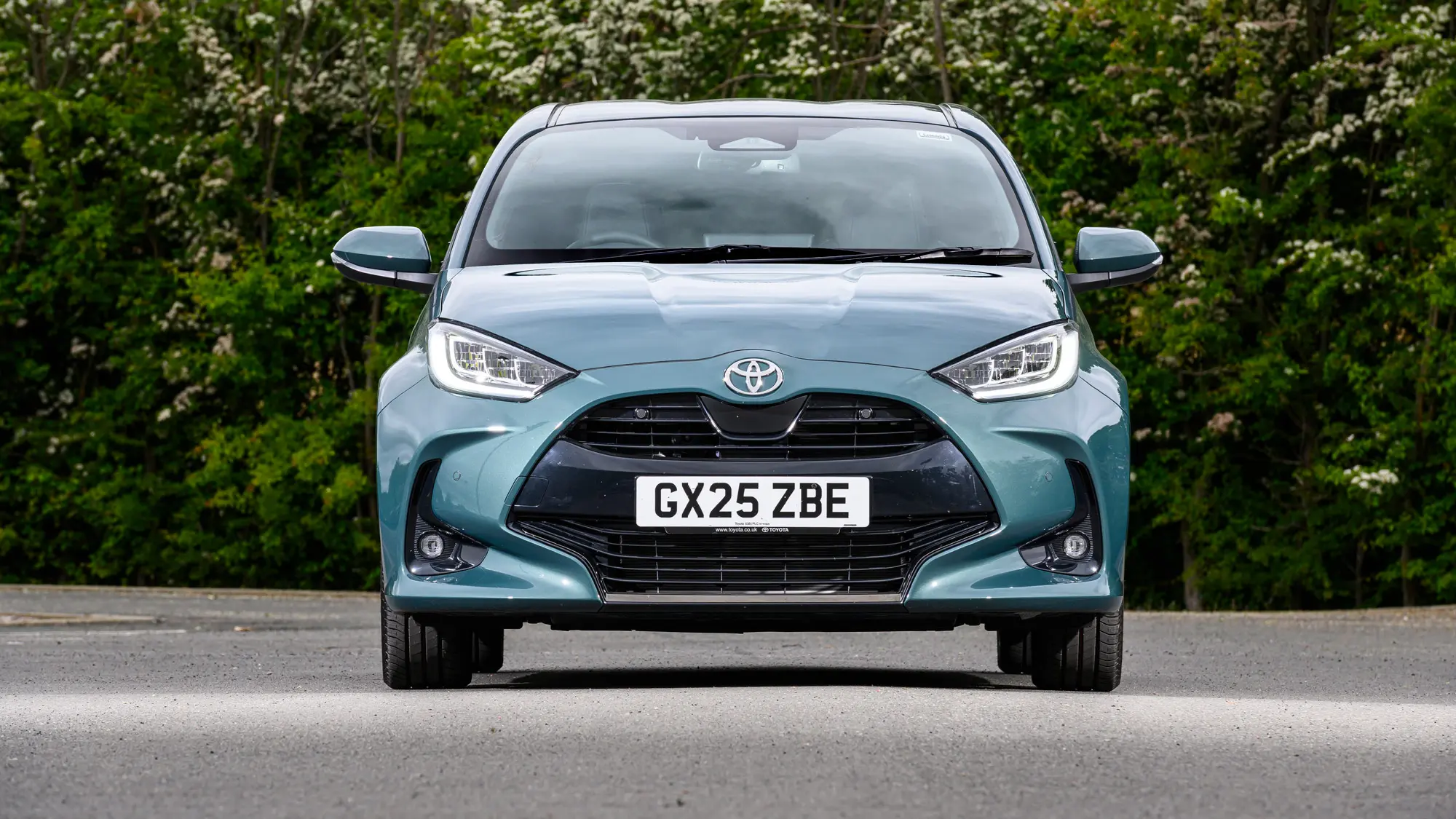
1. Toyota Vitz / Yaris
The Toyota Vitz, known in many markets as the Yaris, provides city drivers with a blend of ease of handling, dependable service history, and minimal fuss when it comes to basic upkeep, and this makes it stand out for those who drive short distances often.
Its engine is designed to respond smoothly to low speed demands, offering a calm power delivery that avoids jerky acceleration, and the transmission shifts without drama even in congested urban conditions where stop and go traffic can challenge less refined systems.
Interior materials are built to endure frequent touching, sliding, and human activity because city drivers often get in and out multiple times daily, and the controls are laid out clearly so there is little distraction from the driving task at hand.
In terms of suspension and chassis tuning, the Vitz strikes a balance by being soft enough to absorb uneven city roads without transferring every bump into the cabin, yet not so soft that it feels unstable around corners or in brisk traffic patterns, making it a trustworthy choice for daily routines.
Owners report that parts are widely available and that many independent mechanics are familiar with the simple architecture of this hatchback, so when something does require attention the process is affordable and painless, adding to the sense of reliability that short city driving demands.
The Vitz’s fuel consumption at low speeds remains efficient because the engine is engineered to operate well within the typical rpm ranges encountered in city driving, avoiding the need to labor at high revs just to move the car forward.
The braking system provides strong feedback and wears predictably with frequent stops, a critical quality for anyone navigating traffic lights and pedestrian crossings with care.
Its compact dimensions allow parking in tight spaces that a larger car would struggle with, and visibility from the driver’s seat is generous, limiting blind spots that can make urban maneuvering stressful.
Electronic systems are conservative rather than ambitious, meaning there are fewer sensors and complex modules prone to glitching in everyday use, which frees drivers from unnecessary maintenance reminders or warning lights that offer little practical benefit for city only travel.
Over many years, this hatchback’s reputation has been built on durability and a reputation for easily surpassing high mileage without major repairs, a reassurance for drivers who depend on their car each day.
Service intervals are spaced in a way that aligns with typical urban use, so short journeys do not trigger excessive oil changes or checks more often than they should. The balance of practical features, mechanical resilience, and low operational costs make it a wise choice for anyone whose driving life revolves around city streets.
Among its strengths, the Vitz’s steering feel remains consistent even after prolonged use, giving drivers confidence when weaving through gridlocked traffic or adjusting position in a crowded parking lot. The cabin, though not luxurious, focuses on comfort with supportive seats and uncomplicated ergonomics, reducing fatigue for drivers who make frequent short stops.
Toyota’s attention to quality control is evident in the way components hold up over time, even when exposed to the kind of dust, heat, and variable weather a city environment can present.
Many drivers appreciate the absence of overly sensitive electronics that can distract or malfunction when they are least expected, reinforcing the impression that this hatchback has been designed for dependable, everyday operation rather than breakneck performance or extravagant tech features.
Because of these cumulative qualities, the Toyota Vitz / Yaris remains a benchmark within its class for urban‑centric reliability, proving that thoughtful engineering and attention to the simple realities of city driving matter more than flashy specs on a brochure.
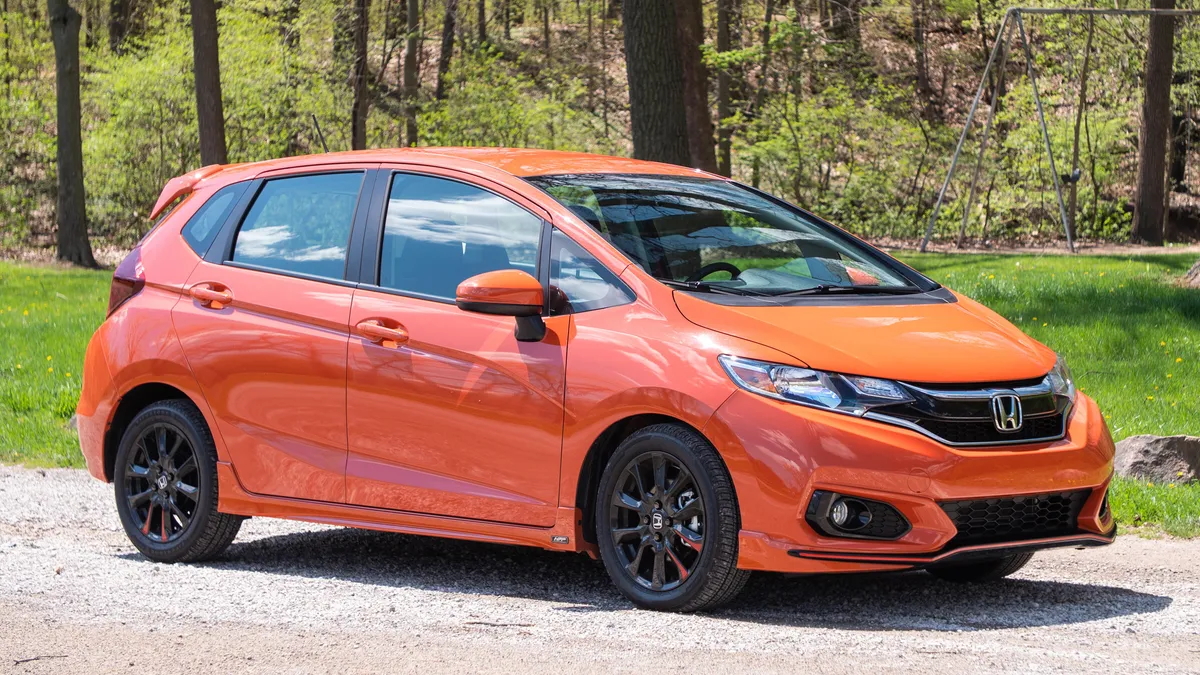
2. Honda Fit / Jazz
The Honda Fit, also known as the Jazz in certain regions, stands out as a reliable urban hatchback that meets the requirements of short city journeys with consistency, thanks to its adaptable cabin and impressively durable mechanical systems.
The engine delivers consistent response at the low end of the power band, which is critical for frequent stops and starts encountered in urban grids where traffic conditions can change within moments.
Its continuously variable transmission (CVT) is calibrated to minimize jerkiness and hesitation, smoothing the drive in heavy traffic where drivers must constantly adjust speed, and this quality enhances both comfort and control.
Inside, ingenious packaging provides flexibility that appeals to city dwellers who may carry a mix of passengers and cargo on any given day, and the seats can be rearranged to accommodate unusual loads without compromise.
Suspension tuning avoids harshness, absorbing the irregular surfaces of urban roads while maintaining enough stiffness to keep handling precise when quick direction changes are necessary.
Service networks for Honda vehicles are widespread, meaning routine maintenance and occasional repairs typically occur without excessive wait times or expensive parts, which boosts the ownership experience.
Mechanical simplicity in critical systems, paired with robust build quality, means fewer surprises during the car’s life cycle, a factor that many city drivers appreciate when balancing busy schedules and transportation needs.
The Fit’s reputation for holding its value over time also speaks to the balance of durability and desirability, making resell less stressful when the time comes to upgrade. Drivers frequently commend the predictable handling and solid feel of the chassis, noting that the hatchback feels planted even in less than ideal driving conditions.
These qualities combine to make the Honda Fit / Jazz a standout in the urban hatchback segment, especially for those who prioritize reliability and ease of use in their daily short trip routines.
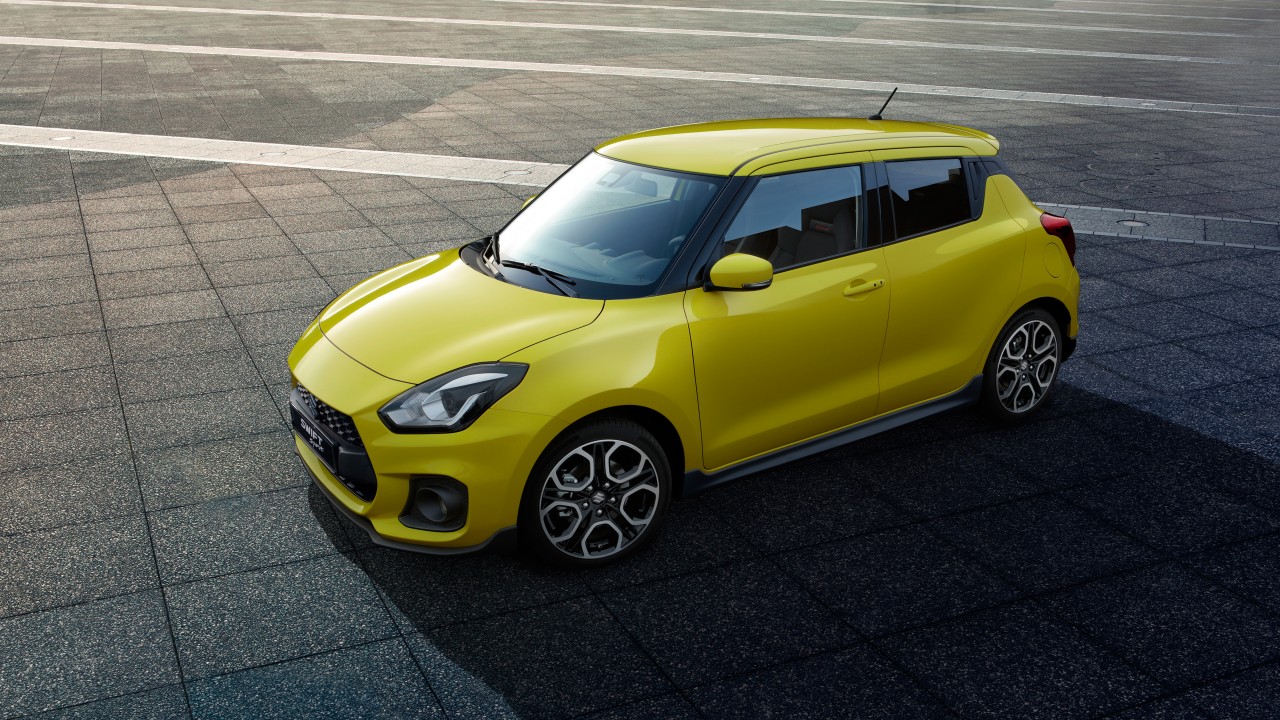
3. Suzuki Swift
The Suzuki Swift has gained recognition among urban drivers for its reliable performance in frequent short trips where other vehicles might experience wear sooner or respond unpredictably to congested traffic conditions, and this reputation comes from a combination of responsive engines and forgiving suspension tuning.
Its lightweight design contributes to nimble handling that helps the car move confidently through stop and go traffic, while the engine does not require excessive revs just to propel the vehicle forward, which benefits both fuel efficiency and mechanical longevity.
In city driving, being able to react quickly yet smoothly to changing traffic conditions is essential, and the Swift’s steering feedback and compact proportions work together to make everyday driving feel manageable and composed.
The interior, though simple, places essential controls within easy reach, avoiding overcomplicated systems that might distract or confuse drivers who are already dealing with the fast pace of urban life.
Fuel consumption on short city circuits remains reasonable because the powertrain avoids unnecessary strain, and the transmission transitions are designed to sense driver intent accurately, reducing hesitation that could otherwise contribute to stress in heavy traffic.
Suspension is tuned to absorb common urban road imperfections while resisting excessive roll, so the ride feels stable and predictable even when navigating uneven surfaces or quick lane shifts. Brake feel is consistent and intuitive, which is invaluable when drivers must frequently judge stopping distances for traffic lights and congested intersections.
Parts availability for the Swift is broad in many markets, contributing to more accessible and affordable routine service, which is an important aspect of reliability that can be overlooked when focusing only on performance figures.
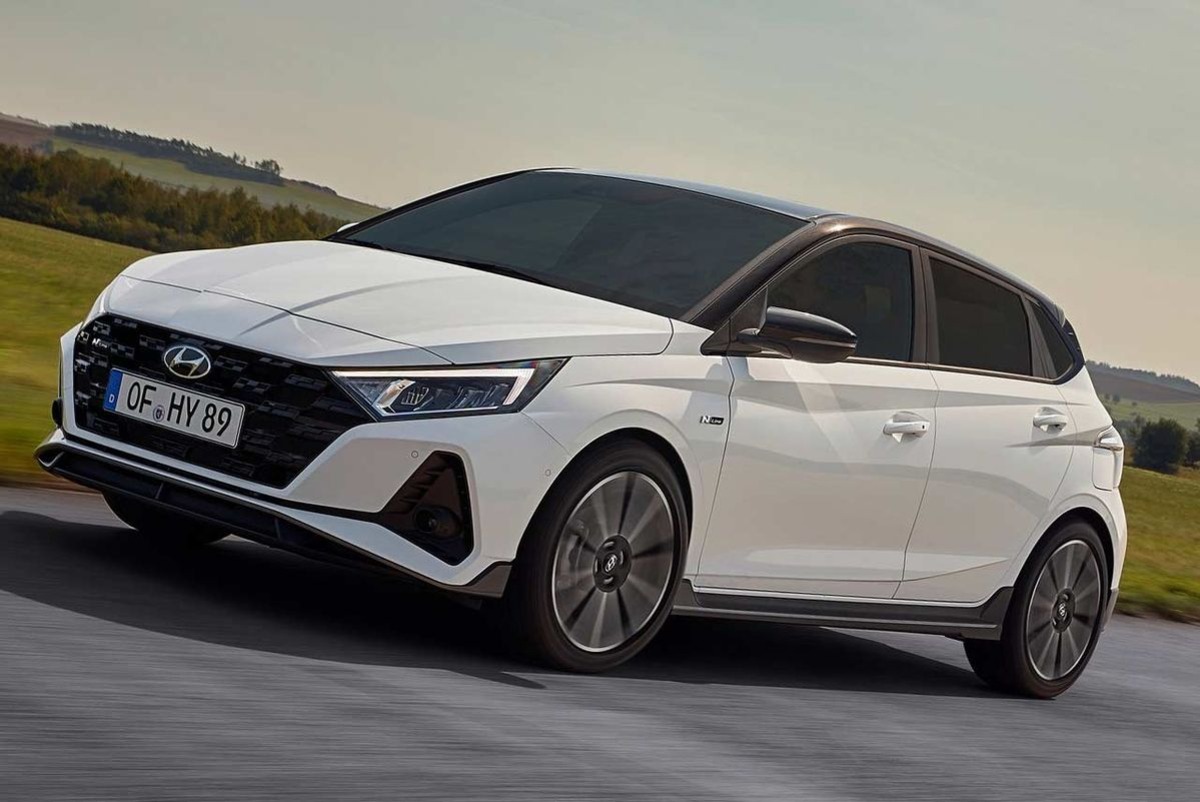
4. Hyundai i20
The Hyundai i20 has earned favor among urban commuters for its balanced approach to performance, comfort, and reliability on short trips where other cars might reveal weaknesses because it combines stable handling with an engine tuned for lower speed efficiency.
This hatchback’s design focuses on smooth acceleration from standstill, which is crucial in city traffic characterized by frequent lights and crosswalks that interrupt momentum, and this trait helps drivers feel in control rather than struggling to keep pace with slower moving streams of vehicles.
Inside, ergonomic seating and logically arranged controls help reduce driver fatigue when making repeated short drives each day, while the suspension soaks up common road imperfections effectively without transmitting harshness into the cabin. Engineers balanced ride comfort and stability so that the i20 feels planted even on roads that have seen years of wear from traffic and weather.
Fuel economy is respectable because the engine management system prioritizes efficiency in conditions that mimic urban routes, and the transmission assists by adjusting shift points to avoid unnecessary revving that would otherwise increase consumption.
The braking system provides a consistent feel that helps drivers judge stopping distances accurately, an important quality when navigating crowded streets and sudden pedestrian movement.
Reliability over time is supported by the wide availability of service centers and replacement parts, minimizing downtime when routine maintenance is needed, which is a practical advantage for drivers who depend on their vehicle every day for errands and commuting.
Hyundai’s quality control processes ensure that key components hold up well under the repeated stresses of start and stop traffic, contributing to fewer unexpected issues compared to vehicles that might be more sensitive to urban use.
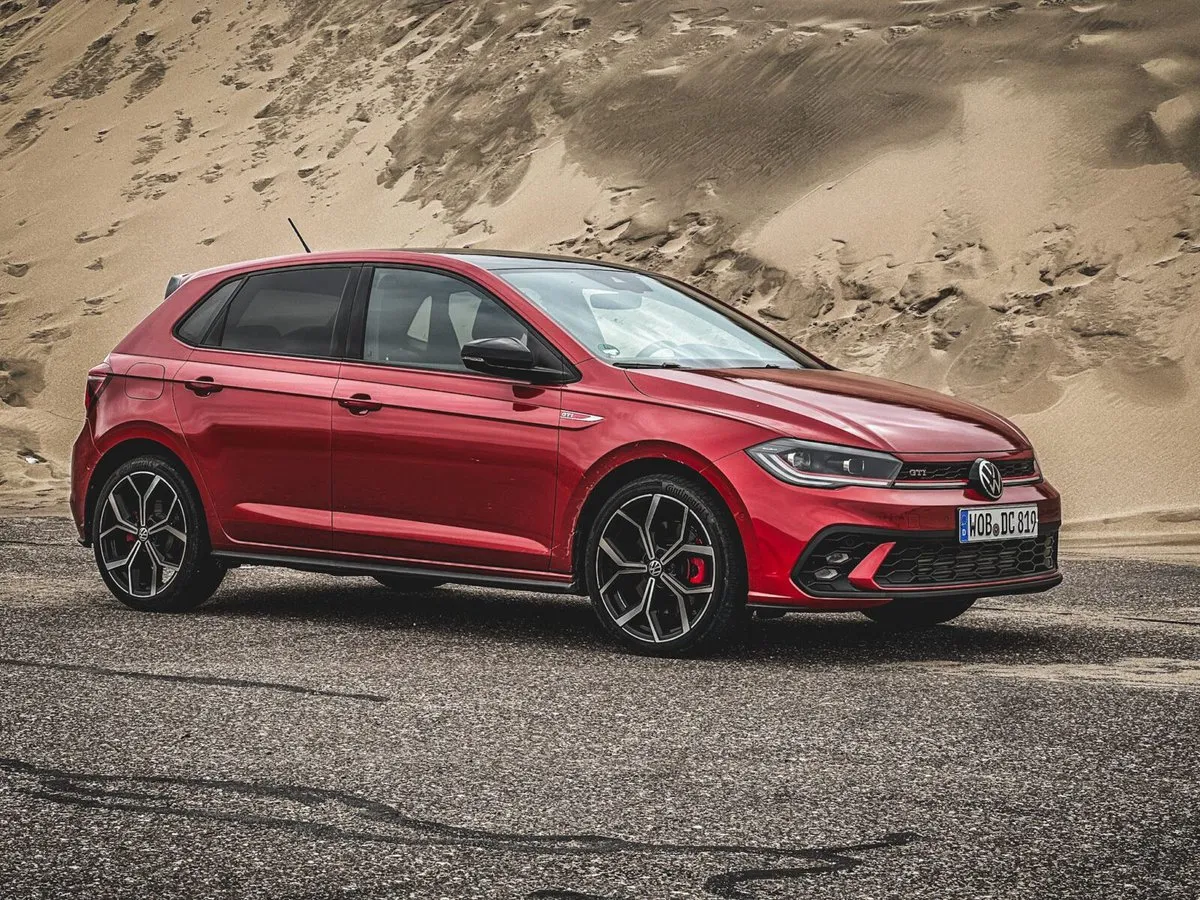
5. Volkswagen Polo
The Volkswagen Polo has built a reputation for delivering solid reliability in city driving through a combination of composed handling, engine refinement, and build quality that helps it manage frequent short trips with confidence that other cars may lack.
Its engine responds with smooth power delivery in low-speed ranges, ensuring that city traffic does not cause undue strain or discomfort for the driver, while the transmission shifts with precision to maintain a calm, predictable pace.
The suspension setup absorbs typical urban road irregularities, offering a balanced ride that neither feels too soft nor too firm, which helps maintain control in varying conditions that can range from smooth asphalt to patchy surfaces.
Inside, the Polo’s cabin design prioritizes intuitive control placement and supportive seating that reduces stress on the driver during repeated starts and stops, enhancing comfort over time.
Fuel efficiency remains competitive because the powertrain and transmission work in unison to avoid unnecessary high rpm excursions that would otherwise increase consumption in short city routes, and the Polo’s braking system communicates feedback clearly to help drivers judge stopping distances accurately at busy intersections.
Reliability is reinforced by a robust build quality that withstands the vibrations and micro‑stresses of frequent urban driving, meaning daily use does not easily lead to creaks, rattles, or loosening components that might otherwise undermine confidence in the vehicle’s long term durability.
Replacement parts and service networks are widely accessible in many regions, making routine maintenance less of a logistical challenge, which is a practical matter for those who depend on their car regularly.
5 Hatchbacks That Don’t
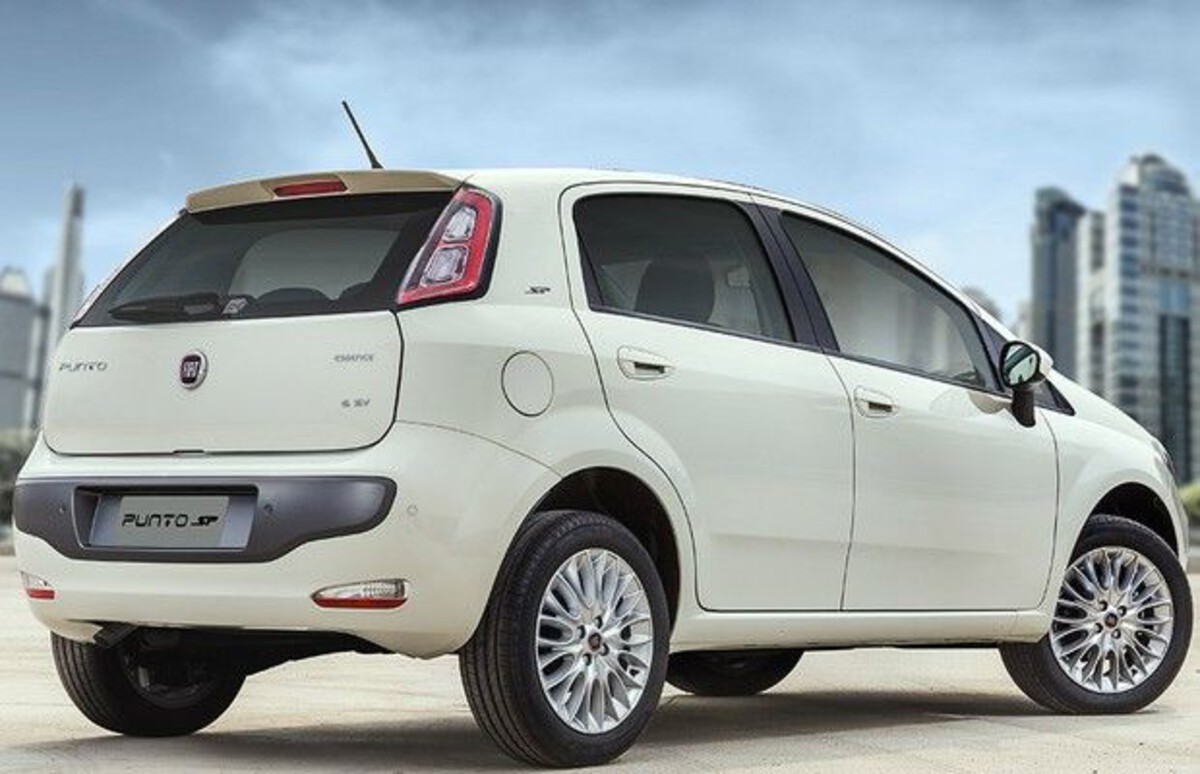
1. Fiat Punto
The Fiat Punto has often faced criticism from city drivers for its less dependable performance under conditions where stop and go traffic is routine, partly because its mechanical design reflects priorities that do not align well with the repetitiveness of short urban trips.
The engine, while adequate in power on open roads, can feel strained at times when frequent acceleration is required from low speeds, leading to higher fuel consumption and increased wear on key components that are asked to respond often.
Transmission shifts may feel hesitant or abrupt in dense traffic, which contributes to driver fatigue when navigating congested city blocks that demand smooth and predictable responses.
In addition, the suspension, although tuned for comfort on open stretches, may transfer more road imperfections into the cabin when negotiating uneven urban surfaces, resulting in a ride that feels less controlled and composed compared to competitors designed with city conditions in mind.
Interior components can be susceptible to rattles and looseness over time, a concern for daily drivers who expect materials to maintain their fit and finish under repetitive use.
Electronics and sensors that govern climate control or infotainment systems may be less intuitive or responsive, creating minor frustrations that compound over many short journeys.
In some cases, owners report that small issues, such as electrical quirks or sensor warnings, appear more frequently than expected, leading to visits to service centers that interrupt the usual flow of daily travel.
The braking system may also lack the consistent feedback required for accurate judgment in crowded intersections, especially when rapid decisions are needed to avoid pedestrians or changing traffic lights.
Engineers focused more on certain performance aspects rather than optimizing the Punto for slow speed agility, which leaves city drivers feeling less confident in routine stop and start conditions.
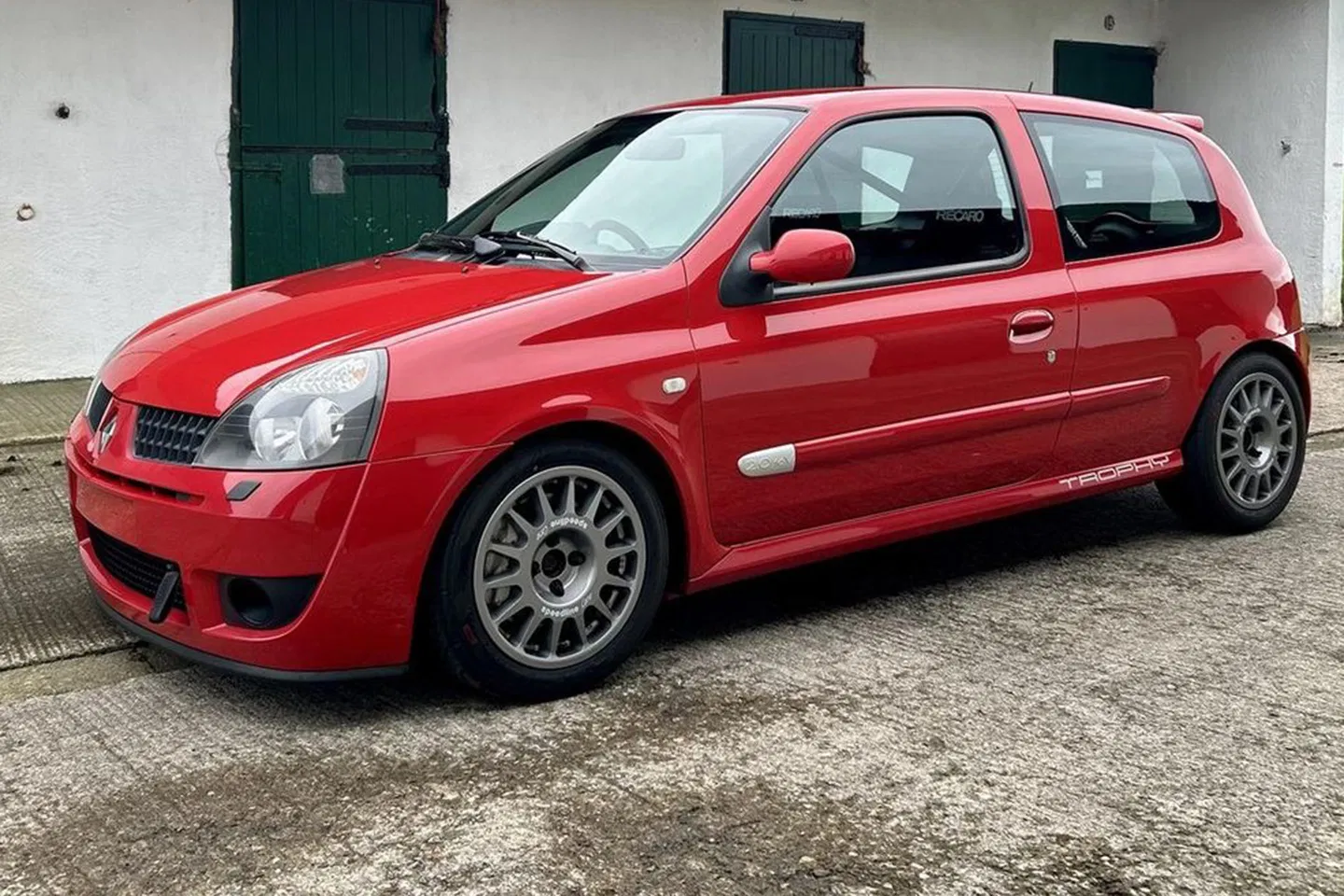
2. Renault Clio (Older Generations)
Older generations of the Renault Clio have shown tendencies that challenge reliable performance for short city journeys, because certain mechanical and electrical systems are sensitive to the repetitive accelerations and decelerations characteristic of urban traffic.
The engine and transmission pairing in these earlier models may hesitate or lag during frequent speed changes, resulting in a driving experience that feels less responsive than expected when moving through congested roads.
Suspension components, while comfortable on longer stretches, often transmit more bumps and irregularities into the cabin on rough city surfaces, which makes the ride less refined and can contribute to a perception of lower durability.
In addition, earlier Clio models are sometimes known for having electrical components that are prone to glitches or intermittent failures, leading to dashboard warnings that require attention and detract from confidence in daily dependability.
The interior design in older Clios can also show signs of wear more quickly under intense daily use, with buttons and trim pieces becoming loose or developing squeaks that detract from the driving experience.
Brake response may feel inconsistent over time, which is a concern in heavy traffic where drivers must judge stopping distances accurately and frequently.
Parts availability for certain older Clio models can be limited depending on the market, making straightforward repairs more of a challenge and increasing downtime when maintenance is necessary.
These issues accumulate over repeated short trips, creating an environment where the car feels less reliable than competitors that place greater emphasis on robustness in urban conditions.
Drivers who depend on a vehicle to start each morning and perform predictably throughout the day may find themselves attending to minor fixes that interrupt their routines and require additional time at workshops.
3. Chevrolet Spark (Certain Model Years)
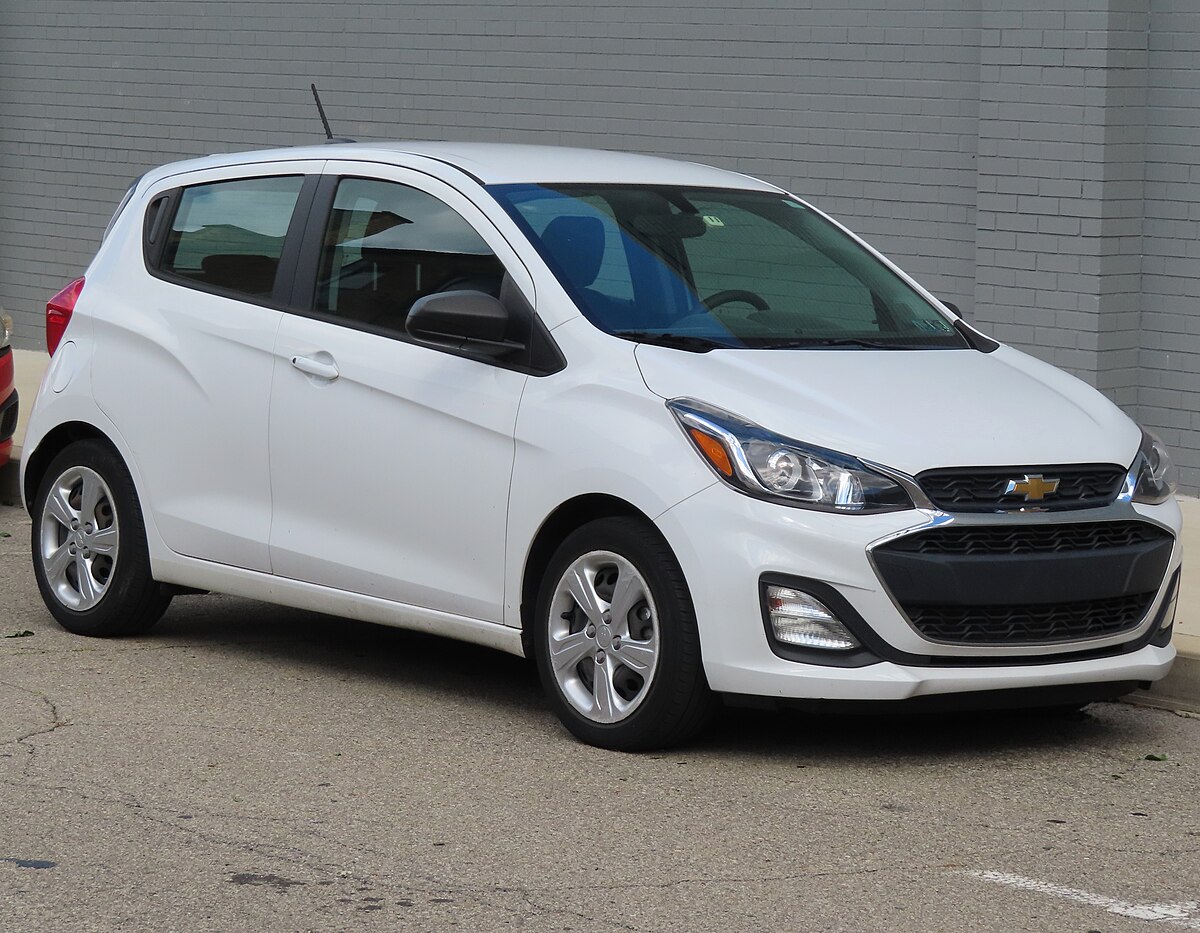
Some model years of the Chevrolet Spark have earned reputations among drivers that they are not ideal for short city trips because of how certain mechanical systems respond to frequent stops, starts, and tight maneuvering that define urban driving.
While the compact size might appear suited to city conditions at first glance, the small engine can strain when accelerating from low speeds repeatedly, which leads to higher fuel consumption and increased stress on powertrain components.
The transmission, particularly in earlier automatic iterations, can feel hesitant and uncertain, making it harder for drivers to maintain smooth progress in heavy traffic where quick, fluid responses are required.
Suspension tuning may be focused more on comfort than on urban resilience, resulting in greater feedback of road imperfections into the cabin and a sense that the car is unsettled on uneven surfaces.
In addition, the interior components in some model years have been reported to develop issues more quickly under frequent use, such as controls that lose responsiveness or trim that loosens under repeated handling.
The braking system can lack the intuitive, predictable feel needed for accurate judgments at crowded intersections, which reduces driver confidence in critical moments.
Engineers did not always prioritize long term durability for the repeated short bursts of acceleration and deceleration typical of city traffic, which leaves this hatchback feeling more fragile over time.
When electronics and sensors are included, they may contribute to intermittent alerts or malfunctions that require workshop visits, detracting from the sense of reliability that drivers want for everyday trips.
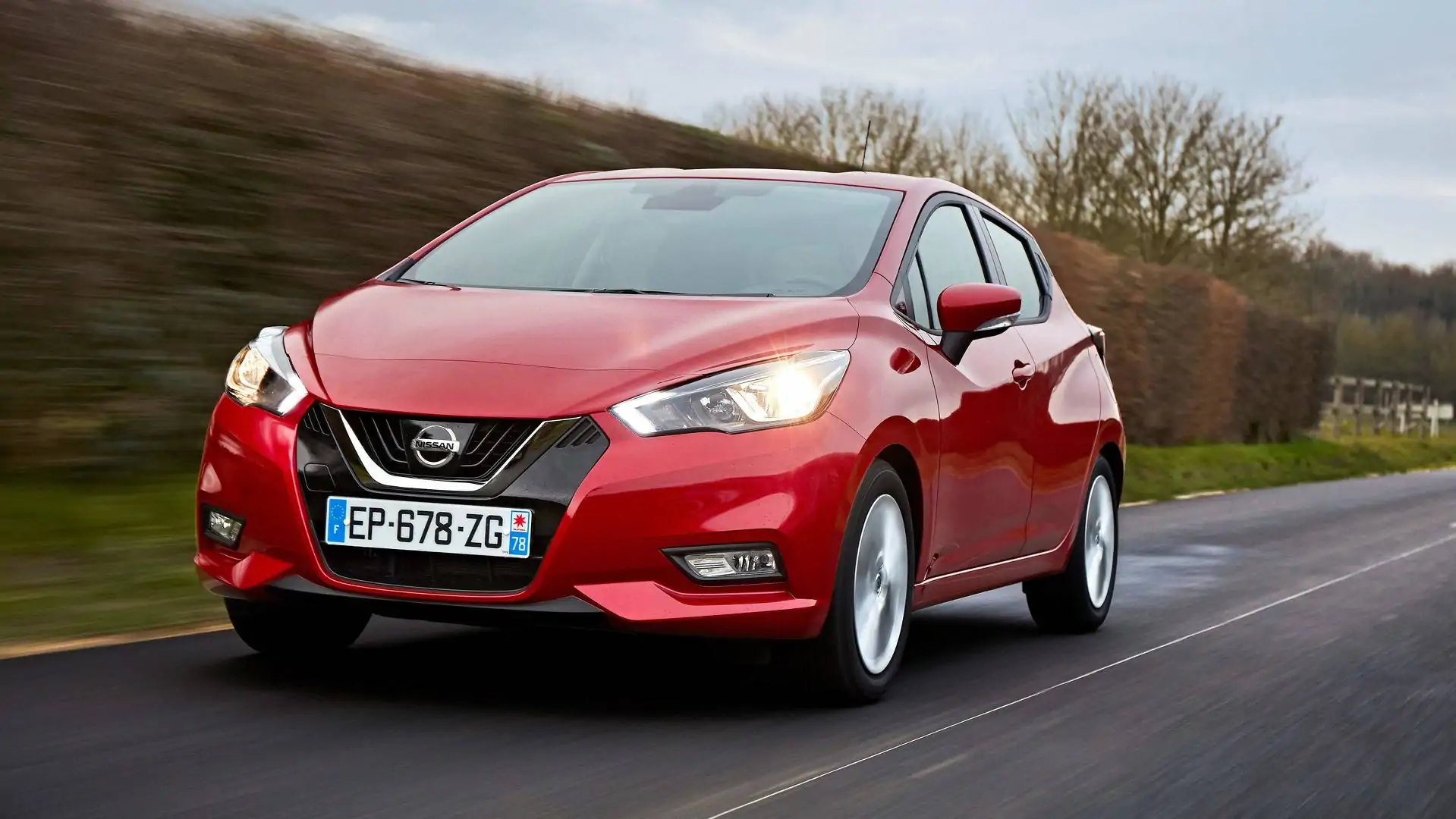
4. Nissan Micra (Older Generations)
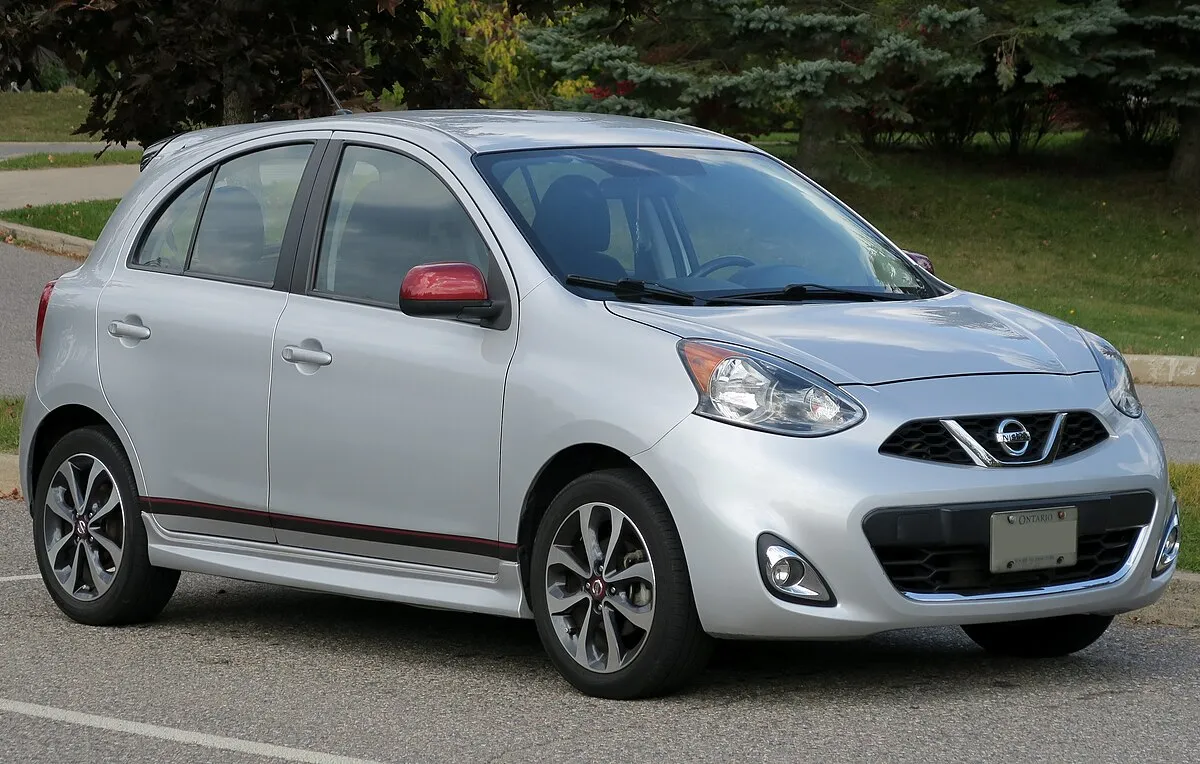
Certain older generations of the Nissan Micra have a record of being less dependable on short city errands because of design characteristics that do not align well with the demands of constant stop and go driving and unpredictable urban road conditions.
The engine response, while adequate on open stretches, may feel sluggish when drivers need consistent power delivery at low speeds, leaving them to press harder on the throttle and increasing fuel usage as well as mechanical wear.
Automatic transmissions in these versions can shift hesitantly in dense traffic, creating moments of trepidation rather than confidence when approaching traffic lights or merging into slow streams of cars.
Suspension systems may be prone to transmitting the roughness of everyday city roads into the driver compartment, leading to an impression of instability rather than the smooth, controlled ride desirable for frequent short trips.
Interior controls and fittings in these older Micra models can show signs of accelerated wear, with plastics that age visibly and buttons that lose crisp feedback, which detracts from the day in and day out satisfaction drivers seek.
Braking feedback may also become less intuitive over time, which is a concern when judging rapid stops at crosswalks and intersections packed with pedestrians.
Electrical modules in some units are prone to occasional quirks, such as erratic sensor warnings or intermittent functions that require diagnostic attention, adding to the list of reliability concerns for busy drivers.
While parts and workshop knowledge for the Micra are common in many regions, the frequency of minor issues in these earlier designs can lead to a sense that the vehicle demands more attention than other hatchbacks built with city use as a core priority.
5. Peugeot 207
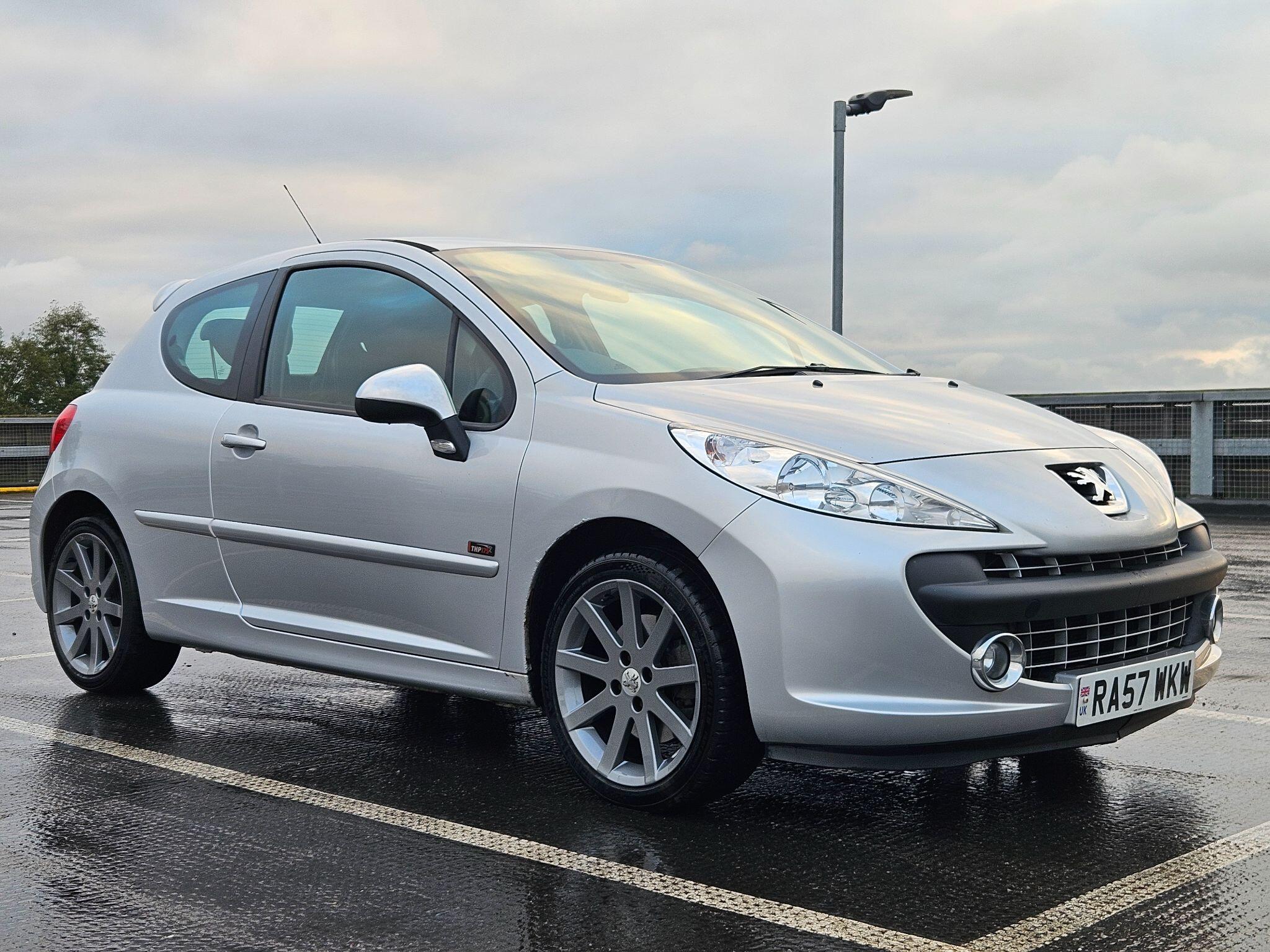
The Peugeot 207 does not always stand up well to the stresses of short city travel thanks to mechanical and design choices that favor comfort and styling over the durability and simplicity that frequent stop and start driving requires.
The engine, while smooth in open traffic, can feel less responsive at low speeds, making it harder for drivers to accelerate confidently in congested streets where short bursts of power are often necessary.
Transmission behavior in traffic can be less predictable, with shifts that feel hesitant or slow to respond, contributing to a driving experience that seems out of step with the demands of urban circulation.
Suspension tuning that prioritizes cushioning over composure means that irregular city road surfaces communicate more movement into the cabin, which can feel unsettling after repeated short journeys.
Interior features and electronics may be more sophisticated than necessary for short drives, but that sophistication comes with the downside of more potential points of failure, such as sensors that trigger warnings without clear cause or infotainment systems that reset unexpectedly.
Brake feedback can feel inconsistent, an issue when drivers must make frequent judgments about stopping distances at busy intersections or pedestrian crossings.
Over time, owners report that certain trim pieces and fittings show signs of wear more quickly, leading to rattles and loosening that diminish confidence in the car’s long term durability for daily use.
Electrical modules can be sensitive, leading to intermittent issues that require diagnostic visits and interrupt routines that depend on reliable transportation.
The cumulative effect is a hatchback that turns the simple act of city driving into a series of minor frustrations rather than a dependable everyday experience. This makes it a less suitable choice for drivers whose daily lives rely on consistent, predictable performance from their vehicle.
