
Crossovers have become one of the most popular vehicle types in modern cities, offering a combination of car-like handling and SUV practicality. They are often chosen for their versatility, comfort, and ability to handle a variety of driving conditions while still fitting into urban environments.
With crowded streets, limited parking spaces, and the need for efficient fuel use, city drivers tend to favor vehicles that are compact, maneuverable, and easy to park. Crossovers that balance size and practicality provide an appealing solution for commuters, families, and individuals who need cargo space without sacrificing drivability.
Urban crossovers are designed to blend into the city landscape while still offering a higher driving position, improved safety features, and better visibility compared to sedans. They allow drivers to navigate narrow streets, busy intersections, and tight parking spots more easily than larger SUVs.
Additionally, the ride height and seating comfort of a crossover make daily commutes less stressful, especially for those who spend long hours in traffic. These vehicles often include modern technologies such as parking sensors, cameras, and driver-assist systems that make city driving more convenient and safe.
At the same time, not all crossovers are suitable for urban life. Some models have grown excessively in size, making them difficult to park and less efficient in heavy traffic. Large crossovers may offer more power and luxury features, but their bulk can become a liability in crowded streets and narrow lanes.
The increased fuel consumption and higher cost of maintenance can also be discouraging for city dwellers. As a result, the ideal urban crossover is one that finds a balance between space, comfort, and agility.
In this article, we will highlight crossovers that work particularly well in cities. These models have the right proportions, features, and handling characteristics to make urban driving practical and enjoyable. Conversely, we will also identify crossovers that have become too large for most urban environments.
These vehicles may offer impressive capabilities on highways or in suburban areas, but they often compromise convenience and efficiency in city settings. Understanding which crossovers fit or fail in urban life can help buyers make more informed decisions.
By examining both categories, readers can appreciate how design, size, and functionality impact the suitability of crossovers for city living. Size alone does not determine a vehicle’s practicality, but it plays a significant role in maneuverability, parking, and fuel efficiency.
Other factors, such as visibility, comfort, and technology, also contribute to the urban driving experience. Selecting the right crossover requires balancing personal needs, lifestyle, and the realities of city streets.
5 Crossovers That Make Sense in Cities
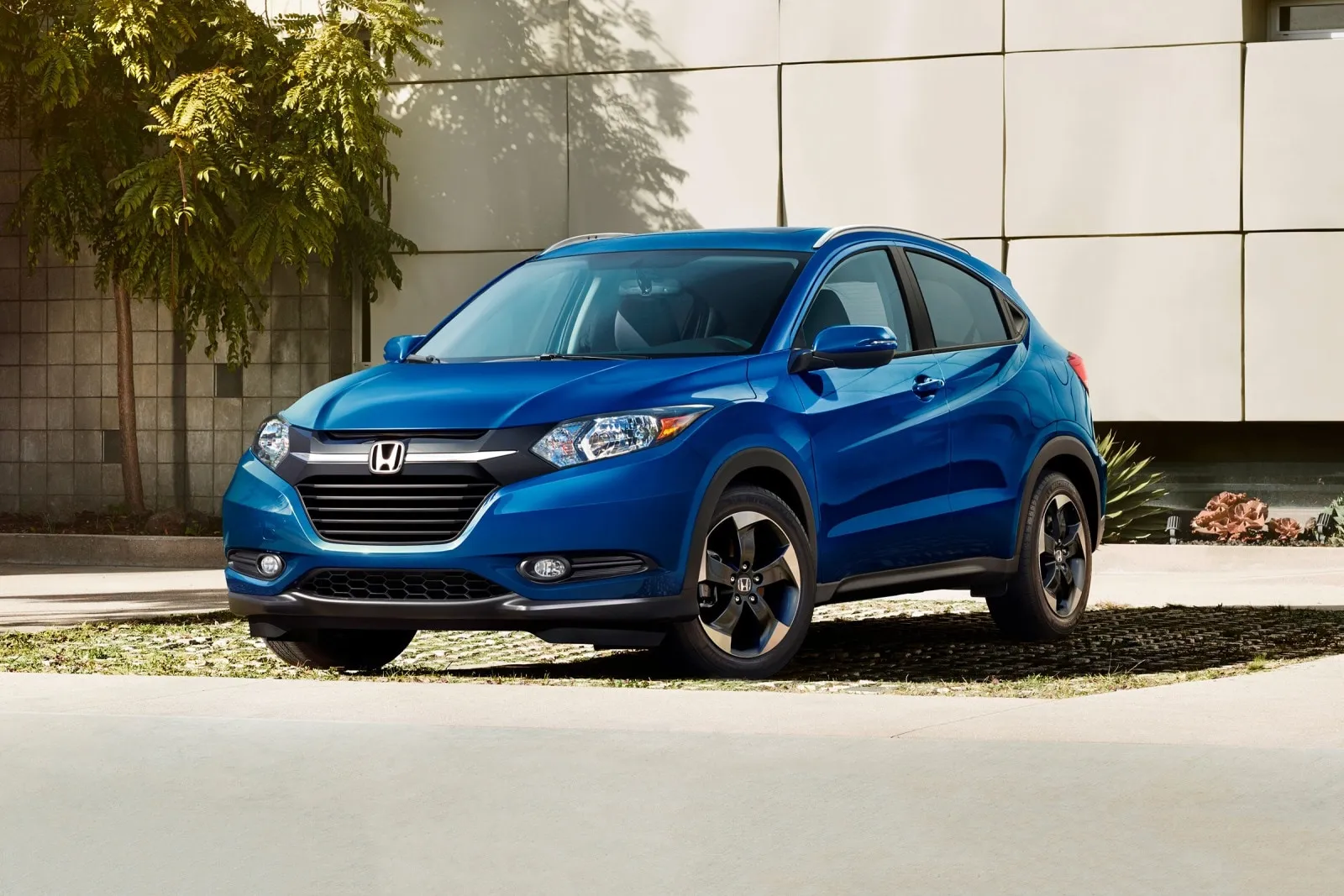
1. Honda HR-V
The Honda HR-V stands out as a crossover that feels naturally designed for city streets. Its compact exterior dimensions allow drivers to navigate narrow roads without stress. Parking in tight spaces is manageable even in crowded downtown areas. The vehicle maintains a balanced shape that avoids feeling cramped or oversized.
One of the biggest advantages of the HR-V is how efficiently it uses interior space. Despite its smaller footprint, it offers a flexible cabin layout that adapts to daily needs. The rear seats can be adjusted to carry groceries, luggage, or work equipment. This makes it practical for both commuting and errands.
The elevated seating position improves awareness in traffic-heavy environments. Drivers benefit from better visibility at intersections and in slow-moving congestion. Steering is light and predictable, which reduces fatigue during long city drives. The suspension is tuned to absorb uneven pavement and speed bumps smoothly.
Safety features further enhance its city-friendly nature. Systems such as automatic braking and lane alerts help reduce minor urban accidents. These features are especially useful in stop-and-go traffic conditions. Combined with responsive braking, the HR-V feels secure at low speeds.
Fuel efficiency plays a key role in its urban appeal. The HR-V consumes less fuel compared to larger crossovers, saving money over time. Lower emissions also make it a sensible option for city environments. It offers a strong balance between efficiency, comfort, and usability.
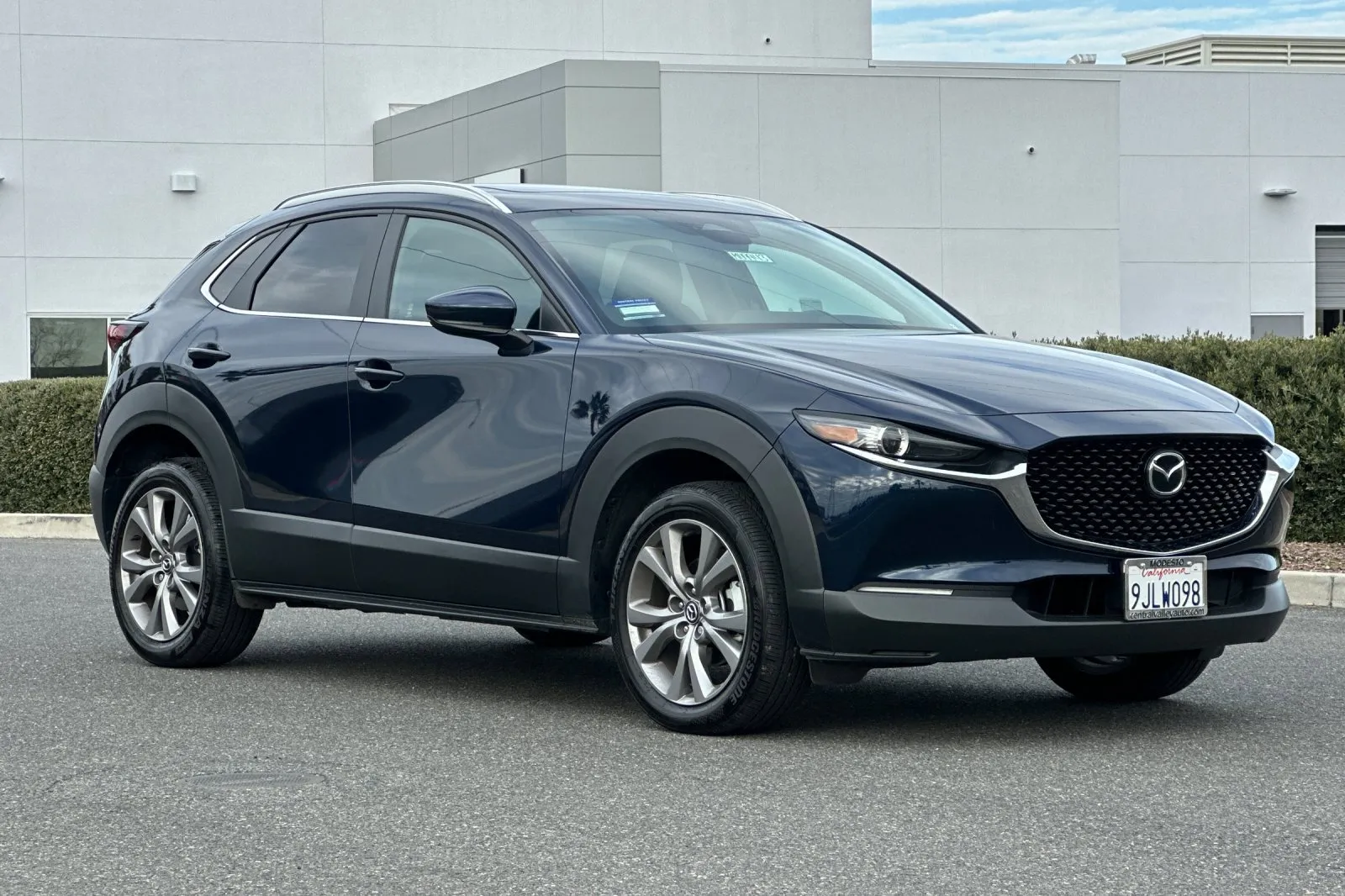
2. Mazda CX-30
The Mazda CX-30 fits naturally into urban life due to its refined size and clean proportions. It feels agile when weaving through traffic or navigating tight corners. The vehicle never feels bulky, even on narrow residential streets. Its modern styling also blends well with city surroundings.
Inside the cabin, the CX-30 focuses on comfort and thoughtful design. Materials feel well-crafted, creating a calm driving atmosphere. Controls are positioned for easy access, reducing distraction while driving. The seating provides good support for daily commuting routines.
Handling is one of the CX-30’s strongest qualities in city conditions. Steering is precise, allowing quick reactions in unpredictable traffic. The suspension keeps the ride composed over potholes and uneven surfaces. This creates a sense of control that city drivers appreciate.
Technology assists drivers during common urban challenges. Parking aids and camera systems help when maneuvering into tight spaces. Driver-assist features reduce stress in congested traffic situations. These systems work quietly in the background without feeling intrusive.
Fuel economy remains competitive for its class, supporting frequent short trips. The cargo area accommodates shopping bags and small loads with ease. Foldable rear seats add versatility when needed. Altogether, the CX-30 offers a refined yet practical city experience.
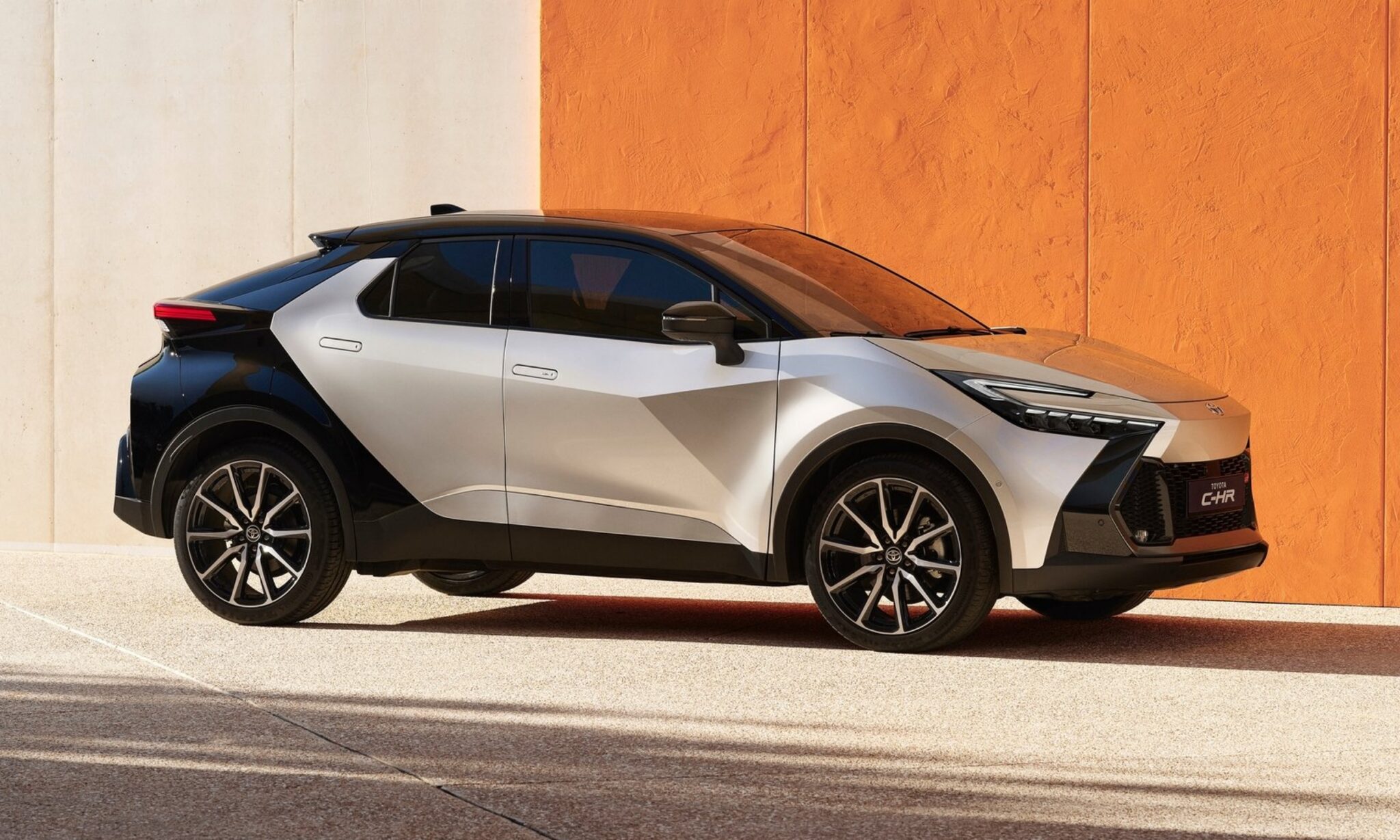
3. Toyota C-HR
The Toyota C-HR is well-suited for city use thanks to its compact build and tight turning radius. It handles narrow streets with confidence and ease. Urban drivers benefit from its manageable size when parking or navigating dense traffic. Its design emphasizes control over sheer size.
Inside, the C-HR offers a driver-focused cabin layout. Seating is comfortable for short and medium-length trips around the city. Storage areas are thoughtfully placed for daily items. The interior design supports practicality without unnecessary complexity.
The vehicle includes safety systems that are especially useful in busy urban environments. Collision alerts and braking assistance help manage sudden stops. Lane monitoring improves awareness during heavy traffic. These features enhance peace of mind during daily drives.
Performance is tuned specifically for city conditions rather than speed. Acceleration is smooth and controlled at intersections. The suspension maintains comfort over uneven roads. Handling remains stable even during frequent starts and stops.
Fuel efficiency adds to its appeal for city residents. Lower fuel consumption reduces ongoing costs. Maintenance needs are generally manageable and predictable. The C-HR delivers a reliable and efficient option for everyday urban mobility.
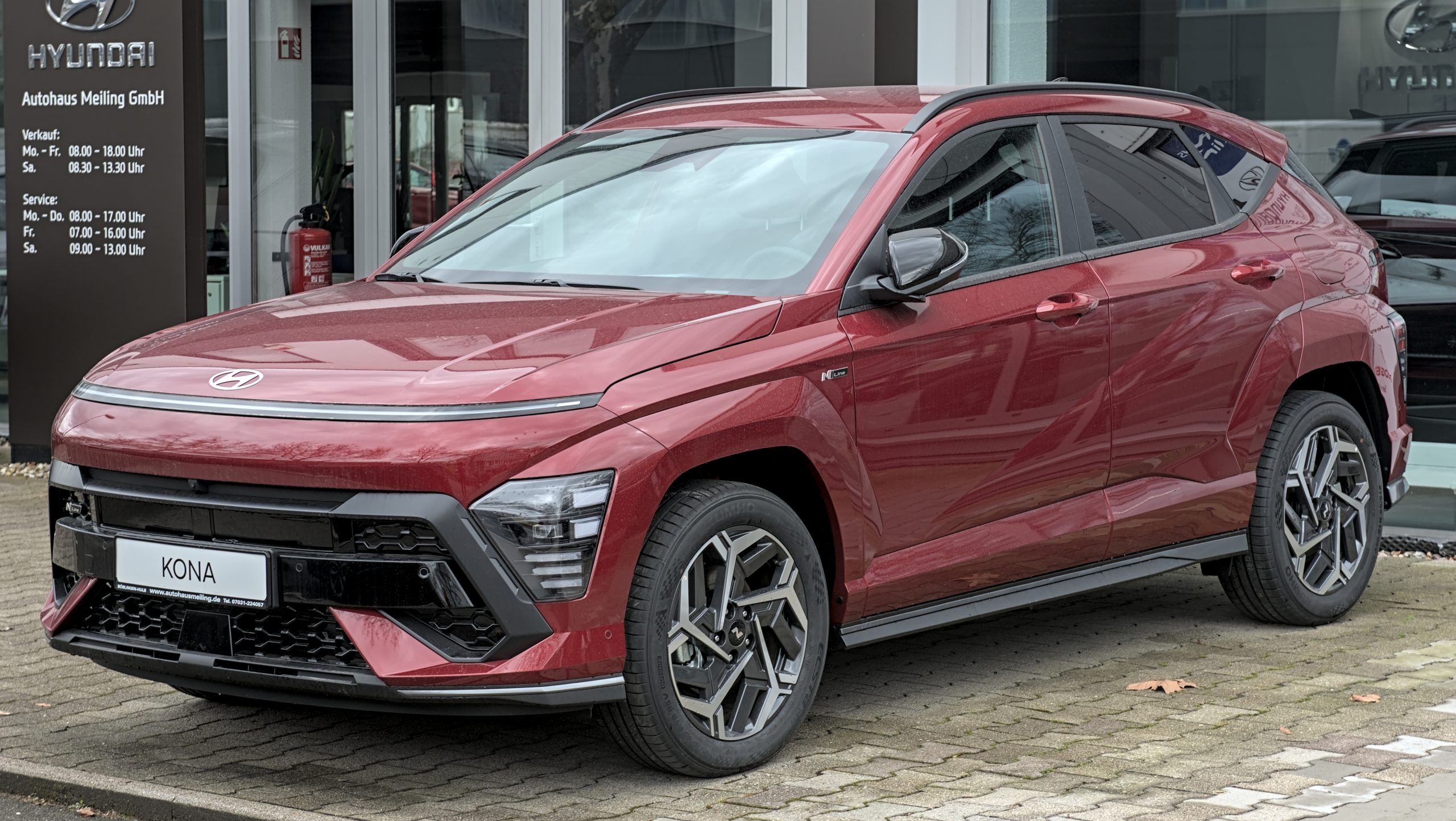
4. Hyundai Kona
The Hyundai Kona is a crossover that feels purpose-built for urban environments. Its compact size allows easy navigation through congested streets. Drivers find it less intimidating in tight spaces compared to larger models. It strikes a good balance between presence and practicality.
The interior emphasizes usability and comfort for daily city driving. Seating is supportive without being bulky. Controls are intuitive, making them easy to operate while on the move. The cabin feels open despite the compact exterior.
Driving dynamics are well-matched to urban conditions. Steering response is quick, which helps in traffic and narrow lanes. The suspension absorbs road imperfections efficiently. This creates a smooth and predictable driving experience.
Technology features support convenience during daily routines. Parking assistance systems reduce the challenge of tight spaces. Connectivity options make commuting more enjoyable. Safety systems add confidence in crowded areas.
Fuel efficiency makes the Kona especially appealing for city dwellers. Short trips and frequent stops do not significantly impact consumption. Lower operating costs make it budget-friendly. It offers reliability, comfort, and efficiency in one package.
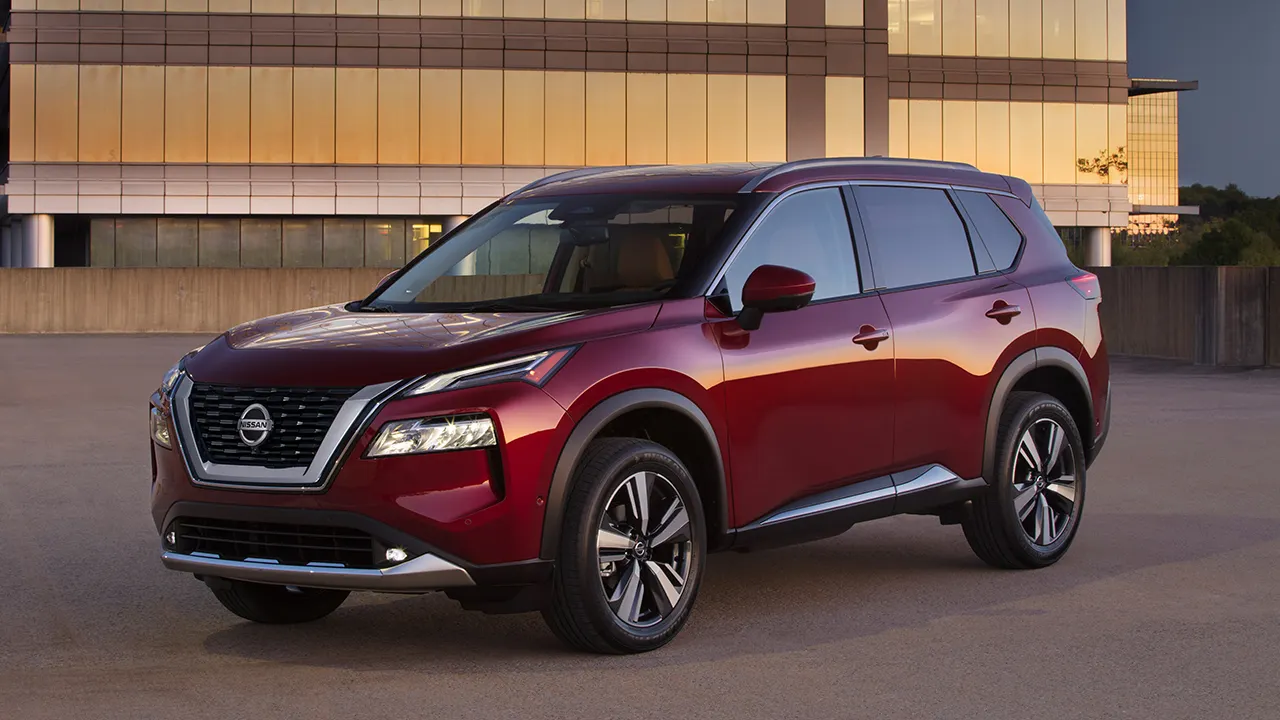
5. Nissan Rogue Sport
The Nissan Rogue Sport is designed with urban practicality as a priority. Its smaller dimensions make it easy to handle in dense traffic. Drivers benefit from an elevated view without excessive size. This helps maintain confidence in crowded city environments.
Interior space is organized to support everyday activities. Seating is comfortable for commuting and short trips. Cargo capacity is sufficient for groceries and small loads. Foldable seats add flexibility when extra space is required.
Technology plays an important role in its city usability. Driver-assist systems help manage stop-and-go traffic. Parking aids make tight spots easier to handle. The infotainment system supports daily connectivity needs.
On the road, the Rogue Sport feels composed and predictable. Steering is light and responsive at low speeds. Suspension tuning keeps the ride smooth over rough pavement. These qualities reduce fatigue during frequent city drives.
Fuel economy and reliability strengthen its appeal. Lower fuel usage suits urban driving patterns. Maintenance costs remain reasonable over time. The Rogue Sport delivers a balanced option for city-focused drivers.
5 Crossovers That Are Too Big
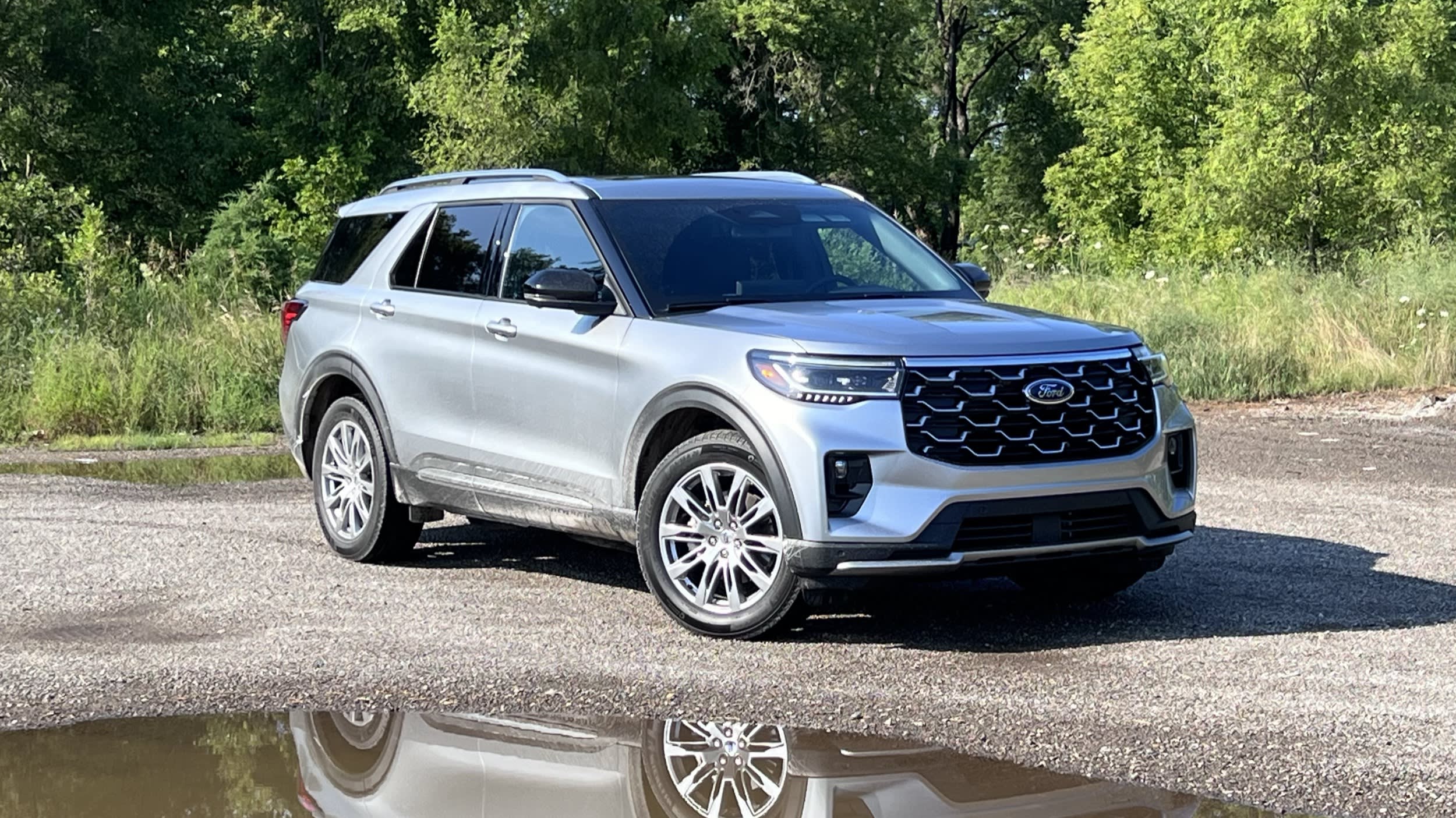
1. Ford Explorer
The Ford Explorer has evolved into a vehicle that feels oversized for dense urban environments. Its long body and wide stance make navigating narrow streets difficult. Parking in older city areas can become frustrating due to limited space. What once felt versatile now often feels excessive for daily urban use.
Inside, the Explorer offers a large cabin designed to accommodate families and long trips. While the space is impressive, much of it goes unused during city driving. Three rows of seating are rarely needed for errands or commuting. The added size increases weight and complexity without clear urban benefits.
Driving the Explorer in city traffic highlights its lack of agility. Steering feels heavier than compact crossovers, especially at low speeds. Tight turns and quick maneuvers require extra effort. The vehicle feels more comfortable cruising than reacting in busy streets.
Fuel efficiency becomes a noticeable drawback in stop-and-go traffic. The larger engine consumes more fuel during short trips. Frequent braking and acceleration reduce efficiency even further. This leads to higher running costs over time.
Although powerful and comfortable, the Explorer struggles to fit into urban life. Its size works against convenience in crowded areas. Parking challenges and fuel consumption limit its practicality. It is better suited to open roads than dense city streets.
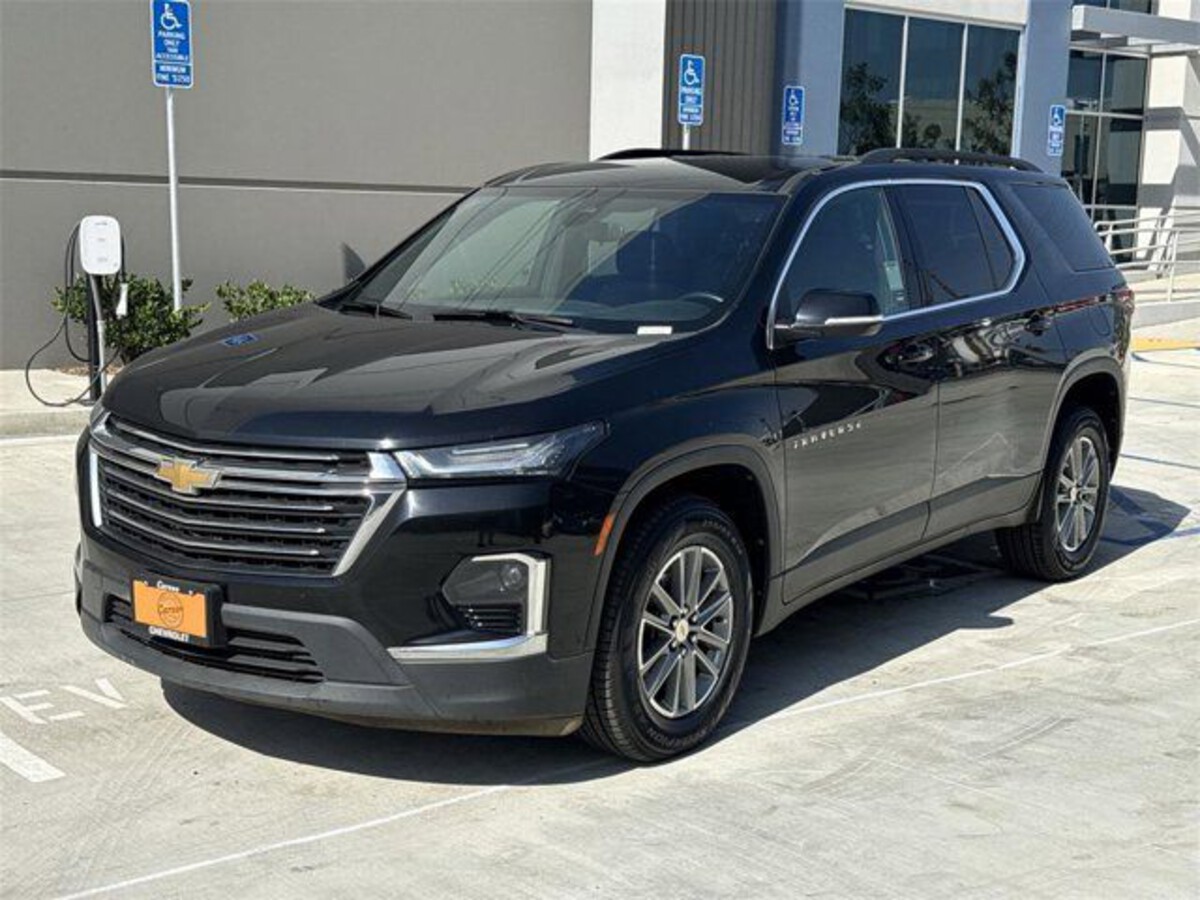
2. Chevrolet Traverse
The Chevrolet Traverse is a large crossover that prioritizes passenger capacity over maneuverability. Its length and width make it challenging in tight city environments. Narrow streets and compact parking spaces expose its limitations. Urban drivers may find it overwhelming during everyday use.
The interior offers generous space across three rows of seating. While comfortable, this level of capacity is rarely necessary for city routines. Most daily trips involve only one or two occupants. The excess interior volume adds bulk without providing frequent value.
Handling in urban traffic can feel cumbersome. The Traverse requires more space to turn and reposition. Steering response is slower compared to smaller crossovers. Navigating crowded intersections demands extra caution.
Acceleration and braking feel less refined in stop-heavy conditions. The vehicle’s weight affects how quickly it responds at low speeds. Frequent starts and stops emphasize its size. City traffic becomes more tiring as a result.
Fuel consumption is another drawback in urban settings. Short trips reduce efficiency and increase operating costs. Maintenance expenses are also higher due to size and complexity. While capable, the Traverse is not ideal for city-focused driving.
3. Toyota Highlander
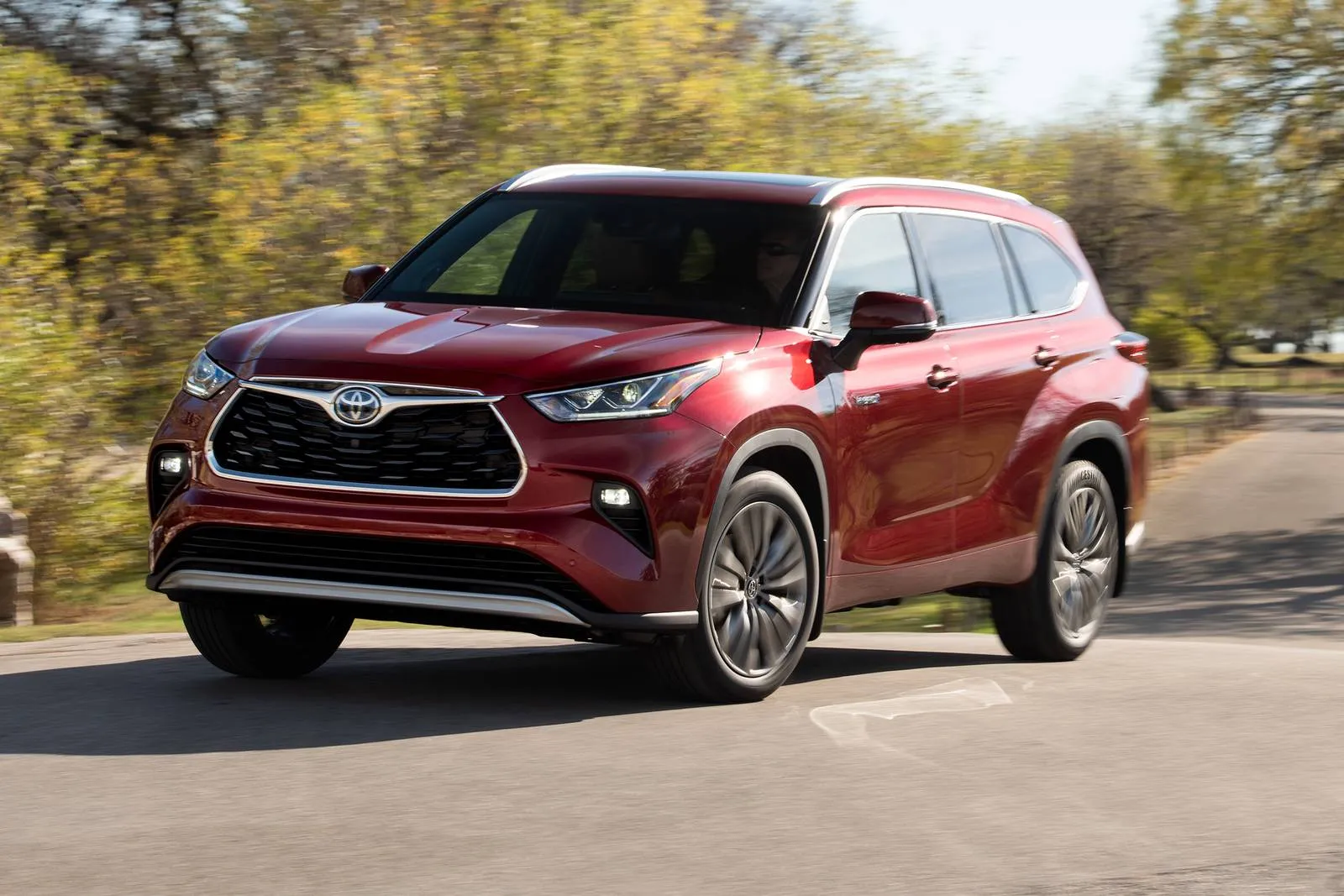
The Toyota Highlander is often considered a practical family crossover, but its size limits urban convenience. Its wide body and longer wheelbase complicate parking situations. Navigating tight streets can feel restrictive. Urban drivers may struggle in crowded areas.
Inside, the Highlander offers comfort and space for multiple passengers. The third row is useful for families but unnecessary for most city trips. Cargo space is generous but often unused in daily routines. This extra volume contributes to its bulk.
Driving dynamics favor comfort rather than agility. Steering response is slower in low-speed situations. Tight turns and narrow lanes require careful handling. The vehicle feels more relaxed on open roads than city streets.
Fuel efficiency suffers during frequent stops and short trips. Urban driving highlights its higher fuel consumption. This increases long-term ownership costs. Environmental impact is also greater than smaller alternatives.
Despite reliability and comfort, the Highlander feels oversized for urban life. Its strengths shine outside city limits. In dense areas, size reduces convenience. It remains better suited for suburban or highway travel.
4. Volkswagen Atlas
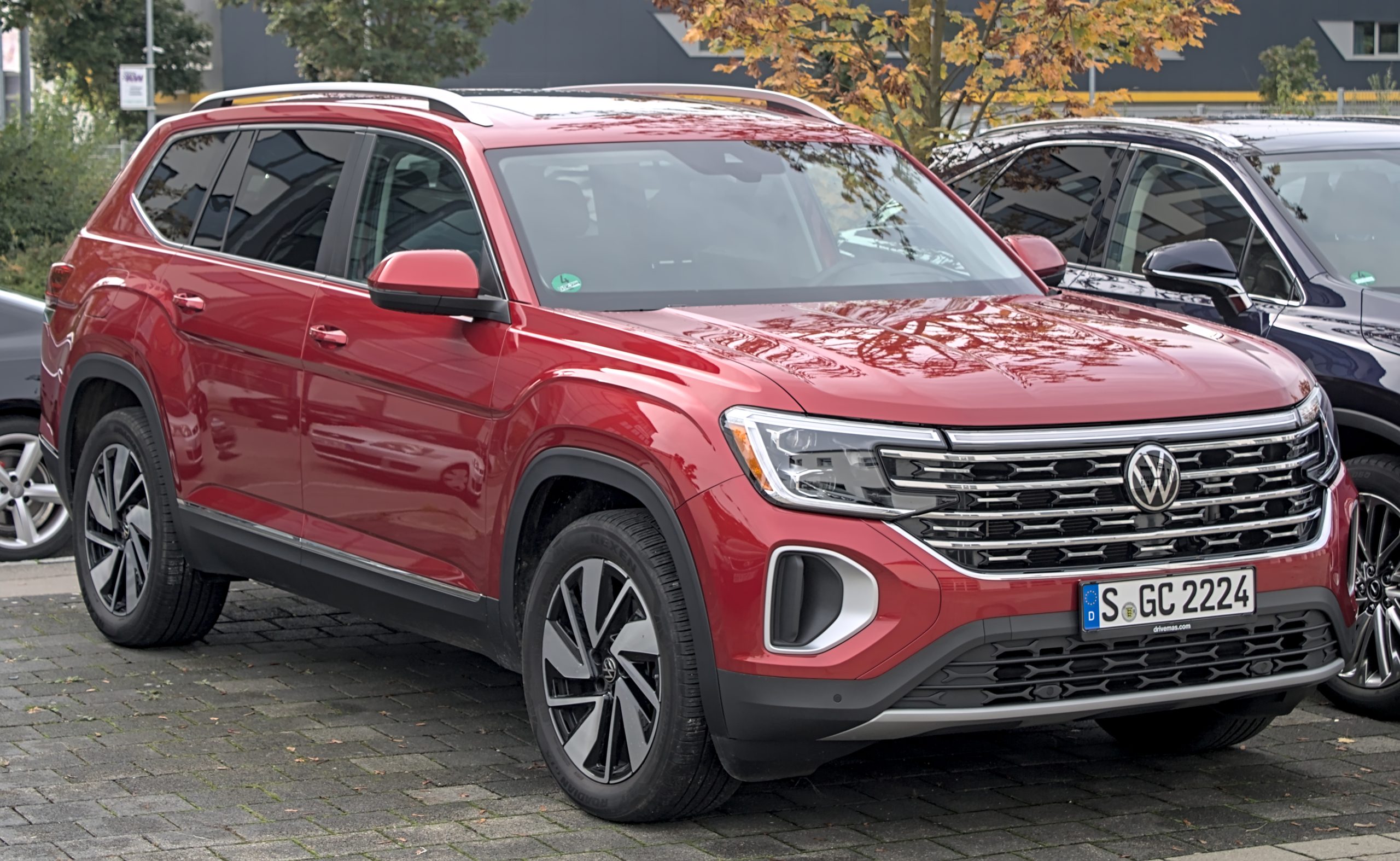
The Volkswagen Atlas is one of the largest crossovers available, which presents clear challenges in cities. Its sheer size makes maneuvering through tight streets difficult. Parking often requires larger spaces than are readily available. Urban environments expose its scale quickly.
The cabin is spacious and comfortable for passengers. Legroom and cargo capacity are generous across all rows. However, most city trips do not require such space. The added size becomes more of a burden than a benefit.
Handling reflects its focus on comfort rather than precision. Steering feels less responsive at low speeds. Turning radius is wide, making tight maneuvers stressful. Urban agility is sacrificed for interior volume.
Fuel efficiency is not well suited to city conditions. Stop-and-go traffic reduces mileage significantly. Operating costs rise with frequent urban use. Larger engines contribute to higher fuel consumption.
While excellent for long trips and families, the Atlas struggles in cities. Its size limits practicality in crowded areas. Parking and maneuvering are constant challenges. It performs better outside dense urban settings.
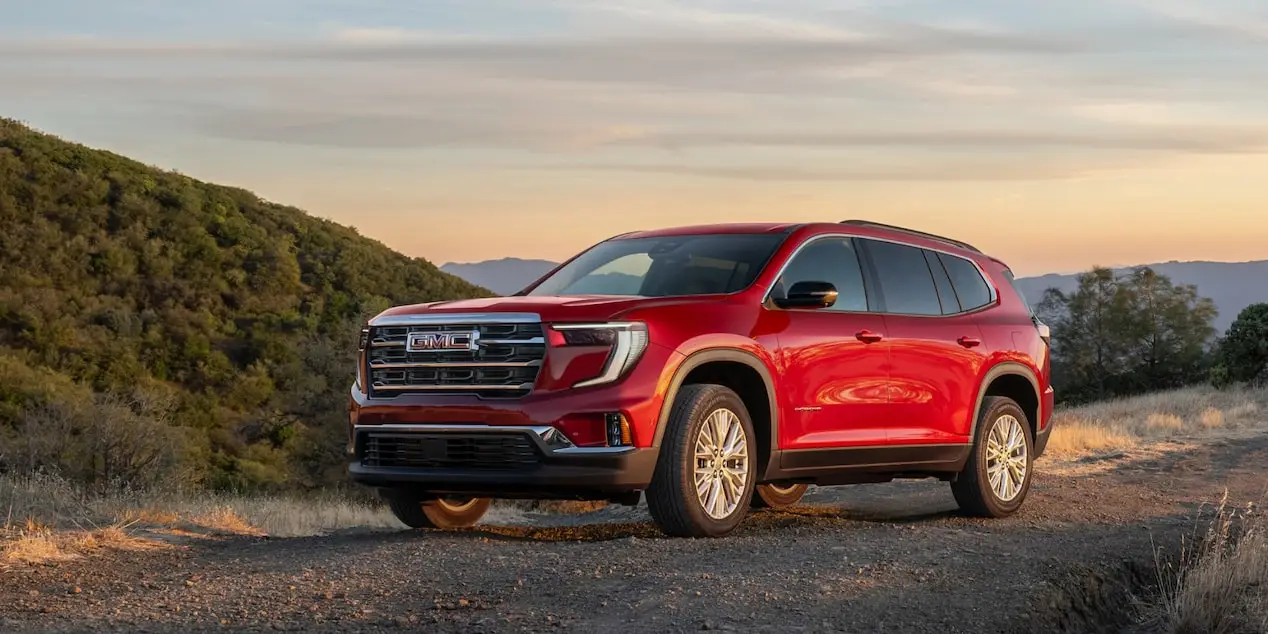
5. GMC Acadia
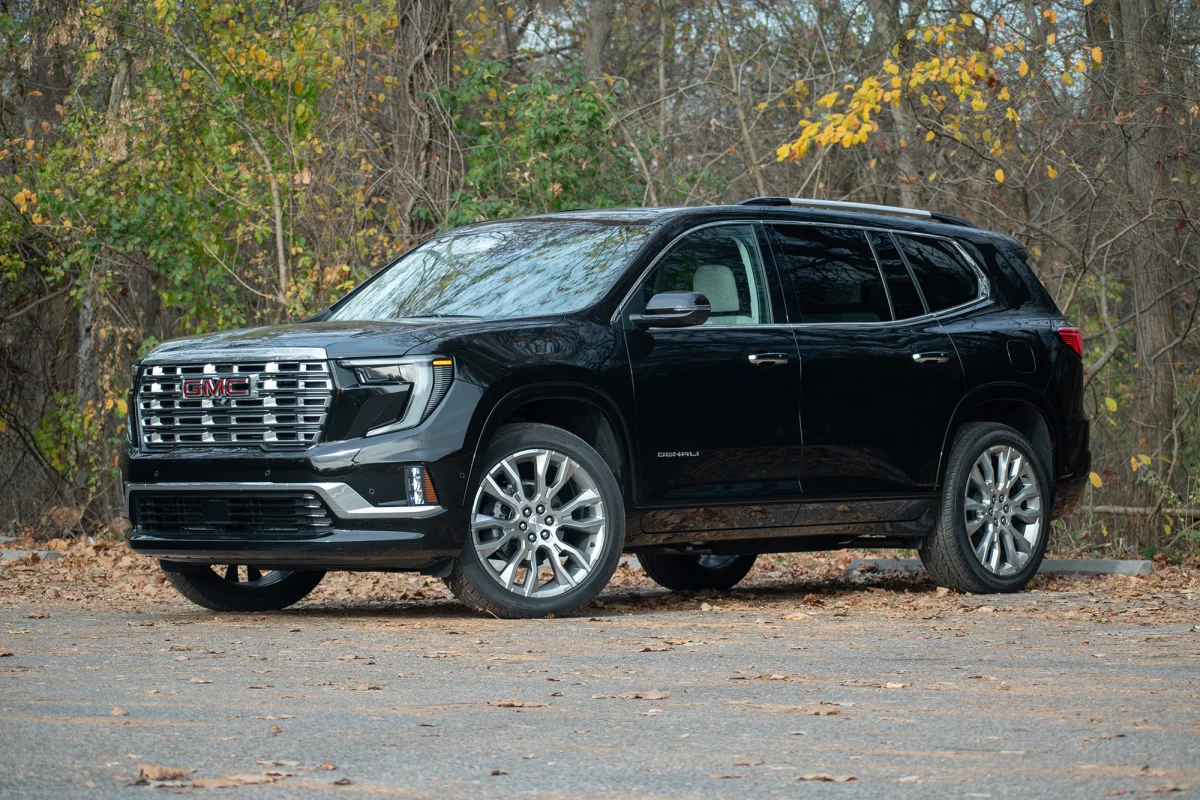
The GMC Acadia occupies a space between midsize and large crossovers, yet still feels bulky in cities. Its width and height complicate navigation in tight areas. Parking garages and narrow streets can be difficult to manage. Urban driving highlights its physical presence.
Inside, the Acadia offers ample seating and cargo space. Three rows accommodate larger groups comfortably. However, city driving rarely requires full capacity. The excess space adds weight and reduces efficiency.
Handling feels heavier than smaller crossovers. Steering requires more effort during low-speed maneuvers. Tight corners and crowded intersections demand careful attention. The vehicle does not feel nimble in dense traffic.
Fuel consumption becomes noticeable with frequent short trips. Urban stop-and-go driving reduces efficiency. Maintenance costs are also higher due to size. These factors increase the cost of ownership in cities.
Although capable and comfortable, the Acadia is not ideal for urban use. Its size works against daily convenience. Maneuverability and efficiency suffer in crowded environments. It fits better in suburban or open-road conditions.
