
City commuting is a unique experience for drivers, defined by constant starting and stopping, tight parking spaces, narrow roads, frequent traffic lights, and unpredictable surrounding vehicles. Not every car handles these challenges with the same aptitude.
A vehicle that excels in urban driving combines nimble maneuverability, reliable braking, responsive steering, and compact proportions with comfort and durability. These traits make city life less stressful and more efficient, which matters a great deal for daily drivers who spend a significant chunk of time in traffic.
In contrast, some cars struggle with these exact characteristics, becoming burdensome to operate in town settings as they age or due to inherent design flaws. The reasons a car may not hold up well for city driving range from subpar build quality and expensive maintenance to suspension components that wear out quickly under stop-and-go conditions, tires that fail prematurely, or electronics that glitch.
People who choose wisely can enjoy years of dependable service, saving money on repairs and preserving resale value for when it’s time to move on. Those who choose poorly often face regular trips to the shop, unpredictable performance, and stress that overshadows the convenience of owning a vehicle.
This article showcases five commuter cars that are especially well suited to city environments and five models that tend not to age gracefully when used in such conditions. I’ll describe why each vehicle earns its place on the list, focusing on traits like efficiency, reliability, practicality, and long-term ownership comfort.
The vehicles selected to represent positive city driving experiences have gained reputations for resilience, easy handling, intelligent design, and cost-effective maintenance when driven often in urban settings. Meanwhile, the models on the other side have been known to reveal weaknesses over time, suffer from reliability complaints, or simply become less pleasant with heavy usage.
Throughout these sections, you’ll find narrative descriptions that explain how each car performs and where it might struggle as it gets older. My aim is to help you feel confident evaluating commuter options or understanding why a particular car you’ve seen or owned has performed the way it does in city life.
Whether you’re a first-time buyer, an enthusiast who enjoys vehicle details, or someone trying to decide between several used options, this article breaks down the strengths and weaknesses of a range of commuter cars with clarity and perspective.
5 Commuter Cars That Handle Cities Well
Toyota Prius
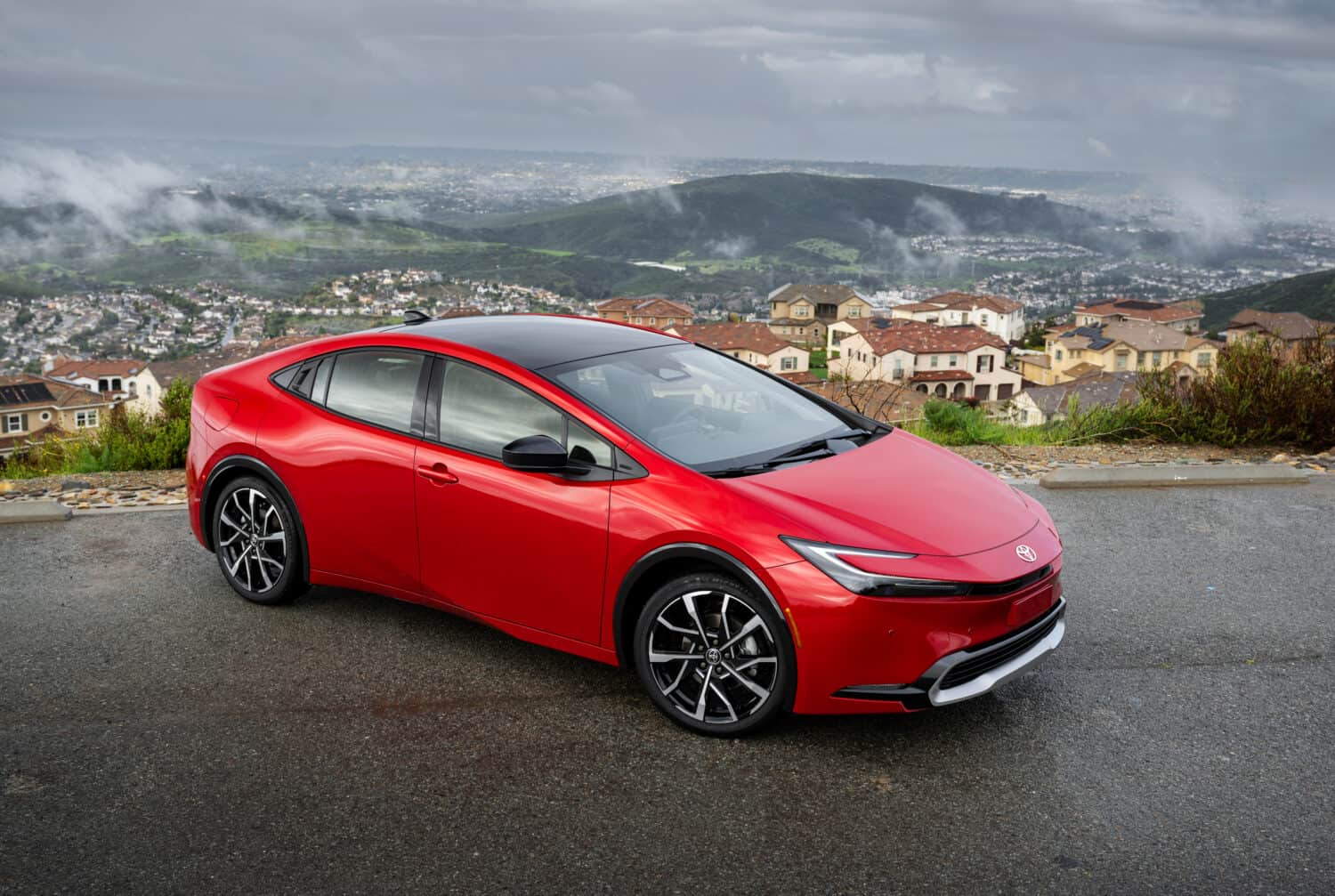
The Toyota Prius is celebrated for its exceptional fuel efficiency, making it one of the best cars for city commuting. Its hybrid system allows the car to switch between gasoline and electric power seamlessly, reducing fuel expenses for drivers who spend most of their time in urban traffic.
Maneuvering through tight downtown streets is easier because the Prius has relatively compact exterior dimensions compared to larger sedans. Over time, many owners have reported that the Prius maintains its efficiency and mechanical integrity even after prolonged city use, reinforcing its reputation as a commuter champion.
Inside, the cabin design emphasizes practicality with clear gauges and a layout that keeps essential controls within easy reach, which is useful in stop-and-go scenarios. The suspension is tuned to prioritize comfort over sportiness, making the ride smoother over uneven pavement and speed bumps frequently found in city neighborhoods.
Toyota’s reputation for reliability extends to the Prius, which often requires fewer unscheduled repairs than many gas-only vehicles in similar classes. Drivers appreciate how predictable and stable the Prius feels when changing lanes or merging, attributes that reduce stress during busy rush hour periods.
The regenerative braking system not only recovers energy but also provides a braking feel that many city commuters grow accustomed to over time. This feature reduces wear on traditional brakes, which can be a major benefit in urban driving environments where frequent stops are the norm.
With consistent maintenance, the Prius has been known to last for many years without serious mechanical issues, and its value holds relatively well when owners choose to sell or trade it. The ownership experience of the Prius often reflects low total cost of ownership, particularly for those who rack up city miles rather than highway miles.
Despite being a newer car design several generations ago, improvements have focused on enhancing urban dynamics rather than sacrificing comfort. Steering responsiveness and visibility from the driver’s seat contribute to confident parking and lane positioning.
The Prius exemplifies how thoughtful engineering and hybrid technology can create a car whose aging process in busy metropolitan conditions is less punishing than many alternatives. For drivers prioritizing efficiency and stress-free daily trips, the Prius remains a top contender that delivers lasting performance in city settings.
Honda Fit
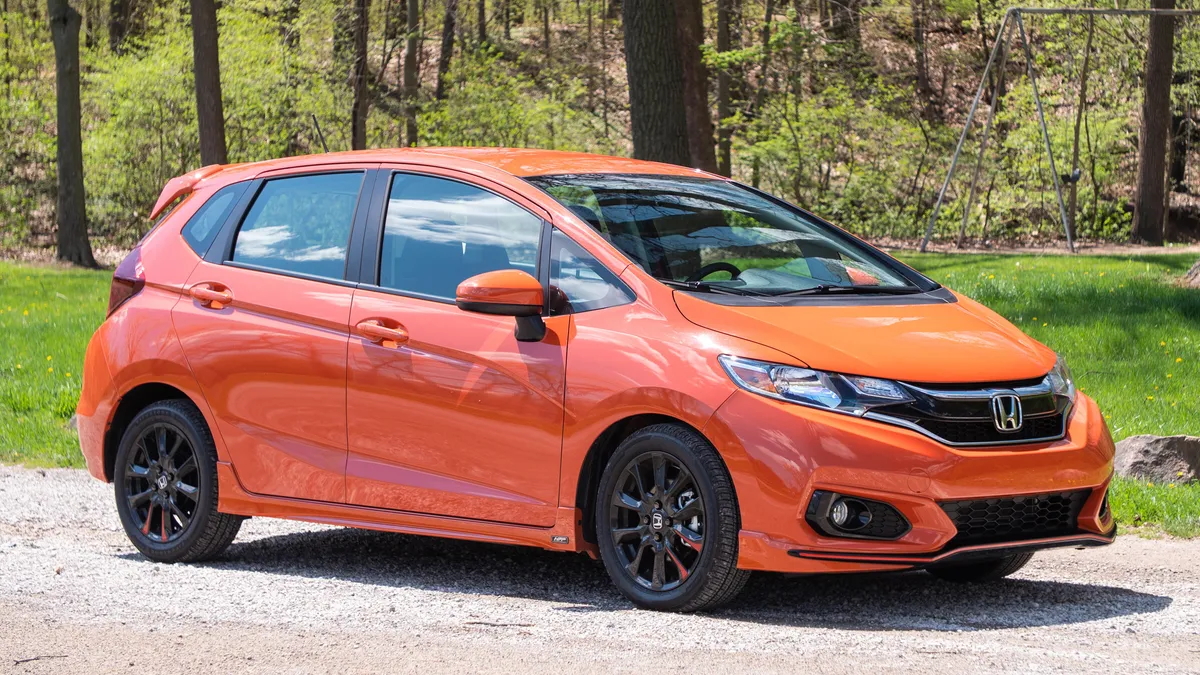
The Honda Fit’s compact dimensions make it exceptionally friendly for navigating crowded city streets and tight parking spaces. Its short front and rear overhangs allow drivers to position the vehicle precisely, reducing the anxiety of inching into small spots or maneuvering near curbs.
Fold-flat seating in the Fit provides remarkable cargo flexibility, letting drivers carry larger items without needing a bigger car, an advantage when urban errands require space. The responsive small-displacement engine balances fuel economy with peppy low-speed acceleration, ideal for frequent halts at lights and crosswalks.
Inside, visibility is excellent, with large windows and minimal blind spots, enabling drivers to judge surrounding vehicles and pedestrians much more confidently. The cabin’s efficient use of space allows passengers to feel comfortable even though the exterior footprint is small, a rare combination that urban commuters value.
Reliability is a strong point for Honda, and the Fit tends to show fewer age-related issues than many competitors when properly maintained with routine service. Steering feel is agile, and the car feels light on its feet, making weaving through downtown traffic less of a chore than it might be in heavier vehicles.
Fuel economy remains high city driving, with the engine and transmission working together to maximize efficiency rather than crave power output. Brakes are tuned to offer feedback that complements frequent stopping, an aspect often overlooked in commuter cars yet crucial in dense urban grids.
Long-term ownership data suggests that the Fit’s mechanical simplicity contributes to its durability, reducing the frequency of costly repairs. Replacement parts are typically affordable, and many independent shops are familiar with common fit issues, further reducing ownership cost.
The Fit’s suspension, while not luxurious, absorbs typical city road imperfections well enough to keep occupants comfortable on rougher pavement. Tires recommended for the Fit provide a balance between grip and wear life, supporting both handling and cost-effective maintenance.
Honda’s build quality often translates to fewer rattles and squeaks over time, which can plague cars driven over uneven urban roads. With conscientious care, the Honda Fit remains a dependable companion for daily commuting, aging with less frustration than many cars in its category.
Smart Fortwo
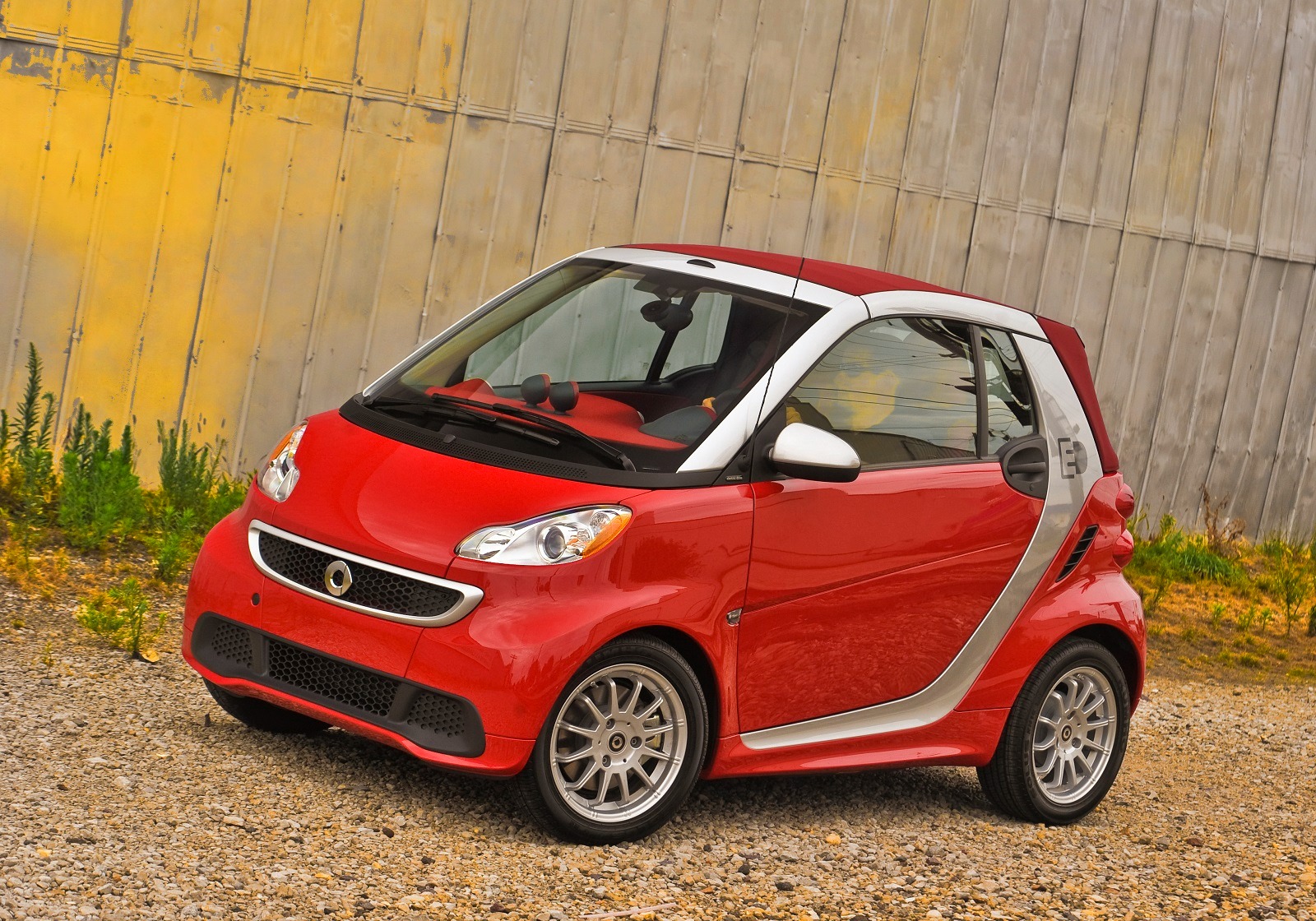
The Smart Fortwo is one of the smallest passenger cars available, designed specifically to excel in urban environments where space is at a premium. Parallel parking becomes far easier with the Fortwo’s diminutive length, allowing drivers to fit into spots that would challenge larger vehicles.
Its two-seater layout prioritizes space efficiency, meaning the cabin feels intelligently packaged despite the compact footprint. The turbocharged engine delivers adequate power for city traffic, and the automatic transmission shifts smoothly, minimizing driver workload in congested conditions.
Visibility from the Fortwo’s wide windshield and low beltline helps drivers see pedestrians, cyclists, and other vehicles clearly, reducing stress in busy areas. Steering is direct and responsive, making tight turns and quick maneuvers feel controlled and predictable.
The car’s fuel efficiency is competitive, especially with lighter curb weight and smaller engine size, saving money for everyday commuting. In areas with restricted parking or narrow lanes, the Fortwo’s size becomes a strategic advantage that outweighs the compromises of reduced seating.
While the Fortwo’s small size can be a limitation for cargo space, its trunk area is surprisingly decent for daily groceries, briefcases, or backpacks, which is often all a city commuter needs. The ride can feel firm, but this firmness also contributes to more confident handling around sharp corners and sudden stops.
Long-term ownership experiences vary, yet many drivers find the Fortwo surprisingly durable when maintained on schedule, with parts readily available through Smart service networks. Tire wear is generally predictable, and braking components resist premature wear thanks to relatively light vehicle weight.
Cooling and electronics systems are engineered to function well under frequent idling, which matters in city stop-and-go traffic where temperatures fluctuate and battery demand shifts. The Fortwo’s cheerful driving nature and ease of entry and exit make short urban trips more enjoyable than they might be in a larger car.
Regulatory and insurance considerations for such a unique vehicle are also often favorable in urban settings, further lowering ownership complexity. For those prioritizing practicality in the tightest spaces, the Smart Fortwo stands out as one of the most urbane options.
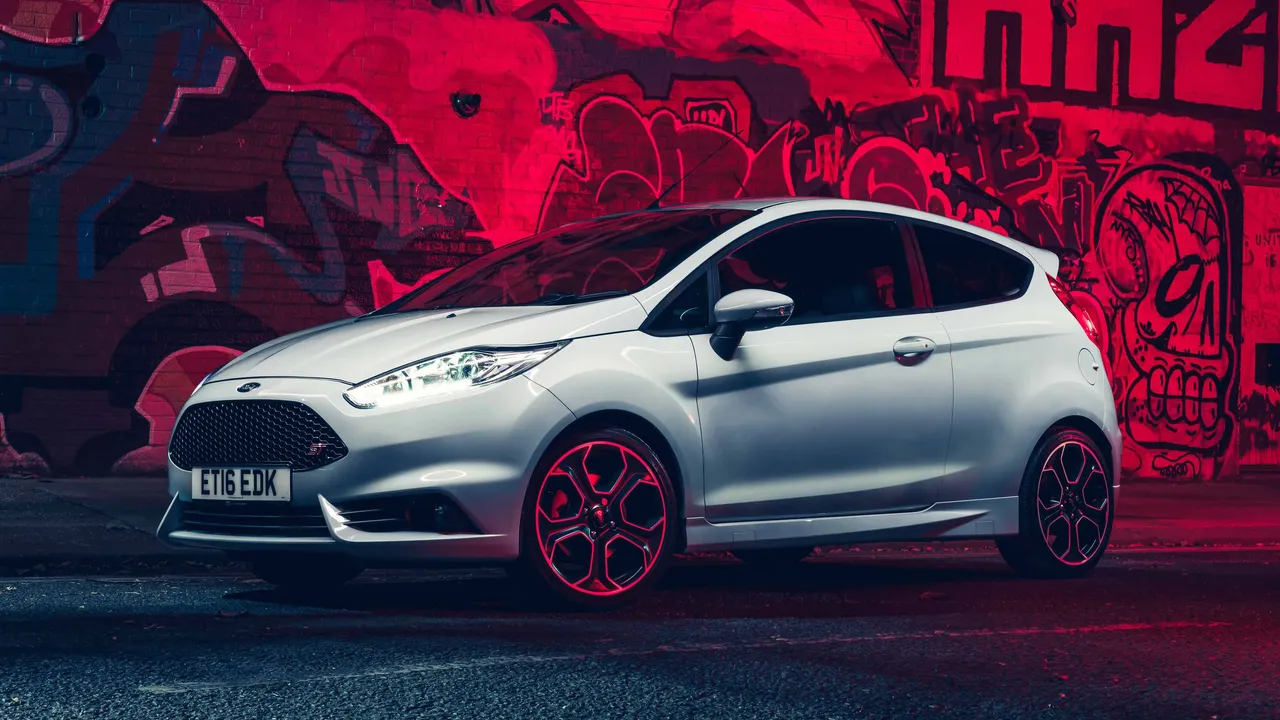
Ford Fiesta
The Ford Fiesta’s compact size and nimble handling have long appealed to drivers who spend most of their time navigating city traffic. Its tight turning radius assists drivers in making quick directional changes without feeling cumbersome, which is useful on narrow streets and in parking garages.
Engine options on recent models deliver a satisfying blend of fuel economy and throttle response, meaning daily drives don’t feel sluggish even when congestion is high. The Fiesta’s suspension strikes a balance between absorbing road imperfections and maintaining crisp handling, a combination that urban drivers appreciate.
Inside the cabin, controls are ergonomically placed, and visibility remains unobstructed, helping drivers stay aware of their surroundings. The sporty steering wheel and communicative chassis make quick lane shifts more intuitive, giving drivers confidence in high-traffic conditions.
Braking is firm and predictable, which is essential stopping behavior for city commuting, reducing the likelihood of sudden skids or hesitation when approaching intersections. Over years of use, many owners report that routine maintenance helps the Fiesta retain these positive traits without frequent visits to repair shops.
Fuel economy stays competitive with its class, particularly in models equipped with efficient automatic or manual transmissions that respond well to city driving patterns. Tires chosen for the Fiesta often balance grip with long wear life, which helps maintain stability and reduces replacement frequency.
Ford’s reputation for build quality in this platform means that electrical components and interior materials tend to hold up better than some competitors. Drivers who routinely use their Fiesta for daily commuting often find that it remains enjoyable even as mileage increases.
Road noise is kept at acceptable levels inside the cabin, allowing conversations with passengers or phone calls with hands-free systems to remain clear. Storage space in the trunk and door pockets suits the needs of commuters who carry everyday items like lunchbags and work gear, adding convenience to functionality.
The Fiesta’s compact nature does not make it feel cramped, and passengers often remark on the thoughtful use of interior space. With attentive care, the Fiesta stays a reliable city car for many years, helping justify its place among city-friendly commuter vehicles.
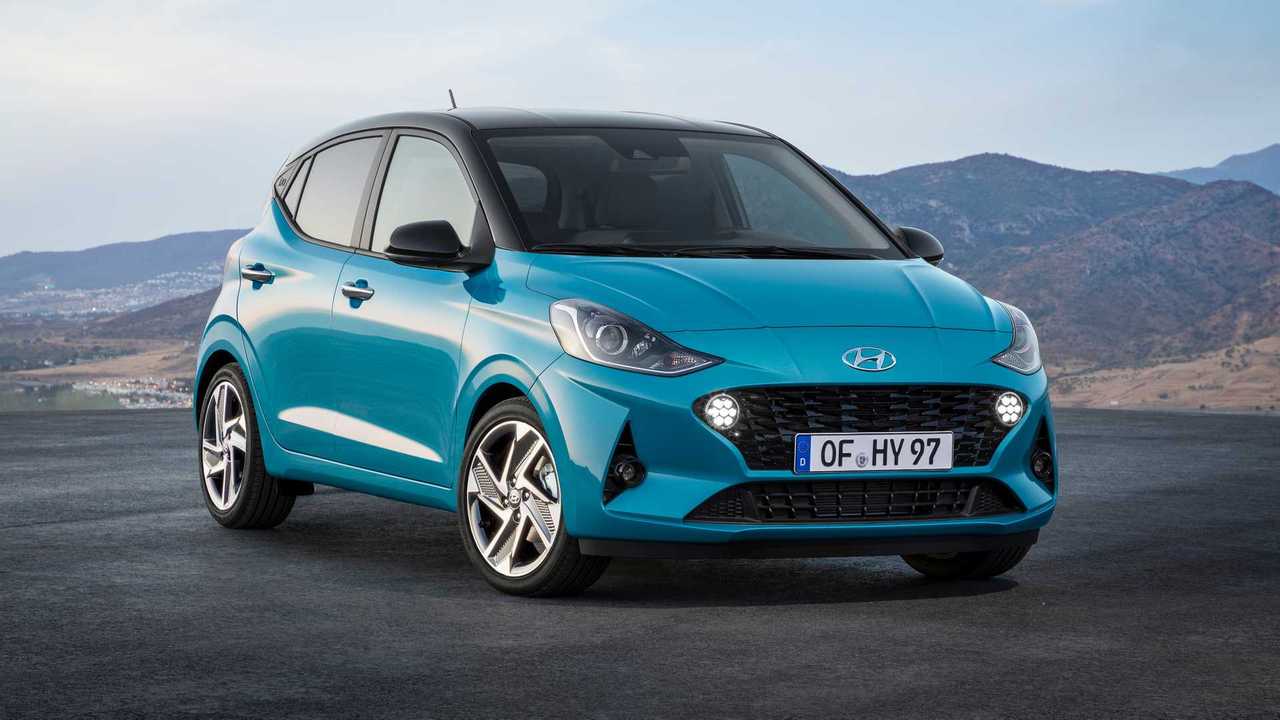
Hyundai i10
The Hyundai i10 has earned a solid reputation as a functional and efficient city commuter with its small exterior size and surprisingly roomy interior. With short overhangs and a light steering feel, it’s designed to make urban driving simpler and less stressful for motorists of all experience levels.
The engine provides adequate power for city traffic, and fuel usage remains low even when driven through heavy congestion. Suspension tuning leans toward comfort, softening the impact of potholes and uneven pavement common in dense urban centers.
Inside, the controls are straightforward, and the driver’s seating position offers clear sightlines that help in tight traffic or crowded parking situations. Cabin materials are durable and built to withstand regular use without showing early wear, which is especially important when the car is used daily.
Road noise is managed reasonably well for a vehicle in this class, contributing to a more pleasant commute with fewer distractions. The i10’s compact nature and efficient design also lead to lower ownership costs, including insurance and routine servicing.
Steering responsiveness aids drivers in maneuvering around obstacles and merging smoothly into busy streams of traffic. Tire wear is often even and predictable, which helps reduce replacement costs compared to cars with alignment or suspension quirks.
HVAC systems in the i10 quickly adjust to changes in weather, keeping the interior comfortable during long waits at lights or in slow traffic. Drivers commonly report that the i10 remains dependable and doesn’t develop quirks that make daily city driving more frustrating over time.
Parking sensors and optional rear cameras on later models further assist drivers in threading through tight spaces without anxiety. Long-term, the i10’s mechanical simplicity tends to mean fewer expensive repairs, supporting a stress-free ownership experience.
Resale values hold up reasonably well for a car of its size because there is consistent demand from urban drivers looking for affordable, efficient transport. Ultimately, the Hyundai i10 proves that competent engineering and attention to daily usability can yield a commuter car that performs reliably in city circumstances for many years.
5 That Don’t Age Well

Mini Cooper
The Mini Cooper offers responsive handling and a stylish design, but it has developed a reputation for age-related reliability issues, especially when used heavily in city conditions. A tight suspension that feels fun initially can become stiff and uncomfortable over years of navigating potholes and rough pavements, leading to premature wear on shocks and suspension links.
Complex turbocharged engines in many Mini models can experience more frequent maintenance needs compared to simpler city commuters, raising ownership costs over time. Moreover, electrical gremlins in older units often surface after prolonged use, making routine tasks like climate control or infotainment operations frustrating.
Parking in tight spaces remains a strength for the Mini due to its compact dimensions, but as the miles build up, visibility can suffer from worn window seals and scratched glass that come with daily use. Owners often report that cosmetic trim pieces and interior switches start to feel loose or creaky at relatively low mileages, eroding the initial premium feel of the cabin.
Service costs at authorized dealerships tend to be higher than average, which deters owners from keeping up with recommended maintenance intervals and accelerates wear. The turbocharged engines, while peppy, can be sensitive to overheating and carbon buildup if city traffic keeps them at low speeds for extended periods.
Fuel efficiency is adequate, but real-world consumption in stop-and-go conditions often falls short of expectations, especially if the car isn’t cared for meticulously. Replacement parts for European-designed components may be pricier, and specialist knowledge is often required to fix issues that arise over time.
Steering and suspension components can develop play after years of urban driving, making the once-sharp handling feel sloppy and less confident in tight turns. For these reasons, the Mini Cooper tends to reveal more age-related problems in city settings than other cars that emphasize simplicity and reliability.
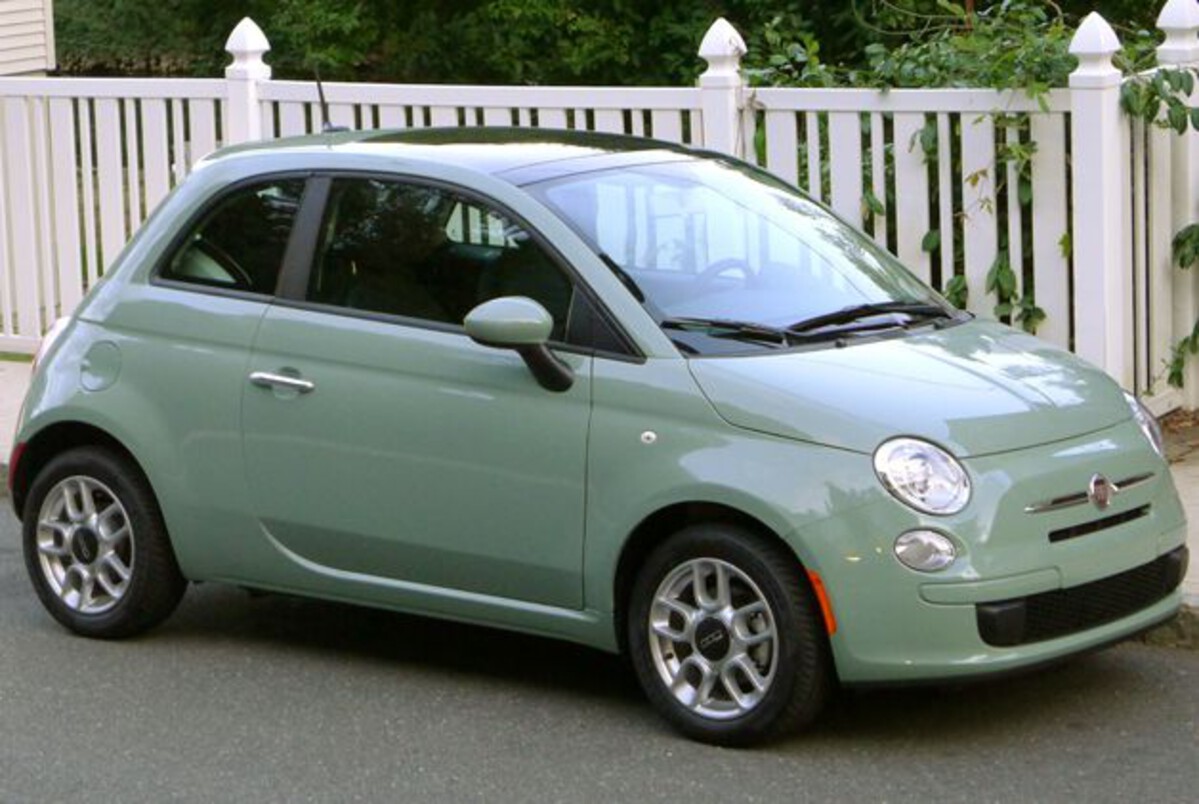
Fiat 500
The Fiat 500’s charming design and fun personality attract attention, but its long-term reputation for reliability in city driving is mixed at best. Common complaints from owners include electrical quirks that become noticeable with age, such as power window failures and dashboard electronics glitches, especially after years of short trips that never let systems fully reset.
Suspension components often wear prematurely when the car is constantly subjected to urban bumps, rough pavement, and repeated jolts from potholes or speed bumps. Though compact and agile, the 500 can feel less sturdy over time, with rattles and squeaks developing inside the cabin as plastic fasteners loosen.
Fuel economy in city traffic can be respectable, yet it is frequently undermined by heavier-than-expected real-world consumption once routine maintenance slips or spark plugs and injectors begin to degrade. Frequent short trips do not allow the engine to reach optimal operating temperature, which can contribute to condensation-related issues in exhaust and other systems designed for longer highway usage.
Owners also report that brake components may require more frequent servicing under heavy urban usage, adding to maintenance costs over time. The interior materials, while visually appealing, can show signs of wear such as peeling trim and faded upholstery sooner than expected.
The Fiat 500’s ride quality tends to become firmer and less forgiving of road irregularities after years of city use, making short drives feel harsher than when the car was new. Steering can develop play with higher mileage, reducing confidence when navigating crowded intersections or tight parking spaces.
Replacement parts, especially for trim and specialty components, may be difficult to source or expensive relative to more mainstream models. For these reasons, many drivers find that the Fiat 500 does not maintain its initial appeal or performance as gracefully as other commuter vehicles when used in demanding urban environments.
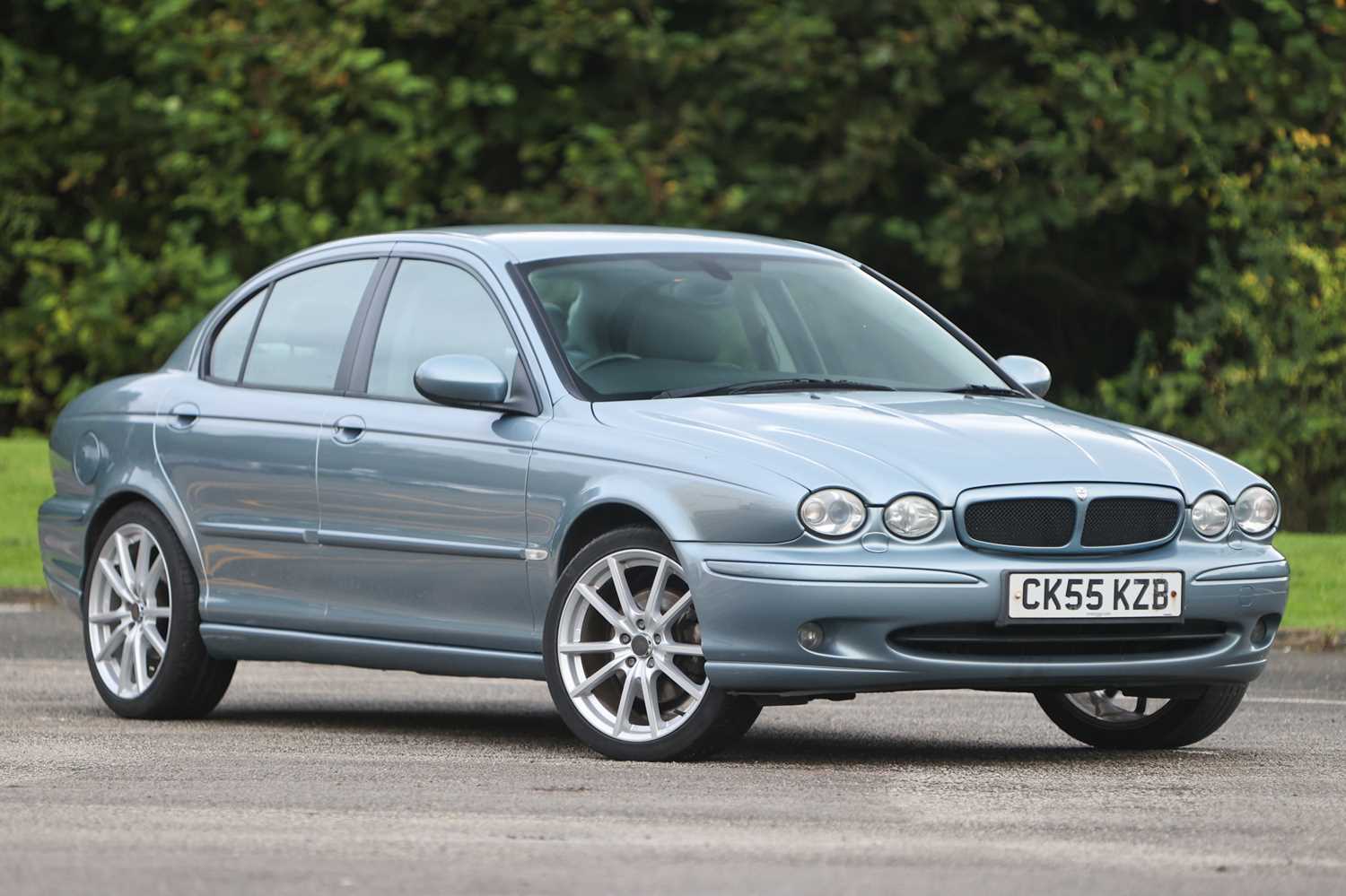
Jaguar X-Type
The Jaguar X-Type, while a well-appointed compact executive sedan, has earned a reputation for aging poorly under the rigors of city driving. Its complex all-wheel-drive system and premium engine components require meticulous maintenance to perform reliably, and skipped service intervals can quickly lead to costly issues.
Suspension and steering parts on the X-Type are engineered for refined handling rather than rugged urban durability, meaning repeated impacts from rough pavement can accelerate wear. Electrical systems in older Jaguars have been known to develop faults that affect climate control or onboard systems, which are particularly noticeable when traffic keeps the car idling for long periods.
Fuel consumption tends to be high in stop-and-go conditions compared to dedicated commuter cars, increasing operating costs with little payoff in efficiency. Interior materials that were luxurious when new can show signs of deterioration as the car ages, such as cracked trim and worn leather surfaces, detracting from the premium experience.
Brake components may need more frequent attention if city driving is the primary use, as repeated stops put added stress on rotors and pads. The X-Type’s transmission system can also become less smooth over time if fluid changes are neglected, leading to jerky shifts that are especially irritating in city traffic.
Accessing repair expertise for older Jaguars can be expensive and time-consuming, particularly for independent mechanics not specialized in the brand’s technology. Cooling system failures are among common concerns, and these can develop more rapidly under urban use where airflow is limited at lower speeds.
Resale values for the X-Type tend to drop significantly compared to more reliable commuter models, reflecting buyer skepticism about long-term ownership costs. For urban drivers who value durability and low maintenance overhead, the X-Type’s aging behavior often makes it less than ideal.
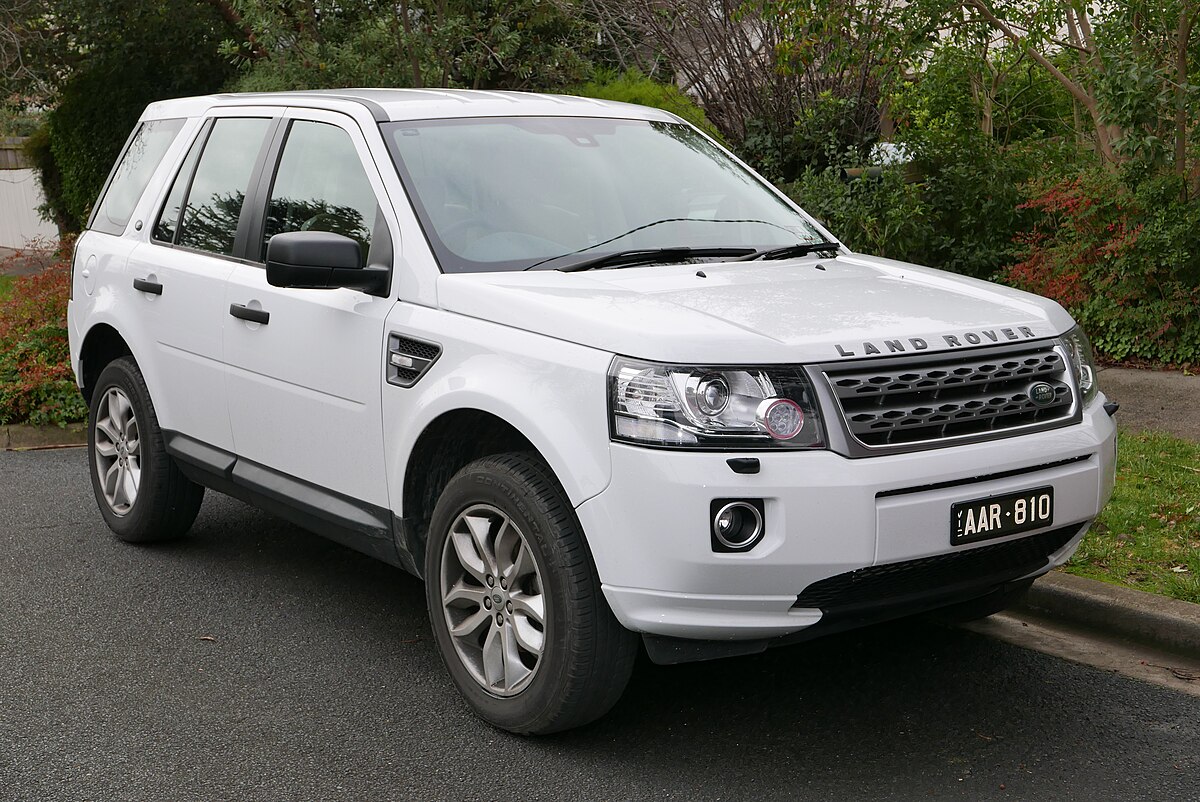
Land Rover Freelander
The Land Rover Freelander was designed with rugged capability in mind, yet it often struggles with aging in typical city usage scenarios. Reliability issues have been well documented over years of ownership, with many drivers reporting electronic and drivetrain problems after moderate mileage.
The suspension, while capable off-road, can feel less composed on rough city pavement, leading to a harsher ride that contributes to fatigue over frequent short trips. Expensive maintenance and a history of complex mechanical issues make the Freelander a challenging choice as daily urban transport.
Fuel economy is also a concern, with the Freelander’s thirsty engine showing significant consumption in slow traffic, which drives up running costs for daily commuters. Air suspension components, when equipped, are prone to failures after years of use, resulting in costly repairs that deter owners from keeping the vehicle long-term.
Interior finish quality often declines with age, and replacement parts for bespoke trims can be expensive or hard to find. The electrics, including infotainment systems and auxiliary controls, can develop faults that are irritating and costly to diagnose.
Maneuvering the Freelander in tight city spaces is less pleasant than in smaller cars due to its broader footprint, and parking in constrained areas can feel awkward. Heavy weight and large dimensions also contribute to brake and tire wear, which adds to the expense of urban ownership.
The combination of sophisticated systems and aging reliability concerns often leads to a decline in driving confidence over time. For these reasons, the Freelander often performs poorly as a long-lasting city commuter compared to simpler, more reliable alternatives.
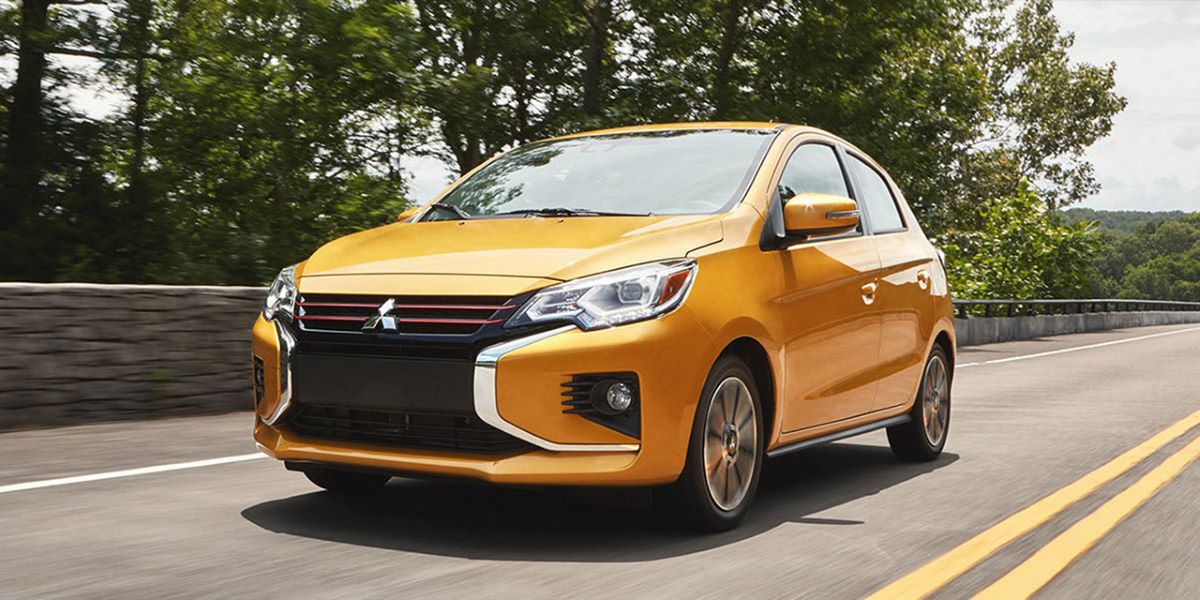
Mitsubishi Mirage
The Mitsubishi Mirage is positioned as a budget-friendly small car, yet its long-term performance in city conditions has drawn criticism from many owners. While it starts out economical, frequent use in congested traffic can expose weaknesses in build quality and driving dynamics, especially as components age.
Ride comfort is compromised by a basic suspension that transmits road imperfections with minimal damping, leading to a less pleasant experience on pothole-ridden city streets. Engine refinement is modest, and older Mirages often show increased noise and vibration that contribute to fatigue during frequent short trips.
Interior plastics and trim elements often show signs of accelerated wear, with rattles and loose fittings appearing at relatively low mileages. Steering can feel vague with age, making tight low-speed maneuvers feel more effortful and less predictable.
Brake feel may deteriorate over time if maintenance intervals are neglected, reducing confidence at intersections where precise stopping is essential. Cooling and electrical systems on older examples have been known to require more frequent attention than average, adding to the challenge of keeping the car dependable.
Fuel economy ratings are strong on paper, yet real-world consumption in heavy traffic often reflects the Mirage’s modest engine efficiency rather than outright economy. Tire wear may be uneven due to basic suspension geometry, requiring alignment and replacement more often than some competitors.
