
The 1990s were a strange and transitional decade for performance cars, sitting between the raw mechanical age of the 1980s and the digital precision era that followed. Manufacturers experimented boldly during this time, blending analog driving feel with emerging technologies that were not always fully understood or widely accepted.
While certain icons from the decade became legends, many impressive machines quietly faded into obscurity due to limited production, poor timing, or misunderstood design philosophies. These cars were often ahead of their moment, offering engineering ideas that the market was not ready to embrace.
Economic uncertainty in the early 1990s played a major role in shaping which cars succeeded and which disappeared without recognition. Rising insurance costs, emissions regulations, and shifting consumer tastes pushed many automakers into conservative territory.
As a result, experimental sports cars were often released with little marketing support or were sold only in specific regions. Even when performance numbers were strong, public perception sometimes overshadowed substance.
Another reason these cars were forgotten lies in branding and competition. Several of them existed in the shadow of more famous siblings or rivals that dominated magazine covers and racing circuits.
When buyers compared spec sheets alone, subtle brilliance was easy to miss. Over time, resale values dropped, parts availability shrank, and interest faded further.
Today, enthusiasts are slowly rediscovering these overlooked machines. Their rarity, distinctive styling, and unique driving characteristics are earning renewed appreciation.
Looking back, it becomes clear that many of these cars deserve far more recognition than history granted them. The following list highlights ten rare sports cars from the 1990s that time quietly left behind.
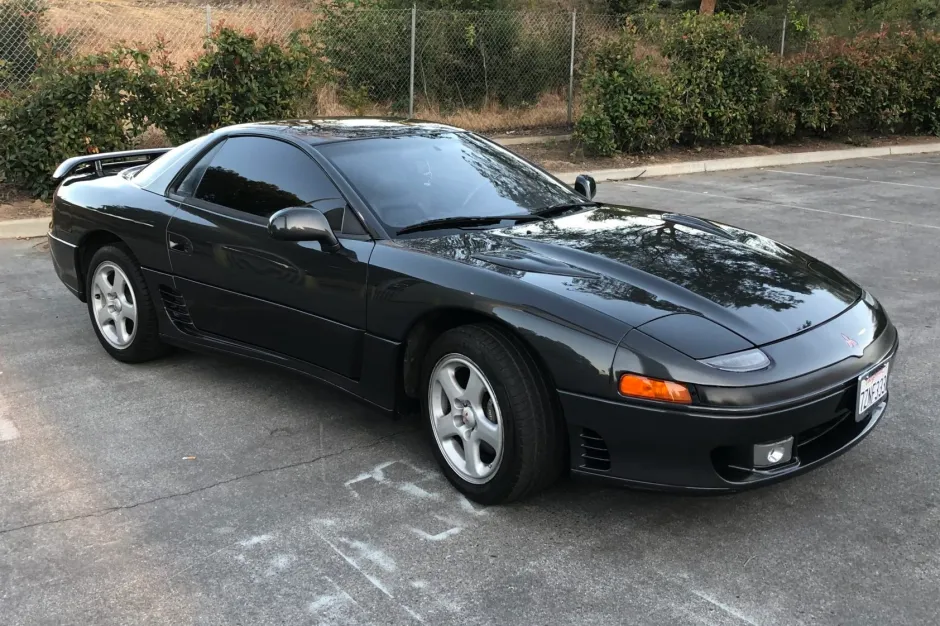
1. Mitsubishi 3000GT VR 4
The Mitsubishi 3000GT VR 4 arrived with technology that rivaled far more expensive European machines. It featured all wheel drive, four wheel steering, active aerodynamics, and a twin turbocharged engine, making it one of the most advanced Japanese sports cars of its era.
Mitsubishi invested heavily in research to bring features like electronically controlled suspension and active aerodynamics to production, which gave the car remarkable handling and stability for its size. Its combination of technology and performance positioned it as a competitor to cars costing twice as much, yet it remained relatively unknown outside Japan and the United States.
The car’s weight became a frequent criticism despite its impressive straight line performance. Weighing over 3,500 pounds, the VR 4 was not the lightweight sports car enthusiasts expected, yet Mitsubishi prioritized safety, refinement, and advanced systems over pure agility.
The result was a car that could stay composed at high speed and tackle corners with confidence, though some purists dismissed it as too heavy. Nevertheless, it delivered a comfortable, high-tech grand touring experience uncommon in Japanese cars of the early 1990s.
Maintenance costs further pushed the model into obscurity. The combination of all-wheel drive, twin turbos, and active systems made repairs expensive and required specialized knowledge, discouraging many potential buyers.
Many early owners neglected regular service due to complexity, which sometimes led to mechanical failures and further tarnished its reputation. Despite this, those who maintained their cars carefully often found the VR 4 to be a highly rewarding machine capable of world-class performance.
Today, the VR 4 is gaining renewed respect among collectors and enthusiasts. Its rarity, technological ambition, and bold styling make it a desirable addition to any collection of 1990s performance cars. Early criticisms about weight and complexity are now often seen as evidence of forward-thinking engineering that was simply misunderstood at the time.
Well-maintained examples are increasingly sought after, and prices are slowly rising as appreciation grows for its unique combination of performance and innovation.
The driving experience of the 3000GT VR 4 remains memorable even today. The engine produces smooth, linear power that can overwhelm the chassis if not handled carefully, while the active suspension keeps the car planted through corners.
Steering feel is precise for its size, though heavier than a European sports car, which gives a sense of stability rather than twitchiness. Combined with the futuristic interior layout and advanced electronics, it feels like a car that predicted features of modern supercars long before their time.
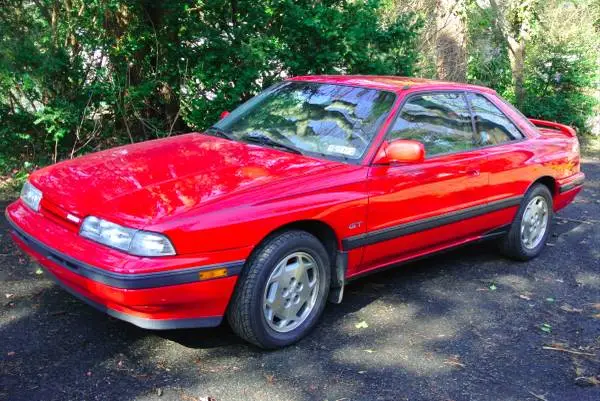
2. Mazda MX 6 GT
The Mazda MX 6 GT was a front wheel drive sports coupe that balanced practicality with sporty performance. While it shared some mechanical components with other Mazda models, the GT trim received a turbocharged engine and sportier suspension tuning that transformed the car’s driving character.
Its design was sleek and understated, offering elegance without flamboyance, which made it appealing to buyers who wanted performance without drawing too much attention. The MX 6 GT was also equipped with features like four-wheel disc brakes and responsive steering that added to its driving credibility, despite not being a full-blown sports car.
Despite strong engineering, the MX 6 GT struggled with its identity in the marketplace. It occupied a niche between ordinary coupes and dedicated sports cars, which left many potential buyers unsure about its purpose. Some thought it was too tame for enthusiasts, while others felt it was too sporty to serve as a practical daily driver. Mazda’s marketing efforts were minimal, leaving the car underappreciated despite its solid performance numbers.
Driving dynamics were better than most expected at the time. The turbocharged engine provided lively acceleration that could surprise drivers unfamiliar with it, while chassis tuning ensured that the car remained composed even when pushed hard.
Steering feedback was communicative, and suspension design balanced comfort with responsiveness. Many owners discovered that the MX 6 GT was capable of delivering driving satisfaction without extreme costs.
As years passed, the MX 6 GT quietly disappeared from roads and memory. Its low production numbers and understated presence contributed to its fading recognition. Few enthusiasts maintained the cars meticulously, resulting in scarcity for clean examples.
Today, collectors are beginning to notice it as a smart and capable vehicle that offered more than its modest reputation suggested.
The MX 6 GT’s combination of style, reliability, and performance makes it a hidden gem among 1990s coupes. Interior ergonomics were intuitive, with driver-focused controls and comfortable seating for longer journeys. Engine tuning allowed the car to respond well to spirited driving while remaining manageable in city traffic. Its understated design and capable dynamics give it a timeless appeal that only grows as fewer examples remain on the road.
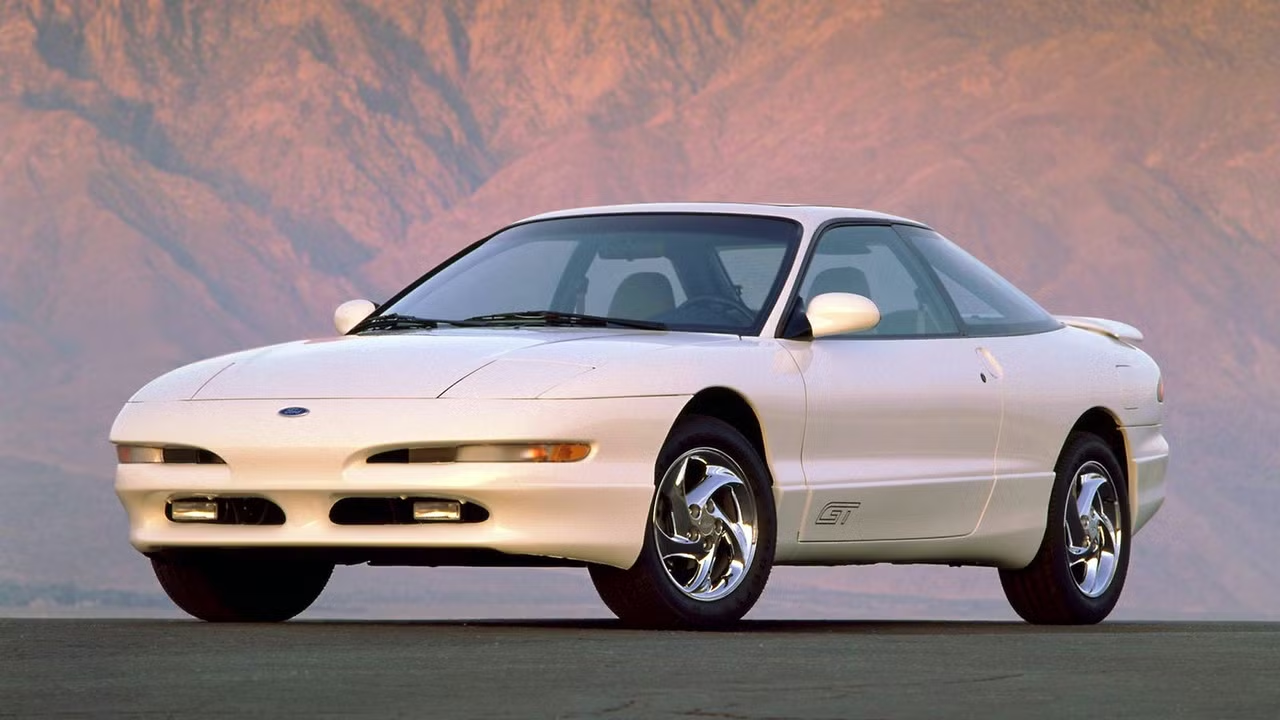
3. Ford Probe GT
The Ford Probe GT represented Ford’s attempt to modernize its sporty image with a more aerodynamic and efficient approach. Developed in collaboration with Mazda, it used the same platform as the MX-6 and featured a similar suspension layout, offering a balance of refinement and engaging handling.
The V6 engine produced strong power for a front wheel drive coupe, while styling aimed to compete with imports and European competitors. Its aerodynamic shape reduced drag and gave it a distinctive, futuristic appearance that stood out among American sports cars of the era.
Public reaction was mixed from the beginning, as many buyers had expectations shaped by traditional muscle cars. Some hoped the Probe GT would replace classic American performance coupes, while others dismissed its front wheel drive layout as inferior for performance driving.
This division in perception hurt sales and limited the car’s long-term popularity. Despite its practical engineering, the Probe GT became overshadowed by flashier competitors that promised more overt performance.
On the road, the Probe GT proved more capable than critics realized. The suspension system was tuned for balance and driver confidence rather than pure aggression, which made it feel stable and predictable in corners.
Steering was precise, and the car felt more planted than its competitors at similar price points. Interior ergonomics were thoughtfully laid out, offering comfort and usability without sacrificing the sense of being a sports car.
Over time, the Probe GT was largely forgotten, despite its strong engineering foundations. Its front wheel drive nature and unassuming styling kept it from becoming a classic, yet enthusiasts who seek underrated cars have begun to reevaluate its merits. Well-maintained examples are scarce, and prices for clean models remain reasonable. The car’s blend of comfort, reliability, and genuine sporty handling makes it a hidden treasure for collectors.
The Probe GT also offered a surprising level of refinement for its time. Cabin noise was controlled, and ride quality balanced comfort with road feedback.
The V6 engine, while not the most powerful, provided sufficient acceleration for most driving situations, and the gearbox offered smooth and reliable operation. Its understated charm has grown with age, making it an overlooked example of intelligent 1990s automotive engineering.
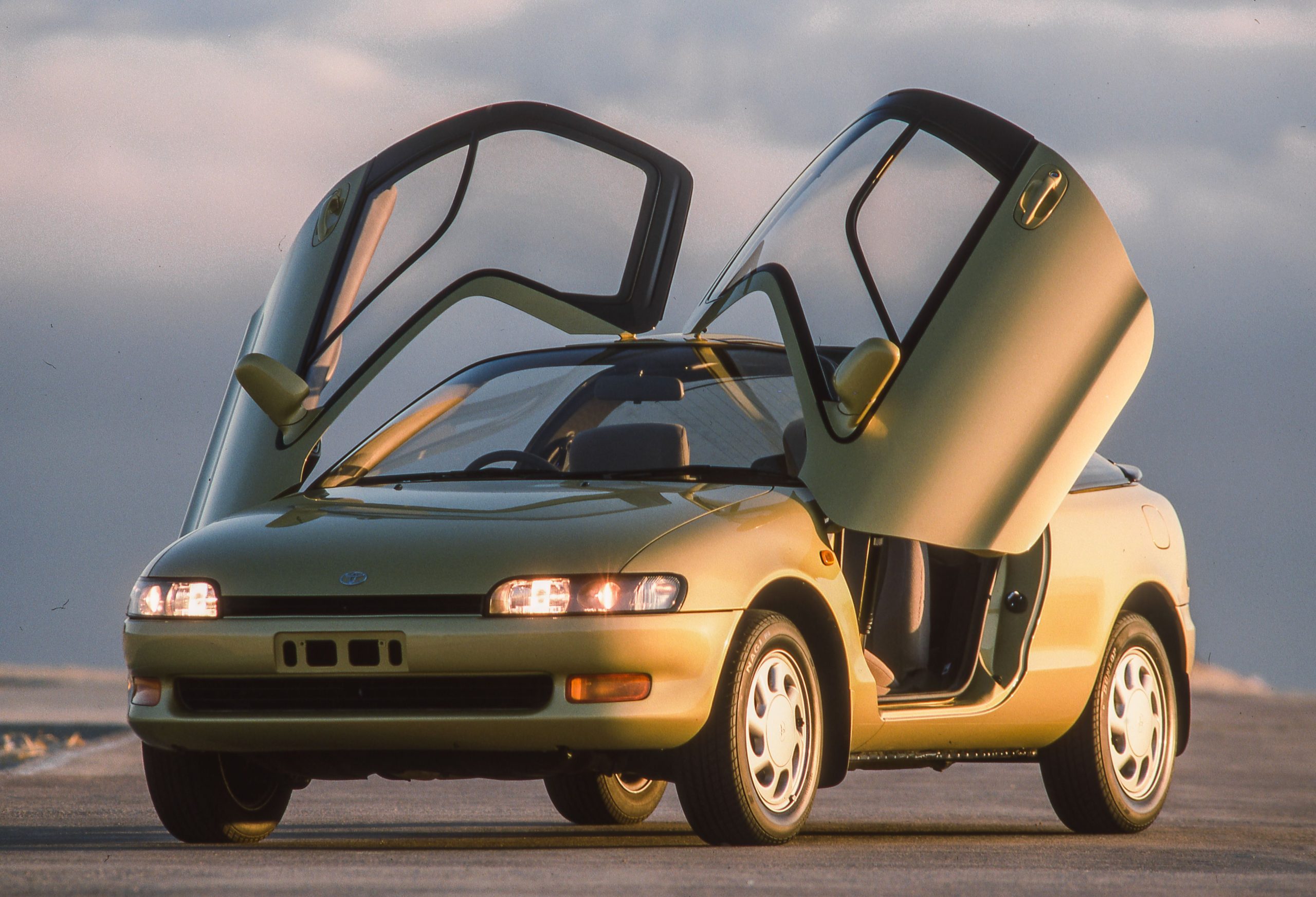
4. Toyota Sera
The Toyota Sera was a bold design experiment, combining compact dimensions with futuristic styling cues that set it apart from conventional coupes. Its signature butterfly doors were a major talking point, giving the car an exotic appearance and showcasing Toyota’s willingness to experiment.
Built primarily for the Japanese domestic market, it remained largely unknown elsewhere, making it a rare sight on foreign roads. Beneath the dramatic exterior, the Sera shared mechanical components with the Toyota Celica, providing reliable performance and a smooth driving experience despite its unusual bodywork.
Performance was not the Sera’s primary focus, as Toyota aimed to create a visually striking, comfortable, and technologically interesting car. Lightweight construction and responsive suspension helped compensate for modest engine output, resulting in a vehicle that was nimble and engaging in city traffic and tight corners.
The car felt lively at low speeds and could hold its own on twisty roads, offering more than the average commuter coupe. Its uniqueness lay in combining everyday usability with a futuristic design that still turned heads decades later.
Many buyers did not know what to make of the Sera’s radical approach. While the butterfly doors were impressive, some considered them impractical or gimmicky, limiting broader market appeal. Toyota kept production numbers intentionally low, which meant that few units were exported and even fewer survived over the years. As a result, the Sera remained largely unnoticed outside Japan despite its distinct identity.
Today, the Sera stands as one of Toyota’s most unusual and forward-thinking creations. Its influence can be seen in concept vehicles and other models that experimented with doors and cabin visibility. Collectors prize well-maintained examples for their rarity, originality, and playful character. The car represents a level of creativity and risk-taking rarely seen in mainstream production vehicles.
Driving the Sera is a memorable experience because of its compact agility and unique controls. Steering is light and precise, making it easy to navigate urban streets or winding roads. The cabin feels airy due to the expansive glass panels, giving a sense of openness uncommon in small coupes. While not a speed demon, the Sera offers a combination of style, usability, and enjoyment that makes it stand out among forgotten 1990s sports cars.
5. Nissan NX2000
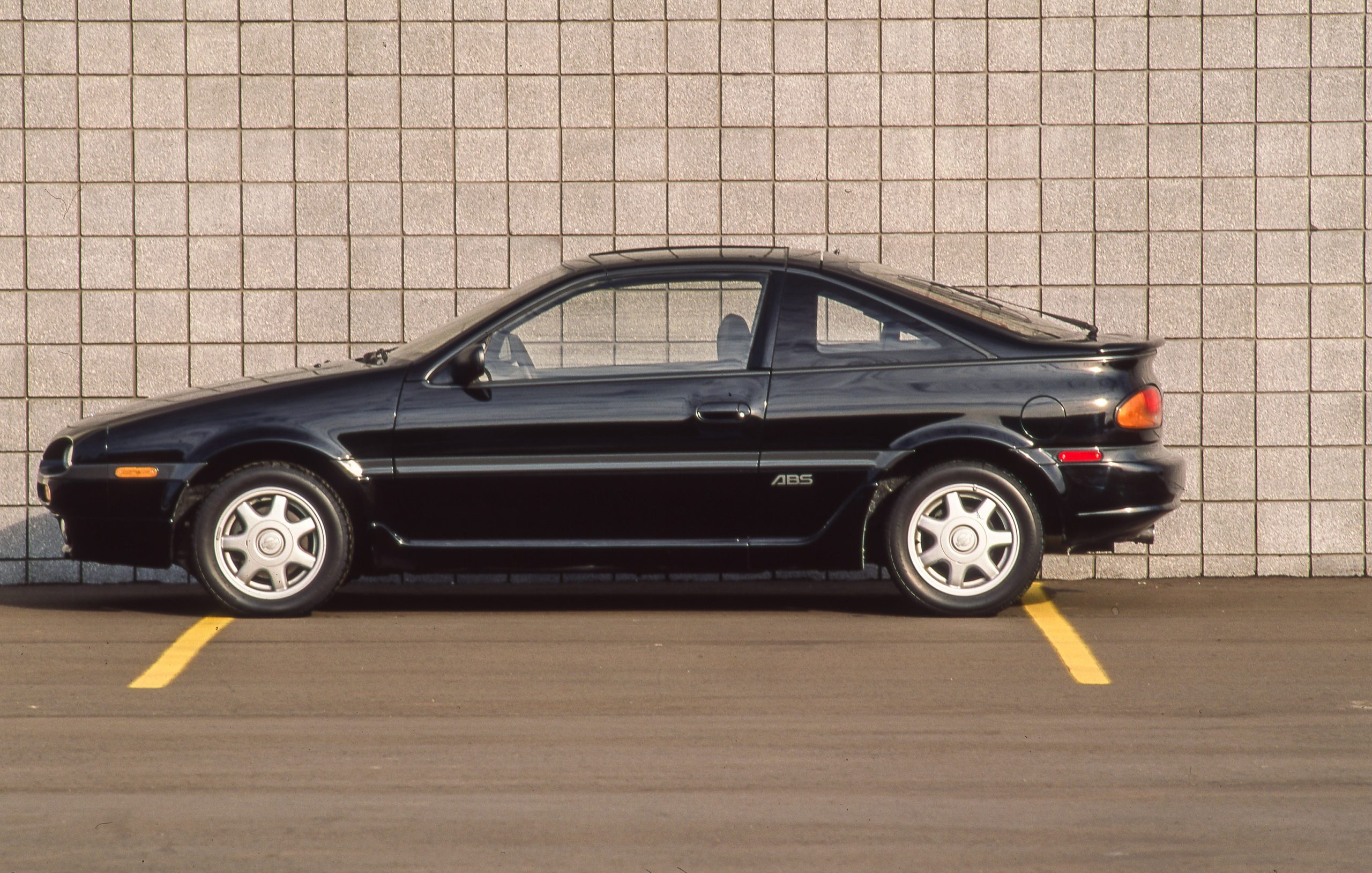
The Nissan NX2000 blended practical hatchback dimensions with an unexpectedly sporty character. Its high revving four-cylinder engine offered spirited acceleration that made city driving and canyon carving equally enjoyable. Suspension tuning favored agility and driver involvement, while the compact size made it extremely maneuverable in tight conditions. The hatchback layout also allowed for practicality, carrying cargo without sacrificing the feeling of a true sports coupe.
Styling was unconventional and polarizing, with sharp angles and a wedge-shaped profile that made it instantly recognizable. Removable roof panels added a semi-convertible experience, further enhancing its versatility and appeal to adventurous drivers.
Many buyers, however, did not understand the car’s purpose, thinking it was either too practical to be sporty or too small to be serious. As a result, sales numbers remained modest and the NX2000 became one of the more obscure entries in Nissan’s 1990s lineup.
Driving enthusiasts appreciated the NX2000’s lively personality and responsive handling. The engine rewarded high revs with exhilarating bursts of power, and the gearbox provided satisfying precision that encouraged spirited driving. Suspension tuning kept the car balanced through corners, offering confidence and fun even on twisty roads. It felt like a driver’s car in a compact and affordable package, which made it beloved by those who discovered it.
Over time, the NX2000 faded from public memory as newer, flashier models arrived. Many examples were modified heavily or driven hard, reducing the number of clean survivors.
Today, intact examples are highly sought after by collectors who value its combination of rarity, agility, and character. It represents a unique chapter in Nissan’s history when experimentation and fun were still accessible in small coupes.
The NX2000’s charm comes from its combination of lightweight agility and engaging performance. Interior ergonomics were simple yet functional, emphasizing driver focus over luxury. The roof panels added an open-air experience that few other hatchbacks could match, while the engine’s high-revving nature encouraged energetic driving. Its blend of fun, rarity, and practicality ensures that the NX2000 remains a hidden gem among 1990s sports cars.
6. Isuzu Impulse RS
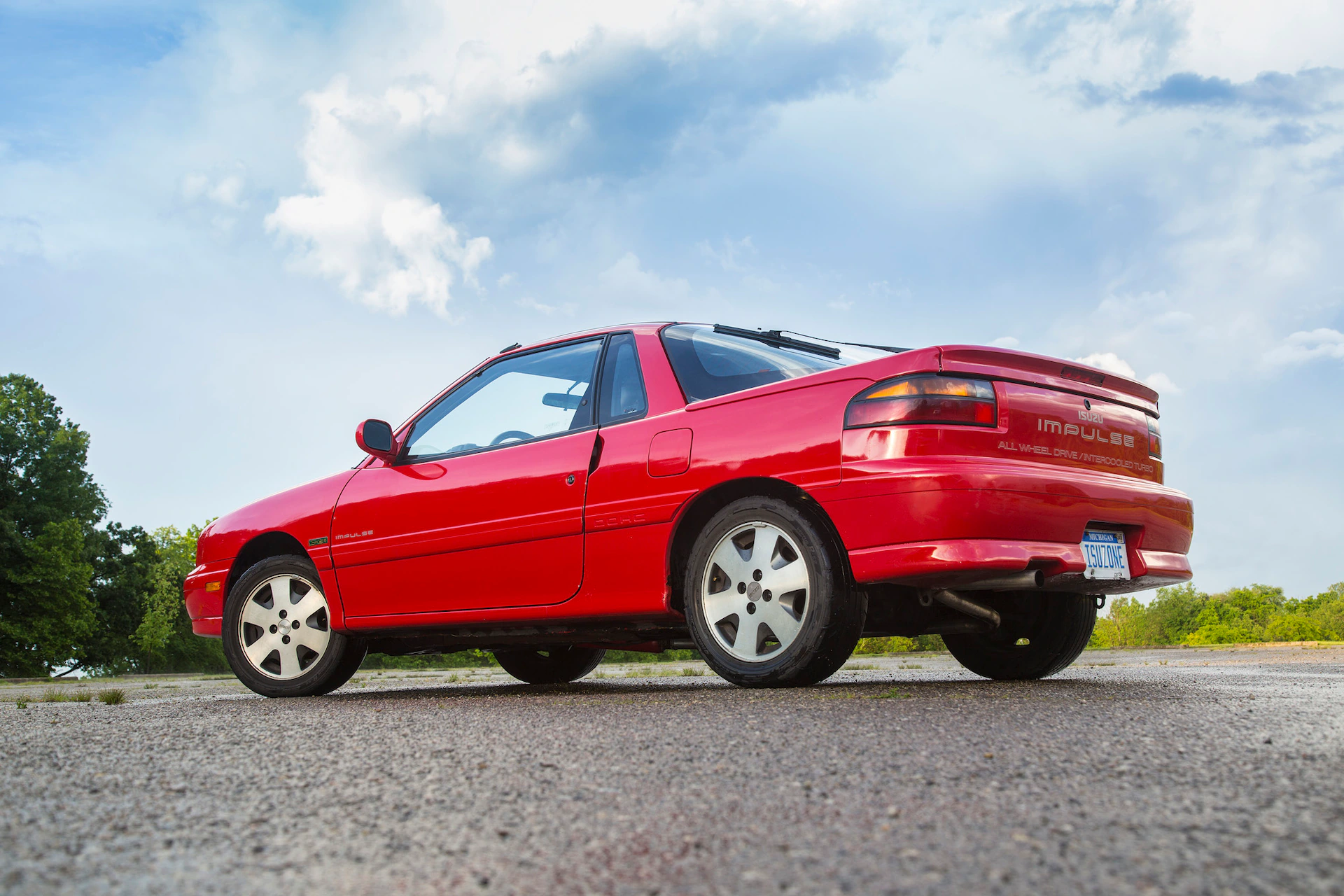
The Isuzu Impulse RS was engineered with collaboration from Lotus, giving it suspension and handling dynamics far beyond what its badge suggested. Its turbocharged engine produced strong mid-range power that made it surprisingly fast for its class, while the Lotus-tuned chassis allowed confident cornering with minimal body roll.
Advanced features like active suspension systems were implemented to maximize both performance and comfort, setting it apart from most Japanese coupes of the era. Despite its technological sophistication, the Impulse RS retained a simple, driver-focused interior that emphasized ergonomics and functionality over luxury.
Brand perception worked strongly against the Impulse RS, as Isuzu was widely associated with trucks and commercial vehicles rather than sporty performance cars. Many potential buyers were skeptical of the car’s capabilities, assuming it would be unreliable or underwhelming.
Marketing efforts failed to educate the public about its Lotus-enhanced chassis and turbocharged engine, leaving the car overshadowed by more recognizable Japanese and European sports cars. Its advanced engineering was often dismissed by mainstream audiences as unnecessary complexity.
On the road, the Impulse RS was a revelation for those willing to engage with it. Steering feedback was precise and communicative, giving drivers confidence in every corner, while the turbocharged engine responded linearly across the rev range.
Suspension setup balanced ride comfort with sharp handling, resulting in a car that felt planted and composed in both city driving and spirited runs on winding roads. Its compact size made it surprisingly agile, offering a driving experience that rivaled more famous European machines.
Production numbers were limited, and over time the Impulse RS faded from public memory, leaving few examples on the road today. Many original cars were modified, driven hard, or scrapped due to the complexity of maintenance.
Parts availability is now scarce, which has contributed to its rarity and collectible status. Enthusiasts who discover the Impulse RS today often marvel at how much performance and innovation Isuzu packed into such an understated package.
The Impulse RS remains a forgotten gem in the 1990s sports car industry. Its combination of Lotus-tuned handling, turbocharged power, and lightweight agility is unmatched among many more famous contemporaries. Driving it reveals a level of precision and feedback rarely found in Japanese cars of the time. It is a car that rewards attention to detail, offering a satisfying experience for those who understand its potential.
7. Alfa Romeo GTV6 3.0
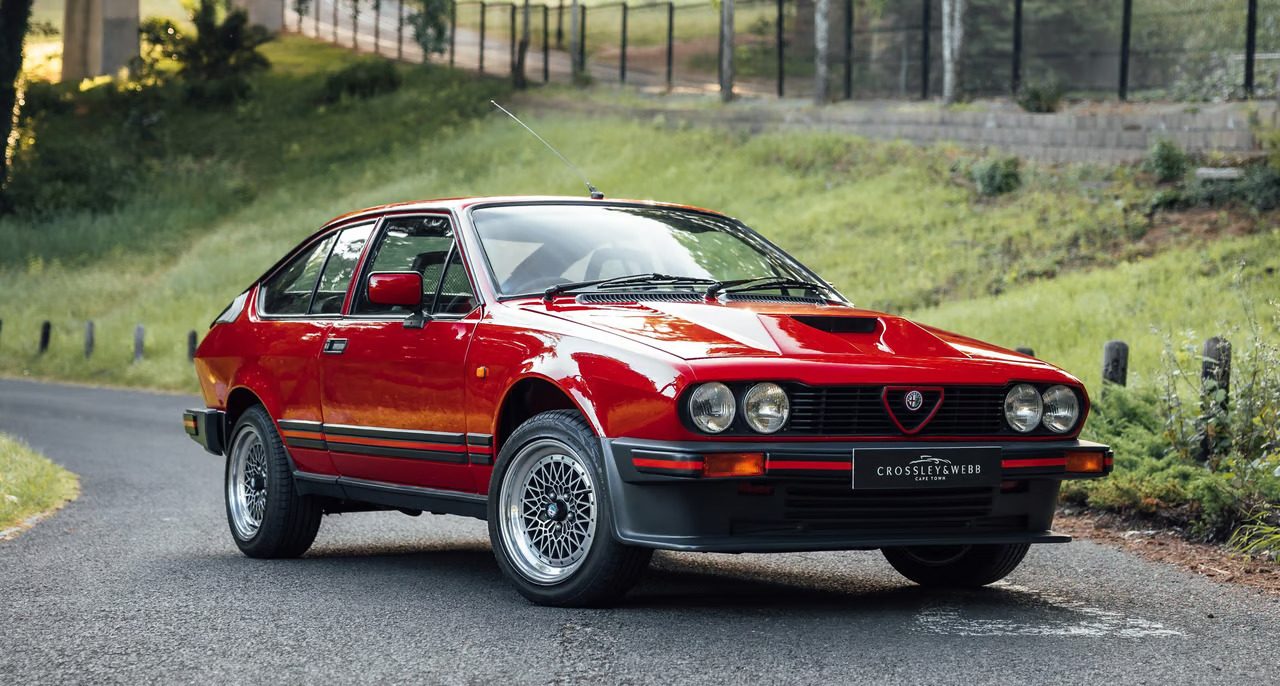
The Alfa Romeo GTV6 3.0 married classic Italian styling with a potent and characterful V6 engine that became the heart of the car. Its engine delivered a unique combination of smoothness, responsiveness, and an unmistakable exhaust note that enthusiasts still celebrate today.
Rear-wheel drive, near 50/50 weight distribution, and precise steering created an engaging and lively driving experience. The car’s compact size and low center of gravity allowed it to handle twisty roads with an agility that often surprised those familiar only with larger, heavier GT cars.
Reliability concerns overshadowed the GTV6’s technical excellence, particularly in markets where maintenance knowledge and parts availability were limited. Cooling and electrical issues were common if owners neglected routine upkeep, which gave the car a reputation for being finicky.
Many enthusiasts embraced the challenge, but average buyers were often deterred. Despite this, Alfa Romeo’s engineering ensured that properly maintained cars remained highly rewarding to drive, combining performance with distinctive Italian character.
Driving experience was deeply engaging, with a chassis that communicated road conditions directly to the driver. The V6 engine’s high-revving nature made acceleration exciting at any speed, and gear shifts felt mechanical and precise, reinforcing the connection between car and driver.
Suspension tuning offered a balance between comfort and responsiveness, making long drives enjoyable without sacrificing handling sharpness. Few cars of the era delivered such a blend of emotion, performance, and style.
As the years passed, many GTV6s disappeared due to age, neglect, or abandonment, leaving survivors increasingly rare and desirable. Enthusiast communities now celebrate its design and driving qualities, often referring to it as one of the most characterful Italian sports cars of the 1990s.
Appreciation for the V6 engine’s sound and linear delivery has grown steadily. The GTV6 3.0 now holds a special place in collector circles as a car that was both emotional and technically accomplished.
The GTV6 also impressed with its combination of interior ergonomics and exterior styling. Driver-oriented controls and seating offered comfort for spirited drives, while classic Alfa design lines gave it timeless appeal. The engine’s torque and power delivery encouraged an active driving style, rewarding skill and attention. Its rarity, styling, and driving engagement make it a forgotten icon of the 1990s sports car scene.
8. Subaru SVX
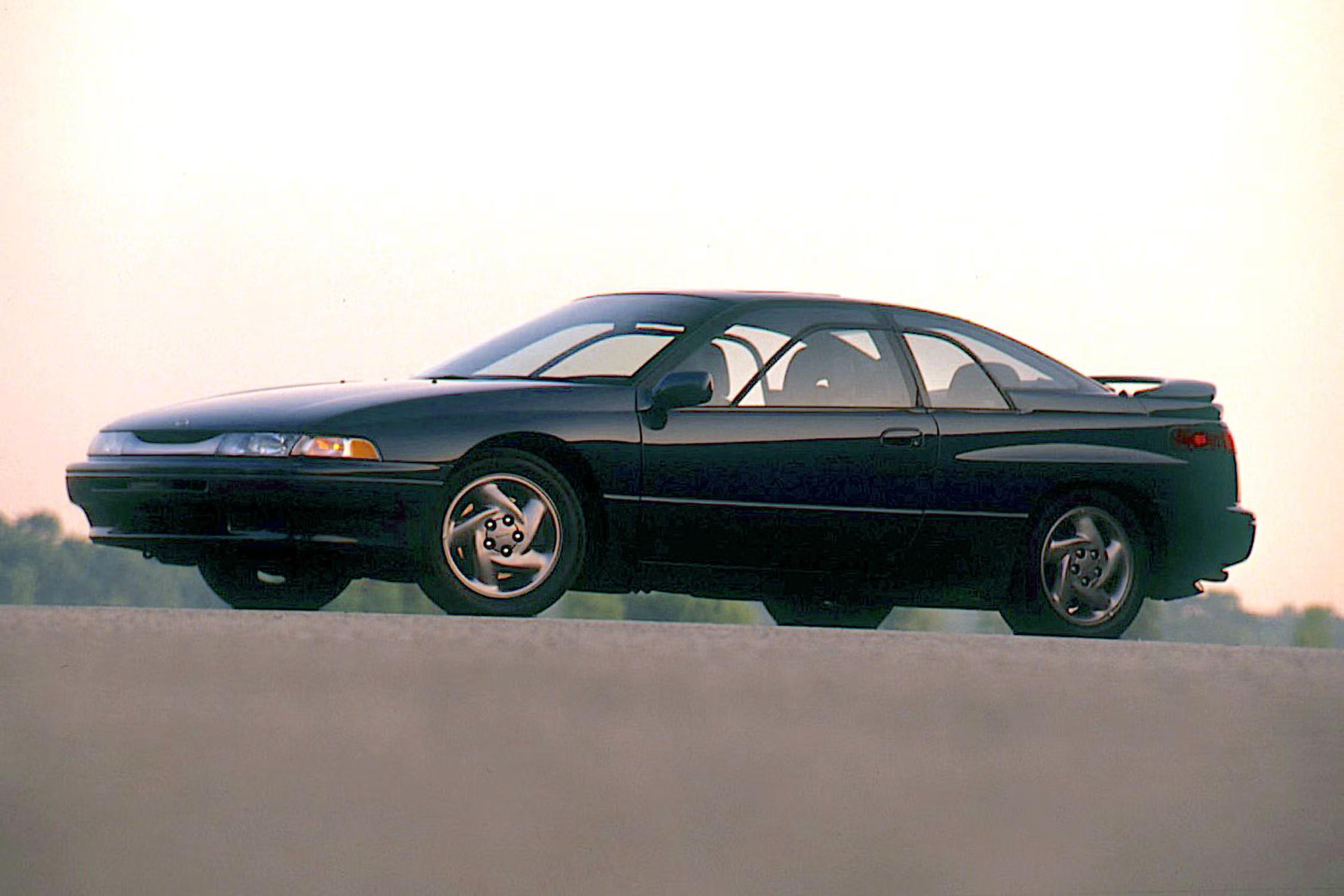
The Subaru SVX was an ambitious grand touring coupe that pushed the boundaries of Subaru’s reputation for practical all-wheel-drive vehicles. Designed by Giorgetto Giugiaro, its distinctive “window within a window” glass design created a futuristic appearance while reducing wind noise.
Powered by a flat-six engine and equipped with full-time all-wheel drive, it offered a smooth and stable driving experience that combined performance with comfort. The SVX’s long wheelbase, wide stance, and unique styling made it instantly recognizable, though it was polarizing to mainstream buyers.
Complexity proved to be one of the SVX’s biggest obstacles in gaining widespread acceptance. Early models suffered from transmission and electronic quirks, which created reliability concerns for some owners.
Maintenance and repair costs were higher than expected for a Subaru, discouraging potential buyers. Many vehicles ended up in private collections or were lightly used, leaving the SVX obscure compared to more mainstream coupes of the era.
Comfort and refinement were among the SVX’s strongest points. The cabin was well-insulated, seats were supportive for long drives, and interior materials felt upscale relative to other Subarus of the time. Its all-wheel-drive system offered confidence in varying conditions, making it versatile beyond typical sports coupes. Despite moderate acceleration compared to supercars, the SVX excelled in composure, refinement, and usability.
Today, the SVX is remembered fondly by enthusiasts who appreciate its ambition and uniqueness. Its styling remains distinctive decades later, and surviving examples are rare. The combination of futuristic design, comfort, and all-wheel-drive capability makes it a standout among 1990s cars. It represents Subaru’s boldest experiment to blend luxury, innovation, and performance in one package.
Driving the SVX offers a rewarding combination of stability and refinement. The flat-six engine produces smooth, linear power, while the all-wheel-drive system delivers excellent traction on all surfaces. Steering is precise, and the chassis remains poised through corners despite the car’s substantial size. Its balance of comfort, technology, and forward-looking design makes the SVX a forgotten gem of the decade.
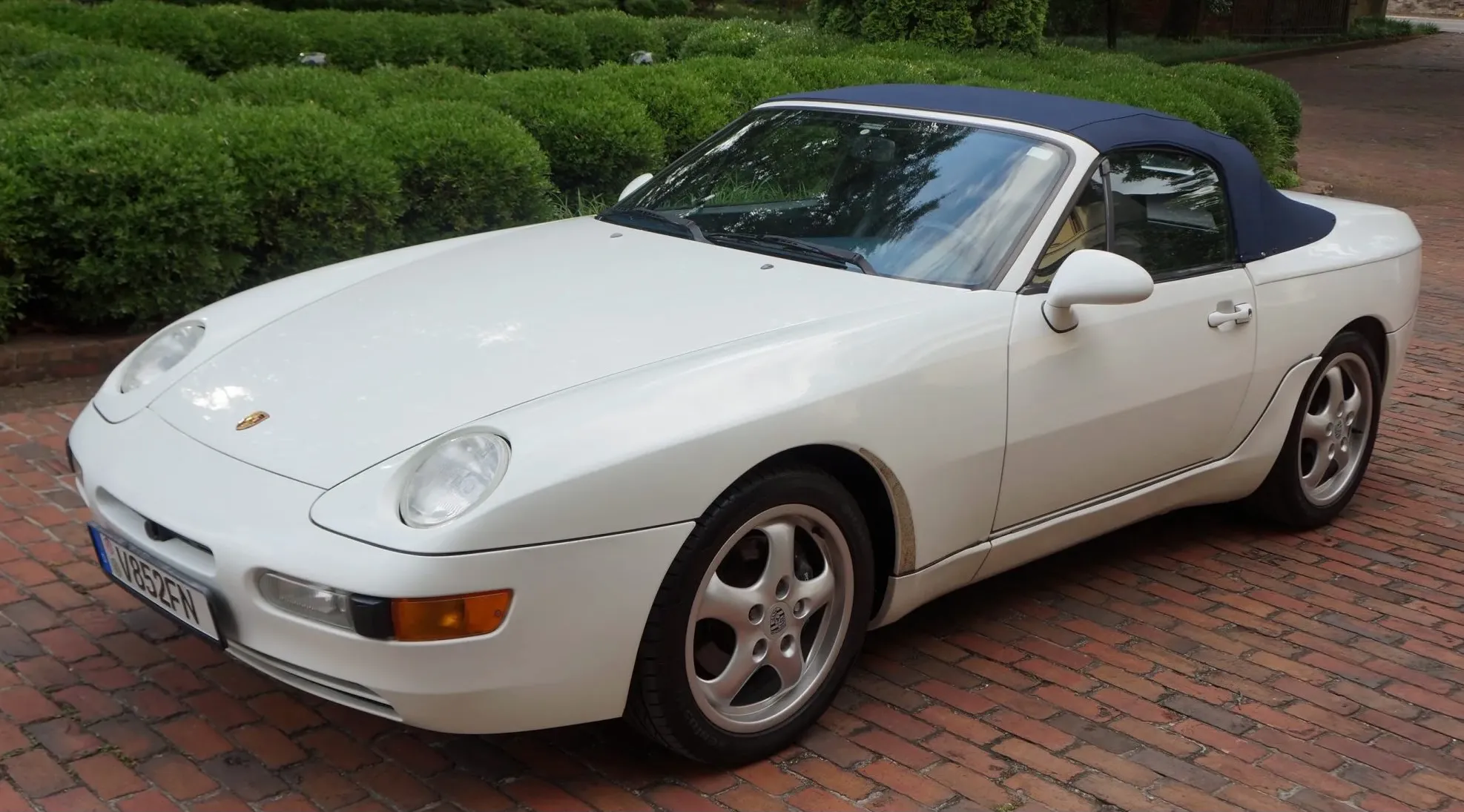
9. Porsche 968 Club Sport
The Porsche 968 Club Sport focused on delivering the purest driving experience possible by emphasizing weight reduction and performance enhancements over comfort features. Stripped of unnecessary luxury items, it offered a lightweight chassis with precise steering and enhanced suspension tuning.
The naturally aspirated inline-four engine delivered smooth and predictable power, while its near-perfect balance made the car highly responsive through corners. Drivers experienced one of the most connected and rewarding coupes Porsche offered during the 1990s, rivaling cars twice its price in driver involvement.
Sales numbers were low due to its extreme focus, as many buyers preferred the more luxurious and versatile standard 968. Its minimalist approach limited broader appeal but rewarded those seeking a car built for handling purity rather than convenience.
Market timing also hurt its popularity, as buyers were beginning to expect turbocharged power or larger displacement engines. As a result, few Club Sport models were produced, enhancing its rarity today.
On the track, the Club Sport excelled in driver engagement. Its lightness and mechanical precision made cornering exhilarating, while braking performance inspired confidence. Engine response was linear and predictable, allowing skilled drivers to extract maximum performance without surprises. The car became a benchmark for enthusiast-focused coupes that prioritized driving involvement over luxury.
Over time, collectors have recognized the 968 Club Sport’s value as one of Porsche’s finest driver-focused cars of the era. Prices for clean examples have steadily increased, and it is now sought after as a modern classic. Its rarity and precision engineering make it highly desirable among enthusiasts. The Club Sport represents a refined and underappreciated chapter in Porsche’s storied history.
The interior of the 968 Club Sport reinforced its focus on the driving experience. Minimalist seats and driver-oriented controls emphasized connection to the car, while remaining comfortable enough for long drives.
Suspension and chassis tuning allowed the car to perform confidently under spirited driving conditions. The Club Sport offered an engaging, pure, and memorable driving experience that many cars of the 1990s could not match.
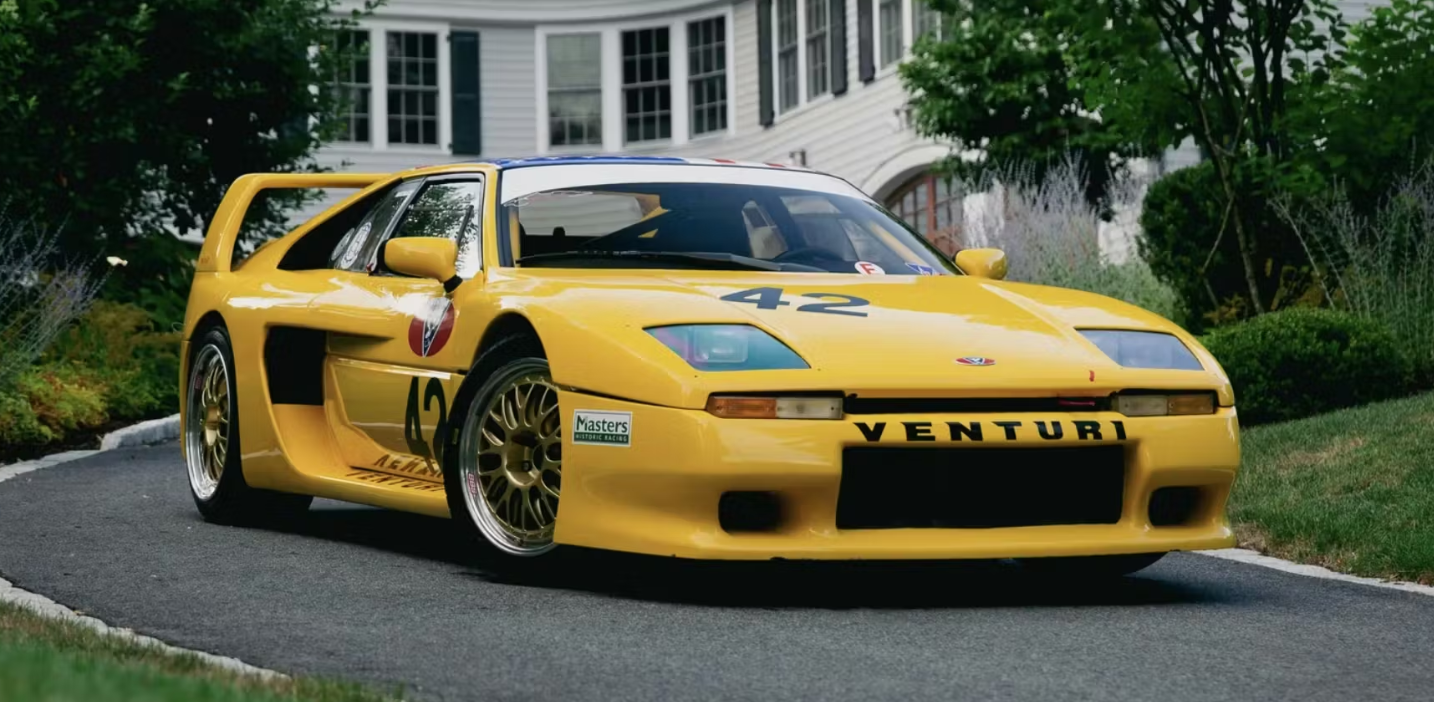
10. Venturi 400 GT
The Venturi 400 GT was a French supercar built with serious performance intentions, featuring carbon fiber construction and twin turbocharged V6 power that delivered impressive acceleration. Its aerodynamic design was purposeful, with clean lines and functional elements aimed at high-speed stability.
Venturi focused on combining lightweight construction with high power output to create a car that could rival better-known supercars of the 1990s. Despite limited production, the 400 GT demonstrated French engineering ambition on a global stage.
Limited production and financial instability affected Venturi’s ability to market and support the 400 GT, leaving few people aware of its existence. Dealers were scarce, parts availability was minimal, and customer confidence suffered. Many units were purchased by collectors or enthusiasts, but wider public recognition remained virtually nonexistent. These factors contributed to the car’s obscurity despite its supercar-level performance.
Performance matched its bold styling, with responsive handling, firm suspension, and excellent braking capabilities. Twin turbocharging allowed for rapid acceleration, and chassis balance gave the driver confidence in high-speed cornering. The engine and gearbox worked in harmony to provide a connected, engaging driving experience that rivaled cars costing much more. Venturi successfully combined exotic looks with serious capability in a package few had the chance to experience firsthand.
Today, the Venturi 400 GT is extremely rare, with surviving examples coveted by collectors who value its uniqueness and ambitious design. Its combination of carbon fiber construction, turbocharged power, and understated European styling make it a standout among forgotten 1990s supercars.
Venturi’s vision has finally gained recognition, even if it was decades too late for mainstream attention. The car remains a testament to French innovation and ambition during a period dominated by larger, better-funded competitors.
