
The history of American automobiles is filled with innovation, daring design, and a relentless drive to push engineering limits. American cars have not only defined domestic transportation but have often influenced global automotive trends.
From the early days of the Ford Model T to modern muscle cars and luxury sedans, American manufacturers have created vehicles that are both practical and iconic. These cars reflect the spirit of ingenuity and ambition, combining performance, style, and cultural significance in ways that resonate far beyond the road.
The success of these vehicles is not only measured in sales but in their lasting impact on society, inspiring enthusiasts and ordinary drivers alike. Many of these cars introduced features that would later become standard across the industry, such as advanced suspension systems, powerful engines, and innovative safety technologies.
Beyond their technical achievements, these automobiles also capture the imagination with their design language, blending elegance with aggression, sophistication with raw power. Car shows, racing circuits, and even movies have immortalized certain American models, turning them into symbols of freedom, status, and aspiration.
Collectors and historians often study these vehicles not just for their mechanics, but for the stories they tell about American culture, economic trends, and technological progress. Each car carries with it a legacy of engineering triumphs and design breakthroughs, reflecting the era in which it was created while continuing to influence new generations of vehicles.
They showcase a commitment to excellence and ambition, proving that American automakers can combine innovation with mass appeal. The following list highlights ten American cars that have earned a place in history, each setting a benchmark in its own way.
These vehicles stand out for their performance, design, and cultural influence, illustrating how American ingenuity has shaped the automotive world. From muscle cars that dominated racetracks to sedans that defined comfort and reliability, the cars featured here demonstrate the range and depth of American automotive excellence.
Each model represents a milestone, whether through technical innovation, revolutionary design, or widespread popularity. These vehicles are not just modes of transportation; they are cultural icons that continue to inspire passion, admiration, and respect.
By examining their impact and significance, it becomes clear why these ten American cars hold a special place in automotive history. They serve as benchmarks of greatness, demonstrating the potential for engineering to merge with art and performance.
The cars listed here embody ideals of power, style, and innovation, and they have contributed to a legacy that continues to influence the automotive industry today.
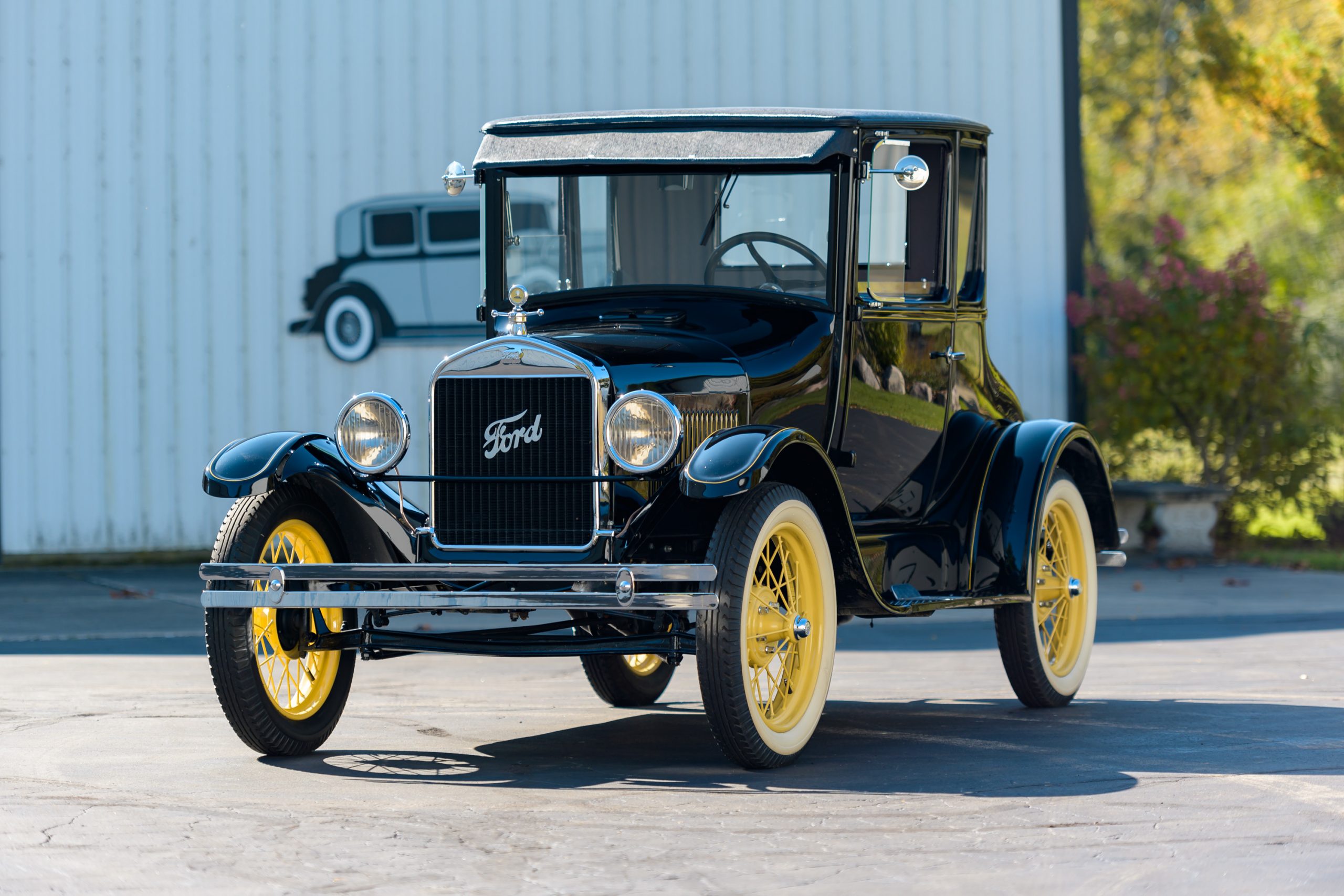
1. Ford Model T (1908)
The Ford Model T is widely recognized as the car that put America on wheels. Its introduction revolutionized transportation, making vehicles accessible to the general public. Henry Ford’s assembly line production reduced costs, allowing ordinary people to own a car for the first time. This accessibility fundamentally changed society and the economy.
The Model T was simple yet effective, designed to withstand rough roads and varying conditions. It offered reliability at a price that working-class families could afford. Its lightweight design and durable engine made it ideal for the early 20th century. Drivers could maintain it with minimal mechanical knowledge.
Beyond its mechanical simplicity, the Model T also set standards in manufacturing efficiency. The moving assembly line concept drastically cut production time and costs. This innovation not only impacted the automotive industry but also influenced manufacturing across other sectors. Ford’s approach emphasized speed, consistency, and affordability.
The Model T encouraged widespread mobility and freedom. People could travel longer distances for work, leisure, and family visits. Towns and cities expanded as roads improved and more Americans embraced automobile travel. Its influence on urban planning and infrastructure was profound.
Even today, the Model T is celebrated for its historical and cultural significance. It remains a symbol of American ingenuity and practical innovation. Collectors, museums, and car enthusiasts continue to honor its role in shaping the automotive industry. Its legacy endures as a benchmark of accessibility and design simplicity.
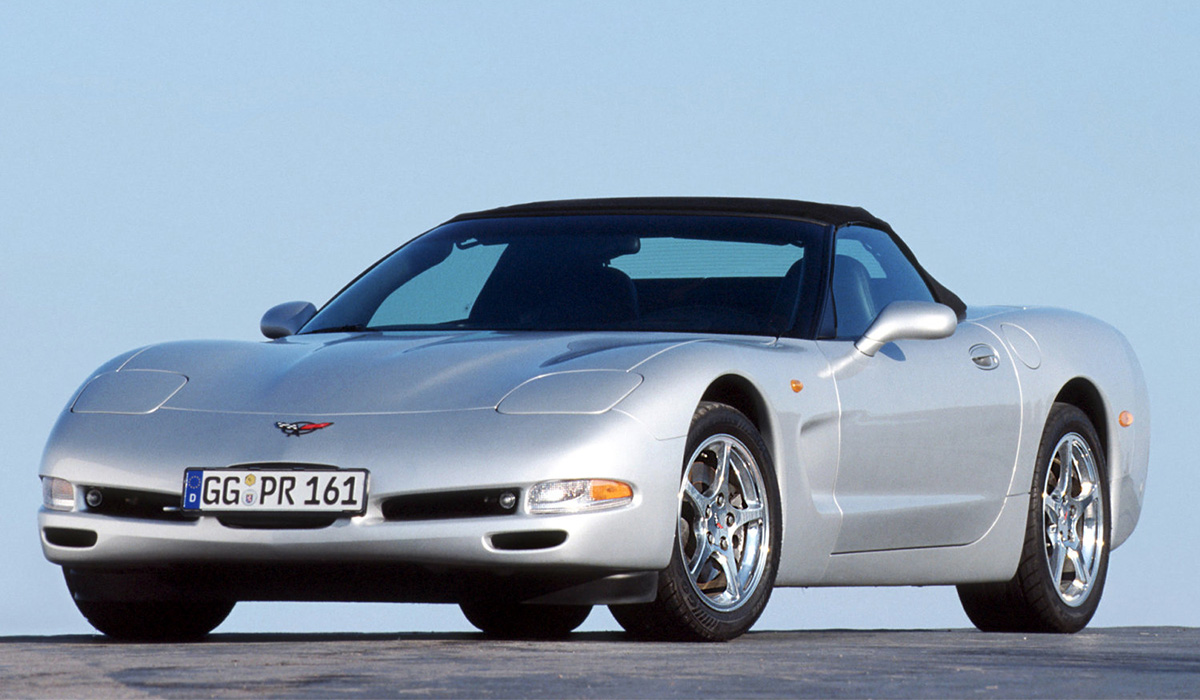
2. Chevrolet Corvette (1953)
The Chevrolet Corvette emerged as America’s first mass-produced sports car. It combined sleek design with performance-oriented engineering. Its fiberglass body was lightweight and futuristic for its time, giving it a unique presence on the road. The Corvette quickly became a symbol of style and excitement.
Early Corvettes were powered by six-cylinder engines, but performance improvements soon introduced V8 options. This transformation made the Corvette competitive with European sports cars. It represented America’s growing expertise in high-performance vehicles.
Corvette’s design emphasized both aerodynamics and aesthetics. Its curves, low stance, and aggressive front end captured attention. Over the decades, it evolved while maintaining a recognizable identity. Each generation offered refinement without losing its sporty appeal.
The Corvette was also a cultural icon, featured in movies, television, and racing circuits. Its image as a car for enthusiasts helped its status. Owning a Corvette became a statement of taste, freedom, and personal achievement.
Its engineering advancements were significant. From handling improvements to engine technology, the Corvette often set benchmarks for American performance cars. It remains a symbol of innovation, blending speed, style, and affordability in a uniquely American package.
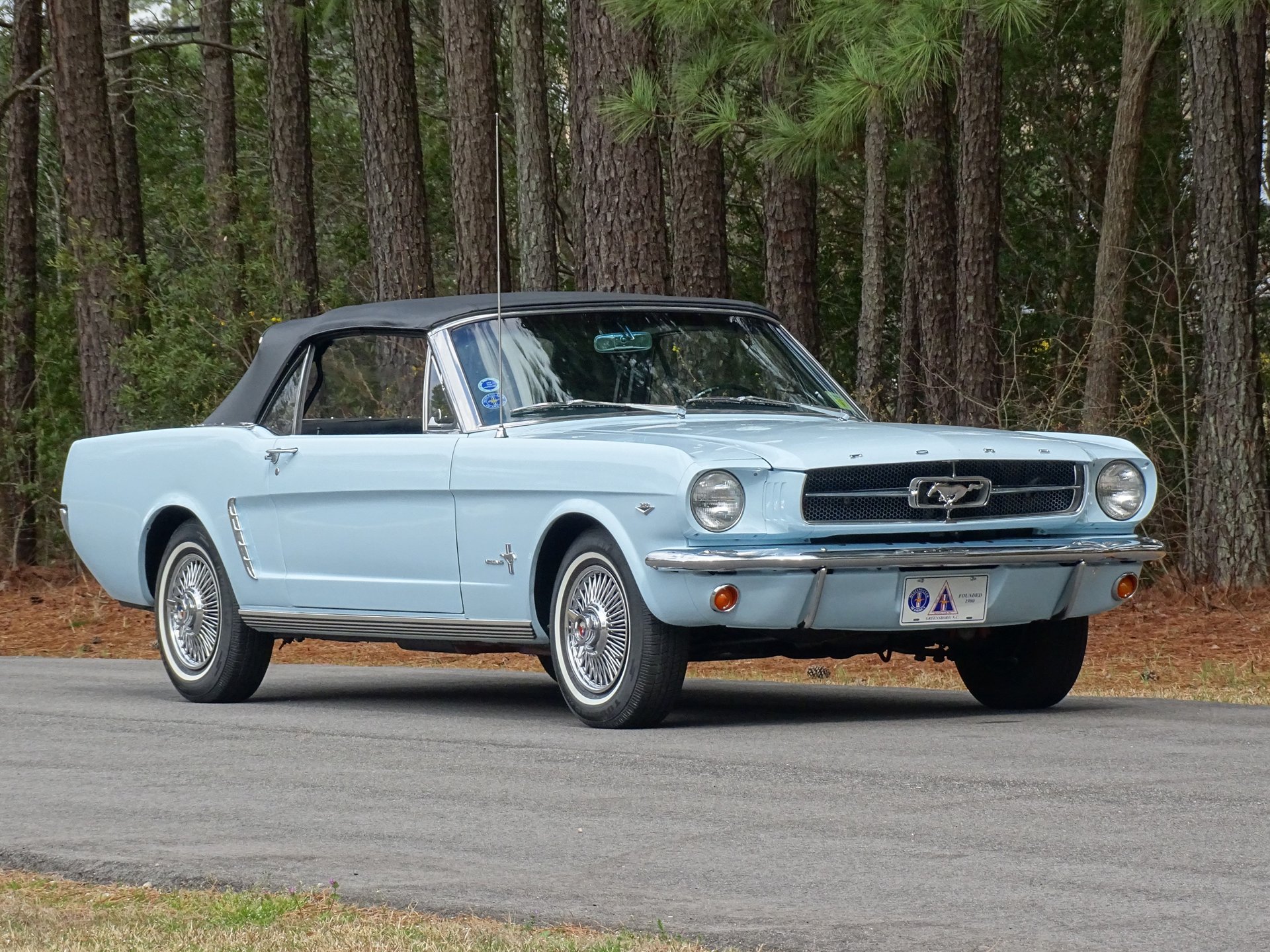
3. Ford Mustang (1964)
The Ford Mustang is widely credited with creating the pony car segment. It offered sporty styling and performance at an affordable price, appealing to a wide audience. Its debut sparked excitement and created a new market for compact, fun-to-drive vehicles.
Mustang’s design emphasized bold lines and distinctive features. The long hood, short deck, and optional performance packages became defining characteristics. It appealed to young drivers looking for style and speed.
Under the hood, the Mustang offered a variety of engines. From economical six-cylinders to powerful V8s, it could meet different driver needs. Its adaptability and performance options made it a versatile choice.
The Mustang quickly gained cultural significance. It appeared in films, television, and popular media, reinforcing its image as an American icon. Its influence extended beyond cars into fashion and lifestyle trends.
Over the decades, the Mustang evolved while staying true to its roots. Each generation balanced innovation with heritage. Its legacy as a performance and style benchmark remains strong in the automotive world.
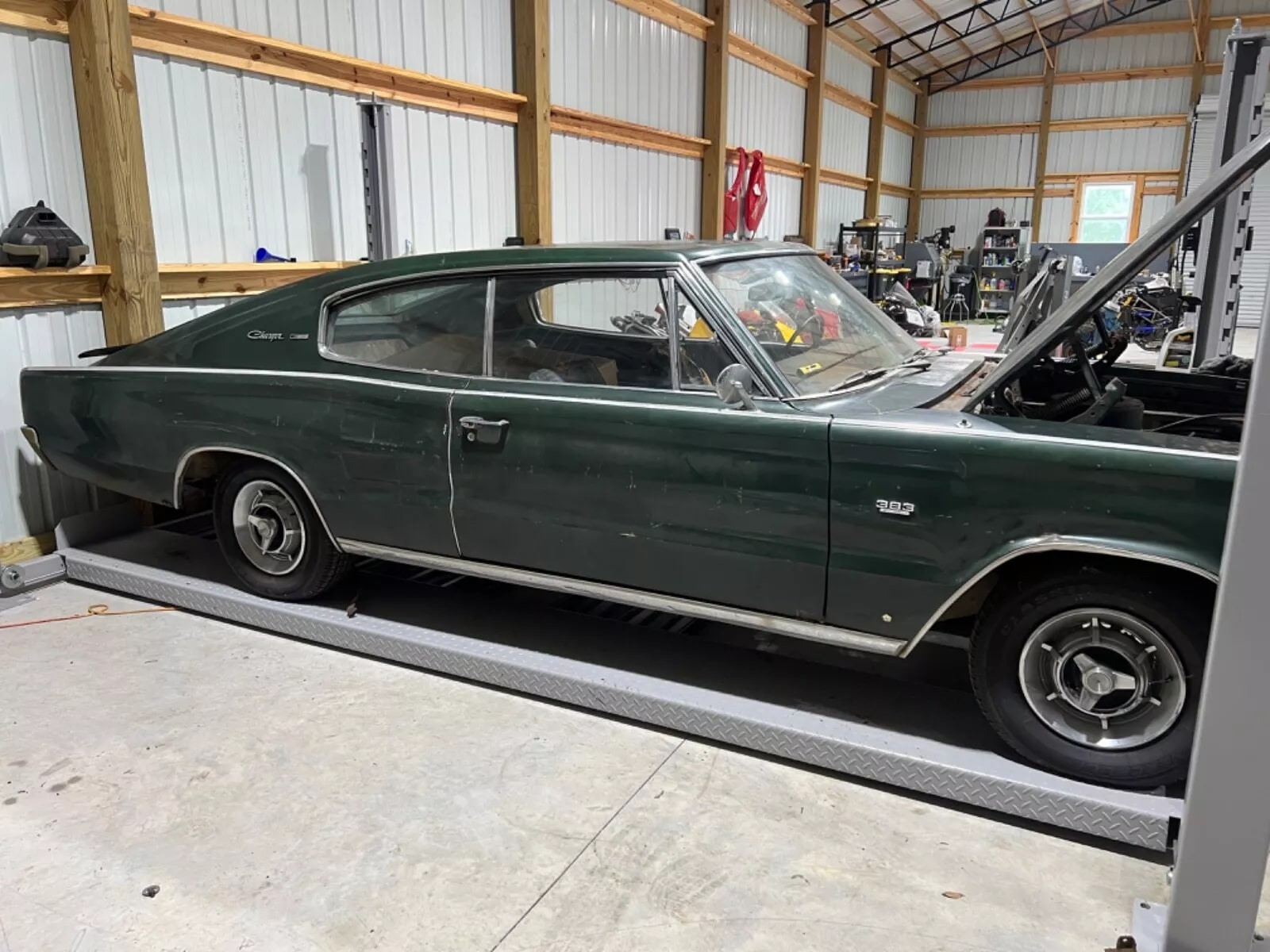
4. Dodge Charger (1966)
The Dodge Charger became a symbol of American muscle in the 1960s. Its aggressive styling and powerful engines defined the muscle car era. With sleek lines and a bold presence, it stood out on highways and racetracks alike.
Chargers were equipped with high-performance V8 engines. These engines delivered impressive horsepower and torque, making the car ideal for straight-line speed. It became a favorite among performance enthusiasts.
The design of the Charger combined elegance and aggression. Its long body, fastback roofline, and sculpted surfaces created a commanding visual impact. It remained instantly recognizable across generations.
Racing and popular culture helped cement the Charger’s reputation. It appeared in numerous films, television shows, and drag racing events. These appearances reinforced its image as a performance legend.
Technological advancements in suspension and handling improved its driving dynamics. Despite its size, the Charger could perform with agility. Its balance of power and performance established a new standard for American muscle cars.

5. Chevrolet Camaro (1966)
The Chevrolet Camaro was introduced to compete directly with the Ford Mustang. Its debut offered a blend of sporty styling and competitive performance. The Camaro quickly gained a loyal following among young drivers and performance enthusiasts.
Camaro’s range of engine options catered to a wide audience. From economical small-block V8s to high-performance big-block variants, it offered versatility. This allowed drivers to choose based on budget and desired power.
The car’s design emphasized a low, wide stance. Its sculpted body, sharp lines, and distinctive grille created a sense of motion even when stationary. Camaro’s appearance reflected its performance focus.
Motorsport success contributed to its prestige. Camaro competed in drag racing, stock car racing, and road courses, proving its capabilities. Its racing pedigree enhanced its appeal among enthusiasts.
Over time, the Camaro evolved to remain competitive. Each generation incorporated modern technology while preserving its classic appeal. Its status as an American performance icon remains strong today.
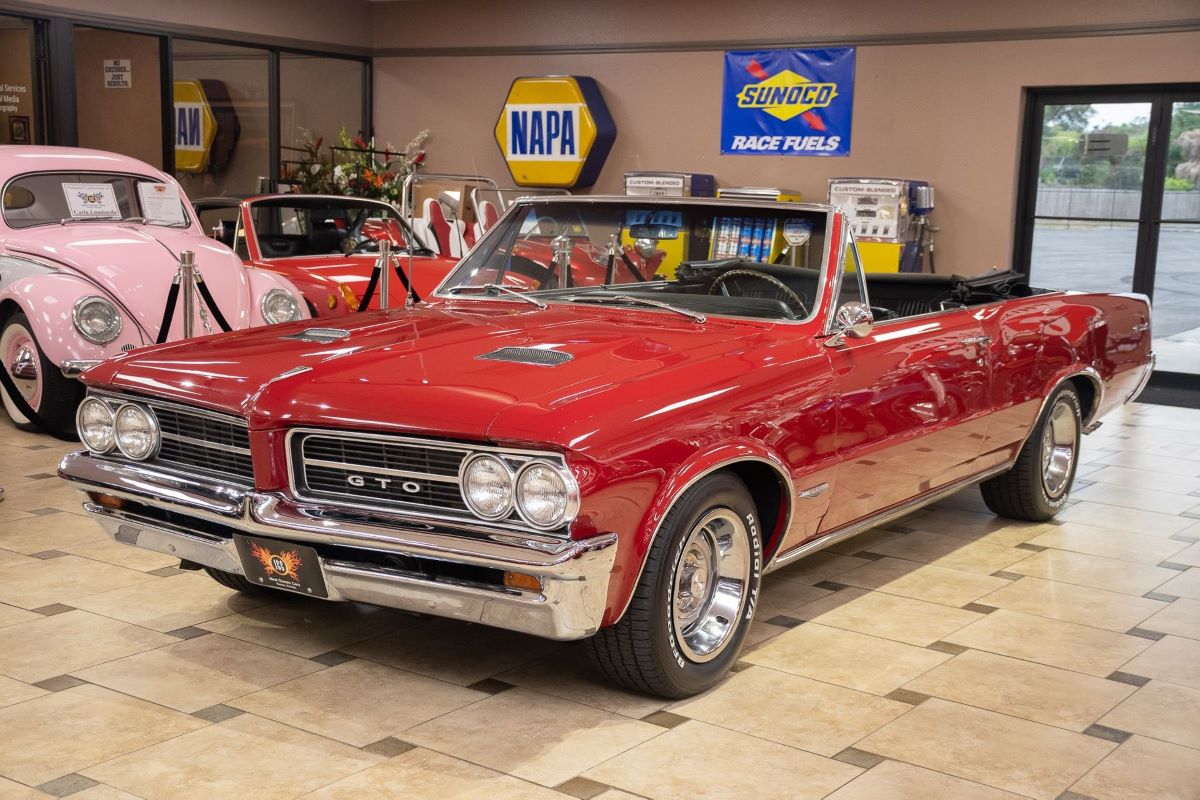
6. Pontiac GTO (1964)
The Pontiac GTO is often regarded as the car that launched the muscle car era. Its combination of a powerful V8 engine and stylish design captured the attention of young drivers seeking excitement. Pontiac marketed it as a performance car that could be enjoyed on both streets and tracks. The GTO offered a new sense of freedom for drivers who wanted more than basic transportation.
Under the hood, the GTO’s engines were impressive for their time. Early models featured a 389 cubic-inch V8, producing substantial horsepower. Later models increased displacement and power, solidifying its reputation as a true performance machine. Its acceleration and speed were unmatched in its class, offering thrilling driving experiences.
The design of the GTO reflected its aggressive performance. A long, sculpted hood, wide stance, and bold grille emphasized its muscular character. Interior comfort was balanced with sporty features, creating a car that looked fast even when parked. The styling influenced many other muscle cars that followed.
The GTO also left a mark on American culture. It was celebrated in magazines, songs, and television, becoming a symbol of youthful rebellion and automotive enthusiasm. Enthusiasts still restore and preserve classic GTOs, highlighting its lasting appeal. Its combination of power, style, and accessibility made it a defining vehicle of its era.
Technological improvements over its production years helped the GTO remain competitive. Upgrades in suspension, braking, and engine options allowed it to perform at higher levels while maintaining reliability. These advances ensured that the GTO remained a benchmark for American performance cars throughout the 1960s and 1970s.
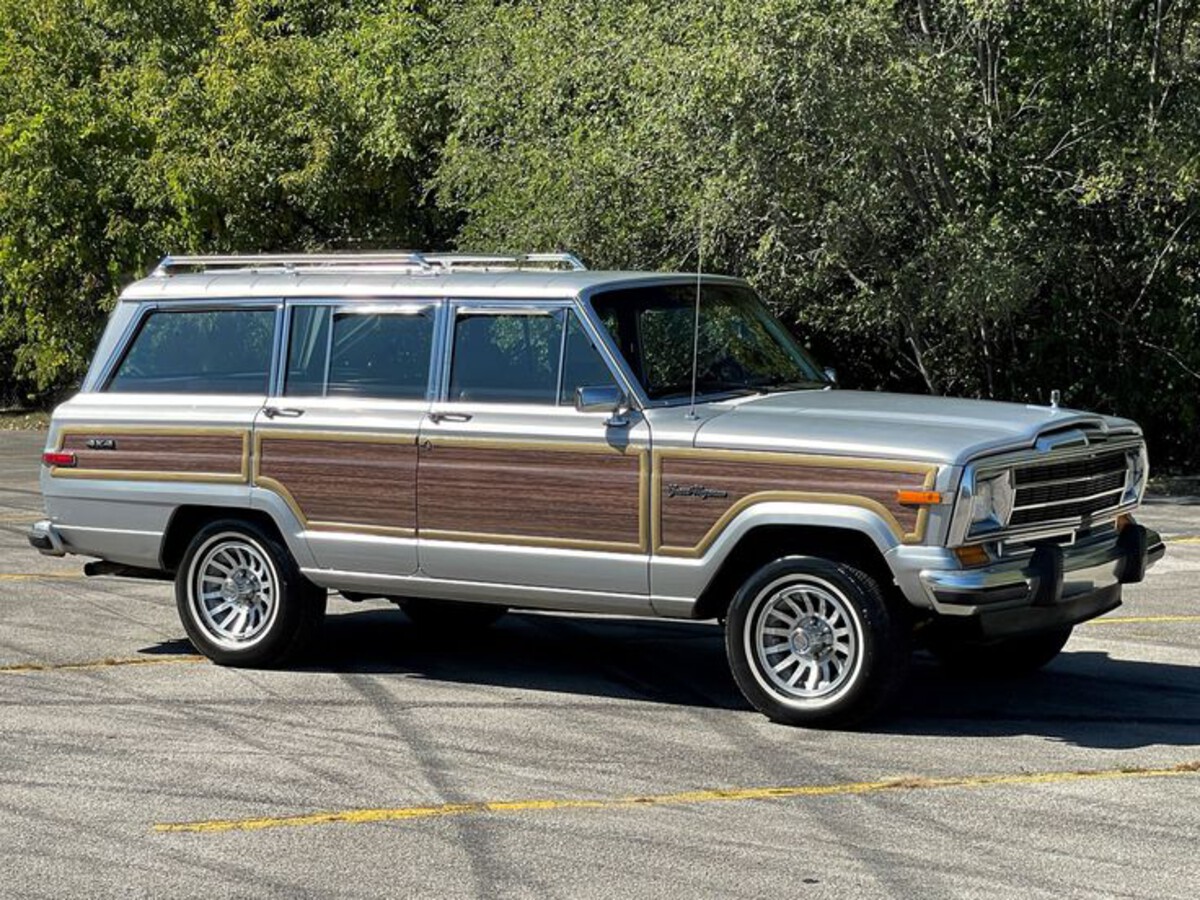
7. Jeep Wagoneer (1963)
The Jeep Wagoneer was one of the first vehicles to combine rugged off-road capability with luxury features. It provided comfort for families while maintaining the versatility of a four-wheel-drive system. This blend of utility and refinement made it a pioneer in the SUV segment. Drivers could rough terrain without sacrificing style or convenience.
Mechanically, the Wagoneer was built to last. Its durable engine and drivetrain allowed it to handle challenging roads and long journeys. Jeep’s engineering emphasized reliability and simplicity, giving owners confidence in a variety of driving conditions. Its performance on and off the road set new expectations for multi-purpose vehicles.
The exterior design was practical yet elegant. Boxy proportions allowed for ample interior space, while chrome trim and refined detailing added sophistication. It was a vehicle that could serve both work and leisure purposes, appealing to a broad demographic of drivers.
Inside, the Wagoneer offered comfort features unusual for the time. Options like power windows, air conditioning, and quality upholstery brought luxury to an otherwise rugged vehicle. This combination of practicality and comfort influenced future SUV designs.
Culturally, the Wagoneer gained popularity as a versatile family vehicle. Its presence in suburban neighborhoods and outdoor adventures reinforced the idea that a vehicle could be both functional and stylish. The Wagoneer became a symbol of freedom and versatility, paving the way for modern SUVs.
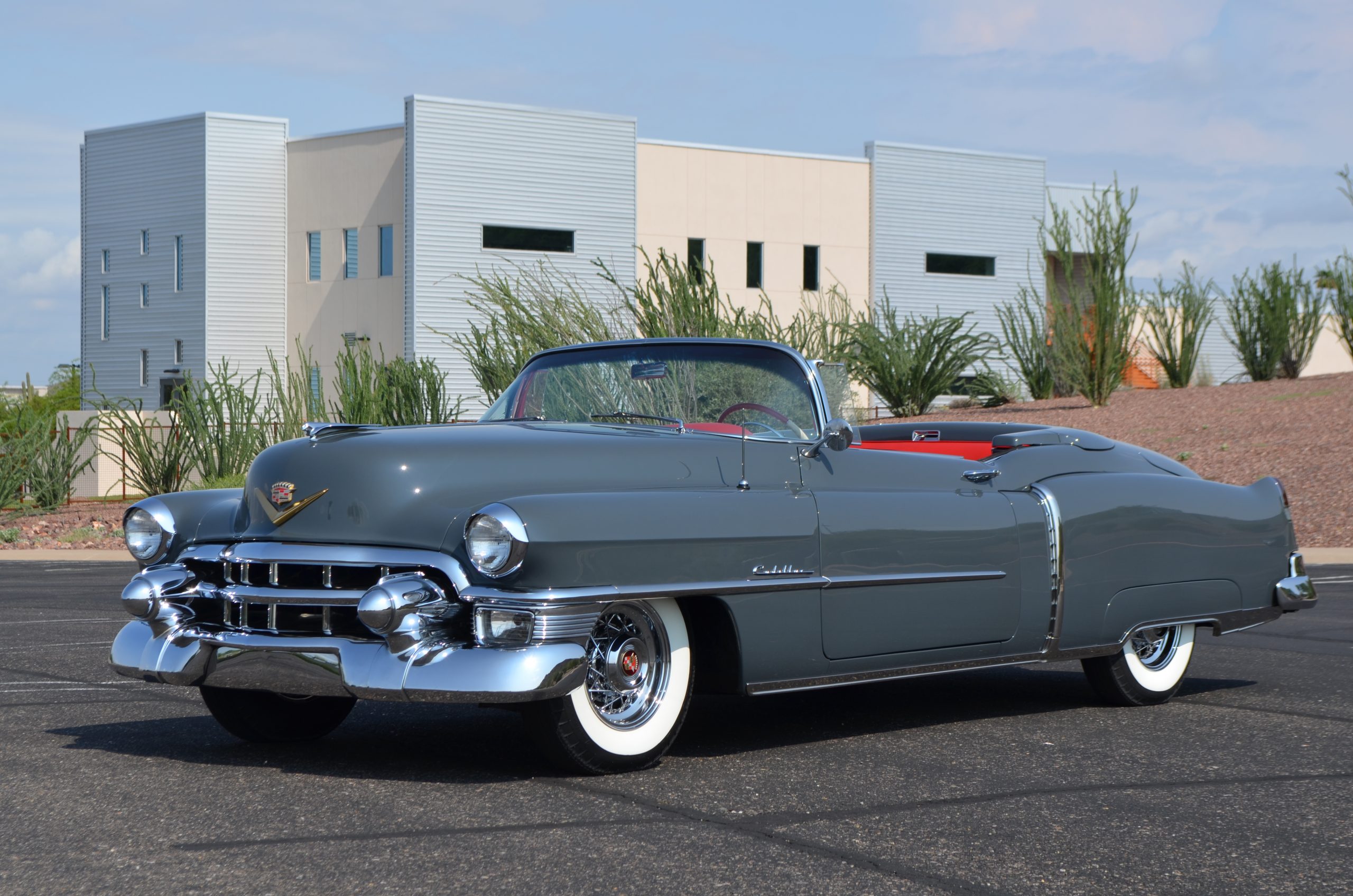
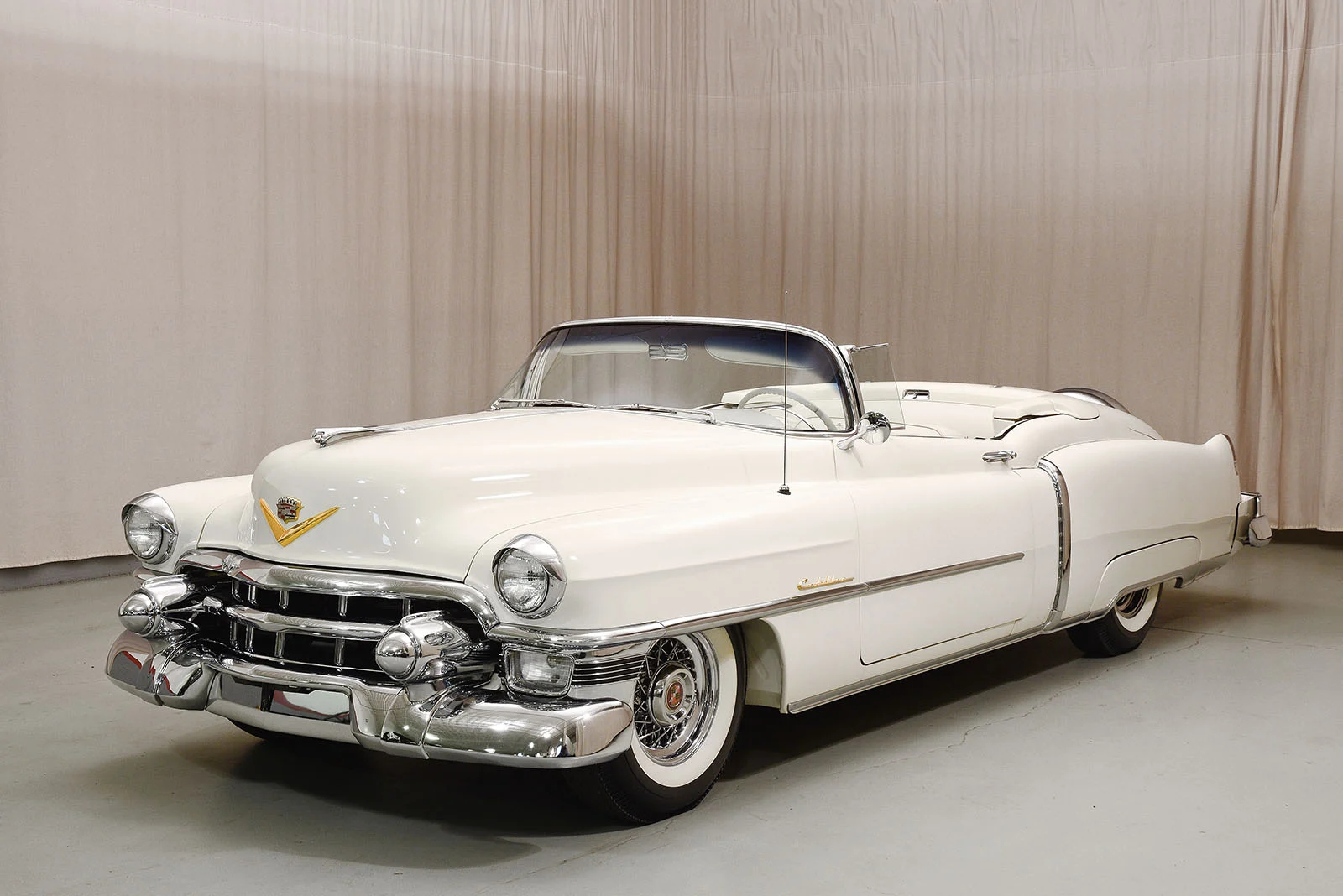
8. Cadillac Eldorado (1953)
The Cadillac Eldorado represented luxury and innovation in the American automotive market. Its stylish design, advanced features, and premium materials made it a symbol of prestige. Cadillac positioned the Eldorado as a statement vehicle, appealing to buyers who valued elegance and performance.
Engine choices in the Eldorado emphasized smooth performance. Powerful V8 engines delivered a refined ride, while advanced suspension systems improved handling. Cadillac’s focus on comfort ensured that driving the Eldorado was both effortless and enjoyable.
The exterior design was striking and influential. Sleek lines, prominent tailfins, and chrome accents created a vehicle that exuded sophistication. Each generation of the Eldorado continued to refine the balance between bold styling and refined elegance.
The interior reinforced its luxury status. Leather seats, advanced instrumentation, and thoughtful detailing offered a first-class driving experience. Cadillac’s commitment to high-quality craftsmanship set a standard for American luxury cars.
Cultural impact was significant. The Eldorado appeared in films, music, and advertising, becoming synonymous with wealth and success. Its blend of technology, comfort, and style established a template for future luxury vehicles, influencing competitors for decades.
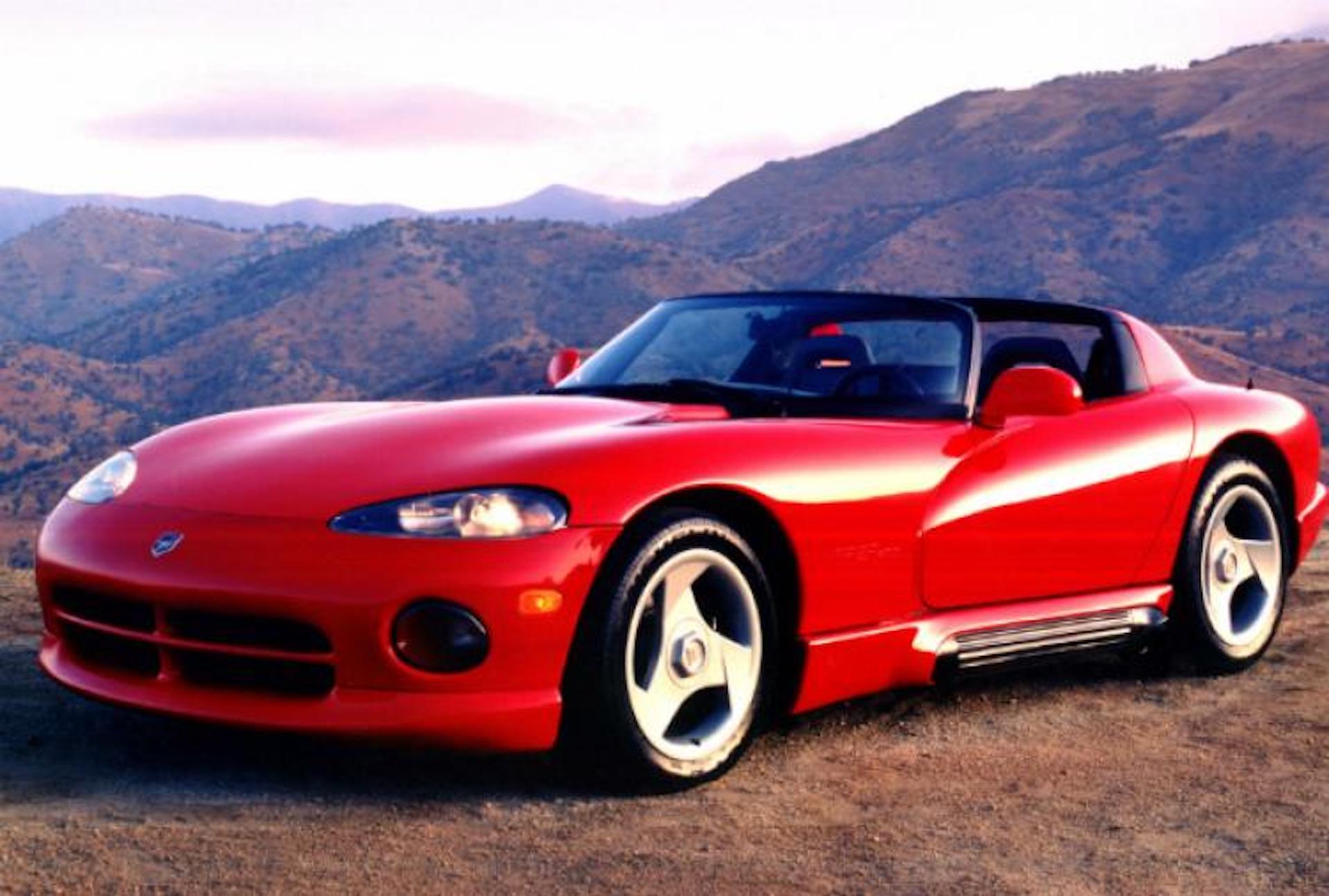
9. Dodge Viper (1992)
The Dodge Viper was a modern American supercar that combined raw power with aggressive design. Its V10 engine delivered enormous horsepower, making it one of the fastest production cars of its time. Unlike many European supercars, the Viper embraced a bold, unapologetic identity focused purely on performance.
Performance engineering was the heart of the Viper. It featured a lightweight body, rear-wheel drive, and a chassis designed for high-speed stability. Handling and acceleration were extreme, challenging drivers to match the car’s capabilities with skill and precision.
The design emphasized muscularity and intimidation. Long hood, low stance, and wide fenders highlighted the Viper’s performance focus. Its appearance conveyed speed even at a standstill, reflecting its aggressive character.
Interior features were minimalistic, focusing on function over comfort. The Viper prioritized driver engagement, providing a raw, unfiltered connection to the road. Every aspect of the car reinforced its identity as a performance-oriented machine.
Cultural significance was immediate. The Viper became an icon for enthusiasts and collectors, representing America’s ability to produce extreme high-performance vehicles. Its combination of power, design, and engineering excellence set a standard for modern supercars.
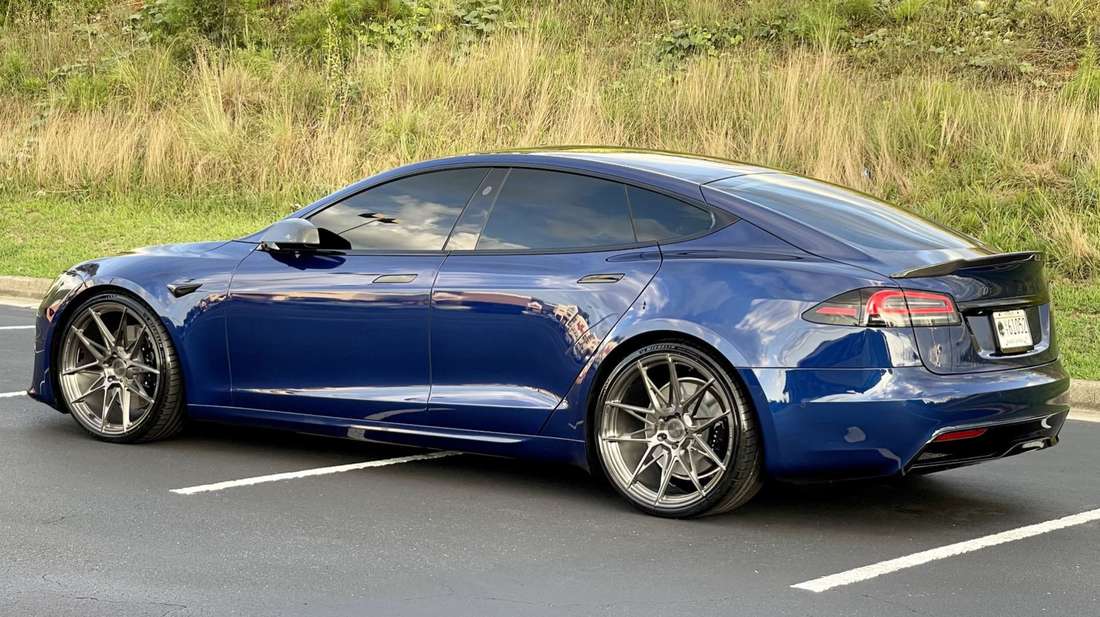
10. Tesla Model S (2012)
The Tesla Model S redefined American automotive innovation in the electric era. Its long-range electric powertrain challenged traditional notions of performance, showing that electric cars could compete with or surpass gasoline vehicles. The Model S combined speed, technology, and sustainability in a compelling package.
Tesla’s engineering innovations set it apart. Advanced battery technology allowed extended range, while electric motors provided instantaneous torque and smooth acceleration. Software updates improved performance and added features over time, demonstrating adaptability and forward-thinking design.
The design emphasized modern elegance and aerodynamics. Minimalist styling, smooth surfaces, and a sleek silhouette created a futuristic look. Interior design focused on simplicity and technology, with a large touchscreen interface replacing conventional controls.
Performance was revolutionary. The Model S could accelerate faster than many traditional sports cars while offering quiet and smooth operation. Its handling and braking systems were engineered to provide safety and confidence, proving that electric cars could perform at the highest level.
Cultural impact has been profound. The Model S inspired a shift toward electric mobility, influencing competitors and reshaping public perception of electric vehicles. Its combination of innovation, speed, and environmental consciousness ensures its legacy as a landmark in automotive history.
