
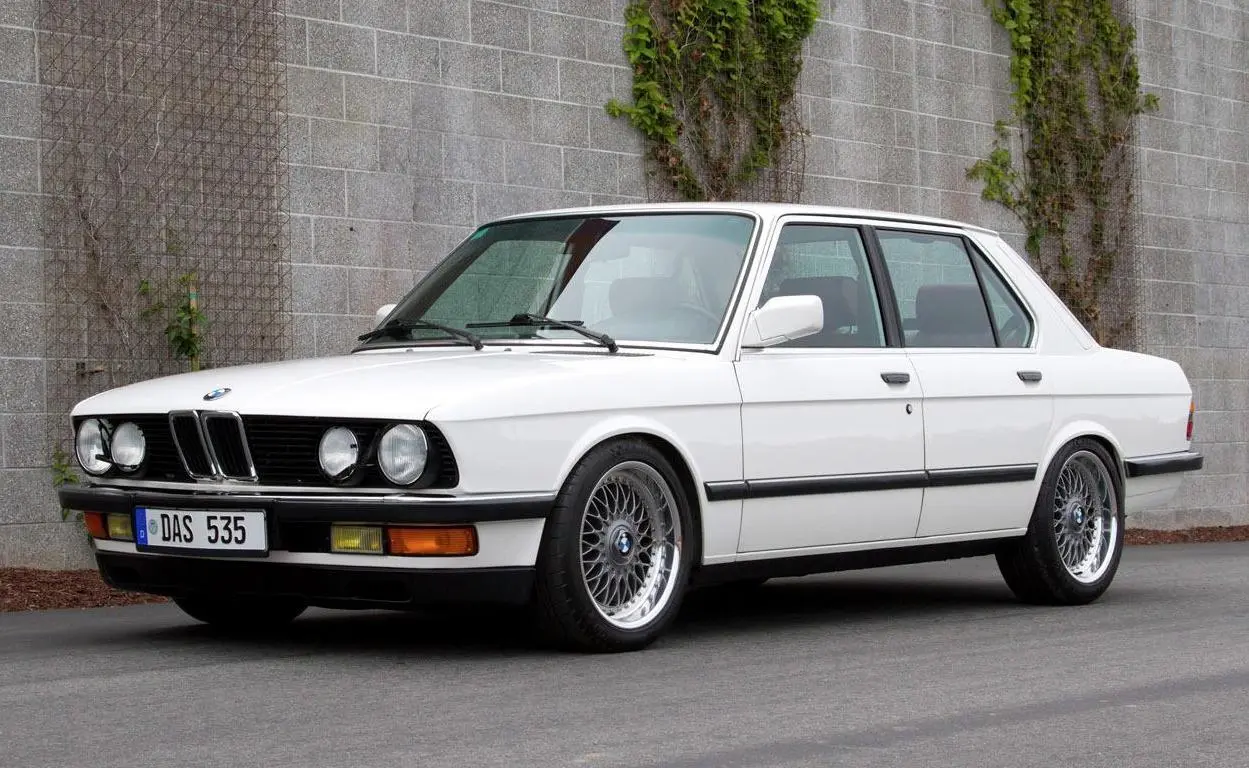
The 1980s was a decade that shaped automotive culture in ways that are still felt today. German cars from this time were built with a mix of engineering precision, practical design, and understated performance. At a time when many manufacturers were chasing flashy design or headline horsepower numbers, German brands focused on balance, durability, and thoughtful innovation.
These qualities have given many 1980s German cars a strong foundation for becoming future classics.
Collectors and enthusiasts have begun to notice something special about these vehicles. They represent a period when cars were simpler yet more enjoyable to drive than the average modern vehicle.
Electronics were present, but not so invasive that they overshadowed the mechanical character of the car. There was a careful balance between driver engagement and modern convenience that some modern cars struggle to match.
Today, the values of certain 1980s German cars are quietly rising. They are not yet headline grabbing barn finds, but the increasing interest among collectors is unmistakable.
People are drawn to them for their honest performance, timeless styling, and the feeling of connection they offer behind the wheel. With each passing year, fewer specimens remain in good condition, making the surviving examples more desirable and rare.
Some of these cars were never appreciated fully when they were new. Buyers in the 1980s were often more interested in flashy American or Japanese imports. These German models were seen as sensible choices, reliable but not always exciting on paper. Over time, however, opinions have shifted.
What was once practical is now prized for its purity and design integrity. Understanding why these vehicles are climbing in value requires looking at both their technical merits and cultural significance. The pause in values for many classic cars from the era has made serious collectors look for alternatives.
German cars from the 1980s tick many boxes: well built, interesting history, and strong enthusiast communities. Their engines, whether turbocharged or naturally aspirated, deliver distinct character that modern cars often lack.
Styling from the decade may look angular now, but that angularity has become iconic. Where once people saw boxes, today they see clean, purposeful lines that have aged well.
For many buyers, driving one of these cars is like stepping back to a time when drivers still mattered in car design. They offer an experience that is increasingly rare in an age of standardized platforms and shared drivetrains. Many of the vehicles rising in value today were originally overshadowed by flashier or more powerful contemporaries.
But values indicate that collectors are reassessing their desirability. The clubs, events, and online forums dedicated to these cars continue to grow and share knowledge. With that communal enthusiasm comes increased visibility and interest.
Importantly, the cars we will discuss each have a story.
Whether related to engineering breakthroughs, motorsport success, or cultural influence, each made an impression. Values do not rise in isolation, and these German cars have found advocates in people who appreciate context as much as performance. They are pieces of automotive history that reward those who seek authenticity.
As global markets evolve and tastes shift, certain vehicles find new life as investments, while others resonate as symbols of their era. For 1980s German cars, the combination of engineering excellence and emerging rarity has created ideal conditions.
We will look at ten such vehicles that are quietly gaining attention and value today. Each has earned its place among iconic machines that are more than just metal and rubber; they represent an enduring connection between drivers and the road.
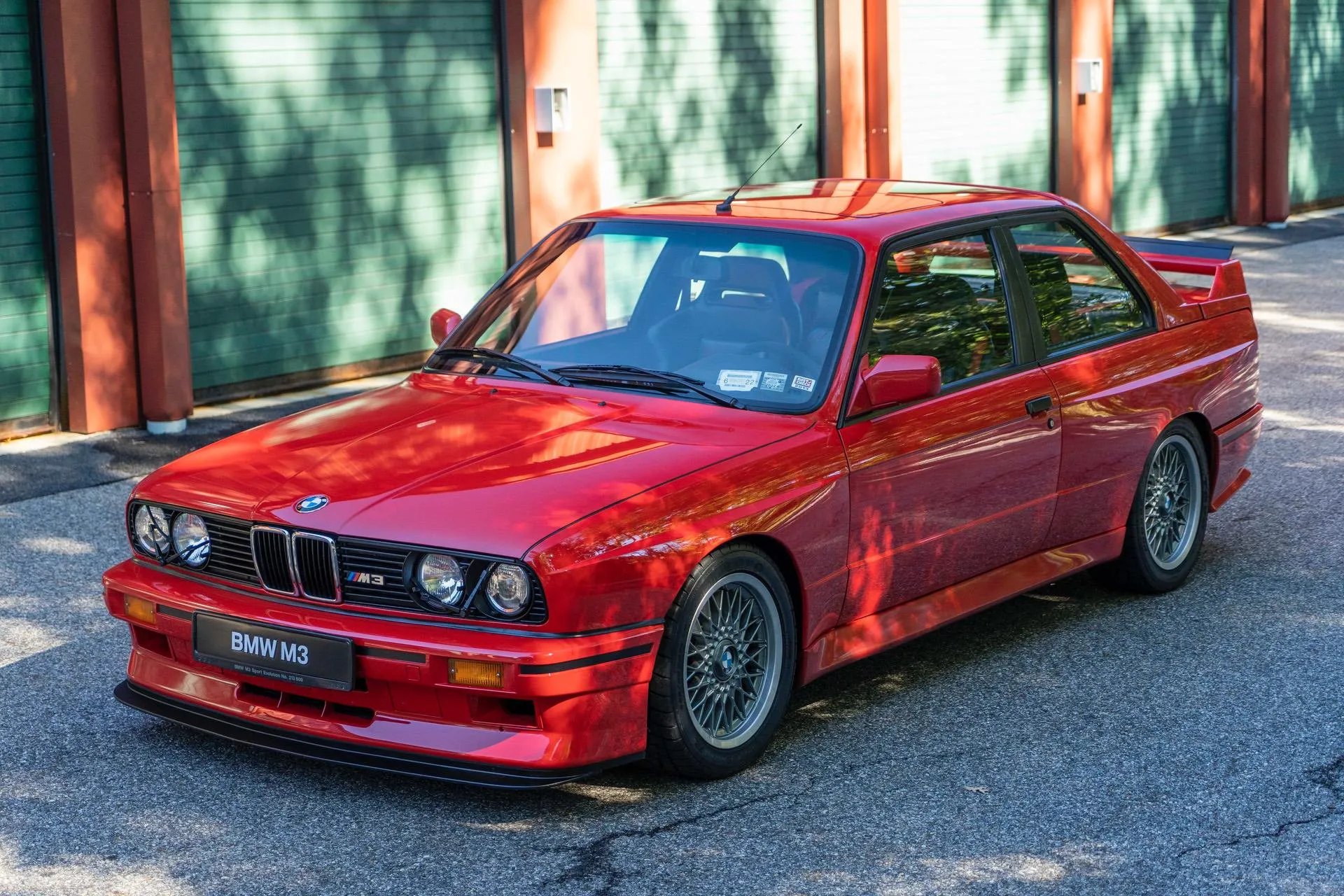
1. BMW E30 M3
The BMW E30 M3 remains one of the most respected performance cars of its generation. It was born from homologation rules that required a road-going version to compete in touring car racing.
The result was a car that blended nimble handling with a high-revving engine that rewarded precision driving. Enthusiasts today seek clean, unmodified examples that reflect its original character.
Early buyers were drawn to the E30 M3 for its rally-inspired box flares and purposeful stance. These visual cues hinted at its capability without being overbearing. Unlike some flashier sports cars, the E30 M3’s appeal was rooted in genuine performance. It delivered sharp steering and balanced dynamics that made it a favorite of drivers and racers alike.
Over the decades, the E30 M3’s reputation has only improved. Values have risen gradually as good examples become harder to find. Collectors particularly prize cars with complete service records and low mileage. Original colors and interior trims also play a significant role in desirability.
Part of the E30 M3’s enduring charm lies in its simplicity. There are no overly complex electronic aids to distract from the driving experience. A tactile connection between driver and machine is central to its appeal. For many enthusiasts, this purity is a key reason the model’s value continues to climb.
In addition, the E30 M3 carries meaningful motorsport heritage. Its success on the track reinforces its status among performance cars. As appreciation grows, so too does demand from collectors worldwide. The combination of rarity, history, and driving pleasure makes this model a standout among 1980s German cars.
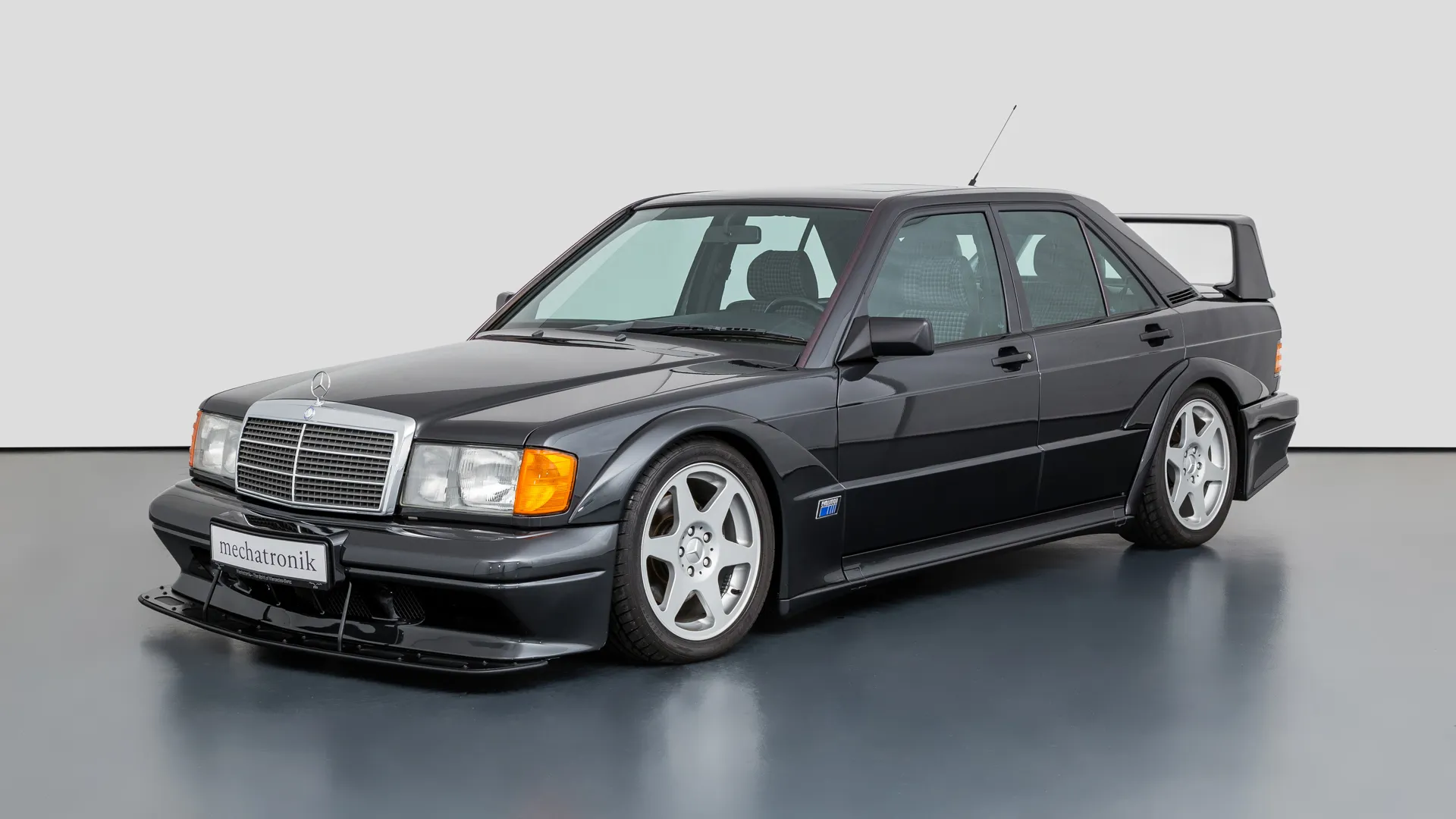
2. Mercedes-Benz 190E
The Mercedes-Benz 190E 2.3-16 marked a shift for the brand toward performance sedans. Based on the compact 190E platform, it featured a more powerful engine developed in cooperation with a racing partner. The car offered improved handling and a higher rev range than its standard siblings. Buyers who wanted both comfort and sportiness found it appealing.
With a more aggressive suspension setup and enhanced brakes, the 190E 2.3-16 managed curves with confidence. It was not a muscle car; rather, it emphasized poise and precision. Drivers appreciated the balance between everyday usability and performance potential. Its understated appearance did not fully convey the capability lurking beneath.
In the decades since its release, the 190E 2.3-16 has gained recognition among collectors. Fans admire its engineering and the way it broadened Mercedes-Benz’s image. Unlike some classic performance cars that shout for attention, this model attracted owners who value subtlety. Today’s buyers often seek examples with original features intact.
A growing enthusiast community supports preservation and restoration efforts. Clubs and events dedicated to this model help keep interest alive. As a result, the value of well-maintained cars rises steadily. Rarity of unmodified vehicles also drives prices upward.
The 190E 2.3-16 represents a thoughtful blend of comfort and sport. Its impact on future performance sedans is clear in many modern designs. For collectors, it stands as a classic that rewards engagement. Its quiet rise in value reflects its genuine appeal over time.
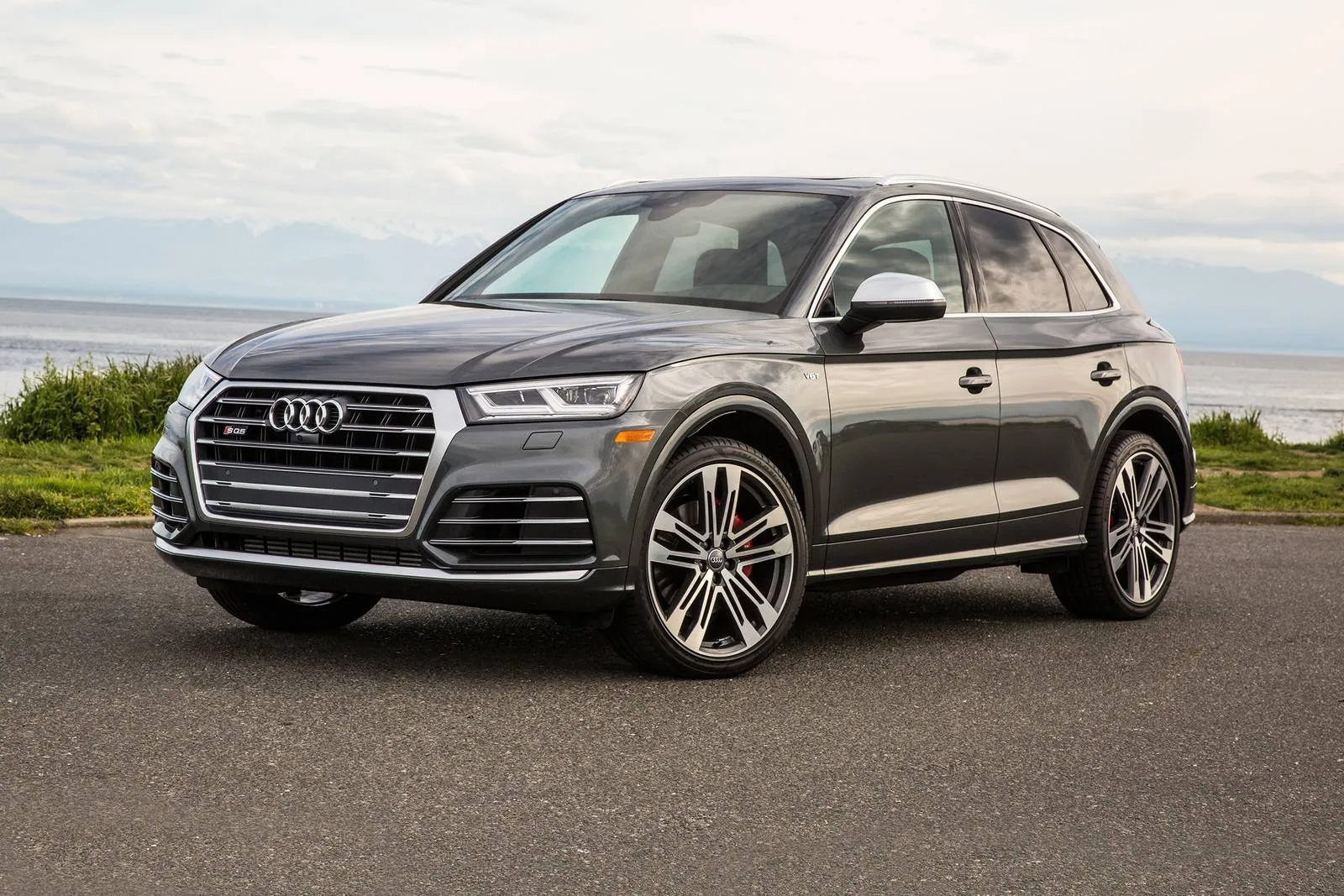
3. Audi Quattro
When the Audi Quattro was introduced, it changed perceptions about all-wheel-drive performance cars. It demonstrated that traction could be a competitive advantage, especially in rally competition. Drivers experienced confidence in conditions where other cars struggled. Its impact resonated beyond motorsport circles.
The Quattro’s turbocharged engine delivered strong mid-range power for its era. Paired with an advanced all-wheel-drive system, it offered traction that translated to real performance on varied surfaces. Enthusiasts found it thrilling to drive, whether on gravel stages or winding backroads. A sense of control remained the defining characteristic.
Design elements like wide fenders and pronounced wheel arches reflected its mechanical grip. A purposeful look matched its technical prowess without being overly dramatic. This balance of form and function appealed to drivers who admired capability over flashiness. Over time, the Quattro became an automotive icon.
Collectors today value the Quattro for both its innovation and its rarity. Early adopters helped establish its reputation, and interest has grown steadily. Original examples in good condition are increasingly scarce. Cars that retain matching numbers and historical documentation draw strong interest.
The legacy of the Audi Quattro is evident in modern all-wheel-drive performance cars. Its influence extends to vehicles that prioritize traction and stability. Enthusiasts appreciate the role the Quattro played in changing performance dynamics. As values rise, the model earns its place among the most collectible German cars of the 1980s.
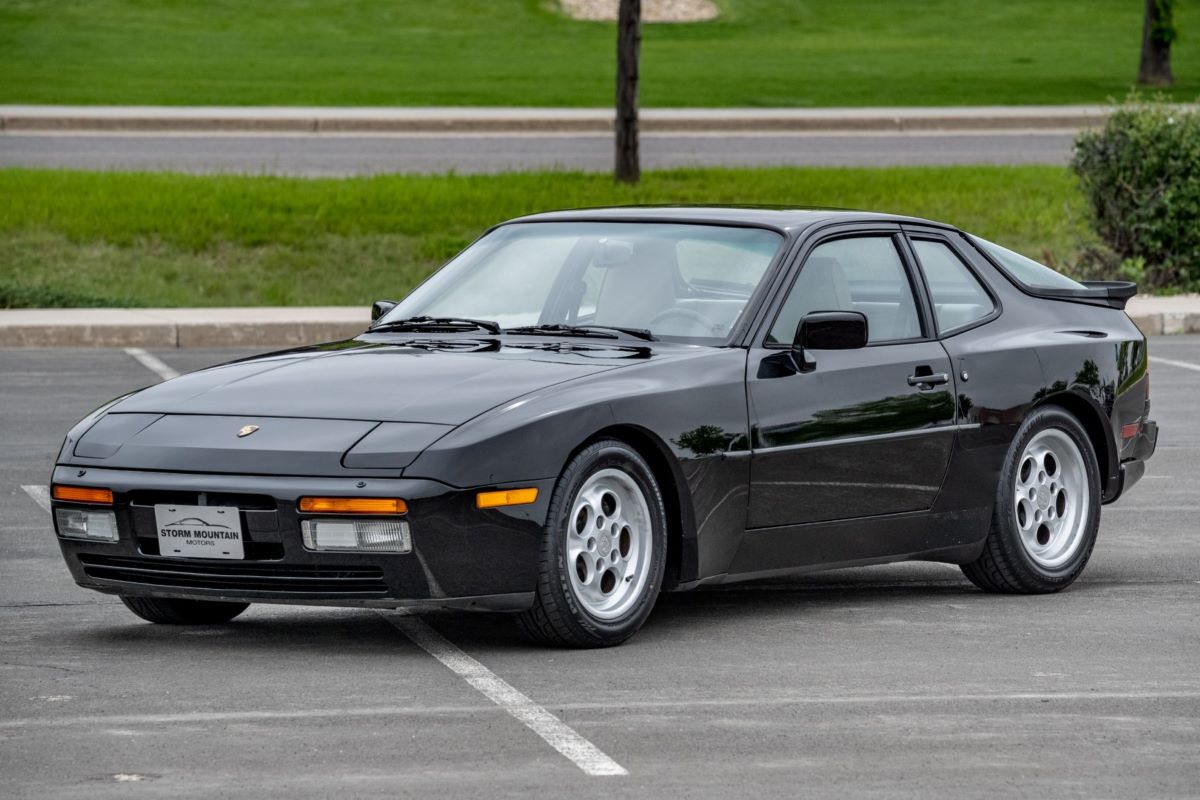
4. Porsche 944 Turbo
Porsche’s 944 Turbo demonstrated that performance could be paired with relative everyday comfort. With a turbocharged four-cylinder engine, it produced power that exceeded many contemporaries. The result was a car that could cruise highways with ease and attack twisty roads with vigor. Drivers who experienced it quickly recognized its balance.
Apart from its engine, the 944 Turbo’s handling was a highlight. A near-perfect weight distribution allowed it to change direction with confidence. Its chassis responded to driver input with clarity and precision. For those who prioritized driving feel, this car delivered in substantial measure.
Inside, the 944 Turbo offered a purposeful but comfortable environment. Seats supported spirited driving without sacrificing comfort on longer journeys. Controls were laid out intuitively, reinforcing driver confidence. It struck a rare balance between performance intentions and daily usability.
Today, the 944 Turbo attracts buyers who appreciate distinctive sports cars. Values have risen as fewer well-preserved examples remain. Collectors often seek cars with minimal modifications and complete maintenance histories. Original wheels, upholstery, and engine components contribute to desirability.
The 944 Turbo’s enduring appeal lies in its blend of performance and practicality. Unlike some sports cars that feel compromised in daily driving, this model managed both worlds. Its steadily increasing value reflects growing appreciation among enthusiasts. As a result, the Porsche 944 Turbo stands as a noteworthy classic.
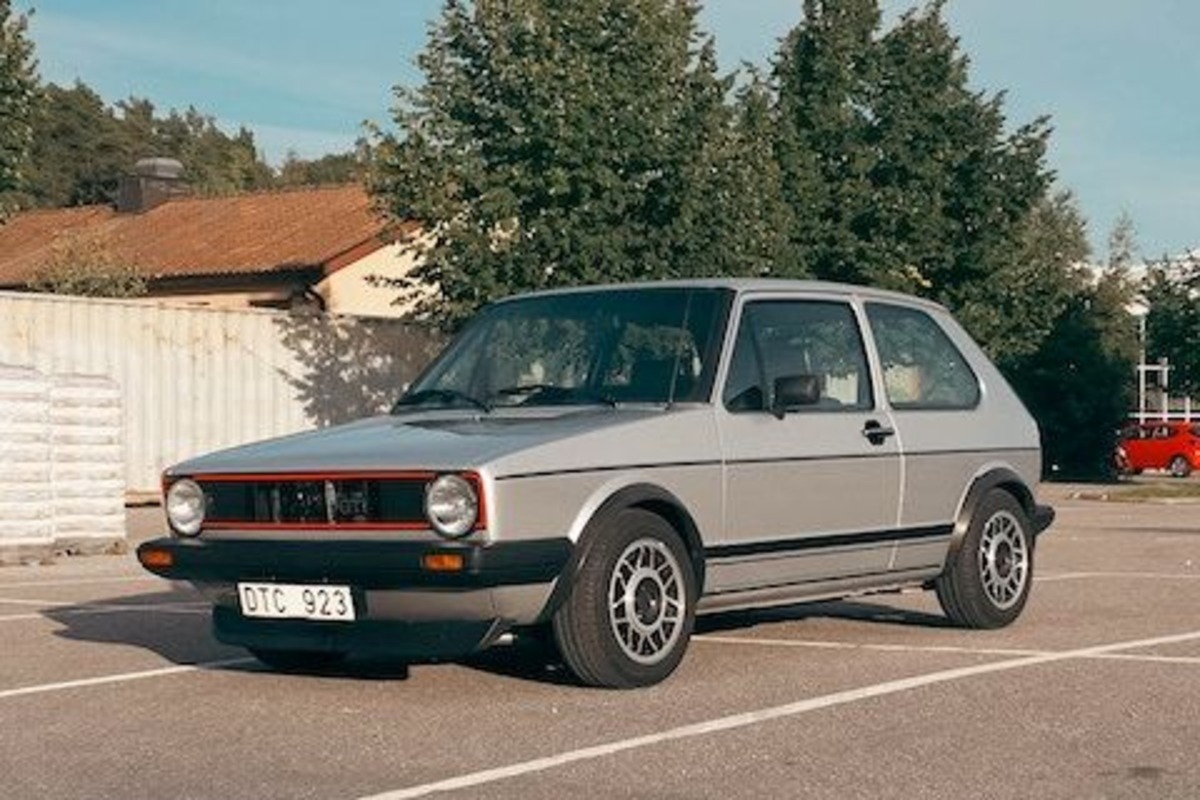
5. Volkswagen Golf GTI Mk1
The Volkswagen Golf GTI Mk1 represents one of the earliest hot hatchbacks that combined fun driving with everyday practicality. Its introduction changed expectations for compact cars. Suddenly, a small hatch could offer engaging performance without sacrificing useful interior space. That combination proved infectious among drivers seeking spirited transport.
With a responsive engine and light handling feel, the GTI Mk1 encouraged enthusiastic driving. It was not about raw power so much as balanced agility. Drivers appreciated how it handled turns and responded to inputs. Its modest performance numbers belied how entertaining it was on a twisty road.
The design was clean and functional. No unnecessary embellishments distracted from its purpose. A red trim accent and distinctive wheels gave it character without flamboyance. That tasteful restraint helped cement its appeal with buyers who valued substance over flash.
Collectibility for the GTI Mk1 has risen steadily in recent years. Enthusiasts seek well-kept examples with original parts. Cars that have avoided heavy modification are particularly prized. Values reflect growing recognition of the model’s influence on sport compact culture.
Beyond performance, the GTI Mk1 made performance more accessible. It broadened the definition of fun cars to include practical everyday use. That legacy continues in modern vehicles inspired by its philosophy. As interest grows, the importance of this model in automotive history becomes clearer with its rising value.
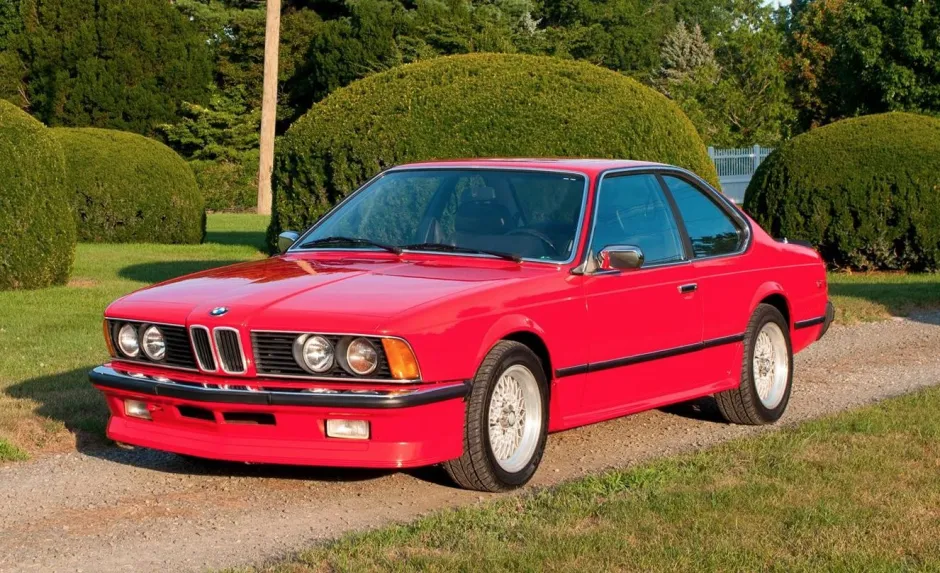
6. BMW 635CSi (E24)
The BMW 635CSi, part of the E24 series, embodied grand touring ethos with performance and refinement. It offered smooth power delivery and a chassis tuned for balanced handling. Drivers enjoyed both long highway journeys and spirited winding roads. The coupe’s silhouette remained elegant without seeking attention.
Inside, the 635CSi provided a blend of comfort and driver orientation. Seats supported long drives yet held occupants firm during enthusiastic maneuvers. A clean dashboard and logical control layout helped drivers stay focused. The interior materials reflected quality that was expected from BMW at the time.
The engine’s character was smooth and responsive. It did not rely on sheer brute force so much as refined power delivery. That made daily use pleasant, while still rewarding when pushed harder. Owners have long appreciated that balance between performance and livability.
Collectors today seek original examples with complete records. Values have risen as good cars become rarer. Enthusiasts place premium on unmodified vehicles with matching numbers. Subtle color combinations and originality increase desirability.
The 635CSi’s place in classic car circles stems from its combination of style, performance, and comfort. It remains a testament to cohesive engineering and design. Its climbing value reflects enlightened appreciation among collectors. It stands as a representative of German grand touring from the 1980s.
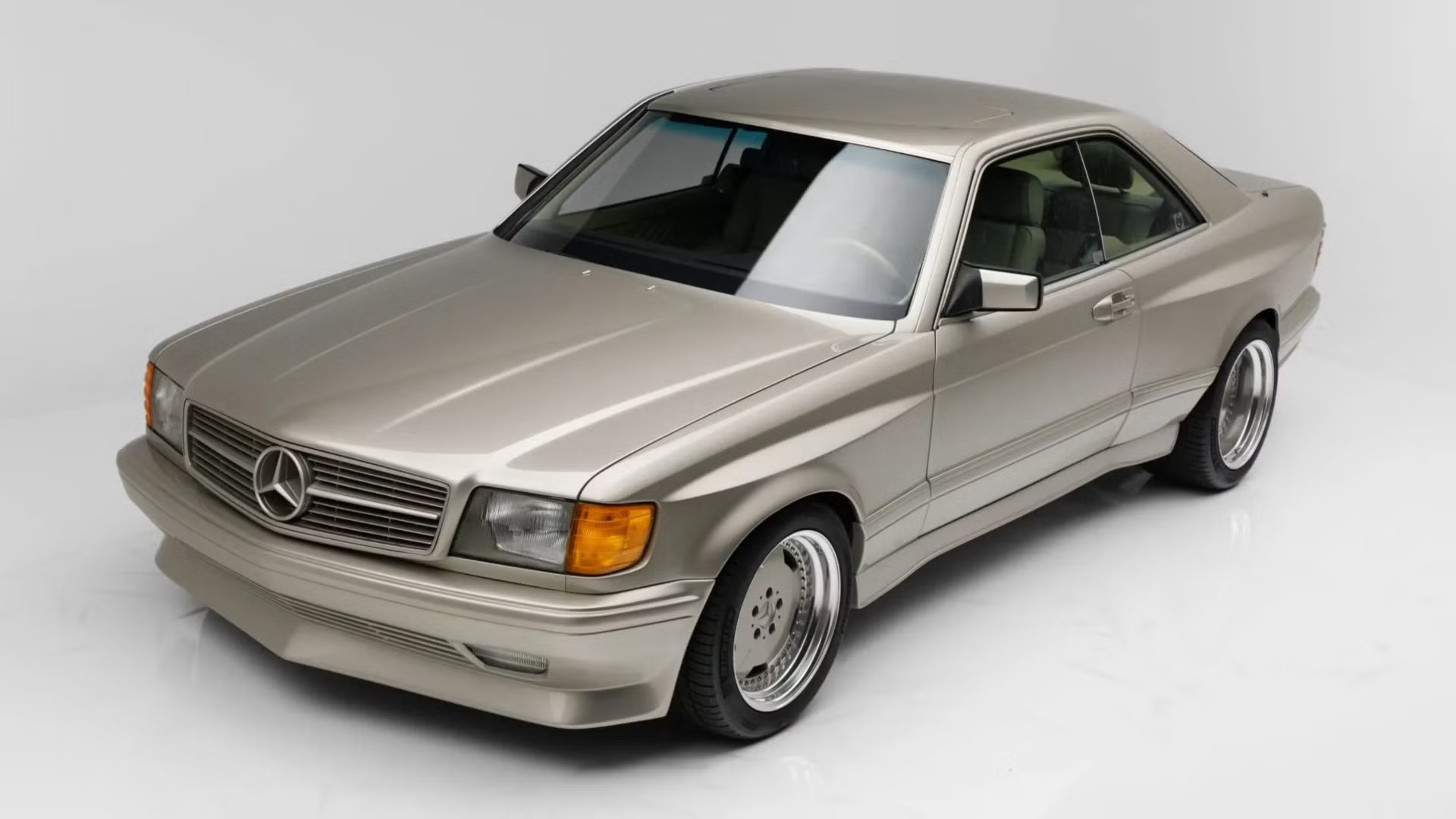
7. Mercedes-Benz 560SEC
The Mercedes-Benz 560SEC was a flagship coupe that blended luxury and performance in a stately package. Big engines and smooth power delivery defined its character. Drivers enjoyed effortless acceleration at any speed. The coupe’s presence commanded respect without needing showy styling.
Luxury appointments inside were abundant. Plush seats, wood trim, and refined materials surrounded occupants. The driving position felt secure and comfortable. Controls were placed logically, reflecting a thoughtful approach to interior design.
Although heavy, the 560SEC handled with more agility than expected for its size. Suspension tuning balanced comfort and composure. Drivers could enjoy open highways without fatigue. On winding roads, the car retained poise when pushed.
Collectors value original, unmodified examples that retain their classic feel. Original paint, interior materials, and components add to desirability. Maintenance history also plays a large role in current appreciation. Values continue to rise as rarity increases.
The 560SEC represents an era when luxury met purposeful performance. Its presence remains substantial compared to many modern coupes. For buyers who appreciate classic design with confident performance, it holds enduring appeal. Its value growth reflects that ongoing interest.
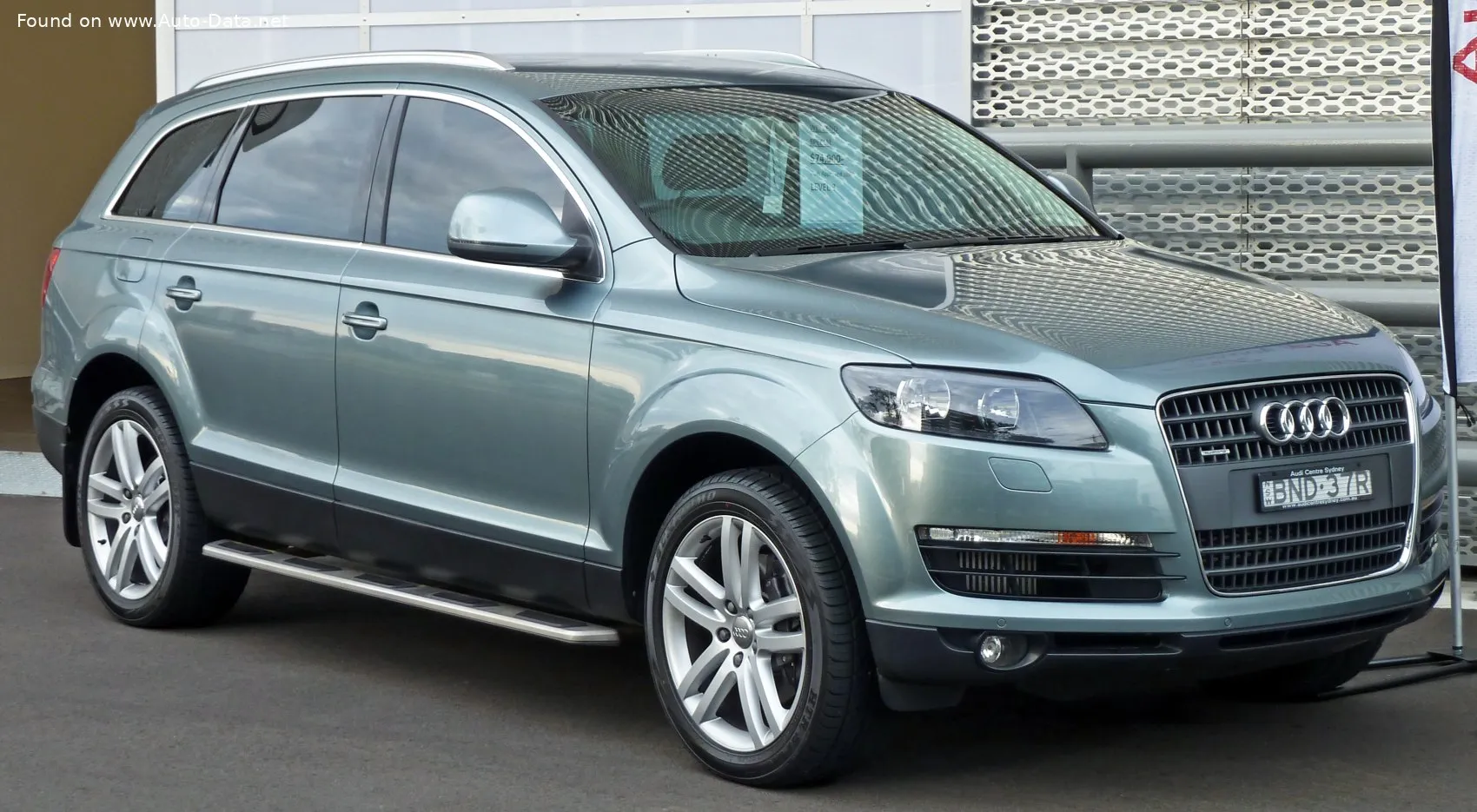
8. Audi 200 quattro
The Audi 200 quattro the brand’s commitment to all-wheel-drive performance in an executive sedan format. Its smooth engine and traction system made for confident driving in varied conditions. Drivers appreciated its composed behavior at speed. It offered presence and capability in equal measure.
The design was sophisticated yet understated. Elegant lines gave it a refined profile that contrasted with more aggressive competitors. Inside, comfort and build quality reflected thoughtful engineering. Controls felt solid and functional, contributing to a sense of purpose.
With quattro technology, grip and stability were cornerstones of its appeal. Daily driving felt secure, while spirited runs rewarded driver input. The drivetrain’s confidence boosted enjoyment across conditions. It provided an engaging experience without excess flash.
Collectors seek well-preserved examples, particularly those with service records intact. Values have climbed as original cars become scarcer. Enthusiasts prize complete vehicles with minimal modifications. Rare color combinations or factory options further enhance value.
The Audi 200 quattro stands as a reminder that performance can reside comfortably within executive motoring. Its ability to inspire confidence makes it memorable. As appreciation grows, so too does recognition of its place among classic German cars. The model’s rising value reflects that broader understanding.
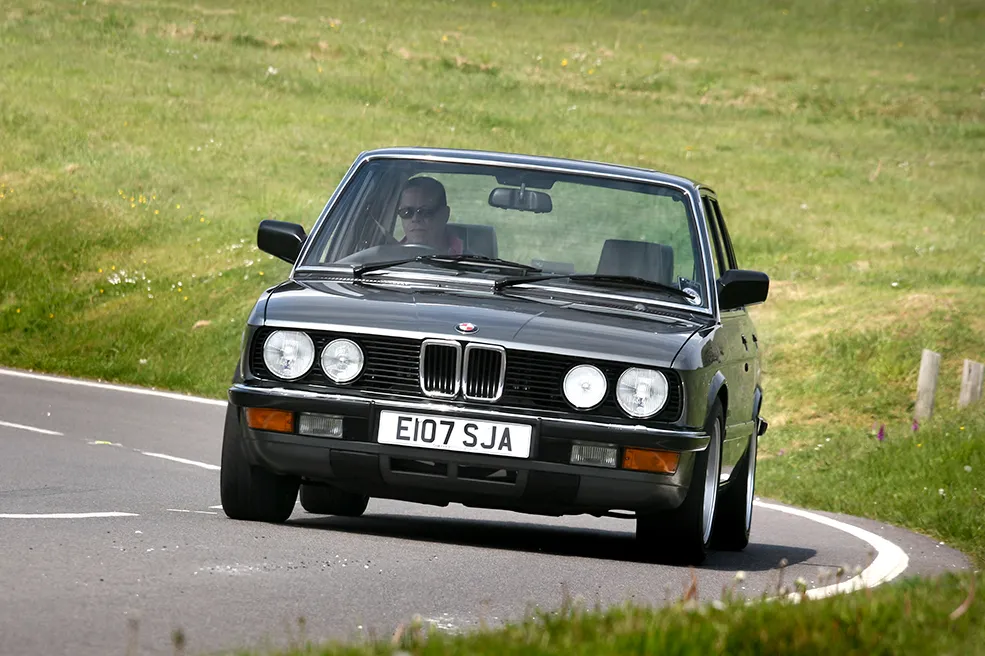
9. BMW 528e (E28)
The BMW 528e from the E28 series showcased a sensible approach to performance. Rather than focusing on outright power, it emphasized efficiency and balance. Drivers found it engaging without excessive fuel consumption. Its approachable nature made it a practical choice with dynamic character.
The engine’s torque-oriented design encouraged a relaxed yet responsive feel. It did not rev aggressively but offered usable power throughout the range. That made daily driving enjoyable and predictable. Enthusiasts appreciated how it rewarded smooth inputs.
Inside, the 528e provided a driver-centric environment. Seats were supportive and instruments clear. The cabin materials conveyed a solid feel. Attention to ergonomic details helped reduce fatigue on longer drives.
Collectors increasingly seek well-preserved examples with original documentation. Values have climbed as interest in balanced classic cars rises. Original features and minimal rust are highly desirable. Cars with original service history command premium prices.
The 528e’s appeal lies in subtle strengths rather than headline performance. It represents a thoughtful blend of practicality and spirited driving. As appreciation for such qualities grows, so does interest in these cars. That continuing trend supports their rising value.
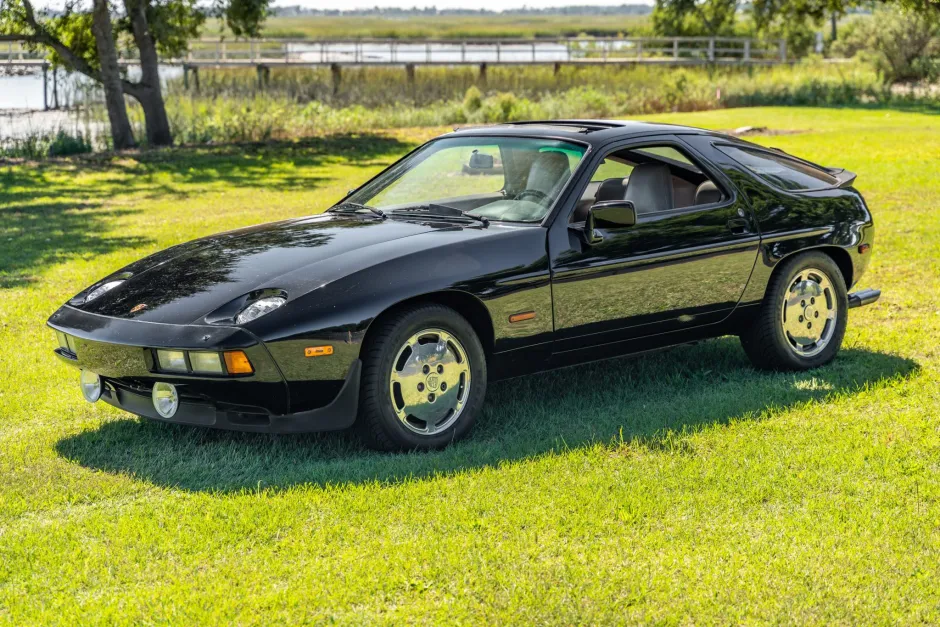
10. Porsche 928
The Porsche 928 was a grand touring sports car with distinctive engineering choices. Its front-mounted V8 stood in contrast to the brand’s rear-engine tradition. The result was a refined driving experience with strong power delivery. Drivers experienced smooth acceleration with balanced dynamics.
The design language was bold and different from typical sports cars. Rounded contours and integrated headlights gave it a unique appearance. Inside, comfort matched performance intentions. Seats supported aggressive driving yet provided comfort for long journeys.
Handling reflected thoughtful engineering with a weight distribution that prioritized balance. Steering was precise and communicative. The suspension soaked up imperfections while maintaining composure. Drivers appreciated a car that felt capable and intentional.
Collectors today seek early, low-mileage examples with original components. Values have increased as surviving cars become rarer. Enthusiasts prize originality and matching numbers. Cars with documented history demand higher prices.
The Porsche 928 represents ambition and innovation from its era. Its unique approach sets it apart in classic circles. The growing interest reflects appreciation for its distinct character. As a result, its value continues to rise with recognition.
