
The 2000s were a strange and transitional period for performance cars, sitting between the raw mechanical era of the 1990s and the heavily digitized machines that followed. Manufacturers were experimenting with new technology while still holding onto traditional engine layouts, manual transmissions, and driver-focused setups.
Horsepower numbers were climbing, turbocharging was returning in force, and all wheel drive systems were becoming more refined.
Yet not every capable machine from that era received lasting praise, media attention, or collector interest. Some cars arrived at the wrong time, others were overshadowed by flashier rivals, and a few simply suffered from brand perception rather than actual shortcomings.
Many of these overlooked cars offered strong engines, balanced chassis tuning, and genuine performance credentials that rivaled more celebrated models. They delivered impressive acceleration, confident handling, and engaging driving experiences, but failed to become icons.
In some cases, marketing missteps or conservative styling caused buyers to ignore them. In other situations, reliability rumors or economic shifts pushed them out of the spotlight before their strengths could be recognized. Years later, these vehicles remain quietly respected by enthusiasts who understand what they represent.
What makes these cars special is not just speed or specifications, but the intent behind their engineering. Automakers built them to compete seriously, often borrowing technology from racing programs or higher end segments.
Many came with advanced suspension designs, limited slip differentials, and engines that encouraged spirited driving. They were not gimmicks or styling exercises. They were honest attempts to create performance machines during a time of rapid change.
As the collector market matures, attention is slowly turning toward underappreciated models from the early 2000s. Enthusiasts are beginning to recognize the value of cars that delivered substance without hype.
These vehicles tell a different story of the era, one centered on balance, usability, and mechanical character. They may never command the same prices as headline grabbing supercars, but they deserve recognition for what they achieved.
This list highlights ten performance cars from the 2000s that were often ignored or misunderstood. Each one brought something meaningful to the table, whether through innovative engineering, surprising speed, or a uniquely engaging driving feel. They stand as reminders that respect is earned not only through fame, but through capability and intent.
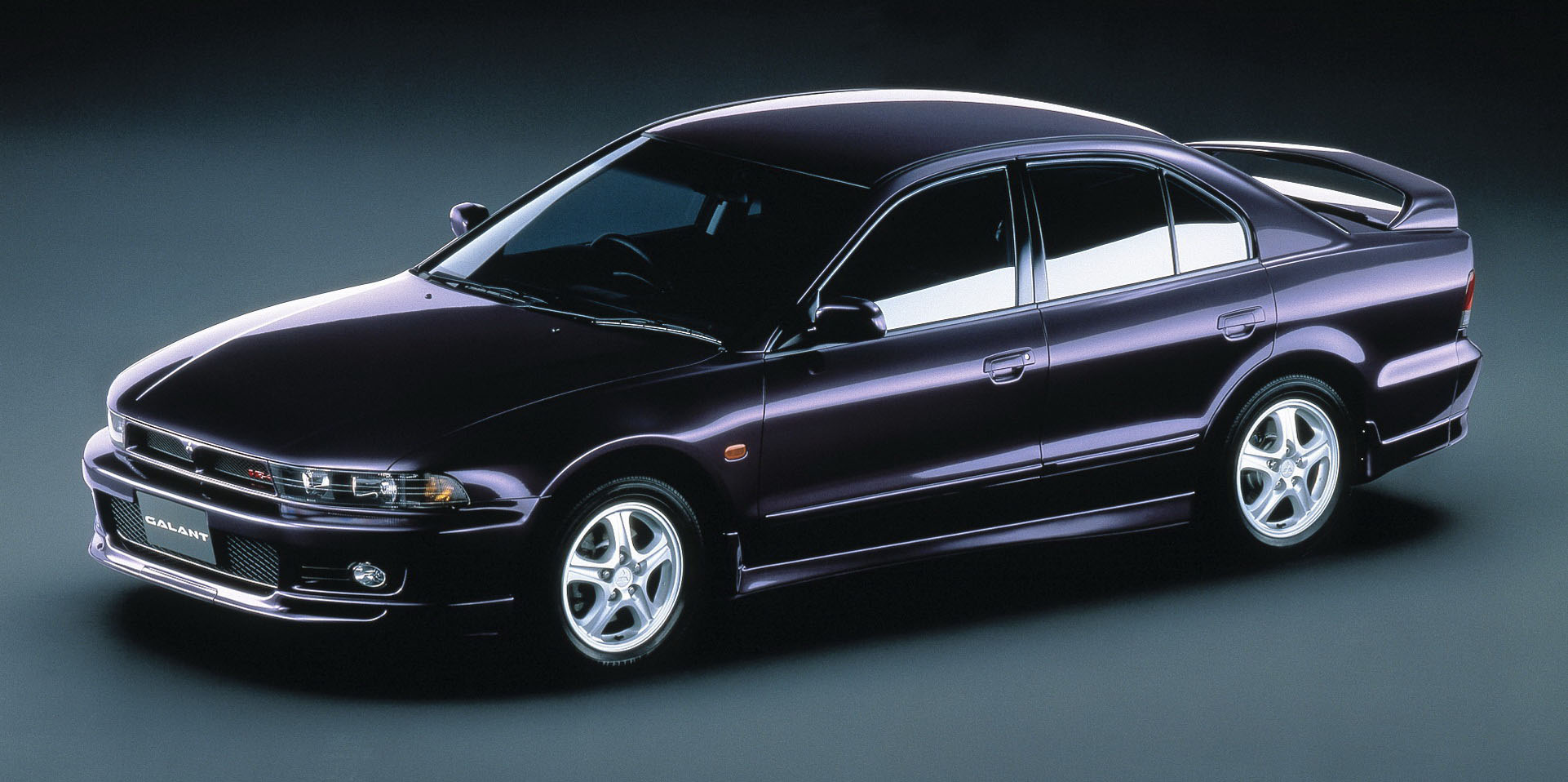
1. Mitsubishi Galant VR 4
The Mitsubishi Galant VR 4 was one of the most technically impressive sedans of the early 2000s, combining rally inspired performance with a conventional four-door layout. It carried all wheel drive and an advanced turbocharged engine that made it capable in nearly every situation.
Its understated exterior concealed a car designed for speed and handling, yet buyers often ignored it in favor of flashier sport sedans or coupes. Despite limited media attention, the VR 4 demonstrated that practical body styles could still deliver true performance.
Under the hood, the VR 4 featured a turbocharged 2.5 liter inline four cylinder that produced instant mid range torque and high revving power. Paired with a five speed manual or four speed automatic, it accelerated smoothly yet forcefully.
The all wheel drive system allowed confident launches and excellent grip, even in poor conditions. Enthusiasts who experienced it firsthand often remarked on how balanced and engaging the car felt despite its sedan shape.
Its suspension setup was carefully tuned to balance everyday comfort with spirited driving. MacPherson struts up front and a multi link rear system minimized body roll while preserving agility. Steering was precise and communicative, giving the driver a sense of connection with the road.
This combination made the VR 4 capable on twisty mountain roads as well as stable and composed on highways, a rare achievement in a mid sized sedan of the era.
Inside, the Galant VR 4 offered features that reflected both performance and comfort priorities. Recaro inspired seats held occupants firmly in place during aggressive maneuvers, while the cockpit layout emphasized ergonomics and ease of use.
Controls were straightforward, and visibility remained excellent, adding to driver confidence. The interior comfort made long journeys enjoyable without compromising the performance-oriented feel.
Despite these strengths, the VR 4 struggled with perception issues. Its plain styling and practical shape caused many to overlook its abilities, while enthusiasts compared it to the more famous Lancer Evolution series. Reliability and maintenance concerns were sometimes exaggerated in reviews, further limiting its appeal.
Today, the Galant VR 4 is increasingly recognized as a capable, underrated performance sedan that offered a rare blend of speed, handling, and usability.
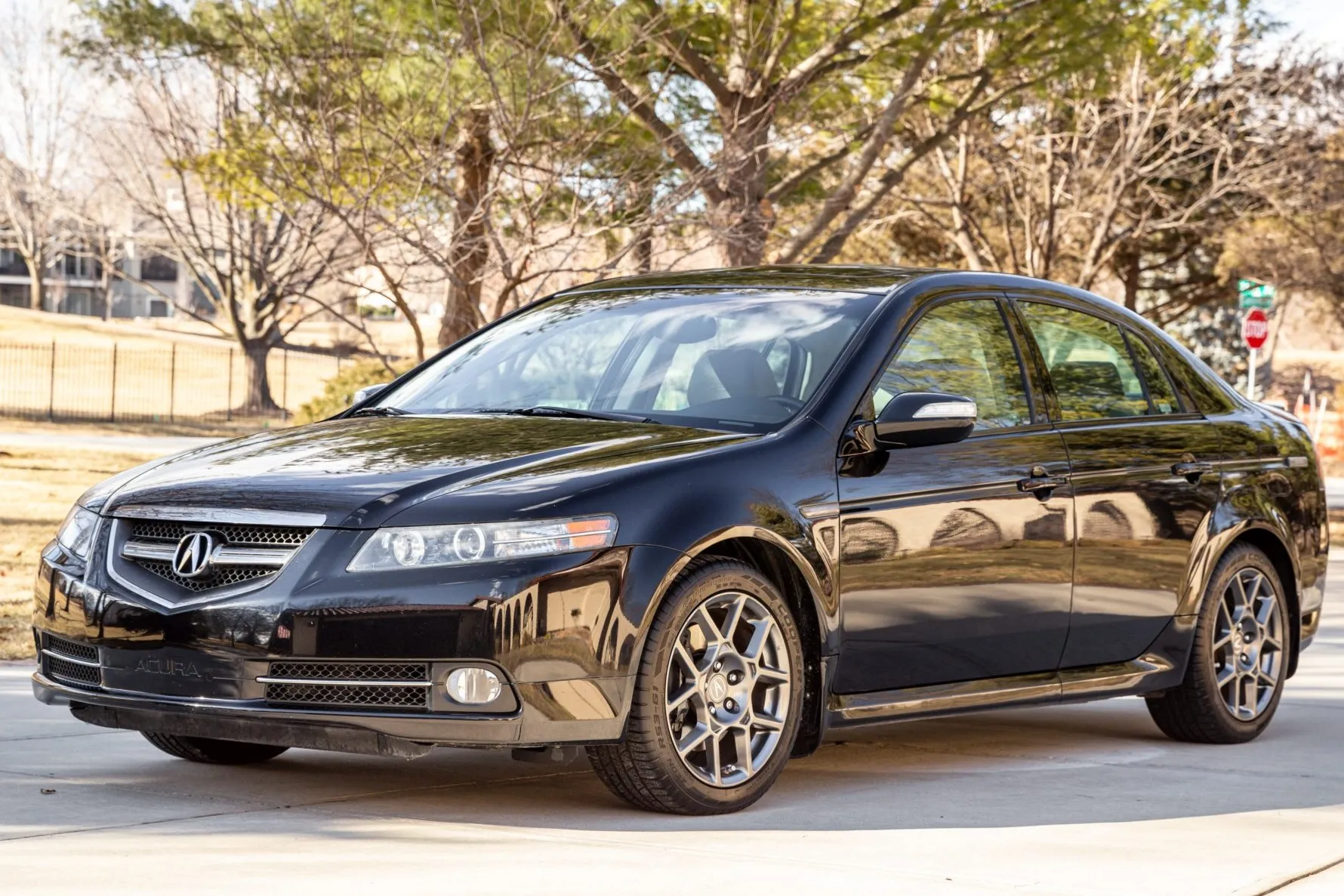
2. Acura TL Type S
The Acura TL Type S represented a sophisticated approach to performance sedans, offering speed and handling without sacrificing luxury. Released at a time when European brands dominated the segment, it struggled to capture the public’s imagination, despite delivering serious driving satisfaction.
Its understated design masked a car capable of challenging rivals from BMW and Audi while providing refined comfort and reliability. The Type S was a statement of precision engineering rather than flash, and it rewarded drivers willing to appreciate its balanced approach.
Power came from a naturally aspirated 3.2 liter V6 engine that produced strong horsepower and a wide torque curve. Acceleration was brisk, with smooth throttle response that encouraged spirited driving.
The engine encouraged higher revs, delivering an engaging sound that was subtle yet satisfying. Drivers who used the manual transmission reported a strong sense of connection, making highway runs and tight cornering equally enjoyable.
Chassis improvements over the standard TL included stiffer springs, thicker anti roll bars, and larger brakes. These upgrades improved handling responsiveness without compromising ride quality, a rare balance in a front wheel drive sedan.
Steering feel was precise, with excellent feedback that allowed drivers to confidently place the car through corners. The suspension kept body roll under control while maintaining composure on rough surfaces.
The interior was driver focused, with supportive seats and a layout designed for engagement. Controls were logically placed and responsive, reinforcing the sense of precision. Comfort remained high despite the firmer suspension, making long drives relaxing and spirited driving satisfying. The cabin’s refinement allowed the TL Type S to function as both a daily driver and a capable performance car.
The TL Type S was overshadowed by flashier competitors but remains an impressive package. It demonstrated that reliability, performance, and comfort could coexist in a single vehicle. Enthusiasts today recognize its strengths, from engine responsiveness to chassis balance, making it a worthy candidate for collectors seeking a less obvious performance sedan from the 2000s.
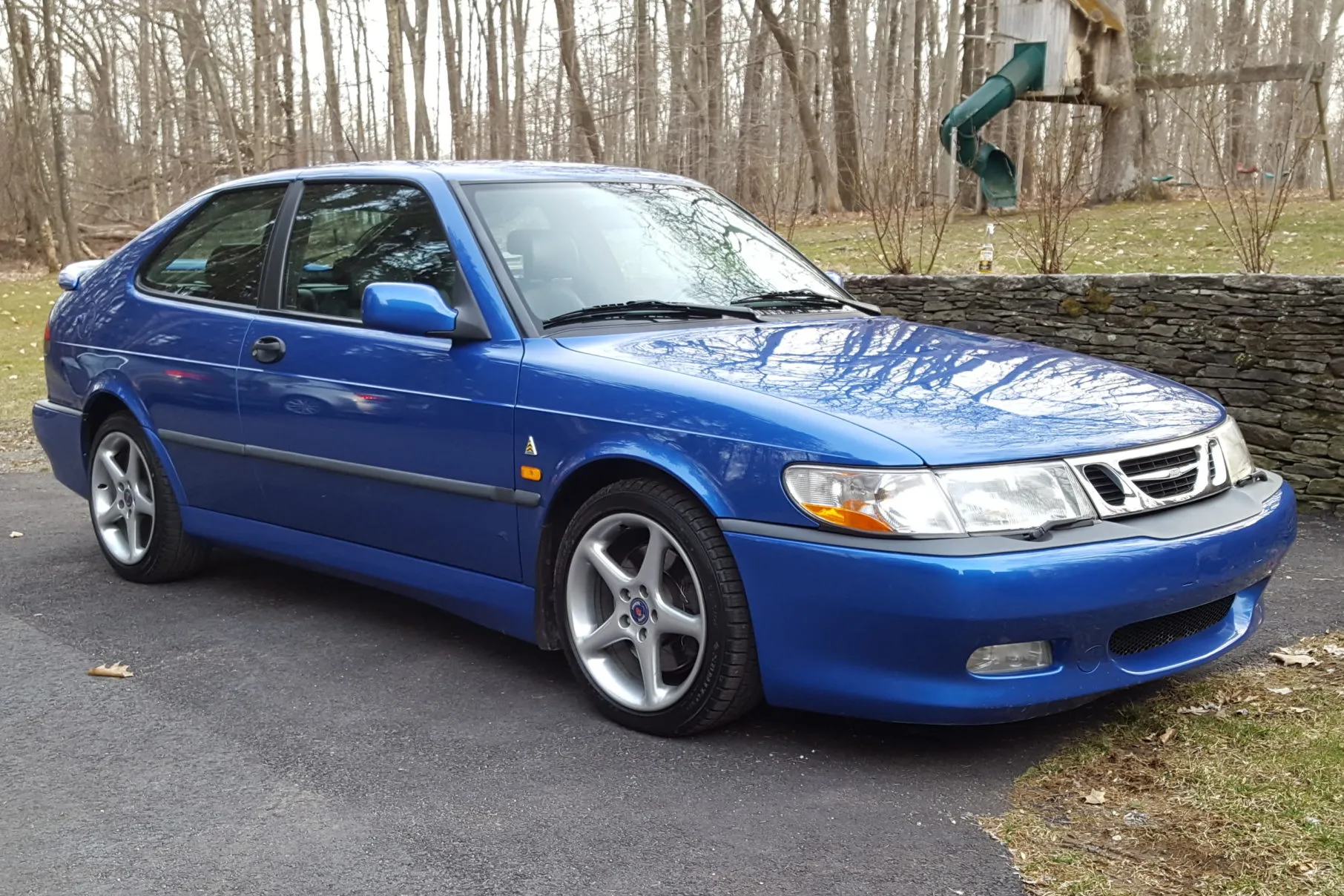
3. Saab 9 3 Viggen
The Saab 9 3 Viggen was an unusual and compelling performance car, blending turbocharged power with distinctive Scandinavian design. Inspired by Saab’s aviation heritage, it featured aggressive styling cues, high torque, and unique character that set it apart from conventional sedans.
While torque steer and quirky aesthetics limited its popularity, the Viggen offered raw driving excitement and a sense of individuality few cars could match during the 2000s. Enthusiasts who drove one often appreciated its mechanical honesty and dynamic personality.
Its turbocharged five cylinder engine delivered immediate low end torque and strong acceleration across the rev range. The engine produced a unique sound that combined refinement with urgency, making every gear shift feel purposeful.
The front wheel drive layout meant torque steer was present, but skilled drivers could harness the power effectively. Highway passing, aggressive cornering, and spirited urban driving all benefited from the engine’s flexibility and responsiveness.
The suspension prioritized stability and composure, with firmer springs and precise damping that allowed confident driving at speed. While not the sharpest handling car in its class, it rewarded careful inputs and encouraged smooth throttle modulation.
Steering provided adequate feedback, allowing the driver to sense road conditions and maintain control even when pushing the car hard. Body movements were managed well, contributing to a planted and secure feeling.
Inside, Saab maintained its signature driver focused design, with controls oriented toward usability and ergonomics. The cabin offered a mix of comfort and sportiness, with bolstered seats that held occupants firmly in corners.
Materials were solid and functional, reflecting the brand’s reputation for quality. Visibility was excellent, adding confidence during spirited maneuvers and daily commuting alike.
Despite its merits, the 9 3 Viggen never achieved mainstream recognition, partly due to brand perception and unconventional design.
However, it remains a performance sedan that rewarded engagement and character over conformity. Its combination of turbocharged power, firm handling, and unique personality has earned it a growing appreciation among enthusiasts seeking overlooked 2000s performance cars.
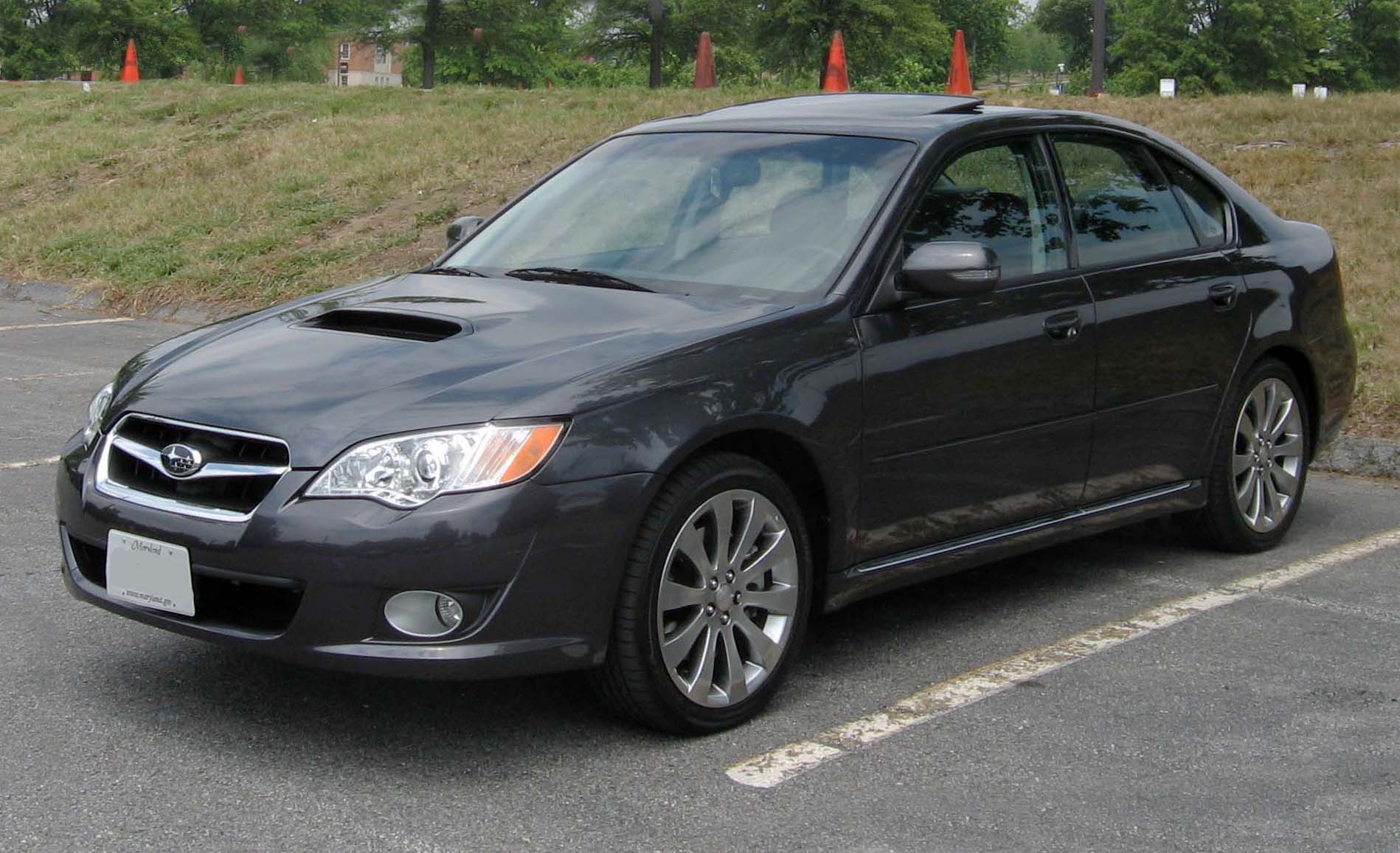
4. Subaru Legacy GT Spec B
The Subaru Legacy GT Spec B was a larger, more refined alternative to the popular Impreza WRX, blending performance and comfort into a practical sedan. While the WRX attracted attention for its rally inspired aggression, the Legacy GT Spec B quietly offered comparable acceleration, all wheel drive traction, and chassis balance.
Its understated styling masked a capable platform capable of spirited driving while remaining usable for daily commuting and long trips. It represented Subaru’s ability to combine performance engineering with refinement.
Power came from a turbocharged flat four engine, producing strong mid range torque and smooth acceleration. Paired with a six speed manual or automatic transmission, the Legacy GT Spec B launched confidently and maintained grip under all conditions. Turbo lag was minimal, and the engine responded quickly to throttle inputs, giving the driver control over acceleration and speed transitions.
The suspension was tuned to combine firmness with ride comfort. Multi link rear suspension and reinforced struts reduced body roll while keeping the ride composed on uneven roads.
Handling was predictable and communicative, with steering feedback that allowed precise cornering. This made the Legacy GT Spec B feel stable and capable, whether carving mountain roads or cruising highways.
Inside, Subaru focused on a driver-oriented layout, with supportive seats, easy to reach controls, and a practical interior. Cabin materials reflected the balance between performance and usability, with durable finishes suited to daily driving. Features like all wheel drive confidence and ergonomically placed instruments added to the driver experience, reinforcing Subaru’s reputation for functional performance.
Despite its capabilities, the Legacy GT Spec B was overshadowed by the flashier WRX and limited public awareness. Its blend of speed, handling, and usability makes it a quietly exceptional performance sedan. Enthusiasts who recognize it appreciate the car’s refinement, traction, and all around performance, demonstrating that power does not always need aggressive styling to impress.
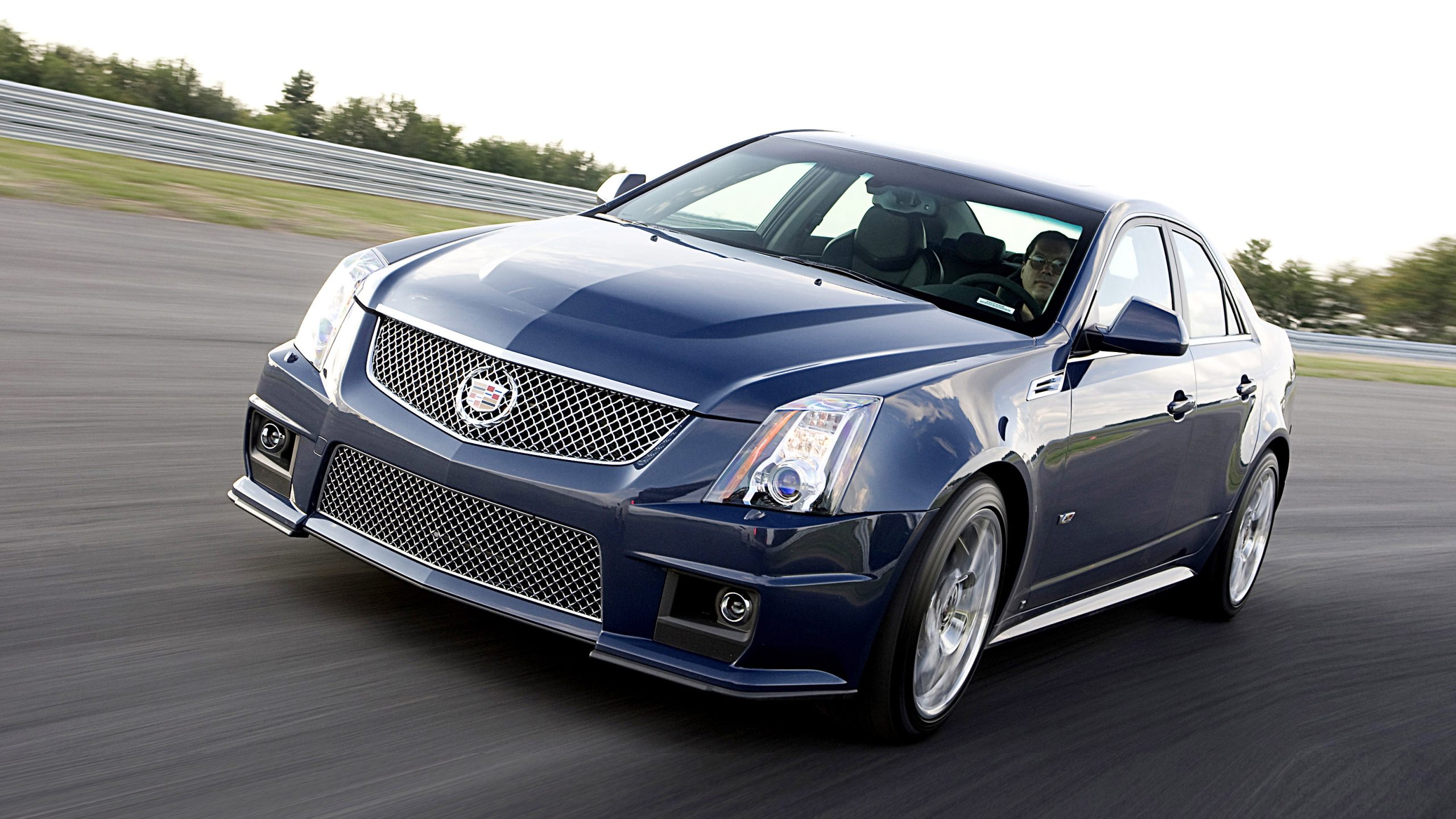
5. Cadillac CTS V First Generation
The first generation Cadillac CTS V represented a bold attempt to combine American V8 power with European inspired handling. Released at a time when Cadillac was working to redefine its image, the CTS V delivered exceptional acceleration, sharp chassis dynamics, and a refined interior.
Despite its significance, early buyers and critics often underestimated it, favoring imported rivals or more conventional American sedans. The CTS V demonstrated that luxury and performance could coexist in a single package.
Under the hood, a naturally aspirated 5.7 liter V8 produced immense power and a linear throttle response. Acceleration was immediate, with strong mid range torque that made overtaking effortless.
A manual transmission allowed enthusiasts to fully engage with the car, while the engine’s sound reinforced its commanding presence. The combination of power and controllability made the CTS V a serious competitor in its segment.
The chassis benefited from extensive tuning, with reinforced structural components, upgraded suspension, and sport oriented bushings. Handling was surprisingly agile for a car of its size, with excellent grip and composed body movements during aggressive cornering. Steering feedback was precise, contributing to driver confidence on both highways and twisty roads.
The interior was well appointed, combining luxury materials with driver focused ergonomics. Seats offered support during spirited driving, while controls were positioned for intuitive operation. Ride comfort remained high despite firmer suspension tuning, demonstrating Cadillac’s attention to balance between performance and usability.
Brand perception limited initial reception, but the CTS V earned lasting respect among enthusiasts. It proved that American engineering could deliver European inspired handling and engagement, while maintaining the muscle car character expected from Cadillac. Today, it is regarded as a cornerstone of modern American performance sedans, representing ambition, capability, and refinement.

6. Infiniti G35 Coupe Manual
The Infiniti G35 Coupe offered a compelling combination of rear wheel drive dynamics, sharp styling, and high revving performance. At a time when many manufacturers were moving toward front wheel drive platforms for sport sedans, Infiniti’s choice of a balanced rear wheel layout made the G35 feel agile and engaging.
Its bold, flowing design attracted attention, but the car’s performance capabilities were often overlooked in favor of European rivals with more prestigious badges. Enthusiasts quickly recognized the G35 as an accessible yet genuinely fun sports coupe.
Power came from a naturally aspirated 3.5 liter V6 engine producing strong horsepower and a broad torque curve. Acceleration was smooth and linear, rewarding high revs without ever feeling strained. Paired with a five speed automatic or six speed manual transmission, the G35 Coupe delivered an incredibly connected driving experience.
Manual transmission enthusiasts particularly praised the crisp shifting and direct feedback that made cornering and highway overtaking a satisfying affair.
Chassis balance was one of the G35 Coupe’s most impressive traits. With near 50/50 weight distribution, the car felt stable and predictable, even when pushed hard through turns.
Suspension tuning combined firm springs with compliant damping, maintaining composure without harshness. Steering response was sharp and communicative, allowing drivers to place the car precisely, a feature that often surprised rivals with more sophisticated European engineering.
Inside, the G35 Coupe combined comfort and functionality with driver focused ergonomics. Supportive sport seats held occupants firmly during aggressive driving, while controls were logically positioned and responsive.
Cabin materials were a mix of soft touch and durable plastics, emphasizing usability without sacrificing refinement. Infotainment and instrument layout were intuitive, contributing to a feeling of complete driver control.
The G35 Coupe’s understated reputation masked its true performance. It bridged the gap between everyday usability and spirited driving, offering reliability and mechanical simplicity in a competitive segment.
Its rear wheel drive dynamics, potent V6, and engaging chassis make it a deserving example of overlooked performance from the 2000s, quietly influencing future Infiniti sport models.
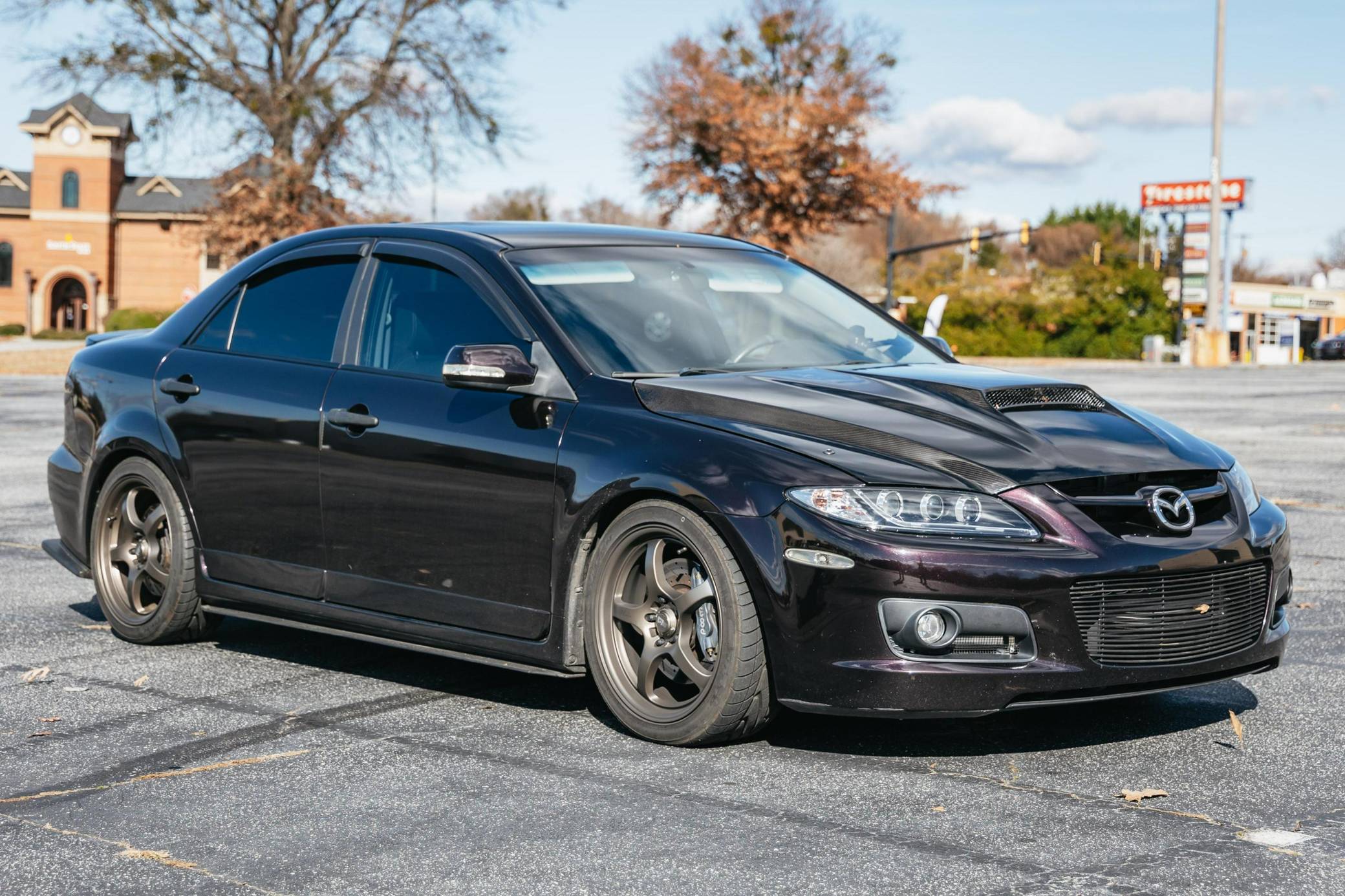
7. Mazda Mazdaspeed6
The Mazdaspeed6 was a bold attempt to inject serious performance into a practical mid size sedan. Unlike most competitors, it combined a turbocharged four cylinder engine with all wheel drive, offering a rare combination of speed, traction, and handling balance.
Its aggressive stance, subtle aerodynamic cues, and functional interior hinted at its performance potential, but it was often overshadowed by flashier rivals or more established performance brands. Enthusiasts who appreciated its capabilities recognized it as one of Mazda’s most ambitious efforts of the decade.
At the heart of the Mazdaspeed6 was a 2.3 liter turbocharged inline four, producing immediate torque and rapid acceleration across the rev range. The all wheel drive system ensured confident launches and stability under high cornering forces, while turbo lag was minimal, allowing the engine to feel responsive at all speeds. The car excelled on highways and twisty roads alike, offering a rare combination of performance and predictability.
Suspension tuning was firm yet compliant, striking a balance between spirited driving and daily usability. Multi link rear suspension, upgraded bushings, and reinforced struts minimized body roll and improved composure through transitions. Steering provided excellent feedback, with precise communication of road conditions, giving the driver confidence to explore the car’s limits safely.
The interior mirrored Mazda’s focus on driver engagement. Seats were supportive, the steering wheel felt responsive, and controls were logically arranged for intuitive operation.
Materials were functional, emphasizing reliability without feeling cheap, while the cabin remained comfortable for daily use. Practicality combined with performance credentials made it an unusual but capable package.
Despite limited sales and market recognition, the Mazdaspeed6 offered exceptional engineering. It proved that a mid sized sedan could be fun, practical, and fast simultaneously.
Enthusiasts today recognize it for its turbocharged power, competent chassis, and all wheel drive stability, making it one of the decade’s most underappreciated performance sedans.
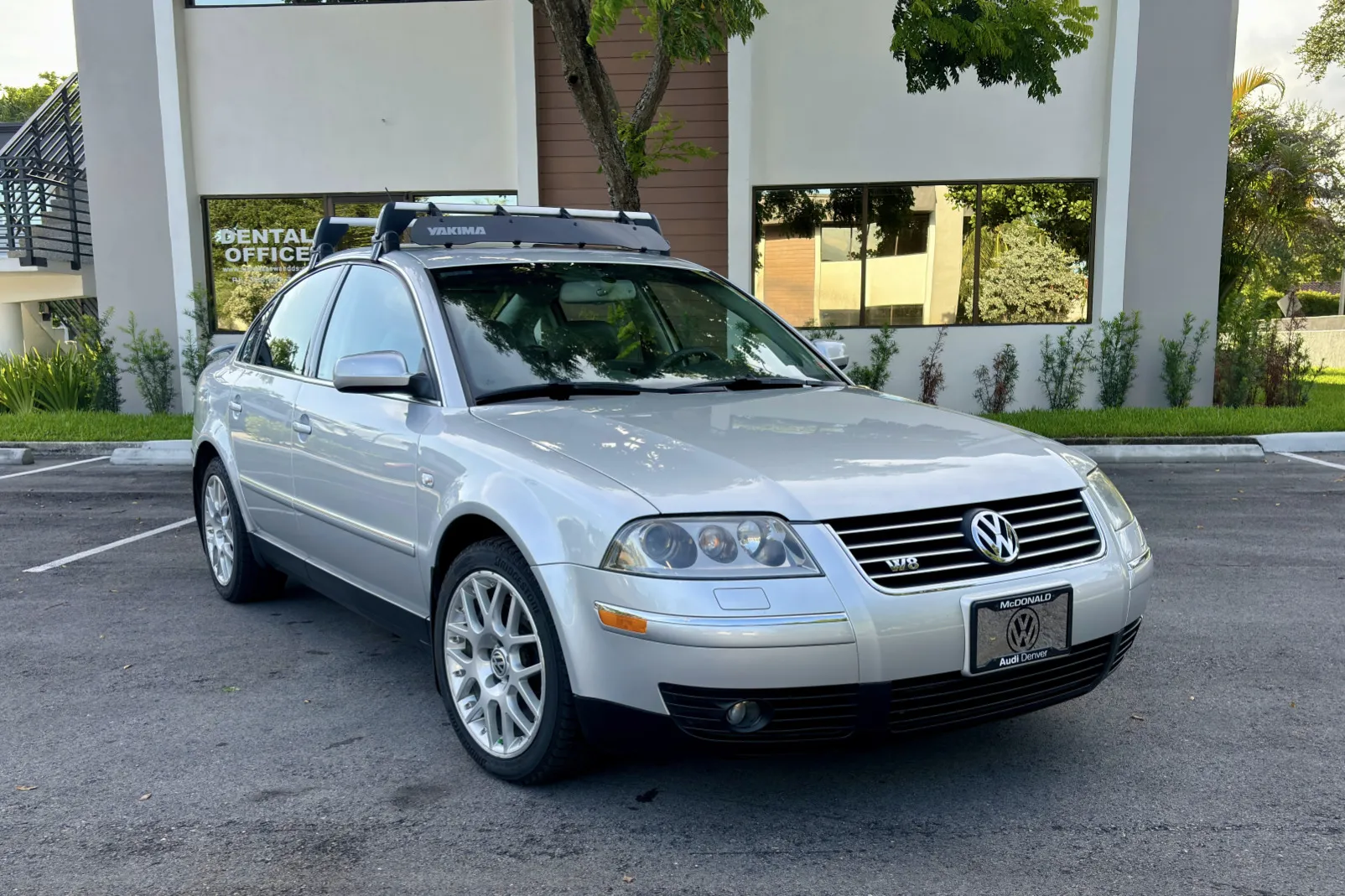
8. Volkswagen Passat W8
The Volkswagen Passat W8 was an ambitious and technologically advanced performance sedan that flew under most buyers’ radar. Its understated exterior disguised a complex eight cylinder engine and sophisticated all wheel drive system, making it one of the most unique offerings of the 2000s.
While some criticized its conservative styling, the W8 represented Volkswagen’s dedication to innovation and refinement in a midsize sedan format. Its rarity and technical sophistication have made it a standout among overlooked performance cars.
Power was provided by a narrow angle 4.0 liter W8 engine, producing smooth, linear power across a wide rev range. Acceleration was refined yet confident, favoring stability over outright aggression. Its all wheel drive system delivered excellent traction, allowing the car to maintain composure in challenging conditions. While not the fastest in its class, the W8 offered an effortless sense of speed and refinement few rivals could match.
Suspension tuning emphasized control and comfort, providing a composed ride while maintaining stable handling. The multi link setup at the rear and independent front suspension minimized body movement during cornering. Steering was precise, delivering feedback consistent with its refined chassis.
The balance between comfort and control made the Passat W8 capable of spirited driving without compromising daily usability.
The interior was sophisticated and driver focused, reflecting Volkswagen’s attention to detail. Materials were high quality, with soft touch surfaces and logical placement of controls.
Seating was supportive and comfortable for long journeys, while cabin layout enhanced usability. Despite its understated appearance, the W8 delivered a premium, performance oriented experience for its occupants.
Despite its technological achievements, the Passat W8 failed to gain widespread recognition. Complexity and a lack of visual aggression limited sales, yet its engineering achievements make it a fascinating performance sedan. It stands as a rare example of refinement and ambition, deserving appreciation from enthusiasts seeking something unique from the early 2000s.
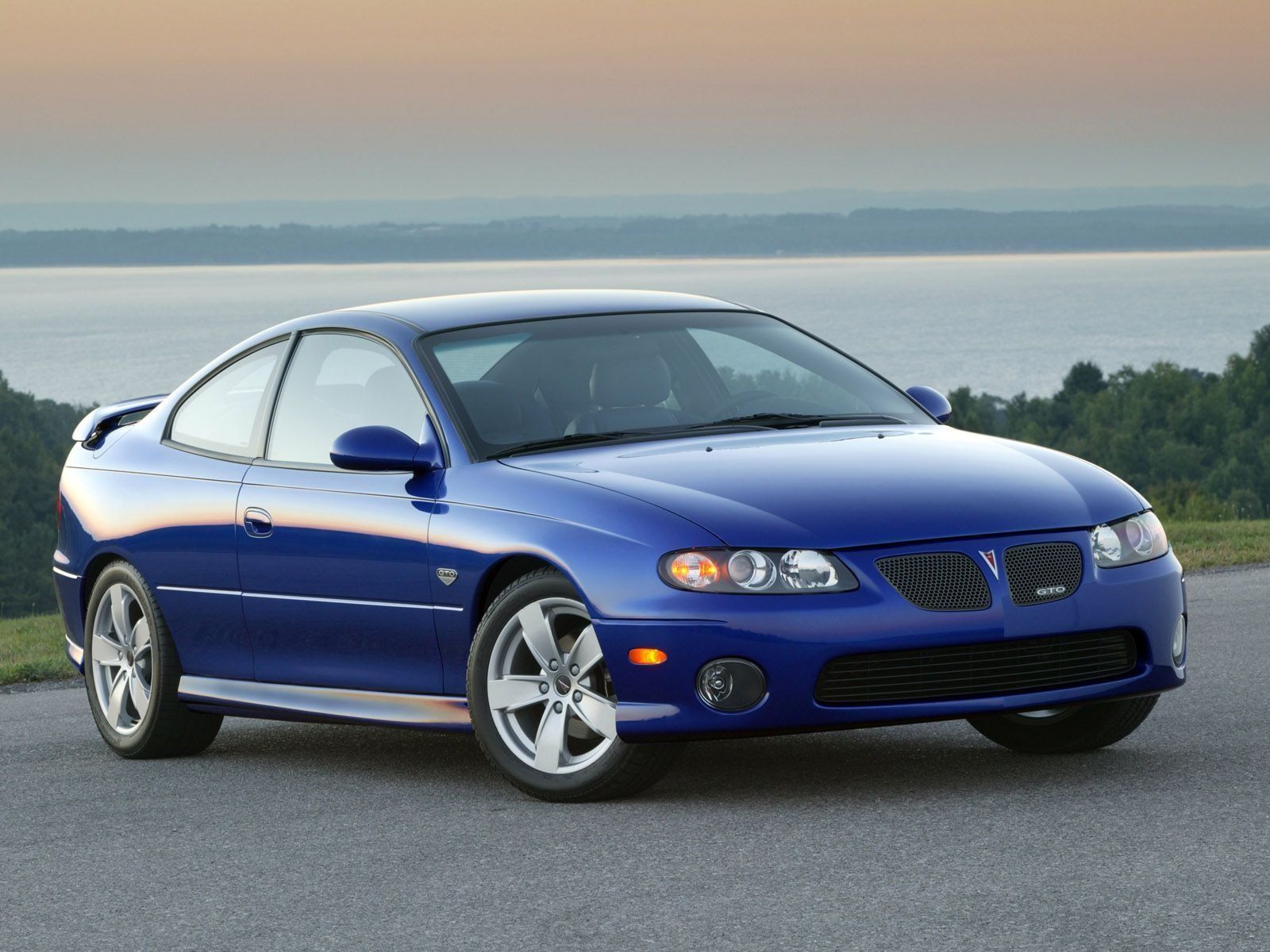
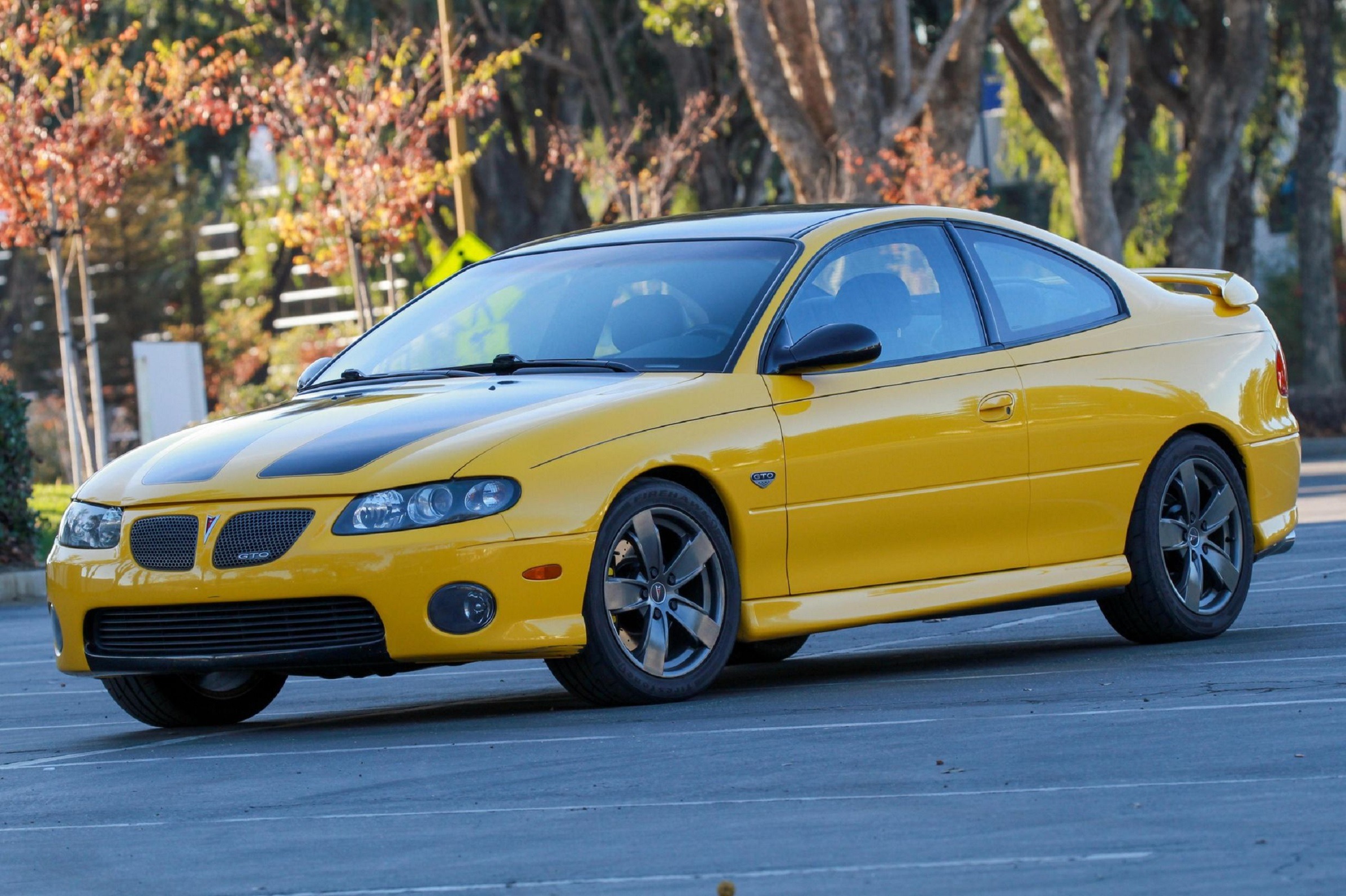
9. Pontiac GTO 2004 to 2006
The reborn Pontiac GTO combined classic American muscle with modern engineering, yet it struggled to capture mainstream attention due to its understated styling and badge confusion.
Based on an Australian platform, it offered a balanced and competent driving experience rather than just straight line speed. Buyers who judged it solely on appearance often missed its performance potential, but enthusiasts quickly recognized the GTO as a capable muscle car with more refinement than many expected.
Power came from a 5.7 liter LS1 or later 6.0 liter LS2 V8 engine, producing enormous torque and exhilarating acceleration. The car could launch confidently with minimal wheel spin, and throttle response was immediate. Paired with either a six speed manual or four speed automatic, it offered both connected driving and effortless cruising. Its sound and engine character reminded drivers of traditional muscle cars while remaining controllable.
Chassis tuning emphasized balance and composure, surprising those familiar with classic American sedans. Suspension upgrades included firmer springs, upgraded bushings, and refined geometry, allowing cornering stability that exceeded expectations. Steering was direct and predictable, giving drivers confidence during both aggressive driving and highway runs.
Inside, the GTO combined a driver focused layout with comfortable accommodations. Seats were supportive yet plush enough for long trips, while controls were logically placed. The interior materials reflected a balance between affordability and refinement, offering comfort and practicality alongside performance credentials.
Despite public perception challenges, the 2004–2006 GTO offered one of the most complete muscle car experiences of the decade. It combined modern handling, a potent V8, and daily usability in a single package. Enthusiasts have grown to appreciate it as a performance car that deserved far more recognition than it initially received.
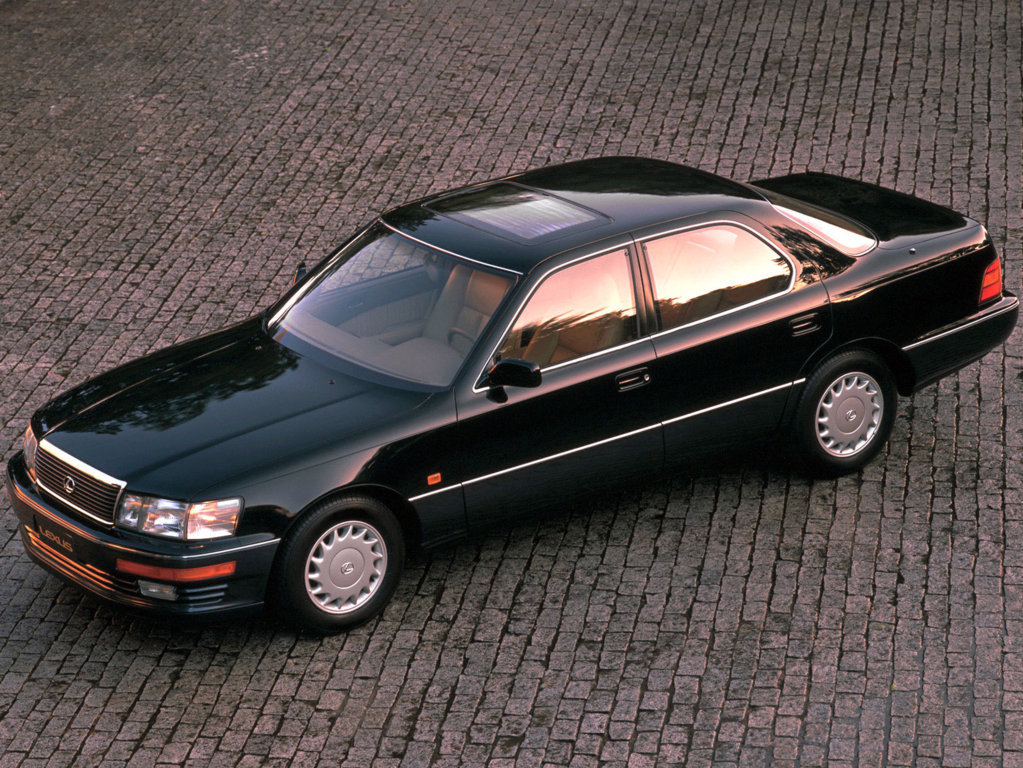
10. Lexus IS350 First Generation
The first generation Lexus IS350 provided refined performance in a compact luxury package that challenged European rivals. Often dismissed as a luxury car with only superficial sport pretensions, it offered a driver oriented experience that balanced speed, handling, and comfort.
Its understated styling concealed serious mechanical competence, while reliability and build quality set it apart from many competitors. Owners quickly discovered a car that delivered enjoyable engagement without drawing excessive attention.
A naturally aspirated 3.5 liter V6 engine produced strong horsepower, smooth acceleration, and quick throttle response.
Unlike many competitors, it delivered usable performance throughout the rev range, allowing drivers to exploit its potential both in urban settings and on highways. The automatic transmission was responsive, while the optional manual configuration heightened engagement for enthusiasts.
The suspension was tuned to provide precise handling without sacrificing comfort. Independent front and rear setups minimized body roll, allowed confident cornering, and kept the ride controlled over uneven surfaces.
Steering was communicative and accurate, giving the driver confidence and a sense of connection with the road. The car’s balance and chassis control set a new standard for compact luxury sport sedans.
Inside, the IS350 combined luxury and usability. Seats were supportive and comfortable, materials were high quality, and controls were well positioned. Cabin ergonomics prioritized the driver, reinforcing engagement during spirited driving while remaining comfortable for daily commuting. Subtle attention to detail enhanced both usability and enjoyment.
Though often overshadowed by European rivals, the IS350 proved that performance and reliability could coexist in a luxury sedan. Its chassis balance, responsive engine, and refined interior make it a standout in the early 2000s sport sedan segment. Enthusiasts today recognize it as an intelligent blend of engagement, comfort, and longevity.
