
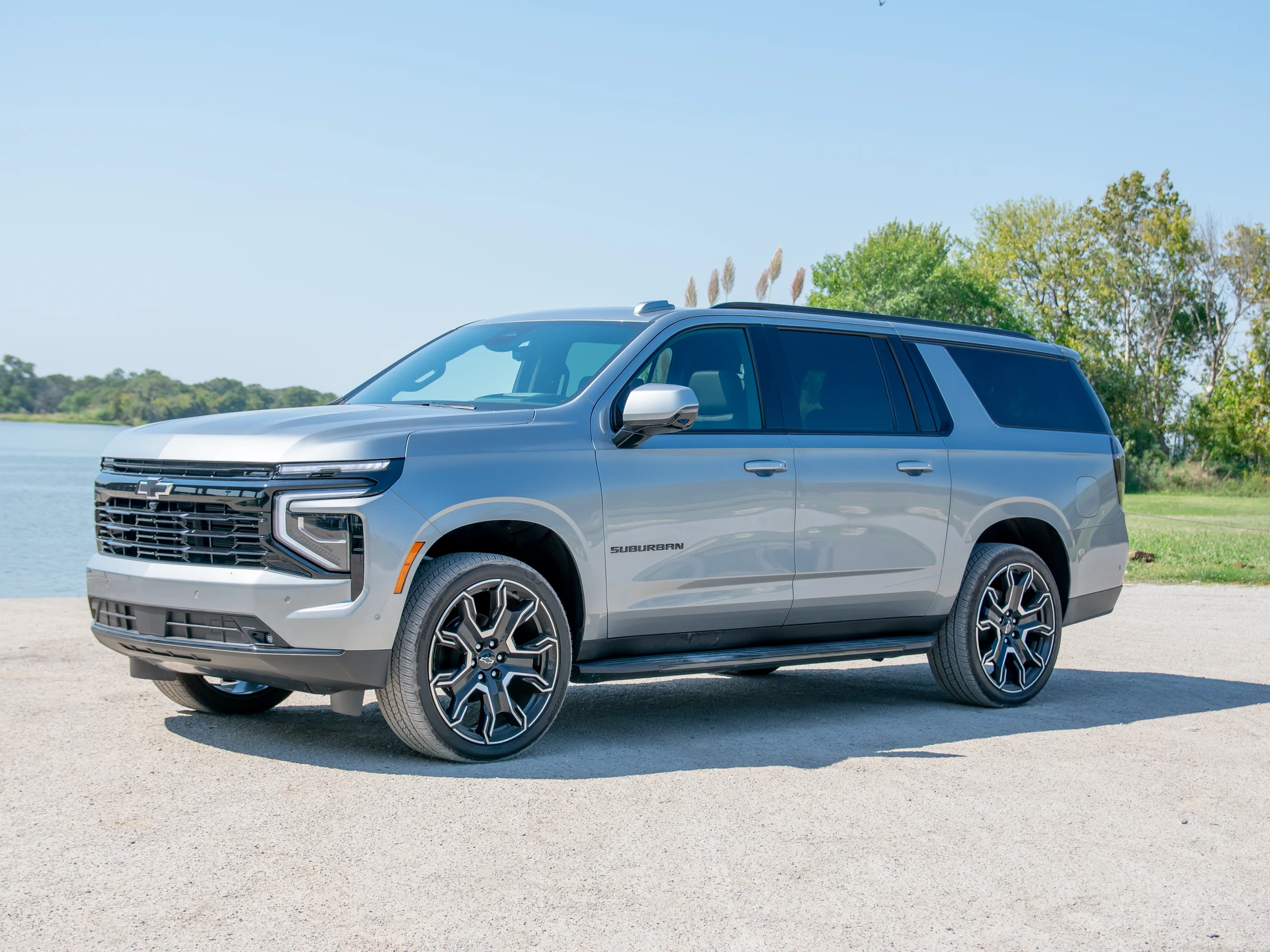
The history of the automobile is often told through horsepower figures, racing victories, and design revolutions, but some of the most important vehicles ever built did something quieter and far more influential. They created categories that had never existed before, changing how people thought about cars and what they expected from them.
These vehicles were not simply successful products, they rewrote the rules of the market and forced competitors to respond, sometimes years later. Before their arrival, buyers did not know they wanted these kinds of cars, and after their success, entire segments became permanent parts of the automotive industry.
Each of these cars emerged at the right moment, when technology, culture, and consumer needs aligned just enough to allow something new to take hold.
Some were risky experiments, others were bold statements from manufacturers willing to gamble their reputations. In many cases, the companies themselves did not fully understand the long term impact of what they were building.
These vehicles challenged traditional classifications like sedan, coupe, or truck, and replaced them with new ideas that blended comfort, utility, performance, and lifestyle in unexpected ways. Their influence can still be seen today in dealer showrooms, marketing language, and buyer expectations across the globe.
From reshaping family transportation to redefining performance and luxury, these cars left marks far larger than their sales numbers alone might suggest.
They opened doors for competitors, inspired imitators, and sometimes created entire sub industries that continue to evolve decades later. The following cars did not just succeed in their time, they permanently expanded what the automobile could be.
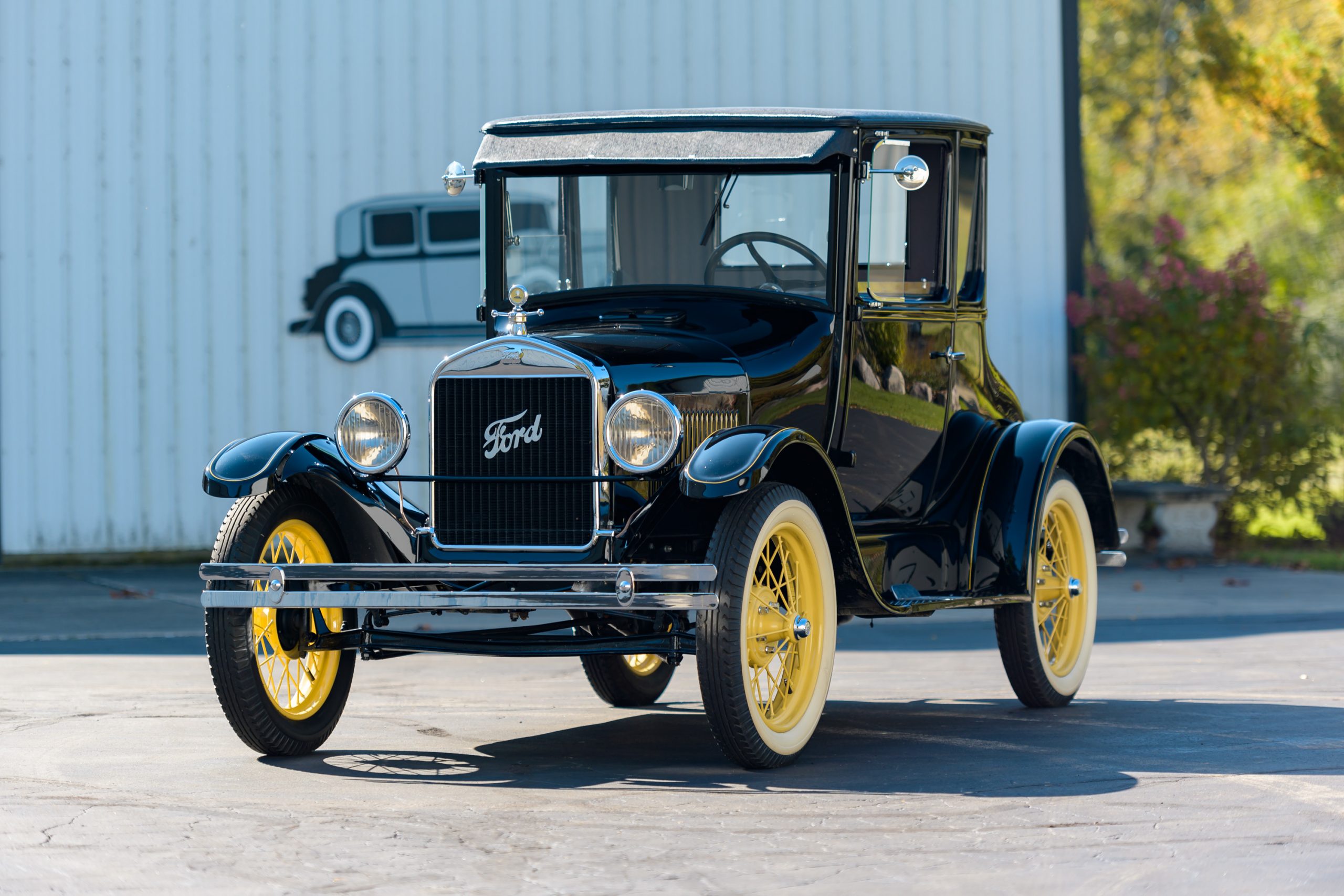
Ford Model T
The Ford Model T did more than popularize the automobile; it fundamentally reshaped the idea of personal transportation. Before it, cars were handcrafted luxuries reserved for the wealthy, often requiring specialized knowledge to operate and maintain.
With the Model T, Henry Ford introduced a vehicle that an average working family could afford, creating an entirely new market of everyday car buyers. Its impact went beyond commerce, it altered lifestyles, commuting habits, and even city planning.
Its use of standardized parts and assembly line production changed industrial manufacturing forever. By breaking complex operations into repeatable tasks, Ford drastically reduced production time, allowing cars to be built faster and at lower cost.
The assembly line not only lowered prices but also increased reliability, as each part was interchangeable and quality control became systematic. This innovation became a blueprint for mass production in industries far beyond automobiles.
The Model T also introduced the idea of a multipurpose vehicle for ordinary life. It could transport families, haul goods, and navigate unpaved roads with ease, proving that one car could fulfill multiple roles.
Its versatility made it ideal for farms, small businesses, and emerging suburban neighborhoods, showing that the utility of a car could extend far beyond simple commuting. Consumers suddenly imagined owning a car for all aspects of daily life.
The ripple effects of the Model T extended across society and the economy. Industries like road construction, gas stations, and auto repair shops grew rapidly to meet the needs of the expanding population of car owners.
Towns and cities evolved around roads and parking, and rural areas became more connected to urban centers. In a sense, the Model T not only created a car segment but helped create a society that relied heavily on personal vehicles for everyday activity.
The Model T’s success forced competitors to reconsider production, design, and pricing strategies. Automakers began focusing on affordability and standardization rather than just luxury and performance. The notion of a car for the masses became a permanent feature of the industry.
Today, nearly every mass-produced vehicle owes its existence to the groundwork laid by this pioneering machine, which transformed an entire segment and forever changed the concept of mobility.

Jeep Willys MB
The Jeep Willys MB established the foundation for the modern off road vehicle segment. Originally designed for military use during World War II, it showcased capabilities unmatched by civilian cars of the time, combining ruggedness with compact design.
Its simplicity and reliability under extreme conditions made it essential for wartime operations, and after the conflict, it inspired a new type of vehicle entirely focused on versatility and terrain adaptability. The Jeep was more than a military tool, it became a symbol of freedom and exploration.
After the war, returning soldiers sought vehicles that mirrored the capabilities of the Jeep in civilian life. The demand led to the creation of the first civilian Jeep models, which retained the essential four wheel drive and off road prowess.
These vehicles opened up areas previously inaccessible to ordinary cars, from mountainous trails to farm fields, proving that practicality and adventure could coexist. This transition marked the birth of a vehicle segment where ruggedness was a core selling point.
The Jeep demonstrated that four wheel drive was not just a novelty for extreme conditions but a practical option for everyday needs. Farmers, construction workers, and explorers adopted the Jeep for tasks that demanded both durability and maneuverability.
Its ability to traverse mud, snow, and rocky terrain created a whole new expectation for what a vehicle could handle, effectively expanding the consumer mindset beyond paved roads. This practical application fueled the rise of utility-focused off road vehicles.
The vehicle’s design language influenced automotive styling for decades to come. Upright windshields, visible wheel arches, and a utilitarian, boxy shape became synonymous with durability and adventure.
Many modern SUVs and off road vehicles borrow heavily from these design cues, even if they sacrifice some of the original Jeep’s rugged practicality. The aesthetic became a visual shorthand for capability and resilience, making the Jeep an enduring icon.
Without the Jeep, recreational off roading might never have become mainstream, and the lifestyle surrounding it may not exist as it does today. It created a segment where vehicles were designed for both work and leisure in challenging environments.
Manufacturers worldwide eventually developed their own off road vehicles in response, solidifying this new automotive category. Its cultural, functional, and industrial impact remains profound.
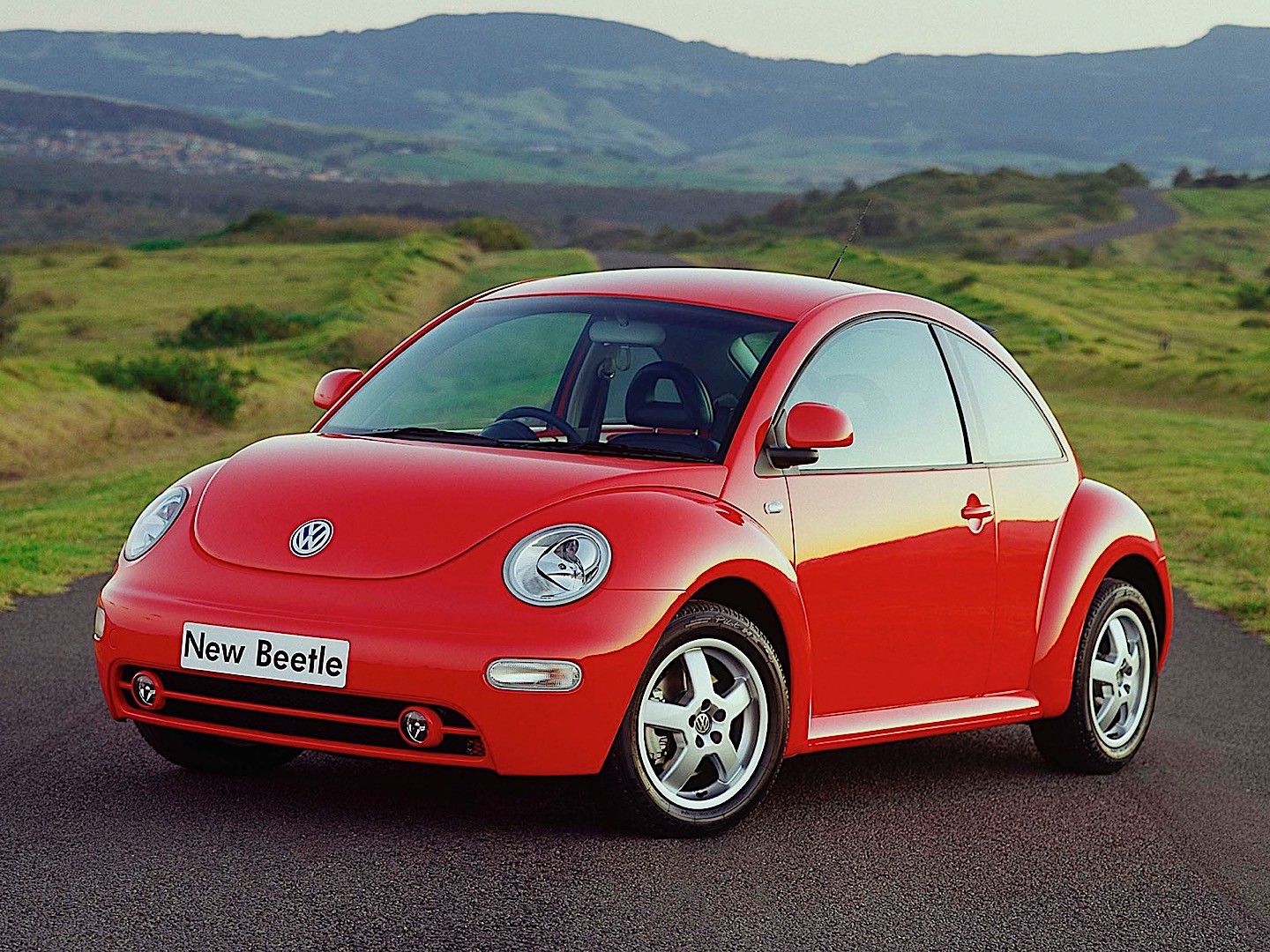
Volkswagen Beetle
The Volkswagen Beetle defined what would become the modern economy car segment, blending affordability, durability, and simplicity into a package that appealed to the masses. Designed initially as a “people’s car,” it addressed the need for reliable and efficient personal transportation.
The Beetle was easy to maintain, mechanically straightforward, and inexpensive, which made it accessible to a far wider audience than other cars at the time. Its broad appeal helped normalize small, efficient vehicles in markets previously dominated by larger, heavier cars.
Its rear engine layout and air cooled design were both innovative and practical. These features reduced mechanical complexity, making repairs easier and reliability higher than most competitors.
Fewer moving parts meant fewer points of failure, a key consideration for first-time car buyers who needed a dependable daily vehicle. Its engineering simplicity was a critical factor in the Beetle’s ability to thrive across decades and continents.
The Beetle also became a cultural symbol, transcending its role as mere transportation. Its friendly, rounded design appealed to students, families, and countercultural groups, creating an emotional connection that other economy cars lacked.
People were drawn not just to its efficiency but also to its personality. It proved that small cars could be both practical and endearing, influencing buyer expectations about how cars should look and feel.
Its global success demonstrated that a single design could work across widely different markets. The same basic Beetle model thrived in Europe, North America, and Latin America, challenging the notion that cars needed to be tailored to each market’s tastes.
This universality helped set a precedent for future compact and subcompact vehicles, showing manufacturers that small, efficient cars could be profitable worldwide.
Finally, the Beetle proved that economy cars could be loved rather than merely tolerated. Reliability, affordability, and charm created a vehicle that people wanted to own and drive.
By establishing the concept of a practical yet desirable small car, it permanently reshaped automotive markets. Today’s compact car segment, which dominates urban markets globally, owes much of its existence to the Beetle’s pioneering influence.
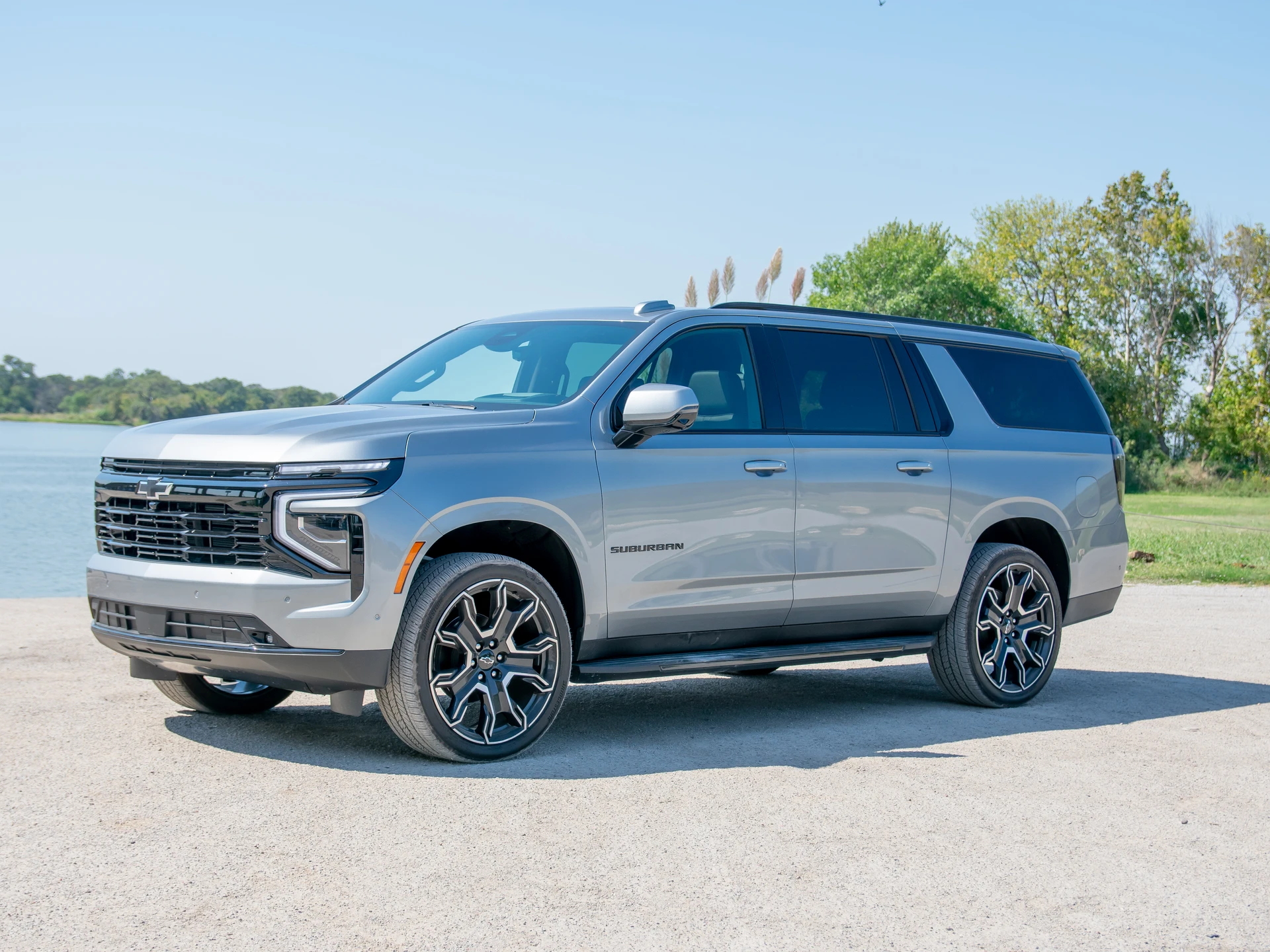
Chevrolet Suburban
The Chevrolet Suburban created the full size SUV segment long before it was widely recognized as such. By combining passenger comfort with truck-based durability, it offered a solution for families, businesses, and government agencies needing large-capacity transportation.
Its arrival showed that vehicles could be both rugged and spacious, challenging traditional ideas that utility vehicles had to sacrifice comfort for capability. The Suburban’s design opened a new path for oversized, versatile vehicles.
Its body-on-frame construction allowed it to handle heavy loads while maintaining stability and reliability. At the same time, it offered multiple rows of seating for passengers, creating a balance that no other vehicle had offered before.
This combination of strength and comfort became the defining characteristic of the large SUV segment. Buyers no longer needed to choose between utility and passenger space.
The Suburban gained popularity with diverse groups, from large families seeking spacious transportation to commercial fleets requiring durability.
It could be used for transporting people, carrying equipment, or even serving as emergency vehicles. Its versatility made it indispensable to many and set the standard for how full size SUVs would be evaluated in the future. It was a vehicle designed for both personal and professional life.
Over the years, the Suburban evolved while maintaining its core identity. Each generation refined passenger comfort, technology, and driving dynamics without losing its original purpose.
It created expectations for full size SUVs that competitors would follow, emphasizing a balance of space, capability, and refinement. The Suburban became a benchmark for every large SUV that followed.
Today, the full size SUV segment remains one of the most enduring and profitable markets in the automotive industry. The Suburban’s early success normalized the concept of oversized family vehicles with heavy-duty capabilities. Its influence continues to define what buyers expect from this class, making it one of the most important vehicles in automotive history.
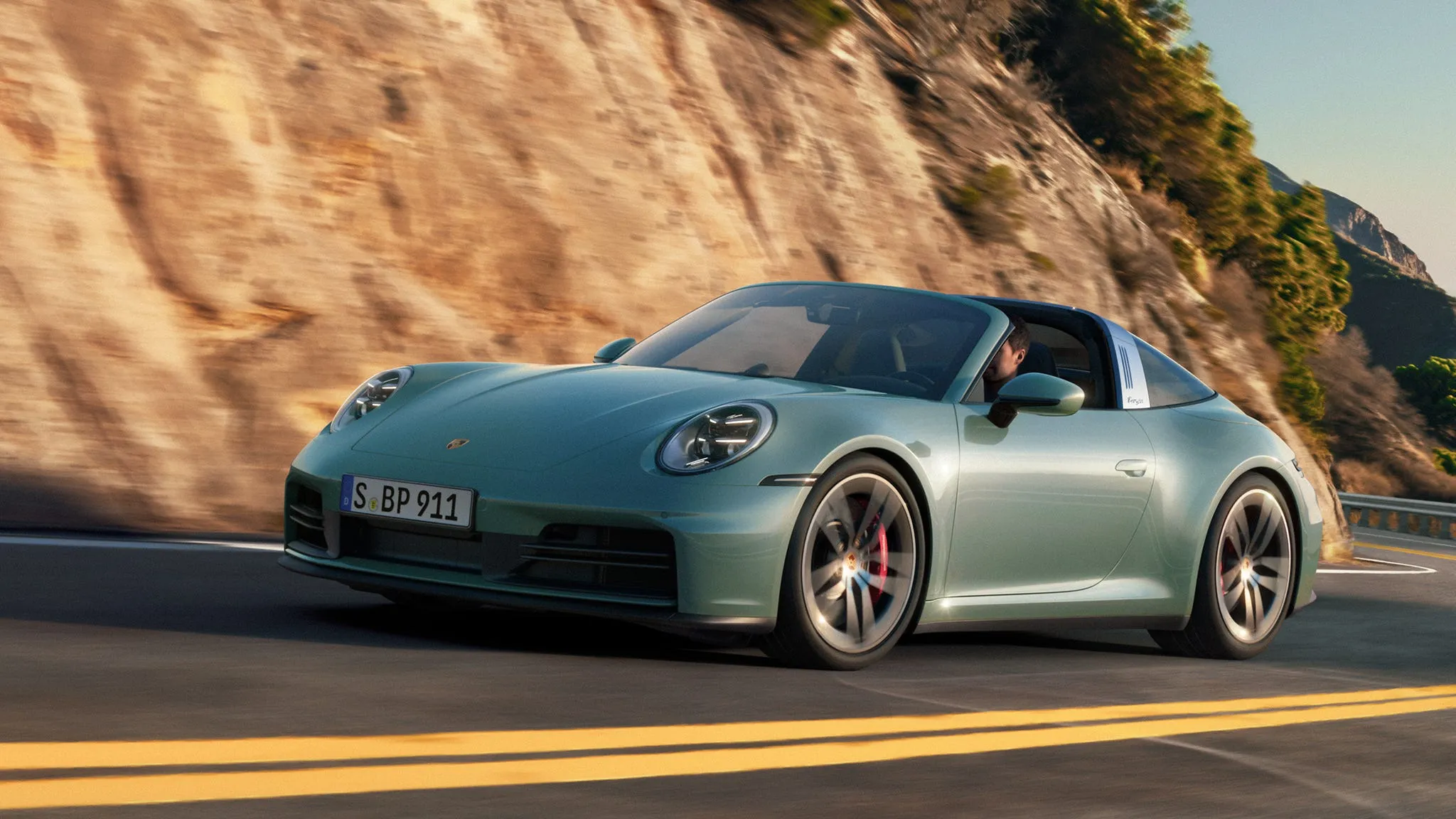
Porsche 911
The Porsche 911 established the modern everyday sports car segment, proving that high performance could coexist with usability for daily driving. It showed that sports cars need not be impractical or uncomfortable for routine use.
With its distinctive design and engineering, the 911 offered speed, handling, and reliability while remaining manageable for drivers who were not professional racers. It created a category where enthusiasts could enjoy performance without sacrificing normal usability.
Its rear engine layout was unconventional, defying standard engineering expectations. Porsche’s commitment to refining rather than abandoning this design resulted in a unique driving experience, characterized by responsive handling and excellent traction.
Despite initial skepticism, the layout became a hallmark of the 911, contributing to its identity and performance reputation over decades.
The 911 evolved continuously across generations, maintaining core characteristics while improving every aspect of the car. Engine performance, braking, suspension, and technology were updated regularly without compromising the model’s fundamental design philosophy.
This consistency helped build trust among enthusiasts, who knew the 911 would always deliver a recognizable, high-quality driving experience.
The car blurred the lines between race track and road car. Owners could drive to work in the morning and then enjoy spirited driving or track days in the afternoon.
This dual functionality redefined what buyers could expect from a sports car, turning the 911 into a versatile machine capable of both everyday practicality and high-performance excitement.
Many sports cars since have followed the 911’s philosophy, balancing performance with usability. The model set a standard for a practical, reliable, high performance vehicle that could serve multiple purposes. By creating this new approach to the sports car segment, the 911 influenced generations of automakers and remains a defining example of automotive innovation.
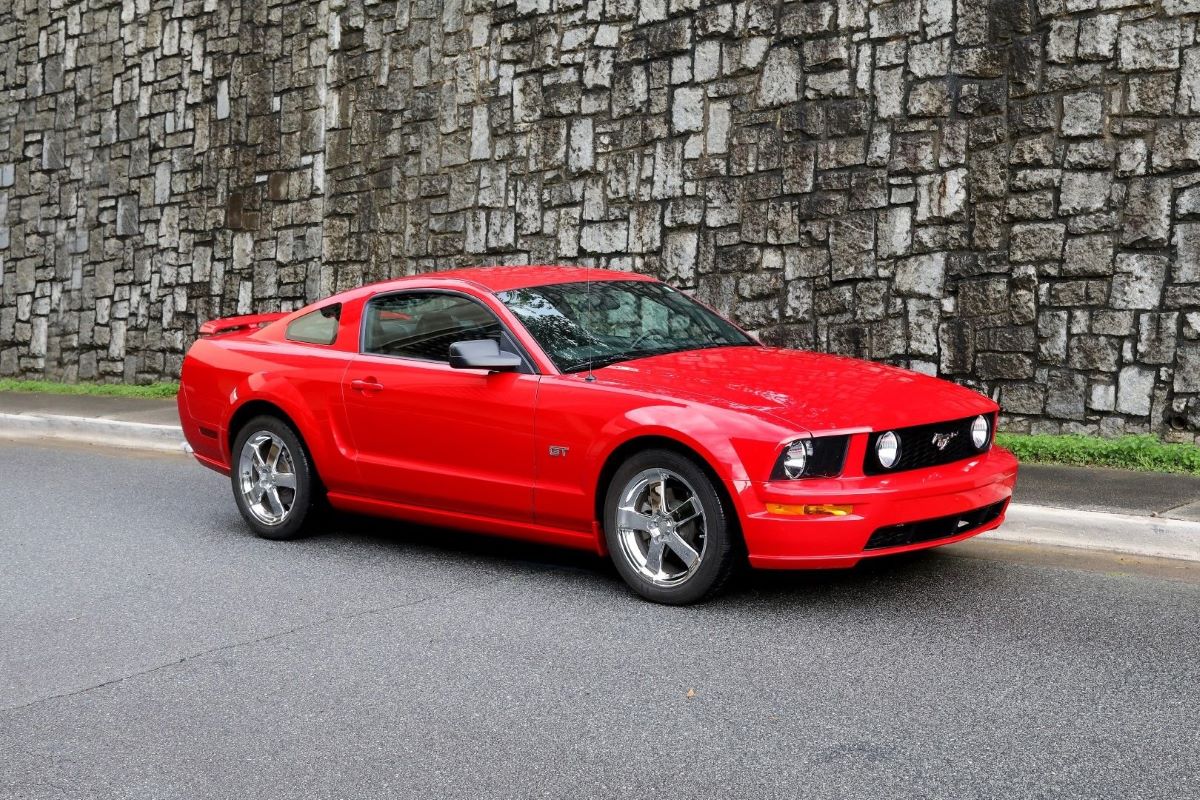
Ford Mustang
The Ford Mustang created the pony car segment, combining sporty styling with affordable pricing in a way that had never been done before. Its debut captured the imagination of younger buyers who wanted a car that reflected personal freedom and excitement without breaking the bank.
Suddenly, performance and individuality were accessible to a broad audience. The Mustang proved that a car could be both stylish and attainable, inspiring a new class of vehicles.
Its long hood and short rear deck defined a bold new design language that would influence countless cars for decades. The proportions emphasized athleticism and performance even when the engine was not running, making the Mustang visually distinctive.
Designers achieved a sense of motion and aggression in a compact, approachable package. These aesthetics turned the car into an icon and set the template for future pony cars.
Buyers were given unprecedented flexibility through customization options for engines, trims, and accessories. The Mustang could be a simple commuter or a high-performance machine depending on the buyer’s preferences.
This approach allowed personal expression to become a major selling point. People could make the car feel uniquely theirs, which strengthened the Mustang’s emotional appeal.
The Mustang’s success triggered immediate competition from rival manufacturers, sparking a surge of similar cars entering the market. Chevrolet, Pontiac, and AMC quickly developed models aimed at capturing a share of the emerging pony car segment.
The rapid growth of this category demonstrated that a single innovative vehicle could create a demand strong enough to reshape the automotive industry almost overnight.
The pony car became more than a vehicle, it became a cultural symbol. It represented youth, independence, and the thrill of driving. Movies, music, and advertising amplified its status, turning the Mustang into an aspirational icon. Even today, the emotional connection it created with buyers continues to influence sports car design and marketing strategies worldwide.
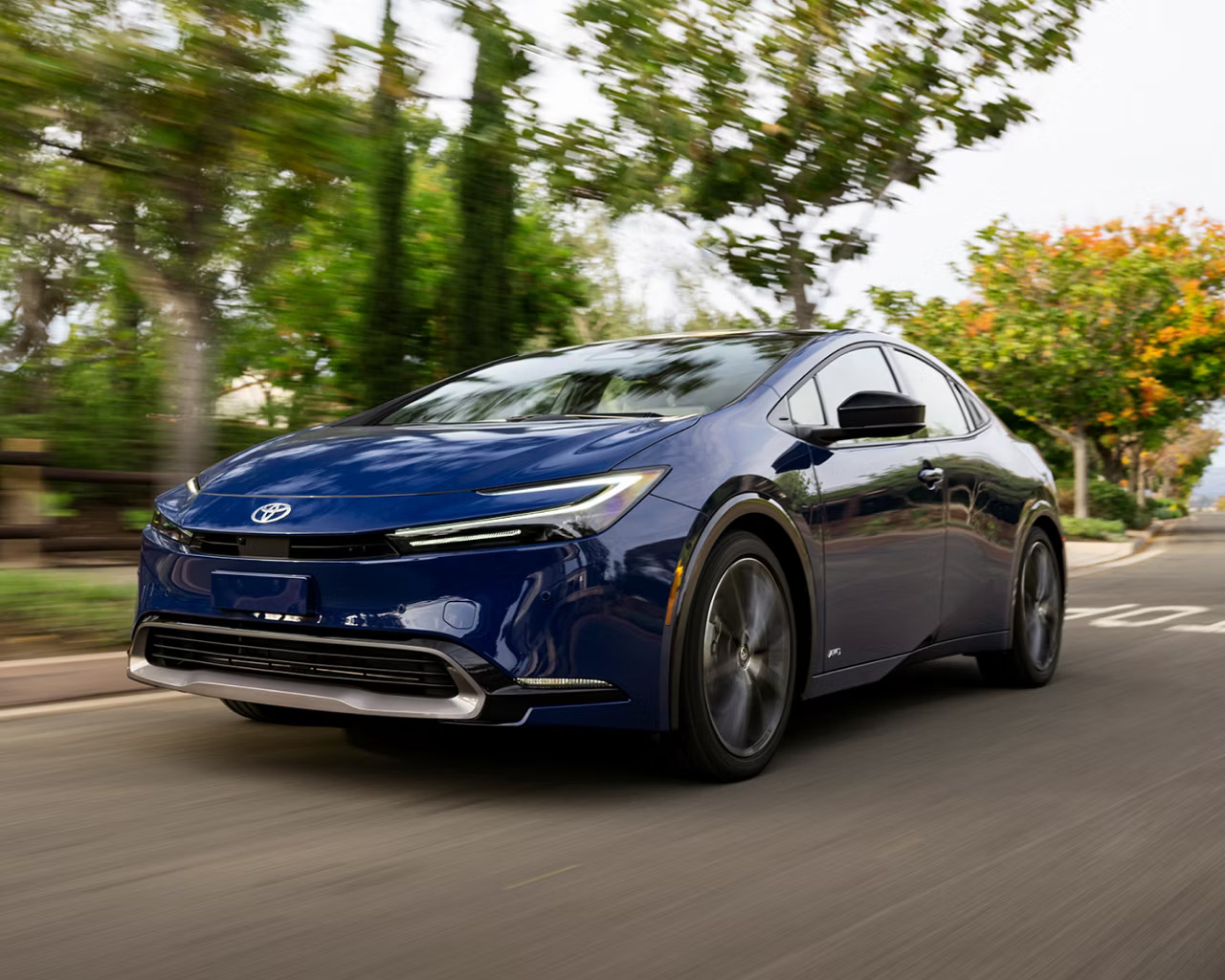
Toyota Prius
The Toyota Prius created the modern hybrid segment, establishing a new category of vehicles that balanced fuel efficiency with practicality. At a time when environmental awareness was growing, it provided a tangible, usable solution for drivers concerned about emissions and fuel costs.
Unlike previous experimental green cars, the Prius was mass-produced, reliable, and accessible, proving that eco-friendly transportation could be mainstream rather than niche.
Its aerodynamic design prioritized efficiency over conventional styling norms. Every curve, panel, and detail was engineered to reduce drag and maximize fuel economy, making its appearance instantly recognizable.
The vehicle emphasized function as much as form, signaling to buyers that performance could be measured in efficiency rather than speed or horsepower. This approach challenged traditional automotive priorities.
The Prius demonstrated that hybrid technology could be dependable and affordable for everyday drivers. Early skepticism about battery reliability or long-term maintenance proved unwarranted, as Toyota’s engineering ensured durability.
It provided peace of mind to customers, showing that choosing environmentally responsible transportation did not require sacrificing convenience or practicality. The car became a trusted choice.
Governments, taxi fleets, and urban organizations quickly embraced the Prius for its environmental benefits. Its visibility in cities and public service applications helped normalize hybrid technology and inspired a generation of buyers. People began to expect alternative fuel vehicles as viable options, accelerating adoption and innovation across the automotive industry.
Today’s electrified vehicle market owes much to the Prius, which permanently shifted expectations regarding efficiency and sustainability. Its success demonstrated that consumers could value environmental responsibility alongside performance, style, and comfort. The hybrid segment it created continues to expand globally, influencing the design and development of modern electric vehicles.
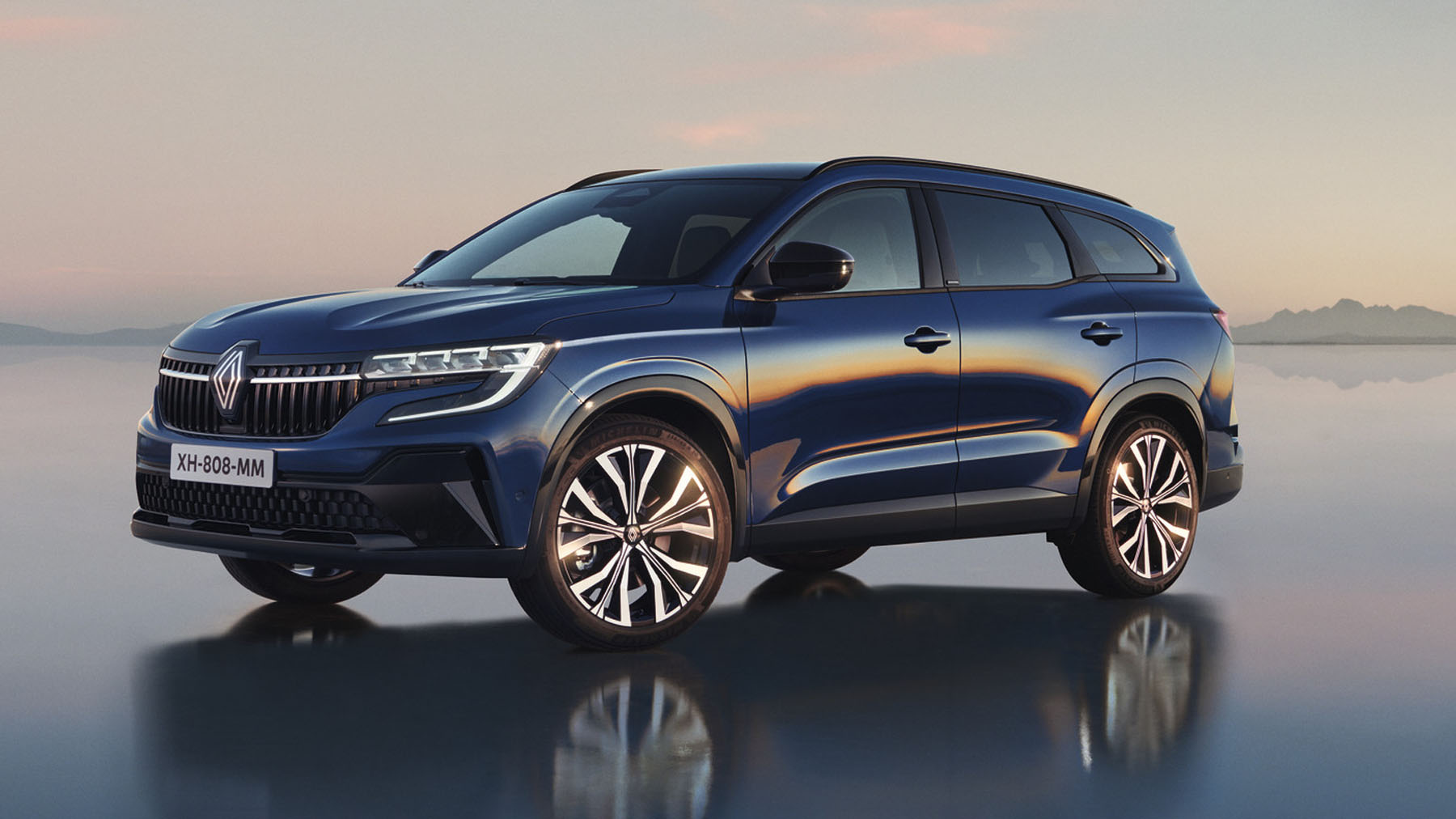
Renault Espace
The Renault Espace created the modern European minivan segment, introducing a vehicle that emphasized interior space and adaptability over traditional car proportions. Families gained a new option designed specifically to meet their evolving transportation needs.
Its focus on practicality, comfort, and flexibility distinguished it from conventional sedans and station wagons, redefining what a family vehicle could be.
Its flat floor and modular seating system were revolutionary for the time, allowing passengers to reconfigure the interior to accommodate cargo, travel needs, or passenger arrangements.
The Espace’s flexibility encouraged a lifestyle approach to vehicle ownership, where space could be adapted to specific requirements. This innovative layout set new standards for family-friendly automotive design.
The Espace abandoned traditional sedan aesthetics in favor of higher rooflines and open, airy interiors. Height, visibility, and spaciousness became design priorities, emphasizing comfort over speed or performance. This shift challenged the idea that a vehicle needed to follow typical proportions to be desirable, demonstrating that utility could coexist with stylish design.
By focusing on family needs and versatility, the Espace changed consumer expectations regarding interior space and practicality. Competitors across Europe quickly followed suit, producing their own minivans to meet growing demand. The model demonstrated that practicality could drive innovation, and that utility vehicles could hold broad appeal beyond niche markets.
Minivans became essential family transportation in Europe and beyond due to the Espace’s success. Its influence helped normalize vehicles that prioritized passenger space and comfort over performance or sporty styling. This segment remains vital to automakers today, showing how a single model can reshape consumer expectations and create a long-lasting category.
Tesla Model S
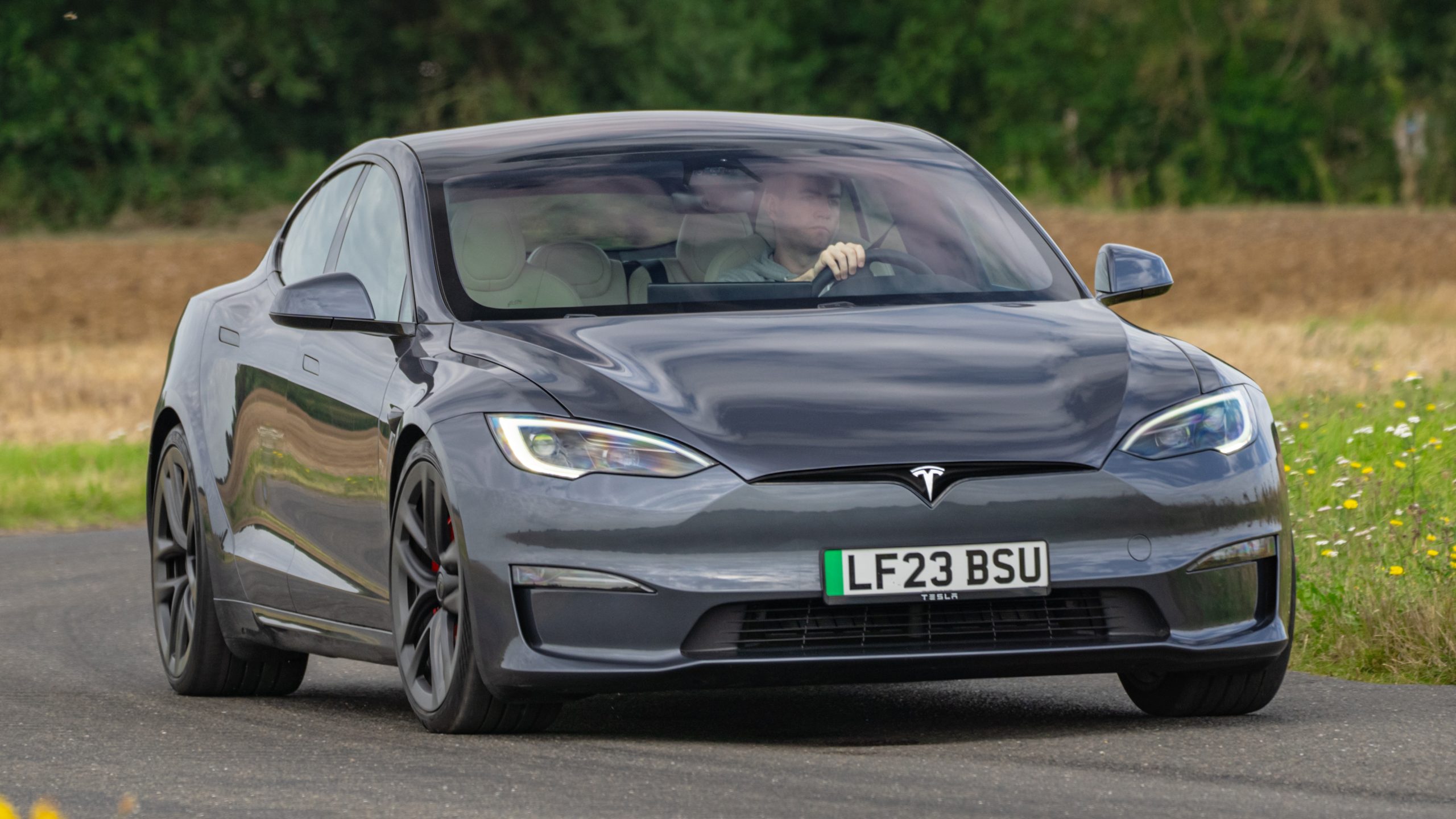
The Tesla Model S created the modern luxury electric car segment, proving that electric vehicles could combine high performance, cutting-edge technology, and long-range capability.
Before its arrival, EVs were largely seen as slow, limited-range alternatives to conventional cars. The Model S redefined these assumptions, showing that electric cars could rival traditional luxury vehicles in every measurable way.
Its long-range battery addressed one of the most common concerns about electric cars: range anxiety. With distances comparable to gasoline-powered vehicles, owners could travel longer without worry, making the car suitable for daily commuting, road trips, and long-distance driving. This innovation changed public perceptions and made electric vehicles more practical than ever before.
The Model S emphasized software and digital integration as much as hardware. Its touchscreen interface, autopilot features, and over-the-air updates redefined the automotive ownership experience.
Unlike traditional cars, it could improve over time, creating a dynamic relationship between driver and vehicle. This approach set a new standard for luxury and technology integration in automobiles.
Acceleration and performance were on par with high-end sports cars, proving that electric vehicles could be exhilarating to drive. The Model S challenged the notion that EVs were compromises for environmental reasons, instead making performance a central selling point. This combination of speed, comfort, and technology made the vehicle aspirational.
Luxury brands across the globe were forced to respond to the Tesla Model S. Traditional automakers began investing heavily in electric vehicles to remain competitive, marking the start of a significant industry-wide shift. The segment it created continues to expand rapidly, establishing electric vehicles as a serious contender in both luxury and performance markets.
Honda CR-V
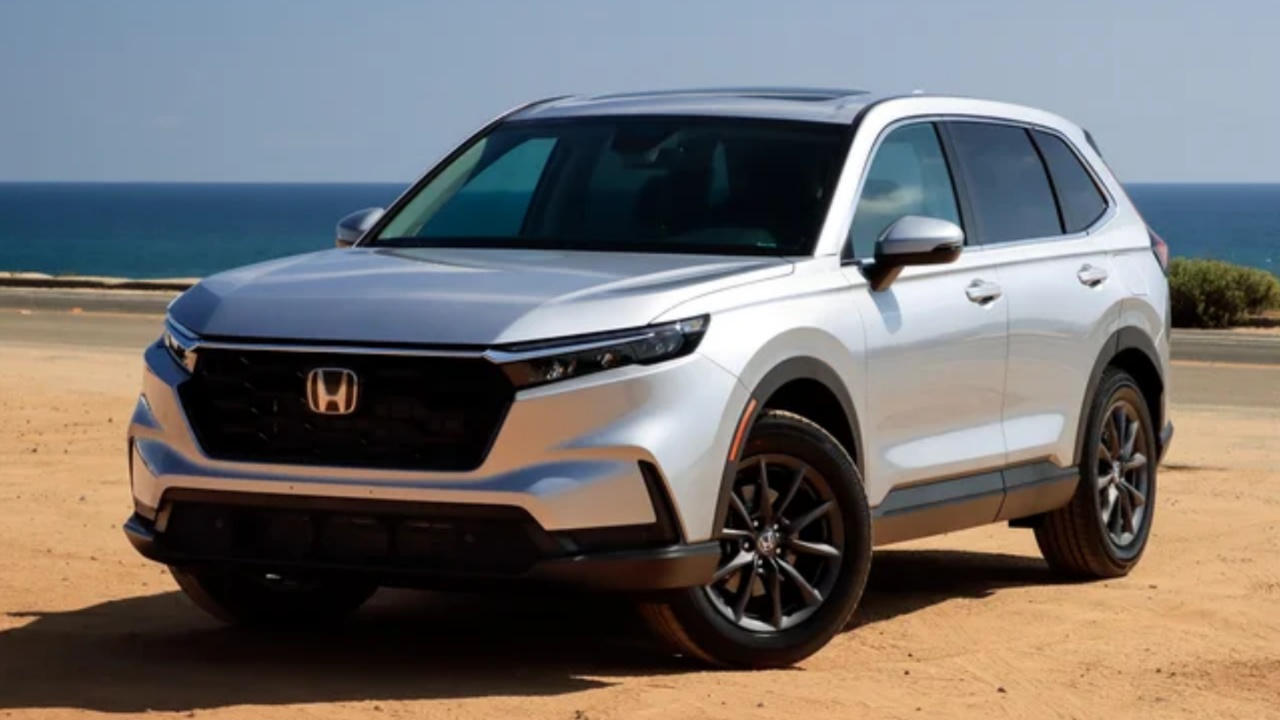
The Honda CR-V created the compact crossover segment, offering a blend of car-like comfort and SUV-like utility that had not previously existed. It appealed to buyers who wanted versatility without the size, fuel consumption, or difficulty of parking a full-size SUV. Its combination of practicality, drivability, and efficiency quickly made it a model for future crossovers worldwide.
Its unibody construction provided a smoother ride and better handling than traditional body-on-frame SUVs. At the same time, it retained enough space and cargo capacity for family use, allowing drivers to navigate both urban streets and longer trips comfortably. The CR-V showed that utility did not have to come at the cost of everyday comfort or driving dynamics.
The CR-V appealed particularly to urban and suburban families, providing a vehicle that was easy to maneuver and park yet spacious enough for shopping, commuting, and weekend activities. Its size and versatility fit modern lifestyles where flexibility and convenience were more important than towing capacity or off-road ability. This made the CR-V a practical choice for millions of drivers.
Cargo space and adaptable seating made the CR-V extremely functional. Unlike larger SUVs, it could meet most transportation needs while remaining fuel-efficient and manageable. Its popularity demonstrated that buyers valued efficiency and usability over sheer size, establishing a new baseline for small utility vehicles.
Today, compact crossovers dominate global automotive markets, and the Honda CR-V is largely responsible for popularizing this category. Its combination of practicality, efficiency, and comfort created consumer expectations that continue to shape vehicle design. Competitors have emulated its formula, confirming the CR-V’s lasting influence on the industry.
