
Japanese automakers have a long reputation for creating vehicles that blend practicality with unexpected performance potential. Through the decades, a number of models have emerged that do not immediately command attention for their power figures or price tag, but quietly surprise anyone who pushes them beyond the limits they seem to imply.
These cars, often overlooked in favor of flashier or more expensive alternatives, have turned into favorites among enthusiasts who prize usable performance and clever engineering. The concept of a “sleeper” car fits perfectly with certain Japanese models that, on the surface, look innocuous but carry a hidden edge.
They can outrun expectations, respond sharply to tuning, and handle corners with agility that belies their everyday appearance. The affordability of these vehicles, especially on the used market today, makes them attractive options for drivers who want spirited performance without breaking the bank.
Many of these cars also enjoy strong aftermarket support in their communities, lending themselves to upgrades that magnify their latent abilities while keeping ownership costs reasonable.
Some of these sleepers come from surprising roots, starting life as economy sedans or sports coupes meant for routine commuting or simple weekend enjoyment. Over time, owners and tuners uncovered strengths in their chassis, engines, and balance that transformed them into genuine performance bargains.
Even when lacking the immediate bragging rights of high horsepower figures, the way these cars deliver power and respond to driver inputs creates an engaging experience that more expensive performance cars sometimes fail to provide. Their rarity in certain markets and the fact that they were never hyped extensively upon release contribute to their sleeper status today.
Another appealing factor is the driver involvement offered by many of these Japanese models. Manual gearboxes, responsive steering, and balanced suspension configurations are common traits that reward focus and skill rather than raw speed alone. Each model in this list stands as a testament to thoughtful engineering and the joy of driving that can come from less obvious sources.
For anyone seeking a performance car that surprises on the road, not just looks the part, affordable Japanese sleepers provide excellent options. They prove that excitement and practicality can coexist, and that performance does not always need a premium price tag. Below are ten such cars that have earned their sleeper reputations by delivering far more than their modest exteriors suggest.
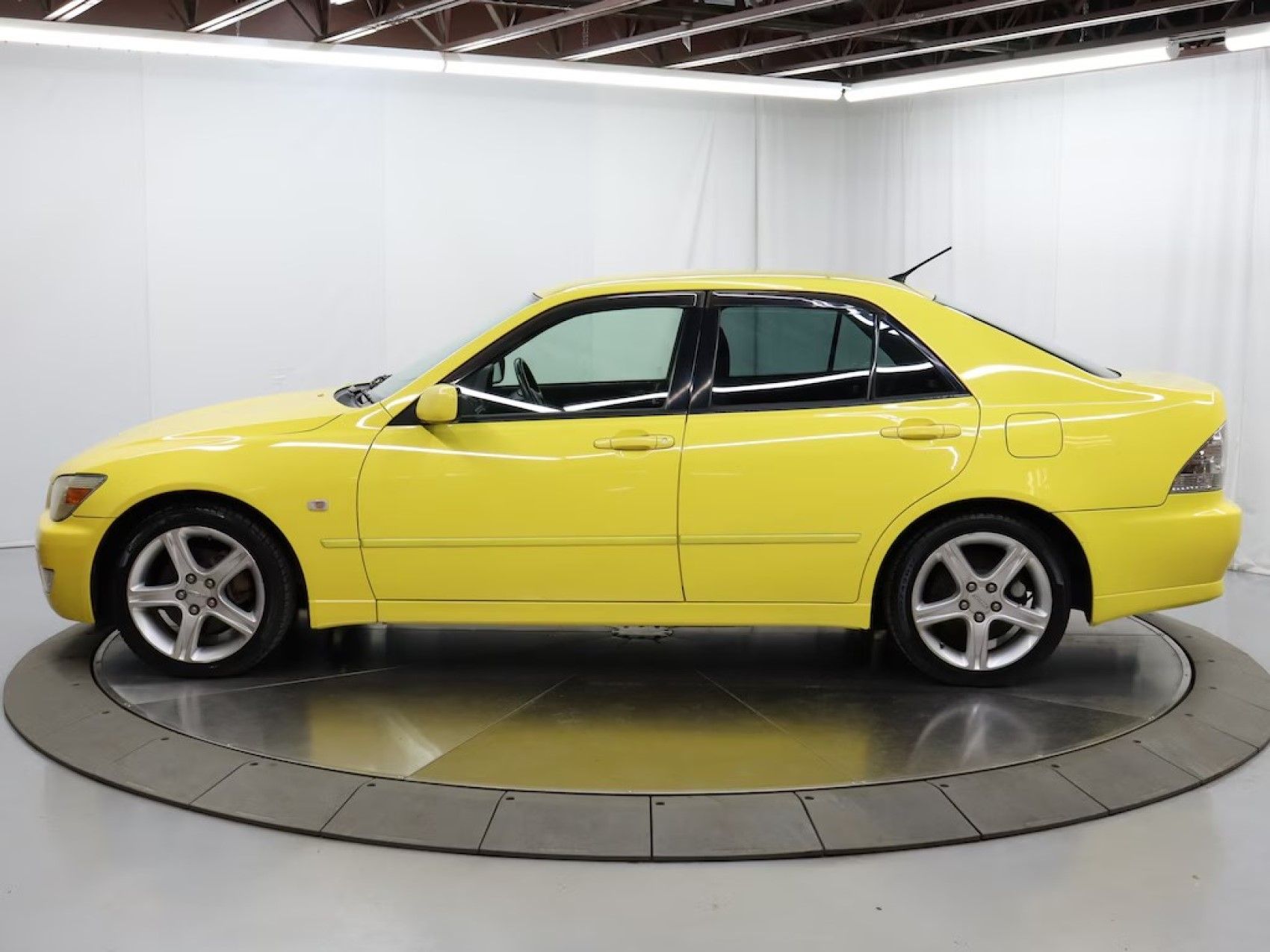
1. Toyota Altezza RS200
The Toyota Altezza RS200 was introduced as a compact sport sedan that combined sharp handling with restrained styling that did not shout about performance. It featured a responsive four-cylinder engine and a well-balanced chassis that allowed drivers to push it deeper into corners with confidence.
Enthusiasts soon realized that its engine responded well to tuning and that suspension upgrades could unlock surprising agility. The understated appearance meant that onlookers often underestimated the Altezza until it was already ahead on a winding road.
Inside, the RS200 offered quality materials and supportive seats that made spirited driving more comfortable over long distances. The rear-wheel drive layout distinguished it from many front-wheel drive competitors in its class, contributing to its sleeper credentials.
While power seemed modest on paper, the car’s weight and balance made it feel much livelier in real world driving situations. Manual transmission variants are especially sought after by enthusiasts who enjoy direct connection to the engine’s output.
Tuning support for the Altezza includes bolt-on parts that improve intake, exhaust, and suspension without requiring major engine work. Owners often report significant improvements in both acceleration and handling with relatively simple modifications.
The RS200 also handles daily commuting duties with ease, making it a practical choice for those who want both fun and functionality. Its rarity in some markets today further enhances its appeal among enthusiasts who enjoy something different from the more common sports offerings.
Overall, the Toyota Altezza RS200 earns its place on this list by blending subtle looks with dynamic capabilities and the potential for affordable upgrades that make it a rewarding car for drivers who value engagement.
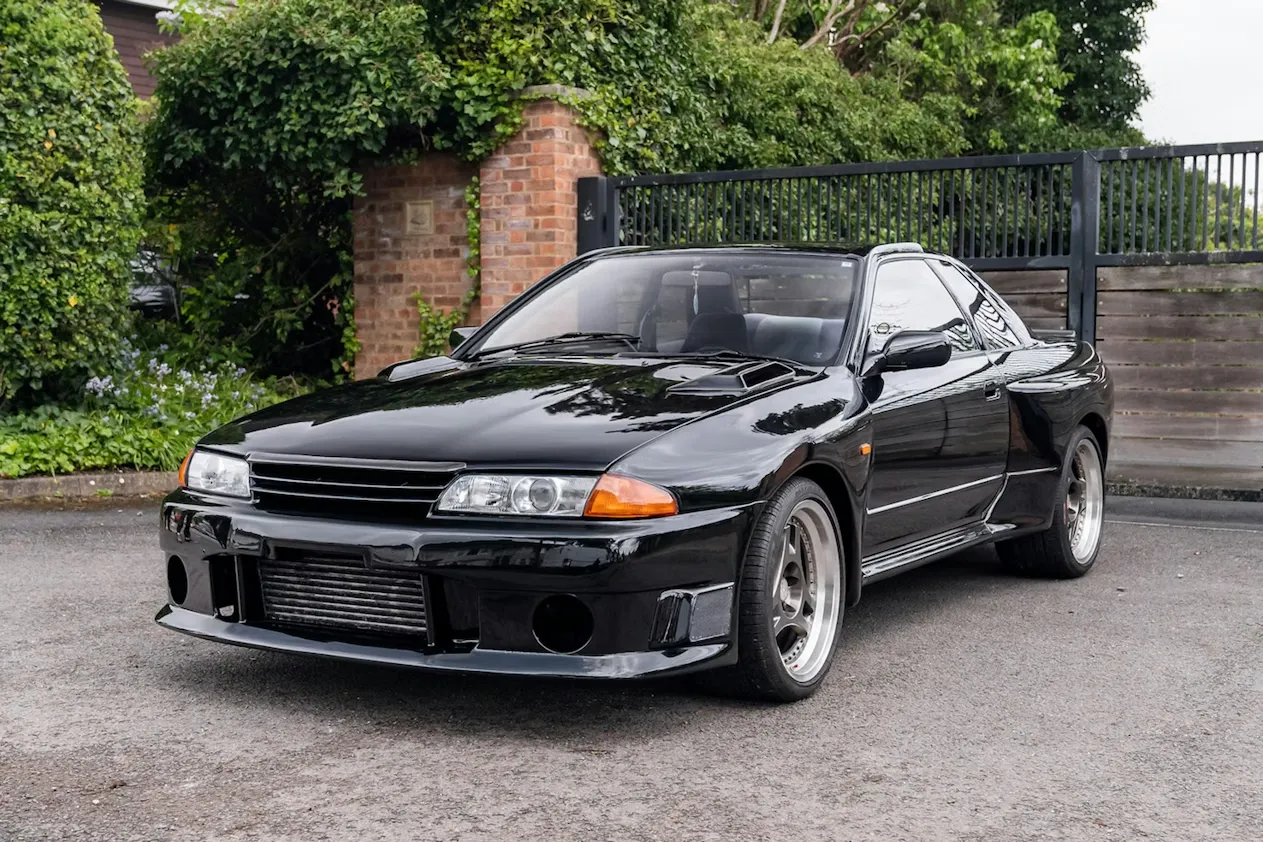
2. Nissan Skyline R32 GTS-t
The Nissan Skyline R32 GTS-t arrived with heritage that hinted at performance, yet its exterior and initial market positioning kept true speed potential underplayed. Powered by a turbocharged inline-six engine, it delivered a smooth but potent power band that responded well to bolt-on upgrades and ECU tuning.
Its all-wheel drive system provided traction confidence in many conditions, allowing drivers to exploit its performance without spinning wheels in challenging road surfaces.
Steering and suspension balance on the R32 GTS-t created a driving feel that was engaging at both low and high speeds. It was stable under abrupt changes of direction, and the chassis inspired confidence when exploring its limits.
Many enthusiasts have praised its ability to handle spirited driving as well as longer highway journeys without fatigue. The combination of turbocharged power and a compliant yet controlled suspension setup made it a sleeper favorite among drivers who prefer substance over flash.
In stock form, the car did not announce itself as a performance monster, especially compared with the higher-end Skyline GT-R variants. Yet owners discovered that relatively modest investment in tuning could yield significant gains in both power and responsiveness.
This allowed the GTS-t to punch above its weight in informal competitions and enthusiast driving events. The nature of its turbo engine made power increases accessible and predictable for those willing to explore upgrades.
Today, the Skyline R32 GTS-t remains admired for its blend of performance potential and everyday usability. It stands as a testament to Nissan’s engineering depth in an era when balance and drivability were priorities as much as outright speed. For anyone seeking an affordable Japanese sleeper with character and capability, it remains a compelling choice.
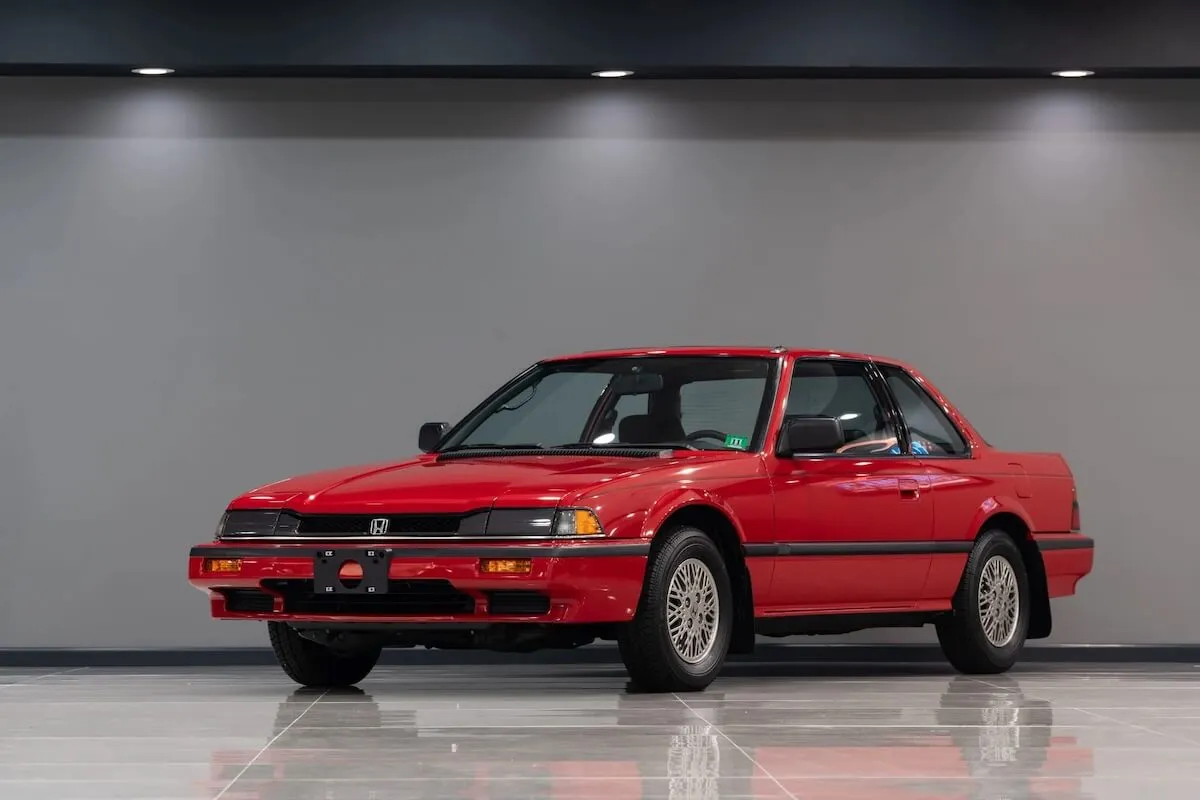
3. Honda Prelude (Fifth Generation)
The fifth generation Honda Prelude combined elegant styling with engineering focused on handling and driver involvement. Its four-cylinder engine delivered smooth power, and the car’s chassis responded eagerly to driver input. The Prelude’s four-wheel steering system, optional on some trims, improved turn-in response and stability at speed, giving it a dynamic edge over many contemporaries in similar price ranges. Its performance character was subtle but unmistakable to anyone behind the wheel.
Despite being undervalued in the broader market compared to more overt sports coupes, the Prelude garnered respect among enthusiasts for its balanced nature. Steering feel and braking performance gave drivers confidence when exploring twisting roads or engaging in autocross events.
The engine’s willingness to rev and the responsiveness of the manual gearbox made daily driving engaging rather than routine. It was a car that rewarded skillful handling without relying on big horsepower numbers.
Aftermarket support for the Prelude included performance intake and exhaust options that improved airflow and throttle response, along with suspension upgrades that sharpened handling further.
Many owners appreciate that modifications could enhance the car’s personality without compromising reliability or everyday comfort. In this way, the Prelude offered a pathway to meaningful performance enhancements without excessive expenditure.
The understated looks of the Prelude Fiver kept it from dominating enthusiast conversation in its era, but in hindsight it stands out as a refined example of dynamic engineering. Its sleeper status reflects the fact that it can outperform expectations, making it a strong choice for those seeking a fun and rewarding driving experience from an affordable Japanese vehicle.
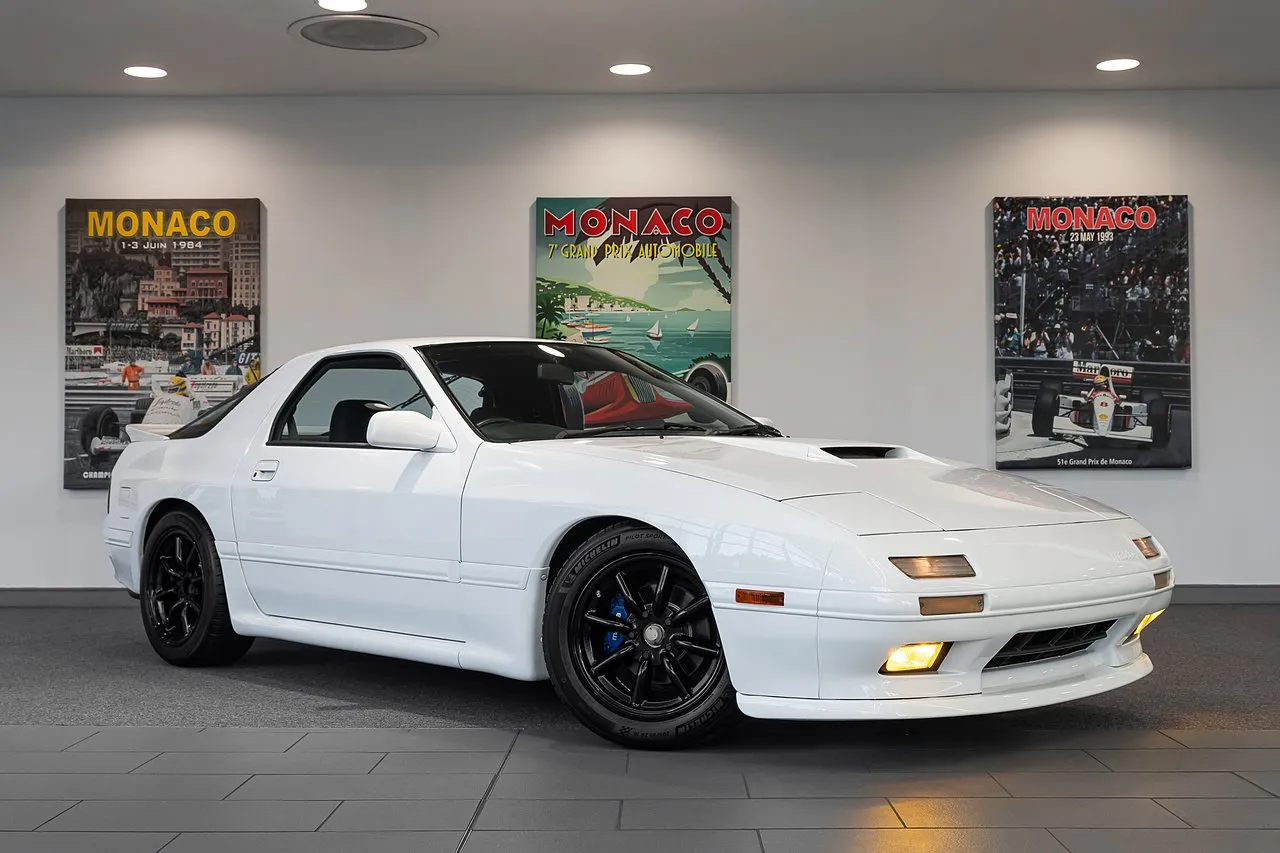
4. Mazda RX-7 FC
The Mazda RX-7 FC paired classic rotary engine character with balanced handling that made it a favorite among driving purists. Its sleek profile gave little indication of the responsive nature of the engine and chassis beneath it.
The lightweight nature of the car contributed to a lively feel that made even modest power outputs feel quick and engaging on back roads. With proper maintenance and tuning, the RX-7 FC could surprise many drivers who underestimated its potential.
Rotary engines offer unique characteristics, with smooth power delivery and high revving nature that sets them apart from piston engines. Drivers often found themselves smiling at how the car responded to throttle inputs, especially in higher rpm ranges.
Suspension geometry and weight distribution added to the sensation of agility, making the RX-7 FC feel nimble in corners and stable at speed. Many owners appreciated the balance that Mazda achieved between performance and daily usability.
Aftermarket support for the RX-7 FC included turbo upgrades and engine management enhancements that unlocked greater performance without compromising the car’s core strengths.
Chassis enhancements and brake upgrades further refined the driving experience, making it competitive in enthusiast circles where handling mattered as much as acceleration. The combination of unique engine character and rewarding handling secured the FC’s status in the sleeper pantheon.
While some may focus more on the later FD generation, the FC remains an excellent example of a car that performs well above its modest appearance. It offers a blend of engaging characteristics that continue to attract passionate owners and drivers who value more than just straight-line speed.
5. Toyota MR2 AW11
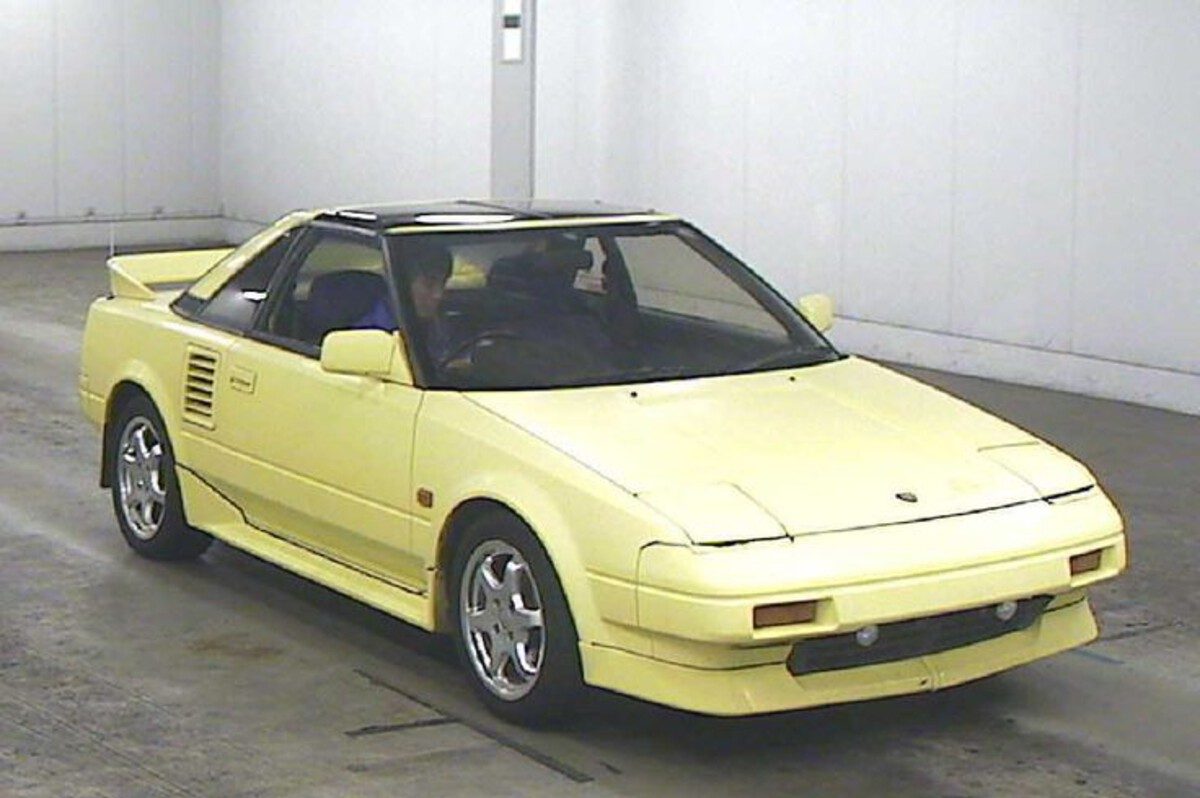
The first generation Toyota MR2 AW11 adopted a mid-engine layout that was unusual in its class and price range, giving it handling traits that belied its compact exterior.
With a responsive four-cylinder engine mounted behind the driver and ahead of the rear axle, the MR2 offered balanced weight distribution that made it eager through corners and stable at higher speeds. Steering feel and chassis feedback were strengths that rewarded attentive drivers who appreciated precision.
Its lightweight nature meant that acceleration felt brisk, and the car could surprise others who expected more conventional handling from a small coupe. Many drivers found that the MR2’s agile responses made everyday roads feel more exciting, whether navigating tight corners or cruising scenic routes. The vehicle’s layout gave it a distinctive driving character that set it apart from front-engine competitors.
Aftermarket parts for the MR2 included enhancements to intake, exhaust, and suspension that further accentuated its dynamic capabilities. Brake upgrades and chassis stiffening components were popular choices for those seeking to improve performance for track days or spirited road use. Owners often highlighted how accessible upgrades could transform the car while keeping overall costs manageable.
The MR2’s sleeper status comes from its ability to outperform expectations set by its modest engine size and unassuming looks. It remains a favorite among enthusiasts who value balance, responsiveness, and a connection to the pure elements of driving that many modern cars lack.
6. Mitsubishi Galant VR-4
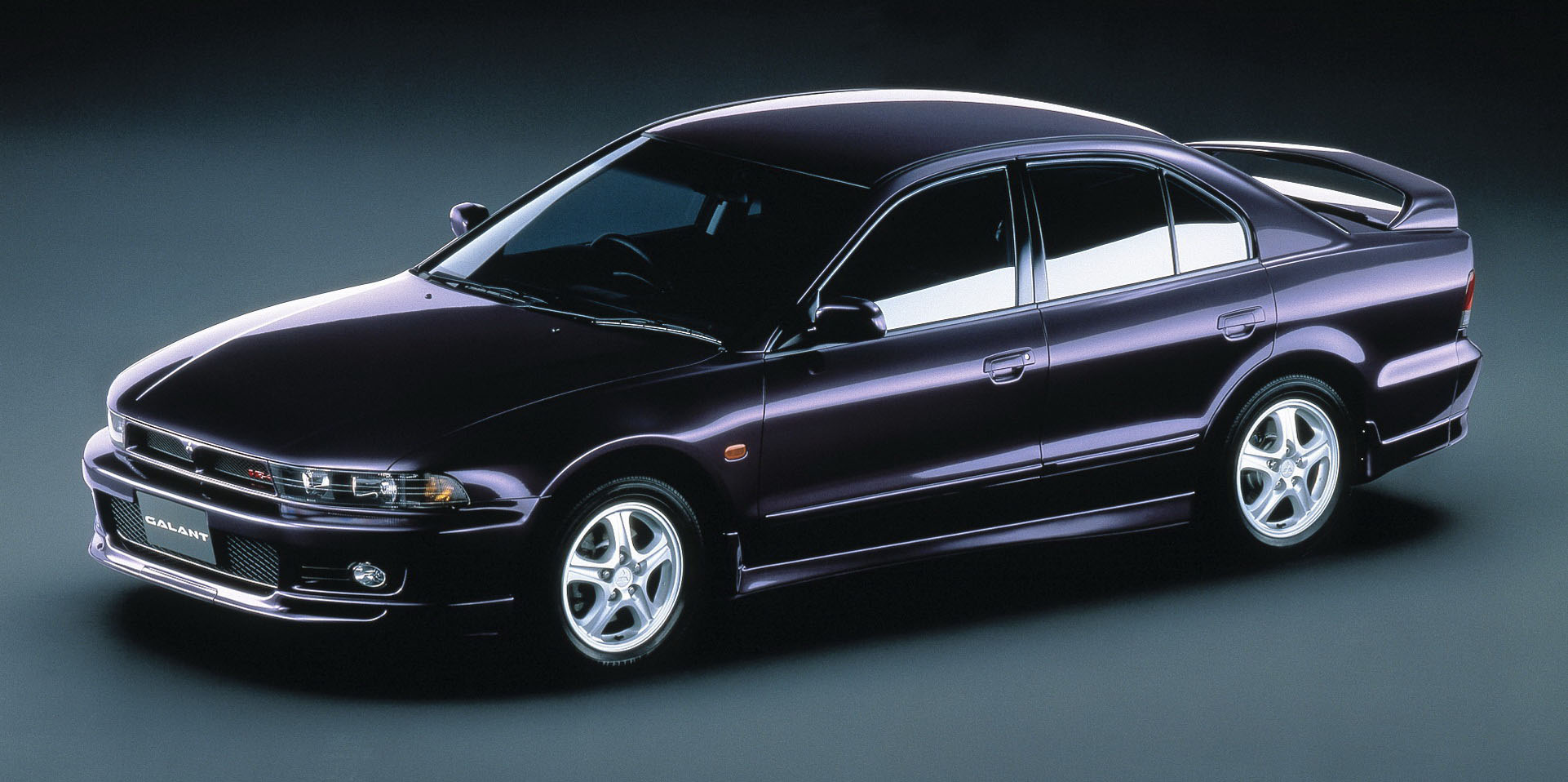
The Mitsubishi Galant VR-4 may appear on first glance to be a simple midsize sedan, but underneath it hid a turbocharged engine and all-wheel drive system that delivered confident performance.
Its understated sheet metal concealed technology that allowed it to handle variable conditions with poise, giving drivers a sense of security in both wet and dry environments. The VR-4’s practical nature made it appeal to those who wanted performance without compromising daily usability.
The turbocharged four-cylinder engine provided strong midrange torque that made acceleration feel purposeful in everyday driving and spirited runs alike. Its all-wheel drive system distributes power effectively, helping maintain traction and stability even when driven hard. The vehicle’s weight was well managed through suspension tuning that balanced comfort and control, making it enjoyable on long journeys and twisty roads alike.
Enthusiasts often tapped into tuning potential that included turbo upgrades, intercooler improvements, and engine management tweaks that elevated power output significantly.
Suspension enhancements and brake upgrades contributed to a more engaging driving experience without losing the VR-4’s practical virtues. Many owners appreciated that the car served as both a reliable daily driver and a capable performer when demanded.
In markets where it was less common, the Galant VR-4 gained a following among those who recognized its sleeper capabilities early on. Its combination of technology, performance envelope, and everyday sensibility make it a standout in the affordable sleeper category, especially for buyers who value grip and stability along with power.
7. Subaru Legacy GT
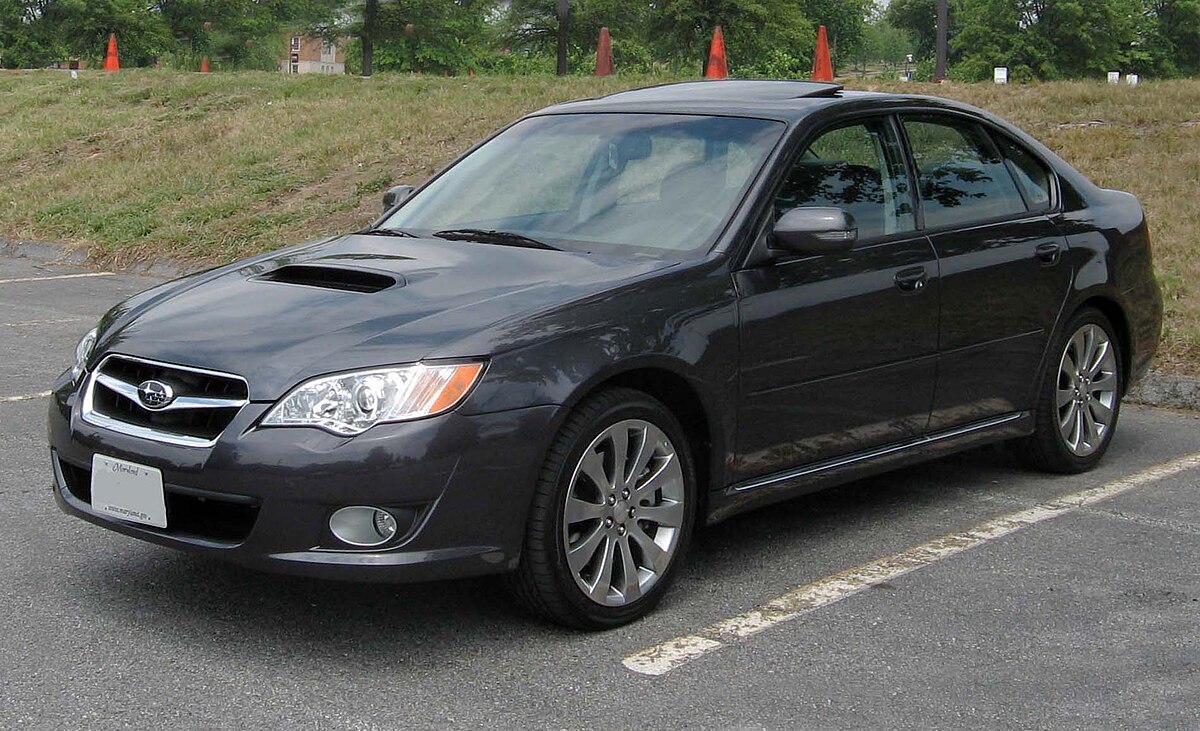
The Subaru Legacy GT provided a blend of four-door practicality and spirited performance that flew under the radar for many buyers in its era. Its turbocharged flat-four engine offered strong torque delivery, allowing the car to feel lively even in everyday traffic.
The symmetrical all-wheel drive system helped maintain traction and composure in diverse conditions, giving drivers confidence when exploring its performance envelope beyond routine driving.
Steering responses and suspension tuning created a comfortable yet engaging platform that handled highway runs and canyon roads with assurance. The Legacy GT did not rely on flashy bodywork to hint at its abilities, instead encouraging drivers to discover its strengths through direct experience. Enthusiasts appreciated the balanced chassis that could be pushed harder than its subdued appearance suggested.
Aftermarket upgrades for the Legacy GT included turbo enhancements and engine management systems that boosted power without compromising drivability.
Suspension and brake improvements further sharpened the car’s dynamic character, creating a surprising level of engagement for a vehicle that also excelled in day-to-day duties. The combination of performance potential and comfort made it a compelling choice for buyers who wanted versatility.
The sleeper nature of the Subaru Legacy GT comes from its unassuming look paired with the performance capability that only becomes obvious once driven. For those seeking an affordable Japanese car that can handle spirited driving without sacrificing practicality, it remains a compelling sleeper pick.
8. Nissan Pulsar GTI-R
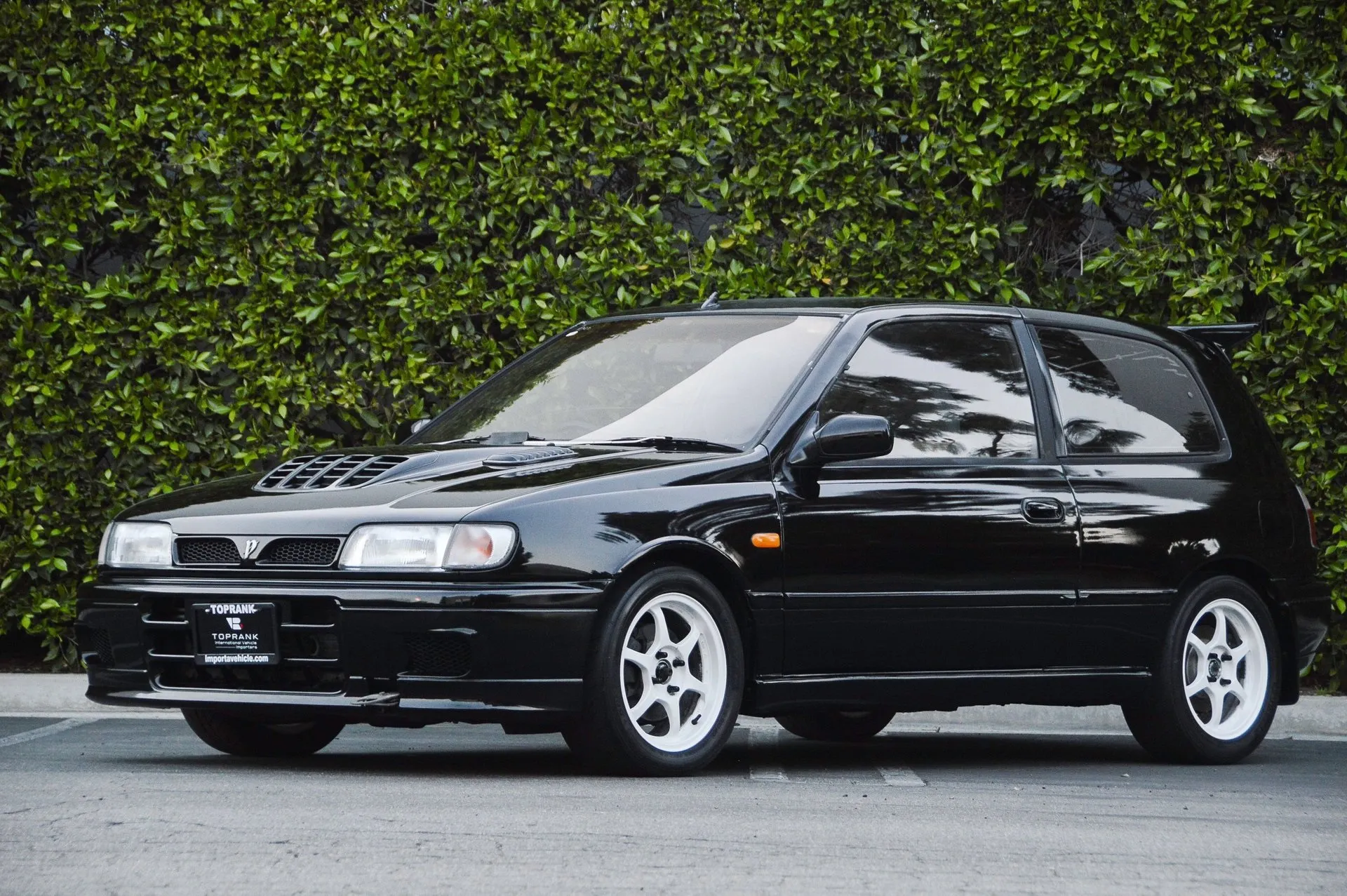
The Nissan Pulsar GTI-R was built with rally-inspired technology that included a turbocharged engine and all-wheel drive system, yet outwardly it resembled a humble compact hatchback.
Its engine delivered punchy torque and power that responded enthusiastically to tuning, while the drivetrain ensured traction that could cope with rapid speed changes. Drivers soon discovered that the GTI-R could hold its own against larger sportier cars.
Compact dimensions and responsive steering gave the car a nimbleness that made tight roads feel alive. Enthusiasts appreciated how well the chassis communicated road conditions, lending confidence when pushing the car harder than many expected of a vehicle in its class. The turbo engine’s eager nature also meant acceleration felt strong throughout the rev range.
Tuning support for the Pulsar GTI-R included options to increase turbo efficiency, improve fuel delivery, and optimize engine management, resulting in substantial performance gains. Suspension and brake enhancements further improved handling and stopping power, creating an engaging driving experience that far exceeded what its exterior might imply. The combination of rally heritage and practical hatchback proportions made it a unique proposition.
Although rarer in some regions, the GTI-R has earned a reputation as one of the most potent sleepers from Japan, with a performance envelope that rewards careful tuning and spirited driving alike.
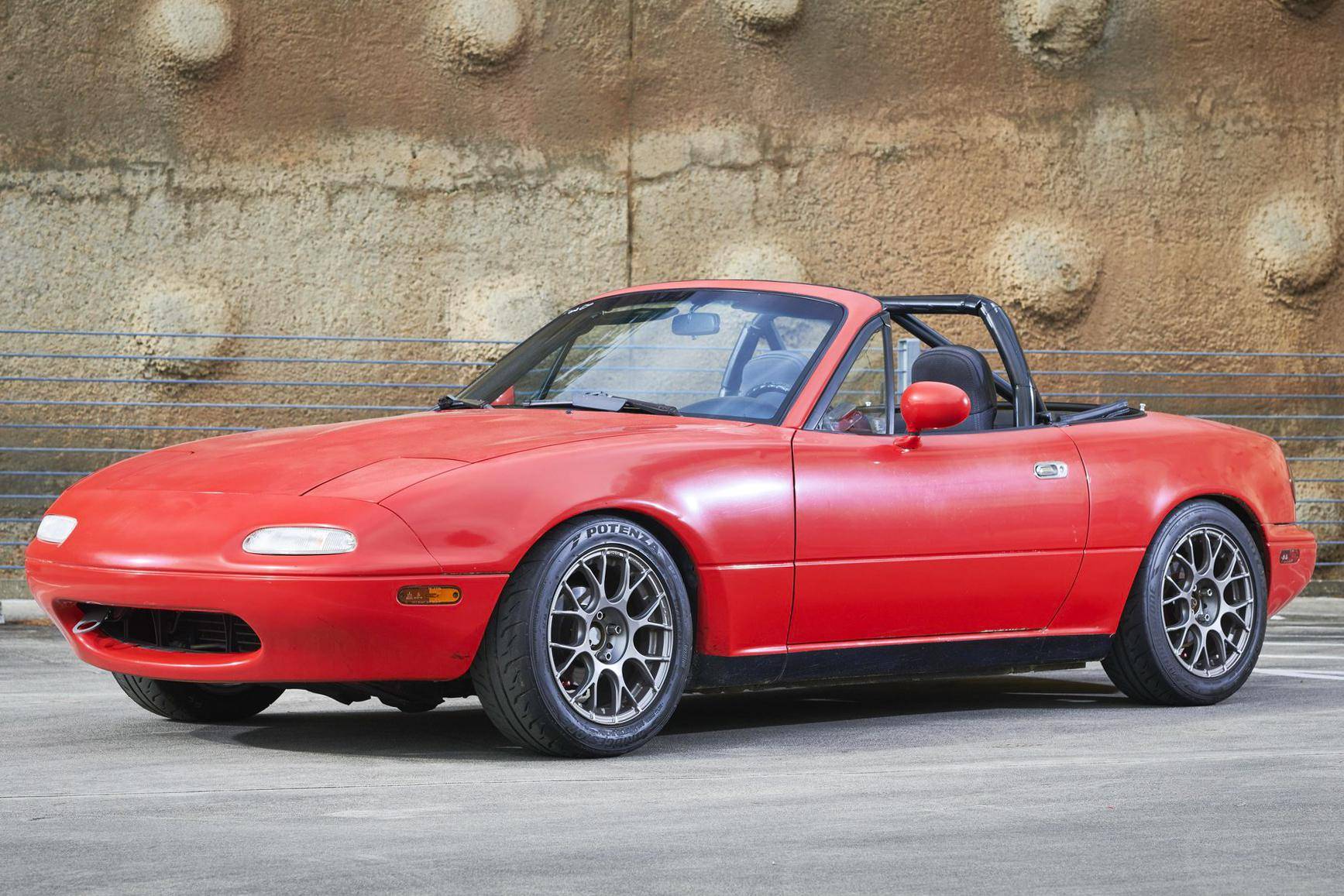
9. Mazda MX-5 Miata (NA/NB)
The Mazda MX-5 Miata models from the NA and NB generations are celebrated for lightweight balance and driver engagement. Their modest horsepower figures are offset by exceptionally low weight, making acceleration feel eager and handling sharp. Drivers often remark that the Miata feels quicker than its spec sheet suggests, owing to its agility and quick responses to steering inputs.
The car’s simple yet effective design rewarded careful cornering and smooth driving technique more than brute power. Suspension tuning and weight distribution contributed to a feel that put the driver at the center of the experience. Even stock Miatas could outmaneuver more powerful cars on twisty roads, proving that balance and feel can outperform raw figures.
Aftermarket parts abound for the Miata, enabling upgrades to brakes, suspension, and engines that further refine performance without compromising its character. Many owners chose period correct enhancements that enhanced its strengths while preserving what made the car special in the first place. The open-top experience also added to the connection between driver and machine.
The overall package of low weight, sharp handling, and engaging dynamics made the MX-5 Miata a standout sleeper in its own right, delighting drivers who value responsive handling and rewarding road manners over headline power.
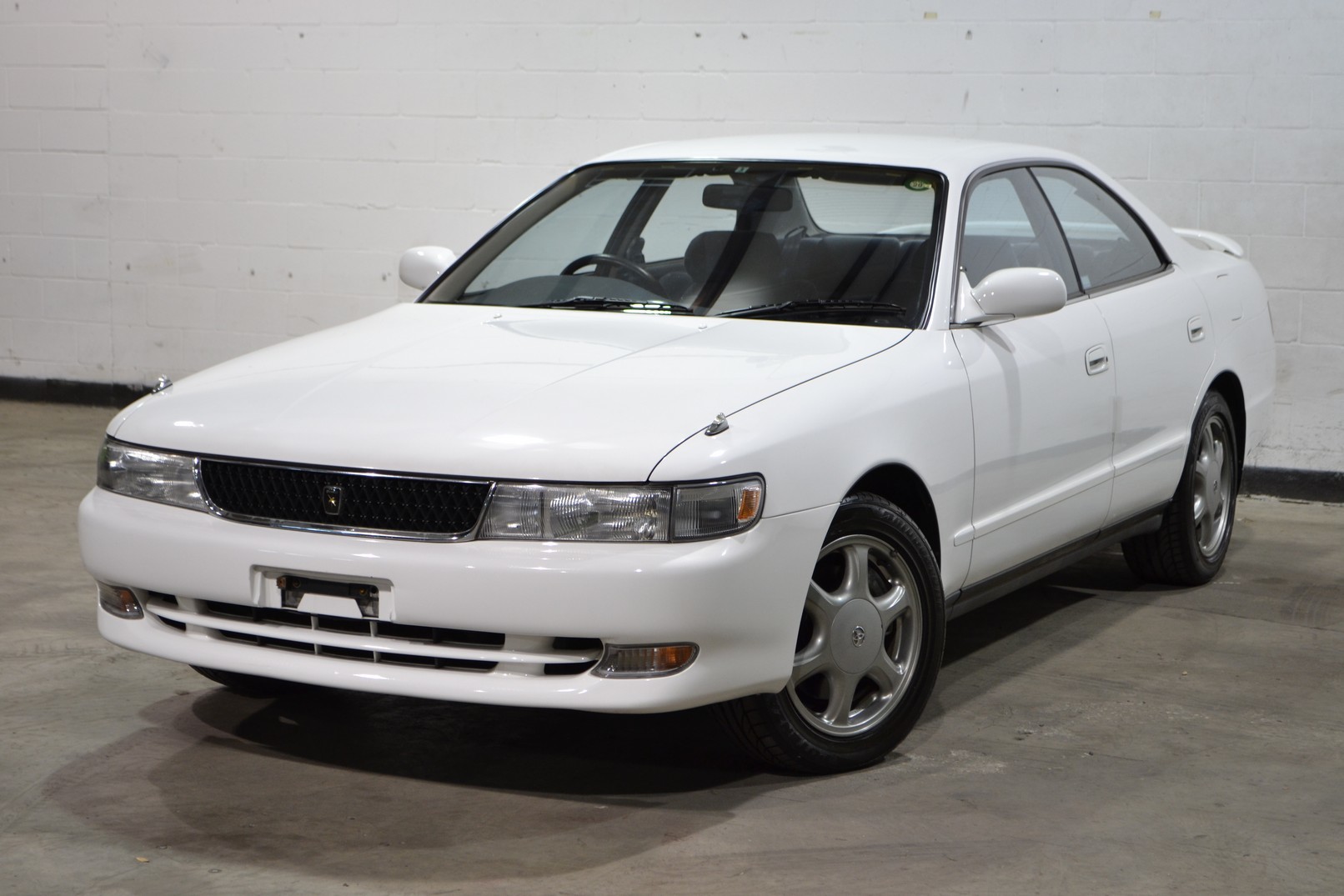
10. Toyota Chaser (X90/X100)
The Toyota Chaser, particularly in its X90 and X100 iterations, blended sedan practicality with performance capability that often went underappreciated.
With turbocharged six-cylinder engines available in certain trims, the Chaser delivered strong acceleration that was smooth and linear. Its rear-wheel drive layout and balanced chassis gave it confident handling traits rarely expected from a four-door sedan of its era.
Interior comfort and everyday usability meant that the Chaser could serve as a family vehicle and a spirited driver’s choice without compromise. Suspension tuning provided a comfortable ride on regular roads while still remaining composed when cornering. The chassis communicated road feel well, making drivers feel connected to the driving experience in a way that few competitors managed.
Owners soon realized that the Chaser responded well to tuning, with enhancements to turbo systems, exhausts, and engine management yielding noticeable gains in both power and throttle responsiveness. Brake and suspension upgrades complemented the increased performance, creating a balanced and capable package that outpaced expectations. Its sleeper status grew as enthusiasts recognized just how potent it could be with modest investment.
Today, the Toyota Chaser remains a beloved choice among those seeking a Japanese sleeper that combines daily usability with performance potential that few other sedans of its vintage can match.
