
Swapping an LS engine into a car has become one of the most popular ways to gain serious power without spending a fortune on custom builds.
The LS engine family is known for its reliability, vast aftermarket support, and relatively compact size, making it an ideal candidate for many vehicles. Enthusiasts appreciate that an LS swap can transform even an older, underpowered car into a high-performance machine capable of impressive speeds and torque.
The appeal of an LS swap is not just in raw performance; it also lies in accessibility. Parts are widely available, and many swap kits and guides are offered to simplify the process. This reduces the barrier for people who want a big improvement in performance without requiring advanced fabrication skills.
A car that can accommodate an LS engine often benefits from better handling and durability when paired with proper suspension upgrades, which can make the vehicle enjoyable on both the street and track.
Cost is a crucial factor for anyone considering a swap. Many engines in the LS family, such as the LS1, LS3, and LQ4, can be found at reasonable prices used or rebuilt.
Even the vehicles that are ideal for LS swaps themselves are often affordable, meaning the project does not need to cost a small fortune. This accessibility has encouraged a growing community of enthusiasts to take on LS swaps, sharing knowledge and solutions online, which makes the process less intimidating than it might appear at first glance.
Another reason the LS swap has gained popularity is its adaptability. The engine fits in many older domestic and even some foreign cars with only minor modifications.
With modern fuel injection, computer management, and aftermarket harnesses, these swaps are cleaner and more reliable than older carbureted setups. Additionally, the engine’s compact design allows it to fit into tight engine bays, which has opened up possibilities for swapping into cars not originally designed for large V8s.
This article will cover ten cars that are surprisingly easy and affordable to LS swap. These vehicles offer a balance of performance potential, availability, and cost-effectiveness.
By highlighting these cars, it is easier to understand why the LS swap has become a go-to modification for enthusiasts looking to build a powerful ride on a reasonable budget. Each car offers unique advantages, from lightweight frames to durable drivetrains, making them excellent candidates for anyone ready to embrace an LS-powered transformation.

1. Chevrolet Camaro (Fourth and Fifth Generation)
The Chevrolet Camaro has long been a favorite for LS swaps due to its front-engine, rear-wheel-drive layout. Its engine bay is roomy enough to accommodate most LS engines without major modifications.
The fourth and fifth-generation Camaros, in particular, offer a solid chassis and suspension components that can handle the additional power. Many enthusiasts opt for these models because parts are plentiful and reasonably priced, reducing build costs while maintaining performance potential.
The Camaro’s drivetrain is also highly adaptable. Its stock transmissions, whether automatic or manual, can often be paired with LS engines using readily available adapter kits.
This flexibility allows builders to choose from a wide variety of LS engines, from the classic LS1 to more modern LS3s or even truck-based LS options. The ease of mounting and bolting in an LS reduces fabrication time significantly, which is ideal for hobbyists who want a smooth, straightforward swap.
Another advantage of swapping an LS into a Camaro is the aftermarket support. A vast array of engine mounts, headers, and wiring harnesses are designed specifically for this combination.
This eliminates much of the guesswork that can come with custom engine swaps and ensures compatibility with modern fuel injection systems. The availability of performance parts means that the car can be upgraded incrementally, allowing for staged improvements without overspending in one area.
Weight distribution is another key consideration. While adding a V8 may seem like it could throw off handling, the Camaro’s chassis is engineered to accommodate the weight and torque of larger engines.
With minor suspension tuning and optional subframe connectors, the car can remain balanced and responsive. This makes it not only a drag-strip machine but also capable of handling spirited road driving or autocross events.
Finally, the Camaro holds its value well among enthusiasts. Even a used model purchased for a swap project can appreciate once the LS engine is installed and performance upgrades are applied.
This combination of affordability, compatibility, and aftermarket support makes the Camaro a reliable and practical choice for anyone looking to perform an LS swap without breaking the bank. Its versatility ensures that it remains a top contender in the list of easy LS swap candidates.
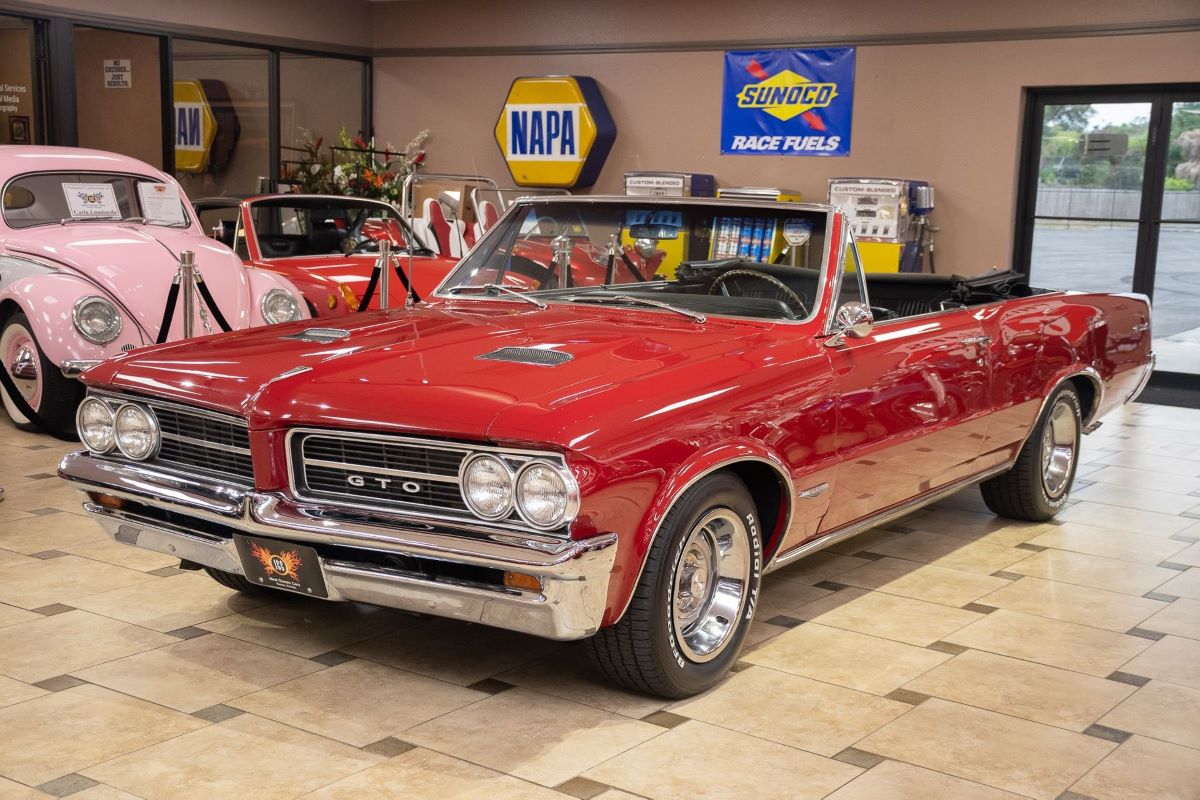
2. Pontiac GTO (2004–2006)
The Pontiac GTO, especially the fourth-generation models, is a sleeper car that lends itself well to LS swaps. Its original LS1 engine provides a perfect fit, meaning enthusiasts can swap in a more powerful LS variant with minimal fabrication.
The engine bay is wide enough to accommodate headers and aftermarket intakes, and the layout is compatible with common LS engine mounts. This reduces installation complexity, making it a favorite among budget-conscious builders.
One of the GTO’s strengths is its drivetrain. The stock manual and automatic transmissions are capable of handling the torque from larger LS engines, which means builders often retain these components to save money.
Adapter kits are widely available, allowing compatibility with newer LS engines or even truck-based LS variants. This flexibility opens up possibilities for staged power increases over time, which appeals to those who want a build that grows with experience and budget.
The GTO also benefits from aftermarket support geared specifically toward LS swaps. Engine management systems, wiring harnesses, and cooling upgrades are readily available, streamlining the conversion process.
Builders do not need to fabricate custom mounts or modify firewall structures extensively, which lowers both cost and labor time. Performance parts can also be added incrementally, from exhaust upgrades to suspension tweaks, ensuring that the car’s handling keeps up with increased power.
Chassis balance is another reason the GTO performs well post-swap. The original suspension geometry and weight distribution are well-suited for the added power of an LS engine. Minor upgrades, such as sway bars or subframe connectors, can further improve handling without major modifications. This ensures the car remains enjoyable on both street and track while maintaining structural integrity.
Finally, the Pontiac GTO is often undervalued in the used market. This makes it possible to acquire a project car at a low price, which offsets the cost of the LS engine and parts. When combined with the relatively easy swap process and robust aftermarket support, the GTO becomes a practical and cost-effective choice for anyone looking to build a powerful LS-powered car without excessive expense.
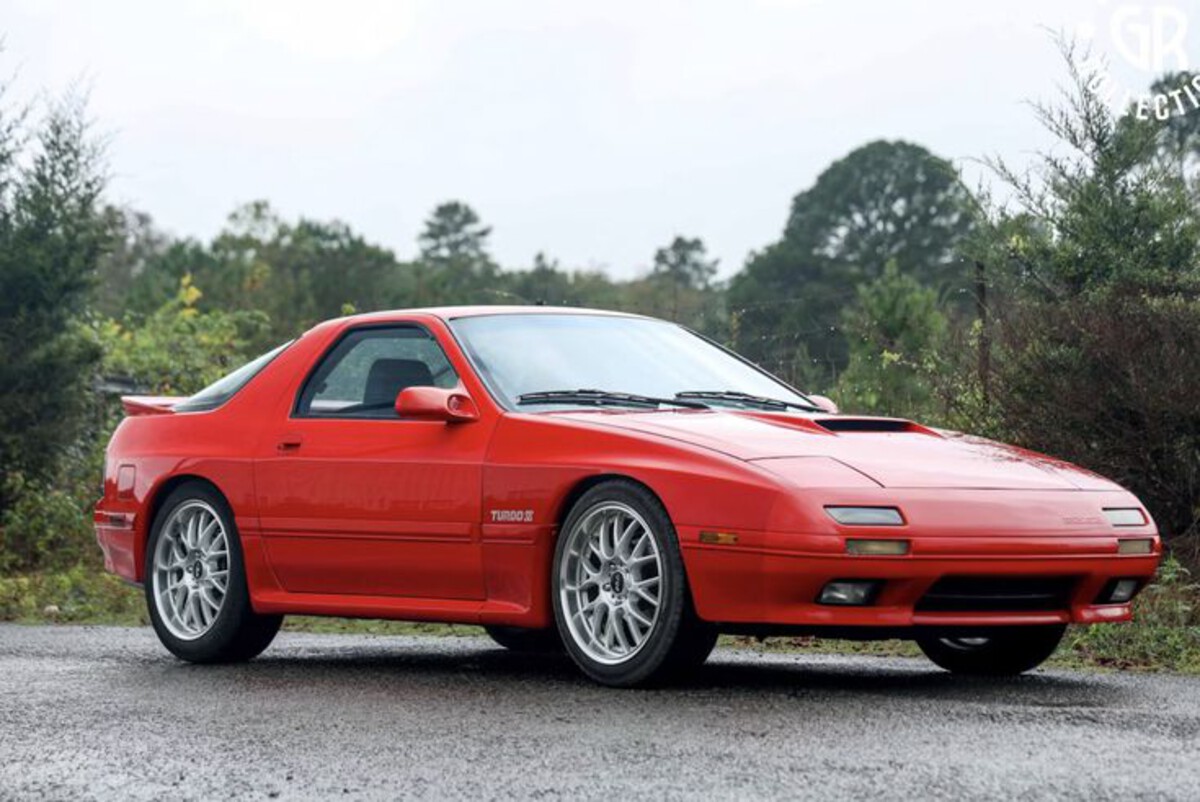
3. Mazda RX-7 (Second and Third Generation)
Although the Mazda RX-7 is known for its rotary engines, it has become a popular platform for LS swaps because of its lightweight frame. Swapping an LS engine transforms the car into a reliable high-horsepower machine while retaining the nimble handling the RX-7 is famous for.
The engine bay requires some modification, but pre-made LS swap kits are available to simplify mounting, wiring, and cooling. This combination of light chassis and strong engine potential makes it ideal for affordable swaps.
The transmission is another key factor in RX-7 LS builds. Many enthusiasts choose to mate the LS engine with a compatible rear-wheel-drive transmission using adapter kits.
This allows them to retain the car’s rear-drive layout while handling significantly higher torque than the stock rotary could manage. It also opens up the possibility of using stronger aftermarket gearsets, ensuring the driveline survives the power increase.
Cooling and wiring are common concerns in LS RX-7 swaps. Fortunately, aftermarket solutions exist for radiator relocation, fan integration, and engine management.
These solutions reduce the need for custom fabrication and ensure the LS engine runs reliably. Harnesses are designed to interface with the RX-7 chassis without major modifications, which saves both time and money during installation.
Weight distribution is a critical consideration for the RX-7, as the LS engine is heavier than the stock rotary. Builders often install suspension upgrades, such as coilovers and subframe bracing, to maintain the car’s balance and handling characteristics. This ensures that even with a heavier engine, the car remains agile and fun to drive while producing substantial power gains.
The RX-7 LS swap also carries strong community support. Online forums and build guides provide detailed instructions, parts recommendations, and troubleshooting tips. This makes the process approachable for both beginners and experienced builders, increasing the success rate of the swap. Its combination of lightweight design, aftermarket availability, and affordability keeps it high on the list of LS swap candidates.
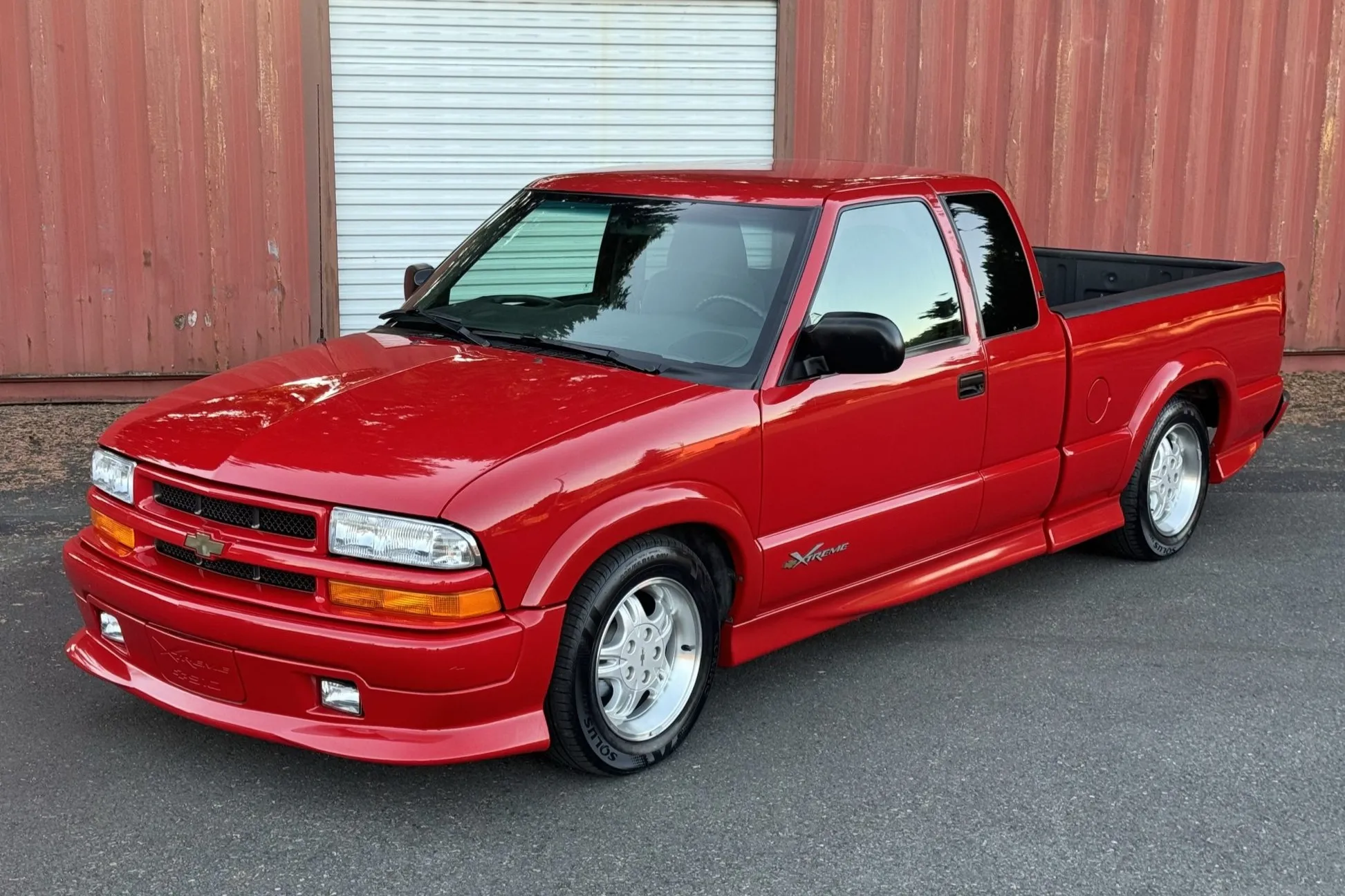
4. Chevrolet S-10
The Chevrolet S-10 is a small pickup truck that has proven to be an unexpectedly easy LS swap candidate. Its engine bay is large, and the chassis is sturdy enough to handle the added weight and power of an LS engine.
Many truck enthusiasts use the S-10 for budget builds because the stock suspension and drivetrain can handle significant horsepower. Adapter kits for mounts, wiring, and cooling are widely available, simplifying the process and reducing project costs.
Drivetrain compatibility is another advantage of the S-10. Its rear-wheel-drive layout allows for smooth integration of LS engines with manual or automatic transmissions.
Some builds even incorporate transmissions from later trucks to improve reliability and gear ratios for higher power outputs. The simplicity of the rear-wheel-drive platform makes it a straightforward project for both street and track-oriented builds.
Aftermarket support for S-10 LS swaps is extensive. Engine mounts, headers, fuel systems, and wiring kits are available specifically for this combination, reducing the need for fabrication.
Cooling kits, radiator relocations, and intake solutions ensure the engine remains reliable under high-performance conditions. Builders can take advantage of this support to complete swaps efficiently and cost-effectively.
Suspension modifications are often minimal but necessary to accommodate increased weight and power. Upgraded shocks, sway bars, and bushings help maintain handling stability.
The truck’s frame is also capable of supporting heavier rear tires for traction, allowing builders to maximize power without compromising drivability. This makes it a versatile platform for both performance and practical daily driving.
Finally, the S-10’s affordability makes it accessible to a wide range of builders. The trucks are often inexpensive on the used market, meaning the bulk of the budget can go toward the LS engine and supporting modifications. Its combination of availability, ease of installation, and performance potential makes the S-10 an ideal candidate for a low-cost LS swap project.
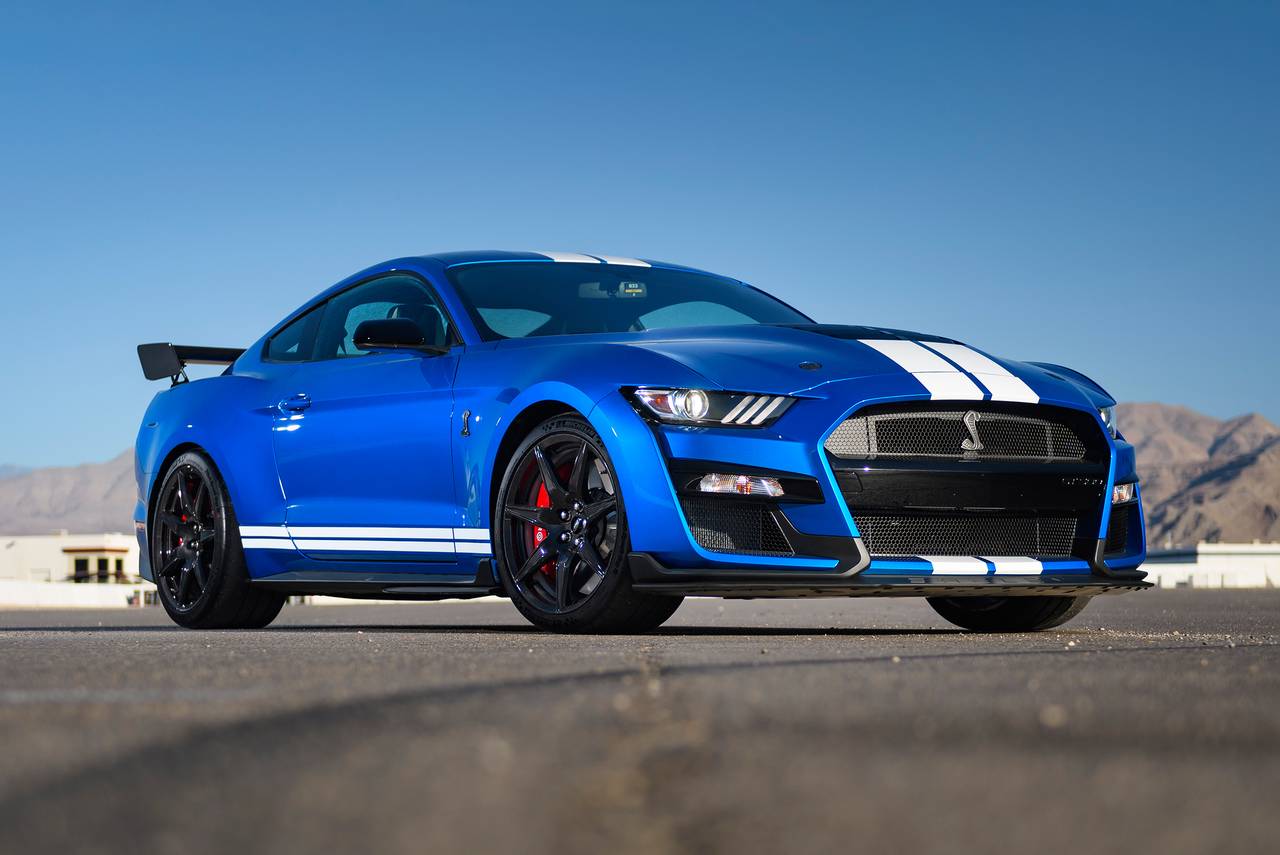
5. Ford Mustang (Fox Body)
The Fox-body Ford Mustang has long been a favorite among performance enthusiasts due to its lightweight chassis and rear-wheel-drive configuration. While originally equipped with V8 engines, swapping in an LS engine offers a significant boost in reliability and aftermarket options.
The engine bay is compatible with many LS variants, and mounting kits are widely available, which reduces fabrication and installation costs. This makes the Fox-body Mustang an ideal platform for affordable LS builds.
Transmission pairing is straightforward in the Mustang. Many builds retain the stock manual or automatic gearbox, as adapter kits ensure compatibility with the LS engine.
This flexibility allows for power upgrades without requiring an entirely new drivetrain. Builders also appreciate the availability of reinforced axles and limited-slip differentials to handle the increased torque.
Aftermarket support for LS-swapped Fox-body Mustangs is extensive. Headers, wiring harnesses, engine mounts, and cooling solutions are all readily available.
These parts allow builders to create reliable, high-performance vehicles without custom fabrication. Incremental upgrades are also easy to implement, letting enthusiasts fine-tune their builds as power demands increase.
Weight distribution and chassis rigidity are favorable in Fox-body Mustangs. Minor suspension upgrades such as coilovers, sway bars, and subframe connectors can improve handling to match the increased power. The lightweight frame combined with a reliable LS engine results in a car that is both fast and responsive, suitable for street, drag, or track use.
The Fox-body Mustang is also extremely budget-friendly. Low-cost used examples are abundant, and the high level of community support makes troubleshooting swaps simple. Combining affordability, ease of installation, and performance potential makes the Fox-body Mustang a top choice for anyone considering a practical LS swap.
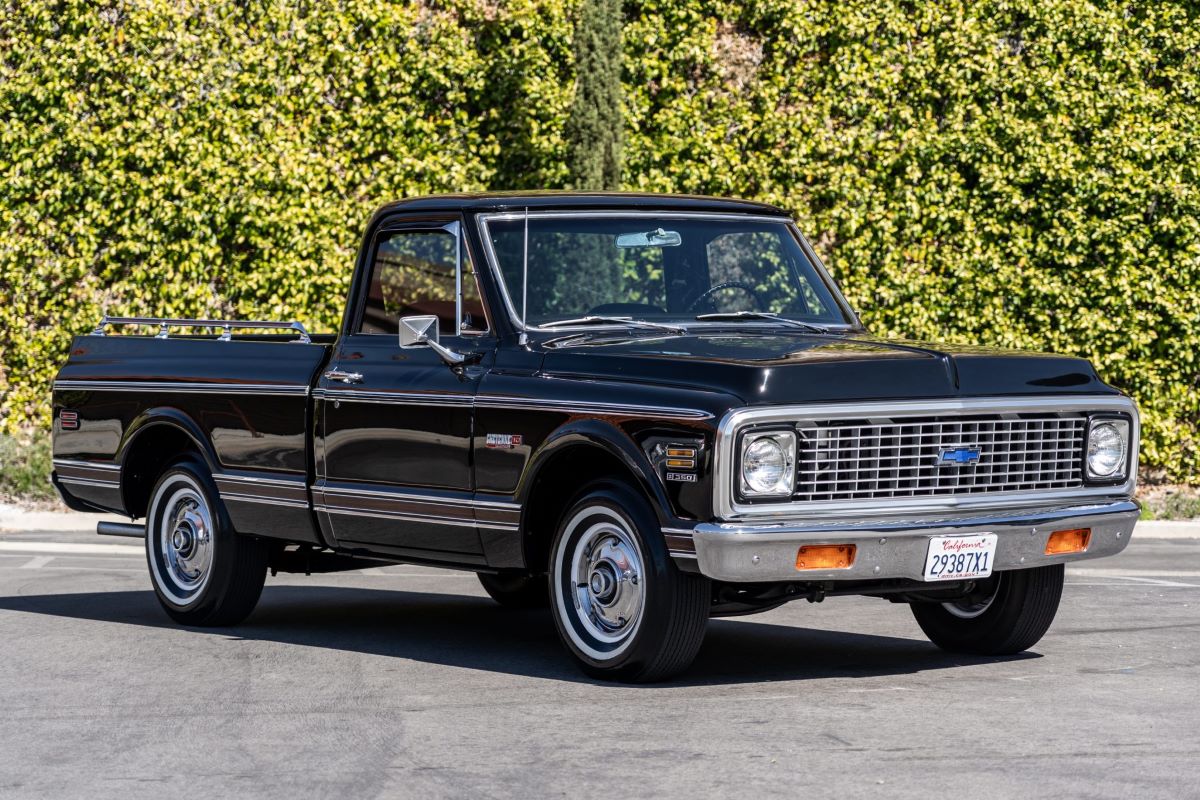
6. Chevrolet C10 (Classic Pickup)
The Chevrolet C10 pickup is one of the most iconic platforms for LS swaps, especially among classic truck enthusiasts. Its large engine bay easily accommodates LS engines, and the simple chassis design makes installation straightforward.
Many builders choose early-model C10s because their frames are durable, and the bolt-on nature of LS kits reduces fabrication time. This makes it possible to create a high-power truck without overspending on labor or custom parts.
Transmission options for the C10 are highly flexible. Many swaps retain the stock manual or automatic transmission, while adapter kits allow pairing with newer LS-compatible gearboxes.
The rear-wheel-drive setup simplifies drivetrain integration, and the solid axle rear ensures durability under high torque. Builders also appreciate the variety of transmission options available for matching performance goals to budget constraints.
Aftermarket support is extensive for LS-swapped C10s. Engine mounts, headers, fuel systems, and wiring harnesses are readily available, making the swap process more predictable and less labor-intensive. Cooling systems can be upgraded without major modifications, and intake and exhaust solutions are easy to source. These options allow enthusiasts to complete a reliable, streetable, or track-capable truck.
Chassis and suspension upgrades are common but simple. Coilovers, upgraded control arms, and subframe connectors help manage the additional weight and torque of the LS engine. Proper suspension tuning also enhances handling and ensures that the C10 can maintain a balanced feel despite its increased performance. This makes it practical for everyday use or weekend track sessions.
Finally, the C10’s affordability makes it an attractive project platform. Classic models are often inexpensive compared to other vintage vehicles, leaving more of the budget for engine and performance upgrades. Combined with easy LS compatibility and extensive aftermarket support, the C10 remains one of the most practical and iconic trucks for an LS swap without breaking the bank.
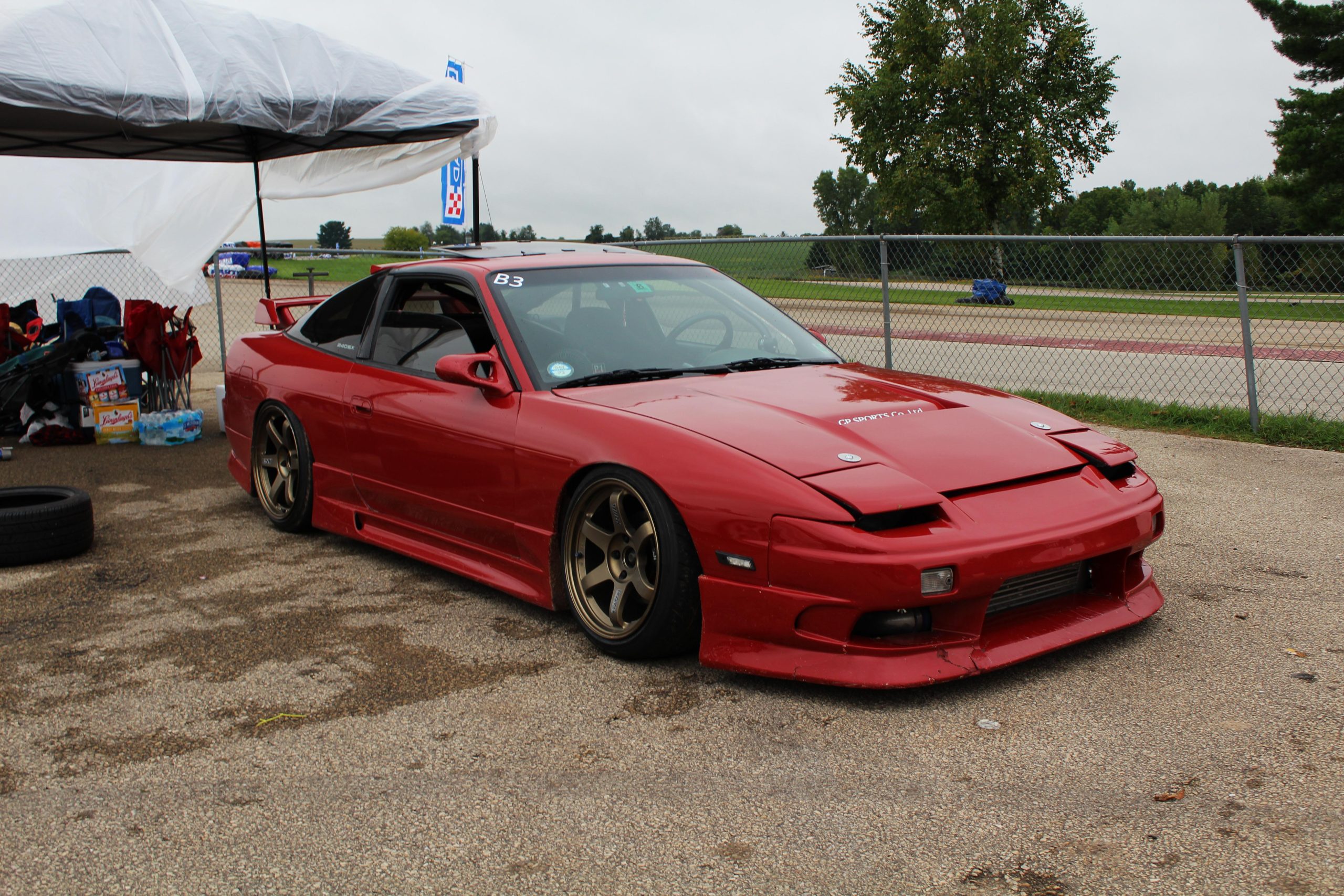
7. Nissan 240SX (S13/S14)
The Nissan 240SX is a lightweight, rear-wheel-drive platform that has become extremely popular for LS swaps among tuners. While originally designed for four-cylinder engines, the chassis can handle the weight and power of an LS with proper mounts and suspension modifications.
Swap kits for S13 and S14 models simplify engine placement, wiring, and cooling, making this a feasible project for hobbyists looking for high power without complex fabrication.
Transmission selection is straightforward with the 240SX. Builders often pair the LS engine with aftermarket transmissions or retain the stock gearbox using adapter kits. This allows for strong driveline compatibility while supporting higher torque outputs. Additionally, many reinforced driveline components are available to prevent failure under high horsepower, ensuring the car remains reliable.
Aftermarket support for LS-swapped 240SXs is growing rapidly. Engine mounts, headers, fuel systems, and wiring harnesses can be sourced from multiple suppliers. Cooling and intake solutions are also well documented, reducing the need for custom fabrication. The large community of 240SX LS builders provides detailed guides and troubleshooting tips, which is invaluable for first-time swap enthusiasts.
Handling upgrades are key to maintaining the 240SX’s agility post-swap. Coilovers, upgraded bushings, and sway bars help manage the additional weight of the LS engine while preserving the car’s natural balance. With careful tuning, the car retains nimble cornering abilities, making it a capable street or track machine despite its increased engine size.
The 240SX is also an affordable entry point for LS swaps. Older models can be purchased inexpensively, allowing builders to dedicate more of their budget to the LS engine and performance parts. The combination of light chassis, rear-wheel-drive layout, and swap-friendly support keeps the 240SX high on the list for budget-conscious LS enthusiasts.
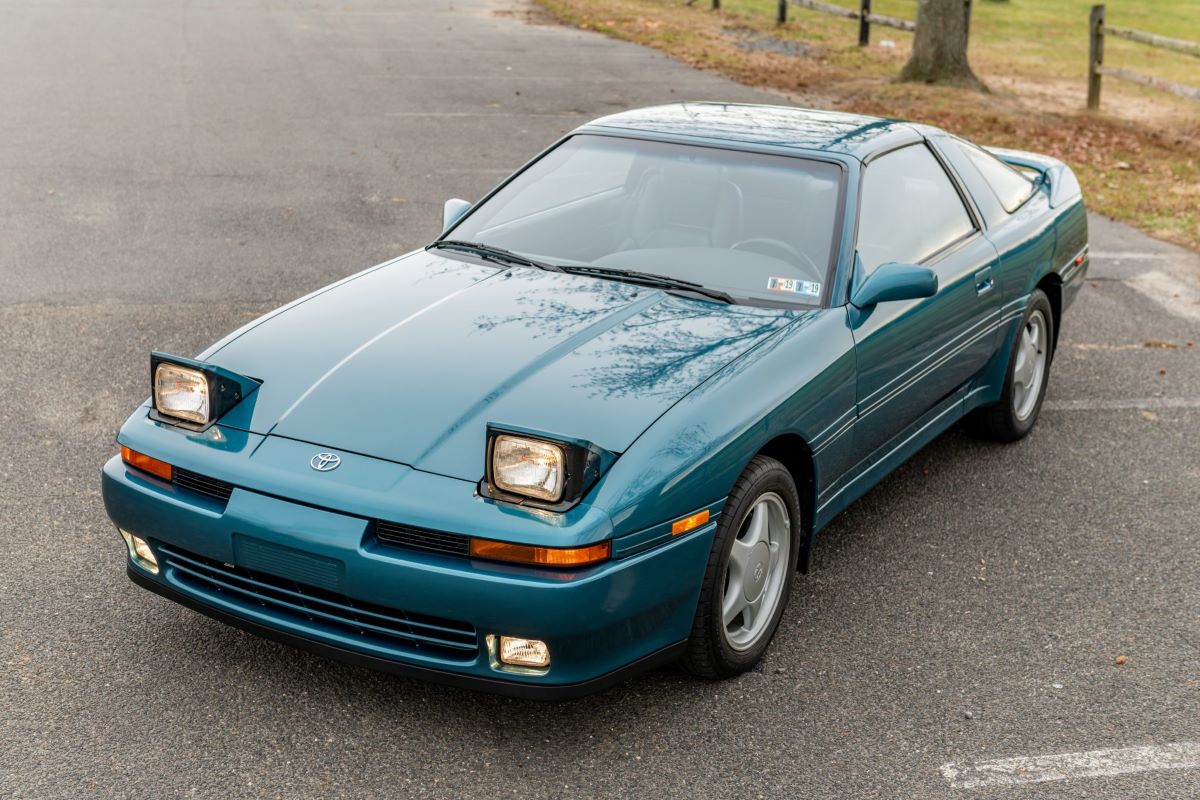
8. Toyota Supra (Mark III)
The third-generation Toyota Supra, or MK3, has become an interesting platform for LS swaps due to its solid chassis and roomy engine bay. While the car originally came with inline-six or turbocharged engines, the LS family offers significantly more torque and reliability.
Swap kits for the MK3 are increasingly available, making it possible to install the engine without extensive fabrication. This accessibility allows enthusiasts to maximize performance while minimizing project complexity.
Transmission compatibility is a advantage for Supra LS builds. Adapter kits allow the use of stock manual or automatic transmissions, while aftermarket solutions enable stronger gearboxes capable of handling higher horsepower.
The rear-wheel-drive layout simplifies power delivery and ensures the car remains well-balanced after the swap. Builders can select transmission combinations that match both performance goals and budget.
Extensive aftermarket parts exist to make the swap smoother. Mounts, headers, fuel systems, wiring harnesses, and cooling upgrades are readily available, which reduces installation challenges.
Intake and exhaust options are well documented, allowing the car to maintain reliability while producing significantly more power than the stock configuration. This support also shortens the learning curve for enthusiasts attempting their first LS swap.
Chassis and suspension tuning are essential for handling the increased weight and torque. Upgraded shocks, sway bars, and subframe reinforcements help preserve the Supra’s legendary handling characteristics.
With careful adjustment, the car remains capable of cornering at high speeds while delivering impressive straight-line acceleration. These modifications make the LS-powered MK3 Supra competitive for both street and track use.
Finally, the MK3 Supra is moderately affordable compared to later models. Lower acquisition costs leave more budget for performance upgrades and engine selection. Its lightweight chassis, robust aftermarket support, and swap-friendly layout make it a surprisingly practical option for those seeking an LS-powered Japanese sports car without excessive expense.
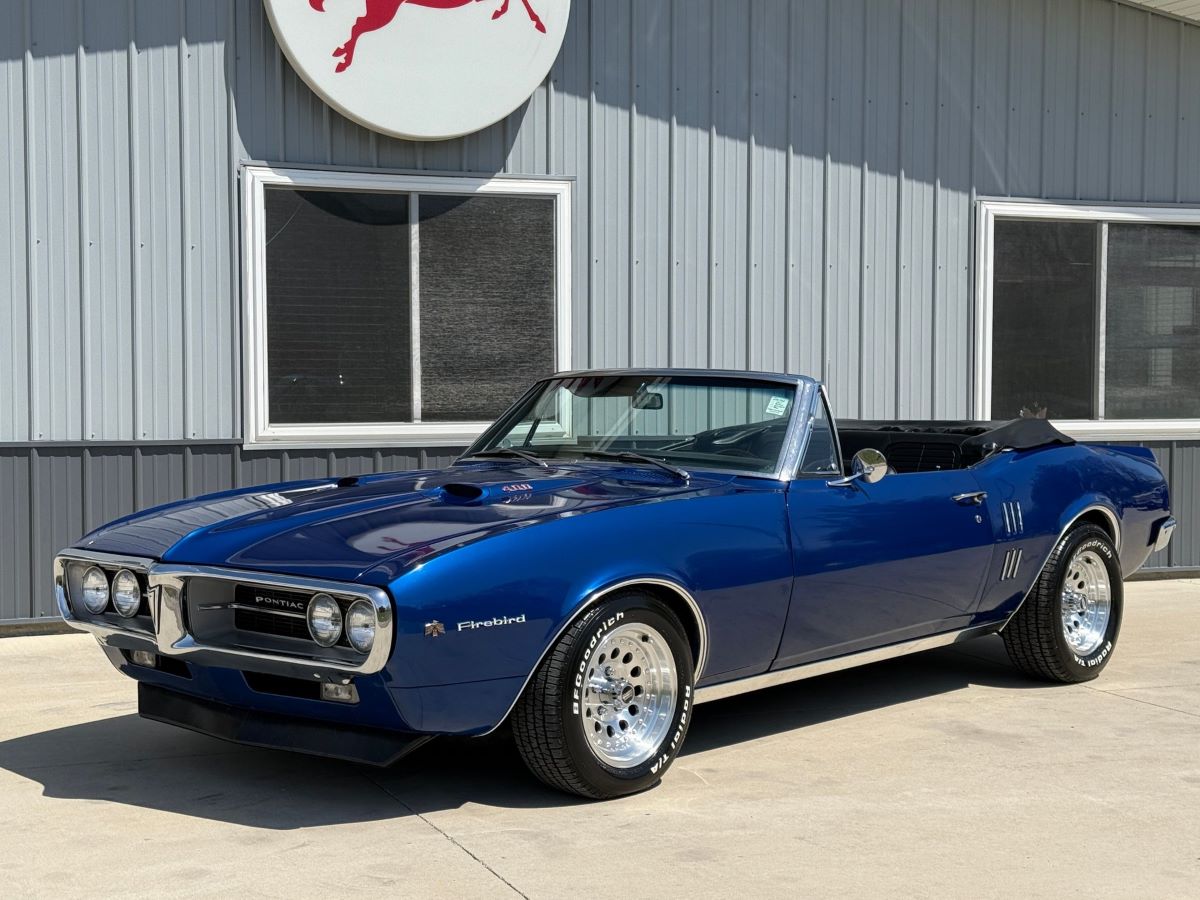
9. Pontiac Firebird/Trans Am
The Pontiac Firebird, particularly the fourth-generation models, is a classic American muscle car ideal for LS swaps. Its front-engine, rear-wheel-drive design allows most LS engines to fit with minimal modifications.
The engine bay is spacious, making it compatible with headers, intake, and cooling systems from aftermarket suppliers. This reduces fabrication costs and time, making the swap approachable for enthusiasts on a budget.
Transmission choices are flexible in the Firebird platform. Adapter kits allow the LS engine to pair with both stock and aftermarket transmissions, whether manual or automatic. The solid rear differential can handle the added torque, and upgraded axles are available if desired. This combination ensures that the car remains reliable and drivable under high-performance conditions.
Aftermarket support for LS-swapped Firebirds is extensive. Engine mounts, wiring harnesses, fuel systems, and cooling components are widely available, simplifying installation. Headers and exhaust solutions are well-documented, which allows builders to maintain efficiency and performance. The wealth of resources makes troubleshooting easier, reducing project stress for first-time swap builders.
Chassis improvements are recommended but not mandatory. Upgrades to suspension, such as coilovers, sway bars, and bushings, help maintain handling balance while managing added engine weight. With proper tuning, the car can remain stable during aggressive acceleration and cornering. This ensures that the LS-powered Firebird feels both powerful and controllable on the street or track.
The Firebird’s affordability is another strong point. Many older models are available at low prices, leaving more budget for engine and performance modifications. Combined with ease of installation, robust aftermarket support, and a capable chassis, the Pontiac Firebird remains a popular and practical choice for anyone pursuing an LS swap without a massive budget.

10. BMW E36 3-Series
The BMW E36 3-Series may seem like an unconventional choice, but it has become increasingly popular for LS swaps. Its rear-wheel-drive layout, balanced chassis, and relatively simple engine bay allow an LS engine to fit with manageable modifications.
Swap kits for engine mounts, wiring, and cooling simplify the process, making it possible to retain much of the car’s original electronics and drivetrain while gaining significant performance.
Transmission integration is straightforward with the E36. Adapter plates allow the LS engine to mate with stock or aftermarket BMW transmissions, preserving drivability. Reinforced differentials and upgraded axles are readily available to handle the added torque. This ensures reliability even under aggressive driving conditions, making the swap suitable for both street and track applications.
Extensive aftermarket support exists for LS E36 builds. Mounts, headers, wiring harnesses, fuel systems, and cooling solutions are readily available. Builders can also source intake, exhaust, and engine management upgrades to optimize power delivery and efficiency. This network of parts and guides reduces fabrication work and allows the swap to remain cost-effective.
Handling and chassis upgrades help manage the LS engine’s added weight. Coilovers, sway bars, subframe connectors, and reinforced mounts allow the car to maintain its classic BMW agility. With proper tuning, the car remains balanced and responsive, allowing drivers to enjoy both cornering precision and high straight-line performance without sacrificing reliability.
The E36 3-Series is also widely available and affordable on the used market. Low entry costs allow builders to focus their budget on the LS engine and performance enhancements. With its swap-friendly layout, aftermarket support, and lightweight chassis, the E36 is a practical and versatile choice for those seeking an LS-powered car with exceptional handling and a unique appearance.
