
The 1970s were a defining era for American automotive design, marked by bold lines, massive engines, and interior luxury that often rivaled private jets. During this decade, manufacturers sought to combine comfort with power, giving buyers vehicles that were both status symbols and performance statements.
Unlike today’s focus on efficiency and technology, cars from this period were designed to impress through sheer presence and craftsmanship. Plush interiors with thick carpeting, woodgrain panels, and cushioned seats reflected the era’s emphasis on opulence and driver experience.
These vehicles were also a reflection of societal shifts in the United States. The postwar economic boom had created a new class of affluent consumers who demanded vehicles that matched their lifestyle. Luxury was no longer just a label; it became a performance of taste and wealth.
Automakers competed fiercely to offer features that would distinguish their models from the rest, resulting in cars that were sometimes extravagant, occasionally excessive, and always memorable.
The inclusion of powerful V8 engines and smooth ride suspension systems made these automobiles desirable not only for their looks but also for their driving experience.
Today, many of these cars are enjoying a resurgence in popularity among collectors, thanks to a combination of nostalgia, rarity, and cultural significance. Enthusiasts seek out models that have survived decades with minimal restoration, appreciating both the craftsmanship and the authenticity of original features.
Certain cars that were once considered overly large or inefficient have now become prized for their ability to represent a specific period in automotive history. The combination of scarcity, historical importance, and distinct design cues contributes to their increasing value.
Collector interest also stems from the stories behind the vehicles. Some models were associated with celebrities, political figures, or landmark events, giving them a cultural resonance beyond the automotive world.
Restored interiors, original paint jobs, and rare trim packages can dramatically influence the market, transforming what was once an everyday luxury car into a sought-after collectible. As a result, these cars are more than transportation; they are artifacts that communicate style, ambition, and technological achievement.
As the market for classic cars continues to expand, understanding the specific models that are attracting attention provides insight into broader trends in collector behavior. From flagship sedans to coupe variants, the cars that are gaining traction today often share characteristics of exclusivity, comfort, and a statement-making presence.
For enthusiasts, these vehicles offer not only an opportunity to own a piece of history but also a chance to experience the driving environment of the 1970s firsthand. The following sections highlight ten American luxury cars from this decade that are increasingly commanding interest and appreciation in collector circles.
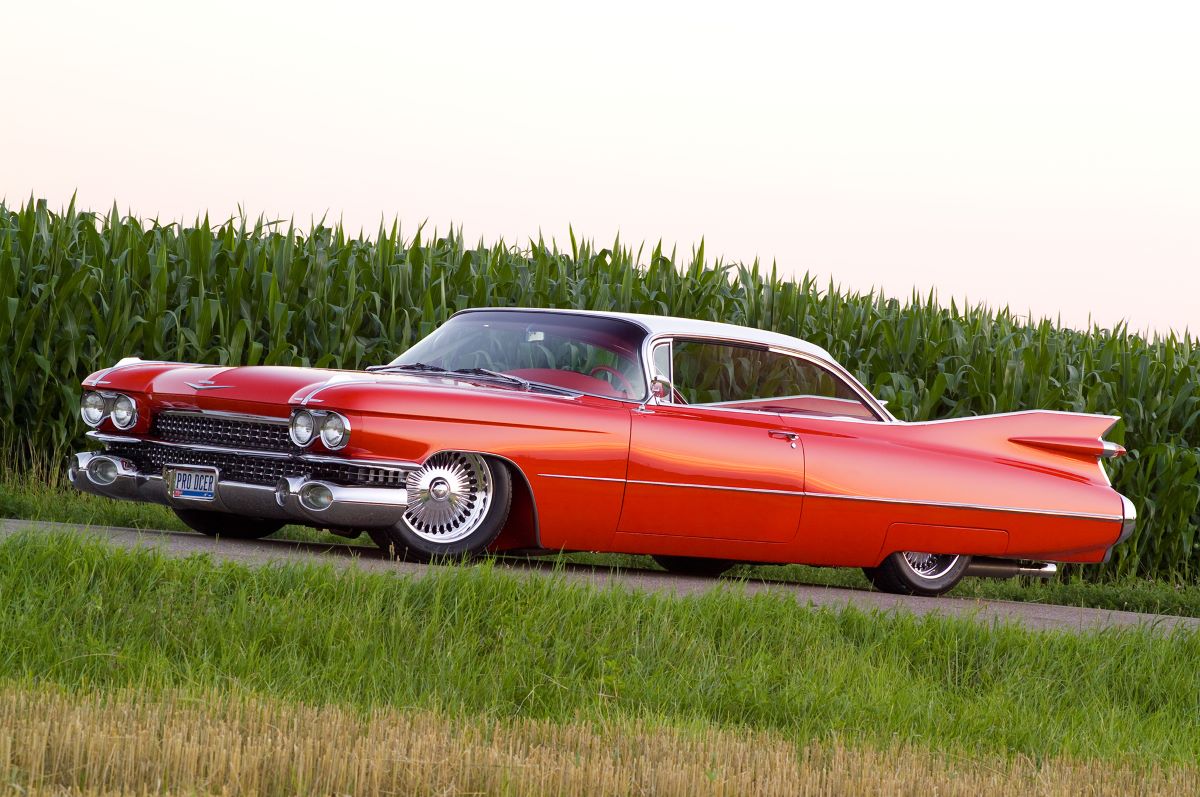
1. Cadillac Eldorado
The Cadillac Eldorado of the 1970s epitomized American luxury with its long hood, distinctive grille, and fully cushioned interiors. Its front-wheel-drive system, a novelty at the time, provided a smooth, effortless ride that made it ideal for long highway journeys.
Buyers were drawn to its combination of size, comfort, and the prestige associated with the Cadillac badge. The car’s design emphasized presence, making it a symbol of wealth and taste.
Performance was another key attraction, with V8 engines producing ample power for cruising while maintaining a refined demeanor. Unlike some muscle cars that prioritized speed over comfort, the Eldorado balanced engine strength with a focus on noise insulation and ride stability.
The attention to detail extended to the interior, which often featured leather seats, adjustable armrests, and full instrumentation for driver convenience. This made the vehicle appealing for both executives and those seeking luxury in everyday use.
Collectors today prize the Eldorado for its styling and technological innovation. Its front-wheel-drive system was ahead of its time, and the car’s massive dimensions now offer nostalgia for a period when cars were built for presence rather than efficiency.
Original paint and interior materials, when preserved, significantly increase the car’s market value. Even minor details such as the emblem design and trim type are closely scrutinized by enthusiasts.
The Eldorado’s role in pop culture also enhances its desirability. It frequently appeared in films and television, reinforcing its image as a luxury statement.
Certain limited editions with unique interior packages or special exterior colors are particularly sought after, creating competition among collectors. The combination of engineering innovation, aesthetic appeal, and historical significance cements its place as a top choice for those exploring 1970s American luxury vehicles.
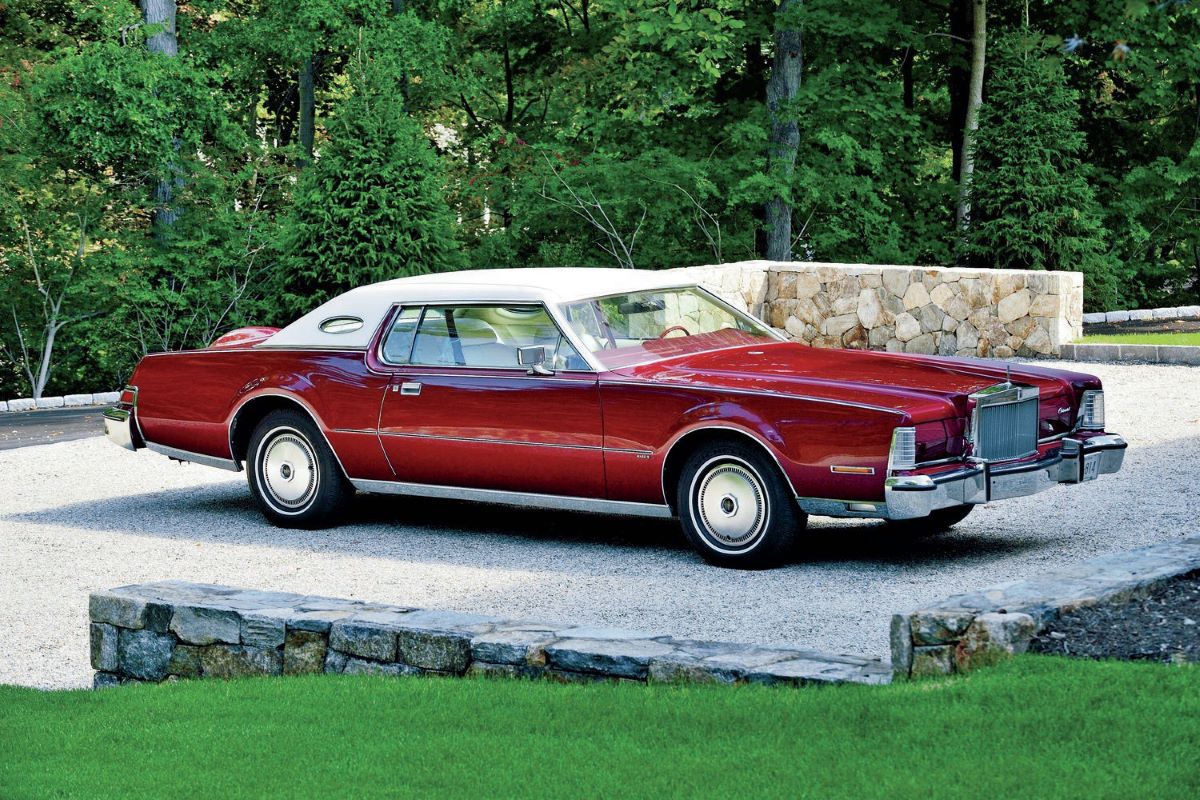
2. Lincoln Continental Mark IV
The Lincoln Continental Mark IV was a symbol of refinement and exclusivity, representing the height of 1970s American luxury. Its elongated body, hidden headlights, and opulent interiors made it instantly recognizable on the road.
Every detail, from the vinyl roof to the plush carpeting, reflected a commitment to comfort and sophistication. Buyers valued it not only for status but also for the serene ride quality it delivered.
Under the hood, the Mark IV featured large-displacement V8 engines designed to provide effortless acceleration. This power allowed the car to glide over highways with minimal effort, making it ideal for long-distance cruising.
The suspension system, tuned for comfort, minimized road imperfections, while the cabin insulated passengers from engine noise. These features combined to create a driving experience that was luxurious in both feel and performance.
The interior was designed for indulgence. Thickly padded seats, climate control systems, and advanced audio options made passengers feel cocooned from the outside world.
Even minor design touches, such as retractable seatbelts and soft-touch materials, contributed to the impression of sophistication. Many collectors today look for original interiors, as they represent craftsmanship rarely seen in modern vehicles.
Collector interest is also driven by limited editions and rare color combinations. Mark IV models with special packages or distinctive exterior hues command higher prices due to their scarcity.
Original components, such as factory radios, trims, and wheels, significantly enhance the car’s authenticity. Enthusiasts appreciate the combination of size, luxury, and historical significance, seeing it as a quintessential example of American automotive ambition.
The Lincoln Continental Mark IV also played a role in American culture, appearing in television shows and advertisements that emphasized success and wealth. Its presence on the road was a statement, capturing the attention of anyone familiar with its design language.
Today, owning one allows enthusiasts to connect with the elegance of the 1970s, preserving a vehicle that defines both style and substance in a singular package.
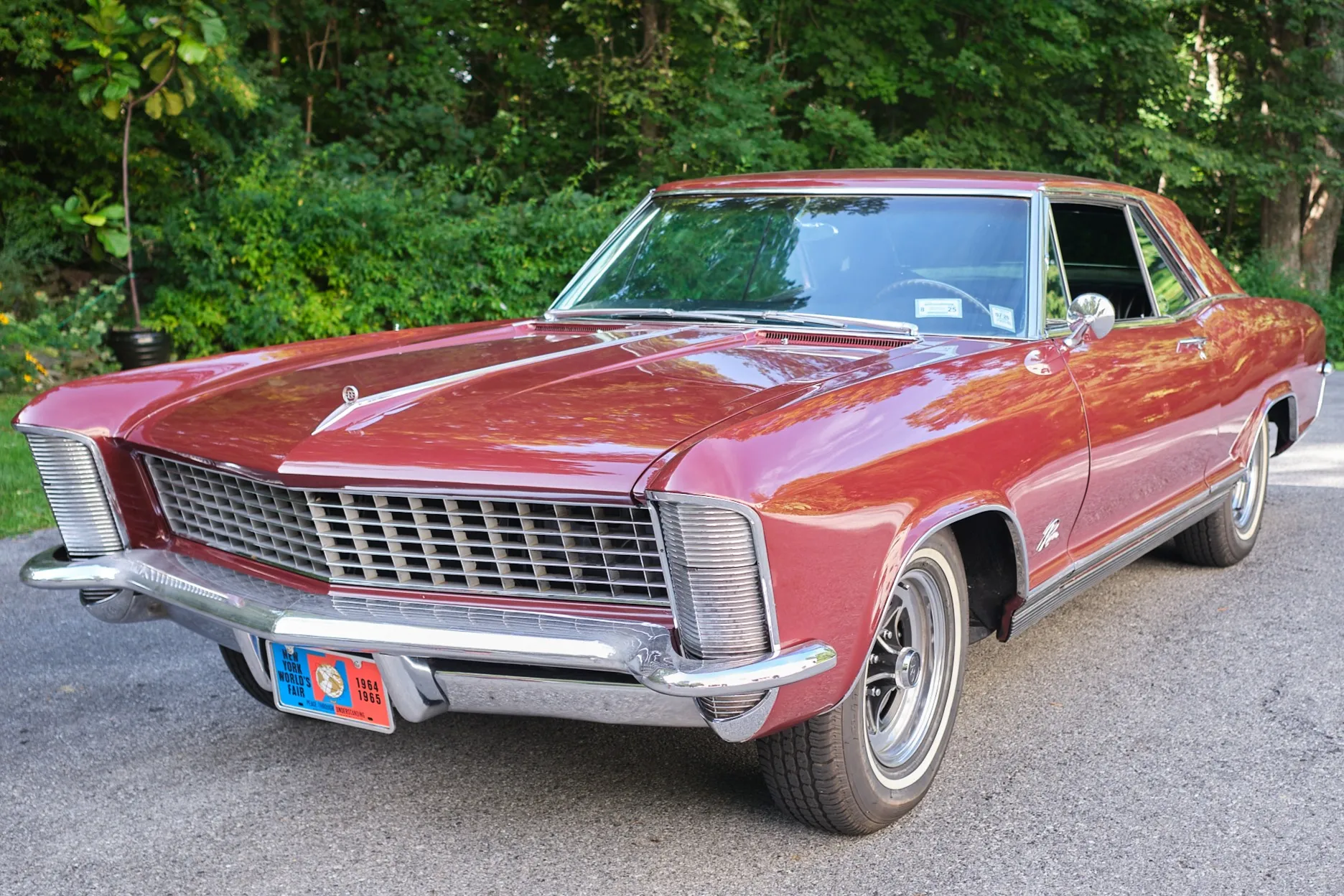
3. Buick Riviera
The Buick Riviera of the 1970s stood out for its unique styling and powerful performance. Its sweeping lines and sharply sculpted body set it apart from other full-sized luxury cars.
Designers focused on creating a car that was both stylish and comfortable, appealing to buyers seeking individuality within the luxury segment. The Riviera’s aesthetic sophistication made it a favorite among collectors who value design excellence.
Mechanically, the Riviera was equipped with V8 engines capable of delivering substantial horsepower while maintaining smooth operation. Buick paid careful attention to handling and ride quality, ensuring that the car felt planted on the road despite its size.
The combination of engineering and design created a car that could perform confidently in city traffic or on long highway drives, making it versatile for everyday luxury use.
Inside, the Riviera offered a well-appointed cabin with leather seats, wood accents, and a driver-focused dashboard. Features such as automatic climate control and premium sound systems enhanced passenger comfort.
The attention to detail in the interior design reflected Buick’s commitment to a refined driving experience. Collectors often prioritize models with original upholstery, as it demonstrates both authenticity and preservation of the car’s original character.
Rarity plays a significant role in the Riviera’s appeal. Certain trim levels and engine options were produced in limited quantities, making them especially desirable today.
Models with factory-installed air conditioning, power windows, and unique exterior finishes are highly sought after. Enthusiasts also value the Riviera’s place in automotive history as a car that successfully blended performance and luxury, bridging the gap between personal luxury and executive appeal.
Culturally, the Riviera represented a shift in American luxury car design, embracing a more personal and expressive approach. Its sleek appearance and distinctive proportions made it a statement vehicle, reflecting both style-consciousness and mechanical sophistication.
Collectors now regard it as a classic example of 1970s American automotive design, one that combines elegance, performance, and historical importance.
4. Chrysler New Yorker
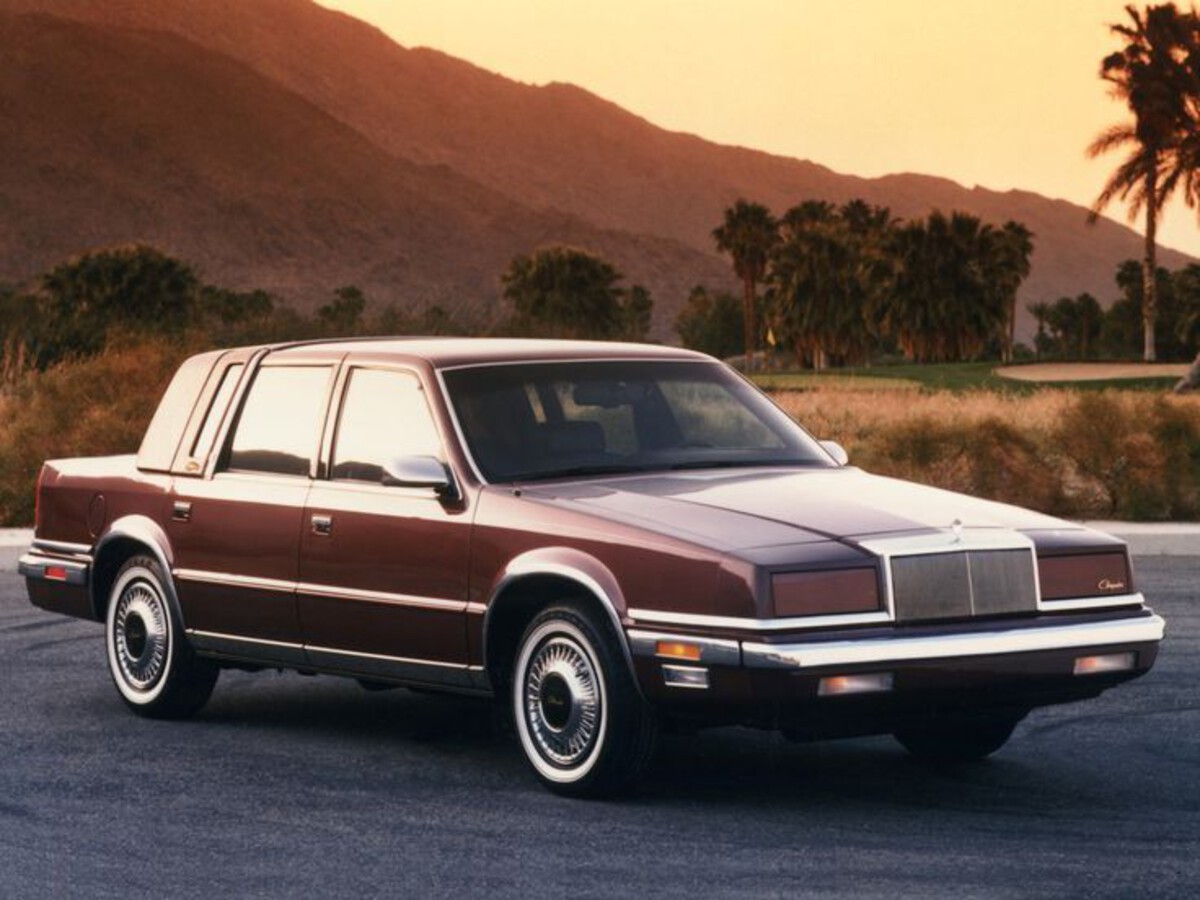
The Chrysler New Yorker was a benchmark for American luxury sedans, combining size, comfort, and refined engineering. Its imposing presence, large grille, and plush interiors communicated prestige to anyone on the road. The New Yorker catered to buyers who desired both status and practicality, offering roomy interiors and smooth ride quality.
Its design emphasized a balance between visual appeal and functional comfort, making it a favorite among executives and professionals.
Performance was anchored by powerful V8 engines, designed to deliver effortless acceleration and stability. Chrysler engineered the suspension for comfort, reducing road vibrations and providing a cushioned ride. Steering and handling were designed to complement the car’s size, ensuring that drivers could maneuver confidently despite its length. These characteristics made the New Yorker an ideal vehicle for highway cruising and long-distance travel.
The interior was crafted to provide an elevated driving experience. Plush seating, soft-touch surfaces, and optional luxury features like power windows and automatic climate control created a welcoming environment.
Collectors today value models that retain their original interior materials, as these elements reflect the design philosophy of 1970s luxury cars. Features such as factory-installed radios, woodgrain dashboards, and ornate trim pieces enhance authenticity and market value.
Certain limited editions and unique configurations contribute to the New Yorker’s collectible status. Models with rare color combinations or optional features are especially sought after.
Original components, such as hubcaps, wheel covers, and badges, add to the car’s desirability. Enthusiasts also appreciate the New Yorker’s cultural significance, representing a period when American sedans were crafted with grandeur and attention to detail.
The Chrysler New Yorker also enjoyed visibility in popular culture, appearing in movies and media as a symbol of luxury and success. Its legacy continues to attract collectors who appreciate the combination of historical significance, distinctive design, and comfortable driving experience.
Owning a well-preserved New Yorker allows enthusiasts to experience a car that embodies the grandeur of 1970s American automotive craftsmanship.
5. Oldsmobile Toronado
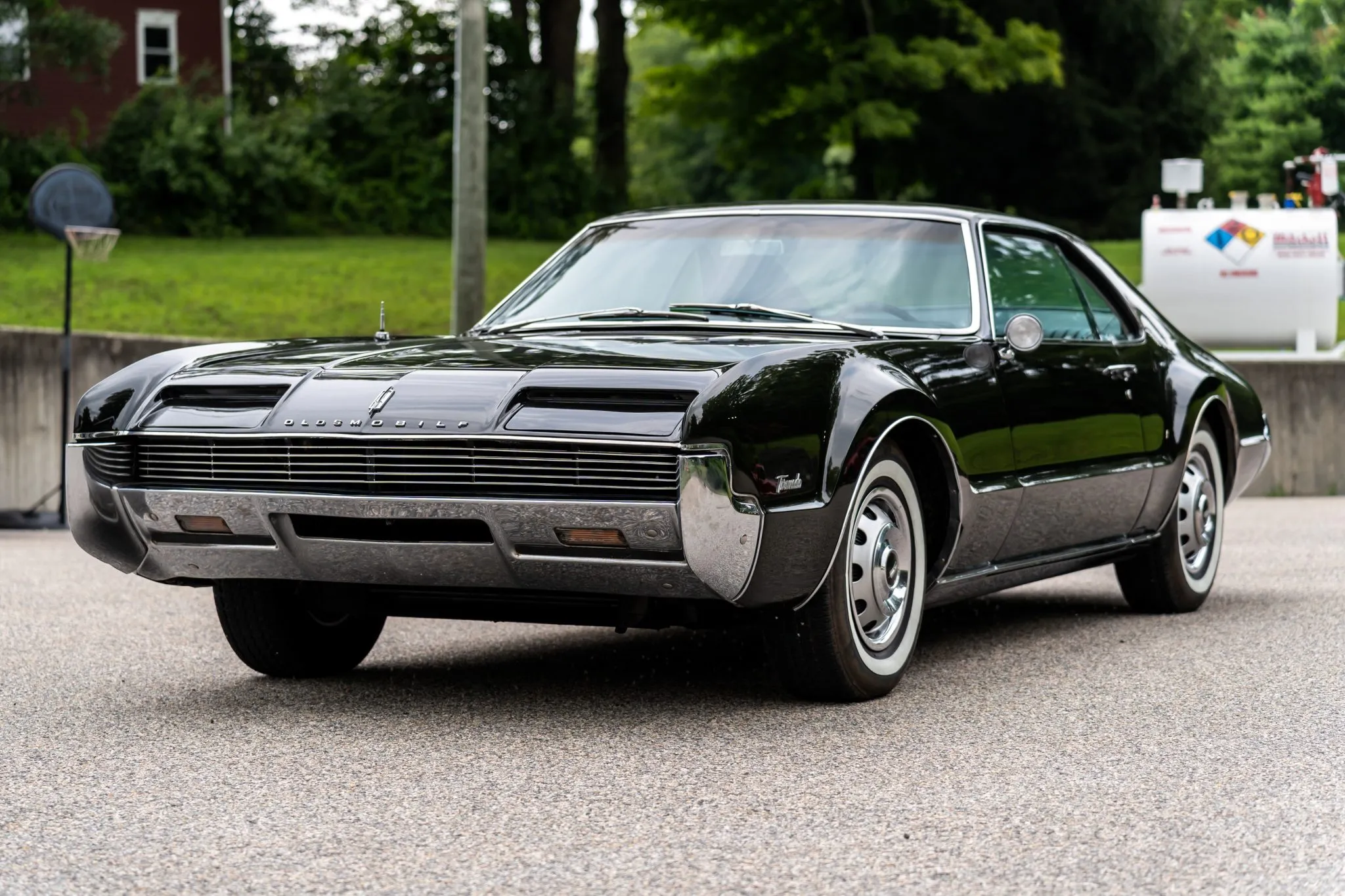
The Oldsmobile Toronado was revolutionary for its front-wheel-drive layout and bold styling. Its long, low-slung body and hidden headlights gave it a modern, futuristic look for the era.
Buyers were drawn to the Toronado for its combination of innovative engineering and luxurious appointments. It demonstrated that performance and comfort could coexist in a uniquely American package, appealing to those seeking exclusivity.
Under the hood, the Toronado’s V8 engine offered strong acceleration and smooth operation. The front-wheel-drive system improved traction and allowed for a more spacious interior, setting it apart from traditional rear-wheel-drive luxury cars. Handling was balanced, and the suspension was tuned for comfort, ensuring that long drives remained effortless. The car’s engineering innovations added to its desirability among collectors today.
Inside, the Toronado provided an interior filled with premium features. Plush seating, dashboard instrumentation, and optional amenities created a sophisticated cabin. Original interiors, when preserved, are highly prized for their authenticity. Details such as power accessories, premium audio, and wood-trim accents reflect the era’s attention to luxury, enhancing the car’s collectible appeal.
Collectors are particularly interested in rare trims and production runs. Certain models featured distinctive paint schemes, unique interior options, or performance enhancements that make them valuable today. The combination of rarity, engineering innovation, and aesthetic appeal positions the Toronado as a standout among 1970s American luxury cars. Its presence in the collector market continues to grow steadily.
The Toronado also holds cultural significance as a symbol of automotive ambition. It represented a willingness to push boundaries in design and mechanics while maintaining luxury standards. Owning a Toronado allows enthusiasts to appreciate both historical context and engineering creativity, preserving a car that was ahead of its time in many ways.

6. Pontiac Grand Prix
The Pontiac Grand Prix of the 1970s blended performance and luxury, positioning itself as a personal luxury car with sporty appeal. Its long hood, fastback roofline, and bold grille gave it a distinctive appearance on the road.
Buyers appreciated the combination of aggressive styling with a comfortable interior, offering both visual excitement and a refined driving experience. The Grand Prix stood out as a vehicle that balanced flair with practicality.
Mechanically, the Grand Prix featured a variety of V8 engines that delivered strong performance for its class. Suspension tuning emphasized a smooth, controlled ride, ensuring that road imperfections were absorbed without sacrificing stability.
Steering responsiveness and braking systems were engineered to complement its size, providing drivers confidence behind the wheel. These attributes made it desirable for those seeking both comfort and spirited driving.
The interior reflected attention to detail, with plush seating, woodgrain accents, and optional premium features. Power windows, upgraded audio systems, and climate control contributed to a sophisticated cabin environment.
Collectors value models with original interiors, as these features represent the era’s dedication to comfort and refinement. Well-preserved examples highlight the craftsmanship that made the Grand Prix a benchmark among personal luxury vehicles.
Rarity and special editions enhance the Grand Prix’s collector appeal. Limited production runs, unique paint combinations, and optional performance packages increase a vehicle’s value.
Enthusiasts look for models with factory-installed features and original components, considering them more authentic and historically significant. Its presence in the market reflects a growing appreciation for American cars that combined style, comfort, and power.
Culturally, the Grand Prix embodied the spirit of personal luxury cars in the 1970s. It offered a statement of individuality, allowing owners to enjoy both performance and refinement. Today, collectors prize it not only for its engineering and aesthetics but also for the way it represents a specific period of automotive ambition. Owning a Grand Prix offers a tangible connection to an era of bold American design.
7. Mercury Cougar
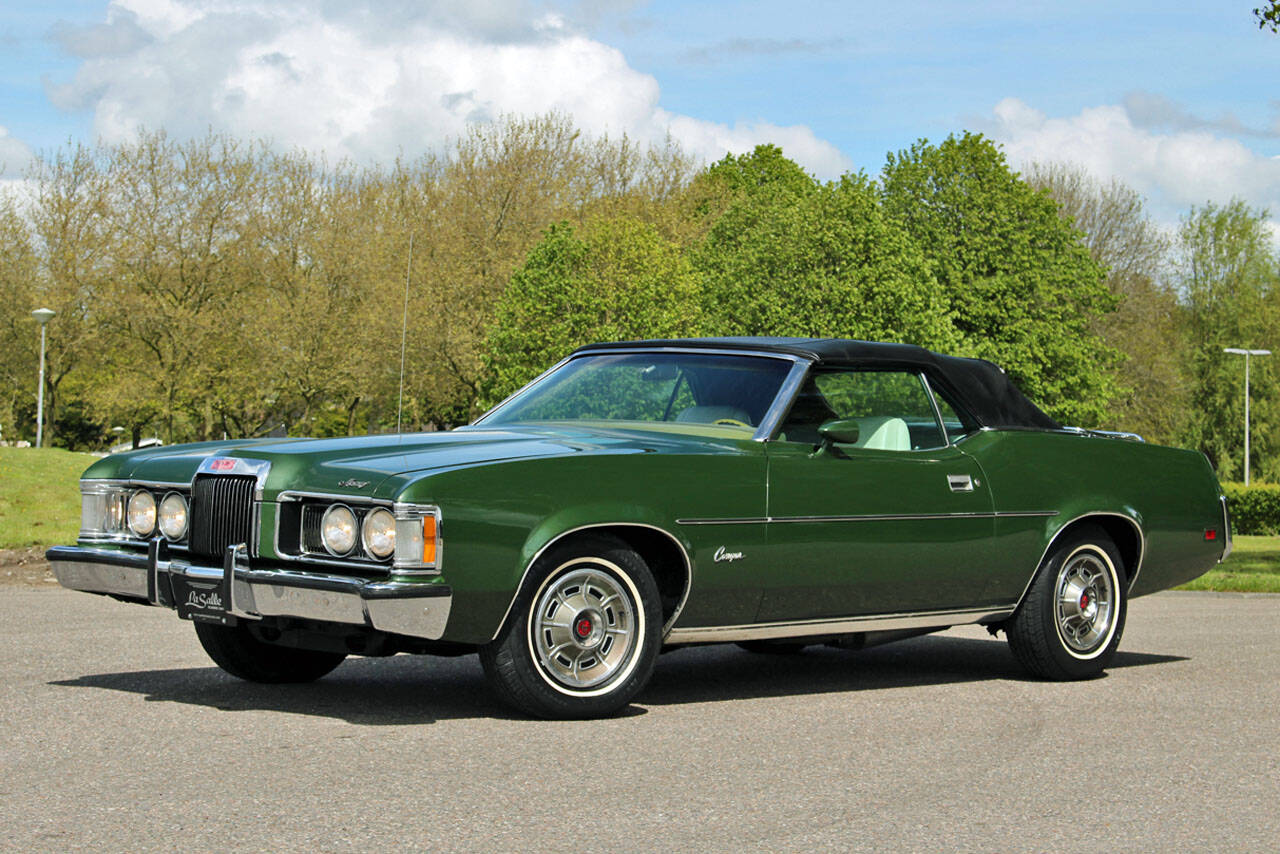
The Mercury Cougar stood out as a distinctive option for those seeking style and sophistication in a mid-sized luxury coupe. Its long, flowing lines and hidden headlights gave it a dramatic appearance, appealing to buyers interested in individuality.
Designers focused on combining sleek aesthetics with comfort, resulting in a vehicle that offered both elegance and presence. The Cougar became a symbol of personal luxury with a performance edge.
Under the hood, the Cougar featured a range of V8 engines capable of delivering robust power. Suspension systems were tuned to provide a smooth, controlled ride, while steering and handling kept the car manageable despite its size. The combination of comfort and performance made the Cougar suitable for highway cruising and spirited driving alike. These characteristics contributed to its appeal among collectors who appreciate balanced engineering.
The interior offered a blend of style and functionality, with plush seating, wood trim accents, and driver-focused controls. Features such as power windows, premium audio, and optional air conditioning enhanced comfort for both driver and passenger.
Collectors often seek models that retain original interiors, valuing authenticity and craftsmanship. Well-preserved Cougars showcase the design philosophy of 1970s personal luxury vehicles.
Limited editions and rare trim packages contribute to the Cougar’s collector status. Models with distinctive exterior colors, upgraded interiors, or high-performance engines are particularly sought after.
Enthusiasts often prioritize originality, including factory-installed options and unmodified mechanical components. These factors make the Mercury Cougar an increasingly desirable choice in classic car markets.
The Cougar also holds cultural significance as a representation of 1970s automotive style. It combined performance, luxury, and visual flair, appealing to buyers who wanted a car that stood out.
Today, collectors value it for its design, engineering, and historical importance. Owning a well-preserved Cougar allows enthusiasts to experience the charm and sophistication of personal luxury cars from this era.
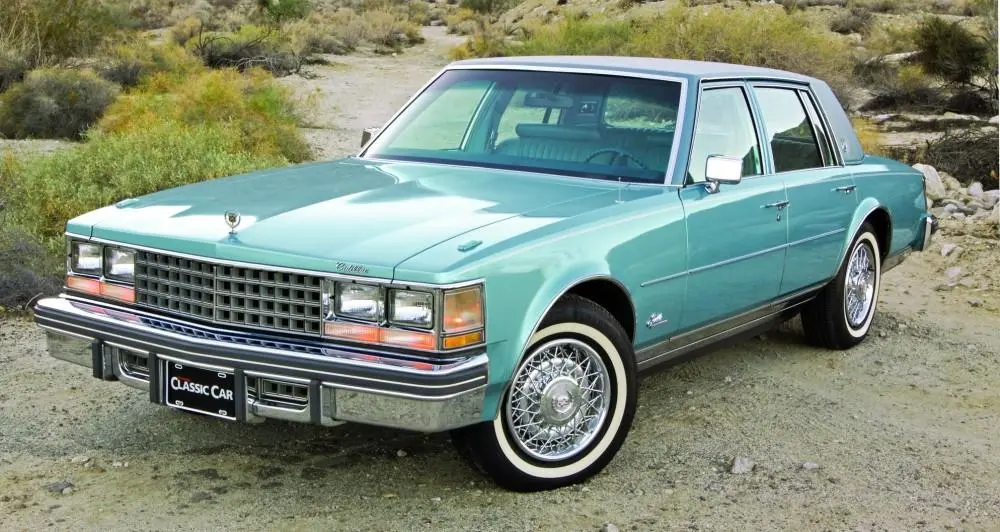
8. Cadillac Seville
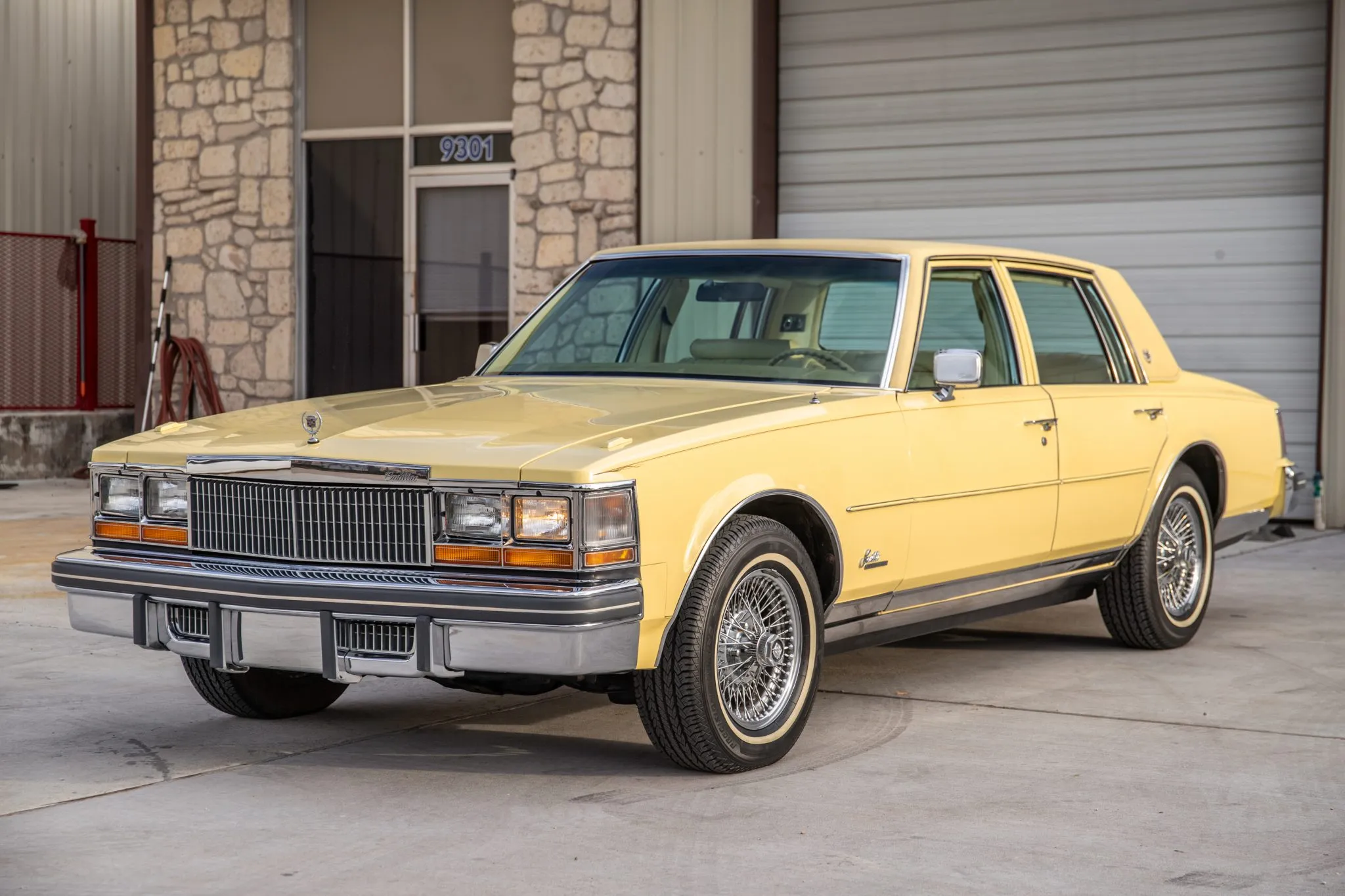
The Cadillac Seville was Cadillac’s attempt to create a more compact luxury sedan, combining refinement with European-inspired styling. Its smaller proportions made it distinct from other Cadillac models, appealing to buyers seeking luxury in a more manageable package.
Elegant lines, a well-appointed interior, and careful attention to fit and finish made the Seville a standout option during the 1970s. Its presence conveyed sophistication and taste.
Performance came from a smooth V8 engine paired with a suspension designed for comfort and stability. The Seville offered a quiet, controlled ride, emphasizing luxury rather than raw power. Steering was precise for its class, and braking systems provided confidence on a variety of road surfaces. Collectors today value these characteristics as a representation of Cadillac’s focus on engineering excellence.
The interior was designed for comfort and convenience, featuring plush seating, woodgrain accents, and a driver-friendly dashboard. Power accessories, premium audio, and climate control enhanced the experience, reflecting the luxury standards of the era. Original interiors, when preserved, significantly increase the car’s collectible value. Features such as factory radios, trim details, and upholstery types are highly sought after.
Limited production options and special editions contribute to the Seville’s desirability. Certain exterior colors, leather trims, or factory packages were produced in small quantities, making them more valuable today.
Enthusiasts prioritize originality and well-maintained vehicles, appreciating the combination of rarity, design, and performance. The Seville exemplifies a period when Cadillac sought innovation while maintaining its luxury reputation.
Culturally, the Seville bridged American and European design influences, offering a compact luxury experience without sacrificing presence. Its success laid the groundwork for future models and cemented Cadillac’s reputation for innovation.
Collectors prize the Seville not only for its engineering and comfort but also for its historical significance as a car that redefined American luxury in a smaller format.
9. Lincoln Mark III
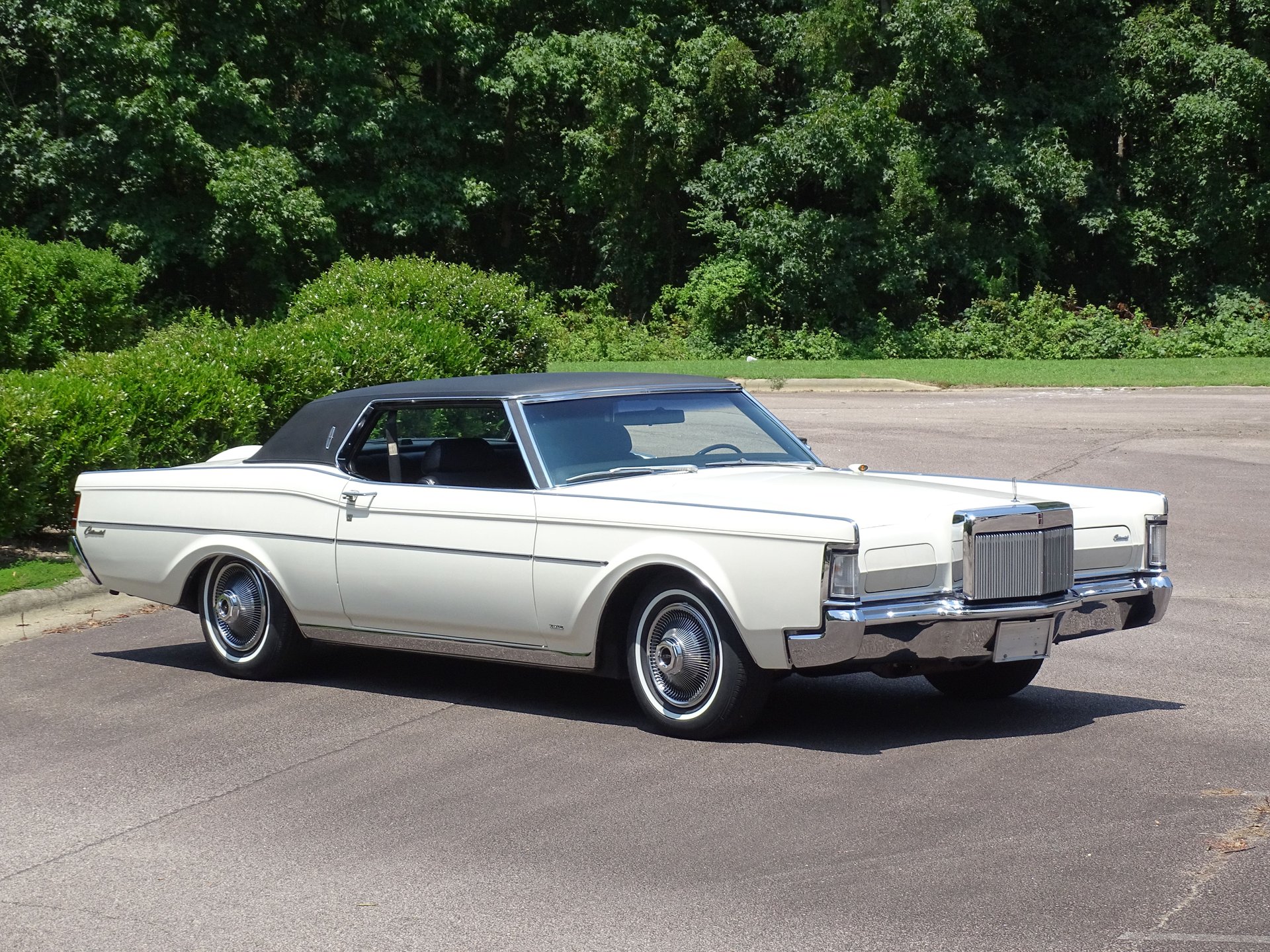
The Lincoln Mark III combined elegance, size, and technological sophistication, becoming one of the most iconic luxury coupes of the 1970s. Its long hood, formal roofline, and distinctive grille created a commanding presence on the road.
Buyers were attracted to its statement-making design, as well as the comfort and refinement it offered. The Mark III quickly became a symbol of American prestige and automotive excellence.
Powerful V8 engines provided ample performance, allowing the car to accelerate smoothly while maintaining quiet operation. Suspension systems were tuned for comfort, delivering a ride that was soft yet controlled.
Steering was responsive, ensuring that the vehicle remained manageable despite its large size. These engineering characteristics contributed to its reputation as both luxurious and reliable.
The interior featured lavish materials, including leather upholstery, wood accents, and premium carpeting. Optional features such as power seats, climate control, and advanced audio systems enhanced the driving experience.
Collectors often seek models that retain original interiors, as these elements demonstrate craftsmanship and historical authenticity. The Mark III’s cabin combined luxury and practicality in a distinctive package.
Limited editions and rare configurations increase the Mark III’s collectible value. Unique color combinations, trim packages, and engine options make certain models more desirable. Enthusiasts also appreciate the car’s historical role as a benchmark for personal luxury coupes in the 1970s. Original components and well-maintained examples attract significant attention in the collector market.
Culturally, the Mark III represented American automotive opulence at its peak. Its presence on the road conveyed success, ambition, and style. Today, collectors prize the vehicle not only for its aesthetics and engineering but also for the way it embodies a specific era of American design. Owning a well-preserved Mark III offers a tangible connection to luxury and craftsmanship of the period.
10. Chrysler Imperial
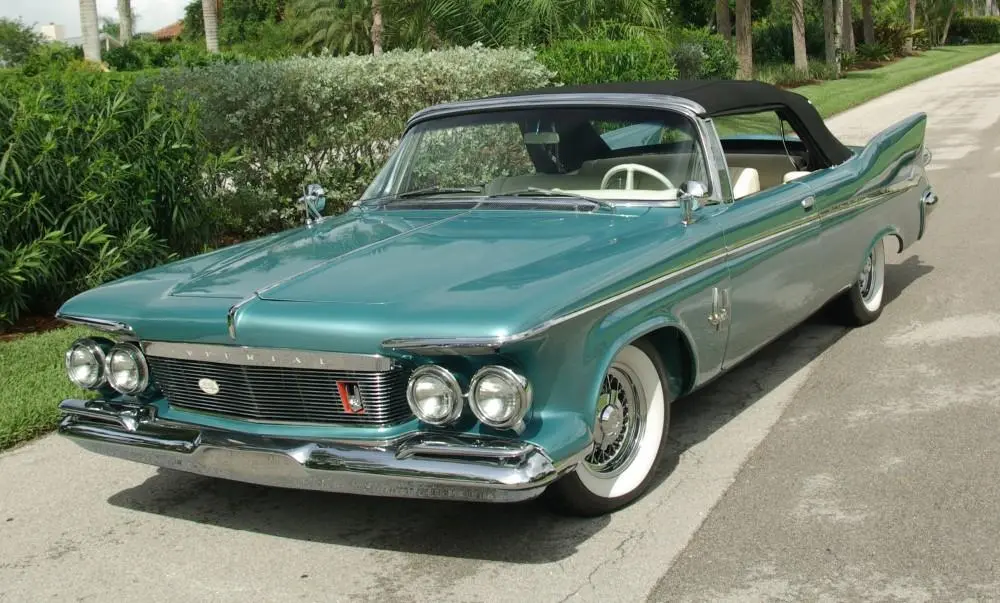
The Chrysler Imperial was Chrysler’s flagship luxury model, designed to compete directly with Cadillac and Lincoln. Its bold styling, expansive interior, and smooth ride epitomized American luxury during the 1970s.
Buyers appreciated its presence, comfort, and the technological features that distinguished it from other full-size sedans. The Imperial conveyed prestige and status to anyone who encountered it on the road.
Under the hood, the Imperial was equipped with powerful V8 engines capable of delivering effortless acceleration. The suspension system was engineered for smoothness and stability, ensuring passengers experienced a ride that felt both soft and controlled.
Steering and braking systems were calibrated to complement the vehicle’s size, making it manageable despite its length. These features contributed to its reputation as a comfortable and capable luxury vehicle.
The interior reflected a high level of craftsmanship, with plush seating, wood accents, and extensive instrumentation. Optional features such as power windows, air conditioning, and upgraded audio systems further enhanced passenger comfort.
Collectors place high value on original interiors, as they represent the attention to detail and luxury standards of the era. Maintaining factory finishes is essential for authenticity and market appeal.
Rarity and special editions increase the Imperial’s desirability in the collector market. Certain paint colors, trim options, and production variants were limited, making them particularly valuable. Enthusiasts seek vehicles that are original, well-preserved, and representative of Chrysler’s peak luxury design. The combination of rarity, design, and performance makes the Imperial a standout collectible from the 1970s.
The Chrysler Imperial also holds historical significance as a symbol of American automotive ambition. Its styling, engineering, and luxurious appointments made it a competitor in the top tier of luxury cars. Collectors today value it for its elegance, comfort, and cultural relevance.
Owning an Imperial provides a direct connection to a time when American manufacturers pursued grandeur, technological innovation, and status in a single, commanding vehicle.
