For many vehicle owners, the real cost of ownership is not the monthly payment or fuel. It is dependence. Dependence on dealerships for every small repair, every warning light, and every maintenance job that should have been simple.
Some vehicles can be owned like appliances: you service them at any trusted local garage, parts are easy to find, and repairs are straightforward. Others feel like they hold you hostage to the dealership network.
A simple sensor failure forces you to book an appointment. A basic service requires brand-specific tools. Diagnostics become expensive because the vehicle’s systems are locked behind proprietary software. The difference is not just money, it is freedom.
This is why the topic matters. Many people live in areas where dealerships are far away. Others are busy and cannot waste time on appointment scheduling and long waiting hours.
Some owners simply prefer independent mechanics because they offer better pricing and more personalized service. For them, a vehicle that works well without dealership dependence becomes a smarter choice than one that demands brand-controlled servicing.
In general, vehicles that work well without dealership dependence share certain traits: simple and proven engineering, strong parts availability, wide repair knowledge among local mechanics, and fewer complicated electronics that require specialized diagnostic tools.
These vehicles allow owners to choose where and how they maintain them. They also reduce surprise costs because repairs follow common patterns and do not need expensive modules or reprogramming.
On the other side, dealership-dependent vehicles often rely heavily on complex electronics, specialized sensors, or brand-specific systems. Even when a local mechanic can repair them, the repairs often require coding, calibration, or tools that smaller garages do not have.
This creates a situation where ownership becomes less about driving and more about scheduling.
This article compares both worlds. First, five vehicles that work well without dealership dependence and can be confidently maintained through independent service networks.
Then, five that do not, because they often require dealership tools, dealership software, or dealership expertise. The goal is simple: help buyers choose vehicles that match their lifestyle, not just their taste.
Also Read: 5 Crossovers That Handle City Roads Well vs 5 With Awkward Turning Circles
5 Vehicles That Work Well Without Dealership Dependence
A vehicle that does not require dealership dependence gives owners real power. It means you can service it on your schedule, at a shop you trust, without feeling trapped by one brand network. This matters more than people realize.
In many places, dealerships are expensive. Their labor rates are higher, their service time takes longer, and their approach often involves replacing entire modules instead of repairing small parts.
Independent mechanics, on the other hand, frequently offer smarter solutions: repairing instead of replacing, using quality aftermarket parts where appropriate, and diagnosing issues with real-world experience rather than only following brand checklists.
Vehicles in this section are here because they fit the independent-service lifestyle. These are cars and trucks that have been around long enough for mechanics to fully understand them. Their engines and transmissions are not overly complicated, and their systems are well documented.
Parts are widely available, and even if you do not live in a major city, you can usually find what you need quickly. That is critical because dealership dependence is often caused by parts scarcity. If only the dealership can source a part, then you are forced into their system.
Another key trait is repairability. Some vehicles are designed in a way that makes repairs easy: good engine bay access, standard bolt patterns, common sensors, and straightforward maintenance.
This does not mean the vehicle never fails. Every vehicle needs service. The point is that when something does fail, you have options. Your vehicle does not become a “dealer-only” project.
I am writing this section because many buyers focus on features and ignore service reality. But service reality defines ownership experience.
A vehicle that can be repaired anywhere becomes more affordable, more practical, and less stressful. It also holds value because future buyers know it is not a complicated machine.
Now let us get into five vehicles that allow owners to stay independent from dealership dependence and still enjoy long-term reliable ownership.
1) Toyota Corolla
Toyota Corolla is one of the best examples of independent-friendly ownership. It is widely known for reliability, but the bigger hidden advantage is how easy it is to service outside dealerships.
Corolla’s engineering is simple, predictable, and familiar to nearly every mechanic. If you walk into an independent shop and mention a Corolla, most technicians already know what common issues to check, what maintenance schedule works best, and what parts are needed.
Parts availability is a huge reason Corolla fits this list. You can find filters, brake components, sensors, suspension parts, and cooling components almost anywhere. Even aftermarket options are strong, which keeps pricing fair. When you have multiple parts sources, you avoid being forced into dealership pricing. That is freedom.
Corolla also avoids extreme complexity. It does have modern electronics, but it usually does not depend on dealership-only coding for routine maintenance.
Many repairs can be handled with standard diagnostic tools that independent mechanics already have. That means if a check-engine light appears, you are not automatically trapped into a dealership appointment.
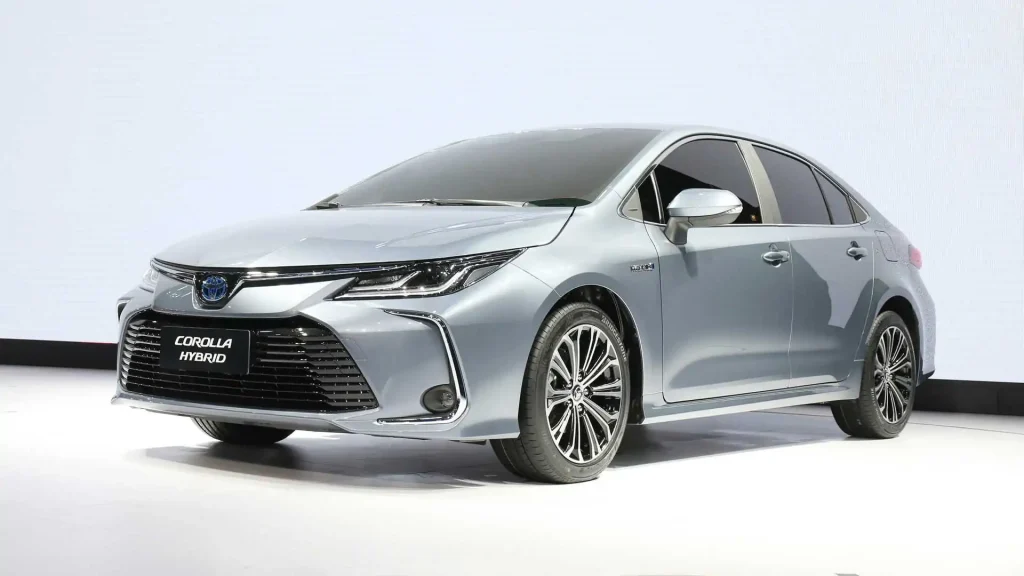
I am writing about Corolla because it represents the difference between “owning” and “being owned by” a car. Corolla lets you choose your mechanic and keep costs predictable. It is not fragile. It does not demand brand-specific babysitting.
It simply works, and when it does need maintenance, it can be done quickly and affordably. For people who value control over their car’s upkeep, Corolla is one of the safest choices on the road.
2) Honda Civic
Honda Civic is another vehicle that thrives without dealership dependence because of its widespread service ecosystem.
Civic has been popular for decades, which means there is deep repair knowledge available everywhere. Independent mechanics have seen Civic problems a thousand times, and that experience matters more than fancy dealership service branding.
Civic also benefits from excellent parts support. From simple wear items like brake pads and spark plugs to bigger items like suspension components and alternators, Civic parts are available from multiple suppliers.
This creates competition and keeps prices reasonable. Even in smaller cities, Civic parts can often be sourced quickly. That reduces downtime and avoids dealership delays.
The engineering itself is also friendly. Civic’s core systems are not designed to force dealership dependence. Oil changes, brakes, battery replacements, and routine services are easy for independent workshops.
Even many engine-related repairs are straightforward because Civic’s engine layout is not overly complex. Modern versions have more electronics, but the overall repair access remains strong compared to luxury brands.
I included Civic because it is practical independence. Some vehicles force you into the dealership because they are “too special” for normal mechanics.
Civic is not like that. It is a mainstream car built for real life. It can be maintained by local mechanics without drama, and owners can keep the car running smoothly without feeling trapped.
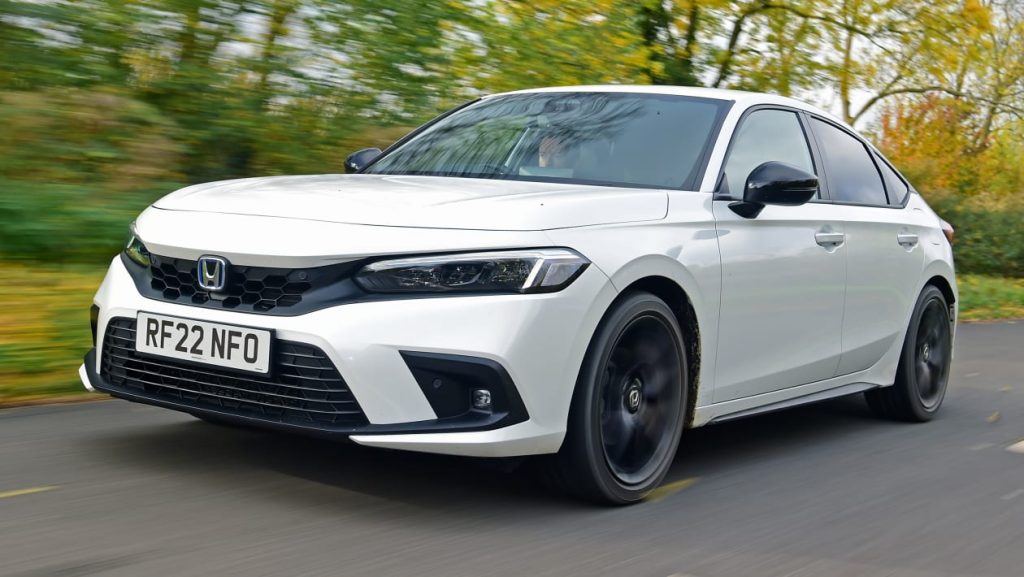
I am writing about Civic because it proves that affordable ownership is not only about buying price. It is about repair freedom. Civic gives owners strong reliability, strong parts availability, and strong independent support. That makes it one of the most flexible, stress-free vehicles to own long-term.
3) Toyota Tacoma
Toyota Tacoma is famous for durability, but it also deserves attention because it is extremely independent-repair friendly. Many trucks are designed for heavy work, and that often means they are easier to maintain than complex modern luxury vehicles. Tacoma’s engineering is proven and practical, and its popularity means parts and knowledge are everywhere.
Independent shops understand Tacoma well. Mechanics are familiar with its suspension, drivetrain, and engine characteristics. This matters because trucks often receive hard use, and owners need repair options outside dealerships.
Tacoma delivers that. Routine work like brakes, fluids, suspension components, and basic engine servicing is simple and does not require dealer-only coding.
Parts availability is also strong. Tacoma has a huge ecosystem of replacement parts, from original to aftermarket. This makes independent repair cheaper and faster. If something breaks, you usually have options rather than being forced into dealership-only sourcing.
Another factor is Tacoma’s longevity. Many Tacoma owners keep their trucks for years. The longer you own a vehicle, the more you benefit from independent repair freedom. Trucks like Tacoma build communities of owners, mechanics, and parts suppliers. That community makes ownership smoother.

I am including Tacoma because it represents independence in a stronger form. It is not only easy to service. It is designed to tolerate real-world repairs. It does not punish you for using an independent shop.
For drivers who want a vehicle that can be maintained anywhere, whether in a city or rural area, Tacoma is one of the safest choices. It allows the owner to stay in control and avoids dealership dependence for most normal maintenance and repairs.
4) Ford F-150 (Older Generations)
Ford F-150 older generations earn a spot here because they are some of the most mechanic-friendly vehicles in America. Modern trucks are increasingly complicated, but older F-150 models were built with repair access in mind. They are common, widely understood, and supported by an enormous parts ecosystem.
Independent mechanics often prefer working on older F-150s because the systems are less locked down by software. Many repairs can be done mechanically without needing dealership diagnostic subscriptions.
That makes the truck flexible. Whether it is a suspension job, brake replacement, alternator swap, cooling repair, or basic engine servicing, most shops can handle it easily.
Parts availability is one of the biggest advantages. With so many F-150s on the road, the supply chain is massive. You can find parts quickly, and prices are often competitive. This is especially important because trucks frequently need wear-item replacements due to heavier loads and usage patterns.
I am writing about older F-150 generations because they represent independence through simplicity and popularity. When a vehicle is common, local mechanics learn it quickly. That creates a strong repair network outside dealerships.
For owners who want to avoid dealership dependence while still driving a capable vehicle, an older F-150 can be a smart solution.
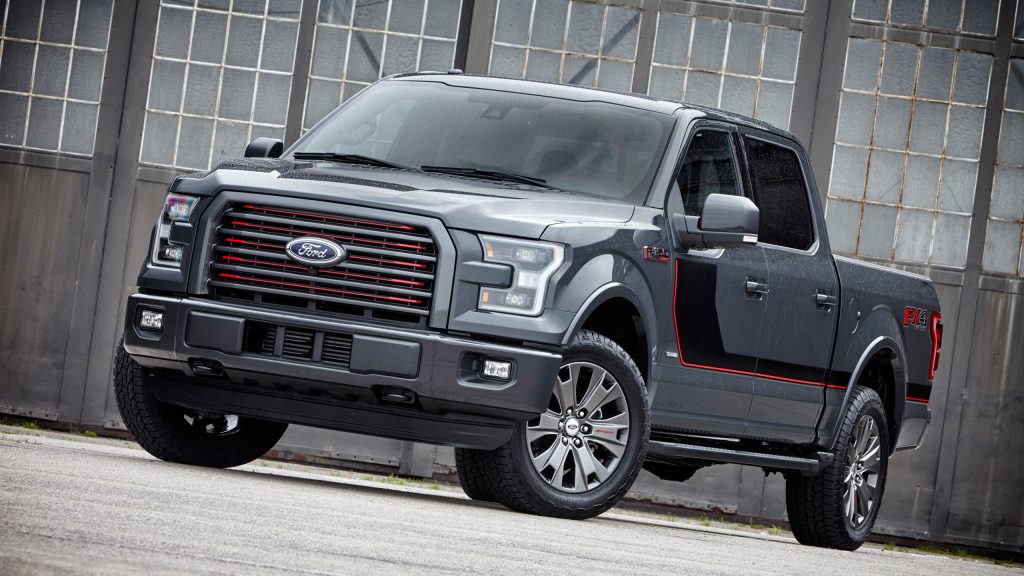
The key is choosing a well-maintained unit. If the truck is already neglected, any vehicle can become expensive. But a properly cared-for older F-150 offers repair freedom that many modern vehicles can no longer match.
5) Hyundai Elantra
Hyundai Elantra is often overlooked in discussions of independent maintenance, but it has become one of the most practical “non-dealership” vehicles in many markets. It is common, widely supported, and generally straightforward to service.
This matters because Hyundai vehicles have grown in popularity, which naturally increases independent mechanic familiarity and parts availability.
Elantra routine maintenance is simple. Oil service, brake work, suspension repairs, battery replacement, and filter changes can be done by almost any shop. Many parts are easy to source, and aftermarket options are widely available, which reduces cost.
Even when electronics issues happen, independent garages often have enough diagnostic capability to manage them, because these are mainstream systems rather than niche luxury complexity.
Elantra also fits this list because it does not trap owners into brand-only repairs. Some brands design vehicles where software resets, calibrations, and module replacements become mandatory even for simple fixes. Elantra is more flexible. That flexibility is what allows owners to avoid dealership dependence without sacrificing modern comfort.
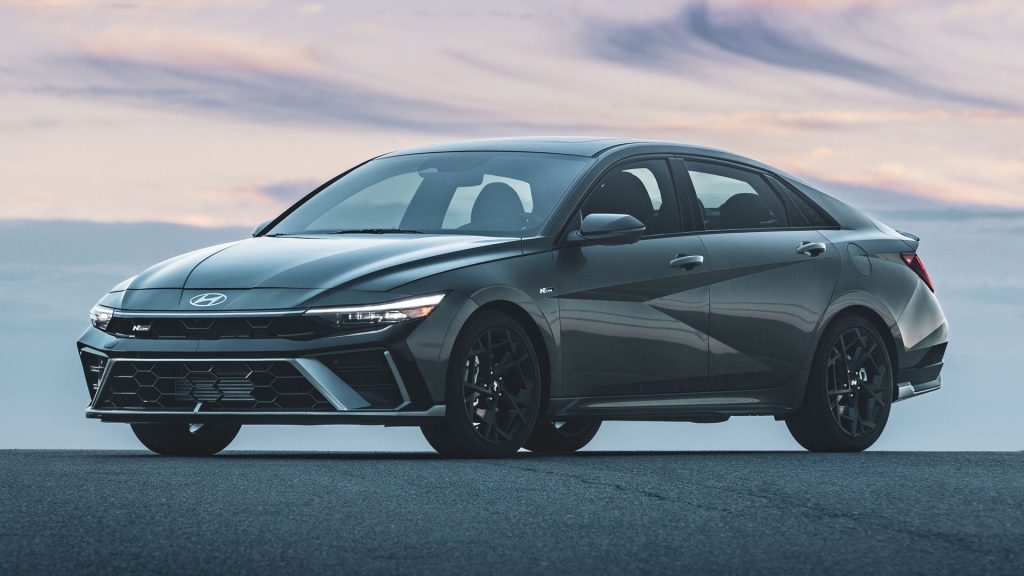
I am including Elantra because it represents a modern car that still stays service-friendly. It offers newer features than older vehicles, yet remains approachable for independent maintenance.
For owners who want affordable upkeep without constant dealer involvement, Elantra is a realistic solution that works in everyday life.
5 Vehicles That Don’t Work Well Without Dealership Dependence
Some vehicles do not just require maintenance, they require permission. Permission in the form of dealership tools, dealership software, dealership calibration procedures, and dealership-only parts pipelines.
These vehicles may look modern and impressive, but ownership becomes complicated because small repairs are not truly small anymore. A battery replacement might require electronic registration. A headlight swap might demand programming. A sensor replacement may need recalibration that only certain systems can do.
In these cases, even skilled independent mechanics may be limited, not because they lack talent, but because the vehicle is designed in a way that restricts repair options.
Dealership dependence often comes from two major factors: complexity and lock-in. Complexity includes advanced driver assistance systems, integrated infotainment modules, turbocharged engines with tight tolerances, and sensors everywhere.
Lock-in includes proprietary diagnostic software, restricted access to certain repair procedures, and electronic modules that must be coded to the vehicle. This means owners often cannot simply “fix and go.” They must return to official service networks to complete the repair process correctly.
For many owners, this creates frustration. Dealership appointments can take days to secure. Labor rates are higher. Dealership service advisors may recommend replacing entire modules rather than repairing individual components.
The owner loses flexibility. Even if you have a trusted local mechanic, you may still be forced into the dealership pipeline for coding, calibration, security programming, or specialized procedures. That turns normal ownership into something that feels controlled.
I am writing this section because buyers often underestimate this issue. They test drive a vehicle and love the interior, smooth ride, and features. But they do not think about what happens when the car ages, when the warranty ends, or when a sensor fails at the wrong time. That is when dealership dependence becomes expensive and inconvenient.
The five vehicles below are included because they commonly demand dealership involvement for repairs, diagnostics, or electronic procedures. They may still be wonderful vehicles, but they are not ideal for people who want independence. In many cases, they turn owners into permanent dealership customers.
Now let us look at five vehicles that tend to struggle outside dealership networks.
1) BMW X5
BMW X5 is a strong, refined luxury SUV, but it is one of the clearest examples of dealership dependence. The vehicle is packed with electronics, sensors, modules, and advanced systems that require specialized diagnostics.
Even simple repairs can quickly turn into dealership territory because parts often need coding and calibration. Independent mechanics can handle many mechanical repairs, but the software side is where things get complicated.
X5 is also built with complex systems like advanced driver assistance, adaptive suspension options, and integrated infotainment. If something fails, it is rarely a simple swap.
Components often talk to each other through control modules, and replacing one part may require programming. This is where many owners get trapped. A local shop might fix the hardware, but without coding, the car may still show errors or refuse to function correctly.
Parts cost and availability also increase dependence. Many components are expensive and sometimes only reliably sourced through official pipelines. Even when aftermarket parts exist, compatibility issues can arise. That creates risk, so owners often choose the dealership to avoid uncertainty.
I included BMW X5 because it represents modern luxury reality. It feels excellent to drive, but it demands a sophisticated service ecosystem. For owners who want independence, this becomes frustrating.
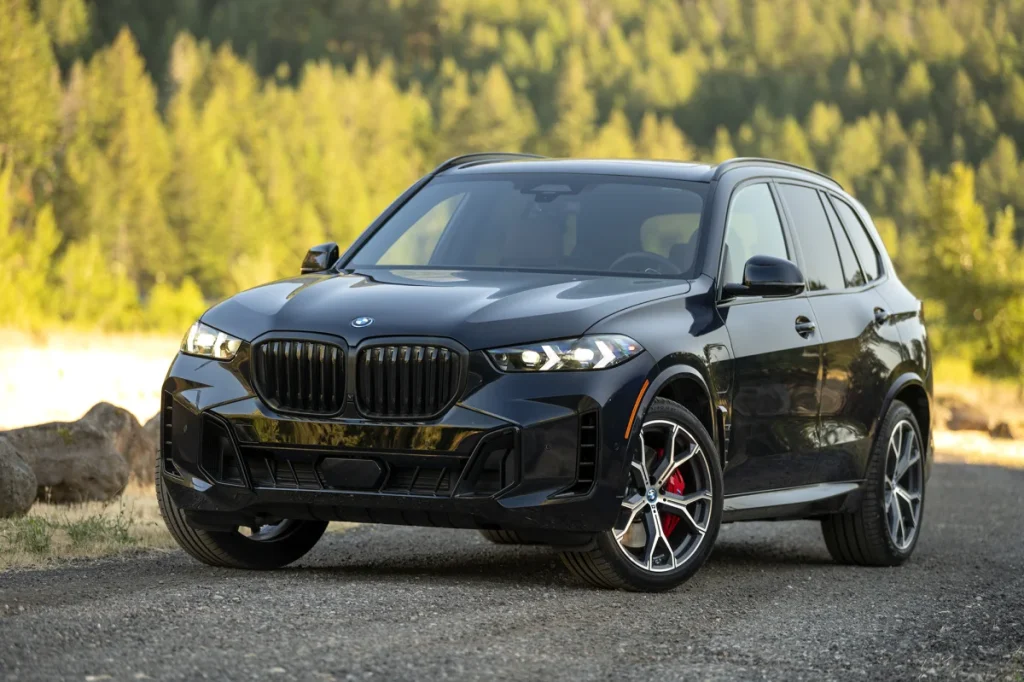
You may want to avoid dealership rates, but the car’s design pushes you back toward dealership service for complex procedures. X5 ownership is less flexible than people expect, and that is why it belongs on this list.
2) Mercedes-Benz E-Class (Modern Models)
Modern Mercedes-Benz E-Class is a luxury sedan that delivers comfort and technology at a high level, but it also brings heavy dealership dependence. These cars use advanced electronic systems that often require brand-specific diagnostics.
Even routine repairs can become complex because modern Mercedes models integrate sensors and electronics into nearly every function.
A major issue is coding and calibration. Many Mercedes components must be electronically “introduced” to the vehicle. This applies to certain modules, sensors, driver assistance systems, and even some battery-related procedures.
Without proper tools, independent repair can be incomplete. The vehicle may still show warning lights or may not allow full operation of certain functions until calibration is done.
Another reason E-Class becomes dealership-dependent is system integration. The car is designed like a network of computers. When one part fails, the diagnostic process can become time-consuming, and dealerships often have the most direct access to the correct diagnostic software.
Independent mechanics can do a lot, but not every shop has the equipment or subscriptions needed for deeper Mercedes procedures.
I am writing about the E-Class because it shows how luxury technology can reduce owner freedom. People buy the E-Class for smoothness and prestige, but later realize that even basic service can feel expensive and complicated.
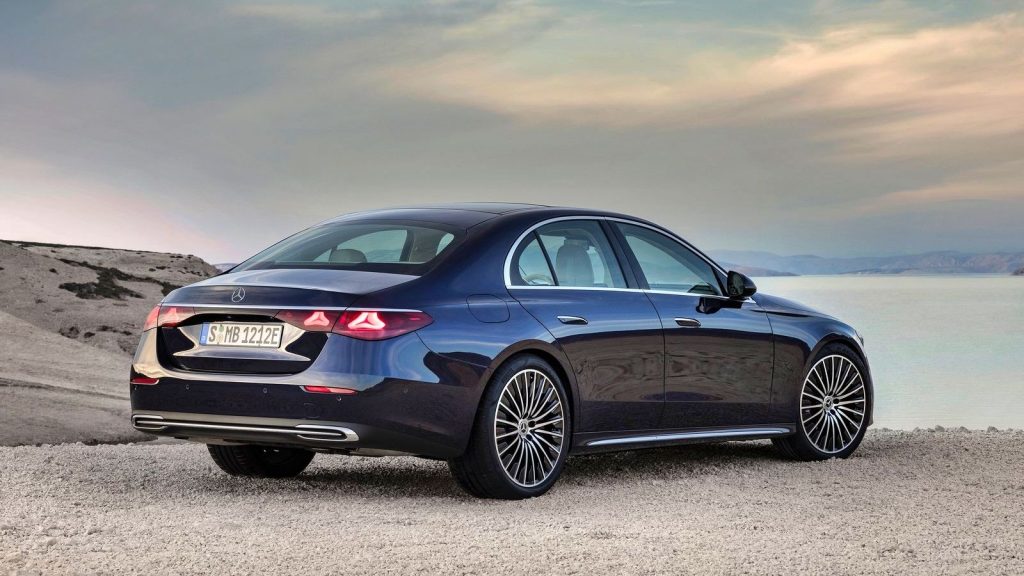
For someone who wants a car that can be serviced anywhere, modern E-Class is not the best match. It is not only about cost, it is about dependency. And in long-term ownership, that dependency becomes one of the biggest hidden expenses.
3) Land Rover Range Rover Evoque
Range Rover Evoque looks stylish and premium, but it is widely associated with complicated ownership and dealership dependence.
The biggest problem is that many repairs require specialized diagnostics, and the vehicle’s electronics can be sensitive. When something goes wrong, the repair path often leads directly to official service.
Evoque systems are highly integrated. Sensors, comfort features, infotainment, and driver assistance are part of one connected network. When a fault appears, it may not be obvious what caused it.
Diagnostics become a critical step, and dealership tools often handle this process better than generic scanners. Independent mechanics may need additional resources, and not all shops have that level of support.
Parts availability can also push owners toward dealerships. While some replacement parts exist outside official channels, many owners avoid risk because premium systems need precise compatibility.
Repairs can become expensive if wrong parts are used or if the vehicle requires calibration afterward. This creates a situation where the dealership feels like the safest choice, even if it is costly.
I included Evoque because it is a car that attracts city buyers who want luxury presence in a compact shape. But it often demands premium-level service involvement. Owners may find themselves repeatedly returning to dealership service because small faults become complicated issues.
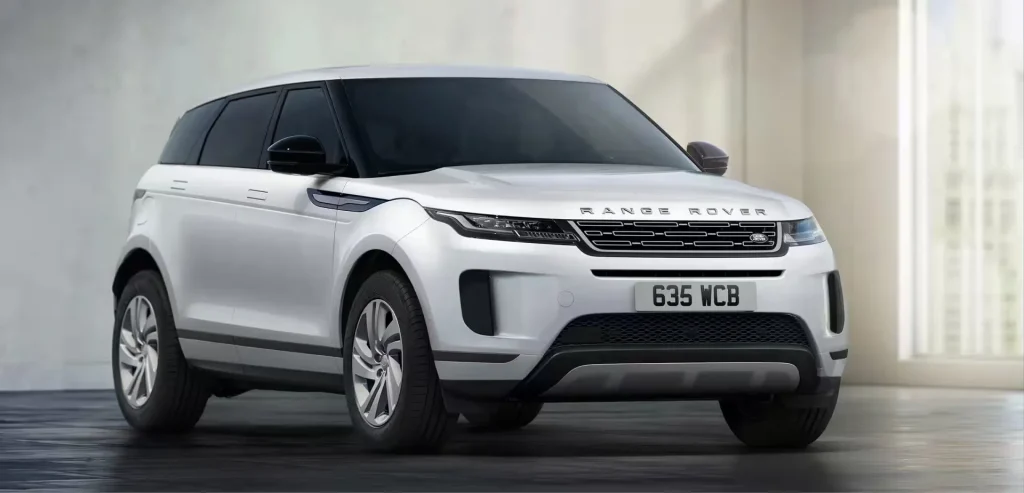
For people who want repair freedom, Evoque can be one of the most restrictive choices. It turns ownership into a high-maintenance relationship, which is exactly the kind of dependence many buyers want to avoid.
4) Tesla Model S
Tesla Model S is innovative and powerful, but it also represents a different kind of dealership dependence. Tesla does not operate like traditional brands.
Service is centralized and controlled, and many repairs cannot be handled by local independent mechanics because of software restrictions and proprietary systems. Even when third-party shops exist, they often face limitations because many systems are locked into Tesla’s ecosystem.
The vehicle is heavily software-driven. Many diagnostics and repair procedures require access to Tesla systems. Certain repairs may involve software pairing, resets, and authorization. Even basic issues can require Tesla service involvement because the car’s systems are built around integrated electronic architecture.
Parts sourcing can also be restricted. In many markets, Tesla parts availability for independent repair is not as open as mainstream brands. That means even if a local shop can physically fix something, they may struggle to obtain the correct parts quickly.
I am writing about Tesla Model S because people often misunderstand this dependency. They assume an EV will be simpler because it has fewer moving parts. Mechanically that may be true. But software dependence is the new form of lock-in.
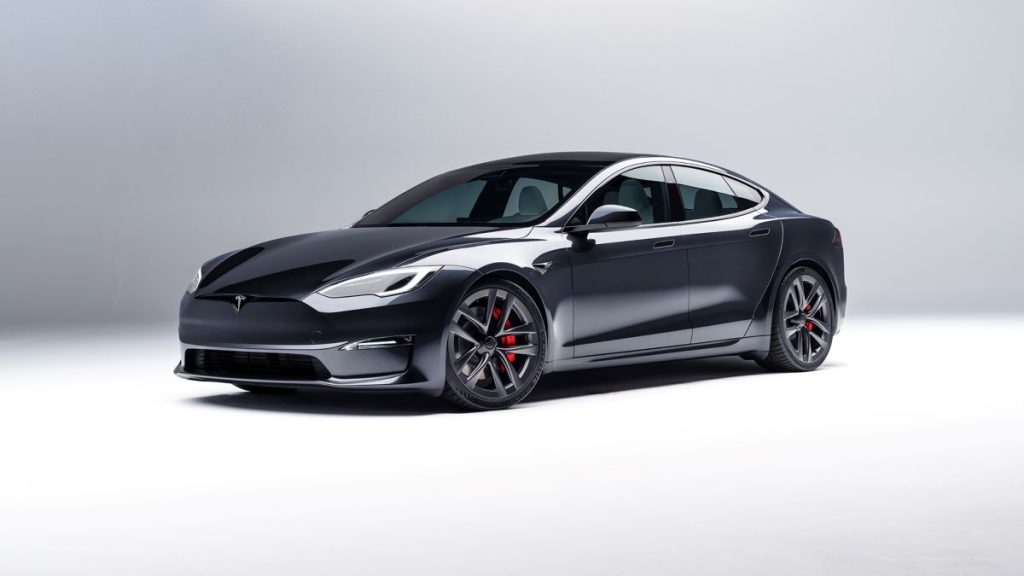
If you value independent repair freedom, Tesla ownership can feel restrictive. The car may run smoothly for long periods, but when issues appear, the repair path often leads back to Tesla service, making independence harder than in traditional mainstream vehicles.
5) Audi Q7
Audi Q7 is a refined luxury crossover, but it has heavy dealership dependence due to complexity. The Q7 is filled with electronics, advanced comfort systems, and integrated driver assistance features. These systems create a premium experience, but they also create more failure points and more repair steps that require specialized tools.
Coding and calibration are major factors. Many Q7 repairs require programming. Even after mechanical replacement, the vehicle may need software integration so the system recognizes the part correctly. Without this step, errors may remain, or features may not work as intended.
The Q7 also uses complex suspension and drivetrain systems in many variants. When these systems develop issues, the repairs are not always straightforward.
Independent shops may handle them, but the risk and diagnostic complexity can push owners back toward official service. Add expensive parts cost, and the dealership becomes the “safe but costly” solution.
I included Audi Q7 because it represents a common pattern: luxury SUV buyers enjoy the features, then later face expensive service dependence. The Q7 can be excellent to drive and extremely comfortable.
But ownership is less flexible than many buyers assume. It is not an ideal vehicle for someone who wants to avoid dealership dependence. Instead, it often becomes a vehicle that demands dealership involvement whenever anything electronic or system-related happens.
The difference between easy ownership and stressful ownership often comes down to repair freedom. Vehicles like Toyota Corolla, Honda Civic, Toyota Tacoma, older Ford F-150 generations, and Hyundai Elantra allow owners to stay independent.
They offer predictable maintenance, widely available parts, and repairability without requiring dealership-only tools for normal work. These vehicles give the owner control, and control is what keeps long-term ownership affordable.
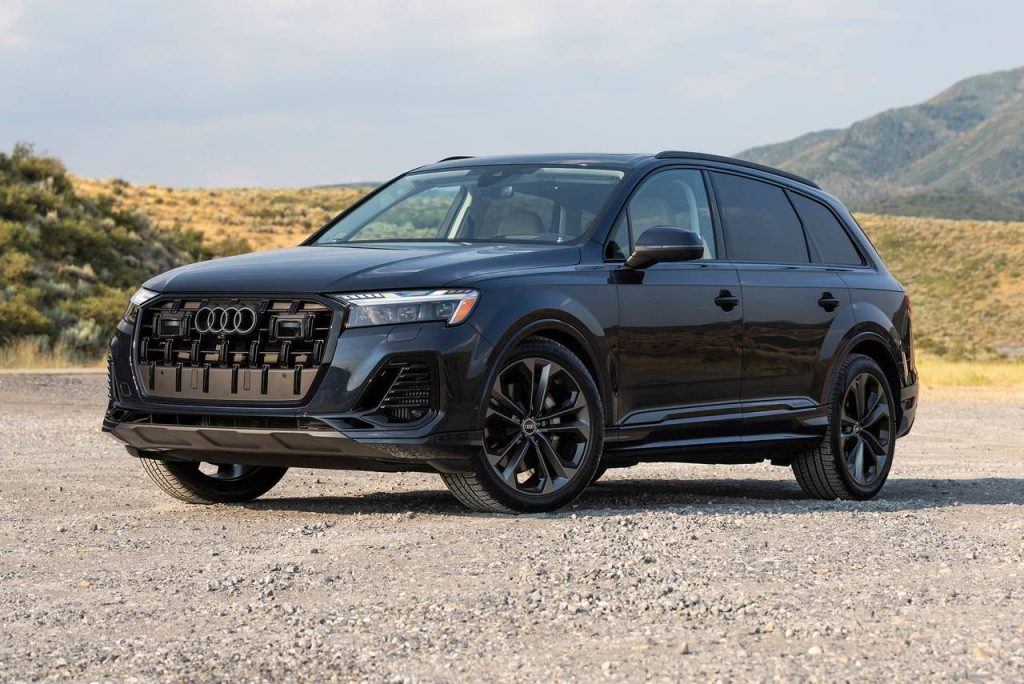
On the other side, dealership-dependent vehicles tend to be complex and locked-in. BMW X5, modern Mercedes E-Class, Range Rover Evoque, Tesla Model S, and Audi Q7 may offer premium experiences, but their systems often require specialized diagnostics, software coding, and official service pipelines. Ownership becomes less flexible, and repairs become more expensive and inconvenient.
In the end, a vehicle should match your lifestyle. If you live far from dealerships, prefer independent mechanics, or want freedom in how you maintain your car, choosing the right vehicle matters. The best vehicle is not only the one that drives well. It is the one you can own confidently without being forced into a system.
Also Read: 5 Vehicles That Are Easy to Park Downtown vs 5 That Are Constant Headaches