
The years following the Second World War marked a turning point for the automotive industry. Factories that once focused on military production shifted their attention toward civilian demand, blending engineering progress with artistic ambition.
Designers and engineers worked with limited resources, yet their creativity flourished, producing machines that emphasized balance, proportion, and mechanical honesty. These cars were not built merely for speed, but for the joy of driving and the statement they made when parked along a roadside or outside a café.
Many of these vehicles emerged during a time when materials were scarce and innovation was essential, making their achievements even more impressive in hindsight.
As decades passed, attention gravitated toward a handful of legendary names, while others quietly slipped into obscurity. Some models were produced in small numbers, others came from manufacturers that no longer exist, and many lacked the racing success or marketing presence needed to remain in the spotlight.
Despite this, their designs aged with remarkable grace. The curves, proportions, and detailing of these postwar sports cars still feel fresh, even when compared to modern machines shaped by wind tunnels and computer modeling.
What makes these forgotten cars especially fascinating is how well they communicate the values of their era. They reflect a moment when craftsmanship mattered deeply, when designers trusted their instincts, and when performance was balanced with elegance.
Many of these cars also served as stepping stones for brands that would later become household names. Ideas tested in these lesser-known models influenced future classics, even if the original cars never received proper recognition.
Others stand alone as beautiful experiments that never quite found commercial success but succeeded artistically. Each one tells a story shaped by ambition, risk, and a desire to redefine personal mobility after years of hardship.
This article highlights ten postwar sports cars that history largely set aside, yet their visual impact remains undeniable. They are reminders that greatness is not always loud or widely celebrated. Sometimes it sits quietly in a garage, admired only by those who take the time to look closely.
These machines still look incredible because they were built with purpose, restraint, and an understanding of beauty that transcends trends.
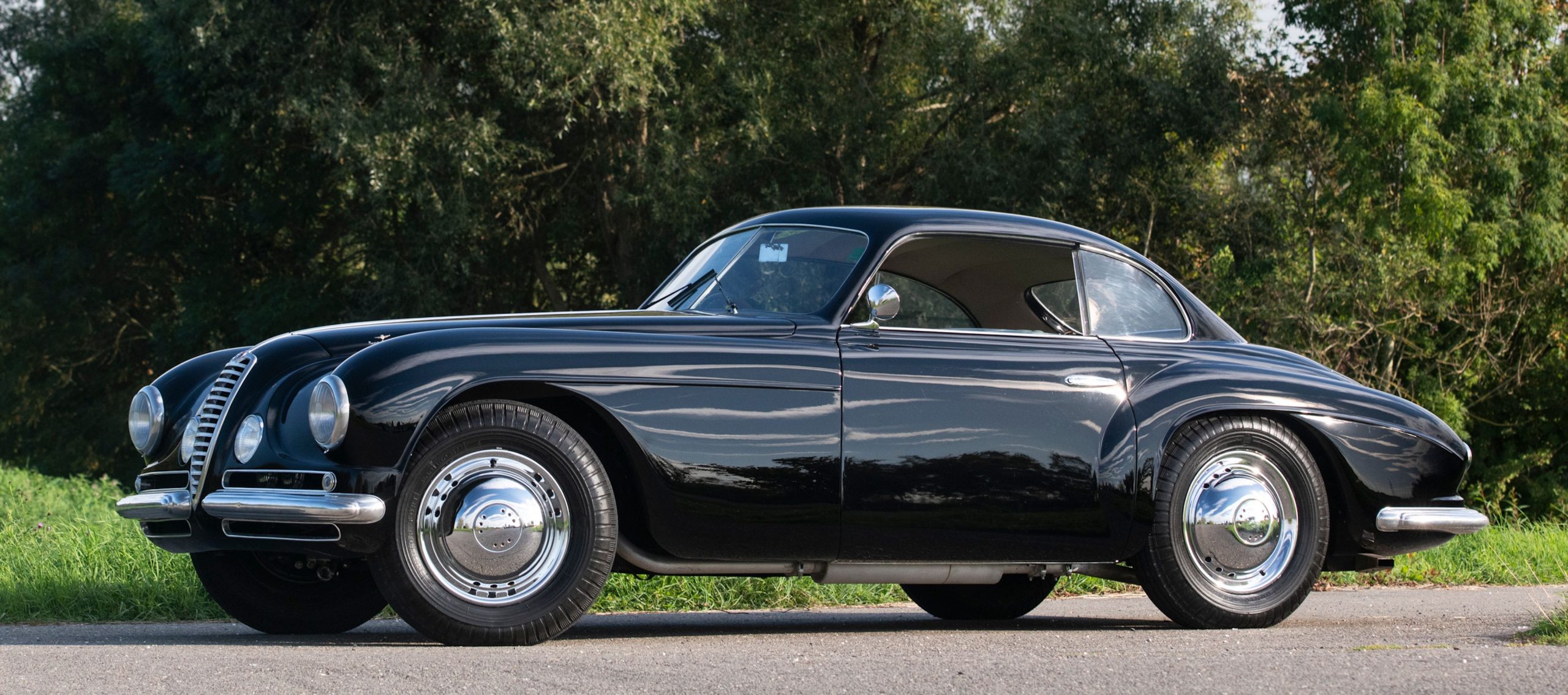
1. Alfa Romeo 6C 2500 SS Villa d’Este
The Alfa Romeo 6C 2500 SS Villa d’Este is a prime example of Italian automotive artistry after World War II. Its body was meticulously handcrafted, reflecting a period when designers shaped each curve with careful attention to proportion and balance.
The long hood stretched forward like a statement of intent, while the tapered rear created an elegant flow that suggested movement even when the car was parked.
Small chrome touches highlighted the lines without drawing attention away from the form itself, demonstrating a refined sense of restraint uncommon in modern cars. Each vehicle had subtle differences in detailing, making every example feel slightly unique and personal.
This car represented Alfa Romeo’s return to elegance and engineering sophistication after the disruption of wartime production. The chassis was engineered with a focus on handling, including independent front suspension that improved both comfort and agility.
Beneath the hood, the straight six engine delivered smooth, progressive power, favoring controlled acceleration rather than outright speed.
Drivers of the Villa d’Este appreciated the balance between responsive handling and comfort, which allowed them to enjoy long drives on winding roads or quick bursts on straights. It was a car that rewarded attention and skill, embodying the thoughtful design priorities of the late 1940s.
The interior of the Villa d’Este reflected the same philosophy of subtle luxury. The dashboard was clean, with instruments arranged symmetrically for clarity and ease of use. Materials were chosen for their quality rather than flashiness, with soft leather and polished wood accents creating a warm, inviting atmosphere.
Every control felt solid and well-placed, reinforcing a sense of precision. This understated elegance made the driving experience more about connection to the machine than about impressing passengers, emphasizing that performance and design could coexist harmoniously without extravagance.
Production numbers for the Villa d’Este were extremely limited, adding to the car’s rarity and mystique. Its exclusivity meant that it never became widely known outside of specialist circles, despite its technical sophistication and beauty.
The high cost of construction also restricted its audience to enthusiasts with both resources and a deep appreciation for design. Today, surviving examples are highly prized by collectors and museums, admired not just for their mechanical excellence but for the artistry that each hand-built curve embodies.
Even decades later, the Alfa Romeo 6C 2500 SS Villa d’Este remains striking in appearance. Its graceful proportions have not aged, and the elegance of its silhouette continues to inspire designers and enthusiasts alike.
Unlike many postwar cars that relied on decorative flourishes to attract attention, this model proves that careful engineering and timeless design principles endure.
It stands as a testament to an era when cars were both machines and works of art, demonstrating that understated sophistication can remain compelling for generations.
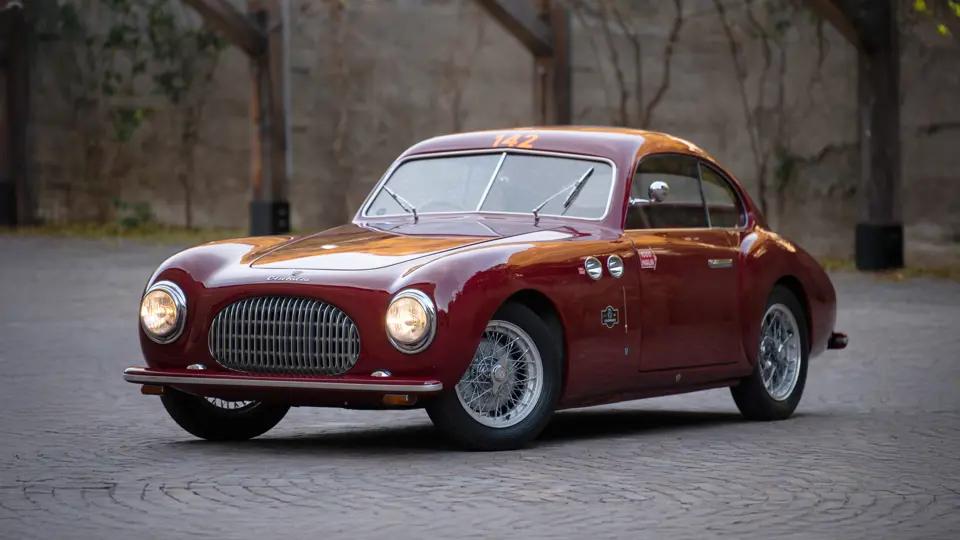
2. Cisitalia 202
The Cisitalia 202 is a landmark in automotive design, often credited with redefining what a modern sports car could look like, though it remains relatively unknown outside design circles. Its smooth, flowing body broke from prewar styling conventions by eliminating separate fenders and running boards.
The result was a seamless shape that suggested motion and elegance, a radical approach at the time. Its balanced proportions created a harmonious profile, and the aerodynamic shape contributed not just to style but also to driving performance, highlighting the marriage of form and function.
Every angle seemed intentional, from the low hood to the gently sloping rear, emphasizing continuity in design.
Under the hood, the 202 was modest yet highly effective. The four-cylinder engine prioritized agility and responsiveness over raw power, making it ideal for twisty roads and spirited driving.
Lightweight construction further enhanced its handling characteristics, allowing drivers to feel fully connected to the car’s dynamics.
Acceleration was smooth and controlled, making the car approachable for skilled amateurs while still rewarding precision and careful inputs.
The combination of innovative engineering and attention to weight distribution made the 202 an unusually complete driving experience for its era.
Inside, the Cisitalia maintained the same design purity seen on the outside. Controls were positioned for quick access, gauges were clear and uncluttered, and seating supported the driver comfortably without excessive padding.
Visibility was excellent thanks to the thin pillars and expansive glass areas, which helped drivers feel more in command of the car. The interior reflected a philosophy of simplicity and purpose, avoiding unnecessary ornamentation, which contributed to a sense of focus and engagement behind the wheel.
Despite critical acclaim and later recognition in design circles, the Cisitalia 202 was not a commercial success. The company faced financial difficulties, and limited production meant few cars were ever sold.
Nevertheless, the influence of the 202 persisted, inspiring designers and engineers in Europe and beyond. Its significance extends beyond performance statistics, as it demonstrated that a sports car could combine elegance, functionality, and innovation in a single package.
Even today, the Cisitalia 202 remains visually striking. Its timeless design has endured better than many mass-produced contemporaries. The sleek curves and aerodynamic harmony make it feel modern even decades later, proving that thoughtful design and engineering foresight can secure a car’s legacy long after production ends.
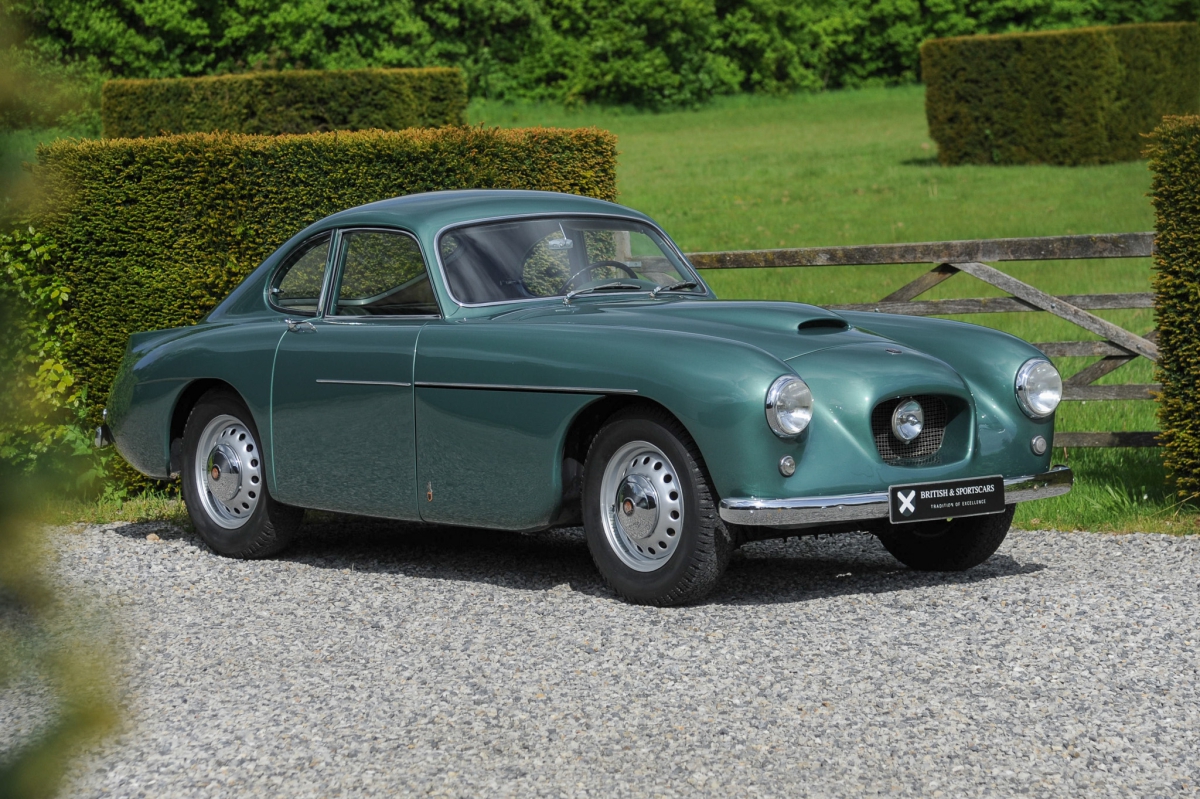
3. Bristol 404
The Bristol 404 exudes understated elegance that reflects British craftsmanship and postwar ingenuity. Its compact size and clean, simple lines give it a purposeful appearance that stands out without needing excessive ornamentation.
Recessed headlights, modest chrome accents, and gentle curves on the bodywork make the design coherent and balanced, appealing to those who value proportion over flamboyance. Every detail appears deliberate, from the taper of the rear to the gently sloping hood, giving the car a sense of refinement often overlooked in postwar vehicles.
Mechanically, the Bristol 404 draws on German engineering heritage, particularly the BMW-derived straight six engine. Smooth and reliable, this powertrain emphasizes refinement and tractability rather than outright performance.
Paired with a well-engineered chassis and responsive suspension, it handles confidently on both twisty roads and long highway stretches. This combination of reliability and composure makes the 404 a sports car for discerning drivers who appreciate subtlety and precision in mechanics rather than flashy speed figures.
A distinctive aspect of the 404 is its innovative use of storage. Clever compartments located behind the front wheels allowed for practical luggage capacity without compromising the car’s balance or silhouette.
This thoughtful engineering demonstrates the brand’s ability to blend utility with performance, highlighting a focus on real-world usability that many contemporaries overlooked. It also contributes to an even weight distribution, which improves driving dynamics while maintaining visual harmony.
Inside, the cabin continues the theme of refined simplicity. Controls are laid out logically, the seating is supportive, and materials are of high quality without extravagance. Every component communicates purpose, reinforcing a sense of integrity in design. It is a car that prioritizes engagement and mechanical honesty, offering a tactile, connected experience that modern vehicles with abundant electronics sometimes fail to replicate.
While never aimed at mass appeal, the Bristol 404’s elegance has aged gracefully. Its quiet sophistication stands out today among collectors who value engineering precision and aesthetic restraint. The car’s longevity as a visually pleasing and mechanically satisfying machine demonstrates the timelessness of well-executed design principles.
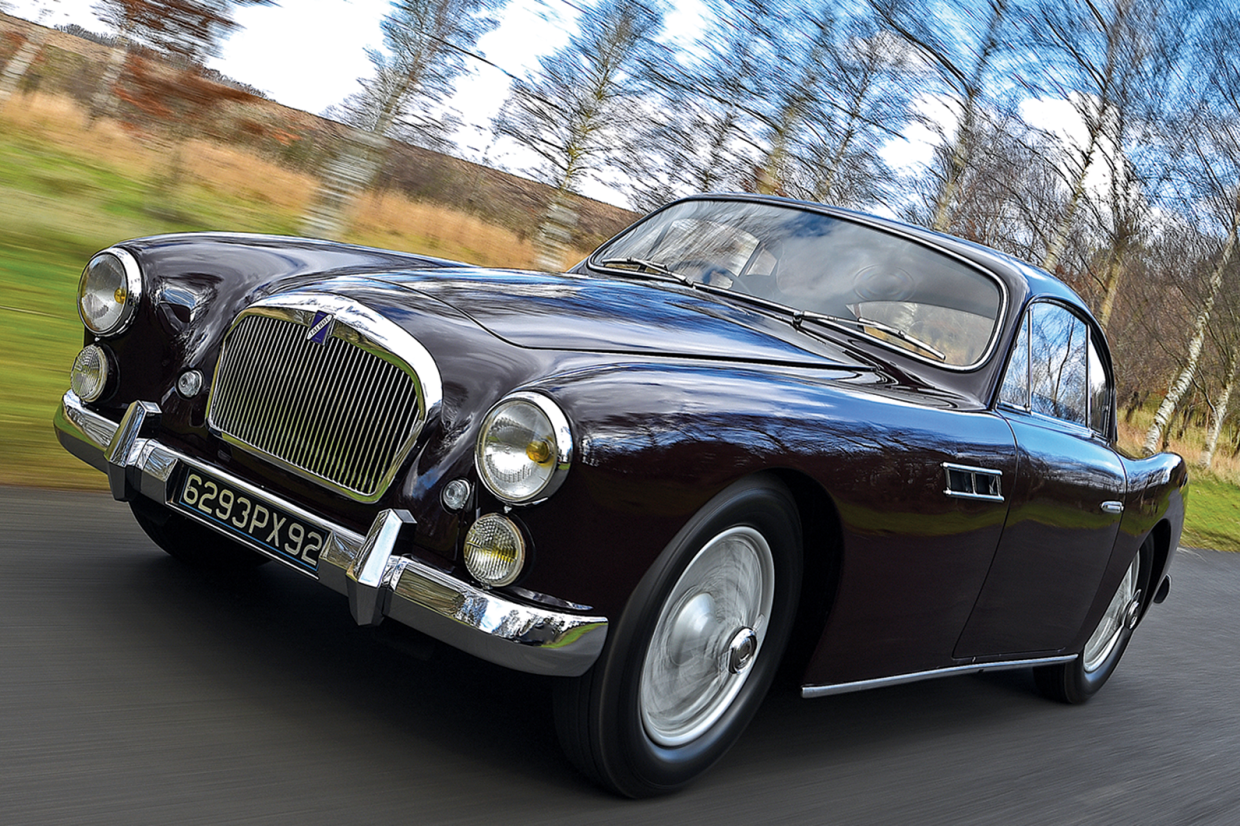
4. Talbot Lago T26 Grand Sport
The Talbot Lago T26 Grand Sport embodies French refinement and racing pedigree in a single package. Its bodywork is dramatic and sweeping, with long fenders, a prominent grille, and a taut, sloping rear that conveys motion even at a standstill.
Coachbuilders of the era brought their own interpretations to the chassis, resulting in varied but consistently beautiful versions that highlight the creativity of postwar automotive design. Each car exudes an air of confidence and flair, with proportions carefully balanced to harmonize elegance with athleticism.
Under the hood, the T26 Grand Sport was built for performance. Its straight-six engine produced impressive output for the era, providing acceleration and speed that made it competitive in endurance racing.
On public roads, it offered a commanding presence, combining strong performance with a supple ride that remained comfortable over long distances. Drivers valued its mechanical feedback and stability, allowing them to approach corners and straights with confidence.
Inside, the T26 Grand Sport offered a blend of luxury and functionality. The cockpit was driver-focused, with instruments placed for clarity and accessibility. High-quality materials, including leather and polished wood, created an atmosphere of sophistication without being ostentatious. The interior reflected both the car’s sporting intent and its status as a symbol of refined taste, emphasizing experience over excess.
The car’s production was limited, and financial difficulties eventually affected the brand, restricting wider recognition. Despite this, the T26 Grand Sport remains a showcase of technical and artistic ambition, reflecting an era when French automakers pursued elegance alongside engineering excellence. It stands as a testament to the creative energy of postwar Europe, capturing both performance and style.
Even after decades, the T26 Grand Sport’s presence is striking. Its dramatic lines and confident stance continue to impress collectors and enthusiasts alike. The balance of visual elegance and mechanical prowess ensures that the car is still admired not just for nostalgia, but for its enduring design integrity and performance potential.
5. Healey Silverstone
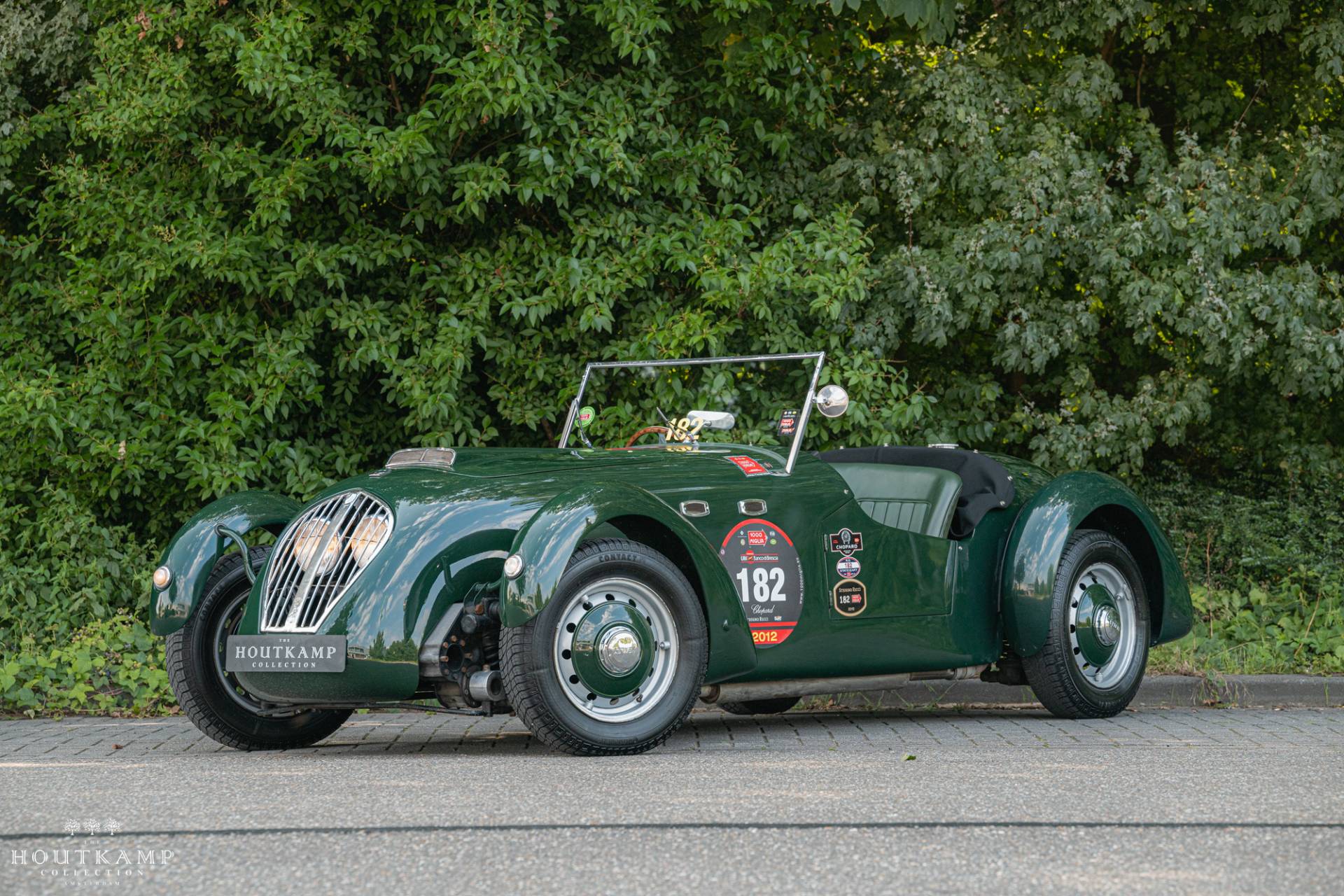
The Healey Silverstone was designed with competition in mind, and its aesthetic communicates that focus immediately. Its low, wide stance, minimalistic bodywork, and purposeful lines convey speed and agility.
Curves are kept subtle, emphasizing function over ornamentation, while the compact proportions create an impression of mechanical honesty and engineering precision. It looks ready to race even when stationary, reflecting a purity of intent rarely seen in postwar cars.
Mechanically, the Silverstone was built to reward driving skill. Its lightweight frame, stiff chassis, and responsive suspension allowed it to handle tight corners and high-speed straights with confidence.
The engine delivered lively performance, encouraging drivers to exploit its limits while remaining manageable in skilled hands. This combination of performance and balance made the car highly regarded among enthusiasts who valued precision and control.
Inside, the Healey was stripped down but practical. The cockpit prioritized driver engagement, with instruments placed for quick reference and controls positioned for efficiency.
Comfort was secondary to driving experience, emphasizing the car’s sporting focus. This approach ensured that the Silverstone felt alive and responsive, reinforcing its identity as a true driver’s machine.
Despite its racing pedigree and appealing design, the Healey Silverstone remained a niche product. It did not achieve the commercial success of larger marques, and its minimalist design limited broader appeal.
Nonetheless, it is admired today for its purity and clarity of purpose, representing a period when performance and driver connection were the defining elements of a sports car.
The Silverstone continues to captivate collectors with its aggressive yet elegant appearance. Its design has aged remarkably well, proving that honesty in construction and proportion can create enduring appeal. It serves as a reminder that the essence of a sports car lies in engagement and performance rather than luxury or opulence.
6. Lancia Aurelia B20 GT
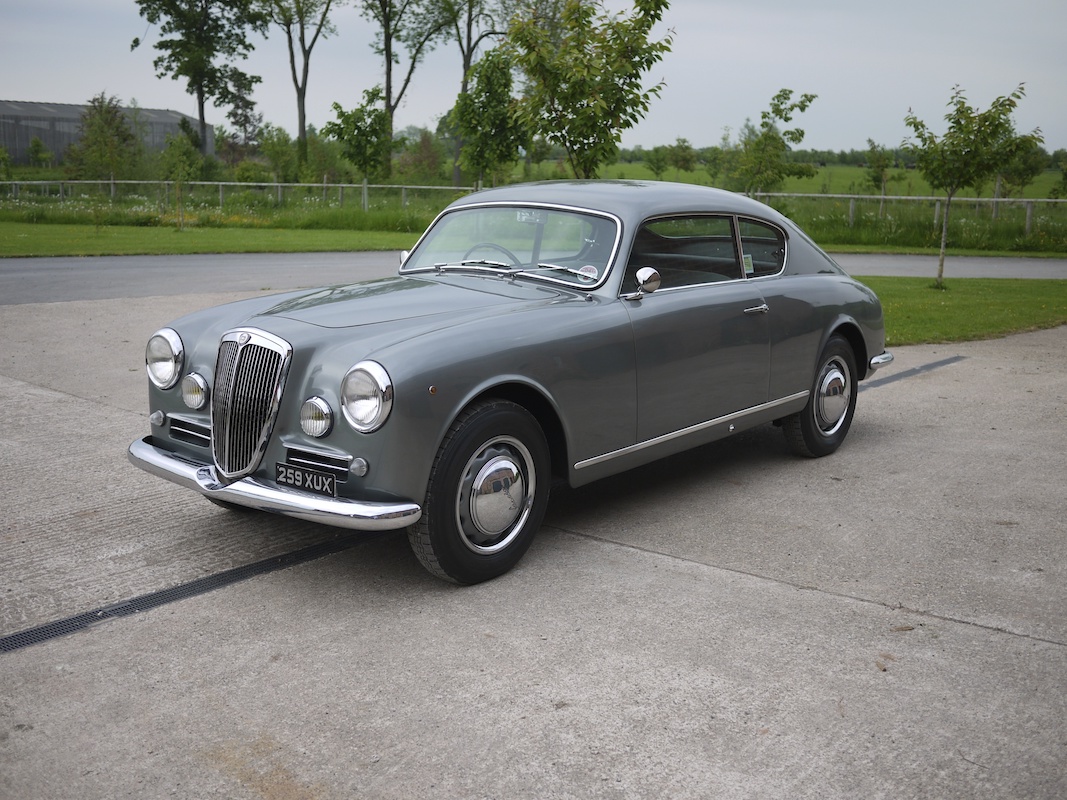
The Lancia Aurelia B20 GT is often praised for its harmonious blend of engineering innovation and elegant design. Its body features smooth, flowing lines that give the car a timeless presence, with subtle curves that complement its aerodynamic shape.
The proportions feel balanced from every angle, from the gently sloping hood to the slightly tapered rear, producing an impression of poise and sophistication.
Unlike many contemporaries, it avoided excessive ornamentation, relying on purity of form to express its Italian character. Coachbuilders occasionally added personal touches, but the car’s silhouette remained consistent, demonstrating restraint and vision in design.
Mechanically, the Aurelia B20 GT was a pioneer for its time. It was among the first production cars to feature a V6 engine, which was compact yet capable of smooth, progressive power delivery. The rear-mounted transaxle helped achieve near-perfect weight distribution, improving handling and balance significantly.
Paired with independent suspension, this setup made the B20 GT nimble and confident on corners while maintaining stability at higher speeds. Drivers immediately appreciated the way the car responded to subtle steering inputs, rewarding finesse and precision rather than brute force.
Inside, the Aurelia offered a thoughtful balance between comfort and functionality. The cabin was spacious yet focused, with ergonomically placed controls and clear, legible gauges. Materials such as leather and wood were chosen for both durability and tactile appeal, creating a luxurious but understated environment.
Despite its innovative engineering and refined design, the Aurelia B20 GT was often overshadowed by flashier Italian sports cars of the era. Its understated elegance and moderate performance figures made it less immediately striking in showrooms.
However, enthusiasts and collectors have since recognized its combination of technical sophistication and timeless style. Limited production numbers add to its rarity, making surviving examples particularly prized for both their mechanical ingenuity and aesthetic refinement.
The Lancia Aurelia B20 GT continues to impress today. Its graceful lines and thoughtful engineering have aged beautifully, giving it a presence that modern vehicles often struggle to match. The car exemplifies a period when designers and engineers sought to harmonize performance, comfort, and elegance in one cohesive package, proving that innovation and style could coexist without compromise.
7. Pegaso Z 102
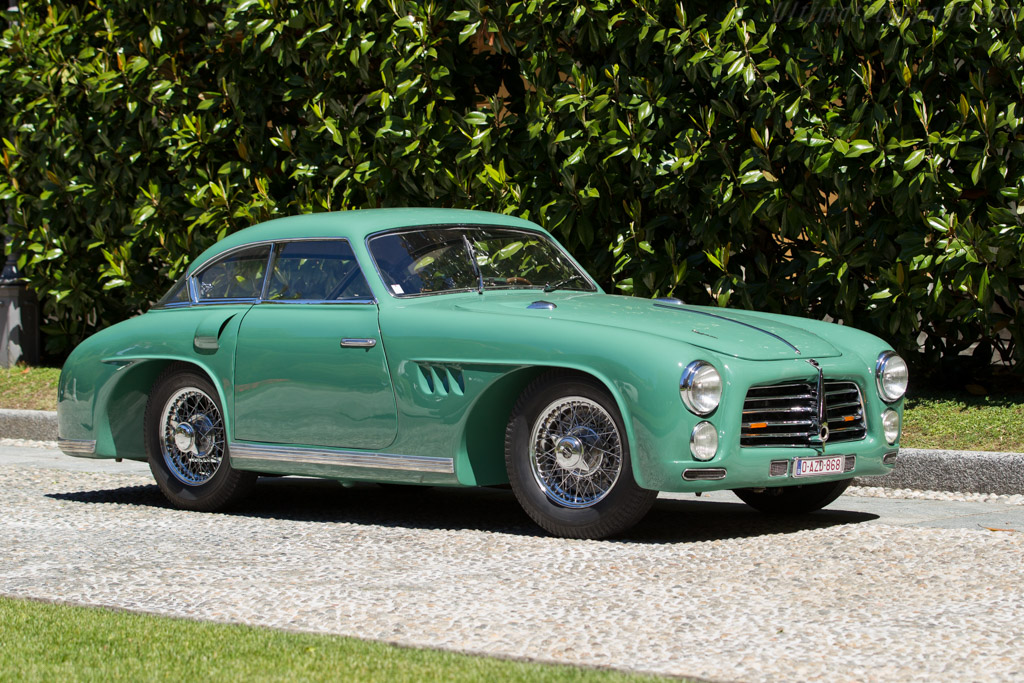
The Pegaso Z 102 is a remarkable Spanish sports car that combined bold styling with advanced engineering in the early 1950s. Its design was striking, often ranging from elegant and flowing to sharply futuristic, depending on the coachbuilder’s interpretation.
Long, low bodylines and dramatic proportions made it immediately recognizable, while the combination of curves and angular details suggested both speed and sophistication. Its aggressive stance and elongated hood highlighted its sporting intent, signaling a serious performance machine rather than a mere luxury car.
Underneath its dramatic exterior, the Z 102 was technologically advanced. It offered a powerful V8 engine in multiple configurations, capable of producing impressive horsepower for the time.
A five-speed gearbox allowed precise control of power delivery, while the advanced suspension setup provided a balance of agility and stability.
It was designed to compete with the best European sports cars, aiming to challenge brands like Ferrari and Maserati on both road and track, demonstrating Spain’s ambition to produce world-class automobiles.
The interior of the Pegaso Z 102 matched its exterior in terms of luxury and attention to detail. Seats were upholstered in high-quality leather, and dashboards were arranged to give drivers complete control while maintaining an elegant atmosphere.
Instruments were clear and logically placed, and minor details reflected a combination of artistry and craftsmanship. The cabin communicated both performance and prestige, a reflection of the car’s dual nature as a road-going sports car and a statement of national pride.
Despite its promise, the Pegaso Z 102 faced limitations in commercial success. High production costs, complex engineering, and limited factory capacity meant that very few cars were made.
While its performance and design earned admiration among collectors, the model never reached the wider audience it deserved. Its rarity has turned it into a coveted piece for enthusiasts, with surviving examples demonstrating the potential of Spanish automotive ambition during the postwar period.
Even decades later, the Pegaso Z 102 remains visually compelling. Its daring design and advanced engineering continue to draw attention, showing that innovation and bold styling can create a lasting impression.
It is a car that feels modern despite its age, a testament to Pegaso’s commitment to pushing boundaries when the automotive world was rapidly evolving.
8. Ferrari 166 Inter
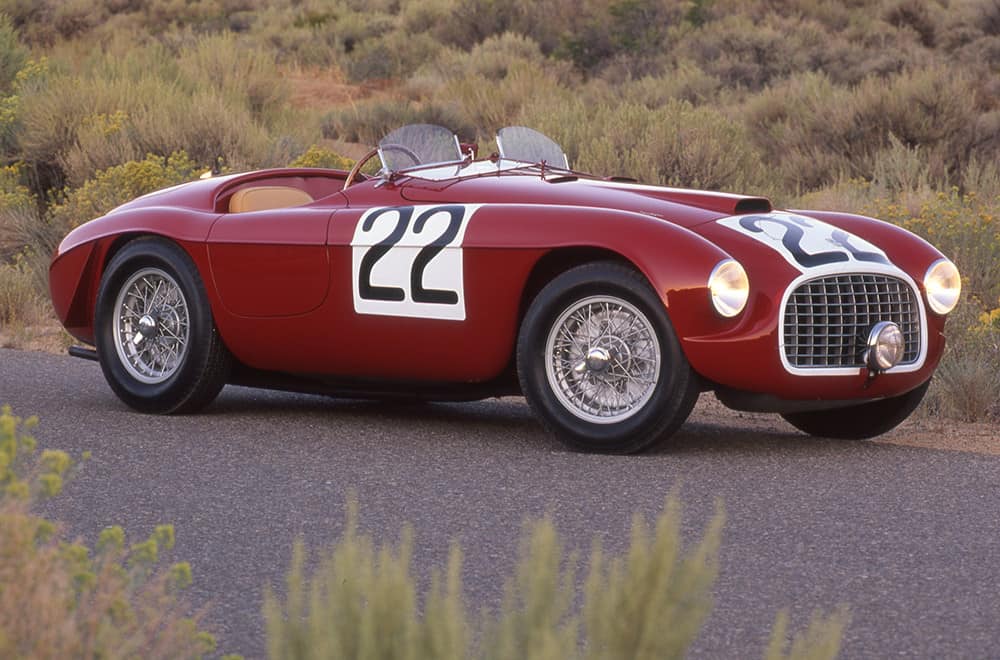
The Ferrari 166 Inter represents a pivotal moment in Ferrari’s history, marking the brand’s transition from a purely racing-focused company to a producer of refined road cars. Its design is elegant and restrained, with long, flowing lines and balanced proportions that give the car a timeless presence.
Coachbuilt bodies varied slightly, giving each example a distinct character while maintaining the recognizable Ferrari identity. The low, curving hood and tapered rear create a sense of fluid motion, reinforcing the brand’s reputation for style as well as performance.
Beneath the body, the 166 Inter featured a small but potent V12 engine. The power delivery was smooth, providing enough performance for spirited drives without overwhelming the chassis.
The car was nimble and responsive, with suspension and chassis tuning that emphasized balance and road feel. Drivers found it rewarding to handle, with predictable dynamics and an engaging mechanical connection that reflected Ferrari’s racing roots while adapting to road use.
Inside, the 166 Inter balanced luxury and driver-oriented functionality. Materials such as leather and polished wood accented the clean, purposeful dashboard. Controls and instruments were positioned for intuitive use, and seating offered comfort without compromising the sporty layout.
The interior was a reflection of Ferrari’s attention to detail, ensuring the driving experience remained immersive and enjoyable, whether on short runs or long journeys.
Despite being overshadowed by later Ferrari models, the 166 Inter played an important role in shaping the brand’s identity. It demonstrated that a Ferrari could be both beautiful and approachable, offering comfort and performance without diluting its sporting essence. Limited production numbers ensured rarity, making surviving cars highly prized among collectors who value early Ferrari engineering and style.
Today, the Ferrari 166 Inter remains visually compelling and historically significant. Its elegant proportions and harmonious design continue to inspire admiration, proving that the combination of racing experience and road-going refinement can produce a sports car that is both timeless and practical.
9. Aston Martin DB2
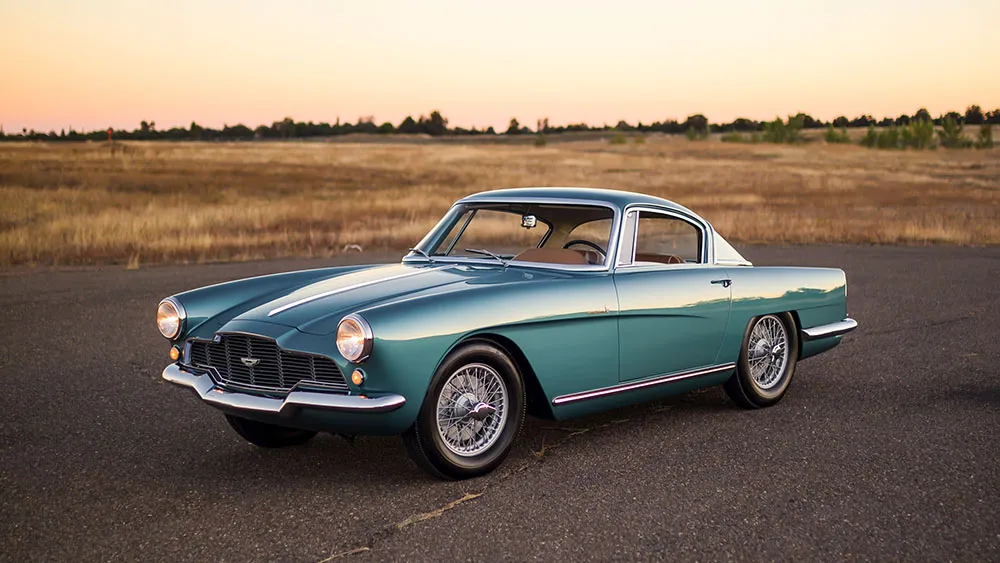
The Aston Martin DB2 marked a new era for the British brand, refining its image and solidifying its reputation for elegant, performance-oriented sports cars. Its flowing bodywork and carefully balanced proportions convey confidence without appearing ostentatious.
Subtle curves and a long hood create an impression of motion even when the car is stationary, while chrome and trim are used sparingly to highlight rather than dominate the form. Every line is purposeful, reflecting the brand’s commitment to understated elegance.
Mechanically, the DB2 relied on a capable straight six engine that provided smooth, reliable performance. The chassis and suspension were tuned for stability and comfort, making it suitable for both spirited driving and longer touring.
Steering and braking responses were precise, offering drivers a connected and rewarding experience. Its combination of refinement and athleticism made the car versatile, able to excel on winding roads or high-speed highways without compromise.
The interior of the DB2 was carefully crafted to reflect both luxury and driver-focused design. Materials such as leather and polished wood were complemented by a clean and functional dashboard layout. Seating was supportive and comfortable, ensuring that even long journeys remained enjoyable.
The car’s interior reinforced Aston Martin’s philosophy of combining performance, craftsmanship, and practicality into a single cohesive experience.
Although the DB2 achieved recognition in its time, it is often overshadowed by later models in the DB series. However, its design and mechanical sophistication laid the foundation for the brand’s future success. Today, the DB2 is celebrated for its elegant appearance, strong performance, and the refinement that would become hallmarks of Aston Martin.
Even decades later, the DB2 commands attention with its timeless design. Its flowing lines, balanced proportions, and tasteful detailing ensure that it remains visually striking and desirable.
It is a testament to the enduring appeal of thoughtful design and engineering, proving that a car can remain relevant long after its production ends.
10. Frazer Nash Le Mans Replica
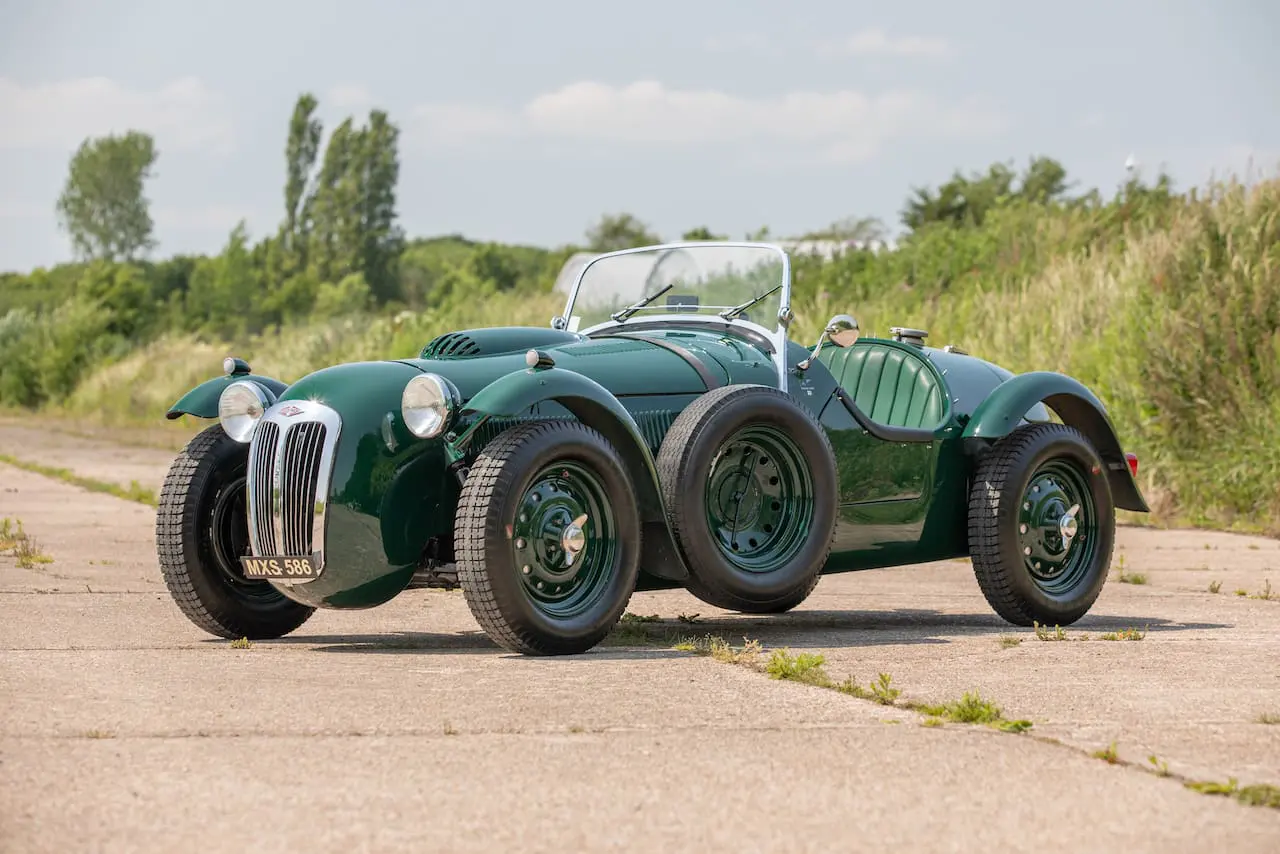
The Frazer Nash Le Mans Replica remained true to prewar sports car principles while incorporating postwar refinements that enhanced performance and reliability. Its exposed wheels, upright stance, and minimalist body immediately signal its racing intentions.
Unlike more elaborate competitors, the design focuses on mechanical honesty and driver engagement, with no unnecessary styling elements to distract from its purpose. It is a car that communicates its capabilities at first glance.
Lightweight construction, combined with responsive steering and a finely tuned chassis, defined the car’s character on the road. Its engine provided spirited performance appropriate for a car of its size, emphasizing balance and precision over brute force.
Drivers appreciated the tactile feedback and connection to the road, as the car’s dynamics required skill and attention. The Le Mans Replica rewarded careful handling and delivered an exhilarating experience for enthusiasts who valued engagement above comfort.
The interior of the Frazer Nash was deliberately minimalistic, with essential instruments and controls arranged for clarity and efficiency. Seating prioritized driver control, reinforcing the car’s sporting purpose. Comfort was secondary to functionality, yet the cockpit felt purposeful and focused, allowing drivers to remain fully connected to the vehicle’s responses. Every element reflected a dedication to performance and simplicity, hallmarks of the prewar design philosophy.
Despite its merits, the Frazer Nash Le Mans Replica remained a niche car, produced in limited numbers. As automotive tastes shifted toward more comfortable, refined machines, it occupied a specialized place in the market. Its rarity today adds to its appeal, with enthusiasts admiring the authenticity and purity of its design and performance characteristics.
Even today, the Le Mans Replica stands out for its raw honesty and purposeful design. Its exposed mechanical components and minimalist aesthetic make it a vivid reminder of a period when driving skill and mechanical connection were paramount. It remains a symbol of a time when sports cars were defined as much by their character as by their performance.
