
Cars are more than just machines that move people from one place to another. For many, they represent freedom, status, and even a reflection of personal taste and lifestyle.
Some vehicles are purchased and sold within a few years, while others seem to become almost like family members, remaining in the same household for decades. Understanding why some cars are retained long-term while others are quickly sold can reveal a lot about reliability, cost of ownership, design, and the emotional connection people develop with their vehicles.
Longevity often depends on a combination of engineering quality and the experiences owners have with their cars. Some vehicles are designed to endure high mileage without significant issues, which encourages owners to maintain them rather than trade them in.
Others may look appealing initially but reveal hidden costs or frustrations that lead to early resale. Factors such as fuel efficiency, maintenance costs, comfort, and technological features can all influence whether a car becomes a long-term companion or a short-term possession.
Emotional attachment also plays a critical role in vehicle retention. Cars that provide a smooth, dependable driving experience tend to create positive associations for their owners.
Memories tied to road trips, daily routines, and family moments often make letting go of a reliable car an emotionally difficult decision. Conversely, vehicles that repeatedly break down or feel outdated quickly lose their sentimental value, prompting owners to sell them as soon as a better option appears.
The market itself can influence how long people keep cars. Certain models hold their value remarkably well, making them attractive for long-term ownership as they require less financial sacrifice over time.
Other cars depreciate quickly, which motivates owners to sell before the value drops significantly. Additionally, social trends and peer influence can affect the desire to upgrade to the latest model, even if the current car is still perfectly functional.
Ultimately, the decision to keep or sell a car early combines practical considerations with emotional responses. Reliability, cost, performance, and personal attachment all play intertwined roles in this decision-making process.
By examining specific models that tend to be retained for years versus those often sold quickly, we can better understand these patterns and gain insights into what truly makes a car worth keeping. This knowledge can guide future buyers toward vehicles that not only meet their immediate needs but also offer long-term satisfaction and dependability.
Cars Owners Keep Long-Term
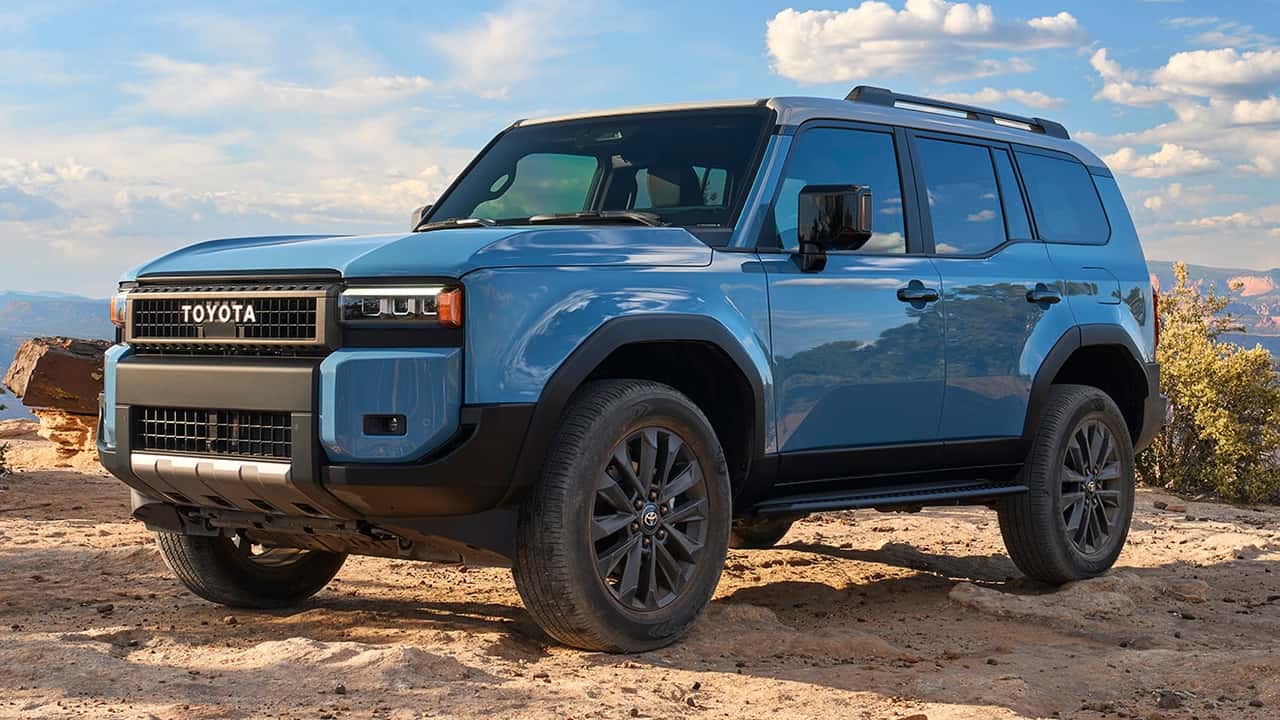
1. Toyota Land Cruiser
The Toyota Land Cruiser is known for its exceptional durability and reliability. Many owners report surpassing 300,000 miles without major engine problems. Its off-road capabilities make it a favorite among adventurers who also value comfort during long trips. The combination of toughness and smooth driving makes it a vehicle people are reluctant to replace.
Maintenance costs for the Land Cruiser are generally predictable, which encourages owners to keep it longer. Parts are widely available, and the engineering is straightforward enough for most mechanics to service efficiently. These factors reduce the anxiety of unexpected breakdowns. Owners often describe a sense of confidence in the car’s ability to perform under any conditions.
The resale value of the Land Cruiser remains strong even after many years of use. This economic advantage makes keeping it a sensible choice rather than a financial burden. People appreciate that their investment does not depreciate as quickly as many other large SUVs. As a result, long-term ownership becomes both an emotional and practical decision.
Comfort is another reason why the Land Cruiser enjoys loyal owners. The interior design is spacious, with seating that supports long drives without fatigue. Even older models maintain a level of luxury and convenience that competes with modern SUVs. This makes it a car that feels valuable and enjoyable for a long time.
Finally, the Land Cruiser has a reputation for longevity across generations. Word-of-mouth experiences shared among owners reinforce the perception that this car is built to last. Many families pass their Land Cruisers down through multiple generations. This sense of tradition and reliability strengthens the desire to keep it for decades.
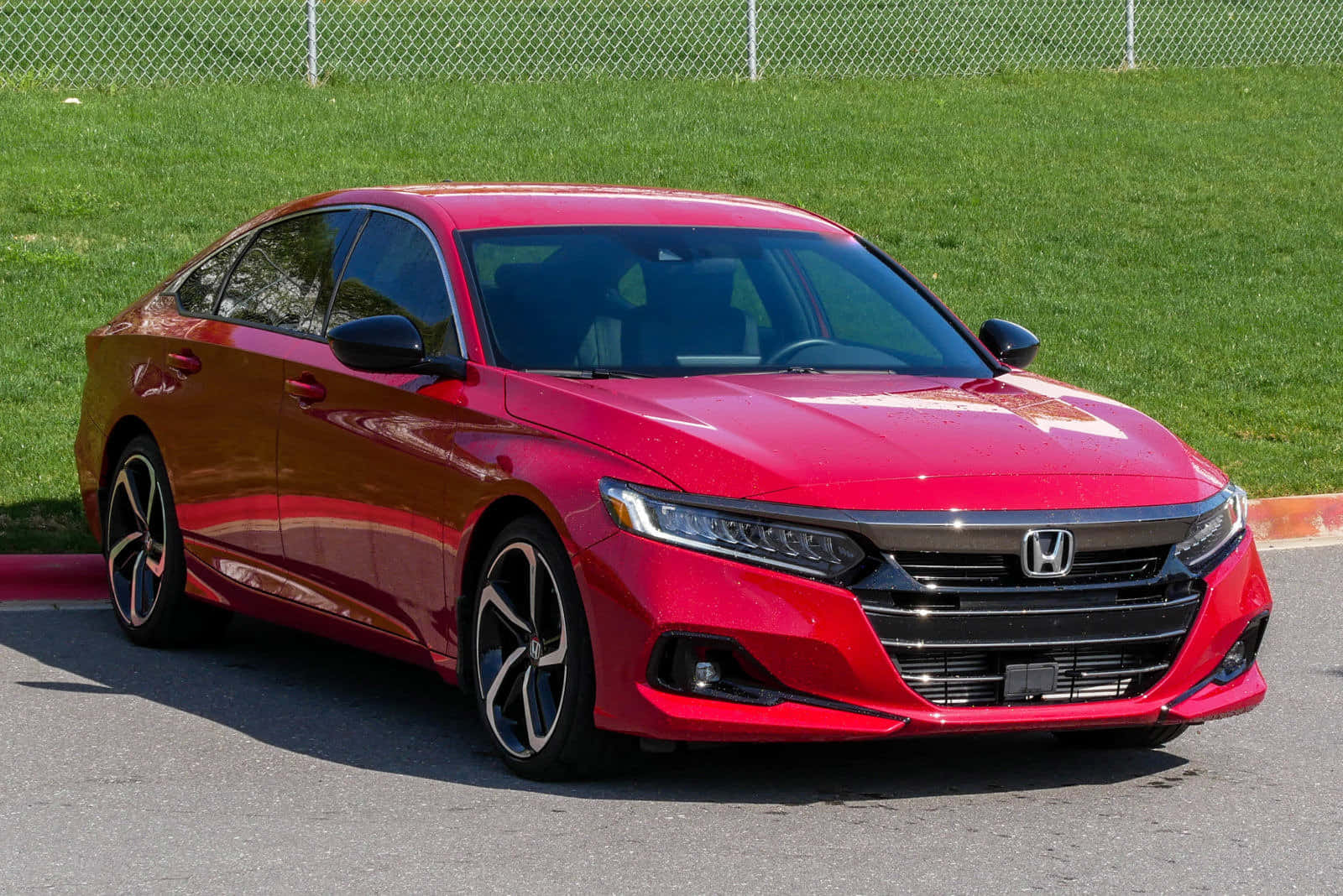
2. Honda Accord
The Honda Accord has long been praised for its reliability, fuel efficiency, and smooth performance. Many owners report driving their Accords for over 200,000 miles with minimal issues, which creates a strong incentive to keep them for years.
The engine and transmission systems are well-engineered, making regular maintenance simple and predictable. This combination of efficiency and low maintenance costs gives owners confidence that the car will serve them well into the future.
Comfort and practicality also contribute to the Accord’s long-term appeal. The cabin is spacious for a midsize sedan, with supportive seating and an intuitive layout that remains functional even in older models.
Trunk space and fuel economy make it a sensible choice for families, commuters, and road trip enthusiasts alike. Owners often feel that upgrading to a new model is unnecessary because their Accord already meets most needs comfortably.
Safety features reinforce why the Accord is kept for extended periods. Many models come equipped with robust structural integrity and reliable safety systems that continue to perform even after years of driving. This ensures peace of mind for drivers and passengers alike. The car’s reputation for protecting its occupants further strengthens the emotional bond between the vehicle and its owner.
Economically, the Accord holds value relatively well in the used car market. Even after years of ownership, it can fetch a reasonable resale price, which removes the pressure to sell prematurely.
Predictable depreciation and low running costs make long-term retention financially sound. Owners often view their Accords as investments that reward careful maintenance rather than quick turnover.
Finally, the Accord has a loyal following among car enthusiasts and everyday drivers alike. Its proven track record for reliability and consistent performance across decades builds trust.
Many owners form an emotional attachment over time, associating the car with milestones in life such as first jobs, college, or family expansion. These sentimental connections often outweigh the temptation to switch to a newer model, making it a favorite for long-term ownership.
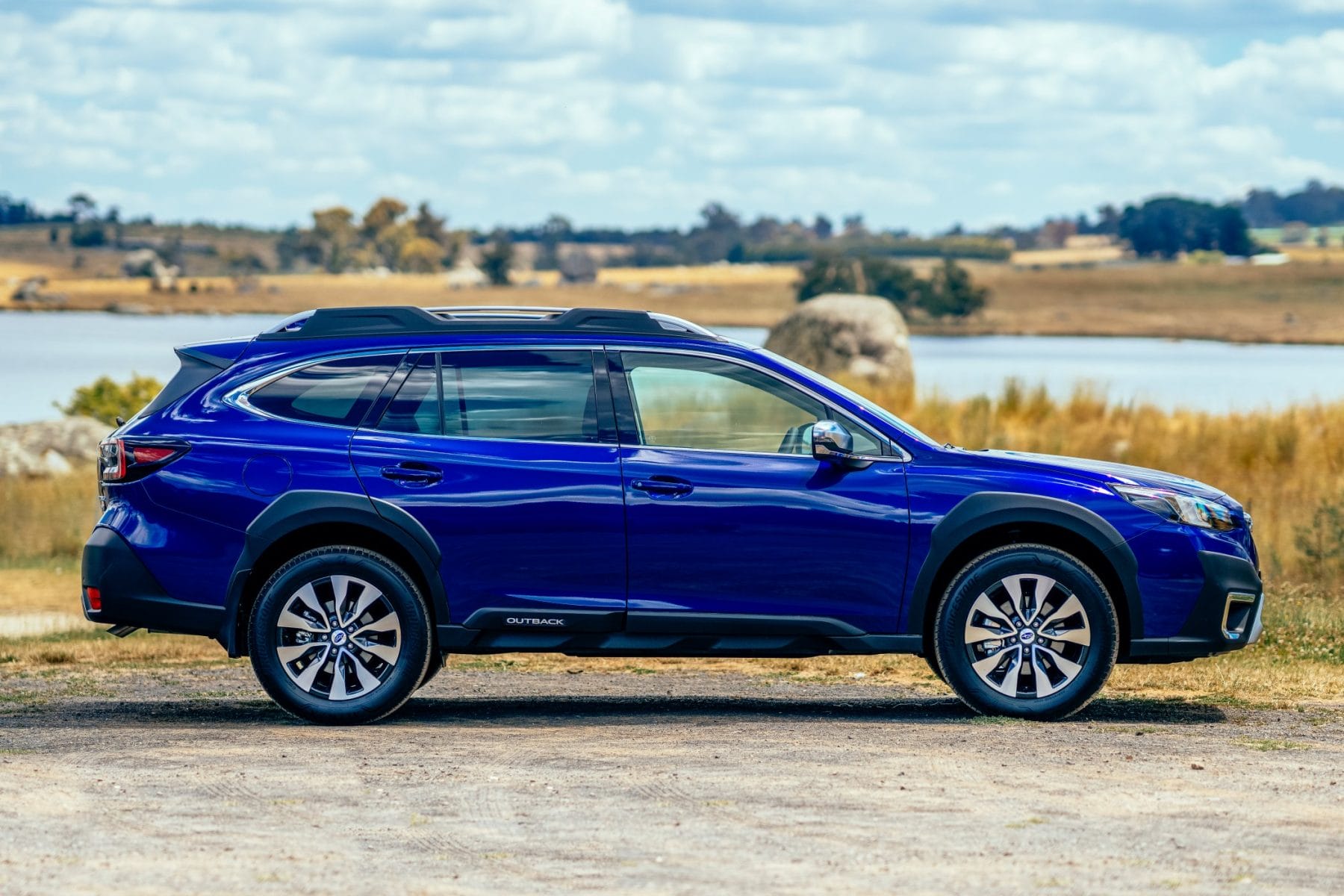
3. Subaru Outback
The Subaru Outback stands out for its versatility, combining all-wheel drive capability with a practical design for everyday use. Owners value the confidence it provides in all weather conditions, from heavy rain to snowy roads.
Its ruggedness and dependability make it a car that many drivers are reluctant to replace. These factors establish the Outback as a practical long-term choice for families and outdoor enthusiasts alike.
Reliability is central to the Outback’s enduring popularity. The engines are built to handle high mileage, and many vehicles remain operational well past 200,000 miles with regular servicing.
Repairs are relatively straightforward, and parts are generally accessible, which reduces long-term ownership stress. This predictable ownership experience encourages drivers to maintain their cars for longer periods rather than sell early.
The cabin design also contributes to its appeal. Comfortable seats, ample cargo space, and intuitive technology make the Outback suitable for both daily commutes and extended trips.
Older models still provide functional features that meet most drivers’ needs without feeling outdated. This usability factor makes owners less likely to trade in their Outbacks for newer vehicles.
Safety features have always been a priority for Subaru, and the Outback is no exception. Strong crash test results and active safety systems provide reassurance to drivers and families. Knowing their vehicle is capable of protecting them over time strengthens loyalty. Many owners cite safety as a reason they keep their Outbacks for long stretches.
Finally, the Subaru Outback has built a reputation for endurance. Owners share stories of high-mileage adventures, long commutes, and daily reliability, which creates a community of trust around the model. The combination of practicality, safety, and dependability results in strong emotional bonds. This makes it a car that is not just owned, but cherished for many years.
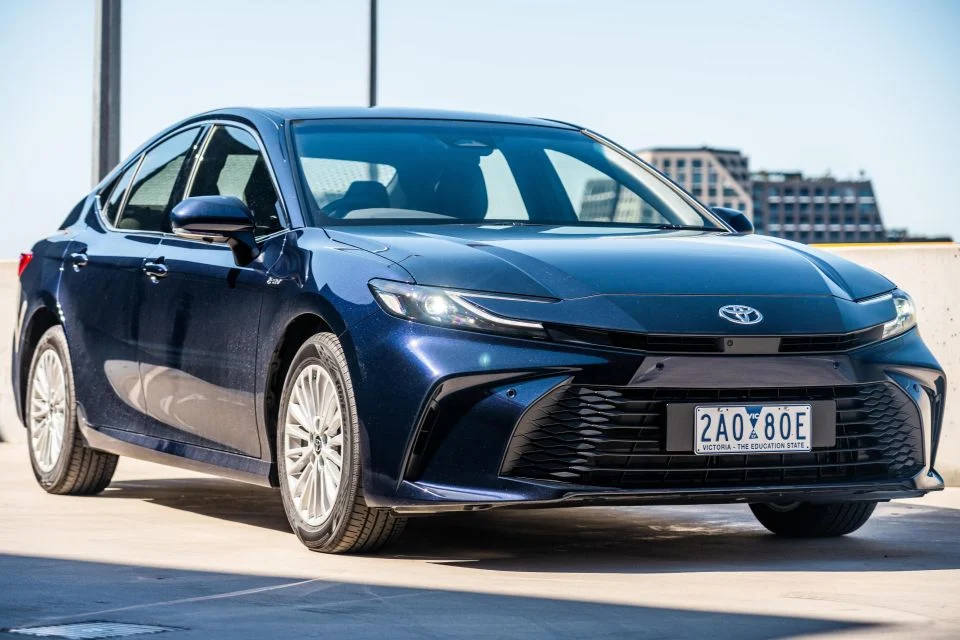
4. Toyota Camry
The Toyota Camry is widely recognized as a dependable, low-maintenance vehicle that performs consistently across decades. Many Camry owners report achieving extremely high mileage without significant mechanical failures.
Its simple yet effective engineering reduces the likelihood of unexpected problems, which reassures owners that long-term use is a safe choice. This reliability is a cornerstone of the Camry’s appeal for those who prefer stability over frequent upgrades.
Economically, the Camry is a practical investment for long-term ownership. Its fuel efficiency, affordable maintenance, and moderate insurance costs keep total ownership expenses manageable.
Depreciation occurs gradually, allowing owners to retain their vehicles without feeling financially penalized. This combination of cost-effectiveness and reliability makes the Camry a smart choice for extended use.
Comfort and interior usability play a key role in customer satisfaction. The seating is supportive, the controls are intuitive, and the ride quality is smooth, even in older models. These features maintain a high level of convenience for drivers who spend significant time on the road. Owners frequently cite these qualities when explaining why they do not feel the need to replace their Camrys prematurely.
Safety is another critical factor. With consistent top scores in crash tests and dependable safety systems, the Camry gives owners confidence in its ability to protect occupants. This reliability reinforces long-term attachment and strengthens the trust between driver and vehicle. Families, in particular, value the peace of mind that comes with owning a car that has proven its safety over time.
Ultimately, the Camry is renowned for its exceptional longevity. Its reputation for being a low-stress, dependable car encourages owners to maintain it for many years.
Emotional attachment develops gradually as owners experience reliability, convenience, and comfort over extended periods. This combination of practical and emotional satisfaction makes the Toyota Camry a classic example of a long-term ownership vehicle.
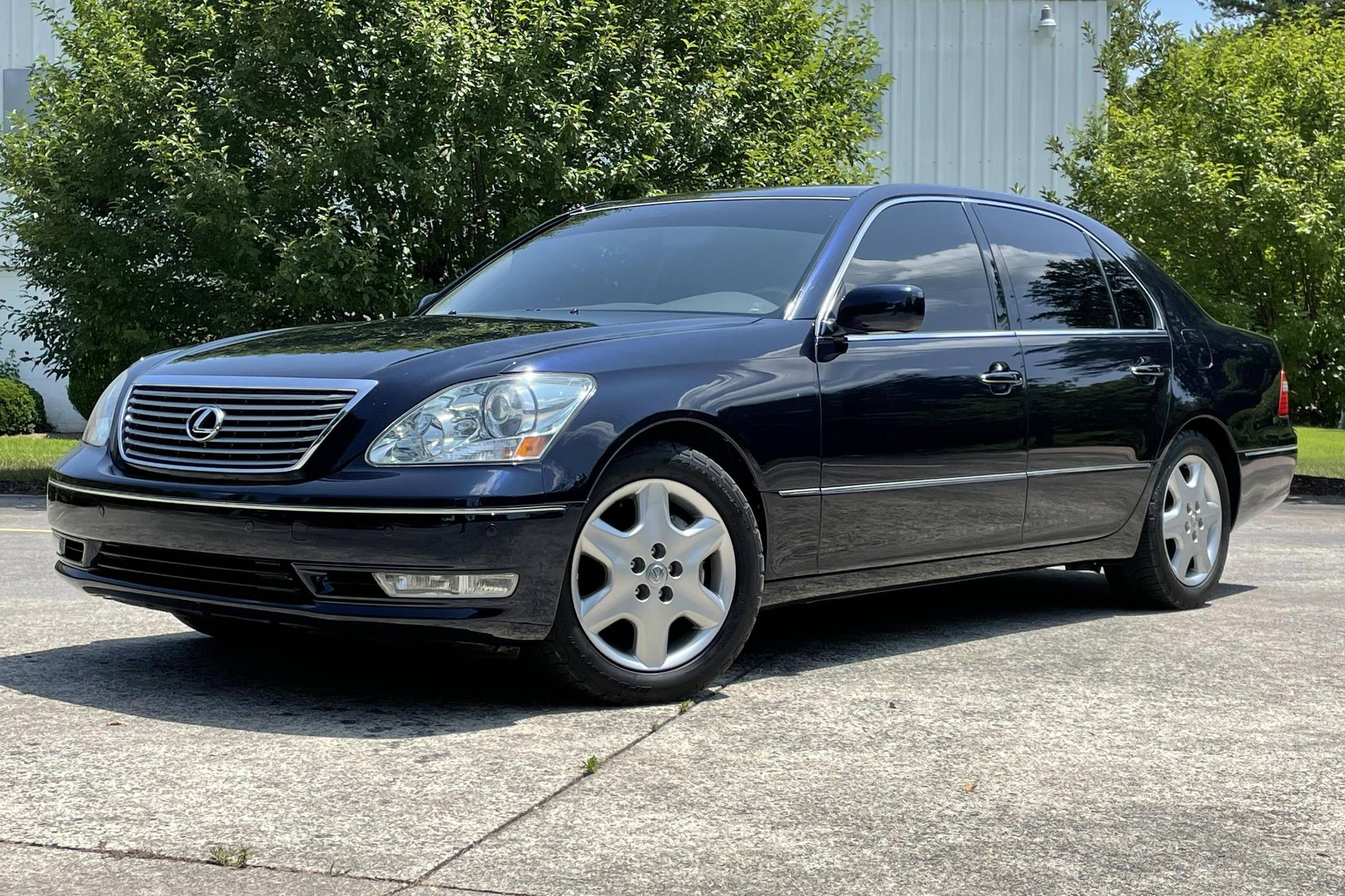
5. Lexus LS
The Lexus LS represents a luxury sedan that owners frequently keep for long stretches due to its blend of comfort, performance, and reliability. Built on Toyota’s legendary engineering foundation, it offers smooth driving dynamics that remain impressive even after high mileage.
Owners appreciate the refinement and attention to detail that continues to hold up over time. This creates a strong incentive to maintain the vehicle rather than trade it in after a few years.
Maintenance and service reliability contribute to its long-term appeal. Lexus vehicles are designed to be durable, with parts engineered to last, and servicing is predictable and manageable. Owners rarely face unexpected breakdowns that might push them to replace the car. The sense of confidence and security encourages retention, making it a car people are willing to keep for many years.
Luxury features also add to its enduring popularity. Comfortable seating, advanced audio systems, and high-quality materials create a pleasurable driving environment. Even older LS models retain much of their interior elegance, which reduces the feeling of obsolescence. Owners are less likely to swap for a newer model because the vehicle continues to deliver satisfaction and comfort.
Safety systems in the LS are robust and long-lasting. Advanced features, including multiple airbags, stability controls, and driver assistance technologies, ensure ongoing protection for occupants. This sense of security adds to the emotional and practical reasons to retain the car. For many owners, the LS becomes a trusted companion rather than just a mode of transportation.
Finally, the Lexus LS cultivates loyalty through reputation and experience. Word-of-mouth and reviews emphasize longevity, reliability, and refinement, creating a strong community of satisfied owners.
Many families keep the vehicle across multiple generations or until the car naturally reaches the end of its lifespan. Its combination of luxury, durability, and emotional appeal cements its status as a preferred choice for long-term ownership.
Cars Often Sold Early
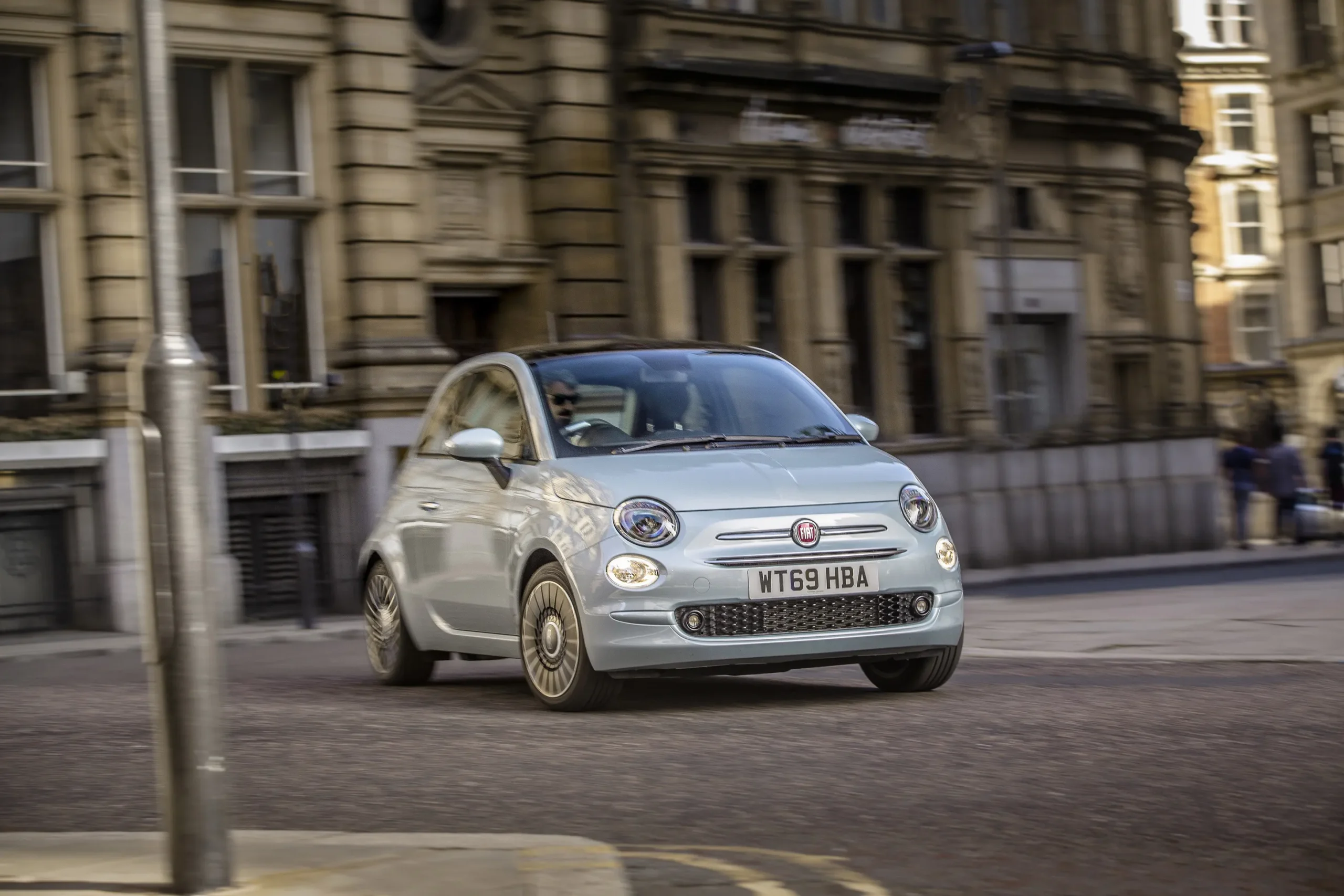
1. Fiat 500
The Fiat 500 is admired for its compact size and stylish appearance, but many owners find themselves selling it within a few years. Its small engine can struggle with highway driving, which frustrates drivers who frequently travel longer distances.
Maintenance issues, particularly with electrical systems, also arise more often than in competitors. These factors make it a car that many people enjoy briefly but do not keep for the long term.
Fuel efficiency and economy can be appealing at first, yet reliability concerns often outweigh these benefits. While the car is inexpensive to buy, repair costs can become unpredictable. Owners may face unexpected trips to the mechanic, which diminishes the initial attraction. This uncertainty encourages early resale rather than prolonged ownership.
Comfort is another challenge in the Fiat 500. The cabin is tight, limiting legroom and cargo space, which can become inconvenient for daily use or road trips. Even city drivers sometimes find the seating and ride quality less than ideal. These limitations reduce long-term satisfaction and make a replacement seem necessary.
Safety ratings also play a role in quick turnover. Smaller vehicles often perform worse in crash tests compared to midsize or larger competitors, creating concern for families or safety-conscious drivers. The perception of vulnerability pushes some owners to upgrade sooner. Consequently, the Fiat 500 often remains a short-term purchase rather than a lifelong companion.
Finally, resale considerations can influence ownership length. The car’s charm and low initial cost do not compensate for faster depreciation and niche appeal. Many owners sell while it still retains moderate value rather than risk a loss over time. The combination of practicality limitations and maintenance unpredictability makes the Fiat 500 a model frequently sold early.
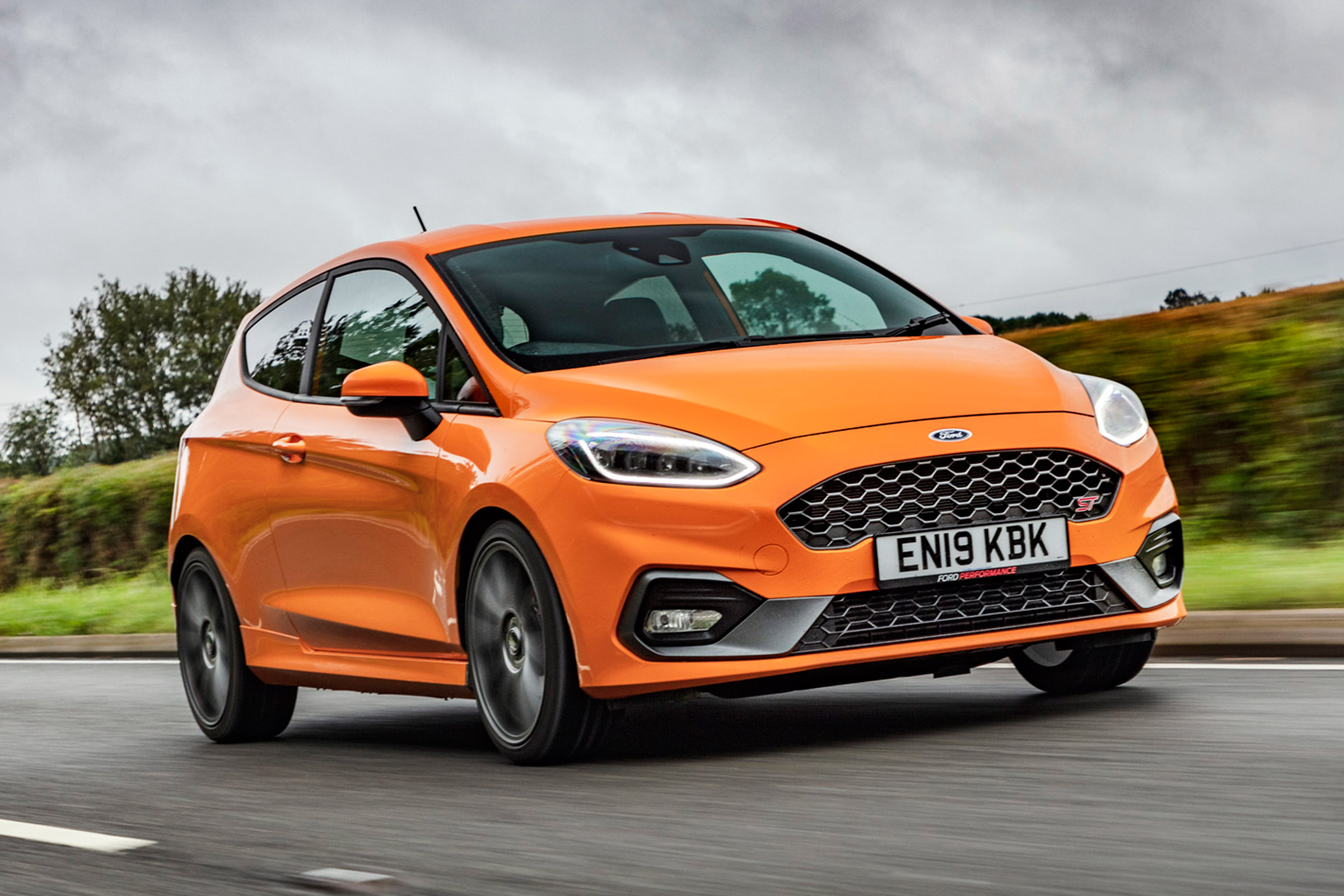
2. Ford Fiesta
The Ford Fiesta is popular among first-time car buyers due to its affordability and compact design, yet many owners trade it in quickly. Its small engine offers limited power, which can feel underwhelming on highways or hilly terrain. Additionally, some models experience transmission or electrical issues that require repeated attention. These factors contribute to frustration and motivate owners to move on to more robust options.
Although the Fiesta is fuel-efficient, unexpected repair costs can outweigh its economy. Problems such as gearbox malfunctions or sensor failures tend to appear within the first few years. Owners may find themselves spending more than anticipated on maintenance, reducing the appeal of long-term ownership. The balance between cost savings and reliability often tilts toward resale rather than retention.
Interior comfort is another reason for early turnover. While adequate for short trips, the seating and cabin space are not ideal for families or long drives. Road noise and limited storage space can become irritants over time. These practical shortcomings prompt many owners to consider alternative vehicles.
Safety is a concern with the Fiesta as well. Its compact size contributes to lower crash test ratings compared with larger competitors. Drivers seeking confidence in emergency situations may feel the need to upgrade sooner. This concern accelerates the decision to sell, even if the car is still functional.
Finally, depreciation encourages early resale. The Fiesta loses value faster than more reliable or popular models, prompting owners to sell before the price drops further. Combined with maintenance frustrations, comfort limitations, and safety concerns, this makes it a vehicle frequently replaced after just a few years.
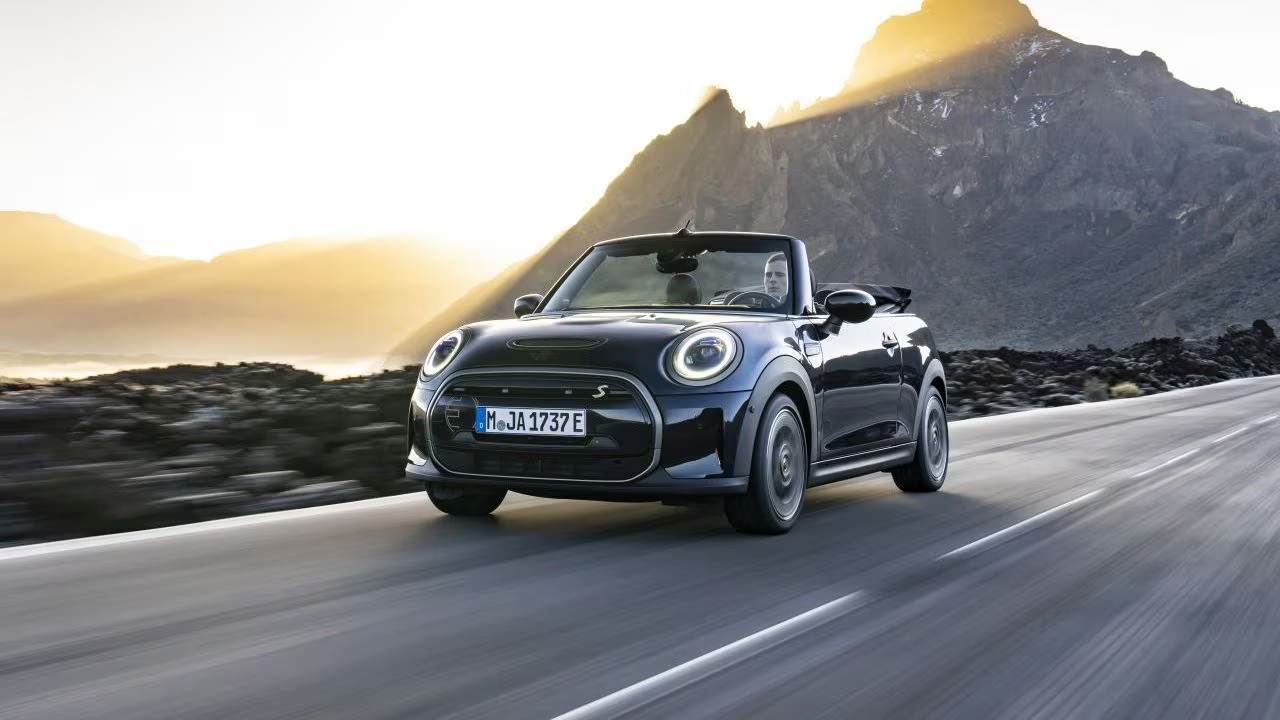
3. Mini Cooper
The Mini Cooper is often chosen for its unique design and sporty handling, but many owners part with it early. Its small size and responsive steering make it enjoyable in city driving, yet it can feel cramped and less practical for daily commuting. Mechanical and electrical problems, particularly with turbocharged engines, appear more frequently than expected. Owners who value convenience and reliability often opt to sell rather than continue facing these challenges.
The cost of maintenance can also be prohibitive. Replacement parts and specialized service are often more expensive than anticipated for a small car. Minor repairs add up quickly, reducing the financial appeal of long-term ownership. Many drivers decide it is more practical to invest in a different vehicle that is easier and cheaper to maintain.
Cabin space is another limiting factor. Rear seats are often cramped, and trunk space is limited, making the car less suitable for families or frequent road trips. This restricts its functionality and diminishes the perceived value over time. For drivers who need practicality, selling becomes an attractive option.
Fuel economy is good in theory but can be offset by performance demands. Aggressive driving or city stop-and-go conditions may reduce efficiency compared with advertised figures. Owners seeking consistent, low-cost operation may become frustrated. This contributes to the Mini Cooper’s reputation as a car people often replace quickly.
Finally, the Mini Cooper’s niche appeal can accelerate early turnover. Its distinct style is polarizing, and trends in taste or lifestyle changes may prompt a sale. While initially exciting, the car may not fit long-term needs or family growth. These combined factors make it a vehicle more commonly sold than retained for extended ownership.
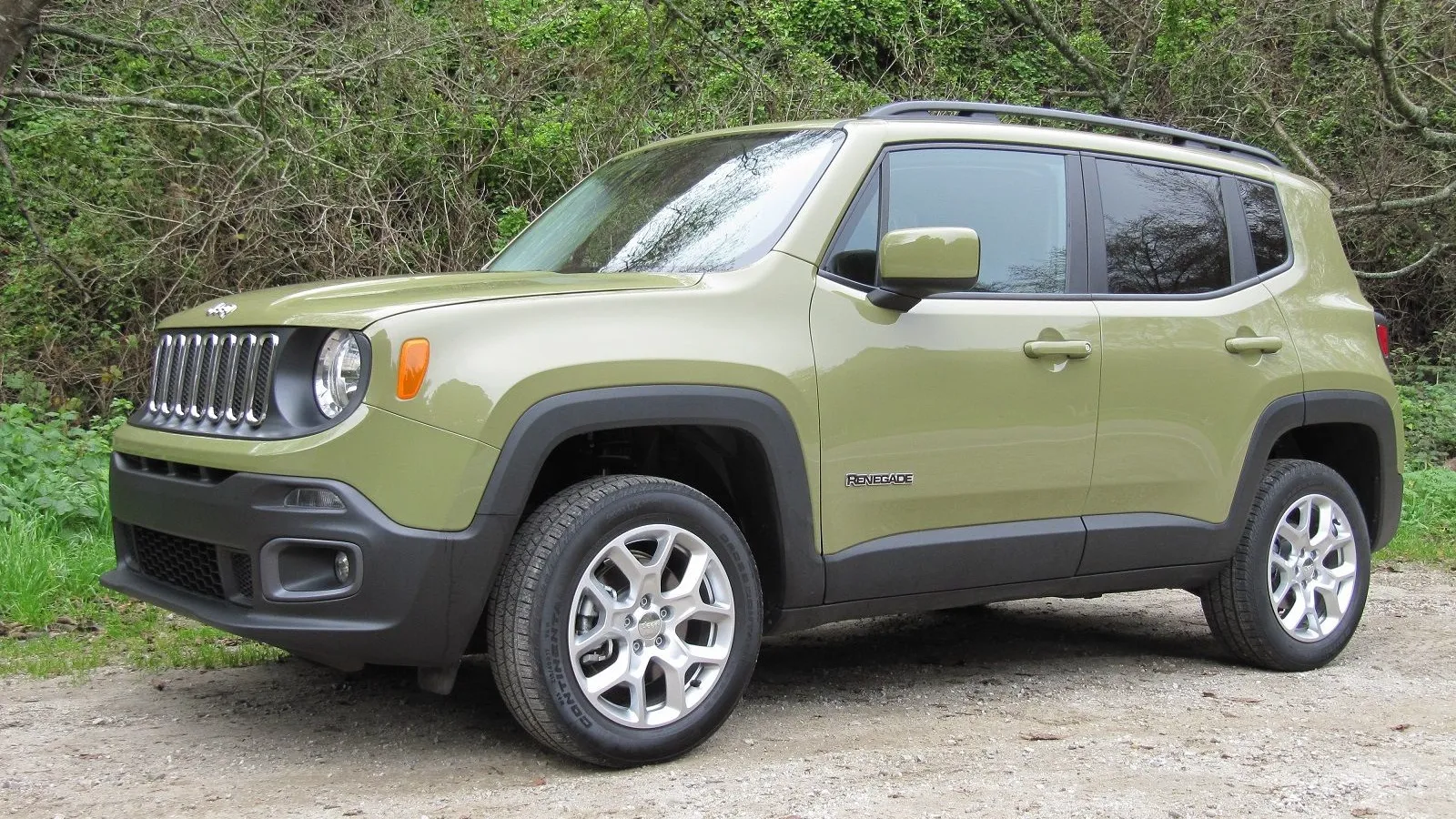
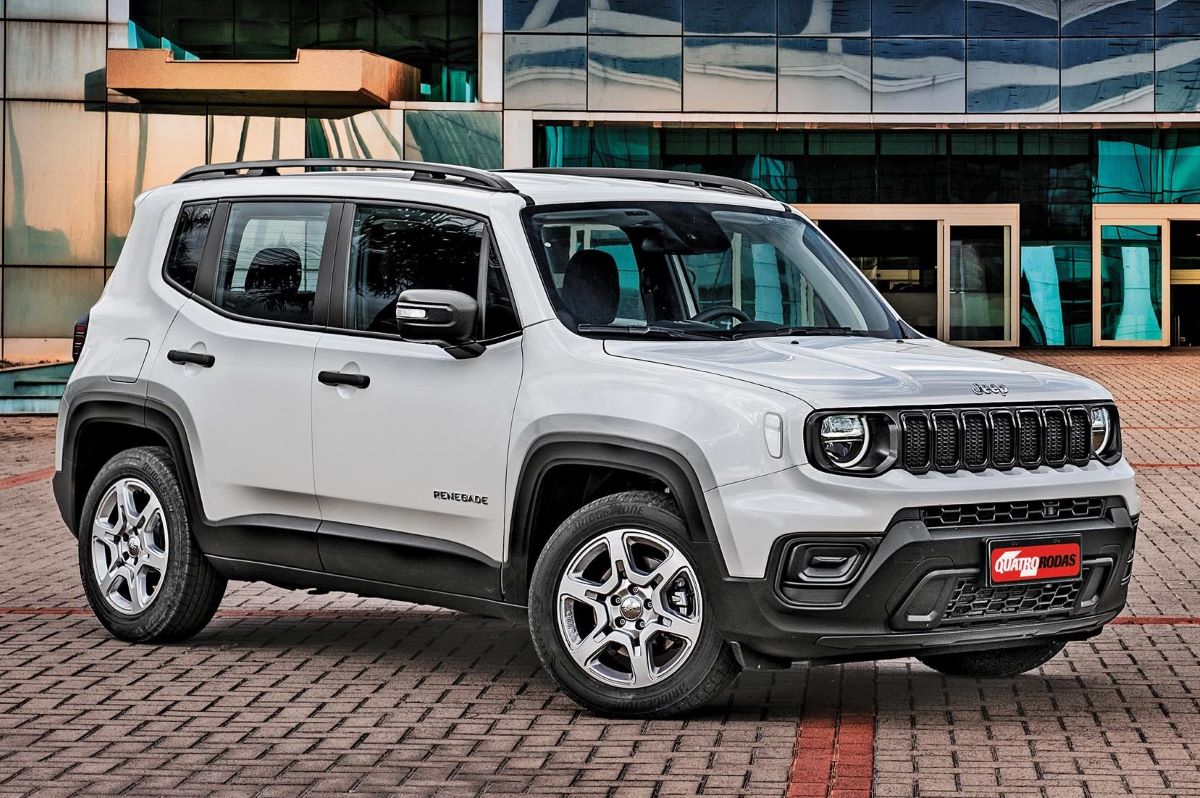
4. Jeep Renegade
The Jeep Renegade attracts buyers with its rugged design and off-road image, yet many owners sell it within a few years. Its small engine options sometimes feel underpowered, especially in hilly or highway driving.
Reliability concerns, particularly with electronics and drivetrain components, emerge faster than expected. Drivers who experience these issues often choose to upgrade to larger or more dependable SUVs.
Fuel economy is a consideration as well. Despite being compact, the Renegade’s gas mileage is average at best, especially with heavier trims or all-wheel-drive models. Owners seeking efficiency may feel disappointed over time. This dissatisfaction, combined with maintenance concerns, encourages early resale.
Interior comfort and space are often cited as drawbacks. While stylish, the cabin is relatively cramped, with limited legroom and cargo capacity. Long trips or growing families can find the space restrictive. Owners who need more comfort and practicality frequently move on quickly.
Safety ratings and features can also be a limiting factor. While adequate, the Renegade does not consistently match competitors in crash tests or advanced safety technology. Owners may seek vehicles that feel more secure and technologically current. This contributes to its pattern of early sale.
Finally, resale and depreciation influence ownership length. The Renegade tends to lose value faster than larger, more traditional SUVs. Many owners prefer to sell before the price declines too far, avoiding additional financial loss. Reliability concerns, comfort issues, and fuel efficiency combine to make it a car often replaced in short order.
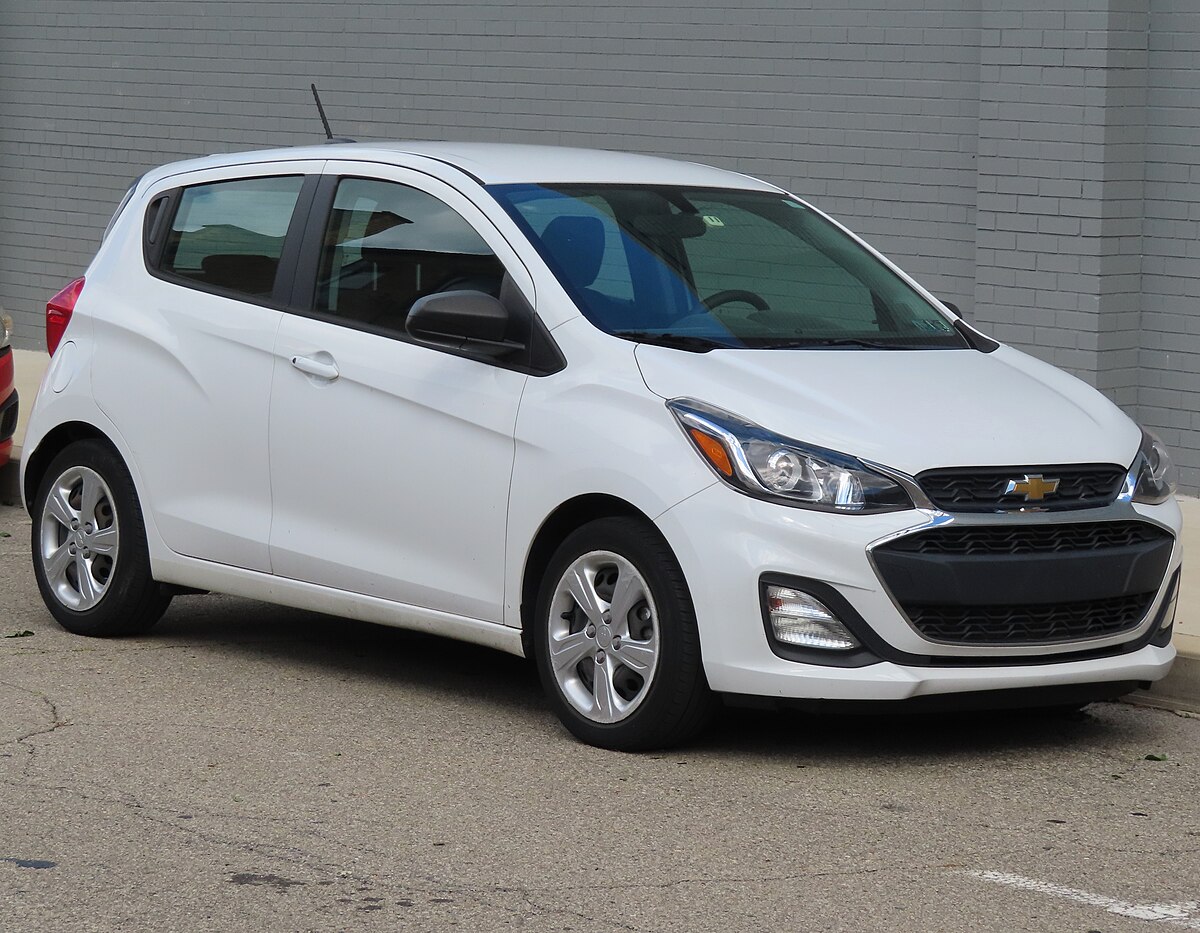
5. Chevrolet Spark
The Chevrolet Spark is an entry-level car designed for city driving, yet it is frequently sold within a short time frame. Its small engine and minimal interior features make it adequate for short trips but less enjoyable for daily commutes or long drives. Mechanical and electrical reliability issues can appear earlier than expected, frustrating owners. As a result, many drivers opt to upgrade to a more comfortable or dependable vehicle.
While the Spark is inexpensive to purchase, maintenance and repairs can become more frequent than anticipated. The car’s low initial cost may not offset the long-term inconveniences of repairs. Owners often calculate that upgrading to a slightly larger or more reliable car is more worthwhile than holding onto the Spark.
Interior comfort and practicality are limited. The cabin is cramped, and storage space is minimal, making it unsuitable for growing families or frequent cargo needs. Long-term convenience is lacking, prompting many owners to replace the car quickly. This reduces the likelihood of prolonged ownership.
Fuel efficiency is modest but can be affected by driving style or city traffic. While advertised as economical, real-world performance may disappoint some drivers. The gap between expectations and experience pushes owners to seek alternatives.
Finally, depreciation accelerates early turnover. The Spark loses value quickly, which motivates owners to sell while it still holds some resale worth. Combined with reliability, comfort, and practicality issues, this makes the Chevrolet Spark a model often sold within a few years of purchase.
