
Cool cars have never been defined solely by speed, and throughout automotive history, there have been machines that captured attention through style, emotion, design, and personality rather than raw performance numbers alone.
Many enthusiasts quietly admit that some vehicles they love are objectively slow, yet those same cars continue to hold a powerful pull because they offer something deeper than acceleration times or horsepower bragging rights.
These cars often succeed by creating a feeling, whether through nostalgic design, beautiful proportions, mechanical simplicity, or a driving experience that feels more human than extreme. They remind people that driving is not always about being the fastest on the road, but about connection, identity, and enjoyment at everyday speeds that most drivers actually use.
In many cases, painfully slow cars force drivers to engage more with the machine, plan momentum carefully, and appreciate corners, road texture, and sound rather than relying on brute force to mask shortcomings.
What makes these cars tempting is the way they blend charm with compromise, offering visual drama or cultural significance while quietly asking owners to accept limitations in straight-line speed. Some were built during eras when efficiency and cost mattered more than performance, while others were designed with style as the top priority and power as an afterthought.
A few gained fame through movies, motorsport aesthetics, or unique engineering ideas that never quite translated into quick acceleration. Despite this, people continue to seek them out, restore them, modify them, and proudly drive them in modern traffic where faster machines are everywhere. Their appeal is emotional rather than logical, and that emotional pull often outweighs practical concerns.
Slow cars that look cool also tend to age gracefully, because their design language becomes timeless once performance expectations fade. A vehicle that was once criticized for being underpowered can later be celebrated as a pure expression of an idea, free from the pressure of competing with modern performance benchmarks.
Owners often describe these cars as honest, approachable, and full of character, qualities that are sometimes lost in more powerful and complex machines. The experience of driving them becomes more about the journey, the scenery, and the rhythm of the road rather than constant acceleration.
This list focuses on ten cars that are widely recognized as visually striking or culturally iconic, yet are also known for being slow enough to test patience in modern driving conditions.
Each one proves that temptation does not always come from speed, and that desire can be built from design, heritage, and the way a car makes someone feel when they see it parked or hear it approaching. These cars may be painfully slow by objective standards, but they remain unforgettable for reasons that have nothing to do with numbers on a spec sheet.
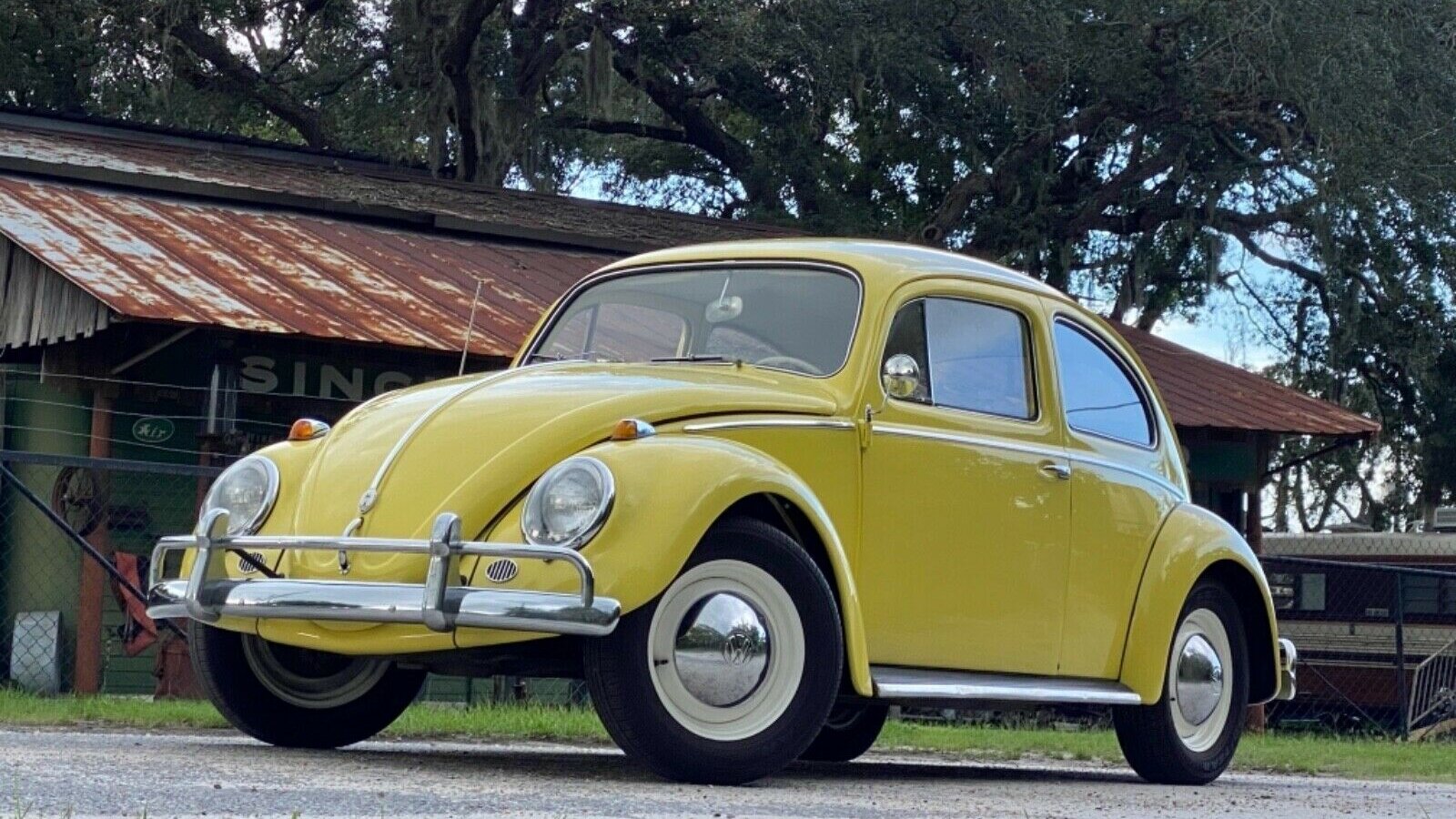
Volkswagen Beetle Classic
The classic Volkswagen Beetle earned its reputation through simplicity and an instantly recognizable design rather than any promise of speed or performance. Its rounded shape, friendly face, and compact proportions made it approachable and charming, even though its small engine struggled to keep up with faster traffic on highways or open roads.
Acceleration was modest at best, and even gentle overtakes required patience and careful timing to avoid frustrating other drivers. Despite this, the Beetle created a sense of personality that many faster cars never achieved, turning it into more than just a vehicle, but a symbol of individuality and approachable engineering.
Driving a classic Beetle forces an appreciation for momentum and mechanical feedback, as every bit of speed feels earned rather than given by raw horsepower. The lightweight rear engine layout allows the car to react in ways that feel organic, and cornering becomes an engaging exercise in finesse rather than brute force.
Engine noise, though not aggressive, provides constant feedback, reminding the driver of its mechanical simplicity. Owners often describe the Beetle as honest, and it teaches patience while making daily driving a small but rewarding challenge.
The Beetle also carries cultural weight that amplifies its appeal far beyond its actual performance. It became a symbol of counterculture, practicality, and creativity in ways few cars ever could, appearing in movies, advertisements, and real-life stories across decades.
Its presence evokes nostalgia and a reminder of eras when cars prioritized charm over speed. This cultural resonance ensures that the Beetle continues to attract attention and admiration, even in a world dominated by faster, flashier vehicles.
Restoring or owning a classic Beetle often feels like preserving a piece of automotive history rather than chasing performance numbers. Its parts are generally simple to source, repairs are approachable, and a strong enthusiast community exists for advice and camaraderie.
Driving one becomes an exercise in enjoying simplicity, from manual gear changes to tactile feedback from brakes and steering. Owners embrace the slowness as part of the car’s personality, finding satisfaction in a vehicle that does not demand speed but rewards attention.
Even today, a classic Beetle parked on the street draws smiles, waves, and conversations from strangers. It stands as proof that coolness can come from identity, history, and approachable design rather than horsepower or lap times.
Its slow pace encourages a more relaxed style of driving and creates space for appreciation of scenery and small details often missed in faster vehicles. This combination of charm, personality, and historical significance keeps the Beetle desirable decades after production ended.
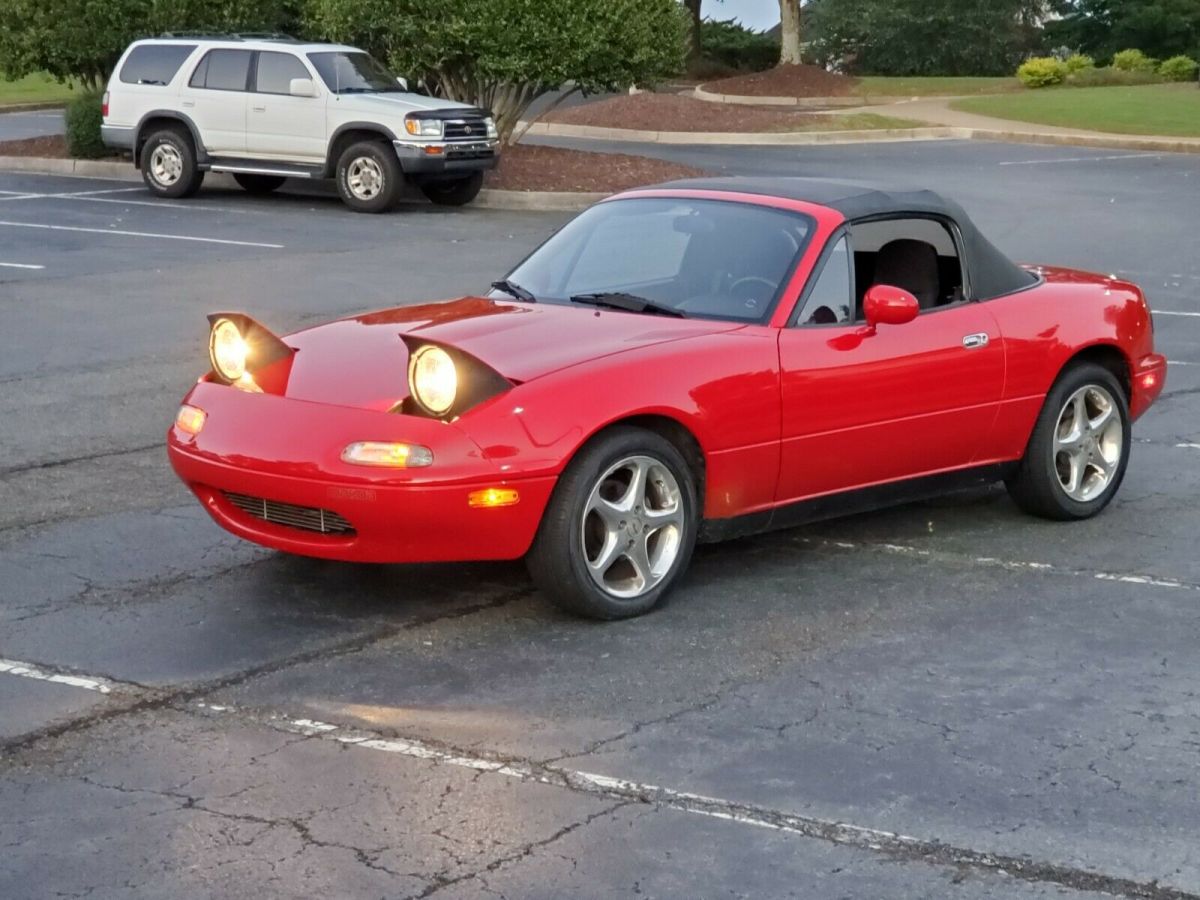
Mazda MX 5 NA
The first-generation Mazda MX-5, known as the NA, looks like a small sports car that promises excitement, yet its modest engine output ensures it is far from a speed demon. Early versions produced roughly 115 horsepower, making acceleration gentle compared to modern sports cars, and highway passing can feel like a calculated task rather than a burst of adrenaline.
Its tiny size and lightweight frame, however, make the car feel nimble, and every movement is communicated directly to the driver through steering and suspension. Visually, it captures the essence of a classic British roadster but with Japanese engineering, offering charm and balance over raw performance.
What the MX 5 lacks in power, it more than compensates for with driver involvement and responsiveness. The lightweight chassis, near-perfect weight distribution, and manual transmission encourage an intimate connection with the machine, where the driver feels in control of every motion.
The suspension allows the car to react instantly to changes in the road, creating a sense of unity that even more powerful vehicles often lack. Corners and winding roads become the true stage for enjoyment, highlighting the car’s precise handling rather than speed alone.
The pop-up headlights and simple body lines contribute significantly to the car’s personality and charm. They provide a playful, almost mischievous expression that draws attention from enthusiasts and casual onlookers alike.
Combined with the low seating position, minimal interior distractions, and the ability to drop the top, the MX 5 creates a sense of occasion whenever it is driven. This combination of physical and emotional engagement reinforces the idea that the driving experience matters more than numbers on a spec sheet.
Owners often find the MX 5 more enjoyable than faster cars because it rewards skill, smoothness, and precision rather than brute force. Maintaining momentum through corners and managing gear selection becomes a personal challenge that is deeply satisfying.
Even slow speeds feel lively due to the car’s responsiveness and feedback, creating a fun experience for anyone willing to pay attention. The car encourages drivers to appreciate the nuances of the road and the joy of steering control over raw acceleration.
Despite being painfully slow by modern sports car standards, the MX 5 remains highly desirable for its reliability, timeless design, and approachable nature. Its small size, affordability, and reputation for mechanical simplicity make it accessible to a wide range of enthusiasts.
Speed becomes secondary once the driver experiences the cohesion and responsiveness that define the car. That enduring charm explains why the NA MX 5 continues to tempt buyers decades after its initial release.
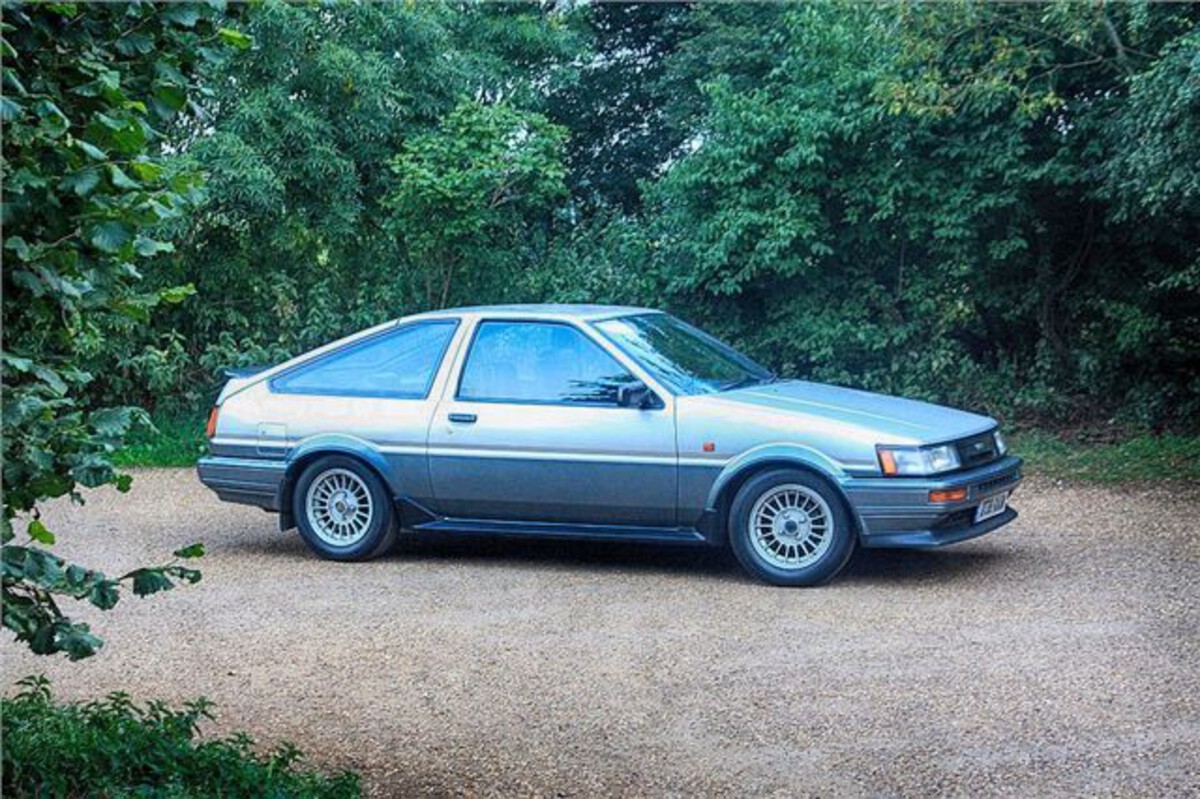
Toyota AE86 Corolla
The Toyota AE86 Corolla, often simply referred to as the “Hachiroku,” is legendary despite never being a powerhouse. Its small inline-four engine produces modest horsepower, making straight line acceleration leisurely by modern standards.
The car’s compact size, lightweight construction, and rear-wheel-drive layout help compensate somewhat, but it is undeniably slow on highways or long straight roads. Yet its boxy, purposeful design and reputation in motorsport circles make it an icon that captures the imagination of enthusiasts worldwide.
What distinguishes the AE86 is its exceptional balance and rear-wheel-drive dynamics rather than raw speed. The car feels lively and responsive, with a chassis that communicates the road with remarkable clarity.
Cornering at reasonable speeds becomes engaging, as the driver can feel the car’s weight transfer and grip limits firsthand. These characteristics reward smooth technique and precise inputs, making every drive a lesson in finesse rather than horsepower exploitation.
The AE86’s cultural influence further amplifies its desirability. Its role in motorsport, drifting, and popular media has transformed it into a symbol of grassroots performance and skill-based driving.
The car represents a philosophy where control, technique, and creativity matter more than straight line speed. Enthusiasts often describe the AE86 as a machine that feels alive, a rare quality that remains relevant even decades after its release.
Driving an AE86 teaches patience, momentum management, and engagement with the vehicle’s limitations. Owners learn to rev the engine, select gears thoughtfully, and carry speed through corners efficiently. These small rewards make each journey enjoyable and immersive, turning ordinary roads into a playground for skillful driving. The car’s modest power becomes an opportunity for creativity and mastery rather than a liability.
Today, the AE86 remains highly sought after despite its modest engine and slow acceleration. Its identity, history, and driving purity are more valuable than its performance numbers.
Collectors and enthusiasts pursue these cars for the experience and emotional connection rather than speed alone. That combination of legacy, personality, and involvement ensures the AE86 continues to tempt admirers worldwide.
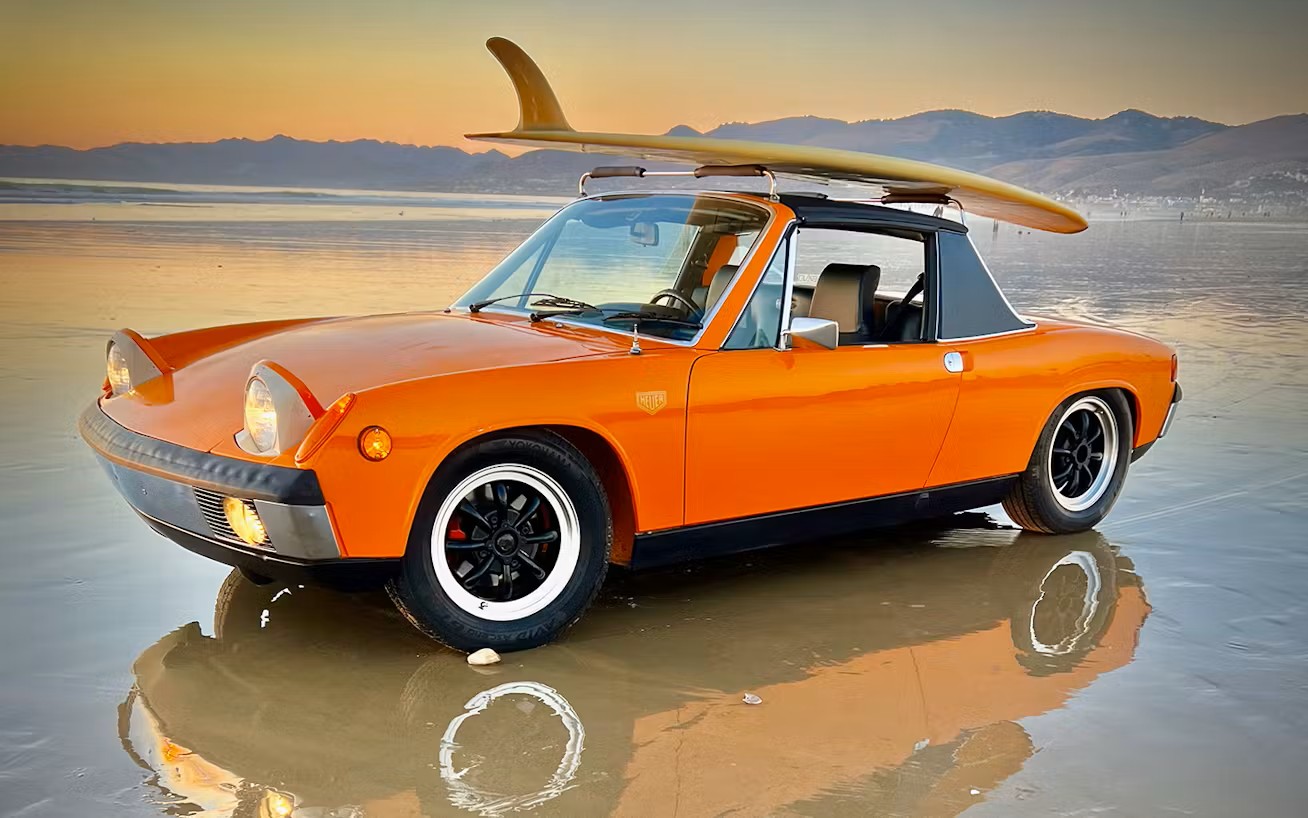
Porsche 914
The Porsche 914 was designed to be a mid-engine sports car accessible to enthusiasts, yet many versions are surprisingly slow by modern standards. Early base models offered less than 100 horsepower, making acceleration modest and top-end speed unremarkable.
This often surprises people who see the low-slung, exotic appearance and assume raw performance. Despite this, the 914 maintains appeal through its layout, proportions, and the promise of a balanced, engaging driving experience that does not rely on speed.
The mid-engine balance gives the 914 remarkable handling characteristics, even if the powertrain cannot overwhelm the driver. Steering is precise and responsive, allowing for confident cornering at moderate speeds.
The car rewards smooth, controlled inputs rather than aggressive acceleration, creating an experience centered on finesse and awareness. That focus makes it feel like a proper sports car even when speed is limited.
The 914’s design stands out among Porsches of its era. Its removable roof panel provides open-air enjoyment, while the clean lines and proportions exude a purposeful, understated beauty. Unlike other vehicles, the 914 does not attempt to impress with brute force; instead, it relies on elegance and engineering integrity. These visual qualities continue to attract collectors and enthusiasts who value style and character.
Ownership of a 914 often centers around engagement and appreciation of its unique approach. The car feels like a bridge between lightweight simplicity and traditional Porsche driving pleasure.
Drivers enjoy the challenge of managing its modest engine output, finding satisfaction in smooth driving rather than chasing speed records. This encourages mindfulness and enjoyment of subtler aspects of performance.
The Porsche 914’s temptation comes from identity, design, and experience rather than straight line speed. It delivers a true mid-engine layout, balanced chassis, and enjoyable handling, which remain compelling decades after production. People are drawn to the car’s distinct personality and connection to Porsche heritage. This makes the 914 a slow but endlessly appealing choice for enthusiasts.
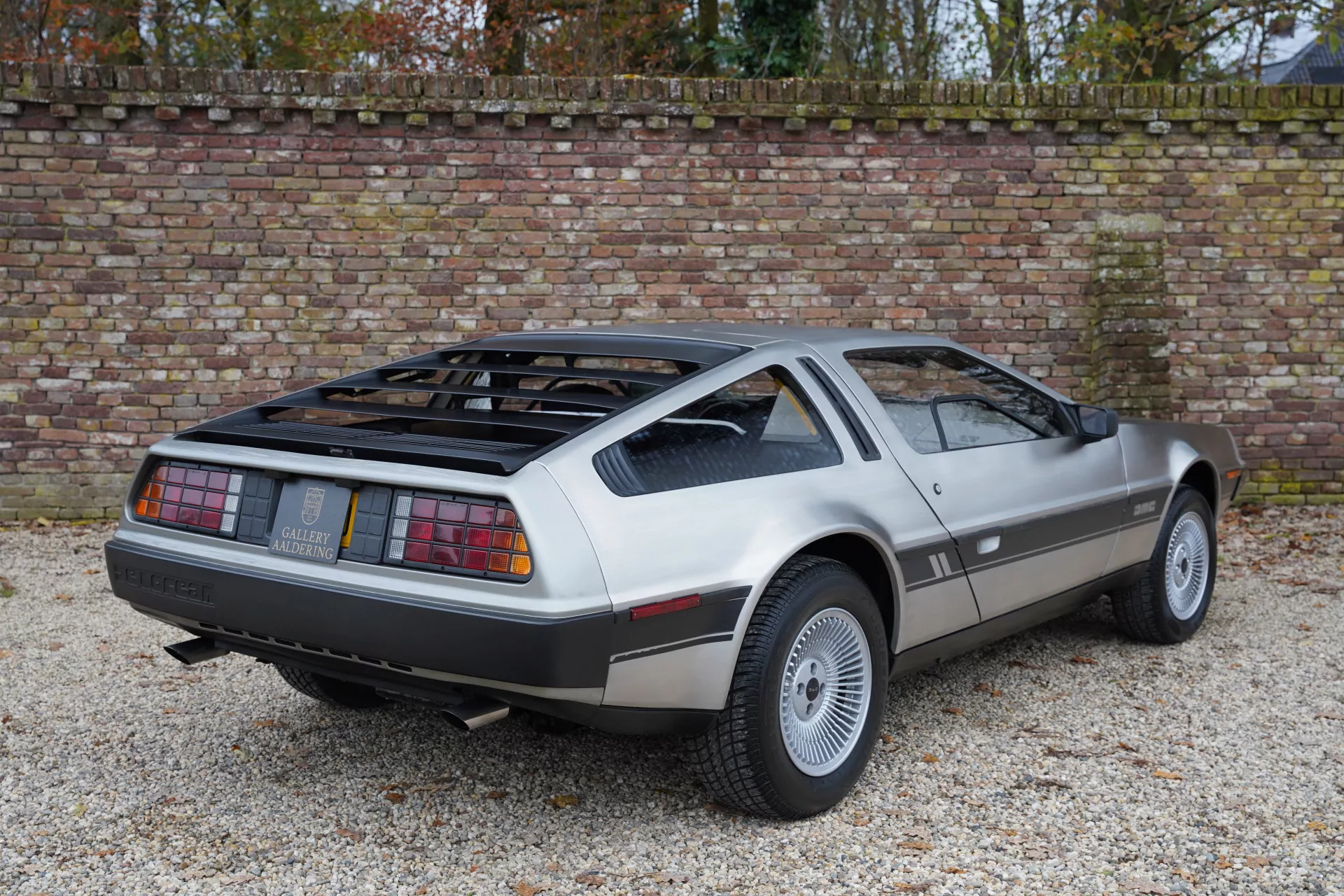
DeLorean DMC 12
The DeLorean DMC 12 is one of the most instantly recognizable cars in automotive history, but it is famous for being painfully slow. Its futuristic stainless steel body and iconic gullwing doors create the illusion of extreme performance that the modest V6 engine fails to deliver.
Acceleration is sluggish, and overtaking requires planning and patience, often leaving drivers frustrated on highways. Despite this discrepancy between expectation and reality, the DeLorean’s presence alone continues to captivate collectors and casual admirers alike.
What makes the DeLorean tempting is its forward-thinking design that remains striking decades later. The brushed stainless steel panels, angular lines, and open gullwing doors evoke the sense of a concept car brought to life. Few vehicles attract as much attention simply by being present on the street. That visual drama compensates for its lack of speed, creating a lasting impression on anyone who sees it.
Driving a DeLorean is more about the sensation of being inside a unique piece of automotive history than rapid movement. The low seating position, wide cabin, and visibility create a distinctive experience. Engine noise and power delivery are subdued, yet the car’s unusual layout ensures every drive feels memorable. Even at modest speeds, the experience feels cinematic and special, highlighting character over pace.
Cultural significance amplifies the DMC 12’s desirability. Its role in popular media cemented it as a symbol of innovation and aspiration, far beyond what its engine could achieve. That emotional resonance adds immense value for enthusiasts, who appreciate the story and history more than performance. Slowness is not a liability but part of the car’s unique narrative.
Despite its underwhelming acceleration, the DeLorean remains highly sought after by collectors, enthusiasts, and fans of design innovation. It offers uniqueness that few other cars can match, with presence and identity that outweigh measurable speed.
The car’s design, history, and aura of ambition continue to tempt people decades after production ceased. Its slowness has become part of its charm rather than a flaw.
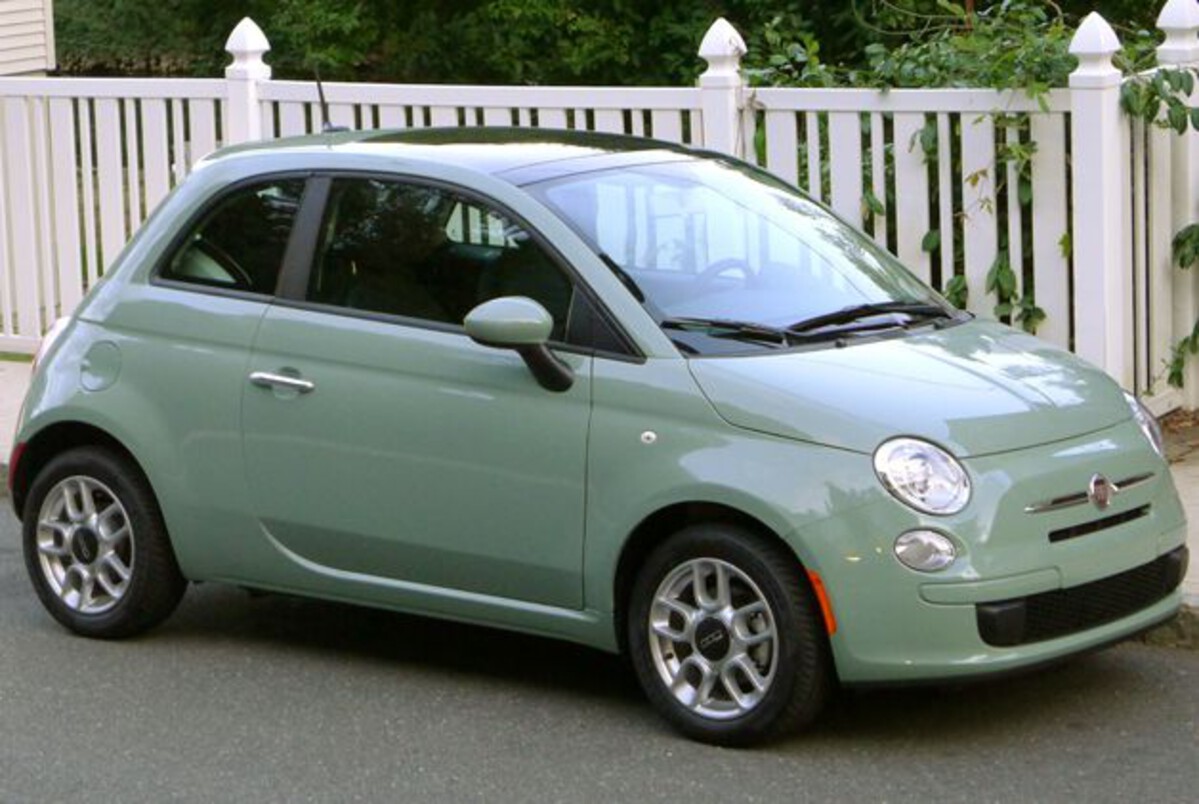
Fiat 500 (Classic Version)
The Fiat 500 is a small car with a big personality. Its compact dimensions make it perfect for city driving, but the modest engine leaves it far from fast. Despite this, its rounded design and cheerful presence make it instantly recognizable. Many enthusiasts are drawn to the charm of its retro styling and approachable size.
Inside, the Fiat 500 feels cozy and inviting. The interior may be simple, but it radiates warmth through vintage-inspired touches. Every control is within reach, emphasizing convenience over speed. Owners often find themselves smiling while driving, appreciating the car’s playful atmosphere. The engine’s limitations become part of the character, turning every journey into a mindful experience.
The Fiat 500 also carries historical weight. Introduced in the 1950s, it was designed to be affordable and practical for post-war Europe. Its slow acceleration was never intended to be a drawback; rather, it reflected the needs of city dwellers and young drivers. Collectors now prize these vehicles for their cultural significance and nostalgic appeal.
Despite its slow performance, the Fiat 500 inspires loyalty. Fans appreciate the simple pleasure of maneuvering through narrow streets and tight parking spots. It is the kind of car that encourages careful driving and fosters a sense of pride in skillful handling. Speed is secondary to personality in this case, which adds to its lasting charm.
Finally, the Fiat 500 continues to influence modern automotive design. Its style has been replicated and adapted over the decades, proving that a car can be loved for reasons beyond performance. Slow or fast, the classic 500 remains an icon of joy and accessibility, reminding drivers that automotive enjoyment often comes from character rather than velocity.
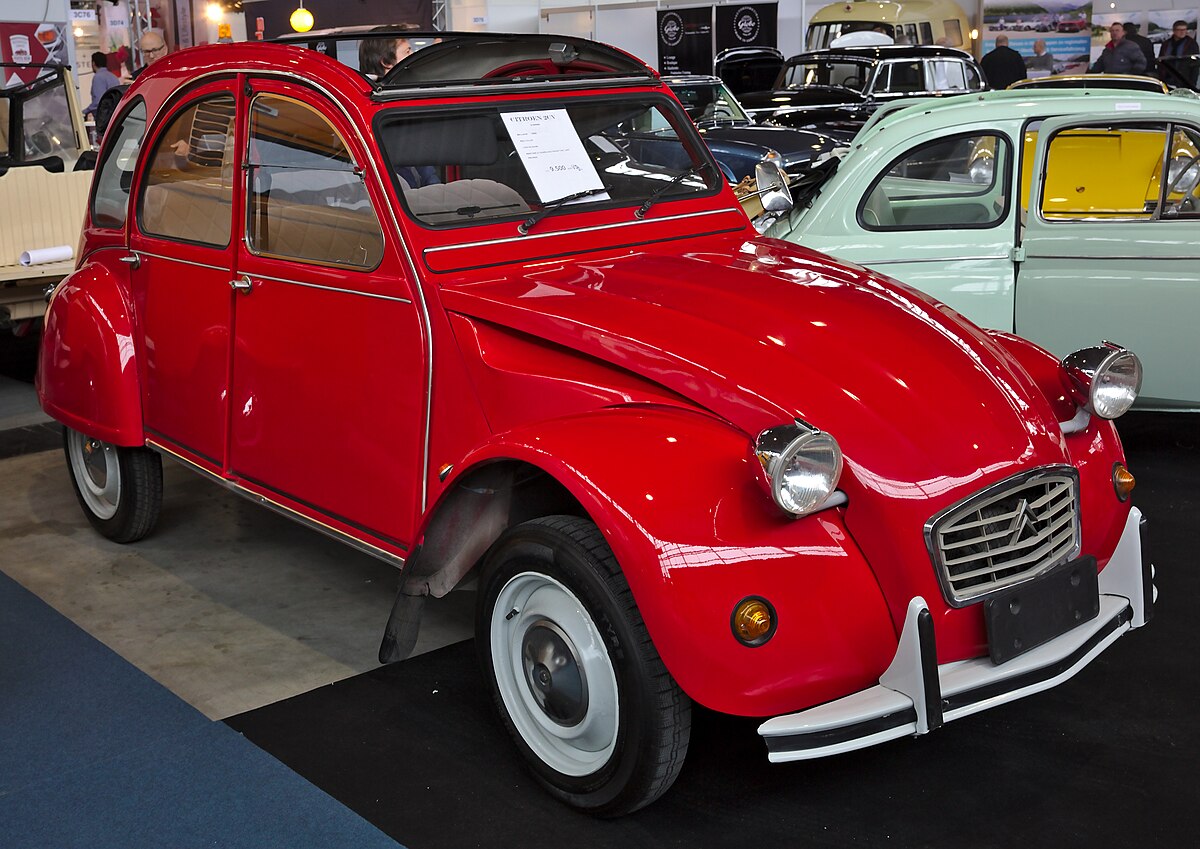
Citroën 2CV
The Citroën 2CV is renowned for its distinctive silhouette and gentle pace. Designed as a practical solution for rural France, it was never meant to compete with sports cars. Its top speed barely exceeds highway limits, yet its quirky design and simple mechanics make it a beloved classic. Enthusiasts often appreciate the 2CV for its ingenuity and charm rather than power.
One of the car’s most appealing features is its minimalism. The 2CV features basic seating and rudimentary controls, creating a sense of openness. This simplicity allows drivers to focus on the road and enjoy the connection with their surroundings. Its light weight and soft suspension turn even small bumps into playful interactions with the road.
The 2CV’s history adds to its allure. Introduced in 1948, it was designed to be affordable and reliable for farmers and city dwellers alike. The low-performance engine suited the car’s purpose perfectly, emphasizing durability over speed. Today, it is cherished for its contribution to automotive history and its embodiment of a practical yet charming approach to design.
Collectors love the 2CV for its personality. Its rolling motion and gentle acceleration make every trip an adventure in patience and humor. Enthusiasts often describe driving a 2CV as a nostalgic experience, recalling simpler times when vehicles were tools of everyday life rather than symbols of wealth. The car’s imperfections enhance its character.
Finally, the Citroën 2CV serves as a reminder that beauty in automotive design does not always require power. Its slow pace allows drivers to appreciate scenery and leisure driving. With its unmistakable appearance and approachable nature, it has secured a place in hearts worldwide. Owning one is a celebration of style, history, and a unique driving philosophy.
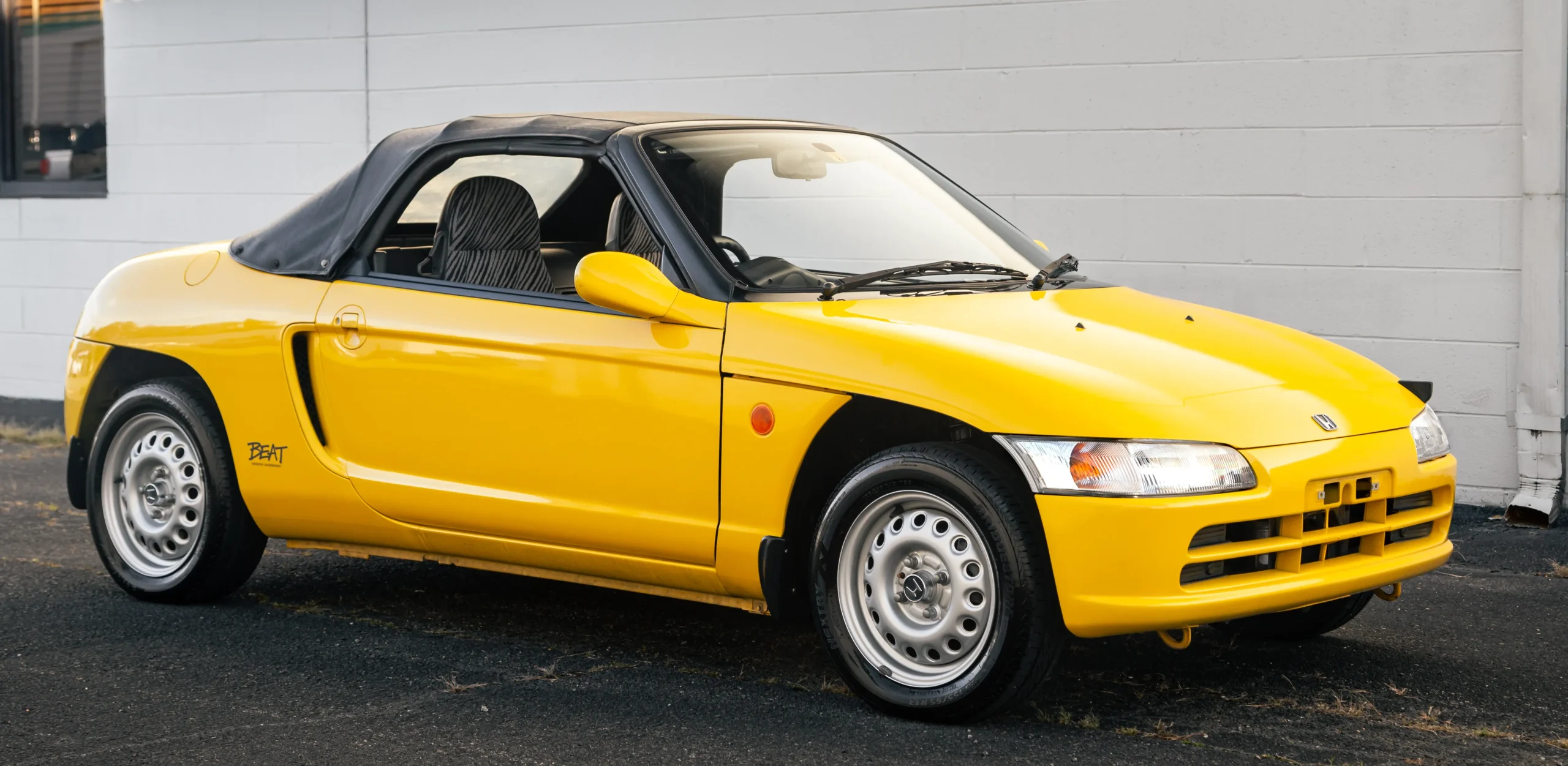
Honda Beat
The Honda Beat is a tiny Japanese roadster that packs a lot of fun into a very small package. With a small 660cc engine, it is far from fast, reaching modest speeds even with spirited acceleration. However, the Beat’s compact size, open-top design, and playful handling make it irresistible to enthusiasts who enjoy driving for enjoyment rather than competition.
Inside the cabin, the Beat surprises with its driver-focused layout. Simple instruments, easy-to-reach controls, and light steering create a responsive and engaging experience. The small engine encourages high-rev driving, allowing owners to feel connected to every motion. The car’s limitations become part of its character, making each drive an exercise in skill and anticipation rather than raw speed.
The Honda Beat’s design is unique and cheerful. Its tiny proportions, rounded headlights, and low stance make it look more like a toy than a traditional sports car. This visual appeal enhances its desirability, showing that charm and aesthetics can outweigh performance. Enthusiasts appreciate the Beat as a symbol of Japanese kei car ingenuity, where clever design meets playful driving.
Historically, the Beat is significant as part of Honda’s lineup in the early 1990s, aimed at young drivers seeking affordable fun. Its lightweight construction and nimble handling offered an enjoyable driving experience despite the low power output. The limited production numbers now make it a sought-after collectible, highlighting how even slow cars can become rare treasures.
Finally, the Honda Beat proves that driving can be about joy rather than dominance. Its modest performance encourages attentiveness and engagement, while its compact size and spirited personality create a sense of freedom.
Drivers and collectors alike are drawn to its combination of history, design, and playful driving experience, demonstrating that slowness does not diminish allure.
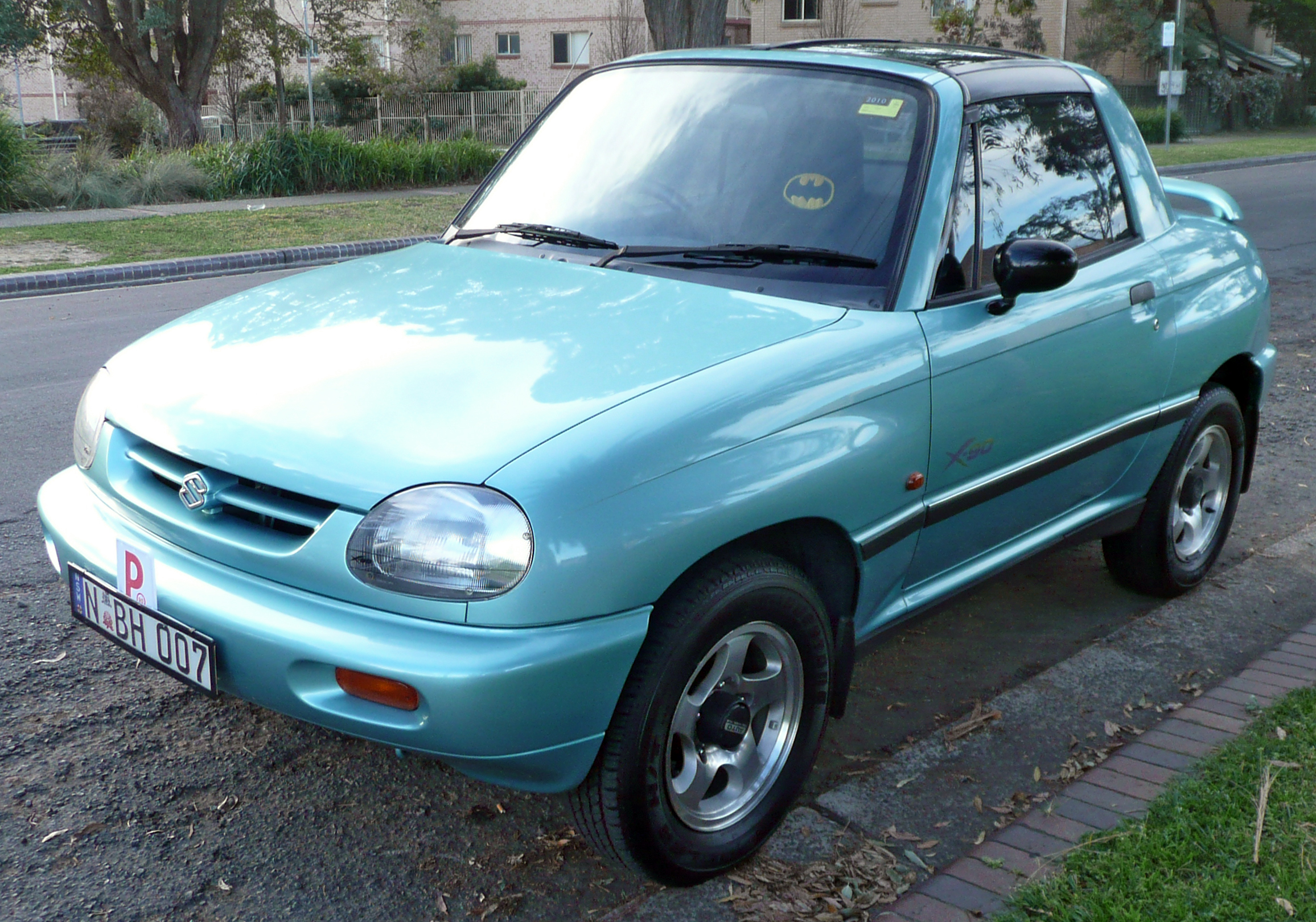
Suzuki X-90
The Suzuki X-90 is a small SUV with a quirky personality. Its unusual coupe-SUV shape immediately sets it apart, making it a conversation starter wherever it goes.
Beneath its bold exterior lies a modest engine that struggles with speed, making acceleration slow and highway driving an exercise in patience. Despite this, its eccentric charm continues to attract enthusiasts who appreciate unique design.
Inside, the X-90’s cabin is surprisingly spacious for such a compact vehicle. Simple controls and a functional dashboard prioritize usability over luxury or technology. The low-power engine encourages careful driving, and the car’s unusual proportions create a fun, toy-like feeling behind the wheel. Its slowness becomes part of the experience, allowing drivers to enjoy the vehicle’s oddities fully.
The history of the X-90 adds to its appeal. Produced in the mid-1990s, it was aimed at buyers seeking something different from traditional SUVs or coupes. Its short production run and unusual styling have made it a cult classic, with enthusiasts drawn to its rarity and character. The slow performance is accepted as part of its identity, enhancing its playful nature.
Driving the X-90 is an exercise in charm over speed. Its offbeat design, unusual handling, and modest engine output combine to create a quirky but memorable experience. Owners often share stories about the surprised reactions of others on the road, highlighting how its appeal comes from personality rather than performance. Each trip becomes an adventure in creativity and patience.
Finally, the Suzuki X-90 demonstrates that automotive appeal is multifaceted. Its unusual design, rarity, and lighthearted approach make it a sought-after collector’s item despite its lack of power. The car proves that slowness does not prevent enjoyment or admiration, and its playful nature continues to tempt those who value character and individuality over speed.
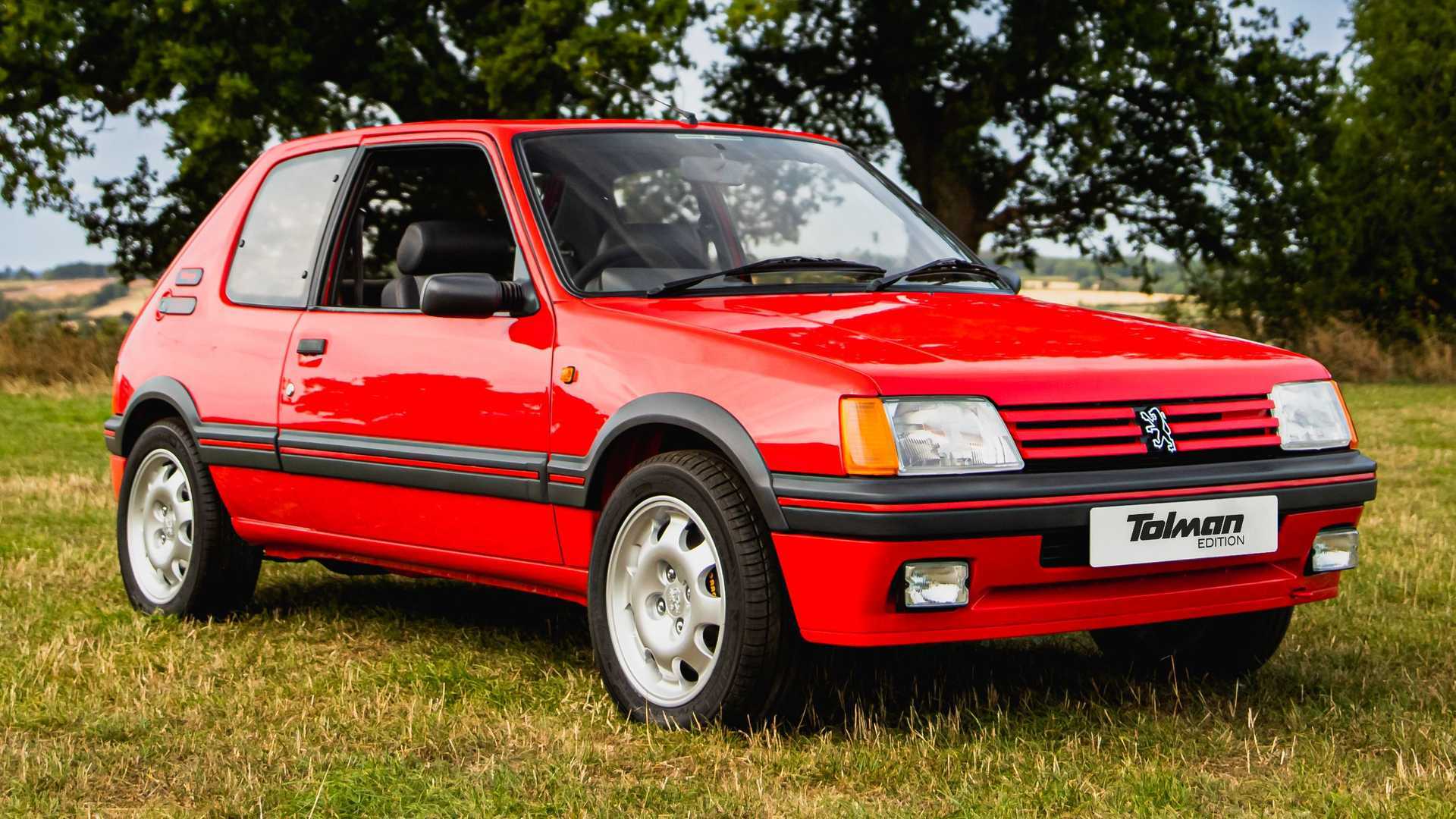
Peugeot 205 GTI (Early Versions)
The Peugeot 205 GTI is often remembered as a classic hot hatch, yet its earliest versions are surprisingly tame by modern standards.
While it boasts sportier styling and responsive handling, the engine output is modest, making it painfully slow compared to contemporary performance cars. Despite this, the 205 GTI maintains a devoted following because of its balanced driving feel and charismatic personality.
Inside, the 205 GTI cabin is straightforward yet driver-focused. Simple controls, supportive seats, and a compact layout create an engaging driving environment. The small engine encourages careful use of the gearbox and throttle, giving the driver a sense of control and connection. Even though speed is limited, the fun comes from maneuvering through corners and enjoying the car’s playful suspension.
The design of the 205 GTI is a major part of its allure. Its angular body, flared wheel arches, and sporty details set it apart from ordinary small cars of the era. Enthusiasts love its understated style, proving that performance is not the only factor that makes a car desirable. The slow acceleration allows the car’s other qualities to shine, emphasizing personality over power.
Historically, the 205 GTI represents a golden age of small, engaging cars. Launched in the early 1980s, it was intended to bring spirited driving to a wider audience without extreme cost or complexity.
Its compact size, lightweight construction, and accessible price made it a favorite among young drivers. Even though it could not compete with supercars, its charm and handling created a lasting legacy in automotive culture.
Finally, driving a Peugeot 205 GTI is an experience defined by balance and character. Its limitations encourage attentiveness and skill, transforming each journey into an interactive adventure. Collectors and enthusiasts continue to celebrate the car for its combination of style, practicality, and charisma. Its slow speed does not detract from its appeal; instead, it enhances the connection between driver and machine, reminding us that character often trumps horsepower.
