
European classic cars often get framed as expensive indulgences, yet a quieter corner of the market tells a very different story for patient collectors.
Beneath the headline-grabbing Ferraris and six-figure Porsches sits a long list of cars that delivered character, engineering ambition, and cultural relevance without ever becoming speculative trophies, and this is exactly where budget-minded enthusiasts can still find value today.
These vehicles were commonly used, sometimes misunderstood, and frequently overshadowed by more glamorous siblings, which kept prices modest even as decades passed and nostalgia grew.
For collectors who care about driving feel, mechanical honesty, and historical context rather than bragging rights, overlooked European classics offer an entry point that feels grounded rather than inflated.
The appeal of these cars lies not only in their affordability but also in their accessibility as ownership experiences. Parts availability remains reasonable for many of them, specialist knowledge is widespread, and enthusiast communities continue to keep them alive through shared advice and reproduction components.
Unlike ultra rare exotics that spend most of their lives in storage, these classics invite regular use and reward owners who actually put miles on them. They tell stories about everyday Europe, about families, commuters, and young drivers who formed emotional bonds with machines that were never meant to be museum pieces.
Budget collectibles also offer a learning curve that benefits new collectors who want to understand maintenance, restoration decisions, and market behavior without risking financial stress. Mistakes become lessons rather than disasters, and upgrades or cosmetic imperfections feel less intimidating when the car itself is approachable.
Many of these models also reflect moments of transition, such as shifts toward front wheel drive, fuel efficiency concerns, or new safety standards, which makes them historically interesting beyond surface level charm. Owning one becomes a form of preservation that values context as much as condition.
This list focuses on ten European classics that remain attainable while still offering authenticity and long term appeal. Each represents a blend of practicality, design, and mechanical character that continues to resonate with enthusiasts who look past mainstream favorites.
Prices may not stay low forever, but they remain reasonable enough to allow enjoyment without speculation pressure. For collectors who value substance, stories, and driving pleasure, these overlooked classics quietly make a strong case for themselves.
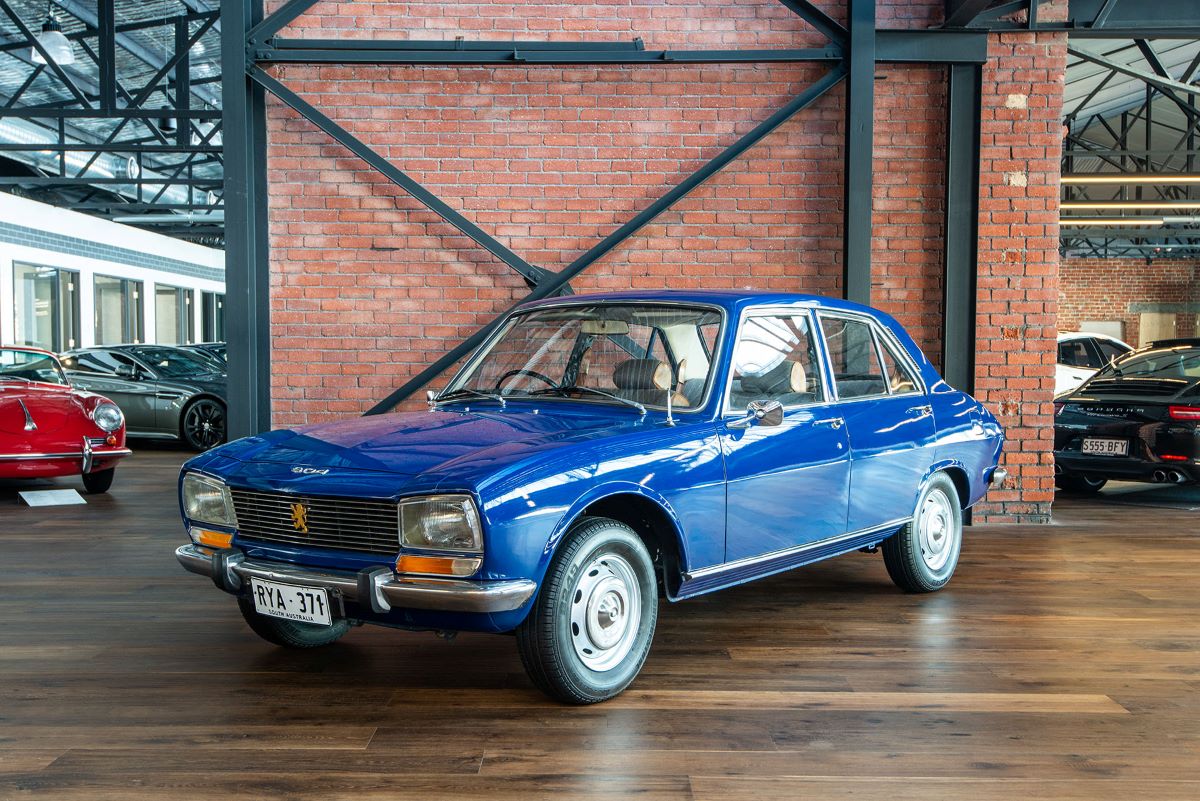
1. Peugeot 504
The Peugeot 504 earned a reputation for durability that extended far beyond European borders, yet its collector status remains surprisingly modest. Introduced in the late 1960s, it was praised for combining solid engineering with a comfortable ride, appealing to both urban drivers and long-distance travelers.
Its styling was understated yet elegant, with clean lines that allowed it to age gracefully compared to flashier contemporaries. Many consider it a car that delivers satisfaction not through glamour but through reliability and honest character.
Under the skin, the 504 showcased engineering choices aimed at longevity rather than novelty. The chassis was robust, designed to withstand rough roads without significant degradation over time. Its suspension used an independent layout that absorbed bumps while maintaining composure on highways, providing comfort unmatched in its segment.
Engines were straightforward, focusing on torque and durability, which helped the car earn a reputation for reliability in demanding climates.
From a collector standpoint, the 504 offers a remarkable variety without introducing unnecessary complexity. Sedan, coupe, wagon, and even pickup versions existed, each sharing the same mechanical philosophy and ease of maintenance.
Replacement parts are still reasonably available, and the simplicity of the design encourages enthusiasts to enjoy hands-on repairs. The car’s widespread use in Africa and South America has ensured that mechanical knowledge is abundant, even decades after production ceased.
Driving a 504 today is a surprisingly engaging experience, even by modern standards. The steering is precise enough to provide feedback without being tiring, while the suspension absorbs irregular surfaces with poise.
The car rewards smooth, thoughtful inputs, which reinforces a sense of connection between driver and machine. It demonstrates that a classic need not be expensive or exotic to feel rewarding on the road, making it ideal for collectors who prefer practicality with charm.
As values begin to rise, the Peugeot 504 remains one of the most logical entries into European classics. Its historical importance is well documented, including its success in rallies and long-distance endurance events, yet it has avoided the hype that inflates prices of similar-era vehicles.
The combination of durability, charm, and accessibility makes it appealing for enthusiasts who want a car that can be used, admired, and understood without financial strain or unnecessary stress.
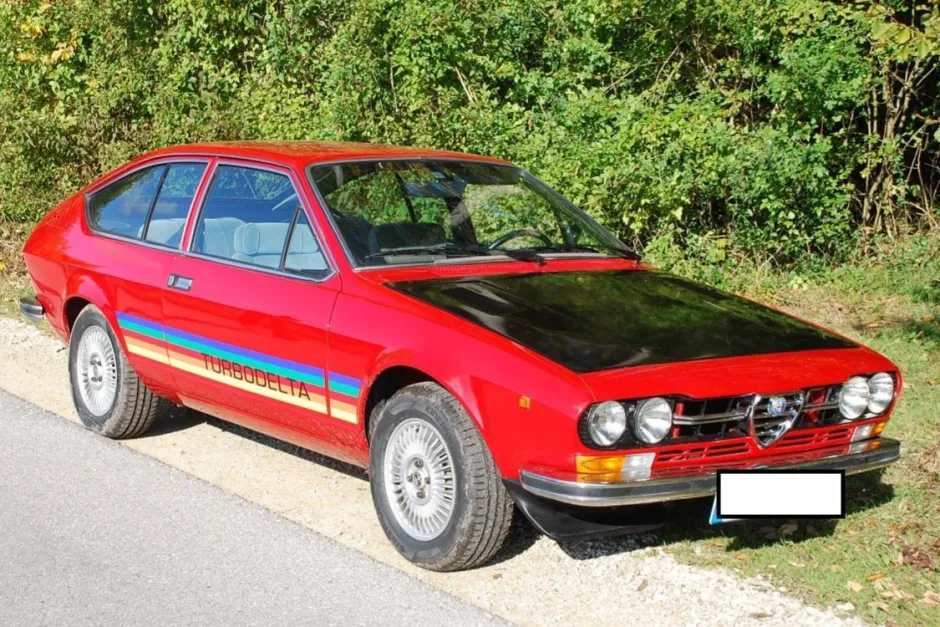
2. Alfa Romeo Alfetta
The Alfa Romeo Alfetta sits at a unique intersection between sporting ambition and everyday practicality. Launched in the early 1970s, it brought innovative engineering, including a rear-mounted transaxle, into a family sedan format.
This configuration improved weight distribution, resulting in handling that was both predictable and lively. Its appearance was angular and purposeful, signaling Alfa Romeo’s intention to merge performance with practicality without sacrificing character or style.
Styling was angular yet elegant, reflecting trends of the 1970s while retaining a distinctive identity. The wedge-shaped body and long hood gave it a presence that stood out among more conservative sedans.
Interior appointments combined functionality with sporty touches, including driver-focused dashboards and comfortable seating. Despite mixed reception at the time, the design has aged well, with collectors appreciating its bold lines and proportional balance.
Mechanically, the Alfetta offered spirited twin-cam engines that delivered both sound and performance. Suspension tuning emphasized agility, allowing the car to respond confidently in corners while maintaining comfort for daily driving.
While early examples could be prone to rust if neglected, proper care reveals a surprisingly robust chassis that continues to reward attentive owners. This mechanical honesty and feedback make the Alfetta engaging to drive even decades later.
Collectors often overlook the Alfetta due to fears of complexity or the brand’s sometimes patchy service reputation. In reality, most systems are straightforward and well documented, and the car benefits from an enthusiastic community that shares technical knowledge and parts resources.
Affordable restoration opportunities exist for those willing to invest time and care. This makes the Alfetta accessible as both a driving car and a collectible without the inflated prices of other Alfa models.
As a budget classic, the Alfetta delivers an authentic Alfa Romeo experience without the need for a large investment. It combines character, engineering ingenuity, and historical relevance in a package that remains usable and enjoyable.
For enthusiasts who prioritize driving feel and the satisfaction of ownership over prestige alone, it offers a compelling alternative that continues to gain appreciation for its unique approach to sedan design.
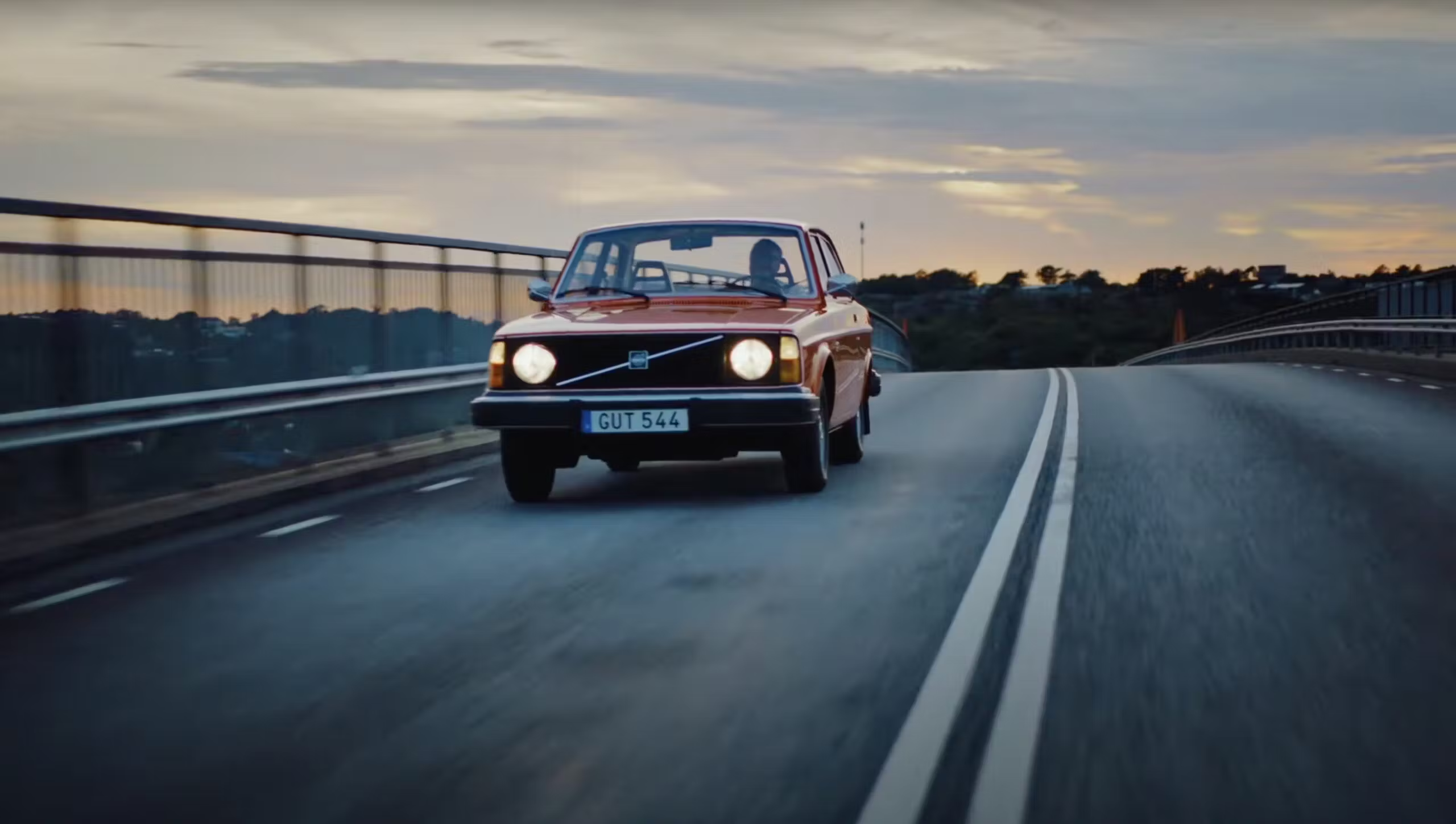
3. Volvo 240
The Volvo 240 is often remembered as a symbol of reliability and practicality rather than a desirable collectible, which is exactly why it remains affordable. Introduced in the mid-1970s, it became a household name thanks to its exceptional safety, robust construction, and straightforward design.
Its boxy, utilitarian exterior may have lacked flash, but it communicated honesty and dependability, qualities that now give it understated charm. Collectors increasingly appreciate the 240 for its enduring personality rather than its aesthetic appeal alone.
Engineering priorities focused on strength, safety, and long-term durability, making the 240 capable of surviving decades with minimal issues.
The engines were simple yet resilient, while the body shell and suspension were overbuilt, which explains why many examples still survive with high mileage. Features such as front disc brakes, solid rear axle, and comfortable seating reflect a philosophy that valued driver protection and reliability over trendiness or excess.
From a driving perspective, the Volvo 240 offers predictable and calming behavior rather than excitement. Steering is light but informative, braking is reliable, and the suspension absorbs most imperfections with ease.
This creates a car that is approachable for anyone and forgiving of small driving mistakes. Many collectors enjoy this as a contrast to more demanding classics that require constant attention or aggressive driving to be appreciated.
Availability of parts and expertise makes the 240 particularly appealing to budget-minded collectors. High production numbers, both in Europe and globally, ensure that mechanical components remain accessible, and enthusiast forums provide a wealth of restoration advice.
Routine maintenance is straightforward and affordable, which allows owners to enjoy their cars without the pressure often associated with rare European classics.
As values slowly rise, the Volvo 240 continues to represent practicality, culture, and nostalgia in an affordable package. Its reputation for safety, comfort, and longevity makes it a rational entry point into European car collecting. For enthusiasts seeking a combination of mechanical reliability, usability, and classic appeal, the 240 remains one of the most sensible and rewarding choices available.
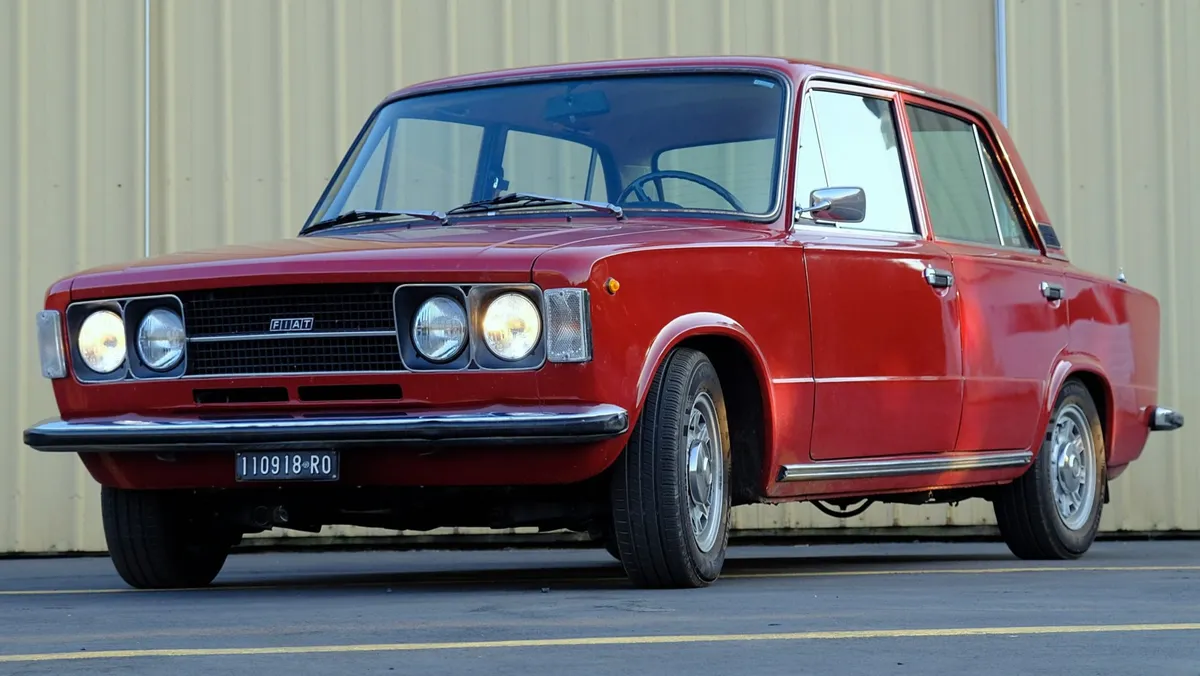
4. Fiat 124 Sedan
The Fiat 124 sedan has long lived in the shadow of its sportier Spider sibling, yet it deserves recognition for its balanced approach to design, performance, and affordability. Launched in the mid-1960s, it offered a spacious, comfortable interior, modern styling, and practical mechanics.
It represented an accessible European family car that managed to combine efficiency with character, making it a highly successful model in its home market and abroad. Its understated charm grows on collectors who value functionality over flair.
Mechanically, the Fiat 124 featured several advanced attributes for its class, including four-wheel independent suspension and disc brakes at the front. The engines were simple yet lively, providing smooth and responsive performance suitable for everyday driving.
Maintenance remained forgiving and cost-effective, further cementing the car’s appeal as a dependable classic. These qualities ensured the 124 could satisfy both urban drivers and longer-distance travelers alike.
Inside, the Fiat 124 offered a thoughtfully designed cabin with clear instrumentation, supportive seating, and generous space for passengers.
Comfort was prioritized without overcomplicating controls, and materials were durable for the era. While the interior may lack the refinement of high-end contemporaries, it feels purposeful and practical, contributing to the car’s enduring usability and collector appeal.
Collectors often overlook the sedan due to its mass-market nature, yet this widespread adoption now benefits enthusiasts. Replacement parts are abundant, and the straightforward mechanical design simplifies repairs and restoration.
Many surviving examples retain their original charm, allowing collectors to experience an authentic slice of everyday European motoring history without facing high cost or complexity.
As a budget collectible, the Fiat 124 sedan offers charm, functionality, and historical relevance in one accessible package. It rewards hands-on owners who appreciate practicality combined with character. Its balance of affordability and classic appeal ensures it remains a compelling choice for those entering European car collecting or seeking a dependable and engaging driving experience.
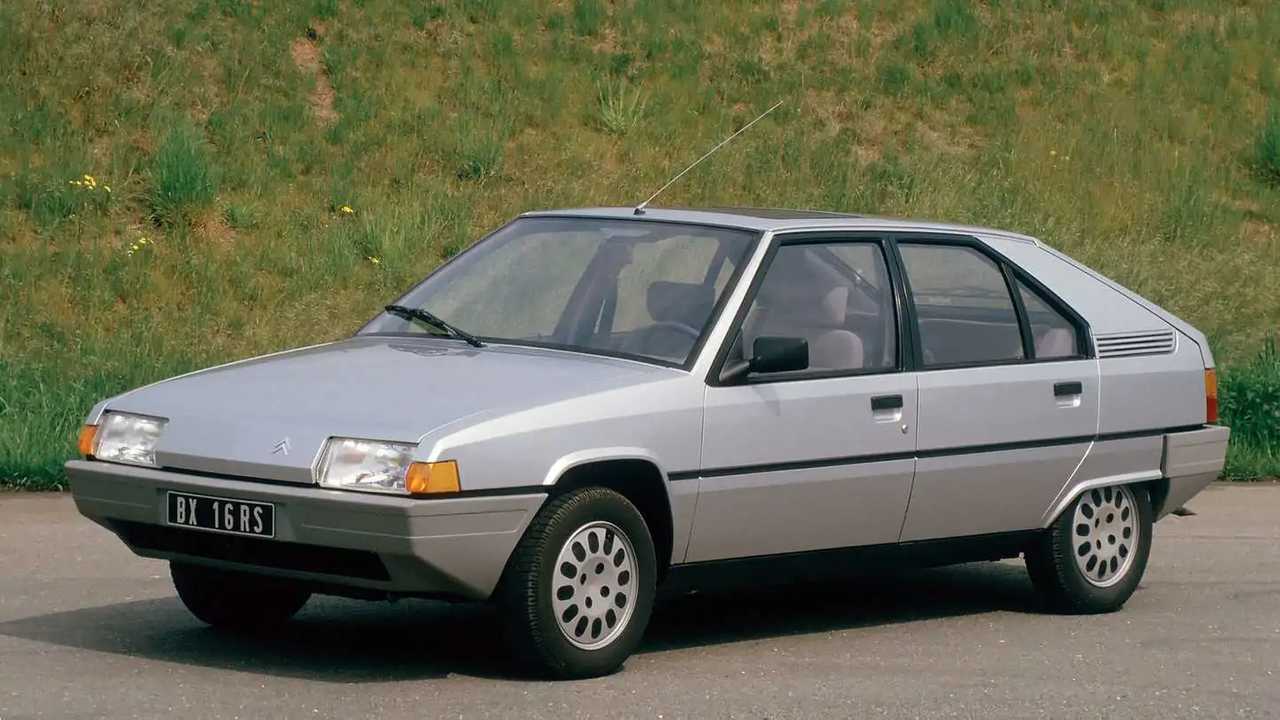
5. Citroën BX
The Citroën BX represented a bold attempt to combine innovation, comfort, and accessibility in a unique package. Released in the early 1980s, it carried forward Citroën’s tradition of forward-thinking design while remaining an affordable choice for everyday buyers.
Its sharp, angular styling stood out among more conventional cars, while lightweight construction contributed to nimble handling. It offered a distinct identity that was both modern for its time and memorable for enthusiasts today.
Beneath the exterior, the BX showcased Citroën’s hydropneumatic suspension, which provided a smooth and adaptive ride. This system automatically adjusted to load and road conditions, allowing the car to glide over rough surfaces with remarkable composure.
Engine choices were modest but efficient, focusing on a balance between economy and usability. These traits made the BX comfortable and practical without sacrificing the brand’s signature character.
Interior design reflected Citroën’s willingness to experiment and challenge norms. Controls, dashboards, and seating layouts often diverged from traditional conventions, giving the car a unique personality. While some drivers initially found the unconventional elements confusing, many appreciated the logic behind the design. Today, these quirks are celebrated as defining features that add character rather than detract from desirability.
Collectors sometimes hesitate due to concerns about perceived complexity or the hydropneumatic system. However, well-maintained cars prove remarkably durable, and specialized knowledge is widely available within enthusiast communities.
Replacement parts can be sourced with some planning, and owners who invest care often find a rewarding experience both on the road and in maintenance.
As a budget collectible, the Citroën BX offers individuality, comfort, and a glimpse into an innovative period of automotive history. Its combination of forward-thinking suspension, distinctive styling, and practical usability ensures that it remains accessible to enthusiasts.
For collectors seeking a car that stands out from the mainstream yet remains attainable, the BX provides a compelling and rewarding option.
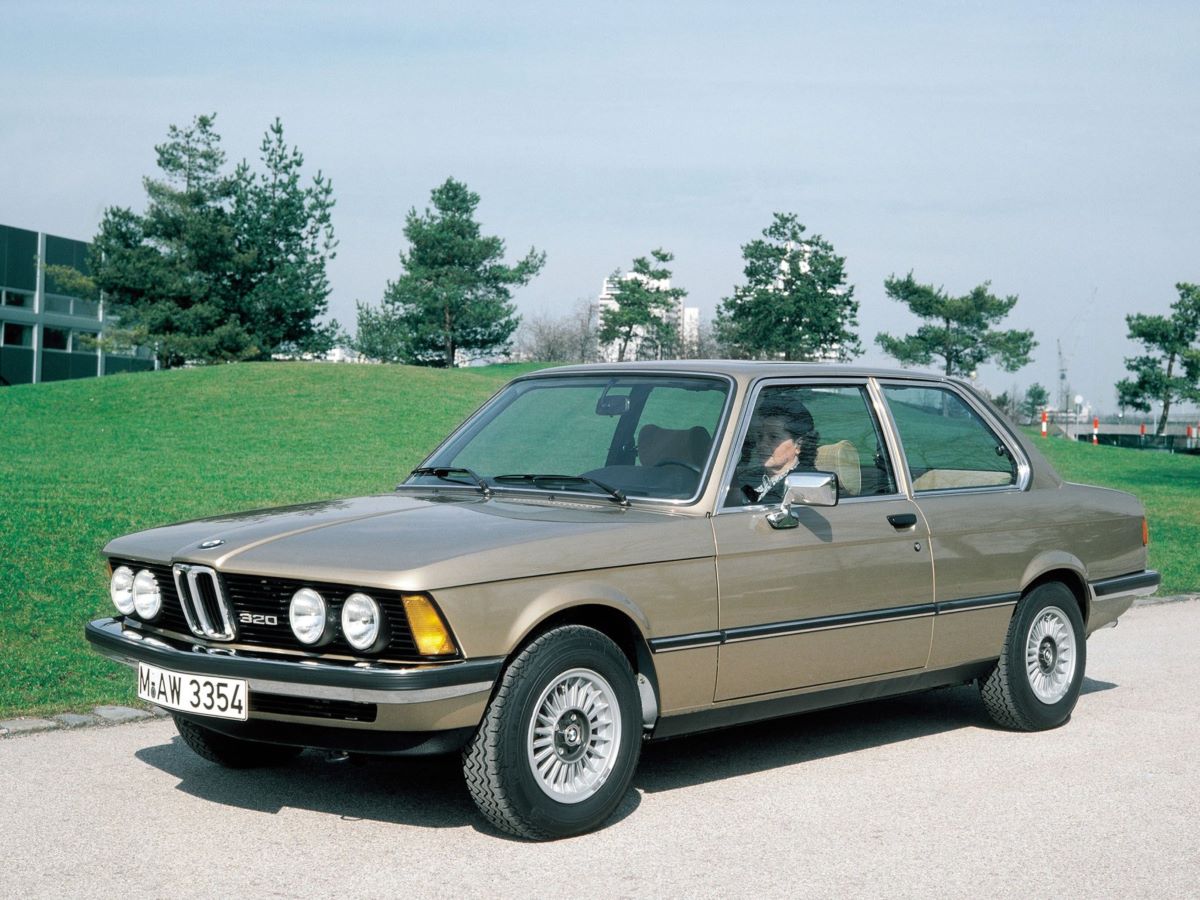
6. BMW E21 3 Series
The BMW E21 3 Series marked the beginning of a lineage that would define compact sports sedans for decades. Introduced in 1975, it combined sporty handling with everyday practicality, establishing a formula that BMW continues to refine today.
Its compact size, precise rear wheel drive, and near-perfect weight distribution made it engaging on twisty roads while still manageable in urban settings. Enthusiasts appreciate it for its balance between performance and usability, rather than raw power alone.
Styling was purposeful yet understated, featuring clean lines, round headlights, and a signature kidney grille that created timeless appeal.
The proportions emphasized a short front overhang and long hood, which communicated athletic intent without excess. Inside, the driver-centric cockpit included straightforward gauges, supportive seats, and intuitive controls. This simplicity enhanced engagement and gave the E21 a focused, connected feel behind the wheel.
Engines ranged from economical four cylinders to more spirited six-cylinder variants, allowing buyers to choose performance according to their needs.
Suspension tuning emphasized feedback and road connection without sacrificing comfort, making it responsive on curves yet forgiving over imperfect pavement. This blend of precision and comfort established the E21 as both a competent daily driver and a rewarding classic for enthusiasts.
Collectors sometimes overlook the E21 in favor of later, more refined 3 Series generations, leaving prices surprisingly reasonable. Parts are relatively easy to source, thanks to high production numbers and component sharing with other BMW models.
Mechanical simplicity ensures that repairs remain manageable, allowing owners to maintain or restore these cars without extravagant expense. The combination of availability and character makes it an ideal entry point into BMW collecting.
As a budget collectible, the E21 offers authentic BMW driving dynamics with classic styling and historical significance. Its lightweight design, mechanical honesty, and timeless appearance continue to attract enthusiasts who value connection over prestige. For collectors who want a car that feels alive to drive while remaining attainable, the E21 delivers both satisfaction and practicality.
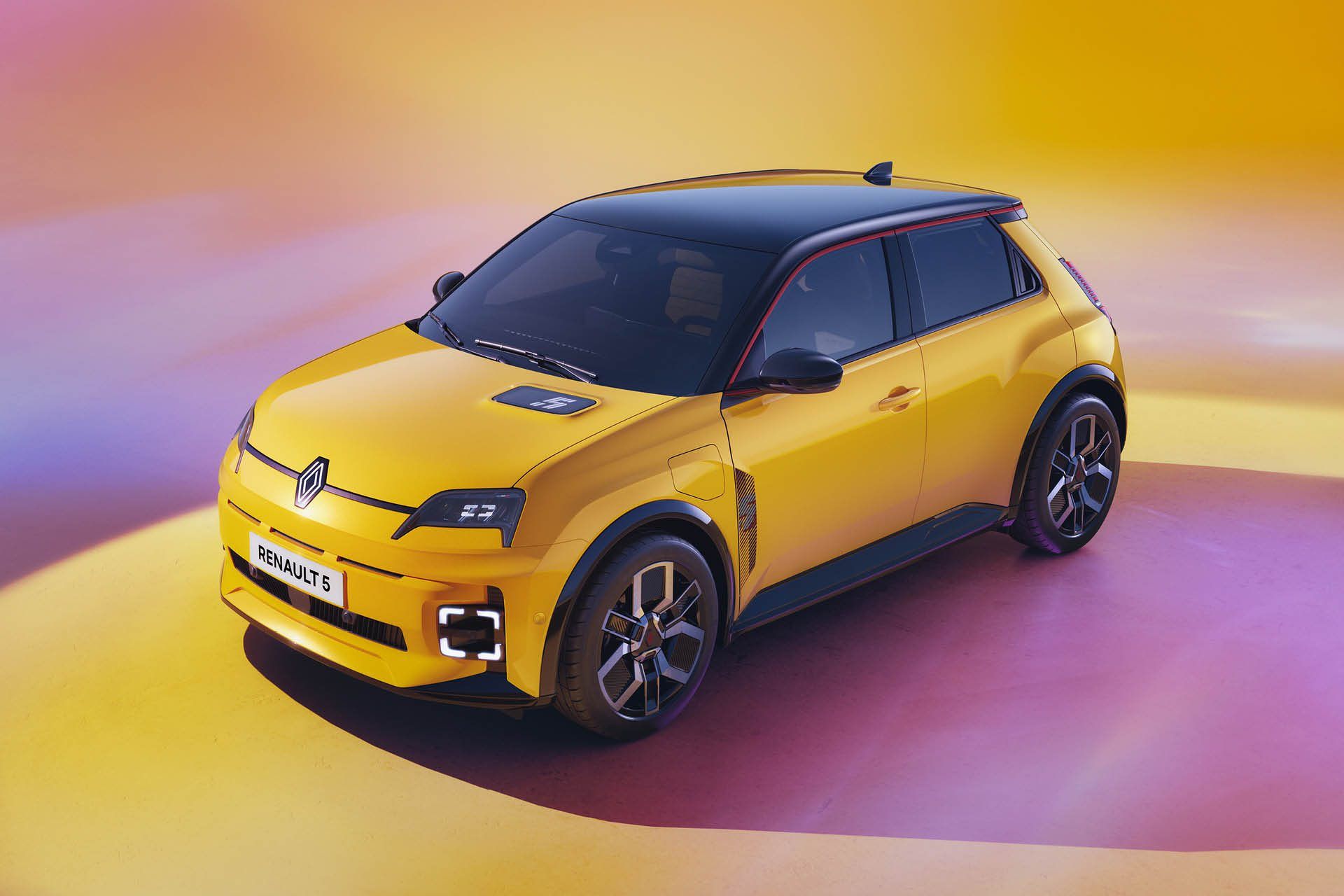
7. Renault 5
The Renault 5 was a revolutionary small car that redefined city mobility and became a cultural icon of the 1970s and 1980s. Its compact dimensions, tall hatchback layout, and cheerful personality made it instantly recognizable.
Practicality met charm with a clever interior that maximized space, while exterior styling emphasized rounded corners and friendly proportions. It quickly became a favorite among urban drivers and families seeking efficiency and usability.
Under the hood, the Renault 5 used small, lightweight engines that prioritized fuel economy and simplicity. Despite modest output, the car felt nimble and responsive due to its low weight and compact dimensions.
The suspension was tuned for urban use, providing agility and comfort over bumpy city streets. This combination allowed the Renault 5 to feel lively without demanding excessive maintenance or skill from drivers.
Interior space was surprising for a car of its size, with clever seat arrangements, upright seating, and large windows that enhanced visibility. Controls were intuitive, and ergonomics focused on ease of use rather than luxury. For young drivers or first-time car owners, the Renault 5 offered a forgiving and practical experience that encouraged confidence behind the wheel.
Collectors often focus on sportier variants, such as the GTL or turbocharged editions, leaving standard models both affordable and plentiful. Parts availability remains strong, and enthusiast communities provide ample advice for restoration or maintenance.
Many Renault 5s survive in usable condition, making them appealing for those seeking a practical classic with historical significance and cultural nostalgia.
As a budget collectible, the Renault 5 combines charm, practicality, and affordability. Its compact size, engaging dynamics, and friendly personality ensure it stands out even today. For collectors seeking an approachable classic with unique European character, the Renault 5 remains a highly rewarding option that delivers both usability and style.
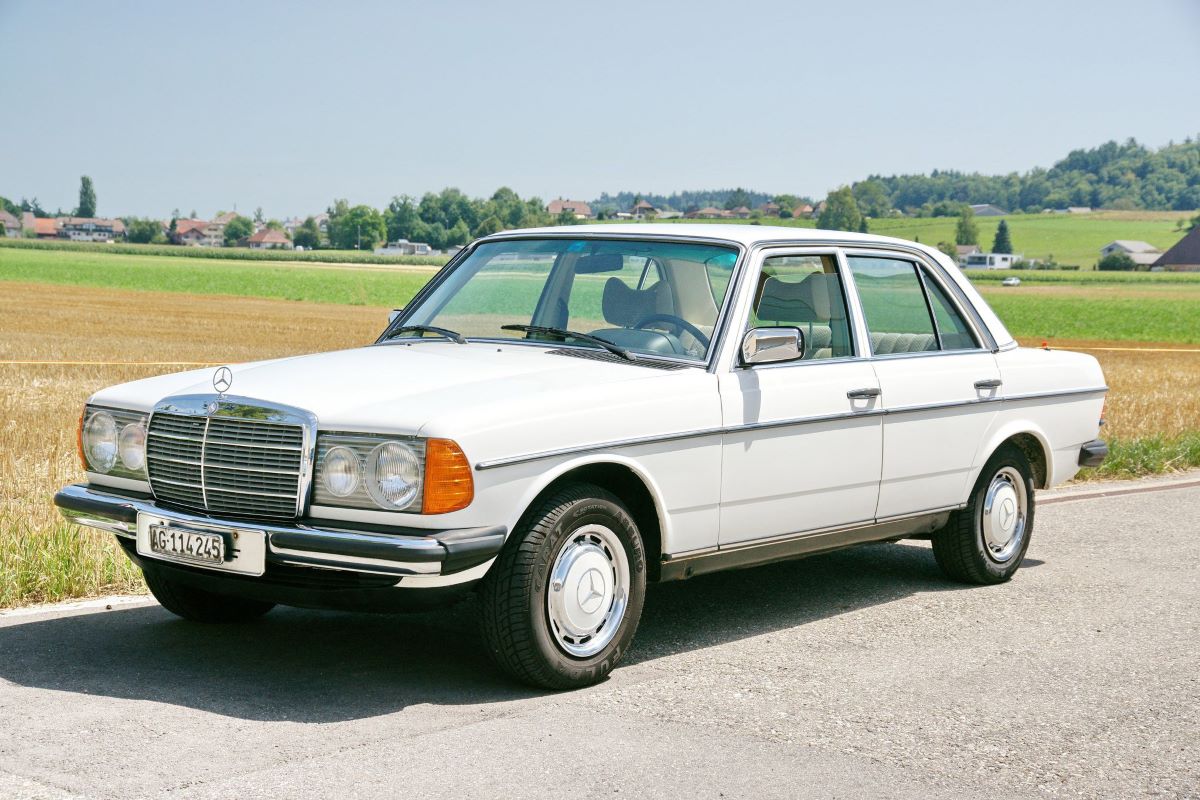
8. Mercedes-Benz W123
The Mercedes Benz W123 earned widespread respect for its exceptional engineering, build quality, and longevity. Produced between 1976 and 1985, it quickly became a symbol of reliability and practicality, serving as both family cars and taxis across Europe and beyond.
Its solid construction and straightforward mechanical systems allowed it to endure decades of use, often surpassing 500,000 miles with basic maintenance. The W123 remains admired for its engineering integrity and classic design.
Design emphasized clarity, proportion, and function, with clean lines that suggested solidity and understated elegance. Interiors focused on comfort and durability, featuring high-quality materials, supportive seats, and logical layouts.
Even after decades, the cabin remains welcoming and practical, demonstrating a thoughtful approach to ergonomics and occupant satisfaction that still impresses today.
Under the hood, engines were tuned for endurance rather than outright performance. Smooth power delivery, reliable transmissions, and simple mechanical systems contributed to ease of maintenance and predictability. Suspension and steering emphasized stability and comfort, creating a composed driving experience that rewarded consistency and care rather than aggressive handling or speed.
Collectors benefit from extensive parts availability and strong specialist knowledge networks. Many examples still survive in excellent condition due to careful maintenance over the years.
Restoration projects are approachable, and the high build quality of the original vehicles often reduces the extent of work required. This accessibility encourages ownership and preservation without excessive expense.
As a budget collectible, the W123 combines durability, comfort, and cultural significance. It represents a period when engineering focus, reliability, and practical luxury were paramount. For collectors seeking a dependable European classic that can be enjoyed daily while maintaining historical authenticity, the W123 remains an outstanding choice.
9. Saab 900 Classic
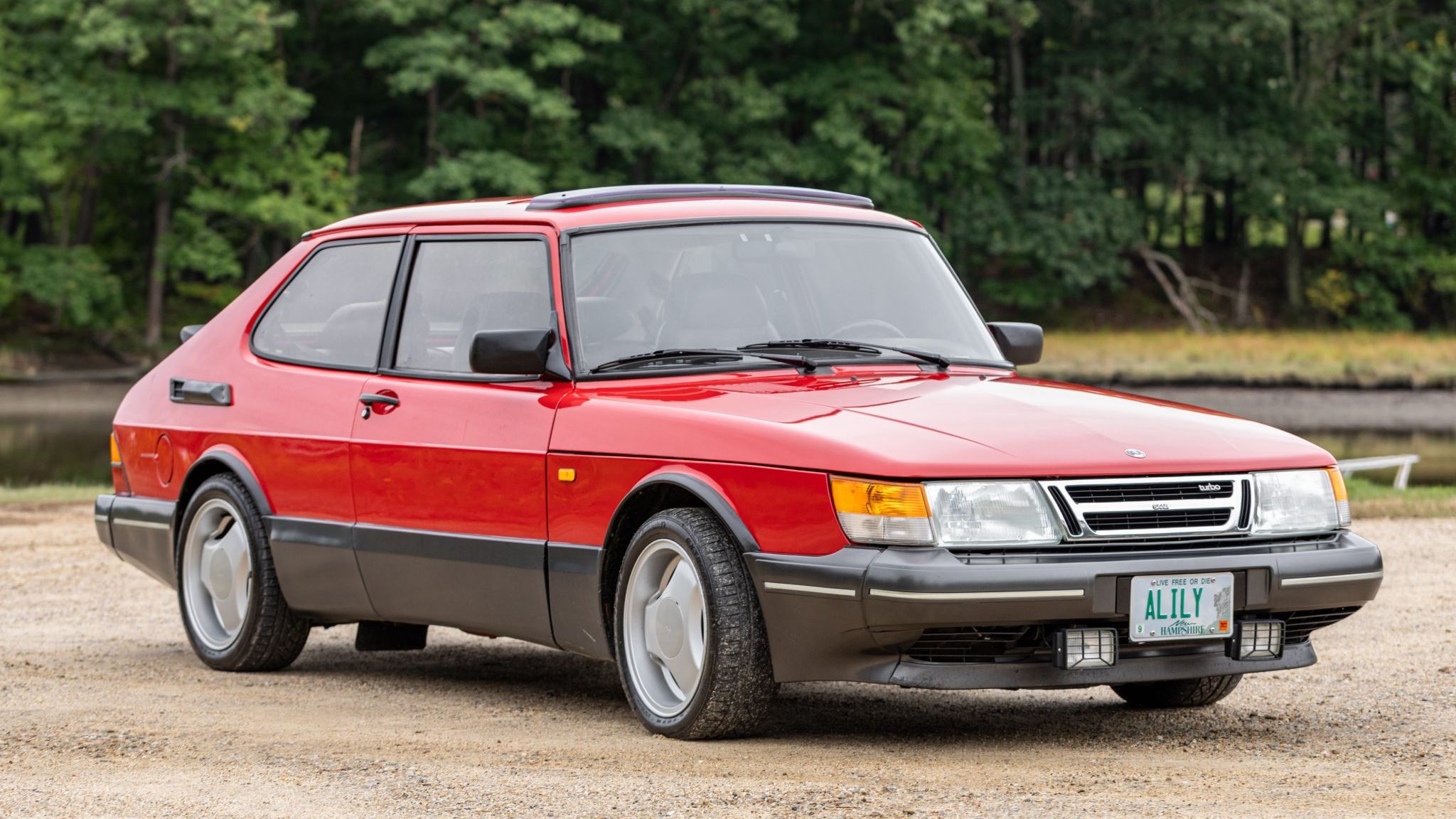
The Saab 900 Classic reflected a design philosophy inspired by aviation, emphasizing safety, driver orientation, and thoughtful engineering. Introduced in the late 1970s, it stood out for its wraparound windshield, sloped bonnet, and unique interior ergonomics.
Its personality came from both styling and innovation, with controls and layouts designed to enhance functionality in all conditions. The 900 remains iconic for collectors who appreciate unusual but practical design.
Turbocharged engines in the 900 offered impressive performance for the era, with strong mid-range acceleration that delivered confidence without excess. The front-wheel drive layout and well-tuned suspension provided stability in corners and on highways.
Driving the Saab 900 felt distinct, combining comfort with a sense of control that became a hallmark of the brand and continues to appeal to enthusiasts today.
Inside, ergonomics and safety were prioritized, with all controls logically positioned for ease of use, even while wearing gloves. Seats were supportive and comfortable for long journeys, and visibility was excellent. The interior’s combination of simplicity, comfort, and practicality reinforced the Saab philosophy of thoughtful, driver-centered design that stands out in the classic car market.
Collectors sometimes hesitate due to Saab’s discontinuation and the perceived rarity of parts. However, enthusiast communities and specialist suppliers have kept the 900 maintainable for decades.
Many components remain available, and common mechanical systems are straightforward for those willing to learn. This ensures that long-term ownership is viable without high costs.
As a budget collectible, the Saab 900 Classic combines character, engineering innovation, and practical usability. Its distinctive styling, turbocharged performance, and driver-focused philosophy make it rewarding to drive and maintain. For collectors seeking a classic that feels different from mainstream European cars while remaining attainable, the 900 offers a unique and compelling experience.
10. Lancia Beta
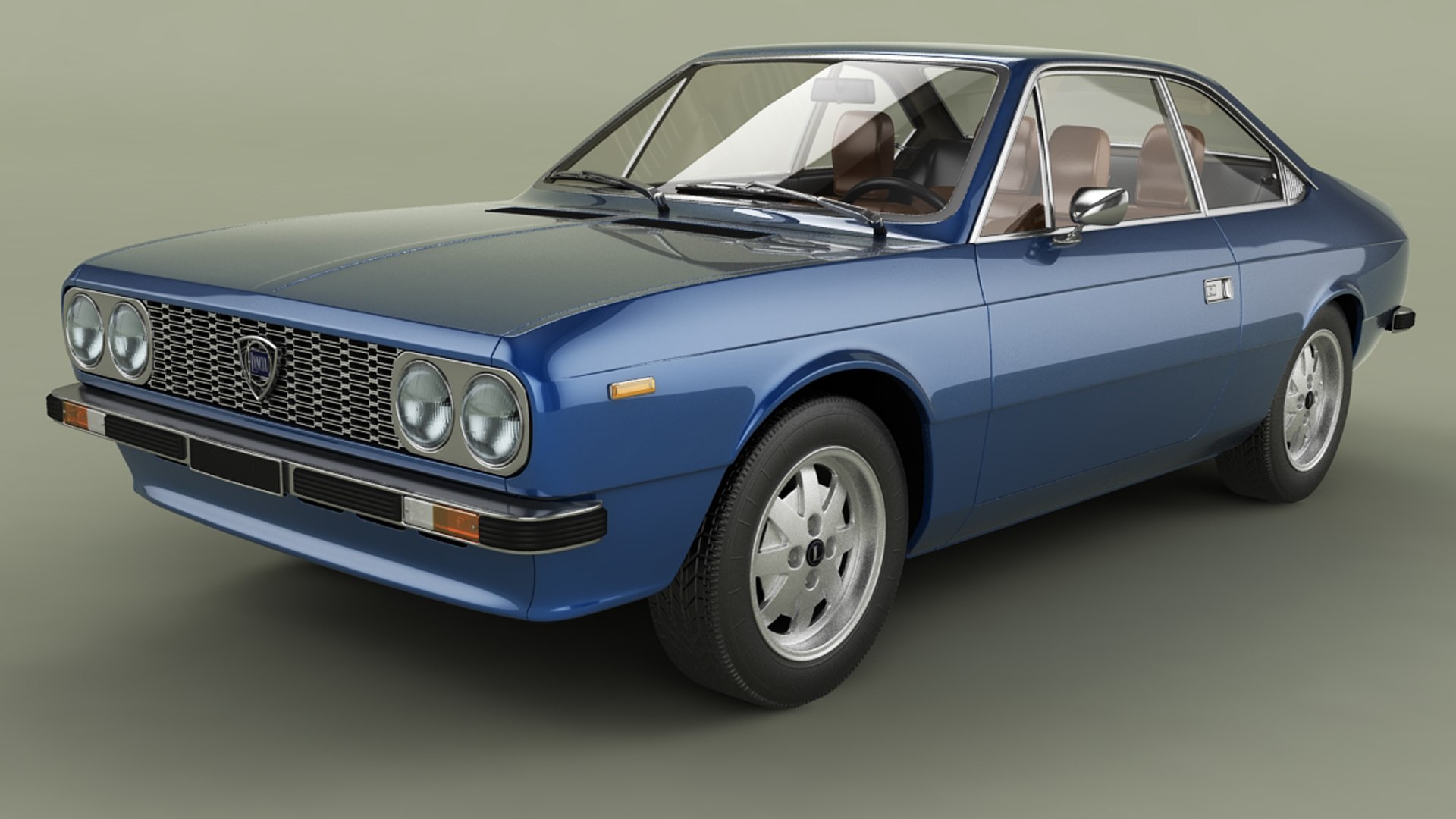
The Lancia Beta represented an ambitious attempt to modernize the brand while retaining its innovative spirit. Produced during the 1970s and early 1980s, it introduced front-wheel drive to the marque’s lineup and featured efficient packaging and refined styling.
The wedge-shaped design was contemporary, balancing sharp lines with a restrained profile. Despite a reputation affected by early corrosion issues, the Beta remains intriguing for collectors who value originality and engineering ingenuity.
Engineering focused on comfort, handling, and usability. Suspension tuning favored smoothness and composure, while engines delivered steady and predictable performance.
The combination allowed the Beta to be both refined and practical, suitable for daily driving as well as longer journeys. It represented a careful blend of innovation and tradition that appealed to buyers seeking modern design without sacrificing European craftsmanship.
Early examples suffered from corrosion issues, which overshadowed many of the car’s strengths and limited long-term appeal. Later production models addressed these problems, resulting in vehicles that were durable and enjoyable to drive.
Today, surviving examples reveal the Beta’s understated qualities and engineering care, making it a satisfying project for collectors willing to inspect and maintain carefully.
Collectors can find rewarding ownership in the Beta if they focus on well-preserved cars. Specialist parts suppliers and enthusiast communities provide support, helping owners maintain or restore examples with relative ease.
Attention and patience are required, but the process reinforces the satisfaction of hands-on ownership and appreciation of Lancia’s historical innovation.
As a budget collectible, the Lancia Beta offers value through underappreciation, innovative design, and European character. Its blend of engineering ambition, comfort, and attainable rarity ensures that it continues to appeal to enthusiasts who seek a classic that stands out without high cost. For collectors interested in cars that tell a story beyond the badge, the Beta is a rewarding choice.
