
Navigating city streets can be challenging, especially when the pavement is uneven, potholes are common, or construction projects are everywhere. For many drivers, the comfort of a car becomes one of the most important factors in deciding which vehicle to purchase.
While performance, fuel efficiency, and technology are often highlighted, comfort on rough roads is frequently overlooked until after the first jarring ride. Cars respond differently to bumpy surfaces depending on their suspension design, tire setup, and engineering.
Some vehicles are built to absorb shocks effortlessly, creating a smooth, almost floating sensation even on damaged asphalt. Others transmit every bump, crack, and dip directly to the cabin, making city driving a tiring experience. Choosing the right vehicle for urban commuting can make a dramatic difference in stress levels, physical strain, and even safety.
Drivers who frequently encounter rough roads need cars with suspension systems designed for comfort, reinforced chassis structures, and seats that minimize fatigue. Interior quality also plays a role, as higher-grade materials often soften the perception of bumps and vibrations.
Tire choice, wheel size, and even steering calibration can affect how the car interacts with uneven surfaces. Those seeking a vehicle that performs well in comfort tests will often prioritize models known for smooth suspensions and high-quality shock absorbers.
On the other hand, cars designed primarily for sportiness or style may compromise comfort, making every pothole and crack highly noticeable. Urban commuters have long debated which models manage city irregularities best, and testing various vehicles over challenging road conditions often reveals clear winners and losers.
This article examines five cars that provide a comfortable experience on rough city roads, followed by five vehicles that tend to transmit discomfort directly to passengers. By understanding these differences, drivers can make informed decisions, avoiding models that may cause strain over time and selecting those that turn rough commutes into manageable or even pleasant experiences.
Comfort on city streets is not just a matter of luxury; it can influence driver alertness, passenger enjoyment, and long-term satisfaction with a vehicle. Every car interacts with its environment differently, and evaluating them under real-world conditions is crucial for making a choice that matches personal priorities.
5 Cars That Stay Comfortable on Rough City Roads
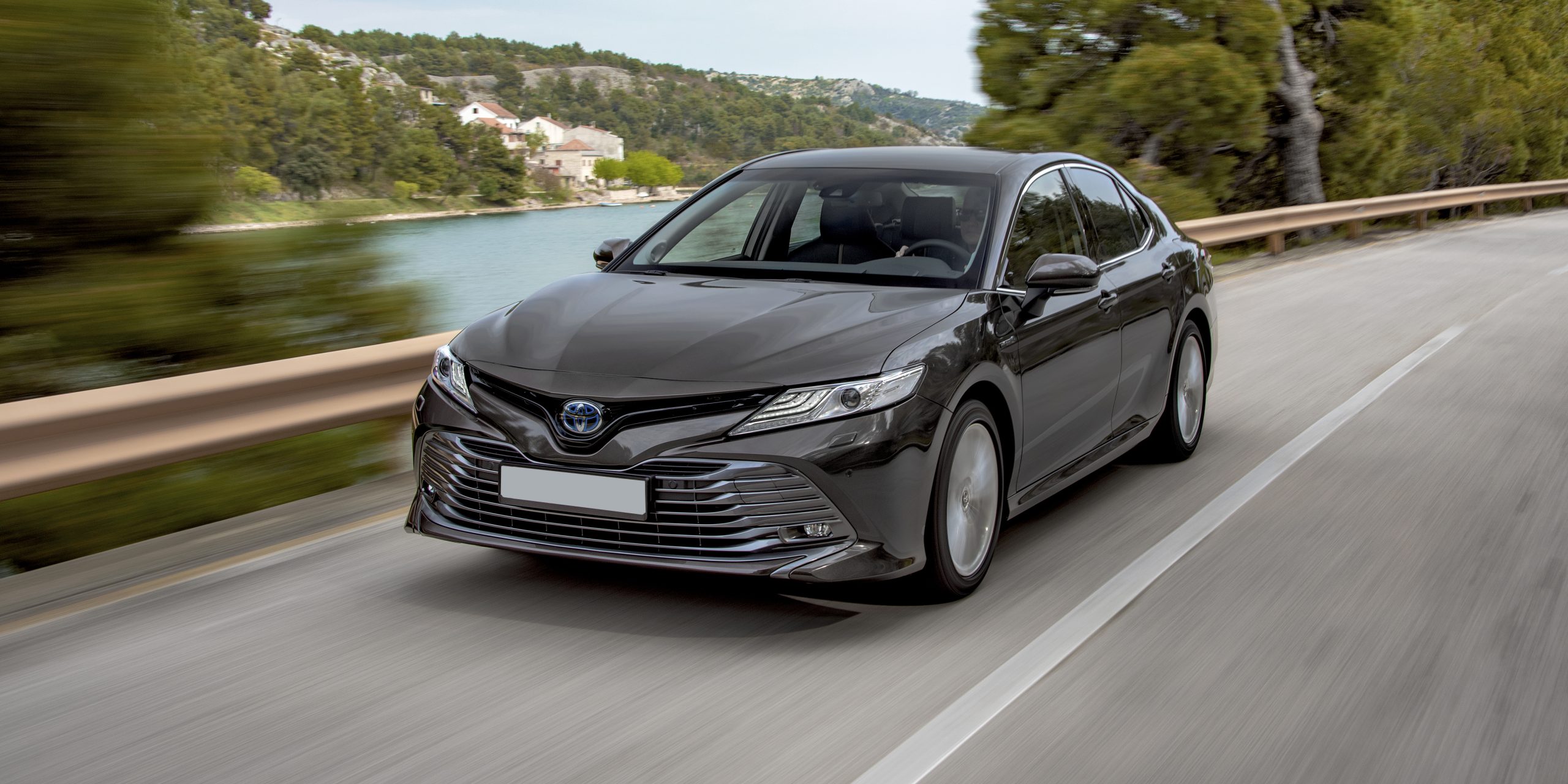
1. Toyota Camry
The Toyota Camry has long been praised for its ability to handle uneven surfaces smoothly. Its suspension absorbs bumps effectively, preventing shocks from reaching the cabin. The seats are ergonomically designed, offering support during longer urban commutes. Many drivers appreciate the quiet ride, even when tires roll over rough pavement.
The suspension system uses a combination of struts and stabilizers that soften impacts without sacrificing control. Steering remains precise, allowing drivers to navigate potholes without feeling abrupt jolts. Interior padding further reduces the sensation of bumps, enhancing the perception of calmness. The chassis design contributes to a solid, stable ride. The Camry feels grounded yet forgiving on damaged roads.
Tire size also plays a role, as the Camry often comes equipped with medium-profile tires that balance grip and cushioning. The car’s weight distribution helps prevent harsh vertical movements. Passengers often report minimal fatigue after navigating bumpy streets for extended periods. Road noise is minimized, creating a serene cabin environment. This makes it an excellent option for daily commuting in urban areas.
Another feature aiding comfort is the adaptive suspension in higher trims. It can adjust damping to suit road conditions, softening the ride when surfaces become particularly rough. The vehicle handles speed bumps and uneven asphalt without harsh thuds.
Drivers notice smoother braking and acceleration responses. Combined, these characteristics make the Camry consistently comfortable in city traffic.
Finally, reliability ensures that comfort remains over time. Suspension components maintain their performance even after extensive use, preventing sagging or harshness that can develop in other vehicles. Interior materials retain their cushioning effect.
Regular maintenance is straightforward, keeping the ride quality high without expensive repairs. This combination of features solidifies the Camry’s reputation as a city-friendly, comfortable sedan.
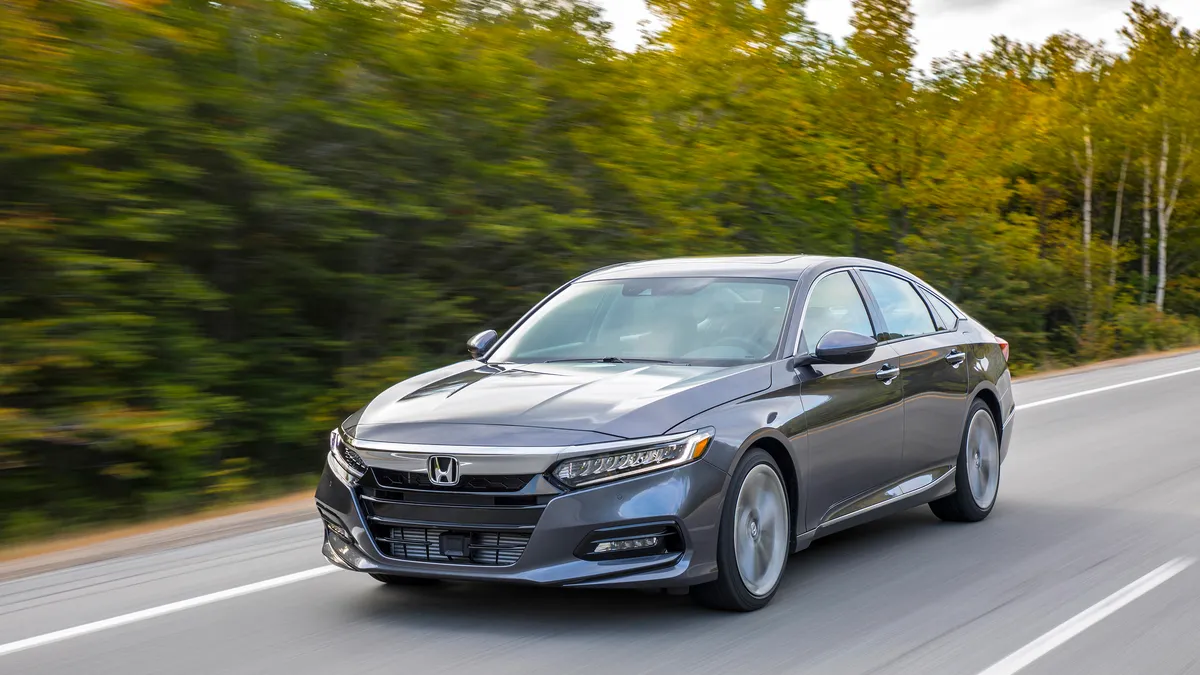
2. Honda Accord
The Honda Accord is another sedan known for exceptional comfort over rough surfaces. Its well-tuned suspension absorbs shocks without feeling overly soft. Passengers notice minimal vibration when driving over cracked roads. Ergonomically designed seats support both the lower back and thighs effectively.
Accord models often feature front and rear stabilizers that reduce excessive body roll. The suspension geometry allows the wheels to maintain contact with uneven pavement. Steering is responsive yet forgiving, avoiding harsh jolts. Interior materials absorb minor vibrations, contributing to a smooth experience.
Medium-profile tires help balance ride quality and handling precision. The Accord’s weight distribution minimizes jolting during turns or lane changes. Cabin noise is low, enhancing perceived comfort. Drivers appreciate the stability when accelerating from stoplights on rough streets. These features create a serene driving environment even during heavy urban traffic.
Some trims offer adaptive shock absorbers that adjust to road conditions in real time. This feature softens the ride when hitting potholes or road irregularities. Braking remains controlled and smooth, preventing sudden jolts. Passengers often experience minimal fatigue, even on longer commutes. These adjustments make the Accord ideal for city dwellers who value comfort.
The Accord’s long-term durability ensures that suspension and seat comfort remain consistent over years. Road-test results confirm its ability to maintain ride quality under urban stress. Noise levels stay low, preserving the perception of smoothness. This reliability reinforces the Accord’s status as a top choice for bumpy city streets.
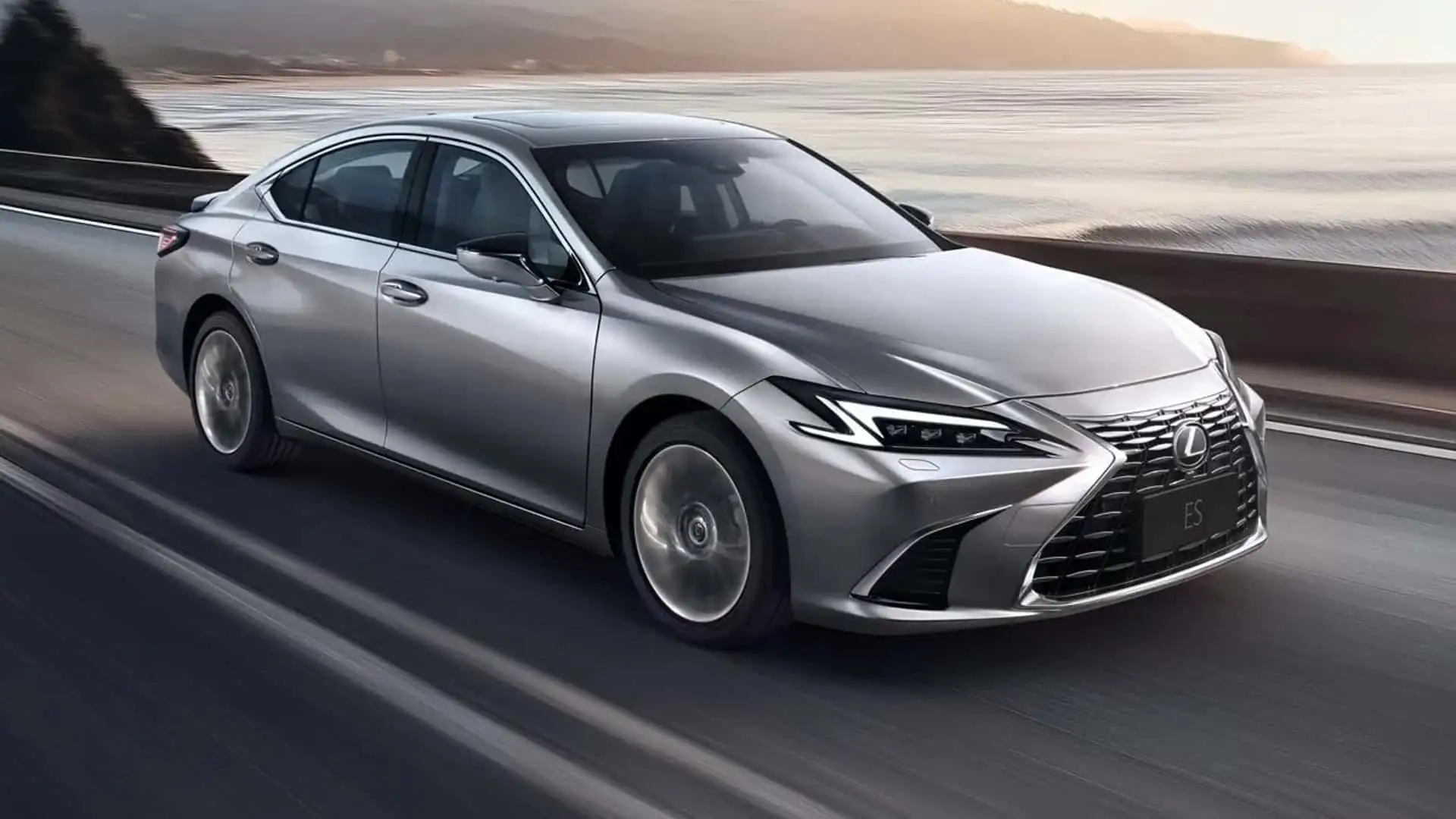
3. Lexus ES
The Lexus ES offers luxury-level comfort even in challenging urban conditions. Its suspension is carefully tuned to isolate road imperfections from the cabin. Soft yet supportive seats enhance comfort during frequent stop-and-go driving. Passengers enjoy minimal jolts and consistent cushioning.
The ES employs a multi-link rear suspension that absorbs shocks efficiently. Combined with hydraulic stabilizers, this system reduces body vibrations. Steering is precise but forgiving, keeping the ride smooth. Interior materials further dampen vibrations and road noise.
The vehicle’s wheel and tire setup provides balance between grip and cushioning. Medium-profile tires help prevent harsh impacts from small potholes. Cabin insulation limits the intrusion of street noise. Drivers can navigate rough roads without constant adjustments. The result is a composed, comfortable ride.
Advanced models offer adaptive suspension and drive modes. Comfort-oriented settings further soften the ride when roads become rough. Braking is smooth and predictable, reducing jolts from sudden stops. Passengers rarely feel fatigue, even on longer journeys across urban streets. These features ensure consistent comfort in all conditions.
Maintenance of suspension components is straightforward, preserving ride quality over time. Seats and interior materials maintain cushioning, preventing hardening with age. Lexus engineering ensures minimal vibration transfer from road to cabin. For city driving, the ES represents a top-tier choice for comfort-conscious drivers.
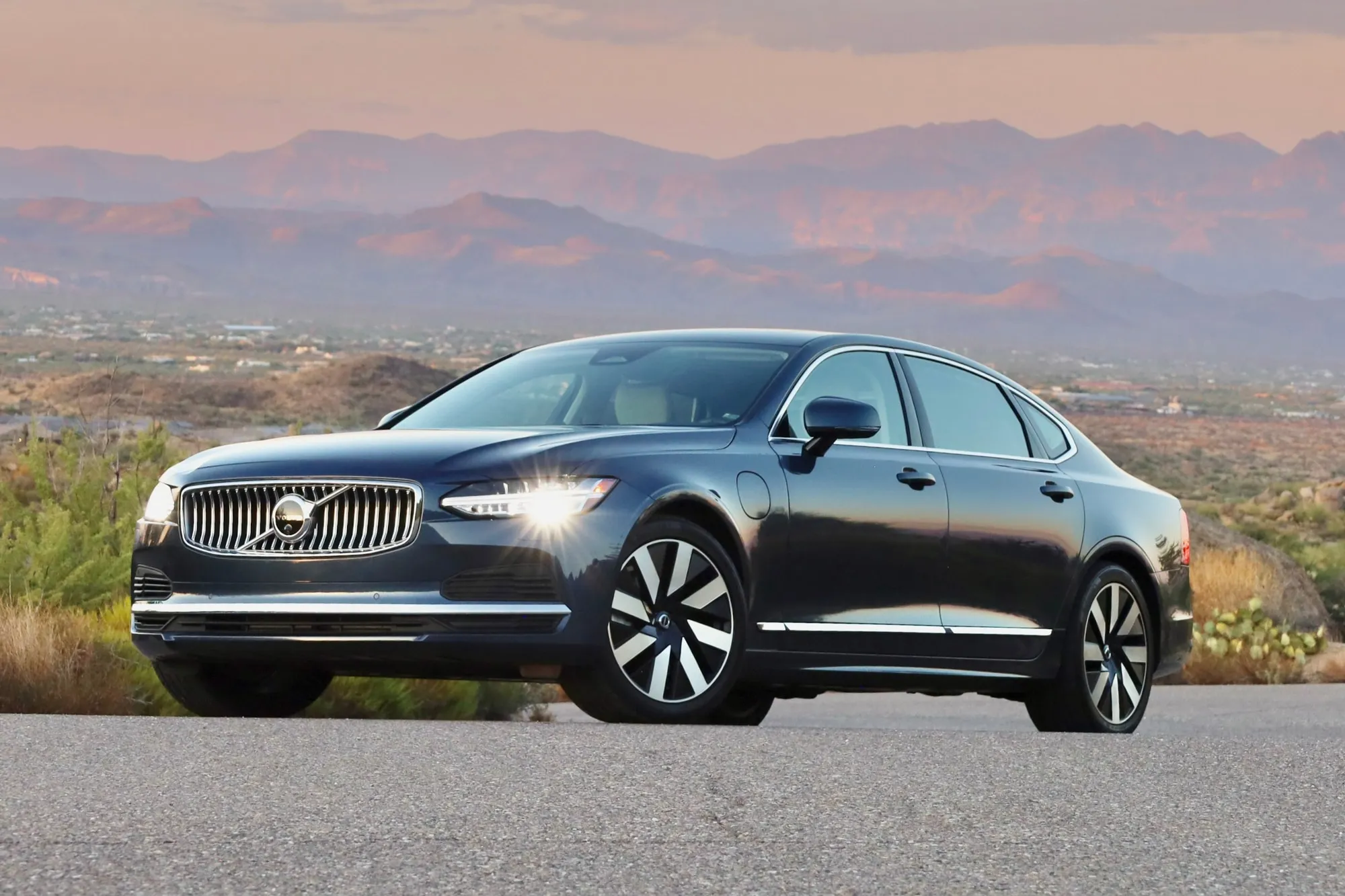
4. Volvo S90
The Volvo S90 combines Scandinavian engineering with refined comfort. Its suspension system is tuned for smooth city rides, absorbing irregularities without compromising control. Seats are ergonomically sculpted, providing excellent lumbar and thigh support. Cabin noise is kept low through effective insulation.
The S90’s adaptive dampers adjust to road surfaces automatically. This feature reduces the harshness of bumps and uneven pavement. Steering is responsive yet forgiving, helping maintain composure over rough streets. Interior panels and padding further minimize vibrations.
Wheel and tire combinations are carefully selected to provide comfort without reducing handling. Medium-profile tires prevent excessive road feedback. Noise, vibration, and harshness are reduced through careful chassis design. Passengers often experience minimal fatigue during extended city trips.
The car also offers a range of driving modes to optimize comfort or performance. Comfort-oriented settings prioritize smoothness, especially on damaged streets. Braking is even and smooth, avoiding abrupt jolts. The cabin maintains stability during urban maneuvers, keeping passengers relaxed.
Long-term durability ensures that comfort does not diminish over time. Suspension components retain their responsiveness, and seats maintain cushioning. Volvo’s commitment to quiet cabins reinforces the perception of comfort. The S90 consistently delivers a premium ride experience on rough urban roads.
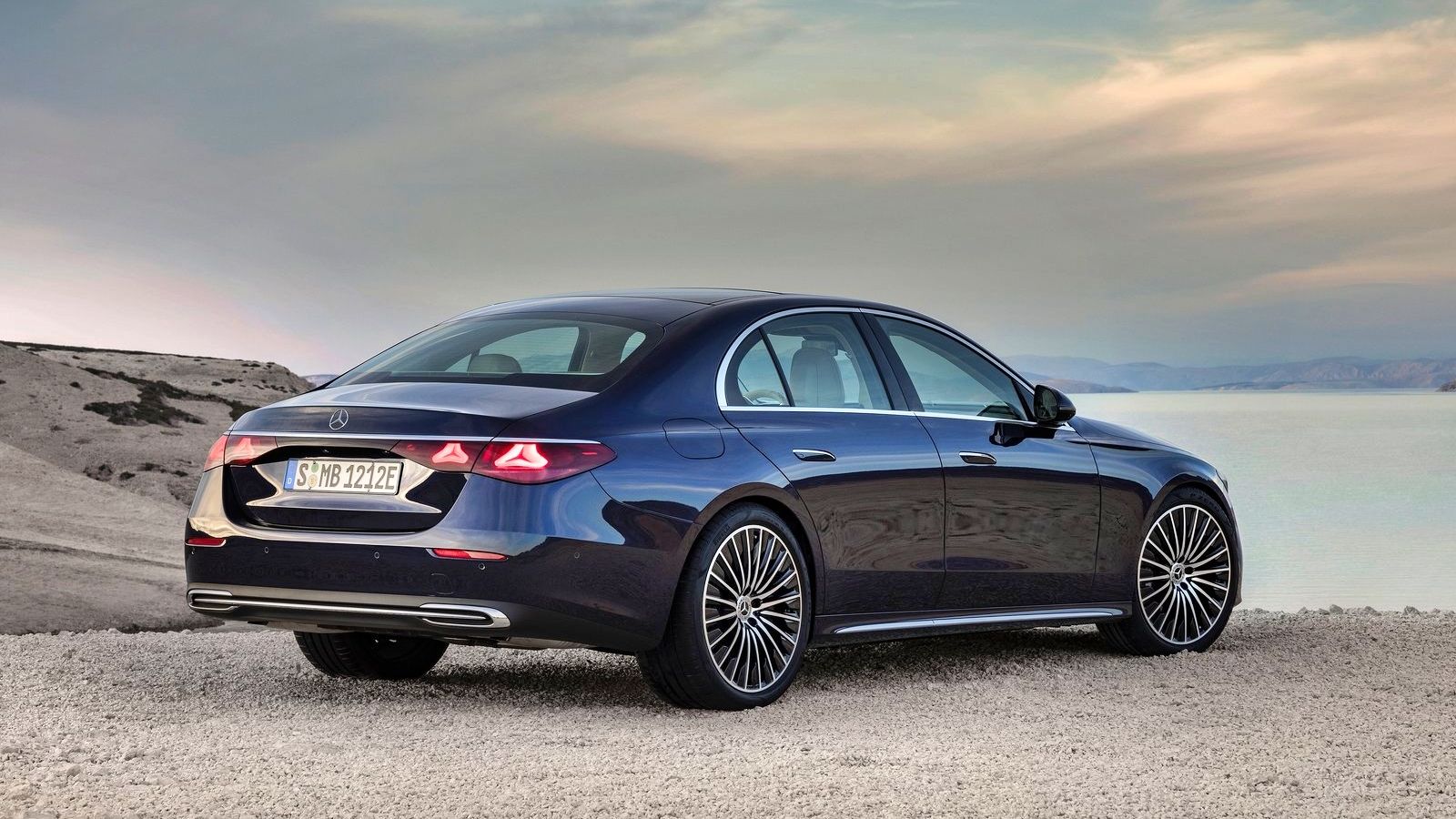
5. Mercedes-Benz E-Class
The Mercedes-Benz E-Class is renowned for luxury and comfort on challenging city roads. Its suspension absorbs road irregularities gracefully, preventing shocks from disturbing passengers. Ergonomic, high-quality seats support long drives with minimal fatigue. Cabin insulation reduces noise, even on rough asphalt.
Advanced suspension technology ensures smooth handling over potholes and uneven surfaces. Stabilizers and dampers work in unison to soften impacts. Steering remains precise but absorbs minor jolts. Interior design and materials enhance the feeling of calmness.
Medium-profile tires balance comfort with responsive handling. Weight distribution helps minimize body movement on rough streets. Noise levels are low, preserving serenity inside the cabin. Drivers and passengers alike benefit from smooth acceleration and braking.
Adaptive air suspension in some models allows adjustment to road conditions. Comfort modes provide maximum cushioning on uneven surfaces. Passengers notice minimal vibration and fatigue, even in heavy traffic. Steering and braking remain predictable and controlled, enhancing safety and comfort.
The E-Class retains its performance over years due to durable suspension components. High-quality interior materials maintain softness and reduce fatigue. Noise and vibration are consistently minimized, making city driving more relaxing. For drivers prioritizing comfort, the E-Class remains a benchmark.
5 Cars That Don’t Stay Comfortable on Rough City Roads
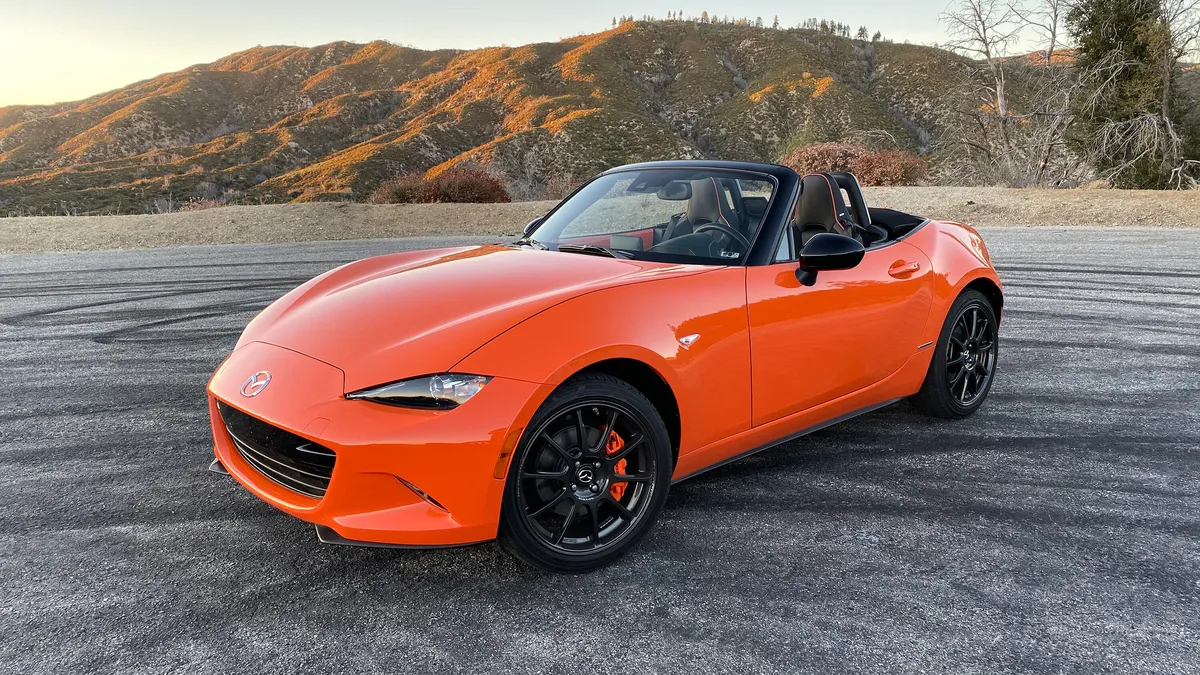
1. Mazda MX-5 Miata
The Mazda MX-5 Miata is designed with a focus on sporty performance, and this prioritization comes at the cost of comfort on uneven city streets. Its suspension is firm and stiff, transmitting almost every bump directly to the cabin.
While this setup provides exceptional handling and cornering precision, it makes potholes and cracked pavement uncomfortable for passengers. Seats, although supportive for spirited driving, are relatively thin and offer minimal cushioning, which can quickly lead to fatigue during daily urban commutes.
The Miata’s small wheels and low-profile tires further reduce its ability to absorb road imperfections. Steering feedback is crisp and precise, but it exaggerates the sensation of rough pavement, making small bumps feel more severe.
On city roads, every crack or uneven patch is amplified, demanding constant corrections from the driver. This means that longer trips, even across just a few miles of rough streets, can feel exhausting for occupants.
Convertible models add to the challenge, as the soft top does little to dampen vibrations or reduce noise. Suspension tuning emphasizes agility rather than ride softness, so impacts from speed bumps or broken asphalt are transmitted sharply. Braking on uneven surfaces can feel abrupt, causing a noticeable jolt through both the steering wheel and the seats. Passengers often report that the Miata is fun for short drives but becomes tiring over extended periods on bumpy city roads.
The cabin itself is minimalistic, which works well for sporty aesthetics but does not soften the sensation of rough surfaces. Interior padding is limited, and vibrations travel easily through the floor and seating.
Every minor bump is felt and heard, which reduces driving comfort in urban areas. These factors combine to create an experience that is far from relaxing, particularly for passengers who expect a smoother ride.
Over time, the Miata’s ride remains consistently firm, and low-profile tires tend to exaggerate bumps rather than mitigate them. Road noise and vibration are constant companions on city streets, offering very little relief even on short trips. While the car excels as a fun, responsive sports vehicle, it is far from ideal for daily commuting on roads filled with cracks, potholes, or uneven pavement.
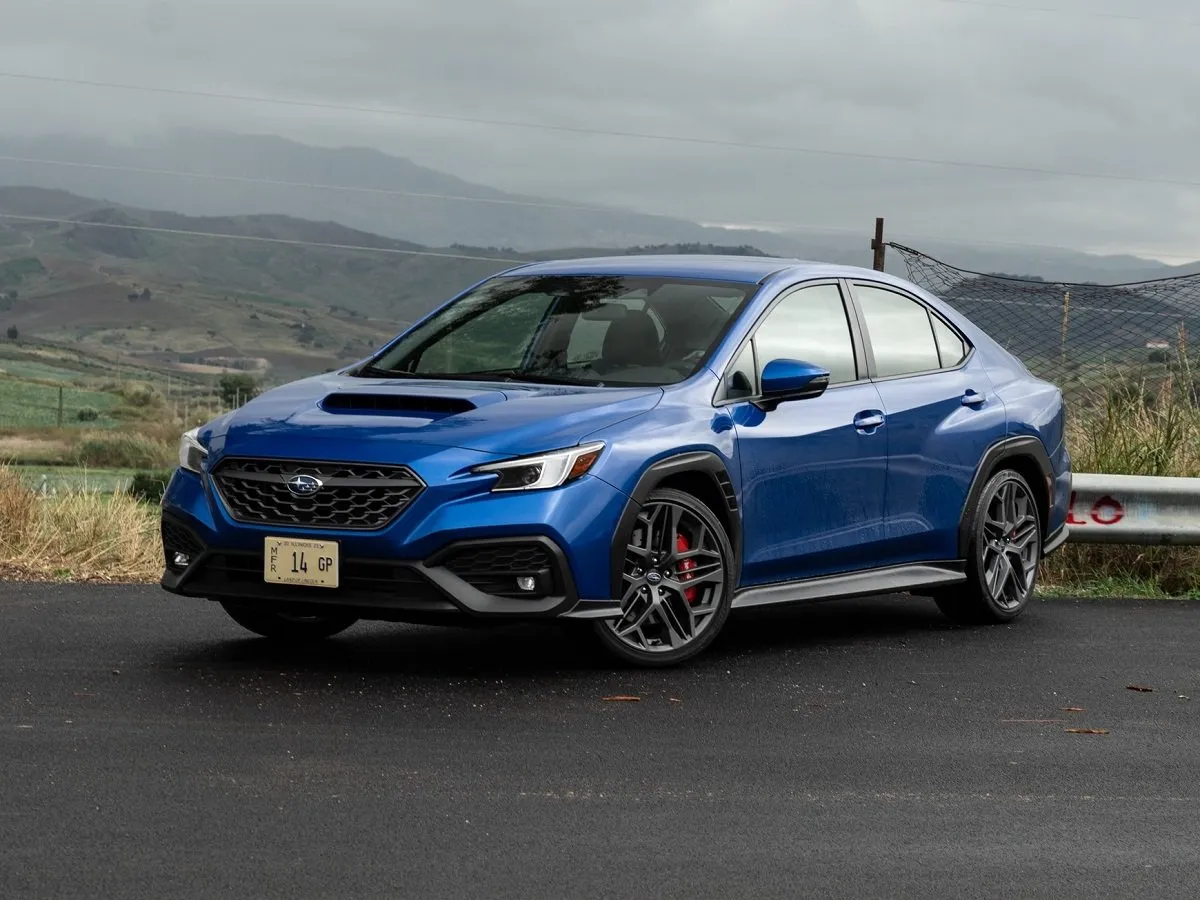
2. Subaru WRX
The Subaru WRX is known for performance and all-wheel drive capability, but its sport-oriented setup makes it less comfortable on rough city roads. Its stiff suspension transmits every irregularity to the cabin, and passengers often feel the bumps and dips directly through the seats.
While the vehicle handles tight turns and acceleration with confidence, it sacrifices comfort in urban settings where smoothness is desirable. Seats provide firm support, but cushioning is minimal, which adds to passenger fatigue during long drives.
The WRX’s all-wheel-drive system, while excellent for traction, contributes to a harsher ride over damaged pavement. Steering is highly responsive, which is great for control but emphasizes road imperfections. Braking on uneven streets may feel sudden and jarring, requiring the driver to compensate for bumps while maintaining safe control. These elements make the vehicle more tiring for daily commuting.
Low-profile tires amplify the sensations from rough pavement. Wheels are often larger to accommodate performance brakes, which further reduces shock absorption.
Suspension is tuned for stability and handling rather than smoothing road irregularities, meaning that even minor cracks are transmitted through the cabin. This often makes the ride feel harsh compared to vehicles designed for comfort.
Interior padding is minimal in the WRX, and noise isolation is moderate at best. Vibrations travel through the seats and floor, increasing the perception of roughness. Even on relatively short city trips, passengers can feel fatigued, particularly on roads with frequent potholes or uneven asphalt. Comfort clearly takes a backseat to performance in this vehicle.
Over time, the WRX maintains its stiff suspension and firm ride. Road noise remains significant, and vibrations continue to affect passenger experience. While the car excels in spirited driving or rough weather conditions, it struggles to provide a relaxing or comfortable experience on typical urban streets.
3. Ford Mustang
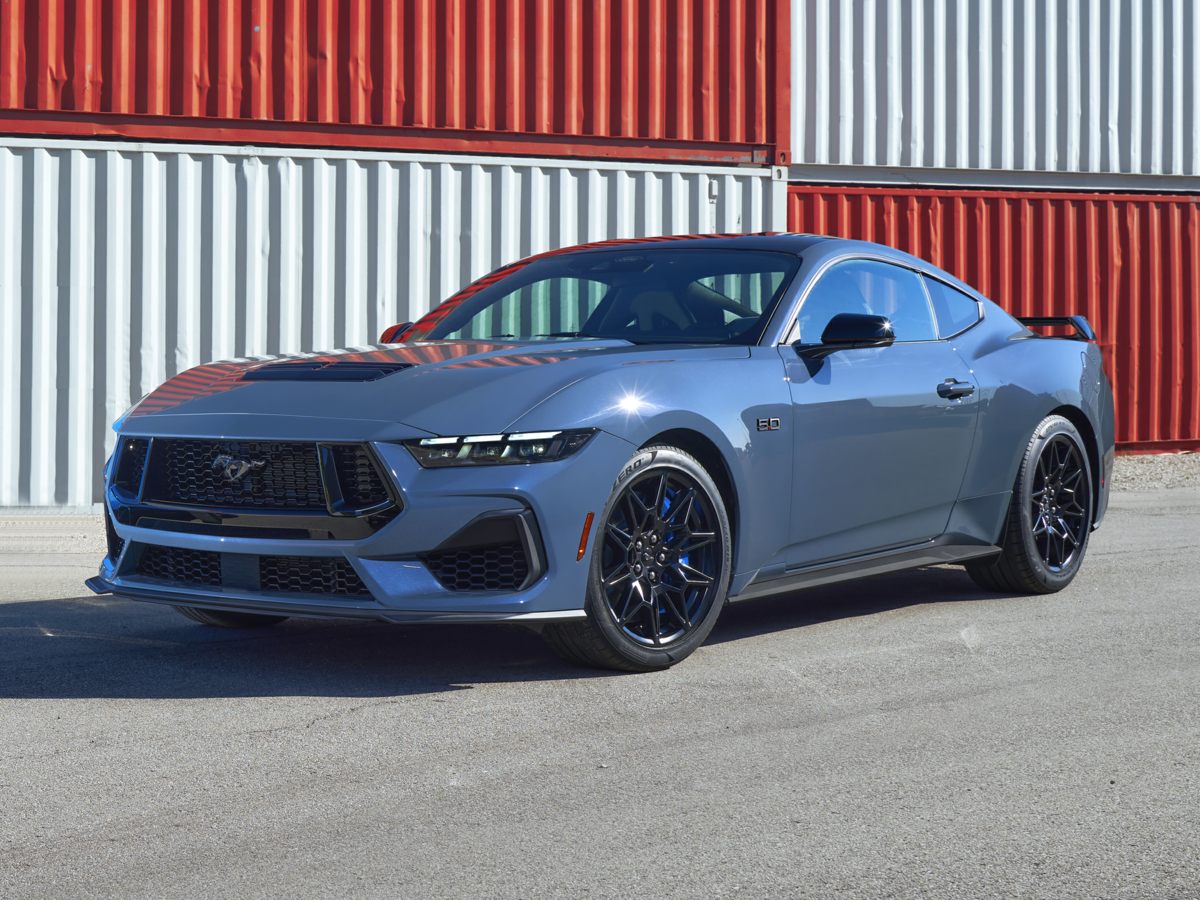
The Ford Mustang is built to deliver sporty performance and aggressive handling, which comes at the expense of comfort on rough city roads. Its rear-wheel-drive layout exaggerates bumps and vibrations, particularly during acceleration and braking.
Seats are supportive for spirited driving, but they provide limited cushioning, making city commutes on damaged roads tiring for passengers. Tires are often low-profile, reducing the suspension’s ability to absorb impacts effectively.
The Mustang’s stiff suspension ensures precise handling at higher speeds, but it transmits every crack and pothole directly into the cabin. Steering is direct, which helps with control but makes road imperfections more noticeable. Passengers often experience jolts during abrupt braking or when navigating uneven surfaces. Noise from the tires and the road is also more pronounced compared to comfort-focused sedans, reducing ride serenity.
Wheels are large and designed for stability at speed rather than smoothing rough pavement. Suspension geometry prioritizes cornering and control over cushioning, which causes minor bumps to feel more severe. The combination of firm suspension and low-profile tires makes longer urban drives uncomfortable, especially over poorly maintained streets. Occupants may experience fatigue and discomfort even during short trips.
Interior materials in the Mustang are durable but not designed to dampen vibrations effectively. Road feedback travels through the seats, floor, and steering wheel, further highlighting the vehicle’s lack of softness.
Noise levels are higher on uneven pavement, making the cabin less relaxing for both driver and passengers. These characteristics make the Mustang enjoyable on smooth roads or highways but challenging on bumpy city streets.
Over time, the Mustang’s suspension retains its stiffness, and harshness remains consistent. Noise, vibration, and jolts are noticeable during almost every urban commute. While the car offers thrilling performance and handling, its lack of cushioning and shock absorption make it a less practical choice for city driving on rough surfaces.
4. BMW M3
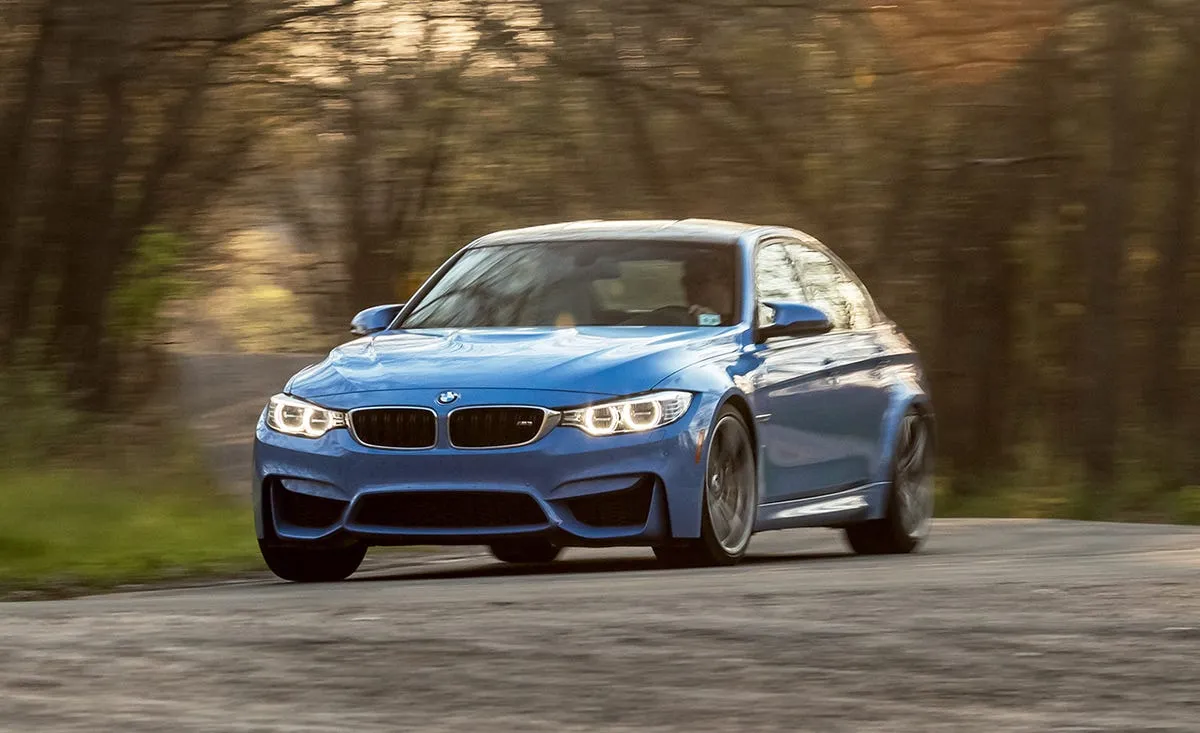
The BMW M3 focuses heavily on performance and precision, which results in a firm and less forgiving ride on rough urban roads. Its sport-tuned suspension transmits road imperfections directly to the cabin, and passengers often feel vibrations from even small cracks.
Seats are supportive for dynamic driving but lack significant cushioning for long, bumpy city drives. Tires are often low-profile, which enhances road feedback rather than dampening it, contributing to an uncomfortable experience.
Rear-wheel-drive dynamics amplify the perception of bumps, making every pothole or uneven surface noticeable. Steering is precise and responsive, which adds control but also emphasizes road irregularities. Braking on rough asphalt can be abrupt, causing jolts that travel through the seats and steering wheel. Passengers are more likely to experience fatigue during longer urban trips.
Cabin insulation is adequate under normal conditions, but vibrations increase significantly on damaged streets. Wheels are optimized for performance and grip rather than comfort, reducing the ability to smooth out small bumps.
Suspension geometry focuses on handling and agility rather than cushioning, which makes the M3 less forgiving on city roads. Even small imperfections can disrupt the otherwise smooth driving feel.
Seats prioritize support and driver engagement rather than softness. Padding is minimal compared to comfort-oriented vehicles, making extended city trips less relaxing. Noise and vibrations are noticeable during typical urban driving, and passengers may find it exhausting over time. The M3 excels on tracks or smooth roads, but bumpy streets reveal its compromises in comfort.
Over years of use, suspension stiffness remains firm, and road feedback continues to be transmitted to the cabin. Vibrations, jolts, and noise remain present during city commutes. While the M3 offers exceptional handling and driving engagement, it is not designed for smooth, comfortable rides over rough urban pavement.

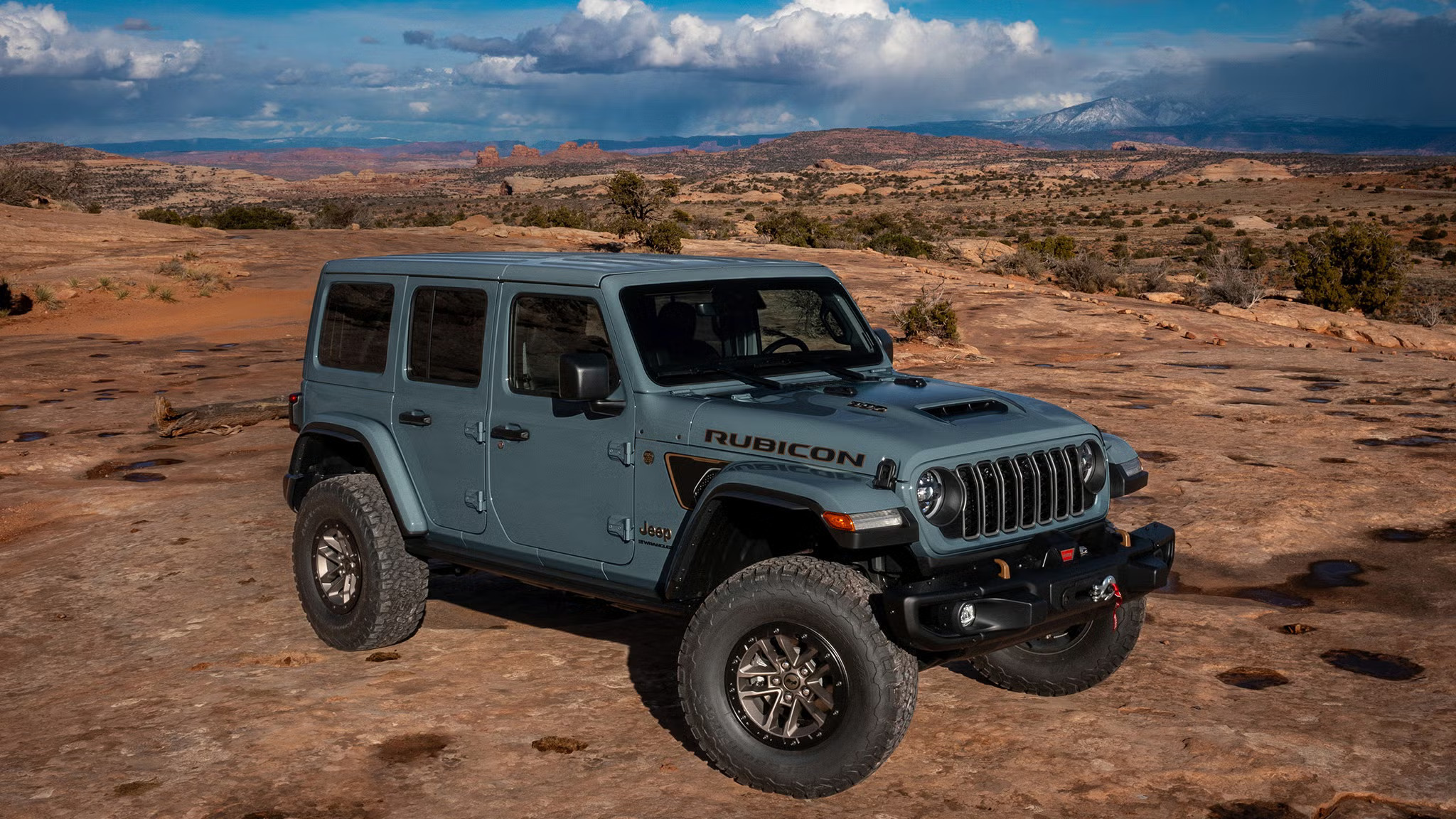
5. Jeep Wrangler
The Jeep Wrangler is exceptional off-road but struggles with urban comfort due to its rugged construction. Its suspension is designed to navigate trails and uneven terrain, which results in a firm, bouncy ride on paved streets.
Seats are upright and relatively firm, offering minimal cushioning for extended city drives. Every crack, pothole, and rough patch of asphalt is noticeable, making everyday commutes less relaxing.
Large, aggressive tires help with off-road traction but increase noise and vibration on city roads. Steering is heavy, and the Wrangler’s solid axles transmit shocks directly into the cabin. Braking and acceleration can exacerbate jolts, and passengers often feel the road’s irregularities more intensely than in vehicles designed for comfort.
Body-on-frame construction adds to the vehicle’s robustness off-road but reduces smoothness on city streets. The suspension is optimized for off-road articulation rather than shock absorption, which makes minor bumps highly noticeable. Vibrations travel through the seats, floor, and steering column, reducing comfort. Occupants can experience fatigue quickly during longer urban commutes.
Interior padding focuses on durability rather than cushioning, and the cabin lacks the quiet, insulated feel of comfort-oriented vehicles. Road feedback is strong, and vibrations are constant over uneven surfaces. The Wrangler is built for adventure and resilience, not for serenity or softness during daily city driving.
Even after long-term use, the suspension remains firm, and vibrations continue to affect the ride. Road noise is significant, especially on broken or uneven asphalt. While the Jeep Wrangler is ideal for off-road challenges, it consistently underperforms in comfort when navigating rough city roads, making it a less practical choice for daily commuting.
