
Cities place a unique kind of pressure on vehicles that goes far beyond simple mileage. Tight streets, uneven pavement, constant braking, short trips, weather exposure, and limited parking all combine to test how well a vehicle holds up over time.
A car that feels solid on highways can feel worn and tired after only a few years of urban use, while another model might quietly endure daily abuse and still feel composed a decade later. The difference usually comes down to engineering choices, materials, drivetrain layout, suspension tuning, and how forgiving the vehicle is when used in imperfect conditions.
City driving rewards cars that tolerate frequent stops, handle tight turns, shrug off cosmetic damage, and maintain mechanical reliability under constant low speed stress.
Another factor that matters is how a vehicle ages in appearance as much as function. Urban environments are rough on paint, trim, and interiors. Sun exposure in open parking lots fades dashboards and seats. Repeated entry and exit wear down bolsters and door seals.
Minor scrapes and dings are nearly unavoidable. Vehicles that use durable interior materials, conservative styling, and simple exterior designs tend to look acceptable even after years of neglect. Others rely on delicate finishes, soft plastics, or complex body shapes that highlight every flaw, making them look old well before their time.
Maintenance patterns in cities also shape aging. Short trips mean engines often do not reach ideal operating temperature, increasing internal wear over long periods. Brakes work harder, suspensions absorb constant impacts, and transmissions shift endlessly.
Vehicles designed with robust cooling systems, simple mechanical layouts, and proven components cope better with these realities. Those built with performance priorities or weight savings in mind often suffer faster degradation when subjected to daily urban routines.
Ownership psychology plays a role as well. City drivers often prioritize convenience and practicality, sometimes delaying cosmetic repairs or minor maintenance. Vehicles that continue to function well despite imperfect care earn reputations for aging gracefully.
Others demand attention and investment just to remain pleasant, which many urban owners are unwilling to provide. This creates a noticeable divide between models that quietly survive and those that deteriorate quickly.
This article compares five vehicles that tend to age well in city environments with five that often show wear too soon. The focus is not on brand loyalty or prestige, but on how real-world urban use shapes long term durability, comfort, and appearance. Each example reflects common patterns seen in dense cities where roads are crowded, parking is limited, and daily driving rarely feels gentle.
Vehicles That Age Well in Cities
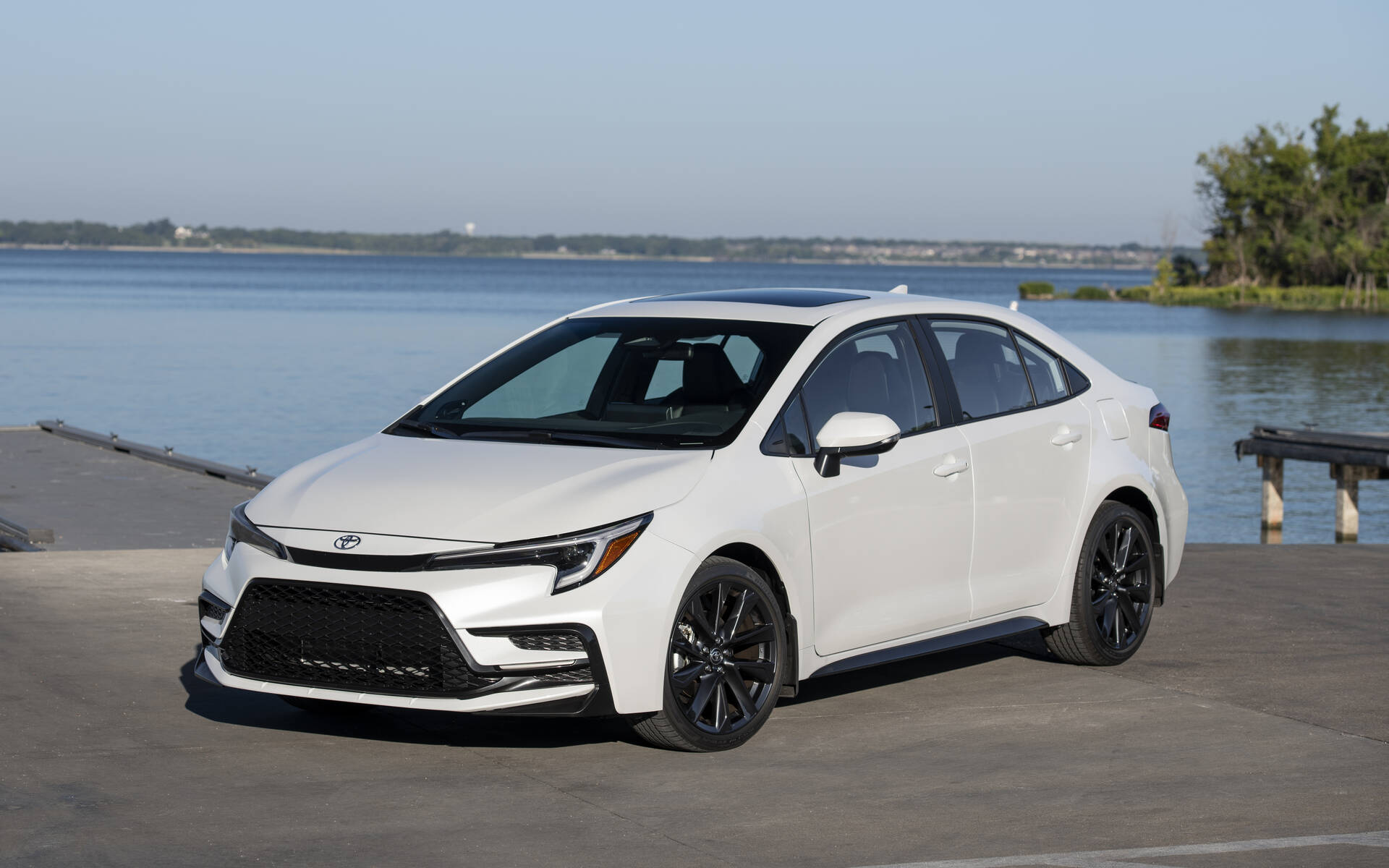
Toyota Corolla
The Toyota Corolla has earned a reputation for enduring urban life with minimal fuss. Its suspension is tuned to absorb rough roads without transferring harsh jolts to passengers, which helps prevent early wear on both mechanical components and the interior.
Tight streets and constant stop-and-go traffic, typical in cities, rarely faze its well-balanced chassis. This engineering consistency ensures that even after years of urban commuting, the Corolla feels composed rather than fatigued.
Under the hood, the Corolla favors simplicity and proven reliability over experimental technologies. Its engine and transmission tolerate frequent short trips and extended idling without major issues.
Maintenance schedules are straightforward, making repairs easier and less costly in the long term. Drivers often notice that even models with high city mileage continue to run smoothly and maintain fuel efficiency.
Inside, the Corolla emphasizes practical durability. Seats retain shape, plastics resist cracking, and trim pieces remain tight despite frequent use. Frequent passengers and daily commuting don’t immediately show in wear patterns, which keeps the cabin feeling comfortable for many years. Even entry-level models are designed with longevity in mind, providing reassurance for cost-conscious city drivers.
Cosmetically, the Corolla avoids extreme styling cues that highlight minor damage. Its smooth, conservative lines minimize the visual impact of scratches, dings, and chips from parking lots or narrow streets. Paint and trim tend to retain their appearance longer than many competitors, reducing the sense of visual aging in high-traffic urban environments.
Reliability under city conditions completes the picture. Brake systems, cooling systems, and electronics are robust, tolerating repeated stress from traffic lights and stop signs.
Owners frequently report minimal mechanical issues over long periods, making the Corolla a low-stress urban companion. Its combination of comfort, durability, and low maintenance ensures it ages gracefully in dense city settings.
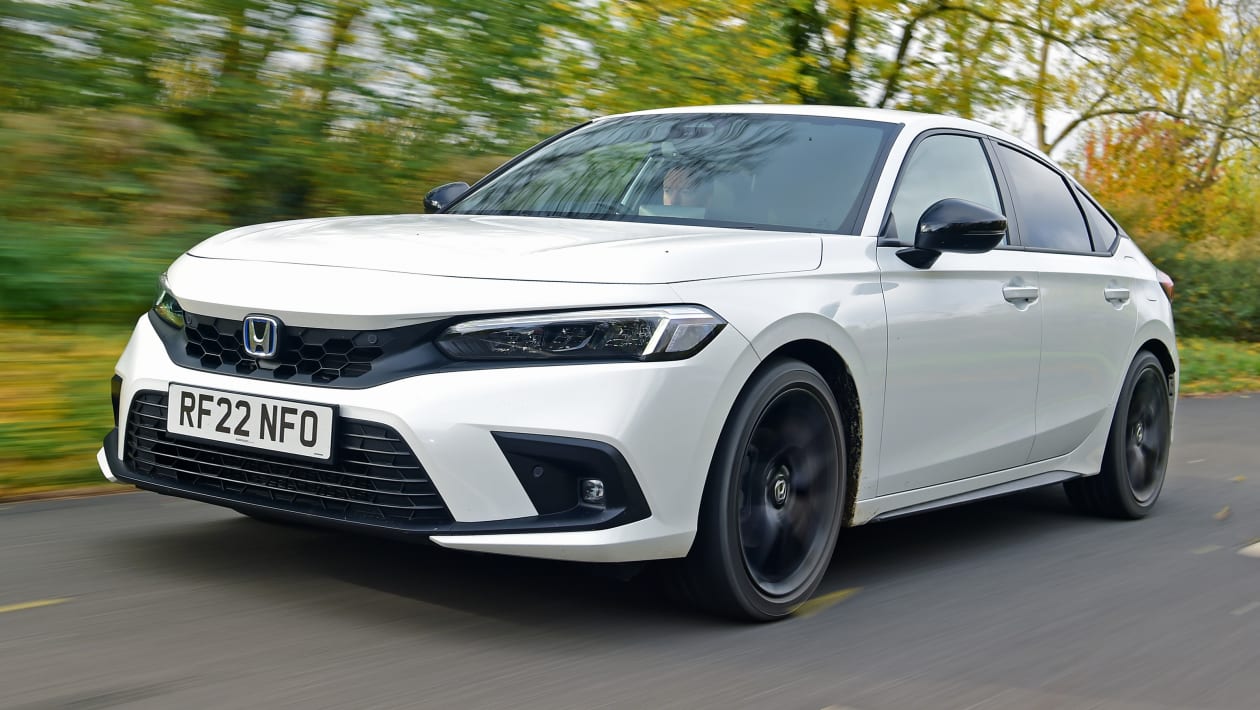
Honda Civic
The Honda Civic is a well-rounded vehicle that handles urban environments with surprising resilience. Its compact size and responsive steering make maneuvering tight streets and parking in small spaces easy, reducing stress on suspension and alignment over time. The chassis is engineered to balance comfort and agility, helping the car retain a stable, composed feel even after years of daily city driving.
Honda’s engines are known for their smooth performance and long life, particularly under repeated stop-and-go conditions. The Civic’s transmission is designed to handle frequent low-speed shifts without excessive wear, and the drivetrain components are durable enough to avoid common city-related stresses. These factors combine to maintain long-term reliability for drivers who spend most of their time in traffic.
The Civic interior emphasizes ergonomic design and durability. Seats maintain support, plastics resist scratches, and dashboards rarely warp or fade under urban sun exposure. Simple, functional layouts reduce the likelihood of wear appearing prematurely. Controls and switches retain their tactile feel, which makes the cabin continue to feel well-kept even after years of daily use.
Visually, the Civic tends to avoid bold, fragile exterior details. Its panels are structured to minimize visible dents and scratches, and paint finishes generally resist fading or chipping. This makes it easier for the vehicle to look newer for longer, even in heavily trafficked city streets where minor impacts are inevitable.
City drivers benefit from the Civic’s combination of low maintenance, mechanical reliability, and thoughtful interior design. It is forgiving of everyday mistakes and exposure to imperfect roads, which helps preserve both performance and aesthetics. These traits make the Civic a model that ages steadily rather than abruptly in dense urban areas.
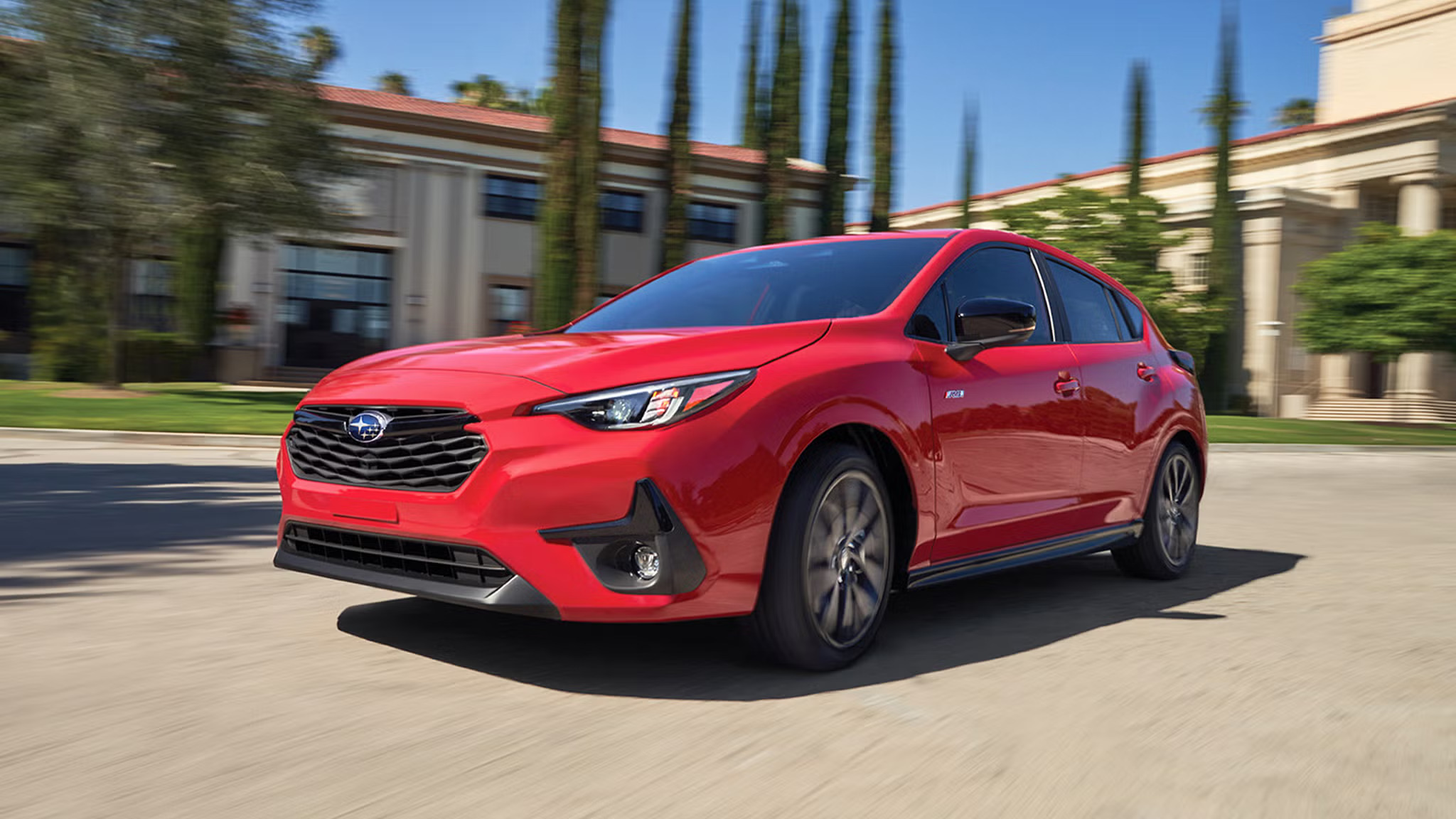
Subaru Impreza
The Subaru Impreza stands out in cities due to its all-wheel-drive system, which provides excellent traction in rain, snow, or slick pavement.
This stability reduces stress on tires and suspension components, minimizing long-term wear that often plagues front-wheel-drive vehicles in urban environments. The AWD system also helps maintain confident handling, even after years of exposure to stop-and-go traffic and uneven roads.
Suspension tuning prioritizes comfort without sacrificing control, allowing the Impreza to absorb potholes and bumps without shaking the chassis or loosening interior fittings. This reduces the likelihood of premature rattles, squeaks, or alignment problems. Over time, this careful balance allows the vehicle to maintain composure even in the roughest city conditions.
Inside, the Impreza is designed for practicality and endurance. Seats, door panels, and dashboards use materials that are resilient to sunlight and frequent contact. The cabin maintains its shape and integrity despite repeated entry and exit, making it feel fresher than competitors of similar age and mileage.
Exterior styling is understated and functional, which makes cosmetic wear less obvious. Protective cladding and ride height reduce the chance of curb scrapes or road debris damage. Even after years of city exposure, minor imperfections blend into the design rather than drawing attention.
The Impreza’s mechanical systems are proven and easy to maintain. Engines, brakes, and transmissions are engineered to tolerate repeated low-speed stress without significant degradation. Combined with the vehicle’s durable construction, this ensures long-term reliability and confidence for city drivers who demand consistency.
Mazda3
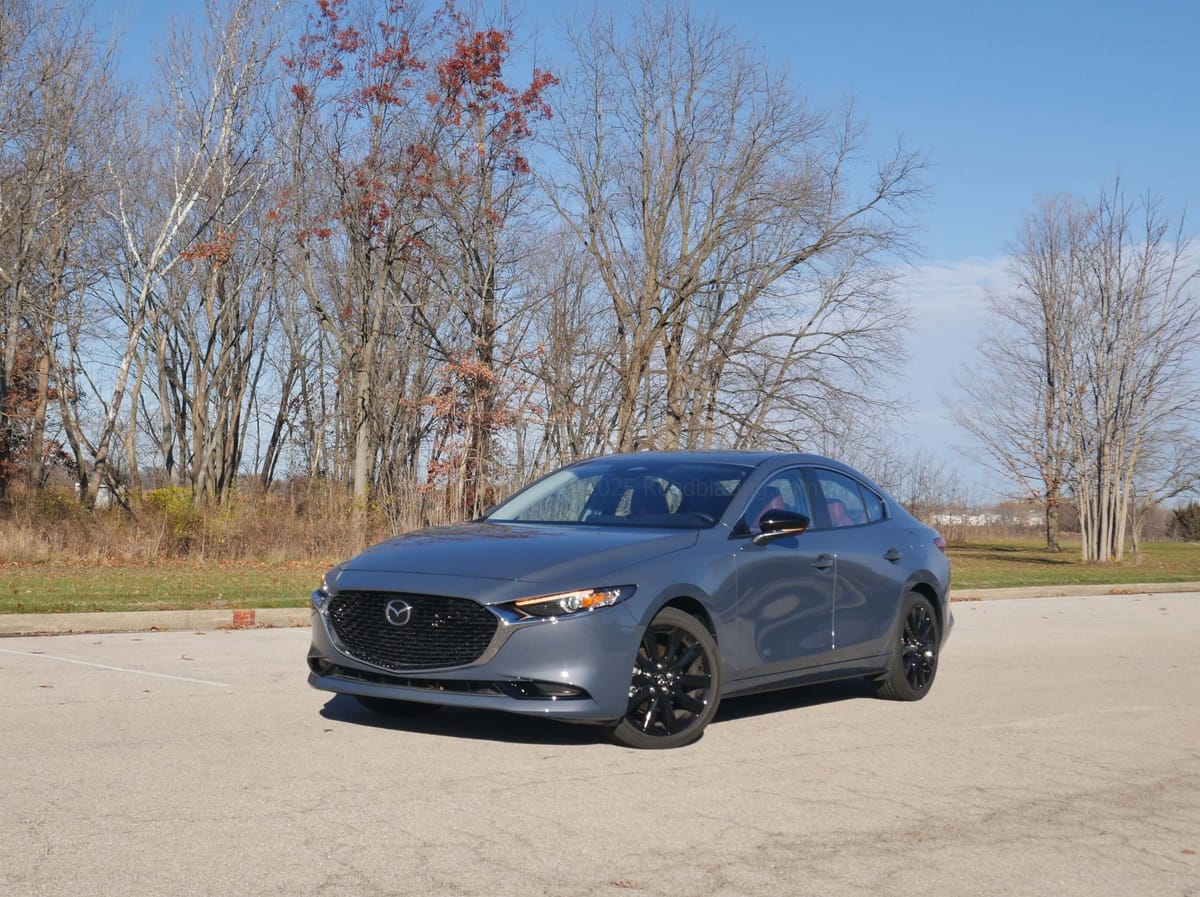
The Mazda3 is known for combining spirited driving dynamics with urban practicality. Its suspension strikes a balance between firmness and compliance, providing controlled handling without transmitting harsh impacts from rough city streets. This preserves both the chassis and interior, allowing the vehicle to remain comfortable and composed over time.
Engines in the Mazda3 are efficient and smooth, tolerating frequent short trips and stop-start traffic without mechanical strain. The transmission is responsive and durable, contributing to long-term drivability. Many owners report that Mazda3 models maintain their original performance feel even after years of city use.
Interior quality is a strength, with thoughtful assembly and solid materials. Controls retain tactile feel, and trim pieces resist loosening or fading under urban conditions. Seats remain supportive, and the cabin generally maintains a cohesive, well-kept feel. This attention to detail helps the car age gracefully in busy urban environments.
The exterior is stylish yet practical, minimizing features that easily show damage. Minor scratches, small dents, or road debris impacts are less noticeable, preserving the car’s appearance over time. Paint and finish materials are carefully selected to resist fading and deterioration from sunlight and pollution.
Mazda3 owners benefit from a combination of reliability, comfort, and design sensibility. Its adaptability to daily urban challenges allows it to endure years of dense city traffic without showing premature wear. This careful balance of performance, durability, and style makes it one of the most resilient small cars in urban use.
Toyota Prius
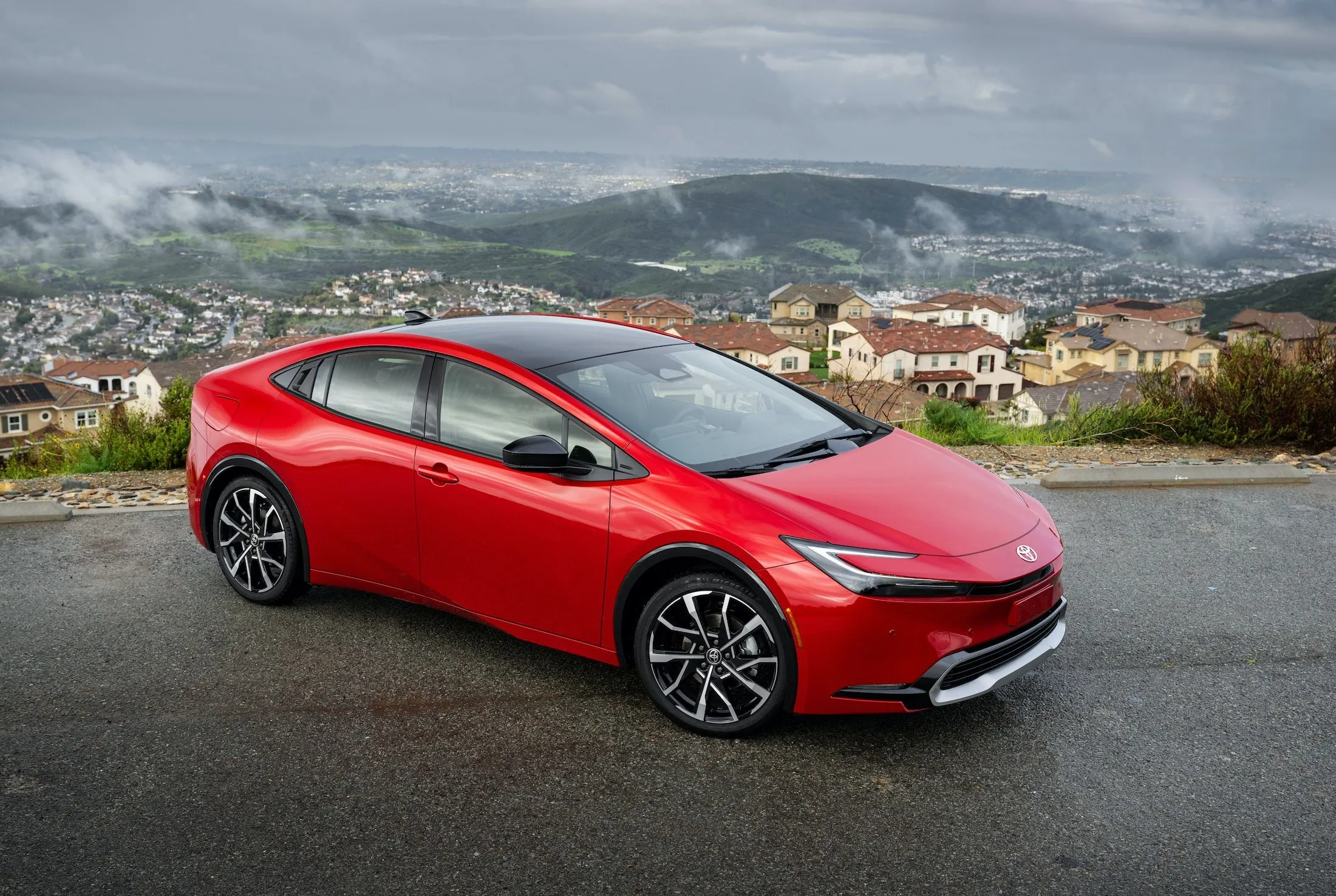
The Toyota Prius is engineered for efficiency, which makes it well-suited to city driving. Its hybrid system reduces wear on conventional brakes through regenerative braking, a major advantage in stop-and-go traffic. This system also keeps the drivetrain cooler and less stressed, promoting long-term mechanical reliability in urban conditions.
Frequent short trips and low-speed driving align with the Prius’s design, allowing the engine and transmission to operate smoothly even when the vehicle rarely reaches highway speeds. This reduces strain on internal components, extending service life and minimizing the risk of early mechanical problems.
Interior materials prioritize durability and practicality. Seats and plastics resist fading, cracking, or loosening, even with repeated passenger entry and exit. Controls remain functional and intuitive, ensuring the cabin continues to feel reliable and comfortable despite heavy city use.
Exterior styling is modest and aerodynamic, which helps conceal minor cosmetic damage. Small dents, scratches, and road debris do not stand out as much compared to more dramatic designs. This allows the Prius to retain a visually fresh appearance longer than many competitors.
City drivers also appreciate the Prius’s low maintenance and consistent performance. Its combination of hybrid efficiency, durable interior, and forgiving suspension makes it a vehicle that remains reliable, practical, and presentable for years in urban environments. The result is a car that genuinely ages well under city pressures.
Vehicles That Show Wear Too Soon in Cities
BMW 5 Series
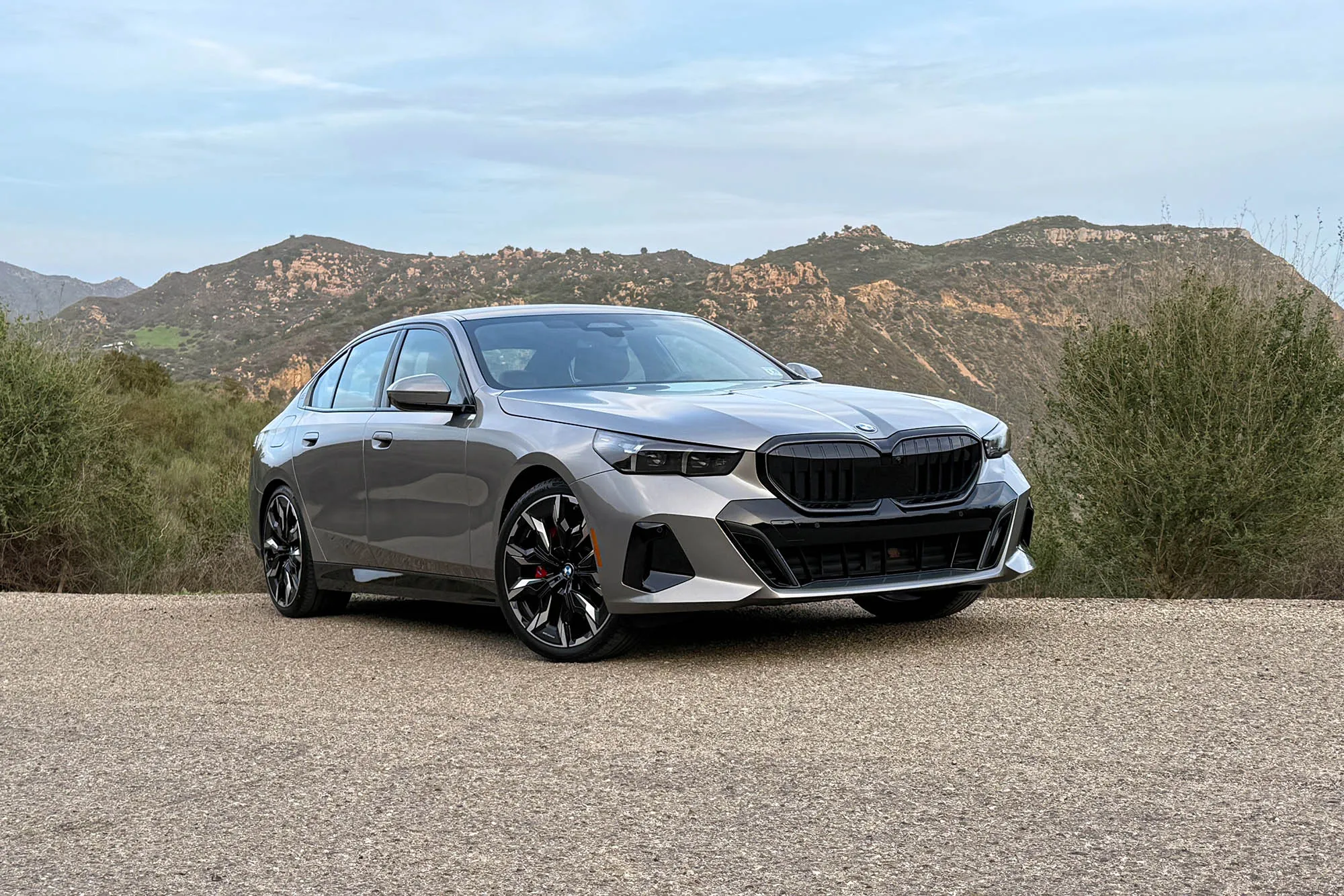
The BMW 5 Series is often admired for luxury and performance, but urban life exposes weaknesses quickly. Its suspension is tuned for precision, not forgiving city roads, which transmits bumps and potholes into the cabin. Over time, bushings, shocks, and mounts wear faster than expected, affecting ride comfort and handling. Tight streets accelerate alignment issues, leaving the car feeling less composed.
Engines in the 5 Series are engineered for long highway runs and smooth acceleration, not constant stop-and-go traffic. Frequent short trips can strain the cooling system and cause uneven oil circulation. This leads to higher maintenance needs and potential premature wear. City driving magnifies these stresses more than most owners realize.
The interior, while luxurious, relies on soft leather and delicate trims. Constant use, especially with passengers entering and exiting in tight spaces, causes early creasing, scuffs, and fading. High-tech controls and touch panels are susceptible to scratches and fingerprints, making the cabin appear aged faster.
Cosmetically, the 5 Series is elegant but unforgiving. Sharp lines and large panels highlight minor dents and scratches from parking in crowded lots. Even minor cosmetic damage looks obvious, diminishing the feeling of newness. Urban environments rarely allow this car to stay pristine.
Despite advanced engineering, the 5 Series demands careful attention. City owners often find themselves investing time and money just to maintain performance and appearance. Its refinement wears unevenly under daily urban use, making it a model that shows age sooner than expected.
Ford F-150 (Large Pickup Variant)
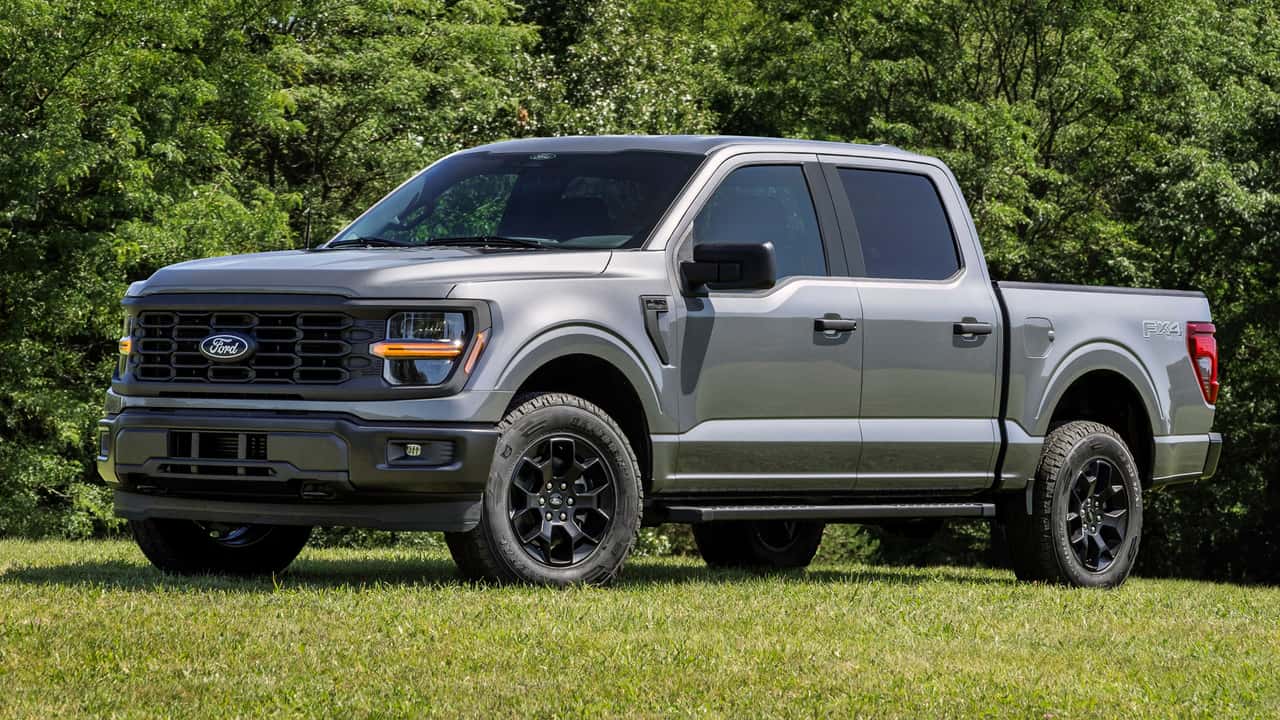
The Ford F-150 is built for work, towing, and rough terrain, but city life tests it differently. Its size makes tight parking and narrow streets stressful, leading to frequent scrapes and dings. Urban collisions with curbs or other vehicles happen often, and the sheer dimensions make minor accidents more noticeable.
Suspension systems designed for hauling heavy loads feel harsh when the truck is lightly loaded. Rough city roads amplify stiffness, transmitting vibrations to the cabin and accelerating wear on bushings and joints. Over time, ride comfort suffers significantly.
The interior focuses on practicality over refinement, but frequent urban use highlights weaknesses. Seats and plastic panels wear quickly, particularly when drivers and passengers are constantly entering and exiting. Controls and levers may loosen, making the cabin feel less solid.
Exterior panels are large and heavy, which increases vulnerability to dents and scratches. Even minor damage is difficult to conceal, and repairs are expensive. City grime and road salt can accelerate corrosion, further showing the truck’s age prematurely.
While excellent for its intended environment, the F-150 often feels mismatched in dense cities. Its strengths go underused, while its weaknesses are constantly exposed. As a result, it ages faster in urban conditions than in suburban or rural settings.
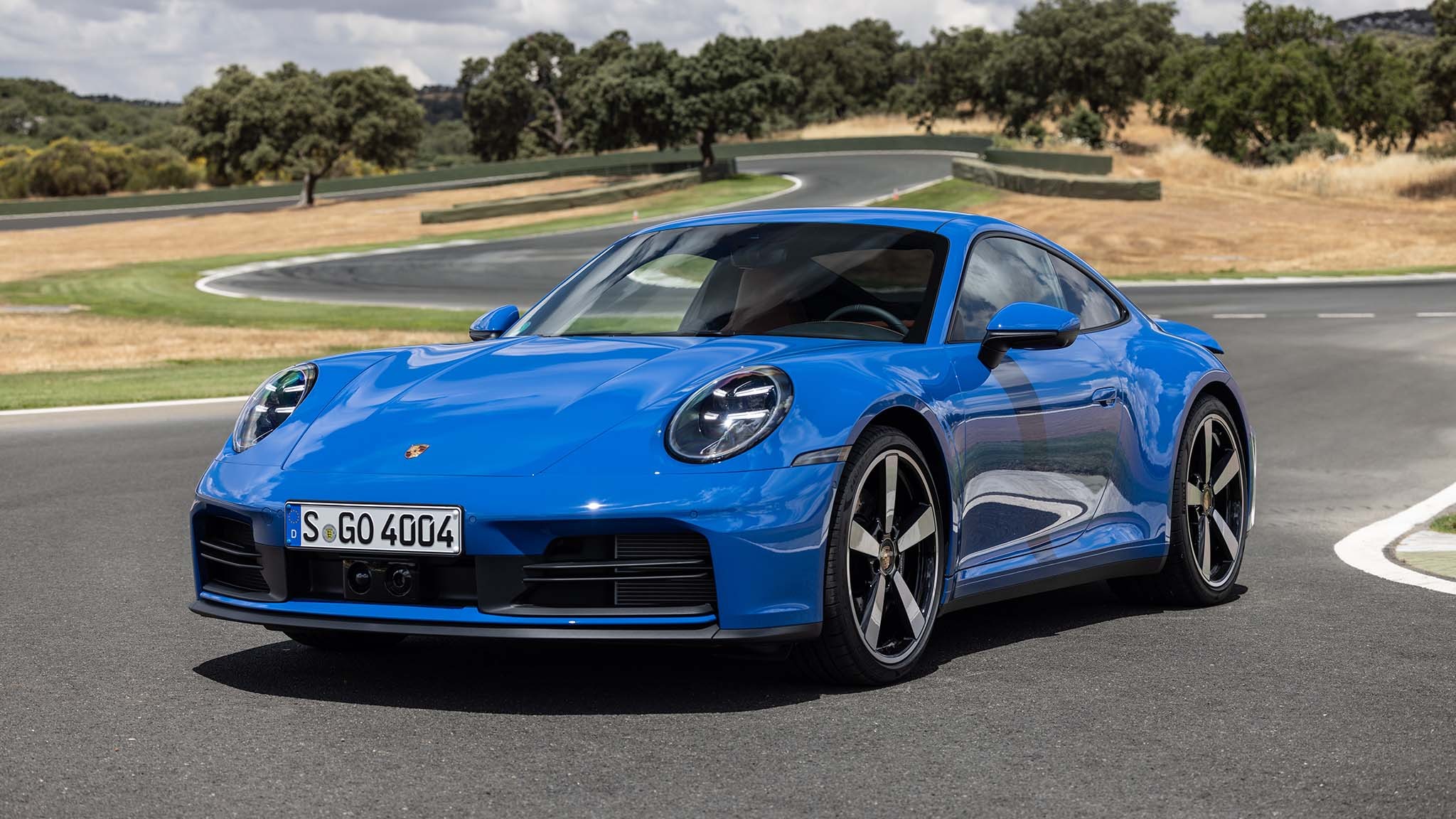
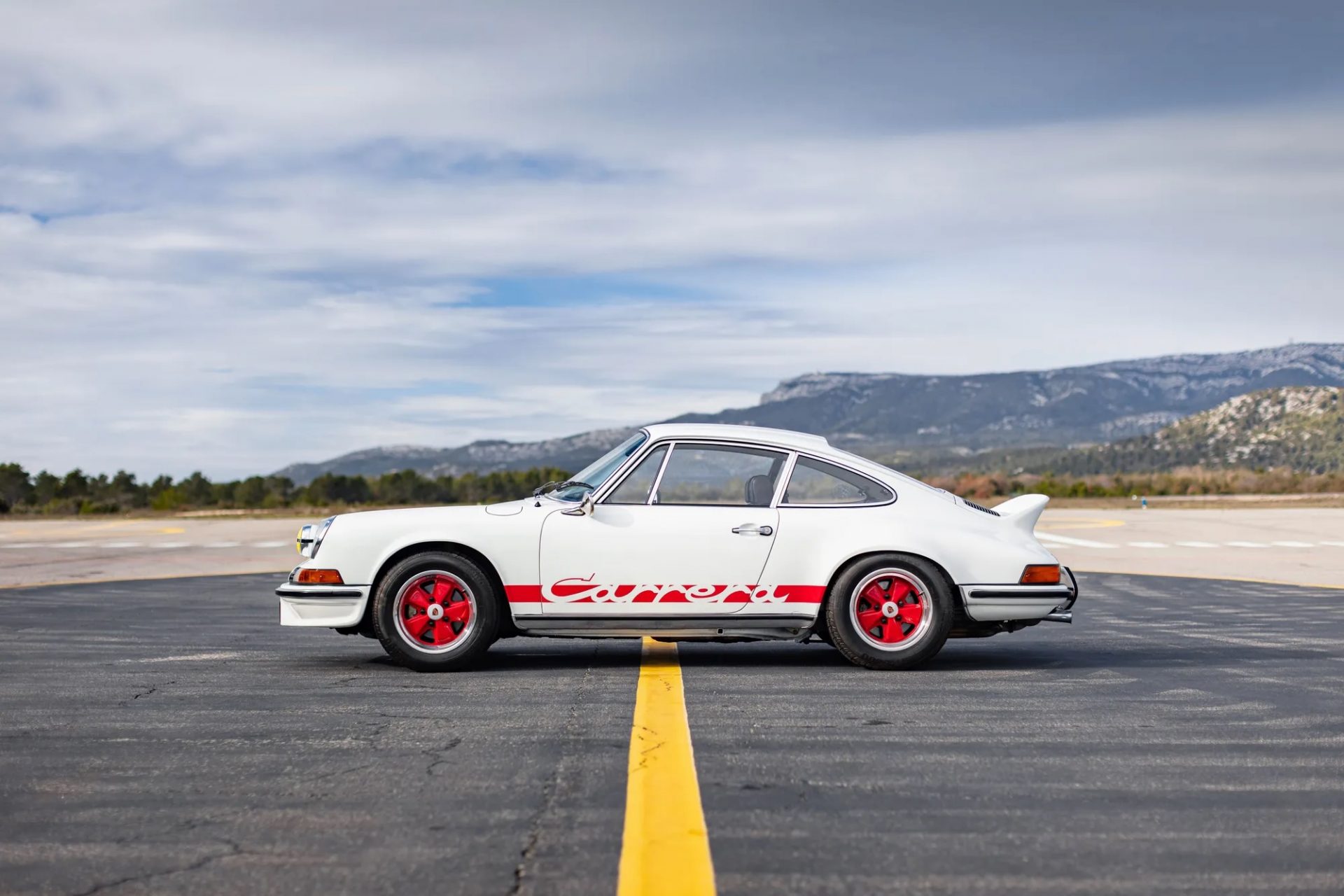
Porsche 911
The Porsche 911 excels on open roads, but urban environments challenge it in unexpected ways. Its low ride height means frequent contact with speed bumps, curbs, and uneven pavement. Over time, underbody panels, exhaust components, and front spoilers show wear much sooner than expected.
High-performance engines and transmissions are tuned for spirited driving, not constant idling or stop-and-go traffic. Clutches, brakes, and cooling systems experience uneven stress, leading to premature mechanical fatigue. The car can feel strained and less responsive after several years in a city.
Interiors are driver-focused, but minimal padding and tight seating compromise comfort in urban stop-start conditions. Leather and trim surfaces show creasing and scuffs quickly, and controls can feel worn even after moderate use. Daily commuting magnifies these issues.
Exterior finishes are sleek but delicate. Panels highlight every scratch, and wheels are prone to curb rash. Sun exposure and pollutants accelerate fading and wear. A 911 that is used mostly in the city can appear visibly aged faster than a similar car on open roads.
The 911 thrives on performance, not practicality. Its strengths are rarely fully utilized in dense urban areas, while cosmetic and mechanical vulnerabilities become obvious. This combination makes it a vehicle that shows wear much sooner in city life.
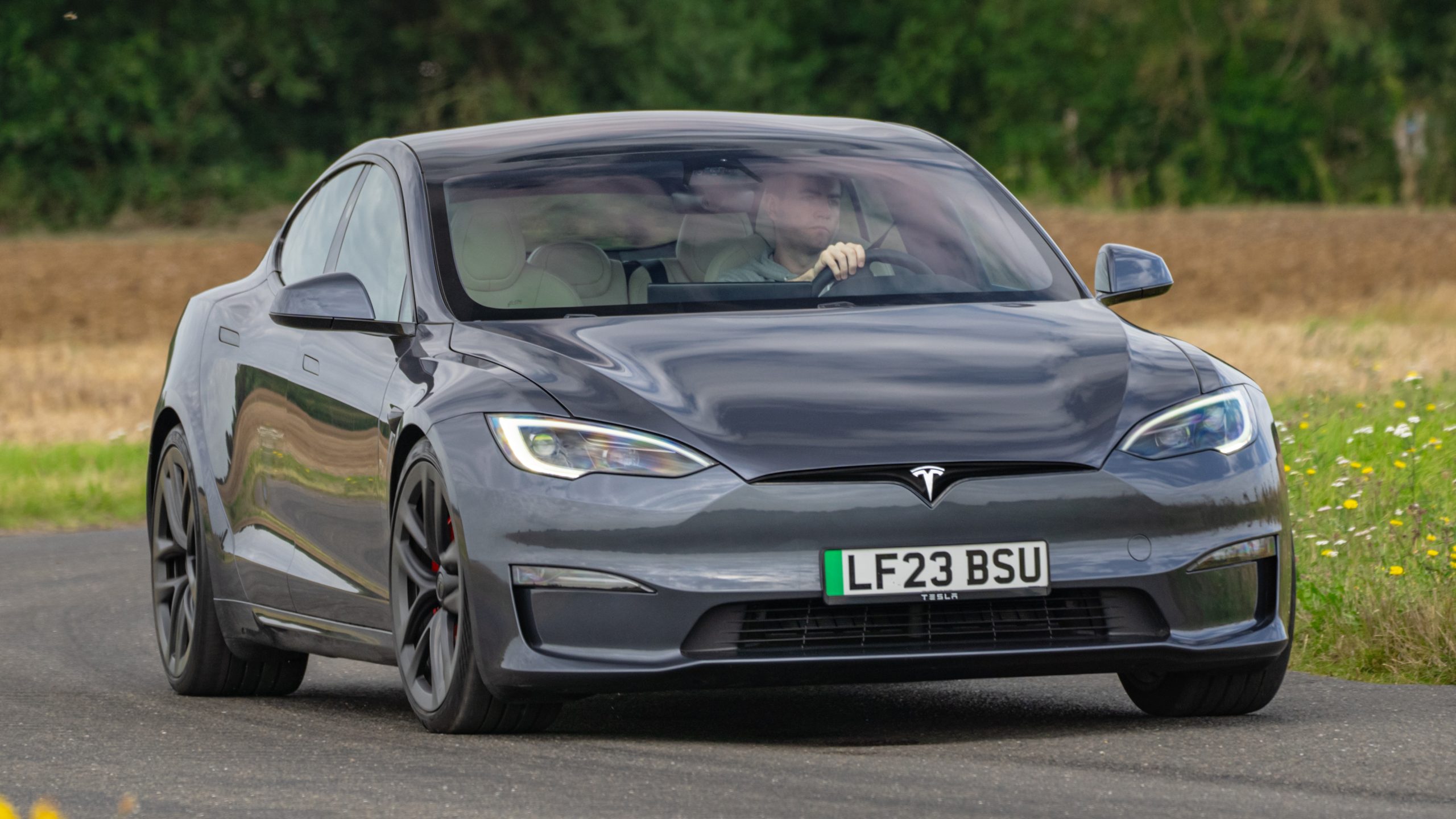
Tesla Model S
The Tesla Model S is technologically impressive but faces urban aging challenges. Its heavy battery pack puts stress on suspension and chassis components, particularly on rough city streets. Over time, bushings and shocks wear faster, diminishing ride quality and handling precision.
Frequent charging cycles combined with short trips can affect battery efficiency over time. Thermal management systems work constantly in stop-and-go traffic, adding stress to components. Owners may notice gradual declines in performance sooner than expected.
Interiors prioritize minimalism and touchscreen controls, which can show wear quickly under daily use. Scratches, fingerprints, and fading of upholstery become noticeable after a few years. Delicate materials that look futuristic when new can age unevenly in practice.
The exterior styling is sleek and modern, but complex panels and flush handles are vulnerable to minor damage. Parking lot dings, curb contacts, and road debris stand out more than on simpler designs. City life accelerates cosmetic wear.
While advanced and fast, the Model S demands careful use to maintain both performance and appearance. In dense urban environments, it shows the limitations of its design, aging faster than many conventional vehicles.
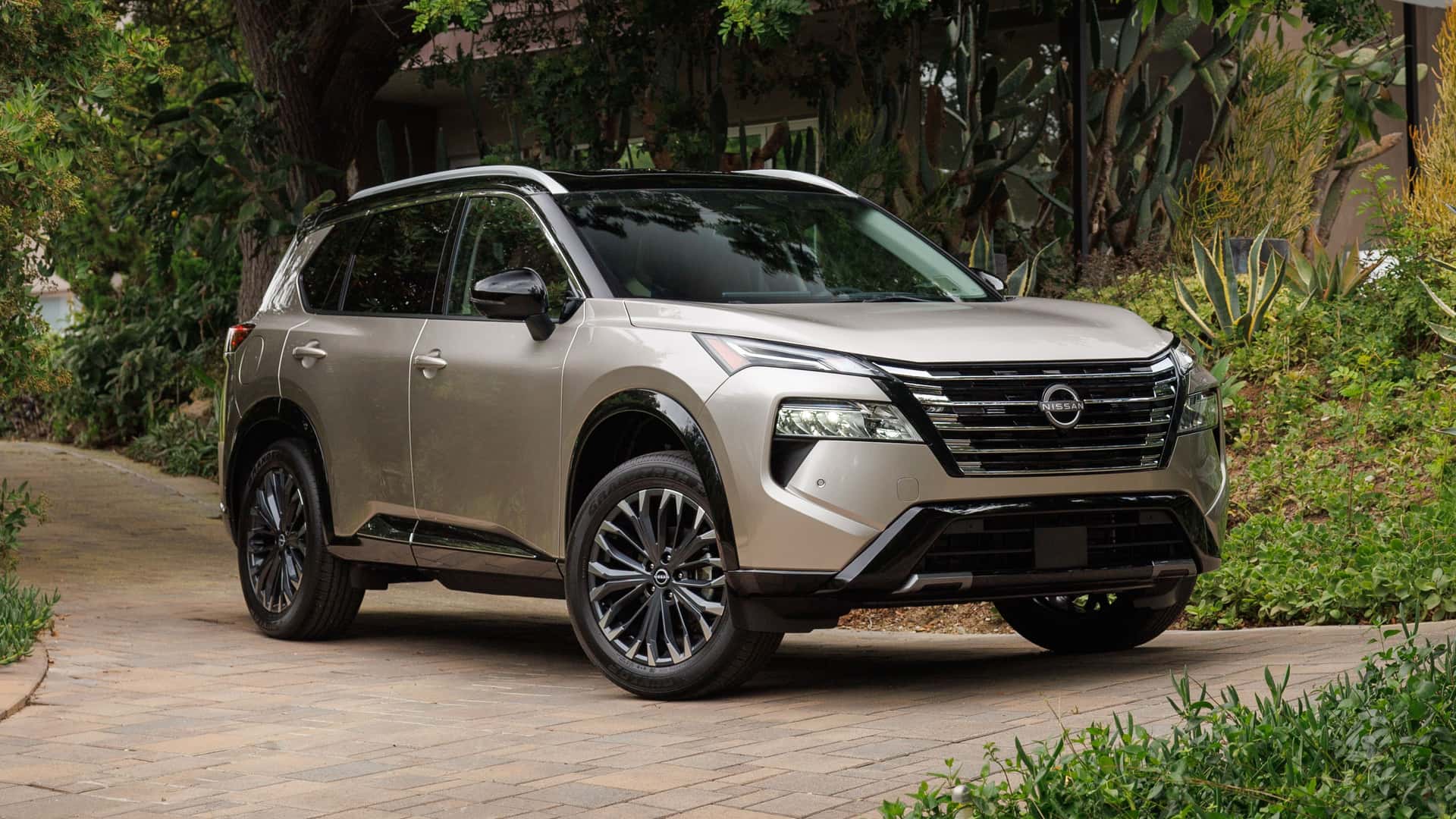
Nissan Rogue (Early Generation / Budget Materials)
Early-generation Nissan Rogues aimed to be affordable and practical but suffer in urban longevity. Light suspension components and low-cost materials wear quickly over potholes and uneven streets. Drivers often notice loose controls and rattles within a few years of city driving.
The engine and transmission are adequate but not overbuilt, making them susceptible to the stresses of frequent stops and short trips. City driving amplifies minor mechanical issues that might not appear on highways. Over time, performance feels less refined.
Interior panels, seats, and plastics are often thin and easily scuffed. The cabin shows signs of use quickly, especially when exposed to daily passenger entry and exit. Upholstery fading and trim damage make the vehicle feel older than its age.
Exterior materials are budget-conscious and prone to cosmetic issues. Scratches, dents, and fading paint accumulate fast in urban environments. Even minor parking lot incidents significantly affect appearance.
While practical and economical, early Rogues often disappoint over time in cities. Their cost-saving choices translate into faster visible and mechanical wear. Urban owners quickly see the limitations of the design, making it a vehicle that shows its age prematurely.
