
Small cars have always played a special role in urban environments where tight streets, limited parking, and constant traffic demand vehicles that are nimble, compact, and easy to maneuver. In many cities around the world, navigating narrow lanes and crowded intersections is an everyday challenge that separates cars that handle these conditions well from those that struggle to keep drivers comfortable and confident.
A small car that truly thrives in a dense area feels like an extension of the driver’s instincts, responding smoothly to inputs, offering excellent visibility, and providing reliable safety features that compensate for the minimal footprint. These vehicles often combine thoughtful engineering with practical design, allowing drivers to make the most of every inch of available space.
On the other hand, some cars that are also small in size do not inspire the same level of trust or reassurance. While their compact dimensions might seem ideal at first glance, other aspects such as structural integrity, suspension, and ergonomics can make them feel less safe, especially in unpredictable traffic situations.
Driving in a congested street without confidence in your car’s ability to protect you can turn everyday travel into a source of stress. Perception of safety goes beyond crash ratings and into how the car communicates with the driver through handling, feedback, and stability. It is possible for two cars of similar size to feel completely different behind the wheel when handling tight turns, sudden stops, or quick lane changes.
In this article, we’ll look at ten small cars, dividing them into two groups: five that consistently deliver confidence, comfort, and capability in dense urban settings and five that, for various reasons, often leave drivers feeling uneasy in similar conditions. The aim is not to insult particular models but to highlight characteristics that matter when urban congestion is a fact of life.
For each car, we will explore how its design, handling, features, and real-world performance contribute to either a positive driving experience or a sense of vulnerability. Some vehicles combine well-tuned steering with compact dimensions for a satisfying ride, while others may compromise too much in areas that affect the everyday driver’s peace of mind.
By comparing these cars side by side, readers can understand what traits make a small car truly suited to dense areas and which ones might leave you wishing for more assurance. The choices we made reflect a broad view of what drivers often encounter on crowded roads and what aspects of vehicle behavior can influence their comfort and confidence.
Whether you are shopping for your next city commuter or simply curious about how different small cars handle the demands of urban traffic, this guide will provide thoughtful insights to help clarify what works and what might feel less dependable.
5 Small Cars That Thrive in Dense Areas
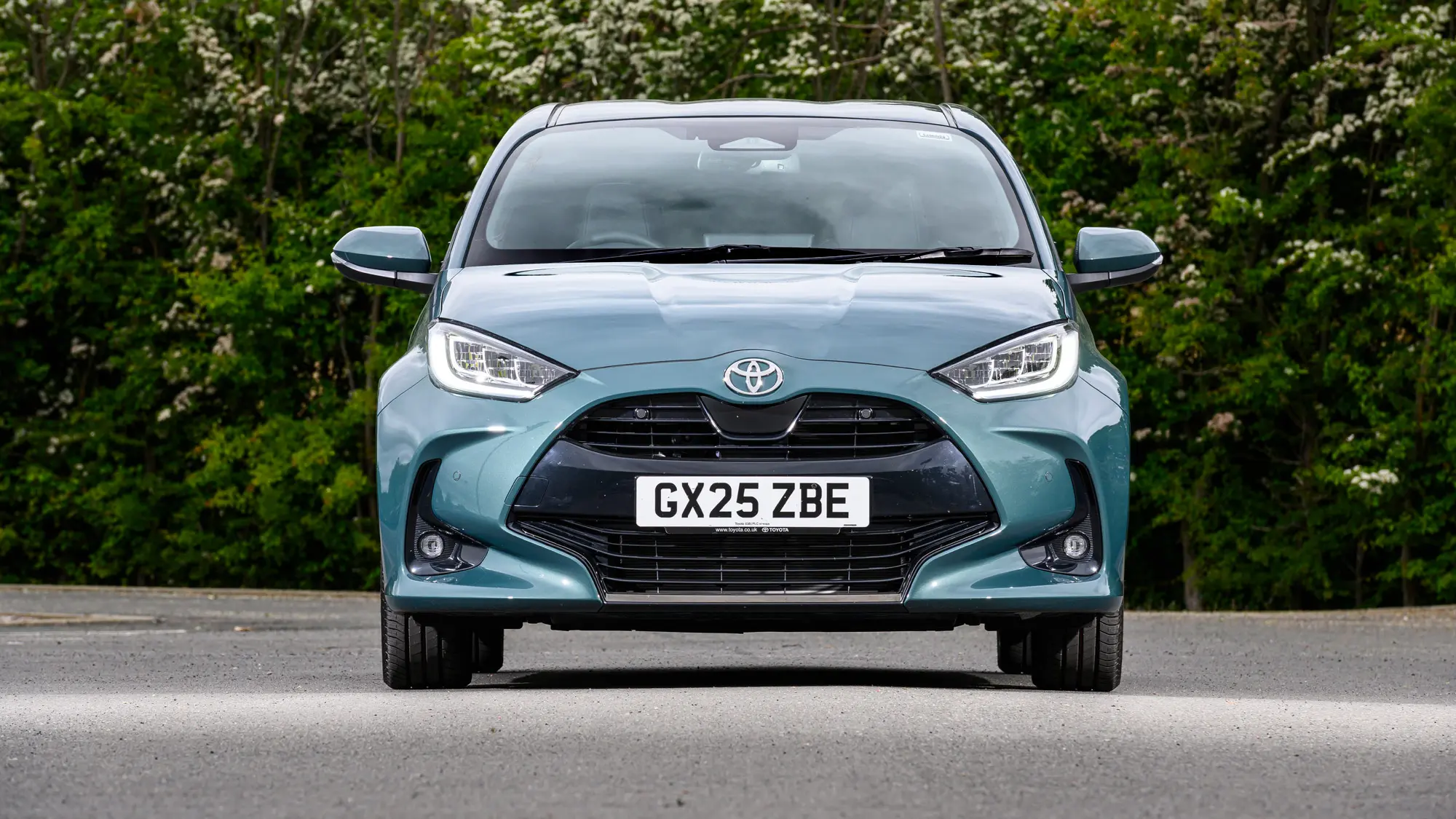
Toyota Yaris
The Toyota Yaris has built a strong reputation for being a reliable choice in cities where space is limited and traffic moves slowly but constantly. Its compact dimensions allow drivers to slip into parking spots that larger vehicles can only dream of occupying, and the steering feels precise even at low speeds.
Acceleration is modest but sufficient, meaning the car responds predictably when merging or turning corners. In dense areas where constant stopping and starting are the norm, this balance between agility and responsiveness makes a real difference for many drivers.
Inside the cabin, the Yaris places controls intuitively within reach, reducing the distraction that can come from fumbling with buttons or displays. The seating position offers a good view of surrounding traffic, which helps drivers judge distances more accurately amid close quarters.
Toyota also includes a suite of safety features designed to assist the driver by warning of potential hazards or intervening if needed. These systems work quietly in the background, adding confidence especially during rush hour or in unfamiliar neighborhoods.
Another advantage of the Yaris is its efficient use of fuel, which cuts down on the frequency of stops at fueling stations and allows drivers to focus on navigating the city rather than managing frequent fill-ups. The suspension is tuned to absorb many of the minor bumps and uneven surfaces commonly found in older urban streets, further contributing to comfort. While it may not offer the flashiest performance numbers on paper, the Yaris delivers in areas that matter most for everyday city use.
Drivers often appreciate how easy it is to judge the car’s dimensions, which reduces anxiety when threading through narrow gaps or backing into tight parking spaces. This intuitive feel comes from a combination of design choices that prioritize visibility and predictable handling.
For many people living in metropolitan areas, the Yaris becomes more than just a tool for getting around; it feels like a partner in daily transportation challenges. Small cars that handle like this earn loyal followings because they make difficult driving environments feel manageable.
As cities grow and urban planning evolves, vehicles like the Toyota Yaris continue to appeal to a broad range of drivers who need a dependable and confident car for daily commuting. The simplicity of the design and the effectiveness of its execution are qualities that translate well into real world conditions.
Rather than overwhelming drivers with complex systems, the Yaris focuses on solid fundamentals that enhance comfort and ease of use. All of these factors combined make it one of the standout small cars for dense urban areas.
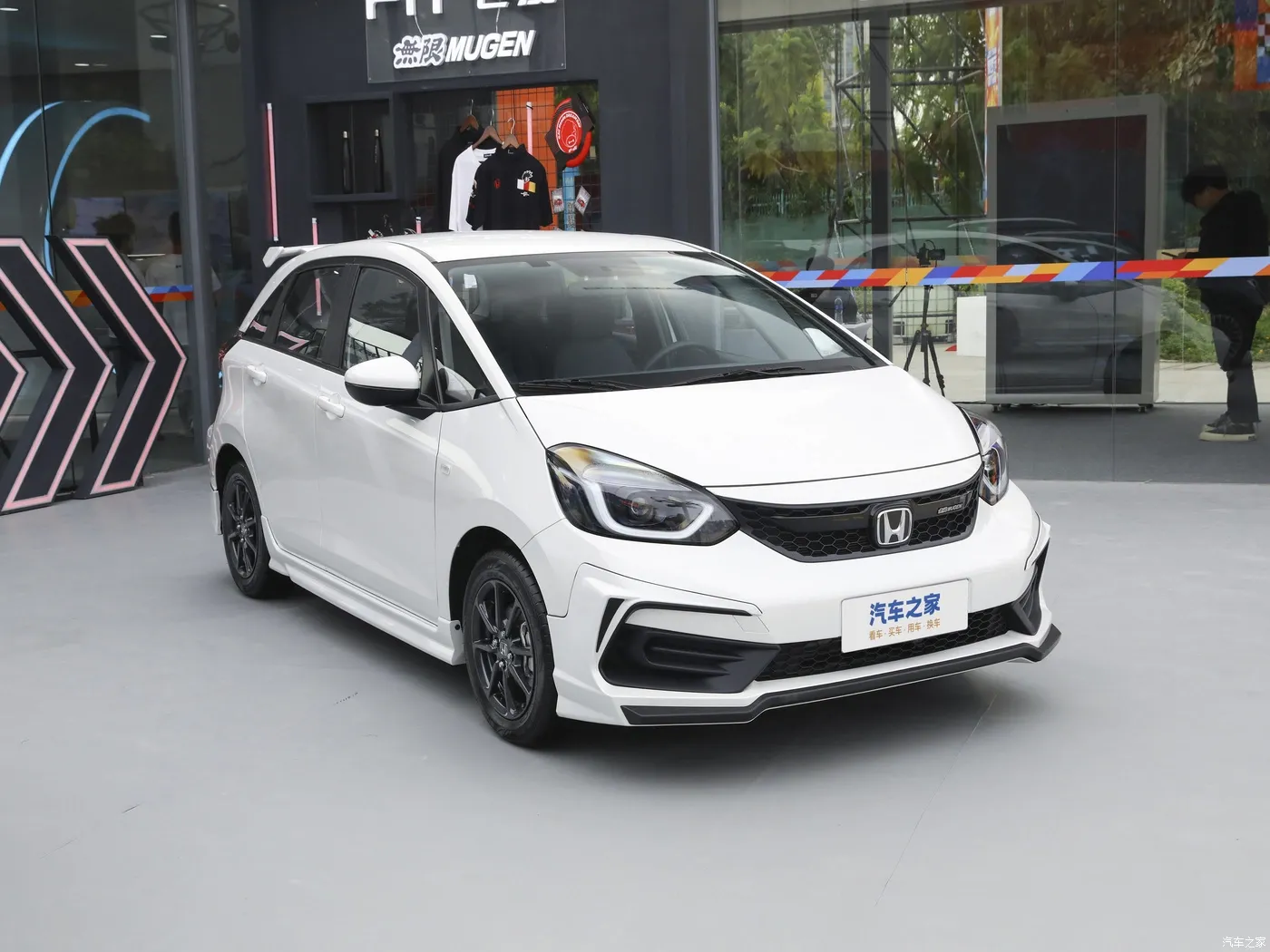
Honda Fit
The Honda Fit has long been celebrated for clever design that maximizes interior space without expanding the car’s footprint, making it an appealing choice for drivers navigating crowded city streets.
The seating layout and versatile cargo area allow for creative use of space, so whether you are hauling groceries, luggage, or folding down seats for larger items, the Fit accommodates needs without fuss. This practicality is paired with responsive steering that makes low speed maneuvers feel natural and controlled.
Engine performance is balanced to prioritize smooth acceleration from traffic lights or stop and go conditions, which helps maintain steady flow even when gears shift frequently. Drivers often comment on the nimble handling, which provides enough feedback to feel connected to the road without becoming twitchy or unpredictable. The suspension smooths out the frequent imperfections in urban pavement, while the brakes offer confidence-inspiring stopping power even during quick reaction moments.
Visibility from the driver’s seat in the Honda Fit tends to be excellent, with large windows and minimal blind spots allowing greater awareness of cyclists, pedestrians, and other vehicles.
This broad field of view is especially helpful when making tight turns or inching forward in congested intersections. Safety aids such as lane departure warnings and automatic braking systems further support drivers in complex environments that demand constant attention.
Owners of the Fit often mention how comfortable the car feels during daily use, from commuting to running errands. The cabin’s ergonomic layout means that essential functions are easy to reach and understand, which reduces stress during busy travel. Combined with efficient fuel consumption, the Fit proves to be an economical companion for city dwellers who need a reliable vehicle without sacrificing convenience.
The Honda Fit consistently delivers a well-rounded package that balances comfort, functionality, and maneuverability. Drivers who choose this car frequently emphasize how effortless it feels to navigate through narrow streets and busy plazas, turning what can be a stressful situation into a more manageable task.
It is this harmony between thoughtful design and practical performance that places the Fit among the small cars best suited for dense, urban areas.
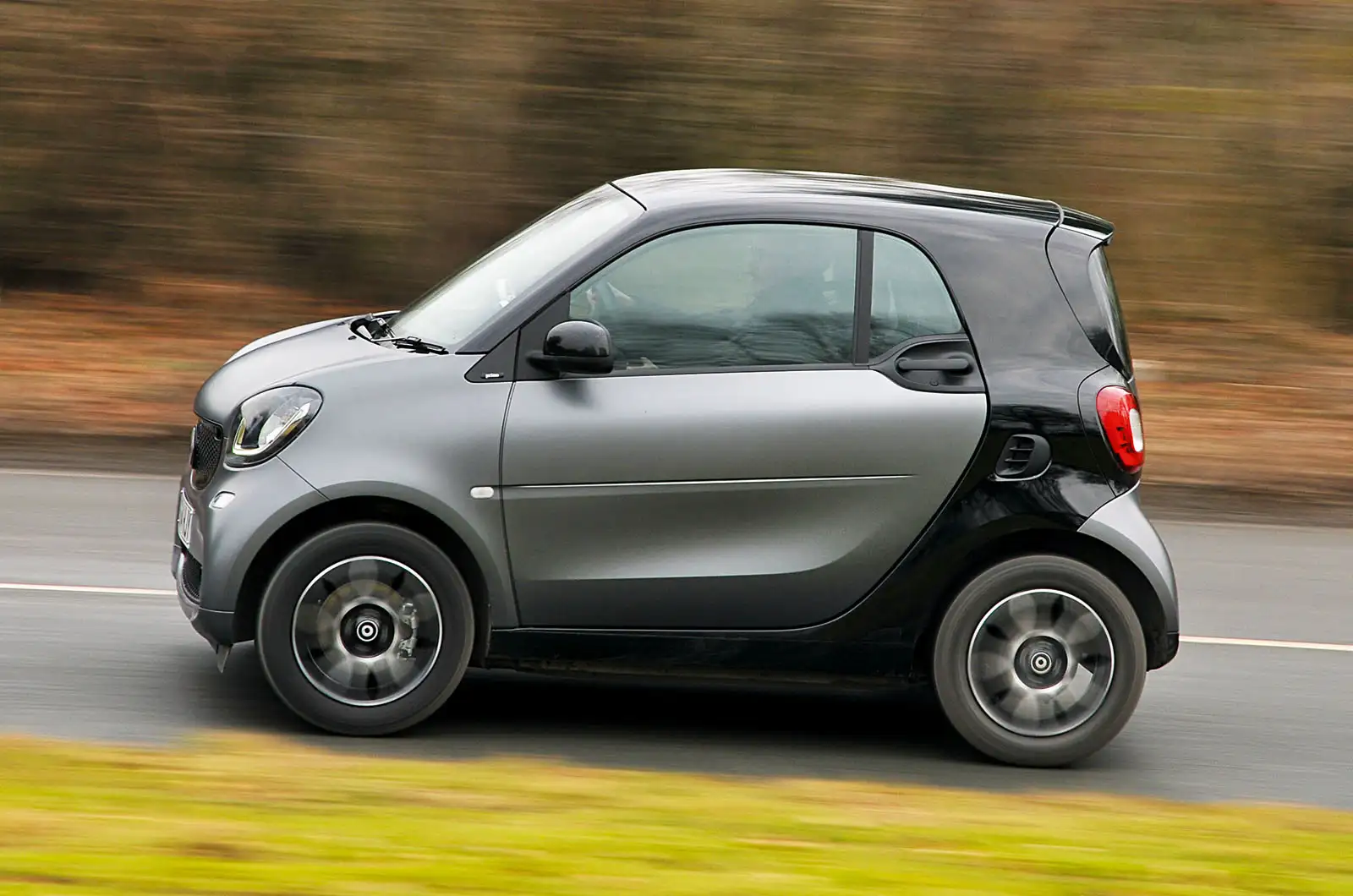
Smart Fortwo
The Smart Fortwo stands out immediately due to its unusually short length and tight turning circle, qualities that are especially useful when parking spaces are scarce and roads are congested.
This two seater may seem unconventional compared to more traditional cars, but its design is deliberate: every inch is optimized for urban use. Drivers find it easy to slip into parallel parking spots with minimal adjustment, and the minimal rear overhang means backing out of tight spaces is less nerve wracking than in longer vehicles.
Despite its diminutive size, the Fortwo incorporates many modern safety features to help protect occupants during low speed impacts or unexpected stops. Reinforced frames and well-placed crumple zones contribute to a sense that the car was engineered thoughtfully rather than as an afterthought.
At the same time, the steering feedback gives clear communication about the road surface and helps drivers maintain control when weaving through slow moving traffic.
The compact engine provides adequate power for quick bursts needed in city traffic, allowing the Fortwo to keep pace with surrounding vehicles without hesitation. Its lightweight improves agility and reduces fuel consumption, which are key benefits for drivers focused on efficiency. Interiors are oriented around simplicity and functionality, with controls arranged so that the driver can operate them with minimal distraction.
Many drivers appreciate the Fortwo for transforming the experience of city driving from one of frustration to one of ease, simply by removing the bulk that makes other cars feel clumsy in tight quarters.
While it may not appeal to everyone due to its size and seating limitations, for solo commuters or couples who rarely need more space, the Fortwo offers practical advantages. Its design philosophy reflects a laser focus on urban mobility that few other cars match.
Because the Fortwo emphasizes what it does best, drivers often report high satisfaction with how the car performs in dense traffic conditions. The confidence that comes from knowing you can fit into spots others pass by is a genuine advantage on crowded streets. In many ways, the Smart Fortwo reshapes expectations of what a small car can be, prioritizing ease of use and maneuverability without significant compromise.
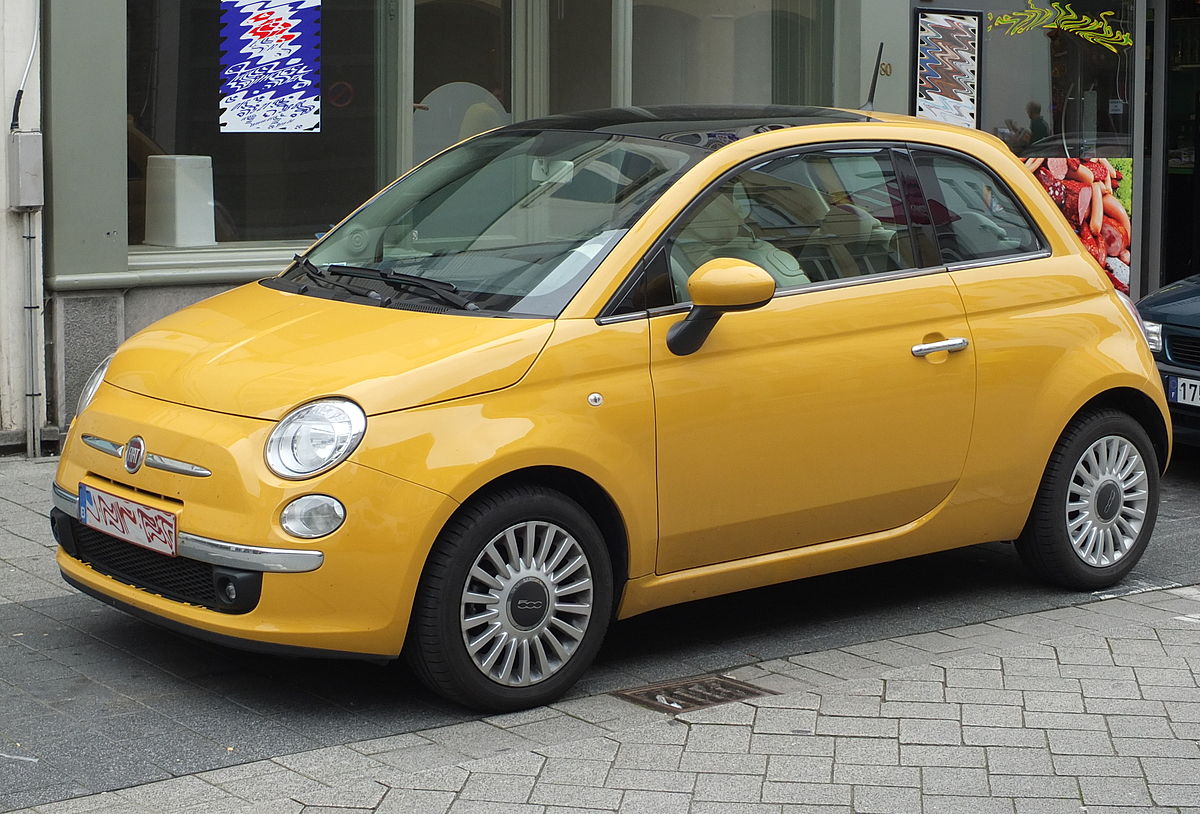
Fiat 500
The Fiat 500 brings a mix of style and practicality to urban driving, creating a small car that feels equally at home in narrow alleyways and bustling city centers. Its compact size reduces the stress associated with finding parking or squeezing through tight gaps, and the steering is tuned to be responsive without feeling nervous.
Drivers often appreciate how intuitive it is to judge the car’s position relative to curbs, pedestrians, and other vehicles, which builds comfort over time.
Inside, the Fiat 500 offers a cozy cabin that emphasizes efficient use of space, combining aesthetic elements with functional touches to keep controls accessible and easy to operate. While its retro-inspired design turns heads, it also incorporates modern amenities that enhance everyday use and add convenience. The suspension is calibrated to smooth out uneven road surfaces that drivers encounter in urban environments, contributing to a more composed ride.
Power delivery remains balanced for city traffic, giving enough acceleration to merge confidently without feeling abrupt or unpredictable. Fuel efficiency is another advantage that resonates with drivers who spend long hours in slow-moving traffic, reducing the frequency of stops for fuel.
All of these elements work together to create a driving experience that feels manageable and reassuring in conditions where other cars can feel unwieldy.
Some drivers specifically cite the Fiat 500’s compact footprint as a primary reason they feel in control in densely populated areas where space is at a premium. Whether it is slotting into a tight garage or adjusting position at a crowded intersection, the car’s design aids in developing confidence with every maneuver. This psychological aspect is often overlooked but plays a substantial role in how drivers perceive their vehicle’s capability.
While personal preference will always vary, many who choose the Fiat 500 do so because it transforms daily city travel from a chore into something more pleasant and less taxing.
The combination of efficient handling, comfortable seating, and thoughtful design choices makes it a compelling option for those who demand a small car that performs well under urban pressure. Its enduring popularity attests to its effectiveness in dense traffic conditions.
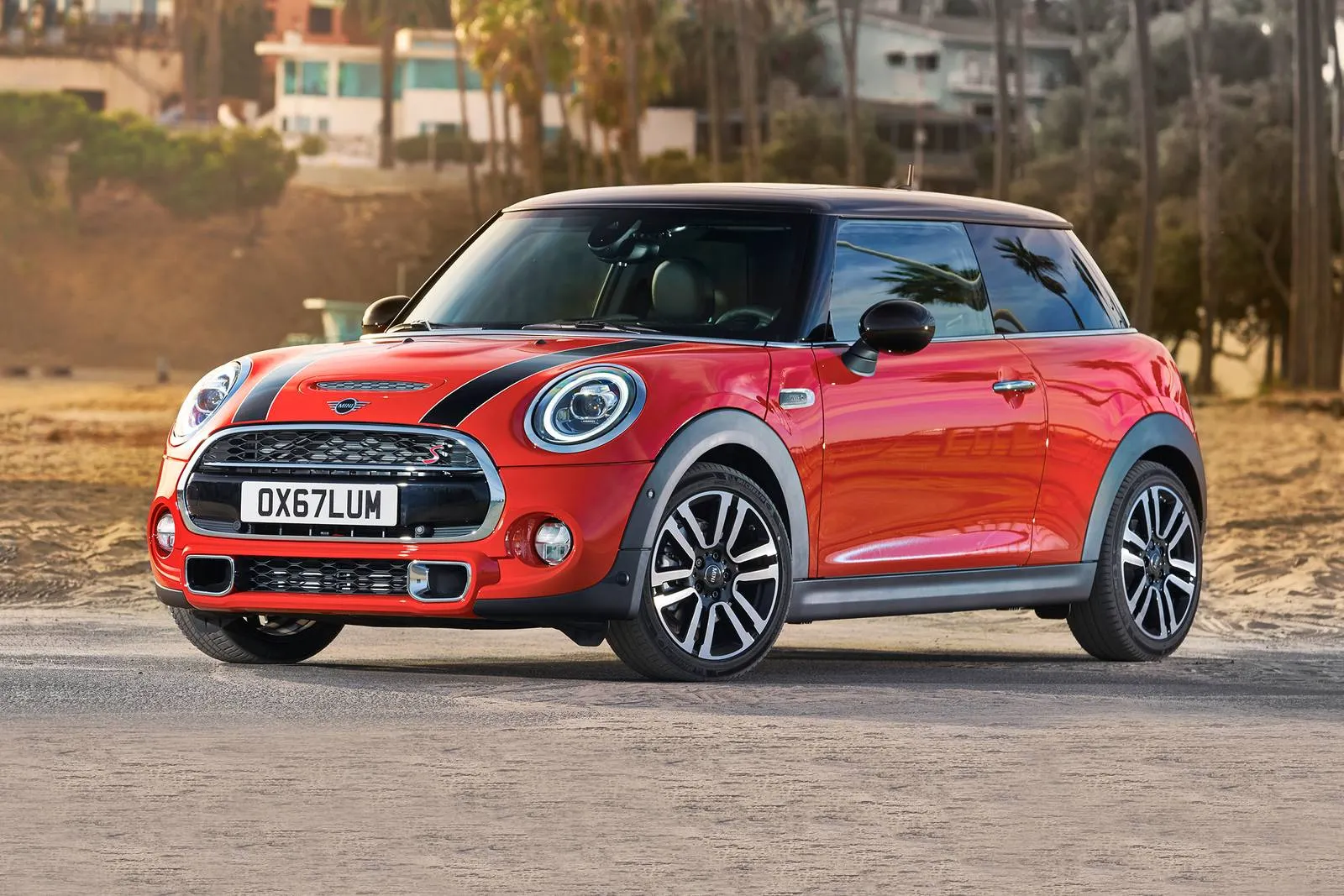
Mini Cooper
The Mini Cooper combines playful design with performance oriented engineering that translates into a small car with surprising capability in dense urban settings. Its tight turning radius helps with negotiating narrow streets and tricky parking spots, while the steering system provides accurate feedback that allows drivers to place the car exactly where they intend. Although compact, it never feels flimsy or insecure, conveying a sense of solidity that enhances comfort behind the wheel.
Underneath the stylish exterior, the Mini Cooper integrates a suspension setup that balances handling precision with everyday comfort, smoothing bumps common in older city districts.
Drivers appreciate the way it absorbs irregularities without compromising responsiveness, maintaining control even when shifting quickly between lanes in congested traffic. The engine’s punchy nature gives the car enough zest to handle quick acceleration when signals change or traffic begins to move.
The interior environment matches the exterior’s energetic character by offering thoughtful ergonomics and intuitive controls that keep distractions to a minimum. Visibility is generally good, with well-placed mirrors and windows that help minimize blind spots during tight maneuvers. Advanced safety systems are often included, providing additional layers of driver support without overwhelming the user with unnecessary alerts.
People who choose the Mini Cooper often highlight its joyful driving experience that makes daily commuting feel less burdensome, even when traffic is heavy and slow.
There’s a sense of connection between the driver and the car’s dynamics that turns routine journeys into pleasant moments of control. Its combination of compact size with willing performance creates a balance that few small cars achieve so successfully.
For those who value spirited driving as much as practicality, the Mini Cooper stands out among urban-oriented vehicles by delivering competence in both realms. It thrives where space is tight and reactions must be quick, offering confidence that supports the driver’s intentions. This harmonious mix of traits places the Mini Cooper high on the list of desirable small cars for dense environments.
5 That Feel Unsafe
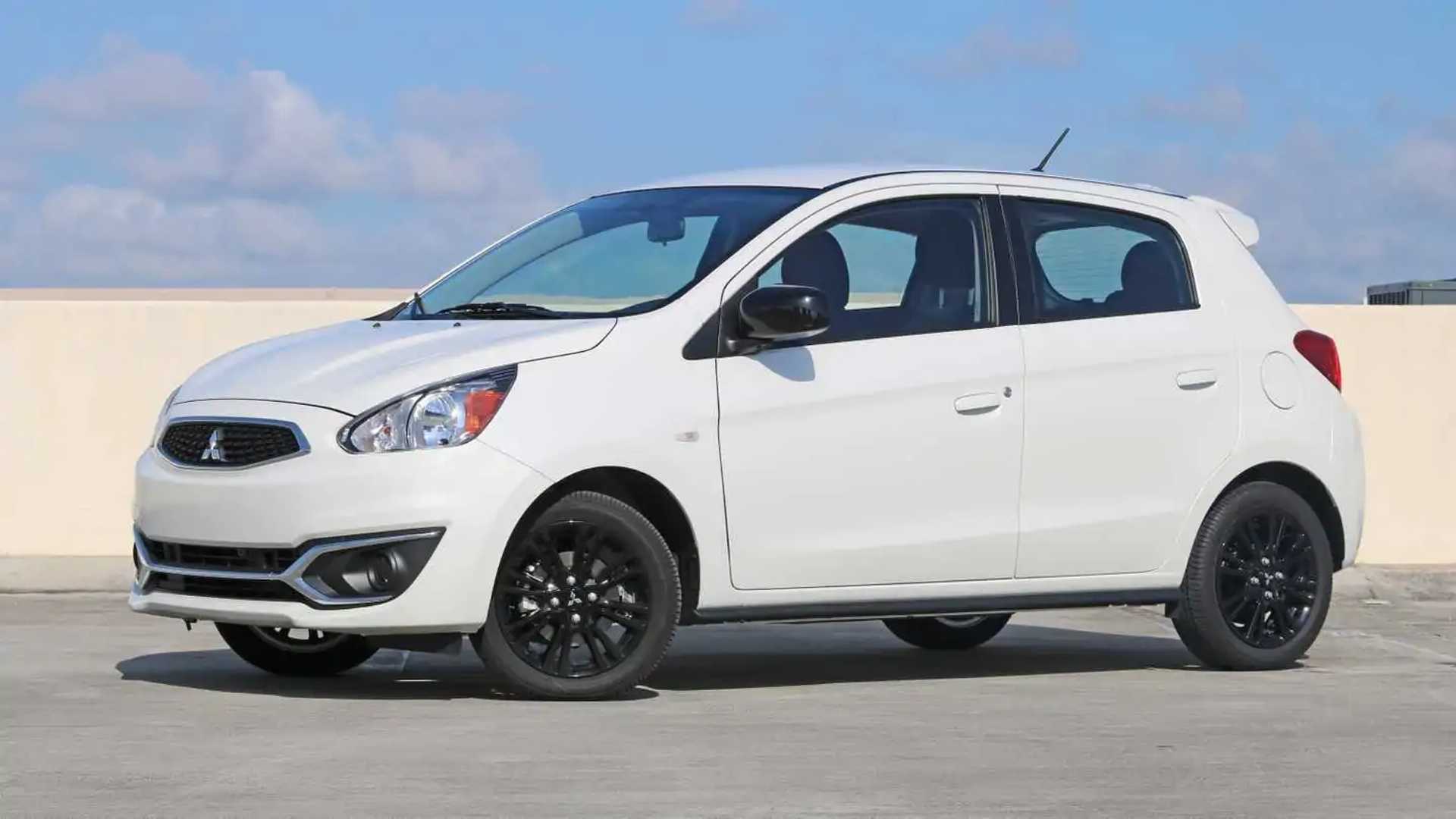
Mitsubishi Mirage
The Mitsubishi Mirage is often marketed based on affordability and fuel economy, but in dense urban conditions it can leave drivers feeling uneasy due to aspects of its design that prioritize cost savings over refined performance.
Its lightweight frame makes acceleration feel sluggish when joining busy traffic or reacting to sudden changes, forcing drivers to plan further ahead than they might prefer. In situations where quick responses are needed, this can erode confidence and create a sense of vulnerability in congested areas.
The braking performance of the Mirage is adequate for regular stops but lacks the reassuring firmness that builds trust when needing to slow quickly in response to unpredictable movement around you.
In a busy intersection or a crowded parking facility, this hesitation can add stress to decision making, encouraging drivers to be overly cautious or second guess their actions. The result is a cycle of uncertainty that detracts from a relaxed urban commute.
Many owners of the Mirage accept these tradeoffs as part of its bargain pricing, but for those who prioritize confidence and security in dense areas, these compromises become more noticeable. The car’s limitations in dynamic feedback, acceleration, and general poise create a driving experience that often feels less capable than comparable small cars. Consequently, the Mirage sometimes earns a reputation as a choice that is suitable for occasional errands but not ideal for demanding city traffic.
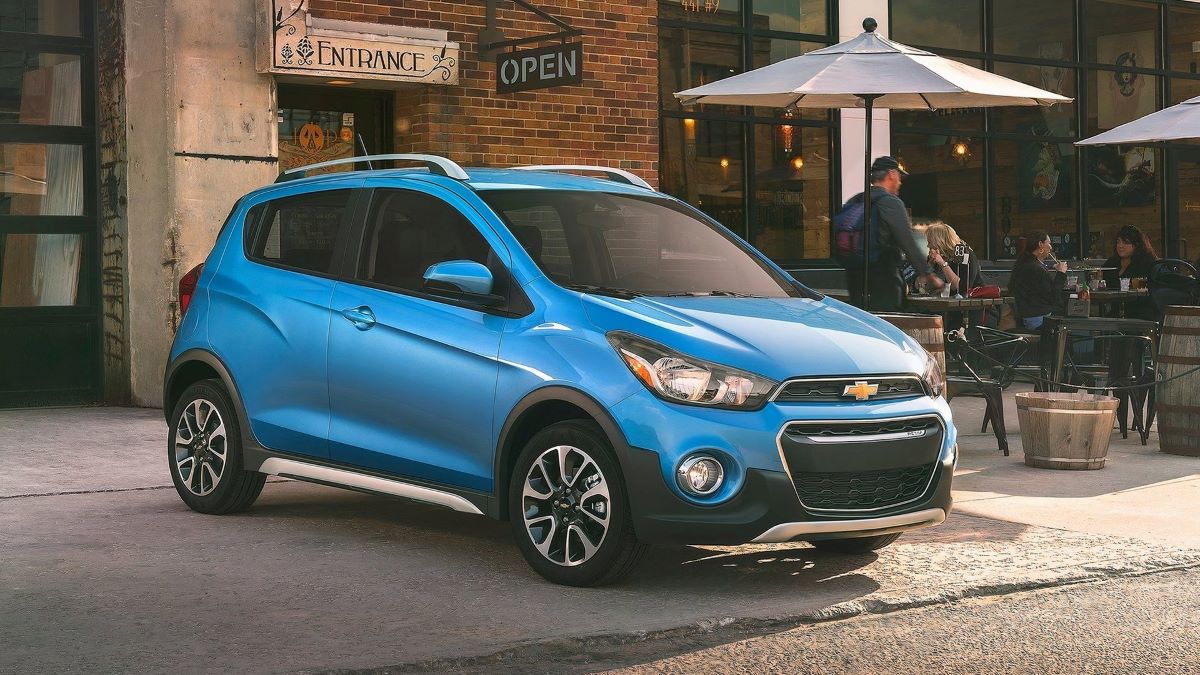
Chevrolet Spark
The Chevrolet Spark attempts to attract urban shoppers with its tiny footprint and low operating costs, yet its execution can leave drivers wanting more in terms of assurance and composure in heavy traffic environments.
While its small size does make parking and lane splitting easier, the powertrain often lacks the responsiveness necessary to merge smoothly into flowing traffic or accelerate out of tight situations. This shortcoming can create a feeling of hesitation that is unwelcome where conditions change rapidly.
Steering feel in the Spark is generally light but lacks the communicative depth that drivers rely on to navigate crowded roads confidently. Without clear feedback about wheel position or road surface, placing the vehicle precisely becomes more difficult, increasing the mental load on the driver. Urban driving demands frequent micro adjustments, and when these feel disconnected from the car’s response, it can lead to frustration rather than ease.
The interior design of the Spark prioritizes simplicity but at times seems overly austere, with hard plastics and fewer comfort features that other small cars include as standard. This lack of refinement extends to visibility, where thicker pillars and smaller windows can create additional blind spots, demanding extra vigilance from the driver. The cumulative effect is a sense that you are battling the car rather than working with it.
Brake feel in the Spark is serviceable but often lacks the immediate, consistent feedback that instills confidence during abrupt stops. In urban settings filled with unpredictable pedestrians, cyclists, and vehicles, the ability to trust your brakes implicitly is essential. When that trust is compromised, even slightly, driving becomes more taxing and less pleasant.
Because of these compromises, many drivers end up viewing the Spark as acceptable for short trips but not ideal for sustained commuting in heavy traffic. It may still serve well as a budget-friendly runabout, yet when compared to small cars that emphasize assured dynamics and refined control, the Spark often feels outmatched. This results in a driving experience that can feel less grounded and secure in dense urban conditions.
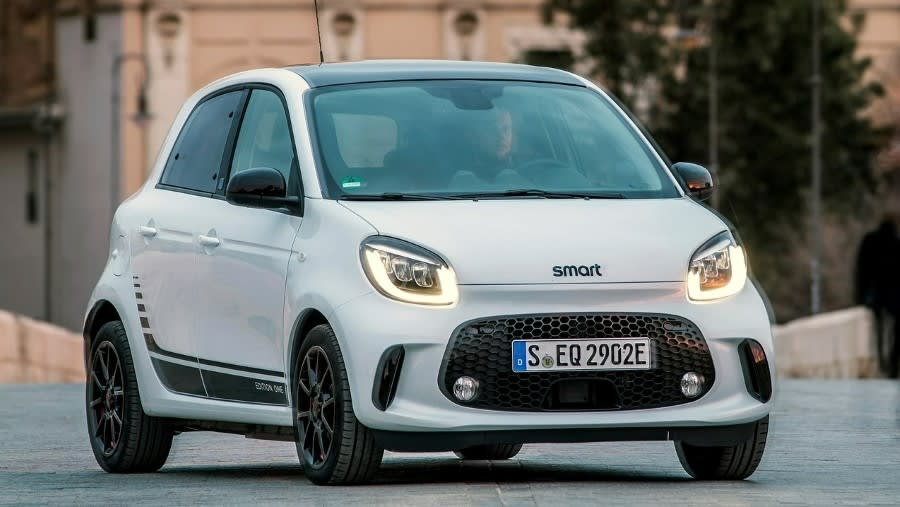
Smart Forfour
The Smart Forfour tries to expand the Fortwo concept into a four seat platform, but the compromises required to add extra space can make it feel less confident in dense traffic situations.
While its compact length still offers some parking advantages, the added weight and altered balance sometimes dull the responsiveness that made the two seat variant so engaging. Drivers may notice slower steering reactions and a vague feel that detracts from confident maneuvering in tight spots.
The interior space that accommodates more passengers comes at the expense of the crisp packaging and visibility that smaller cars often offer. Wider roof pillars and limited rear sightlines create additional blind spots that drivers must navigate carefully, especially in crowded intersections where awareness in every direction is important. Combined with fewer intuitive driver assistance features, this reduced visibility can feel like a handicap rather than a convenience.
Suspension in the Forfour tends to prioritize comfort over firm control, which is generally a positive trait, but in dense traffic it can amplify body motion during quick lane changes or abrupt stops. Instead of feeling planted, the car may exhibit a floaty sensation that causes drivers to second guess their inputs. This sensation undermines confidence when every maneuver requires precision and timing.
Taken together, these aspects can make the Smart Forfour a less reassuring choice for urban commuters compared to other small cars that steadfastly focus on sharp handling and visibility. While it still benefits from compact dimensions, the driving experience sometimes lacks the harmony needed to make dense traffic feel manageable. As a result, some drivers feel the Forfour is better suited for lighter city use rather than intense congestion and maneuvering.
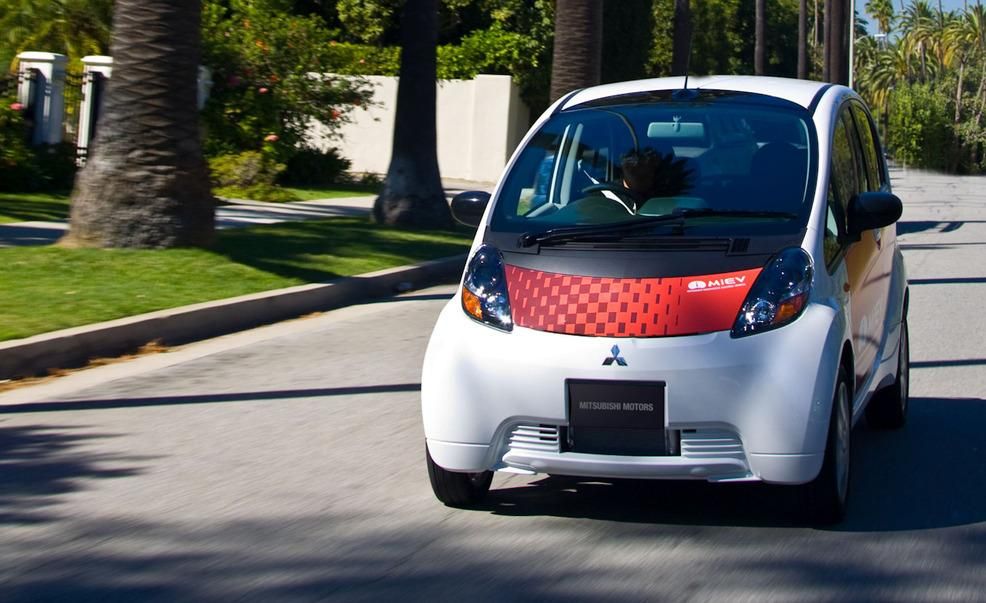
Mitsubishi i-Miev
The Mitsubishi i-Miev, one of the early full electric small cars, offered an interesting proposition for city dwellers seeking emission free transport, yet its execution sometimes left drivers feeling uncertain in dense traffic conditions.
Although the electric drivetrain supplied smooth acceleration off the line, the power output was modest, and when rapid decisions were necessary, the car’s responses felt measured rather than spirited. In busy urban environments where gaps in traffic can close quickly, this sensation of limited urgency can affect confidence.
Inside the cabin, the focus on simplicity and efficiency meant that some comfort and visibility features were less prioritized compared to other small cars tailored for dense traffic. Window size and pillar placement sometimes restricted sightlines, demanding extra caution when checking for cyclists or vehicles crossing from blind angles.
While basic safety aids were present, they seldom provided the advanced support that helps drivers feel fully backed up in complex scenarios.
Regenerative braking in the i-Miev could feel abrupt or inconsistent at times, which introduced an unfamiliar sensation during stop and go traffic. Drivers unused to this effect might find it distracting or difficult to modulate precisely, especially when inching forward in gridlock. A comfortable and predictable brake feel is vital in heavy urban traffic, and fluctuations in braking sensation challenged this expectation.
Although the concept of a compact electric car designed for city travel remains appealing, the i-Miev’s execution sometimes missed the mark in delivering a composed and confident driving experience.
Its innovative powertrain and eco friendly operation were definite strengths, yet when balanced against dynamics that matter most in dense areas, it often failed to inspire the level of assurance that drivers seek. For these reasons, it frequently feels less secure than more conventionally tuned small cars.
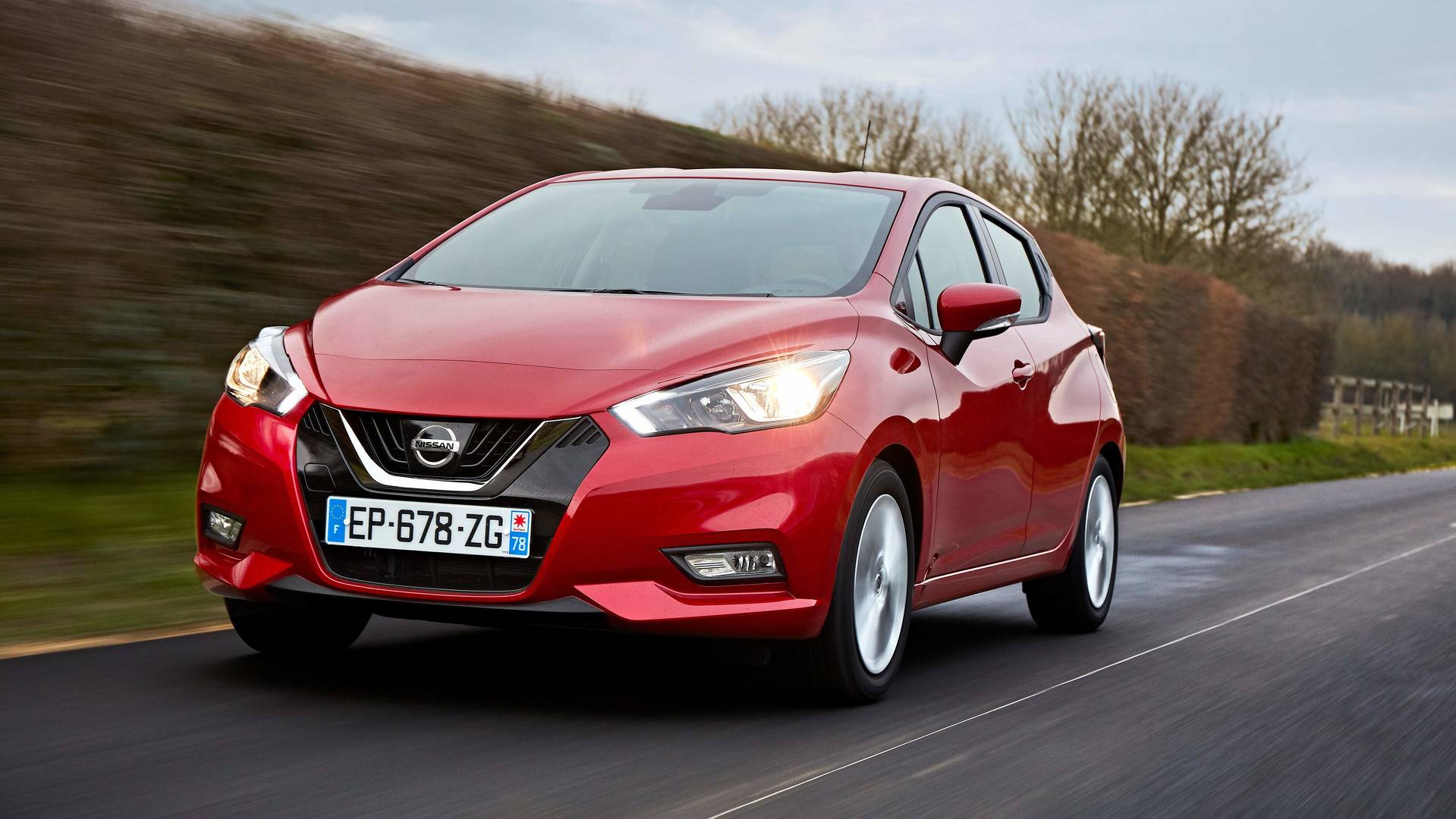
Nissan Micra (Certain Generations)
The Nissan Micra, particularly in some past generations, attempted to balance economy and ease of use in a small city-friendly package, but at times its execution produced a driving experience that left drivers feeling cautious rather than confident.
The engine performance, while efficient, often felt underpowered when quick acceleration was necessary to merge or avoid hazards in dense city traffic. Drivers in rush hour situations found themselves planning moves further ahead due to the car’s reluctance to respond instantly.
Steering feedback was light yet lacked the precise communication drivers rely on for accurate placement among crowded streets, creating a disconnect between intention and result. Without a firm sense of where the car was pointing, negotiating tight turns or closely positioned vehicles became mentally taxing. This lack of clarity in vehicle positioning can wear on driver patience during frequent micro maneuvers.
Although the Micra still functioned as a capable small car for daily tasks, these dynamics sometimes made dense areas feel more challenging than they needed to be. Drivers seeking a sense of complete control and immediate responsiveness often found other small cars better suited to that purpose. As a result, certain Micra models earned mixed reviews regarding their comfort and composure in complex urban conditions.
