
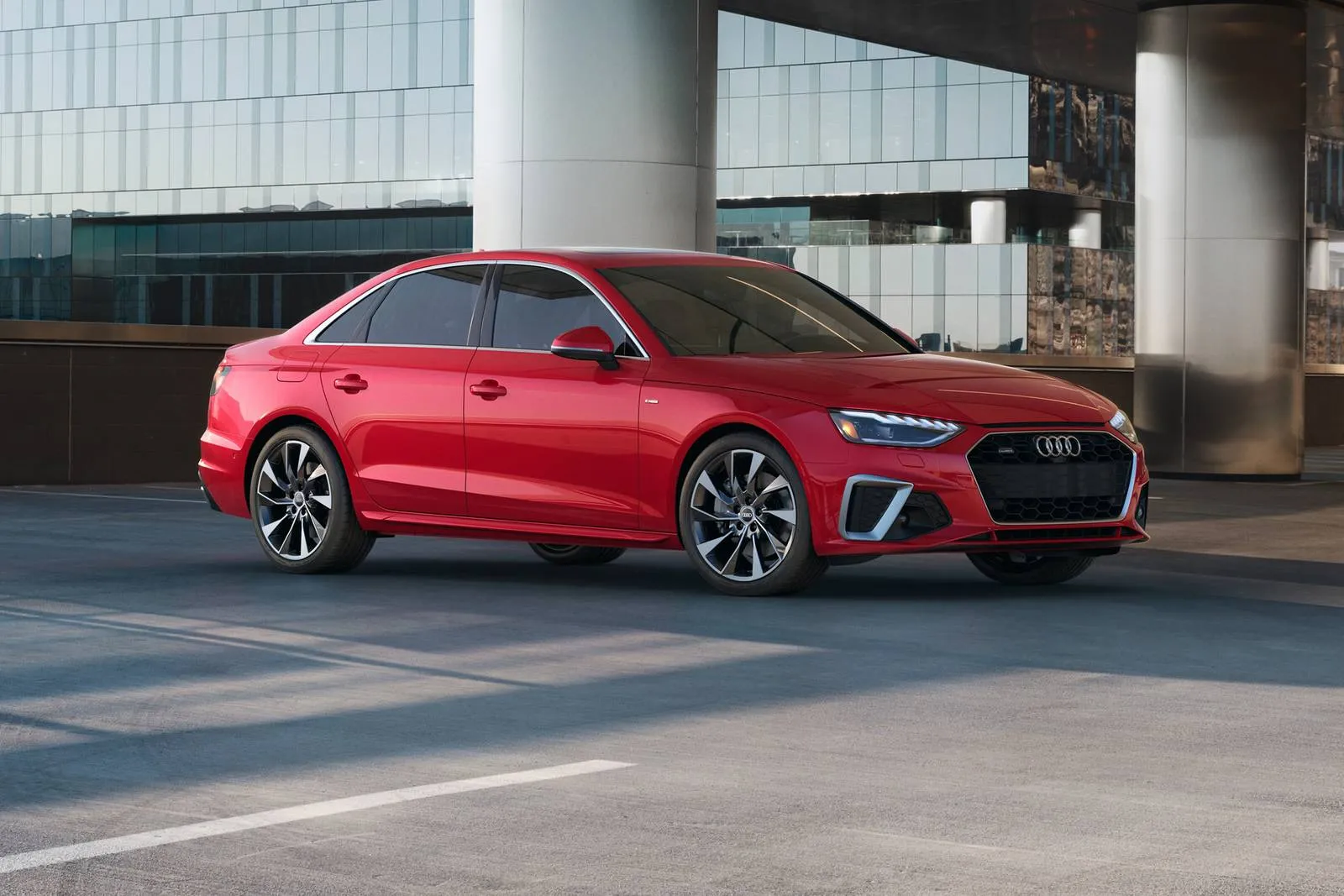
Phoenix traffic creates a very specific kind of stress for vehicles, especially during long summers where daytime temperatures stay high and pavement heat lingers well into the evening. Stoplights are not just moments of waiting but extended periods where engines idle, cooling systems work at their limits, and under-hood temperatures rise with nowhere to go.
Heat soak becomes a defining factor in how well a vehicle behaves in this environment, affecting throttle response, air conditioning performance, fuel delivery, and long term reliability. Cars that feel fine on the highway can suddenly feel sluggish or uncomfortable when trapped in city traffic, revealing weaknesses that only extreme heat and low airflow can expose.
The difference between a vehicle that handles Phoenix stoplights well and one that struggles often comes down to engineering priorities rather than price or brand prestige. Cooling system capacity, engine layout, transmission behavior at idle, and even hood design play meaningful roles.
Vehicles designed with towing, heavy loads, or sustained low speed operation in mind usually fare better than those optimized for short bursts of performance or mild climates. The way heat is managed around intake components and electronics also determines whether a car feels consistent or temperamental after sitting at a red light for several minutes.
Another factor is how modern vehicles balance efficiency with durability. Aggressive fuel mapping, tightly packaged engine bays, and lightweight components can improve efficiency on paper while increasing sensitivity to heat buildup.
In contrast, more conservative tuning and physical space around the engine often result in steadier performance under harsh conditions. This difference becomes obvious in Phoenix where summer driving rarely gives components a chance to cool down between trips.
Driver comfort matters just as much as mechanical health in these conditions. Vehicles that keep cabin temperatures stable while idling earn trust quickly, while those that allow vents to blow warm air at stoplights can become frustrating.
Air conditioning systems that remain effective under high load reflect robust cooling strategies rather than simply powerful compressors. Over time, drivers in hot climates learn to value consistency more than peak numbers.
This article breaks down five vehicles that tend to handle Phoenix stoplights well and five that often struggle with heat soak. Each example focuses on design traits, real world behavior, and why those traits matter in extended high temperature traffic situations.
The goal is not to crown winners but to explain patterns that help drivers understand what works and what does not when heat and idle time dominate the driving experience.
Vehicles Suited to Phoenix Stoplights
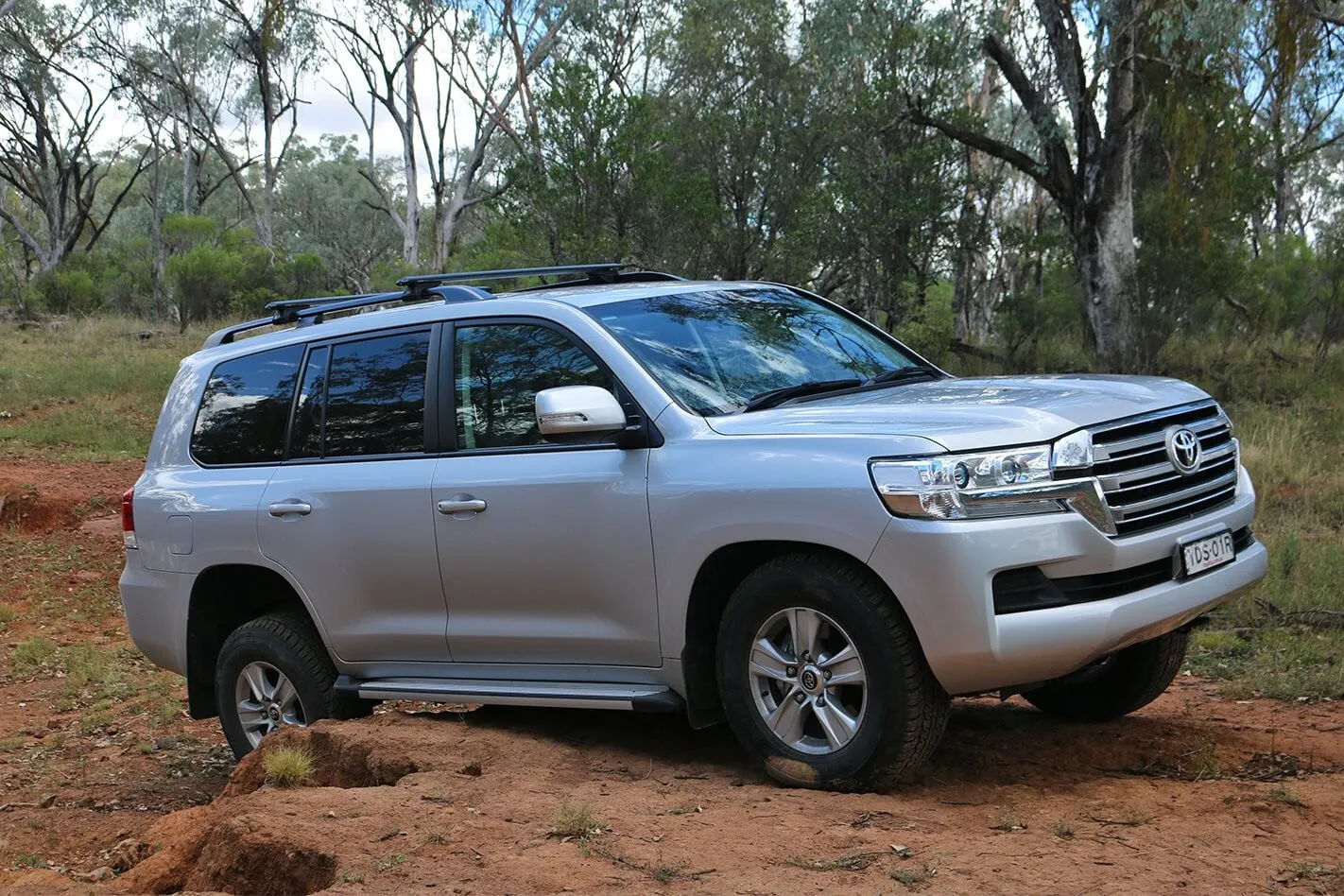
Toyota Land Cruiser
The Toyota Land Cruiser has long been engineered for extreme environments, and Phoenix stoplights barely challenge it compared to its original purpose. Its large displacement engine operates under relatively low stress during idle, meaning it produces less heat per minute than smaller engines working harder.
The cooling system is designed with high capacity radiators and dual fans, allowing heat to dissipate even when airflow from driving is minimal. In addition, the engine bay layout leaves space around critical components, ensuring that heat does not accumulate in localized pockets. This spacing reduces the risk of heat affecting wiring, sensors, or other sensitive systems during long idle periods.
Transmission behavior also contributes significantly to its composure at stoplights. The Land Cruiser’s transmission is designed with conservative torque converters and gearing that prevents fluid from overheating during extended idling.
Heat buildup in transmissions can compound engine stress in other vehicles, but here it remains stable. This means when the light turns green, the vehicle moves smoothly without hesitation. In addition, the combination of engine mass and drivetrain design allows the vehicle to resist sudden temperature spikes, which preserves long-term mechanical health.
Another factor is the cabin environment. Air conditioning systems in the Land Cruiser remain effective even after long periods at a red light. The large HVAC system is designed to maintain consistent airflow and cooling, keeping occupants comfortable despite extreme outdoor temperatures.
This ensures that drivers and passengers remain relaxed and in control, which can indirectly improve driver behavior in stop-and-go traffic. The cabin insulation also keeps residual heat from the engine bay from intruding into the interior space.
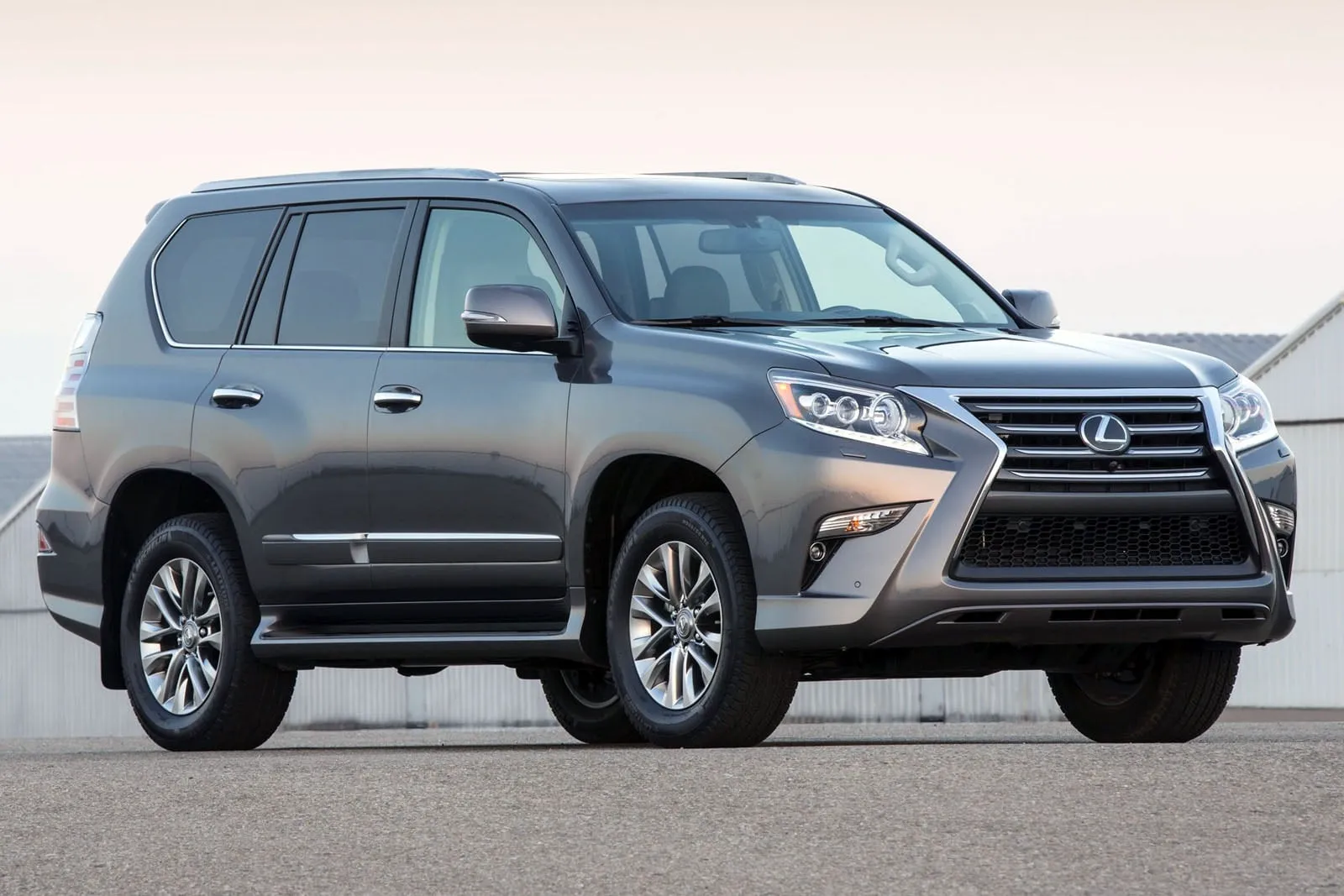
Lexus GX 460
The Lexus GX 460 shares much of its foundation with the Land Cruiser but offers a refined and comfortable package. Its naturally aspirated V8 avoids the extra heat load associated with turbocharging, which helps under hood temperatures remain manageable during idle.
Cooling components, such as the radiator, fan system, and intercooler piping, are generously sized to absorb heat without stress. Airflow management within the engine bay ensures that critical parts like intake manifolds, electronics, and fluid reservoirs remain in a safe temperature range even in dense stop-and-go traffic.
Throttle response in the GX 460 remains smooth after sitting at stoplights for several minutes. The engine control unit prioritizes consistency and reliability over aggressive performance, which prevents hesitation or rough idling when restarting from a stop.
Intake air temperature sensors, combined with carefully calibrated fuel delivery, maintain predictable combustion characteristics, ensuring the driver experiences steady acceleration every time the light changes. This is particularly noticeable during prolonged traffic congestion in Phoenix.
Fan operation and airflow management contribute significantly to the GX’s performance. Electric fans engage quickly and remain on for as long as necessary, moving air across the radiator and other heat exchangers to maintain optimal temperatures.
This proactive cooling prevents heat soak from accumulating in the intake or near sensitive engine components. The vehicle does not rely solely on motion to generate airflow, which is critical when traffic is heavy and stoplights are frequent.
Cabin comfort remains a priority as well. The GX 460 maintains consistent air conditioning output, ensuring that interior temperatures remain comfortable even under extreme external heat. Vents remain cool, and the HVAC system’s design allows for quick adaptation to outside conditions without compromising passenger comfort. This consistency prevents the vehicle from feeling sluggish or uncomfortable, even during long summer commutes.
Finally, the Lexus GX 460 combines reliability and longevity with thermal stability. Engine components, cooling systems, and drivetrain elements are all built with Phoenix’s harsh climate in mind, emphasizing conservative tuning and durability.
This ensures that even under repeated stoplight stress, the vehicle operates predictably. For drivers seeking a combination of luxury, comfort, and resilience in extreme urban heat, the GX 460 is an excellent choice.
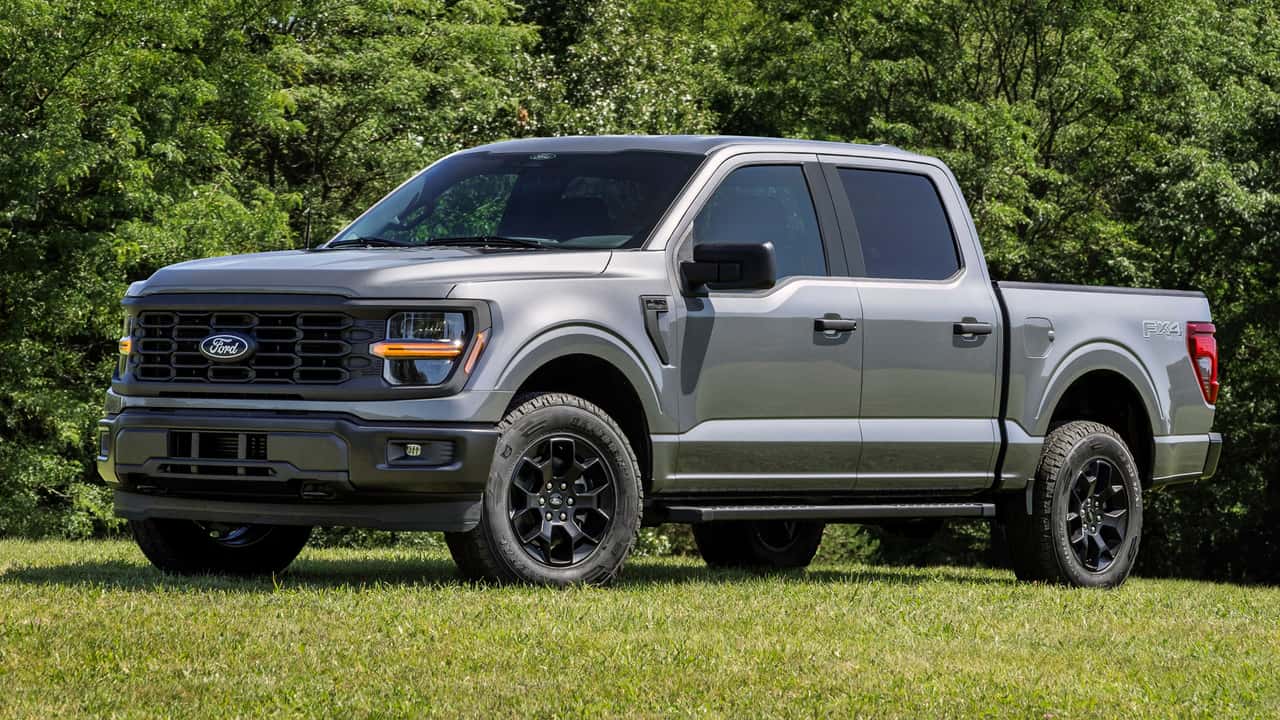
Ford F-150 with Naturally Aspirated V8
Certain configurations of the Ford F 150 are particularly well suited to Phoenix stoplight conditions, especially those equipped with naturally aspirated V8 engines. These engines are designed for work environments where extended idling is routine, such as towing or construction applications.
Cooling systems are generously sized, including larger radiators, dual electric fans, and high-capacity coolant circulation. This allows the engine to maintain stable temperatures even when airflow is minimal during city traffic.
The engine bay layout in the F 150 allows heat to escape rather than become trapped near critical components. There is physical space between the engine, intake, and electronics, preventing heat soak from impacting performance over time. Wiring, sensors, and intake manifolds are less likely to experience temperature-related stress. The simple, straightforward design also reduces potential points of failure under extreme heat, contributing to reliability.
Transmission cooling is another advantage. Even at idle, the transmission fluid maintains safe operating temperatures due to heavy-duty cooling systems and the conservative torque converter design.
This prevents sluggish gear engagement when starting from a stop. Drivers benefit from a consistent, smooth experience when accelerating after red lights, which is particularly valuable in Phoenix traffic where stoplights are frequent.
Cabin comfort is maintained effectively as well. The F 150’s HVAC system continues to deliver strong air conditioning output even during extended periods of idling. Its large interior benefits from robust airflow management, keeping passengers comfortable regardless of external temperatures. This ensures that both driver focus and occupant well-being are preserved during summer commutes.
The resilience of the F 150 is remarkable. It treats heat and idle time as a normal operating condition rather than an extreme stressor. Long-term durability, combined with conservative engine tuning and a forgiving drivetrain, ensures that repeated stoplight cycles in Phoenix do not degrade vehicle performance. Drivers can rely on the F 150 to remain steady and predictable even in the hottest conditions.
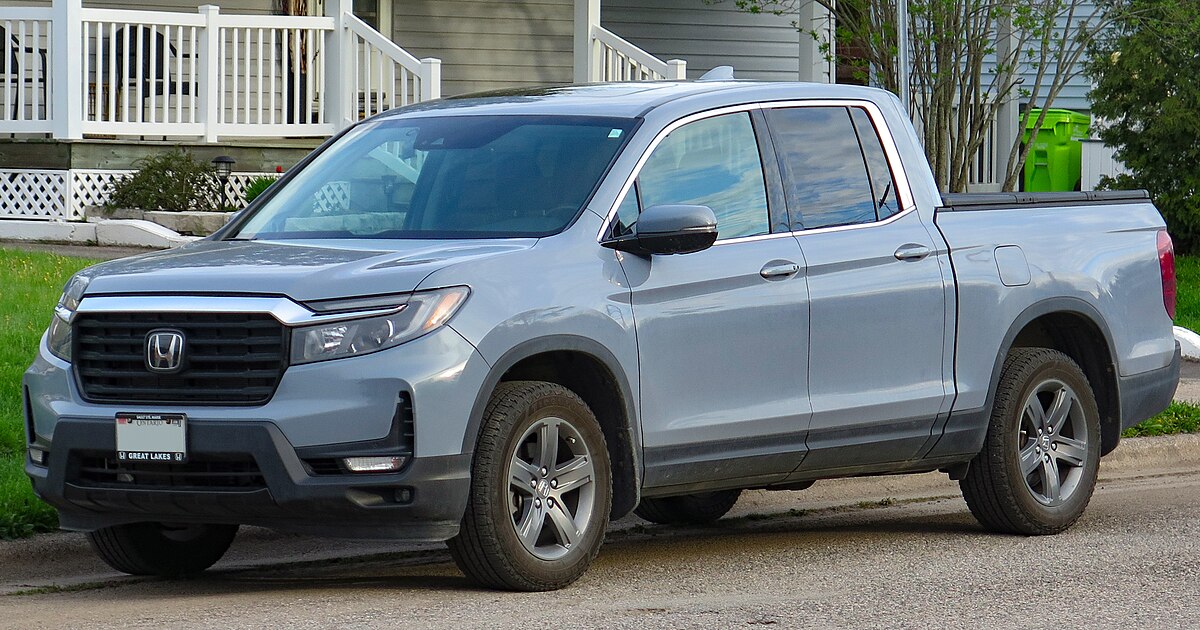
Honda Ridgeline
The Honda Ridgeline often surprises people with its ability to handle Phoenix stoplights with ease. Its engine is tuned for smoothness and efficiency rather than peak performance, which reduces heat generation at idle.
The cooling system is designed for predictable operation, allowing the temperature to remain steady rather than fluctuate wildly. Heat management is consistent, and engine components operate well below maximum stress even during prolonged stops.
The transverse engine layout of the Ridgeline allows for effective airflow management. Fans, ducting, and venting systems work efficiently even at low speeds, preventing heat from accumulating around sensitive components. Heat is dispersed in a controlled manner, helping maintain stable intake air temperatures and consistent engine performance after repeated idling. This prevents the common issue of throttle hesitation due to heat soak.
Transmission calibration contributes to smooth behavior at stoplights. The Ridgeline does not aggressively lock or unlock gears at idle, which reduces transmission heat buildup. This ensures that restarting from a red light feels seamless and predictable. Combined with a stable engine environment, it offers drivers a composed driving experience in Phoenix traffic.
Cabin comfort also benefits from this stability. The HVAC system remains effective even in extreme heat, providing consistent airflow and maintaining interior temperatures. This prevents driver discomfort and fatigue, which is particularly important during long summer commutes. The result is a vehicle that feels dependable and steady regardless of outside conditions.
The Ridgeline’s combination of moderate tuning, controlled heat management, and efficient cooling systems makes it one of the more reliable midsize options for urban driving in hot climates. Its consistent performance ensures that drivers can focus on the road rather than worrying about temperature-related issues.
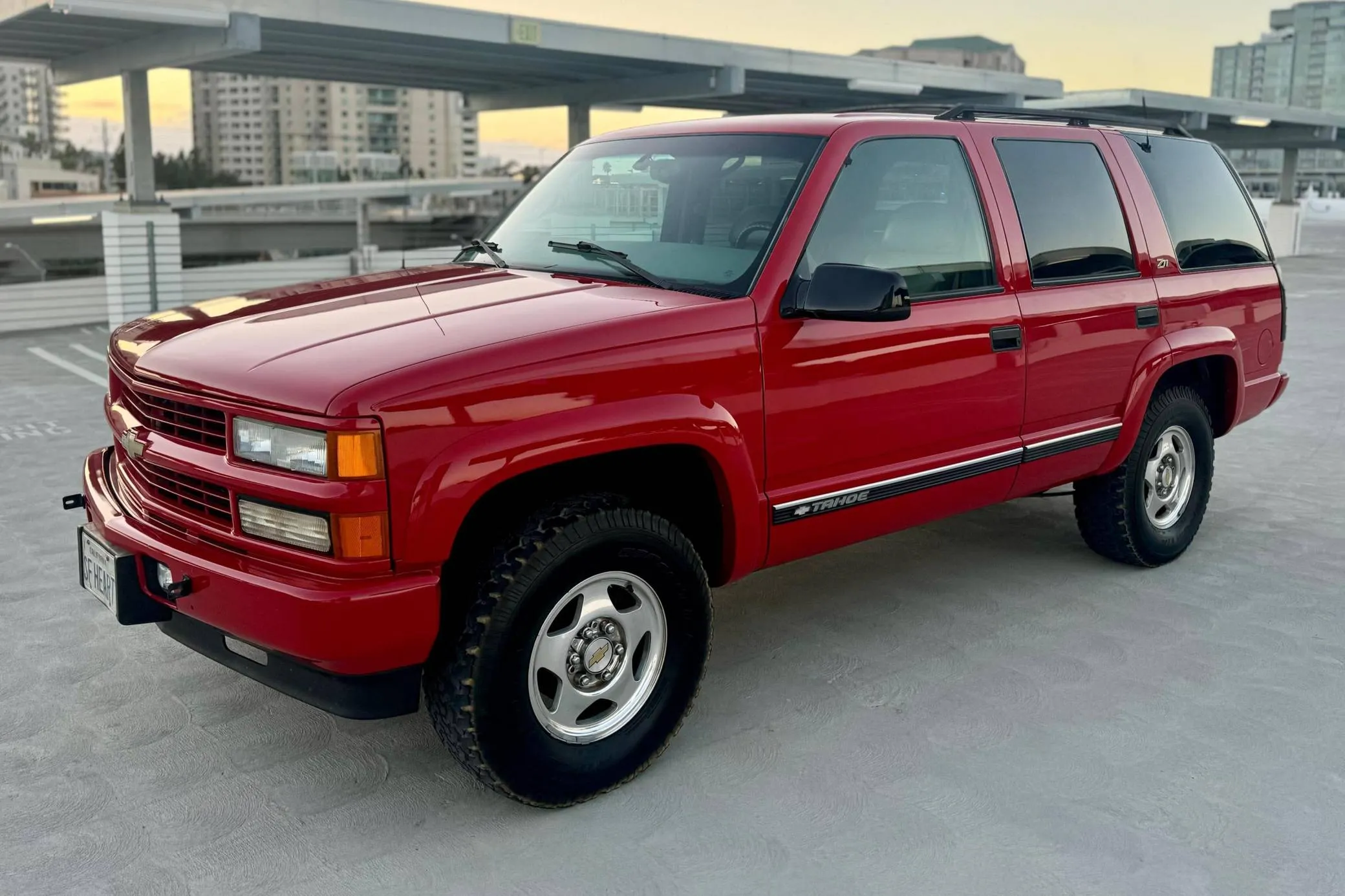
Chevrolet Tahoe
The Chevrolet Tahoe handles Phoenix stoplights as if it were built for them. Its large engine operates well below maximum stress during idle, producing less heat relative to capacity. Cooling systems, including radiators, fans, and coolant pumps, are designed to handle heavy loads and extreme conditions. Even when traffic prevents airflow from moving through the engine bay, the Tahoe maintains stable operating temperatures, preventing heat soak and preserving engine performance.
The engine bay design provides space for heat to escape rather than accumulating near sensitive components. This reduces the risk of overheating wiring, sensors, or electronics during repeated stops. Heat is managed efficiently, allowing the vehicle to remain predictable and responsive even under repeated idle stress.
Cabin comfort is another strength of the Tahoe. The air conditioning system is capable of rapidly cooling the large interior and maintaining temperature stability over long stop periods. Occupants remain comfortable even in extreme Phoenix summer temperatures. This consistent cooling contributes to a sense of reliability and ease of driving in urban environments.
Transmission and drivetrain components also remain stable under high idle heat. The Tahoe’s transmission is cooled effectively, preventing fluid temperatures from rising excessively and preserving smooth gear changes. The combination of conservative engine tuning and robust cooling systems ensures predictable performance when restarting from a stop.
The Tahoe’s durability, thermal stability, and driver-focused design make it exceptionally suited to Phoenix stoplights. Its ability to remain unfazed by heat and prolonged idling gives drivers confidence that the vehicle can handle both city congestion and extreme summer conditions without compromising performance or comfort.
Vehicles That Struggle With Heat Soak
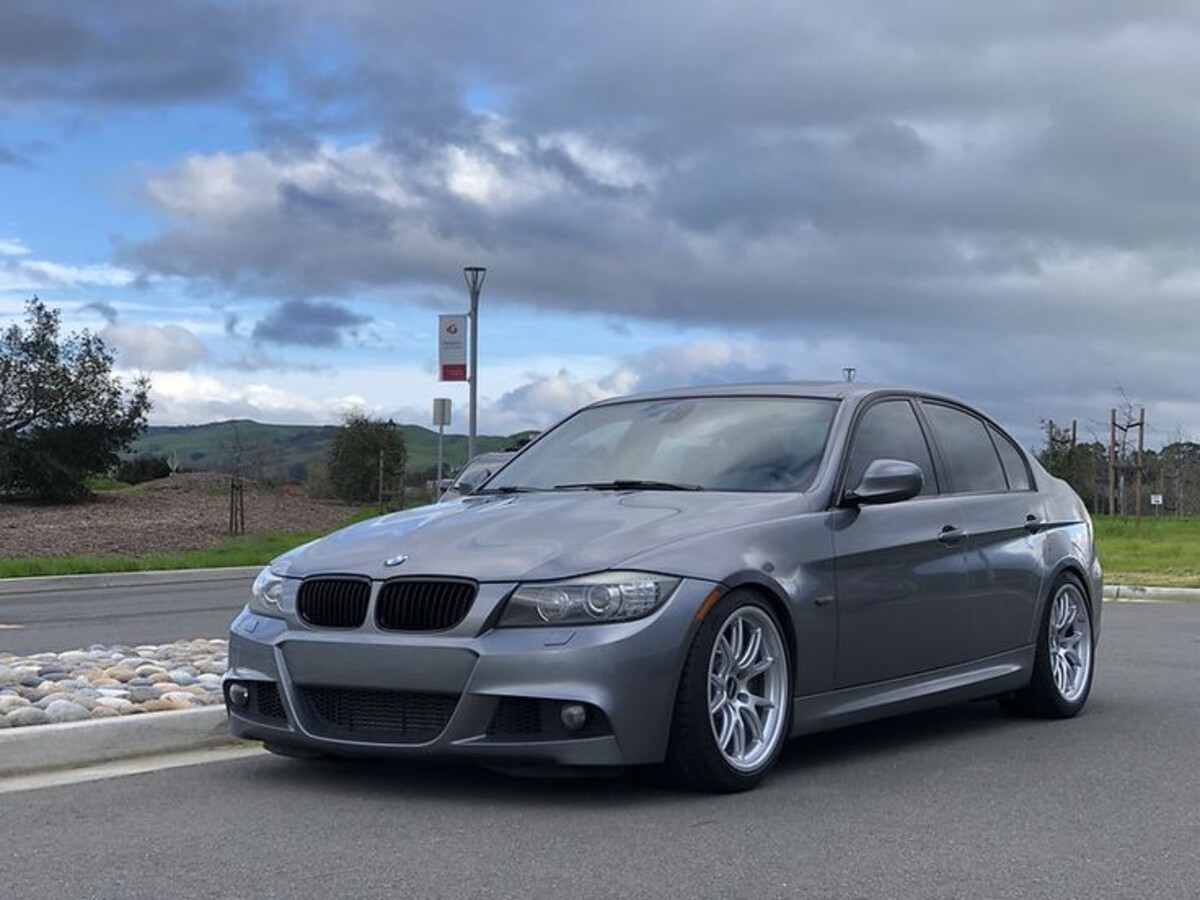
BMW 335i Turbocharged Models
The BMW 335i with turbocharged engines often struggles noticeably at Phoenix stoplights. Turbochargers generate high heat because they compress air and exhaust gases, and when airflow is minimal at idle, that heat has nowhere to go. Engine bays in these models are tightly packed, leaving little room for heat to escape.
Components such as intake piping, wiring harnesses, and sensors are exposed to higher than normal temperatures, which can affect performance and reliability during extended stops.
Drivers often notice reduced throttle response after sitting at a red light for several minutes. The engine control unit compensates for the high intake air temperature by slightly reducing boost pressure and altering fuel timing to protect components.
While this preserves the turbo and engine internals, it results in a temporary reduction of performance. The car may feel sluggish or hesitant when restarting, particularly during hot summer afternoons in Phoenix.
Cooling systems in these vehicles are optimized for performance driving rather than extended idle. Fans may cycle frequently, but the combination of a high-output engine and limited airflow at a stoplight can still result in heat soak.
The intercooler, designed to function optimally when the car is moving, loses efficiency, further contributing to rising intake temperatures. This makes prolonged traffic a challenge for drivers who expect consistent performance.
Cabin comfort is affected as well. The air conditioning system may struggle to maintain optimal temperatures when the engine is already under thermal stress. HVAC output can become inconsistent, blowing warmer air than desired. Over time, repeated stoplight idling in extreme heat can create a cumulative effect, leaving the vehicle feeling less responsive and the interior less comfortable.
The 335i demonstrates the tradeoff between performance optimization and thermal resilience. While it excels on highways and spirited driving routes, it is less suited for dense Phoenix traffic. Drivers who frequently encounter stoplights may notice hesitation, higher under-hood temperatures, and a reduced sense of confidence in the vehicle’s ability to handle extreme heat at low speeds.
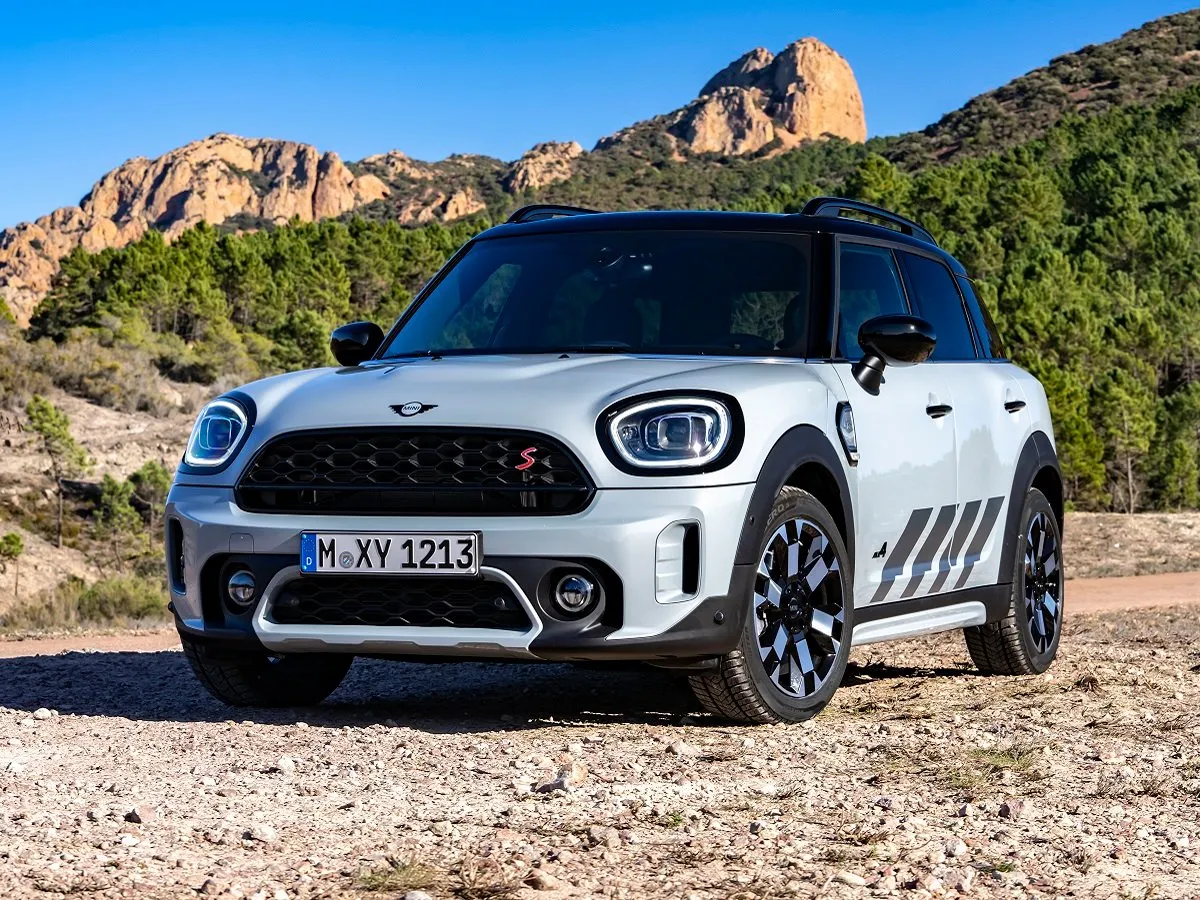
Mini Cooper S
The Mini Cooper S combines a small turbocharged engine with a very compact engine bay, which makes it especially sensitive to heat soak. Its turbocharger produces significant heat relative to the engine size, and the tight packaging leaves little room for that heat to escape.
When idling at long stoplights, the engine and intake temperatures rise rapidly. The compact design means heat transfers more easily to adjacent components, including electronics and air intake, which can affect both performance and engine longevity.
Throttle response often becomes inconsistent after extended idling. Drivers may feel a lag or hesitation when accelerating from a stop because the engine management system reduces turbo boost to prevent excessive heat buildup. This temporary drop in performance is noticeable in urban Phoenix traffic, where stoplights are frequent and the engine cannot fully cool between stops.
Cooling systems are limited by space and design priorities. Fans engage to dissipate heat, but their capacity is constrained by the small engine bay. Heat tends to linger around the turbo and intake manifolds, making heat soak a recurring issue in heavy traffic. Over time, repeated exposure can also strain hoses, gaskets, and other components that are sensitive to sustained high temperatures.
Cabin comfort suffers in extreme stop-and-go conditions. The small engine bay and heat accumulation can cause HVAC performance to drop slightly, with the air conditioning struggling to maintain maximum output. This reduces occupant comfort during long Phoenix commutes and highlights a common tradeoff in compact performance vehicles between size, efficiency, and thermal management.
Despite its agility and spirited driving characteristics, the Mini Cooper S is best suited to short bursts of movement rather than prolonged city traffic. Heat soak is unavoidable under extended stoplight conditions, and drivers may need to adjust expectations regarding performance and comfort in the hottest parts of the day.
Subaru WRX
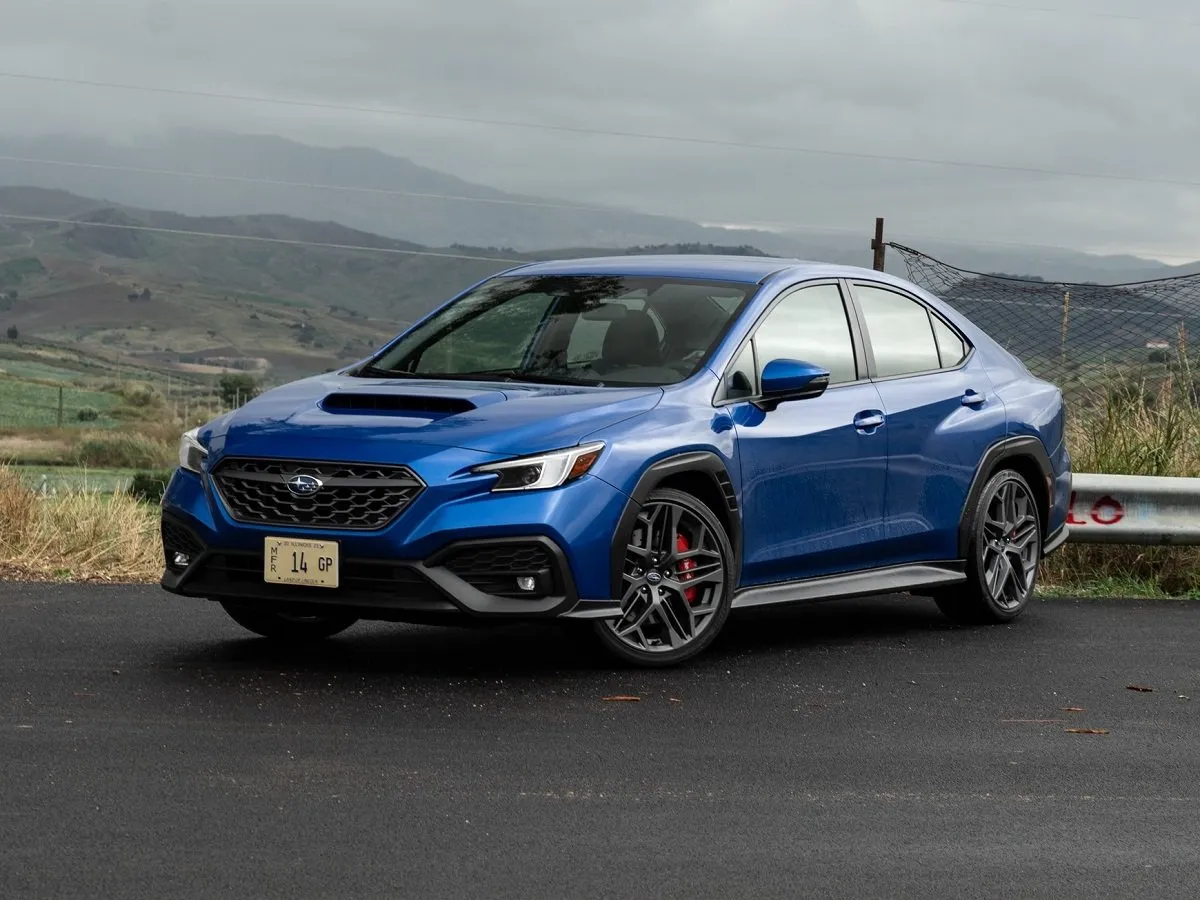
The Subaru WRX is designed primarily for performance driving, with a turbocharged engine that generates high heat under normal operation.
In Phoenix stoplight conditions, the horizontally opposed layout, or “boxer engine,” can trap heat in specific areas of the engine bay, especially near the turbo and intake components. Minimal airflow at idle causes heat to accumulate, affecting throttle response, intake temperature, and engine control systems.
Drivers often notice a rougher idle or delayed acceleration after sitting at a red light for several minutes. The ECU limits boost and retards timing to protect the engine from excessive thermal stress. This produces a temporary reduction in performance, which can feel more dramatic in hot, slow-moving traffic. The car performs optimally only when airflow is present, such as during highway driving or spirited acceleration.
Cooling systems in the WRX are designed for dynamic driving rather than prolonged idle. Fans engage, but the turbocharger and intercooler require constant airflow to dissipate heat effectively. During stoplight conditions, heat can build faster than the cooling system can compensate, making the vehicle more sensitive to repeated city traffic cycles.
Cabin comfort is indirectly affected as well. The heat generated in the engine bay can reduce air conditioning efficiency slightly, causing warmer airflow during prolonged stops. This is compounded by Phoenix temperatures, which place additional stress on both engine and HVAC systems. Drivers may experience diminished comfort along with the temporary loss of performance.
The WRX shows that a performance-oriented design optimized for motion does not always translate to calm handling in dense, hot urban traffic. Stoplight idling exposes the limitations of its cooling and heat management, requiring drivers to accept slower responsiveness and higher under hood temperatures during repeated stops.
Audi A4 Turbocharged Variants
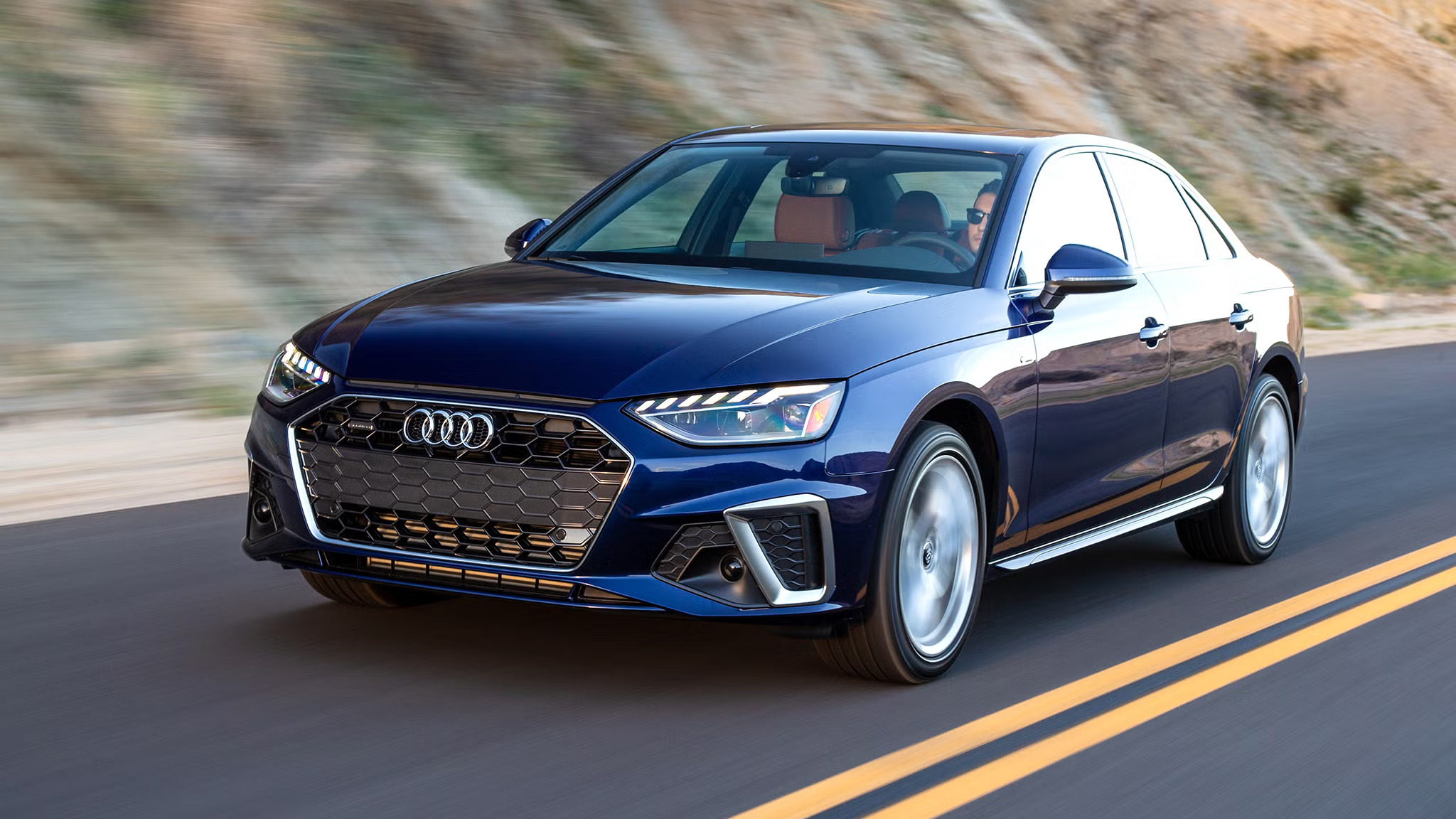
Turbocharged Audi A4 models often struggle with heat soak during prolonged idling. The dense engine bay leaves little room for heat to escape, and the turbocharger adds additional thermal load near critical components.
When airflow is limited at a stoplight, intake air temperatures rise and the ECU actively reduces boost and modifies timing to prevent engine damage. This protective behavior results in temporary performance loss when the vehicle resumes motion.
Throttle response can become muted after sitting at a red light for several minutes. The engine management system intentionally limits power to prevent overheating, which can feel frustrating in Phoenix traffic. Drivers may notice slower acceleration and less engine responsiveness compared to cooler or moving conditions.
Cooling systems in these models are tuned for balanced performance rather than prolonged idling. Fans cycle on and off, but the system’s capacity is optimized for highway speeds where airflow naturally aids cooling. Heat accumulates around sensitive components, including turbo hoses, electronics, and intake manifolds, which can also shorten their long-term lifespan under repeated exposure.
Cabin comfort is indirectly affected as well. The air conditioning system has to compensate for both extreme outside temperatures and additional heat radiating from the engine bay. HVAC output may be less consistent, blowing slightly warmer air at stoplights. This can reduce occupant comfort during long Phoenix summer commutes, highlighting the challenges of combining compact turbo engines with limited cooling capacity.
Turbocharged Audi A4 variants excel at highway driving and performance-oriented conditions but reveal limitations in stop-and-go traffic. Heat soak impacts both drivability and comfort, making them less ideal for extended idle conditions in extreme heat.
Fiat 500 Abarth
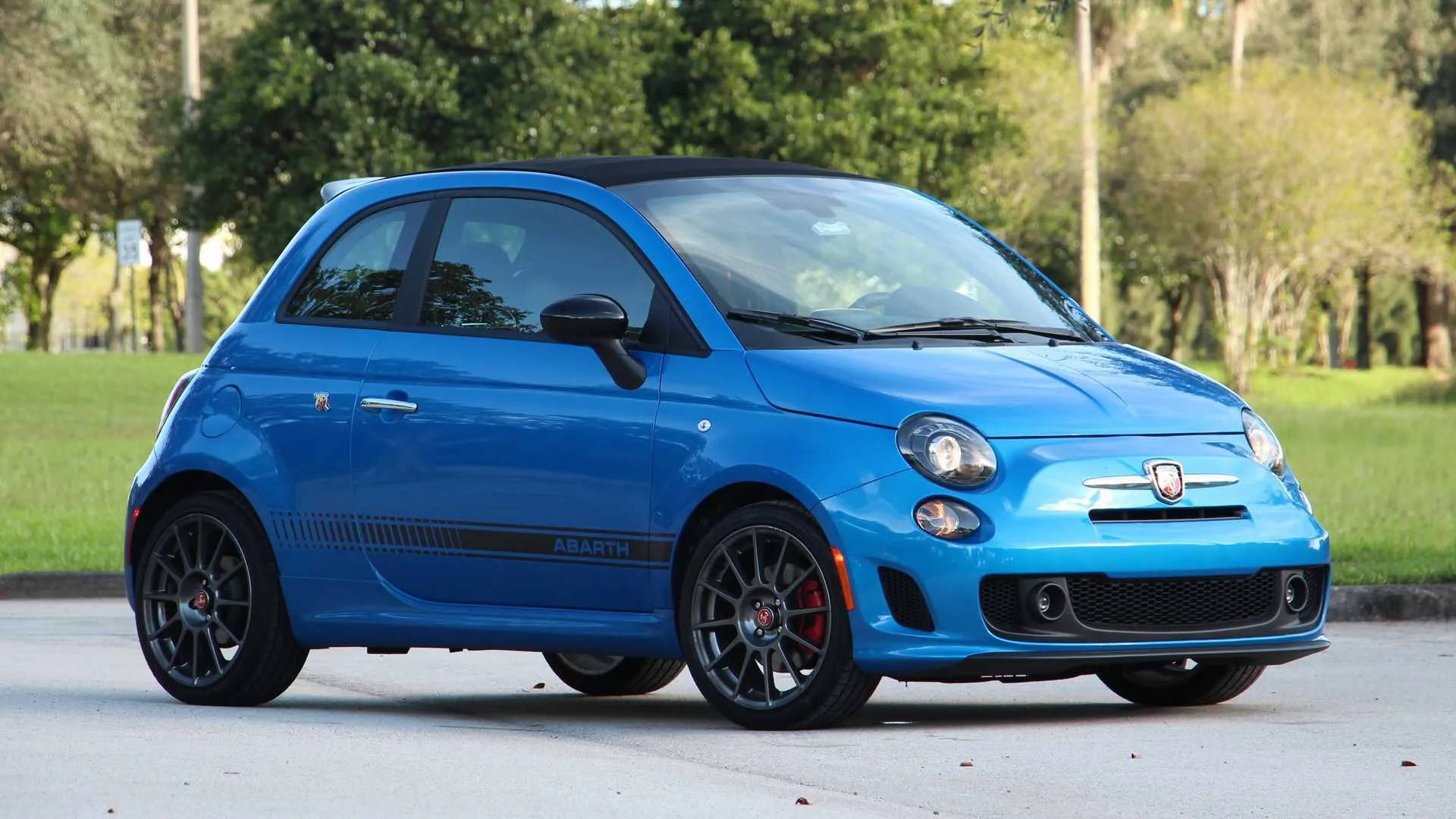
The Fiat 500 Abarth is a small, sporty car that struggles significantly with heat soak in Phoenix traffic. Its tiny turbocharged engine produces a high thermal load relative to its size, and the compact engine bay leaves minimal space for heat to dissipate.
Prolonged idling at stoplights allows heat to build quickly, affecting both engine performance and surrounding components. Electrical systems, intake piping, and sensors can all experience higher stress under repeated exposure to extreme temperatures.
Throttle response becomes inconsistent when the car has been stopped for a while. Engine management reduces boost and adjusts fuel timing to prevent overheating. Drivers may notice hesitation, lower acceleration, and uneven responsiveness when the light turns green, particularly in the middle of summer. This can make stop-and-go traffic more tiring and less predictable for the driver.
Cooling systems are limited in both size and efficiency due to the vehicle’s compact layout. Fans struggle to fully dissipate heat at idle, and the turbocharger continues to generate residual thermal energy even after the engine has stabilized. The combination of high heat generation and limited cooling capacity makes the Fiat 500 Abarth especially vulnerable to heat soak during repeated stops.
Cabin comfort suffers as well. HVAC performance can drop slightly under prolonged idling, with the system struggling to maintain consistent cooling output. The small cabin heats up quickly, and drivers may experience warm airflow despite the air conditioning running at full capacity. This highlights the compromise between small sporty designs and real-world urban usability in hot climates.
While the Fiat 500 Abarth delivers excitement and agility under motion, it is not optimized for stoplight-heavy urban traffic in Phoenix. Heat soak reduces both performance and comfort, making it better suited to shorter drives, cooler climates, or highway conditions where airflow allows the engine to remain stable.
