
Luxury cars often trigger a split reaction in urban environments, admiration from a distance and frustration once they meet tight streets, packed parking garages, and daily traffic rhythms. Cities demand efficiency, restraint, and smart engineering, while luxury branding frequently leans toward excess, power, and visual dominance.
This tension creates a clear divide between vehicles that justify their presence in dense environments and those that feel like a mismatch of priorities. Some luxury cars are thoughtfully designed to coexist with city life, offering compact dimensions, smooth drivability, and technology that reduces stress rather than amplifying it.
Others prioritize size, power, and spectacle to such a degree that their everyday use becomes impractical, uncomfortable, and environmentally questionable within urban limits. The idea of wastefulness here is not about price alone, but about how poorly certain vehicles align with the realities of city movement, parking constraints, fuel usage, and congestion.
A luxury car that works in a city should feel intuitive rather than imposing, refined rather than cumbersome, and capable of blending prestige with responsibility. On the other hand, a wasteful luxury car often demands constant compromise from its driver, including wider lanes, larger parking spaces, higher fuel consumption, and unnecessary performance that cannot be utilized legally or safely.
This article separates these two categories clearly by examining five luxury vehicles that still make sense in cities and five that struggle to justify their presence. The comparison is not about taste or brand loyalty but about function, proportionality, and daily usability.
When luxury aligns with urban practicality, it enhances city life instead of disrupting it. When it does not, it becomes a symbol of excess rather than refinement. Understanding this distinction matters not only for buyers but also for how luxury design evolves in an increasingly urbanized world.
5 Luxury Cars That Still Work in Cities
Mercedes Benz A Class
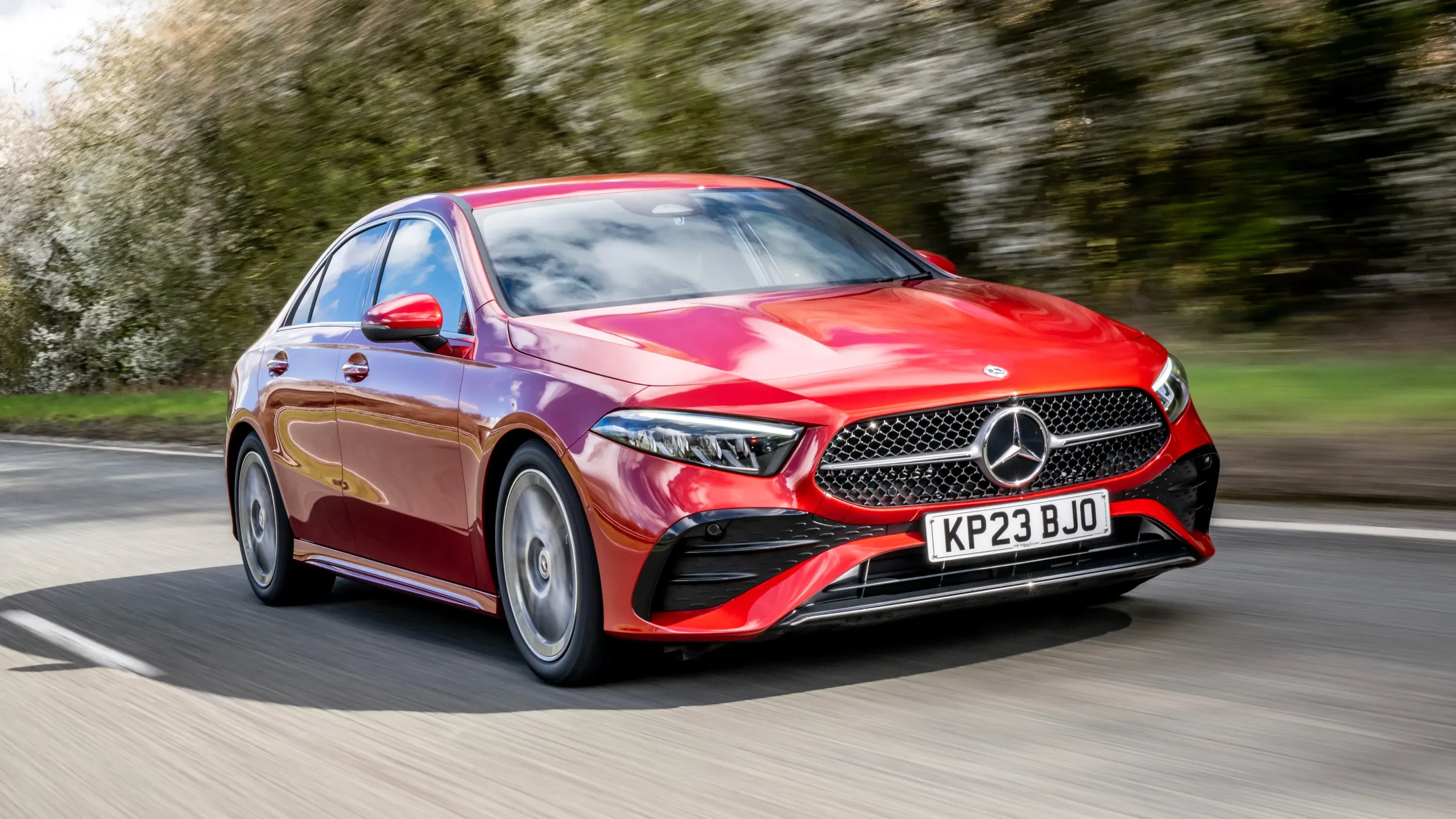
The Mercedes-Benz A Class succeeds in cities because it compresses the brand’s luxury identity into a footprint that feels natural on narrow streets and crowded intersections. Its steering is light yet precise, allowing confident maneuvering in tight spaces without constant corrections or hesitation.
Inside, the cabin delivers high-quality materials and digital refinement without overwhelming the driver with unnecessary complexity. The balance between compact dimensions and premium comfort makes it a vehicle that enhances daily urban commuting rather than complicating it.
The A Class also benefits from efficient engine options that suit stop and go traffic without excessive fuel consumption or noise. Acceleration is smooth rather than aggressive, which feels appropriate in environments where sudden bursts of power serve little purpose.
Advanced driver assistance systems help reduce fatigue during congested commutes, reinforcing its city friendly character. This car demonstrates that luxury does not need to be physically dominant to feel substantial.
Parking is another area where the A Class quietly excels, fitting comfortably into standard spaces that larger luxury sedans struggle to occupy. The visibility and camera systems further reduce the anxiety associated with parallel parking in dense neighborhoods. This ease of use encourages regular driving rather than avoidance due to inconvenience. In this sense, the car becomes a practical companion rather than a weekend indulgence.
The interior layout prioritizes ergonomics, making frequent short trips comfortable without feeling overengineered. Materials feel refined but durable, suitable for daily wear rather than occasional display. Noise insulation keeps the city outside without isolating the driver from necessary awareness. This measured approach aligns well with urban living.
The A Class proves that luxury can scale down intelligently without losing its identity. It respects the constraints of the city while still delivering brand prestige and comfort. That respect is what allows it to function seamlessly in an urban environment. It feels intentional rather than excessive.
BMW 3 Series
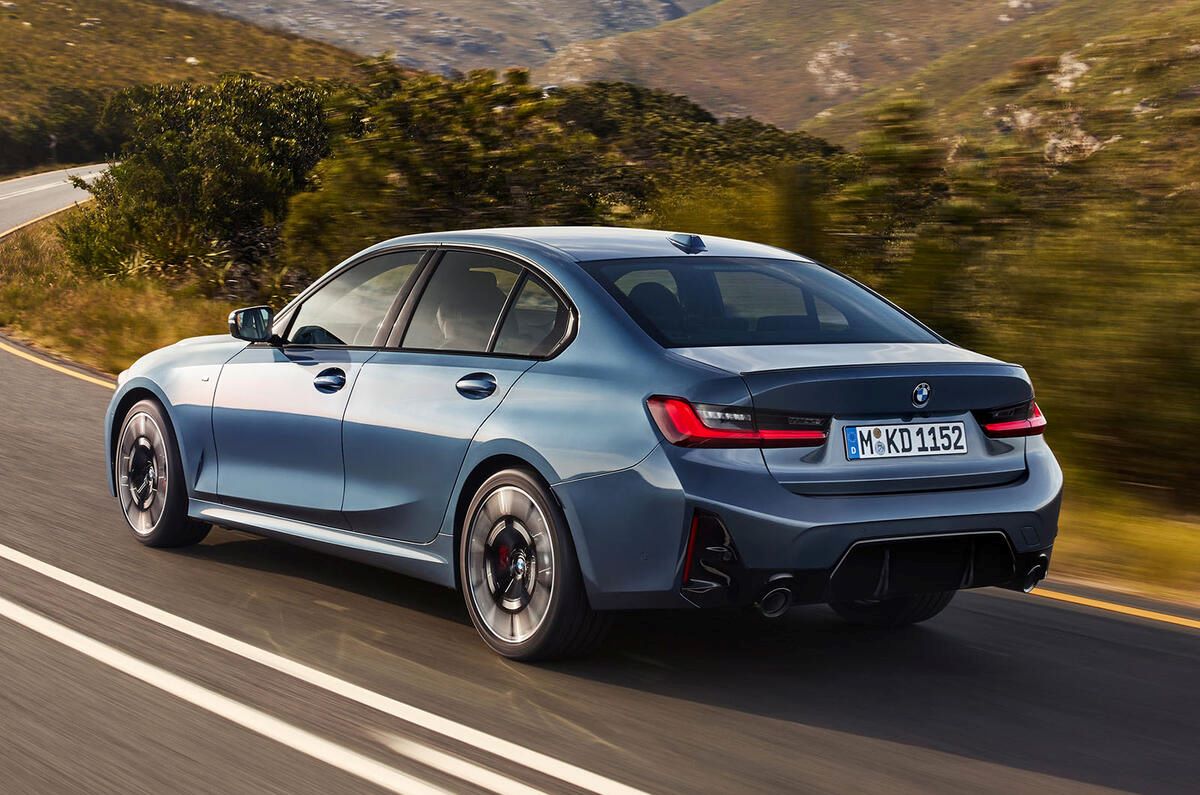
The BMW 3 Series has long been a benchmark because it balances driving engagement with real world practicality, a combination that translates well to city use. Its size is manageable enough to avoid intimidation while still offering enough presence to feel premium.
The steering response and suspension tuning are calibrated to absorb uneven pavement without dulling feedback. This harmony makes daily driving feel controlled rather than exhausting.
In urban traffic, the 3 Series offers predictable acceleration and braking that adapt smoothly to frequent stops. The engine options provide sufficient power without encouraging reckless use in confined spaces. Fuel efficiency remains reasonable, especially in mild hybrid configurations that suit short trips. This efficiency supports frequent city usage without constant refueling concerns.
Interior technology is integrated in a way that supports navigation, traffic awareness, and connectivity without distraction. Controls are intuitive, allowing the driver to focus on surroundings rather than menus. The seating position offers good visibility, which is essential when navigating cyclists, pedestrians, and narrow intersections. These elements contribute to a sense of confidence rather than tension.
Parking and maneuvering remain relatively stress-free due to balanced proportions and helpful assistance systems. The car does not demand special accommodations or oversized spaces. This normalcy is an underrated luxury in dense urban areas. It allows the owner to use the car spontaneously rather than strategically.
The 3 Series earns its place in cities by being adaptable rather than imposing. It respects urban limitations while still delivering enjoyment and refinement. That adaptability is what keeps it relevant despite the changing city industry. It feels like a partner in motion rather than an obstacle.
Audi A4
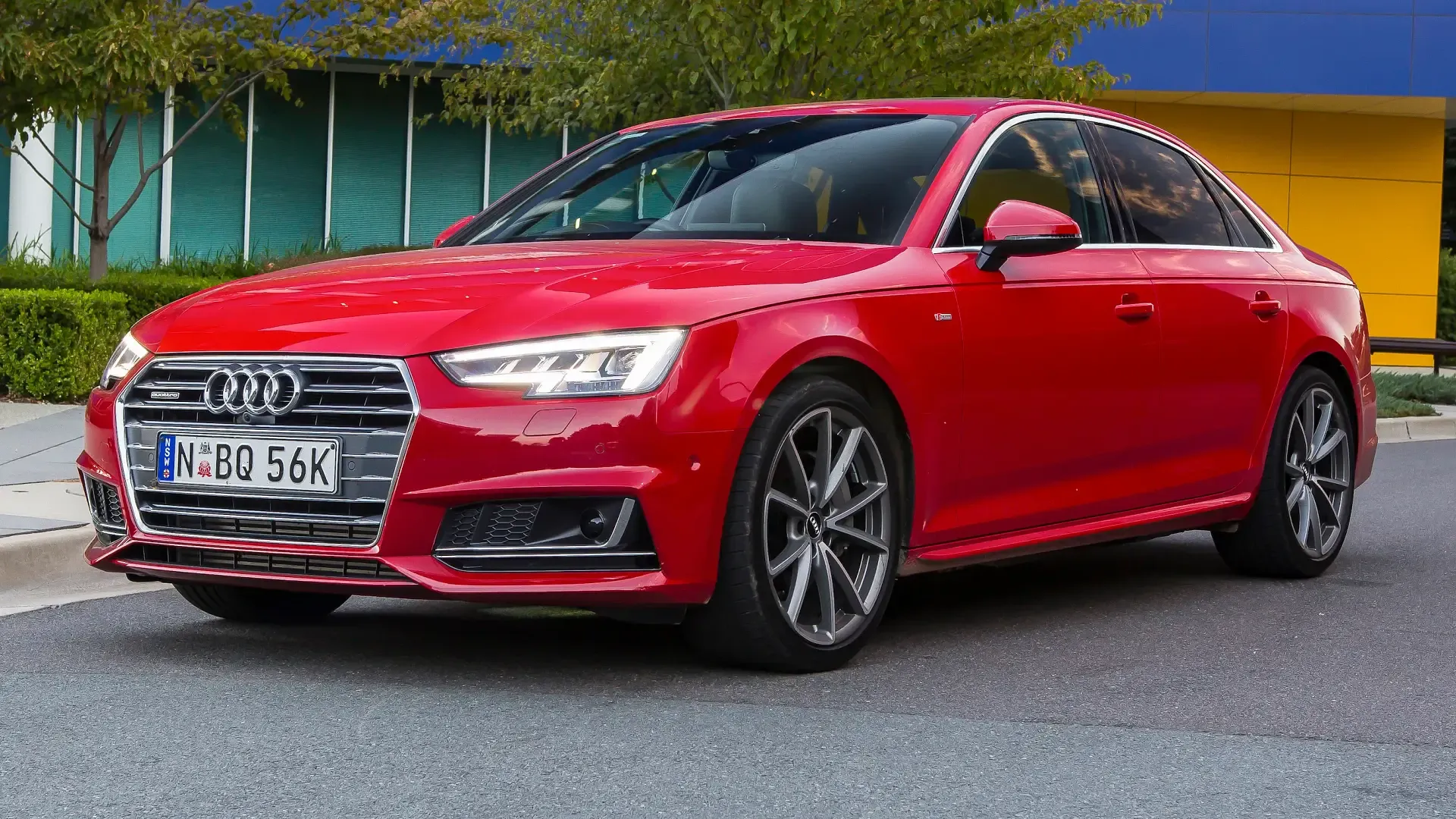
The Audi A4 fits naturally into city environments through understated design and refined mechanical behavior. Its exterior avoids excessive aggression, making it visually compatible with varied urban settings. The smooth ride quality absorbs road imperfections without feeling disconnected. This calm demeanor suits the rhythm of city travel.
Engine tuning favors linear power delivery, which is easier to manage in traffic and crowded streets. The car responds predictably to throttle input, reducing stress during frequent stops. Fuel economy remains competitive, supporting daily commuting without excess cost or waste. These traits encourage regular use rather than selective driving.
Inside, the A4 emphasizes clarity and restraint in its layout, minimizing distraction. High quality materials elevate the experience without feeling ostentatious. The cabin remains quiet even in noisy environments, creating a sense of separation from urban chaos. This controlled atmosphere adds to its city appeal.
The A4’s compact luxury sedan proportions make parking and lane positioning manageable. Assistance features support precision without removing driver involvement. The car feels cooperative rather than demanding. This cooperation matters when navigating unpredictable urban conditions.
The Audi A4 succeeds by being quietly competent rather than theatrically luxurious. It integrates into city life without friction. That seamless integration is what defines its suitability. It feels like it belongs.
Lexus UX
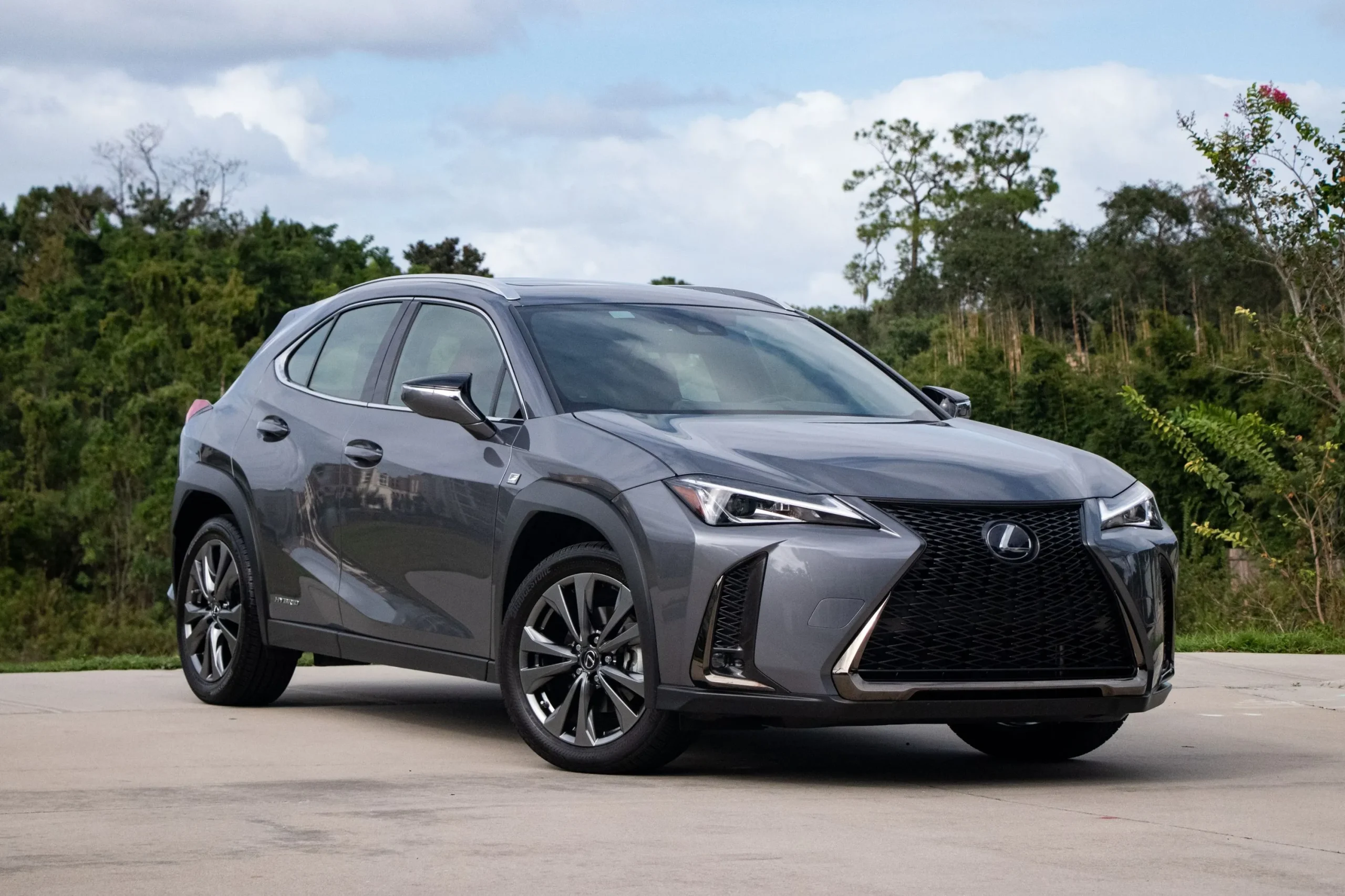
The Lexus UX was designed with urban realities in mind, emphasizing compact dimensions and hybrid efficiency. Its smaller footprint makes it easy to maneuver through tight streets and busy traffic patterns. The suspension tuning favors comfort over aggression, aligning with daily city driving. This orientation prioritizes ease rather than excitement.
Hybrid powertrains make the UX especially suitable for short trips and frequent stops. Electric assistance reduces fuel usage and lowers noise levels at low speeds. This quiet operation feels appropriate in residential areas. It also supports a more relaxed driving experience.
Inside, the cabin reflects Lexus attention to detail without excessive scale. Controls are designed for accessibility rather than spectacle. The seating position offers good visibility, which helps in crowded environments. These design choices enhance confidence during everyday use.
Parking is simplified by compact size and responsive steering. The UX fits easily into spaces that larger luxury crossovers struggle with. This practicality removes one of the biggest barriers to city ownership. Convenience becomes part of the luxury experience.
The Lexus UX shows that luxury can be efficient, restrained, and urban focused. It aligns prestige with responsibility. That alignment allows it to function comfortably within city limits. It feels thoughtful rather than indulgent.
Mini Cooper SE
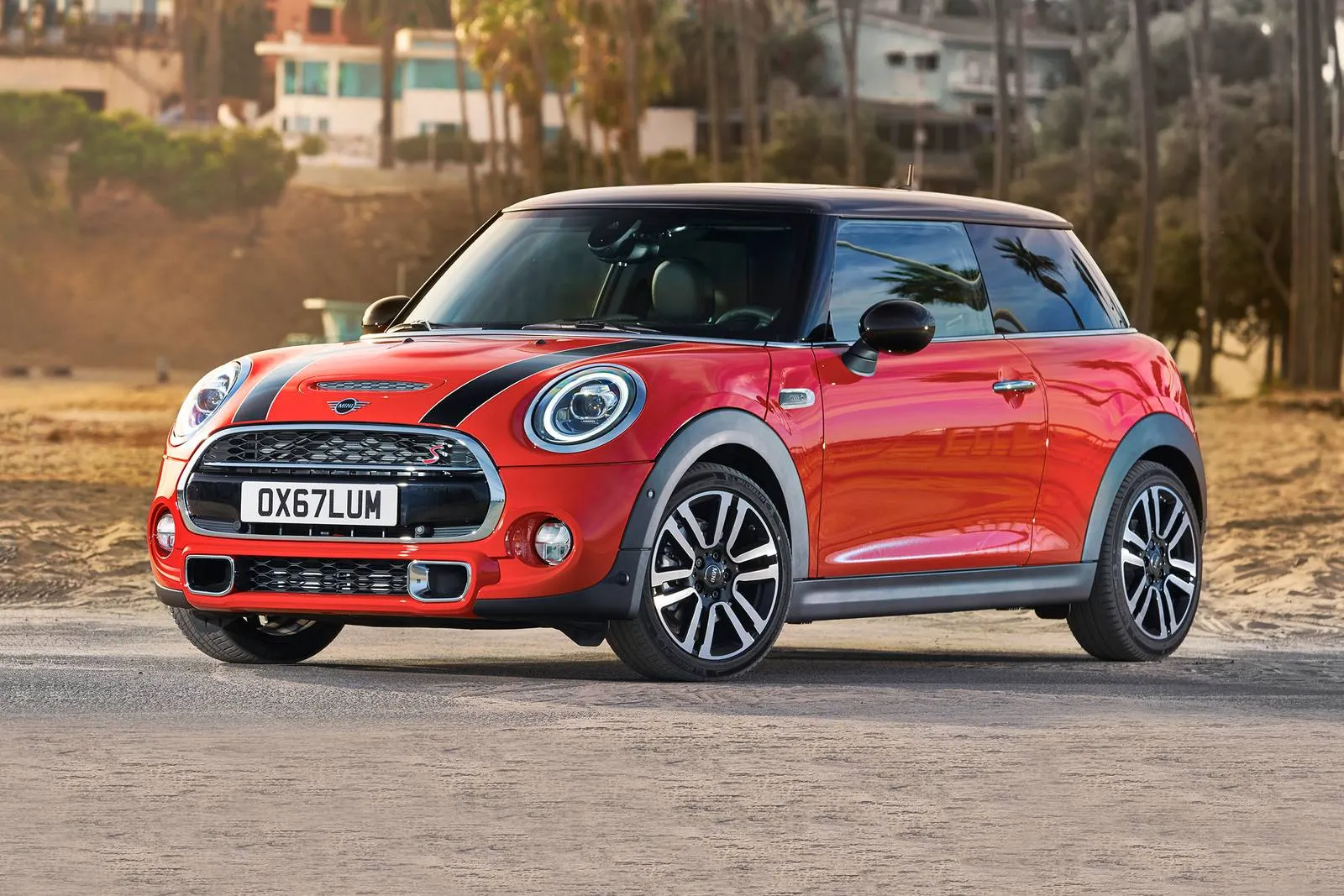
The Mini Cooper SE stands out as a luxury oriented city car that fully embraces urban constraints. Its compact size makes it exceptionally agile in traffic and narrow streets. Electric power delivery provides instant response without noise or vibration. This immediacy enhances control in crowded conditions.
As an electric vehicle, the SE eliminates fuel consumption during city driving. Charging can be integrated into daily routines rather than requiring frequent stops. This efficiency aligns well with short urban trips. It reduces operational waste significantly.
The interior blends playful design with premium materials, creating a distinctive sense of character. Controls are simple and intuitive, supporting quick decision making. Visibility is strong, which helps in dense traffic. This clarity reduces stress behind the wheel.
Parking becomes almost effortless due to the car’s small footprint. Tight spaces and parallel parking feel less intimidating. This ease encourages spontaneous driving rather than planning around limitations. That freedom is valuable in cities.
The Mini Cooper SE proves that luxury does not need size or excess to feel special. It adapts perfectly to urban demands. This adaptability makes it one of the most city appropriate luxury cars available. It feels efficient and intentional.
5 Luxury Cars That Feel Wasteful in Cities
Lamborghini Urus
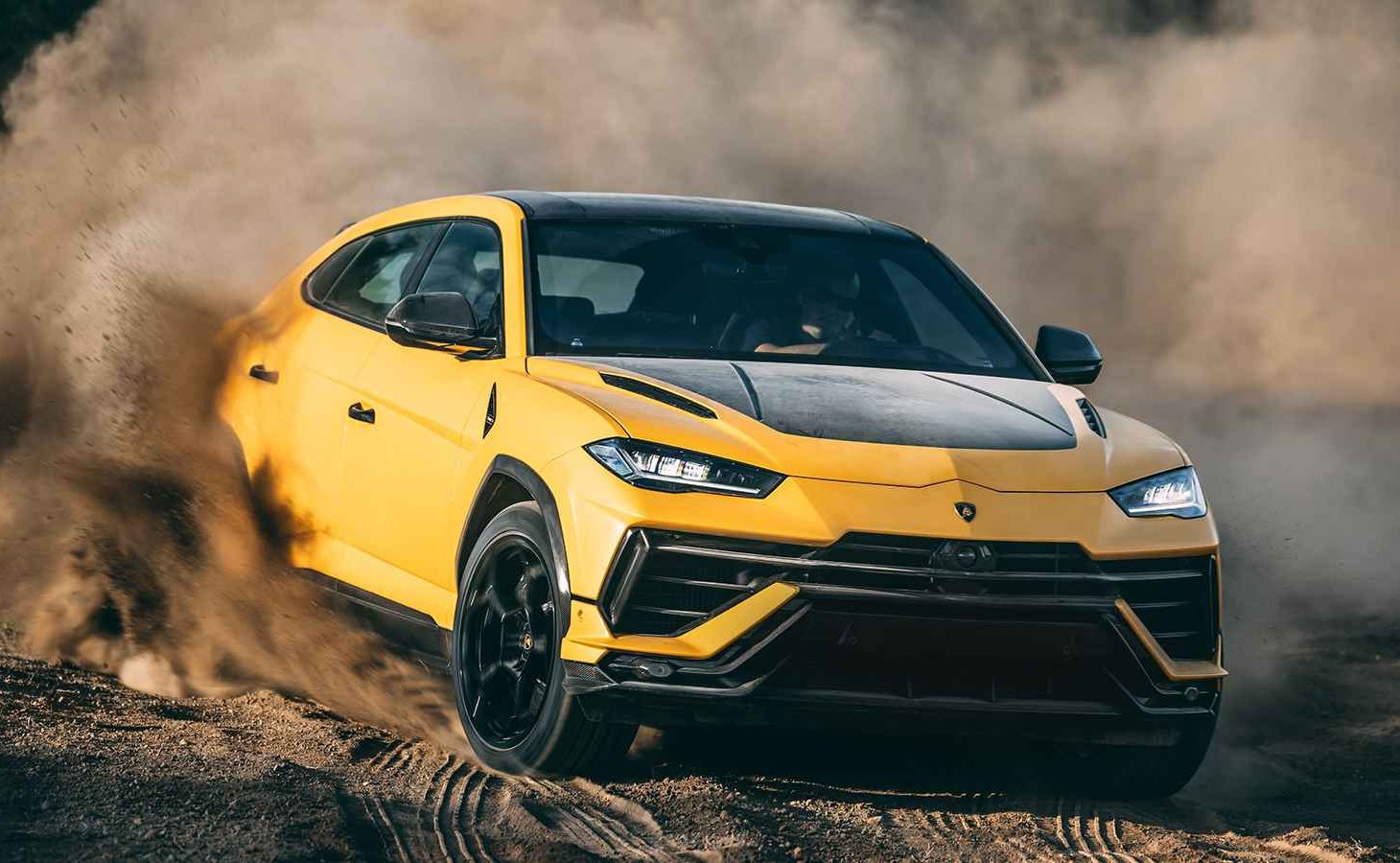
The Lamborghini Urus draws attention immediately due to its aggressive stance and muscular proportions. In a city, this presence can feel overwhelming, as narrow lanes and tight intersections do not accommodate such bulk naturally. Drivers must constantly calculate clearance, making everyday navigation mentally taxing rather than effortless. The size alone becomes a daily obstacle in situations where smaller vehicles would glide through with ease.
Its performance, while extraordinary on open roads, has little relevance in urban environments. The twin-turbo V8 produces immense power, but traffic lights, speed limits, and congestion prevent meaningful use. Frequent braking and low-speed acceleration negate the advantages of this engineering, creating a sense of squandered capability. The thrill that defines the brand is neutralized in everyday city life.
Parking proves especially challenging, as the Urus rarely fits comfortably in standard spaces. Many garages require careful planning, and parallel parking becomes stressful due to width. The constant spatial negotiation can make routine trips feel inconvenient, reducing spontaneity. A luxury car should simplify life, but in this case, it complicates it.
The interior emphasizes sportiness and high-end materials, but the environment is less relevant when the vehicle is constrained by surroundings. Drivers cannot fully appreciate handling dynamics or engine note in stop-and-go conditions. In many ways, the cabin becomes a showcase of wasted potential, where comfort and design are overshadowed by impractical scale.
The Urus communicates status and performance rather than city sensibility. Its engineering brilliance is evident but misaligned with urban demands. The mismatch between capability and context defines its wastefulness, creating a car that feels extraordinary yet largely unusable on a daily urban basis. The result is prestige without practicality.
Bentley Bentayga
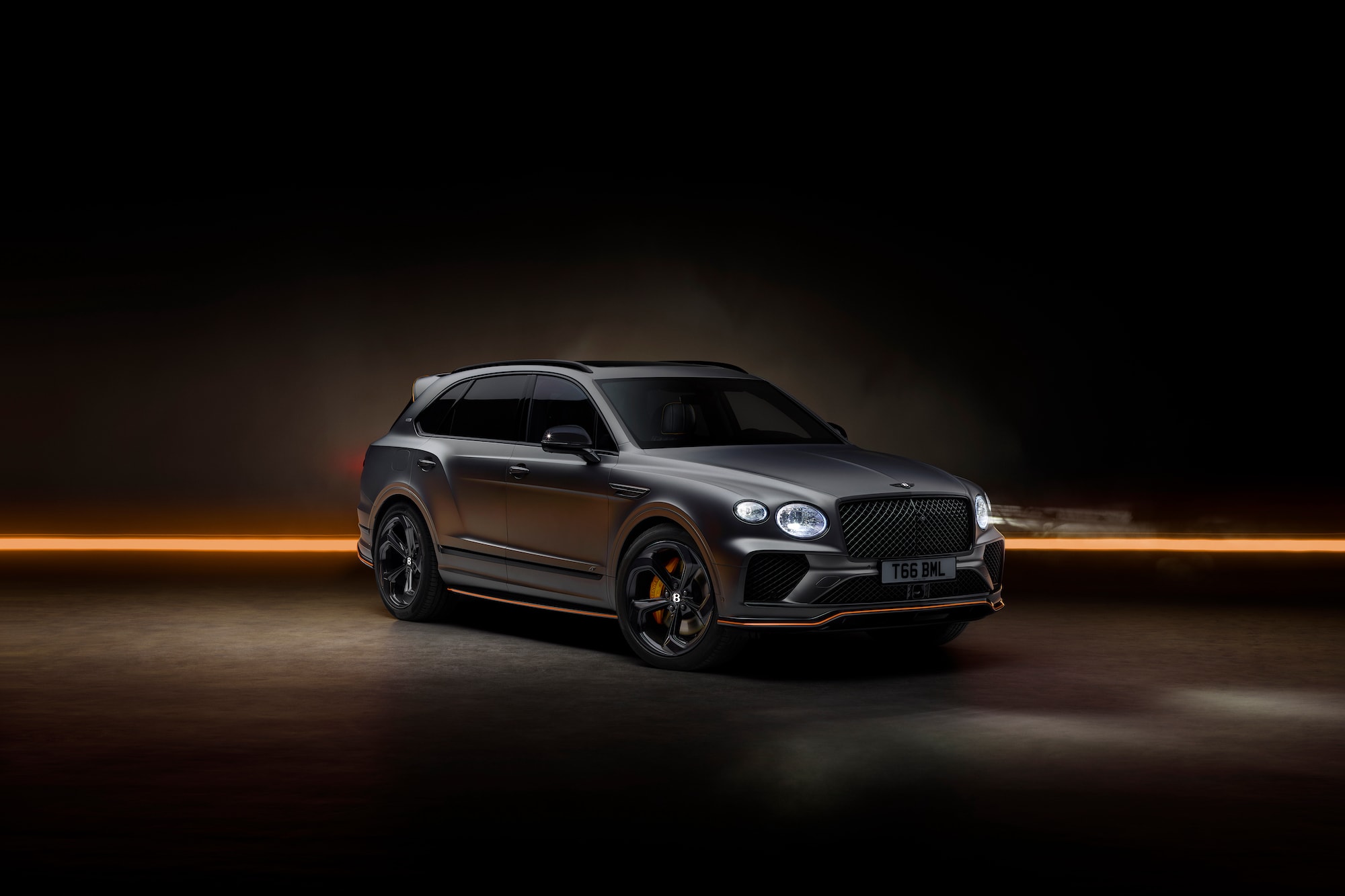
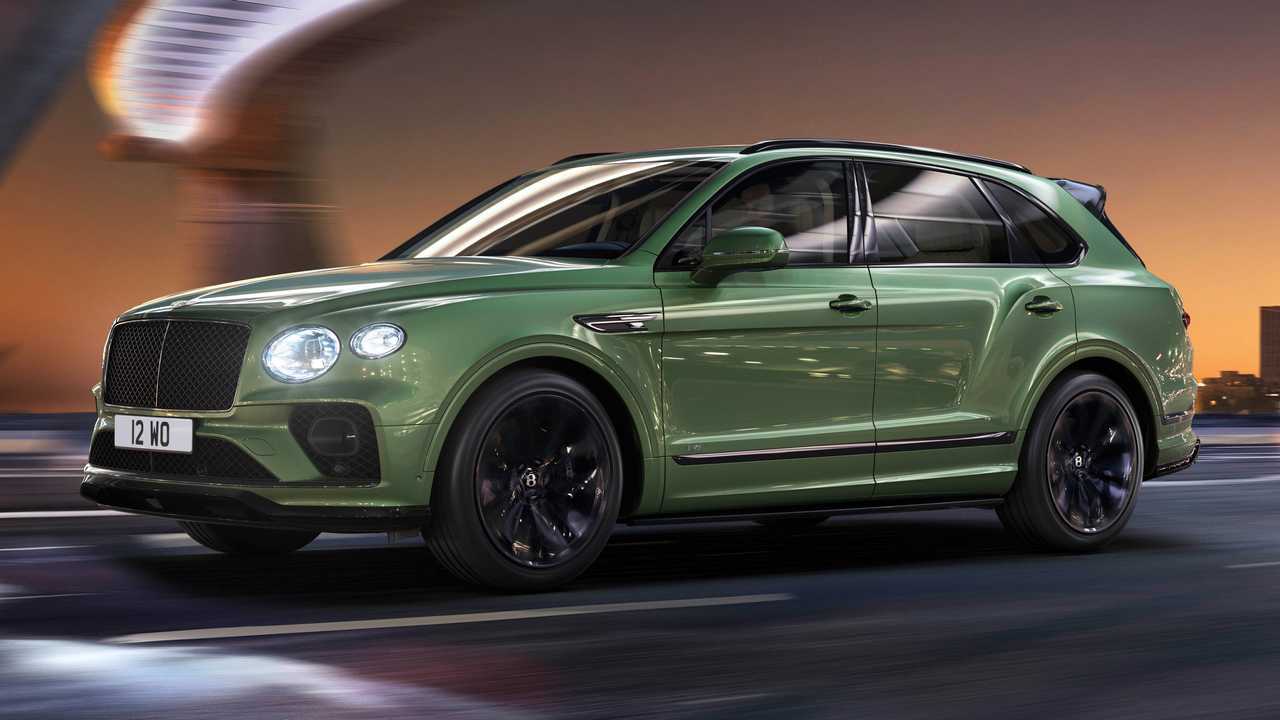
The Bentley Bentayga is a full-size SUV designed for luxury touring, which makes it inherently ill-suited for dense urban areas. Its length and width require careful attention when maneuvering through traffic, and older city streets often feel restrictive. Turning corners, merging into lanes, and threading through congestion demand constant focus, turning city driving into an effortful task rather than a pleasurable experience.
Fuel efficiency is another limitation that becomes more pronounced in city use. The Bentayga’s large engines consume substantial fuel even at low speeds, which contrasts with the stop-and-go rhythm of urban traffic. The environmental and financial costs of driving such a vehicle in a city amplify the impression of excess. The car performs admirably on open roads but loses coherence in urban contexts.
Parking presents consistent difficulties, as the Bentayga rarely fits neatly into standard spaces. Garage height and width often require selective planning, limiting convenience for daily errands. These limitations diminish spontaneity, a key attribute for city mobility. The very luxury it represents becomes burdensome in practice.
Inside, the Bentayga is an opulent environment with leather, wood, and advanced infotainment, yet much of this refinement goes underutilized. Features designed for long trips and comfort over multiple hours are irrelevant on short urban journeys. The sense of indulgence feels misplaced when the vehicle’s size constrains everyday usage.
The Bentayga excels as a statement vehicle and on highways, but in cities it underlines inefficiency and impracticality. Its excess is magnified in tight streets and dense traffic, emphasizing extravagance over usefulness. Despite its craftsmanship, the Bentayga functions more as a symbol than a tool, reinforcing its status as wasteful in urban life.
Rolls Royce Cullinan
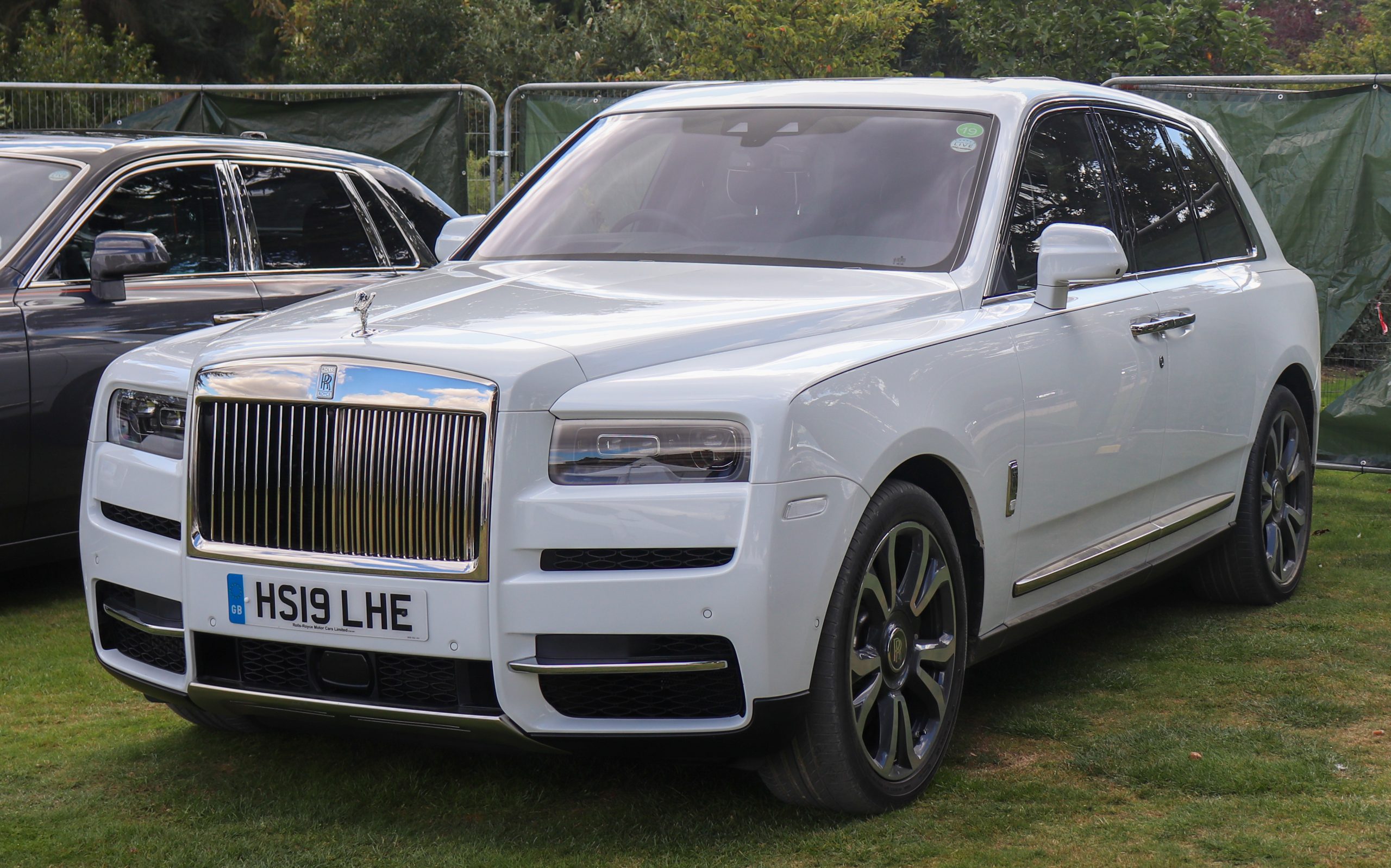
The Rolls Royce Cullinan represents luxury, but it is extreme for city use due to its monumental proportions. Its height and width make maneuvering through traffic signals, narrow roads, and crowded streets difficult. Drivers must proceed cautiously, which diminishes the effortless experience expected from a premium vehicle. In city environments, the car demands attention rather than relaxing its occupants.
The Cullinan’s performance is unmatched in terms of smoothness and power, yet urban environments rarely provide conditions to fully utilize these attributes. Frequent stops and congested streets prevent meaningful acceleration or handling. The energy and engineering invested in the powertrain often feel underused, highlighting inefficiency for city dwellers.
Fuel consumption further underscores its impracticality. Even a short drive requires more fuel than smaller luxury vehicles, resulting in higher operational costs and environmental impact. The juxtaposition of excess and limited usability creates a tension that challenges the rationale of urban ownership. Everyday trips become a compromise.
Parking is another area of friction, as the Cullinan’s dimensions exceed many conventional spaces. Large garages, tight lots, or curbside options are often inaccessible. Drivers rely on careful planning or valet services, reducing the independence a vehicle should provide. This reliance contrasts sharply with the convenience expected in city driving.
Inside, the Cullinan delivers unparalleled comfort, but the vastness of its cabin is unnecessary for short commutes or errands. Its luxury becomes almost performative, emphasizing prestige over practical function. In urban settings, it exemplifies wastefulness by requiring adaptation from both driver and environment rather than seamlessly integrating.
Mercedes Benz G Class
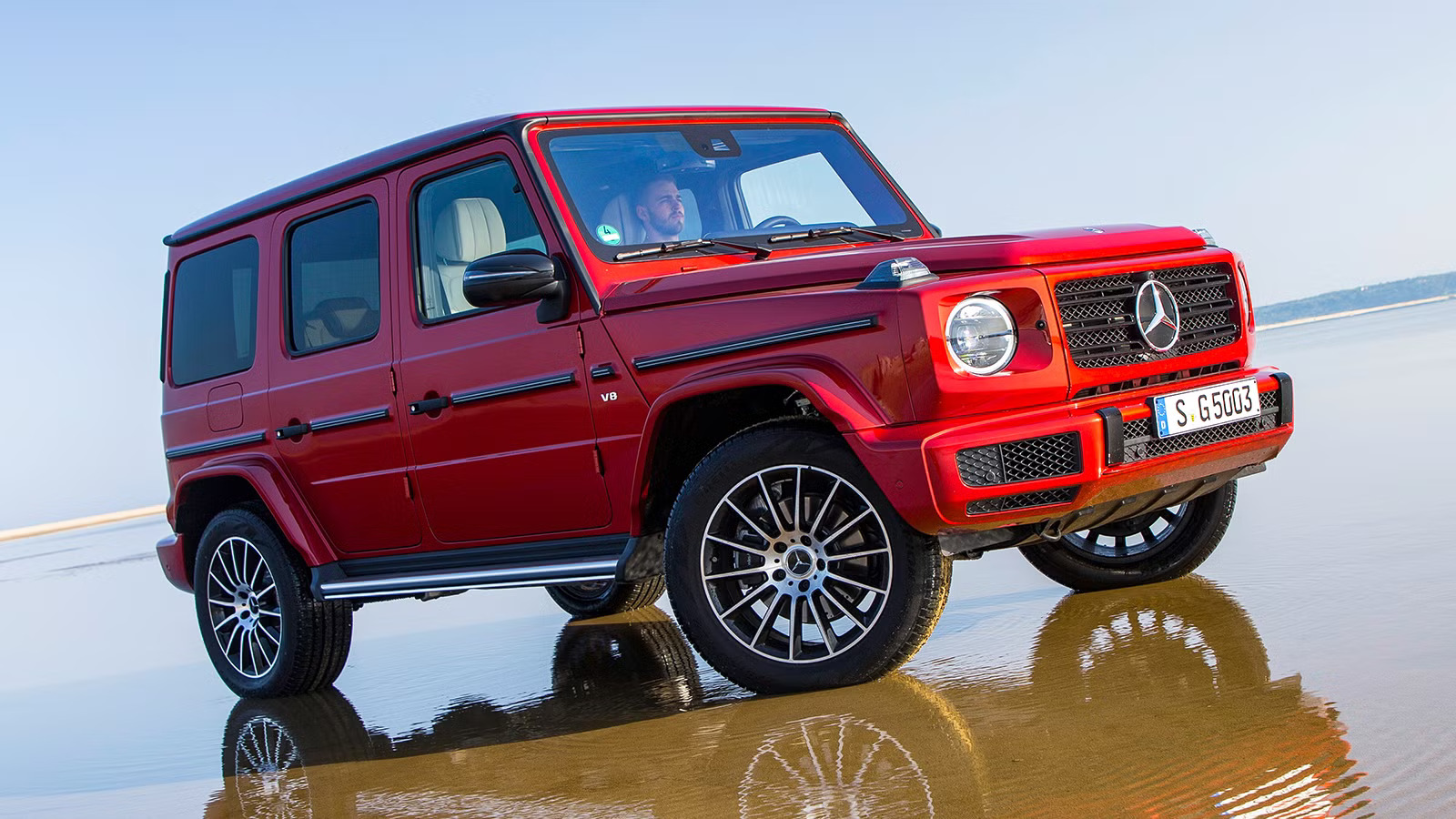
The Mercedes Benz G Class retains its off-road heritage in a city where such capability is rarely useful. Its boxy profile, heavy weight, and tall height create handling challenges on narrow streets. Steering feels heavy, and the turning radius is restrictive, making ordinary maneuvers require constant care. This contrasts with the effortless driving experience expected from a luxury vehicle.
Power delivery emphasizes strength over efficiency. While capable of remarkable acceleration and torque, stop-and-go traffic prevents these traits from being fully exploited. Fuel efficiency is low relative to the size of the vehicle and urban driving demands. Energy is expended with little practical benefit, amplifying the sense of wastefulness.
Parking remains a persistent obstacle due to the vehicle’s wide stance. Tight spaces and standard urban garages often cannot accommodate it. Maneuvering in congested zones can be stressful, reducing spontaneity and convenience. Drivers must plan trips around limitations rather than embracing ease.
The interior prioritizes rugged luxury, blending high-quality materials with durability. While impressive on long drives or off-road excursions, much of this craftsmanship goes underutilized in city driving. Comfort and refinement do not offset the challenges posed by size and weight in tight conditions.
The G Class is iconic, but cities expose the limitations of its design. Its off-road capability, strength, and bulk are mismatched with urban environments. The result is a vehicle that communicates status but struggles with practicality. In this context, it epitomizes wasteful luxury.
Cadillac Escalade
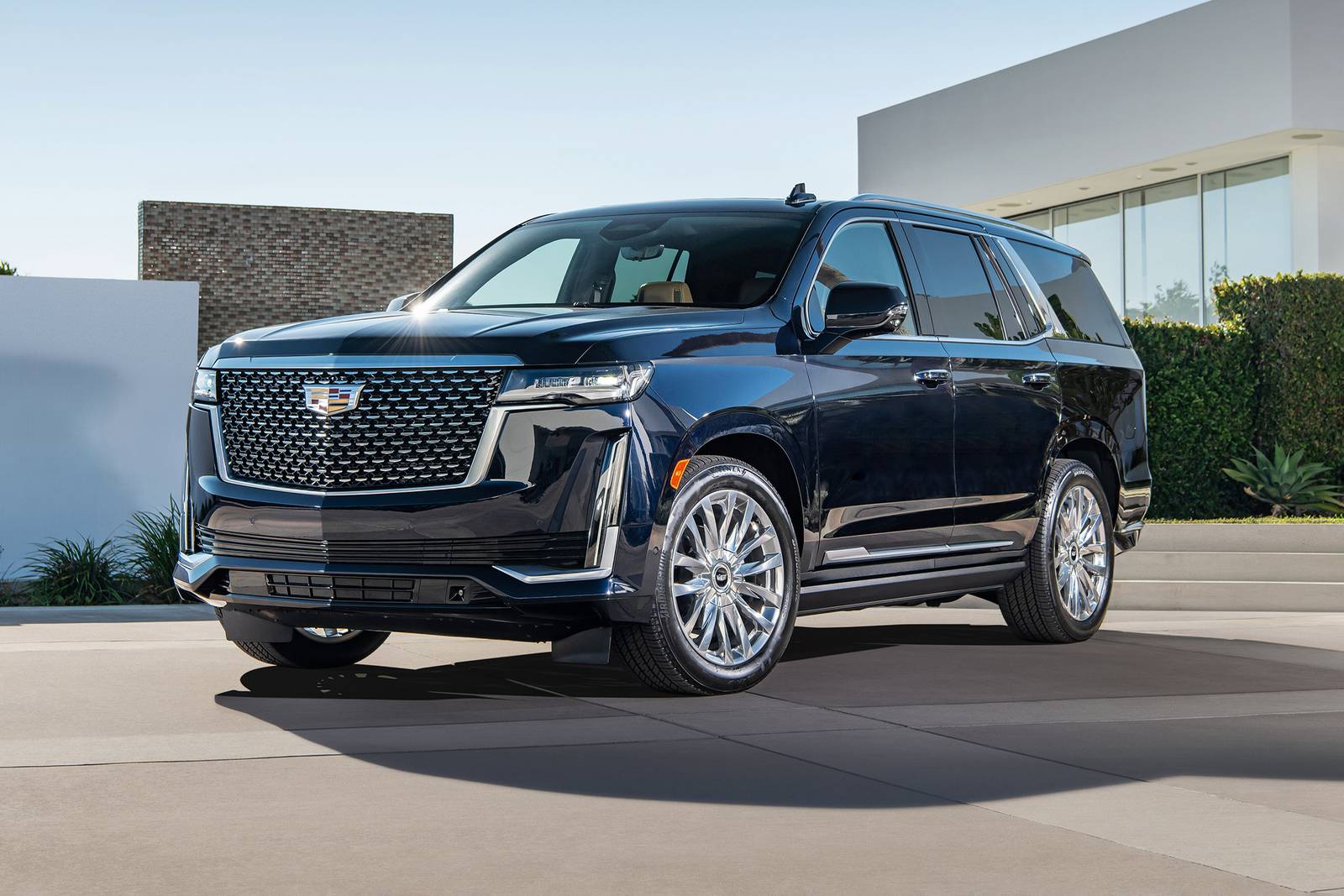
The Cadillac Escalade dominates attention due to its massive size and imposing appearance. In cities, this prominence becomes a liability, as its width and length make everyday driving cumbersome. Navigation through intersections, lanes, and traffic signals requires heightened attention, which detracts from convenience. The sheer bulk contrasts sharply with urban expectations for maneuverability.
Its engine performance is immense, but urban traffic rarely allows for meaningful use. Frequent braking and low-speed movement negate the benefits of its powertrain, highlighting inefficiency. Fuel consumption remains high without corresponding utility, reinforcing the perception of extravagance.
Parking is a constant challenge, with many urban spaces unable to accommodate the Escalade comfortably. Curbside parking, narrow garages, and tight lots require strategic planning or reliance on valet services. The vehicle’s size transforms simple errands into complex logistics, limiting freedom of movement.
Inside, the cabin is enormous, designed for space and comfort over multiple passengers. While opulent, much of this space is unnecessary for typical city trips, making the vehicle feel oversized relative to its actual use. Luxury features lose some of their relevance in short, congested trips.
The Escalade represents abundance rather than efficiency. Its design prioritizes presence and comfort over practical adaptation to urban life. In the city, it highlights excess, wastefulness, and the challenges of managing scale and power in constrained environments. It embodies a mismatch between capability and context.
