
Urban driving presents a unique set of challenges and rewards for people who rely on sport utility vehicles. While SUVs have a reputation for strength, space and utility, city conditions like traffic, frequent stops, tight parking and fuel costs make it harder to choose the right model.
Many drivers who want comfort and capability also want an SUV that is efficient on city streets and drains less at the pump. The vehicles we will talk about demonstrate that you do not have to give up everyday usability to enjoy lower running costs and smoother trips.
City traffic means repeated acceleration from standstill to cruising speeds, and that puts a strain on engines that are sized for long highway journeys. Manufacturers have responded by designing powertrains and suspension systems that are better suited to constant starting and stopping.
Some models are engineered from the ground up to deliver better fuel economy under urban conditions. Other SUVs gain efficiency through hybrid systems that switch between electric and combustion power automatically when needed.
It is also important to balance amenities against practicality. A vehicle that has too much weight, too many accessories or a large engine will often pay the price at city pumps. Some drivers want cushioned seats, quiet cabins and advanced infotainment, while others focus strictly on cost per kilometer.
There is no one answer, but patterns emerge when you compare vehicles that are known for their ability to handle city driving without excessive costs.
Opposite these sensible models are SUVs that are pleasurable to drive but demand frequent stops at the fuel station. These are typically larger vehicles with powerful engines designed for towing, off‑road travel and high speeds.
They offer a commanding presence and deliver thrilling performance, but that comes at the cost of efficiency in urban grids. For buyers who prioritize performance over economy, they may still be worth considering if they can tolerate the bills.
The goal of this article is to present both sides clearly. You will see five SUVs that manage urban mileage well, making them better fits for people who navigate crowded streets and watch every rupee they spend on fuel.
Then you will read about five SUVs that tend to rack up bills because of heavy consumption, high maintenance or costly components. Both groups include vehicles with thoughtful engineering and strong character, but they serve different kinds of drivers.
5 SUVs That Handle Urban Mileage Well
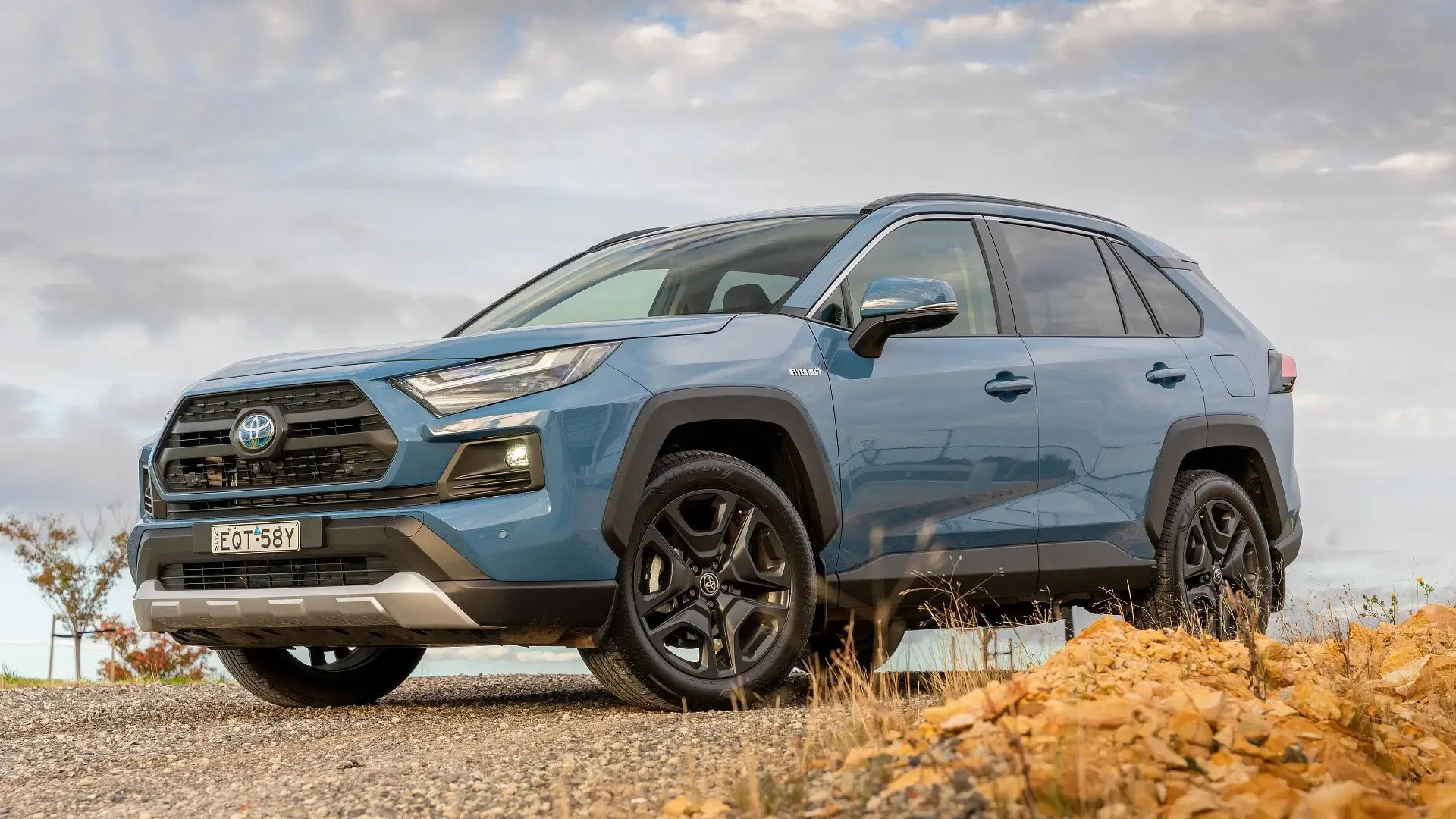
Toyota RAV4 Hybrid
The Toyota RAV4 Hybrid has become synonymous with efficient city driving, offering an excellent balance of performance and economy. Its hybrid powertrain blends a gasoline engine with electric motors, allowing the SUV to operate primarily on electric power at lower speeds. This reduces fuel consumption dramatically in stop-and-go traffic. Drivers experience a smoother acceleration compared with traditional engines, which makes frequent urban starts less stressful on both the engine and passengers.
Fuel economy in city conditions is particularly impressive, often exceeding the figures advertised for highway driving. The vehicle uses regenerative braking to recover energy during deceleration, feeding it back to the battery. This system ensures that every stop contributes to longer electric runs, effectively lowering gas usage. Commuters notice a tangible difference in their fuel bills over the course of a month.
The RAV4 Hybrid also offers a comfortable cabin that enhances the urban driving experience. Ergonomic seats, soft-touch materials, and thoughtful layout make traffic jams less exhausting. Its infotainment system is responsive, allowing drivers to manage navigation and music without distraction. Combined with quiet engine operation, the vehicle creates a calm and enjoyable environment even in the most congested areas.
Maintenance costs are moderate, as Toyota has a long-standing reputation for reliability. Hybrid components are durable and designed for longevity, so city drivers are unlikely to face frequent repairs. Replacement parts are widely available, and service intervals are reasonable. This ensures that daily driving does not come with unexpected financial surprises, which is an important factor in urban commuting.
The Toyota RAV4 Hybrid blends practicality with innovation, making it a perfect choice for drivers who want to save fuel without sacrificing SUV features. Cargo space remains generous, and passenger comfort is not compromised. The vehicle offers a versatile solution that adapts to both errands and longer journeys. Its reliability, economy, and urban-friendly performance make it a top contender in the hybrid SUV segment.
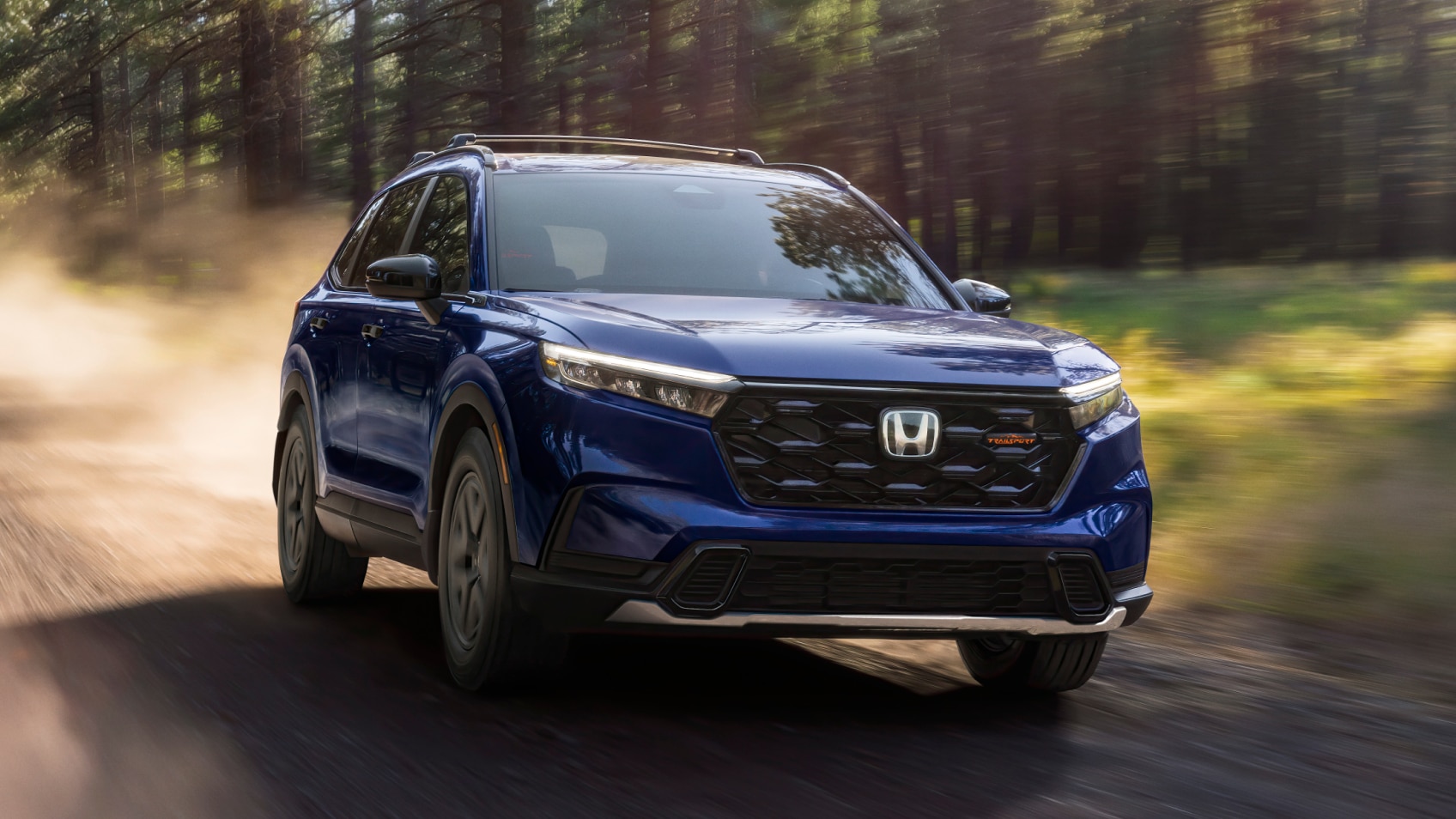
Honda CR‑V Hybrid
The Honda CR‑V Hybrid is another strong contender for city-friendly SUVs, combining refined performance with practicality. Its hybrid system merges a gasoline engine with electric assistance, enabling smooth transitions and minimizing fuel consumption in traffic-heavy areas. Acceleration is responsive yet gentle, making frequent stops and starts less jarring. This creates a more relaxed and efficient driving experience for urban commuters.
The interior design enhances usability in city conditions, with elevated seating positions and excellent outward visibility. Drivers can easily monitor tight spaces and crowded streets. Seating is spacious and supportive, reducing fatigue during long urban commutes. The cabin also incorporates smart storage solutions, making everyday errands and family trips more convenient.
Honda has engineered the CR‑V Hybrid for ease of ownership, including a straightforward maintenance schedule and durable hybrid components. The system is designed to last without requiring specialized servicing often, which lowers long-term costs. Owners can expect predictable operating expenses, even in demanding stop-and-go traffic conditions. This reliability is particularly appealing to people who rely heavily on their SUV for daily travel.
Fuel savings are enhanced by the vehicle’s regenerative braking system, which captures kinetic energy during deceleration. This system not only improves efficiency but also reduces brake wear, lowering maintenance costs. For urban drivers with frequent stops, this translates into tangible long-term benefits. It supports both the environment and the wallet simultaneously.
By combining comfort, economy, and dependable engineering, the Honda CR‑V Hybrid provides an excellent solution for urban driving. It offers SUV space and versatility without the penalty of high fuel costs. Daily commuting becomes less stressful, and the combination of hybrid technology with practical interior features ensures a satisfying ownership experience in city environments.
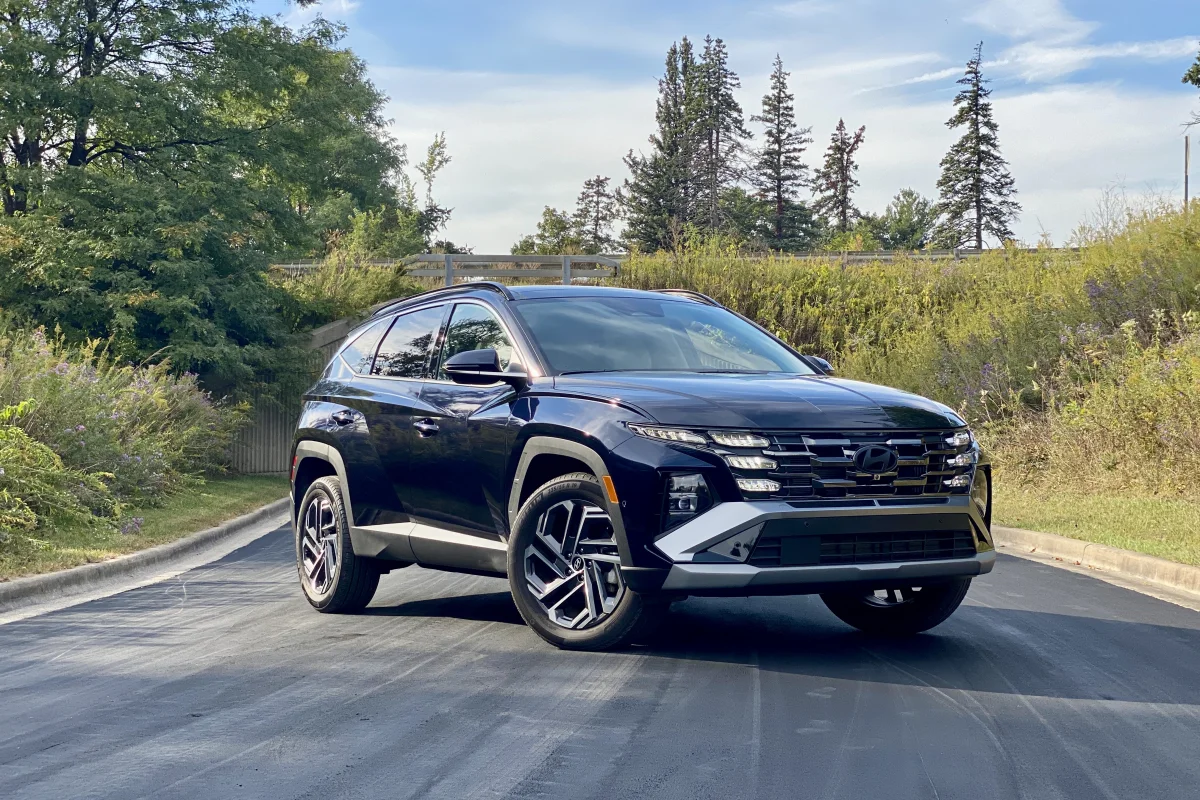
Hyundai Tucson Hybrid
The Hyundai Tucson Hybrid blends bold design with efficient performance, making it ideal for urban mileage. Its hybrid powertrain automatically switches between gasoline and electric modes depending on driving conditions. In stop-and-go traffic, the electric motor handles most of the work, limiting fuel consumption and reducing engine strain. This ensures smoother acceleration and less wear over time, which is especially valuable for city commuters.
Inside, the Tucson Hybrid emphasizes comfort and ergonomics. Seats are supportive, controls are easy to reach, and the cabin is designed for clarity and convenience. Drivers benefit from intuitive infotainment, responsive climate control, and a quiet interior that reduces stress during traffic jams. These small details contribute to a sense of ease during daily city travel.
The vehicle’s warranty and service coverage make it appealing for cost-conscious urban owners. Hybrid components are covered extensively, and routine maintenance intervals are sensible. Parts availability is high, which simplifies servicing and helps maintain predictable expenses. Owners can confidently use the Tucson Hybrid as a daily driver without worrying about hidden costs.
Regenerative braking plays a significant role in improving urban fuel efficiency. As the SUV slows down for traffic lights or turns, energy is recaptured and stored in the battery. This reduces the reliance on gasoline power and extends the electric assist during frequent city stops. Drivers report noticeable improvements in mileage over traditional gasoline models.
Altogether, the Hyundai Tucson Hybrid offers a smart balance of style, comfort, and efficiency. It caters to urban commuters who need space and flexibility but want to minimize fuel costs. With advanced systems, practical design, and hybrid efficiency, the Tucson Hybrid is a versatile option for anyone seeking an SUV that thrives in city conditions.
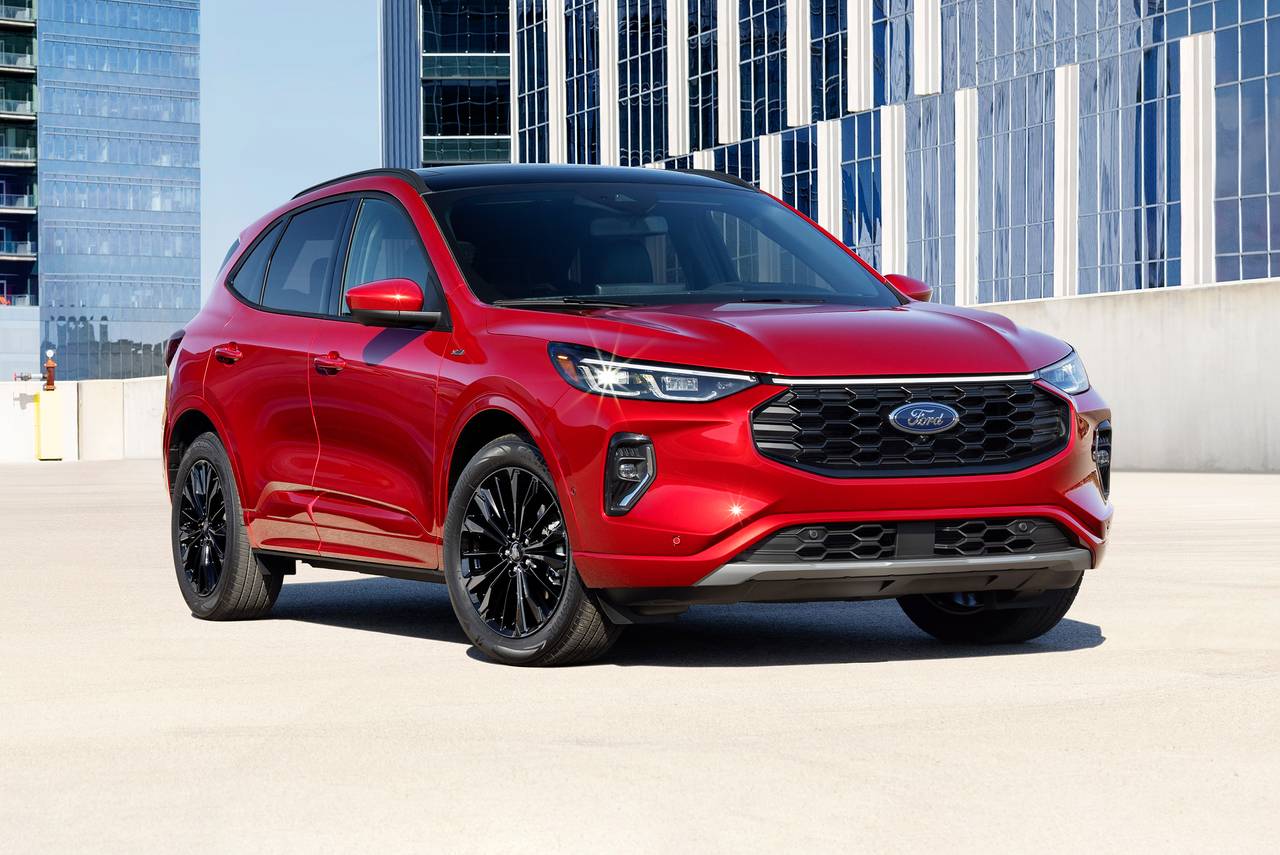
Ford Escape Hybrid
The Ford Escape Hybrid delivers a practical and efficient solution for city driving, blending utility with frugal fuel consumption. Its hybrid powertrain combines a gasoline engine with electric motors to reduce fuel use in congested traffic. Drivers experience a smooth ride and steady acceleration, which makes city driving more enjoyable. The electric assist is particularly noticeable during frequent stops, offering a calm and responsive driving experience.
Inside, the cabin is designed for comfort and convenience. Seats are well-padded and supportive, visibility is excellent, and infotainment is easy to use. Small details like storage compartments, cup holders, and intuitive controls make everyday city errands easier. Drivers benefit from a vehicle that is both spacious and practical for navigating crowded streets.
Routine maintenance is straightforward, with parts that hold up well under urban driving conditions. The hybrid components are engineered to last, and brake wear is reduced due to regenerative braking. Fuel efficiency combined with low upkeep makes the Escape Hybrid a practical long-term investment for commuters who use their vehicle daily.
The Escape’s driving dynamics support urban efficiency. Throttle response is smooth, and the transmission handles frequent gear changes effectively. Stop-and-go traffic does not overwhelm the engine, which preserves performance and reduces fuel consumption. This balance of power and economy is particularly useful for city conditions.
The Ford Escape Hybrid offers drivers a reliable, efficient, and practical SUV for urban use. It balances fuel economy with comfort and cargo flexibility, making it a strong option for city commuters. Owners can enjoy lower operating costs without sacrificing the SUV qualities that make daily driving enjoyable.
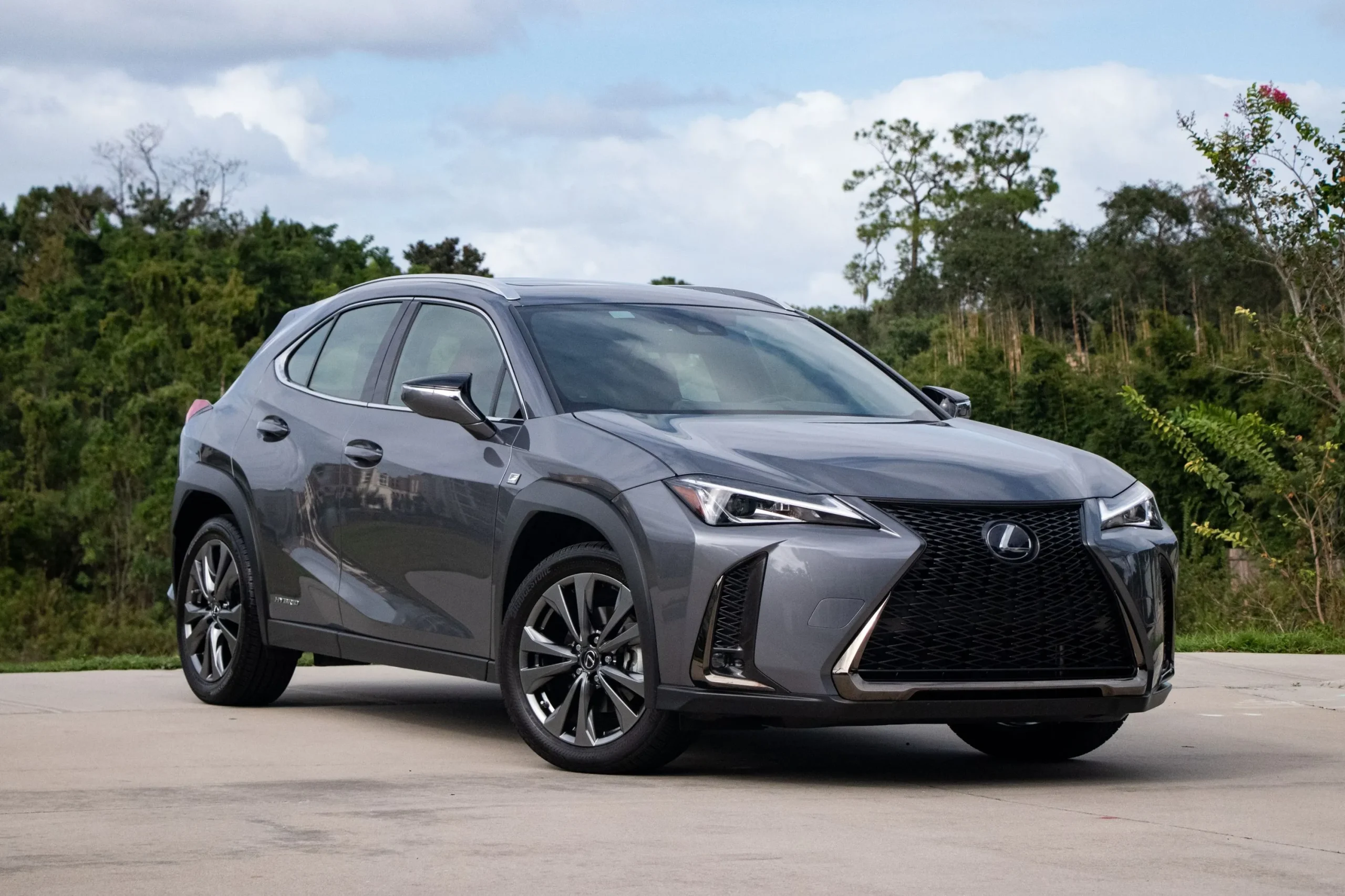
Lexus UX Hybrid
The Lexus UX Hybrid delivers a luxurious urban driving experience while maintaining practical fuel efficiency. Its hybrid system prioritizes electric driving at lower speeds, reducing gasoline use in stop-and-go conditions. Drivers benefit from quiet, smooth performance during congested commutes. The vehicle feels responsive, allowing for confident navigation of tight streets and busy intersections.
The interior emphasizes premium materials and craftsmanship, making city travel more comfortable. Seats are supportive and plush, controls are ergonomically placed, and the cabin is well-insulated from traffic noise. Infotainment is sophisticated yet intuitive, keeping drivers connected without distraction. Comfort in city traffic becomes a key selling point for this SUV.
Advanced driver assistance systems enhance convenience and safety in urban driving. Features like adaptive cruise control, automatic braking, and lane-keeping help reduce fatigue during frequent stops. Drivers can focus more on the road while the SUV supports them in managing complex traffic patterns. This combination of luxury and practicality is rare in hybrid SUVs.
Maintenance and servicing are manageable, especially considering Lexus’s reputation for reliability. Hybrid components are durable, and routine maintenance schedules are predictable. Fuel savings combined with reduced wear on components make this vehicle economical despite its premium positioning. Owners can enjoy efficiency without compromise.
The Lexus UX Hybrid stands out by combining luxury, efficiency, and practicality. It suits urban commuters who want refinement and comfort while keeping operating costs reasonable. Daily driving becomes less stressful, and the hybrid powertrain ensures that fuel bills stay lower than conventional gasoline SUVs of similar size.
5 SUVs That Rack Up Bills
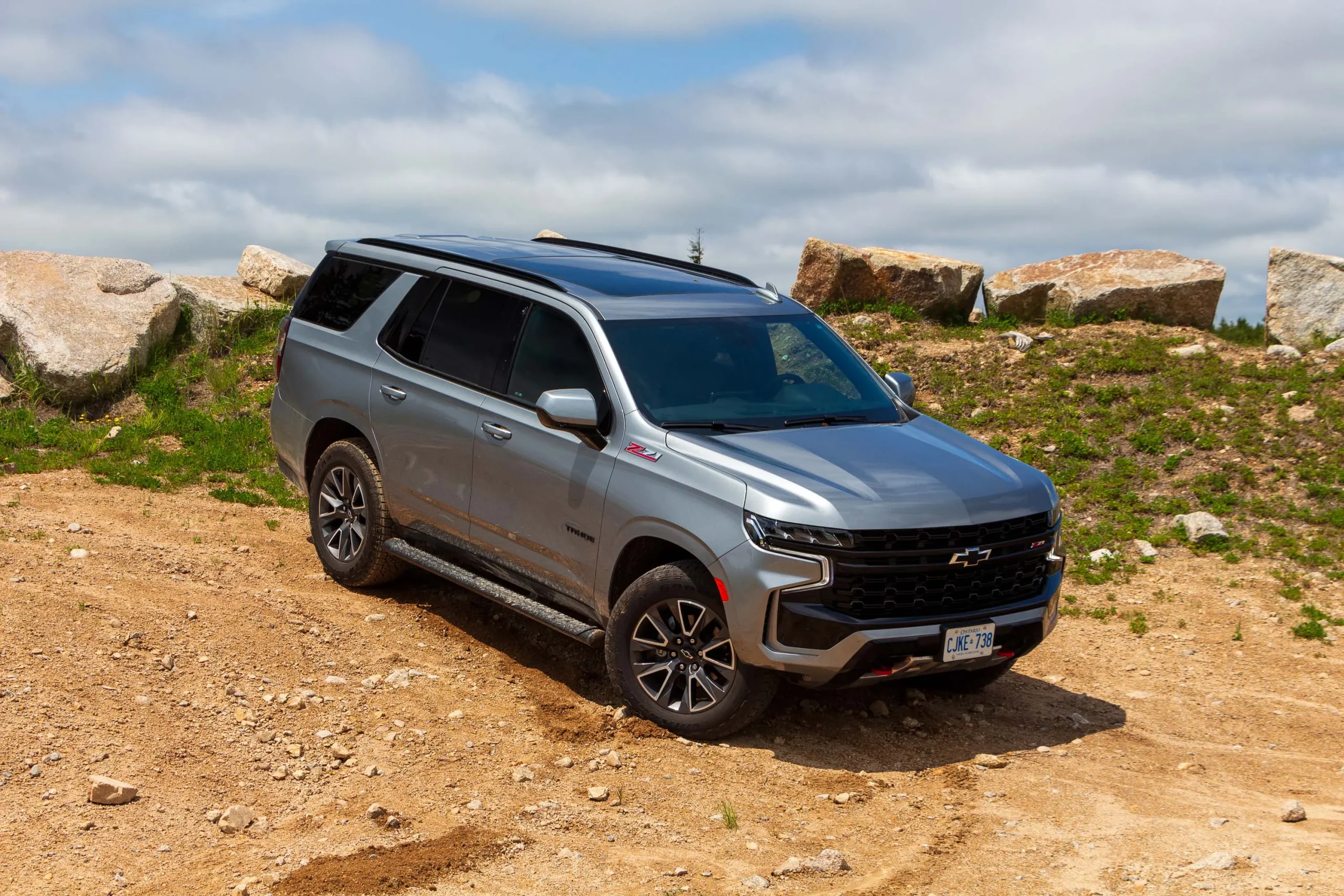
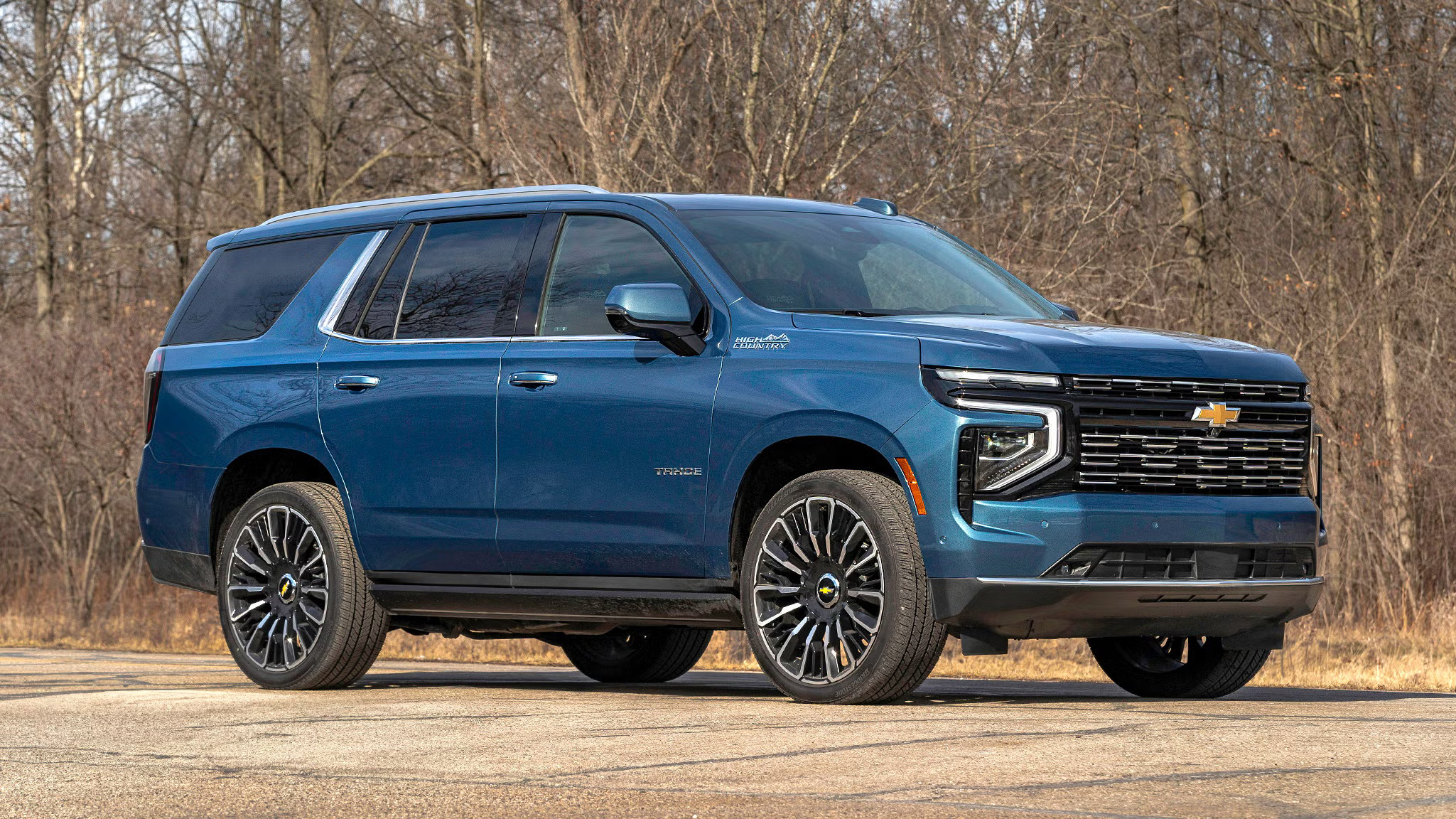
Chevrolet Tahoe
The Chevrolet Tahoe is a full-size SUV celebrated for its power and commanding road presence, but that comes with heavy fuel consumption in urban driving. Its large V8 engine produces substantial torque and acceleration, which is ideal for towing or long-distance trips. However, in stop-and-go city traffic, it struggles with efficiency. Frequent starts, stops, and idling make fuel consumption noticeably higher than mid-size SUVs.
Inside, the cabin is spacious and designed for comfort, with room for passengers and cargo that smaller SUVs cannot match. Families or people carrying large equipment will appreciate the space, yet the size becomes a disadvantage in dense traffic.
Parking, maneuvering, and navigating narrow streets require patience. The sheer mass of the vehicle increases the energy needed to move, raising both fuel and maintenance costs.
Maintenance for such a large SUV tends to be more expensive than smaller models. Oil changes, brakes, tires, and suspension components are heavier duty, which drives up labor and parts costs. City driving accelerates wear and tear because of frequent braking and low-speed maneuvering. These combined factors make long-term ownership in urban settings financially demanding.
Braking and stopping require significant energy due to the Tahoe’s weight, and the lack of regenerative systems means more frequent pad replacements. The large engine must work harder to maintain low speeds in congested areas. Consequently, maintenance and fuel costs pile up more quickly than for hybrid or mid-size vehicles. Urban usage highlights these inefficiencies.
For drivers who value size, towing ability, and on-road dominance, the Tahoe delivers unmatched performance. Yet for daily city commuting, fuel and maintenance bills rise steadily. It is more suitable for long trips, open highways, and heavy-duty use rather than frequent stop-and-go driving. Buyers must weigh convenience against the practical cost of operation.
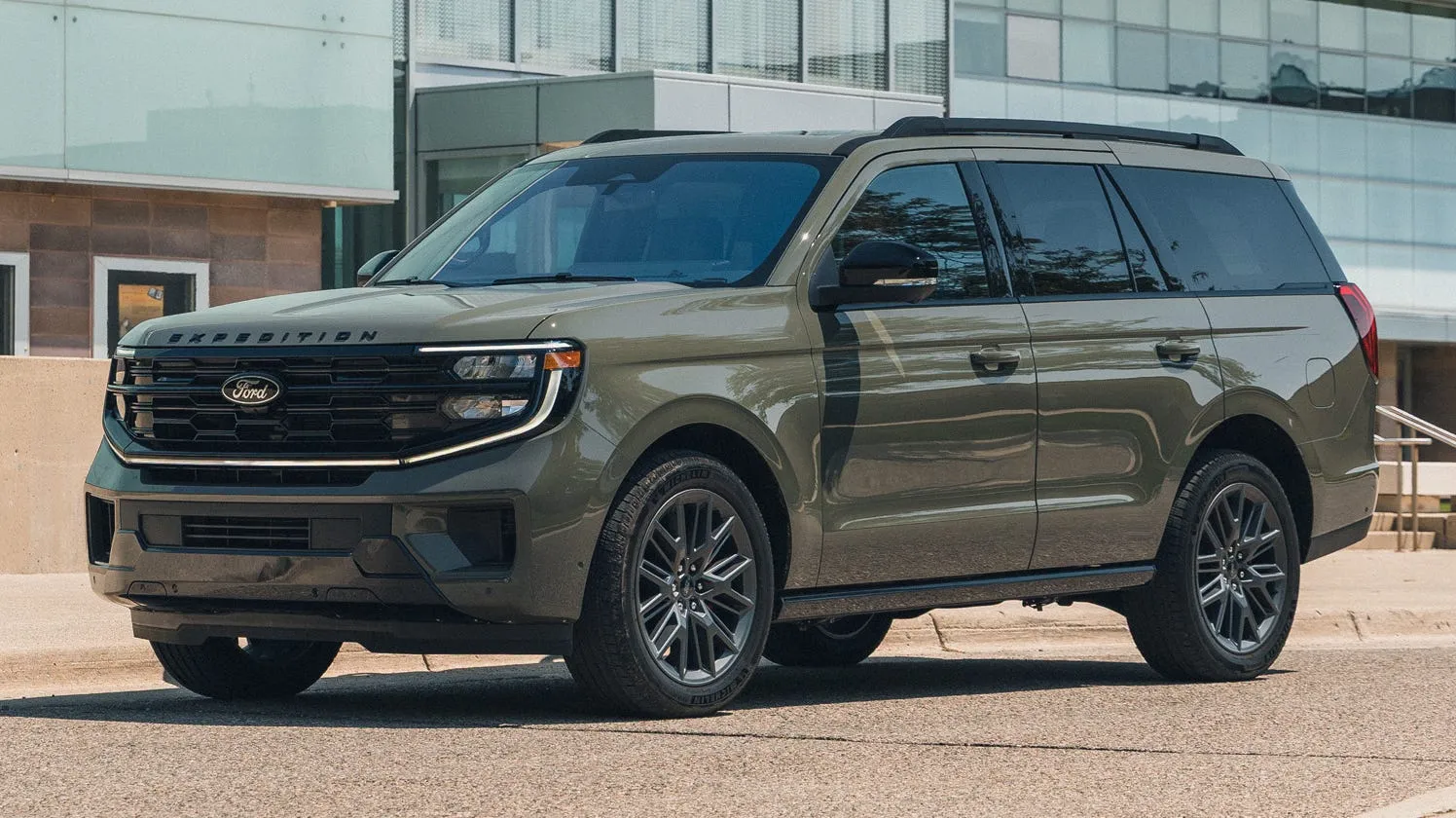
Ford Expedition
The Ford Expedition competes among the largest SUVs and prioritizes space, towing strength, and capability. Its large displacement engine provides significant muscle for hauling loads, which is a boon on highways but less relevant in congested streets. In city driving, fuel consumption rises dramatically due to constant acceleration and braking. The sheer size of the vehicle magnifies inefficiency at low speeds.
Inside, the Expedition offers luxurious space with a third row, generous cargo room, and amenities aimed at family comfort. However, urban driving exposes the challenges of maneuvering such a large SUV. Tight corners, narrow streets, and crowded parking lots become more demanding. Its bulk, while impressive on highways, makes urban use less practical and more expensive.
Routine maintenance is costly compared with smaller SUVs. Larger brakes, tires, and suspension components require more frequent attention, especially when used in city conditions. The engine and transmission endure increased strain from stop-and-go traffic. Long-term urban ownership can be expensive due to accelerated wear on components.
Traffic heat and constant idling also test cooling and transmission systems, which are optimized for highway speeds rather than frequent urban stops. The Expedition is built to endure stress, but its heavy fuel appetite and maintenance needs increase ownership costs. Regular service is necessary to maintain performance in challenging city conditions.
While the Expedition excels in space, comfort, and towing capability, its high fuel consumption and maintenance requirements make it a costly choice for daily urban commuting. Drivers who need its full potential for hauling or long trips may accept these costs, but city usage alone often results in rising bills.
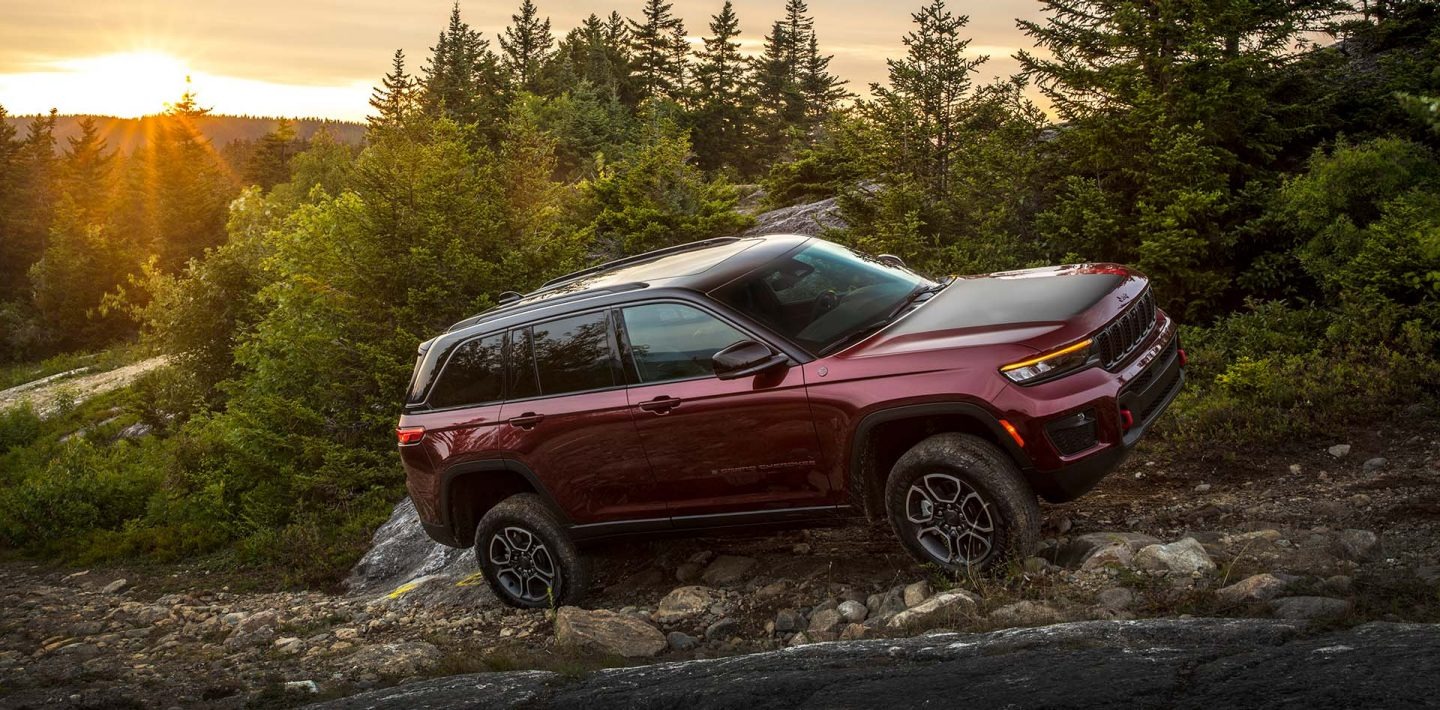
Jeep Grand Cherokee V8
The Jeep Grand Cherokee equipped with a V8 engine is designed for performance and off-road capability, offering thrilling power for enthusiasts. Its strong engine produces impressive acceleration and towing strength, ideal for highways and adventure use. Yet in urban environments, this powerful engine consumes significantly more fuel. Stop-and-go driving quickly exposes its inefficiency.
The interior combines comfort, technology, and rugged design elements. Premium touches such as leather upholstery, infotainment systems, and quiet cabins enhance the experience. However, fuel efficiency remains low in city conditions. Owners often notice that even short trips require frequent refueling, which affects monthly operating costs.
Maintenance for a V8 Grand Cherokee is more expensive than smaller engines. Brake wear is higher, tires are wider and costlier, and engine service demands specialized attention. Urban use accelerates wear and tear, driving up expenses for parts and labor. Owning this SUV in the city requires budgeting for both fuel and maintenance.
Advanced traction and four-wheel drive systems are excellent for off-road performance, but they add weight and complexity without improving urban efficiency. In traffic, these systems do not contribute to fuel savings, and the heavy frame consumes more energy during frequent acceleration. The city grid highlights the SUV’s thirst for fuel.
Enthusiasts value the Grand Cherokee V8 for performance, ruggedness, and versatility. However, in daily urban commuting, fuel bills and maintenance costs accumulate quickly. It offers power and heritage, but practicality in terms of economy is limited for city use. Owners must weigh luxury and capability against everyday costs.
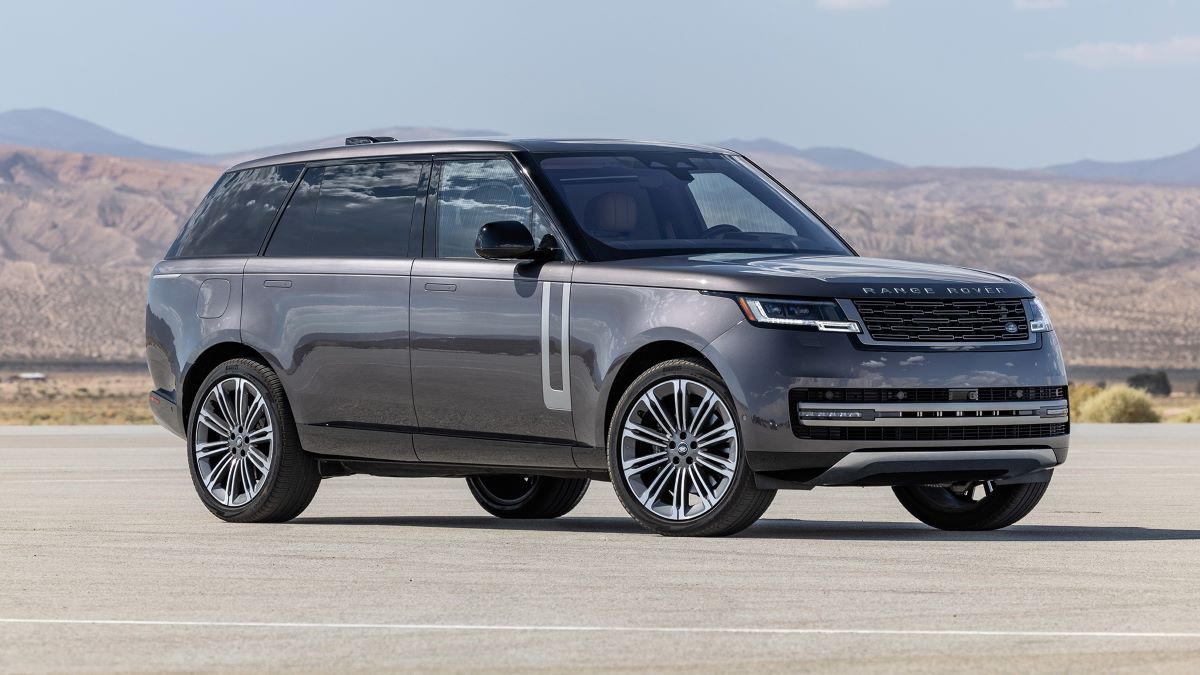
Land Rover Range Rover V8
The Land Rover Range Rover with a V8 engine combines luxury, off-road capability, and strong performance, but these traits make it a high-cost SUV for city driving. Its large engine consumes considerable fuel, especially in stop-and-go traffic. Urban conditions do not allow the engine to operate efficiently, which results in frequent fuel stops.
Inside, the vehicle delivers a premium cabin with leather seating, advanced infotainment, and superior insulation from noise. While comfort is unmatched, fuel consumption remains high and service costs are elevated due to sophisticated systems. Owners experience significant expenses if primarily driving in urban areas.
Maintenance is complex and expensive. Luxury parts, specialized labor, and advanced electronics require attention more frequently in city conditions. Even routine checks are costlier than smaller SUVs. Over time, these costs add substantially to ownership expenses, particularly when the vehicle is used for daily commuting.
Braking, transmission, and cooling systems are stressed by frequent stops and low-speed operation. While the Range Rover is built for durability, it is optimized for open roads and off-road performance rather than city grids. Heavy weight and large displacement result in energy-intensive operation at low speeds.
Drivers often accept these costs for luxury, capability, and prestige. The Range Rover V8 delivers unmatched comfort and capability, but urban usage exposes its weaknesses in efficiency. High fuel consumption and maintenance bills make it impractical for city commuting without substantial ongoing expense.
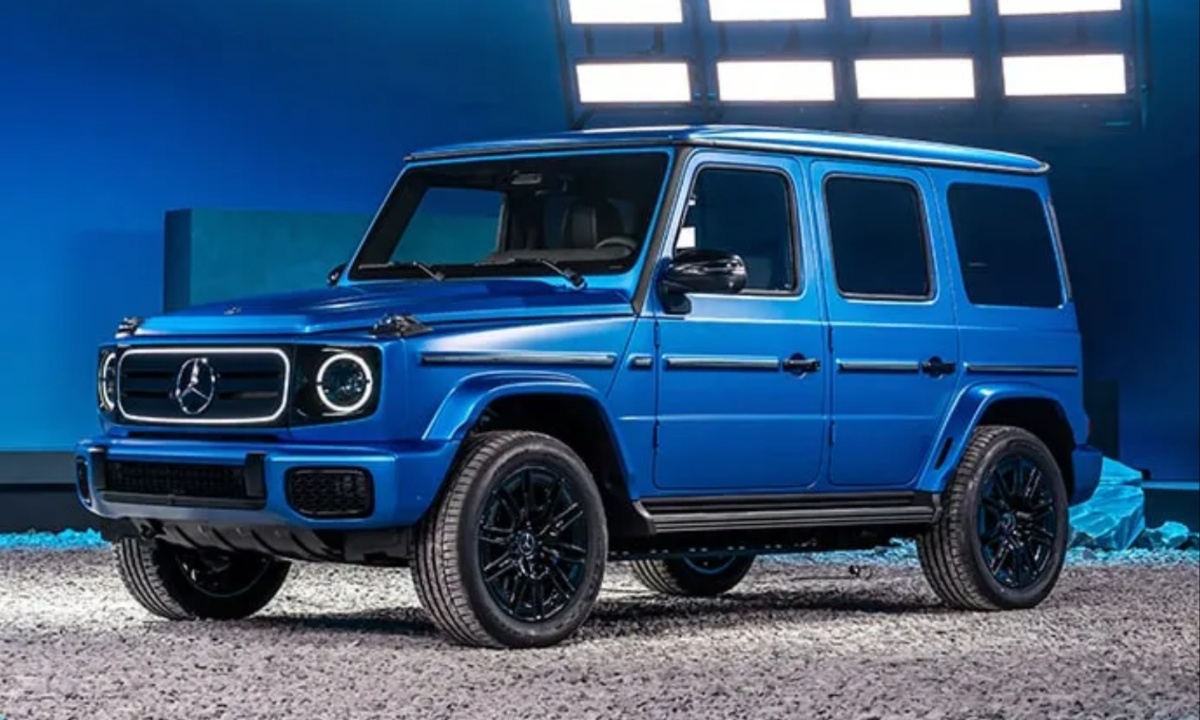
Mercedes G‑Class
The Mercedes G‑Class is a rugged luxury SUV recognized for iconic design, strong engines, and off-road capability. Its powerful engine lineup provides exceptional performance, but this comes at a high cost when used in city traffic. Fuel consumption increases rapidly in stop-and-go conditions, making daily urban driving expensive.
The cabin is luxurious and comfortable, with leather upholstery, advanced climate control, and cutting-edge infotainment. Noise insulation and high seating positions enhance comfort in traffic. Despite these features, fuel bills remain substantial, as the heavy frame and large engines demand energy even at low speeds.
Service and maintenance costs are above average. Specialized components, heavy-duty brakes, and robust suspension parts require skilled labor for replacement or repair. Urban driving accelerates wear and tear, contributing to higher operating costs. Owners must anticipate routine maintenance expenses in addition to fuel costs.
The G-Class performs exceptionally off-road and on open highways, but urban grids expose inefficiency. Frequent stops and slow movement increase engine strain, while advanced four-wheel drive systems add weight and complexity. These attributes, while valuable elsewhere, result in greater fuel use in city environments.
Owners who choose the G-Class prioritize style, luxury, and performance over economy. While it delivers unmatched presence and capability, the vehicle is expensive to operate in stop-and-go traffic. Fuel and maintenance bills rise quickly, making it one of the least city-efficient SUVs despite its prestige and durability.
