
Vehicle ownership is not only about performance, comfort, or fuel economy. For many owners, the exterior condition of a car plays a major role in how long it feels new, valuable, and worth maintaining.
Scratches, chips, and surface damage are some of the most common frustrations, especially for people who drive daily, park in public spaces, or live in areas with harsh weather and road conditions. While no vehicle is completely immune to wear, certain models are built with paint quality, panel strength, and material choices that help them resist visible damage far longer than others.
Automotive manufacturers make different decisions when it comes to paint thickness, clear coat formulation, body panel composition, and exterior durability. Some focus heavily on long-lasting finishes that can tolerate frequent washing, road debris, and minor abrasions.
Others prioritize cost efficiency or weight reduction, which can lead to thinner paint layers or softer materials that show scratches quickly. These differences become noticeable within the first few years of ownership, especially when vehicles are exposed to everyday use rather than ideal conditions.
Environmental factors also play a role, but the base construction of the vehicle often determines how well it stands up to those challenges. Cars with harder clear coats, deeper paint layers, and well-protected trim tend to maintain a clean appearance even after years of use.
On the other hand, vehicles with softer finishes can accumulate swirl marks, door dings, and chipped paint from routine driving and parking. Owners often notice that some cars require constant detailing just to look presentable, while others seem to shrug off abuse with minimal effort.
This article compares ten vehicles by focusing purely on how well they resist exterior damage over time. The first group includes five vehicles known for staying scratch-free longer due to strong paint systems, durable materials, and thoughtful design.
The second group highlights five vehicles that tend to pick up visible damage faster, often because of softer finishes or vulnerable body components. The goal is not to criticize or praise brands blindly, but to explain how construction choices affect long-term appearance.
By understanding these differences, buyers can make more informed decisions based on their lifestyle, parking situation, and expectations for maintenance. Whether someone values a car that always looks clean or is willing to accept cosmetic wear in exchange for other benefits, knowing which vehicles age gracefully on the outside can save time, money, and frustration.
5 Vehicles That Stay Scratch-Free Longer
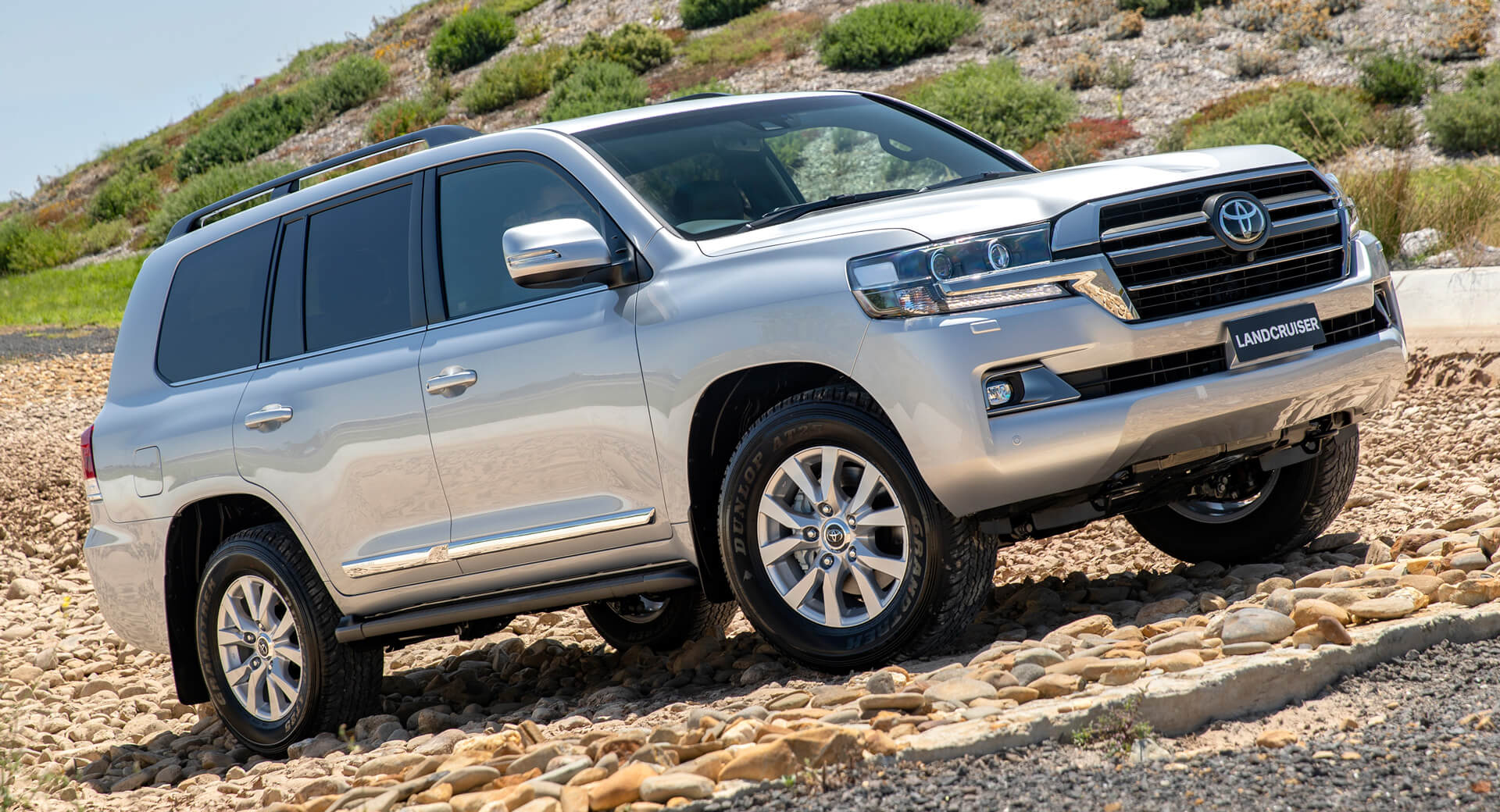
Toyota Land Cruiser
The Toyota Land Cruiser has earned a reputation for exterior durability that extends far beyond its off-road capabilities. Its paint is applied in thicker layers than many modern vehicles, allowing it to resist minor abrasions from brush, gravel, and everyday contact.
Owners often report that even after years of use, the surface maintains depth, gloss, and uniform color with minimal correction. This durability reflects Toyota’s emphasis on longevity rather than cosmetic shortcuts, which is a significant advantage for drivers in demanding environments.
Body panels on the Land Cruiser are also built with strength in mind, using materials that resist denting from light impacts while maintaining structural integrity. Door panels and fenders are less prone to flexing, which reduces the chance of paint cracking or chipping under stress.
This construction is particularly beneficial in parking lots, on uneven terrain, or during light off-road excursions. The result is a vehicle that visually ages slower than many competitors, maintaining its fresh look over extended periods.
The clear coat used on the Land Cruiser is relatively hard, which helps reduce swirl marks from washing and drying while still providing a reflective shine. While no clear coat is completely immune to micro scratches, this harder finish makes imperfections less visible and easier to correct if they appear.
Routine cleaning with standard care products is usually enough to maintain a clean appearance without extensive detailing. This combination of durability and ease of maintenance enhances ownership satisfaction.
Trim components such as mirrors, bumpers, and protective cladding are designed to handle abuse without fading or scratching easily, even in harsh climates. These parts are often the first to show wear on other vehicles, but the Land Cruiser manages to keep them looking intact over years of use.
The paint, clear coat, and trim all work together to create a cohesive, long-lasting exterior. Owners benefit from reduced cosmetic maintenance costs compared to vehicles with softer finishes or thinner panels.
Because of its conservative design and robust finishes, the Land Cruiser often looks newer than its actual age, contributing to strong resale value and high long-term satisfaction. Its consistent performance and rugged, scratch-resistant body appeal to buyers who prioritize durability above all else.
For drivers who frequently encounter rough roads, adverse weather, or crowded parking areas, the Land Cruiser represents one of the most dependable options for maintaining a visually pristine exterior over time.
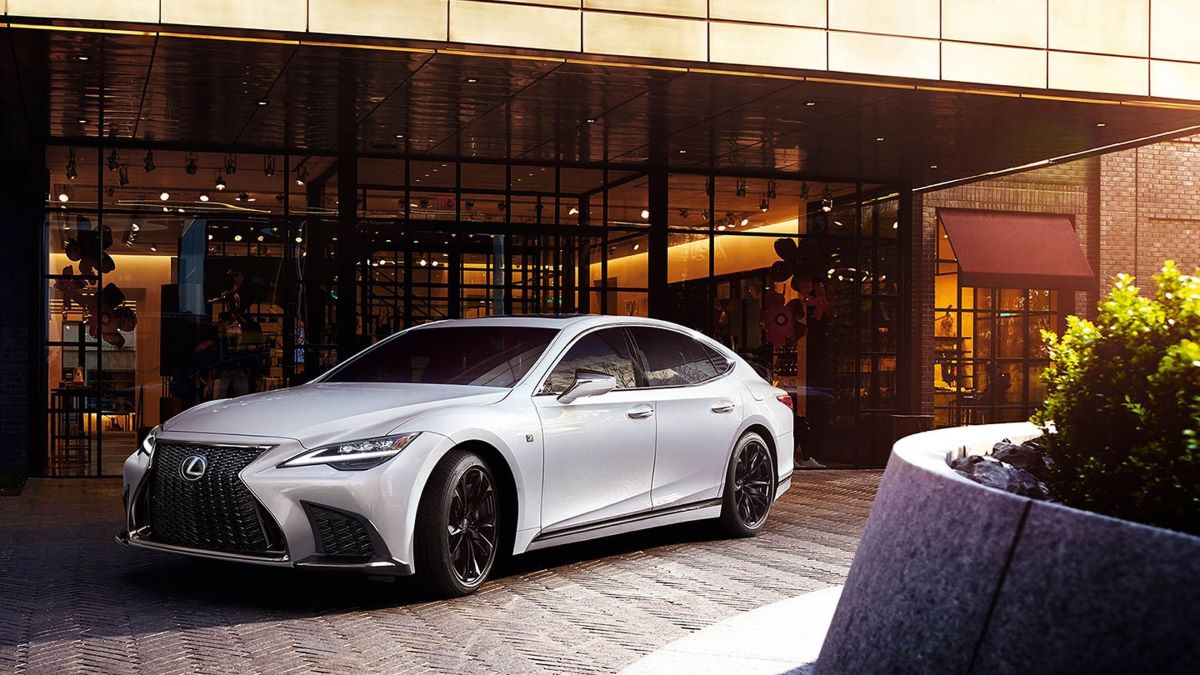
Lexus LS
The Lexus LS is known for combining luxury with meticulous build quality, and its exterior finish reflects that philosophy in every detail. Lexus applies multiple layers of paint and clear coat, resulting in a deep, resilient surface that resists everyday scratches, minor abrasions, and fading from sunlight.
Even in high-traffic environments, the paint tends to maintain clarity, smoothness, and a reflective shine. This attention to finish quality distinguishes the LS from many other luxury sedans, making it a standout in terms of long-term appearance.
Panel alignment and body construction also play a crucial role in minimizing damage over time, as tight tolerances reduce panel movement and stress on the paint during driving and temperature fluctuations. This stability helps prevent cracking, peeling, or premature wear around seams and edges, even in challenging climates.
Owners often notice fewer chips and scuffs compared to similarly priced vehicles, making the LS a reliable choice for those who prioritize cosmetic durability. Small details in construction add up to significant protection for the paint and finish.
The LS uses high-quality, clear coat chemistry that balances hardness with flexibility, which helps resist swirl marks from washing while still absorbing minor impacts without fracturing. Routine washing rarely leaves marks or blemishes, reducing the need for frequent polishing or professional detailing.
The clear coat maintains its depth and luster even after years of exposure to road conditions, rain, or sun, which helps the vehicle retain its showroom look longer than many competitors.
Exterior trim elements such as chrome accents, window surrounds, and painted bumper sections are engineered to resist fading, peeling, and scratching. These areas, often vulnerable on other luxury sedans, maintain a consistent appearance that complements the vehicle’s finish.
The durability of these components contributes to a cohesive and well-preserved look, enhancing both aesthetic appeal and resale value. The LS demonstrates a commitment to long-lasting exterior integrity that few vehicles match.
For owners who value refinement without constant cosmetic upkeep, the Lexus LS delivers impressive results, offering a pristine appearance that reflects its engineering standards. Its exterior durability complements mechanical reliability, allowing it to maintain a composed and polished look even after years of regular use.
The LS proves that luxury can coexist with long-term scratch resistance, making it an appealing option for discerning buyers who want both beauty and resilience.
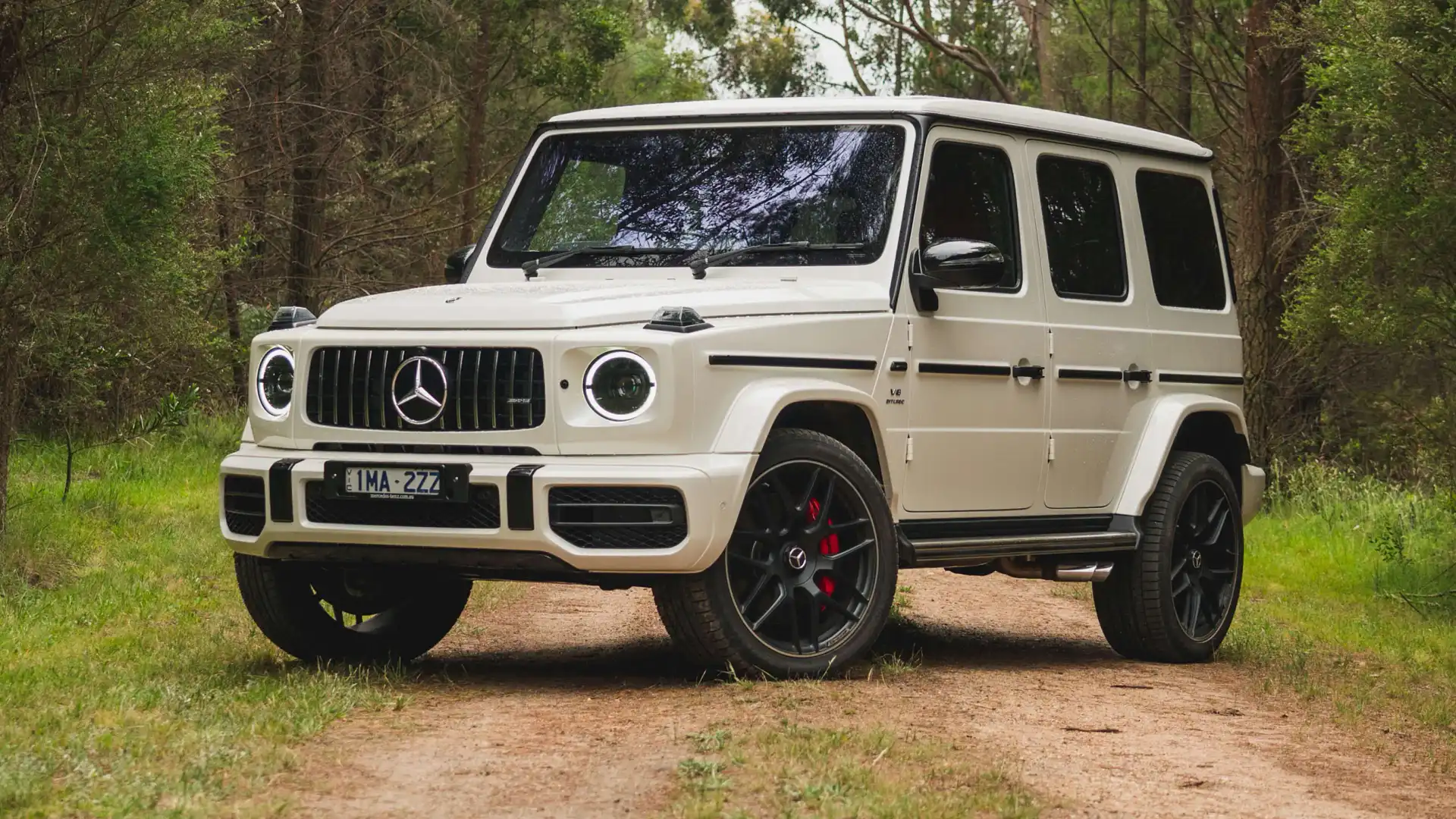
Mercedes-Benz G-Class
The Mercedes Benz G Class may be a luxury vehicle, but its exterior durability is rooted in its military-inspired origins and reinforced construction. The body uses flat panels with thick paint application, making scratches less noticeable and less frequent while retaining a rugged visual identity.
These surfaces are easier to maintain, resist swirl marks, and sustain a pristine appearance under typical urban or off-road use. The design prioritizes both function and resilience without compromising the vehicle’s high-end aesthetic.
The G Class employs robust steel panels that resist denting far better than lightweight aluminum alternatives, giving it an advantage against everyday impacts and rough handling.
This strength reduces the likelihood of paint damage from minor collisions, parking lot incidents, or debris encountered during off-road driving. Even in demanding environments, the G Class preserves its exterior integrity, maintaining a visual appeal that belies its age. Owners value this resilience as a major benefit of the vehicle’s design philosophy.
Paint quality on the G Class is engineered to handle harsh conditions, including dust, gravel, and repeated washing. The clear coat is firm yet flexible, protecting against fine scratches while allowing the paint to maintain its reflective gloss. Unlike many luxury finishes that prioritize shine over strength, the G Class balances durability with a polished, high-quality look. This makes the vehicle easier to care for while extending the lifespan of the exterior finish.
Exterior accessories such as door handles, hinges, and trim components are intentionally exposed yet finished with durable coatings, resisting chipping, fading, and corrosion.
These areas, often overlooked on other vehicles, retain their aesthetic appeal for years. This combination of sturdy materials and resilient paintwork ensures that minor contact does not compromise the look. The durability of these features enhances the vehicle’s reputation for long-lasting quality.
As a result, the G Class maintains a rugged yet refined appearance for many years, visually reflecting its durability and thoughtful engineering. Its exterior tells a story of use without looking worn, which is rare in the luxury SUV segment.
For buyers who want a vehicle that can endure both urban and off-road environments while keeping cosmetic damage minimal, the G-Class stands out as a model that successfully blends toughness, style, and long-term maintenance ease.
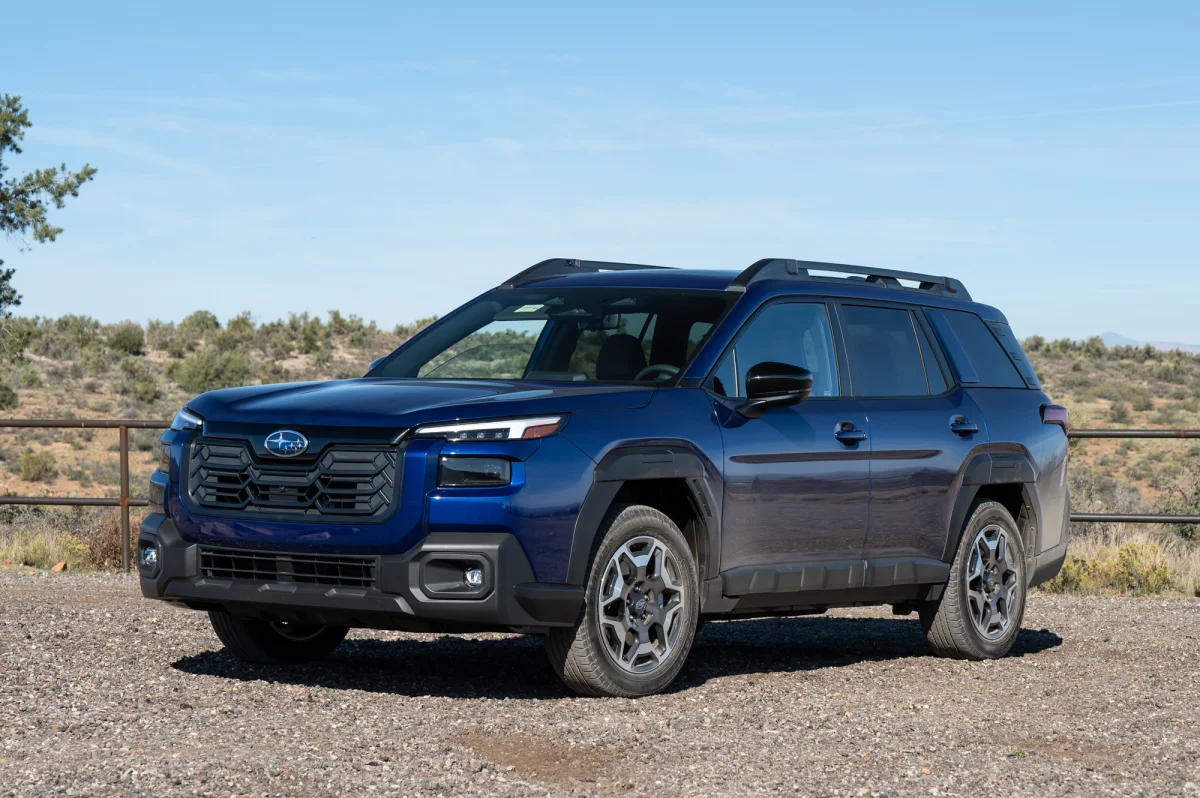
Subaru Outback
The Subaru Outback benefits from practical design choices that protect its exterior finish from scratches, dings, and minor abrasions. Protective cladding around the lower body panels shields paint from road debris, rocks, and curbs, preventing many minor scratches from reaching visible surfaces.
This design is particularly helpful for drivers in areas with gravel roads, winter salt, or urban obstacles. By reducing the likelihood of visible damage, Subaru enhances the vehicle’s longevity and appearance over time.
Subaru uses a resilient paint system on the Outback that balances durability with affordability, making it less susceptible to minor abrasions compared to many vehicles in its price range.
While not the thickest paint layer on the market, it effectively protects horizontal surfaces and vulnerable areas like the hood and roof. This means the vehicle looks cleaner and maintains a polished appearance even with frequent use. The paint’s consistency contributes significantly to the Outback’s reputation for long-term visual reliability.
The Outback’s body panels are designed with flexibility to absorb minor stress without cracking paint, which is valuable for uneven terrain or slight impacts. This flexible construction helps prevent cosmetic damage in scenarios that might otherwise chip or dent harder vehicles.
Combined with the protective cladding, the panels maintain both function and form. The result is a car that can handle real-world use without compromising its visual integrity.
Trim materials on the Outback are chosen for resistance to fading, scratching, and discoloration, ensuring that exposed elements maintain a clean and consistent look. Lower plastic panels, mirrors, and cladding often conceal damage that would be noticeable on painted surfaces.
This reduces maintenance requirements and contributes to the vehicle’s long-term aesthetic appeal. Owners find that their Outbacks remain visually appealing with minimal intervention.
For drivers who value practicality, durability, and low-maintenance styling, the Subaru Outback offers strong exterior protection without sacrificing design or utility.
Its thoughtful combination of cladding, resilient paint, and flexible panels ensures that the vehicle withstands everyday wear gracefully. The Outback proves that a vehicle does not need to be luxurious to achieve long-term scratch resistance, making it a dependable choice for active and careful owners.
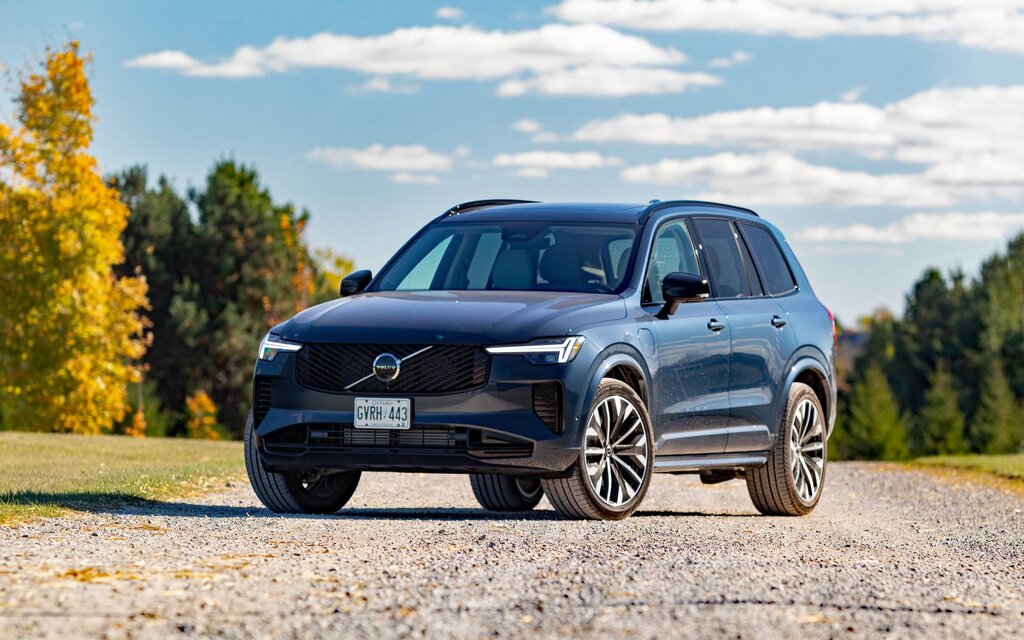
Volvo XC90
The Volvo XC90 emphasizes safety, longevity, and reliability, with exterior durability reflecting these core priorities. Volvo applies paint with careful attention to thickness, consistency, and clear coat formulation, resulting in a surface that resists scratches, chips, and minor abrasions.
The paint maintains color depth and gloss even with frequent washing or exposure to environmental factors. This focus on long-term appearance aligns with the brand’s reputation for thoughtful engineering and lasting quality.
The XC90’s body panels are well-reinforced, reducing the likelihood of dents and paint damage from everyday impacts.
Structural strength ensures that minor collisions, parking lot incidents, or uneven terrain do not result in visible wear. This advantage preserves the vehicle’s aesthetic and supports long-term resale value. Owners appreciate the visual stability that comes from panels built to endure both stress and environmental challenges.
Clear coat hardness is carefully balanced to reduce swirl marks and preserve shine while remaining flexible enough to prevent cracking from minor impacts. Routine washing and maintenance do not compromise the finish, and imperfections are less noticeable than on vehicles with softer coatings.
The paint retains its reflective quality and depth, enhancing the perception of quality and maintaining a near-new appearance over several years.
For families, professionals, and safety-conscious drivers, the Volvo XC90 delivers an exterior that is both practical and durable. Its combination of strong body panels, resilient paint, and thoughtful trim engineering ensures the vehicle remains visually appealing over time.
This long-lasting exterior performance complements the XC90’s other strengths, making it a reliable choice for those who want both functionality and a polished, scratch-resistant appearance.
5 That Pick Up Damage Fast
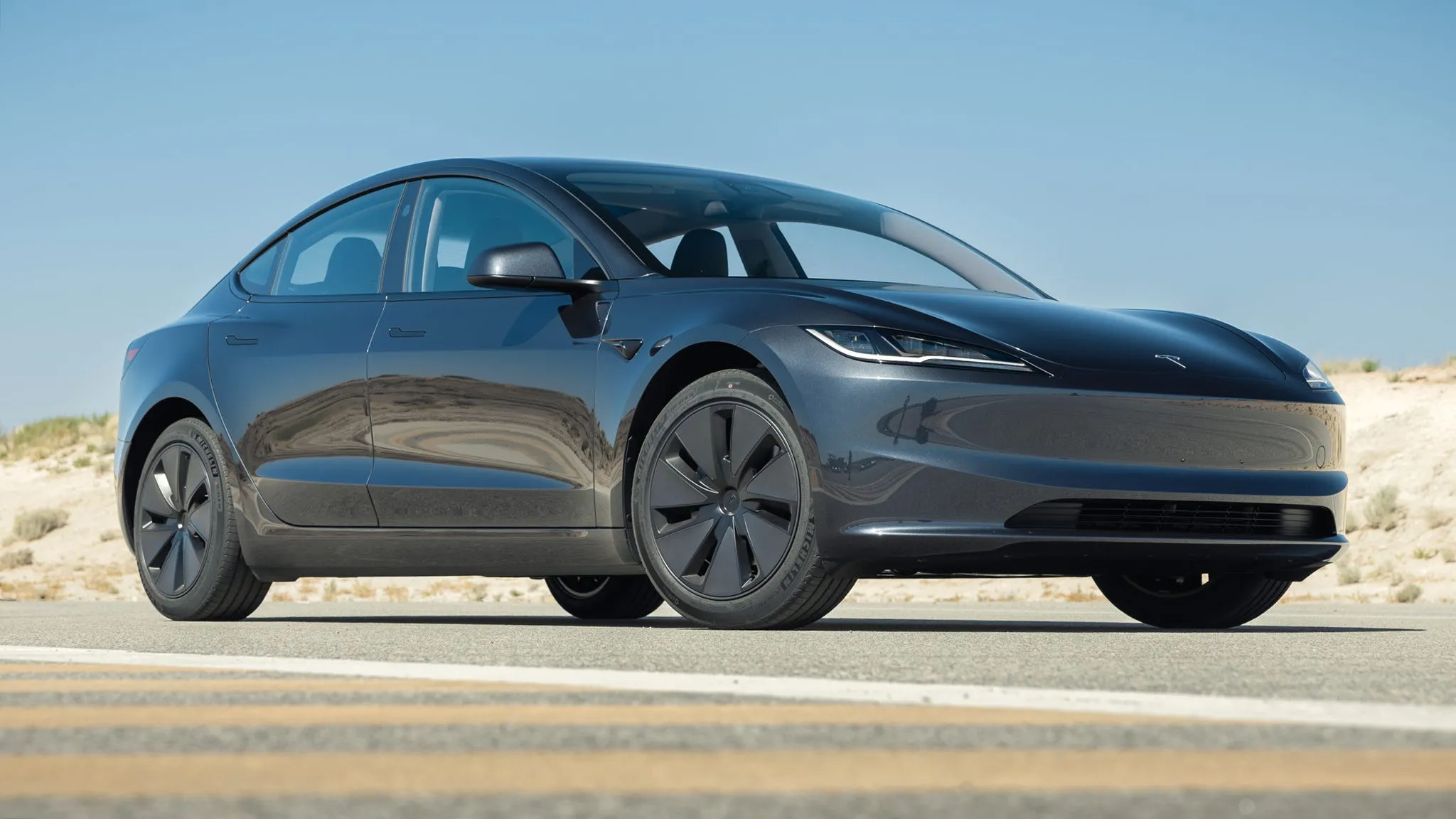
Tesla Model 3
The Tesla Model 3 is widely recognized for its innovative electric drivetrain and advanced technology, but its exterior finish has been a point of concern for many owners. The paint is relatively thin compared to traditional vehicles, making it more susceptible to chips, scratches, and minor abrasions.
Drivers frequently notice small imperfections from road debris, parking lot contacts, and even routine cleaning. The thin application prioritizes production efficiency and weight reduction over scratch resistance, which can frustrate owners who expect a long-lasting pristine appearance.
Clear coat softness on the Model 3 contributes to visible swirl marks and micro scratches, even when owners take care to wash the vehicle carefully.
Standard home washing techniques often leave fine scratches that become noticeable under direct sunlight. The need for protective measures, such as paint coatings or detailing films, is higher than on other vehicles with thicker finishes. Without such precautions, the Model 3’s exterior can show wear and tear more quickly than expected.
The body panels of the Model 3 are constructed using lightweight aluminum and steel combinations, which, while aiding performance and efficiency, also flex slightly under stress.
This movement can increase the likelihood of paint chipping around edges, seams, and door handles. Even minor impacts in parking lots or light road debris can leave marks that are difficult to repair. The combination of thinner paint and panel flexibility amplifies cosmetic wear over time.
Trim pieces and painted bumpers are particularly prone to scuffing and scratching, as they are exposed and made from materials that are less resilient than those used in premium models.
Without protective coatings, these areas often show damage first, detracting from the vehicle’s appearance.
Many owners resort to aftermarket films or coatings to preserve the exterior, adding time and cost to maintenance. Despite this, scratches and minor damage remain more visible on the Model 3 than on most traditional vehicles.
While the Model 3 excels in efficiency, performance, and technological innovation, its exterior durability is a significant weakness for those focused on aesthetics. The vehicle often appears older than its actual mileage due to cosmetic wear. Owners who prioritize a scratch-resistant and low-maintenance finish may find it frustrating to maintain the car’s visual appeal without consistent and careful attention.
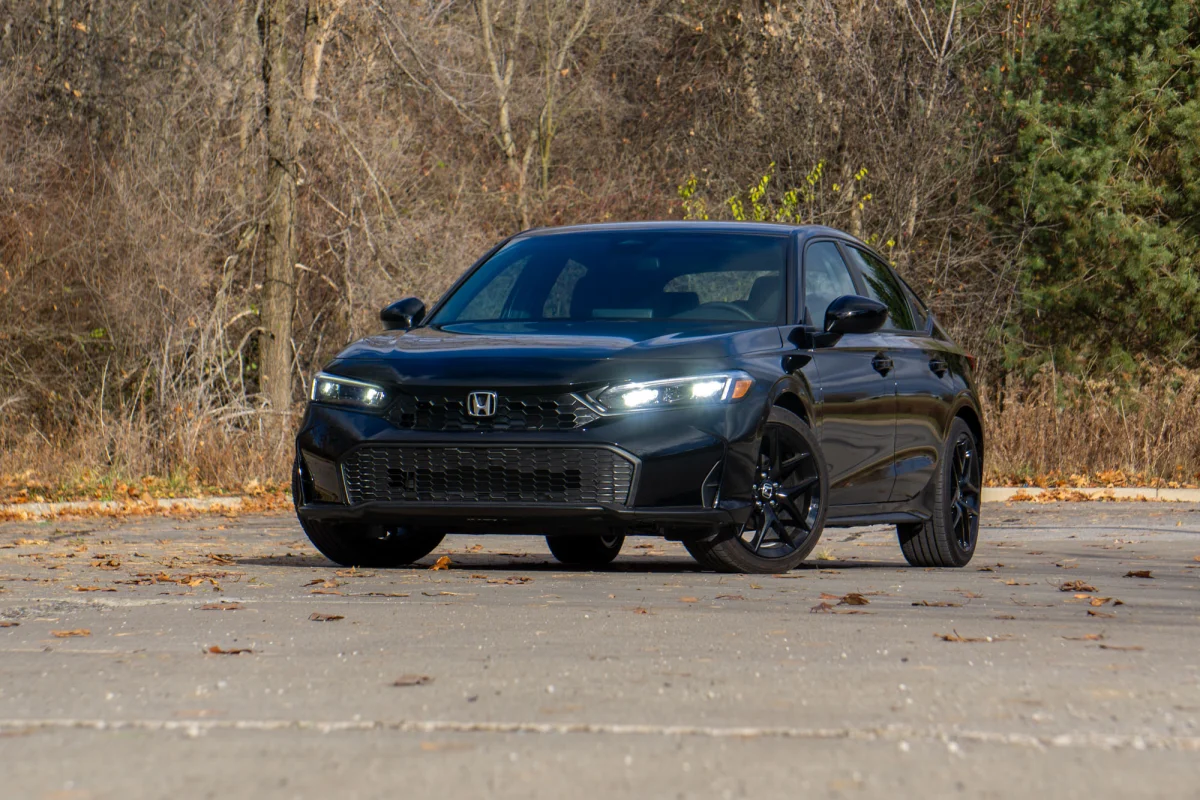
Honda Civic
The Honda Civic is known for affordability, reliability, and fuel efficiency, but its exterior durability has long been a weak point for many owners. The paint applied on most Civics is relatively thin, making it vulnerable to scratches, chips, and other minor damage from routine driving.
Even light contact with shopping carts, gravel, or branches can leave noticeable marks. While mechanically dependable, the Civic’s exterior requires more careful handling to maintain a pristine appearance.
Clear coat softness is another issue that contributes to rapid swirl mark formation during routine washing. Micro scratches can appear after just a few cleaning sessions, especially with standard sponges or cloths.
Over time, the paint may lose gloss and appear dull if not regularly polished or professionally treated. Owners often find that maintaining a visually fresh finish requires more effort than anticipated for a vehicle in this price range.
The body panels are designed primarily for efficiency, weight reduction, and affordability, which makes them more prone to dents and minor cosmetic damage.
Even parking lot dings can leave visible marks, and the resulting paint imperfections are more noticeable due to the thinner coating. Regular urban driving can therefore contribute to a vehicle that looks older than its age, despite low mileage or careful use.
Trim pieces, mirrors, and painted bumper sections are also susceptible to scratches, fading, and minor impacts. These areas contrast sharply with the vehicle’s paint when damaged, creating an uneven appearance over time. The combination of soft paint and vulnerable trim emphasizes the Civic’s need for consistent maintenance to retain a clean exterior look.
Despite its strong performance in reliability and value, the Honda Civic is not ideal for owners focused on scratch resistance and long-term cosmetic durability. While careful owners can maintain the exterior with effort, cosmetic damage is common under normal use. The Civic demonstrates that durability in mechanics does not always translate to resilience in appearance, making it less suitable for drivers who prioritize a low-maintenance finish.
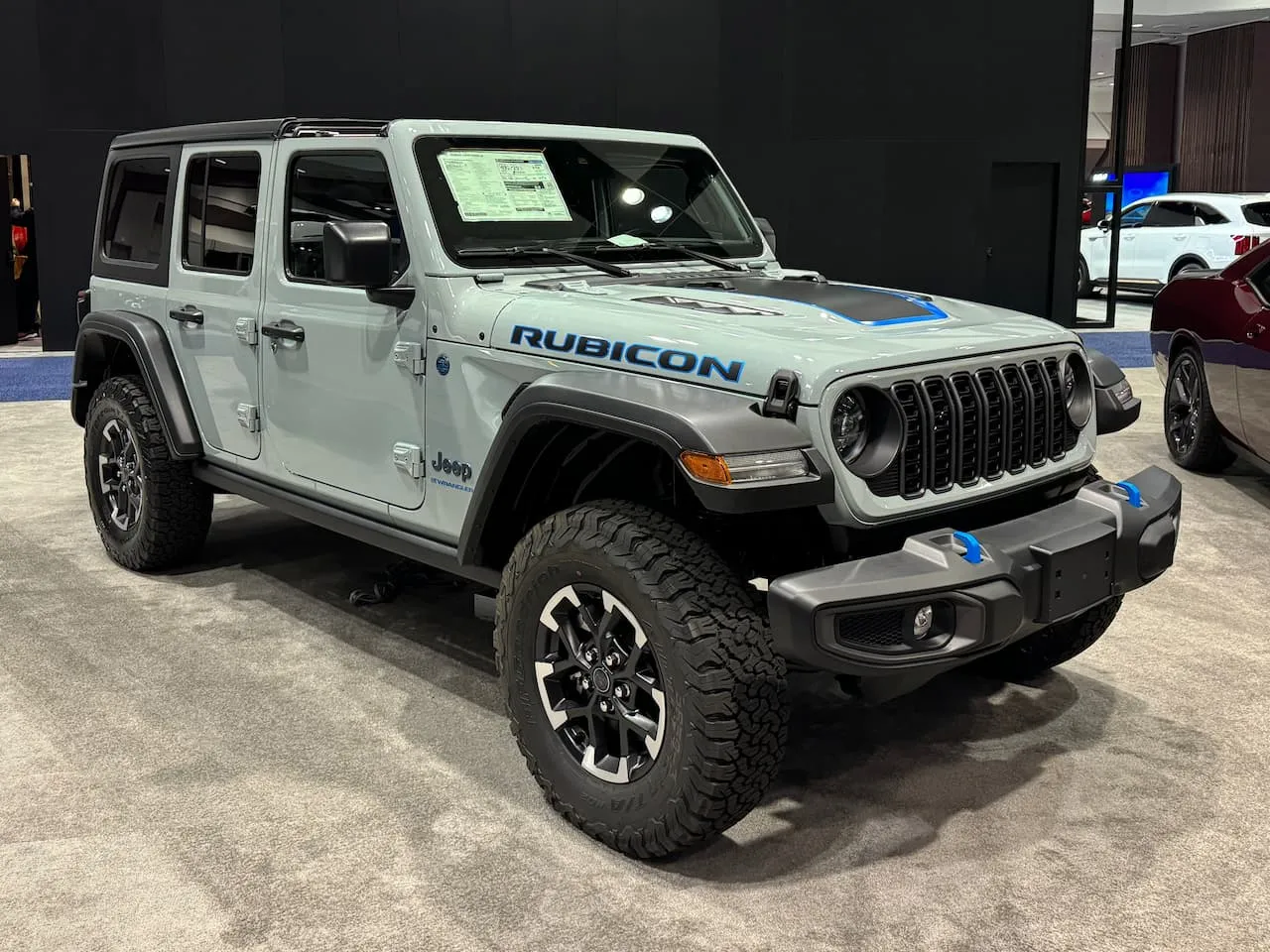
Jeep Wrangler
The Jeep Wrangler is built with adventure and off-road capability in mind, but its exterior finish reflects compromise in terms of scratch resistance. The paint is not particularly thick or resilient, making it vulnerable to damage from branches, rocks, and other obstacles encountered during off-road use.
While the rugged styling helps disguise some imperfections, cosmetic wear accumulates quickly in areas exposed to repeated contact. Owners often accept this as part of the vehicle’s character, balancing durability with functionality.
Flat panels and exposed hinges increase the number of surfaces prone to scuffing, scratches, and chips. These contact points, which are essential to the Wrangler’s design and removable parts, make it more susceptible to cosmetic wear during everyday use.
Even casual city driving can create visible imperfections if doors, handles, or bumpers come into contact with hard surfaces. The combination of design and paint softness highlights the Wrangler’s vulnerability to scratches.
Clear coat softness on the Wrangler further exposes the vehicle to visible swirl marks from washing, especially after off-road trips that require cleaning. Standard washing tools can leave fine scratches, emphasizing the need for protective coatings or careful detailing.
Owners who neglect this aspect may find their paint looks dull or marked within a short period. Maintaining gloss requires ongoing attention to washing technique and surface care.
Removable doors, roof panels, and other modular components increase the chance of damage during handling, installation, or removal. Paint edges are particularly vulnerable, and repeated handling can lead to noticeable wear over time.
Even minor abrasions can become prominent due to the vehicle’s thin paint and exposed design elements. Protective measures are often necessary to maintain long-term cosmetic integrity.
The Jeep Wrangler prioritizes function, adventure, and rugged styling over exterior scratch resistance. Owners who expect pristine paint may be disappointed, as cosmetic wear accumulates quickly under typical usage conditions.
Its appeal lies in off-road capability and character rather than long-lasting visual perfection, making scratches and minor damage an expected part of ownership.
Mazda CX-5
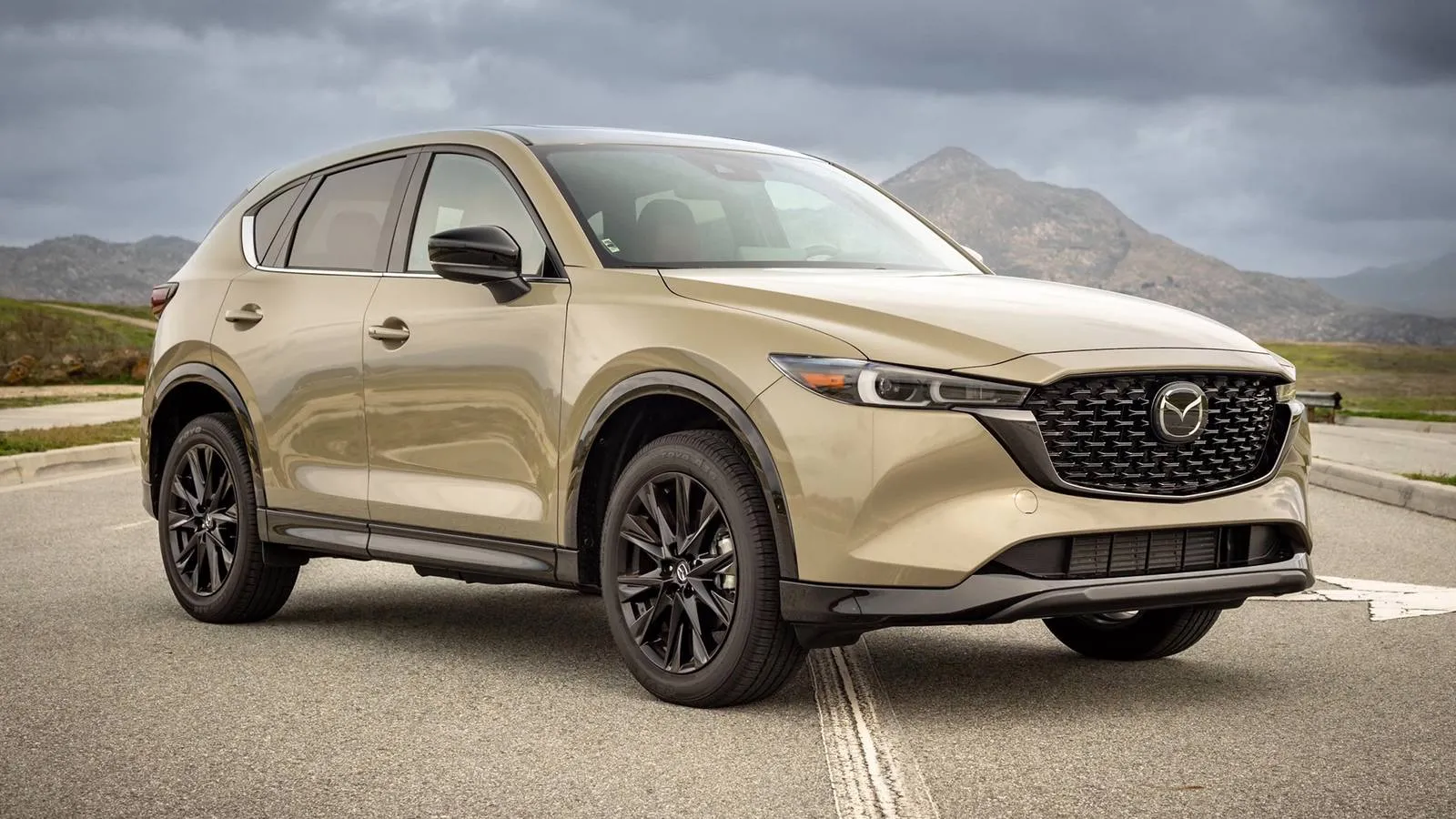
The Mazda CX-5 is widely praised for its sleek design and driving dynamics, but its exterior durability is a mixed aspect of ownership. Mazda applies thin paint layers to achieve vibrant color depth and gloss, which makes the surface more prone to scratches and chips.
Even small contact with road debris, curbs, or branches can leave visible marks. While aesthetically appealing when new, the CX-5 requires careful maintenance to preserve its exterior appearance over time.
Clear coat softness contributes to visible swirl marks from standard washing methods, even when care is taken. Micro scratches can accumulate within months of use, dulling the reflective finish. Professional detailing or paint protection films often become necessary for owners who want to maintain the showroom gloss. Without such precautions, the paint ages faster than its mechanical components.
Body panels are lightweight, emphasizing fuel efficiency and driving dynamics, but this construction increases vulnerability to dents and paint damage from minor impacts.
Parking lot mishaps, minor collisions, and road debris are more likely to leave visible imperfections. The vehicle’s design combines style with compromise, meaning the aesthetic appeal may diminish faster than expected under normal urban use.
Trim pieces, lower panels, and painted bumpers are also prone to scuffing, especially in areas frequently exposed to contact or gravel. The contrast between glossy paint and scratched trim amplifies visible damage. Maintaining the CX-5’s clean and cohesive appearance requires regular attention to these vulnerable areas. Owners often apply protective coatings to mitigate wear.
While attractive and enjoyable to drive, the Mazda CX-5 demands more effort to maintain its exterior finish than some competitors. Cosmetic wear appears more quickly due to paint thinness, soft clear coat, and panel vulnerability.
Owners who prioritize a long-lasting, scratch-free appearance may find it challenging to keep the vehicle looking new without additional care and maintenance.

Nissan Altima
The Nissan Altima is designed with practicality and efficiency in mind, but its exterior durability is limited compared to some rivals. Paint application tends to be thin, making the surface more susceptible to scratches, chips, and minor abrasions from everyday driving.
Road debris, shopping carts, and small impacts leave visible marks, reducing the vehicle’s visual longevity. While the Altima performs well mechanically, cosmetic resilience is not its strongest feature.
Soft clear coat contributes to rapid formation of swirl marks during washing or cleaning. Even careful home washing can leave fine scratches, which gradually dull the finish. Maintaining gloss often requires professional detailing or protective coatings. Without regular attention, the paint can appear aged and worn despite low mileage.
Body panels are built for cost efficiency rather than extreme durability, increasing vulnerability to dents and paint damage. Minor impacts in urban areas, parking lots, or curbs often leave lasting marks. Over time, this makes the Altima look older and more worn than its actual use would suggest. Owners seeking a pristine exterior may find the cosmetic upkeep demanding.
Trim materials, mirrors, and bumpers are prone to fading, scuffing, and visible scratches, adding to the vehicle’s wear. These areas often contrast with the paint when damaged, drawing attention to imperfections.
Combined with soft paint and thinner panels, the exterior can show visible wear faster than expected. Protective treatments are recommended to maintain a consistent look.
The Nissan Altima provides value and reliable performance, but its exterior finish does not hold up as well as some competitors. Cosmetic damage occurs easily, and maintaining a clean appearance requires additional care.
Owners focused on long-term scratch resistance may find the Altima less suitable for their needs, as visible wear can develop quickly under normal driving conditions.
