
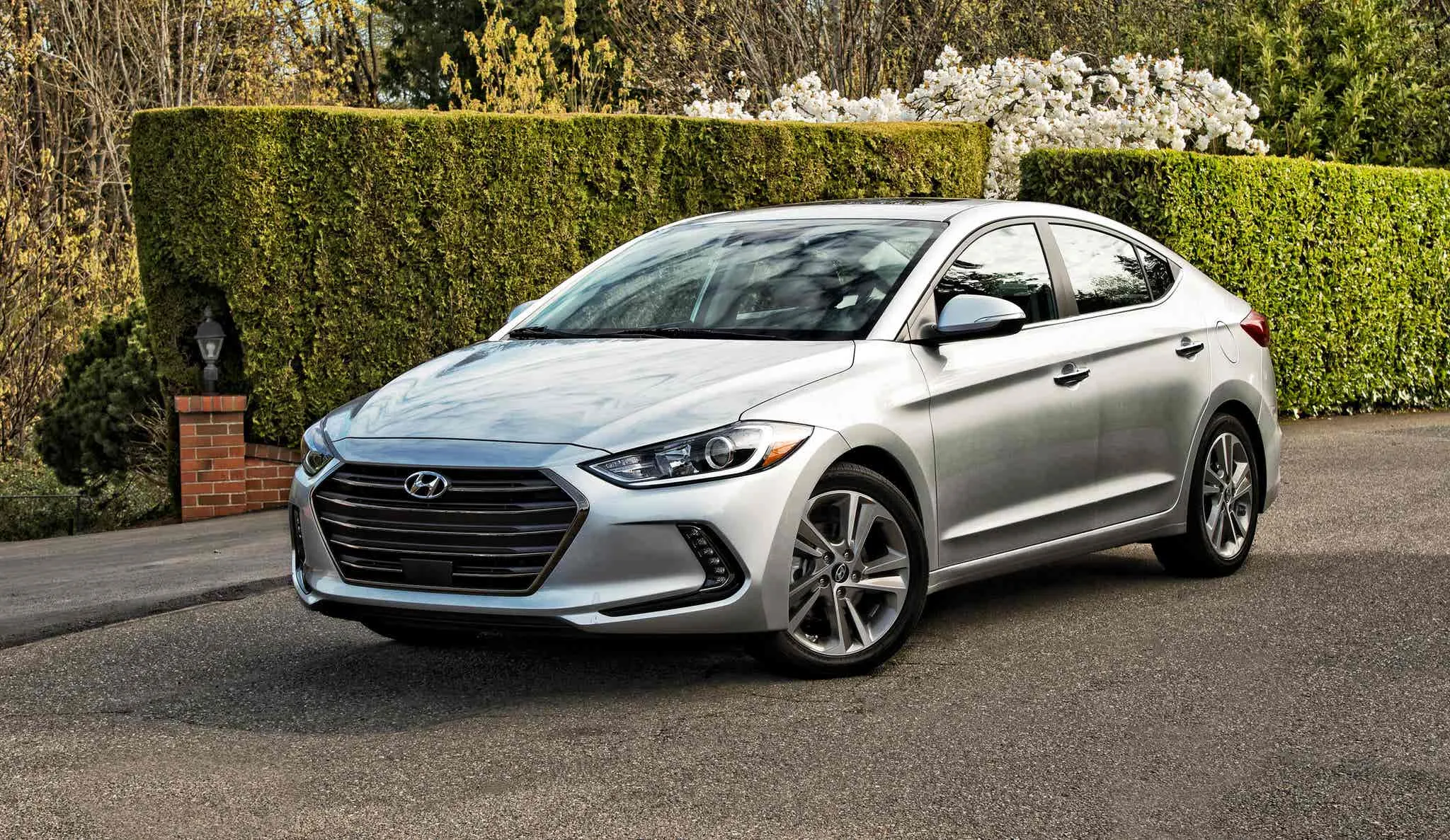
Urban driving places a very specific kind of pressure on cars, and this pressure directly affects how simple or frustrating maintenance becomes over time. City vehicles face constant stop-and-go traffic, short driving distances, tight parking spaces, speed bumps, potholes, heat buildup, and frequent braking.
Unlike highway driving, urban use rarely allows engines to run at ideal temperatures for long periods, which increases wear on certain components.
Because of this, some cars remain dependable and affordable to maintain in cities, while others become costly, inconvenient, and mechanically demanding far sooner than expected. The difference usually comes down to engineering choices rather than brand prestige or initial purchase price.
Maintenance simplicity in a city environment often depends on engine design, transmission durability, suspension layout, brake system longevity, and parts availability. Smaller naturally aspirated engines tend to tolerate frequent cold starts better than complex turbocharged setups.
Conventional automatic or well proven CVT transmissions usually outperform dual clutch systems when traffic is dense. Suspension designs with fewer specialized components handle rough urban roads with less frequent repair. Access to affordable replacement parts also matters greatly, since city drivers rack up service visits more often due to mileage accumulation and usage patterns.
On the other hand, some vehicles struggle badly under urban conditions despite strong performance on paper. Cars designed with high output engines, low ground clearance, performance oriented suspensions, or advanced electronic systems often demand more attention in cities.
Frequent sensor faults, rapid brake wear, overheating issues, and expensive labor costs can turn daily commuting into a financial burden. These vehicles may excel on open roads but reveal their weaknesses when confined to dense traffic and imperfect infrastructure.
This article separates ten commonly recognized vehicles into two clear categories. The first five cars are known for staying reliable, affordable, and straightforward to maintain in city environments. The next five are examples of cars that tend to create maintenance challenges when used primarily in urban settings.
Each car is examined in detail, focusing on how city driving affects its upkeep rather than reputation or luxury appeal. The goal is to provide practical insight rather than theoretical comparisons, allowing readers to understand why some cars remain stress-free companions in cities while others become persistent sources of repair bills and downtime.
5 Cars That Keep Maintenance Simple in Cities
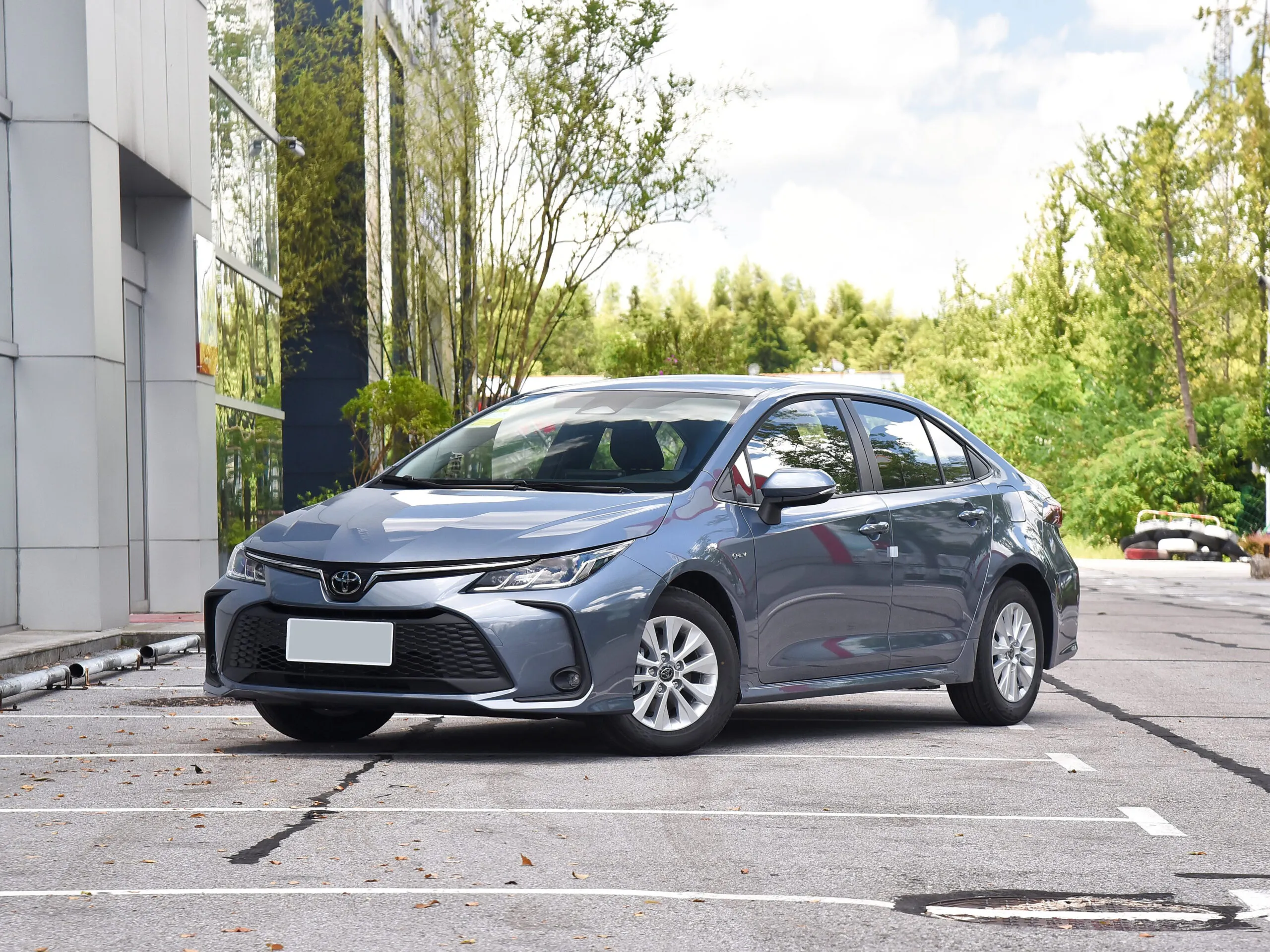
Toyota Corolla
The Toyota Corolla has earned a long-standing reputation for mechanical simplicity, and this becomes especially valuable in urban environments. Its engines are designed to prioritize durability over aggressive performance, which allows the car to handle frequent short trips, stop-and-go traffic, and idling periods without suffering from accelerated wear.
Engine components like the timing belt, water pump, and spark plugs are designed for long intervals, reducing the need for frequent replacements. This straightforward engineering ensures that city drivers can rely on the Corolla for consistent performance without unexpected issues.
Brake systems on the Corolla are another area where simplicity shines. The braking system is designed to match the vehicle’s moderate weight and power output, reducing excessive pad and rotor wear. In stop-and-go traffic, the brakes heat evenly, which extends component life and minimizes squealing or warping issues.
Replacement parts are inexpensive, and the design allows easy servicing without specialized tools. This balance of durability and accessibility makes the Corolla one of the most predictable vehicles in dense traffic conditions.
The suspension system on the Corolla is engineered to absorb uneven urban surfaces without relying on complex, delicate components. Springs, struts, and bushings are designed for everyday wear rather than sporty performance, meaning potholes, speed bumps, and uneven pavement cause less damage over time.
Repairs are straightforward, and parts are widely available at both dealerships and independent repair shops. Drivers benefit from a smoother ride and lower long-term repair bills, making the car very well suited to city conditions.
Engine bay accessibility is another advantage that simplifies maintenance. Oil changes, air and cabin filter replacements, battery swaps, and fluid checks can all be performed quickly without disassembling multiple parts. This layout allows city owners to complete routine services efficiently, either at home or at a local shop.
Reduced labor time translates into lower service costs and encourages adherence to recommended maintenance schedules, which further extends the car’s reliability.
Parts availability is one of the Corolla’s strongest points for urban drivers. Replacement parts, from brakes and filters to suspension components, are stocked in nearly every automotive store, and most mechanics are familiar with the car’s layout.
Diagnostic tools are widely supported, reducing the likelihood of misdiagnoses or prolonged downtime. This combination of accessibility, affordability, and consistency ensures that the Toyota Corolla remains one of the easiest and least stressful vehicles to maintain in city driving environments.
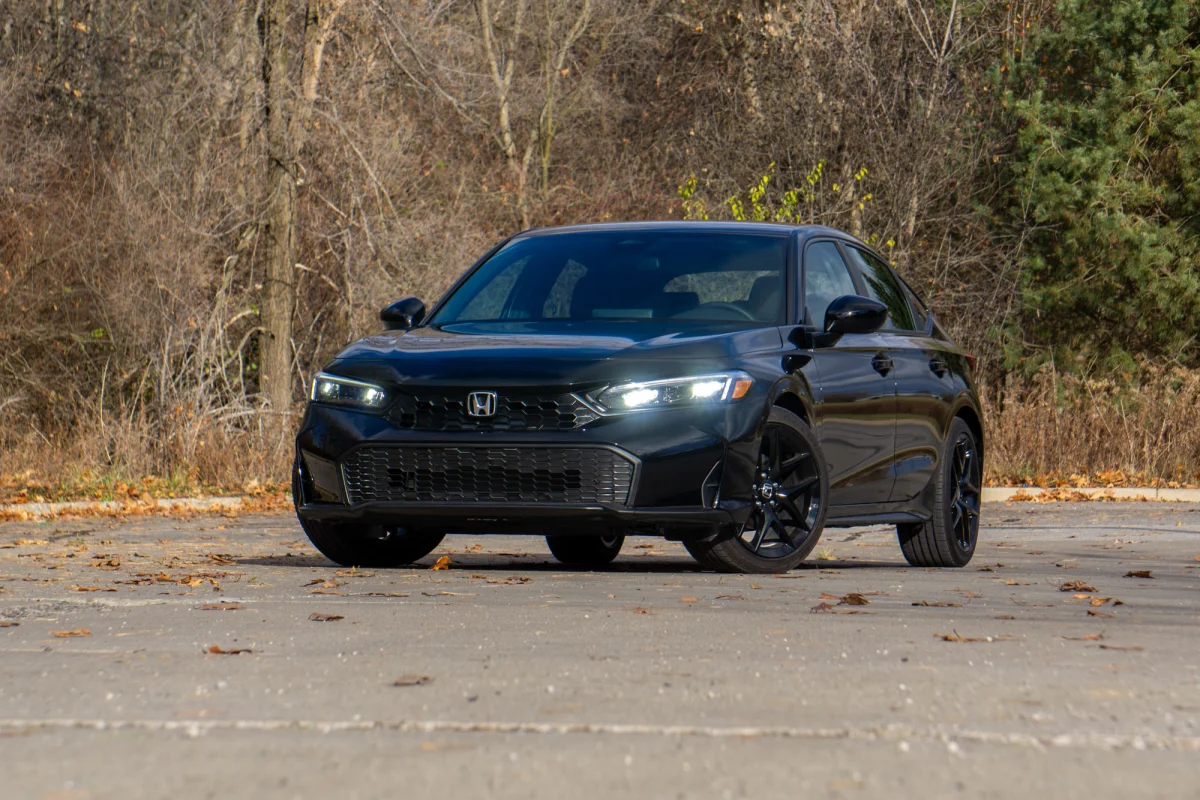
Honda Civic
The Honda Civic thrives in cities due to its efficient engine design and proven mechanical reliability. Its engines operate smoothly at low speeds, which suits stop-and-go traffic and frequent idling.
Components such as the timing chain, fuel system, and ignition coils are engineered for long-term durability, even under repeated cold starts. Short city trips do not overwhelm the engine, and most routine issues can be addressed with standard maintenance rather than specialized interventions, giving drivers peace of mind.
Transmission reliability is a major factor in the Civic’s urban suitability. The conventional, automatic and refined CVT options are engineered to handle frequent shifting without excessive wear.
Even when navigating dense traffic and frequent acceleration and deceleration, the transmission remains responsive and requires less frequent servicing. This reliability helps urban drivers avoid costly repairs and allows the car to maintain consistent performance over extended city use.
Fuel efficiency also contributes to reduced maintenance challenges. The Civic’s engines are tuned to achieve complete combustion and minimize carbon buildup, which is particularly beneficial for vehicles used mostly on short trips.
Efficient fuel use lowers strain on injectors, oxygen sensors, and exhaust components. Over time, this translates into fewer engine malfunctions, better longevity, and reduced frequency of expensive repairs related to engine deposits or fuel system issues.
The suspension system is balanced to absorb uneven city surfaces while maintaining comfort and control. Springs, dampers, and stabilizer bars are durable and easily accessible, reducing the likelihood of costly failures from minor road imperfections.
Even in cities with potholes, rough streets, and frequent cornering, the Civic maintains alignment and suspension health, keeping repairs predictable and manageable for urban drivers.
Repair and maintenance accessibility is another major benefit. Mechanics are familiar with the Civic’s layout, parts are abundant, and diagnostic procedures are straightforward. Common components like filters, brakes, and belts are inexpensive and quick to replace, which reduces labor costs and downtime.
This makes the Civic highly practical for urban ownership, allowing drivers to focus on daily commuting without the burden of frequent mechanical challenges.
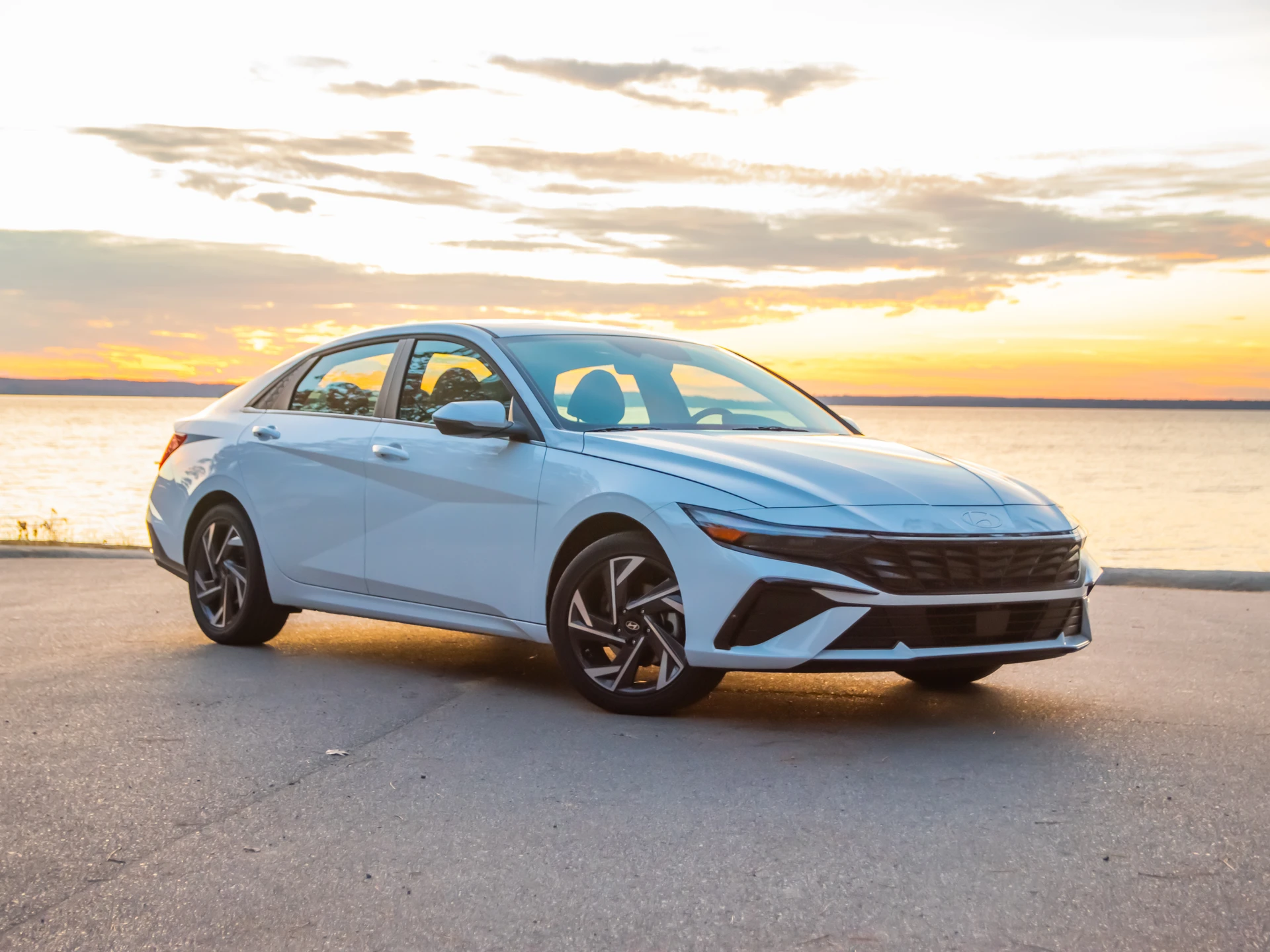
Hyundai Elantra
The Hyundai Elantra has grown into a reliable city car because of its straightforward design and robust engineering. Its engine options avoid unnecessary complexity, which helps them tolerate frequent starts, idling, and short commutes.
Components such as spark plugs, timing chains, and fuel systems are designed for durability rather than performance extremes. City traffic does not place undue stress on the powertrain, allowing drivers to avoid the high repair costs associated with more complicated modern engines.
Cooling systems on the Elantra are designed to remain effective even during prolonged low-speed driving. The radiator, fans, and coolant circulation operate efficiently in stop-and-go traffic, reducing the risk of overheating that can plague other vehicles in urban environments.
This design choice minimizes emergency repairs and ensures that the engine operates under optimal temperature conditions regardless of city traffic density, extending its long-term reliability.
The braking system is another area where the Elantra simplifies maintenance for city drivers. Brake pads, rotors, and calipers are engineered to last longer under repeated low-speed stops.
The car’s moderate weight ensures balanced heat distribution across braking components, reducing the likelihood of uneven wear or warping. This predictable maintenance requirement allows drivers to plan service intervals without unexpected costs.
The Elantra’s interior electronics are relatively simple compared to higher-end vehicles, which reduces the frequency of urban-specific malfunctions.
Fewer sensors, control modules, and integrated systems mean fewer opportunities for electronic failures caused by constant exposure to city conditions like moisture, dust, or vibration. This simplicity directly translates to lower repair bills and less time spent troubleshooting minor issues, which is an advantage for city-focused ownership.
Parts availability and widespread knowledge of the Elantra simplify maintenance further. Replacement components are inexpensive, and repair procedures are standard, making service faster and more convenient.
Mechanics in most cities are familiar with the model, and routine maintenance such as oil changes, brake service, or suspension repairs can often be completed quickly. This accessibility ensures that the Elantra remains one of the most practical and stress-free cars for urban commuting.
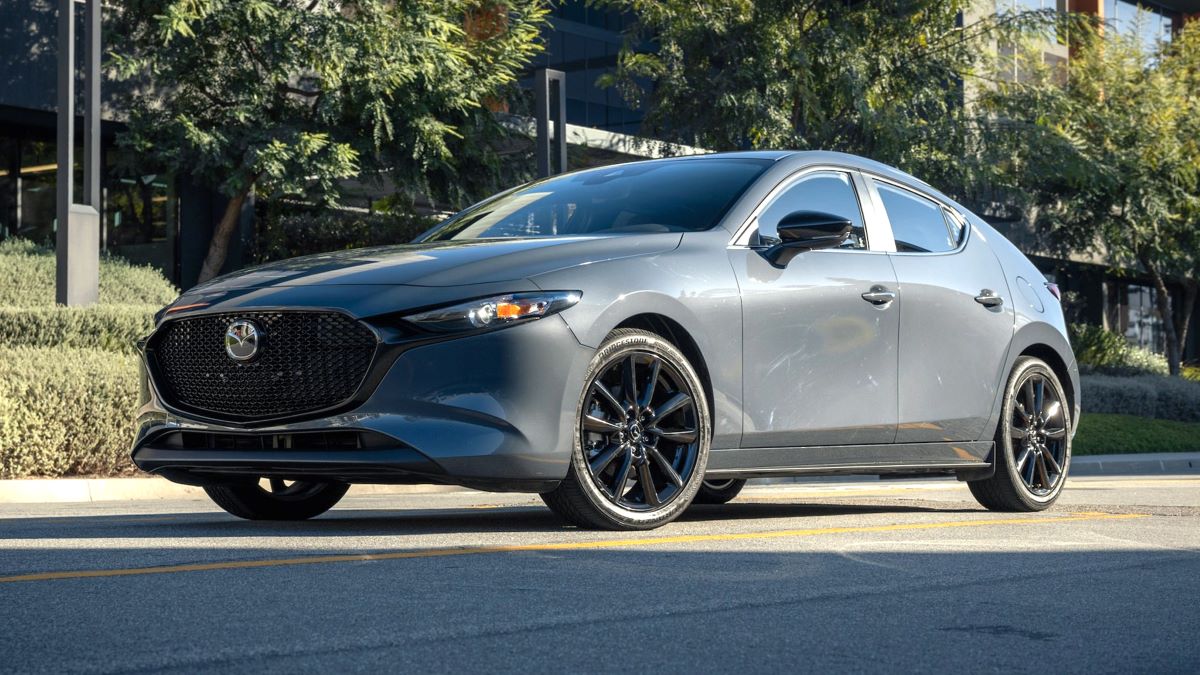
Mazda 3
The Mazda 3 provides a strong combination of driving enjoyment and maintenance simplicity that suits city driving conditions well. Its naturally aspirated engines avoid turbocharging complexity, which reduces the likelihood of overheating, oil degradation, and other common urban-related issues.
Components such as belts, pulleys, and fuel injectors are engineered for long-term durability, allowing drivers to rely on consistent engine performance without frequent intervention.
Transmission performance remains stable in city driving conditions. Gear changes are smooth and predictable, even under constant low-speed operation.
This stability reduces wear on internal components and prevents issues commonly seen in high-performance transmissions when subjected to frequent starts and stops. Drivers benefit from a dependable and efficient transmission that minimizes costly repairs and maintains a smooth urban driving experience.
Mazda’s suspension is designed to balance comfort and durability. It absorbs minor potholes, uneven surfaces, and speed bumps without causing excessive strain on bushings, struts, or control arms.
This design reduces the frequency of repairs or adjustments, helping city drivers avoid constant maintenance. Alignment remains consistent, and the car maintains a steady, comfortable ride even on challenging urban roads.
Engine bay accessibility is excellent, making routine maintenance much easier. Spark plugs, filters, and fluids can be serviced quickly without specialized tools, reducing labor costs and encouraging timely maintenance.
This accessibility allows city drivers to adhere to recommended service intervals, which further prolongs engine and drivetrain life while keeping unexpected expenses low.
Reliability over time defines the Mazda 3’s suitability for city life. Mechanical simplicity and durable engineering result in fewer unexpected breakdowns or expensive repairs.
Its balance of practicality, efficiency, and user-friendly maintenance ensures that urban drivers can focus on daily commuting instead of worrying about high-cost servicing or frequent mechanical issues.
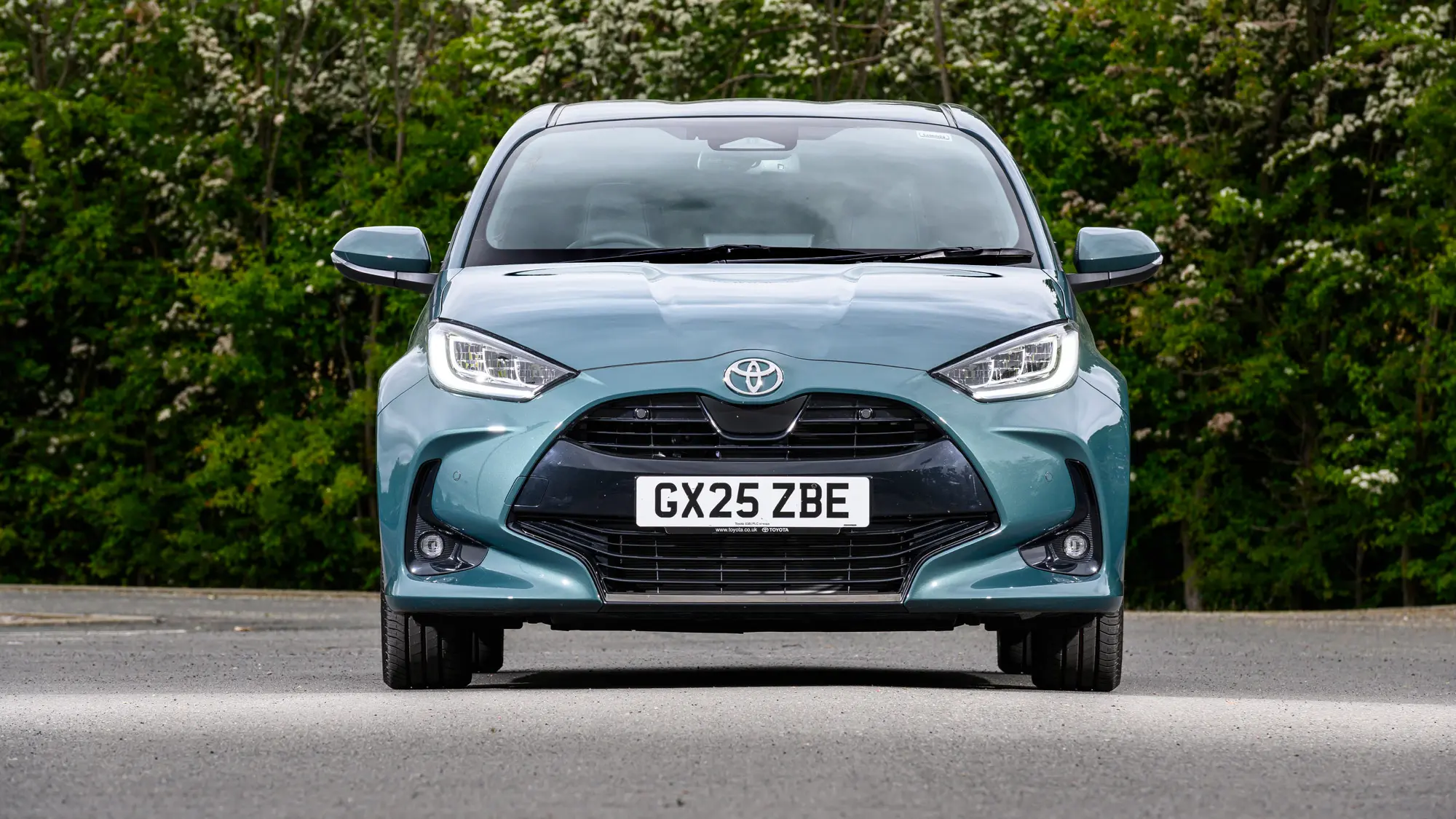
Toyota Yaris
The Toyota Yaris excels in city driving due to its compact size, straightforward design, and lightweight build. Smaller engines warm up quickly and experience less stress during short trips, making them ideal for frequent stop-and-go commuting.
Components like spark plugs, timing mechanisms, and fuel systems are simple and long-lasting, reducing the need for specialized service even under heavy city use.
The braking system is well suited for urban conditions because of the vehicle’s light weight. Brake pads, rotors, and calipers experience lower heat and wear compared to heavier vehicles.
Even under frequent stops, braking remains smooth and predictable, extending the life of components and keeping maintenance costs low for city drivers.
Suspension durability is another advantage of the Yaris. Its simple suspension geometry and robust components can handle potholes, speed bumps, and uneven streets without frequent repairs.
Steering and alignment issues are less common, and damaged parts are easy and inexpensive to replace, making the car more resilient to the challenges of urban roads.
Fuel efficiency also indirectly supports maintenance simplicity. Efficient engines reduce carbon buildup and engine stress, which helps prevent problems that occur from frequent short trips. This contributes to long-term reliability and fewer mechanical issues, making the Yaris a worry-free option for city driving.
Parts availability and repair familiarity ensure that the Yaris remains easy to maintain. Components are inexpensive and widely stocked, and most mechanics are comfortable performing routine services quickly. This combination of affordability, simplicity, and accessibility makes the Toyota Yaris one of the most practical and low-maintenance vehicles for urban ownership.
5 That Don’t
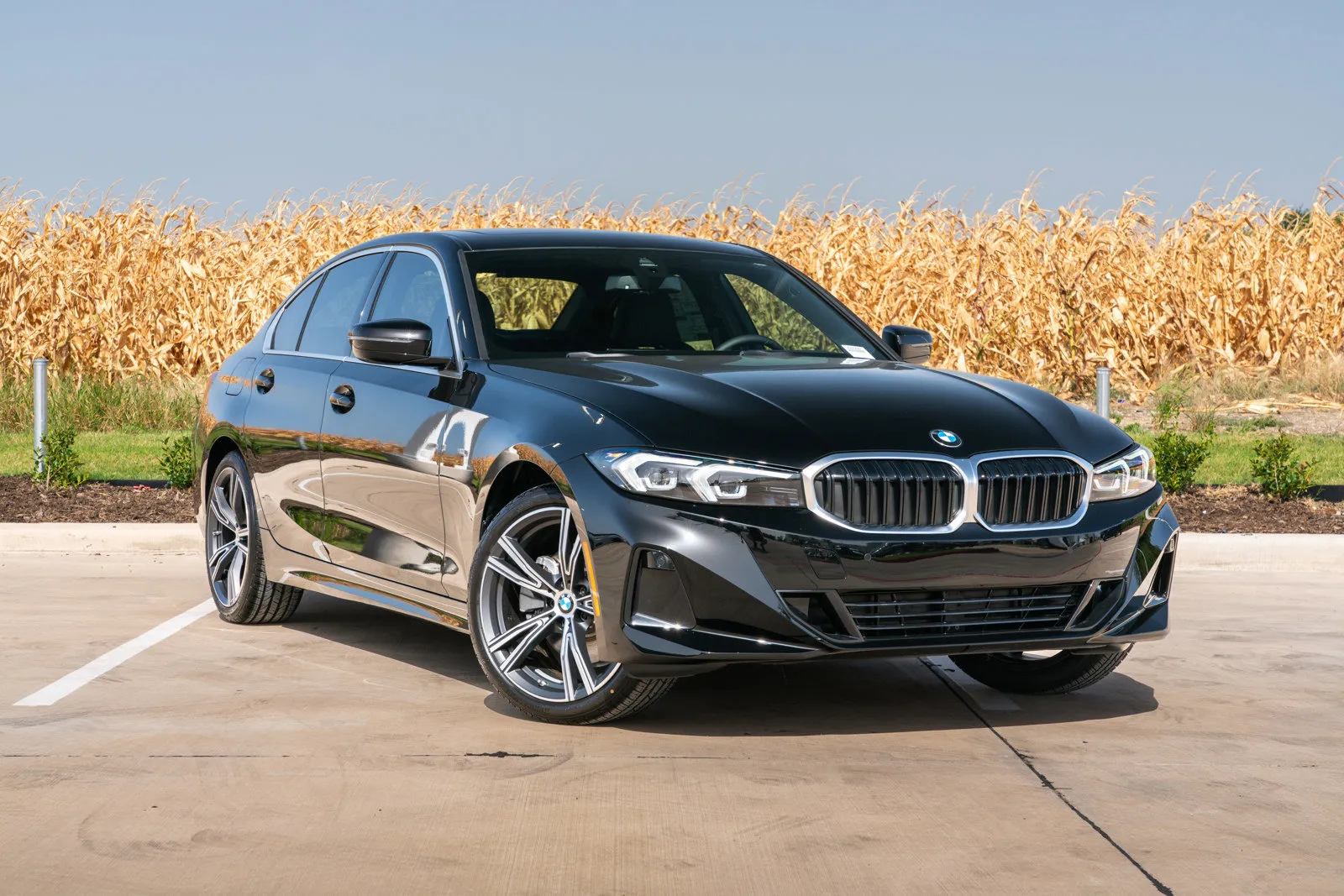
BMW 3 Series
The BMW 3 Series often struggles with urban maintenance due to its complex engineering and performance-oriented design. Turbocharged engines generate high heat, which can become problematic during prolonged periods of low-speed traffic.
This stress affects not only the engine but also the cooling and lubrication systems, increasing the likelihood of overheating or premature component wear. Even routine urban commuting exposes weaknesses in engines that are better suited for sustained high-speed operation.
Transmission issues are a common concern in city conditions. The dual-clutch and automatic transmissions, designed for rapid performance, endure more wear when frequently shifting at low speeds.
Stop-and-go traffic can lead to premature clutch or valve body wear, increasing long-term maintenance costs. Repairing or replacing these components is expensive due to the complex engineering and specialized tools required for BMW systems, which adds to urban ownership stress.
Suspension systems are tuned for sporty handling rather than durability on rough roads. Low-profile tires and stiff components provide precision at high speeds but transmit more stress to bushings, control arms, and shock absorbers when navigating potholes, speed bumps, or uneven streets.
Urban drivers may experience frequent repairs or alignment issues, which can become costly over time. Routine maintenance alone is often not enough to prevent wear caused by everyday city driving.
Electronic systems are highly integrated and sensitive to urban conditions. Numerous sensors and control modules constantly monitor performance, emissions, and safety features. Exposure to heat, dust, and moisture in city environments increases the likelihood of sensor faults or warning light activations. Diagnosing these issues requires specialized tools and expertise, and repair costs are high compared to simpler vehicles.
Parts availability and labor expenses make maintenance a significant challenge. Original BMW components are premium priced, and experienced technicians are needed for proper servicing.
Even minor repairs can be time-consuming and expensive, and the cost of urban wear adds up quickly. For city drivers, the BMW 3 Series often demands more attention and financial investment than its performance advantages justify.
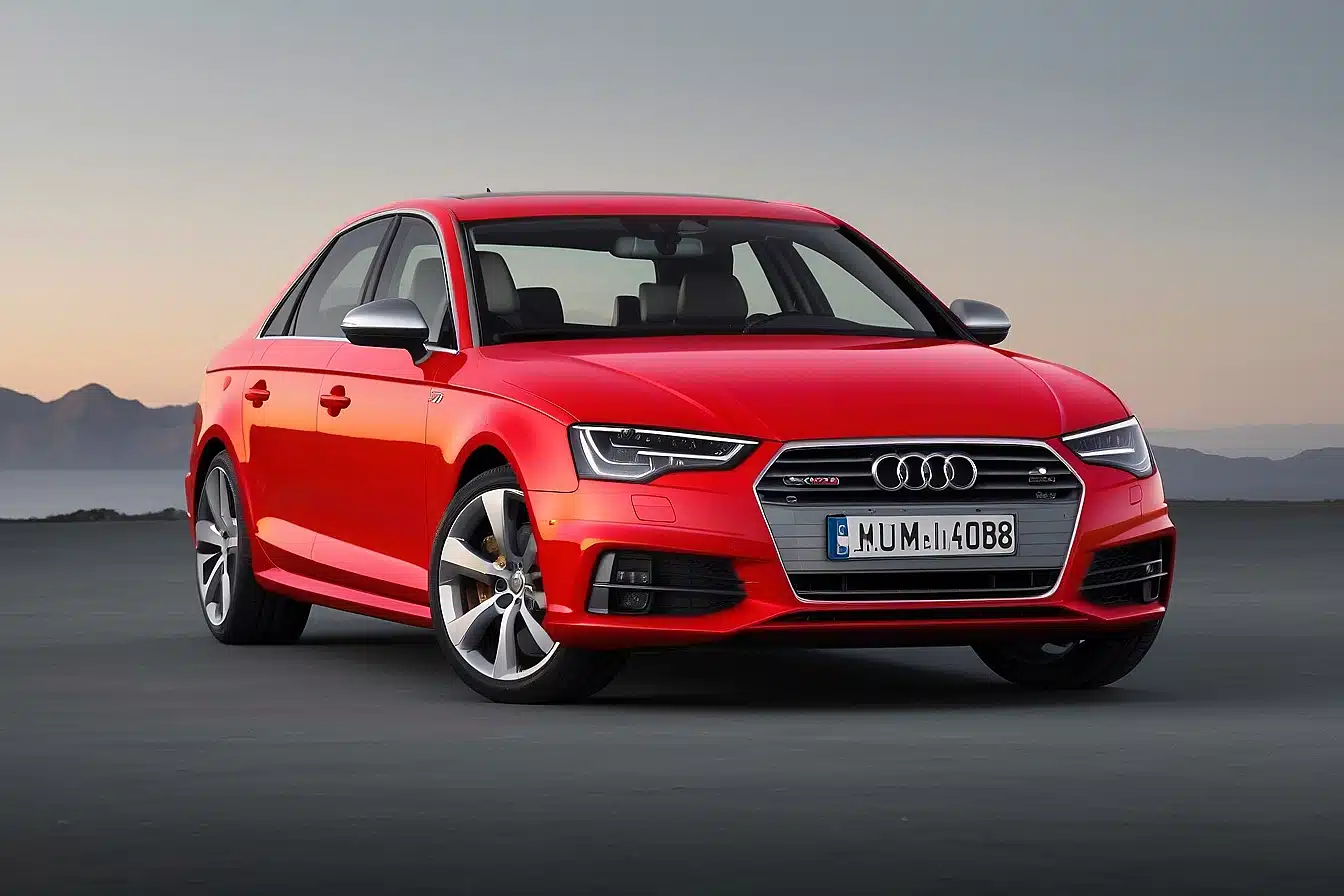
Audi A4
The Audi A4 faces urban maintenance difficulties due to its advanced drivetrain and complex engine systems. Turbocharged engines combined with all-wheel-drive setups increase mechanical complexity.
In city traffic, frequent stopping and low-speed driving amplify wear on engine and transmission components. The car’s sophisticated systems require careful attention, and minor neglect can quickly escalate into costly repairs.
Cooling systems in the A4 endure heavy stress in urban driving. Prolonged low-speed operation increases heat in turbochargers, radiators, and cooling circuits.
Over time, this can lead to failures of sensors, hoses, or the thermostat. Repairs are expensive because components are integrated into complex systems that require specialized labor to service properly.
Suspension components also struggle in cities. The A4 uses performance-tuned suspension for stability and handling, which sacrifices resilience on rough urban roads.
Frequent potholes, speed bumps, and curb impacts can result in worn control arms, struts, or wheel alignment problems. The cost and complexity of repairing these systems are higher than what most simple city cars require.
Electronic systems add another layer of difficulty for urban owners. Countless sensors, adaptive modules, and software-dependent components continuously monitor the vehicle.
Minor faults often trigger multiple warning lights, and diagnosing these issues requires advanced tools and skilled technicians. The reliance on electronics makes city maintenance more complicated and costly.
Service intervals and repair costs make the A4 less ideal for city drivers. Components are expensive to replace, labor is intensive, and unexpected issues are frequent under urban conditions. While the car provides refined performance and luxury features, its complexity often outweighs convenience in city ownership, requiring owners to spend significantly more time and money on maintenance.
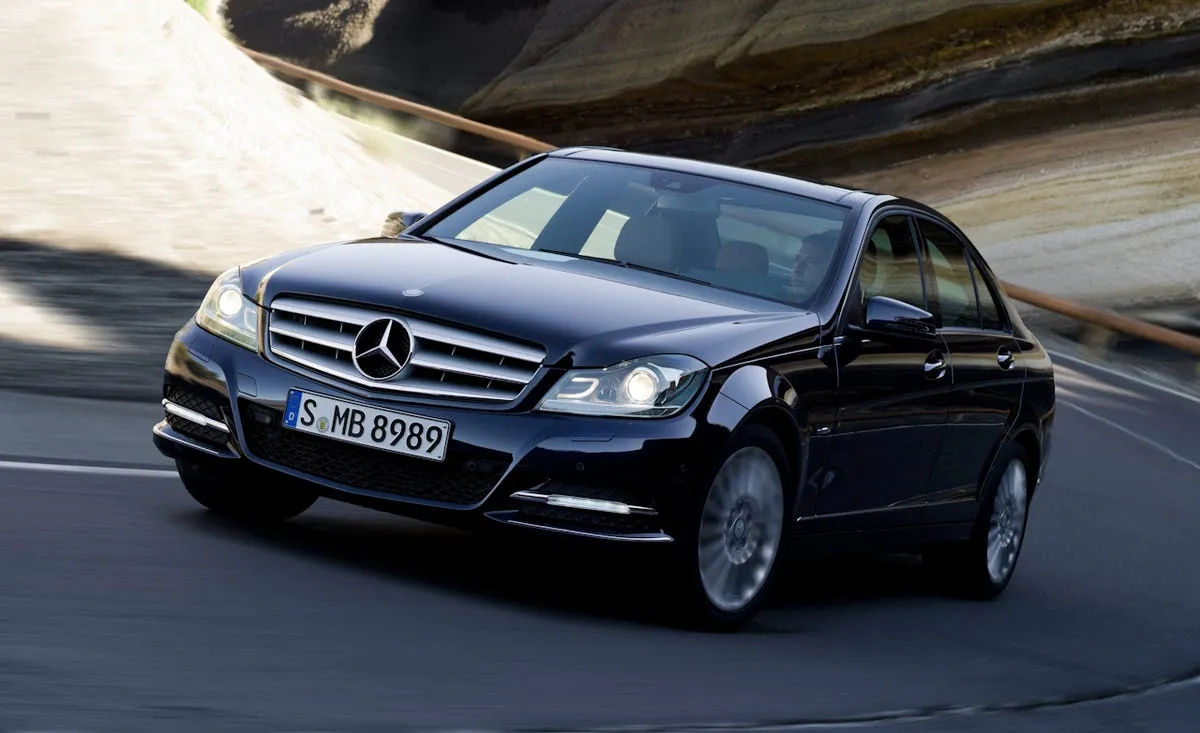
Mercedes-Benz C-Class
The Mercedes Benz C Class combines high luxury and advanced engineering, which creates challenges in urban maintenance. Engines are finely tuned and sensitive to driving conditions.
Frequent short trips, stop-and-go traffic, and idling can accelerate wear on engine components, especially in turbocharged variants. Urban driving exposes weaknesses that are otherwise less noticeable on open highways.
Transmission systems are designed for smooth power delivery and precision rather than durability in heavy traffic. Automatic gearboxes, particularly multi-speed variants, experience higher stress during constant low-speed driving.
Prolonged city use can lead to early transmission wear, which is expensive to repair or replace due to the intricate design and calibration required for proper functioning.
Suspension systems prioritize ride comfort and road handling, often at the expense of resilience on rough city streets. Air suspension and electronically controlled damping systems have multiple failure points that are difficult and costly to repair.
Frequent encounters with potholes or uneven pavement can result in alignment issues, worn bushings, or expensive component replacements.
Electronics dominate nearly every aspect of the C Class. Sensors, adaptive systems, safety modules, and infotainment components operate constantly, even in city traffic.
Urban conditions expose these systems to heat, moisture, and vibration, increasing the likelihood of faults. Diagnosing problems often requires Mercedes-specific diagnostic software, making repairs both costly and time-consuming.
Maintenance expenses are high due to premium parts, specialized labor, and frequent servicing requirements. Even minor repairs demand considerable skill and cost, which makes city ownership more burdensome than for simpler vehicles. The combination of engine sensitivity, complex transmission, and intricate electronics turns routine urban commuting into a long-term financial and logistical challenge.
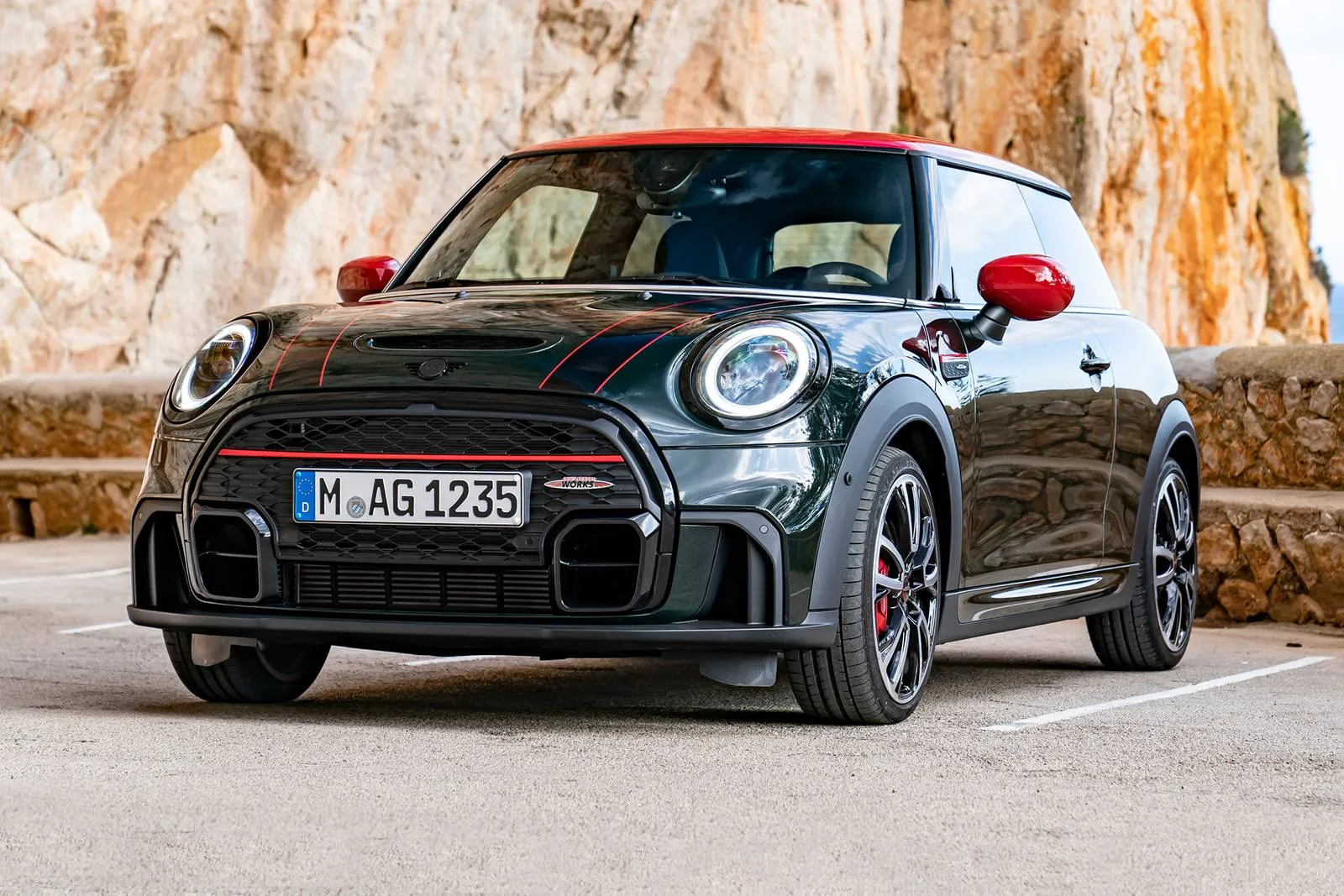
Mini Cooper
The Mini Cooper, despite its compact size and maneuverability, often creates maintenance challenges in city driving. Engine layouts are tightly packed, making even basic servicing time-consuming. Components such as oil filters, spark plugs, and belts are difficult to access, which increases labor time and service costs compared to more straightforward vehicles.
Turbocharged engines in many Mini models are sensitive to heat and stress from low-speed driving. Frequent stop-and-go traffic prevents the engine from reaching optimal operating temperature, which can lead to premature wear of turbo components, increased oil consumption, and potential carbon buildup. Repairs for these issues are specialized and costly, adding financial strain to urban ownership.
The suspension system prioritizes sporty handling rather than durability. Stiff springs, low-profile tires, and performance-oriented dampers transmit road imperfections directly to joints and bushings. Urban streets with potholes or uneven surfaces often lead to alignment issues, premature wear, or broken suspension components, which increases maintenance frequency and cost.
Transmission reliability varies across Mini models, particularly in automatic variants. Frequent low-speed shifting in traffic places stress on internal components, potentially causing clutch slippage, erratic gear engagement, or early failure. Servicing these systems often requires specialized knowledge, increasing labor costs and complicating city ownership.
Parts availability and repair expertise are limited in some areas. Mini Coopers require specific tools and trained technicians for proper service, which makes routine maintenance and unexpected repairs more challenging. Urban owners may face longer wait times, higher labor costs, and greater difficulty in keeping the car reliably operational compared to simpler vehicles.
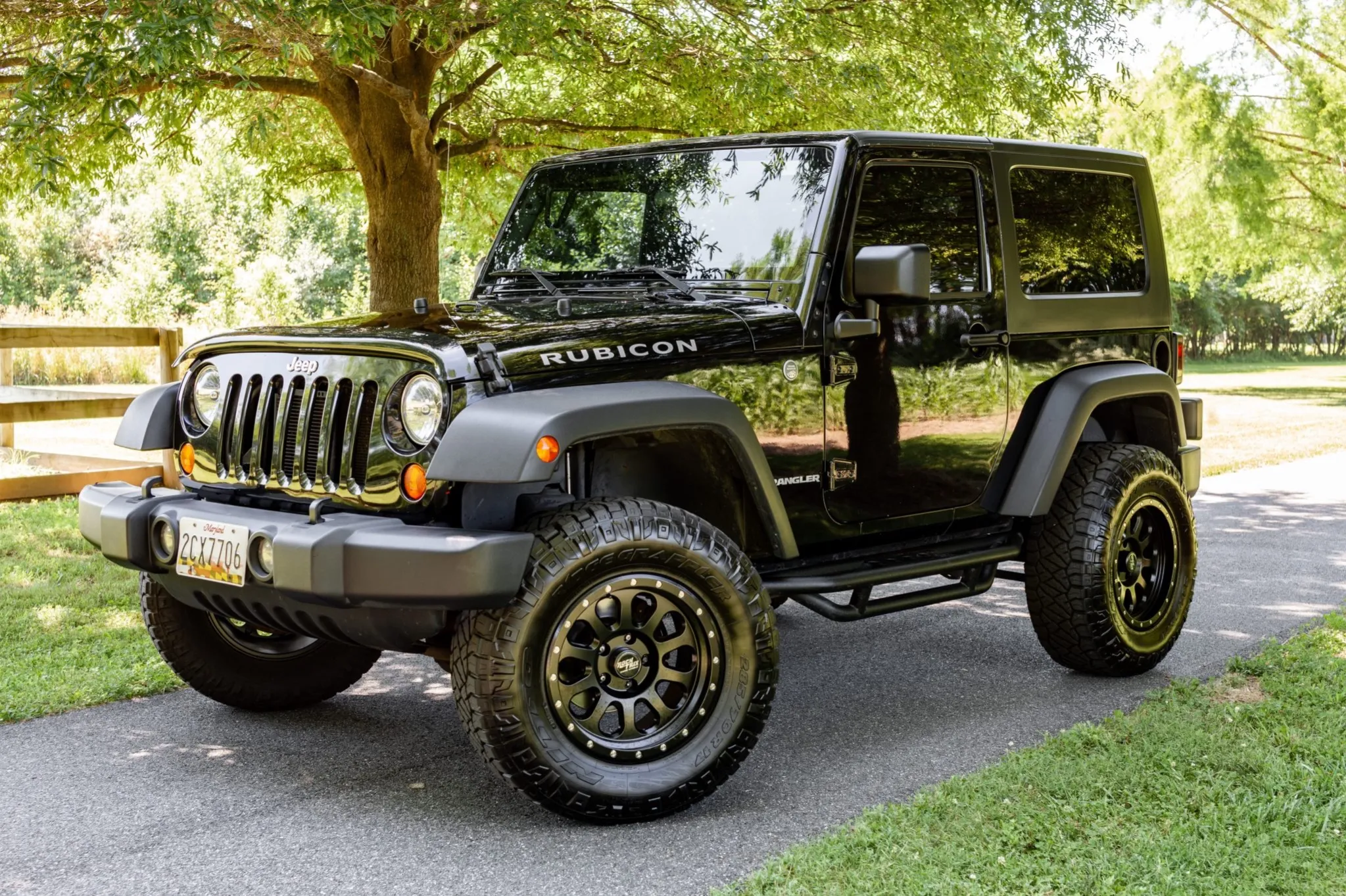
Jeep Wrangler
The Jeep Wrangler is engineered for off-road durability rather than city convenience, which introduces multiple maintenance challenges for urban drivers.
Its solid axles and heavy-duty suspension components experience unnecessary stress on paved streets, which can lead to premature wear of bushings, shocks, and steering linkages. Driving in dense traffic does not match the vehicle’s intended use, accelerating maintenance needs.
Fuel inefficiency indirectly increases maintenance demands. Frequent short trips, idling, and stop-and-go driving force the engine to operate under less efficient conditions. This can result in higher carbon buildup, additional stress on fuel injectors, and increased frequency of routine servicing. City drivers face higher operational costs both in fuel and in engine upkeep.
Suspension components are designed for rugged terrain, meaning they are not optimized for constant pavement use. Road vibrations, potholes, and curb impacts accelerate wear on joints, bushings, and shocks. Alignment issues become frequent, and replacement components can be expensive due to their specialized nature.
Steering systems, designed for off-road articulation and durability, are not optimized for continuous low-speed maneuvering. Frequent tight turns, parallel parking, and heavy traffic exacerbate looseness or play in steering components. Repairs often require specialized parts or labor, making city driving more mechanically demanding.
Maintenance complexity and fuel costs make the Wrangler impractical for urban ownership. While it excels in off-road conditions, its heavy construction, inefficient engine, and specialized components require constant attention in cities. Owners face higher costs, more frequent servicing, and challenges that are largely avoidable with simpler vehicles.
