
At high elevations like Denver’s mile‑high altitude, the performance of a vehicle can change in ways that matter to drivers every day. When air pressure drops and oxygen becomes less dense, the engine’s ability to breathe and produce power changes too, and that influences acceleration, torque, throttle response, and driving feel.
Some vehicles handle this shift in atmospheric conditions with poise and consistency, maintaining smooth performance that doesn’t leave the driver guessing when the road tilts upward or the highway climbs toward the mountains.
Other vehicles feel muted, sluggish, or hesitant, as if the heart of the machine has lost a beat and is struggling to keep up with the demand for power under thin air that is simply less willing to feed combustion.
This article looks at ten specific vehicles that illustrate how different designs, technologies, and engineering choices interact with Denver’s elevation. Some are built with features that help them maintain consistent power and responsiveness despite the change in air density at high altitude.
Others, typically with smaller naturally aspirated engines or less advanced intake and fuel systems, tend to feel lethargic or underwhelming compared to their behavior at sea level. These perceptions are shaped by many factors, including turbocharging, engine displacement, forced induction, and even electrical systems.
By exploring a mixture of trucks, SUVs, sedans, sports cars, and electric vehicles, we aim to give a rounded view of performance trends at elevation. The vehicles chosen represent a range of approaches to power delivery, from traditional internal combustion engines to hybrid and fully electric drivetrains.
You’ll find stories of reliability and strength, as well as candid discussions of limitations that some drivers experience when they climb out of lower‑altitude environments and test their vehicles at or above 5,000 feet.
Whether you are considering a purchase, preparing for a move to high altitude, or simply curious about how your own car might respond, this guide offers meaningful insights based on real‑world performance patterns that emerge at Denver altitude and similar environments.
5 Vehicles That Perform Consistently at Denver Elevation
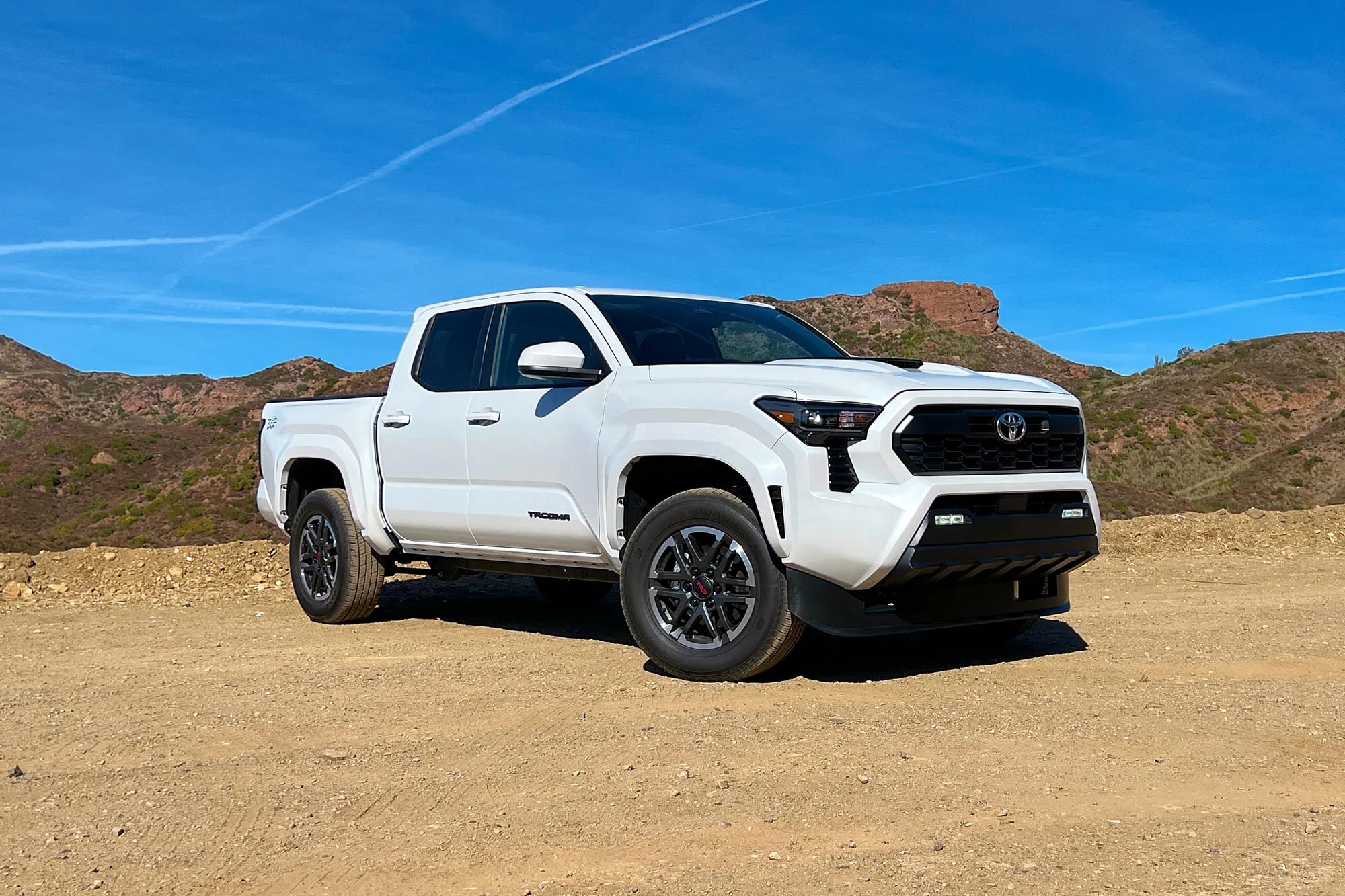
Toyota Tacoma TRD Off‑Road
The Toyota Tacoma TRD Off‑Road stands out with a powertrain that takes altitude changes in stride, balancing torque and responsiveness even as air density drops. Its naturally aspirated V6 engine has a broad torque curve designed to pull steadily through grades without feeling like power is vanishing into thin air.
Drivers often remark that the Tacoma’s throttle feels predictable and stable, so climbing toward mountain passes feels more like managing momentum than fighting for oxygen at every turn. Suspension tuning and drivetrain calibration complement the power delivery, making it feel planted and composed on diverse terrain.
When the road rises toward higher elevations, the Tacoma’s transmission logic adapts smoothly, keeping revs within useful ranges and reducing the sense of lag that can afflict other trucks. Low altitude or high, the connection between driver input and vehicle response feels direct, with minimal hesitation under moderate acceleration demands.
Its crawl control and multi‑terrain select features help modulate traction and power distribution in scenarios where elevation changes coincide with loose surfaces or uneven ground. This holistic approach to performance helps it shrug off altitude impacts that would inconvenience lesser‑equipped midsize trucks.
Toyota’s engineering focus on reliability means that components are built to endure rugged use without drastic shifts in perceived performance when oxygen levels dip. Even with a heavier payload or a trailer in tow, the Tacoma TRD Off‑Road rarely gives the sense that it is on the back foot at high elevations.
The combination of mechanical robustness and thoughtful tuning conveys confidence, especially for drivers who frequently traverse passes or explore backcountry roads. It does not rely on flashy numbers but rather on an honest, consistent feel that many appreciate in mountainous settings.
Drivers who live at or visit Denver and intend to explore the Rockies appreciate how the Tacoma TRD Off‑Road keeps its composure, seldom exhibiting the power drop‑off that frustrates owners of vehicles with smaller engines.
The engine’s ability to breathe relatively well at altitude helps maintain acceleration and responsiveness that feel familiar rather than compromised. For those who use it for work and recreation alike, this dependable performance is a key reason the Tacoma remains a top choice among midsize trucks for high‑elevation regions and beyond.
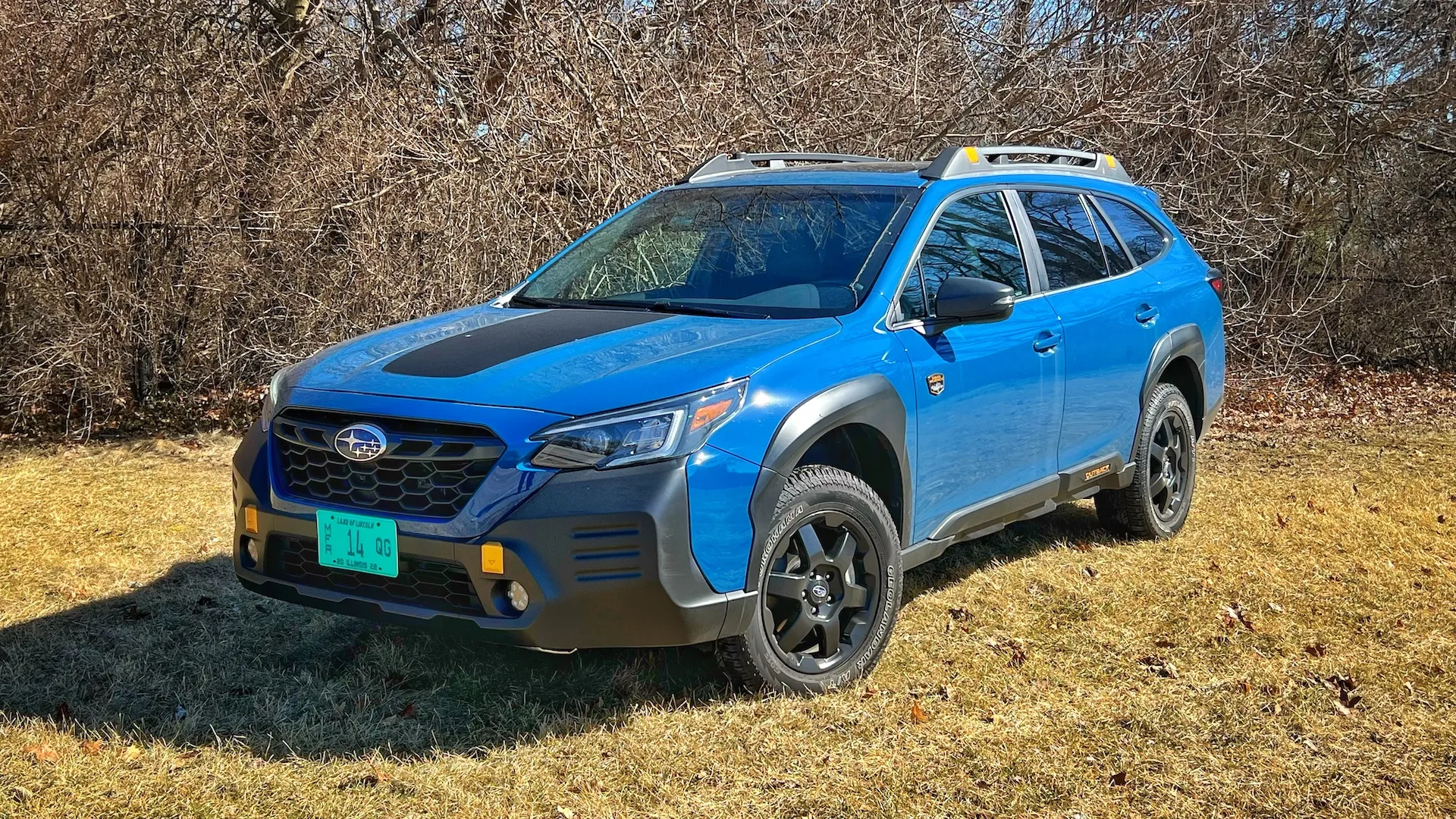
Subaru Outback Wilderness
The Subaru Outback Wilderness earns praise from high‑altitude drivers for its blend of balanced power delivery and all‑terrain capability, making it a vehicle that rarely seems fazed by the thinner air at elevation.
Its boxer engine design, combined with a responsive continuously variable transmission, helps sustain momentum without the kind of flat‑spot feeling that some naturally aspirated engines exhibit at altitude. The Wilderness variant’s slightly higher ride height and off-road-focused suspension contribute to a confidence‑inspiring feel when moving from plains to mountain trails.
Subaru’s engineering emphasis on durability and versatility shows in how the Outback Wilderness handles varied altitudes with an almost monotonic sense of effort to performance ratio. Long ascents feel measured, with the engine maintaining a steady output that aligns with driver expectations.
There is an absence of that sluggish feeling some cars exhibit when oxygen levels dip, replaced by a calming consistency that many drivers value on road trips that span plains and peaks alike. Comfort and drivability blend to make rail‑to‑trail travel feel accessible without undue strain.
Passengers often comment that the Outback’s cabin feels calm and confident at higher altitudes, as if the vehicle simply knows how to adapt to the environment. Noise levels, throttle response, and traction feedback work in harmony to create a driving experience that feels unhurried yet assured.
Whether navigating winding mountain passes or cruising on open highways, the Wilderness variant holds its own with a predictability that seasoned drivers appreciate. Its capacity to maintain composure across altitude changes contributes to its reputation as a dependable all‑around vehicle.
Owners who value outdoor adventure and daily driving find that the Subaru Outback Wilderness strikes a comfortable balance between capability and humility. It does not scream performance in the way a sports car might at sea level, yet it rarely communicates the sensation of struggling for breath as elevation increases.
For many, this translates into a seamless transition from urban commutes to gravel roads leading into high country, making the Outback Wilderness a preferred choice for those who want a vehicle that feels alive rather than weighed down by altitude.
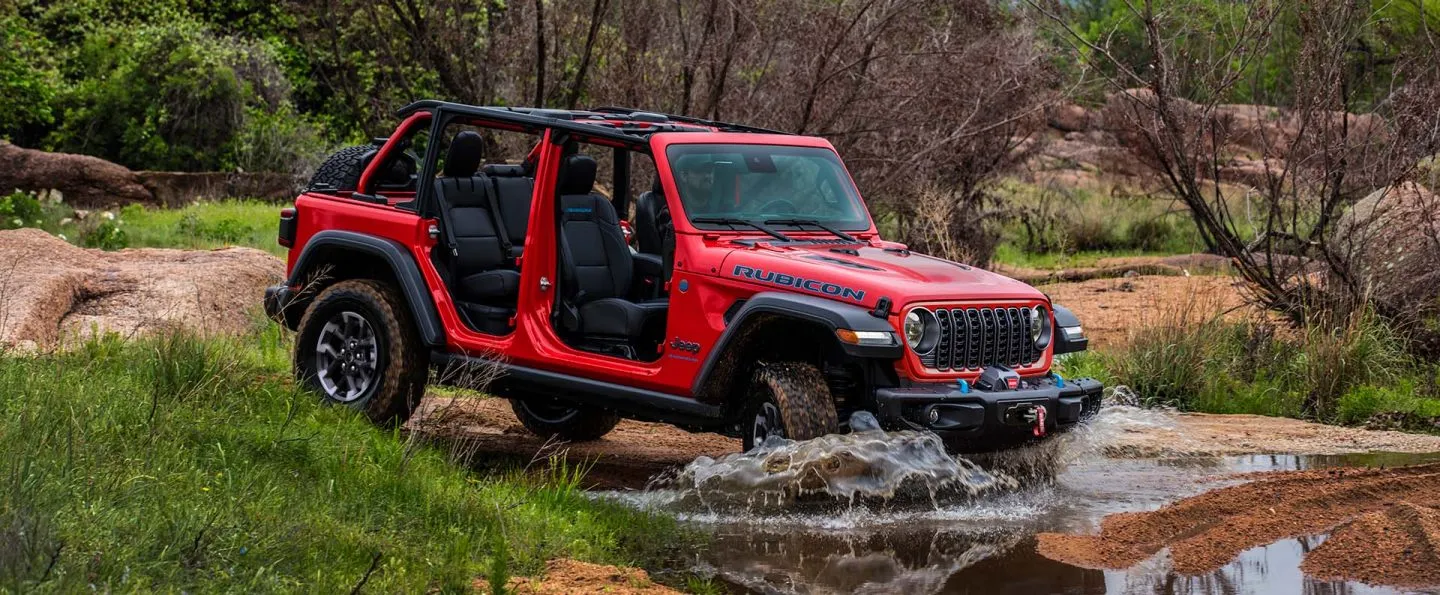
Jeep Wrangler 4xe
The Jeep Wrangler 4xe’s plug‑in hybrid powertrain gives it an edge for altitude performance, where the fusion of electric torque and gasoline engine support works together to keep acceleration and throttle response steady.
The immediate torque from the electric motors helps the Wrangler launch confidently, compensating for any decrease in engine breathing efficiency as elevation rises. On grades where purely internal combustion vehicles might feel breathless, the 4xe maintains a sense of purposeful forward motion that many drivers find reassuring when heading toward higher elevations.
Off‑road, the Wrangler 4xe continues to impress as it climbs and descends varied terrain, with the hybrid system managing power delivery in a way that feels calibrated rather than erratic. The combination of electric torque and generator assistance helps maintain traction and stability, even as air pressure changes.
Traditional four‑wheel drive systems paired with electric support can cushion the transition from flatlands to mountain tracks, making it easier for drivers to focus on steering and line choice rather than constantly correcting for lag.
The Wrangler 4xe’s cabin experience at elevation reflects the drivetrain’s balanced nature, with fewer jolts or hesitation under moderate acceleration demands. It feels responsive to driver intent, a quality that matters when navigating switchbacks or forested trails stretching toward higher altitudes.
Fuel economy can improve when electric power plays a larger role, and the smoother torque curve helps maintain confidence in a range of driving contexts that would test lesser vehicles. Drivers often find themselves appreciating the harmony between power and control as they explore beyond city limits.
The Jeep Wrangler 4xe demonstrates that hybrid technology can mitigate altitude‑related performance challenges in a meaningful way. The integration of electric torque with gasoline engine support keeps the vehicle feeling lively rather than compromised, even when climbing elevation.
For those who enjoy venturing into mountainous areas without sacrificing everyday usability, the 4xe’s ability to maintain steady performance makes it a compelling choice in its class.
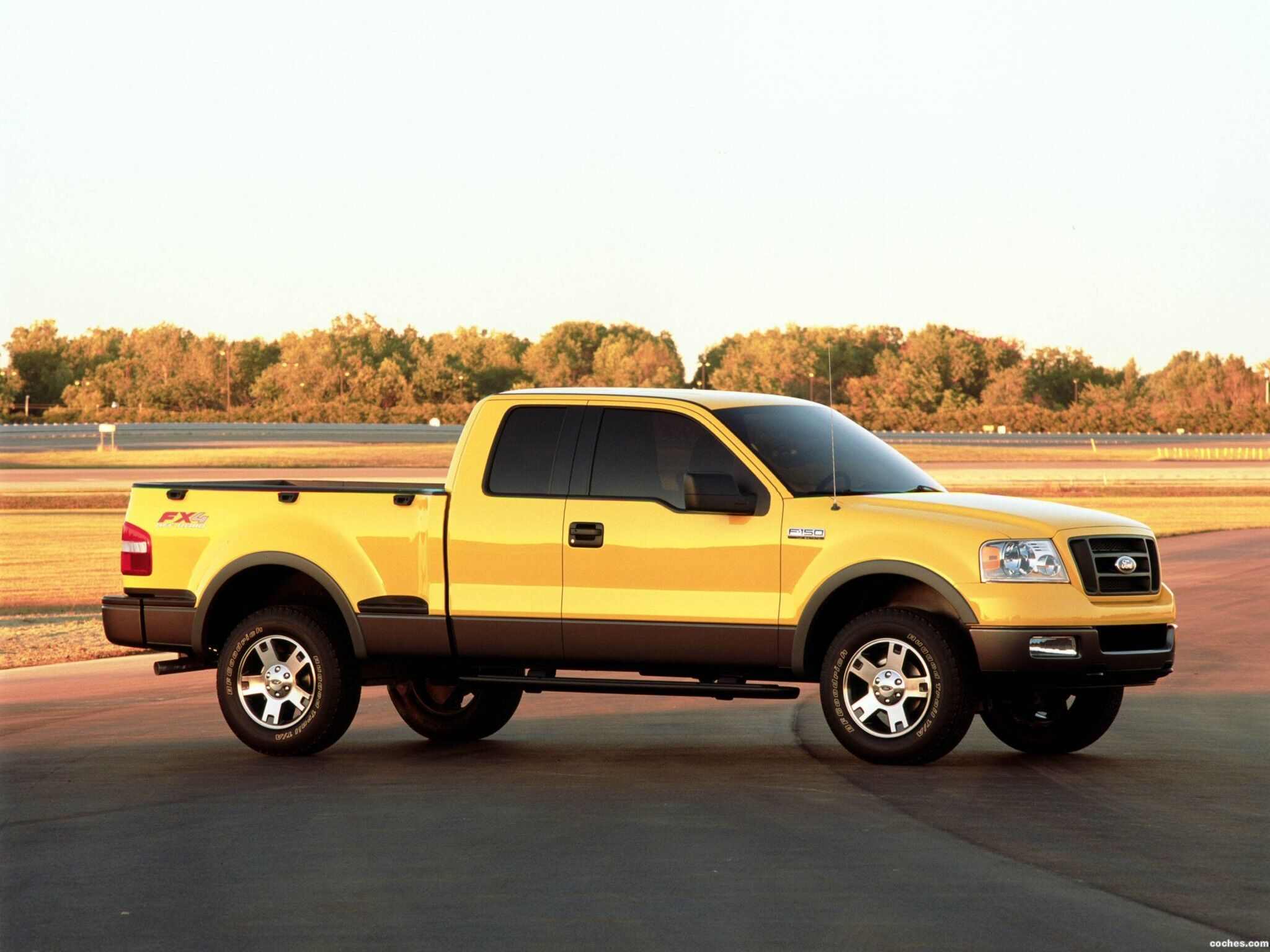
Ford F‑150 EcoBoost
The Ford F‑150 equipped with an EcoBoost engine is often praised for its ability to sustain power and responsiveness at varied elevations, thanks in large part to its turbocharged design that helps counteract the thinner air encountered at higher altitudes.
Turbocharging compresses intake air, partially offsetting the natural drop in atmospheric pressure that reduces power in many engines. As a result, the F‑150 EcoBoost delivers ample low‑end torque and mid‑range punch that feels reassuring when hauling loads or ascending long grades outside of Denver.
As elevation increases and oxygen levels decrease, the twin‑turbo setup in the EcoBoost engine maintains boost pressure more effectively than a naturally aspirated alternative might, reducing the sensation of losing thrust compared to less advanced engines.
This translates into a truck that feels willing rather than reluctant when drivers ask for extra acceleration on highway inclines or while overtaking slower traffic. The transmission’s adaptive shift logic complements the engine by keeping revs in useful bands, preserving momentum without feeling strained or hesitant under load.
The F‑150’s chassis and suspension tuning further contribute to confidence in performance at elevation, as the truck’s balanced dynamics help smear the line between power and comfort.
Drivers who frequently transition from urban to mountainous environments report that the EcoBoost engine’s response remains steady and predictable, making the truck feel familiar rather than out of its depth. Whether towing a trailer or carrying cargo, the system’s ability to deliver sustained torque aids in maintaining progress on long climbs and through varying atmospheric conditions.
Inside the cab, the F‑150 EcoBoost feels composed and controlled, with minimal surprises as altitude changes. The smooth delivery of power helps reduce the need for constant throttle modulation, and the truck’s feel encourages drivers to engage with the road rather than fight the engine.
This steadiness of performance resonates with those who appreciate that the vehicle’s capabilities remain intact whether they are in a city center or approaching high‑elevation destinations. Every day driving feels comfortable and connected to the task at hand.
For drivers who want a full‑size truck that adapts well to elevation changes without dramatic losses in power or driveability, the Ford F‑150 EcoBoost stands out as a solid option. Its blend of turbocharged strength, thoughtful drivetrain calibration, and stability creates a sense of resilience against the challenges that thinner air presents. The result is a truck that feels robust, ready to work, and willing to carry you forward regardless of the altitude ahead.
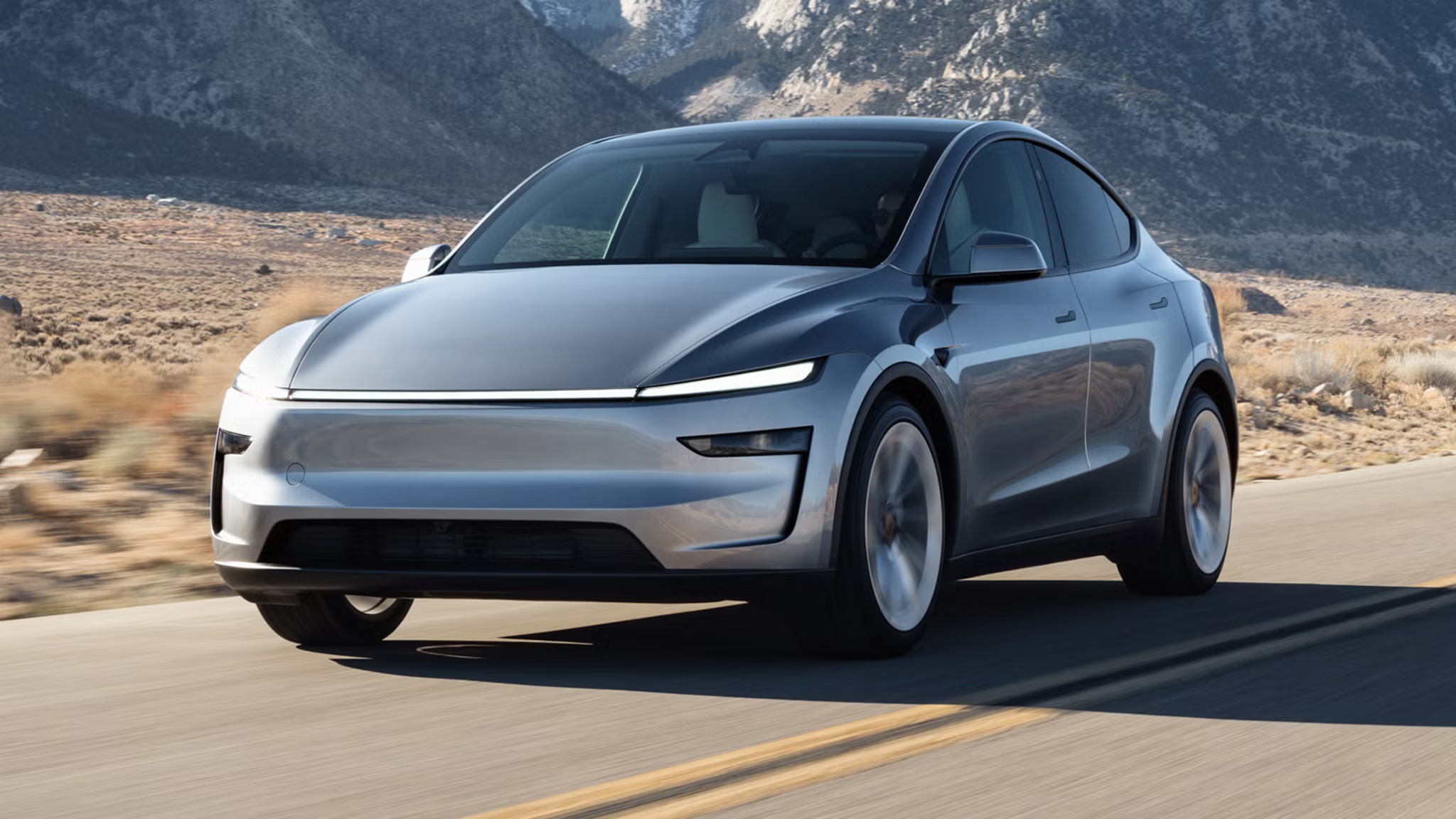
Tesla Model Y
The Tesla Model Y’s electric powertrain gives it an unusual advantage at high elevations, where the absence of reliance on air for combustion eliminates a major source of performance degradation.
Electric motors produce consistent torque irrespective of air density, so the Model Y maintains brisk acceleration and smooth responsiveness whether parked downtown or cruising toward the mountains. Regenerative braking also helps manage energy recovery on descents, a feature that feels intuitive and reassuring during extended trips through varied terrain.
Battery performance at high altitude remains stable, though ambient temperature and usage patterns influence range more than elevation itself. The Model Y’s thermal management system helps keep the battery within optimal operating conditions, ensuring that drivers can count on a predictable range even when climbing or descending repeatedly.
While range planning remains important, the consistency of power delivery means that drivers are less likely to feel caught off‑guard by performance fluctuations tied to altitude.
Inside, the Model Y feels calm and composed, with a driving experience that does not hinge on air pressure or engine breathing.
Sound levels and ride comfort contribute to a sense of ease, especially over long distances where concentration and alertness matter. The elevated seating position adds to confidence on open highways and windy mountain roads alike, making it easier to enjoy the journey without second‑guessing the vehicle’s ability to respond to your commands.
For drivers who value smooth, unwavering performance at every elevation, the Tesla Model Y’s electric architecture provides a compelling alternative to traditional gasoline or hybrid vehicles. Its ability to deliver torque consistently, paired with thoughtful energy management systems, helps create a driving experience that feels both reliable and engaging from city streets to high‑altitude destinations.

Honda Civic LX
In contrast to the vehicles above, the Honda Civic LX with its smaller naturally aspirated engine often feels less enthusiastic at higher elevations, where reduced air density can make the engine struggle to breathe as easily as it does at sea level.
Drivers may notice that acceleration feels muted, especially when merging onto highways or climbing grades that demand extra power. The throttle response, which feels crisp in lower altitude environments, can seem flattened, as if the car is responding sluggishly to driver inputs when more oomph is needed.
On winding roads that climb toward the mountains, the Civic’s handling remains nimble, yet the sensation of underpowering becomes more pronounced, detracting from an otherwise enjoyable driving experience.
Steering feedback and suspension tuning are not enough to offset the feeling that the engine lacks the vitality to match the road ahead. Drivers often find themselves waiting longer for the desired surge of speed, a pattern that can make daily commutes and exploratory drives feel less engaging at Denver’s elevation.
Cabin atmosphere can amplify this sense of lethargy, as the engine noise climbs without a corresponding increase in acceleration, creating an odd disconnect between sound and motion.
What once felt lively and efficient at lower altitudes starts to feel strained, as if the car’s zest has been sapped by factors outside the driver’s control. This can affect confidence, particularly when navigating roads that demand swift throttle adjustments or sudden bursts of power to maintain safety and flow.
While the Honda Civic LX remains an economical and reliable commuter choice in many contexts, its performance at high elevation highlights the limitations of naturally aspirated engines in environments where oxygen levels are lower.
For drivers who prioritize spirited acceleration and responsive throttle feel, the Civic LX might feel wanting on Denver’s roads, especially compared to vehicles designed with altitude performance in mind.
5 That Feel Sluggish
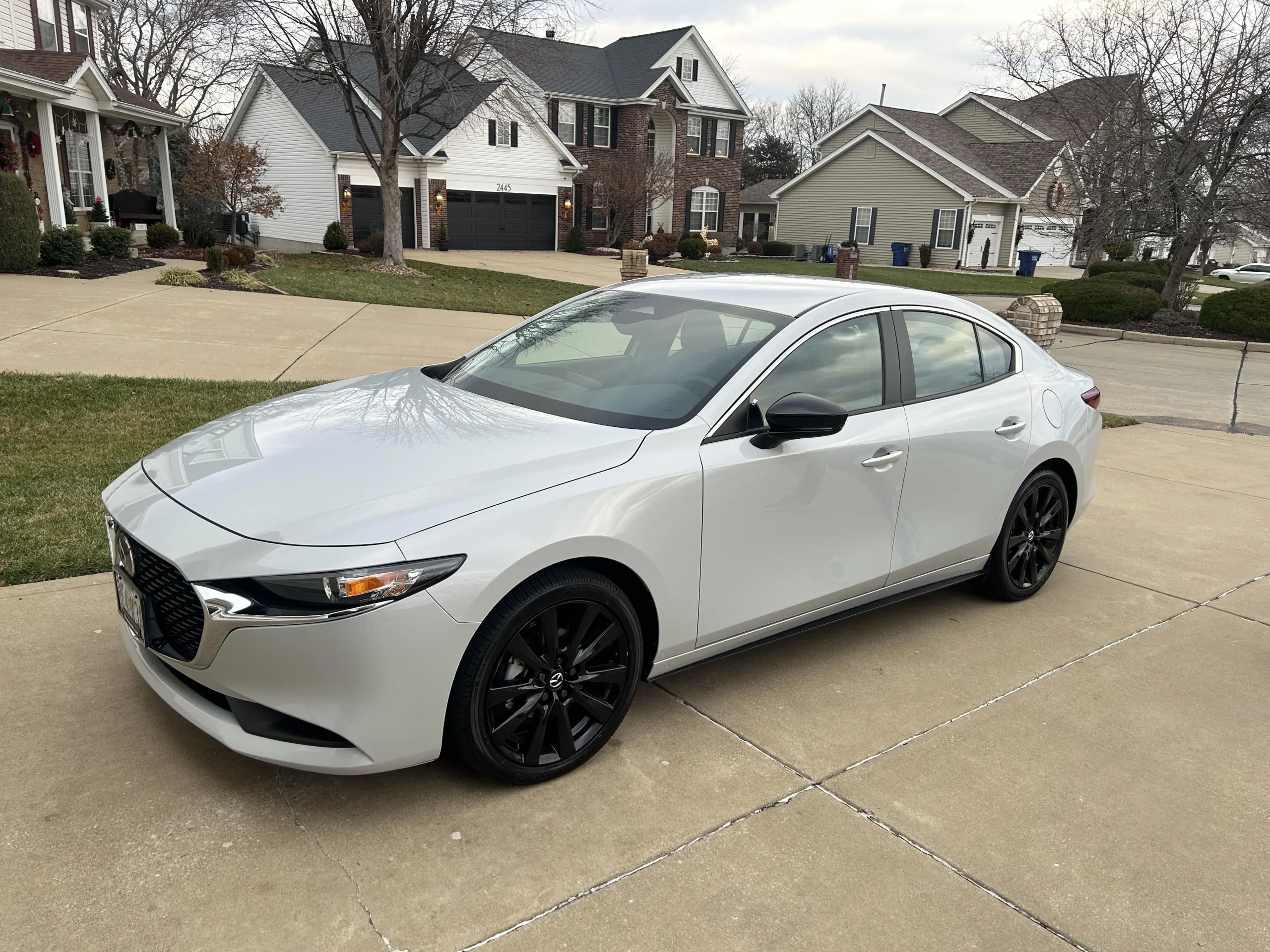
Mazda3 Sedan
The Mazda3 Sedan is known for its efficient design and fun handling at sea level, but at higher elevations, it often exhibits a noticeable drop in performance. Its naturally aspirated 2.0‑ or 2.5‑liter engine depends entirely on atmospheric pressure to intake air.
As the air thins, the engine struggles to maintain power, making acceleration feel hesitant, especially during highway merges or uphill stretches. Drivers often describe the throttle response as soft or sluggish, giving a sensation of lag that can surprise those unfamiliar with altitude effects.
This reduction in power becomes more apparent when carrying passengers or cargo. The engine’s torque, already moderate, diminishes further at Denver’s altitude, requiring more effort to maintain speed.
On winding roads or mountain passes, the Mazda3’s handling remains sharp, yet the diminished engine output can make climbs feel laborious. Enthusiasts who enjoy the car’s peppy feel at lower elevations may notice the contrast sharply when navigating high-altitude roads.
While the transmission adjusts reasonably well, the sensation of underperformance persists. Shifts can feel like they are happening without purpose, as the engine struggles to respond to input immediately.
For drivers used to responsive acceleration in urban or lowland areas, the Mazda3’s behavior at high elevation can feel frustrating, especially in situations where a quick burst of power is necessary. Confidence can be affected when merging or overtaking, even though the car remains controllable and safe.
Despite its aesthetic appeal, comfort, and handling strengths, the Mazda3 Sedan illustrates how naturally aspirated compact cars can struggle in thinner air. Drivers who frequently traverse Denver or similar high-altitude areas may find the engine’s reduced output limiting, particularly for overtaking or climbing long grades.
While it remains a reliable and enjoyable car in many respects, performance-conscious drivers may notice it feels muted compared to turbocharged or hybrid alternatives.
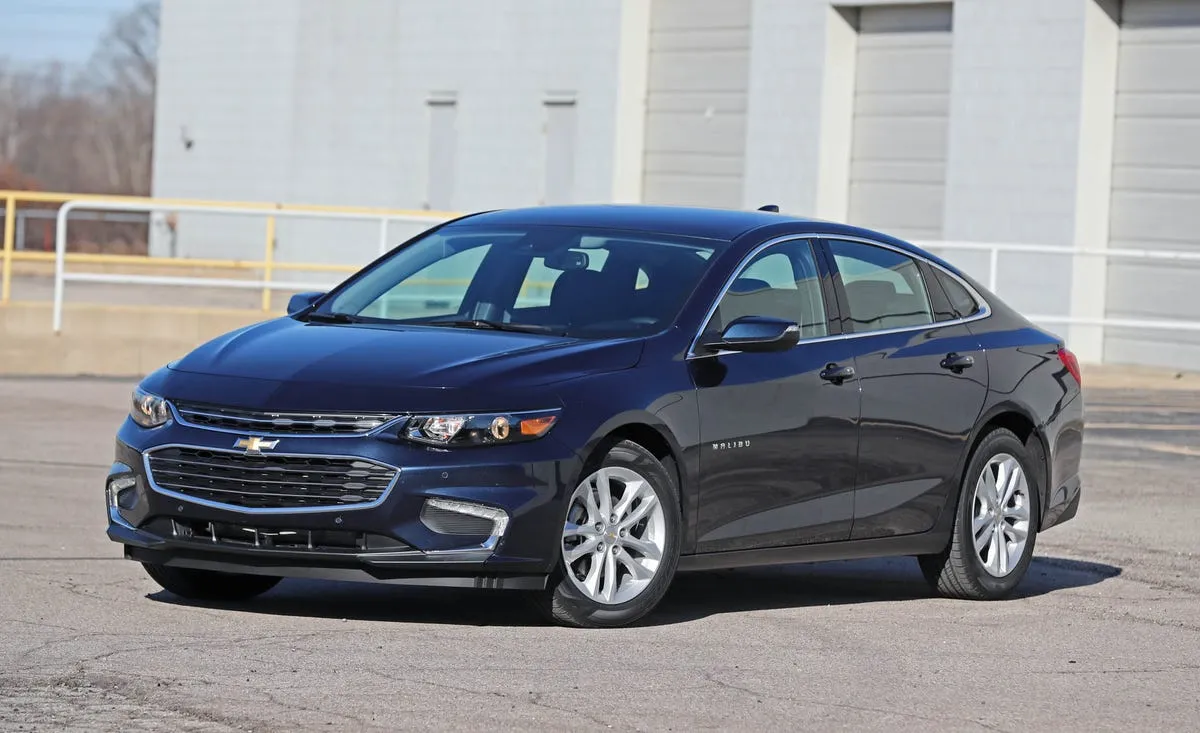
Chevrolet Malibu LS
The Chevrolet Malibu LS, a mid-size sedan often chosen for commuting and practicality, also experiences a performance drop at Denver’s elevation.
Its standard four-cylinder engine, without turbocharging, cannot fully compensate for thinner air.
Drivers frequently notice that acceleration is flatter and less responsive than at sea level. Climbing hills or merging onto highways can require extra pedal input, and the car may feel slower than expected despite steady throttle engagement.
The CVT transmission helps smooth power delivery, but it cannot add power where the engine itself lacks capacity. Drivers may find that acceleration feels drawn out, and quick responses, such as passing slower vehicles, require more planning and lead time.
In day-to-day driving, this can translate to a feeling that the Malibu is working harder than necessary to maintain basic performance standards, affecting driving satisfaction.
Even in terms of fuel efficiency, high elevation can have subtle effects. The engine works harder to overcome thin air, leading to slightly higher consumption under load, which might surprise owners relying on EPA estimates derived from lower altitudes.
Combined with the muted acceleration and throttle lag, this creates an impression that the vehicle is less capable than it appears in marketing or at dealerships at sea level.
Despite its comfort and quiet cabin, the Malibu LS demonstrates that mid-size sedans with standard naturally aspirated engines can struggle in high-altitude conditions.
Drivers seeking a sedan that maintains spirited, consistent performance in Denver may find the Malibu underwhelming, as the engine’s thinning breath reduces both responsiveness and confidence on inclined roads.
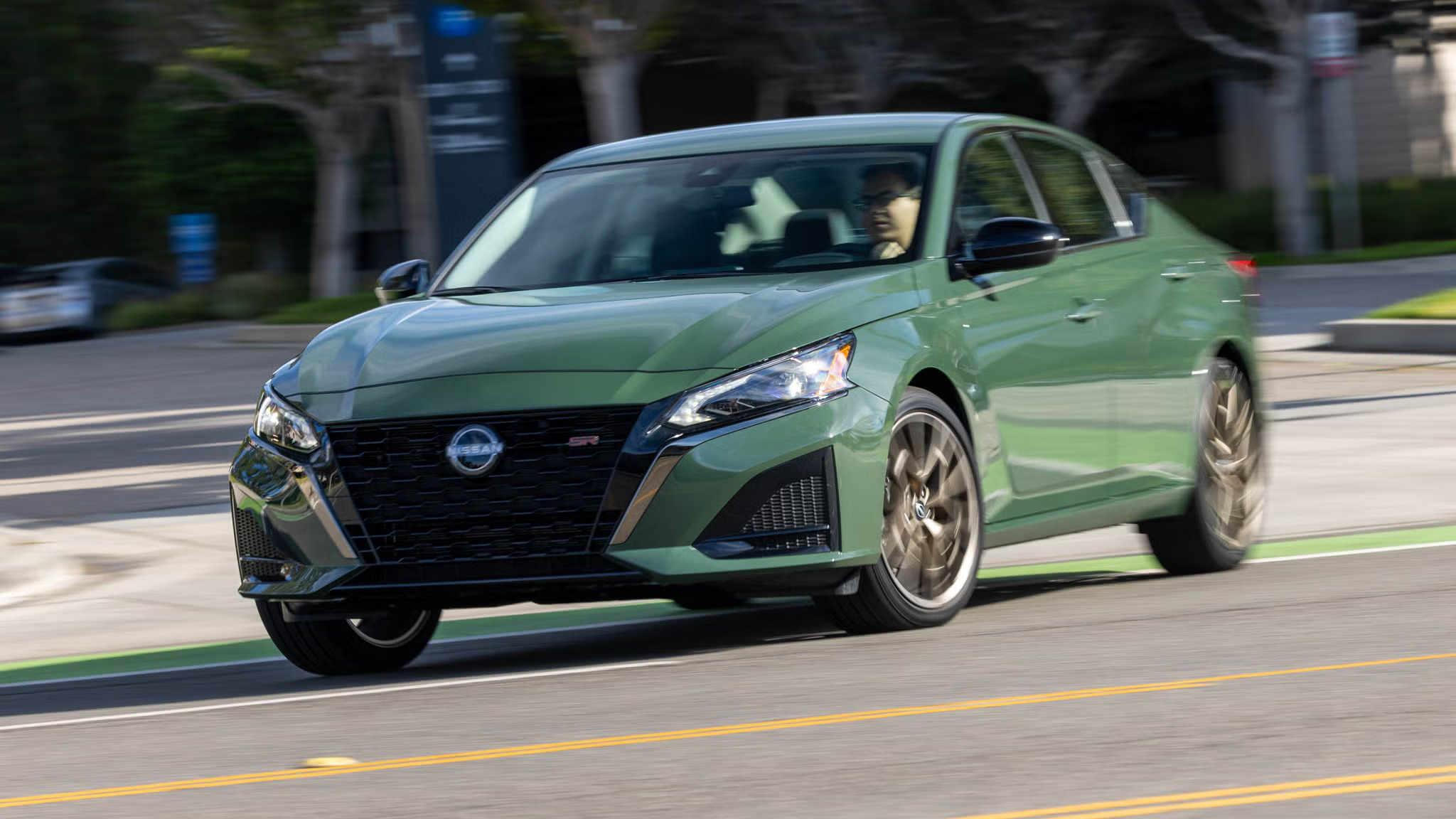
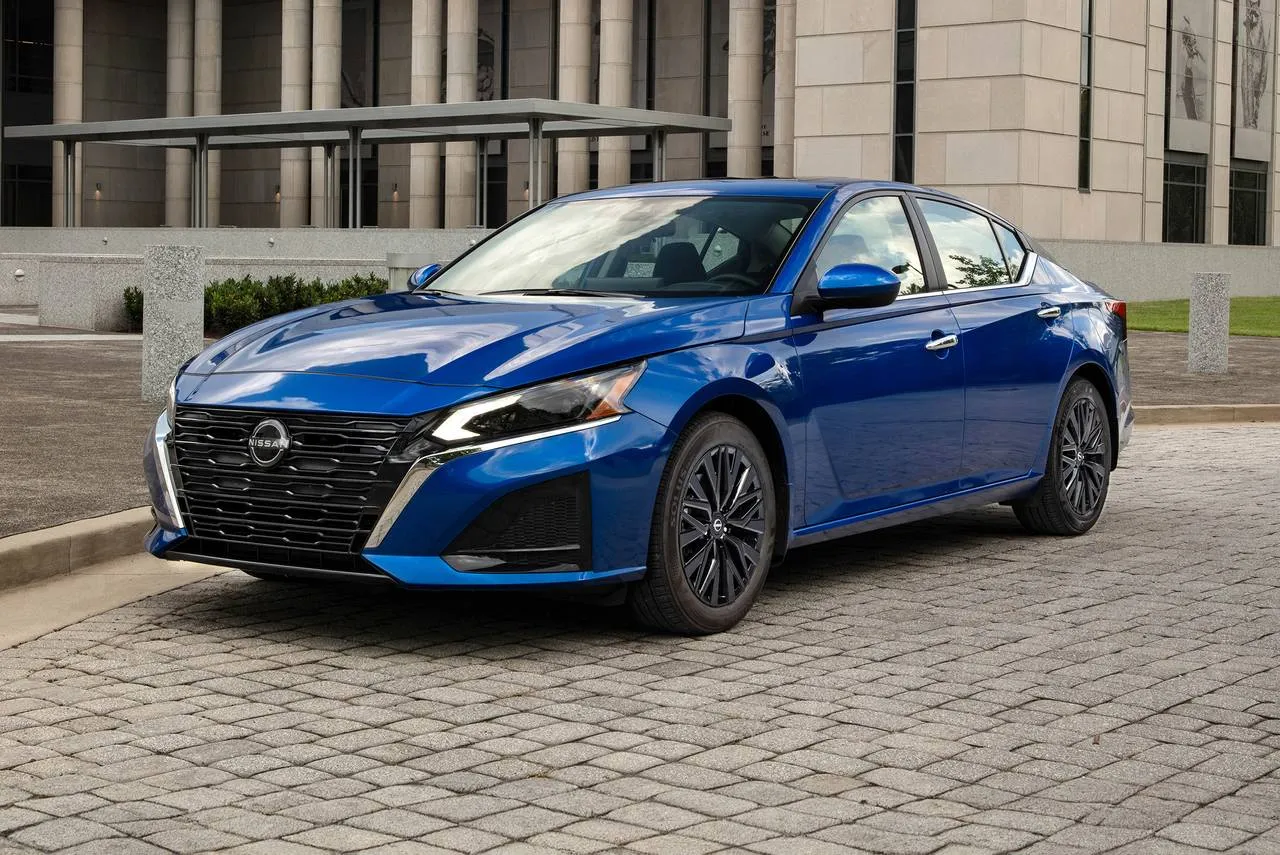
Nissan Altima S
The Nissan Altima S, while offering a comfortable and stylish ride, also tends to feel underpowered at high elevations. Its naturally aspirated four-cylinder engine relies entirely on available air pressure, and Denver’s thin air reduces both horsepower and torque.
Drivers often notice slower acceleration and a lack of punch when merging onto freeways or climbing steep inclines. This can feel disconcerting for those expecting the lively responsiveness experienced at lower altitudes.
On long uphill stretches, drivers may find themselves applying more throttle than usual, as the engine seems hesitant to deliver immediate power.
Steering and handling remain responsive, but the disconnect between expected and actual acceleration can feel frustrating. Passengers may notice slower acceleration or delayed response compared to other cars in the same class at lower elevations.
Fuel economy is generally reasonable, yet the engine’s extra effort to maintain speed can slightly affect efficiency. In combination with muted acceleration, the Altima can feel less efficient in practice than anticipated.
This performance drop underscores the challenges naturally aspirated mid-size sedans face at high altitude, where engine breathing is inherently limited by thinner air.
While the Altima remains a safe and comfortable choice for commuting and daily driving, high-elevation performance limitations make it less engaging.
Drivers seeking lively acceleration or confident highway performance in Denver may find the Altima S disappointing, as it exhibits sluggishness that contrasts with turbocharged or hybrid competitors.
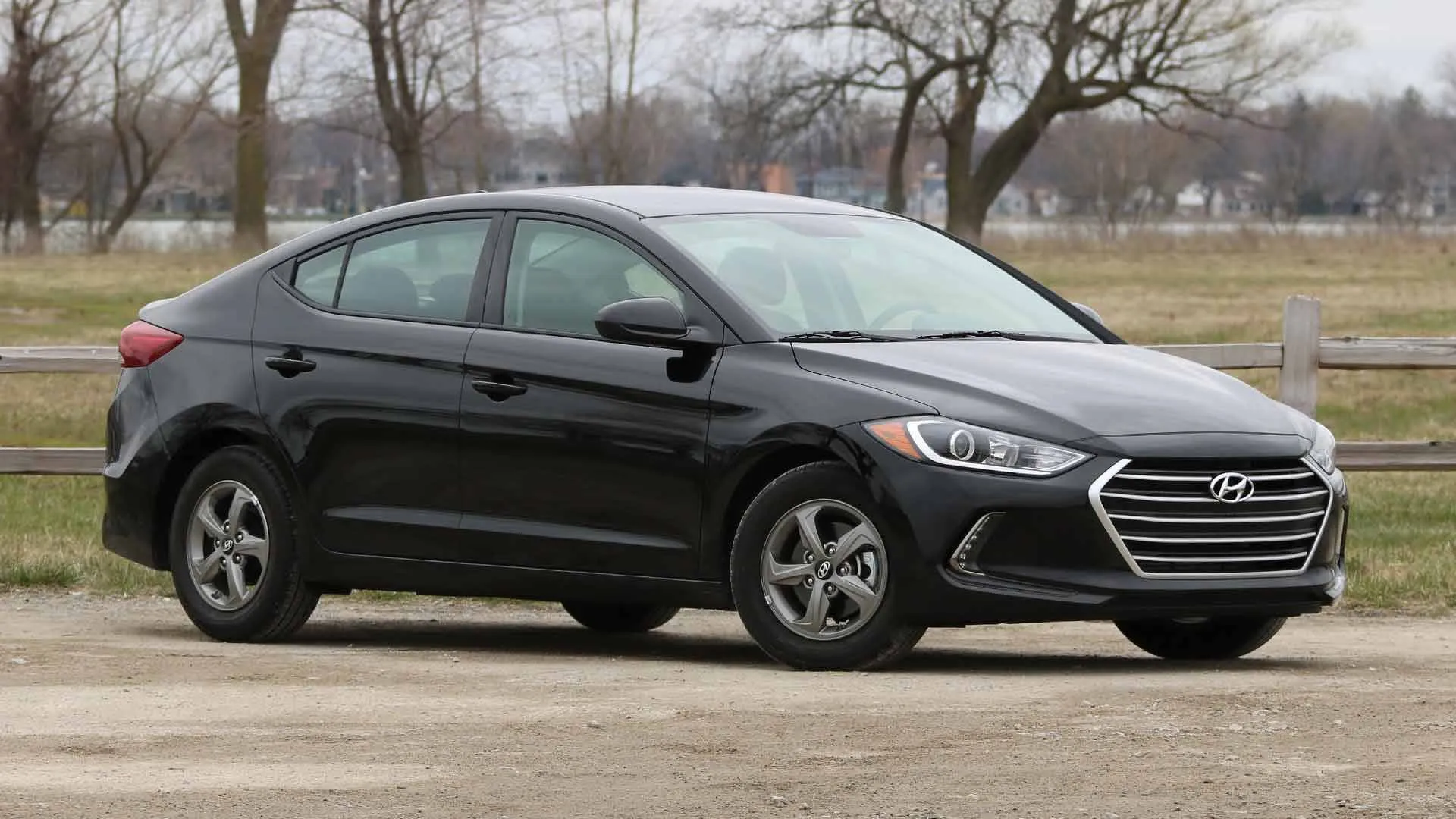
Hyundai Elantra SE
The Hyundai Elantra SE, known for affordability and efficiency, also struggles at higher elevations due to its naturally aspirated engine. Thinner air leads to decreased power output, and drivers may notice a flat or muted throttle response.
Merges, inclines, and overtaking maneuvers can feel sluggish, with the engine requiring more pedal input to achieve the same acceleration experienced at sea level. The sensation can be surprising for those unfamiliar with altitude effects.
Passenger comfort remains a strength, yet the powertrain’s reduced output can affect confidence during dynamic driving. Steep grades or long highway stretches may expose the Elantra’s limited torque, making it feel less capable than its peers.
Drivers may compensate by driving at higher RPMs, which can slightly increase engine noise and reduce the quiet cabin experience.
Fuel efficiency, usually a selling point, is slightly impacted when the engine works harder to maintain speed. Combined with the feeling of sluggishness, the car may feel strained on longer trips through mountainous terrain.
Even modestly steep inclines highlight its altitude-related performance limitations, which can influence daily driving satisfaction in Denver or similar cities.
While the Hyundai Elantra SE provides value and practicality, it illustrates the challenges naturally aspirated compact sedans face in high-elevation environments.
Drivers seeking a responsive, engaging ride may find its performance underwhelming, particularly when compared with turbocharged or electric vehicles that can maintain power at low air density.

Volkswagen Jetta S
The Volkswagen Jetta S rounds out the list of vehicles that tend to feel sluggish at higher elevations. Its base naturally aspirated engine is designed for fuel efficiency rather than altitude compensation, and drivers often notice that acceleration is slower than expected.
Climbing hills or merging onto highways can feel like a strain, and throttle response may seem soft or delayed. The performance gap is particularly noticeable when transitioning from low to high-altitude environments.
The Jetta’s transmission provides smooth operation, yet the engine’s reduced output remains evident. Drivers may need to anticipate slower acceleration and adjust expectations when passing or climbing steep grades.
While the sedan handles well and maintains composure, the powertrain’s muted response can diminish confidence in dynamic driving situations. This contrasts sharply with turbocharged or hybrid models that maintain consistent output at elevation.
Highway driving accentuates the sensation of sluggishness, as the engine lacks the immediate torque needed to surge past slower traffic.
Even though the steering and suspension are precise, the car’s acceleration lag can feel like a mismatch with its otherwise capable chassis. Everyday commuting may be manageable, yet more demanding driving situations highlight its limitations at high altitude.
Fuel efficiency remains reasonable but may be slightly lower than expected as the engine works harder to overcome thin air.
The combination of sluggish acceleration and modest efficiency shifts creates the impression of a car that struggles to maintain its usual competence at altitude. Drivers may notice a more pronounced difference than they expect when comparing sea level to Denver driving conditions.
For those who prioritize smooth, lively performance in a high-altitude city, the Volkswagen Jetta S may feel disappointing.
Its naturally aspirated engine exhibits limitations in responsiveness and torque, making it less capable of maintaining dynamic performance compared to vehicles equipped with turbocharging, hybrid systems, or electric powertrains.
