
Urban life places unique demands on car ownership that go far beyond engine power or luxury features. In cities where streets were designed decades before modern traffic density, parking has become a daily challenge rather than a minor inconvenience.
Drivers circle blocks repeatedly, squeeze into curbside gaps, and negotiate tight garages that test both patience and spatial awareness. As a result, the type of car someone drives can directly shape their daily stress level, repair costs, and even confidence behind the wheel. Size, visibility, turning radius, and body shape matter just as much as reliability or fuel economy in these environments.
Parking in dense urban areas is rarely forgiving. Tight spots leave little room for error, and even skilled drivers are vulnerable to door dings, scraped bumpers, and bent mirrors. A few extra inches of length or width can be the difference between a clean park and an awkward maneuver that draws attention or damage.
Over time, repeated minor impacts add up, affecting resale value and satisfaction with the vehicle. This reality has pushed many city dwellers to rethink traditional ideas of what makes a good car.
Some vehicles are naturally suited for urban life. They are compact without feeling cramped, nimble without being underpowered, and designed with visibility and maneuverability in mind. These cars slip into spaces others avoid, making daily parking less of a gamble.
On the other hand, certain models consistently struggle in city settings despite their popularity. Their dimensions, design choices, and usage patterns make them frequent victims of dents and scratches, especially in crowded neighborhoods where space is always contested.
This article examines two contrasting groups of vehicles. The first group consists of five cars that comfortably fit into tight urban parking spots and reduce the likelihood of accidental damage.
The second group includes five cars that, while appealing for other reasons, are regularly dinged due to their size, shape, or typical parking environments. The goal is not to judge ownership choices, but to highlight how design interacts with urban conditions in practical ways.
By understanding these differences, drivers can make more informed decisions that align with their daily realities rather than idealized driving scenarios. Whether choosing a new car or reassessing an existing one, awareness of parking dynamics can save time, money, and frustration. Urban driving rewards practicality, and the cars discussed here show exactly how that practicality plays out on crowded streets.
Cars That Fit Tight Urban Parking Spots
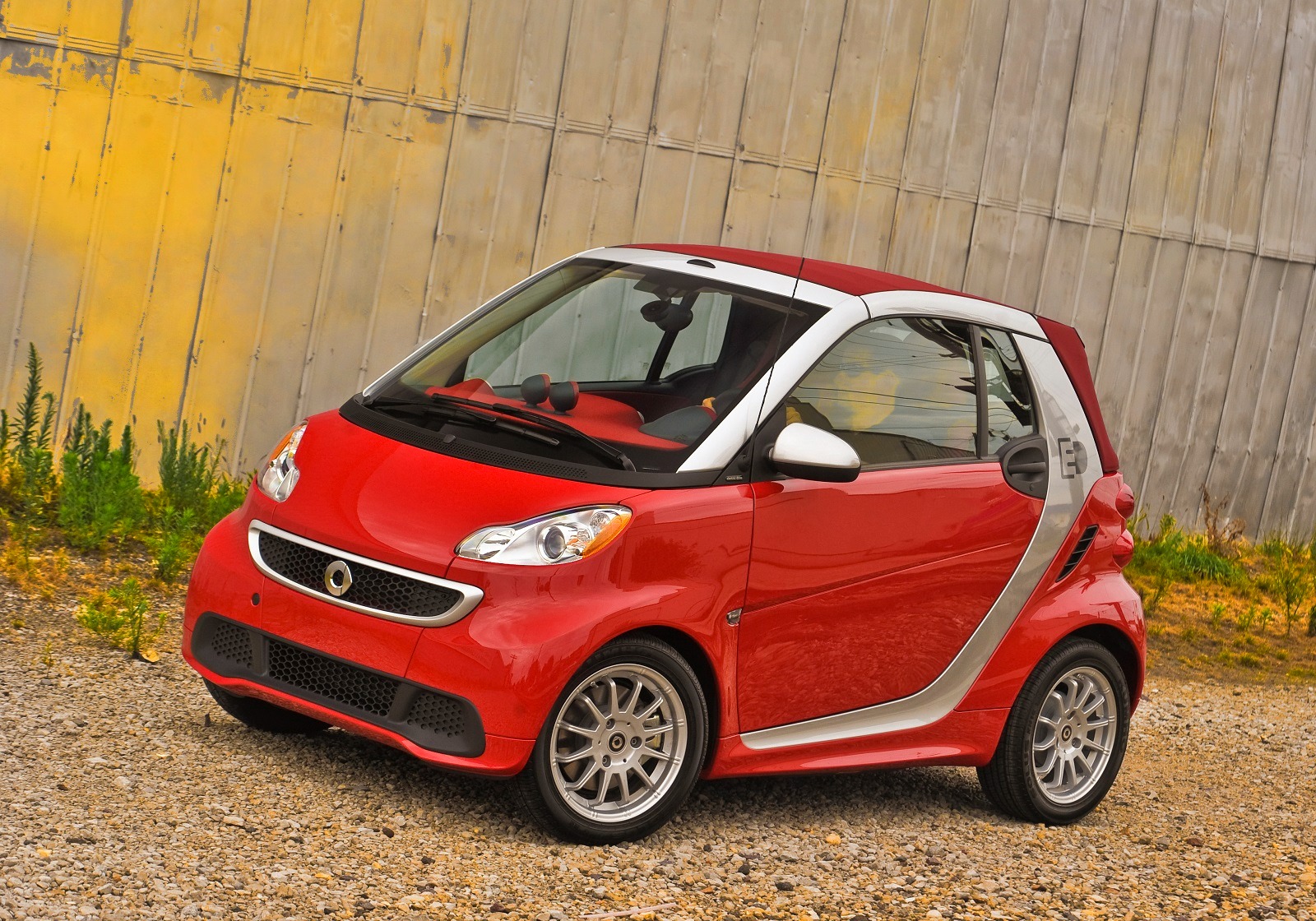
Smart Fortwo
The Smart Fortwo was built with city constraints as a primary design goal, and that intention is evident the moment it pulls into a parking space. Its extremely short length allows it to fit into gaps that most drivers would dismiss immediately, including spaces where larger compacts or even mid-sized sedans cannot enter.
In some cities, it can even park perpendicular to the curb where regulations allow, a feat that is almost impossible for conventional cars, giving owners a distinct advantage during peak hours when parking is scarce. This ability dramatically expands parking options and reduces the time spent searching for a spot.
Visibility from the driver’s seat is excellent due to the upright seating position and large windows. Drivers can clearly see curbs, nearby cars, and pedestrians, which reduces guesswork during parking maneuvers.
The wide windshield and short front end mean that approaching a curb or tight corner is much less stressful than in larger vehicles. Even during crowded conditions or low-light situations, the Smart provides a clear line of sight, increasing confidence and reducing minor mistakes that could otherwise cause damage.
The tight turning radius further simplifies parallel parking in narrow streets. Many urban drivers find themselves needing to make multiple maneuvers to fit a typical vehicle into small spaces, but the Smart’s steering allows it to pivot almost in place, reducing effort and time.
Its compact wheels and short wheelbase complement this feature, allowing for precise adjustments that are almost impossible in standard cars. Even inexperienced drivers often find it easy to handle in dense areas, making it a popular choice for those new to city driving.
The lightweight body and compact proportions also mean less overhang on both ends. This minimizes the risk of bumping another vehicle while pulling in or out of a spot and reduces contact with curbs or obstacles in parking structures.
In crowded neighborhoods where cars are parked bumper to bumper, this feature becomes especially valuable, allowing the driver to feel less pressure and take advantage of spaces that would otherwise be unusable. Small errors are far less likely to result in costly damage.
Despite its small size, the Smart Fortwo remains stable and predictable at low speeds. Its urban focus makes it a practical choice for drivers who prioritize convenience over cargo space or long-distance comfort. The suspension is tuned to handle city streets with potholes and uneven surfaces, giving a smoother ride that does not compromise maneuverability.
For those whose daily routine revolves around city streets, the Smart Fortwo offers clear advantages in both parking efficiency and everyday stress reduction, making it a uniquely suited vehicle for dense urban environments.
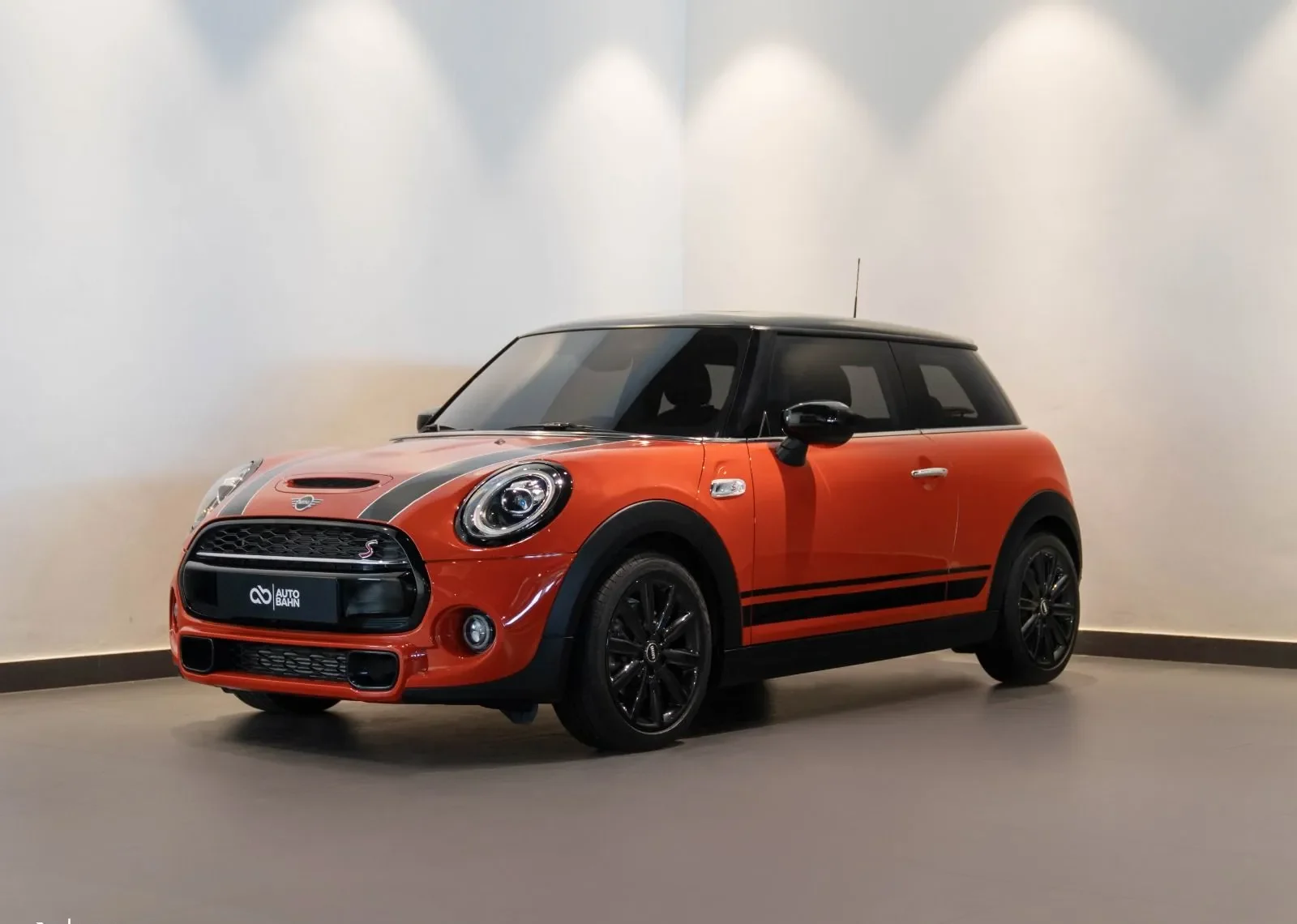
Mini Cooper
The Mini Cooper blends compact dimensions with a sporty personality that appeals to urban drivers who want both style and practicality. Its short length and modest width allow it to navigate tight parking spots without excessive effort, a quality that becomes increasingly valuable in densely populated neighborhoods.
Unlike many small cars, it maintains a planted feel that inspires confidence during low-speed maneuvers, ensuring that the driver can make precise adjustments without fear of scraping neighboring vehicles. The combination of size, weight distribution, and sharp steering makes it one of the most maneuverable small cars in the city.
One of its strengths is the balance between size and interior usability. While small on the outside, the cabin layout feels intentional rather than cramped, allowing passengers to sit comfortably even in short city commutes.
The rear seats fold flat in many models, adding flexibility for urban errands or grocery runs. The relatively flat sides also help when parking close to other vehicles, reducing the risk of incidental contact and making it easier to judge distance in tight spots.
The Mini’s steering response is quick and precise, which is helpful in narrow streets and garages. Parallel parking becomes a controlled process rather than a series of guesswork corrections, allowing drivers to park efficiently even during rush hours. Newer models come equipped with parking sensors and rearview cameras that further enhance situational awareness, assisting in spaces where every inch matters. The result is a vehicle that blends fun driving dynamics with exceptional urban practicality.
Because the Mini is common in cities, other drivers are accustomed to its proportions and often leave it space when parking. This familiarity reduces the likelihood of aggressive parking behavior around it, such as doors being swung too close or misjudged reversals.
In neighborhoods where street parking is highly competitive, the Mini tends to avoid the repeated minor damage that plagues larger cars in the same environment. Its combination of design, visibility, and compactness makes it a city-friendly alternative for drivers who want style and substance.
Additionally, the Mini’s small fuel footprint and efficient engines complement its urban suitability. The ability to maneuver easily into tiny spots is paired with the benefit of reduced fuel consumption in stop-and-go traffic.
For drivers seeking a blend of performance, economy, and practical design, the Mini Cooper represents a rare mix that thrives in crowded city conditions, making everyday urban driving significantly less stressful and more enjoyable.
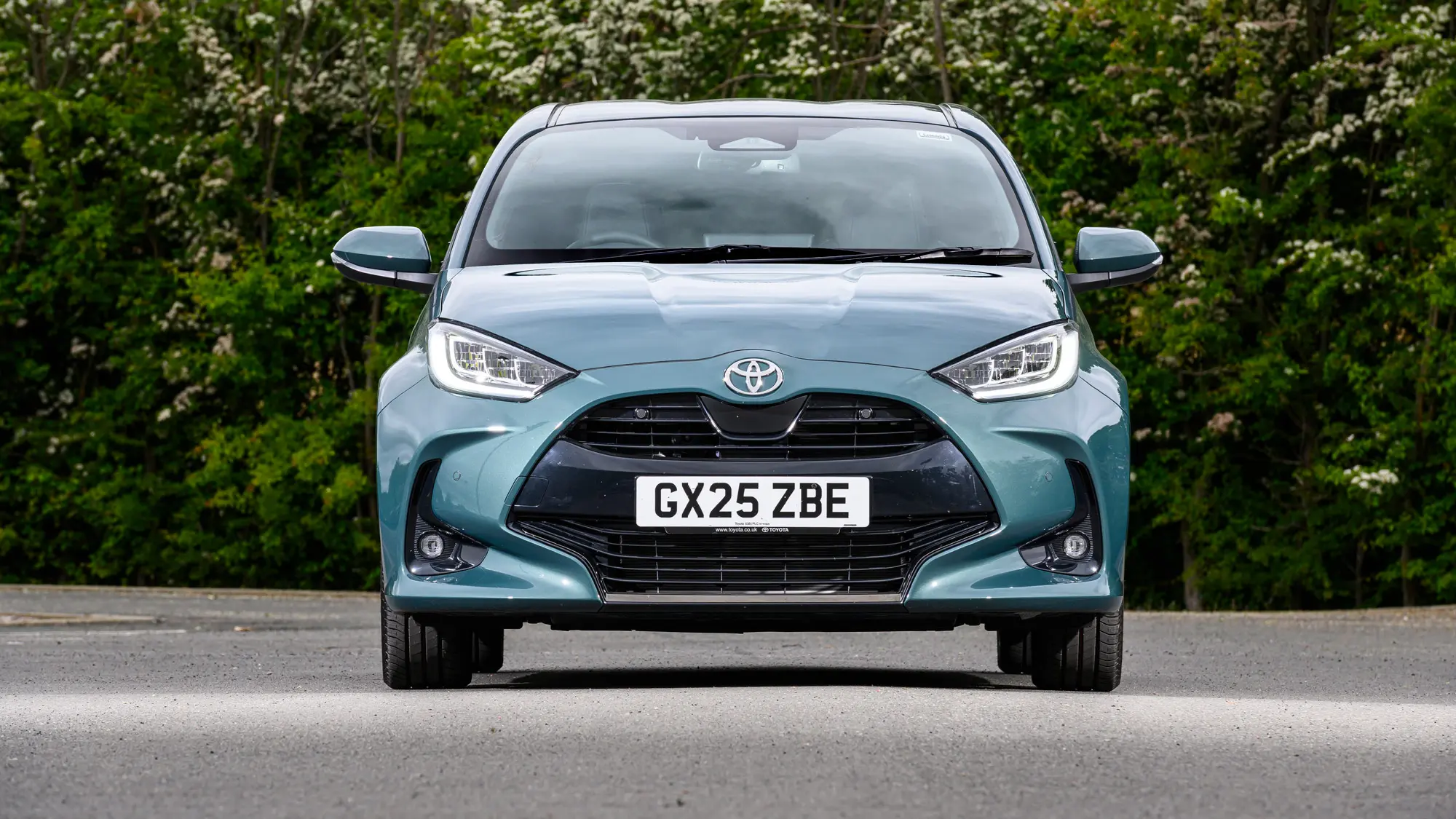
Toyota Yaris
The Toyota Yaris has long been recognized for its practicality and efficiency, especially in urban settings where space is limited and maneuverability is crucial. Its compact footprint allows drivers to navigate congested streets and park in spaces that larger vehicles cannot access, a critical advantage in cities where every inch of curbside matters.
Its small size does not compromise visibility, giving drivers confidence when approaching tight parking spots or negotiating narrow alleyways.
The car’s rounded edges and modest height contribute to easier spatial judgment when parking. Drivers have a clear sense of where the car ends, minimizing accidental contact with curbs, poles, or other vehicles. The lightweight steering and compact wheelbase make positioning the vehicle in tight gaps more straightforward, allowing even less experienced drivers to handle urban parking with fewer corrections. The Yaris’s design reduces anxiety and makes city driving more efficient.
Reliability plays a key role in urban suitability. City driving often involves frequent stops, short trips, and constant maneuvering, all of which can strain some vehicles.
The Yaris is engineered to withstand these conditions, requiring less maintenance and allowing drivers to focus on the immediate challenge of parking rather than worrying about mechanical issues. Its proven durability contributes to long-term ownership satisfaction in urban environments.
The interior design emphasizes functionality despite its small exterior size. Storage compartments, folding seats, and adaptable layouts help drivers manage city errands without sacrificing comfort. This flexibility, combined with the car’s agility, allows drivers to handle both personal and professional responsibilities efficiently. The Yaris’s reputation as a low-maintenance, city-friendly vehicle makes it a consistent choice for drivers who prioritize convenience.
In neighborhoods dominated by street parking, the Yaris blends in rather than standing out. Its modest profile discourages unnecessary attention from other drivers and reduces the risk of accidental dings or scratches. Over time, this contributes to fewer cosmetic issues, lower insurance claims, and a smoother ownership experience. The Toyota Yaris is a practical companion for anyone navigating the constraints of modern city life.
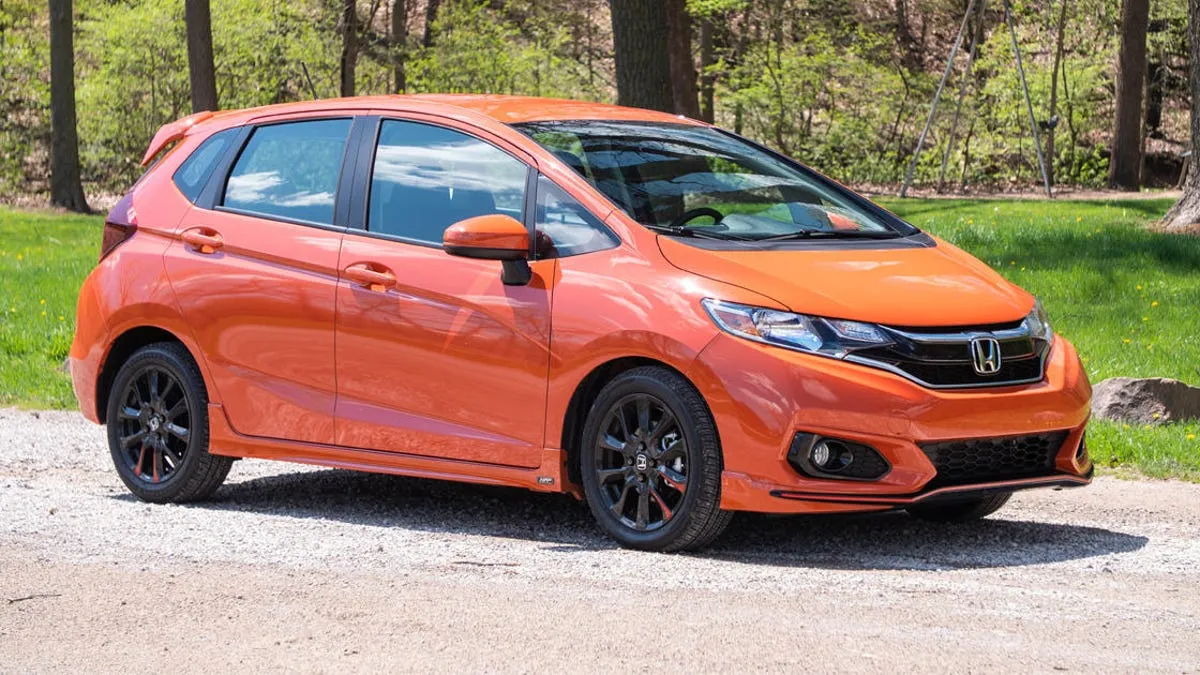
Honda Fit
The Honda Fit offers a clever balance of compact exterior dimensions and impressive interior space, making it exceptionally well-suited for urban driving. Its short length and narrow width allow it to slide into tight spots with ease, a feature that is highly valued in congested neighborhoods.
Despite its size, the Fit provides enough cabin room to remain comfortable for passengers, creating a unique combination of practicality and maneuverability that is rare in the compact car segment.
The upright design improves visibility in all directions, allowing drivers to easily see curbs, pedestrians, and nearby vehicles. This feature becomes particularly valuable in crowded parking garages or curbside situations where misjudgment can lead to minor damage. Wide windows and well-positioned mirrors contribute to confident maneuvering, reducing hesitation and stress when positioning the car in narrow spaces.
Another advantage is the Fit’s predictable handling at low speeds. Its responsive steering and compact turning circle make it easy to adjust the vehicle’s placement in tight spots without excessive effort.
Fine corrections feel natural, allowing drivers to park accurately in parallel spaces or compact driveways. Combined with its lightweight design, this handling profile makes the Fit a standout choice for city residents.
The Fit also offers versatile storage solutions that support urban lifestyles. Magic seats that fold flat or upright allow for flexible cargo arrangements, making it easier to carry groceries, luggage, or work materials without affecting parking precision. This adaptability ensures that drivers can handle daily urban challenges while maintaining comfort and convenience.
The Honda Fit’s combination of maneuverability, visibility, and flexible interior makes it exceptionally well-adapted to dense city conditions. Owners benefit from reduced risk of damage, lower stress during parking, and long-term reliability. For drivers seeking a compact vehicle that performs well in tight urban spaces without compromising interior usability, the Fit remains a consistently practical choice.

Fiat 500
The Fiat 500 was designed with European city streets in mind, where narrow roads and limited parking are the norm. Its compact length and narrow body allow it to fit into spaces that larger vehicles cannot, making it a natural choice for dense urban environments. Drivers can approach tight spots with confidence, knowing that their vehicle’s size will provide a margin for error that is not available in most compact cars.
The car’s short overhangs reduce the risk of contact with other vehicles when parking. Drivers can pull close to curbs without worrying about scraping the bumper or damaging the rear panels. This precision makes parallel parking less stressful, even in crowded areas, and allows for more efficient use of limited space. The Fiat’s exterior design intentionally prioritizes practicality, emphasizing maneuverability in daily city life.
The Fiat’s light steering and small turning circle further enhance maneuverability. Tight alleyways, sharp corners, and cramped garages become manageable rather than intimidating, allowing drivers to navigate obstacles that might deter larger vehicles. Combined with clear sightlines from the cockpit, this makes parking in challenging urban conditions significantly easier.
Although the Fiat 500 has a distinctive look, its small size helps it avoid being a target for careless parking behavior. Other drivers often leave space for it simply because it fits neatly within standard spots. Over time, this results in fewer dings and cosmetic repairs, making the ownership experience smoother and less stressful.
Its small footprint, combined with agile handling and efficient design, makes the Fiat 500 a natural urban companion. Drivers benefit from reduced parking stress, easier maneuverability, and a compact design that is rare in modern vehicles. For city dwellers seeking both practicality and charm, the Fiat 500 continues to provide an ideal solution for tight urban spaces.
Cars That Regularly Get Dinged
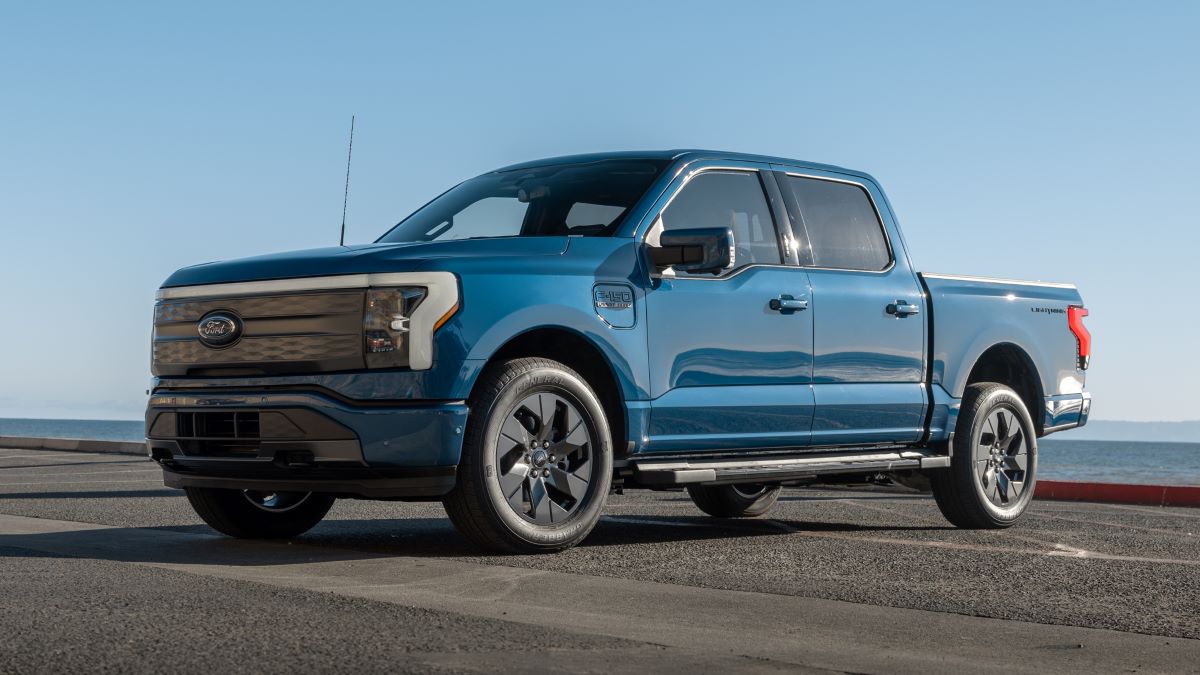
Ford F-150
The Ford F-150 is one of the most popular full-size pickup trucks, but its large dimensions make it particularly challenging in urban parking situations. Its long bed and wide body require more space than most city streets can comfortably provide, forcing drivers to make multiple adjustments to fit into standard curbside spots.
Even when a space is technically large enough, the sheer size of the truck increases the likelihood of scraping nearby vehicles or bumping into obstacles.
The large turning radius adds further difficulty in tight areas. Parallel parking a full-size truck on a narrow street can block traffic or require multiple maneuvers, which raises stress levels and the chances of minor impacts.
In busy neighborhoods, even careful drivers must navigate around cyclists, pedestrians, and other vehicles, leaving little room for error. This constant maneuvering makes urban parking particularly unforgiving for trucks like the F-150.
Once parked, the F-150 often extends beyond the boundaries of a typical space. Protruding bumpers, mirrors, and bed corners are exposed to passing vehicles and pedestrians, creating frequent opportunities for dents or scrapes. Even a small nudge from another driver can leave visible marks, and owners often notice cosmetic wear much faster than with smaller vehicles.
In addition, the truck’s height and bulk make it more noticeable to other drivers, who may misjudge distances when passing or opening doors. Urban traffic is unpredictable, and the combination of size and visibility challenges leads to repeated minor impacts. Over time, F-150 owners may see consistent cosmetic damage despite careful driving, which is a common reality for full-size pickups in city environments.
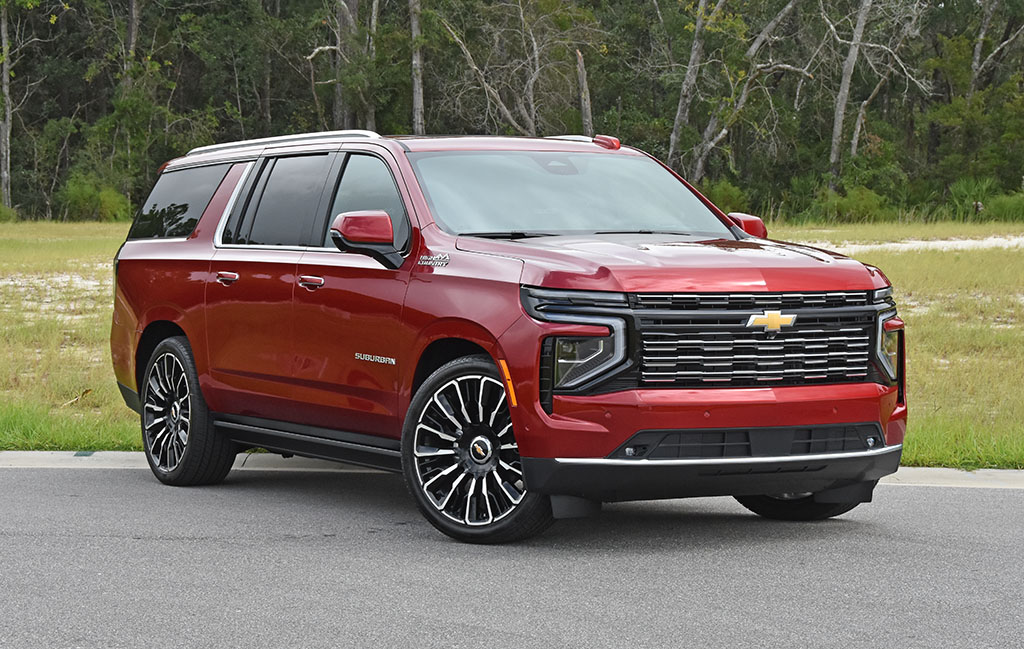
Chevrolet Suburban
The Chevrolet Suburban is a large SUV that is celebrated for space and comfort but struggles with city parking. Its long wheelbase and wide stance make fitting into typical street or garage spaces difficult, forcing drivers to plan ahead and sometimes compromise on location. Narrow lanes and tight parking areas create stress, especially during rush hours or in crowded neighborhoods.
When parked, large SUVs like the Suburban often end up close to neighboring cars. This proximity significantly increases the risk of door dings, especially in busy areas where drivers may open their doors aggressively. Even cautious parking cannot prevent accidental contact from impatient neighbors or pedestrians. The Suburban’s size alone makes avoiding minor damage a challenge.
Visibility can also be a problem in urban environments. Thick pillars and high beltlines obstruct the driver’s ability to judge distances accurately when maneuvering into tight spots. Misjudging a curb or another vehicle by even a few inches can leave scratches on the bumper or side panels, which is particularly noticeable on a vehicle with a high-gloss finish.
Over time, repeated exposure to dense city conditions takes a toll on the Suburban. Scratched paint, minor dents, and scuffed mirrors become common, especially when street parking is frequent. While the Suburban excels on highways and open roads, its size makes city driving and parking considerably more challenging and prone to cosmetic wear.
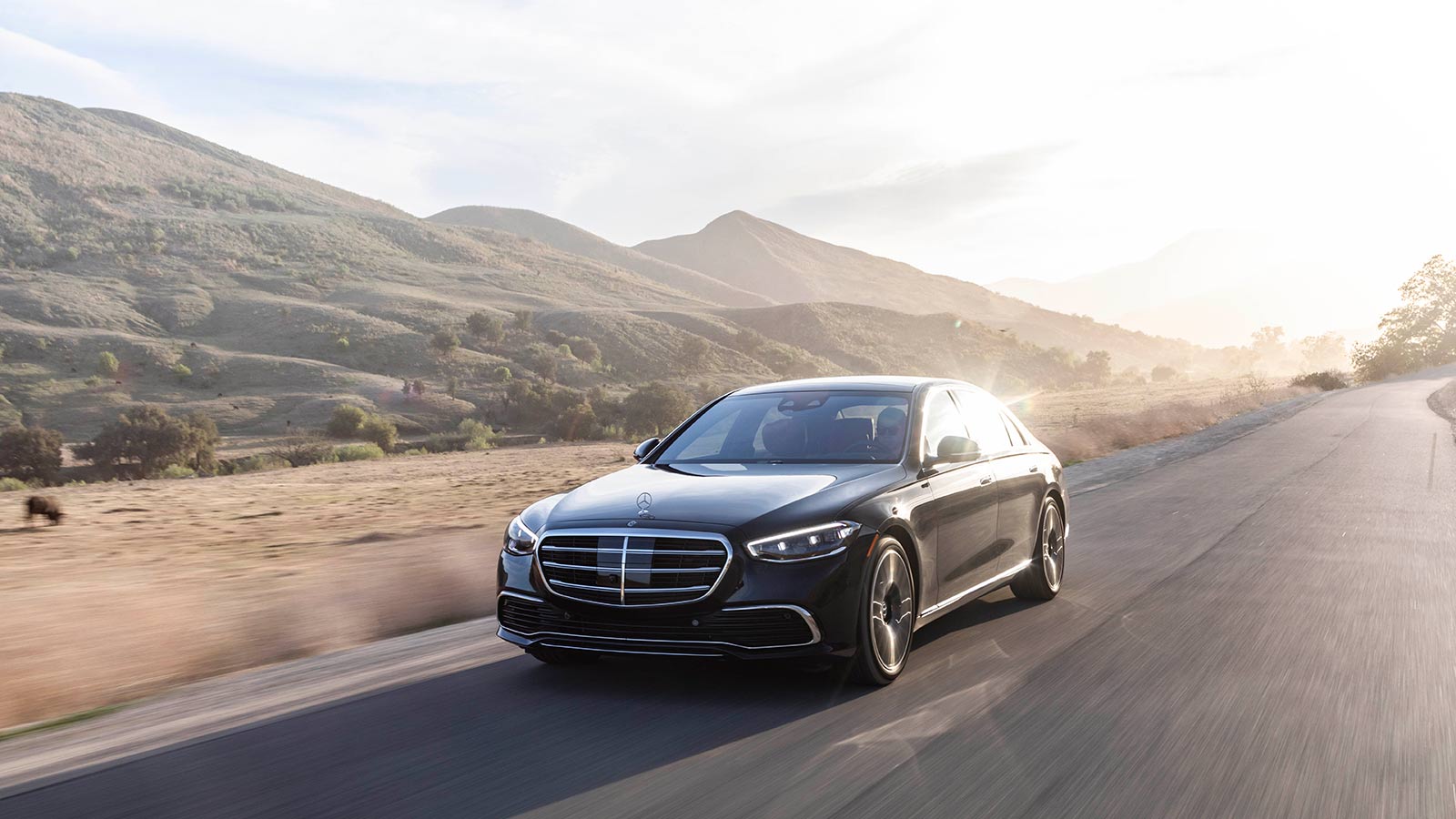
Mercedes-Benz S-Class
The Mercedes-Benz S-Class is a luxury sedan known for performance and refinement, but it is far less suited to tight urban environments. Its long body requires extra space to park safely, and parallel parking can be stressful even for experienced drivers. Curbside spots that appear adequate often leave little margin for error, making minor bumps and scrapes a regular occurrence.
Luxury sedans like the S-Class are frequently parked in busy areas near offices, hotels, and restaurants. This increased exposure to traffic and pedestrian activity raises the risk of incidental contact from other vehicles or careless passersby. Even minor impacts are more noticeable on a high-end car due to the premium finish and delicate paintwork.
Repair costs compound the frustration of parking challenges. The specialized materials, intricate panels, and unique finishes used in luxury vehicles make even small dents or scratches expensive to fix. Drivers must constantly weigh the consequences of city parking against the convenience of location, knowing that each maneuver carries risk.
The S-Class also suffers from restricted visibility due to its long wheelbase and wide hood. Thick pillars obscure the view of curbs and adjacent cars, requiring greater care and precision. Despite careful driving, repeated exposure to tight urban conditions ensures that cosmetic damage accumulates over time, making the sedan a frequent candidate for minor repairs and touch-ups.
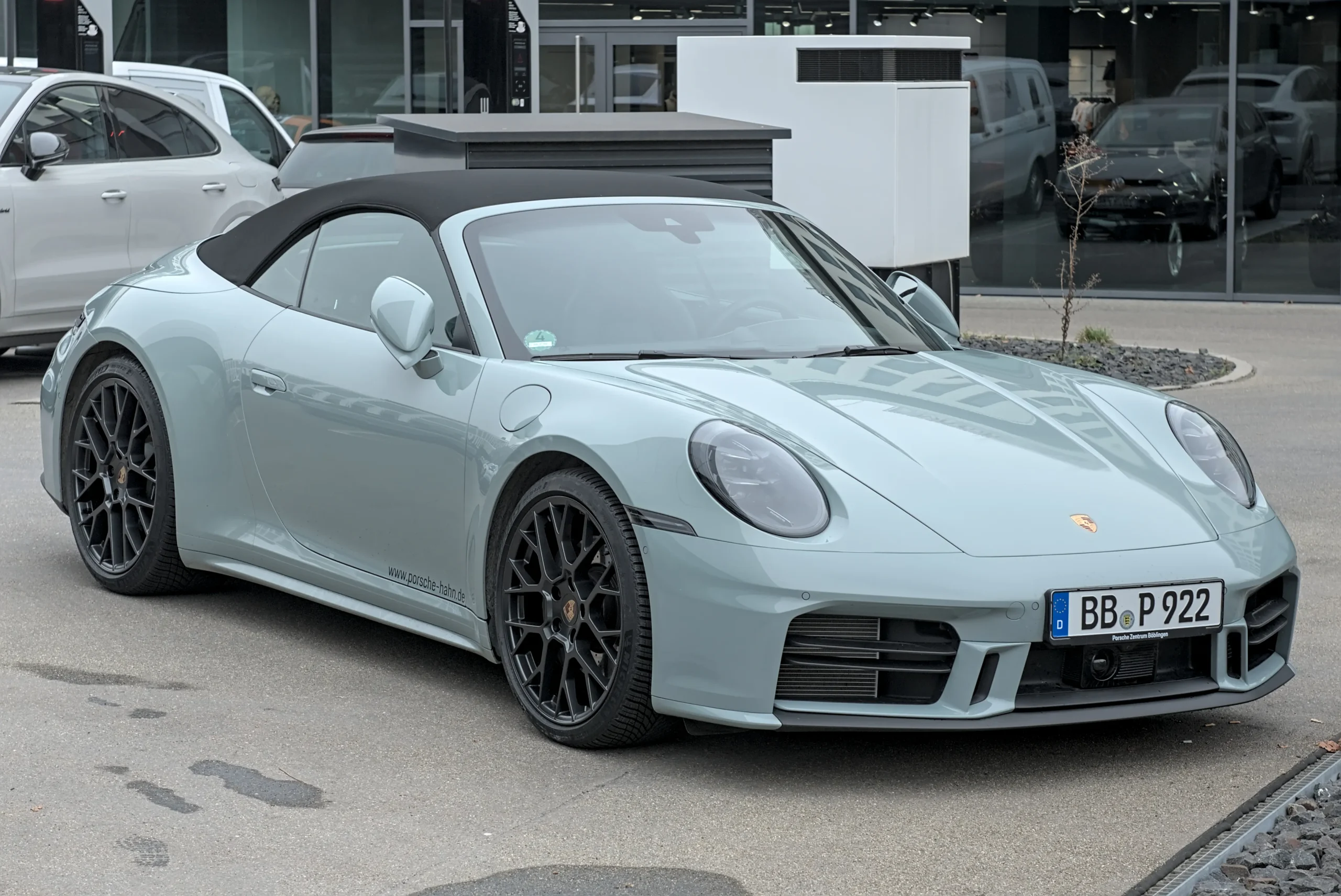
Porsche 911
The Porsche 911, while revered for its performance and handling, often struggles in crowded city parking situations. Its wide rear end and low profile present specific challenges in standard spaces, where other cars may inadvertently misjudge the clearance available. Narrow streets and tightly packed garages highlight the difficulty of keeping such a sports car undamaged in urban areas.
The 911’s width increases vulnerability to door dings and side panel scrapes. When parked on busy streets or in high-traffic parking lots, the car’s proportions make it an easy target for minor collisions from other drivers or careless pedestrians. Even careful drivers cannot always control how others interact with their car, leading to frequent cosmetic issues.
Low ground clearance is another complicating factor. Many urban ramps, curbs, and parking structures are designed for taller vehicles, making it easy to scrape the front bumper or side skirts during routine parking maneuvers. Repeated minor contact becomes a predictable pattern for sports cars like the 911, despite owners’ best efforts.
While the Porsche 911 excels on open roads and in controlled environments, city streets reveal its vulnerabilities. The combination of width, low clearance, and high exposure to other vehicles ensures that owners frequently deal with cosmetic damage, making urban parking a constant source of stress and attention to detail.
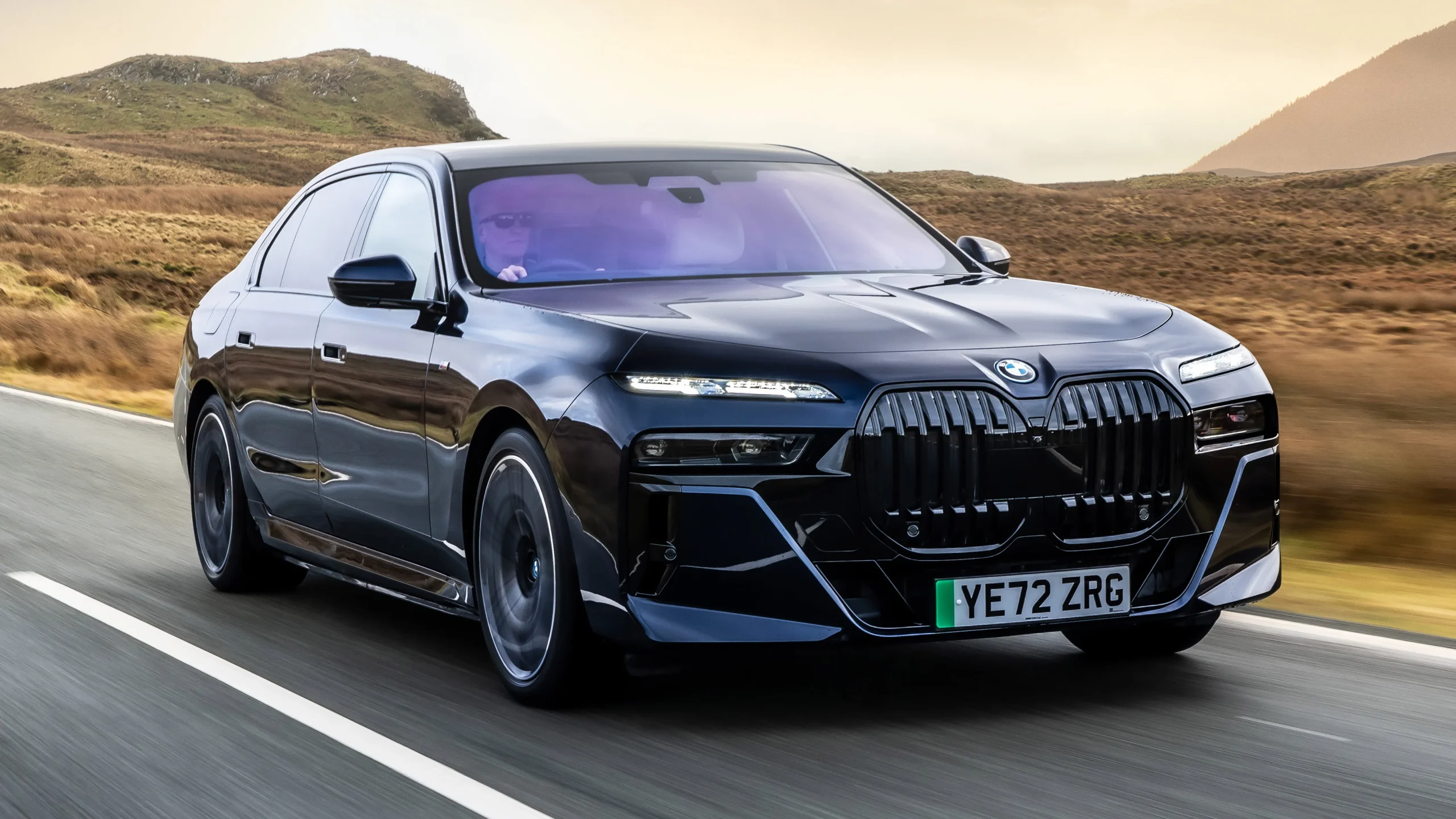
BMW 7 Series
The BMW 7 Series is a long-wheelbase luxury sedan that prioritizes rear-seat comfort and high-end features, but these same qualities complicate urban parking. Its extended length limits flexibility when searching for curbside spots, often forcing drivers to settle for less ideal locations. Narrow streets and crowded garages further exacerbate these challenges.
Parallel parking a 7 Series requires significant maneuvering. The car’s long wheelbase and broad body make precise alignment difficult in tight spaces. Even small errors can result in scrapes to bumpers or doors, increasing the frequency of minor cosmetic damage compared with more compact vehicles.
The sedan’s height and presence do not always help in urban settings. Drivers may misjudge distances or struggle to see curbs clearly, especially when parking on streets with uneven pavement. Thick pillars and long overhangs reduce visibility, making careful maneuvering essential yet still insufficient to prevent minor incidents.
As a result, BMW 7 Series owners in cities often find themselves repairing dings, scratches, and scuffed panels more frequently than expected. The car’s design suits highways and suburban roads far better than congested city streets, highlighting the trade-off between luxury and urban practicality.
Consistent exposure to tight parking spaces ensures that cosmetic wear accumulates over time, a predictable reality for long luxury sedans.
