
In recent years, compact SUVs have become the cornerstone of modern personal transportation, offering a blend of practicality, efficiency, and everyday comfort. As drivers spend more time in urban environments, many models have been engineered to feel natural in cities, providing responsive steering, easy parking, efficient power delivery, and refined ride quality that suits suburban streets and tight downtown corridors.
At the same time, certain compact SUVs have been developed with rugged styling, adventurous capability, and a presence that feels overbuilt for everyday city use. These vehicles often carry suspension tuned for rough terrain, protective panels, higher ground clearance, and powertrains meant for hauling through mud, gravel, or snow more confidently than most drivers ever require.
Understanding the difference between models optimized for urban life and those that feel more substantial or rugged can help buyers choose a vehicle that best suits their lifestyle.
This article will focus on specific models of compact SUVs and what makes them either feel at home in a city environment or more suited to a robust, off‑road‑styled presence. When a vehicle feels natural in cities, it means the package works with the common demands of metropolitan use: responsive yet smooth acceleration, a tight turning radius, refined cabin noise levels, intuitive tech interfaces, and an overall sense of ease during daily commuting.
Conversely, when a compact SUV feels overbuilt, it typically has traits that go beyond what is necessary for urban driving. These might include stiff suspension tuned for trails, heavy body cladding, aggressive all‑terrain tires, weighty construction, and driving dynamics that reward off‑pavement exploration more than street agility.
By examining ten specific compact SUVs in detail, five that excel in city environments and five that convey a more substantial, rugged character, readers can gain insight into how design choices and engineering priorities affect the overall driving experience.
Each model will be discussed in terms of its strengths, feel on urban roads, and the elements that define its personality. Whether you are navigating narrow streets, parking in tight spaces, or simply seeking a comfortable commute, the vehicles in the first category will show why they are appreciated by city drivers.
On the other hand, those in the second group will illustrate why some compact SUVs project a sense of capability that exceeds typical urban requirements and may appeal to those seeking a tougher aesthetic or occasional off‑road use.
This guided look will help clarify how these models differ in character and utility, and support smarter decisions when choosing a compact SUV that aligns with your everyday life. Now, let’s examine those that feel most suited to cities.
Compact SUVs That Feel Natural in Cities
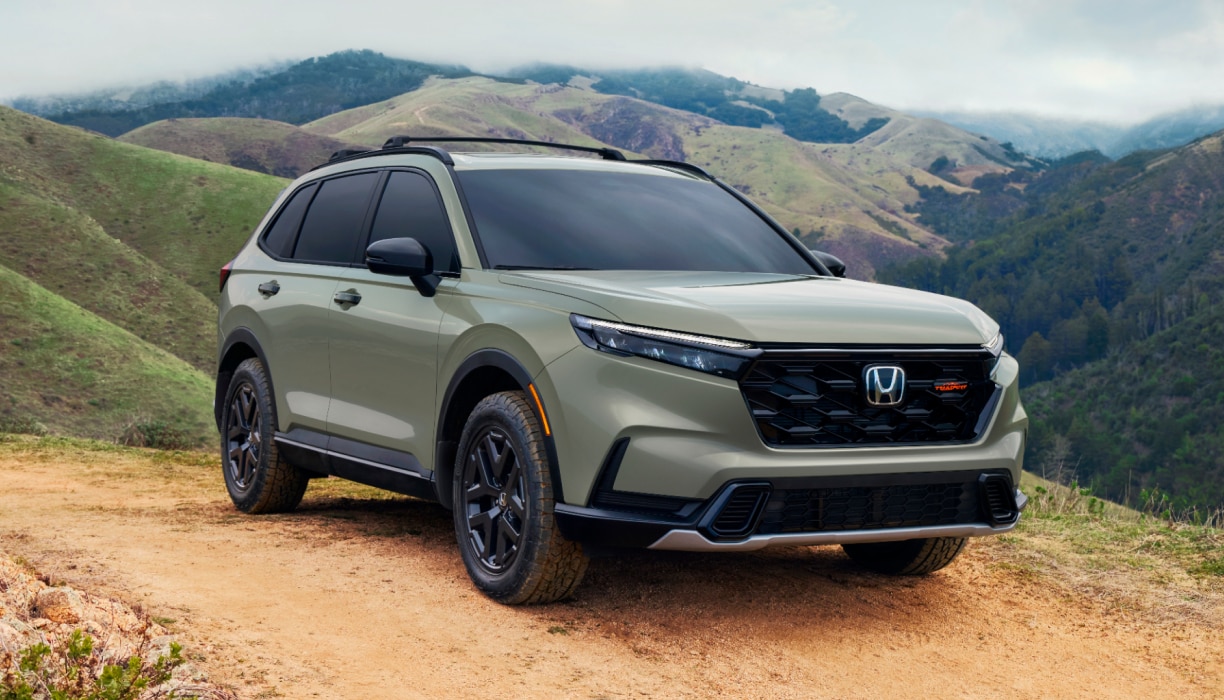
Honda CR‑V
The Honda CR‑V has long been a favorite among compact SUV buyers who navigate urban streets and highways with equal confidence. Its steering feels balanced and responsive, allowing drivers to place the vehicle precisely where they want it, even in tight spaces.
The suspension is tuned to smooth out city‑street irregularities, offering a composed ride over potholes, speed bumps, and uneven pavement without jarring the occupants. The cabin is thoughtfully designed with controls that are easy to reach and understand, reducing distraction when commuting through traffic or busy intersections.
With excellent visibility from the driver’s seat and compact exterior dimensions relative to cargo capacity, the CR‑V makes parking and maneuvering in multi‑story garages straightforward and stress‑free. The powertrain options deliver sufficient acceleration without being overly aggressive or unwieldy, which contributes to a relaxed yet eager feeling during stop‑and‑go driving.
Fuel efficiency in the CR‑V further enhances its suitability for city life, where frequent stops can otherwise diminish mileage and increase trips to the pump. The available hybrid variant elevates this aspect by providing even smoother transitions between power sources and more responsive throttle modulation at low speeds.
Its infotainment interface is accessible and intuitive, reducing the learning curve for drivers who want reliable navigation and connectivity without complicated menus. Cabin noise is well controlled, even at highway speeds, which helps reduce fatigue during longer urban commutes.
Storage solutions inside the cabin, such as deep door pockets and center console compartments, make it easy to organize essentials needed throughout the day. In short, the Honda CR‑V feels like a vehicle designed for people who spend most of their time in dynamic urban environments, where predictability, comfort, and ease of use matter.
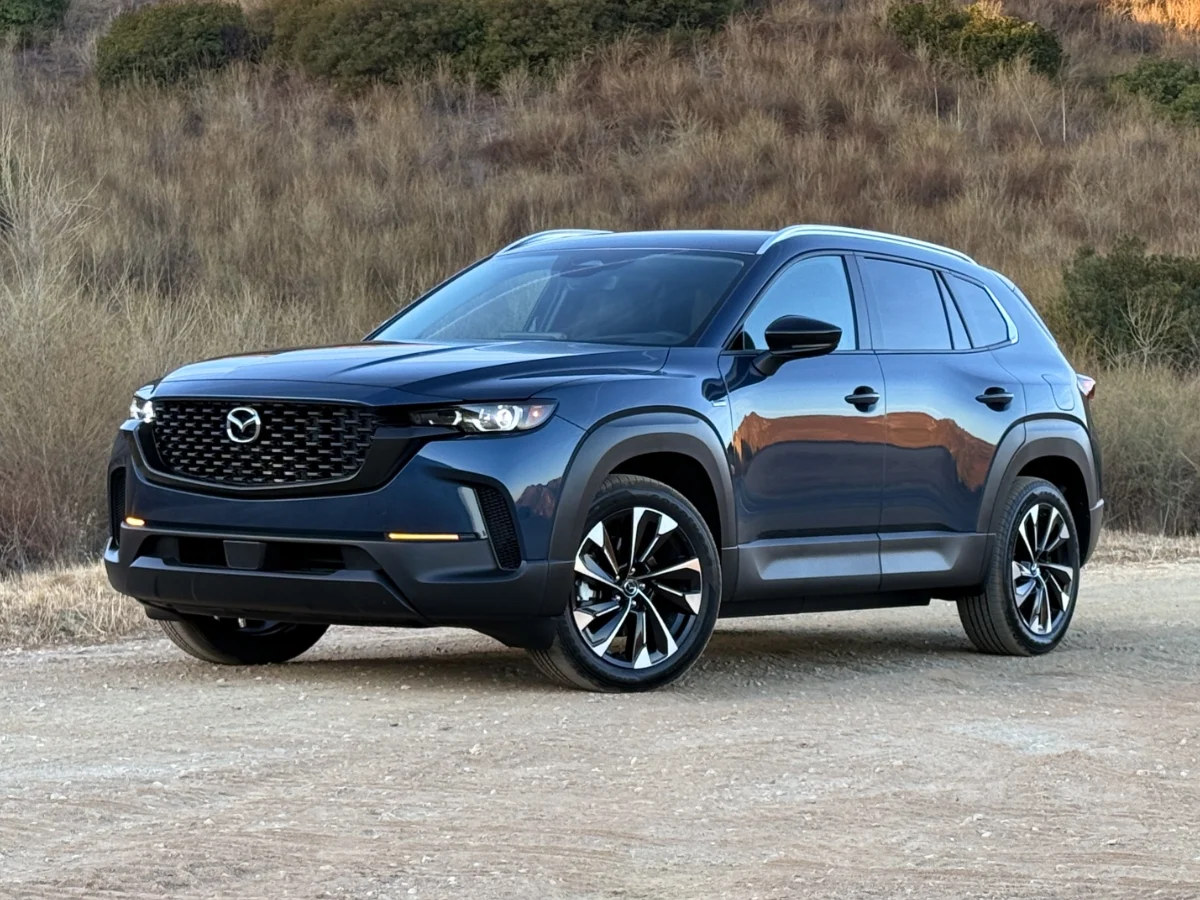
Mazda CX‑5
The Mazda CX‑5 stands out in the compact SUV segment for its engaging driving dynamics and near‑car‑like feel on paved roads, which many urban drivers appreciate. The steering feedback is precise and communicative, giving a sense of connection with the road that is rare in the segment.
The suspension balances comfort with composure, absorbing most imperfections while limiting body roll through corners or quick maneuvers. Inside, the layout is elegant and minimal, with controls that are logically placed and easy to use on the fly. The compact size relative to interior space makes it agile in traffic and simple to align in parking spaces of all sizes.
Visibility is strong, and the seats provide comfort for extended periods spent commuting or running errands around town. The optional turbocharged engine provides enough thrust for merging onto highways without feeling overpowering or out of place in stop‑and‑go traffic.
The interior materials feel higher quality than many competitors, which enhances the overall experience during everyday use. Mazda’s infotainment screen is clear, and the rotary controller allows drivers to adjust settings without excessive touch interaction, which is beneficial when navigating bumpy urban streets.
Noise insulation is effective, cutting down exterior sounds so conversations or music remain clear at typical city speeds. The CX‑5’s compact exterior dimensions also help in negotiating narrower lanes and squeezing into tighter parking spots.
Its fuel economy is competitive, meaning fewer fuel stops during regular commuting cycles and more confidence for drivers with busy schedules. This combination of qualities makes the CX‑5 feel naturally at ease in built‑up environments where poise, comfort, and driver engagement are appreciated in equal measure.
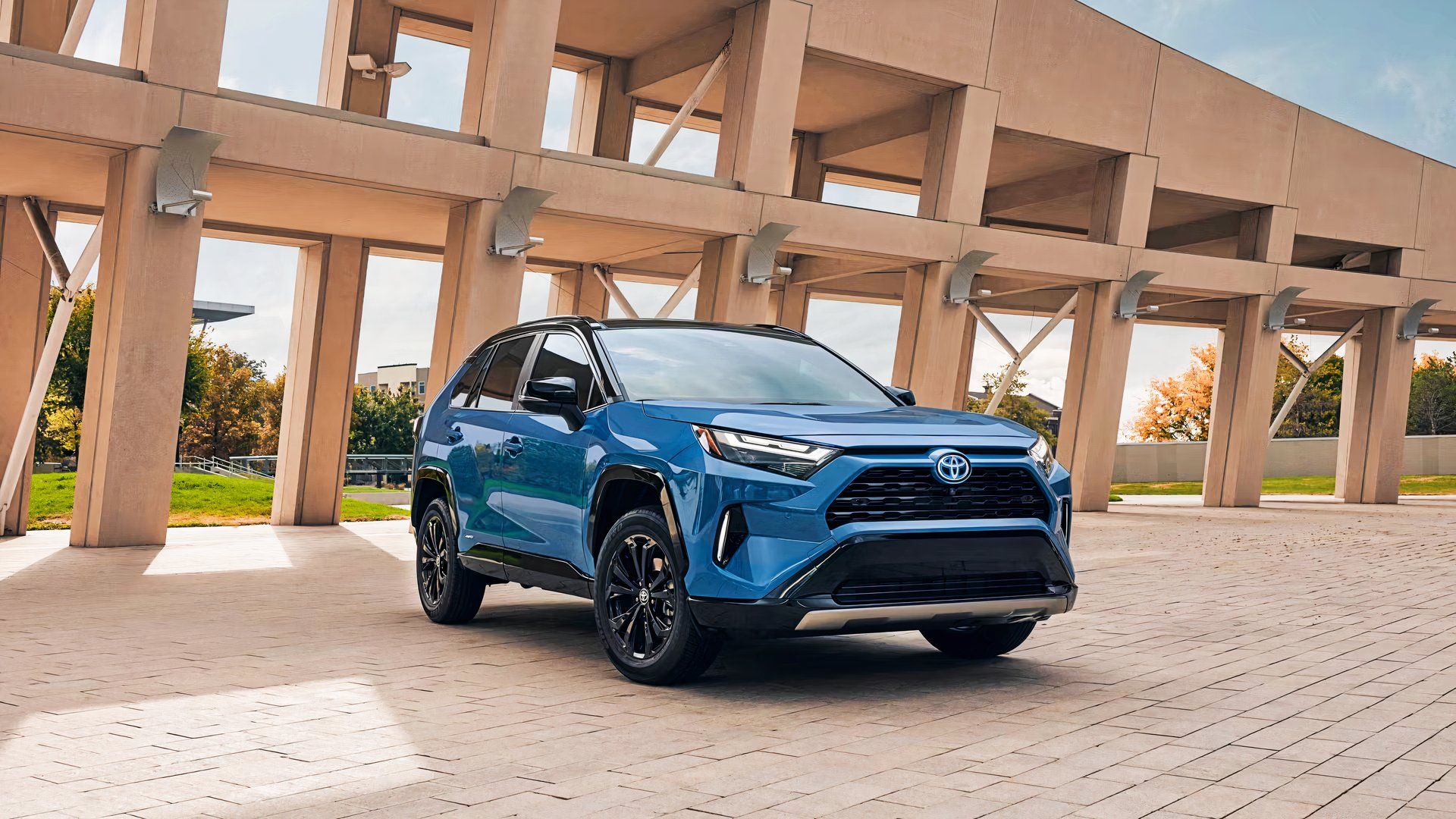
Toyota RAV4
The Toyota RAV4 is a perennial best‑seller because it blends practicality, comfort, reliability, and a driving experience tailored to diverse needs. In urban settings, its visibility from the driver’s seat is among the best in the class, making it easier to judge distances, navigate intersections, and park with confidence.
The driving position offers a commanding view of the road without feeling overly tall or disconnected from the vehicle’s dynamics. The suspension soaks up most road irregularities while keeping the ride stable and predictable, even when encountering rough patches of pavement.
Its powertrain is responsive enough for merging into traffic or quick accelerations, yet it remains smooth and predictable when inching forward in congested conditions. The cabin layout is user‑friendly, making it simple to adjust climate controls, switch audio settings, or use onboard navigation without distraction.
Fuel economy is competitive in this class, and the availability of a hybrid version further improves city mileage, offering a quieter, smoother power delivery in stop‑and‑go traffic. The RAV4’s infotainment system is straightforward, with large icons and easy‑to‑read menus that help drivers find information quickly.
Cabin noise levels are moderate, though well managed at typical urban speeds, so conversations and calls can happen without raising voices. The cargo area is roomy and flexible, easily accommodating shopping bags, sports gear, or luggage for weekend trips. Toyota’s reputation for long‑term reliability also reassures city drivers who depend on their vehicle every day and want consistent performance without frequent maintenance surprises.
Safety technology on the RAV4 adds to its city friendliness, with systems like adaptive cruise control, automatic emergency braking, and pedestrian detection helping manage complex urban traffic scenarios. The turning radius is reasonable, improving the ease with which drivers can maneuver in parking lots or make tight turns.
The comfortable front seats and supportive cushioning contribute to reduced fatigue during longer commutes. Toyota’s build quality is solid, enhancing the feel of durability without unnecessary weight that could make the vehicle feel bulky. In total, the RAV4’s combination of user‑centric design, competent handling, and versatility makes it a compact SUV that fits naturally into the rhythm of urban life.
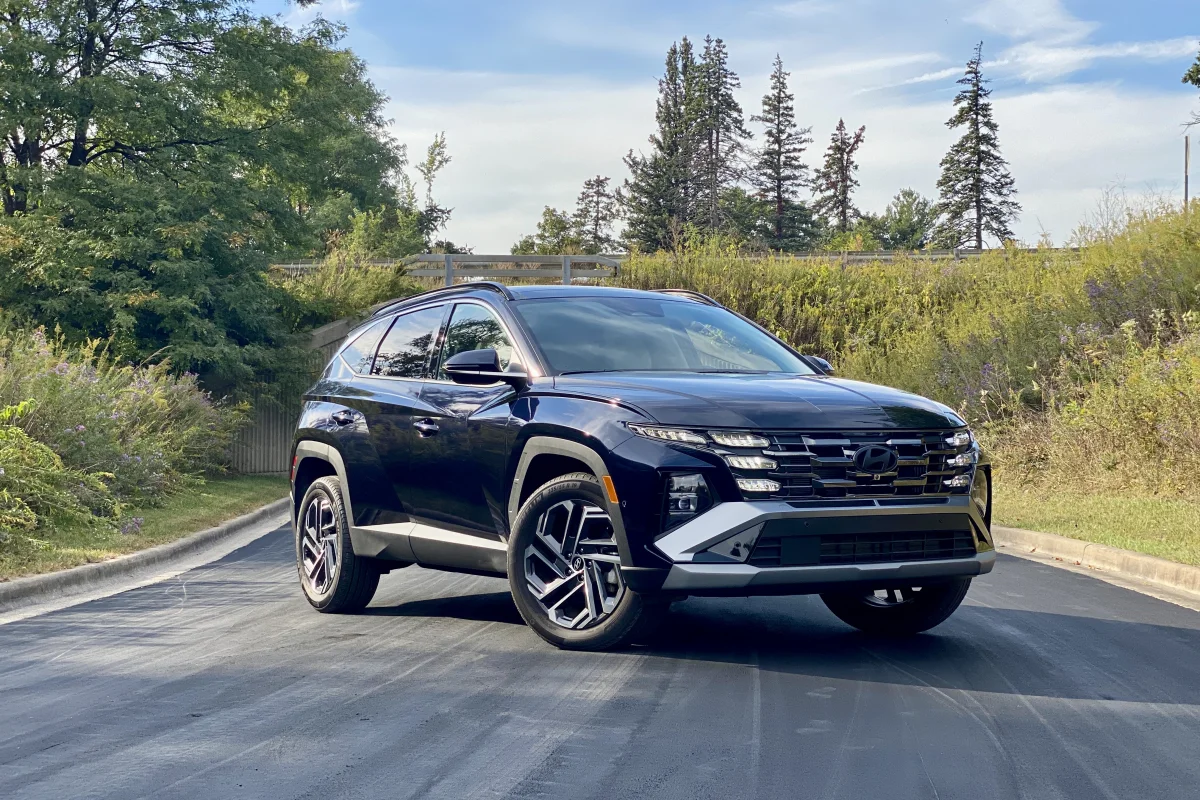
Hyundai Tucson
The Hyundai Tucson offers a compelling package for urban drivers through its blend of modern design, comfortable ride quality, and thoughtful tech features. Its exterior proportions are balanced so that it feels substantial without being bulky in city traffic or when fitting into parallel parking spots.
The suspension is tuned to handle urban surfaces smoothly, cushioning bumps and dips without transmitting harshness into the cabin. Inside, passengers benefit from supportive seating and generous legroom that make commutes and errands comfortable over long periods.
The driver’s view is clear in most directions, aiding in lane changes, navigating crowded streets, and judging distances during parking maneuvers. The infotainment system is responsive and intuitive, helping drivers access navigation, media, and connectivity without frustration or distraction.
The Tucson’s acceleration is adequate for merging and passing, with power delivery that feels balanced rather than abrupt in everyday driving situations. Fuel efficiency is competitive, helping reduce running costs and making frequent city driving less taxing on the wallet.
Noise insulation does a solid job, keeping road and wind noise to a minimum so conversations remain easy even at higher speeds. The cargo space is flexible, and folding rear seats expand the utility for larger items when needed, which is helpful for regular errands or transporting equipment.
Hyundai’s suite of driver assistance features, such as lane‑keeping assist and automatic emergency braking, provides extra confidence when dealing with unpredictable traffic or pedestrians in urban settings.
The Tucson’s interior materials give a premium feel, adding to the sense of quality that urban buyers appreciate when spending significant time in their vehicle. The ride comfort helps reduce fatigue during routine drives or longer weekend trips outside the city, making it a versatile choice.
The turning circle is manageable, improving maneuverability in tight areas and making it more responsive in stop‑and‑go conditions. Climate control and seating adjustments are straightforward to manipulate, making it easier to stay comfortable in varying weather conditions.
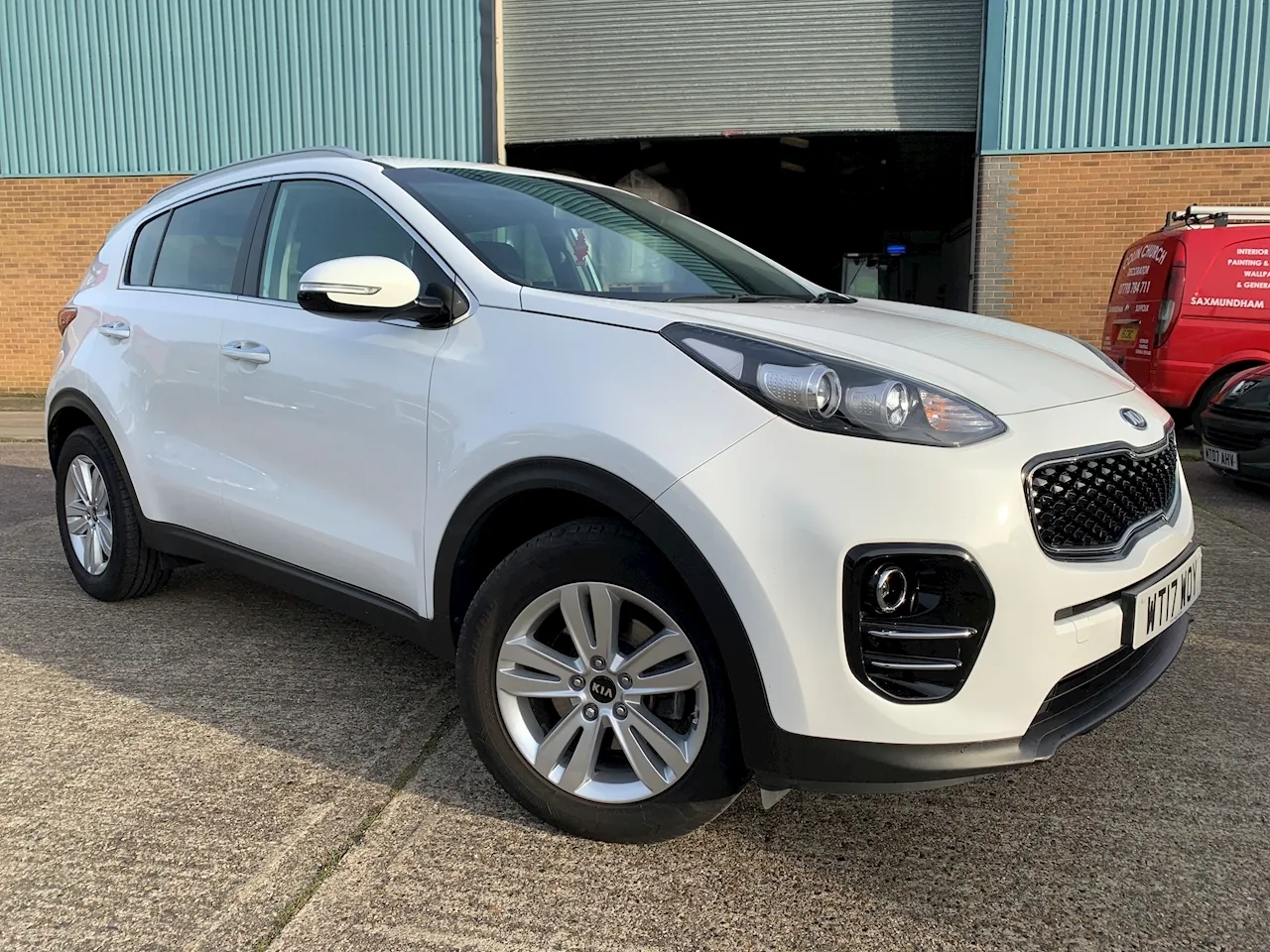
Kia Sportage
The Kia Sportage combines a lively aesthetic with everyday functionality, making it another compact SUV that feels intuitive in urban environments. Its steering calibration is precise, so drivers feel confident placing the vehicle exactly where it is needed amidst city traffic.
The suspension achieves a comfortable balance, absorbing most road imperfections without creating a floaty ride quality that can feel disconnected from the road. The interior is modern and user‑focused, with switchgear placed where drivers can easily access controls without taking attention from the road.
Visibility from the driver’s seat is good, with large windows and well‑designed pillars that minimize blind spots when changing lanes or backing out of parking spaces. The powertrain delivers enough low‑end torque for smooth acceleration from stops, which is valuable in everyday stop‑and‑go driving.
The Sportage’s infotainment system responds quickly, and its connectivity features make integrating smartphones and music sources straightforward. The sound insulation is effective at typical city speeds, making cabin conversations comfortable without needing to raise voices against background noise.
Fuel economy is competitive for its class, helping reduce the frequency of fueling stops during regular commuting cycles. The cargo area is flexible, with space for groceries, luggage, and other daily necessities, and the rear seats fold fairly flat to increase utility when larger items need carrying. Kia’s safety suite, including features like blind‑spot monitoring and rear cross‑traffic alert, supports city driving by increasing awareness of surroundings in congested conditions.
The seating comfort and layout help reduce fatigue during longer drives, which is useful for urban drivers who may face prolonged traffic or commute times. The turning radius aids in easy maneuvering, while the overall package feels confident yet not cumbersome in crowded downtown areas.
Climate control responds quickly to changes, keeping occupants comfortable during temperature fluctuations common in city traffic. The Sportage maintains a refined presence without excess weight or overly rugged traits, fitting the needs of drivers who prioritize a balanced urban experience. With its mix of comfort, technology, and handling, the Kia Sportage feels at ease in a variety of everyday driving scenarios.
Compact SUVs That Feel Overbuilt
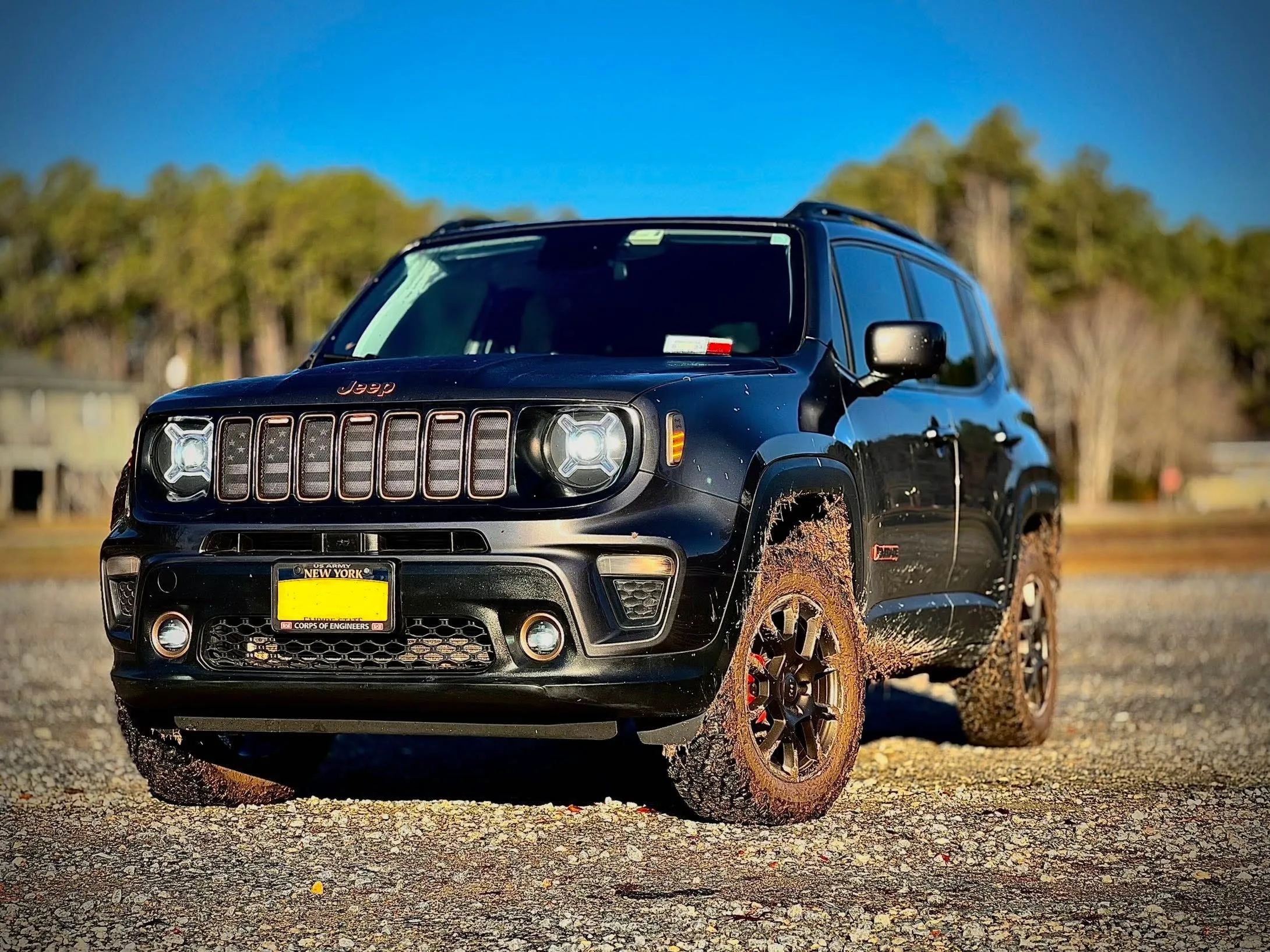
Jeep Renegade Trailhawk
The Jeep Renegade Trailhawk presents a rugged personality that appeals to those who want a compact SUV with noticeable presence and off‑road capability. Its suspension is tuned for rough terrain, providing high ground clearance and articulation that feel excessive for most paved city streets.
While this setup is appreciated on trails, it can make the ride feel firmer and less refined when navigating uneven urban pavement or frequent speed bumps. The exterior design includes protective body cladding, skid plates, and chunky styling cues that communicate durability and adventure.
These design features contribute to a sense of robustness, but they also make the Renegade feel physically more substantial on crowded streets. Drivers may find that this overbuilt nature is both a visual statement and a practical choice for occasional off‑road use, though it can seem out of place in purely urban settings.
Inside, the cabin carries that same adventurous theme with tactile knobs and durable materials that suggest readiness for rugged use rather than city‑centric refinement. The seating position is higher, which provides excellent visibility but reinforces the feeling of being in a vehicle built for more than just daily commuting.
The Renegade Trailhawk’s four‑wheel‑drive system and off‑road tech, such as hill‑descent control, are features many urban drivers won’t use frequently, yet they add complexity and cost to the package. The tires, optimized for traction in dirt and mud, may generate extra road noise and stiffness on pavement compared to more street‑oriented rubber.
Fuel efficiency is lower than many of its city‑focused peers, reflecting the weight and mechanical complexity necessary for rugged performance. Though the Renegade Trailhawk can handle urban driving competently, its overbuilt components are most appreciated by those who plan to leave pavement regularly.
The steering is precise enough, but the suspension’s firmer setup can transmit more feedback from rough city surfaces into the cabin, which some drivers may find less comfortable over time. Turning and parking are manageable, though the vehicle’s rugged body proportions make it feel somewhat chunkier than more urbane SUVs.
Technology interfaces such as infotainment screens and connectivity are adequate, but they don’t entirely offset the perception that the vehicle is built for adventure rather than refined city use. Safety features are robust, yet the overall driving experience remains grounded in capability that extends beyond what most urban drivers require.
In sum, the Jeep Renegade Trailhawk’s character is defined by its off‑road readiness, and while that makes it capable in rough conditions, it can feel overbuilt for daily city life.
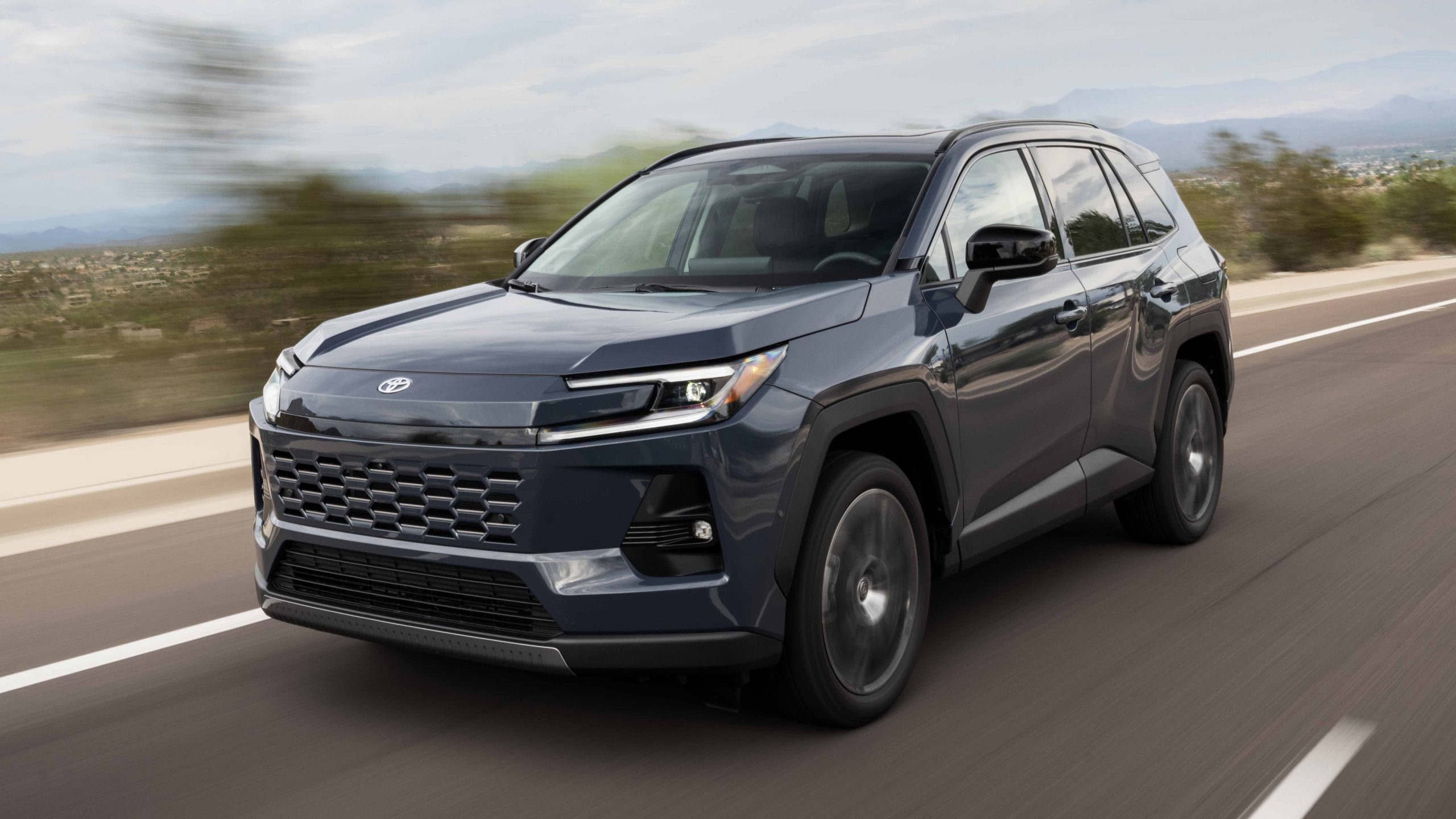
Toyota RAV4 TRD Off‑Road
The Toyota RAV4 TRD Off‑Road model takes the well‑rounded RAV4 platform and pushes it toward a more rugged identity compared to its city‑oriented siblings. Equipped with suspension tuned for uneven terrain and protective elements under the body, this version signals purpose beyond daily commuting.
The firmer ride and raised ride height are beneficial when tackling trail paths or gravel roads, yet on smooth city pavement, these characteristics can feel excessive and less comfortable. The exterior design includes aggressive styling cues, robust bumpers, and all‑terrain tires that contribute to a tougher presence on the street.
While the RAV4 TRD Off‑Road retains the practical interior space of the standard RAV4, its mechanical focus on ruggedness adds weight and complexity that are not always necessary for urban driving.
Inside, the seats may provide excellent support on rough surfaces, but that firmness can feel less plush during longer periods of smooth road driving, where cushioning and absorption are preferred. The all‑terrain tires, while capable in dirt and snow, produce more road noise and a firmer ride on asphalt than street‑focused tires.
Fuel economy is modest relative to the standard RAV4, reflecting the additional weight and drivetrain tuning toward durability. Steering feels solid and responsive, though it lacks the refined feedback and nimble sensation that city drivers often appreciate in more urban‑focused models. The off‑road‑oriented instruments and systems, such as multi‑terrain select, are engaging features, yet they serve purposes urban drivers may rarely need.
The TRD Off‑Road’s appearance and hardware communicate an adventurous spirit, which may be appealing to those who want a rugged look and functionality for weekend excursions. However, when navigating rush‑hour traffic or parking garages, the overbuilt nature can make the vehicle feel less agile than some of its more city‑friendly counterparts.
Technology features remain modern and user‑oriented, though they exist alongside a package that emphasizes durability over refinement. Visibility remains good, but the vehicle’s presence feels more imposing in tight city spaces. Toyota RAV4 TRD Off‑Road suits those who plan significant off‑pavement use and want that capability, even if the ride feels firm and robust for everyday urban travel.
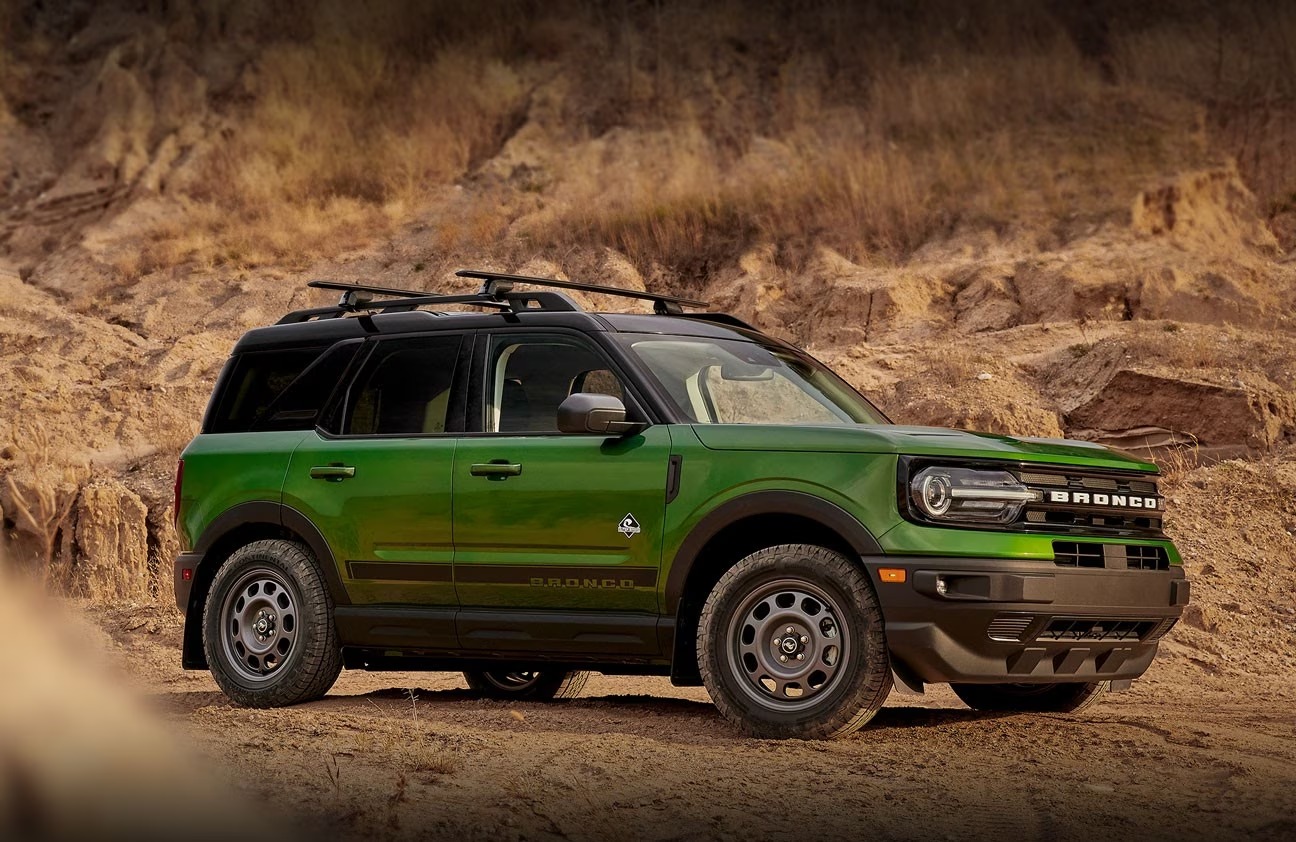
Ford Bronco Sport Badlands
The Ford Bronco Sport Badlands represents the brand’s effort to bring traditional off‑road character into a more manageable compact SUV. Its suspension, protective components, and all‑terrain posture give it a presence that feels formidable compared to typical city‑oriented SUVs.
While this character is excellent for trails, gravel paths, and wilderness excursions, it contributes to a firmer ride and more noticeable motion when encountering speed bumps or uneven asphalt. The exterior cladding and rugged design language make the Bronco Sport Badlands look ready for serious terrain, yet these visual cues also make it feel visually and physically more substantial in daily urban driving.
Inside, materials and controls reflect a tough aesthetic that prioritizes durability and readiness, but may lack some of the refinement found in more city‑centric cabins. The wheel and tire combination optimized for traction create extra road noise and a rougher feel compared to street‑focused rubber.
The Badlands model’s four‑wheel‑drive capabilities, locking rear differential, and off‑road modes are valuable for those who frequently leave pavement, but for typical city routes these systems are rarely engaged. Fuel economy takes a hit relative to more urban‑biased SUVs, reflecting the mechanical emphasis on capability over efficiency.
Steering feedback and handling are competent, though they can feel less precise and poised on smooth pavement compared to lighter, more responsive counterparts. The vehicle’s higher ride height contributes to a commanding view, yet it also reinforces the sense of heft that can feel excessive when weaving through busy city streets.
Infotainment and connectivity features remain modern, but they do not completely counterbalance the overall feel of a vehicle built for rugged challenges.
Parking and tight turns are manageable, though the Bronco Sport Badlands’ robust stance and wider track can make it seem chunkier in confined spaces. Road noise and suspension firmness are most noticeable at moderate city speeds, where a softer, more isolated ride might be preferable.
Safety features are comprehensive, yet the overall experience may feel like operating a tool built for conditions the driver rarely encounters during daily commuting. The Bronco Sport Badlands brings admirable capability and adventurous character, but its overbuilt nature for urban use tends to make its presence and ride quality feel more rugged than necessary for everyday city life.
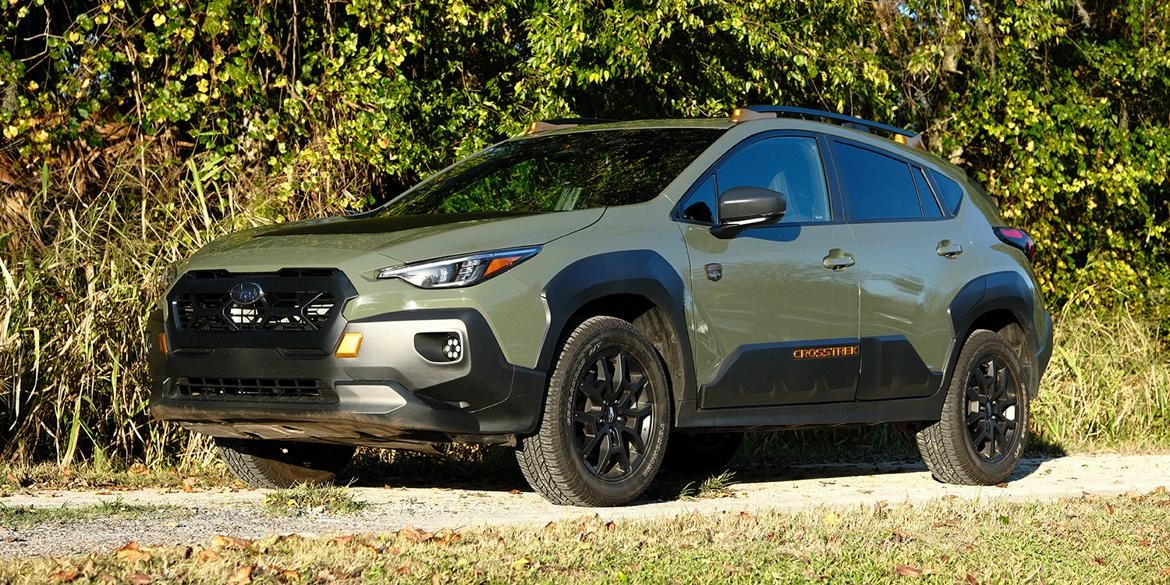
Subaru Crosstrek Wilderness
The Subaru Crosstrek Wilderness variant embodies the brand’s off‑road ethos within a compact SUV footprint, offering higher ground clearance, protective skid plates, and suspension tuning geared toward rough terrain.
These features make the vehicle feel capable when tackling unpaved trails, forest roads, and snowy surfaces, yet they also contribute to a ride quality that feels less refined in smooth urban settings. The exterior design includes rugged bumpers, flared fenders, and all‑terrain tires that enhance its adventurous look, though urban drivers may find the visual presence somewhat overbuilt for routine city use.
Inside, the cabin maintains practicality, but the seats and materials lean toward durability rather than plush comfort, which can be felt more during extended pavement driving. Noise from tires designed for mixed surfaces is more noticeable on asphalt than with street‑oriented tires, adding to the perception of ruggedness beyond what a typical city driver might need.
All‑wheel drive comes standard, which improves confidence in adverse weather conditions, yet for many urban commuting scenarios, this feature goes largely unused. Fuel economy is modest in comparison with more urban‑tuned SUVs, again reflecting the mechanical compromises that come with off‑road capability.
Steering is stable and predictable, though it lacks the nimble feel and direct feedback that benefit quick maneuvers in city traffic. Turning and parking remain practical, but the Crosstrek Wilderness’ rugged proportions and elevated stance make it feel physically larger than some of its more city‑focused siblings.
Safety and driver‑assist technologies are comprehensive, but the overall impression is of a vehicle optimized for rough roads and outdoor exploration rather than smooth urban streets.

Jeep Cherokee Trailhawk
The Jeep Cherokee Trailhawk brings traditional Jeep capability into the compact SUV segment with enhanced off‑road hardware, rugged styling, and protective elements that emphasize durability. Its suspension is capable of handling uneven terrain and rocks with higher ground clearance and robust damping, qualities that are beneficial when venturing beyond paved roads.
However, these same traits contribute to a firmer ride and heavier feel when negotiating urban environments, where smooth pavement and frequent stops are the norm. The exterior design, with pronounced body cladding, aggressive front and rear bumpers, and all‑terrain tires, gives the Trailhawk an overbuilt presence that stands out in downtown traffic.
Inside, the cabin balances comfort with utility, but the rugged design language and seating firmness reflect capabilities beyond what is typically needed for city use.
The Trailhawk’s four‑wheel‑drive system and off‑road modes, including locking differentials, provide confidence on trails and deep ruts, yet these systems are seldom engaged in everyday urban driving. Fuel economy trails behind more city‑oriented compact SUVs, reflecting the added mechanical complexity and weight required for capable off‑pavement performance.
Steering is controlled and predictable, though it lacks the nimble, lightweight feel that benefits quick lane changes or tight parking situations. The elevated ride height improves visibility, yet it also reinforces the sense of heft and rugged readiness that can feel excessive when navigating crowded streets.
Infotainment and connectivity features are modern, but they coexist with hardware that reminds drivers of the vehicle’s more rugged priorities.
