
Buying a new car is an experience many people look forward to. The initial excitement, the smell of fresh upholstery, and the feeling of control behind the wheel create a sense of pride and satisfaction. However, this honeymoon phase does not last forever.
Over time, certain features that initially impressed the owner begin to feel more like burdens. High maintenance costs, poor reliability, uncomfortable interiors, and impractical design choices slowly chip away at the initial joy of ownership. What seemed like a dream vehicle at first can quickly turn into a source of frustration.
Understanding which cars tend to reveal these hidden annoyances after the excitement fades can help buyers make more informed decisions and avoid unnecessary stress. Cars that look great on paper or in promotional material are not always enjoyable in everyday life.
For example, vehicles with flashy tech often hide frequent software glitches, and cars with sporty suspensions can become uncomfortable on long trips. Luxury vehicles promise status but often come with repair bills that can exceed expectations, and small cars with aggressive styling may lack the practicality that owners eventually need.
Moreover, the emotional satisfaction of driving a new car can be undermined by poor fuel efficiency, limited cargo space, and complicated maintenance schedules. Even cars with strong performance reputations can frustrate owners with high insurance costs or expensive parts. The reality of long-term ownership is very different from the first few weeks behind the wheel.
Enthusiasm fades as the owner faces the day-to-day challenges that the car presents. While some cars remain reliable and enjoyable for years, others show their weaknesses soon after the initial purchase. Knowing the common pitfalls that certain vehicles carry can prevent disappointment.
The ideal car balances style, performance, reliability, and practicality. Cars that fail to achieve this balance often lose their appeal quickly. With careful consideration, potential buyers can avoid the frustration of falling in love with a car that becomes annoying soon after the honeymoon phase ends.
By examining ten vehicles that often display these traits, one can see how initial charm can transform into ongoing irritation, saving time, money, and stress over the long term.
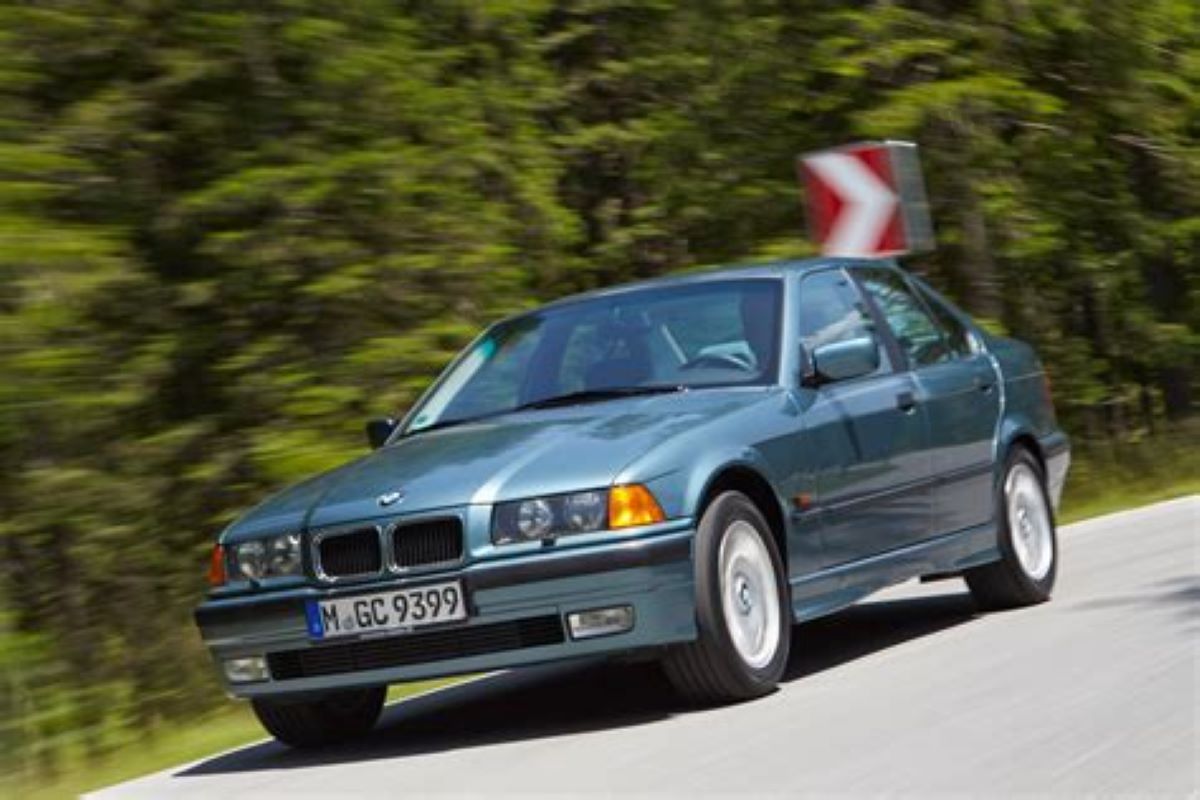
1. BMW 3 Series (Especially Older Models)
The BMW 3 Series is known for its driving dynamics, precise steering, and sporty appeal. Many buyers fall for its sleek design and reputation for performance. Initially, owners feel a sense of excitement every time they drive, appreciating the smooth ride and responsive handling. The cabin design feels luxurious, and the layout gives a sense of control that makes driving genuinely enjoyable.
Repairs for the BMW 3 Series tend to be expensive, even for minor issues. Components like the cooling system, suspension, and electronics are prone to failure after a few years. The cost of replacing a water pump or alternator can shock first-time luxury car owners. Maintenance schedules require frequent visits to certified mechanics, adding to both time and financial investment.
The fuel efficiency of certain BMW 3 Series models can also disappoint. While marketed as performance sedans, the engines consume more fuel than expected in city driving conditions. High-performance variants exacerbate this issue, requiring premium gas that further drives up costs. Owners who enjoy spirited driving may see their fuel bills rise dramatically.
Interior components can feel less durable over time. Leather seats may crease and fade, buttons and trim can wear quickly, and infotainment systems can lag or glitch. Even with careful handling, these signs of wear emerge sooner than anticipated, turning what was once an impressive interior into a source of irritation. Minor cosmetic issues often feel disproportionate in a luxury vehicle.
Insurance rates for BMW 3 Series models can also add frustration. Young or first-time owners often underestimate how much coverage will cost. Accident-prone areas or minor fender benders increase premiums significantly. Combined with high maintenance costs, insurance can transform initial excitement into financial stress.
The complex electronics, while impressive at first, may also become a headache. Features like iDrive, advanced driver-assist systems, and integrated infotainment occasionally malfunction. Software updates may require dealer visits, which add inconvenience. The very tech that once attracted buyers can slowly turn into a source of annoyance.
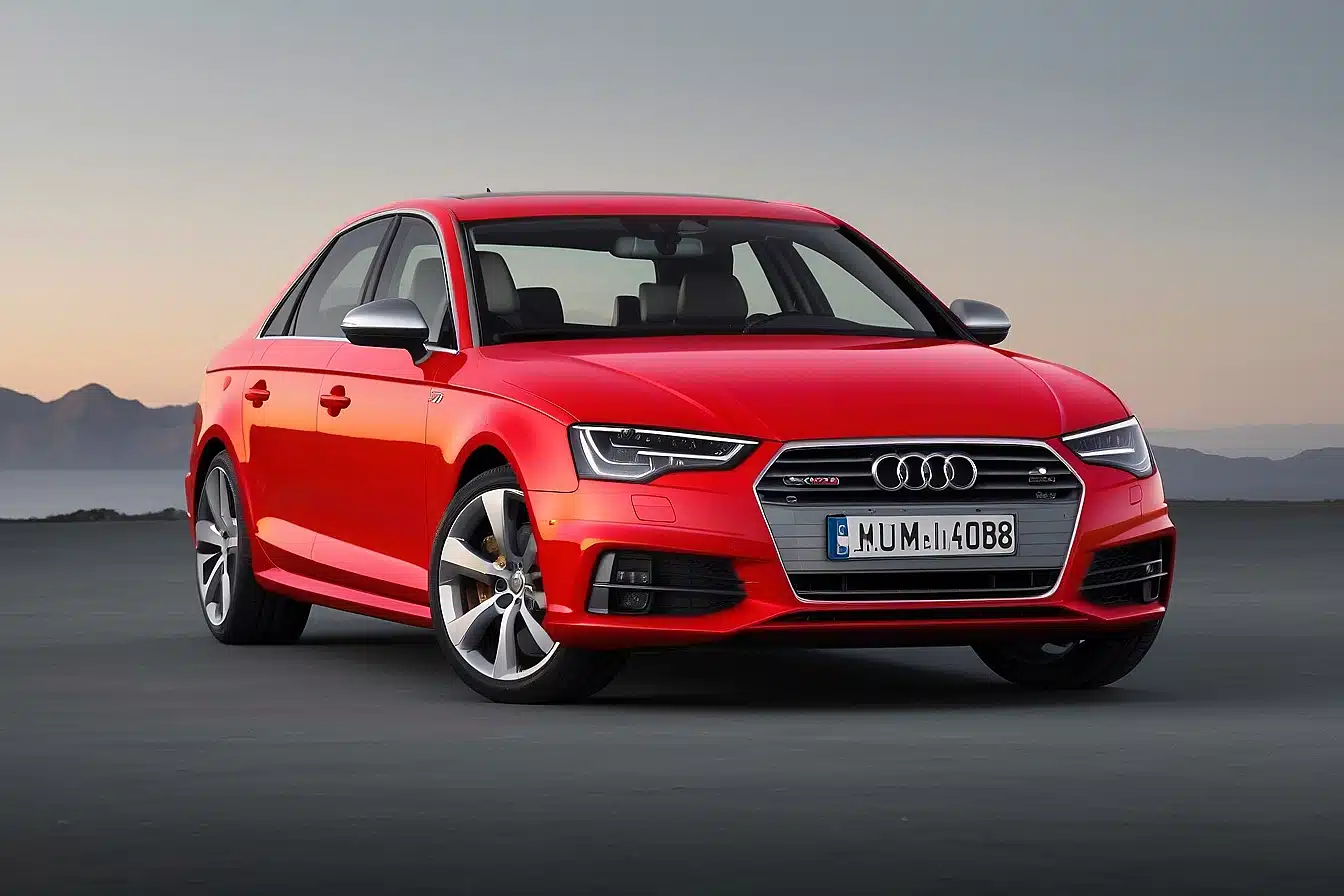
2. Audi A4
The Audi A4 is admired for its modern interior, smooth ride, and technological features. First impressions are overwhelmingly positive, with a high-quality cabin that looks sophisticated. Touch-sensitive controls, sleek dashboard design, and intuitive layout make the driving experience feel advanced. Owners initially appreciate the blend of performance and comfort.
Long-term maintenance of an Audi A4 can be frustrating. Parts are expensive, and routine servicing often requires dealership visits. Even minor repairs like brake replacements or sensor recalibrations can result in bills that surpass expectations. Owners often find that owning an Audi requires both patience and a deep wallet.
Some engines, especially turbocharged ones, can be high-strung and prone to mechanical problems if not carefully maintained. Turbo failures, oil consumption issues, and occasional overheating can occur. What initially felt like a sporty, efficient choice can transform into a source of frequent stress and expense.
Fuel efficiency is often a disappointment for those expecting a balance of performance and economy. Turbo engines require premium fuel, which increases ownership costs. City driving can push mileage lower than advertised, frustrating those who assumed the vehicle would be practical. Long trips may reveal that performance comes at the cost of fuel economy.
Resale value is another consideration. While luxury branding is appealing initially, depreciation hits hard after a few years. The A4 may lose value faster than expected, leaving owners with less equity than anticipated. The combination of upkeep costs and depreciation makes the car less rewarding over time.
Infotainment and technology features can also be temperamental. Touchscreens, navigation systems, and driver-assist sensors occasionally malfunction or require recalibration. What once felt futuristic begins to feel fragile. Owners may find themselves spending as much time managing the car’s tech as enjoying the drive.
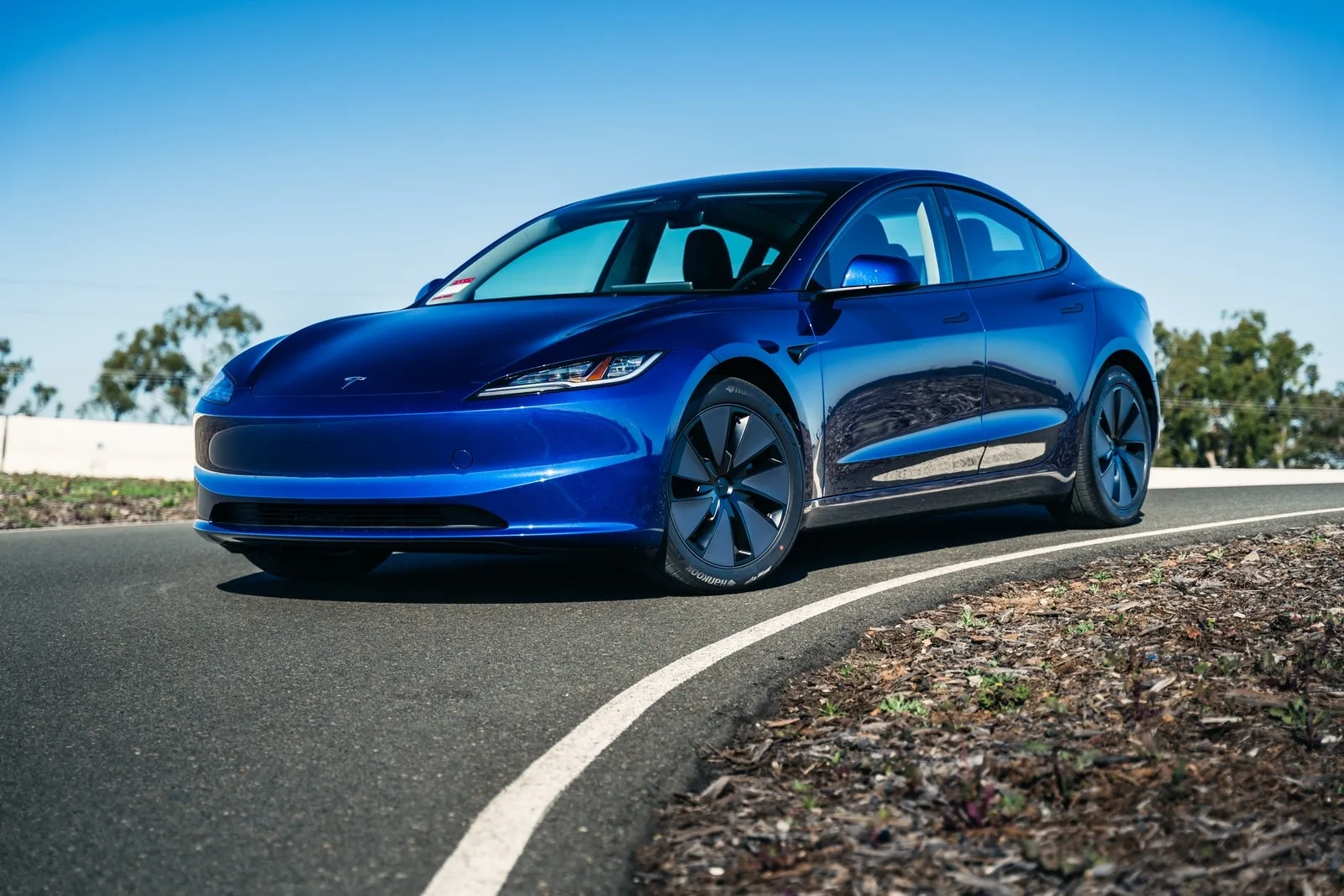
3. Tesla Model 3
The Tesla Model 3 has generated enormous excitement for its electric drivetrain and cutting-edge technology. Owners often feel proud to own an electric vehicle that combines performance, minimal emissions, and futuristic interfaces. The quiet cabin, instant acceleration, and minimalistic design create a sense of novelty that is hard to resist at first.
Battery degradation and charging logistics, however, can be sources of frustration over time. Range can decrease slightly over years, and long trips require careful planning. Charging stations are more available than before, but limitations remain in rural or less populated areas. Owners may find that real-world use differs from initial expectations.
Software glitches and frequent updates sometimes create unexpected inconveniences. Touchscreen malfunctions, autopilot quirks, and connectivity problems occur intermittently. Updates can take hours to install, occasionally leaving the car unavailable at inconvenient times. The reliance on software adds a unique layer of frustration.
Repair costs are another consideration. While Tesla promotes low maintenance due to fewer moving parts, accidents or component failures can be extremely expensive to fix. Body panels, sensors, and battery replacements carry high costs. Even small repairs often need specialized Tesla service centers, which may be limited in some areas.
Practical aspects such as trunk space and ride comfort may also disappoint. The minimalist interior can feel sparse, and suspension firmness may affect long drives. Owners expecting a fully versatile daily driver may notice compromises, especially compared to traditional sedans. The novelty wears off as practical needs become apparent.
Electric range in cold climates also adds challenges. Performance may drop in freezing conditions, requiring extra charging stops. Owners who relied on advertised numbers may find them overly optimistic. This reality highlights how real-world use can clash with initial impressions of the Model 3.
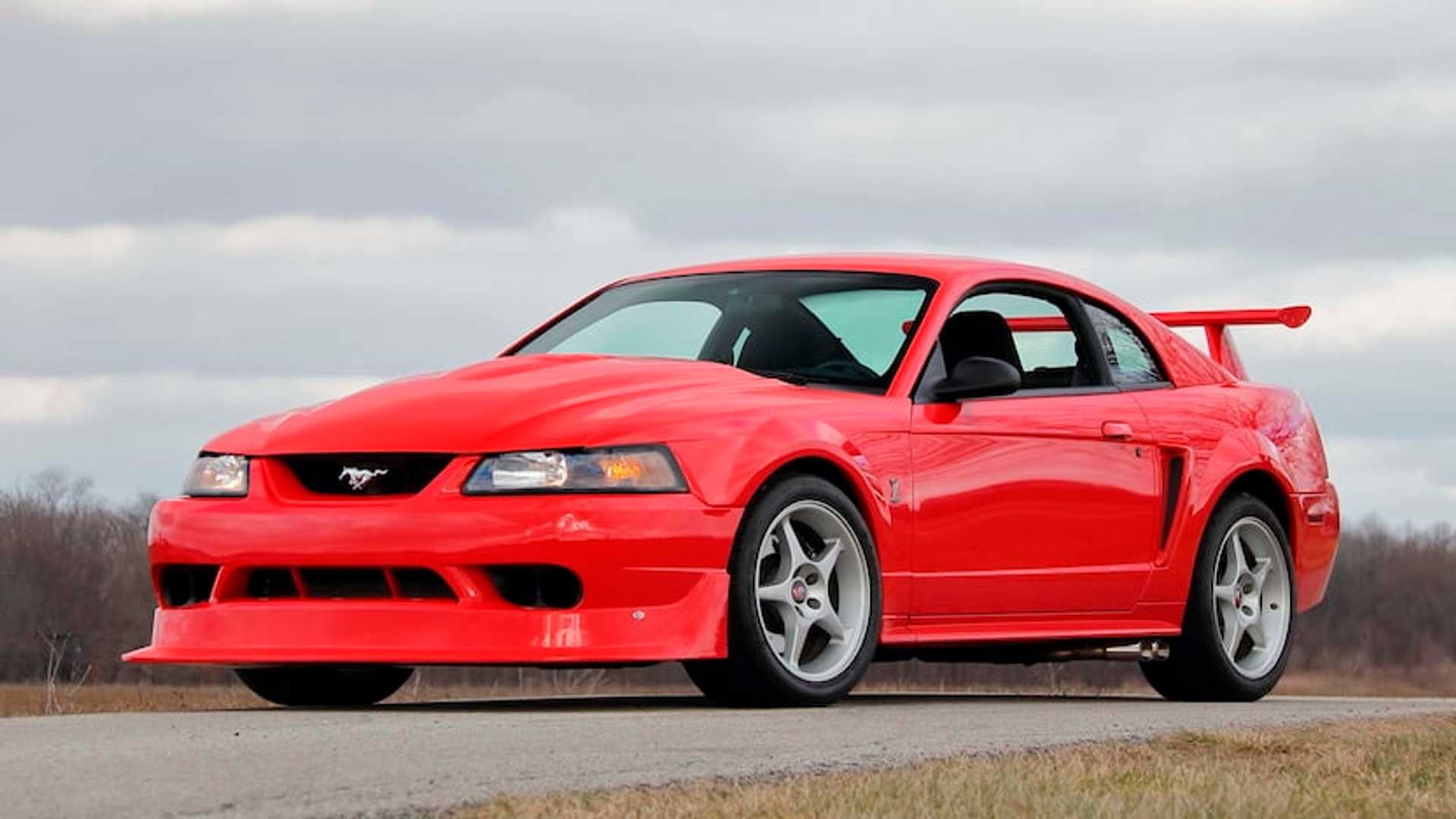
4. Ford Mustang
The Ford Mustang is iconic for its aggressive styling and muscle car performance. Owners often enjoy the powerful engine and attention it brings. Initial excitement is fueled by deep engine sounds, responsive acceleration, and the feeling of control during spirited driving. The Mustang promises raw performance, which many buyers crave.
However, fuel consumption quickly becomes a concern. V8 engines, while exhilarating, require frequent refueling, especially in urban settings. Even moderate driving can lead to surprising fuel bills. Owners may underestimate how quickly the Mustang can eat through gasoline, turning daily driving into an expensive affair.
Insurance premiums for the Mustang can also be high. Young drivers or first-time muscle car owners may not anticipate the financial burden, especially for performance trims. Accidents or even minor dents can have inflated repair costs. This adds a financial strain that detracts from the thrill of ownership.
Ride comfort is another issue. Stiff suspension and sporty handling make everyday commuting less enjoyable. Roads with potholes or uneven surfaces highlight the car’s rigidity. Long trips can become uncomfortable for both driver and passengers, revealing a compromise between performance and comfort.
Interior quality and technology can also disappoint. Some models lack modern features or use materials that wear quickly. Infotainment systems may feel outdated compared to competitors, and cabin space is often tight. What initially felt sporty and luxurious can reveal itself as cramped and outdated over time.
The Mustang’s manual transmissions, while fun, may also frustrate some owners. Clutch wear and gear shifting in traffic can become tedious. Automatic options mitigate this, but enthusiasts may still face higher long-term maintenance on performance models. These factors gradually erode the excitement of the honeymoon phase.
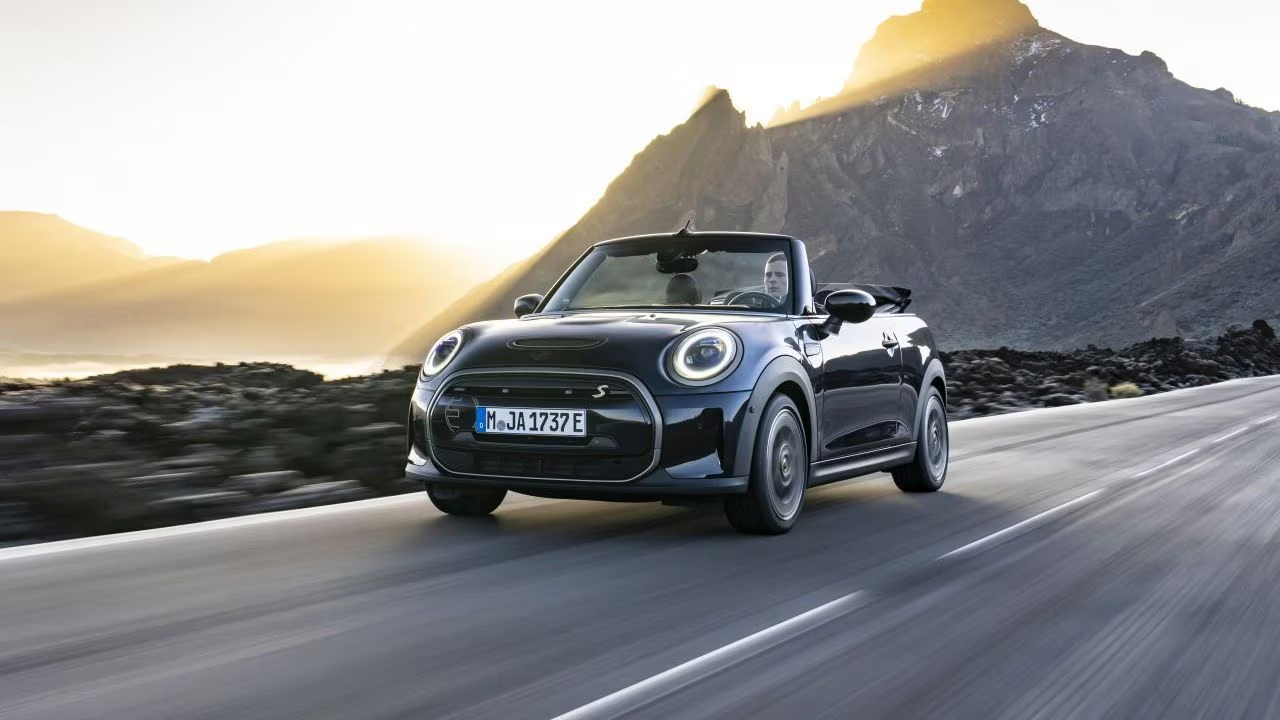
5. Mini Cooper
Mini Coopers are celebrated for their compact design, unique styling, and fun driving characteristics. Owners often fall in love with the vehicle’s playful handling and small footprint. The tight turning radius and distinctive appearance make driving in the city feel enjoyable. Initial pride of ownership is strong among first-time Mini buyers.
Maintenance issues appear sooner than expected. Transmission problems, turbo failures, and electrical glitches are common in many Mini models. Specialized service is often required, which drives up costs. Repairs that seem minor in other cars can become surprisingly expensive in a Mini.
Limited cargo and passenger space can also become a frustration. The small interior is charming but impractical for larger items or more than two passengers. Owners soon realize that weekend trips or daily errands are more challenging than anticipated. This reveals the trade-off between style and practicality.
The ride can be harsh on uneven roads. Sporty suspension and low-profile tires make potholes and bumps more noticeable. Comfort on long drives is compromised, reducing the vehicle’s appeal as a daily driver. What was once fun becomes tiring on rough surfaces.
Insurance and parts costs are another drawback. Replacement parts are expensive, and specialized Mini dealerships may charge premium rates. Owners may find themselves spending more on maintenance than expected. Over time, the novelty of owning a unique car is overshadowed by practical and financial challenges.
Electric or hybrid Mini models introduce additional complexities. Battery life, charging infrastructure, and software glitches can compound frustrations. Owners expecting a smooth experience may encounter unexpected hurdles, turning excitement into ongoing annoyance.
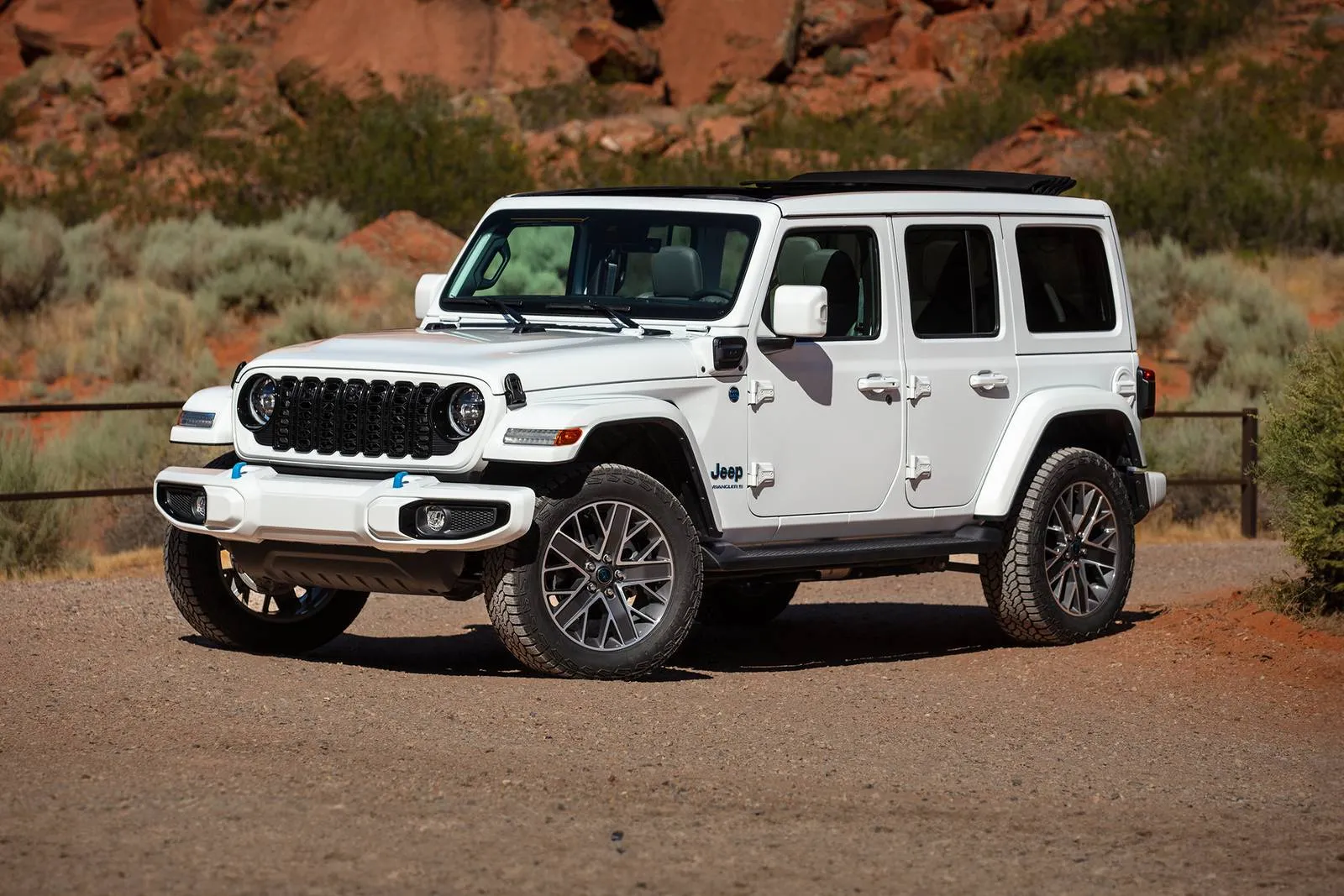
6. Jeep Wrangler
The Jeep Wrangler has legendary off-road capabilities and a bold, recognizable style. Early ownership is exciting for drivers who enjoy weekend adventures and rugged performance. The removable top and doors create a unique driving experience that many owners cherish. Initially, it feels like a vehicle built for freedom and exploration.
Daily driving reveals limitations. Wranglers have poor fuel efficiency, often struggling in stop-and-go city traffic. Drivers quickly notice how often they need to refuel, and long commutes can become expensive. The initial thrill of off-road capability doesn’t offset these practical concerns.
Noise levels are higher than most vehicles. Wind, road, and engine noise penetrate the cabin easily, making long drives tiring. Conversations or phone calls may require raising your voice, which can be annoying. The rugged design sacrifices comfort for personality.
Maintenance and repair costs can be higher than expected. Components designed for extreme conditions wear quickly on pavement. Suspension, axles, and other off-road-focused parts may require frequent attention. Rust and corrosion can appear sooner than anticipated, especially in regions with snow or salt.
Storage space and practicality are limited. While removable tops and doors are fun, they reduce weather protection and cargo security. Daily errands, grocery runs, or trips with passengers become less convenient. The initial excitement of owning a Jeep can fade when practicality demands outweigh adventure.
Wranglers also have handling quirks. Their high center of gravity makes cornering feel awkward compared to sedans. Steering may feel loose at highway speeds, requiring constant attention. Owners quickly realize the vehicle excels off-road but struggles in everyday driving conditions.
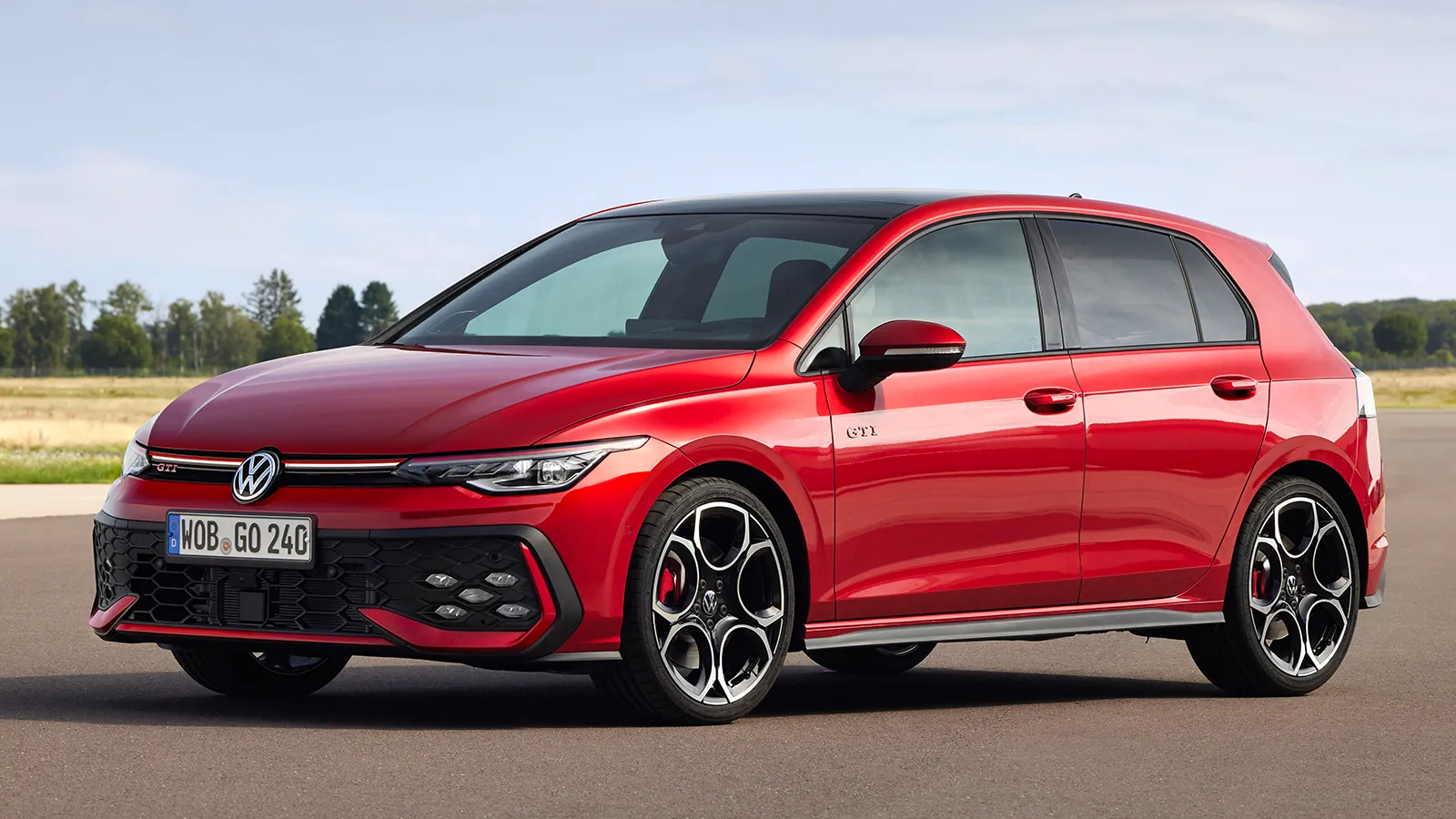
7. Volkswagen Golf GTI
The Volkswagen Golf GTI is praised for its sporty feel and versatile hatchback design. Owners enjoy nimble handling, responsive acceleration, and an interior that feels both modern and functional. Initially, it delivers excitement without compromising the practicality of a small hatchback. Many drivers feel they have the perfect balance of fun and usability.
Turbocharged engines, however, may present reliability concerns over time. Cooling system failures, DSG transmission issues, and occasional turbo problems are not uncommon. Regular maintenance is essential, and owners may face unexpected costs that overshadow the initial enjoyment.
Space limitations become apparent during daily use. While the hatchback design adds some flexibility, rear passenger comfort and cargo room are limited. Families or drivers carrying larger loads may quickly find the GTI impractical. Initial impressions of versatility begin to fade.
Ride comfort can be firm, especially with sport-tuned suspensions. Road imperfections, potholes, and long trips highlight the stiffness. What felt engaging on short drives may become exhausting on daily commutes or longer journeys, revealing a compromise between sportiness and comfort.
Electronics and infotainment may glitch occasionally. Touchscreens, digital displays, and connectivity features sometimes fail or require software updates. The technologically advanced interior, initially impressive, becomes a source of frustration as minor issues accumulate.
Fuel efficiency is another factor that can disappoint. The turbocharged engine’s thirst increases with spirited driving, reducing the car’s practical economy. Owners who expected a balance of performance and efficiency may find themselves refueling more often than anticipated.
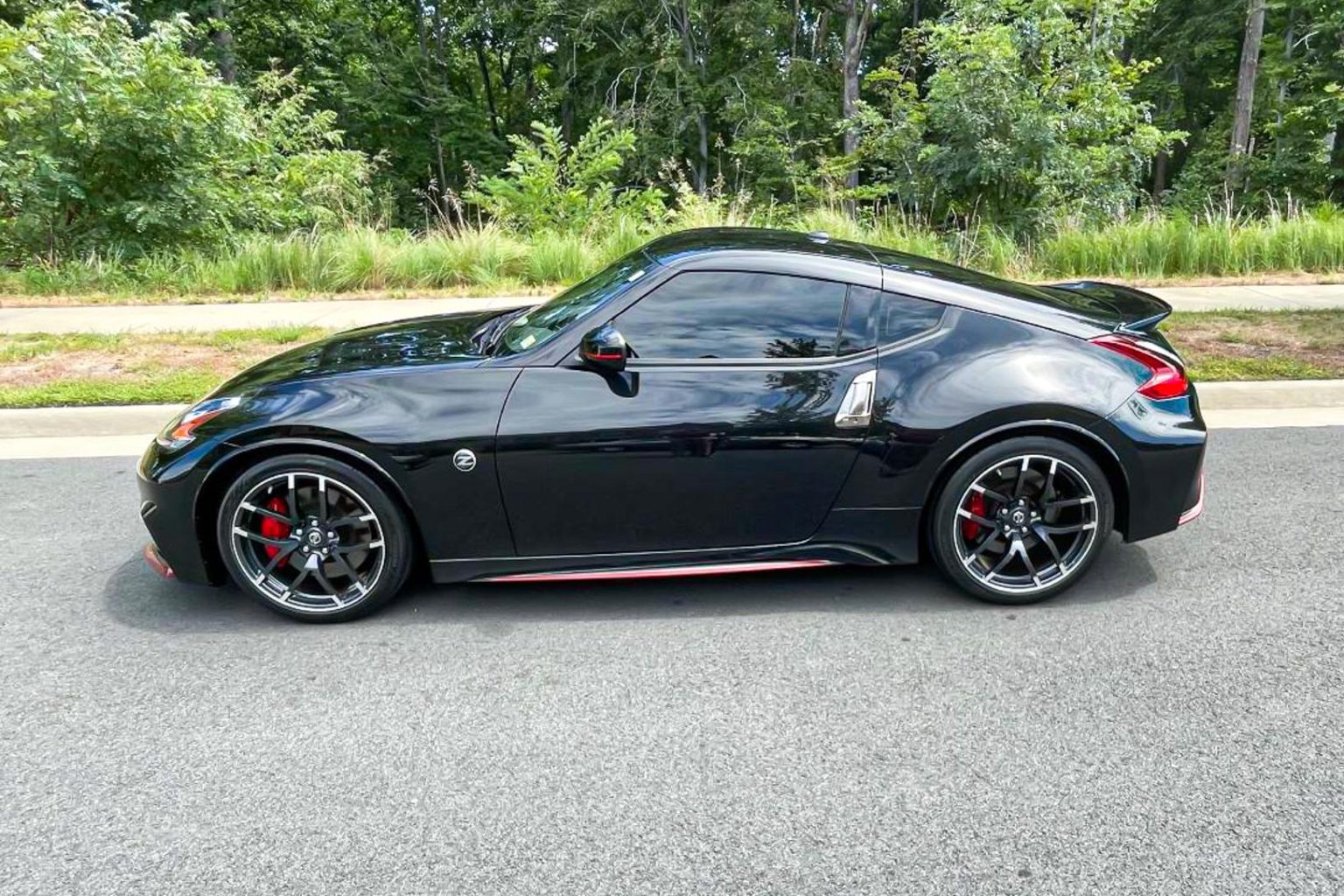
8. Nissan 370Z
The Nissan 370Z is a sports coupe that delivers exhilarating performance and a sharp, aggressive design. Enthusiasts enjoy responsive handling, strong acceleration, and precise steering. Initial ownership brings excitement during short drives and spirited cornering. The car feels lightweight, powerful, and highly engaging.
Daily practicality suffers due to limited interior space. Rear seats are nearly unusable, and trunk space is minimal. Grocery runs, luggage, or even a passenger occasionally become challenging. The initial charm of the car’s small size turns into an inconvenient limitation for everyday use.
Ride comfort is sacrificed for performance. Firm suspension, low ground clearance, and sporty tires make rough roads uncomfortable. Long trips highlight the car’s harsh ride, causing fatigue for both driver and passenger. Owners may find themselves avoiding everyday errands in favor of short, fun drives.
Fuel efficiency is another issue. The high-performance engine consumes significantly more fuel than average sedans or hatchbacks. Even moderate driving can become expensive over time. Owners who were drawn to speed may not anticipate the hidden cost of frequent refueling.
Maintenance and parts can be costly. Specialized components, rare parts, and dealer-only repairs contribute to high long-term ownership expenses. Even routine servicing may require more effort and expense than initially expected. What begins as a thrilling ride can gradually feel burdensome.
Electronics and technology also have limitations. Infotainment systems may lag, and driver-assist features are minimal compared to competitors. Owners used to modern conveniences may notice the car feels behind the times despite its sporty appeal.
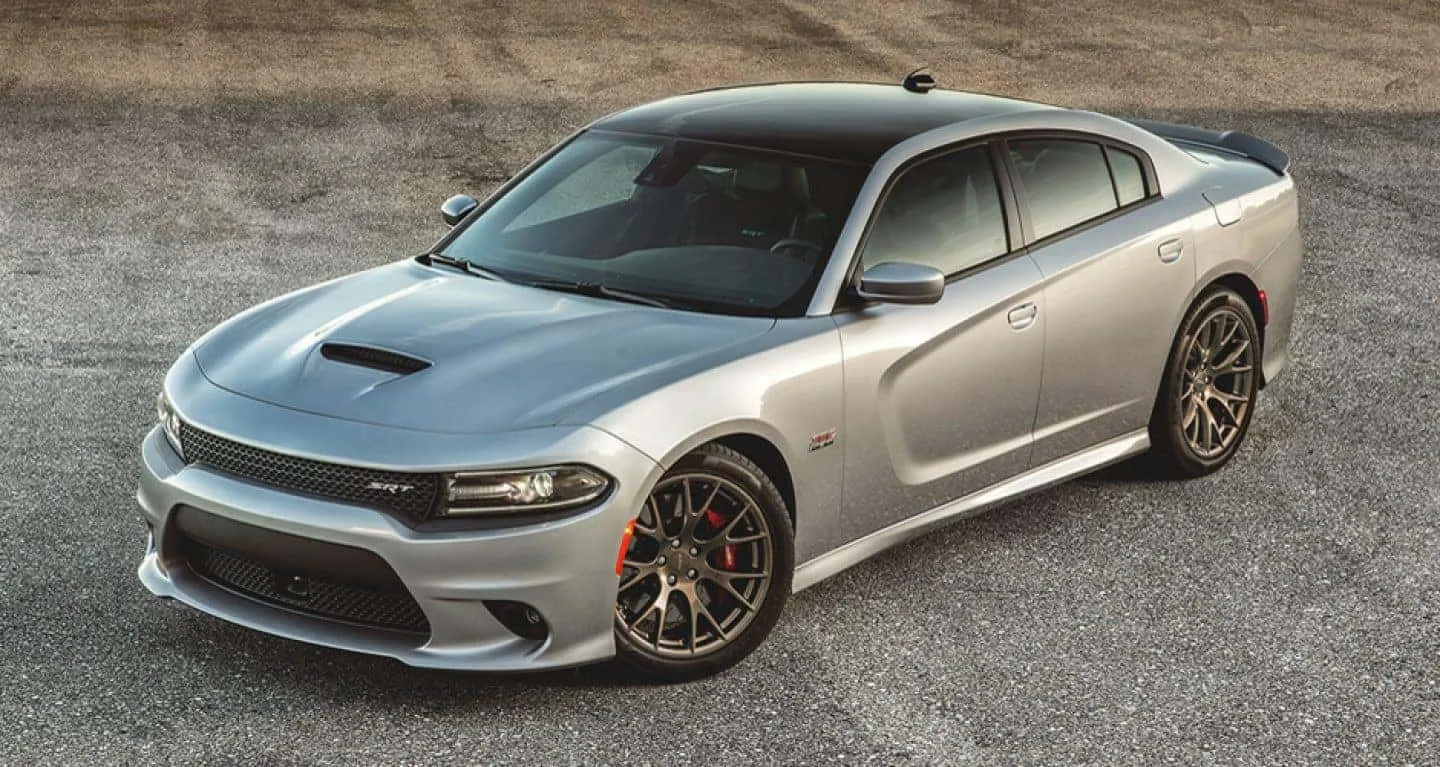
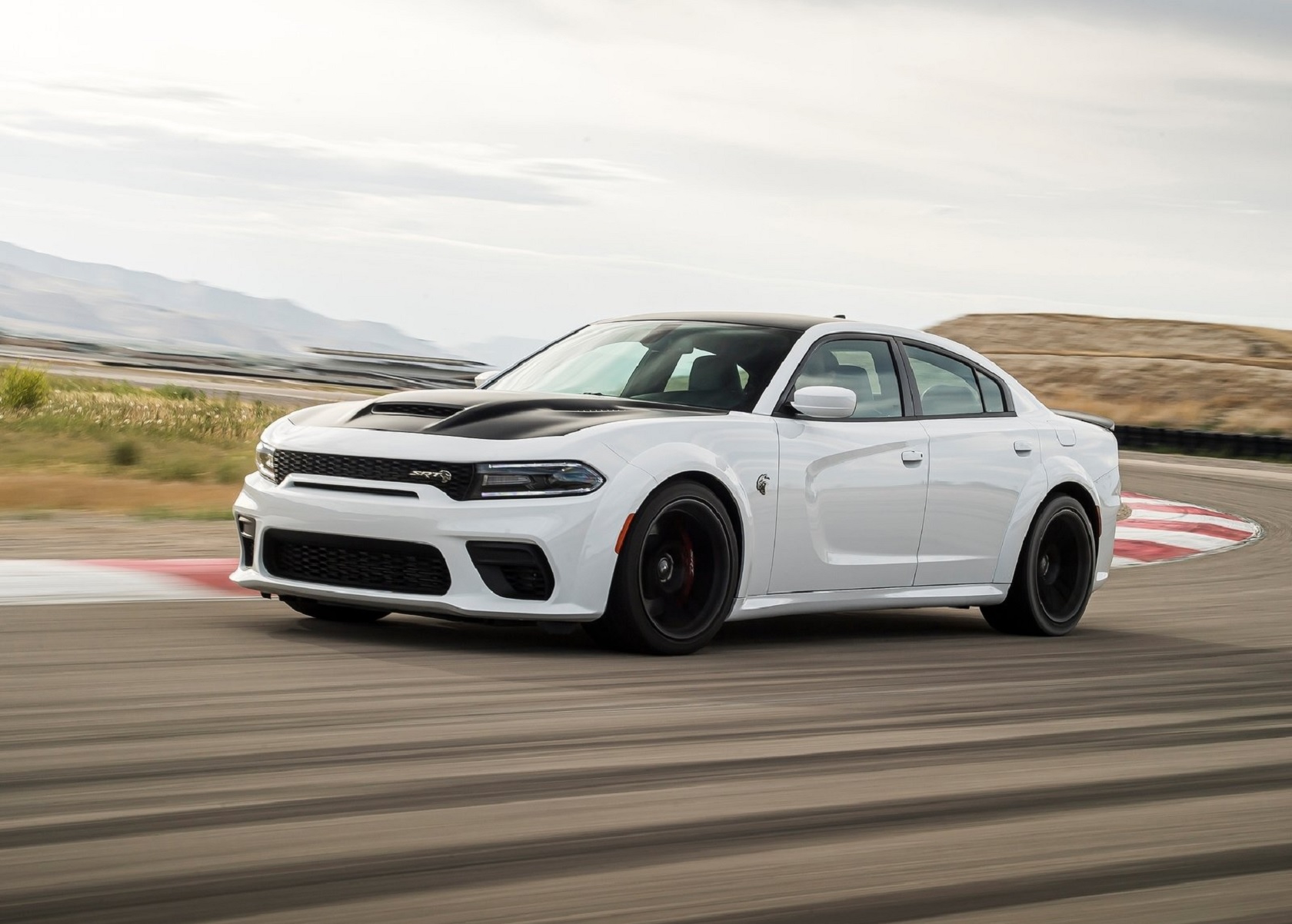
9. Dodge Charger
The Dodge Charger offers bold styling and a range of powerful engines. Owners are initially drawn to its presence on the road and strong acceleration. The deep engine rumble and muscular stance create excitement during early ownership. First impressions are often shaped by the thrill of power and the car’s unmistakable appearance.
Fuel consumption is a significant drawback. Larger engines, particularly V8s, require frequent refueling, which can become financially draining. Even daily commutes highlight the inefficiency. The excitement of performance gradually clashes with the reality of high operational costs.
Handling and maneuverability in urban environments can be challenging. Its size and weight make tight turns and parking difficult. Drivers may feel frustrated in city traffic or narrow streets. The Charger’s bulk contrasts sharply with its initial image as a fun, accessible muscle car.
Ride comfort varies depending on trim and suspension. Sport-tuned models are firm and unforgiving on long trips. Passengers often notice road noise, body roll, and general stiffness. What initially felt like controlled power can become physically tiring over time.
Maintenance and repair costs are another concern. High-performance components, tires, and brake systems wear faster than in regular sedans. Replacement parts for certain trims are expensive and may require specialized service. Owners quickly notice the cumulative financial burden.
Electronics and infotainment, while modern, are prone to glitches. Touchscreens and connectivity features may lag or freeze. While initially impressive, these small issues accumulate and slowly chip away at the initial excitement of ownership.

10. Alfa Romeo Giulia
The Alfa Romeo Giulia is celebrated for Italian styling, sharp handling, and luxurious interior details. Owners enjoy the vehicle’s unique appearance, driving dynamics, and the pride of standing out in traffic. The car offers a sporty yet refined driving experience, which makes early ownership enjoyable and exciting.
Reliability is a common concern. Electrical problems, transmission quirks, and engine issues may appear sooner than expected. Frequent trips to the mechanic diminish the joy of ownership. Even routine maintenance can become an unpredictable and costly experience.
Fuel efficiency is modest, particularly in performance trims. Drivers expecting both power and economy may find themselves refueling more often than anticipated. This reduces convenience for daily commuting or longer trips, highlighting a hidden drawback of the car’s performance-oriented design.
Interior durability may disappoint. Leather, trim, and infotainment systems can show wear faster than expected. What initially felt luxurious may begin to appear fragile. Small cosmetic issues often take away from the sense of long-term quality and value.
Resale value is another concern. The Giulia depreciates quickly compared to German competitors. Enthusiasts may enjoy style and performance initially, but financial loss over time can cause regret. Ownership can feel exciting at first but financially disappointing in the long term.
Ride comfort can also reveal limitations. The firm suspension, tuned for sporty handling, may make long drives tiring. Road imperfections are felt more sharply, and passengers may complain during extended trips. Enthusiasts love the handling, but everyday usability can be frustrating.
