
Old cars have a certain charm that modern vehicles often lack. They bring nostalgia, mechanical simplicity, and character to the streets. Many people who own older cars enjoy the feeling of driving a vehicle that has history, that carries stories in its worn seats and polished metal.
However, not all old cars are practical for every environment. One common challenge arises when navigating older downtown areas, where garages often have low ceilings, narrow lanes, and tight corners. Some classic vehicles fit easily and operate smoothly in these conditions, while others struggle, scraping underpasses or bumping into walls.
The distinction is often related to the car’s height, wheelbase, suspension, and dimensions. Drivers who understand these factors can avoid damage, frustration, and costly repairs. In addition to size, the car’s design, including its approach and departure angles, also plays a role.
For example, some 1960s sedans have surprisingly low profiles that glide into older garages without issue, while others, like vintage trucks or sports cars with low ground clearance, are constant sources of scraping problems. Beyond practical concerns, owners also consider aesthetics and historical value, seeking cars that maintain their charm without frequent cosmetic damage.
Knowing which vehicles are suited for tight, older garages allows enthusiasts to preserve both the car and the building. Garage compatibility is not just about height; it includes maneuverability, turning radius, and suspension stiffness.
Vehicles with softer suspension can often adjust slightly to uneven surfaces, while cars with stiff or low setups scrape easily over thresholds or ramps. Understanding these characteristics helps owners make informed choices when purchasing or driving classic vehicles in urban environments.
Selecting the right car for downtown garages combines appreciation of style with practical awareness. It allows drivers to enjoy the nostalgic feel of a classic car without constant worry about scraping paint or damaging fenders. While some cars naturally fit these spaces, others require modifications or careful planning to avoid contact with walls, curbs, or ramps.
This distinction shapes both the driving experience and the long-term maintenance of older vehicles, highlighting the importance of evaluating size, clearance, and maneuverability. Driving in older downtown areas can be stressful for any vehicle, but with the right selection, classic cars can remain as functional as they are beautiful.
By understanding which old cars work well in tight urban garages and which ones scrape constantly, drivers can make better choices for both convenience and preservation. The following sections will identify five old cars that fit well in older downtown garages and five that often scrape, offering insight into what makes a classic car practical or problematic in constrained urban spaces.
5 Old Cars That Work in Older Downtown Garages
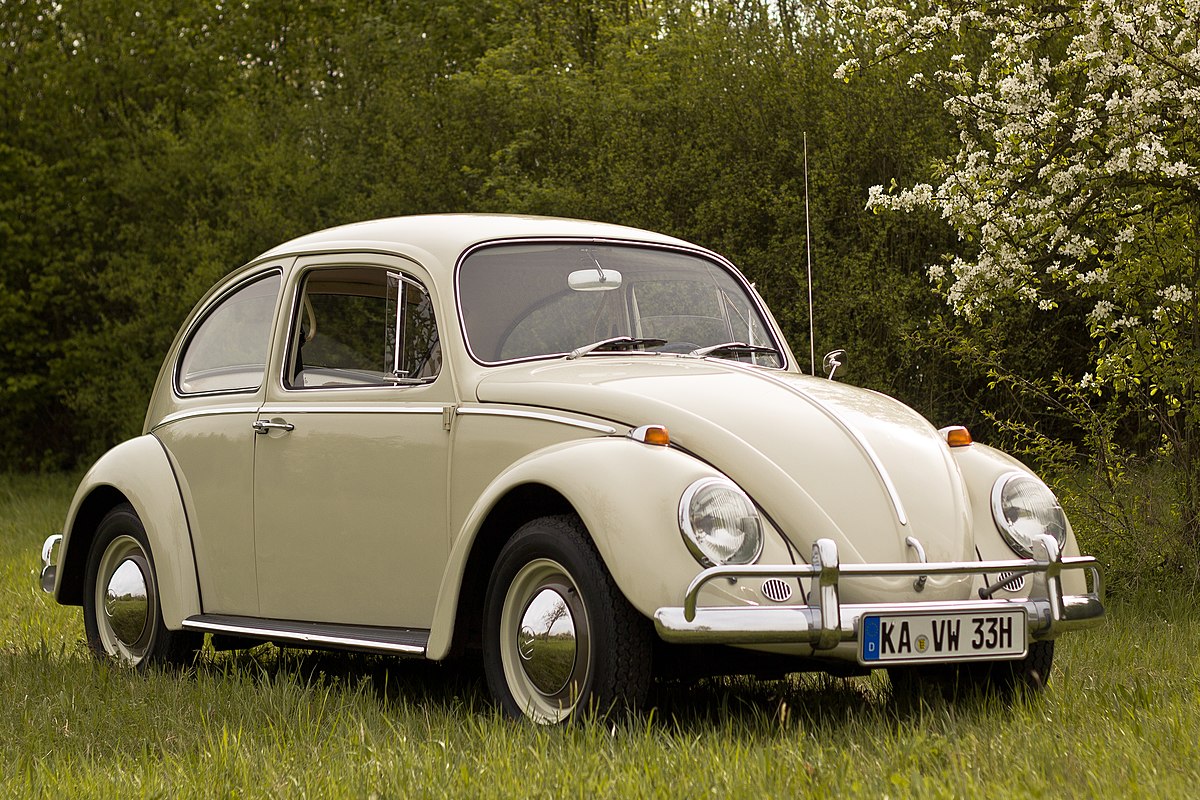
1. 1964 Volkswagen Beetle
The 1964 Volkswagen Beetle is small, light, and compact, making it ideal for older garages. Its height is low enough to clear most vintage ceilings without issue, which is especially helpful in urban areas where ramps and thresholds can be inconsistent. The narrow width allows easy maneuvering around tight corners and columns that are common in older buildings. Its rounded design avoids sharp edges that could scrape walls, making it forgiving for drivers who may misjudge a turn or misalign slightly when entering.
The Beetle’s short wheelbase contributes to its excellent turning radius, allowing drivers to navigate confined areas with minimal stress. Parking in confined spaces becomes less stressful compared to longer sedans, which often require multiple adjustments. The suspension is soft, which helps the car adjust slightly to uneven floors or minor dips in older garage surfaces. Even older ramps in downtown garages are manageable for this model, which prevents undercarriage contact and keeps maintenance costs low.
Another advantage is the Beetle’s reliability and simple mechanics, which make it both practical and low-maintenance. Older garages often have rough surfaces or slightly uneven concrete that can challenge low-clearance cars, but the Beetle’s robust design absorbs these imperfections well. Owners rarely need to modify it for daily downtown use, allowing them to enjoy its nostalgic charm without frequent repairs. Its durability ensures it remains practical despite its age, even in areas where older vehicles might struggle.
The Beetle’s visibility is also a significant advantage in tight areas. The driver’s position allows clear sight of curbs, walls, and other vehicles, reducing the risk of minor accidents. Older cars sometimes have blind spots that create stress when entering narrow spaces, but the Beetle minimizes this problem through its thoughtful design. Combined with its small footprint, the car can slide into spaces without worry, making it ideal for regular downtown use.
Finally, parts are widely available, and maintenance is straightforward, meaning minor cosmetic scrapes that do occur can be repaired easily. Owners can confidently drive into older downtown garages knowing damage risk is low, which reduces anxiety associated with tight parking. The Beetle balances charm, size, and practicality perfectly, making it one of the most sensible choices for classic car enthusiasts who live or work in older urban environments. Its combination of history, reliability, and adaptability ensures it remains functional even decades after its production.
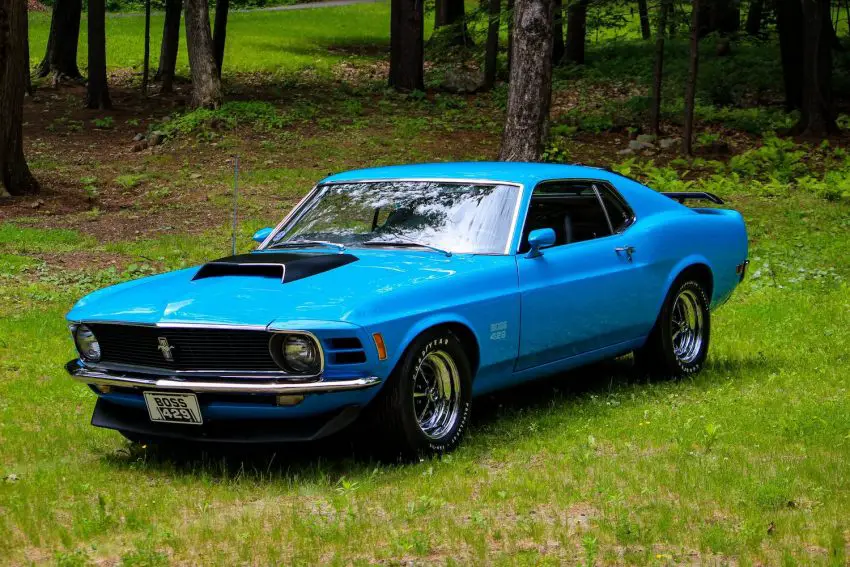
2. 1970 Ford Mustang (Short Wheelbase Coupe)
The 1970 Ford Mustang coupe with the short wheelbase works surprisingly well in older garages despite its sporty appearance. Its compact width fits narrow lanes, which is a common feature in downtown areas built decades ago.
While it is longer than the Beetle, its height and ground clearance allow smooth entry without scraping thresholds or bumping into ramps. Its shape is designed in a way that prevents repeated contact with walls or posts, which makes parking less stressful for drivers.
The Mustang’s suspension is moderately forgiving, allowing the car to adjust to minor irregularities in garage floors. Slight bumps or uneven ramps rarely cause contact with the underbody, which reduces potential maintenance needs. The car’s weight distribution also helps it remain stable during tight maneuvers, preventing scraping that often occurs with longer, heavier vehicles. Drivers report confidence in moving slowly through confined spaces, which is crucial for older urban garages.
The front end design is especially helpful when navigating tight areas. Rounded fenders and moderate overhang prevent constant contact with walls, even when drivers are slightly off-center.
Even angled parking in older garages becomes manageable with attention, thanks to the Mustang’s balance of size and maneuverability. Its handling allows controlled movement without risking damage to bumpers or undercarriage components.
Visibility is enhanced by large windows and low beltlines, which give the driver a broad perspective of the surrounding space. In contrast to some older sports cars that have aggressive nose designs, the Mustang allows accurate judgment of distance to walls and obstacles. This reduces accidental scrapes significantly, even when parking in older garages with limited lighting or uneven surfaces.
Finally, the Mustang’s popularity means replacement parts and restoration options are easily accessible. Minor cosmetic repairs after scraping are straightforward, allowing drivers to maintain the car’s appearance without major investment.
The combination of style, size, and practicality makes it a standout choice for classic car enthusiasts who need a vehicle that fits into older downtown garages without constant worry of damage. Its classic design is complemented by its functional usability.
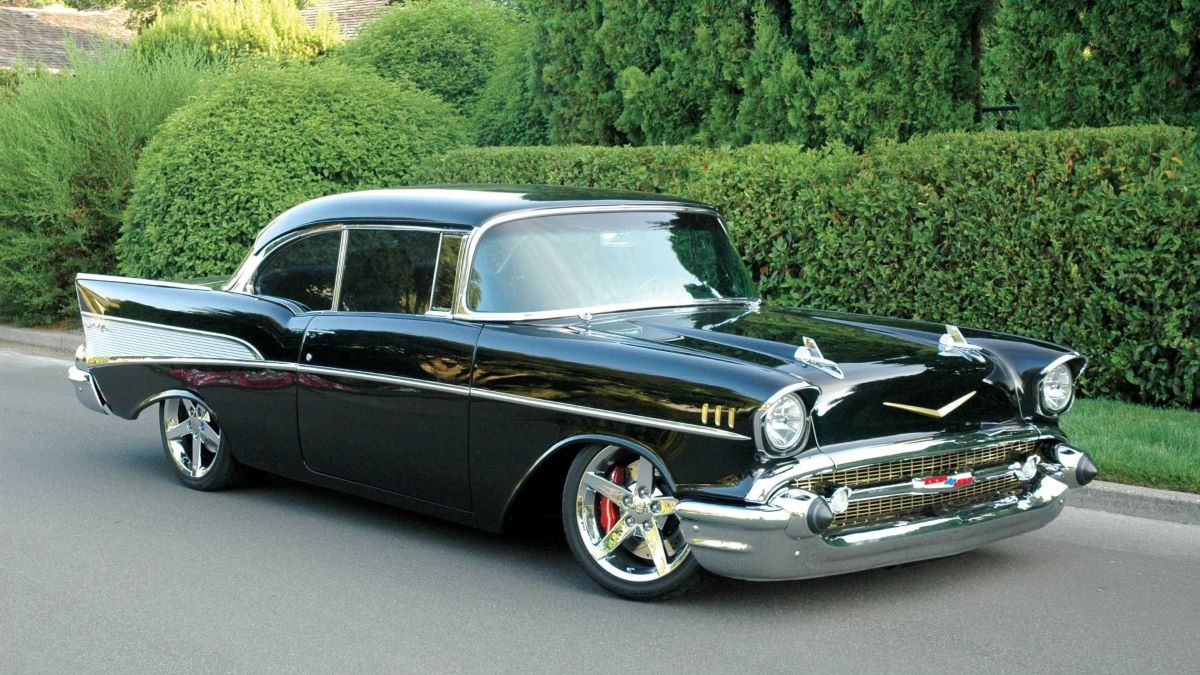
3. 1957 Chevrolet Bel Air (2-Door Sedan)
The 1957 Chevrolet Bel Air 2-door sedan is slightly longer than some compact cars but remains manageable in vintage garages due to its relatively narrow design. Its roofline is lower compared to newer sedans, allowing it to clear older ceilings comfortably. Rounded edges and smooth body lines reduce the risk of scraping, which is a major concern in tight urban parking structures. Drivers can maneuver without the constant stress of hitting walls or supports.
Its wheelbase allows for stable parking and smooth transitions over ramps or uneven floors. The car does not bottom out easily, which is a common problem with older vehicles that were not designed for modern garage thresholds. Soft suspension adds a layer of forgiveness, absorbing small bumps and dips that might otherwise damage the undercarriage. Garage floors with minor imperfections are less problematic for this classic sedan.
Suspension plays a key role in practicality. The Bel Air’s setup absorbs minor bumps, making scraping rare even on older, uneven surfaces. Soft springs also help when moving over thresholds or ramps, preventing the front or rear from catching and avoiding damage. Drivers feel confident entering confined spaces, knowing the car’s body is resilient to small impacts.
Visibility is enhanced by its design, offering wide views through front and rear windows. This allows the driver to monitor the environment and make corrections while parking, even in garages with awkward layouts or limited lighting. Tight corners are easier to navigate due to the car’s combination of size and driver-friendly design.
Finally, the Bel Air has strong aftermarket support, so repairing minor cosmetic damage is straightforward. Owners can maintain the car’s appearance without high costs or extensive labor. This classic sedan combines nostalgic appeal with functional practicality, making it ideal for enthusiasts who need a reliable vehicle in older downtown garages. Its dimensions, visibility, and suspension all contribute to stress-free urban parking.
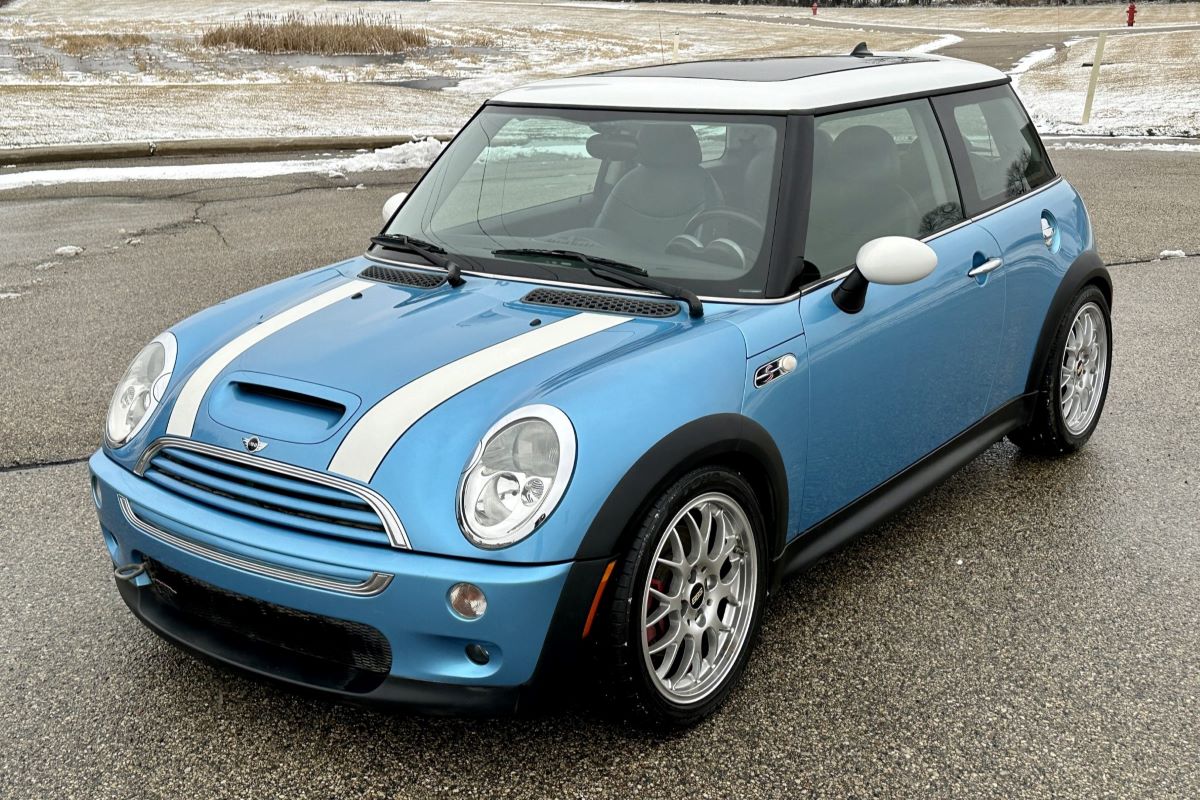
4. 1966 Mini Cooper
The 1966 Mini Cooper is famously compact, almost universally suitable for older garages due to its extremely narrow width and short wheelbase. Its height is low but sufficient to clear older ceilings comfortably, while its short length allows tight turns with minimal adjustments. The small size means drivers can maneuver in spaces where larger vehicles simply cannot fit, making it highly practical in historic urban centers.
The suspension design is resilient, adjusting well to uneven floors, curbs, and ramps without scraping. The car’s compact wheelbase allows it to handle minor dips in garage surfaces, maintaining underbody clearance even in tricky conditions. Drivers rarely encounter problems with tight spaces, making the Mini Cooper one of the most garage-friendly vehicles from its era.
The car’s design also favors visibility, with large windows and low bodylines that help drivers judge distances accurately. Parking maneuvers that might be stressful in other cars become almost effortless, even in older garages with awkward layouts. Tight turns, narrow aisles, and low lighting are less of an issue thanks to its compact dimensions.
The engine is compact and located transversely, reducing weight and improving balance for more precise handling. This design also minimizes front overhang, reducing the likelihood of scraping thresholds or ramps. Drivers experience fewer surprises when entering garages, and repeated minor collisions are uncommon.
Finally, parts remain accessible due to the car’s historical popularity. Maintenance and minor repairs are straightforward, ensuring the Mini Cooper remains usable in urban areas without excessive cost. Its combination of small size, excellent visibility, durable suspension, and practical mechanics make it nearly perfect for navigating older downtown garages while preserving classic appeal.
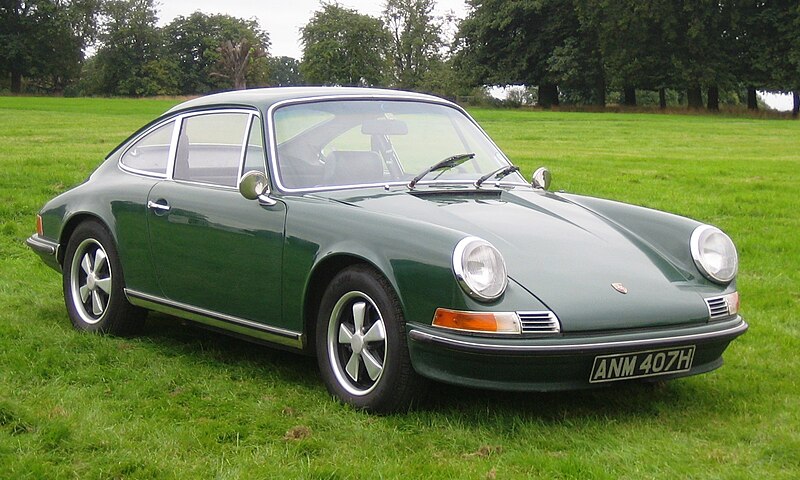
5. 1965 Porsche 911 (Early Model)
The 1965 Porsche 911 has low width and moderate height, making it ideal for navigating older urban garages. Its short wheelbase allows tight turns without scraping, while the aerodynamic design reduces the risk of contact with walls or ramps. The car’s compact footprint is ideal for confined spaces, offering both style and practicality to owners.
Suspension is relatively forgiving for a sports car, providing enough travel to handle uneven surfaces and minor garage imperfections. Garage ramps and thresholds are generally manageable without modifications, allowing drivers to enter safely without scraping the underbody. The combination of suspension design and compact size enhances usability in older garages.
Visibility is decent due to the sloping roof and relatively upright seating, which allows the driver to judge distance to walls, columns, and other vehicles. Narrow lanes in historic garages become less intimidating because the car’s design reduces the likelihood of accidental contact. Drivers can park and maneuver confidently.
The 911’s popularity ensures that replacement parts and body panels are accessible, so minor cosmetic incidents can be repaired efficiently. This reduces the long-term cost of ownership while maintaining the car’s classic appearance. Owners do not need to worry about permanent marks or rust problems from occasional scrapes.
Finally, the car combines performance with practicality. Early Porsche 911s offer spirited driving without compromising usability in older downtown garages. Its balance of low width, sufficient height, and manageable wheelbase makes it highly suitable, allowing owners to enjoy both the aesthetic charm and functional reliability in tight urban spaces.
5 Old Cars That Scrape Constantly
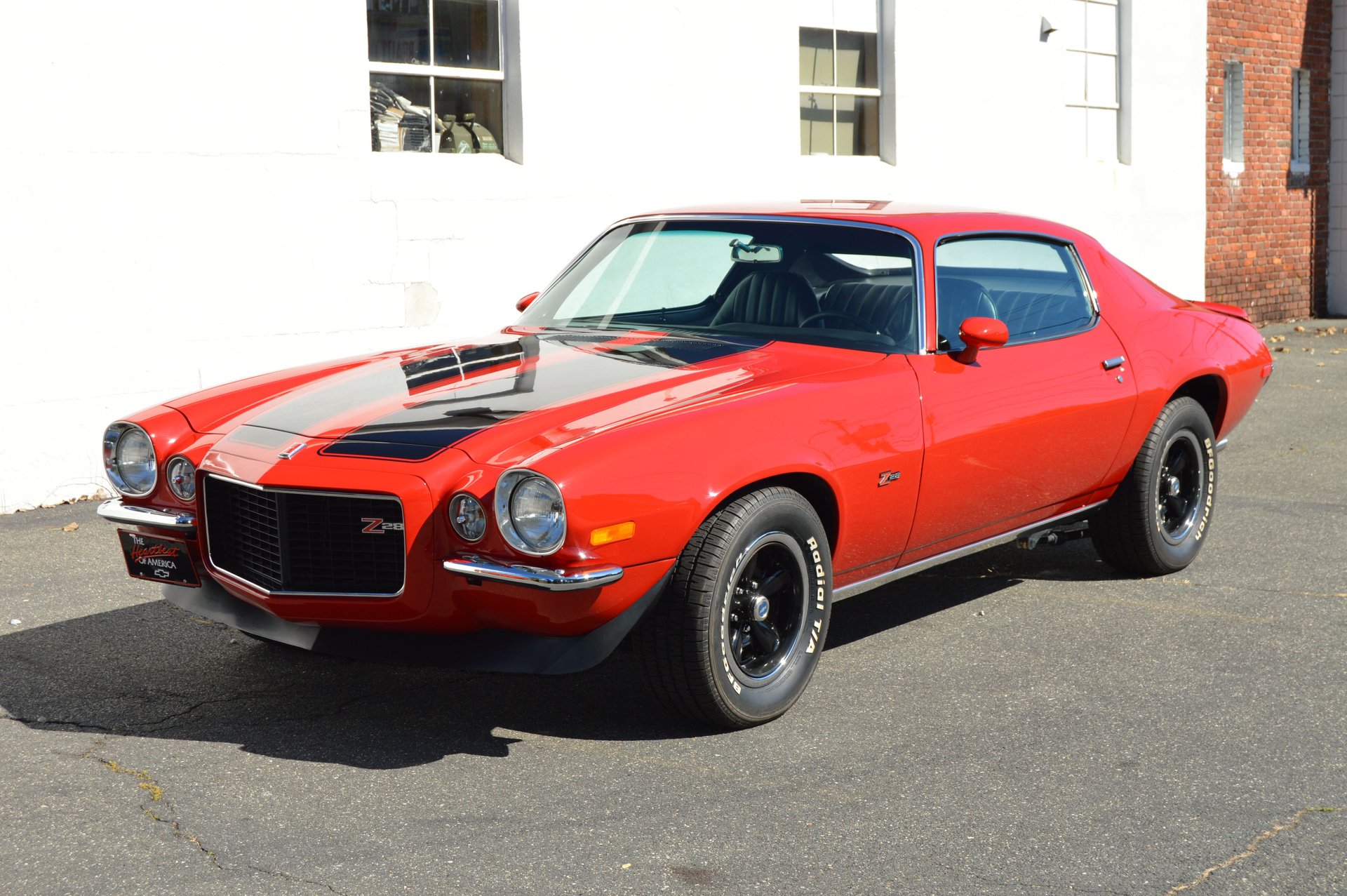
1. 1971 Chevrolet Camaro (Long Wheelbase SS)
The 1971 Chevrolet Camaro SS has a long wheelbase and low ground clearance that makes navigating older downtown garages a constant challenge.
Its wide fenders and extended overhang increase the risk of scraping both front and rear bumpers on ramps or thresholds. Narrow lanes are difficult to manage, forcing drivers to maneuver slowly and carefully. Even minor miscalculations can result in contact with walls, curbs, or posts.
The suspension is stiff and unforgiving, meaning that small bumps or uneven garage surfaces can easily damage the underbody. Unlike cars with softer suspension that absorb minor irregularities, the Camaro amplifies contact with thresholds, causing repeated scraping. Driving slowly is necessary, but even then, small dips in older garages can leave marks on the front lip or side skirts.
The car’s long front and rear overhangs also make it prone to catching on sloped ramps. Drivers frequently have to angle the vehicle very precisely to avoid damage. This makes parking in tight spaces stressful, especially for those unfamiliar with older garage dimensions. Adjustments must often be made multiple times just to align the vehicle correctly.
Visibility is limited due to the low seating position and long, sloping hood. Judging clearance for walls or obstacles becomes more difficult, especially in dimly lit or narrow garages. Drivers are forced to make constant corrections to avoid scraping, which increases the risk of minor accidents or cosmetic damage.
Parts are available, but restoring scraped body panels can be expensive and time-consuming. Repeated scraping can quickly affect the car’s aesthetic appeal and value, making the Camaro SS a poor choice for garages with tight or uneven spaces. Owners must exercise extreme caution when navigating downtown garages to prevent damage.
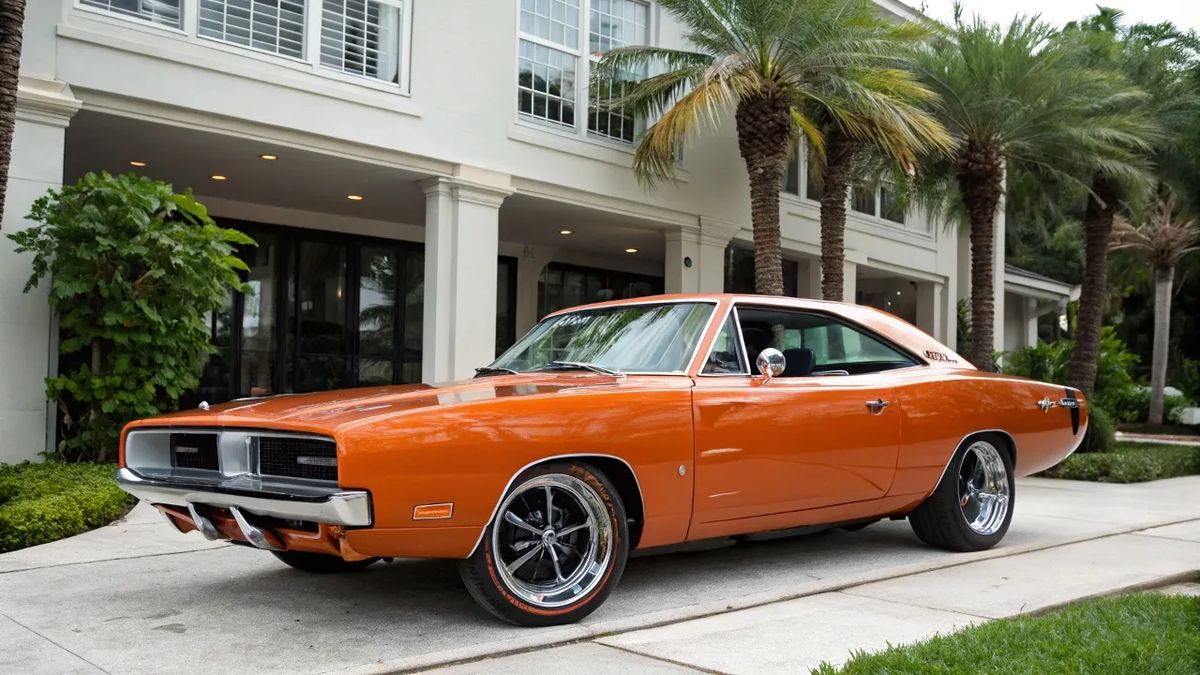
2. 1969 Dodge Charger
The 1969 Dodge Charger is a wide, long, and low vehicle, which makes it particularly difficult to fit in older garages. Its low ground clearance and stiff suspension mean that even small ramps or uneven surfaces can lead to scraping. The front and rear overhangs add to the problem, often resulting in contact with thresholds or the edges of ramps. Drivers must proceed with extreme care when entering or exiting.
The suspension is firm and designed more for performance than comfort, meaning it does not absorb irregularities well. Garage floors, which are often slightly uneven or have small dips, frequently cause the undercarriage to scrape. Minor ramps or thresholds that a softer-suspension car could clear easily become a source of constant concern.
The long wheelbase and wide body create a large turning radius, making tight maneuvers challenging. Narrow downtown lanes require multiple adjustments, which increases the likelihood of scraping. Even when driving slowly, the Charger’s size makes it difficult to avoid hitting curbs or walls in confined areas.
Visibility is limited because of the long hood, low seating, and small window area. Drivers cannot easily judge the distance to walls, posts, or other vehicles. Older garages with tight corners or low ceilings exacerbate the risk of contact, requiring careful attention at all times.
Repairing scraped panels is expensive due to the Charger’s size and the complexity of bodywork. Even minor damage can be costly, and repeated scraping can compromise the car’s value. While the Dodge Charger is visually impressive, its practicality in older urban garages is very limited.
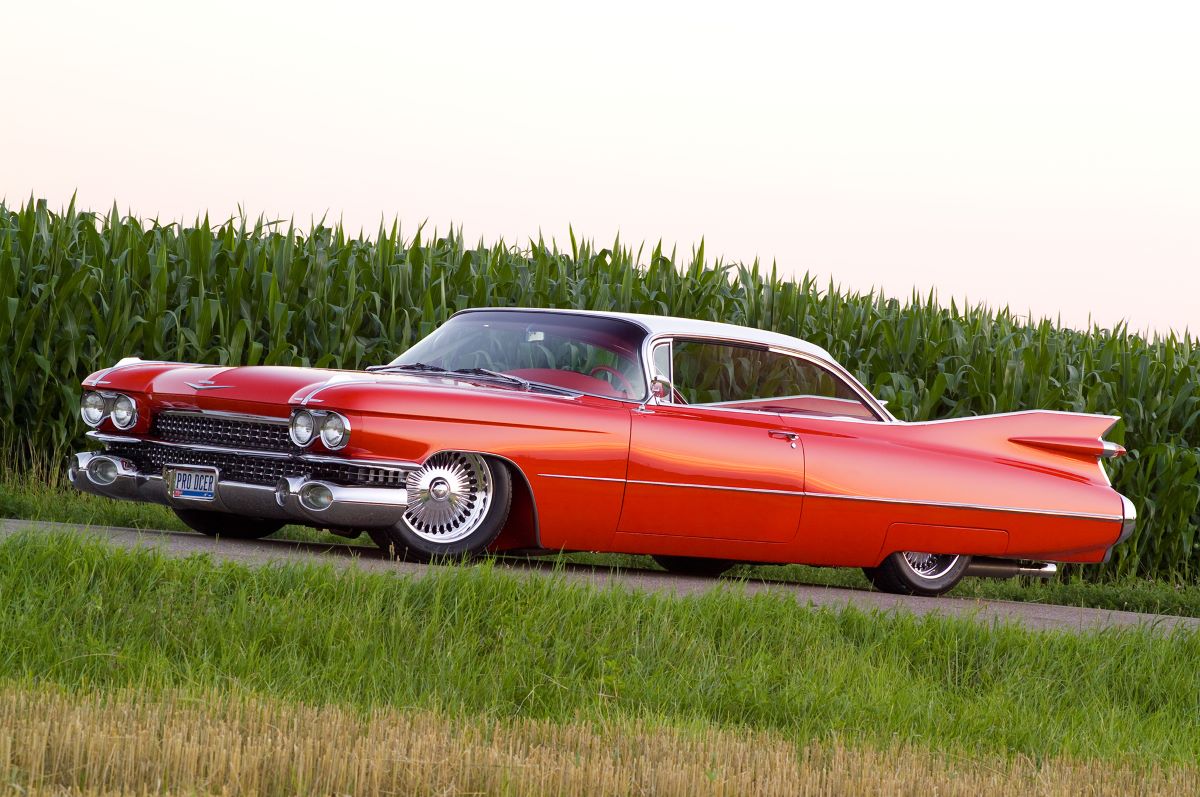
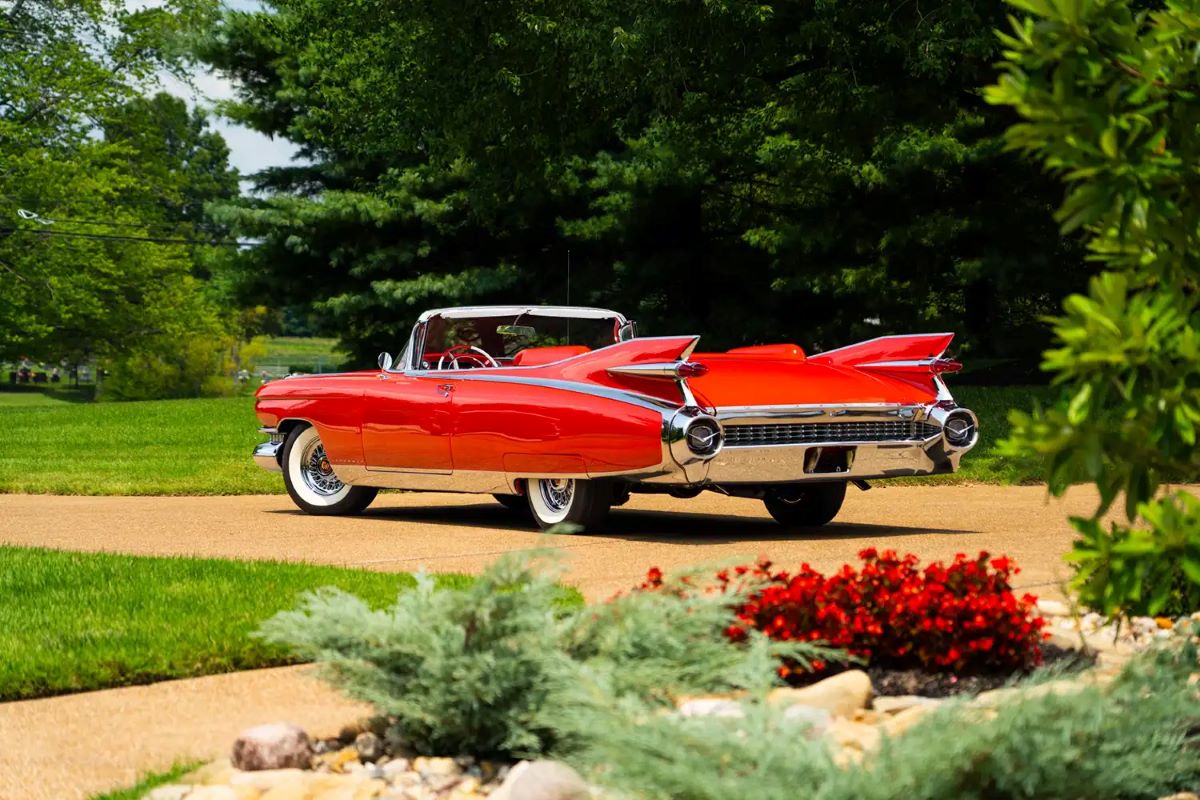
3. 1959 Cadillac Eldorado
The 1959 Cadillac Eldorado is exceptionally long, wide, and low, making it highly prone to scraping in older downtown garages. Its front and rear bumpers extend far beyond the wheels, so even slight ramps or thresholds can contact the undercarriage. Drivers must maneuver carefully to avoid damage, which can be stressful in tight or poorly lit spaces.
Its suspension is soft in theory, but the extended overhangs make the car more vulnerable to scraping. Garage slopes, dips, and raised thresholds are frequent problems, often requiring slow, precise adjustments just to enter safely. Even small ramps that seem manageable with other cars can pose significant risk to the Eldorado.
The turning radius is large due to the car’s extended wheelbase. Navigating narrow lanes in older garages requires multiple adjustments and careful measurement. Drivers often find themselves making forward and backward corrections repeatedly, which increases the chance of scraping side panels or bumpers.
Visibility is reduced by the massive hood, roofline, and large pillars. Judging distances to walls or obstacles is difficult, especially in garages with dim lighting or narrow corridors. Even careful drivers must concentrate intensely to prevent scraping.
Parts and repairs for the Eldorado are expensive and labor-intensive due to its size. Minor damage can cost thousands to fix, making repeated scraping both costly and stressful. While its classic design is beautiful, the Eldorado is impractical for daily use in older downtown garages.
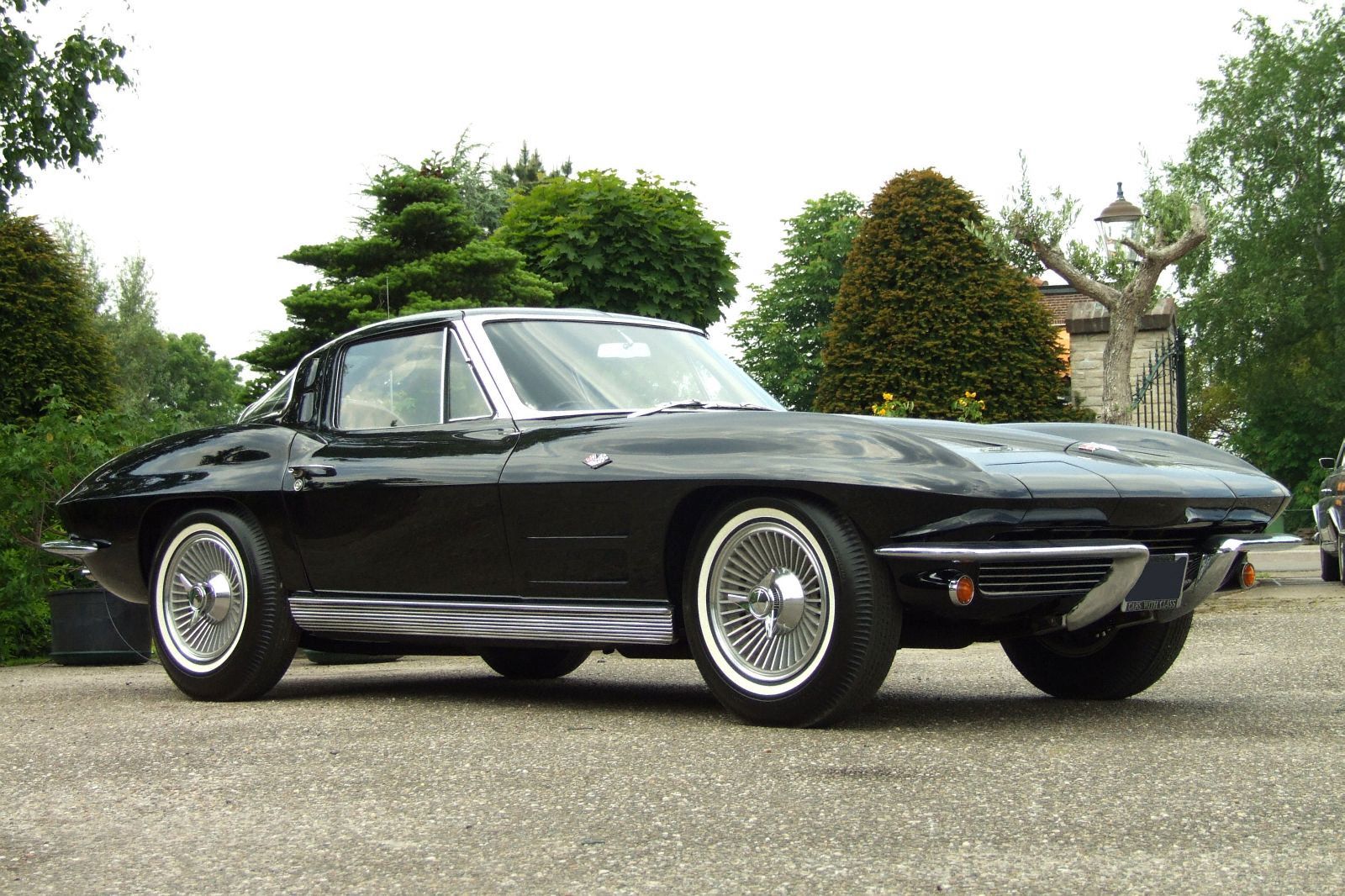
4. 1963 Corvette Stingray (Split-Window)
The 1963 Corvette Stingray is extremely low to the ground, and combined with its stiff suspension, it is prone to scraping on even modest ramps. Garage entrances with sloped thresholds often contact the front lip or rear underbody, forcing drivers to navigate very slowly. Its low profile, while stylish, is not forgiving in urban garages.
The front and rear overhangs are aggressive, particularly on the split-window model. Minor inclines or uneven garage floors can cause scraping on the bumpers, skirts, or undercarriage. Drivers must be aware of every slope and angle, which adds stress to parking in older garages.
Its turning radius is limited due to the wide track and moderate wheelbase. Tight corners require extreme precision, making small mistakes more likely. Even cautious drivers find themselves adjusting repeatedly, which increases the likelihood of scraping on curbs or walls.
Visibility is restricted by low seating and small windshield areas. Judging clearance for walls, posts, or vehicles becomes difficult, increasing the risk of damage. Older downtown garages with narrow lanes and dim lighting amplify these challenges, making parking a stressful experience.
Repair costs are high, as body panels and fiberglass components are rare and expensive. Scraping incidents, even minor ones, require careful restoration to preserve the car’s value. While the Corvette Stingray is visually iconic, its usability in older urban garages is extremely limited without modifications or careful planning.
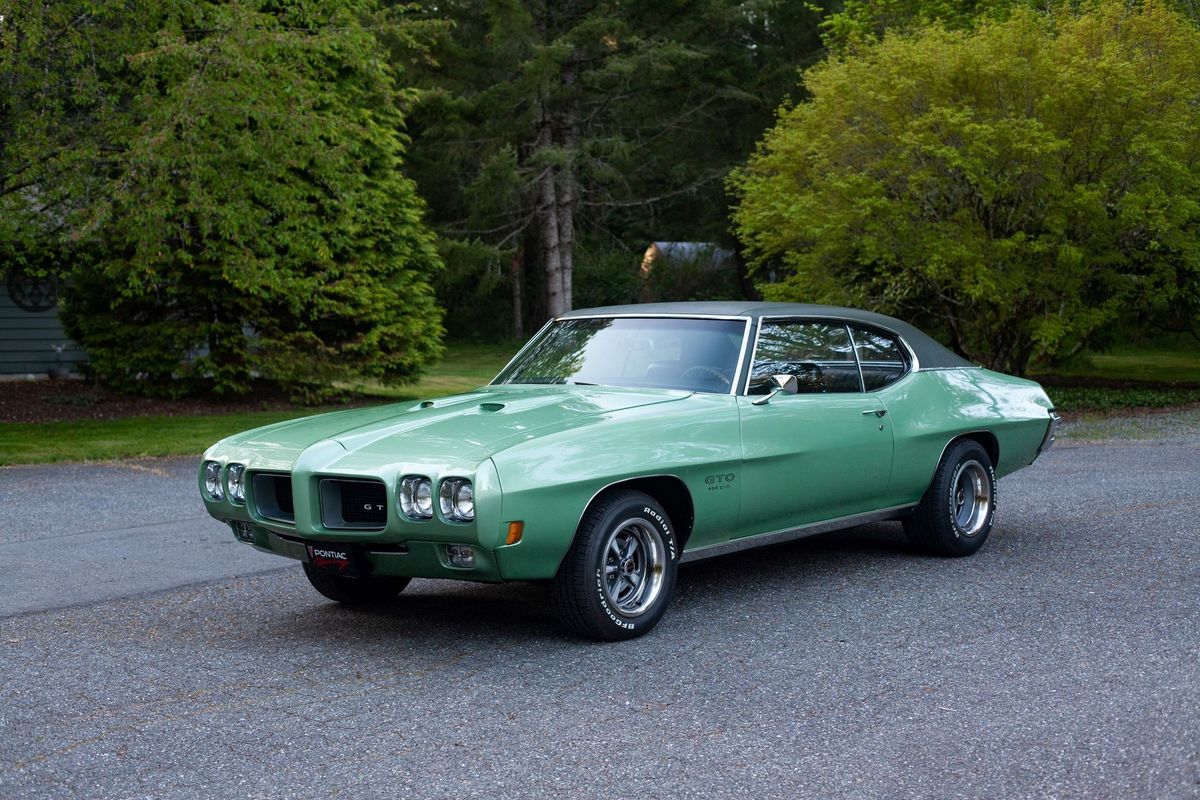
5. 1970 Pontiac GTO
The 1970 Pontiac GTO is wide, long, and low, which makes it prone to scraping in tight downtown garages. Its stiff suspension amplifies contact with uneven surfaces, ramps, and thresholds. Even a slow approach to a garage ramp often results in underbody contact. Drivers must maintain constant attention while navigating older garages to avoid damage.
The long overhangs at the front and rear create issues on sloped surfaces. Minor inclines frequently scrape the undercarriage, while even slight changes in garage floor height can result in damage. Drivers need to approach with caution and sometimes adjust their angle several times before entering.
The car has a poor turning radius due to its length and width. Narrow lanes in older garages require multiple adjustments to align properly. The combination of size and low clearance creates a scenario where scraping is almost unavoidable without extreme care and experience.
Visibility is limited by the long hood, low seating, and small windows. Judging the clearance for walls, ramps, or posts becomes difficult, particularly in garages with uneven floors or poor lighting. Drivers must rely on mirrors and experience to avoid repeated contact.
Repair costs are significant because panels are large and rare. Repeated scraping increases expenses and can affect the car’s long-term value. While the GTO remains an iconic classic with power and style, it is ill-suited for tight urban garages, making it a poor choice for owners who park frequently in older buildings.
