
Daily traffic changes how people feel about their cars more than long road trips or weekend drives ever do. What once felt exciting in the showroom can slowly become frustrating when surrounded by brake lights, tight lanes, and constant stop and go movement.
Many vehicles are designed with performance, luxury, or image in mind, but those strengths do not always translate well to crowded city streets. Over time, small inconveniences turn into daily annoyances that chip away at the enjoyment of ownership.
Traffic exposes weaknesses that marketing brochures rarely mention. Stiff suspensions that feel sporty on open roads can feel punishing on uneven city pavement. Large engines that sound thrilling at speed may feel wasteful when crawling at walking pace. Wide bodies and poor visibility become stress multipliers when squeezing through narrow streets or crowded parking structures.
Another factor is driver fatigue. Cars that demand constant attention, heavy steering input, or frequent gear changes can wear down even enthusiastic drivers. Features that seem impressive at first can become distractions when traffic requires full focus. What felt engaging during test drives may feel exhausting after months of commuting.
Technology also plays a role in daily dissatisfaction. Complicated infotainment systems, overly sensitive driver aids, or laggy touchscreens can slow down simple tasks. In traffic, drivers want intuitive controls and predictable behavior. When a car fights the driver instead of supporting them, frustration grows quickly.
This article looks at ten cars that many owners gradually stop enjoying when daily traffic becomes the main use case. These vehicles are not bad cars by design, and many shine in specific environments. However, real-world commuting often highlights compromises that are easy to overlook at purchase time. The focus here is on ownership experience, not brand loyalty or resale value.
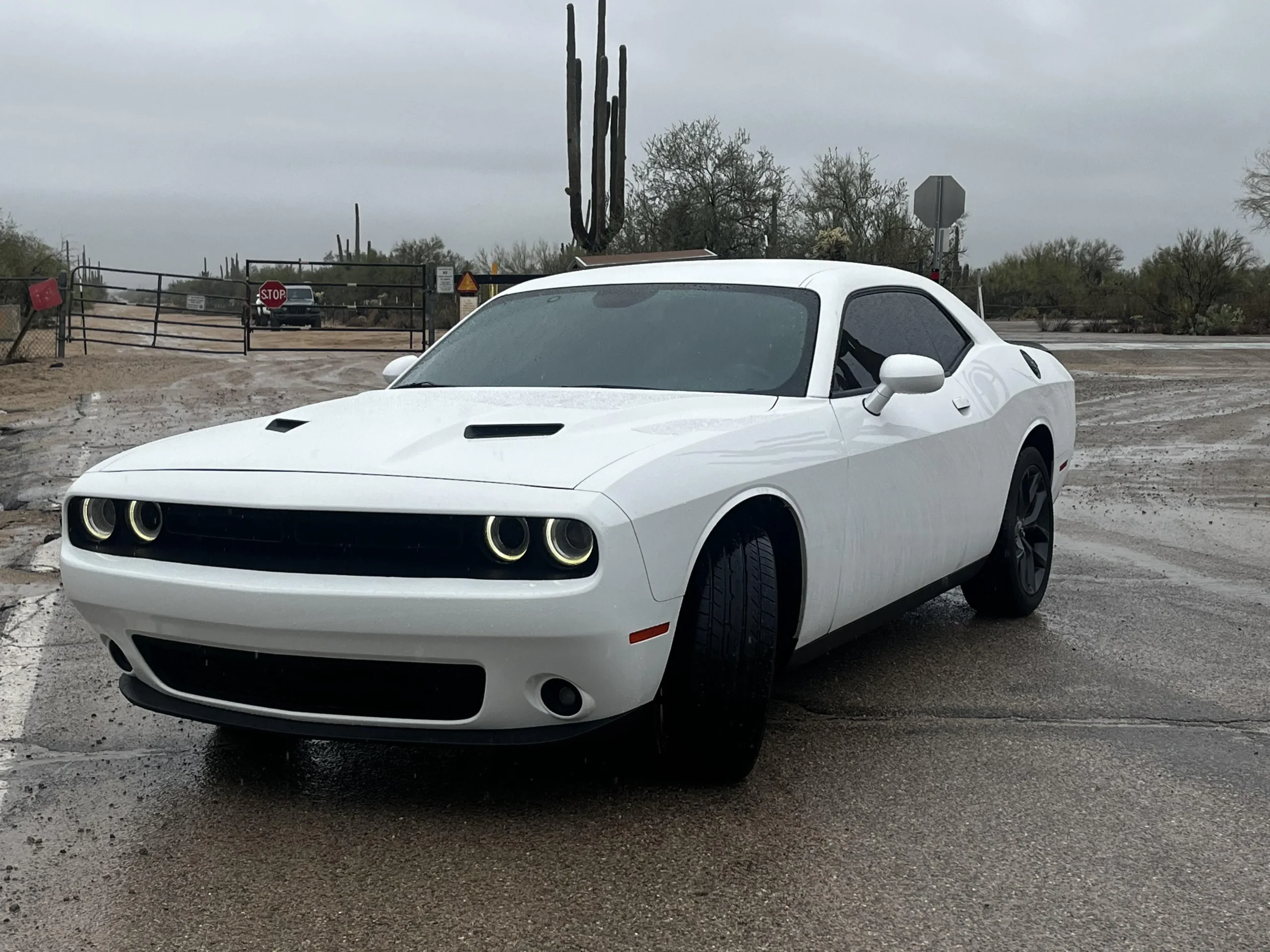
Dodge Challenger
The Dodge Challenger immediately draws attention with its bold and muscular design, signaling power and performance to anyone who sees it. On open roads, its large engine options and smooth straight-line handling create a sense of control and confidence that few other vehicles can match. However, in crowded urban streets, the car’s considerable size quickly becomes a challenge rather than a thrill. Navigating narrow lanes or making quick lane changes requires constant awareness, turning casual driving into a careful exercise in precision.
Low-speed handling is another area where the Challenger reveals its urban limitations. The steering feels heavy in stop and go traffic, demanding continuous effort from the driver. Tight parking spots and congested intersections magnify this issue, adding stress to daily routines. Even small maneuvers feel laborious compared to smaller, nimbler cars designed for city use.
Fuel consumption is a constant concern for many owners. The larger engines that provide exhilarating performance on highways are inefficient at city speeds, especially during frequent stops. Drivers often notice how quickly the tank depletes in normal commuting conditions. Over time, fuel costs begin to overshadow the excitement initially felt when driving the car.
The suspension, tuned for stability at speed, is firm and unforgiving on rough city roads. Bumps, potholes, and uneven pavement transmit directly into the cabin, reducing comfort during daily commutes. What once felt solid and controlled on open roads becomes a source of fatigue when driving in traffic regularly. This contrast can transform the initial thrill of ownership into a source of daily irritation.
Interior visibility also contributes to the challenges in traffic. The long hood and bulky frame make it difficult to judge distances in tight spaces or during parallel parking. Mirrors provide some help, but blind spots remain significant. Constantly compensating for these limitations requires extra focus, making daily city driving less enjoyable than expected.
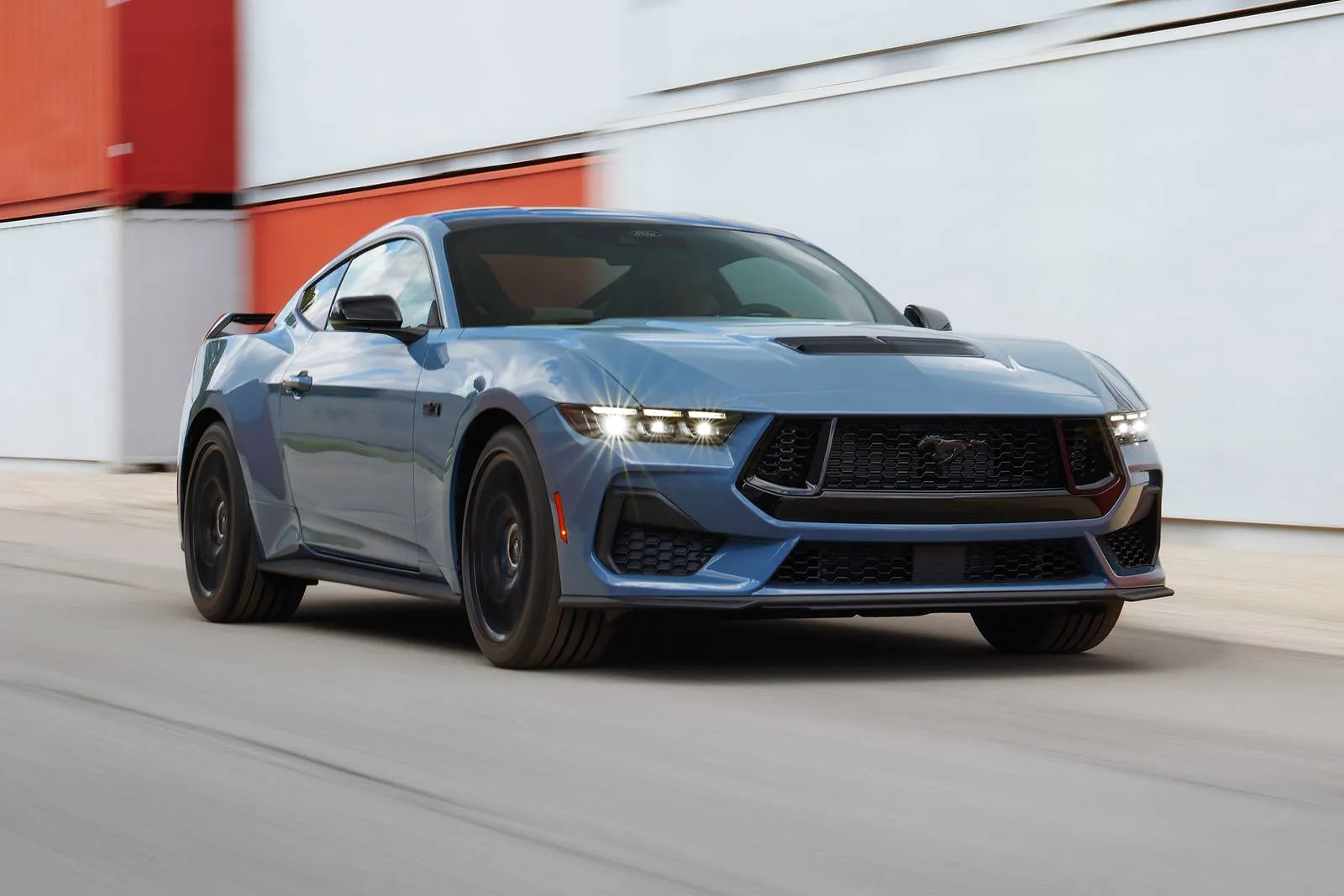
Ford Mustang
The Ford Mustang appeals to enthusiasts with its aggressive styling, sporty engine sounds, and dynamic acceleration. During open road drives, the car feels exhilarating, connecting the driver to the road through responsive steering and powerful output. In traffic, however, these strengths become mostly irrelevant, and the driving experience can feel constrained. Instead of excitement, low-speed maneuvers can feel awkward and less satisfying.
Manual transmission Mustangs require frequent clutch use, which quickly becomes tiring during stop and go driving. Even automatic versions with paddle shifters or adaptive modes feel jumpy at low speeds. The throttle may respond too sharply for smooth traffic movement, making the car feel less controllable in congested areas. Over time, drivers may start to associate commuting with effort rather than enjoyment.
Visibility is a frequent concern among Mustang owners. Thick rear pillars and a low roofline reduce awareness of surrounding vehicles, making lane changes and merging more challenging. In urban traffic, this can increase stress levels, especially when vehicles appear suddenly from blind spots. Constant vigilance becomes necessary, detracting from the pleasure of simply driving.
Suspension design is another aspect that can diminish comfort during daily use. While tuned for sporty handling and cornering, it transmits road imperfections clearly into the cabin. City streets with potholes and bumps highlight this stiffness. After repeated exposure, the initial excitement of the car’s handling begins to fade.
The cabin itself, though stylish, can feel cramped during daily commutes. Limited rear visibility and narrow seating positions add to the sense of confinement. This reduces the relaxed feeling that owners expect from their vehicles. Over time, the combination of tight space, firm suspension, and urban congestion erodes the daily appeal of the Mustang.
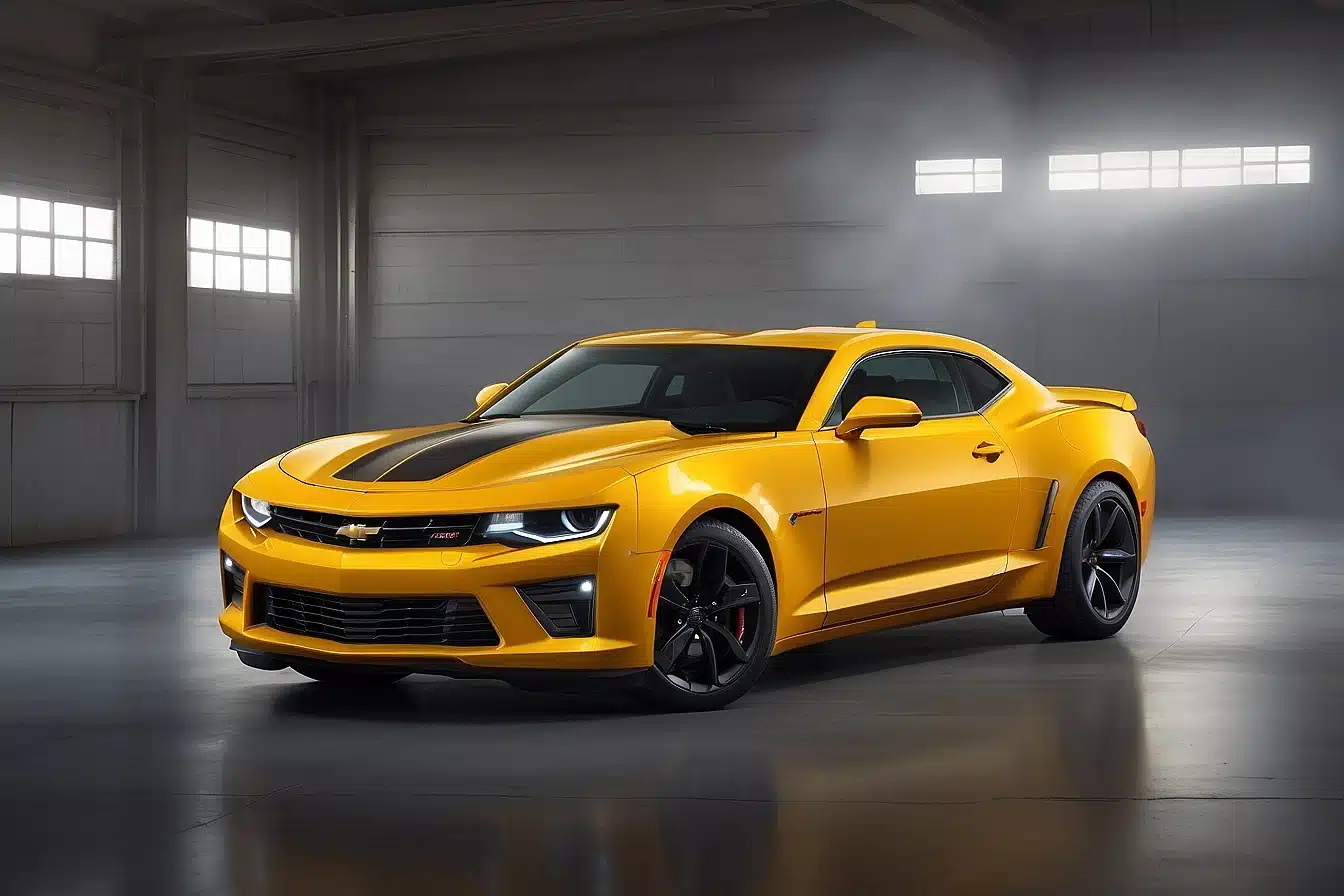
Chevrolet Camaro
The Chevrolet Camaro is recognized for its aggressive styling, sharp handling, and driver-focused cockpit. On open highways or twisty roads, the car’s abilities shine, making it a thrilling companion for enthusiasts. In dense traffic, however, these advantages are muted, and the driving experience can feel uncomfortable. Constrained movement and limited maneuverability make city driving more stressful than enjoyable.
Visibility issues are particularly noticeable in the Camaro. Thick rear pillars, a low roofline, and a high beltline restrict the driver’s view, complicating lane changes and parking. Mirrors and rear cameras help, but the sense of enclosure can feel intimidating in urban environments. Drivers often find themselves second-guessing their decisions during congested commutes.
The interior space contributes to a feeling of confinement. Legroom is limited in both the front and rear, and taller drivers may feel cramped during longer commutes. The small cabin height combined with restricted visibility makes the car feel more like a performance capsule than a comfortable daily driver. Over time, these constraints reduce the sense of freedom that initially attracted owners.
Fuel consumption becomes an ongoing concern in traffic. Turbocharged or V8 engines deliver power and acceleration, but they are inefficient when the car spends extended periods in stop and go traffic. Frequent braking and acceleration further increase fuel use, leading to higher operating costs. This constant reminder can gradually overshadow the excitement of owning a performance car.
Handling, while precise at speed, feels less rewarding in city conditions. Steering responses are tuned for sharpness and agility, which can feel twitchy at low speeds. Uneven pavement and frequent stops highlight this stiffness. Daily driving exposes compromises that are less obvious in the test drive environment.
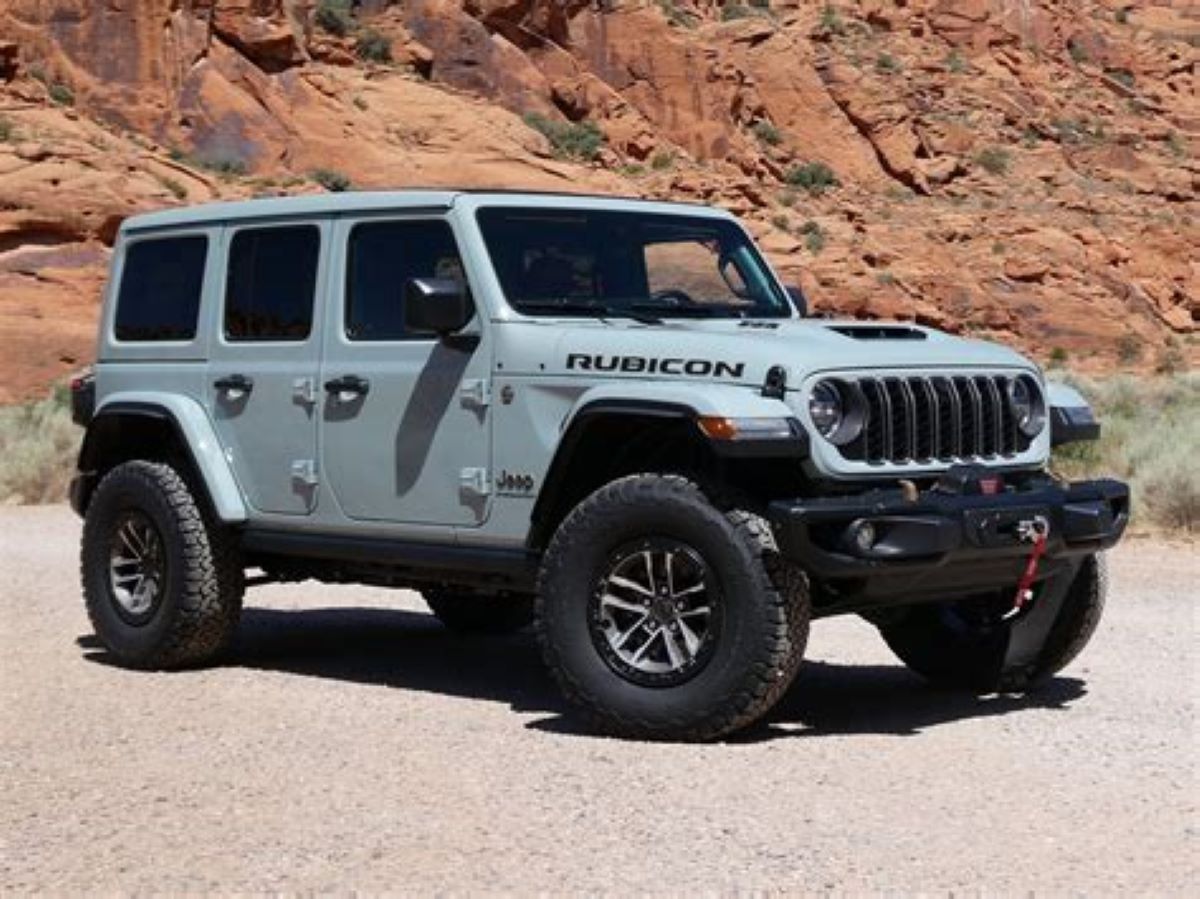
Jeep Wrangler
The Jeep Wrangler is celebrated for its off-road toughness, rugged styling, and adventurous spirit. On trails, dirt roads, and uneven terrain, the Wrangler feels competent and exciting. In urban traffic, however, many of these qualities are less practical. The ride can feel bouncy and unsettled, and maneuvering through tight streets requires constant attention.
Steering at low speeds is often heavy and imprecise. The Wrangler’s tall profile and solid axles make city driving feel laborious. Tight turns, crowded intersections, and frequent stops demand significant effort from the driver. Over time, the charm of its ruggedness can feel like a daily inconvenience.
Road and wind noise are other factors that reduce comfort in city traffic. The soft top or removable doors, which are great for off-road freedom, allow more outside noise to enter the cabin. Engines and tires are also louder compared to urban-focused vehicles. These constant sounds contribute to fatigue during regular commutes.
Fuel efficiency is a noticeable downside in urban driving. Boxy design, heavy weight, and large tires combine to increase fuel consumption. Stop and go traffic exaggerates this effect. Owners often notice fuel costs climbing faster than anticipated.
Visibility challenges further complicate city driving. The high seating position provides some advantage, but thick pillars and a wide stance limit awareness of close obstacles. Parallel parking and navigating tight turns require extra caution. Daily commuting transforms the Wrangler’s adventurous image into a source of tension.
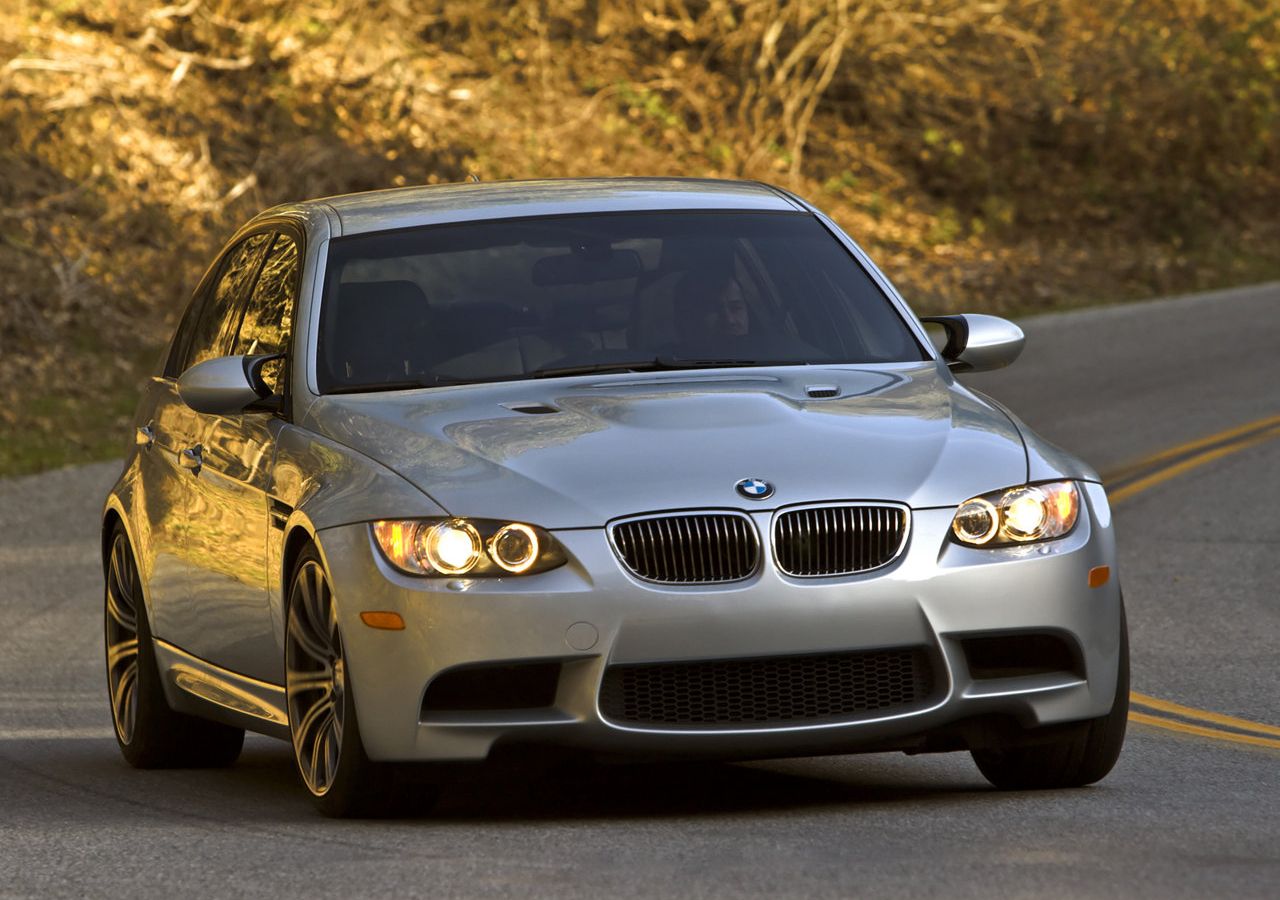
BMW M3
The BMW M3 is designed to offer precise handling, powerful acceleration, and an engaging driving experience. On open roads, it feels highly responsive, giving drivers a sense of control and connection to the car. In traffic, however, these attributes are less usable. The car can feel overqualified and sometimes even tiring in stop and go conditions.
The firm suspension, even in comfort mode, amplifies the impact of rough urban surfaces. Potholes, uneven roads, and speed bumps are felt sharply in the cabin. While great for spirited driving on highways or tracks, the suspension becomes a source of discomfort during daily commutes. Over time, this reduces the enjoyment of routine city travel.
Throttle response at low speeds can be abrupt, requiring careful modulation to maintain smooth movement. Manual models demand clutch attention constantly, while automatic models still feel too responsive for stop and go traffic. Drivers often find themselves fighting the car rather than enjoying it. Urban driving reveals a contrast between performance tuning and practicality.
Maintenance concerns grow with daily use. Frequent low-speed driving increases wear on brakes, tires, and other components. Owners may start to factor in service schedules more heavily than anticipated. The sense of high-performance thrill gradually diminishes as traffic turns commuting into a mechanical challenge.
Interior space also plays a role in diminishing daily appeal. Seats are designed for support during spirited driving but can feel stiff over long city commutes. Visibility is limited, requiring constant attention to surrounding vehicles. Combined with traffic stress, this reduces the initial excitement of owning the M3.
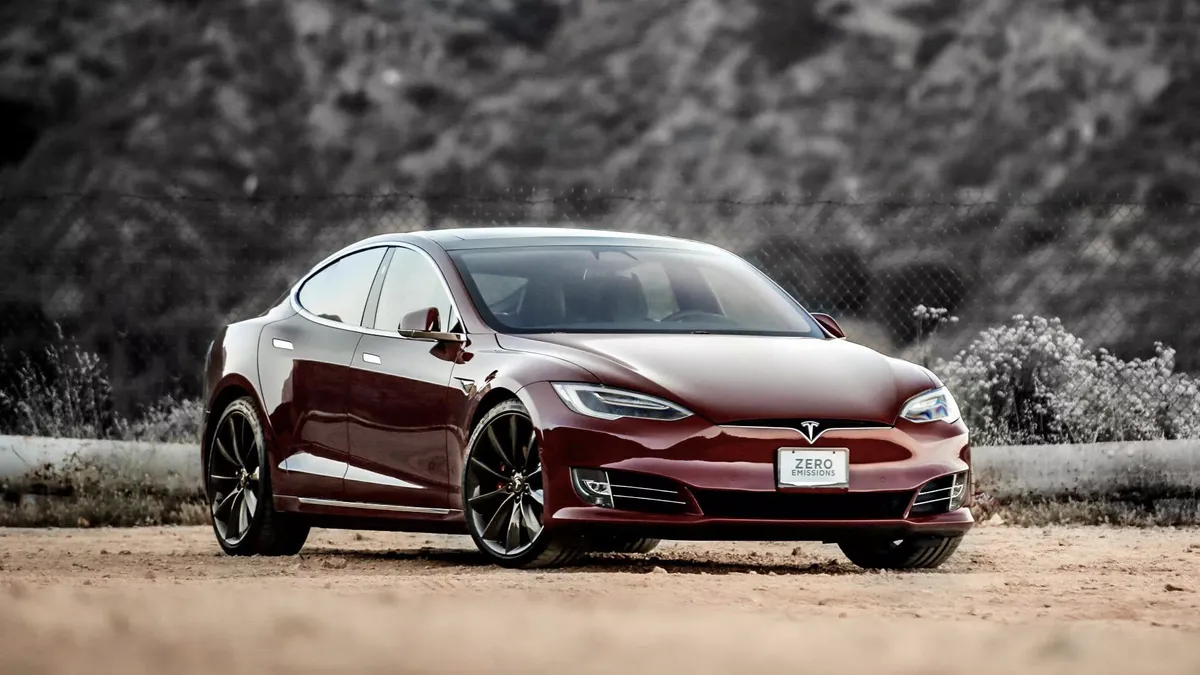
Tesla Model S Performance
The Tesla Model S Performance is known for its futuristic technology, instant acceleration, and smooth ride on open roads. Its electric powertrain provides thrilling speed and a quiet cabin that feels almost surreal in contrast to conventional vehicles. In heavy traffic, however, these features can feel less practical and sometimes even overwhelming. Instant torque requires constant adjustment at low speeds, making slow driving a delicate task.
The massive touchscreen centralizes most controls, from climate to navigation and driving modes. While impressive, in congested traffic it demands extra attention for simple adjustments. Drivers can feel distracted while trying to operate settings while managing stop and go traffic. Over time, this can make the cabin feel less intuitive and more mentally taxing.
Regenerative braking offers efficiency benefits but can feel inconsistent during urban commuting. The car may slow too aggressively or too gently depending on traffic conditions. Frequent micro-adjustments are necessary to maintain smooth progress. This learning curve can reduce confidence for drivers who expected a more straightforward experience.
The Model S is a large car, which poses challenges in tight urban environments. Maneuvering into narrow parking spaces or negotiating crowded streets requires heightened caution. Drivers must constantly plan movements carefully to avoid scraping or clipping obstacles. Over time, these limitations detract from the vehicle’s high-performance appeal.
Cabin comfort can also vary under urban conditions. Seats are supportive but can feel stiff during prolonged stop and go traffic. Road imperfections, though less noticeable than in sports cars, are still perceptible at low speeds. The combination of technology and size makes city driving more of a careful chore than a relaxing experience.
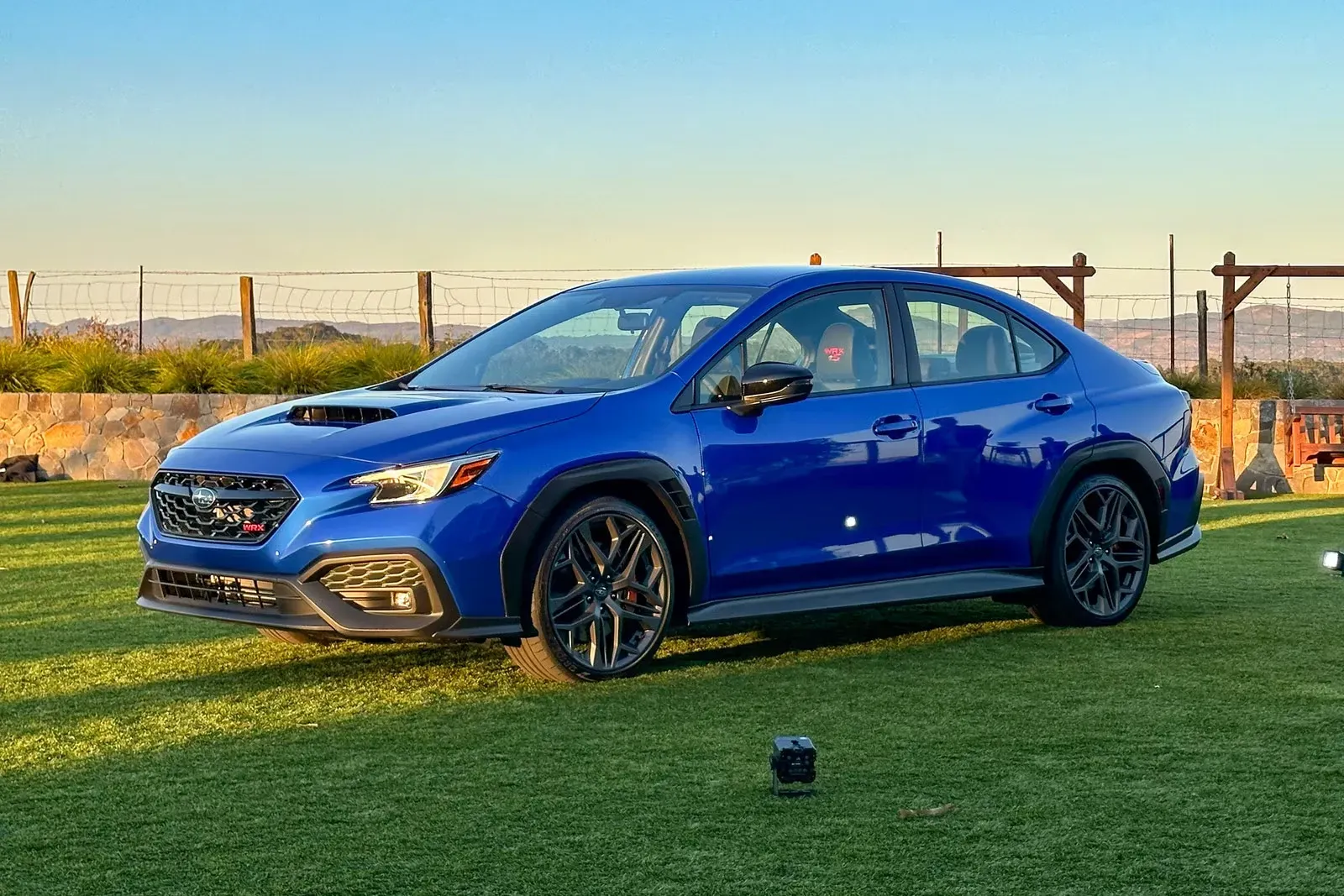
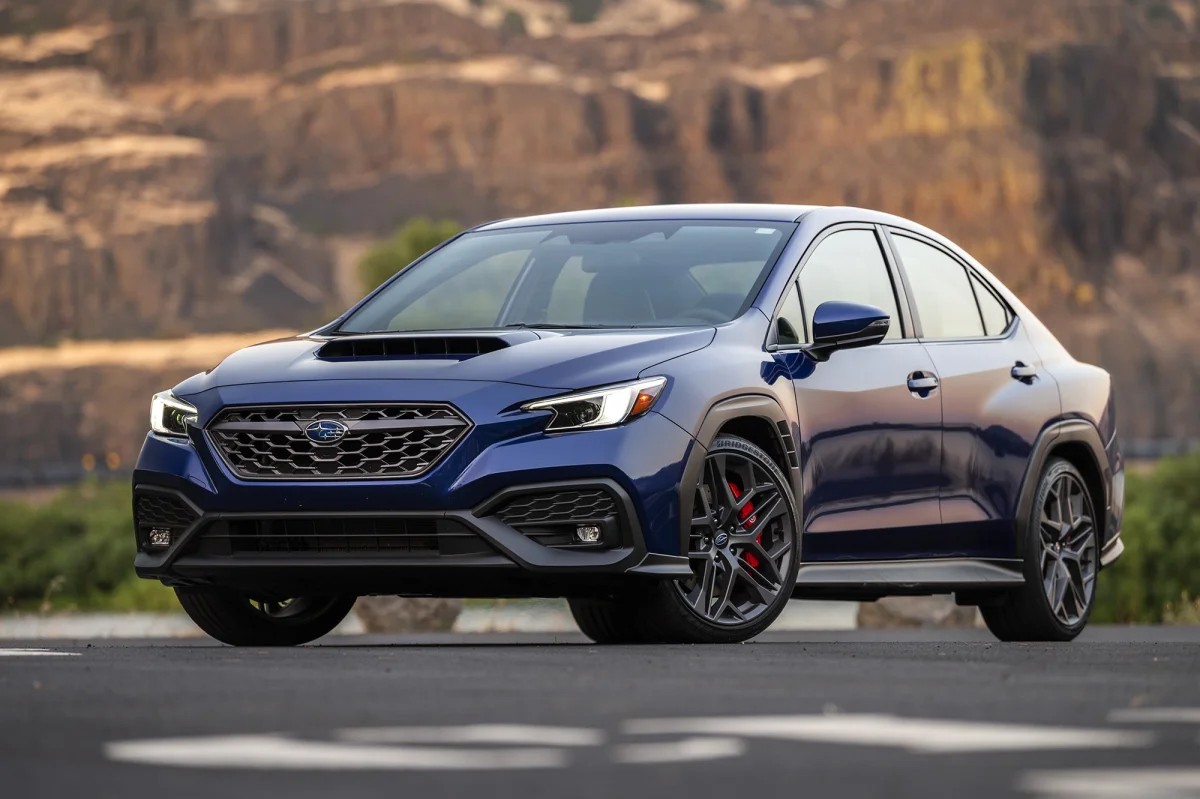
Subaru WRX
The Subaru WRX offers a rally-inspired driving experience with sharp handling and turbocharged power. On twisty roads or open stretches, it feels alive and highly responsive. In heavy traffic, however, these strengths often translate into discomfort. The car feels stiff, impatient, and constantly demanding attention at low speeds.
Manual transmission models require frequent clutch work during stop and go traffic, which can become exhausting over long commutes. Even automatic or dual-clutch variants require careful throttle modulation to maintain smooth progress. Drivers must stay focused constantly, which reduces enjoyment. What felt exciting on empty roads can feel cumbersome in the city.
Road and engine noise are noticeable inside the cabin. Tire roar and turbo whine are amplified during slow traffic and frequent braking. Passengers often perceive every vibration and sound, making even short drives tiring. Urban streets turn the WRX’s spirited character into sensory overload.
Fuel efficiency is a common complaint in city conditions. The turbocharged engine, designed for power delivery, consumes more fuel in stop and go traffic. Frequent acceleration and braking exacerbate this effect. Over time, fuel costs begin to overshadow the initial thrill of ownership.
Visibility is limited, especially with the low roofline and narrow rear window. Lane changes and merging in traffic require extra caution. Drivers often rely heavily on mirrors and technology to compensate. This reduces confidence and makes commuting feel more stressful than engaging.
Porsche 911
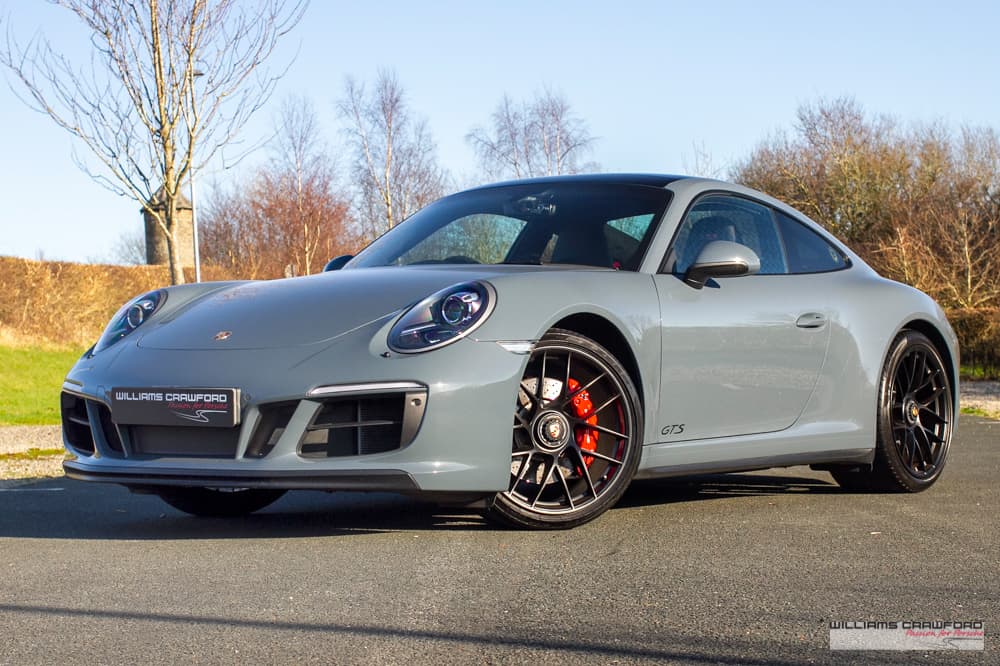
The Porsche 911 is celebrated for precision engineering, balanced handling, and a distinctive driving experience. On open roads or highways, it feels agile and immensely satisfying to drive. In dense traffic, however, the car’s capabilities are mostly unused, and its design becomes a source of minor frustrations. Maneuvering in city streets often requires constant attention and patience.
Low ground clearance creates concerns for urban obstacles. Speed bumps, steep driveways, and uneven pavement all require careful navigation. Drivers must slow considerably to prevent scraping or damage. This constant vigilance can feel draining during repeated short trips.
The firm suspension, optimized for sporty handling, is unforgiving on rough city roads. Bumps, potholes, and uneven surfaces are transmitted directly into the cabin. Over time, repeated exposure diminishes the initial pleasure of driving. What feels thrilling at high speed becomes tiring in daily traffic.
Cabin space is limited, particularly in the rear, making long urban trips less comfortable for passengers. Narrow seats and low headroom can cause discomfort over repeated commutes. The sense of luxury is diminished when comfort is compromised. Drivers may begin to see the car as more style than practicality.
Maintenance concerns also weigh on the mind of 911 owners. City driving, with frequent starts and stops, can accelerate wear on brakes, tires, and engine components. Owners may begin to calculate trips more carefully. The combination of traffic stress and potential costs gradually erodes ownership satisfaction.
Range Rover Sport
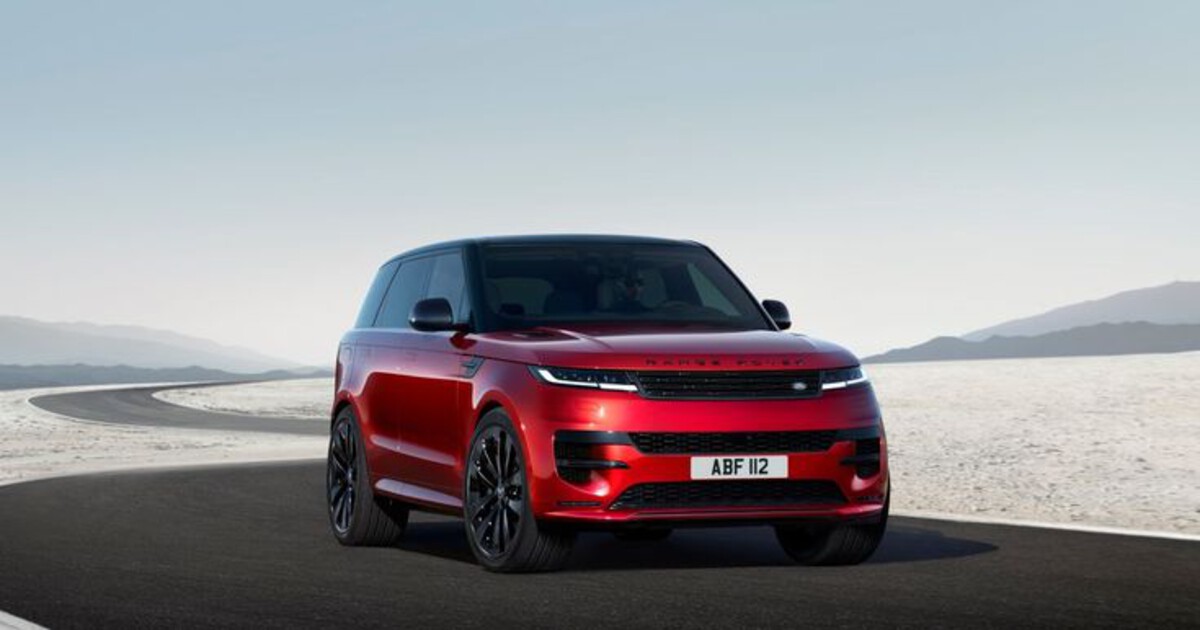
The Range Rover Sport combines imposing size, luxury, and off-road capability. Its presence is impressive on highways and in open spaces. In traffic, however, its bulk becomes a daily challenge. Tight turns, narrow streets, and parking lots all require extreme caution, which diminishes the feeling of effortless luxury.
Fuel consumption is high, particularly in urban stop and go conditions. The powerful engine, designed for performance and towing, becomes a liability in congested areas. Drivers notice the cost of running the car on a daily basis. Over time, these operating expenses reduce the excitement of ownership.
The technology suite, while advanced, can feel complicated in city driving. Lane assist, adaptive cruise control, and other aids sometimes react unpredictably in heavy traffic. Constant intervention requires mental energy to monitor and override as needed. Drivers may begin to feel frustrated by systems designed to help.
Suspension performance can feel inconsistent at low speeds. While excellent for off-road and highway comfort, it sometimes allows body roll or uneven feedback during slow maneuvers. This reduces confidence when navigating congested areas. Over time, the ride feels less luxurious than expected.
Interior comfort is generally excellent but is partially undermined by traffic conditions. Seats are supportive, but stress from driving a large vehicle through congestion diminishes their benefit. Road noise, though muted, is noticeable during slow traffic. Daily urban commuting erodes the initial feeling of effortless luxury.
Nissan GT-R
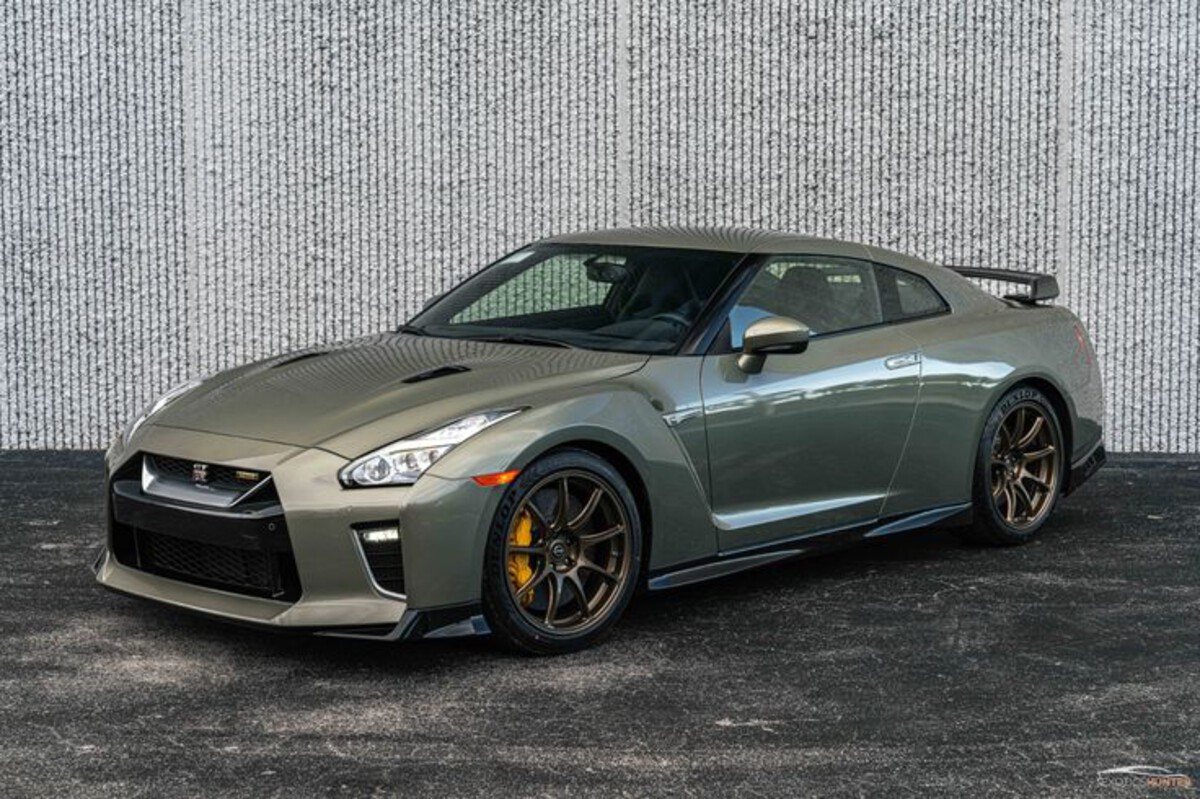
The Nissan GT-R is a high-performance vehicle designed for speed, precision, and track-level handling. On highways or open roads, it feels brutally effective and exhilarating. In urban traffic, however, it feels completely out of place. Maneuvering becomes awkward, and the car’s raw performance capabilities are left largely unused.
The transmission, while lightning fast at high speeds, can feel harsh at low speeds. Stop and go traffic exaggerates this behavior, making smooth driving challenging. Drivers must carefully modulate throttle and clutch (or paddle) inputs. Daily commutes feel more demanding than enjoyable.
Ride comfort is firm, even in softer modes. City streets reveal every bump and imperfection, transmitting vibrations throughout the cabin. Passengers may find even short trips uncomfortable. What feels precise and controlled at speed becomes jarring in traffic.
Fuel efficiency is very poor in congested conditions. The large, performance-oriented engine consumes significant energy at low speeds. Frequent braking and acceleration amplify fuel costs. Over time, the combination of expense and effort erodes the thrill of ownership.
Visibility is also limited by the low roofline and wide stance. Lane changes and parking require heightened attention and planning. Drivers must constantly check mirrors and surroundings to avoid accidents. Urban traffic turns the GT-R into a car that demands focus more than it offers enjoyment.
