
City driving presents a unique challenge for drivers who want comfort, efficiency, and reliability without sacrificing performance. In a city like St. Louis, where traffic varies from congested downtown streets to more open suburban roads, selecting the right sedan can make a noticeable difference in daily driving experiences.
Sedans designed for mixed city conditions often combine smooth handling, moderate fuel consumption, and maneuverability to handle both stop-and-go traffic and faster roads outside the city center. These vehicles generally offer a balance of interior space and responsive controls, making them practical for commuting, errands, and occasional longer trips.
Not all sedans perform equally well in urban environments. Some models, while powerful on highways, struggle in tight city streets due to size, weight, or fuel consumption. Large sedans may feel cumbersome when navigating narrow lanes or tight parking spots, while models with less efficient engines can become costly and less practical when frequently idling in traffic.
Choosing a sedan that is suited to city driving can improve convenience, reduce stress, and save money on fuel. Drivers often prioritize features such as visibility, ease of parking, responsive brakes, and cabin comfort when evaluating options for urban use.
City driving also demands attention to fuel efficiency and maintenance reliability. Sedans that consume excessive fuel in stop-and-go conditions or have frequent repair issues can quickly become frustrating. Cars with smaller engines, automatic transmissions tuned for smooth city performance, and dependable reliability records are generally preferred.
Additionally, infotainment and driver assistance features can contribute to safer and more convenient navigation through urban streets. Vehicles that combine these attributes tend to be favored by drivers in mixed driving scenarios like those found in St. Louis.
Beyond practical considerations, driving experience is an important factor. Sedans that offer precise steering, good suspension balance, and manageable turning radius can enhance confidence in city traffic. Conversely, larger, heavier sedans can feel sluggish or awkward, especially in dense downtown areas.
Interior layout and visibility from the driver’s seat also play critical roles. A vehicle that allows for clear sightlines, easy access to controls, and comfortable seating improves the daily driving experience, making commutes more pleasant.
The following sections explore ten specific sedans, divided into two categories. The first set highlights models particularly well-suited for mixed city driving, emphasizing agility, efficiency, and comfort. The second set examines sedans that tend to feel inefficient or cumbersome downtown, focusing on those that may challenge drivers in tight or congested conditions.
This comparison provides practical insight for anyone seeking a sedan optimized for urban driving scenarios. By examining individual strengths and weaknesses, drivers can make informed decisions tailored to their needs.
5 Sedans Suited for St. Louis Mixed City Driving
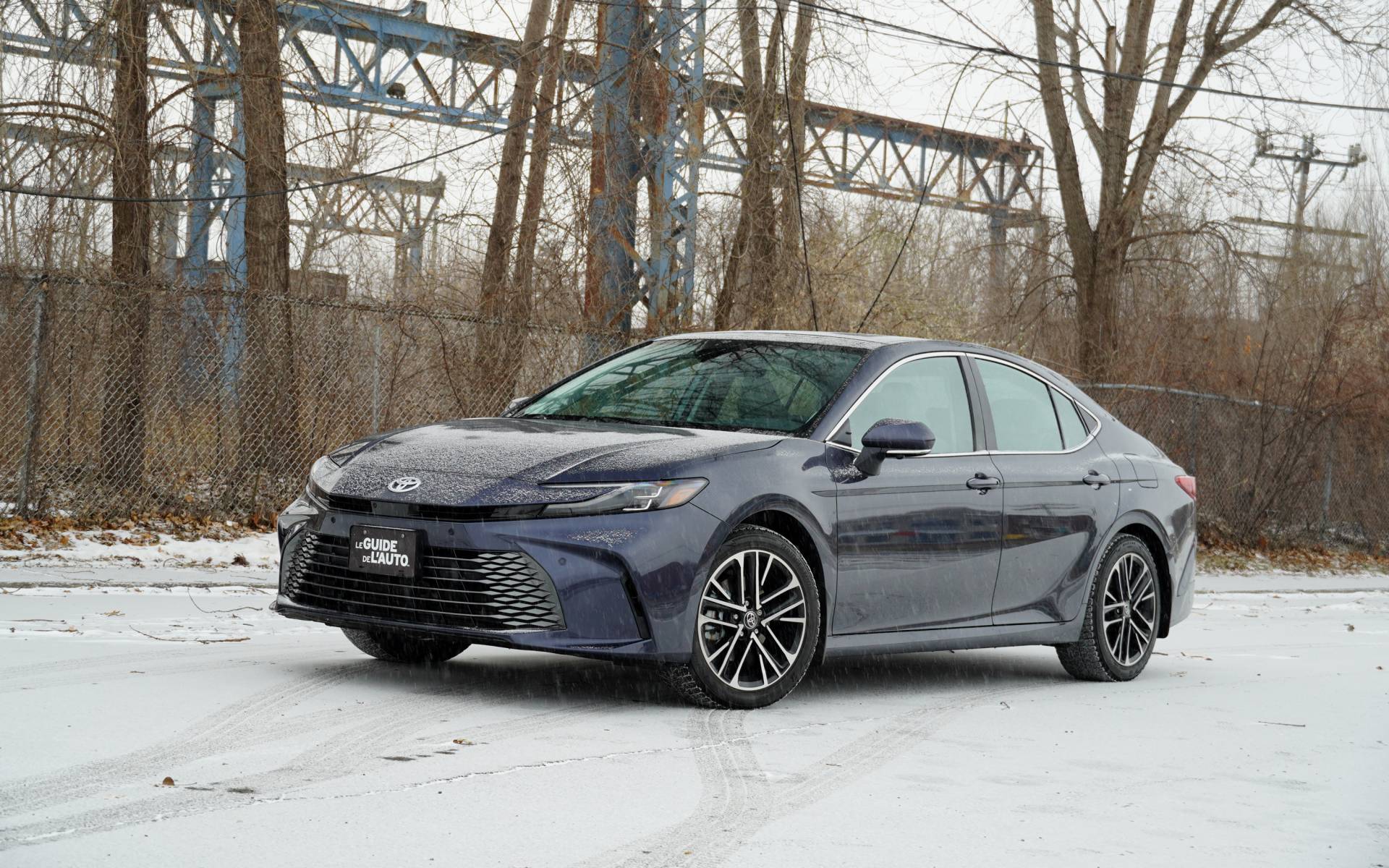
Toyota Camry
The Toyota Camry is widely recognized for its reliability and efficiency, making it a top choice for mixed city driving. Its compact yet spacious design allows drivers to maneuver easily through narrow streets while offering ample interior room for passengers.
The smooth suspension system reduces the impact of potholes and uneven road surfaces, which are common in urban areas. Drivers appreciate the Camry’s balanced handling, which contributes to confidence in stop-and-go traffic situations.
Fuel economy is another strength of the Camry, particularly with its four-cylinder engine. Even in congested city conditions, the vehicle maintains respectable efficiency, reducing the frequency of fuel stops. Hybrid variants further improve this performance, offering substantial savings for drivers navigating both urban and suburban routes. These features make the Camry particularly practical for daily commuting in St. Louis.
Safety features enhance the Camry’s appeal for city driving. Standard systems include adaptive cruise control, lane-keeping assist, and automatic emergency braking. These technologies assist drivers in heavy traffic, offering an added layer of security on crowded streets. Visibility from the driver’s seat is well-considered, with minimal blind spots and wide windows contributing to safer navigation around pedestrians and cyclists.
The interior design emphasizes comfort and ease of use. Controls are logically placed, and the infotainment system is intuitive, allowing drivers to focus on traffic rather than struggling with settings. Quiet cabin insulation reduces fatigue during longer trips, while seating supports remain comfortable during repeated stop-and-go driving. Practical storage options, such as cup holders and center console space, further enhance everyday convenience.
Finally, the Camry balances performance and refinement. Its engine provides sufficient power for merging and passing without feeling cumbersome. Steering feedback is responsive, while braking remains consistent under various conditions. The Camry delivers a dependable, efficient, and comfortable experience, making it one of the most suitable sedans for mixed city driving in areas like St. Louis.
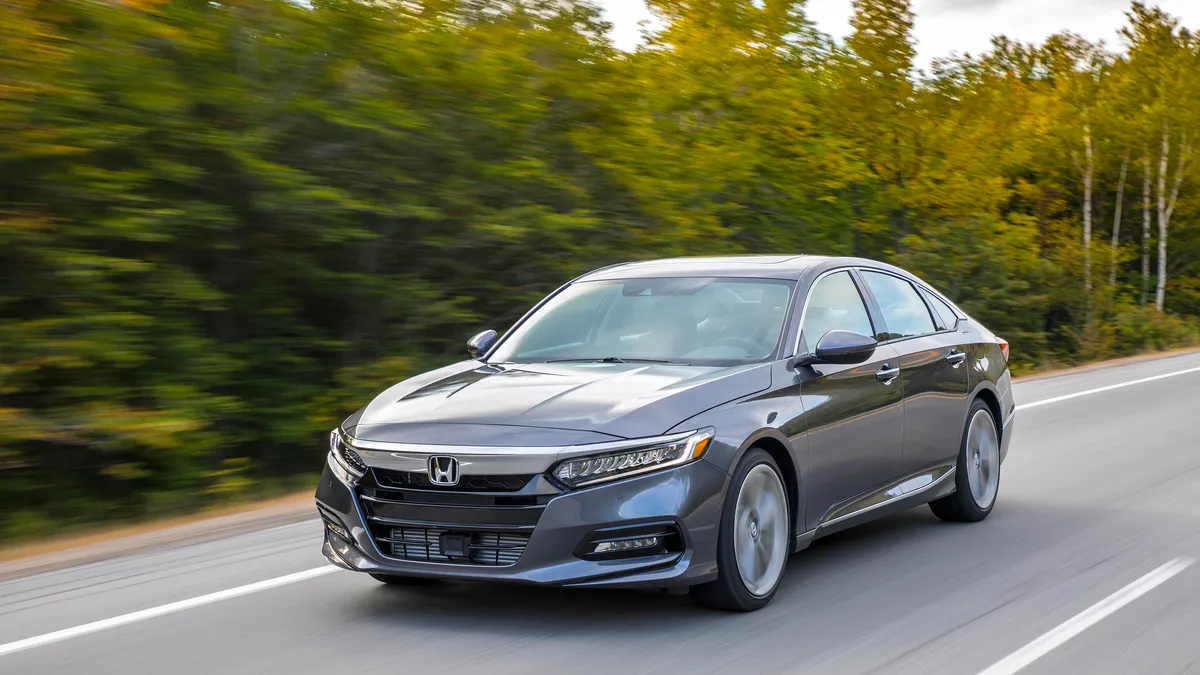
Honda Accord
The Honda Accord is known for combining athletic handling with practical efficiency. Its moderately sized body allows it to navigate downtown streets with ease while offering enough cabin space for passengers and cargo. Smooth suspension and tight steering contribute to confidence in traffic, making parallel parking and lane changes manageable. Drivers frequently highlight the Accord’s ability to feel nimble despite its sedan classification.
Fuel efficiency is another area where the Accord excels. Its four-cylinder engine achieves high mileage without sacrificing power, and hybrid models further reduce city fuel consumption. This makes the vehicle particularly cost-effective for drivers who spend significant time in congested areas. The balance between efficiency and performance ensures a smooth experience both in dense downtown zones and on open suburban roads.
Driver-assist features enhance urban safety. Lane departure warning, collision mitigation braking, and adaptive cruise control provide peace of mind when dealing with unpredictable traffic patterns. Good visibility and clear instrument layout further support safe navigation. The Accord’s engineering focuses on helping drivers anticipate and react to challenges common in city driving environments.
Interior comfort and technology are strengths of the Accord. The seats are supportive for long commutes, and the cabin layout is intuitive. Controls are easily accessible, and infotainment systems offer seamless connectivity options. These features reduce distractions and help maintain focus on the road. Adequate trunk and storage capacity also make running errands convenient without compromising passenger comfort.
Performance remains balanced and responsive. The Accord’s engine delivers sufficient acceleration for merging or overtaking while maintaining fuel efficiency. Steering is precise, braking is reliable, and suspension absorbs urban irregularities well. These qualities make it a versatile sedan that handles both tight downtown streets and mixed driving conditions effectively.
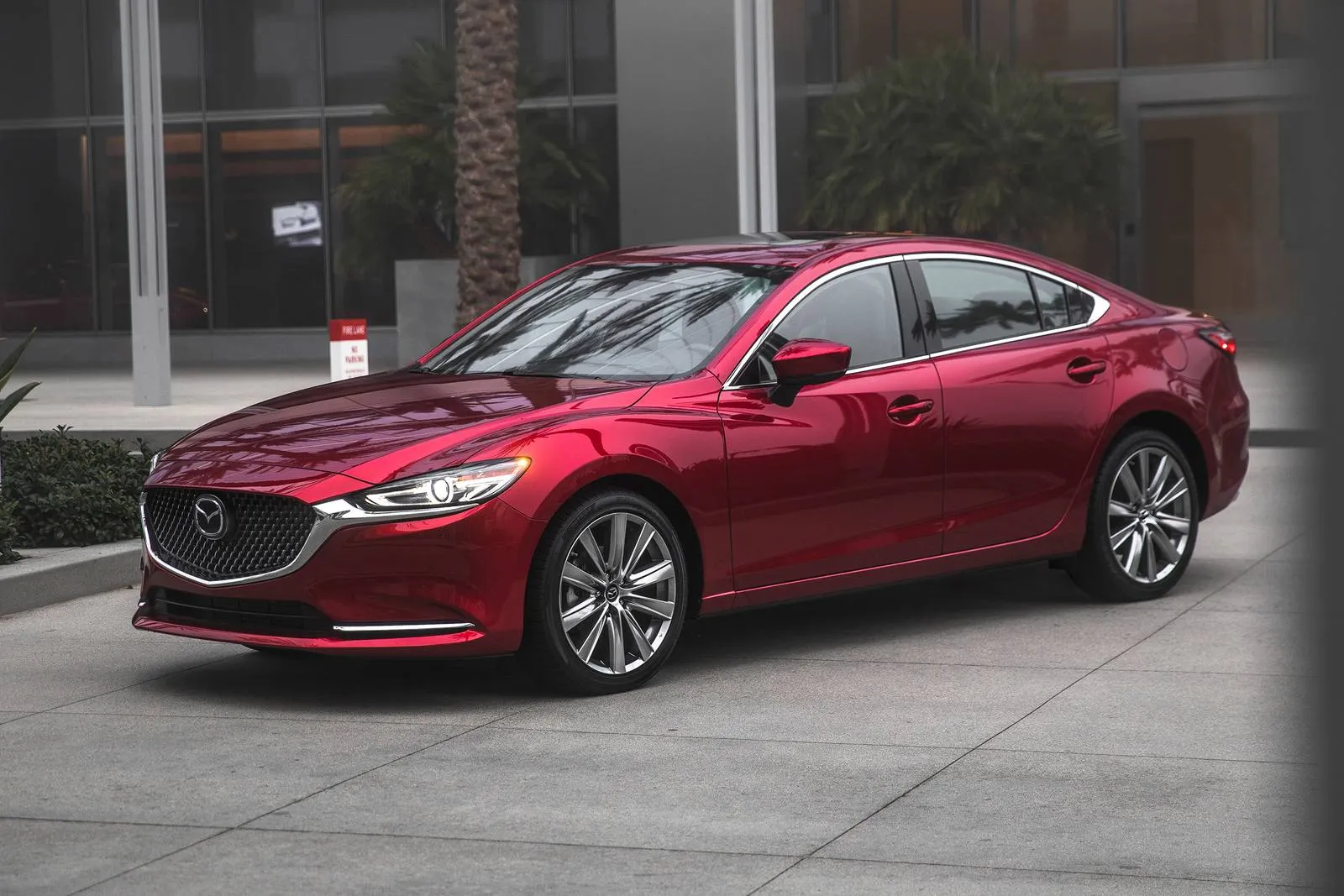
Mazda6
The Mazda6 stands out for its engaging driving dynamics while remaining practical for city use. Its compact dimensions make it easier to maneuver through tight urban streets, while the well-tuned suspension ensures a smooth ride over uneven pavement. Drivers often note the precise steering, which provides confidence when navigating congested areas or sharp turns. Visibility is well-considered, with large windows helping to reduce blind spots.
Fuel efficiency is competitive among midsize sedans, with the four-cylinder engine performing well in stop-and-go traffic. The balance between performance and consumption allows drivers to enjoy responsive acceleration without frequent refueling. This makes it suitable for city commutes and suburban travel alike. The Mazda6’s Skyactiv technology contributes to its lightweight, efficient operation.
The vehicle includes several safety features that enhance city driving. Blind-spot monitoring, adaptive cruise control, and automated emergency braking provide reassurance in dense traffic conditions. These systems help drivers anticipate hazards and maintain safe distances. Parking sensors and cameras further assist in tight downtown areas, improving convenience.
Mazda6 interiors combine comfort and functionality. Seats are supportive and adjustable, reducing fatigue during longer trips. The infotainment system is straightforward, with easily navigable menus and responsive touch controls. Interior materials are durable yet refined, and cabin insulation minimizes outside noise. Storage options are sufficient for daily errands, groceries, or smaller cargo.
Performance balances agility and refinement. The engine provides adequate power for merging and passing without feeling heavy. Handling is sharp, and suspension tuning ensures a composed ride even over uneven urban roads. Mazda6 delivers an enjoyable yet practical driving experience for city dwellers, combining efficiency, comfort, and maneuverability.
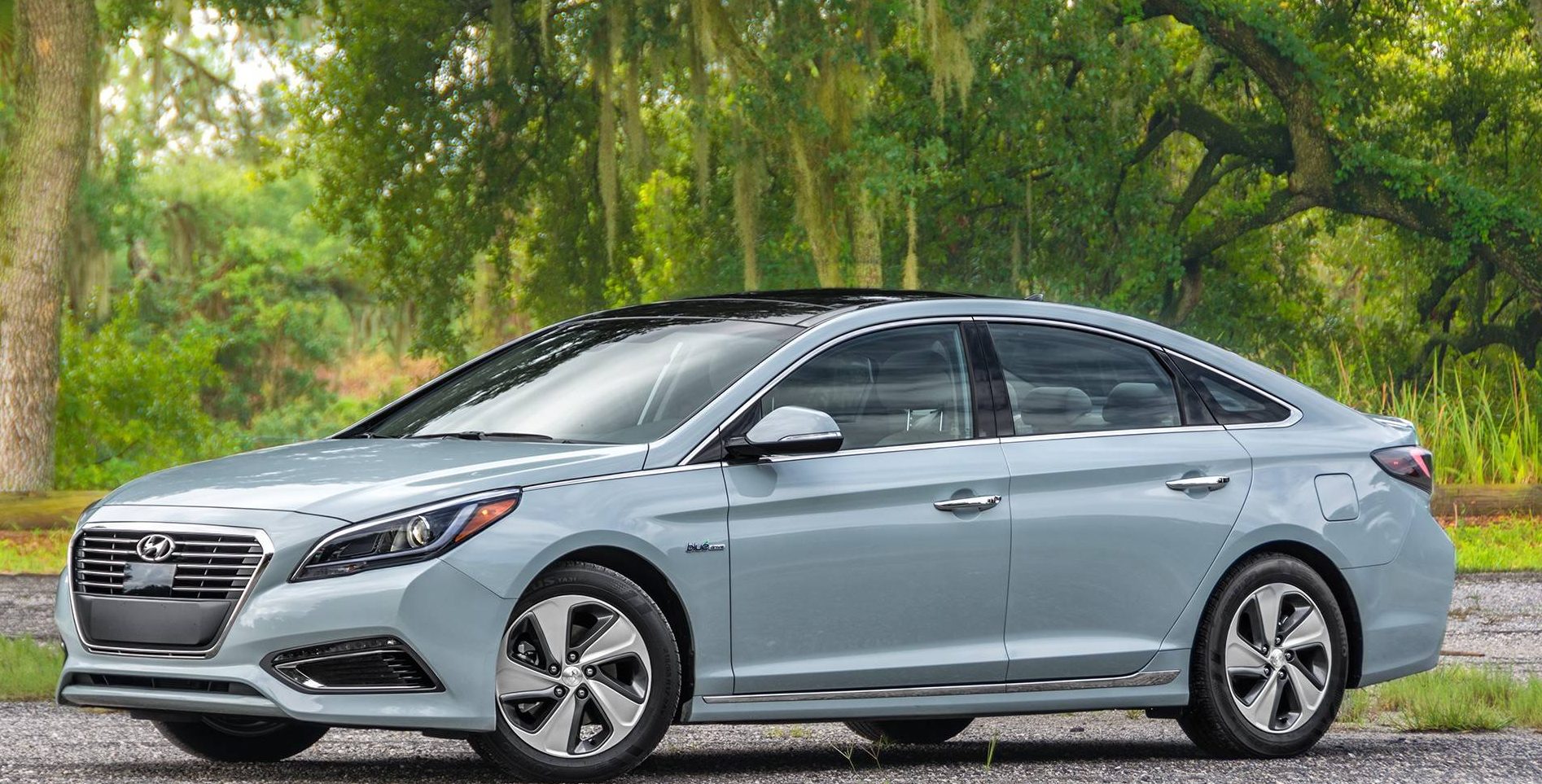
Hyundai Sonata
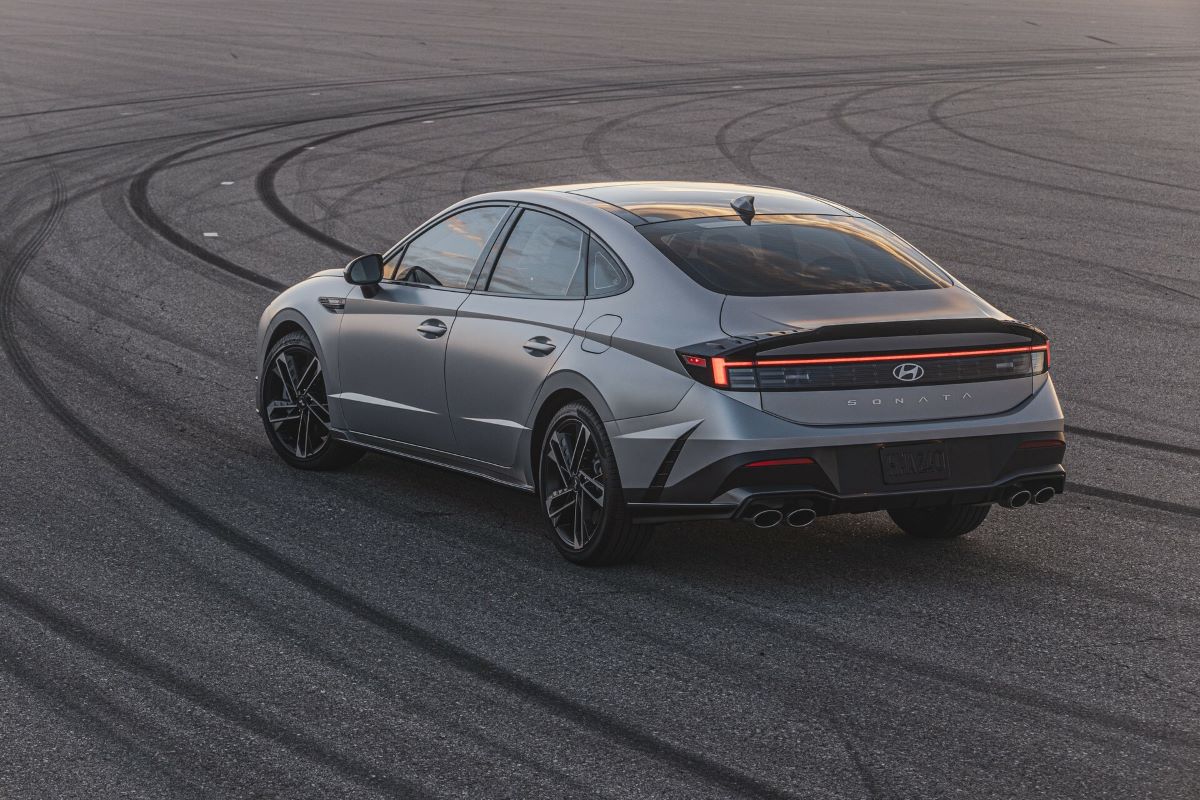
The Hyundai Sonata is a versatile sedan that performs well in mixed city conditions. Its streamlined design enhances visibility and makes parking simpler in narrow urban streets. The cabin is spacious enough for passengers without feeling bulky, and the vehicle remains stable and comfortable during stop-and-go traffic. Its turning radius is well-suited for city driving, which reduces stress in congested areas.
Fuel efficiency is a key strength for urban commuting. The Sonata’s engines provide a balance between performance and economy, while hybrid options offer even lower fuel consumption. This allows drivers to navigate traffic-heavy areas without excessive refueling stops. Regular maintenance is straightforward, adding to its practicality.
Safety is a priority in the Sonata, with features such as forward collision warning, lane-keeping assist, and adaptive cruise control. These technologies make driving in traffic safer and reduce the risk of accidents. Combined with excellent visibility from the driver’s seat, the Sonata offers reliable confidence for city commuters.
Inside, the Sonata is both comfortable and functional. Controls are within easy reach, and the infotainment system integrates well with mobile devices. Seats are supportive for daily commuting, and cabin materials balance durability with comfort. Adequate trunk and interior storage spaces make it a practical choice for running errands or carrying additional items.
The Sonata delivers a smooth driving experience with responsive handling. Acceleration is sufficient for highway and city use, while braking is reliable and precise. Suspension absorbs urban road irregularities effectively, providing a stable and composed ride. The combination of efficiency, comfort, and safety makes the Sonata a strong choice for mixed city driving.
Kia K5
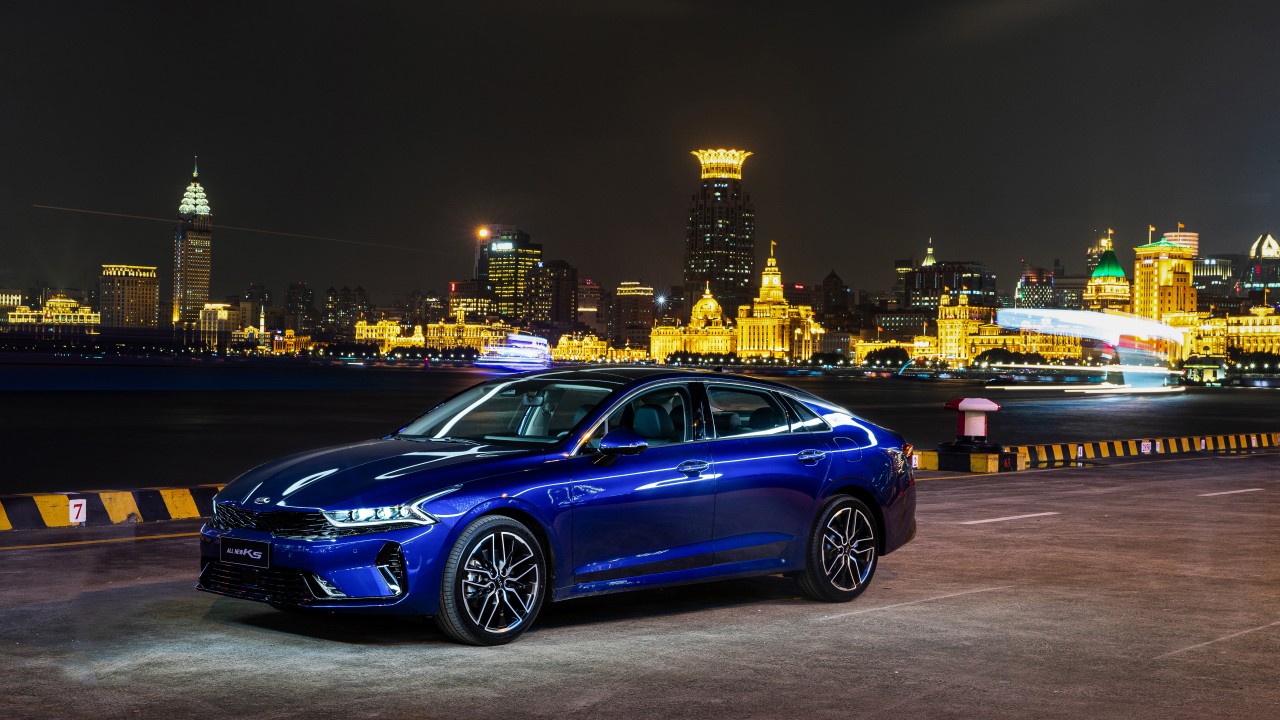
The Kia K5 combines sleek design with practical urban performance. Its size is compact enough for city streets while providing generous interior space for passengers and cargo. Steering is precise, and the vehicle’s suspension is tuned for a smooth ride on both uneven city roads and open highways. Visibility from the driver’s seat is excellent, reducing blind spots in tight traffic areas.
Fuel efficiency is commendable, particularly with the base engine. Even in congested traffic, the K5 maintains reasonable fuel consumption, helping to keep running costs lower. Hybrid variants offer even greater efficiency, appealing to drivers who frequently navigate urban and suburban areas. These factors make it a practical choice for city commuting.
Safety features in the K5 contribute to driver confidence. Forward collision avoidance, lane-keeping assist, and driver attention monitoring provide extra support in dense traffic. Rear parking sensors and camera systems assist with tight parking spaces, a common challenge in downtown areas. These technologies make urban driving safer and less stressful.
The interior balances comfort and technology. Controls are logically placed and intuitive, while infotainment integrates with smartphones seamlessly. Seats are comfortable and supportive, and cabin materials are both durable and attractive. Storage compartments, cup holders, and trunk space ensure the vehicle remains practical for daily errands and longer trips.
Driving performance is well-rounded. The K5’s engine provides smooth acceleration, while steering and braking feel responsive. Suspension absorbs bumps without sacrificing handling, maintaining a comfortable and confident ride. The K5 combines efficiency, safety, and comfort, making it ideal for mixed city driving conditions.
5 That Feel Inefficient Downtown
Chrysler 300
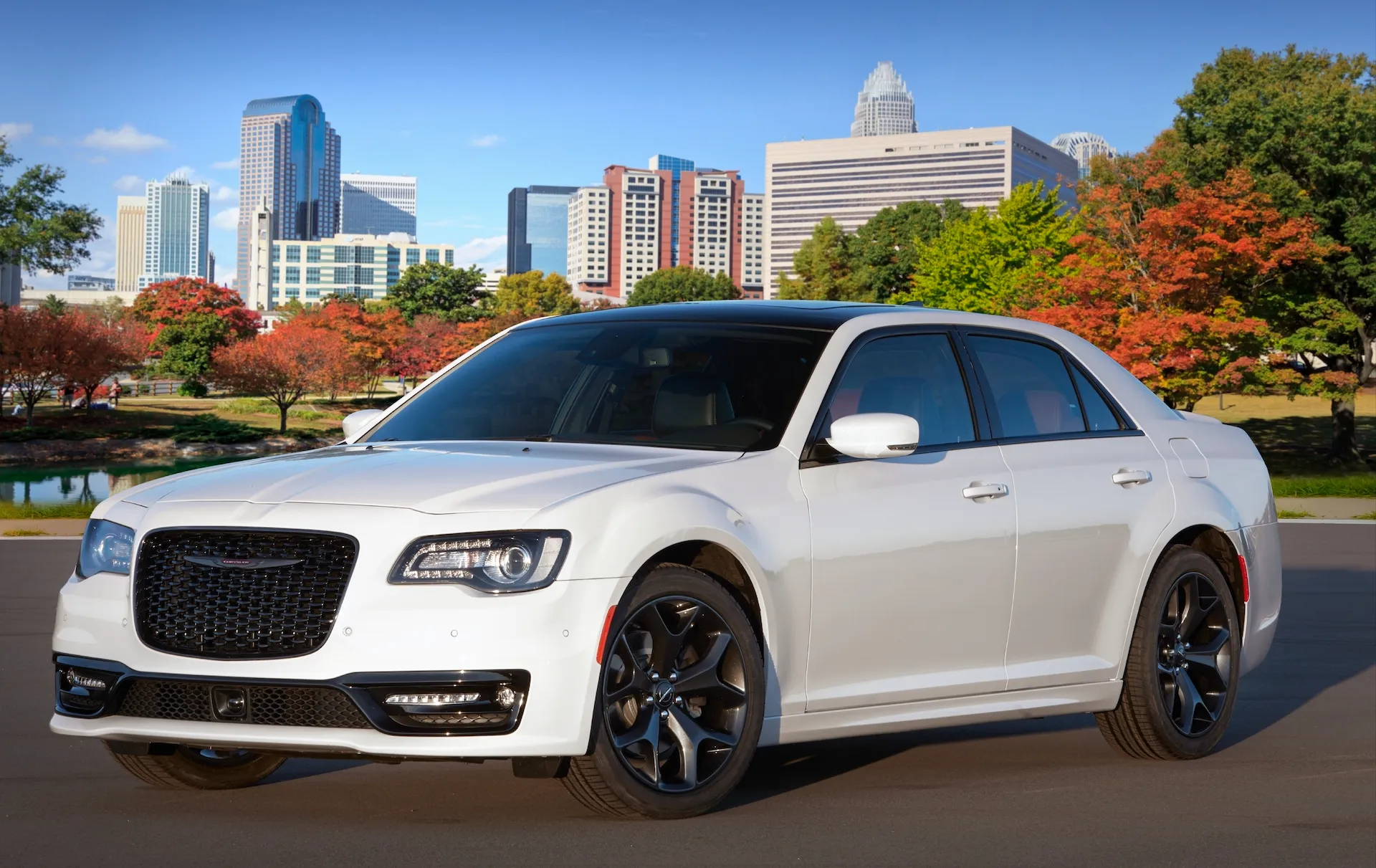
The Chrysler 300 is a full-size sedan that can feel oversized in urban driving. Its wide body and long wheelbase make tight turns and narrow street navigation challenging. Parking in downtown areas can be difficult, especially on crowded streets. The vehicle’s weight also contributes to slower handling compared to smaller sedans.
Fuel efficiency is lower than many midsize competitors. Large engines consume more fuel in stop-and-go traffic, making it less cost-effective for city commuting. Frequent idling and traffic congestion highlight the vehicle’s less efficient performance. Drivers seeking economy may find the 300 less practical in urban settings.
While the Chrysler 300 offers a comfortable ride, safety and visibility can be compromised in dense areas. The long hood and sizable blind spots require extra attention when maneuvering. Advanced driver-assistance features help but do not fully offset the challenges posed by its large dimensions.
The interior emphasizes luxury over practicality. Seats are spacious and comfortable, but the cabin can feel less agile in tight spaces. Infotainment systems are often designed for long drives rather than urban convenience. Storage areas are ample but may be excessive for typical city errands.
Performance is strong on highways but less ideal for stop-and-go traffic. Acceleration is powerful but not always manageable in congested areas, and braking can feel heavy under frequent urban use. The Chrysler 300 prioritizes comfort and style over urban efficiency.
Buick LaCrosse
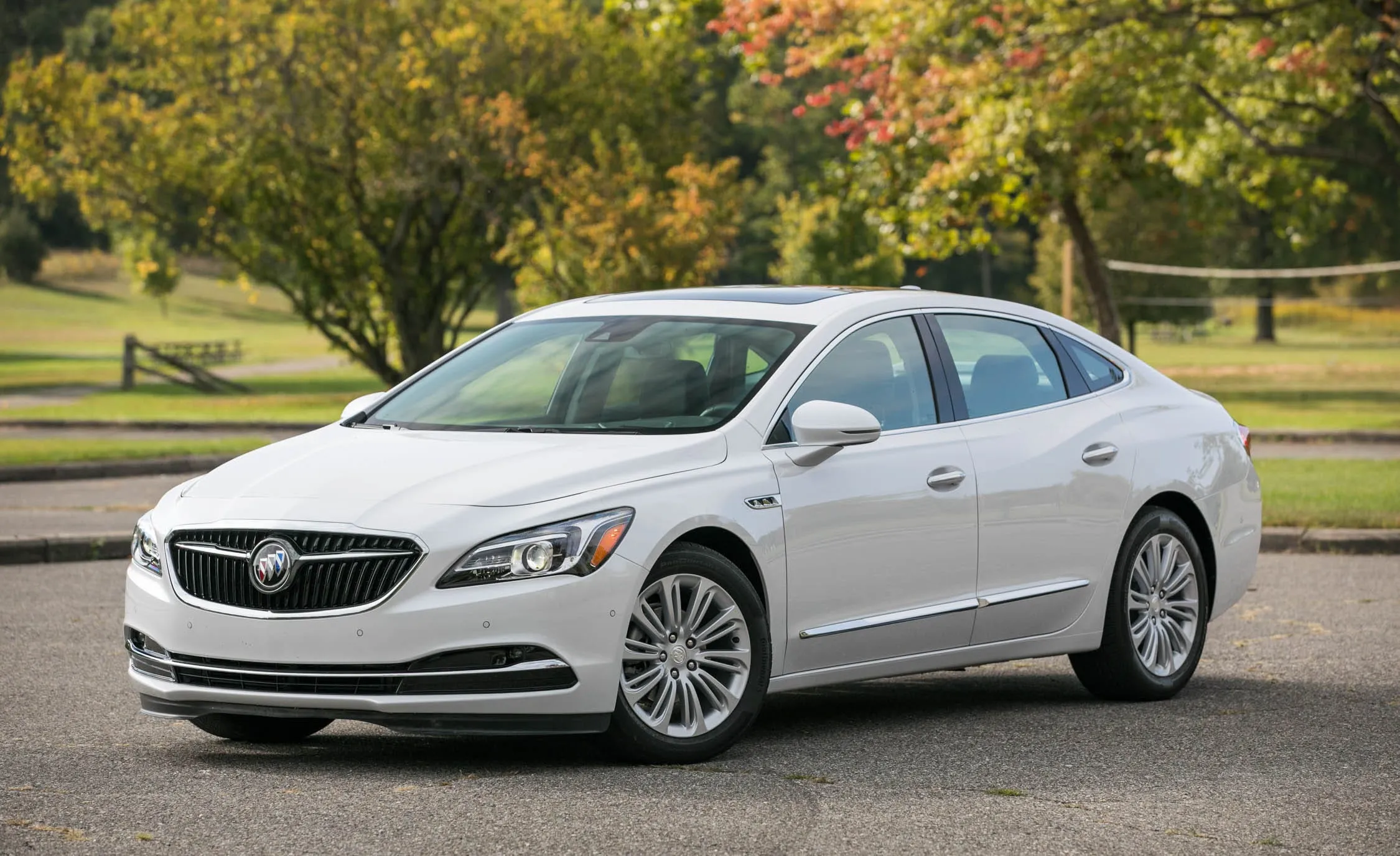
The Buick LaCrosse is a smooth-riding sedan that struggles in tight city streets. Its large dimensions make it less nimble, causing drivers to take extra care during lane changes or parking maneuvers. Turning radius and vehicle weight are often cited as drawbacks for downtown use. The LaCrosse’s design favors spaciousness over maneuverability.
Fuel consumption is relatively high in urban conditions. The engine requires more energy for frequent stops, resulting in reduced efficiency in city driving. Drivers who commute in congested areas may find the LaCrosse more expensive to operate than midsize sedans. Hybrid options are limited, offering little relief for urban fuel efficiency concerns.
Safety features are robust but cannot fully compensate for the sedan’s size in tight streets. Blind spots, wide doors, and lengthy body dimensions require careful navigation in downtown traffic. Sensors and cameras assist with parking but do not eliminate the inherent size-related challenges.
Interior comfort is excellent, with plush seating and high-quality materials. However, the cabin can feel less practical for frequent city errands. Storage areas are large, which may be unnecessary for short trips or daily commuting. Technology features favor longer drives rather than urban convenience.
The LaCrosse performs well on open roads but can feel sluggish in stop-and-go traffic. Braking and acceleration are smooth but lack the responsiveness desirable for quick urban maneuvers.
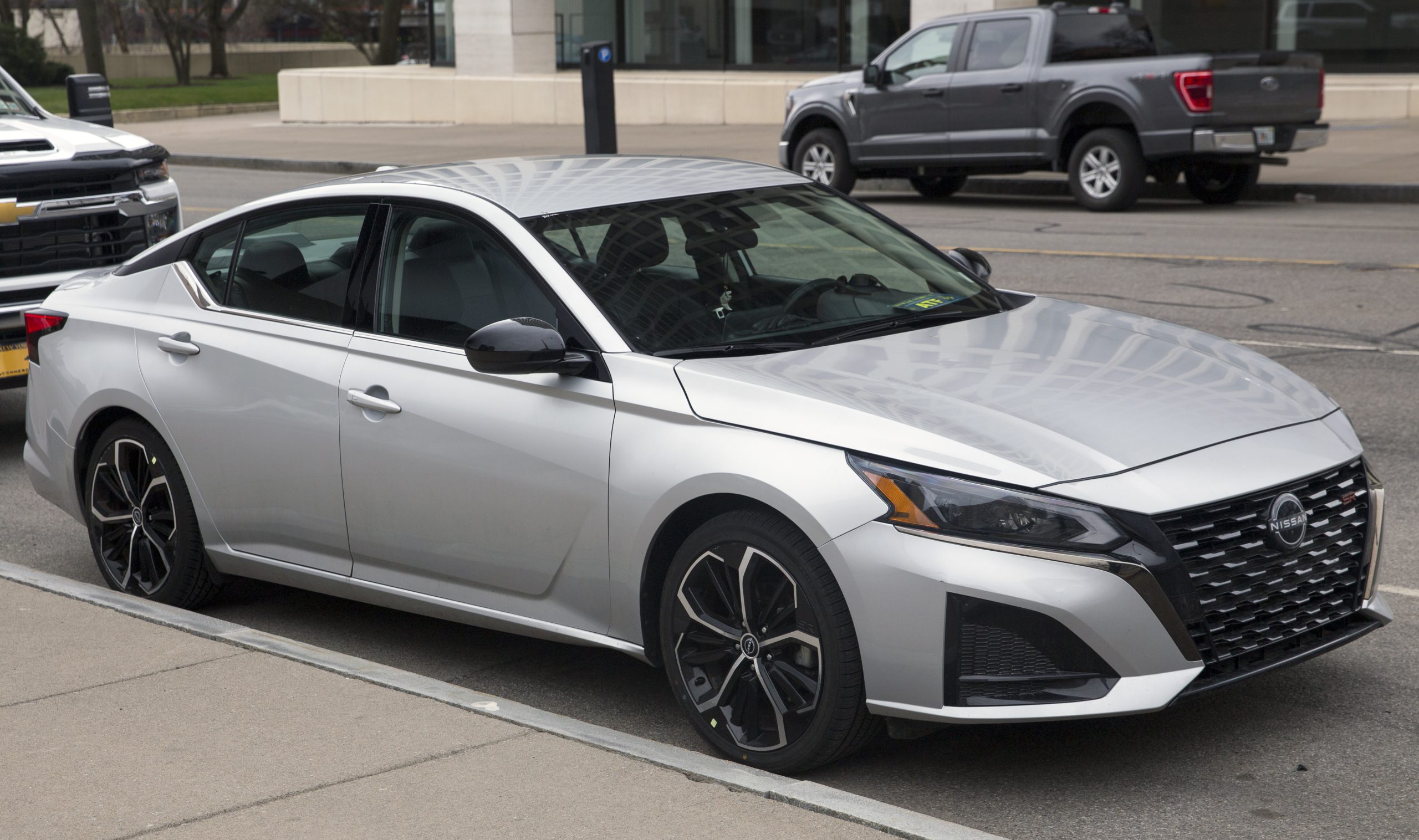
Nissan Altima V6
The Nissan Altima V6 offers strong performance but often feels less practical in urban environments. Its larger engine produces quick acceleration, which is more suited for highways than downtown streets. The added weight and wider body can make navigating tight corners or parallel parking more challenging. Drivers may need extra care when driving in congested areas.
Fuel efficiency suffers with the V6 engine, particularly in stop-and-go traffic. Frequent idling and short trips in the city consume more fuel compared to smaller engines. Drivers who prioritize economy may find the V6 variant costly for daily commuting. Four-cylinder models offer better efficiency but sacrifice the same level of power.
Safety features are standard, including lane departure warning and automated braking, but urban maneuverability remains a concern. Limited rear visibility and wider blind spots require careful attention. Parking sensors help, but the vehicle’s size and responsiveness are less suited to dense city streets.
Interior space is generous, with comfortable seating and well-appointed materials. Technology features like touchscreen infotainment and driver aids are convenient, yet the cabin feels designed for highway cruising rather than urban agility. Storage is ample, but larger dimensions make city handling less practical.
Performance is smooth on highways but can feel heavy downtown. Braking and steering responsiveness are slightly delayed under frequent urban driving conditions. The Altima V6 prioritizes power and comfort at the expense of downtown efficiency, making it less ideal for stop-and-go city driving.
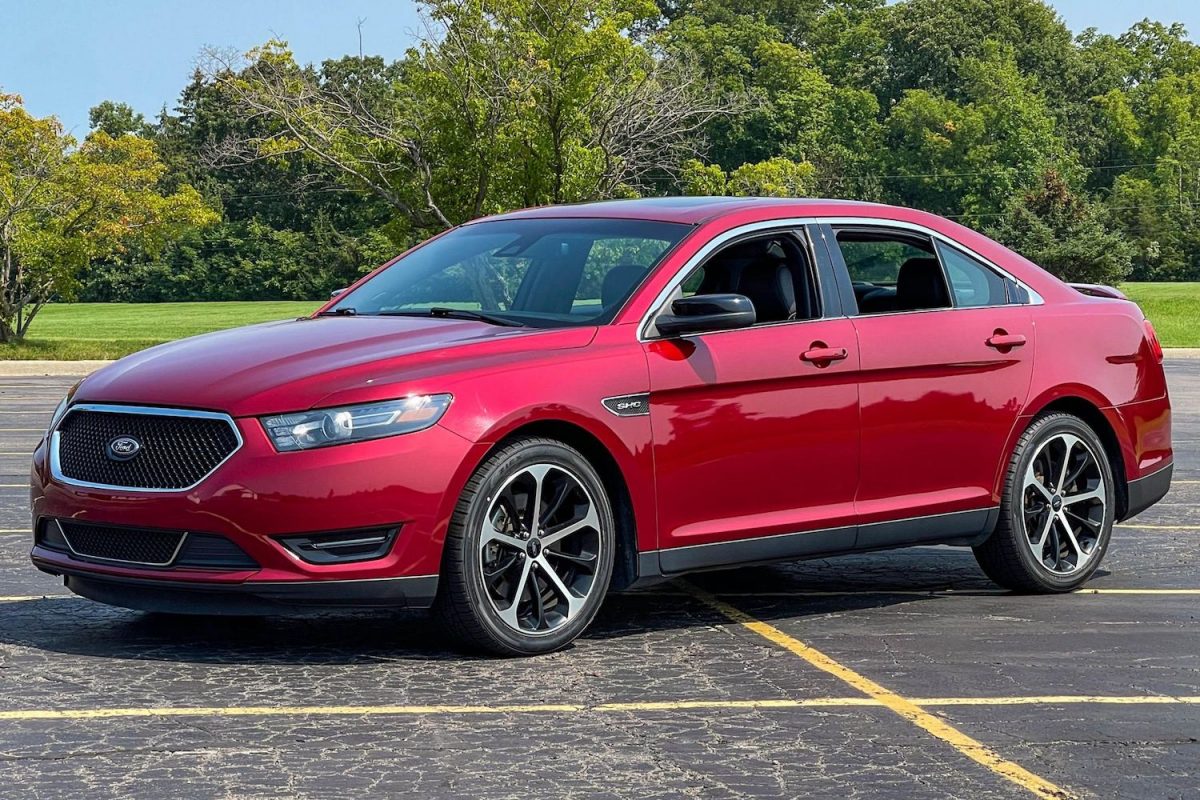
Ford Taurus
The Ford Taurus is a full-size sedan that excels in straight-line stability but struggles in tight urban environments. Its long wheelbase and wide body make narrow streets and parking maneuvers more difficult. Maneuvering through traffic often requires extra attention due to limited agility. The vehicle’s size can feel cumbersome in congested city areas.
Fuel consumption is another drawback. Large engines and heavy weight reduce efficiency in stop-and-go traffic, making it less practical for frequent city commutes. Drivers may notice higher fuel costs compared to midsize sedans or smaller alternatives. Urban driving emphasizes fuel economy, where the Taurus is less competitive.
Safety technology is present but cannot fully offset its size limitations. Blind spots and wider turning radius demand careful handling in downtown areas. Advanced driver-assist systems such as automated emergency braking and parking sensors provide support but do not completely resolve urban driving challenges.
Interior comfort is one of the Taurus’s strengths. Seats are spacious and supportive, with premium materials enhancing the driving experience. Cabin space is generous, yet the size reduces ease of maneuverability. Infotainment and control layouts are designed for comfort and longer drives, not necessarily short city trips.
Performance remains steady on highways but can feel sluggish in city traffic. Steering requires more effort during tight maneuvers, and braking is less responsive under repeated stop-and-go conditions. Taurus favors comfort and stability over downtown practicality.
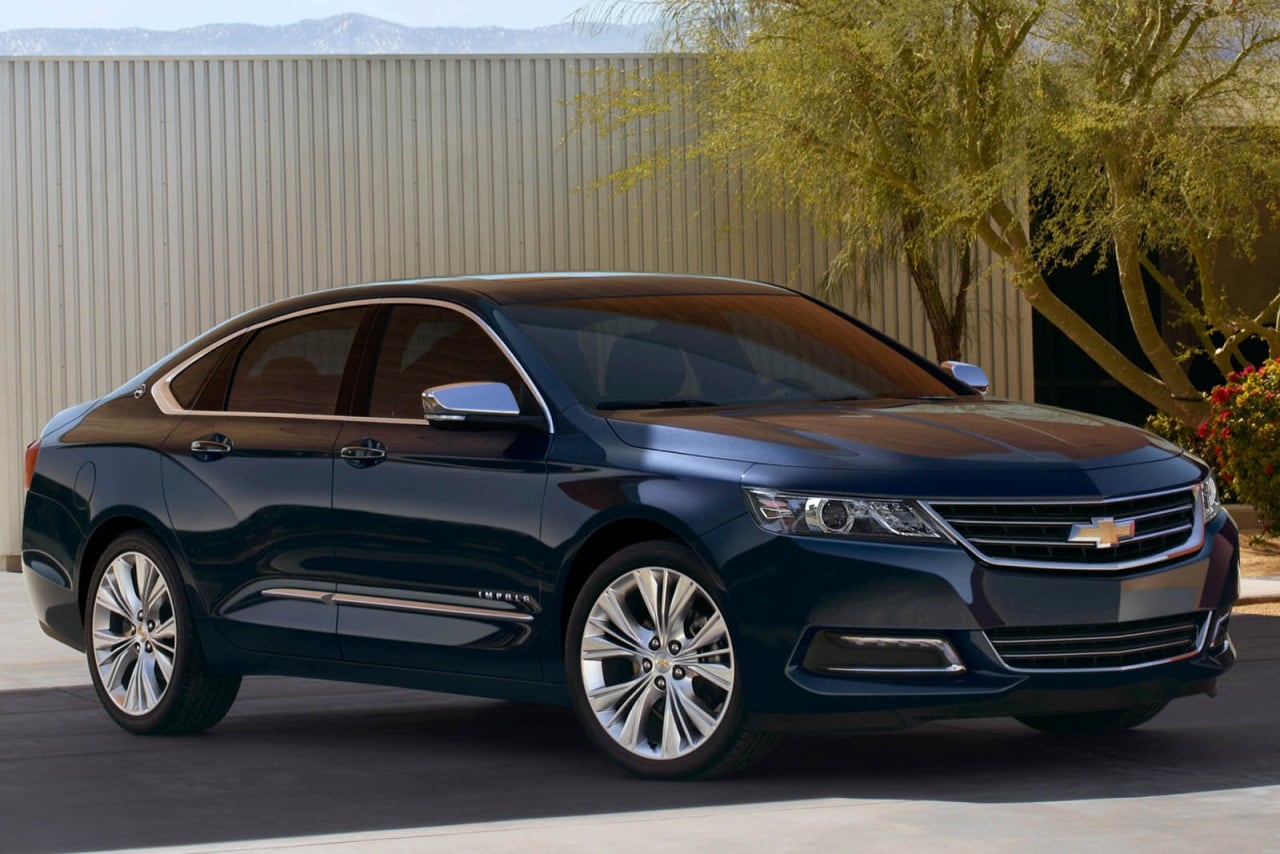
Chevrolet Impala
The Chevrolet Impala is a large sedan with strong highway performance but limited downtown efficiency. Its size can feel imposing in narrow streets, and parking requires careful maneuvering. Steering and handling are tuned for open roads, leaving city driving less responsive and more challenging for quick movements.
Fuel efficiency is reduced due to its heavier body and larger engines. Urban traffic highlights this limitation, with frequent stops consuming more fuel than smaller, lighter sedans. For drivers prioritizing economy, the Impala is often less appealing in dense city areas.
Safety features are included, such as lane departure warnings and collision mitigation, but urban handling remains difficult. Limited rear visibility and wide blind spots make tight turns and parallel parking more challenging. Driver-assistance systems only partially compensate for these constraints.
The interior emphasizes comfort over practicality. Seating is spacious and supportive, and the cabin features quality materials with modern infotainment. Storage is generous, yet the vehicle’s size reduces maneuverability in everyday urban tasks. Infotainment and controls are better suited for longer drives than short city commutes.
Driving performance excels on highways, providing smooth acceleration and stable braking. However, the Impala’s responsiveness diminishes in stop-and-go conditions, and handling feels less precise downtown. The Impala prioritizes comfort and power at the expense of urban agility.
