
Seats are often the most overlooked part of a vehicle, yet they can define the entire driving experience. While many car manufacturers put effort into creating supportive and comfortable seating, there are several vehicles where the seats do not hold up over time.
Some may start off feeling comfortable but become unsupportive, saggy, or even painful after years of use. Others may use materials that wear prematurely, leaving cracks, tears, or discolored surfaces. Poor seat longevity can affect driving posture, comfort, and even safety, as worn cushions and deteriorating bolsters fail to keep occupants properly positioned during turns or sudden stops.
Many enthusiasts and car owners have learned the hard way that a well-designed interior is not always a guarantee, and sometimes a flashy or high-tech vehicle comes with seating that quickly shows its age. Examining these vehicles offers insight into how materials, design choices, and manufacturing priorities can influence the long-term usability of car interiors.
Some vehicles focus heavily on exterior styling or performance metrics, leaving seat comfort as a secondary concern. In some cases, budget constraints lead manufacturers to select cheaper foam or leather substitutes that break down quickly.
Drivers may notice that after a few years, seats lose their shape, offer reduced lateral support, or develop squeaks and creaks from broken frames. In other vehicles, ergonomic design was not fully considered, causing pressure points and discomfort on long drives.
These flaws may not be immediately noticeable during test drives, as new seats can feel plush, but repeated use exposes weaknesses in cushion density, stitching, and underlying support. As vehicles age, the difference between a well-engineered seat and one that wears poorly becomes starkly apparent.
Vehicles with aging seat problems often spark discussions among car enthusiasts and reviewers. Owners may try aftermarket solutions, such as foam inserts, custom covers, or seat replacements, but these can be costly or only partially effective.
Some vehicles develop a reputation primarily for their interior issues, overshadowing their otherwise positive attributes like engine performance or handling. This demonstrates how crucial a quality seating experience is for satisfaction.
Additionally, seats that fail to maintain their original shape can affect resale value, making it an important consideration for buyers. It is not just a matter of aesthetics; deteriorating seats can impact driver confidence, posture, and long-term comfort during commutes or road trips.
Material selection plays a significant role in the lifespan of seats. Leather and vinyl may initially feel luxurious, but they can crack, peel, or stretch if not treated properly. Fabric seats can stain, flatten, or lose padding, leading to uneven surfaces. Foam density is another critical factor; cheap foam tends to break down under repeated stress, causing sagging and discomfort.
Even high-end vehicles sometimes suffer from these problems if engineering focused more on looks than structural support. Over time, repeated weight and movement can reveal weaknesses in stitching, seat rails, and frame mounts, making the seats noisy or unstable. Regular care and maintenance help, but cannot always prevent natural wear in poorly designed seating systems.
This article highlights ten vehicles whose seats are widely reported to deteriorate faster than expected. Each of these models has received criticism from owners or reviewers for cushions that sag, bolsters that lose firmness, or surfaces that show wear early.
By analyzing these vehicles, one can better understand how design, material choices, and usage patterns affect seat longevity. This guide is useful for potential buyers, current owners, or anyone curious about how seat quality interacts with long-term vehicle comfort.
Understanding these examples may prevent frustration, improve purchasing decisions, and highlight the importance of investing in well-made seating, which often goes unnoticed until it begins to fail.
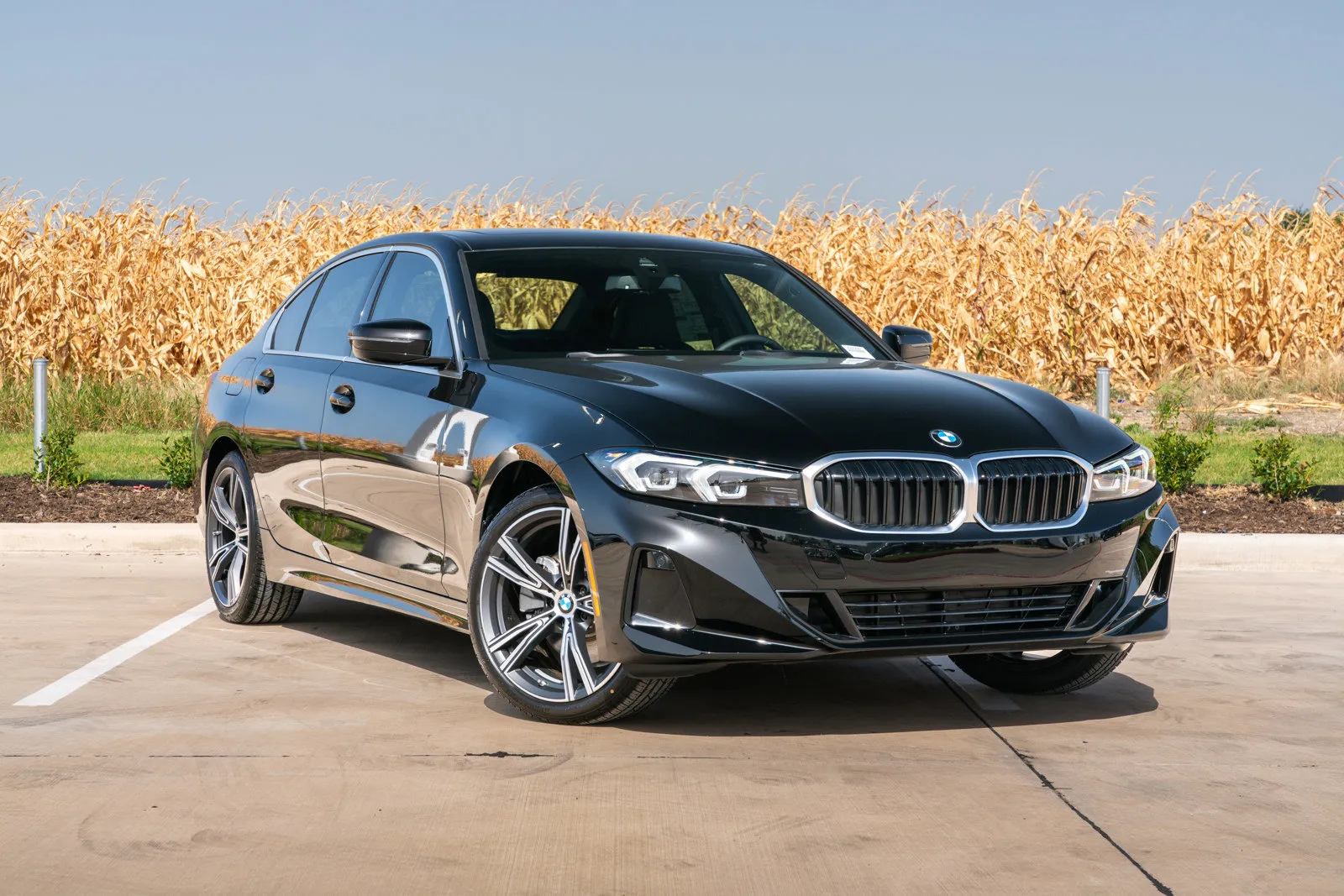
1. BMW 3 Series (E90 Generation)
BMW is known for sporty handling and driver-focused interiors, yet the E90 3 Series seats are infamous for losing shape. The bolsters were designed to provide support, but over time they often flatten, reducing lateral stability. Long-term owners frequently report discomfort on extended drives due to sagging cushions. Even the leather surfaces develop noticeable creases that diminish the visual appeal.
Foam breakdown is another common problem in these models. Drivers notice that after just a few years, the seat bottoms lose density and fail to spring back. The E90 was luxurious in its day, but it did not prioritize long-term wear. Some owners have replaced seat foam entirely to regain comfort. This replacement process is costly and labor-intensive, but it restores much of the original support.
Also Read: 10 Vehicles That Are Fine New but Costly Later
Stitching failures also appear on higher-mileage examples. The seams of side bolsters often tear or loosen, especially on driver’s seats. Once stitching starts to fail, the padding shifts, creating uneven surfaces. This not only feels uncomfortable but also affects posture during driving. Repairing these areas requires either professional intervention or aftermarket seat covers.
Leather care is essential, yet many owners did not maintain the E90 interiors properly. Leather stretches and loses tension, particularly where the driver repeatedly sits and moves. Heat and sun exposure exacerbate these issues. Over time, the seats look worn even when the rest of the interior remains in good condition.
Despite these problems, the E90 retains a strong fan base. Enthusiasts often accept sagging seats as part of the model’s quirks. Nevertheless, for daily comfort, the seats fall short of modern standards. Awareness of these issues is key for buyers seeking longevity in used examples.
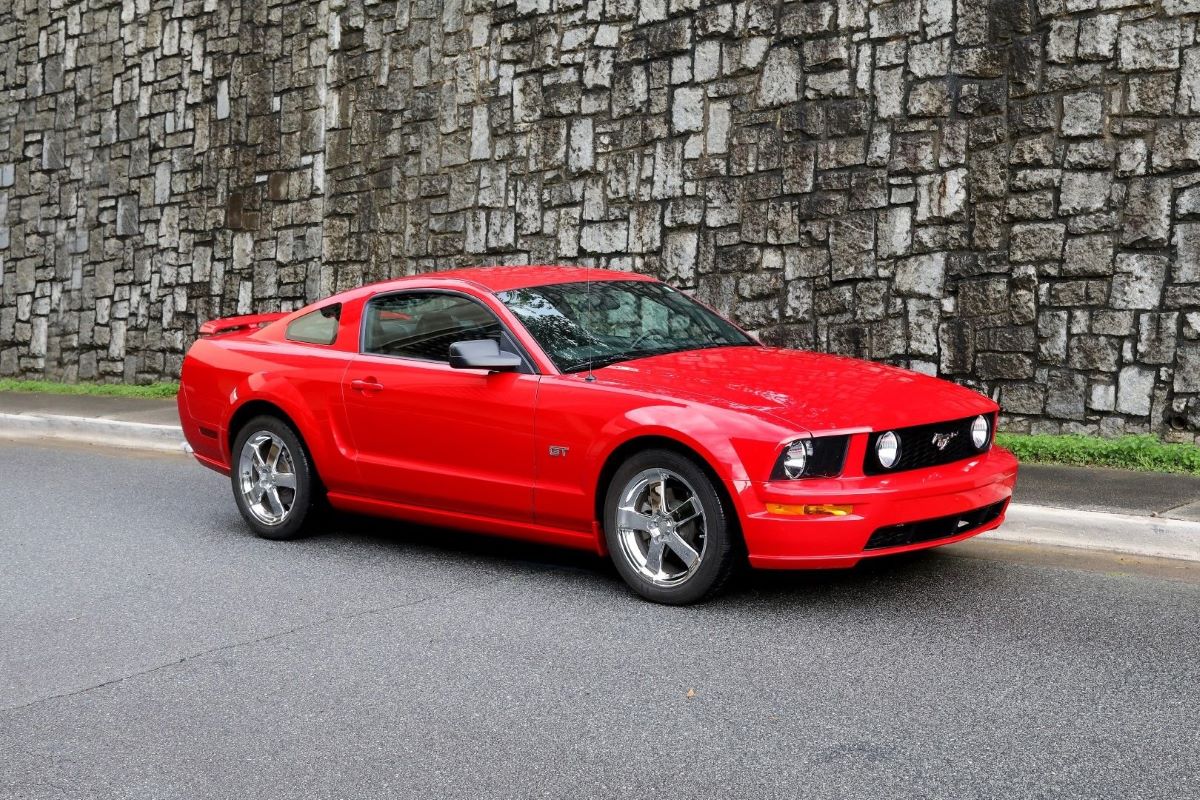
2. Ford Mustang (Fifth Generation, 2005–2014)
The fifth-generation Mustang prioritized styling and performance, leaving seat durability somewhat behind. Stock seats, particularly in V6 models, often develop sagging cushions after moderate use. Long drives highlight discomfort due to minimal support in the lower seat area. Leather and vinyl trims also wear quickly on older models.
Side bolsters flatten easily on higher-trim versions. Enthusiasts who take corners aggressively notice that the driver’s body slides more than intended. Foam compression is a recurring complaint among owners. Once the foam loses resilience, aftermarket inserts may be the only solution.
Stitching issues are not uncommon, especially on seats with contrast stitching. Over time, threads may fray, leaving the upholstery prone to further damage. Many owners attempt DIY fixes, but professional repair is more effective. The combination of wear and stitching failure gives interiors an aged appearance prematurely.
The Mustang’s seats also face heat and UV exposure challenges. With large windows and sporty seating positions, sun exposure accelerates leather cracking. Seat covers can help, but original comfort may still decline. Some owners resort to conditioning treatments frequently to mitigate surface damage.
Despite these flaws, the Mustang’s performance credentials often outweigh seating issues for many buyers. Yet those who prioritize long-term comfort will notice the weaknesses. Regular maintenance or aftermarket replacements is sometimes necessary for sustained usability.
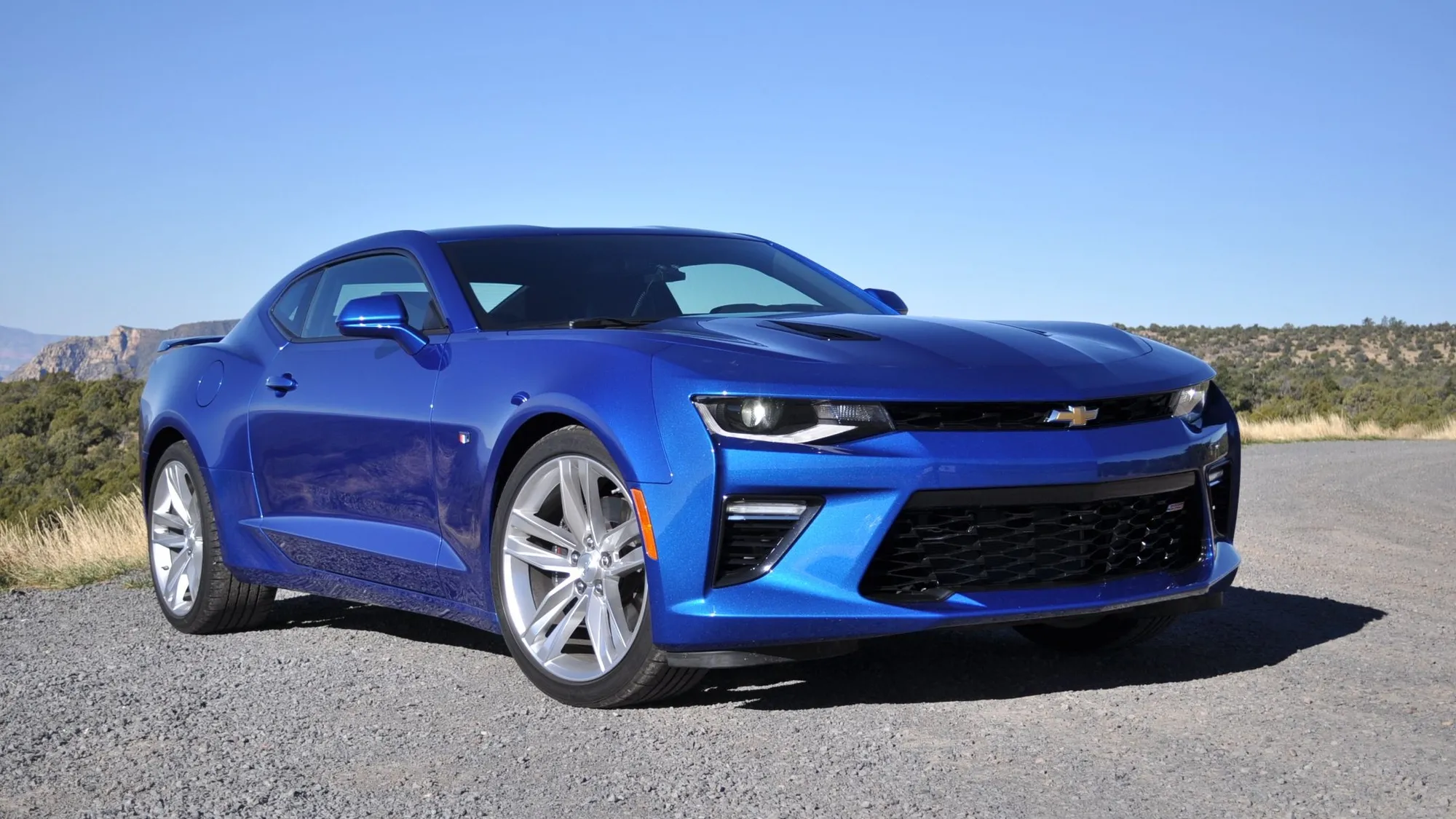
3. Chevrolet Camaro (Fifth Generation, 2010–2015)
Camaro seats are widely criticized for their lack of long-term support. The driver’s seat often develops sagging, particularly in the lower cushion. Front passengers report limited padding support on extended trips. Original leather surfaces also show early signs of cracking in sunny climates.
Foam compression contributes to uncomfortable rides over time. The seats initially feel firm but quickly lose resilience with repeated use. Bolster firmness diminishes, reducing lateral support in curves. Owners of automatic and manual models alike report the same issues, indicating a design flaw rather than trim-specific problem.
Lower-quality vinyl and leatherette surfaces can peel or wrinkle, especially on higher-mileage models. Cleaning products sometimes accelerate damage. The visual degradation is noticeable even if the structural foam is still serviceable. Cosmetic issues compound functional discomfort.
Adjustment mechanisms also interact with wear. Seats with power recliners may develop uneven pressure points over years, increasing the perception of discomfort. Even minor sagging in foam can make manual adjustments less effective, causing awkward seating positions. This can strain the lower back on longer trips.
For enthusiasts, these seating issues are often tolerated due to the Camaro’s aggressive styling and engine performance. Still, practicality suffers. Owners who intend to keep the car long-term often invest in seat foam replacements or aftermarket solutions to restore comfort.
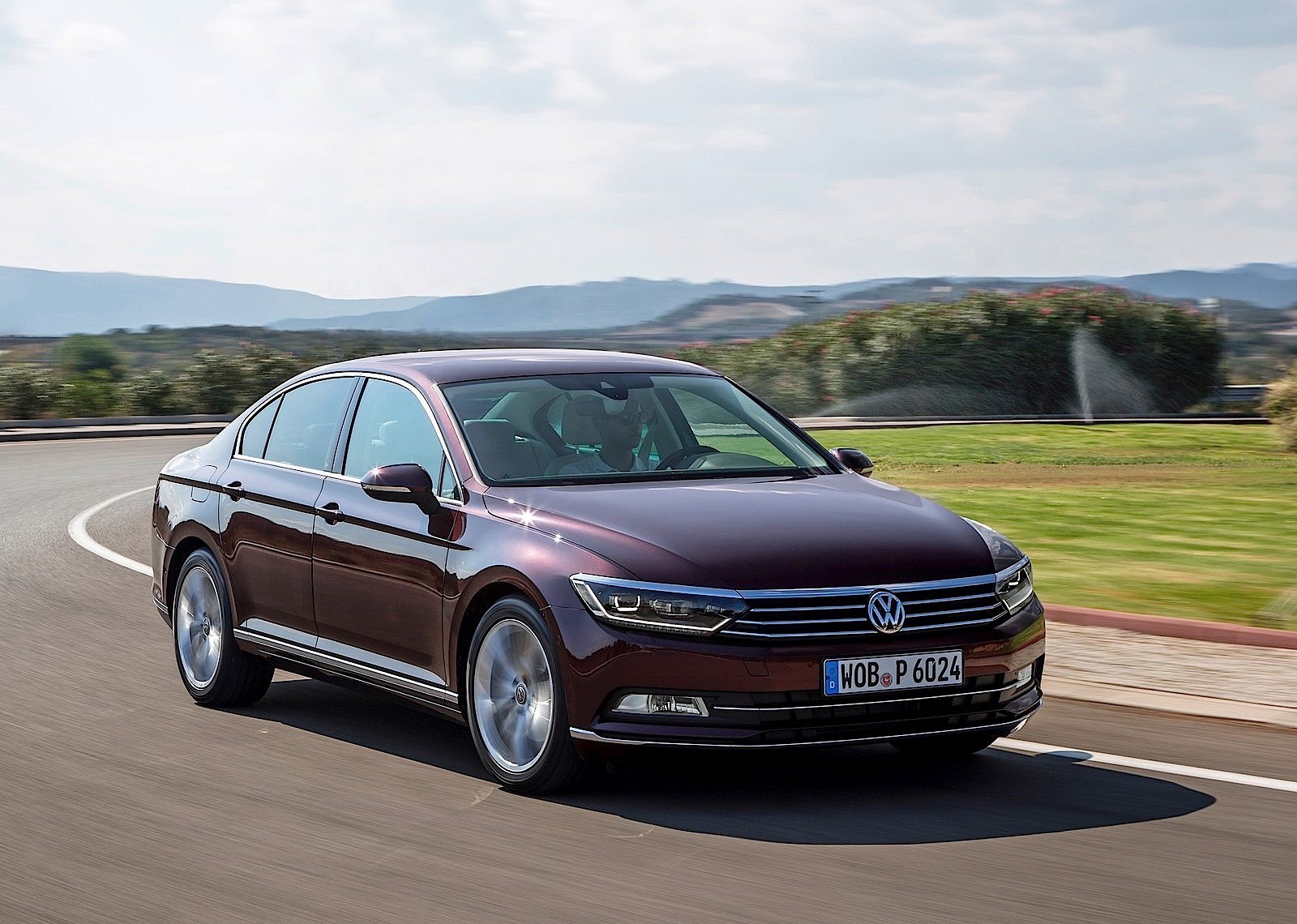
4. Volkswagen Passat (B6 Generation, 2005–2010)
The B6 Passat featured elegant interiors but struggled with seat longevity. Drivers frequently note sagging bottom cushions, particularly on higher-mileage examples. Side bolsters lose shape, causing reduced lateral support. Material choices prioritized aesthetics over durability, especially in mid-level trims.
Foam density is a consistent complaint. Seats quickly flatten under repeated weight, creating pressure points on longer drives. This is more pronounced in the driver’s seat, which experiences the most daily stress. Replacement foam kits are available but require significant disassembly.
Leather and fabric options are both affected by wear. Fabric seats can stain and flatten unevenly, while leather develops creases and early cracking. Seat surface wear often appears faster than in competing sedans of the same era. UV exposure in sunny regions accelerates this deterioration.
Adjustable lumbar support mechanisms sometimes fail, making comfort harder to achieve. Even when working, sagging foam limits the effectiveness of adjustments. Drivers who value posture support often find long trips increasingly uncomfortable. This can contribute to fatigue on commutes and road trips.
Owners looking to retain Passats over a decade often invest in seat refurbishment. High-quality leather or foam replacements restore some comfort. However, the original design limitations remain noticeable, emphasizing the need for careful evaluation when purchasing used examples.
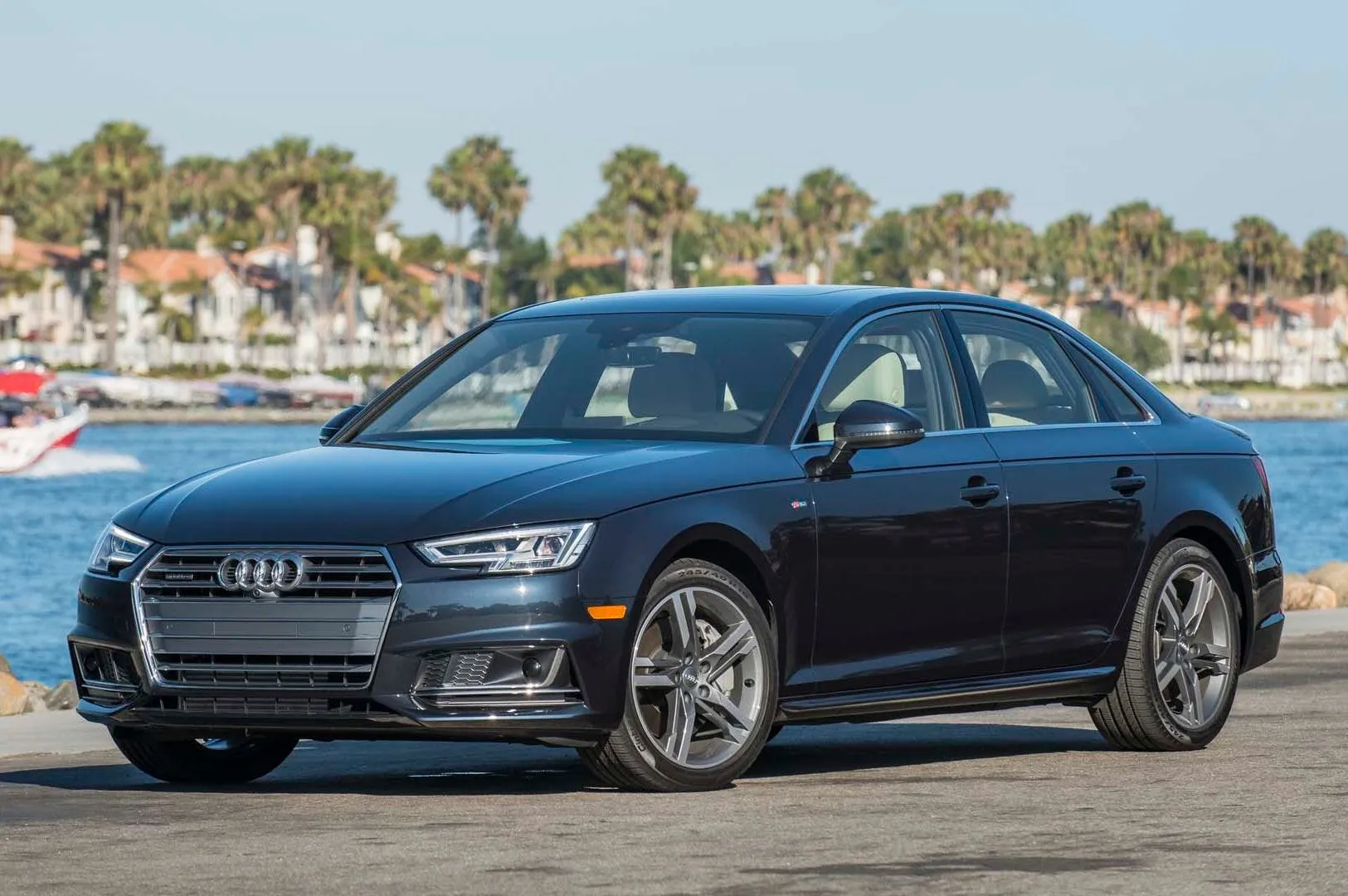
5. Audi A4 (B7 Generation, 2005–2008)
The B7 Audi A4 was praised for its refined cabin and premium feel, yet the seats often fail to age gracefully. The front seats, particularly in S-line trims, are meant to offer firm support, but long-term owners report that the bolsters flatten and the bottom cushions sag significantly.
On extended drives, this sagging can lead to discomfort in the lower back and thighs, making commutes and road trips less enjoyable. Even drivers who take meticulous care of the leather upholstery find that foam degradation occurs regardless of surface maintenance, pointing to an underlying design issue.
Leather surfaces on the A4 are prone to stretching and creasing. Daily use accelerates the formation of folds and wrinkles, especially along the outer bolsters where repeated entry and exit occur.
This deterioration not only affects comfort but also detracts from the car’s visual appeal. Owners attempting to maintain a like-new look must apply regular leather conditioners and avoid prolonged sun exposure. Even then, deep creases often remain, signaling that the seats were never intended for heavy long-term use.
Seat adjustment mechanisms, while sophisticated, sometimes fail to compensate for the loss of cushion support. Power recliners and lumbar support systems are designed to optimize comfort, but when foam density decreases, the adjustments feel less effective.
Drivers may notice that seating positions that were once ideal now require constant minor tweaks to maintain comfort. The disconnect between the mechanism’s intent and the foam’s degraded condition highlights the importance of robust cushion engineering.
Side bolsters, a feature meant to keep occupants stable during spirited driving, lose firmness quickly. This is particularly noticeable in tight corners, where the driver’s body shifts more than expected. For an enthusiast vehicle like the A4, which often appeals to those who enjoy sporty handling, this can undermine driving confidence.
Many owners resort to aftermarket inserts or complete seat rebuilds to restore lateral support and regain the intended driving experience.
Despite these shortcomings, the Audi A4 maintains strong desirability due to its performance, technology, and build quality. Enthusiasts and daily drivers alike often accept the seats’ flaws as part of the car’s package. However, potential buyers should be aware that seat longevity is a common pain point. Planning for maintenance, including possible foam replacement, can significantly improve the long-term usability of these vehicles.
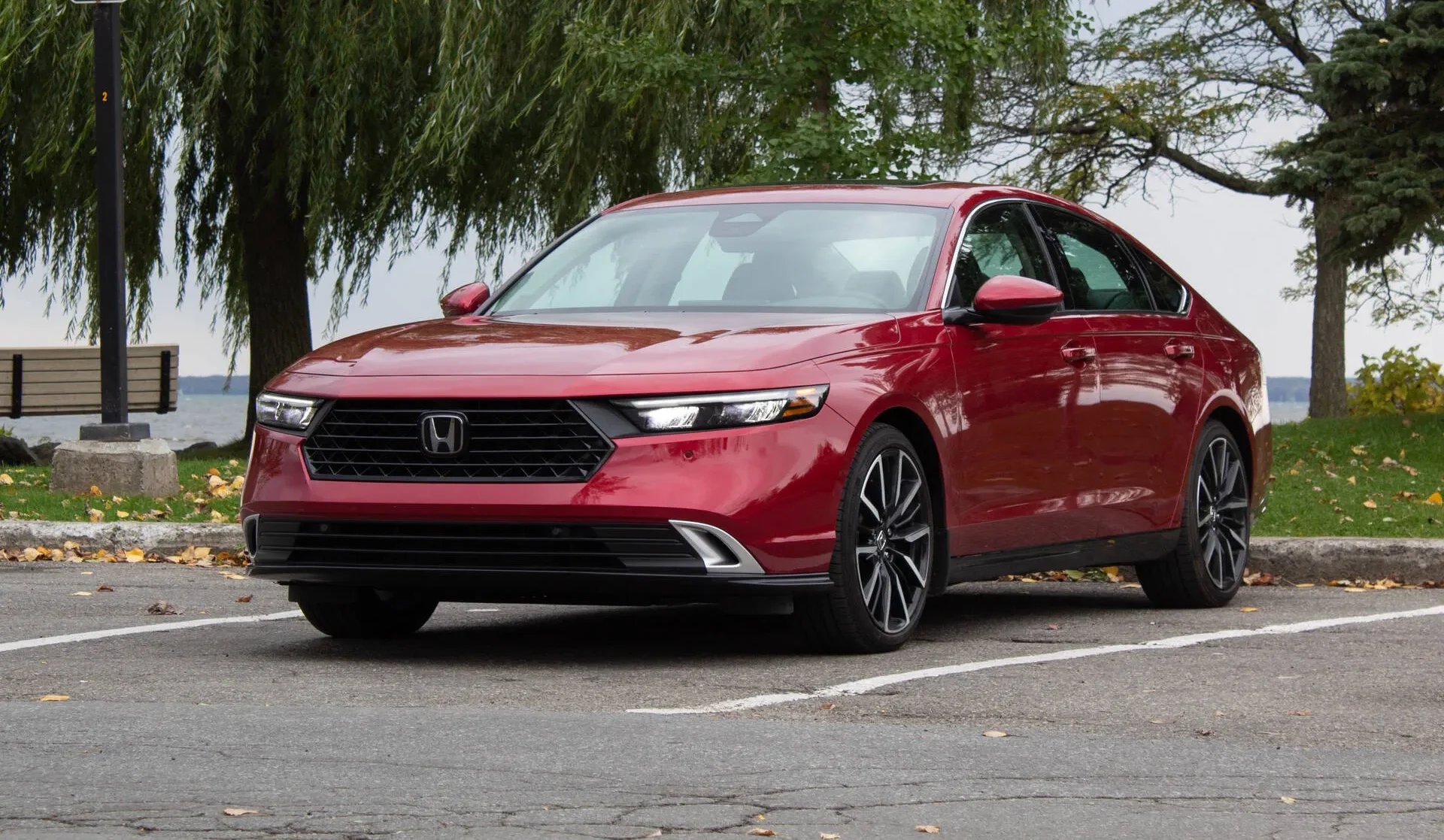
6. Honda Accord (2008–2012)
The eighth-generation Honda Accord offered a roomy interior and solid reliability, but its seats often disappoint over time. Foam cushions compress faster than expected, especially on driver’s seats subjected to daily use. Even with moderate mileage, owners report bottom cushions losing resilience, making long commutes uncomfortable. This problem becomes more noticeable in older sedans, where repeated use accelerates sagging and uneven support distribution across the seat.
Vinyl-trimmed models are particularly vulnerable to wear. Surface cracks appear along edges that endure the most friction, and fabric options flatten and stain easily. These issues are exacerbated in climates with high heat or humidity, where materials expand and contract. Daily driving exposes weak points, and without proper maintenance, seats may begin to feel cheap compared to other vehicles in the same class.
Lumbar and side support also fall short in providing sustained comfort. While the Accord was designed for broad comfort rather than sporty seating, prolonged driving can still lead to discomfort in the lower back. The relatively thin bolsters fail to hold posture effectively, causing the driver to slouch slightly over time. This small design oversight becomes a significant concern for frequent commuters or long-distance travelers.
Also Read: 5 Cars for Fort Collins Commuters and 5 Altitude-Ready Vehicles
Stitching integrity is another concern on higher-mileage Accords. Fraying seams and loose threads develop along the edges of bolsters and seat bottoms. This can lead to further tearing if left untreated.
Owners often attempt DIY repairs, but professional solutions are more effective and necessary for maintaining both comfort and aesthetics. The cumulative effect of sagging foam, worn stitching, and flattened bolsters is a seat that quickly feels dated.
Despite these limitations, the Accord remains popular for its reliability and resale value. Buyers must, however, weigh the potential seat deterioration against ownership experience. Regular cleaning, conditioning, and foam reinforcement can help, but the seats never fully recover their original firmness. Understanding this trade-off is crucial when considering long-term ownership.
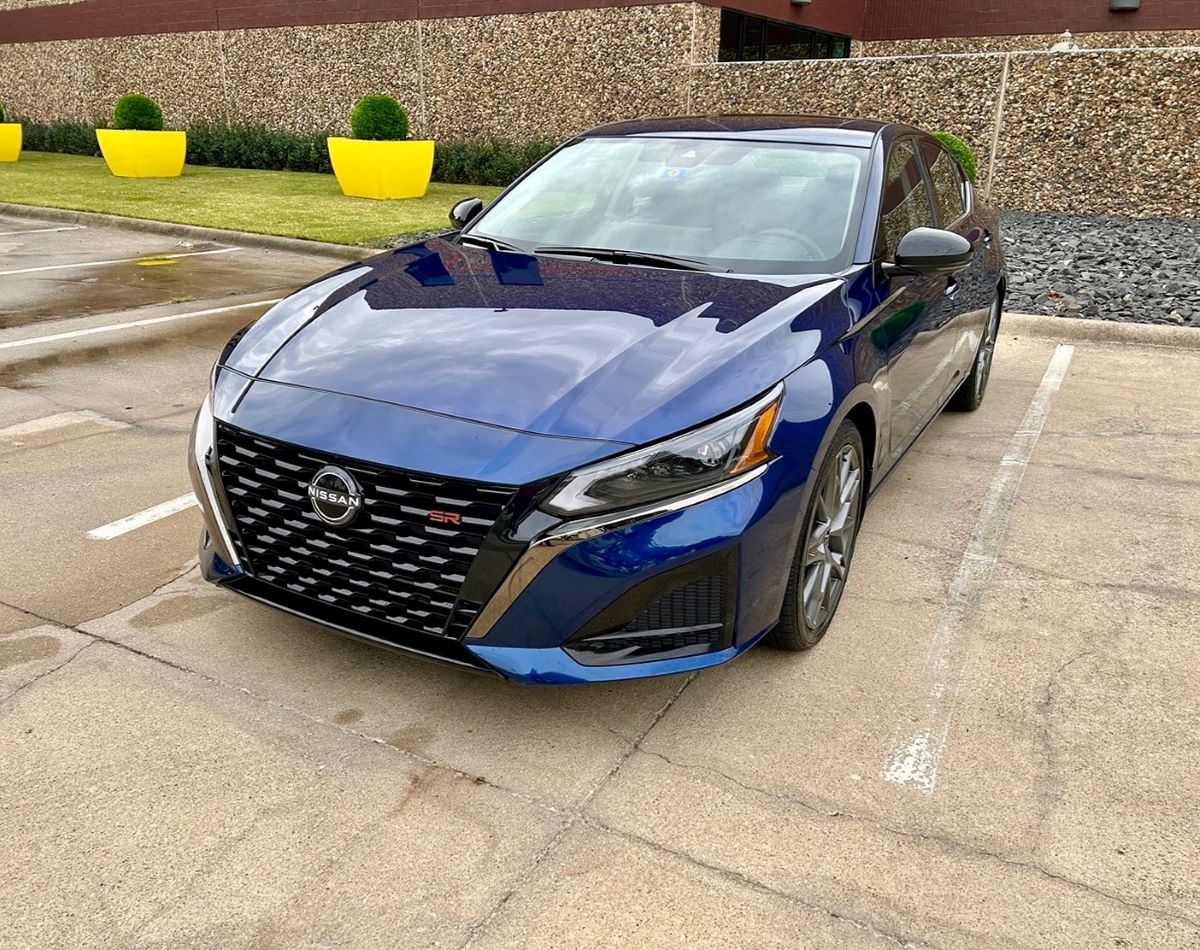
7. Nissan Altima (2013–2018)
The Nissan Altima, known for practicality and efficiency, suffers from seats that do not age gracefully. Many owners notice bottom cushions losing density after just a few years. While the seats appear firm when new, repeated use reveals weaknesses in foam structure, resulting in noticeable sagging. Over time, this leads to an uncomfortable driving experience, especially on longer trips or during daily commutes.
Fabric seats in base models often show early signs of wear. Flattened areas develop where drivers and passengers sit most frequently. Stains and color fading also occur quickly, highlighting the compromise between affordability and durability. Leather and leatherette surfaces on higher trims are not immune, as they tend to stretch and develop wrinkles, particularly along the side bolsters where friction is greatest.
Lumbar and lower back support is minimal compared to rivals in the same segment. Drivers frequently report lower back fatigue on extended drives due to inadequate cushion resilience. Adjustable lumbar mechanisms do little to compensate for the underlying foam sag. This impacts posture and comfort, making even short commutes feel less relaxing.
The Altima’s bolsters also lack long-term stability. In sharp turns or sudden maneuvers, occupants feel less supported than intended. While not critical for casual driving, this becomes apparent in spirited driving or emergency maneuvers. Many owners seek aftermarket foam inserts or seat replacements to restore lateral support and improve ergonomics.
Despite the shortcomings, the Altima remains a strong choice for reliability and affordability. Buyers should be aware of these seating issues, particularly if the car is intended for long-term daily use. Proactive maintenance or seat refurbishment can prolong comfort, but the original seats often fall short of long-term expectations.
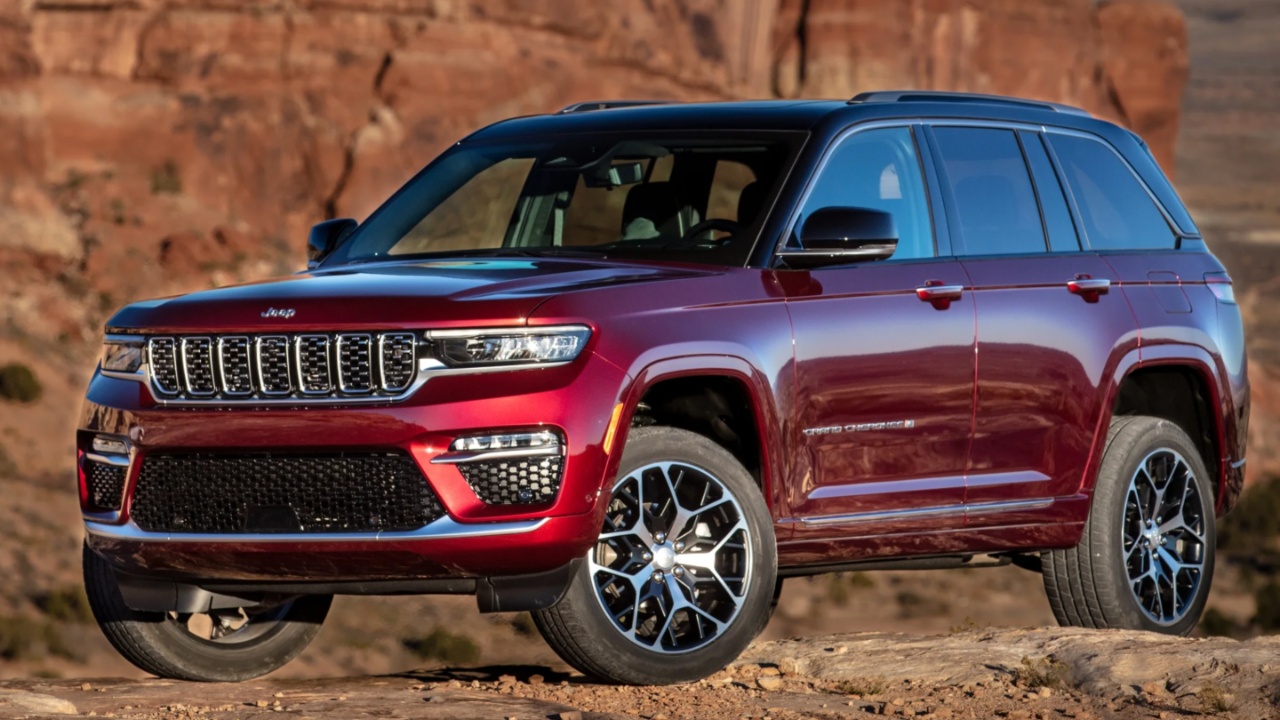
8. Jeep Grand Cherokee (WK2, 2011–2021)
The WK2 Grand Cherokee combines off-road capability with luxury features, but its seats often fail to maintain comfort over time. High-density foam initially provides firm support, yet prolonged use leads to sagging in the bottom cushions. Drivers and passengers frequently report a noticeable loss of comfort on longer drives, especially in models equipped with power-adjustable seats that exaggerate uneven wear.
Leather surfaces are prone to stretching and creasing, particularly along bolsters and seat edges. Sunlight exposure accelerates this degradation, leaving the interior looking aged before other components show wear. Even well-maintained interiors require regular conditioning to slow the inevitable deterioration of leather surfaces. Vinyl inserts on lower trims also crack and lose flexibility under repeated use.
Bolster support diminishes more rapidly than expected. Occupants feel less secure during off-road maneuvers or tight corners, undermining the vehicle’s handling confidence. Drivers may compensate by sitting higher or adjusting seating angles, but foam sag limits the effectiveness of adjustments. This design limitation can frustrate owners who value both off-road stability and on-road comfort.
Stitching failures occur over time, particularly on high-mileage vehicles. Thread fraying on bolsters and side panels often leads to minor tears and shifting padding. Repairing these areas requires professional intervention or aftermarket replacement, adding to ownership costs. Even small cosmetic imperfections impact perceived quality and long-term satisfaction.
Despite these issues, the Grand Cherokee remains a strong contender in its segment for capability and features. Awareness of potential seat wear is crucial for long-term owners. Regular maintenance, including leather conditioning and foam inspection, can extend seat lifespan, but the WK2 seats rarely maintain original support indefinitely.
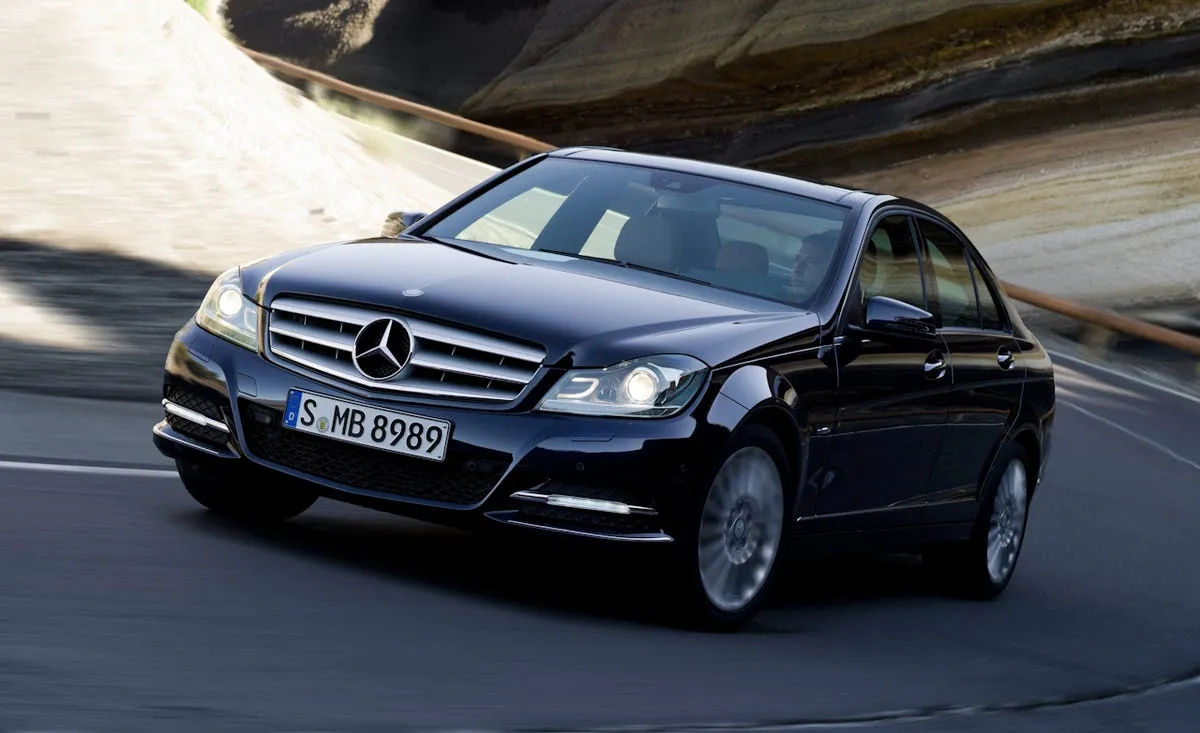
9. Mercedes-Benz C-Class (W204, 2007–2014)
The W204 C-Class combines luxury and sporty handling, yet its seats do not always withstand heavy use. Drivers commonly report bottom cushions losing firmness, creating uneven pressure points during long trips. Side bolsters also flatten over time, reducing lateral support in corners. These issues are more pronounced in high-mileage models, especially those with aggressive driving habits.
Leather seats, while soft initially, tend to develop creases and stretching along bolsters and seat edges. Sunlight and friction exacerbate this deterioration, leading to an aged appearance even with careful maintenance. Fabric or partial leather options also flatten and compress, revealing limitations in foam density and material selection. The visual wear mirrors the functional decline in support.
Adjustable lumbar support is insufficient to offset the foam breakdown. Even with settings optimized for individual comfort, drivers may experience fatigue on long trips due to uneven cushion resilience. Pressure points develop in areas that once felt firm and supportive, highlighting the importance of material engineering.
Bolster failure affects sporty driving confidence. The W204 is designed to reward enthusiasts with precise handling, but sagging seats reduce the stability that bolsters are meant to provide. This can impact the perception of handling responsiveness, especially during spirited driving or emergency maneuvers. Many owners turn to aftermarket solutions to regain lateral support.
Despite these shortcomings, the W204 remains desirable for its luxury features, engine options, and build quality. Buyers should be aware that seating comfort may decline faster than other aspects of the vehicle. Proactive maintenance, foam replacement, or refurbishment can restore much of the original experience, though some sagging may persist over time.
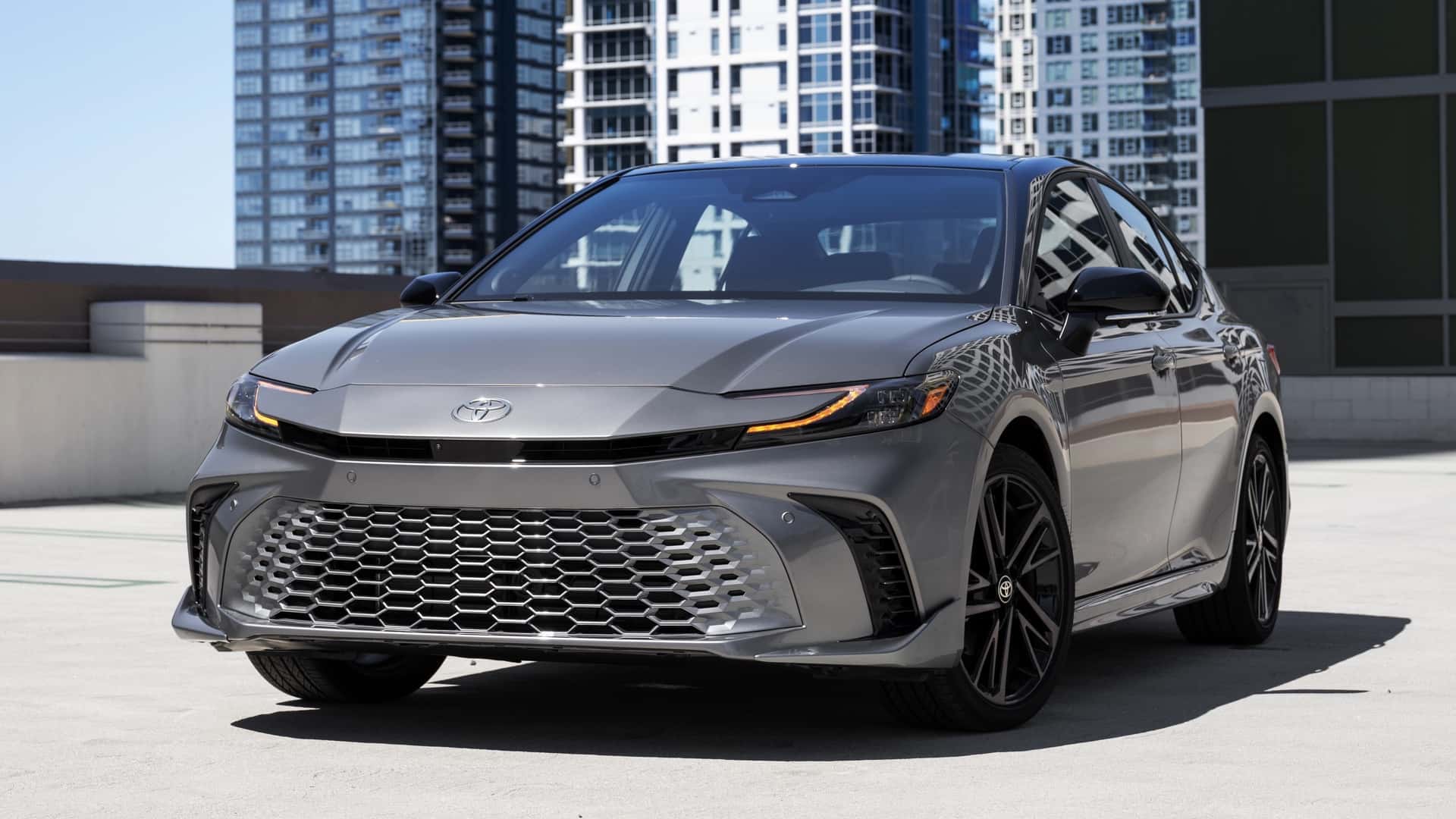
10. Toyota Camry (2012–2017)
The Camry offers reliability and practicality but is not immune to seat degradation. Drivers frequently report bottom cushions losing resilience, particularly in higher-mileage examples. Bolsters flatten over time, leading to diminished lateral support and a more compressed seating experience. Extended driving can feel uncomfortable despite the Camry’s reputation for comfort.
Fabric seats on lower trims flatten unevenly and may stain with minimal effort. Even mid-range leatherette options show early wear, particularly along edges and bolsters where friction is greatest. Leather trims on higher trims are more durable but still develop creases with prolonged use. Regular conditioning slows wear but cannot prevent foam breakdown entirely.
Lumbar support is minimal compared to other vehicles in the segment. Drivers who rely on ergonomic seating adjustments find that sagging cushions limit the effectiveness of built-in features. Over time, poor foam resilience contributes to fatigue on long trips and compromises posture during daily commutes.
Bolster support is weak in older models. During turns or abrupt maneuvers, occupants may feel less secure than expected. While this is not a safety hazard, it reduces driving confidence and can affect long-term comfort, especially for drivers who spend many hours behind the wheel. Some owners invest in aftermarket inserts to regain firmness.
Despite these issues, the Camry remains a highly practical and dependable choice. Awareness of potential seat deterioration is key for long-term ownership. Routine maintenance, foam reinforcement, or seat refurbishment can help restore comfort, but the Camry’s original seating design is not built to remain perfectly firm after years of use.
