
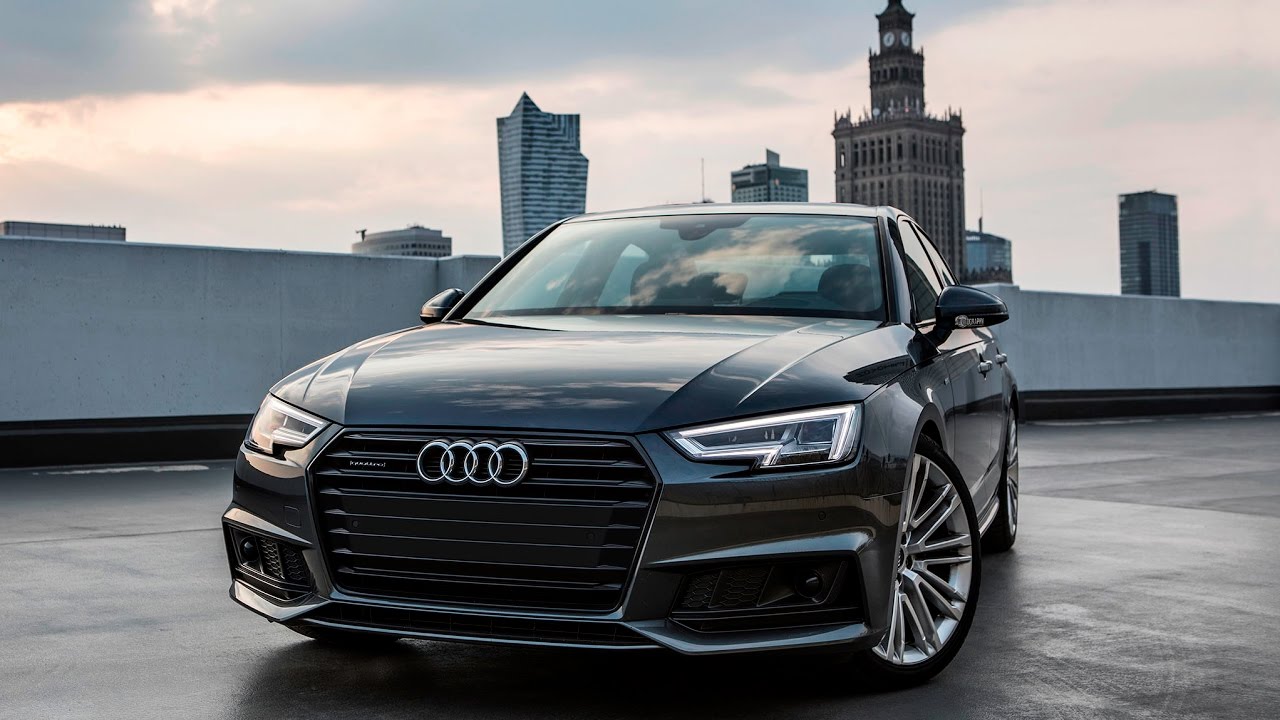
Cars are often purchased with the expectation of comfort, reliability, and a smooth driving experience that lasts for years. When new, many vehicles feel solid, quiet, and well insulated from the outside world. Road noise is minimal, engine sounds are controlled, and the cabin feels like a protected space designed for calm travel.
However, as time passes and miles accumulate, that sense of quiet can slowly disappear. Owners begin to notice rattles, vibrations, and mechanical sounds that were never present before.
Noise development in cars usually happens gradually, which makes it easy to ignore at first. A slight hum from the tires may not seem important, or a faint rattle from the dashboard might only appear on rough roads.
Over months or years, those small sounds can grow louder and more frequent. Wear and tear affects suspension components, engine mounts, exhaust systems, and interior fittings. Even materials meant to reduce sound can break down and lose effectiveness.
Some cars are more prone to becoming noisy due to their design choices, material quality, or cost cutting measures. Budget oriented vehicles may use thinner insulation, lower grade bushings, or simpler exhaust systems.
Performance focused cars often prioritize power and handling over long term sound control. In both cases, the result can be a noticeable increase in noise as the vehicle ages. Climate, driving habits, and maintenance routines also play a role in how quickly this happens.
It is important to understand that noise does not always mean a car is failing. In many cases, it is simply a sign of aging components doing their job under stress.
That said, excessive noise can reduce driving enjoyment and sometimes indicate parts that need attention. Knowing which models tend to become louder over time helps owners set realistic expectations. It also allows buyers to prepare for future maintenance or sound related upgrades.
The following list highlights eight cars that are commonly reported to become noisier as they age. This does not mean these vehicles are bad or unreliable. Many of them offer strong value, performance, or practicality. The focus here is purely on how sound levels and unwanted noise can increase over time. Each section explains where the noise comes from and why it tends to develop in that specific model.
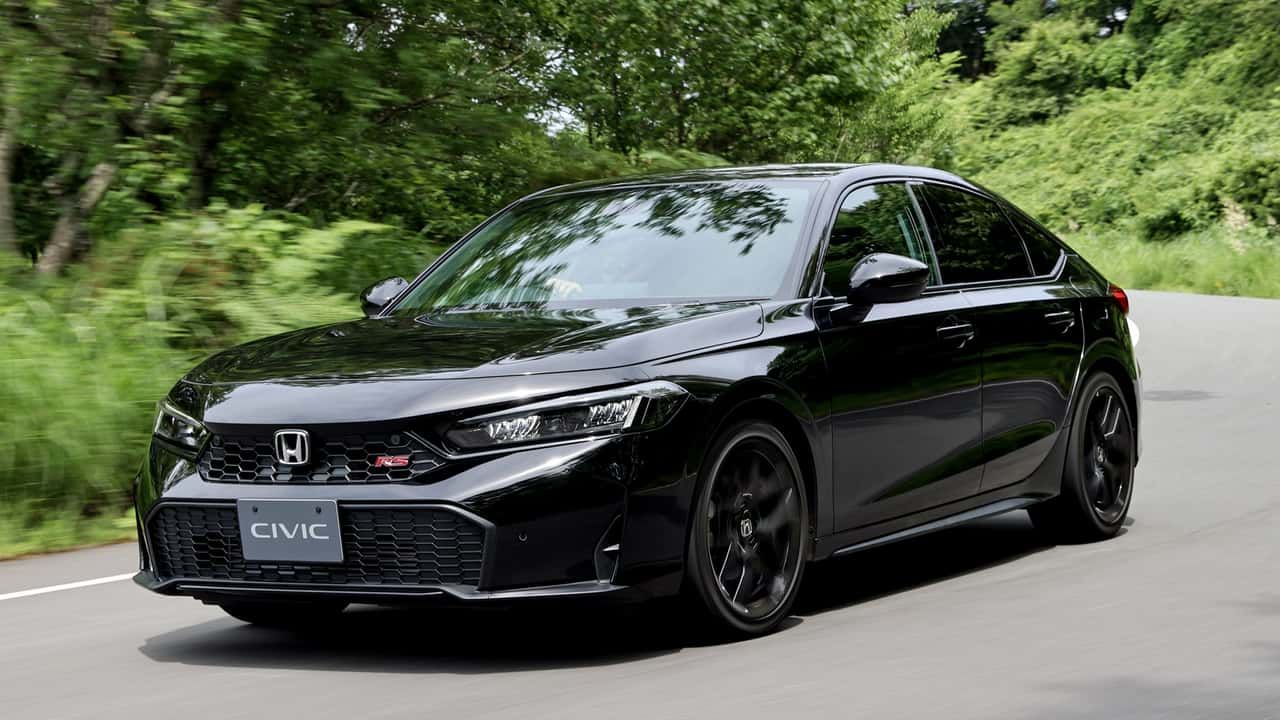
Honda Civic
The Honda Civic is known for reliability and fuel efficiency, but older models often develop noticeable road noise. As the miles add up, tire noise becomes more pronounced due to minimal factory sound insulation. Worn suspension bushings also allow more vibration to travel into the cabin. These changes combine to make highway driving louder than expected.
Engine noise can also increase in aging Civics, especially in models with high revving engines. As engine mounts wear out, vibrations are less effectively absorbed. This causes more engine sound to enter the cabin during acceleration. Over time, what once felt sporty can begin to feel harsh.
Interior rattles are another common complaint in older Civics. Plastic trim pieces may loosen after years of temperature changes and road vibrations. Small sounds from the dashboard or door panels can become frequent on uneven roads. These noises often require detailed interior work to fully eliminate.
Exhaust components can also contribute to noise as the car ages. Rust and worn hangers may cause the exhaust to vibrate or buzz. Even minor exhaust leaks can amplify engine sound. While not always dangerous, these issues make the car noticeably louder.
Despite these noise issues, many owners continue to drive their Civics for years. The increase in sound is often seen as a trade off for long term reliability. With proper maintenance, some of the noise can be reduced. Still, the Civic is a clear example of a car that becomes noisier over time.
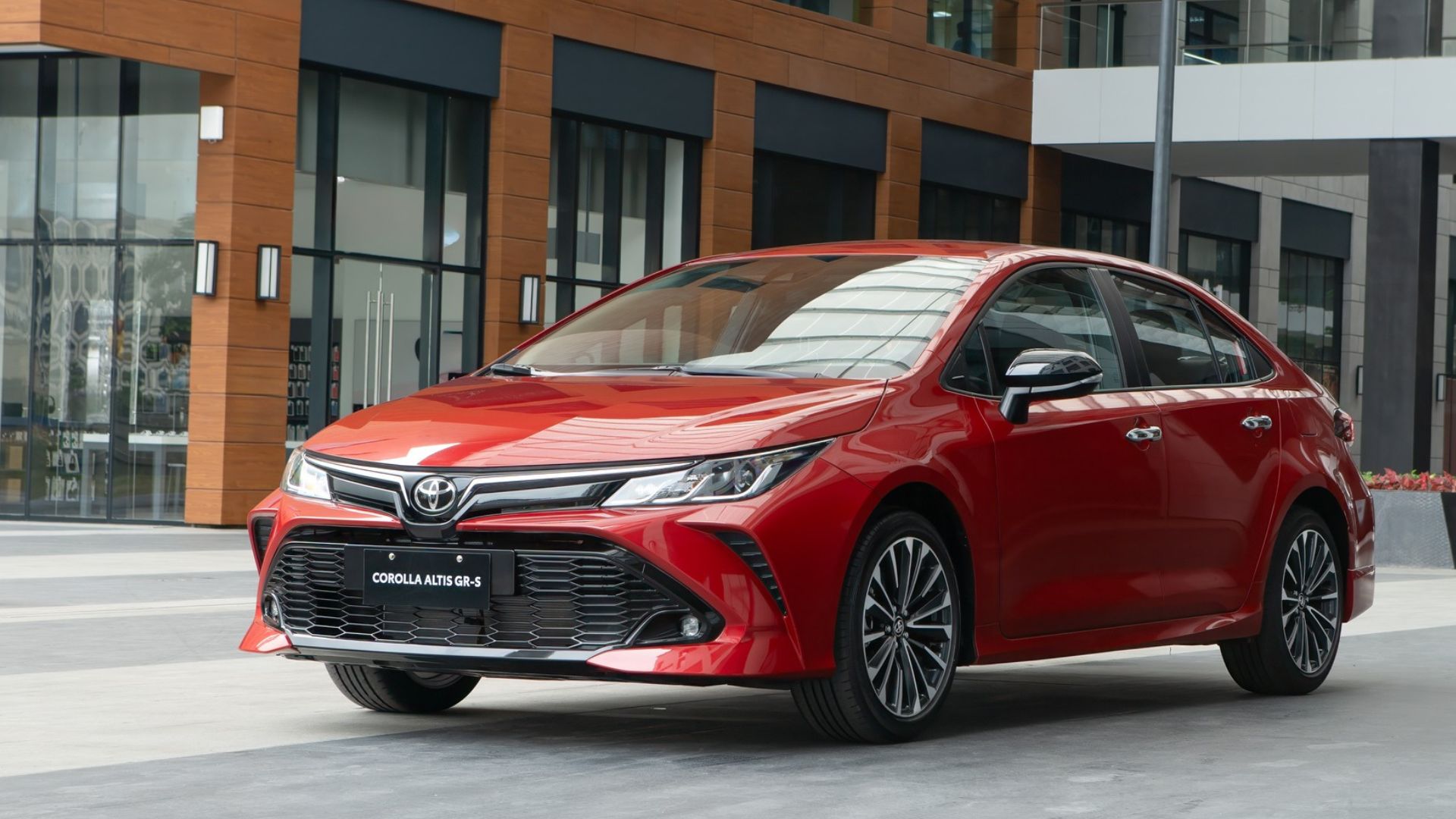
Toyota Corolla
The Toyota Corolla has a reputation for durability, but quietness is not always maintained as it ages. Road noise is one of the first things owners notice after extended use. Thin insulation in the floor and wheel wells allows tire noise to enter the cabin. This becomes more noticeable on rough pavement.
Suspension wear plays a big role in increased noise levels. As shocks and struts degrade, they no longer absorb impacts as effectively. This leads to louder thumps and vibrations over bumps. The ride can feel less refined as a result.
Engine noise in older Corollas can also become more obvious. While the engines themselves are usually reliable, worn mounts allow more vibration to pass through. The engine may sound louder during acceleration or when climbing hills. This change happens slowly, making it easy to overlook at first.
Interior noise can develop from aging materials and fasteners. Door panels and dashboards may start to creak or rattle. These sounds are often more noticeable in hot or cold weather. Over time, they add to the sense of noise inside the car.
Even with these issues, the Corolla remains a practical and dependable vehicle. Many owners accept the added noise as part of long term ownership. Regular maintenance can reduce some of the effects. Still, it is a model that commonly becomes louder with age.

Ford Focus
The Ford Focus offers sharp handling and a fun driving feel, but noise can increase as it gets older. Road noise tends to rise due to limited sound deadening materials. Tires transmit more sound into the cabin, especially at highway speeds. This can make long trips less comfortable.
Suspension components in the Focus are known to wear in ways that create noise. Worn control arm bushings and stabilizer links can produce clunks and rattles. These sounds often appear when driving over bumps or uneven surfaces. Ignoring them can lead to even more noise later.
Also Read: 10 Budget Supercars That Deliver Shockingly Big Performance
Engine related noise can also become more noticeable over time. Vibrations increase as mounts wear out and components age. Some owners report buzzing or humming sounds during acceleration. These issues do not always affect performance but do affect comfort.
Interior trim in the Focus can loosen with age. Plastic panels may begin to squeak or rattle on rough roads. These sounds are often difficult to track down. The accumulation of small noises can make the cabin feel less solid.
Despite these drawbacks, many drivers enjoy the Focus for its driving dynamics. The added noise is often seen as a compromise. With attention to suspension and interior maintenance, some noise can be managed. Still, it is a car that tends to grow louder over time.
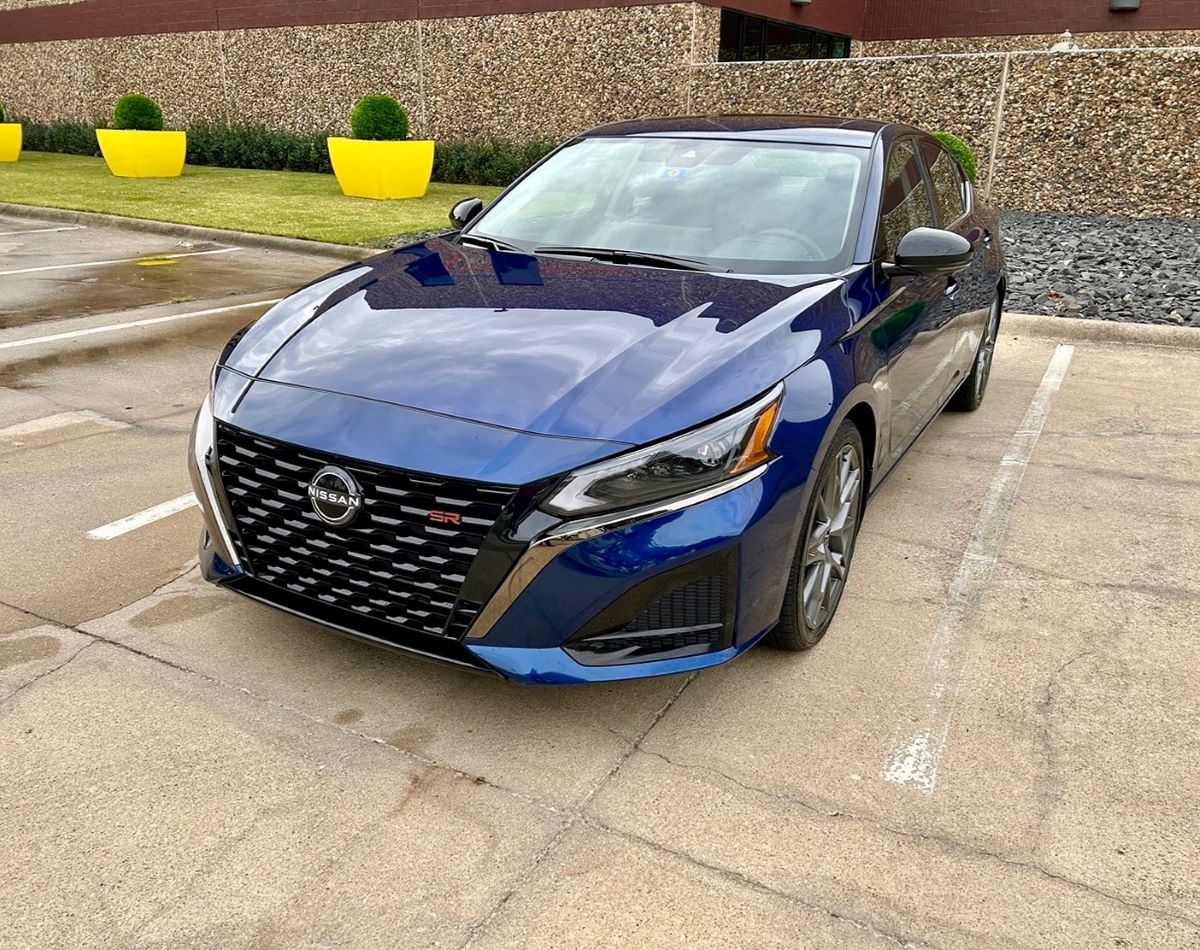
Nissan Altima
The Nissan Altima is comfortable when new, but noise levels often increase as it ages. Road noise becomes more noticeable due to minimal insulation in certain areas. Worn tires and wheel bearings can amplify this effect. The result is a louder cabin at higher speeds.
Suspension wear is a major contributor to noise in older Altimas. Bushings and struts degrade, allowing more impact noise through the chassis. Drivers may hear knocking or creaking sounds over bumps. These noises can worsen if maintenance is delayed.
Engine noise can also become more apparent over time. As mounts wear out, vibrations are less controlled. The engine may sound louder during acceleration. This change can make the car feel less refined than it once was.
Interior materials in the Altima can develop rattles as they age. Dashboard and door panel noises are commonly reported. Temperature changes can make these sounds more frequent. Over time, they add to the noise level.
While the Altima remains a popular midsize sedan, these noise issues are common in older examples. Many owners continue driving them without major problems. The increased sound is often tolerated rather than fixed. It is another clear example of a car that becomes noisier with age.
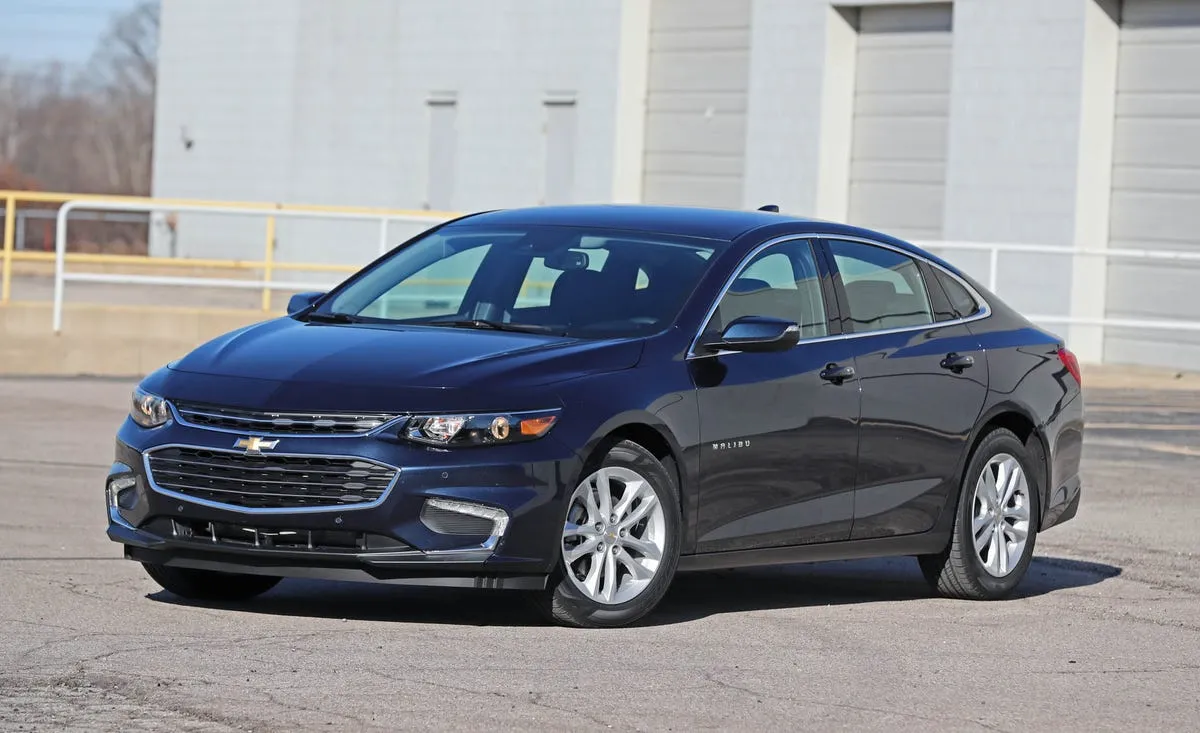
Chevrolet Malibu
The Chevrolet Malibu provides a smooth ride when new, but sound insulation can degrade over time. Road noise becomes more noticeable as materials wear. Tires and pavement textures are more clearly heard in the cabin. This change affects comfort.
Suspension noise is a frequent issue in aging Malibus. Worn bushings and struts allow more vibration to pass through. Clunks and rattles may appear over bumps. These sounds can become constant if not addressed.
Engine and transmission noise can also increase as the car ages. Mounts lose their ability to isolate vibration. This causes more mechanical sound to enter the cabin. Acceleration can feel louder than expected.
Also Read: 14 Sports Cars Still Offering a Manual Transmission in 2026
Interior rattles are another common complaint. Plastic trim and fasteners loosen over time. These noises often appear on rough roads or during temperature changes. Tracking them down can be time consuming.
Despite these issues, the Malibu remains a practical family sedan. Many owners accept the added noise as part of aging. Regular maintenance can help reduce some sounds. Still, it is known to become louder over time.
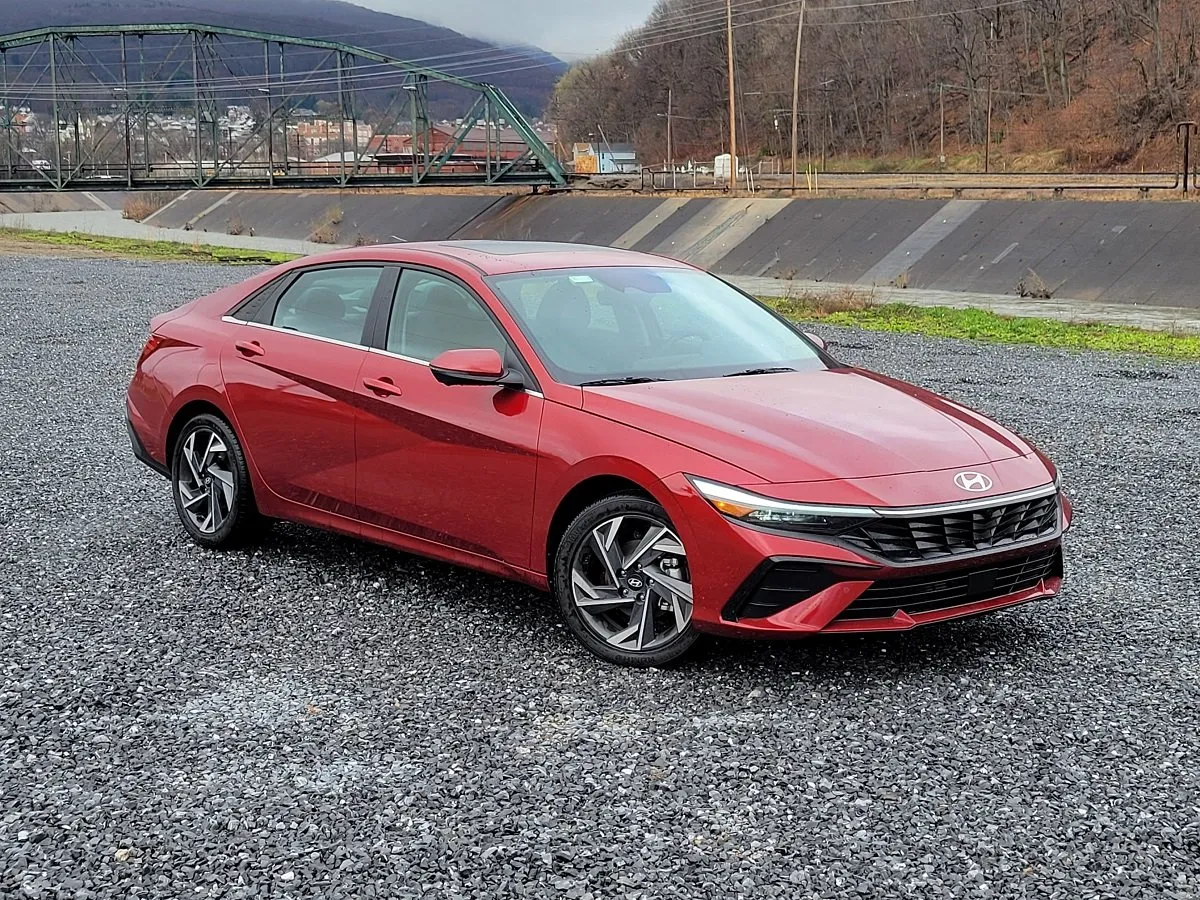
Hyundai Elantra
The Hyundai Elantra is affordable and efficient, but noise can increase with age. Road noise is one of the most noticeable changes. Thin insulation allows tire and wind noise to enter the cabin. This is especially clear at highway speeds.
Suspension components in the Elantra can wear in ways that create noise. Worn bushings and shocks lead to clunks and rattles. These sounds often appear gradually. Over time, they become part of the driving experience.
Engine noise can also increase as mounts wear out. Vibrations are less controlled, making the engine sound louder. This is more noticeable during acceleration. While not harmful, it affects comfort.
Interior materials can develop squeaks and rattles. Plastic panels may shift as the car ages. These noises often depend on road conditions and temperature. They add to the noise level.
Many owners continue to value the Elantra for its low ownership costs. The added noise is often tolerated. With maintenance, some issues can be reduced. Still, it is a car that commonly becomes noisier over time.
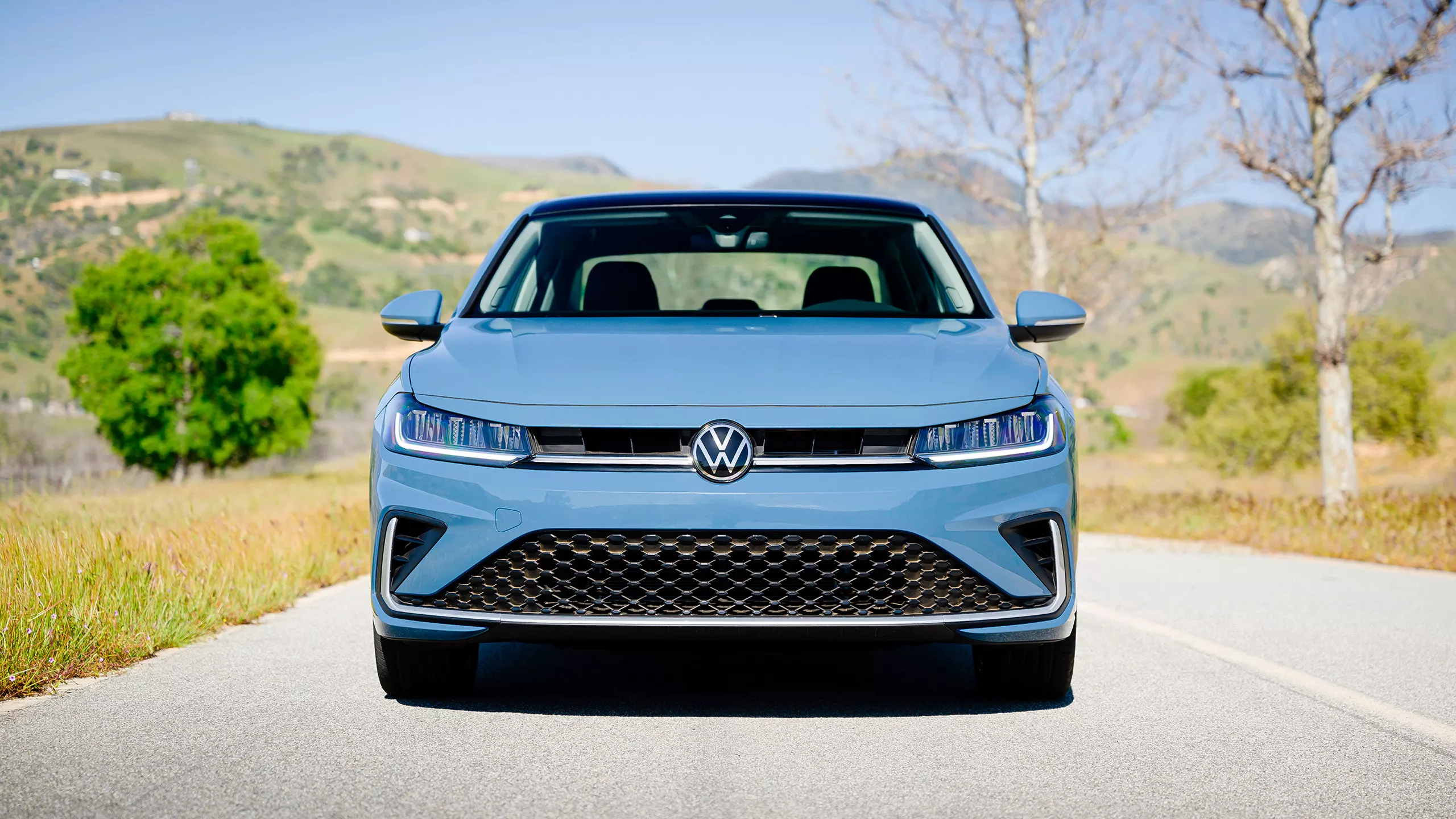
Volkswagen Jetta
The Volkswagen Jetta feels solid when new, but noise can develop as it ages. Road noise increases as insulation materials degrade. Tires and road texture become more audible in the cabin. This change affects long distance comfort.
Suspension wear is a key factor in added noise. Worn bushings and mounts produce clunks and creaks. These sounds are often heard over bumps or during turns. Ignoring them can make the problem worse.
Engine noise can also increase with age. Vibrations pass through worn mounts more easily. This makes acceleration sound louder and less refined. The change happens gradually.
Interior rattles are common in older Jettas. Trim pieces and dashboard components may loosen. These noises can be difficult to locate. Over time, they reduce the sense of quality.
Despite these issues, the Jetta remains popular for its driving feel. Many owners accept the noise as part of aging. Maintenance can help, but not eliminate all sounds. It is a car that often grows louder with time.

Mazda 3
The Mazda 3 is praised for its handling, but noise can increase as it ages. Road noise becomes more noticeable due to limited sound insulation. Tire noise enters the cabin more easily. This is especially clear on rough roads.
Suspension components wear in ways that produce noise. Worn bushings and shocks allow more vibration through. Clunks and rattles may develop over time. These sounds affect ride comfort.
Engine noise can also become more pronounced. As mounts wear out, vibrations increase. The engine may sound louder during acceleration. This changes the driving feel.
Interior rattles are common in older Mazda 3 models. Plastic trim pieces may loosen with age. These noises appear on uneven surfaces. Over time, they accumulate.
Many drivers still enjoy the Mazda 3 for its engaging drive. The increased noise is often seen as a compromise. With care, some sounds can be managed. Still, it is known to become noisier over time.
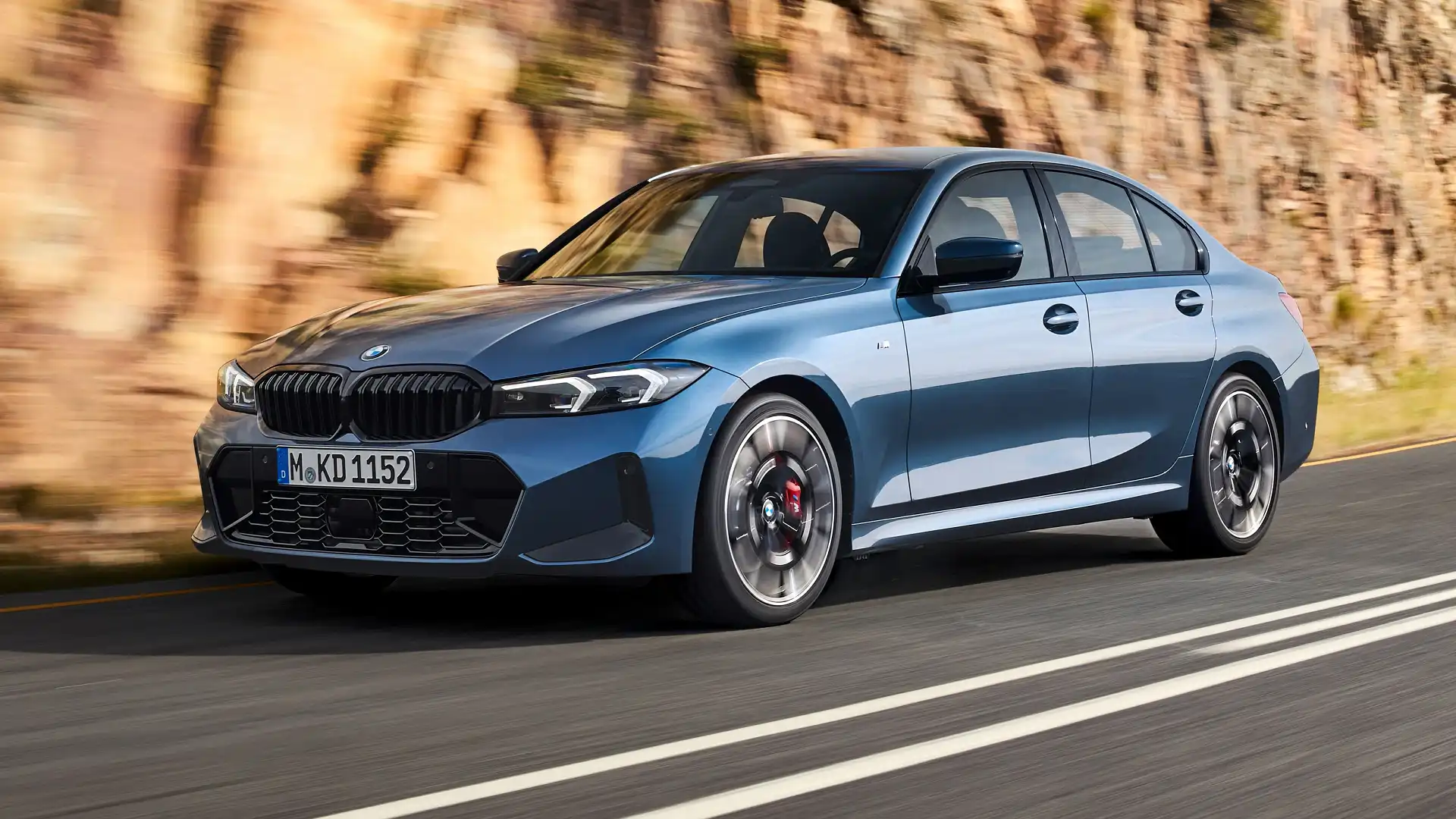
BMW 3 Series
The BMW 3 Series is often praised for its performance and handling, but over the years, noise levels can rise noticeably. Road noise is one of the first things drivers notice, especially as tires wear and suspension components lose some of their damping ability.
While the original design offers a relatively quiet cabin, years of driving and minor damages to wheel wells and floor panels allow sounds from asphalt to enter more easily. The combination of aging insulation and worn tires often makes highway driving louder than expected.
Suspension issues also contribute heavily to increased noise. Control arms, bushings, and struts in older 3 Series models tend to wear unevenly depending on road conditions and driving style.
This wear allows vibrations and clunks to travel into the cabin, sometimes creating subtle rattles that are hard to pinpoint. Even small issues with sway bars or stabilizer links can result in noticeable sound changes when turning or braking.
Engine and transmission mounts in aging BMWs can lead to more pronounced mechanical noise. As the rubber in the mounts deteriorates, vibrations from the engine and transmission are transmitted directly into the chassis.
Drivers may notice more buzzing during acceleration or gear changes, even when the car is well-maintained. Exhaust systems may also develop leaks or loose hangers over time, further amplifying sound.
Interior panels can develop squeaks and rattles in older 3 Series vehicles. Dashboard components, door panels, and center consoles may slowly loosen due to thermal expansion and vibration.
These noises often become more noticeable in stop-and-go traffic or on uneven roads. While not necessarily indicative of serious mechanical problems, they reduce the sense of refinement that is expected in a luxury vehicle.
Despite the increase in noise, many BMW 3 Series owners continue to enjoy their cars for the driving experience they offer. The performance, handling, and brand prestige often outweigh minor acoustic compromises. With careful maintenance, some of the rattles and mechanical hums can be mitigated. Still, it remains a model where aging can make quietness a noticeable casualty over time.
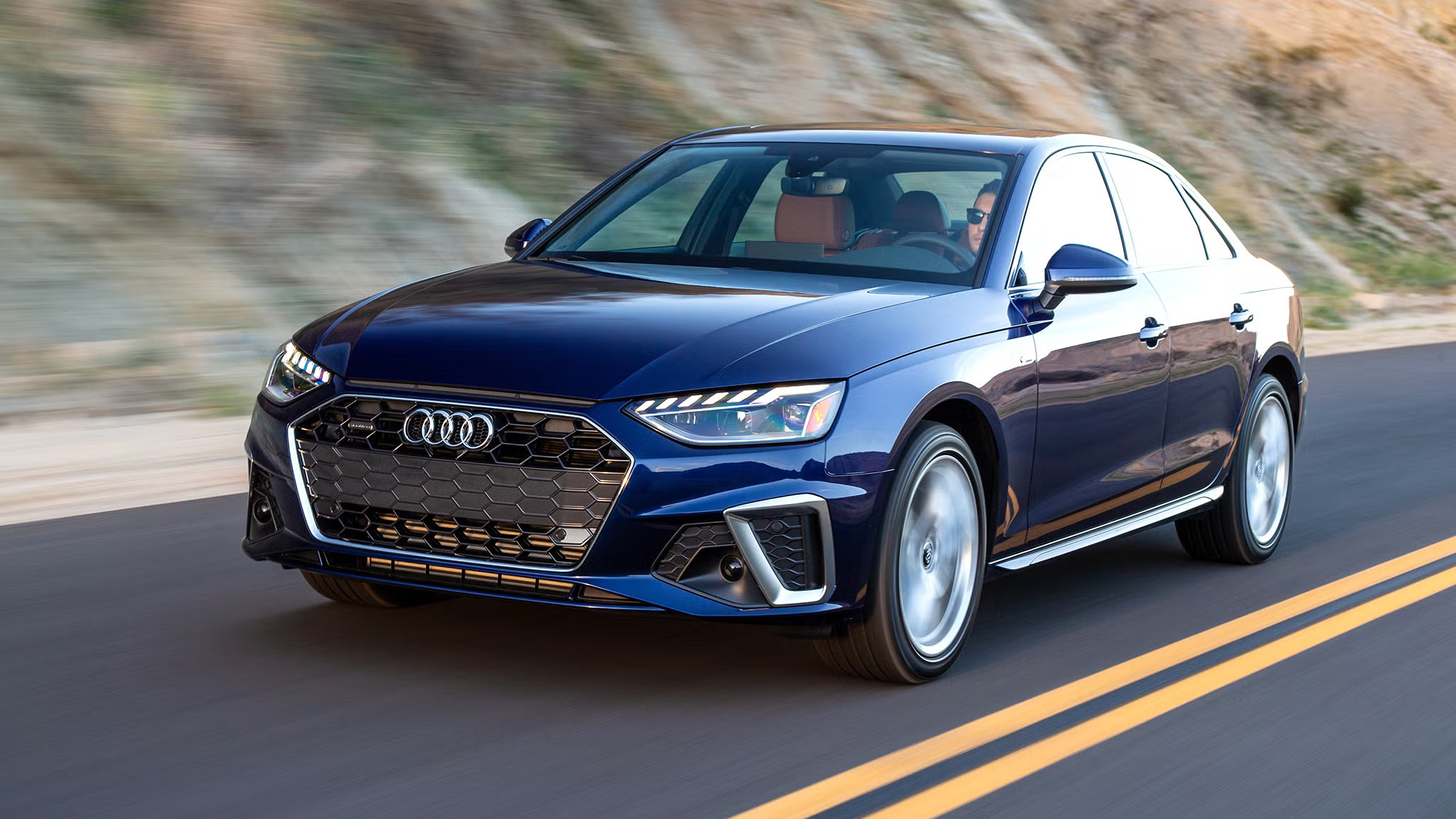
Audi A4
The Audi A4 is a compact luxury sedan that is well known for its refined driving experience when new, but aging often introduces more noticeable noise. Tire and road sounds tend to infiltrate the cabin as insulation breaks down and wheel well liners wear or loosen.
Even high-quality materials can lose some of their dampening ability after years of use, making highways or gravel roads louder than when the vehicle was new. Drivers may find the serene cabin feel of a new A4 is harder to maintain over long-term ownership.
Suspension components play a major role in added noise for older A4s. Bushings, struts, and shocks gradually wear, reducing their ability to absorb bumps effectively. Small metal-on-metal contacts can begin to generate subtle but persistent sounds while driving.
Over time, these combine to create a cabin that feels less isolated from the road, particularly on uneven surfaces or during aggressive driving.
Engine and transmission vibrations also become more pronounced as the mounts age. Rubber and hydraulic mounts lose elasticity and fail to dampen engine movement as effectively. This causes the engine to transmit more vibration and humming noise into the interior. Some owners may also hear faint metallic or buzzing sounds from the engine bay during acceleration.
The interior of the Audi A4 can develop rattles with age, despite the initial premium fit and finish. Panels, vents, and console components may loosen slightly due to repeated heating and cooling cycles. These sounds are often intermittent but can be frustrating over time. Even minor rattles can make the cabin feel less luxurious than expected for a high-end sedan.
The Audi A4 continues to be admired for its design, driving dynamics, and technological features. The increased noise that comes with age is often accepted as part of long-term ownership. Many owners can reduce some rattles with careful maintenance and tightening of interior components. Still, the car clearly illustrates how even premium sedans can become noisier over time.
