
Extreme summer heat places enormous stress on vehicles, pushing engines, cooling systems, electronics, and interiors far beyond what most drivers experience during moderate weather. High temperatures affect everything from oil viscosity and battery efficiency to rubber seals and electronic sensors, often exposing weaknesses that stay hidden in cooler climates.
Cars that perform well in normal conditions can suddenly suffer from overheating, power loss, warning lights, or premature component failure once temperatures climb and remain elevated for long periods. Heat also accelerates wear, meaning problems that might have taken years to appear can surface in a single harsh summer.
Some vehicles are better prepared for this stress because of robust cooling designs, heat tolerant materials, and conservative engine tuning. Others struggle due to compact engine bays, undersized radiators, fragile electronics, or engines that already operate close to thermal limits.
In many cases, the issue is not outright mechanical failure but repeated heat soak, where components remain hot even after the car is parked, slowly degrading hoses, wiring, and plastic parts. This cumulative damage is especially noticeable in regions where daytime temperatures stay high for months at a time.
Another major factor is vehicle design philosophy. Cars engineered primarily for fuel efficiency, performance, or urban commuting may sacrifice thermal margins to save space and weight. Turbocharged engines, dual clutch transmissions, and tightly packaged hybrid systems generate substantial heat that must be carefully managed.
When cooling systems are barely adequate, prolonged heat waves can overwhelm them, leading to limp modes, air conditioning failure, or sudden shutdowns designed to prevent catastrophic damage.
Interior comfort also suffers in extreme heat, especially in cars with large glass areas, weak air conditioning systems, or dark interior materials. Electronics embedded in dashboards and infotainment systems can glitch or fail when internal cabin temperatures soar.
Seats, adhesives, and trim materials may crack or warp, reducing long term durability and resale value. While any car can struggle under severe heat, some models have developed reputations for handling it poorly.
The following list highlights ten cars that are commonly known to struggle in extreme summer heat conditions. These issues do not affect every single example, nor do they mean the vehicles are unusable. Instead, they illustrate how certain designs and engineering choices can become liabilities when exposed to prolonged high temperatures.
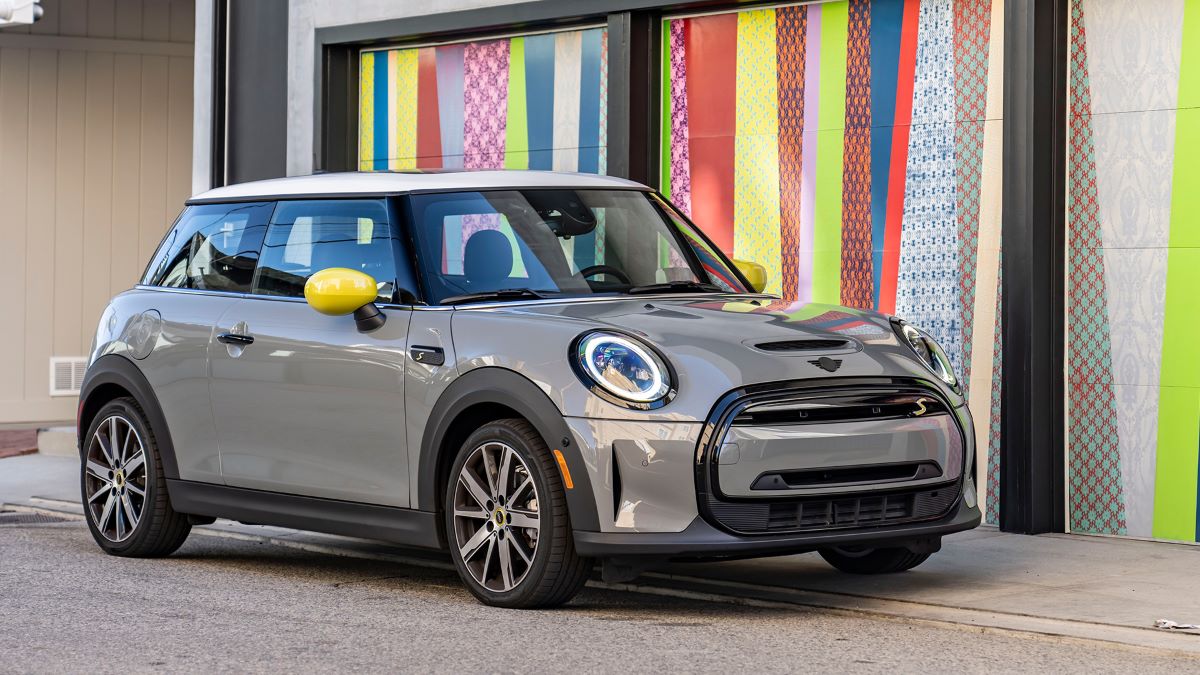
1. Mini Cooper
The Mini Cooper’s compact size creates a tightly packed engine bay that limits airflow and heat dissipation. In extreme summer heat, this can lead to frequent operation of the cooling fan and higher-than-normal engine temperatures.
Turbocharged variants are especially sensitive, as forced induction adds significant thermal load. Owners often report heat related warning lights during prolonged idling or stop-and-go traffic.
Cooling components in the Mini Cooper are also known to age quickly under high heat. Plastic thermostat housings and coolant expansion tanks can weaken and crack over time. Once these parts degrade, even minor heat spikes can trigger coolant loss and overheating. Replacing these components is common among hot-climate owners.
Air conditioning performance can struggle during peak heat, particularly when the engine is already under thermal stress. The system may blow warm air at idle or during slow driving. This compounds discomfort inside the small cabin, where heat builds rapidly. Continuous AC use further increases engine load.
Interior materials are another weak point in extreme heat conditions. Dashboard trim, door panels, and rubber seals can warp or fade prematurely. Electronics such as window regulators and infotainment screens may become unreliable. Over time, heat exposure accelerates wear in this compact vehicle.
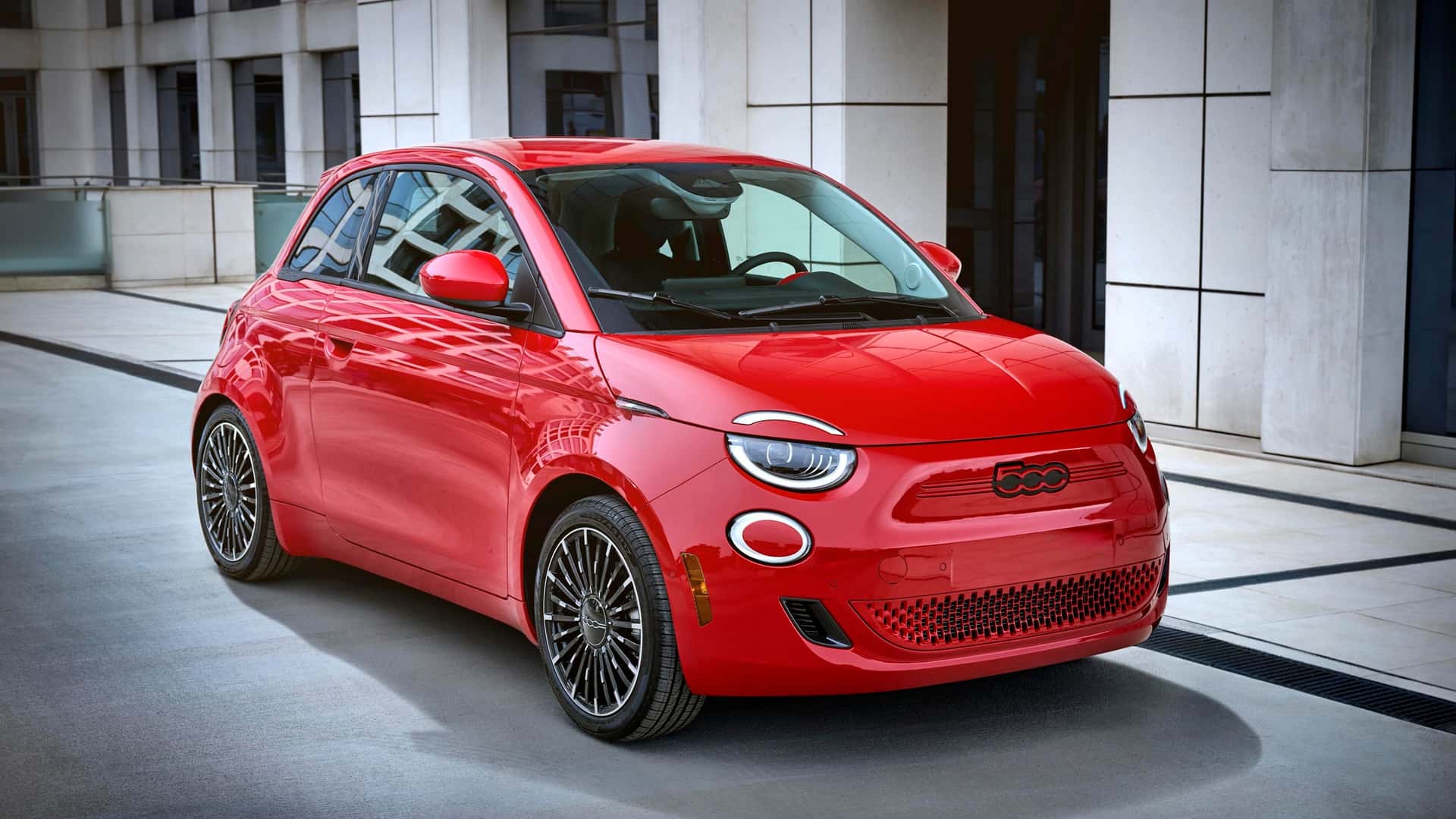
2. Fiat 500
The Fiat 500’s small engine bay and limited cooling capacity make it vulnerable in extreme summer temperatures. Extended driving in high heat can cause the engine to run hotter than ideal, especially in urban traffic. Automatic transmission versions are particularly prone to heat buildup. Thermal stress may lead to reduced performance and warning messages.
Cooling system components in the Fiat 500 are often lightly built to save weight. Radiators and cooling fans can struggle to keep up during sustained heat exposure. Coolant hoses and plastic connectors may harden and leak over time. These issues become more frequent in regions with long hot seasons.
Also Read:12 Cars That Keep Cabins Calm and Dim At Night
Air conditioning performance is another concern during extreme heat. While effective during moderate conditions, it can lose efficiency in very high temperatures. Cabin cooling may feel weak during idling or low speed driving. This can make summer commuting uncomfortable.
Interior durability also suffers under intense heat. Seats, trim, and dashboard plastics may fade or crack prematurely. Electrical components exposed to high cabin temperatures can behave inconsistently. Over time, these heat related issues affect ownership satisfaction.
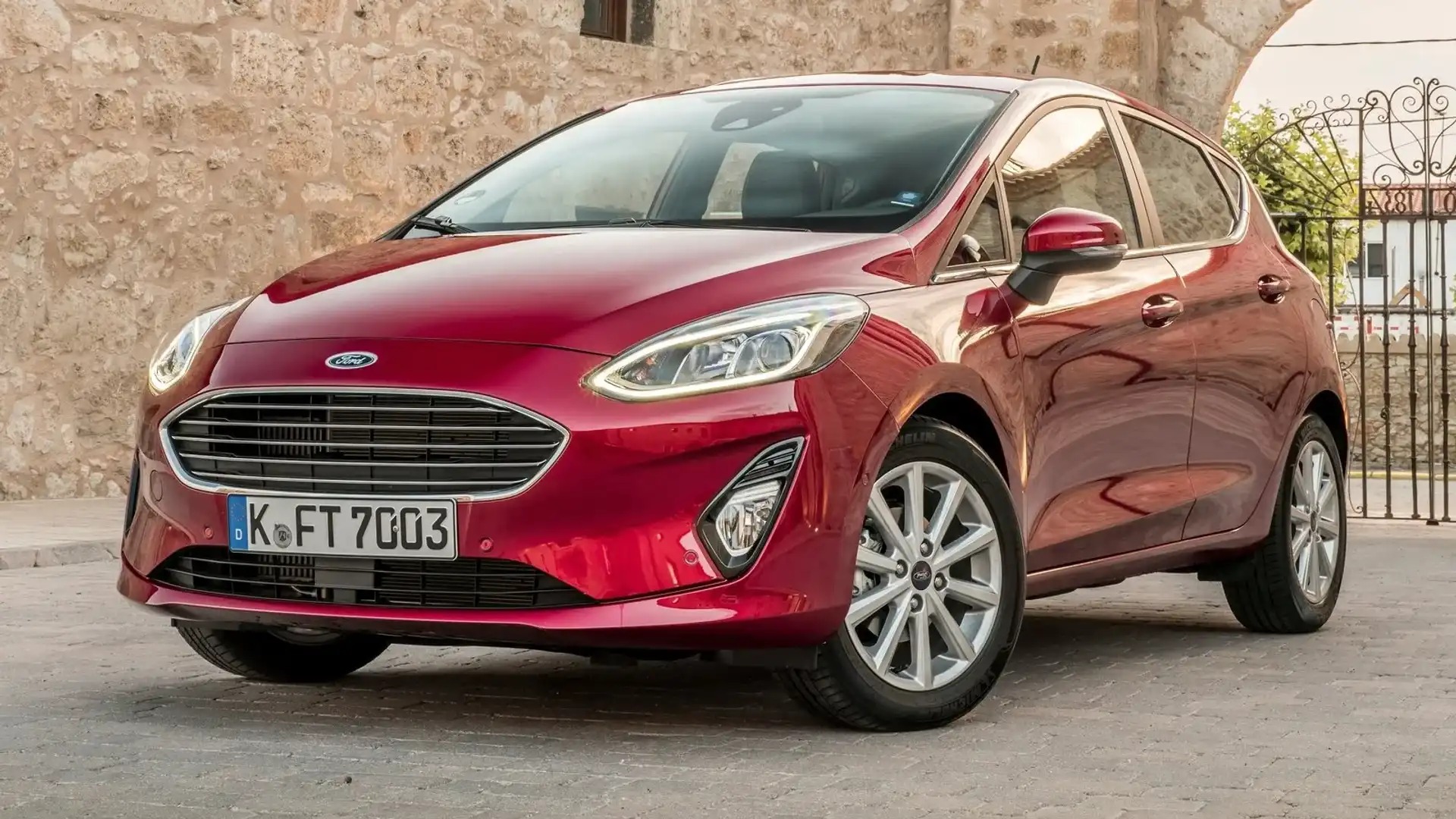
3. Ford Fiesta
The Ford Fiesta’s compact design places significant thermal demand on its cooling system during extreme heat. Smaller engines work harder in high temperatures, especially when carrying passengers or climbing hills. Heat soak can occur after short drives, raising underhood temperatures quickly. This increases strain on hoses and sensors.
Dual clutch automatic transmissions found in some Fiesta models are especially sensitive to heat. High temperatures can cause erratic shifting, reduced responsiveness, or protective shutdowns. Repeated heat exposure accelerates internal wear. These problems are more common in stop and go traffic.
Air conditioning systems in the Fiesta may struggle to keep the cabin cool during prolonged heat waves. Cooling effectiveness drops noticeably at idle. The small cabin heats up quickly when parked. This places additional load on the AC system when driving resumes.
Interior components can degrade faster in hot climates. Plastic trim and seat materials may lose flexibility and fade. Electronics such as touchscreens and control modules may respond slowly when overheated. Over time, heat exposure reduces long term reliability.
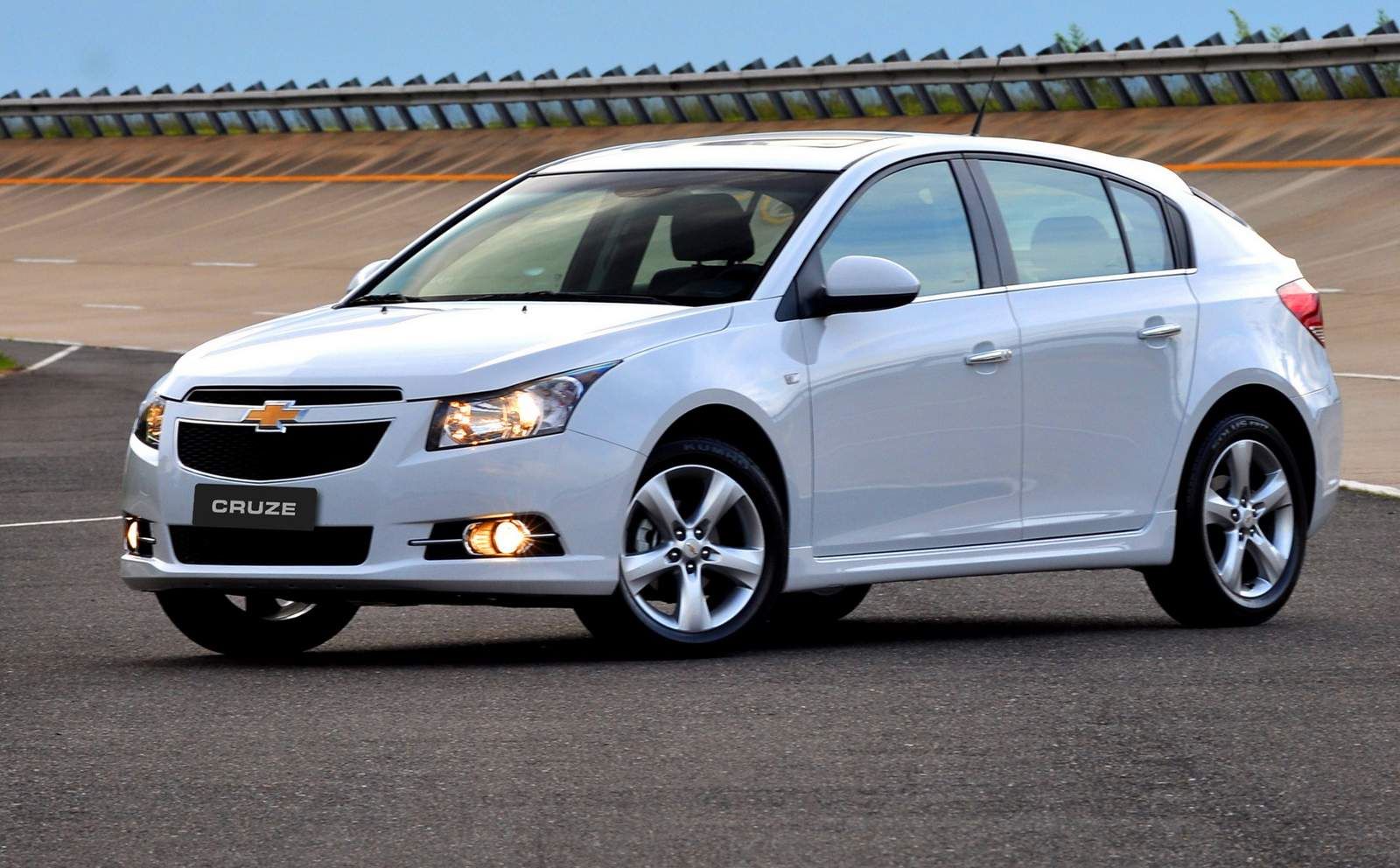
4. Chevrolet Cruze
The Chevrolet Cruze has a history of cooling system challenges that become more pronounced in extreme summer heat. Turbocharged engine variants generate significant heat in a compact space. Cooling systems may struggle during prolonged idling or highway driving in high temperatures. Overheating warnings are not uncommon.
Plastic cooling components in the Cruze are particularly vulnerable. Thermostat housings, water outlets, and coolant reservoirs may crack under sustained heat. Once compromised, coolant loss can occur rapidly. This increases the risk of engine damage if not addressed promptly.
Air conditioning performance can decline when engine temperatures rise. The system may cycle frequently or blow warmer air under heavy load. Cabin comfort suffers as a result. Continuous AC use also increases engine heat output.
Interior materials and electronics can show signs of heat stress over time. Dashboards may warp or discolor. Electronic sensors exposed to heat may trigger false alerts. These cumulative effects make extreme heat ownership challenging.
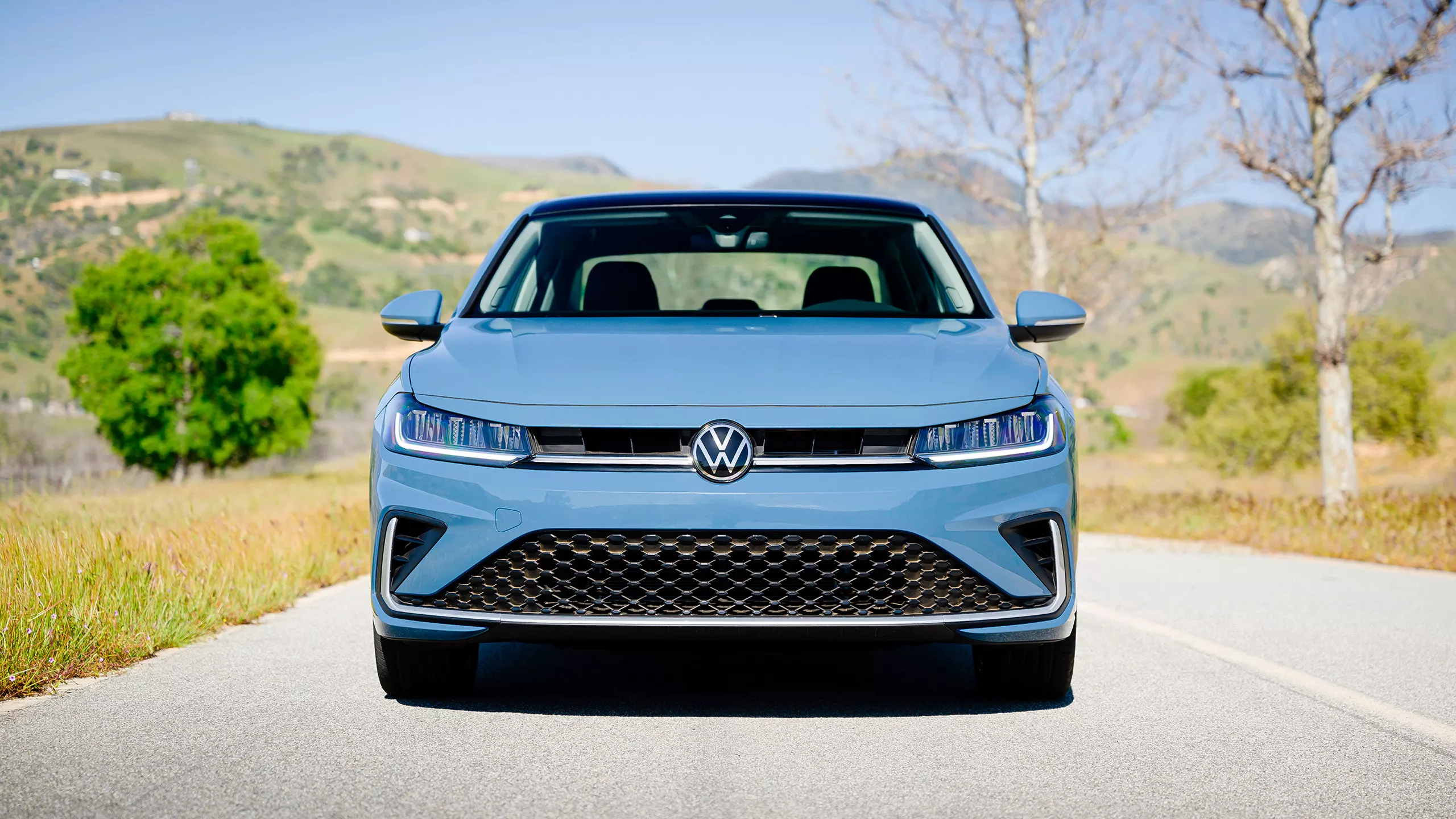
5. Volkswagen Jetta
The Volkswagen Jetta’s turbocharged engines operate efficiently but produce substantial heat. In extreme summer conditions, cooling systems must work continuously to maintain safe temperatures. Heat soak after short trips can elevate underhood temperatures significantly. This stresses surrounding components.
Cooling system parts such as water pumps and plastic fittings are sensitive to heat aging. Leaks and failures become more common in hot climates. Once coolant levels drop, overheating risks increase rapidly. Preventive maintenance becomes essential.
Also Read: 10 Cars That Rarely Need Cooling System Repairs
Air conditioning performance varies depending on engine load and ambient temperature. During peak heat, cooling may feel inconsistent at idle. Cabin temperatures rise quickly when parked. This creates additional strain on the system.
Interior electronics and materials can also suffer. Infotainment screens may lag or restart in high heat. Trim materials may fade or warp. Over time, heat exposure affects perceived build quality.
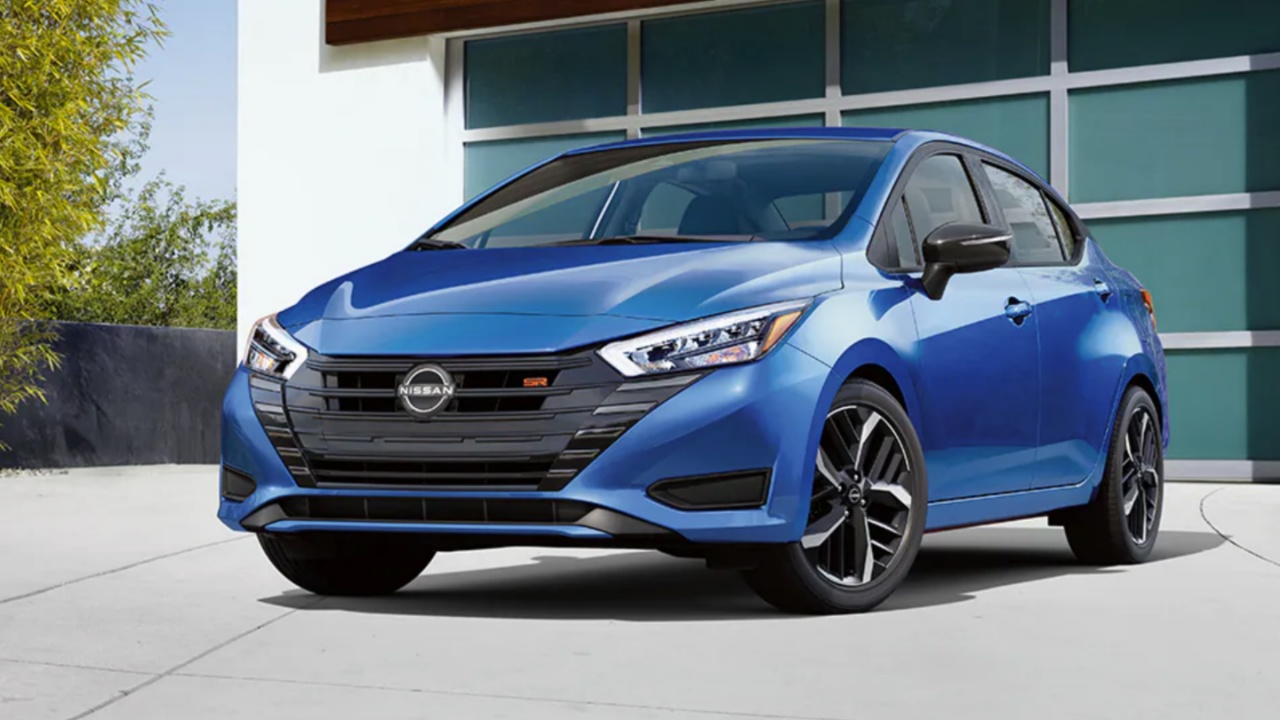
6. Nissan Versa
The Nissan Versa’s focus on affordability results in modest cooling capacity. In extreme heat, the engine may struggle to maintain optimal temperatures under load. Long drives in high temperatures increase thermal stress. Cooling fans may run frequently.
Continuously variable transmissions used in the Versa are sensitive to heat. High temperatures can cause fluid degradation and reduced performance. Protective measures may limit power to prevent damage. This is noticeable during summer driving.
Air conditioning systems can feel underpowered in very hot conditions. Cooling effectiveness drops during idling and slow traffic. The cabin warms quickly when parked. This reduces comfort during summer use.
Interior materials may degrade faster under intense heat. Plastics can become brittle over time. Electronics may behave inconsistently when overheated. These issues accumulate with prolonged exposure.
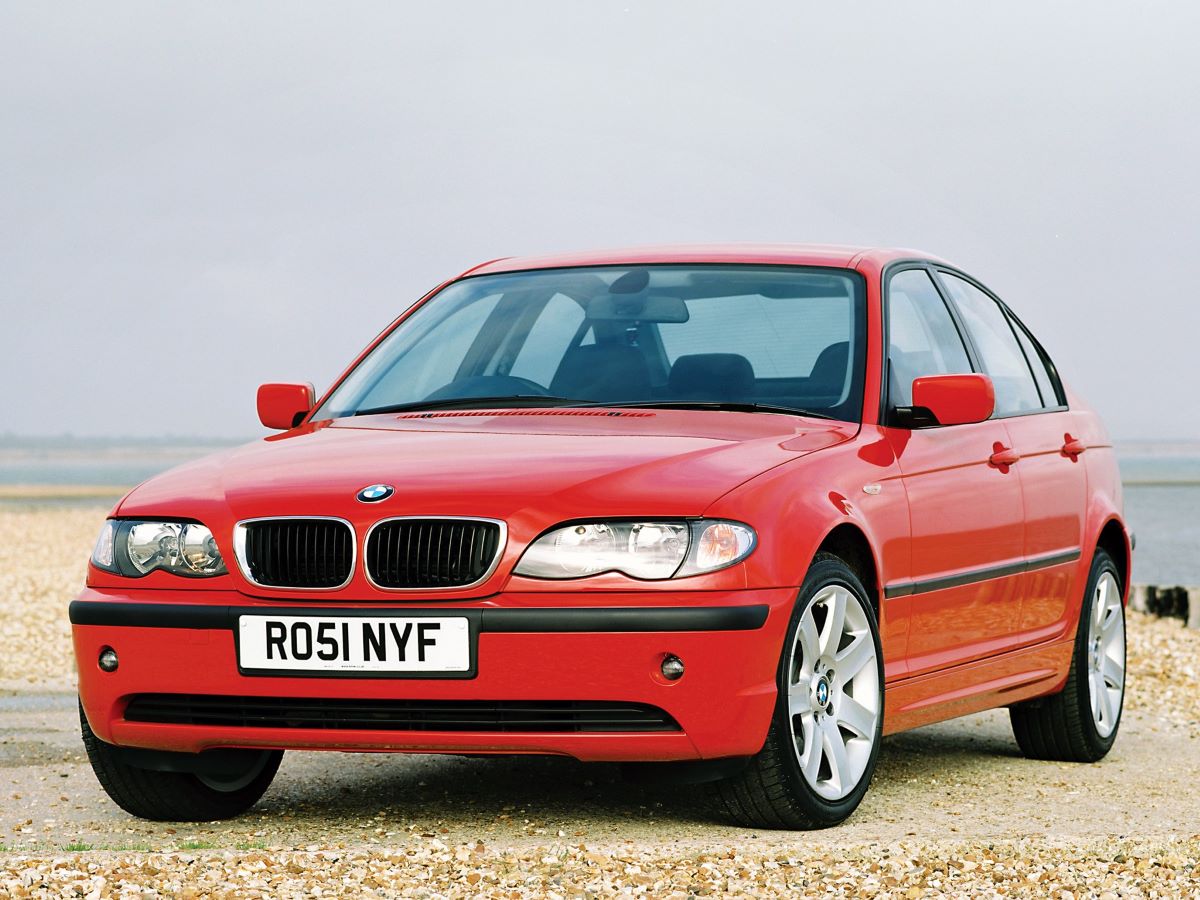
7. BMW 3 Series Older Models
Older BMW 3 Series models are known for complex cooling systems. In extreme heat, these systems can become overwhelmed if not perfectly maintained. Heat accelerates failure of plastic components used throughout the cooling circuit. Overheating risks increase significantly.
Radiators, expansion tanks, and hoses are particularly vulnerable to heat aging. Cracks and leaks often appear without much warning. Once coolant is lost, temperatures rise rapidly. Preventive replacement is critical in hot climates.
Air conditioning performance can decline when engine temperatures climb. Cooling output may fluctuate under heavy load. Cabin comfort may suffer during peak summer days. Continuous AC use adds further heat load.
Interior electronics and trim materials also feel the effects of heat. Displays may dim or malfunction. Leather and plastic surfaces may crack or fade. These factors increase ownership costs in hot regions.
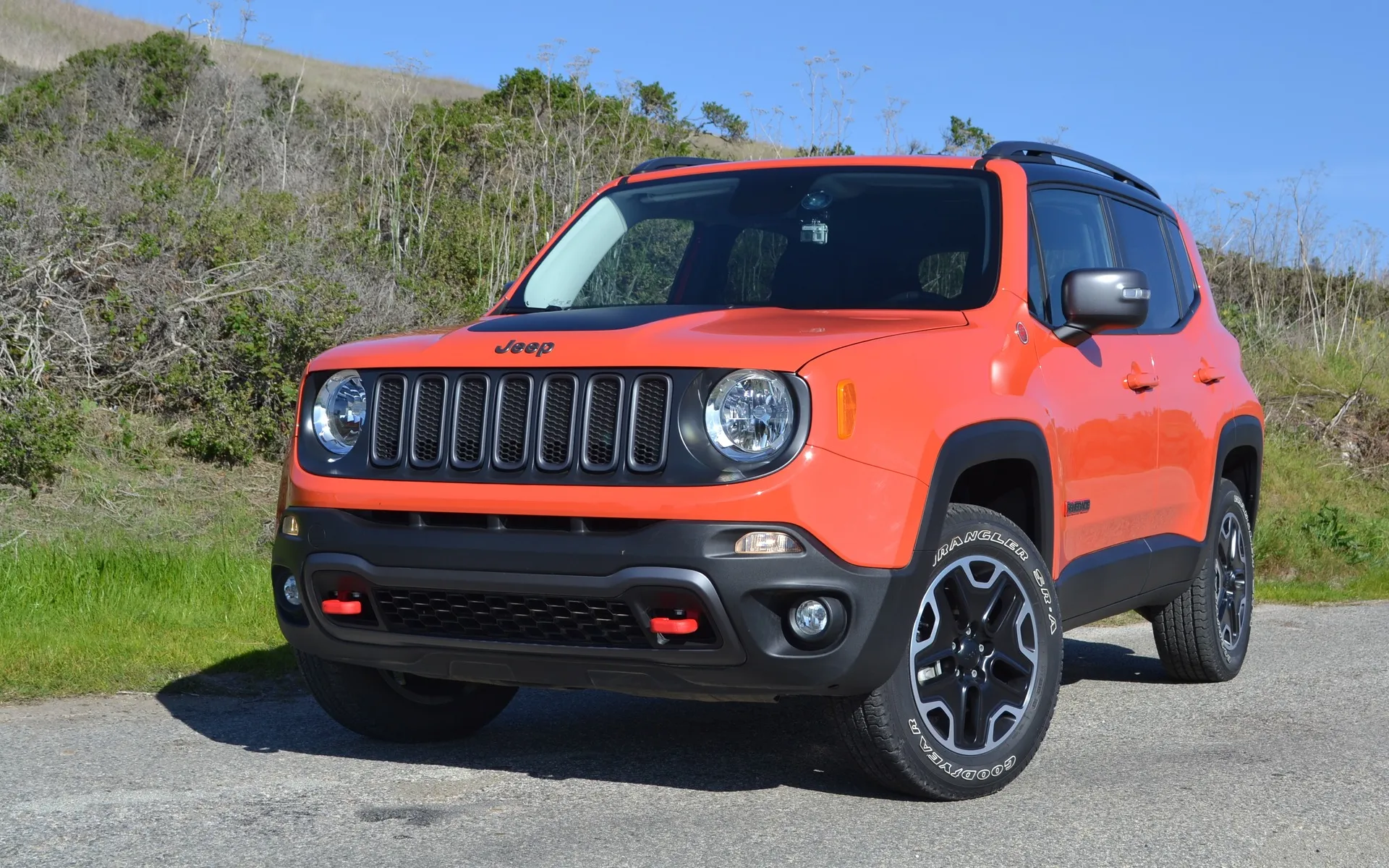
8. Jeep Renegade
The Jeep Renegade’s compact platform struggles with heat management during extreme summer conditions. Turbocharged engines generate significant heat in a small space. Cooling systems can be taxed during slow off road or urban driving. Heat buildup becomes persistent.
Transmission systems are also sensitive to high temperatures. Prolonged heat can cause reduced responsiveness or protective behavior. Fluid degradation accelerates under these conditions. This impacts long term reliability.
Air conditioning performance may decline when the vehicle is under heavy thermal load. Cooling may feel weak at idle. The upright cabin design allows heat to build quickly. Comfort suffers during heat waves.
Interior materials and electronics can degrade faster than expected. Trim pieces may warp. Touchscreens and sensors may lag. These heat related issues affect daily usability.
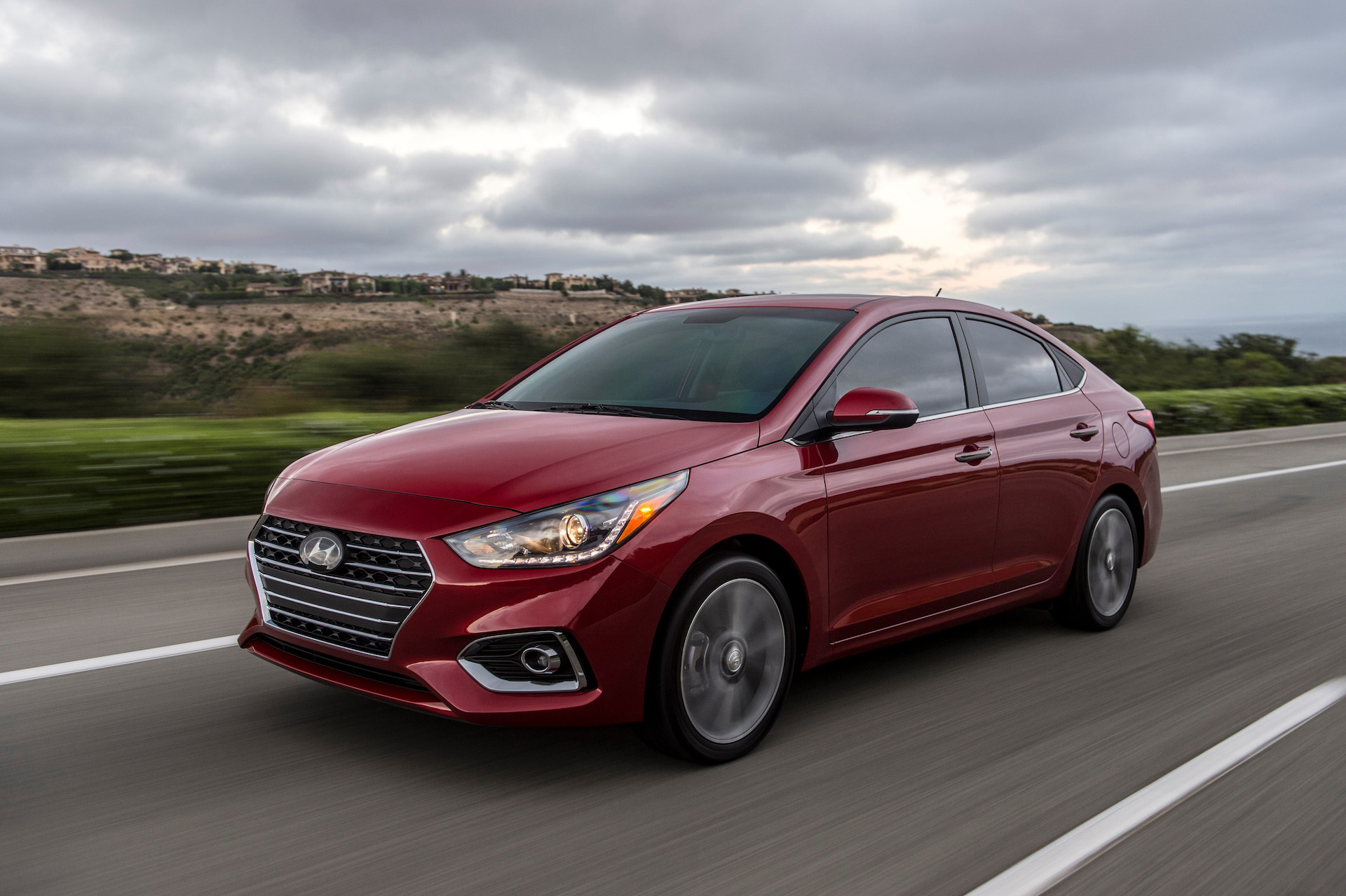
9. Hyundai Accent
The Hyundai Accent’s small engine and lightweight design offer efficiency but limited thermal margins. In extreme heat, the engine works harder to maintain performance. Cooling systems may struggle during long drives. Heat soak becomes noticeable.
Automatic transmissions in some models are sensitive to elevated temperatures. Fluid breakdown can occur faster in hot climates. This leads to rough shifting or delayed response. Preventive maintenance becomes important.
Air conditioning systems can feel strained during very high temperatures. Cooling effectiveness drops at idle. Cabin heat builds rapidly when parked. This impacts summer comfort.
Interior plastics and fabrics may fade or harden over time. Electronics exposed to heat may respond slowly. These cumulative effects reduce long term durability.
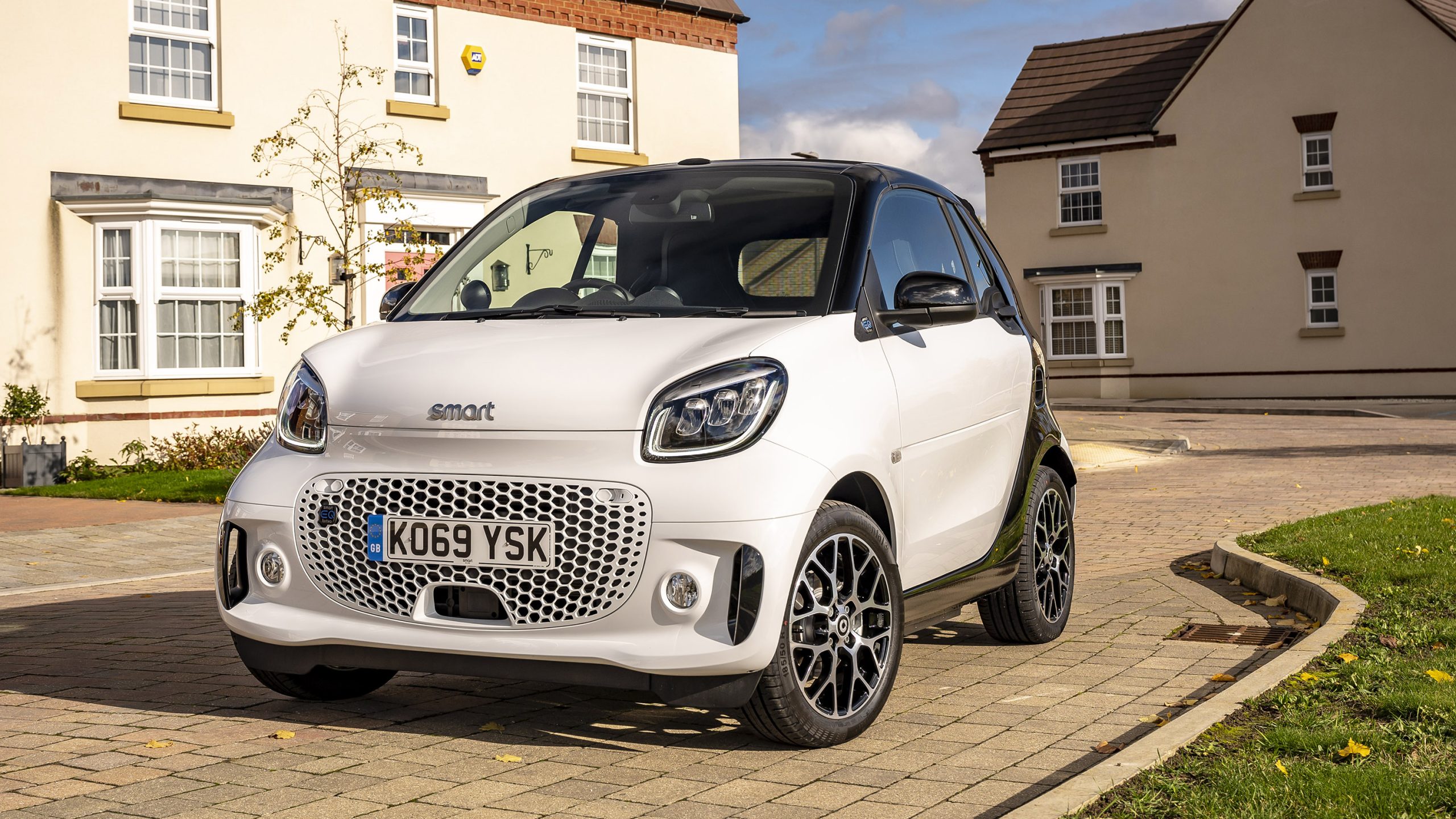
10. Smart Fortwo
The Smart Fortwo’s ultra compact design presents significant challenges in extreme heat. The rear mounted engine has limited airflow for cooling. High temperatures amplify this limitation. Overheating risks increase during prolonged driving.
Cooling systems are minimal by necessity. Fans and radiators must work constantly in hot conditions. Components age quickly under continuous thermal stress. Failures become more likely over time.
Air conditioning struggles to keep the small cabin cool in extreme heat. Heat buildup occurs rapidly when parked. Restarting the vehicle places immediate load on the system. Comfort is limited.
Interior materials and electronics are highly exposed to temperature extremes. Plastics may warp or discolor. Displays and controls may malfunction when overheated. These issues make extreme heat ownership demanding.
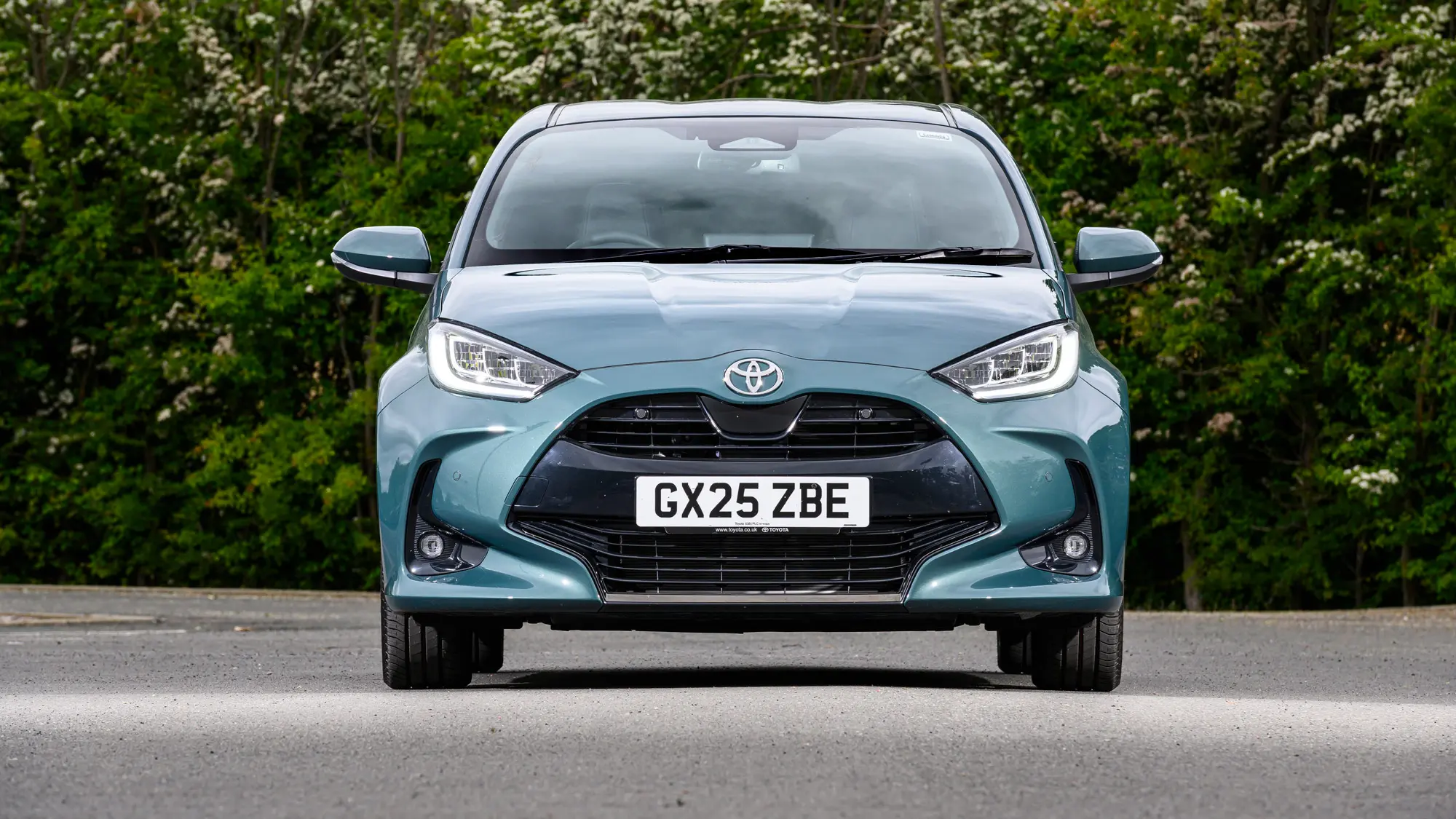
11. Toyota Yaris
The Toyota Yaris is compact and reliable under normal conditions, but extreme summer heat can expose its limitations. Its small engine bay restricts airflow, which increases the likelihood of overheating in stop and go traffic. Turbocharged or higher mileage models are particularly prone to heat-related stress. Drivers often notice engine temperatures climbing faster than expected on hot days.
Cooling system components in the Yaris are efficient but compact, leaving little room for error. Plastic fittings and thin hoses can wear out quickly when exposed to high temperatures. Even minor leaks can escalate into significant coolant loss during sustained heat waves. Preventive replacement of these parts is often necessary in hot climates.
The Yaris’s air conditioning system can struggle when the engine is under thermal stress. The system may blow warm air at idle or during low-speed city driving. Cabin temperatures rise quickly, especially when the vehicle is parked in direct sunlight. Extended use of the AC places additional load on the engine.
Interior materials in the Yaris are relatively lightweight, which can lead to heat-related degradation over time. Dashboard trim may warp, and plastic components can fade or become brittle. Electronics such as infotainment displays and control modules may show signs of malfunction during prolonged heat exposure. Owners in hot regions often report cosmetic and functional challenges.
Despite these challenges, the Yaris remains a dependable vehicle when properly maintained. Regular inspection of coolant hoses, thermostats, and radiator components is essential. Parking in shaded areas and limiting engine load can reduce heat stress. These precautions can make summer ownership much more comfortable and prevent major repairs.
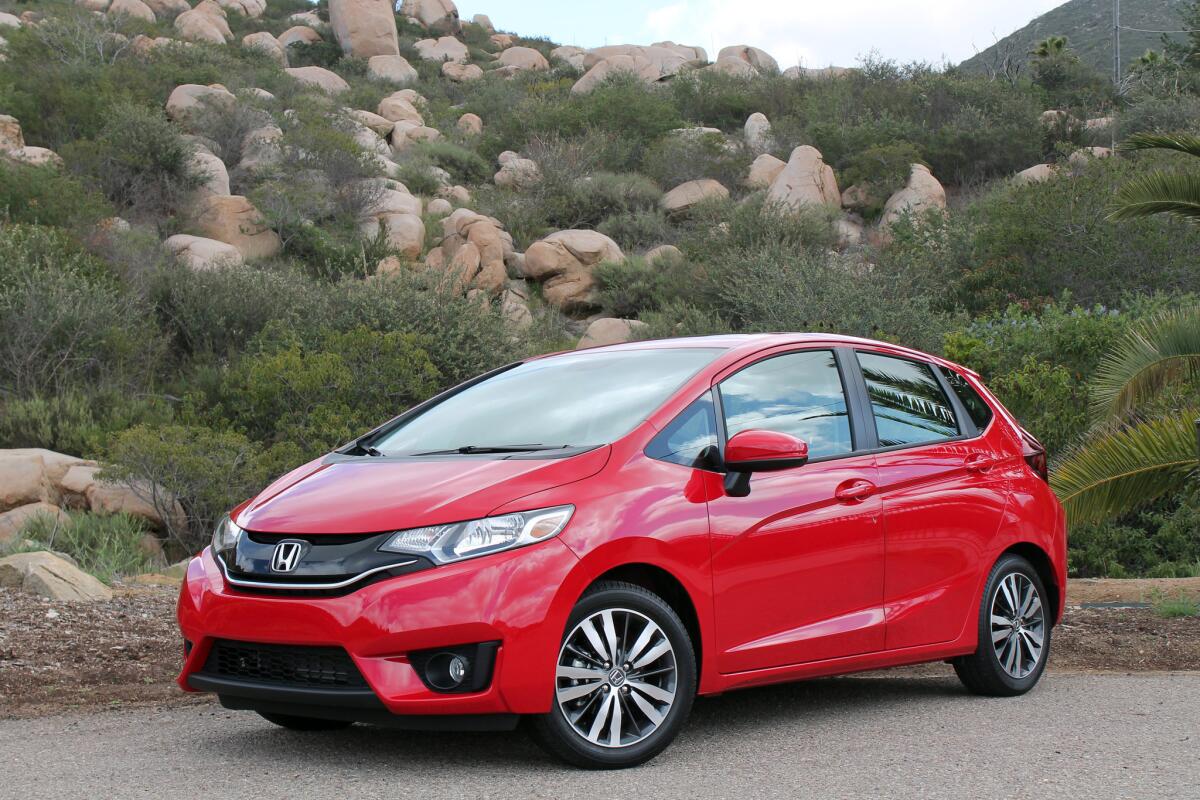
12. Honda Fit
The Honda Fit is a small, efficient hatchback, but it faces challenges under extreme summer heat. Its compact engine bay makes heat dissipation less effective during prolonged idling. Turbocharged or older models can show thermal stress more quickly. Drivers may notice performance reductions when the vehicle is pushed hard in high temperatures.
Cooling components in the Fit are well-designed for moderate climates, but they can struggle during sustained heat exposure. Plastic coolant connectors and thermostat housings are prone to warping or cracking. Loss of coolant may occur without obvious warning signs. Preventive maintenance is key to preventing overheating.
The Fit’s air conditioning system is generally effective, but under heavy engine load, cooling output can decline. Cabin temperatures rise rapidly at stoplights or in slow traffic. Shaded parking and intermittent breaks can improve comfort. The system’s efficiency directly impacts engine thermal stress during extreme heat.
Interior plastics and fabric seats are also vulnerable to heat damage. Dashboard components may fade, and trim pieces can warp over time. Electronic modules may behave erratically when the cabin temperature exceeds safe limits. These cumulative effects reduce long-term comfort and reliability.
The Honda Fit is manageable in hot climates with careful attention to maintenance. Ensuring coolant levels are consistent and checking for worn hoses or radiator issues can prevent major failures. Limiting engine stress during heat waves also preserves performance. Owners who take these precautions find the Fit remains reliable even under high summer temperatures.
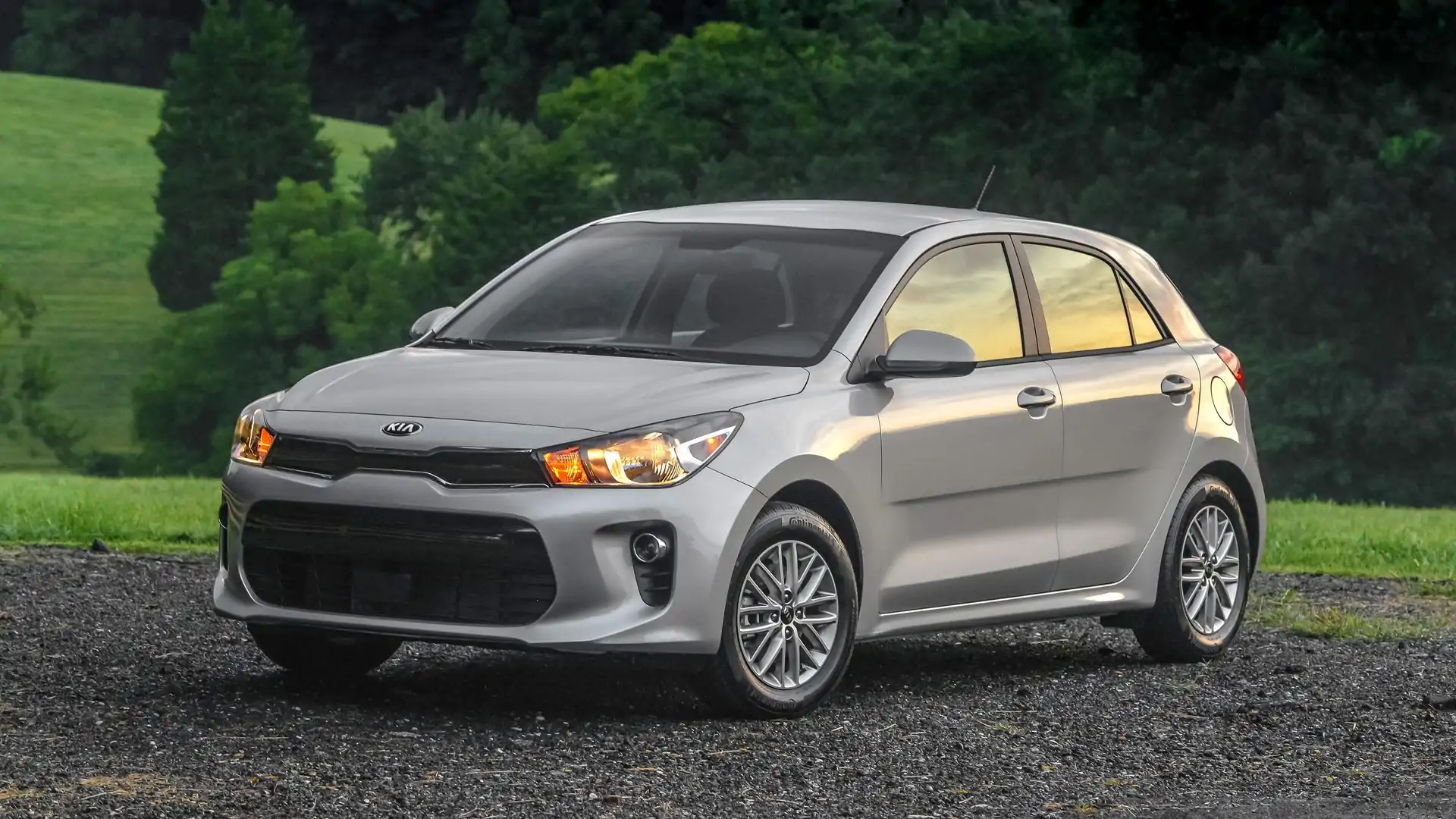
13. Kia Rio
The Kia Rio, like many small subcompact cars, faces heat-related stress in extreme summer conditions. Its small engine bay limits airflow and raises the risk of overheating during extended city driving. Turbocharged and higher mileage models are especially vulnerable. Drivers may notice increased cooling fan activity and slightly reduced engine power on hot days.
The Rio’s cooling system is compact, with lightweight components designed for efficiency rather than extreme conditions. Plastic coolant hoses, thermostat housings, and connectors may become brittle or crack over time. Even a minor coolant leak can escalate quickly during prolonged heat. Proactive inspection of these parts is essential in hot climates.
Air conditioning systems in the Rio are adequate in normal conditions, but cabin temperatures can rise rapidly under extreme heat. Idle cooling may be weaker, and AC efficiency may drop during long stops. The small cabin heats up quickly when parked in direct sunlight. Continuous operation of the AC increases engine load, further stressing thermal systems.
Interior materials in the Kia Rio can also degrade with repeated heat exposure. Dashboard plastics, door panels, and rubber seals may warp, crack, or discolor over time. Electronics embedded in the cabin, including infotainment and climate controls, may act unpredictably during high heat conditions. Owners often notice cosmetic and functional wear sooner than expected in hot climates.
Regular maintenance is essential for Rio owners in extreme summer conditions. Coolant replacement schedules should be followed carefully, and radiator and fan operation should be monitored. Limiting engine load and parking in shaded areas can reduce heat stress. With attention to these details, the Rio remains a practical and dependable small car.
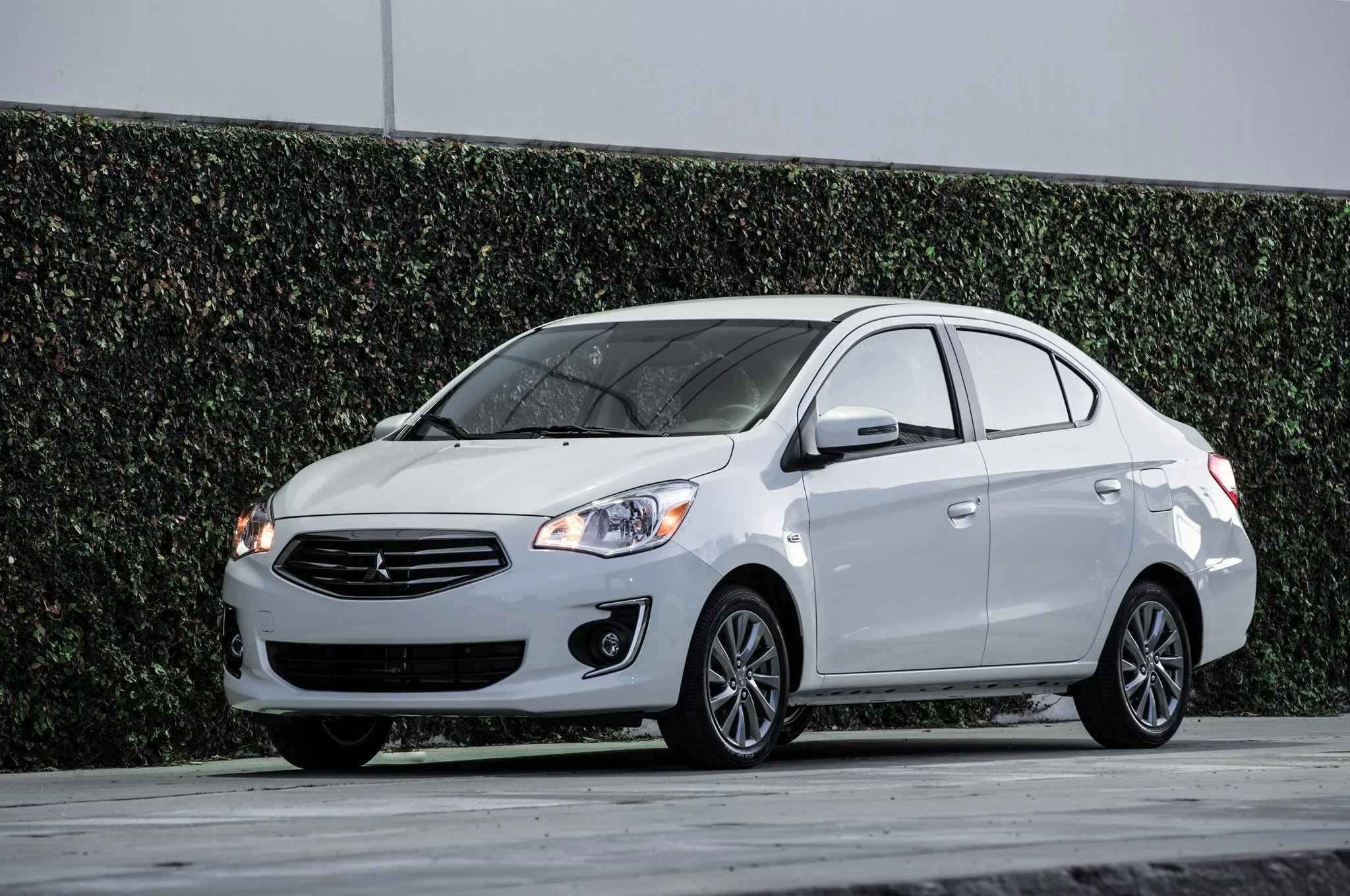
14. Mitsubishi Mirage
The Mitsubishi Mirage is small, fuel-efficient, and light, but extreme summer temperatures present challenges. Its compact engine bay and lightweight cooling system can struggle to maintain safe engine temperatures. Prolonged stop and go traffic or high ambient temperatures can result in thermal stress. Drivers may notice warning lights or reduced engine responsiveness during heat waves.
Cooling system components are lightweight and cost-effective, but they may not withstand sustained high temperatures. Plastic hoses, radiator tanks, and connectors can degrade over time. Minor leaks can escalate quickly in continuous heat. Preventive replacement of these parts is crucial for long-term reliability.
Air conditioning in the Mirage can be inconsistent under heavy heat. The cabin warms quickly when parked or during slow traffic. Cooling output may drop when engine temperatures rise. Extended AC use further increases engine load, raising thermal risks.
Interior materials are similarly vulnerable to extreme temperatures. Dashboard plastics and seat trim may warp or fade over time. Electronics in the cabin can become less responsive when overheated. The combination of interior and engine stress can make summer ownership challenging.
Despite these challenges, careful maintenance allows the Mirage to remain reliable. Regular inspection of hoses, coolant levels, and radiator components prevents overheating. Parking in shaded areas and avoiding high engine loads during extreme heat improves comfort. With these precautions, the Mirage continues to be an economical city car.
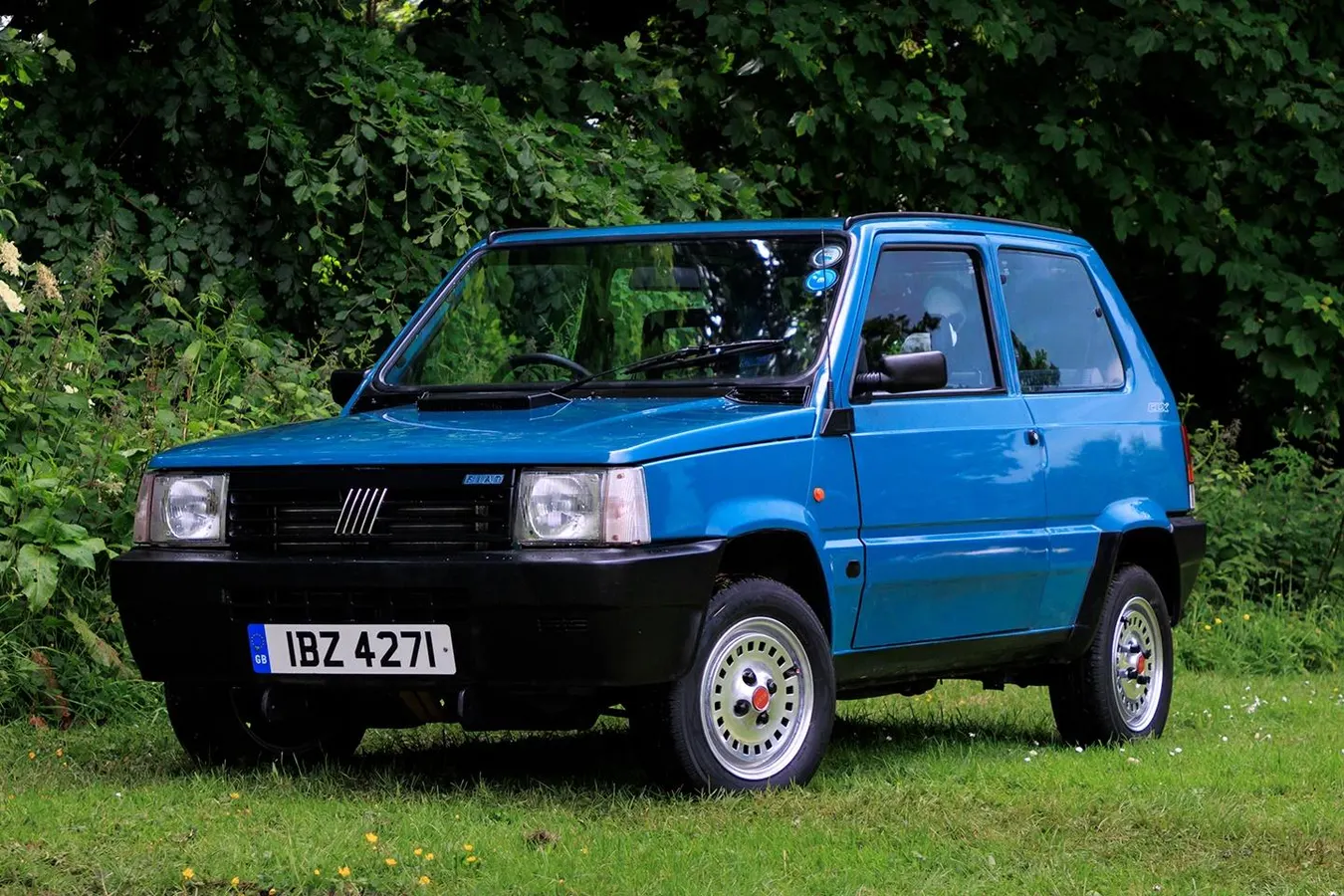
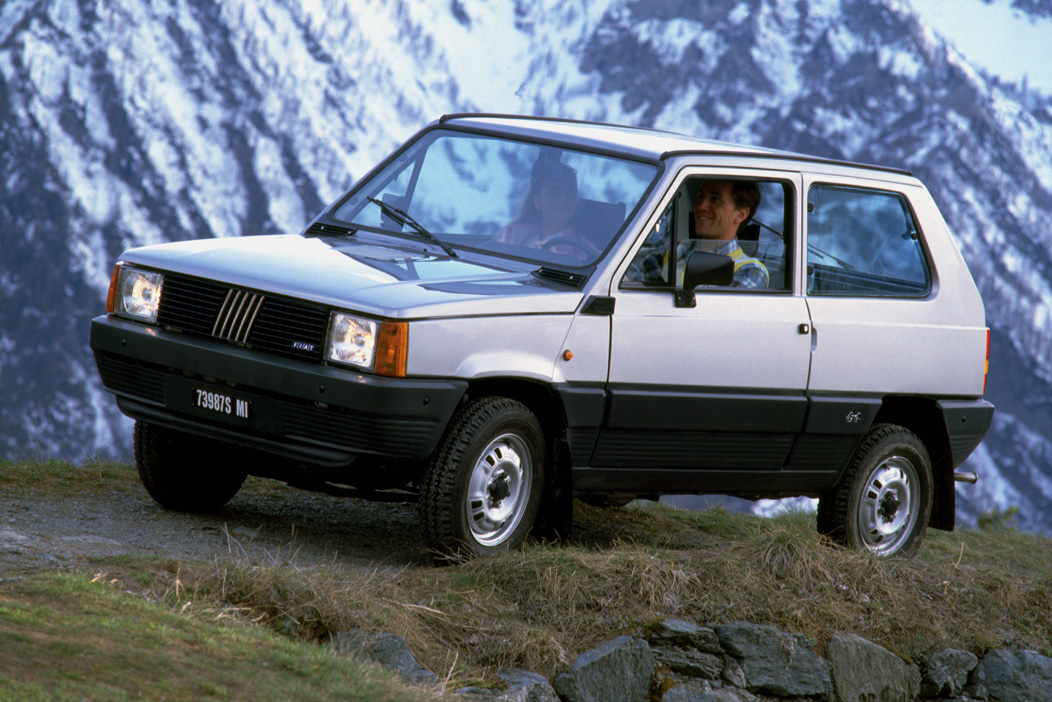
15. Fiat Panda
The Fiat Panda is small and practical but experiences heat-related challenges in extreme summer weather. Its compact engine bay provides limited airflow, which can lead to overheating during prolonged driving in high temperatures. Turbocharged variants or older models are especially sensitive to thermal stress. Drivers may notice engine warning lights, overheating alerts, or reduced performance on very hot days.
Cooling system components are compact and lightweight, designed for efficiency rather than extreme heat resilience. Plastic hoses, thermostat housings, and radiator tanks can degrade under high temperature stress. Even small coolant leaks may escalate quickly during prolonged heat exposure. Regular preventive inspections are essential to avoid overheating.
The Panda’s air conditioning system can struggle to maintain cabin comfort under severe heat. Cooling may weaken during idle or low-speed driving. Heat buildup inside the cabin occurs rapidly, especially with darker interiors. Extended AC use places additional strain on the engine and cooling system.
Interior materials are prone to degradation under extreme heat. Dashboard plastics, seat fabrics, and trim may warp, fade, or become brittle. Electronics, including infotainment and control modules, can become less reliable when overheated. Over time, these factors affect both comfort and functionality.
Careful maintenance allows the Panda to remain functional in hot climates. Regular checks of coolant levels, hoses, and radiator performance are crucial. Limiting engine stress during heat waves and parking in shaded areas reduces thermal strain. Owners who take these steps experience fewer heat-related issues and maintain long-term reliability.
