
Classic sports cars carry stories of ambition, mechanical bravery, and cultural change, and their shapes still stir emotion decades after their debut because they were designed with intent rather than algorithms.
A modern revival of these machines would not be about copying the past but about translating character, balance, and purpose into today’s engineering reality while respecting what made them special. Many of these cars were born in eras where limitations forced creativity, resulting in lightweight designs, communicative handling, and engines that spoke directly to the driver.
Today’s technology offers cleaner power, safer structures, and smarter materials, which could strengthen those original ideas instead of burying them under excess. The idea of revival also speaks to a growing desire for authenticity, as drivers increasingly value connection over raw numbers and want cars that feel alive rather than insulated.
These 15 classic sports cars stand out not because they were perfect, but because they were bold, memorable, and influential, and each one holds clear potential for a respectful return that fits modern expectations. A thoughtful revival could blend efficient powertrains, updated safety, and subtle digital features with proportions and driving feel that honor their roots.
Such cars would not chase mass appeal but would instead offer focused experiences for enthusiasts who appreciate history translated into present-day relevance. By revisiting these icons, manufacturers could remind the industry that emotion, restraint, and identity still matter in performance design.
The following selections highlight vehicles whose names still spark conversation, whose silhouettes remain recognizable, and whose philosophies align naturally with what many drivers are missing today. Each deserves another chance to exist on modern roads, not as museum pieces, but as living machines shaped by heritage and renewed purpose.
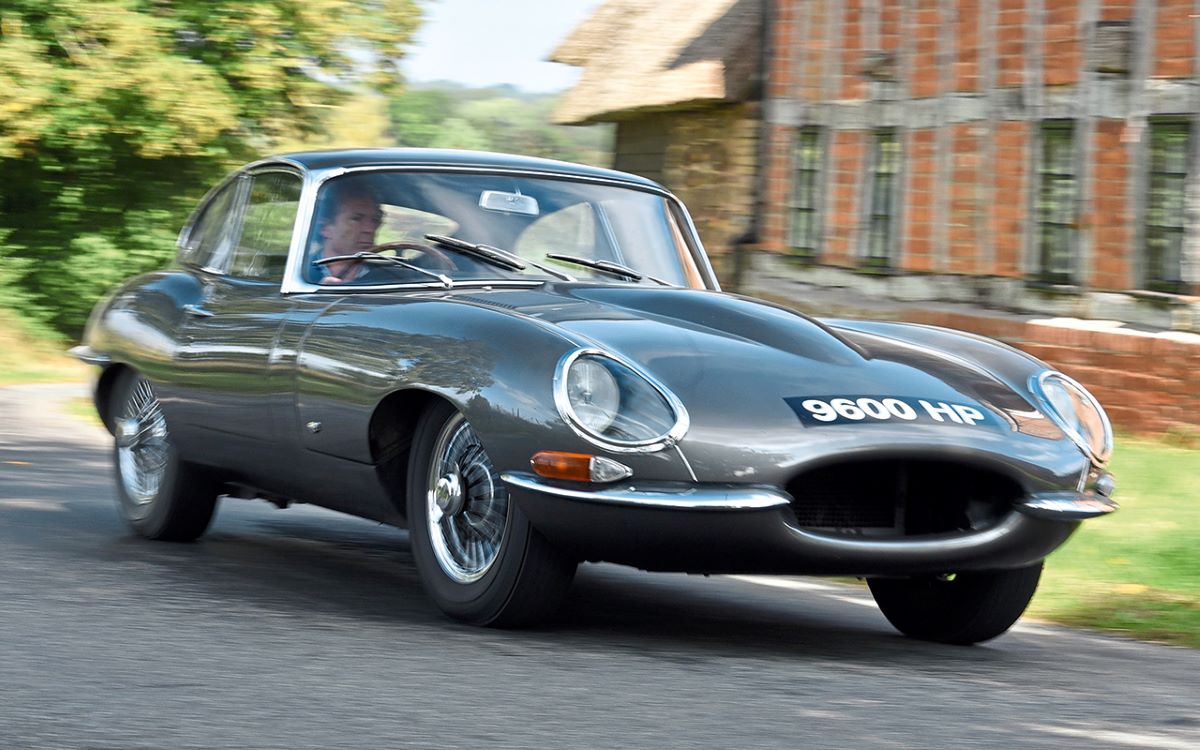
1. Jaguar E-Type
The Jaguar E-Type earned admiration through its long hood, flowing curves, and a sense of drama that felt almost artistic rather than industrial. Its proportions communicated speed even at rest, making it one of the most recognizable sports cars ever produced.
A modern revival could keep the elongated profile while using aluminum and composites to meet safety and efficiency demands. The goal would be elegance paired with performance, not excess aggression.
Underneath its beauty, the original E-Type offered strong straight line speed and capable handling for its time. Modern suspension tuning and adaptive damping could transform that balance into something far sharper while keeping a compliant ride.
A contemporary inline six or compact electric assisted powertrain could echo the smooth delivery that defined the original. Such a setup would respect the car’s refined character.
The interior of a revived E-Type should avoid clutter and focus on craftsmanship. Analog inspired gauges paired with discreet digital displays could preserve visual simplicity. Leather, metal, and minimal screens would help the cabin feel special without appearing dated. The emphasis would remain on driving, not distraction.
Brand identity is where a revived E-Type would shine brightest. Jaguar has long balanced luxury with sport, and this car sits perfectly at that intersection. Reintroducing it would signal a recommitment to emotional design. It would also give the brand a halo car rooted in history.
Enthusiasts still reference the E-Type as a benchmark of beauty, which proves its lasting impact. A modern version would not need extreme horsepower to succeed. It would need balance, grace, and a clear sense of purpose. That combination could easily find an audience today.
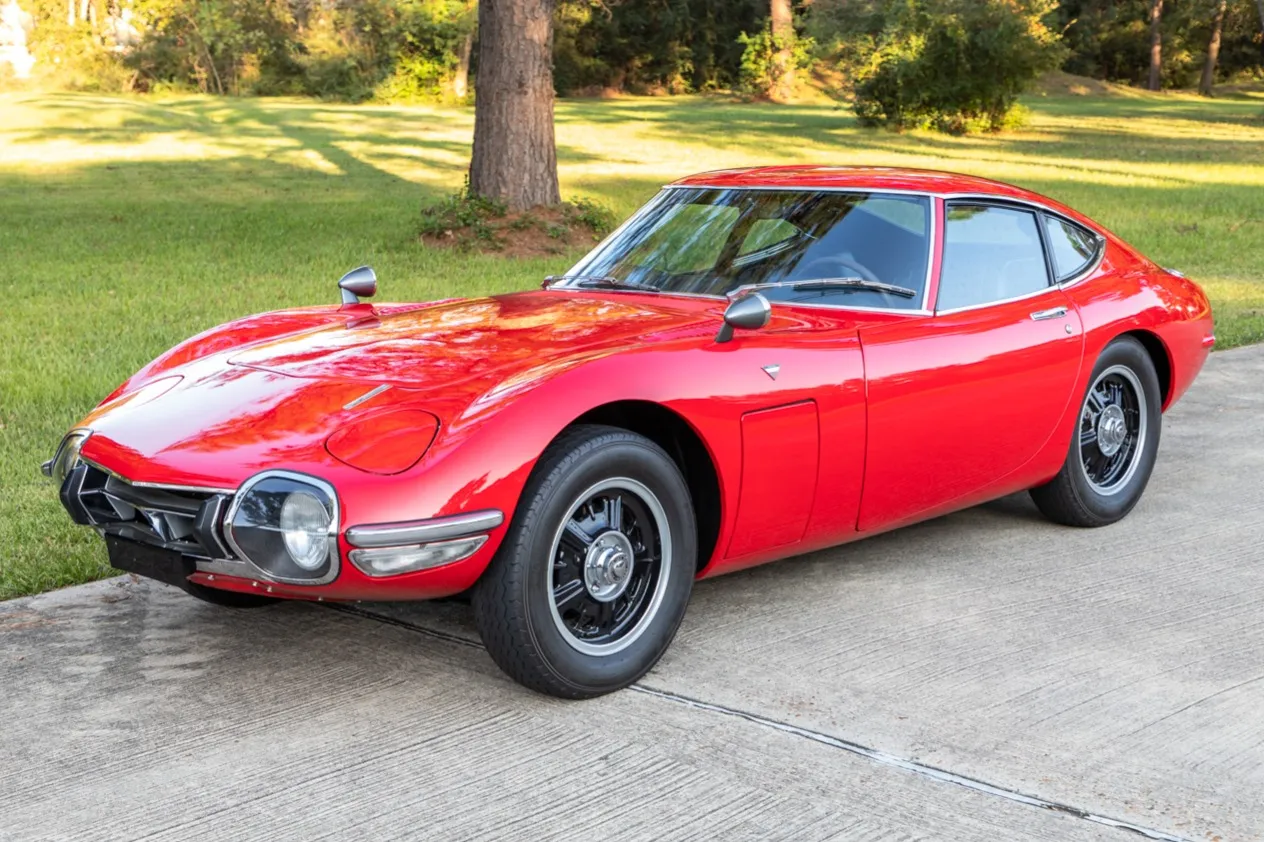
2. Toyota 2000GT
The Toyota 2000GT changed global perceptions of Japanese sports cars by proving precision and beauty could coexist. Its low stance and long hood gave it a presence that rivaled European competitors. A modern revival could draw from that silhouette while applying contemporary aerodynamics subtly. The result would feel respectful rather than nostalgic.
Performance was never just about speed for the 2000GT but about harmony. The car delivered smooth power and excellent balance, making it rewarding on winding roads. A modern inline six hybrid system could mirror that refined output while improving efficiency. The focus would remain on driver confidence.
Inside, the original featured a surprising level of craftsmanship. Wood trim and carefully designed instruments set it apart. A revived version could reinterpret this with sustainable materials and clean design. The cabin should feel intentional and calm.
Toyota’s current performance lineup leans heavily on aggressive styling. The return of the 2000GT would offer contrast through restraint and elegance. It would also serve as a reminder of the company’s early ambition. That message still carries weight.
Collectors value the 2000GT for its rarity and significance. A modern revival would not replace that legacy but extend it. By keeping production limited, Toyota could preserve exclusivity. This car would appeal to enthusiasts who value precision over spectacle.
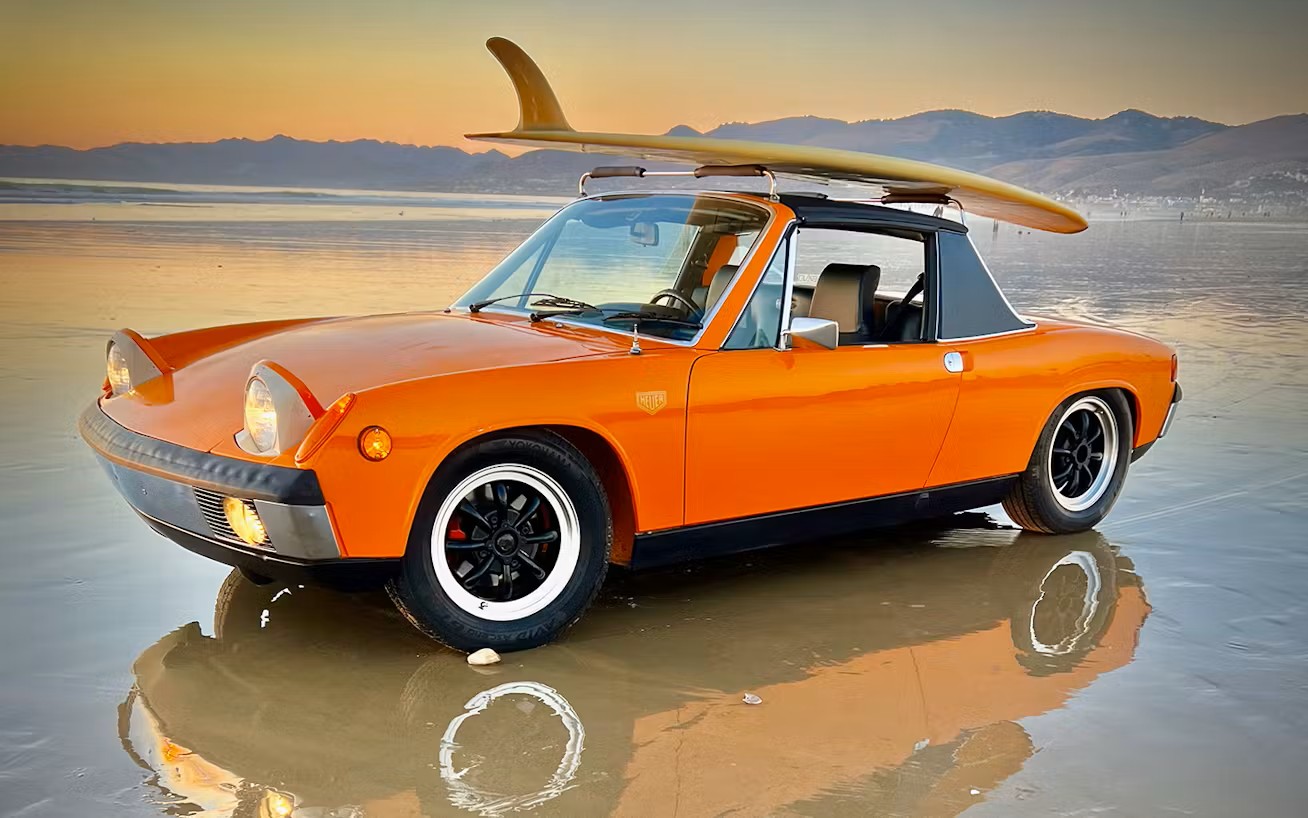
3. Porsche 914
The Porsche 914 was misunderstood in its time, yet its mid engine layout made it one of the most balanced cars Porsche ever produced. Lightweight and simple, it delivered pure handling rather than brute force. A modern revival could bring that philosophy back at an accessible level. This would fill a gap below higher end models.
Driving engagement defined the 914 experience. Steering feel and chassis balance were its strengths. Modern electric steering tuned for feedback and a compact powertrain could recreate that connection. Weight control would be critical.
The original interior was basic but purposeful. A modern version should keep that simplicity while improving comfort. Durable materials and supportive seats would suit its character. Technology should be present but secondary.
From a branding standpoint, a revived 914 would reinforce Porsche’s engineering roots. It would show that the company still values lightweight sports cars. This could attract younger enthusiasts. It would also honor an often overlooked chapter.
The market increasingly appreciates smaller sports cars. A revived 914 could thrive by focusing on balance and affordability. It would not chase lap records. It would chase smiles per mile.
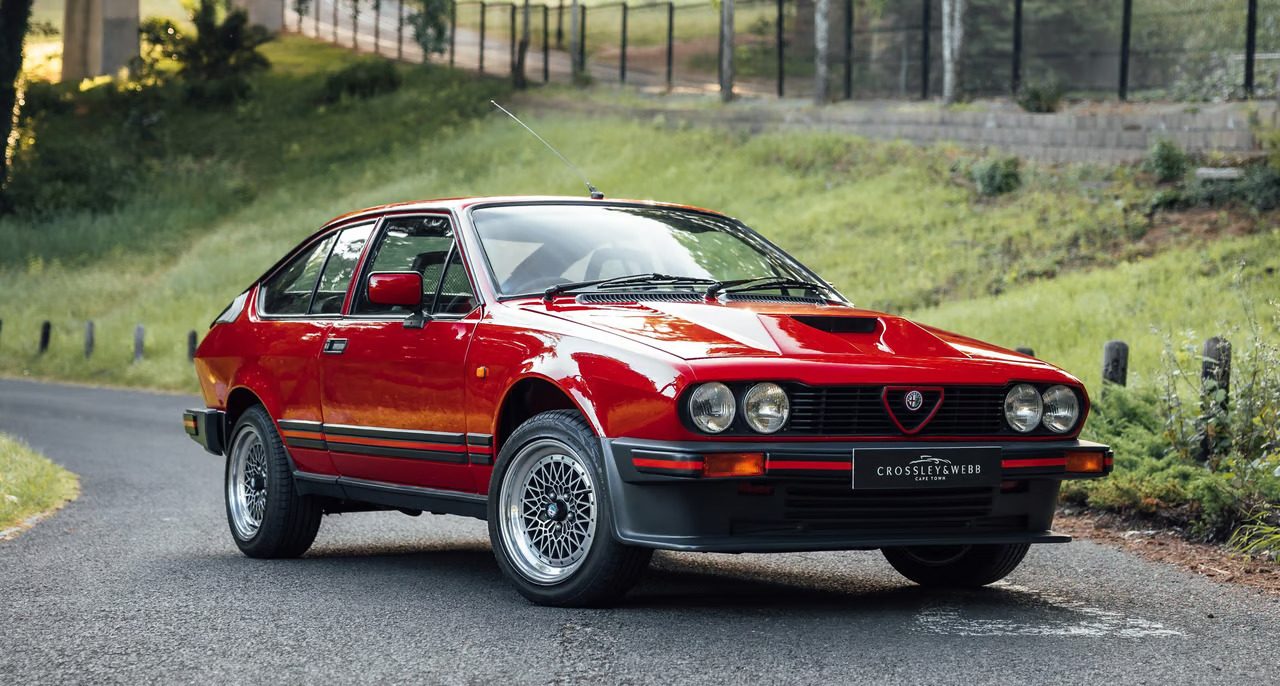
4. Alfa Romeo GTV6
The Alfa Romeo GTV6 combined Italian style with a charismatic V6 engine. Its sound and responsiveness gave it a personality few rivals matched. A modern revival could emphasize emotional driving once again. Design would play a central role.
Handling in the original was lively and engaging. Rear wheel drive balance made it rewarding on twisty roads. A modern chassis with advanced stability systems could enhance confidence without dulling character. Power delivery should remain linear.
Interior design was driver focused, with clear instrumentation and supportive seating. A revived version could use minimalist layouts and quality materials. The cabin should feel intimate. Driver involvement would remain key.
Alfa Romeo’s brand identity thrives on passion. The return of the GTV6 would reinforce that image strongly. It would also provide a performance coupe distinct from SUVs. Heritage would meet modern needs.
Enthusiasts still celebrate the GTV6 for its soul. A modern interpretation could capture that spirit through sound and response. It would not need excessive power. It would need heart.
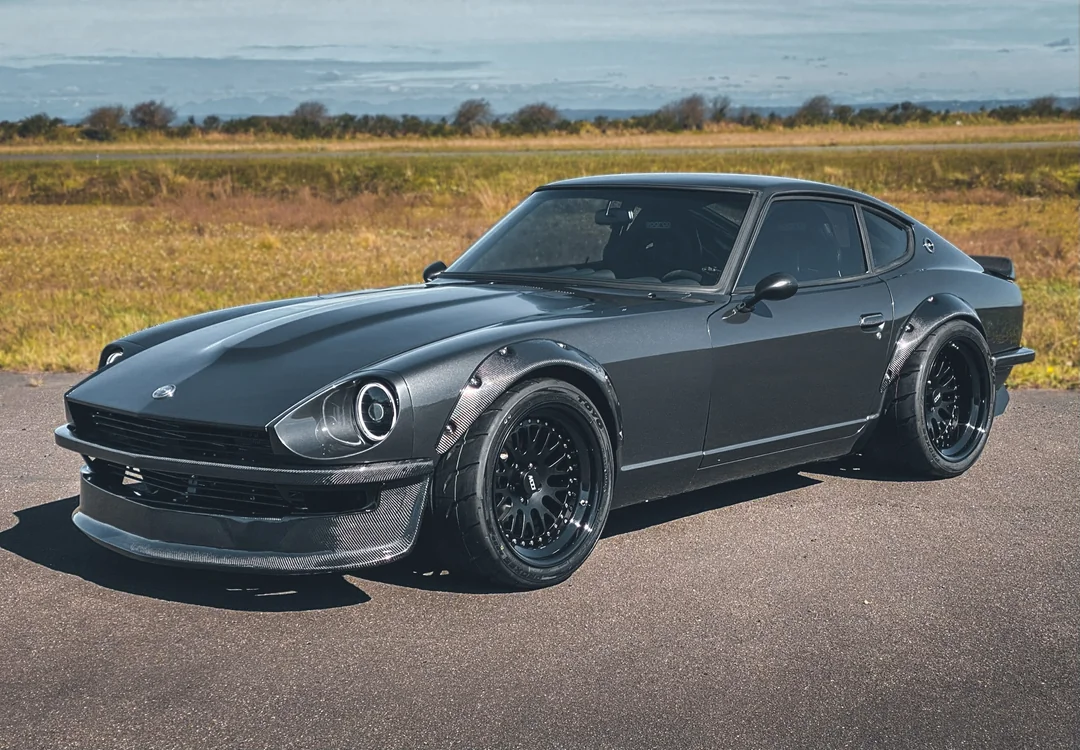
5. Datsun 240Z
The Datsun 240Z offered affordable performance and clean design, making sports cars accessible to a broader audience. Its long hood and short rear defined a timeless profile. A modern revival could maintain those proportions while improving aerodynamics. The design should stay honest.
Performance was balanced rather than extreme. The inline six engine provided smooth power. A modern turbocharged six or hybrid option could echo that feel. Weight management would remain essential.
The interior was simple and functional. A revived version should avoid luxury overload. Clear gauges and comfortable seating would suit its mission. Driver focus should guide every choice.
Nissan has experimented with retro inspired designs before. A revived 240Z would feel more authentic by focusing on driving purity. It would appeal to enthusiasts seeking value. This could strengthen brand loyalty.
The 240Z legacy remains strong in motorsport and culture. A modern version could build on that history. It would celebrate accessibility and enjoyment. That message still resonates.
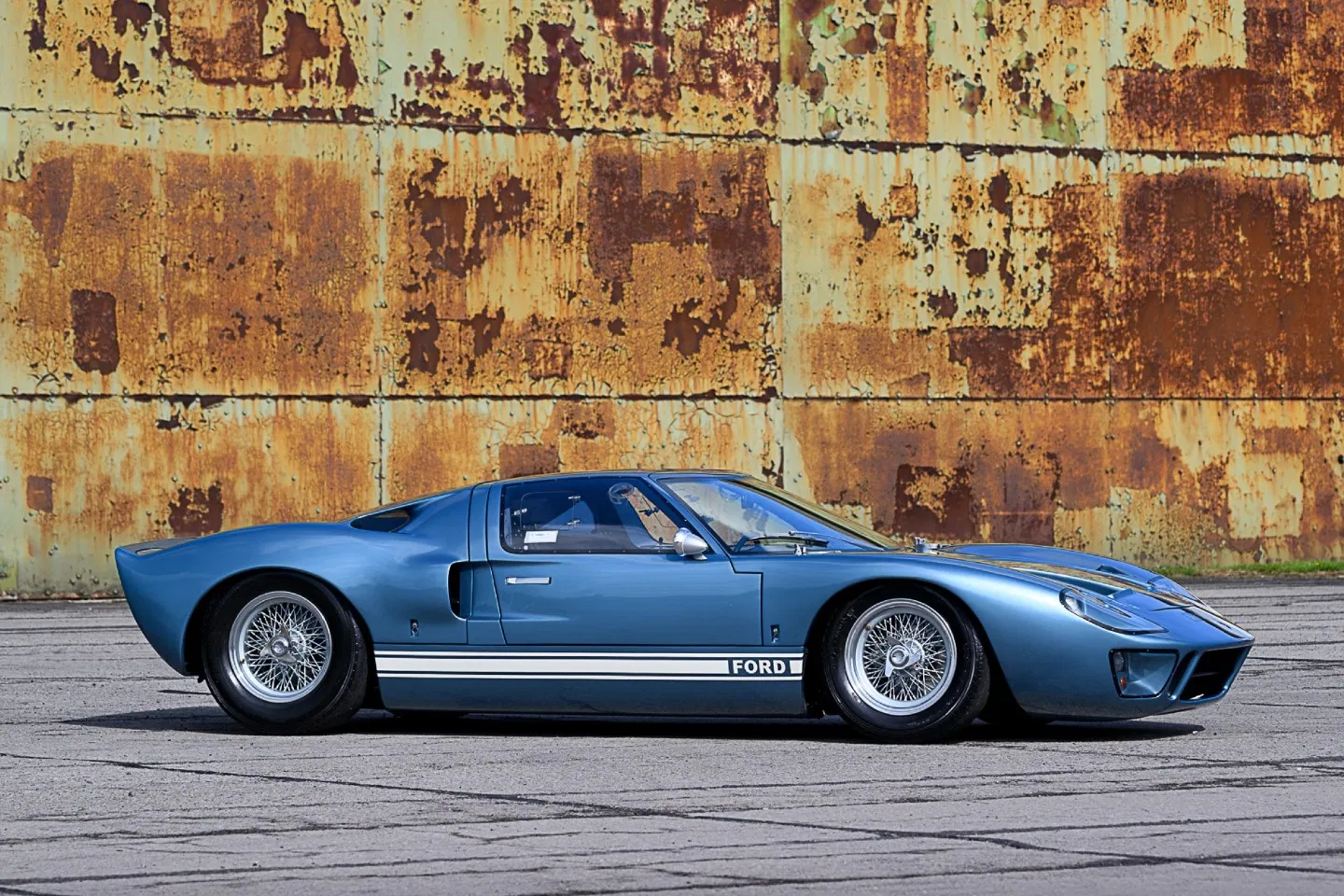
6. Ford GT40
The Ford GT40 became legendary through racing success and engineering determination. Its low profile and aggressive stance were shaped by function. A modern revival could focus on track capability balanced with road usability. Performance would remain central.
Original GT40s prioritized speed and stability. Modern aerodynamics and lightweight materials could enhance this further. A high output hybrid system could deliver instant response. Cooling and balance would be key.
The interior was minimal and purposeful. A modern version could add safety and comfort without excess. The driver should feel part of the machine. Controls should be intuitive.
Ford has already revisited this icon, but a more accessible interpretation could broaden appeal. A lighter, less extreme version could honor the spirit. This would connect racing heritage with enthusiasts. Identity would remain intact.
The GT40 represents determination and innovation. A modern revival should reflect that mindset. It should push boundaries thoughtfully. This car would remain a symbol of ambition.
7. BMW M1
The BMW M1 marked the birth of the M division and showcased a mid engine layout rare for the brand. Its sharp lines and racing roots gave it presence. A modern revival could reconnect BMW with its performance origins. Design should remain bold yet restrained.
Handling balance defined the M1 experience. A modern chassis with rear bias tuning could recreate that feel. Power should be strong but controlled. Driver confidence would be central.
The interior was straightforward and focused. A revived version could blend simplicity with quality. Digital elements should enhance rather than dominate. Comfort would support long drives.
BMW’s current lineup is large and complex. The return of the M1 would offer clarity. It would stand as a pure performance statement. This could excite long time fans.
The M1 remains highly respected among collectors. A modern interpretation would need care. By honoring balance and engineering integrity, BMW could succeed. This car would symbolize purpose.
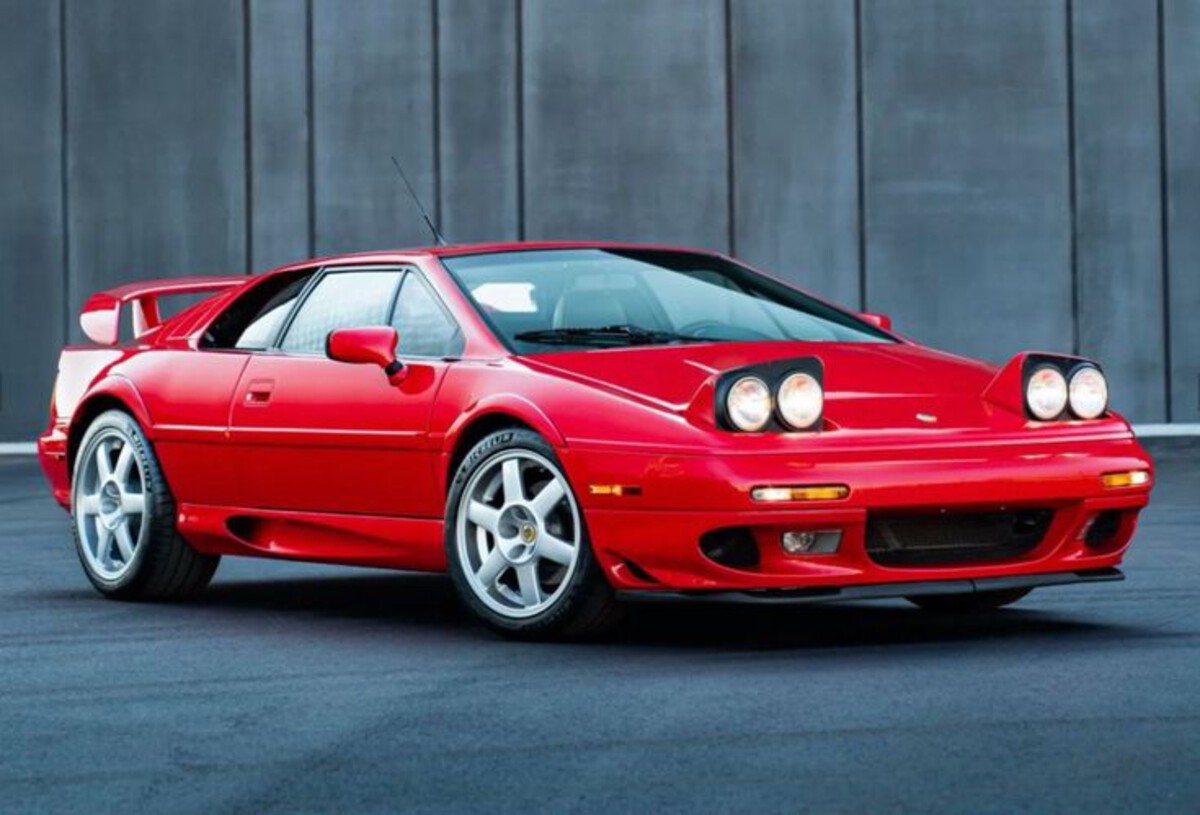
8. Lotus Esprit
The Lotus Esprit delivered sharp handling and striking wedge design. Lightweight philosophy defined its performance. A modern revival could use advanced composites to stay true to that ideal. Efficiency would remain a focus.
Driving feel was always the Esprit’s strength. Steering response and chassis feedback were exceptional. Modern tuning could refine this without muting sensation. Power should be usable rather than excessive.
The interior of the original was often criticized. A revived version could correct this with better ergonomics. Materials should be light and durable. The cabin should support focus.
Lotus continues to emphasize handling excellence. The Esprit fits naturally within that identity. A modern return would bridge past and future. It would attract purists.
The Esprit’s presence in popular culture adds appeal. A modern version could leverage that recognition. By staying true to lightweight values, it could stand out. This car would celebrate precision.
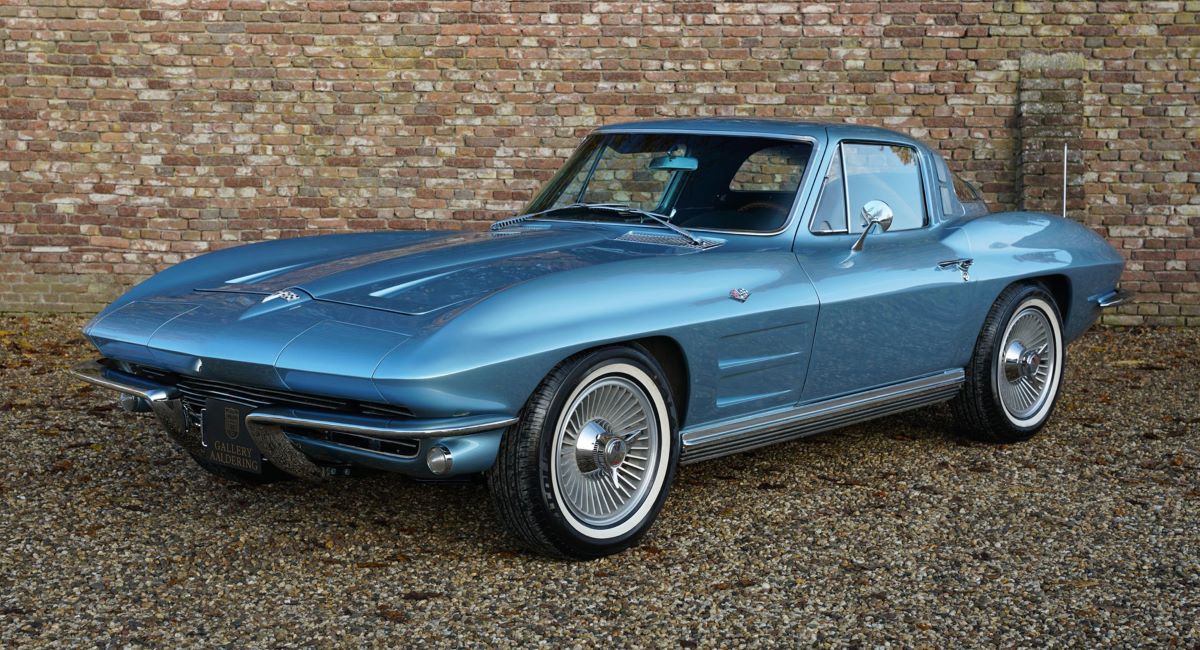
9. Chevrolet Corvette C2
The second generation Corvette refined American performance with improved handling and design. Its split window coupe became iconic. A modern revival could reinterpret that feature creatively. Heritage would guide styling.
Performance combined power with better balance than earlier versions. Modern suspension and traction systems could elevate this further. A naturally aspirated V8 or hybrid could fit. Sound would remain important.
The interior of the C2 emphasized sport rather than luxury. A revived version could maintain that focus. Clear instrumentation and supportive seats would define the cabin. Comfort would be functional.
Chevrolet continues to evolve the Corvette. A C2 inspired model could offer a nostalgic alternative. It would celebrate design heritage. This would broaden appeal.
The C2 remains beloved for its style and spirit. A modern take could respect that legacy. By focusing on balance and presence, it could succeed. This car would honor tradition.
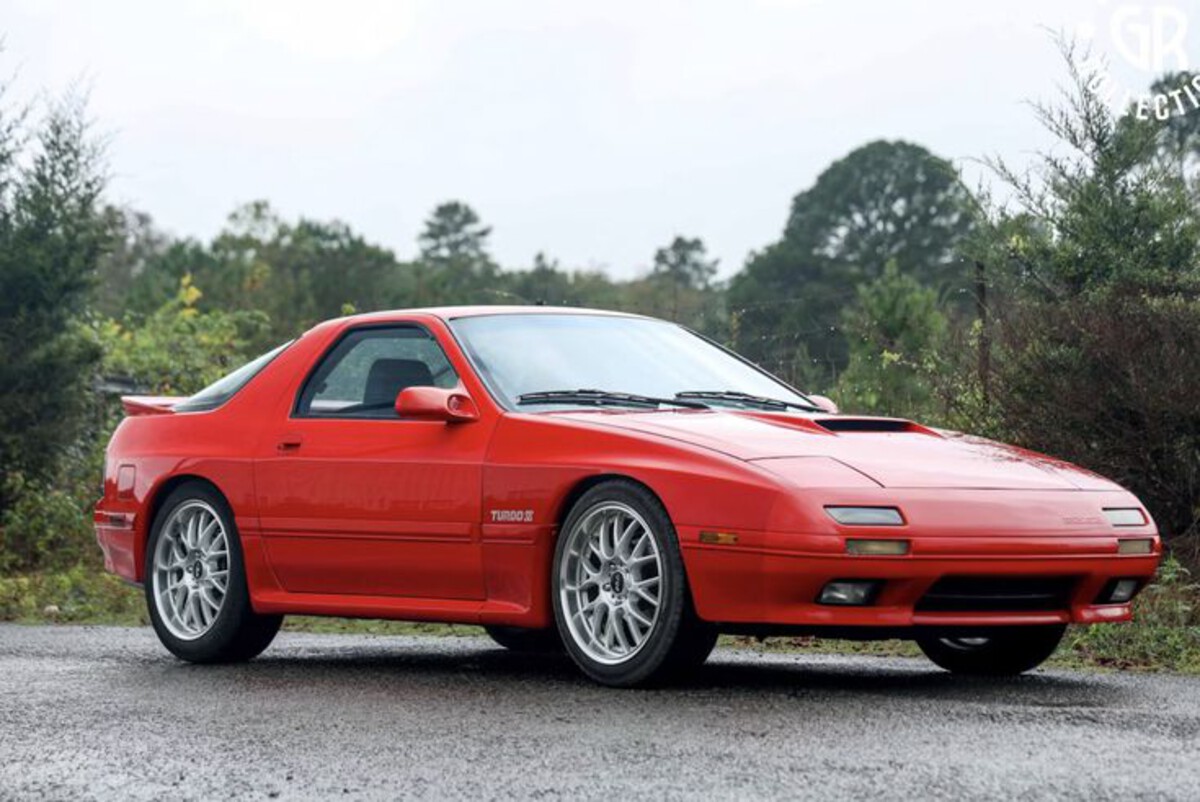
10. Mazda RX 7
The Mazda RX 7 stood apart through its rotary engine and lightweight design. Balance and responsiveness defined its appeal. A modern revival could reintroduce rotary technology in a hybrid role. Innovation would lead.
Handling was precise and playful. Modern tuning could enhance stability while keeping agility. Weight distribution would remain a priority. Power delivery should feel smooth.
The interior was driver centered with simple controls. A revived version could update this with subtle technology. Focus would remain on engagement. Comfort would support daily use.
Mazda’s brand values emphasize driving enjoyment. The RX 7 aligns perfectly with that philosophy. Its return would excite enthusiasts globally. It would reinforce identity.
The RX 7 legacy continues to influence car culture. A modern version could extend that influence. By blending innovation with balance, it could thrive. This car deserves another chapter.
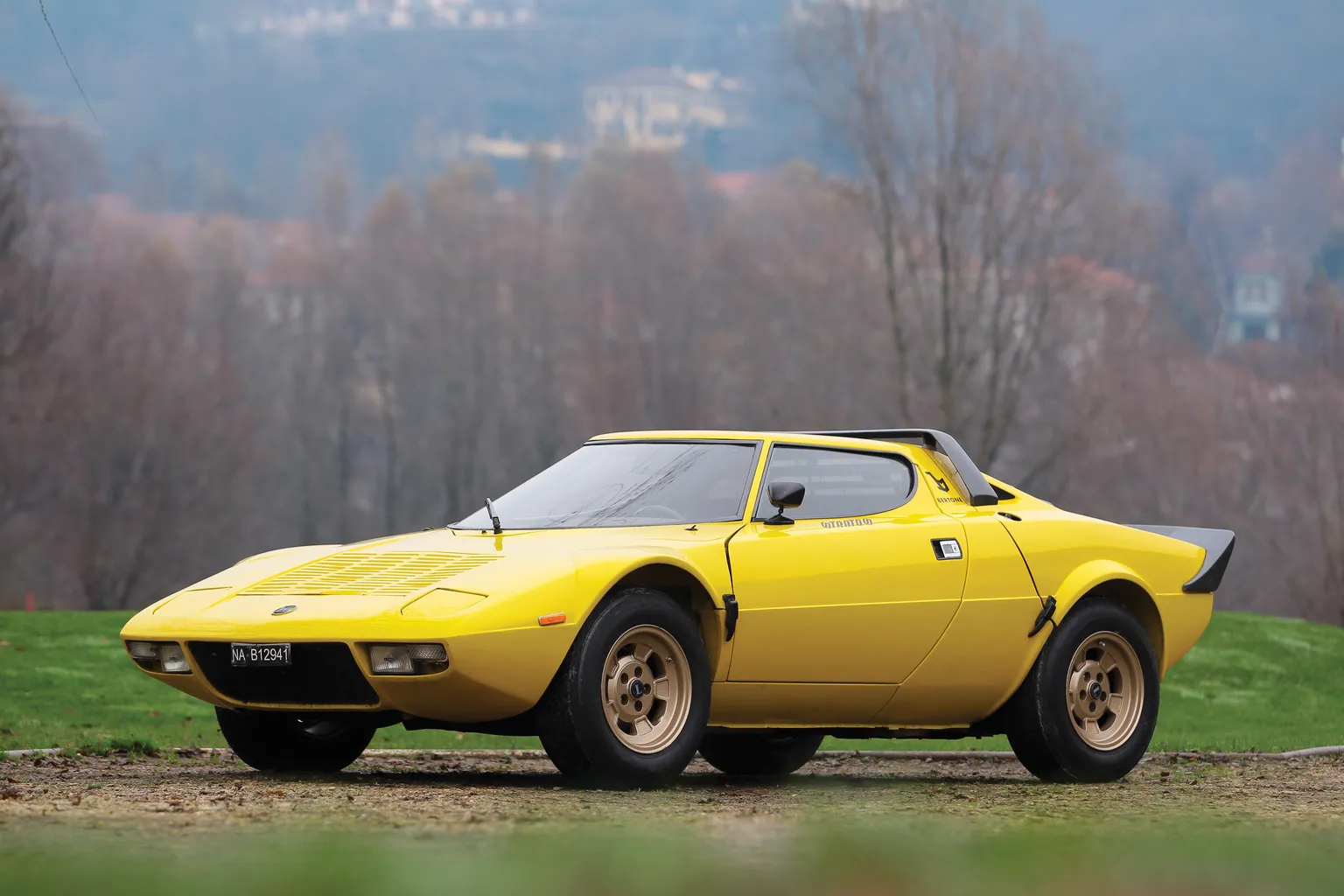
11. Lancia Stratos
The Lancia Stratos was designed explicitly for rally dominance, with a short wheelbase, wide stance, and wedge-shaped body that made it instantly recognizable. Its purpose-built chassis and lightweight construction allowed it to corner with precision that rivals of its era could only admire.
A modern revival could preserve these extreme proportions while integrating advanced chassis materials and electronics to ensure safety without diluting driving intensity. The exterior would remain compact and aggressive, celebrating its racing heritage in a way that feels alive on the street.
Power delivery in the original Stratos was raw and thrilling, thanks to a high-revving V6 engine mounted just behind the cockpit. Modern powertrains, such as a turbocharged V6 hybrid or lightweight electric setup, could provide immediate torque and reliability while retaining the spirited feel of the original.
Retaining that visceral connection to the accelerator pedal would be critical. Enhancing performance without removing the thrill would make this revival both respectful and functional for today’s roads.
The cabin of the Stratos was spartan but functional, designed to keep the driver focused under rally conditions. A modern iteration could reinterpret this simplicity with ergonomic seating, high-quality materials, and subtle digital assistance that doesn’t compromise engagement.
The cockpit should feel like a miniature control center, maintaining the sense of purpose while offering comfort and usability for street driving.
Lancia’s brand identity is intertwined with rally history, and reviving the Stratos would reinforce the manufacturer’s legendary motorsport credentials. It would serve as a halo model, inspiring enthusiasts while highlighting the engineering boldness the company was once known for. The combination of heritage and modern performance could rejuvenate the brand in a way few other models could achieve.
Collectors continue to regard the Stratos as one of the most striking and extreme designs in automotive history. A modern version could honor that rarity and intensity while remaining road-legal and practical enough to enjoy on modern tarmac. By balancing nostalgia, performance, and usability, the Stratos could reclaim its place as a car that commands attention and excitement simultaneously.
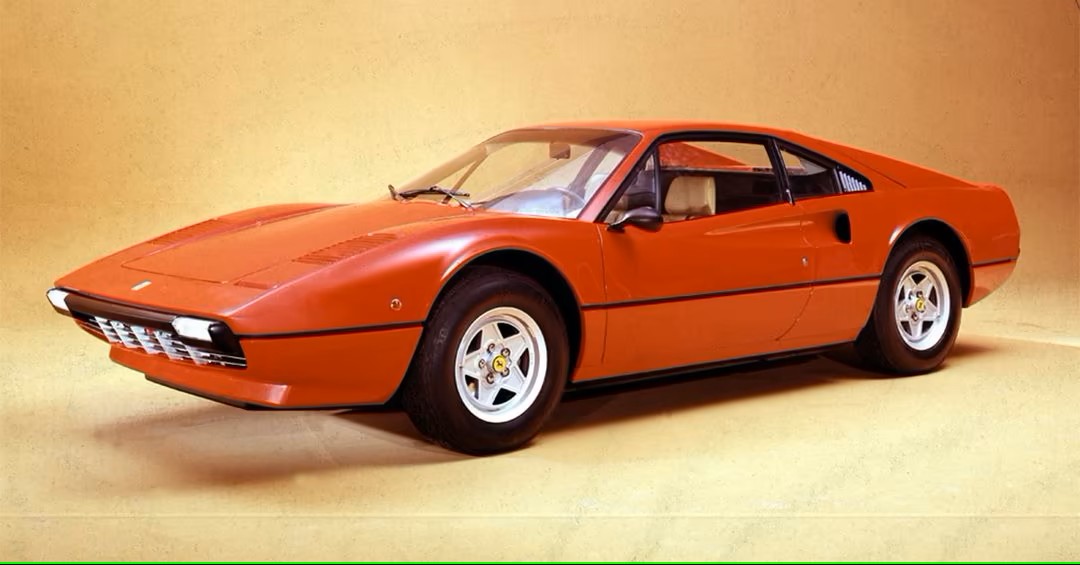
12. Ferrari 308 GTB
The Ferrari 308 GTB is remembered for its elegant, wedge-shaped body and the mid-engine layout that defined Ferrari’s road-going sports cars in the 1970s. Its curves were purposeful, creating both aerodynamic efficiency and timeless beauty.
A modern revival could retain the iconic proportions while using carbon fiber and lightweight alloys to improve rigidity, weight, and safety. Every line could be refined subtly to meet contemporary expectations without diluting the classic aesthetic.
The original 308 GTB offered naturally aspirated V8 performance that was smooth yet lively, providing a driving experience that rewarded precision. Modern reinterpretation could use a turbocharged V8, hybrid assistance, or even a naturally aspirated high-revving engine to preserve responsiveness while improving emissions and efficiency.
Engine mapping would need to remain linear and communicative, keeping the characteristic Ferrari feel alive for enthusiasts.
Inside, the 308 GTB focused on driver engagement, with an angled dashboard and driver-centric controls. A modern cabin could combine analog-inspired displays with discreet digital elements to enhance usability while maintaining focus. Premium materials, lightweight seats, and intuitive control placement would create a cockpit that feels classic yet contemporary.
Brand significance is central to the 308 GTB’s appeal. Ferrari’s identity has always revolved around beauty, precision, and emotion, and reviving the 308 could reinforce these pillars. Limited production would emphasize exclusivity, attracting collectors and enthusiasts who value both design and driving experience.
The 308 GTB has endured as a cultural icon through film, motorsport, and media, keeping its image alive decades later. A thoughtfully engineered modern version could pay homage to that legacy, blending elegance, excitement, and daily usability. It would capture the essence of Ferrari’s golden era while offering modern reliability and performance standards.
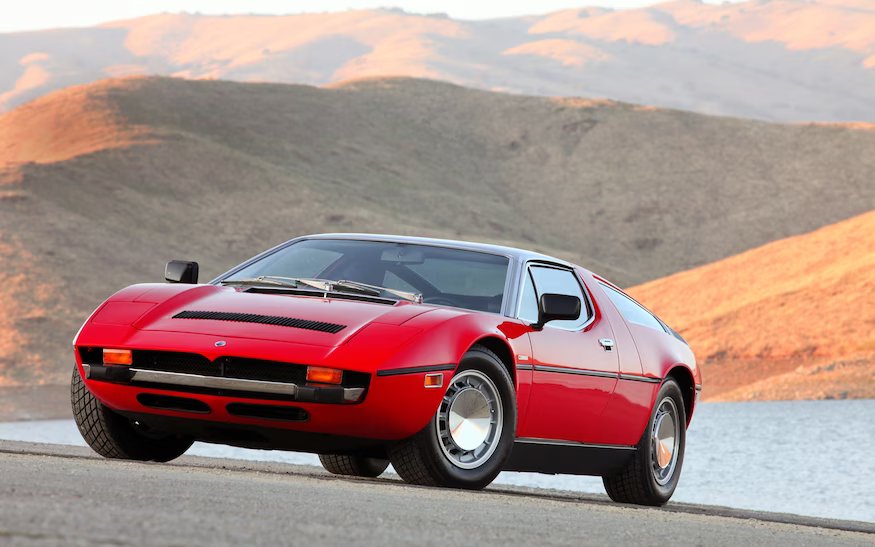
13. Maserati Bora
The Maserati Bora was an understated but highly refined Italian sports car, combining clean lines with a powerful mid-mounted V8. Its design emphasized proportions, with a long hood, short rear deck, and a subtle wedge profile that still resonates today.
A revival could retain its minimalist elegance while implementing modern aerodynamic efficiency and lightweight materials. The focus would be balance, allowing it to maintain its understated but purposeful character on contemporary roads.
Performance in the original Bora was smooth, powerful, and effortless, making it a grand touring machine with sports car agility. A modern iteration could feature a hybrid or turbocharged V8 powertrain that maintains linear delivery, sound, and weight balance while significantly improving emissions and responsiveness. Handling improvements would be subtle, enhancing stability without reducing feedback.
The Bora’s interior emphasized elegance over flash, with leather surfaces, clear gauges, and a driver-focused layout. Updating it for today could mean higher-quality leather, improved climate control, and discreet digital aids while preserving simplicity. The cabin should continue to convey calm, precision, and focus.
Maserati’s brand identity relies heavily on Italian sophistication and engineering excellence. Reviving the Bora could demonstrate that the company respects its heritage while embracing modern performance technology. A limited-run modern version could reinforce the perception of Maserati as a maker of exclusive, stylish sports cars.
The Bora’s legacy as an understated but capable classic is ripe for revival. By keeping the spirit intact while modernizing key elements, Maserati could appeal to enthusiasts seeking elegance paired with contemporary performance. It would serve as a bridge between heritage and future aspirations, honoring the past while moving confidently forward.
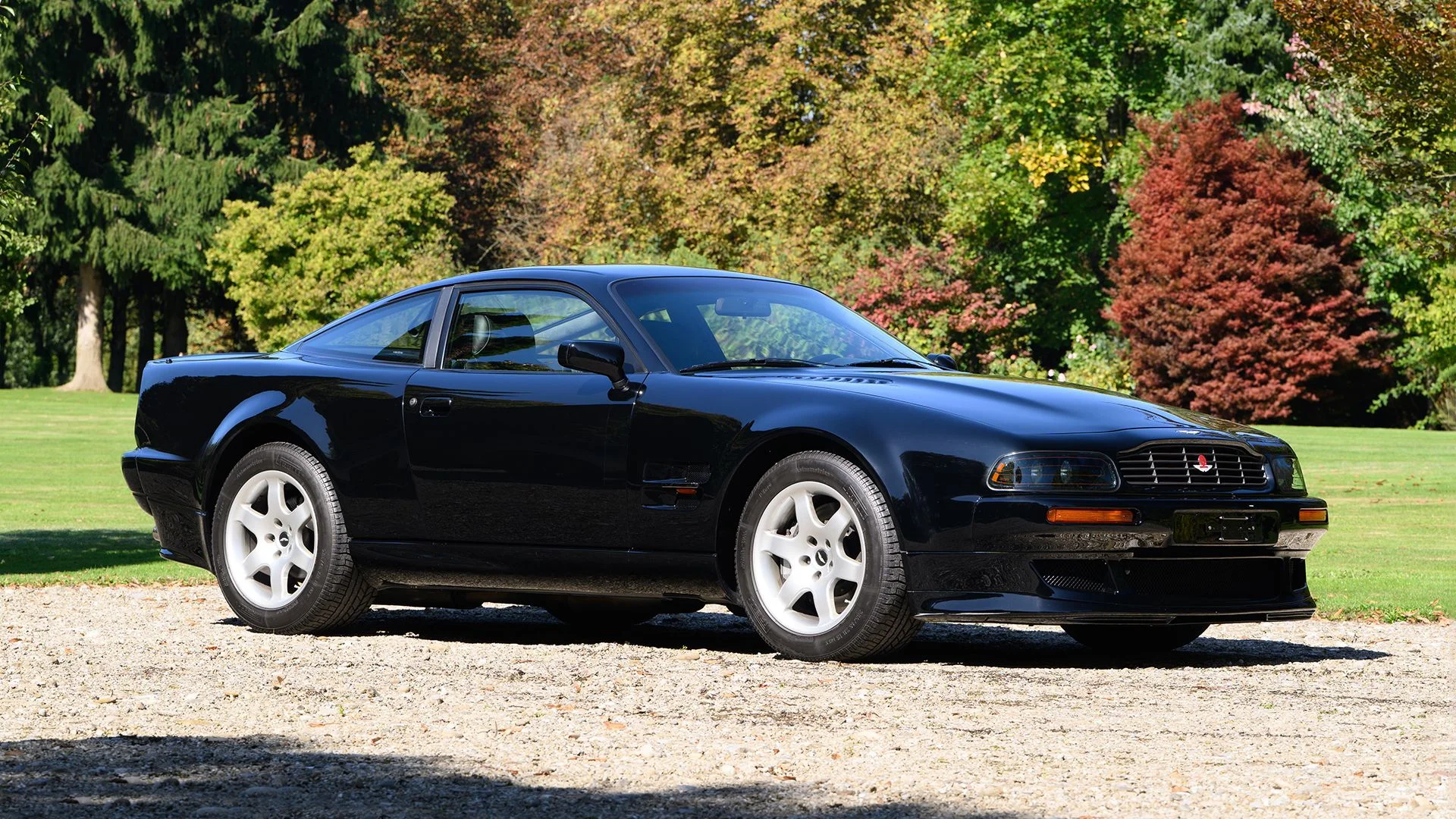
14. Aston Martin V8 Vantage (1977)
The original Aston Martin V8 Vantage was a combination of brute force and understated elegance, blending a muscular V8 engine with clean, cohesive British styling. Its long hood and aggressive stance communicated power without exaggeration.
A modern revival could preserve the restrained design language while adding contemporary aerodynamic refinement and lightweight construction to enhance performance. This balance between aggression and sophistication would make it stand out among modern grand tourers.
Underneath the skin, the V8 Vantage offered impressive acceleration and a satisfying exhaust note that contributed heavily to its character. Modern engineering could integrate a naturally aspirated or twin-turbo V8 combined with hybrid assistance to maintain immediate responsiveness while improving emissions. Attention to sound engineering would ensure that the driving experience remains emotional rather than sterile.
Inside, the V8 Vantage blended luxury and function, with rich leather, analog instrumentation, and classic British flair. A modern interior could combine tactile materials, simplified control layouts, and hidden digital enhancements to maintain elegance while improving usability. The cockpit would remain intimate, emphasizing connection over gadgetry.
Aston Martin’s brand revolves around sophistication, exclusivity, and understated performance. A modern V8 Vantage revival would reinforce this identity while highlighting the company’s engineering capabilities. Limited production would maintain prestige and desirability, making it an aspirational choice for enthusiasts.
The 1977 V8 Vantage still resonates with collectors due to its blend of power, style, and exclusivity. A modern version could continue that legacy, combining heritage-inspired aesthetics with contemporary performance. The result would be a car that offers excitement, refinement, and visual elegance simultaneously.
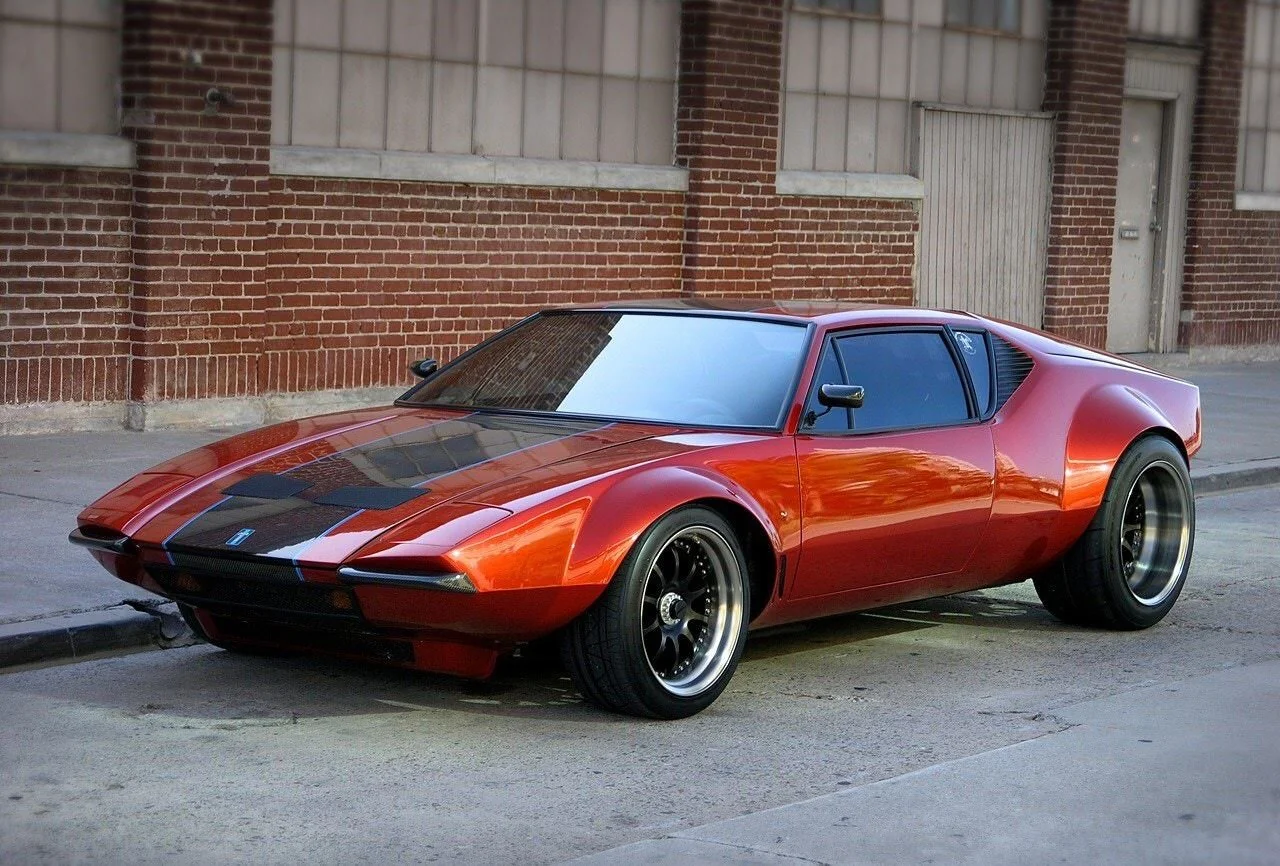
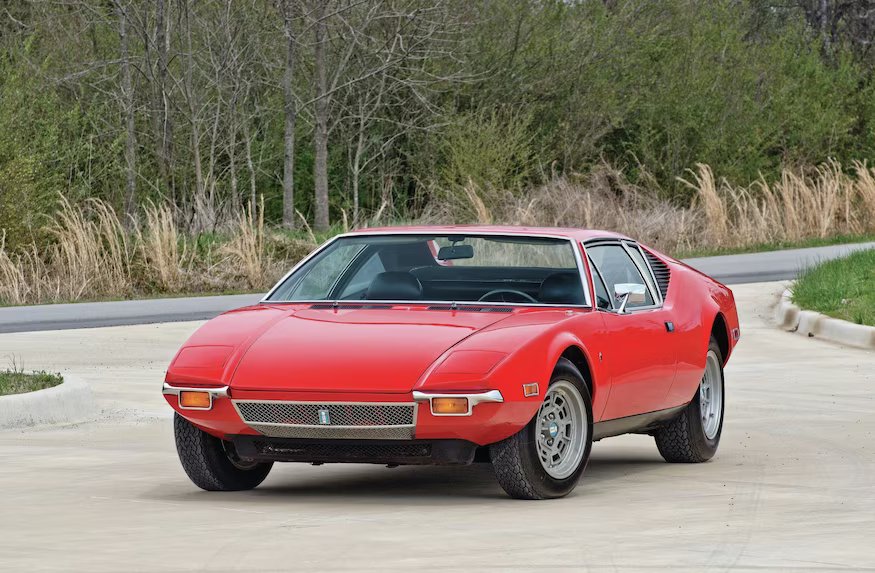
15. De Tomaso Pantera
The De Tomaso Pantera merged Italian styling with American V8 power, creating a unique sports car that stood out for its aggressive lines and muscular performance. Its wedge-shaped body, long hood, and compact cabin offered an unmistakable silhouette.
A revival could retain its bold proportions while using lightweight materials and updated aerodynamics to meet modern performance and safety standards. The design should celebrate its audacious character while refining its presence for today.
Performance was the Pantera’s defining feature, pairing a naturally aspirated American V8 with Italian handling finesse. Modern reinterpretation could employ a lightweight V8, hybrid assistance, or even an all-electric drivetrain tuned to replicate the linear and forceful character of the original engine. Chassis refinement would emphasize balance without losing the original’s playful aggressiveness.
The interior was utilitarian yet stylish, with driver-focused gauges and straightforward ergonomics. A revived Pantera could improve comfort, materials, and ergonomics while retaining a purposeful, cockpit-like feel. Controls should remain simple, keeping driver engagement at the forefront of the experience.
Brand identity for De Tomaso is built on boldness and individuality. A Pantera revival could highlight this by emphasizing a fearless design, limited production, and a performance-driven philosophy. It would appeal to enthusiasts seeking a unique alternative to mainstream exotics.
The Pantera’s legacy remains one of daring performance and striking design. A modern version could honor that history while offering contemporary usability and reliability. By staying true to its essence, the Pantera could once again capture attention and admiration as a sports car that refuses to blend in.
