
Audi has always been known as a brand that blends performance, luxury, and technology into vehicles that make drivers feel like they are commanding a precision instrument. Yet beneath the smooth curves, premium interiors, and advanced systems lie stories of models that have tested the patience of owners and challenged the resilience of wallets.
When enthusiasts talk about vehicles that require dedication as much as affection, there are certain Audis that frequently appear in those conversations. These are not simply cars that break down often, but machines that demand thoughtful maintenance, strategic problem solving, and a willingness to invest in their care.
In many cases, the challenge comes not from a single flaw, but from the interaction of complex systems that do not tolerate neglect or deferred maintenance. Sophisticated electronics, advanced drivetrain technology, and performance components that push engineering to its limits mean that an owner must remain attentive to every detail.
The joy that comes from driving these vehicles is often matched by the effort required to keep them on the road. An Audi can be like a beloved but demanding companion, rewarding you with crisp handling and refined comfort only if you understand its language and respect its needs.
For anyone considering one of these Audis, the experience can be a lesson in patience. You might need to schedule appointments well in advance with specialized technicians. You may discover that repair bills climb steeply once your warranty expires.
You might learn to appreciate the difference between routine service and restorative work. Some models develop quirks that are expensive to address, while others require regular attention to components that wear faster than expected. Either way, owning one of these vehicles can feel like a long term commitment to excellence and persistence.
Still, it’s important to note that not every challenge is a deal breaker. Many owners cherish their Audis in spite of the work they require because these cars deliver power and presence that few competitors match. The suspension that feels razor sharp at speed, the engine that pulls with authority, and the cabin that cocoon passengers in comfort can justify the effort for fans of the brand.
This article will guide you through ten Audi models that have earned a reputation for testing patience and budget in equal measure. Each entry will highlight factors that potential buyers should consider before making a decision. Now let’s begin our journey through these remarkable and sometimes demanding machines.
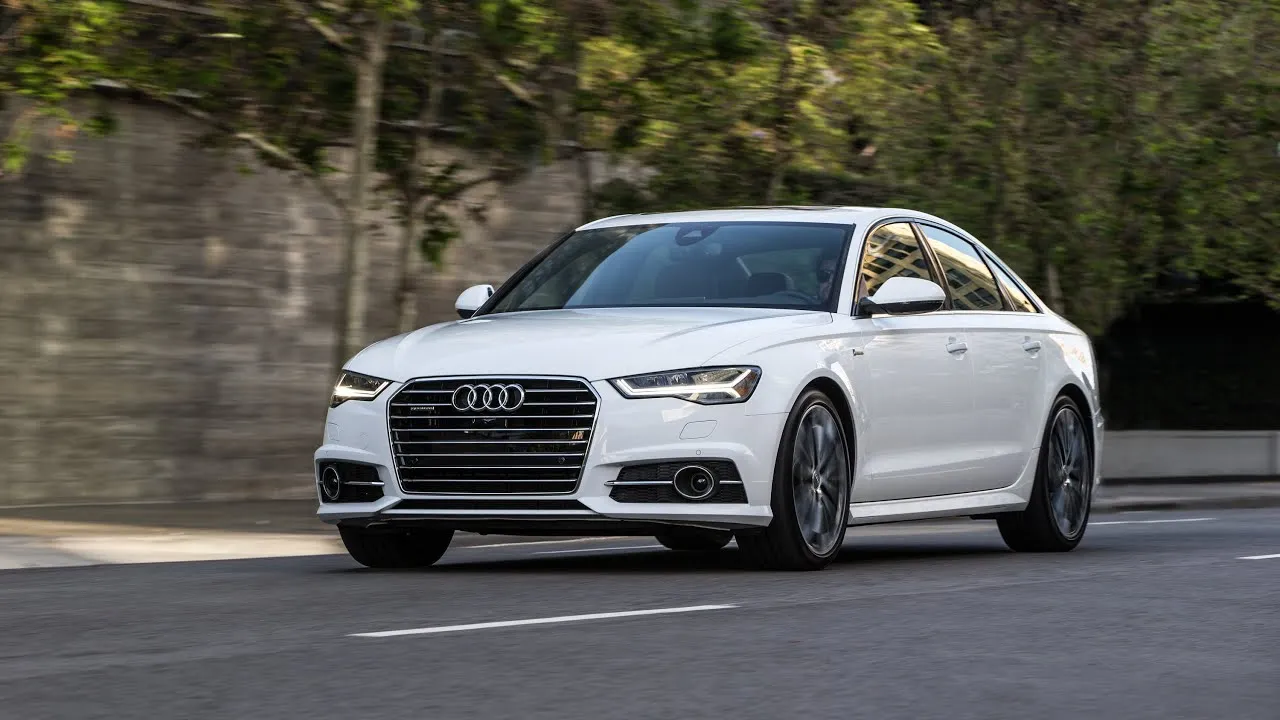
1. Audi A6 C6 (2005–2011)
The Audi A6 of this generation attracted praise for its elegant styling, refined interior, and available quattro system. Enthusiasts often recall the smooth ride quality and confident handling that made this model feel like a luxury car with sporting intentions.
Yet behind the agreeable surface lay systems that were among the most complex in the segment of executive sedans. Even routine maintenance could become a test of patience if schedules were missed or small issues compounded. Understanding what to expect before ownership can make all the difference.
One of the chief concerns with this model involves the timing chain on certain engine variants. If slack develops or the tensioner fails, the results can be catastrophic. Repairing this requires pulling the engine and replacing costly components.
Even with diligent preventative service, an owner might still face significant expense if warning signs appeared too late. Repair shops familiar with these engines often advise early intervention. Waiting, in this case, can transform a service job into a major overhaul.
Electronics in the A6 of this period also tested the mettle of owners. Temperature sensors, electronic modules, and control units could fail without clear codes. Troubleshooting these gremlins often demanded specialized diagnostic tools and hours of labor. An untrained mechanic might replace parts without resolving the issue.
The result was frustration and repeated trips to the shop. For owners who enjoy unraveling electrical puzzles, this might feel like an engaging challenge.
Another area that demanded attention was the air suspension on higher trims. When components age, leaks and compressor failures are common. Air springs that sag or fail to respond properly can leave the vehicle sagging at one corner. Replacing these parts typically involves expensive assemblies and calibration work.
Many owners select aftermarket alternatives or convert to conventional springs when factory solutions prove too costly. Still, every option demands time and consideration beyond typical service intervals.
Despite these challenges, many drivers loved the A6 C6’s blend of comfort and performance. The cabin quietness at highway speeds and the availability of advanced features for the era made it feel ahead of its time. Owners who committed to attentive maintenance and built relationships with independent specialists often enjoyed years of dependable use. For others, the balance between pleasure and expense remained a constant negotiation.
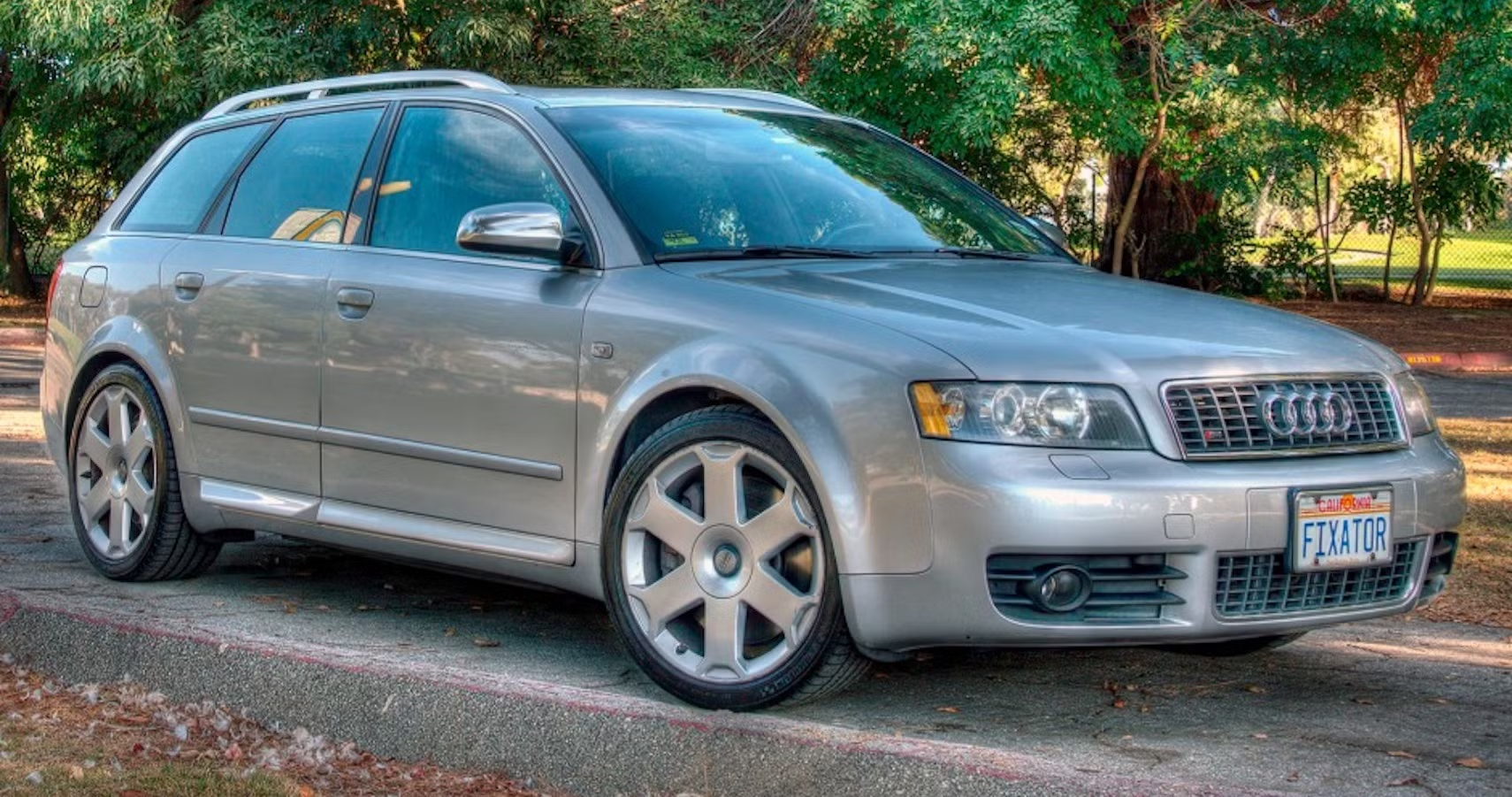
2. Audi S4 B5 (1997–2002)
For drivers seeking a performance sedan that feels planted in every corner, the B5 S4 is often a favorite. Its naturally aspirated V8 offered linear power and a sound that stirred emotions. The chassis tuning gave it a sharp feel without sacrificing composure. However, beneath the excitement lay a combination of maintenance needs that could test even seasoned owners. Reliability in daily use often depended upon how well one stayed ahead of service items that demanded attention.
This generation’s V8 engine, while smooth and rev happy, required careful oil change intervals and quality lubrication to prevent premature wear. Overlooking these basics could lead to lifter noise or worse.
When that happened, engine repair bills rose quickly. Independent specialists often emphasized the need for frequent inspection of valve guides and seals. Drivers discovered that performance was rewarding when the engine remained happy, yet expensive if not nurtured carefully.
The quattro system in the B5 S4 was part of its appeal, providing confidence in varied conditions. At the same time, it added complexity that required consistent attention. Differentials and transfer cases needed regular fluid changes that many owners found were easily overlooked.
Surprise symptoms like shuddering or unusual noise could point to fluid degradation. Fixing these problems was rarely cheap and demanded a mechanic familiar with Audi’s all wheel drive systems.
Interior electronics in the S4 sometimes behaved unpredictably. Features such as power seats, climate control, and central locking could develop quirks that were difficult to trace. Diagnostics often took longer than the actual repair job. On some occasions, multiple modules had to be replaced before the true culprit was found. Owners with patience and a willingness to learn often succeeded, while others felt drained by the process.
Yet, for all the fuss, the B5 S4 rewarded loyalty with an engaging driving experience. When systems were healthy, the combination of weight distribution, engine character, and mechanical grip made it memorable. Many owners found that the work involved became part of the ownership story. Still, this model remains on lists of those that will challenge both patience and personal budgets.
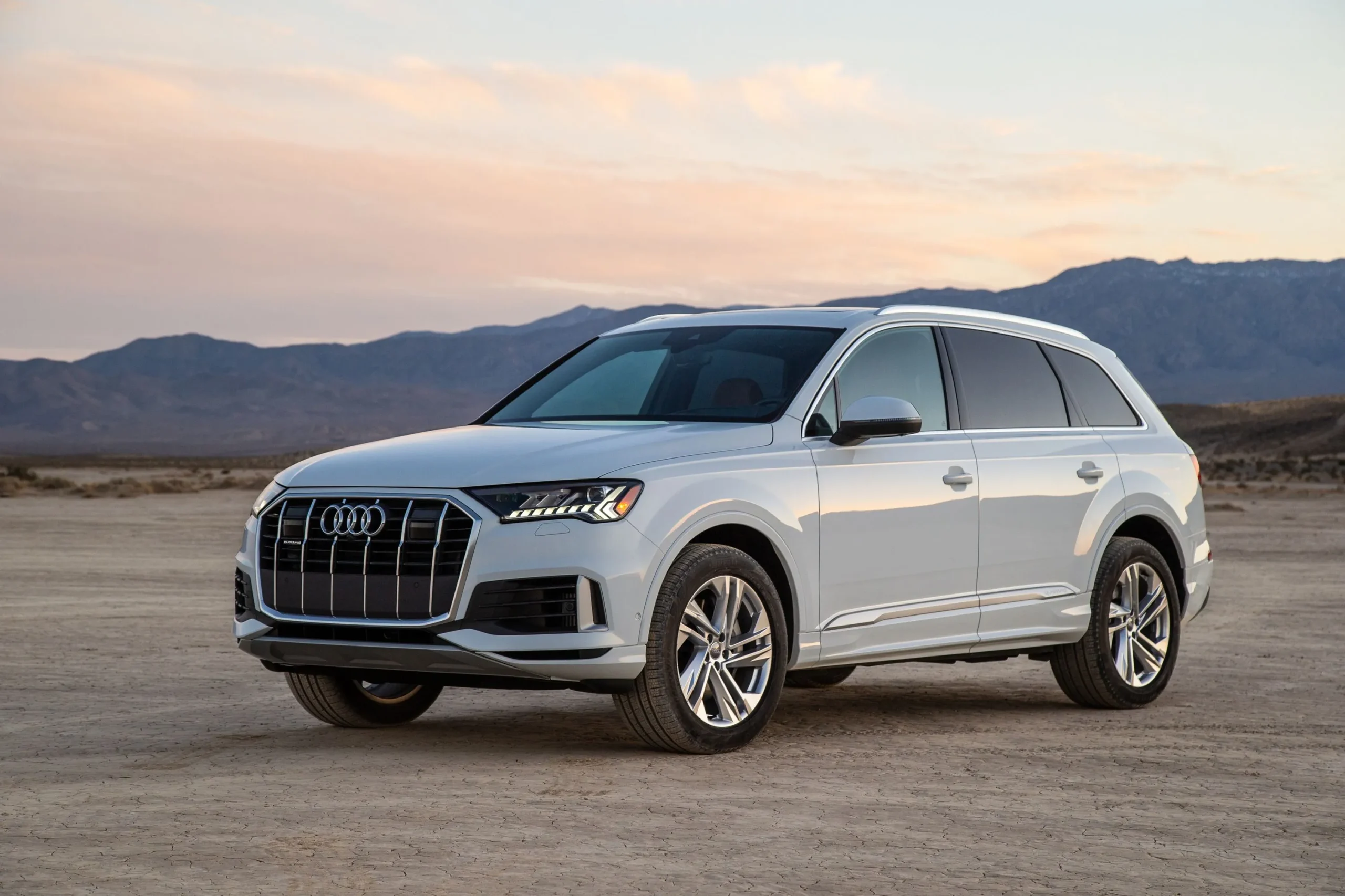
3. Audi Q7 First Generation (2006–2015)
The first generation of Audi’s full size luxury SUV was admired for its combination of space, comfort, and engine options that ranged from strong V6s to powerful V8s. Its silhouette conveyed capability with elegance.
Those who appreciated the idea of an SUV that could seat seven and still feel refined gravitated to this model. Today, its reputation reflects both the pleasures of ownership and the array of areas where expense and maintenance demand attention.
One of the most cited areas of concern involves the air suspension that equipped many trims. When in good condition, it provided a smooth and controlled ride. However, as the vehicle aged, leaks in the air springs and issues with valves or compressors became common.
Repairing these systems was expensive. Some owners chose aftermarket coil spring conversions to avoid ongoing costs. Each option required careful consideration and outlays that far exceeded routine service.
Engine complexity in the Q7 also proved challenging. The V8 variants with their cylinder deactivation technology were known to develop issues with lifters and oil consumption if not maintained meticulously. V6 diesel models required regular attention to emissions systems.
Components like diesel particulate filters and high pressure fuel systems were not inexpensive to service. Many owners found that staying ahead of maintenance schedules was essential to avoid surprise bills.
The electrical system in the Q7, packed with features for comfort and convenience, sometimes behaved unpredictably as mileage increased. Navigation modules, parking aid sensors, and infotainment displays could fail without clear cause. Tracking these faults often required specialized diagnostic tools that independent shops did not always possess. For owners without patience, these quirks became sources of frustration more than fascination.
Nevertheless, the Q7’s spacious interior, plush materials, and confident road manners made it worth the effort for many. When running well, it provided a comfortable stage for family trips and long highway cruises. A well-maintained example could still draw admiration for how composed it felt for its size. For anyone considering this SUV, preparedness for a journey of both enjoyment and cost awareness was part of responsible ownership.
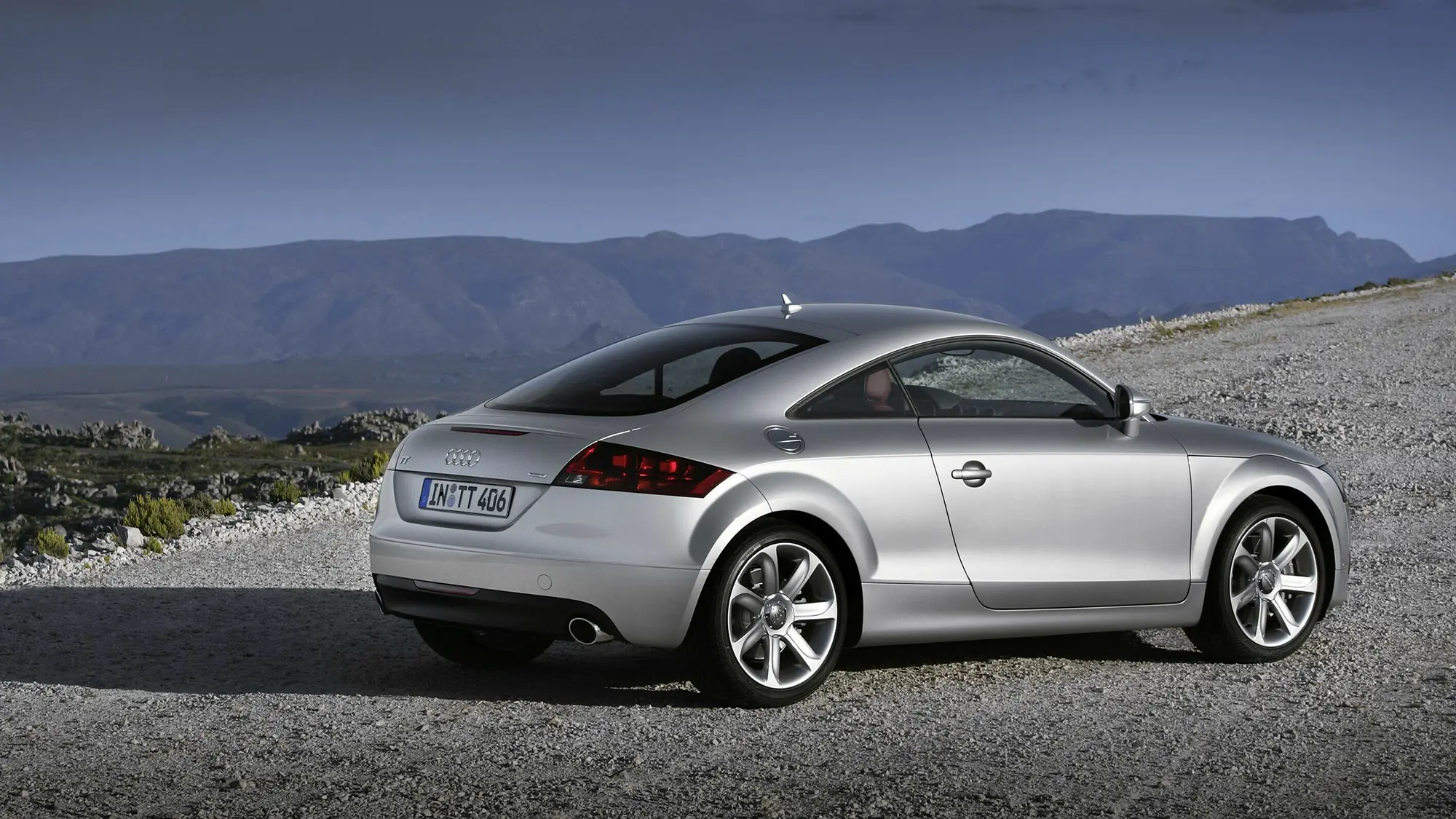
4. Audi TT Second Generation (2006–2014)
The second generation Audi TT was praised for its styling that blended modern lines with classic simplicity. Rounded edges and a distinctive profile set it apart from boxier competitors. Drivers enjoyed quick steering, balanced dynamics, and punchy engines that made cornering roads lively.
Yet beneath the charismatic surface, there were areas where patience was tested by recurring maintenance needs and growing service bills. Prospective buyers needed to understand both sides of the experience.
One of the most frequent concerns involved the dual clutch transmission that paired with many engines. While shifts were rapid and engaging, this transmission demanded regular fluid changes and careful use. When clutches wore prematurely, repair or replacement could demand several thousand in currency. Not every independent shop was eager to tackle these systems, which meant scheduling with specialized technicians and paying premium labor rates.
Engine components, especially in the turbocharged variants, could test an owner’s resolve. Intercoolers, boost hoses, and sensors sometimes failed without obvious symptoms at first. Drivers would notice reduced performance or rough idle long before the root cause was obvious. Troubleshooting could take time, and parts prices for genuine replacements were often astonishing. Owning one meant learning to read early signs of symptoms before they affected reliability.
Interior features such as seat heaters, climate control modules, and entertainment systems also developed issues as the years went by. While none of these challenges threatened mechanical integrity, they chipped away at the satisfaction of ownership.
Tracking each phenomenon down and resolving it in a single visit to a technician was rare. A methodical approach and willingness to invest time became essential to keeping the car feeling as new.
Still, when systems were healthy, the TT made its drivers feel connected to the road with crisp responses and a soundtrack that matched its sporty intentions. For many, the thrill of driving balanced delicately against the need to plan service and repairs carefully. Some owners embraced this interplay with enthusiasm, while others found it taxed both their availability and finances more than they expected.
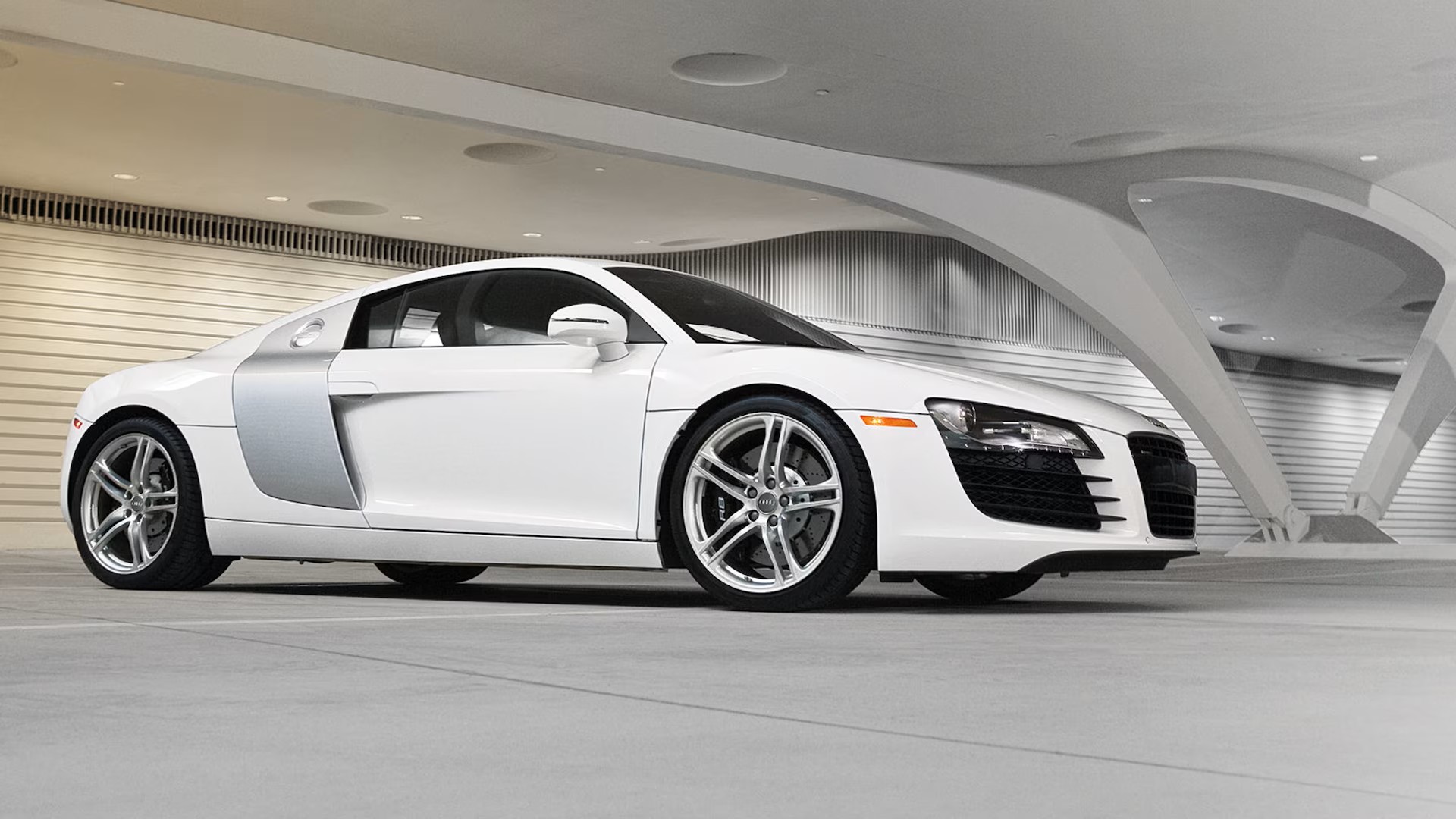
5. Audi R8 First Generation (2007–2015)
The first generation Audi R8 emerged as an icon in the supercar world, with a mid engine layout, exotic looks, and a soundtrack to match. Drivers and fans admired how it blended race inspired components with everyday usability that was rare for cars in its class.
Yet behind the glimmering performance lay ownership realities that could test patience and deeply affect budgets. Prospective purchasers needed to weigh the joy of driving against the responsibilities of maintaining a high performance machine.
The naturally aspirated V8 and V10 engines offered power that pulled strongly across the rev range. However, with high performance came high expectations for maintenance. Frequent oil changes, specialized coolant, and attention to valve clearances were part of preserving longevity.
Neglecting any of these could accelerate wear and lead to costly repairs. A single major engine repair, especially out of warranty, could eclipse savings accrued over many months of careful driving.
Another challenge was the gearbox and clutch assemblies. The manual gearbox was engaging yet demanded precision and care. The automated manual system offered lightning shifts but was known to be sensitive. Clutch wear could happen faster than anticipated, especially in city traffic. Replacing these components was expensive due to parts and labor. Owners often learned to moderate their driving habits to prolong clutch life and reduce shock loads on the transmission.
Suspension components were also not inexpensive to service. Sophisticated dampers and lightweight materials meant fewer unintended compromises in ride quality. However, if bushings, ball joints, or mounts wore out, replacement parts came at a premium. A typical fix was rarely simple or cheap. Precision alignment and calibration were necessary after suspension work, adding to the total cost and time investment required.
Despite the financial and logistical challenges, the R8 rewarded its owners with a driving experience few cars could match. The roar of the engine, the sharp turn in response to steering input, and the poised feel at high speed created moments that justified the care required. Those who embraced this balance between exhilaration and responsibility often found that the R8 became a lifelong passion rather than just a car.
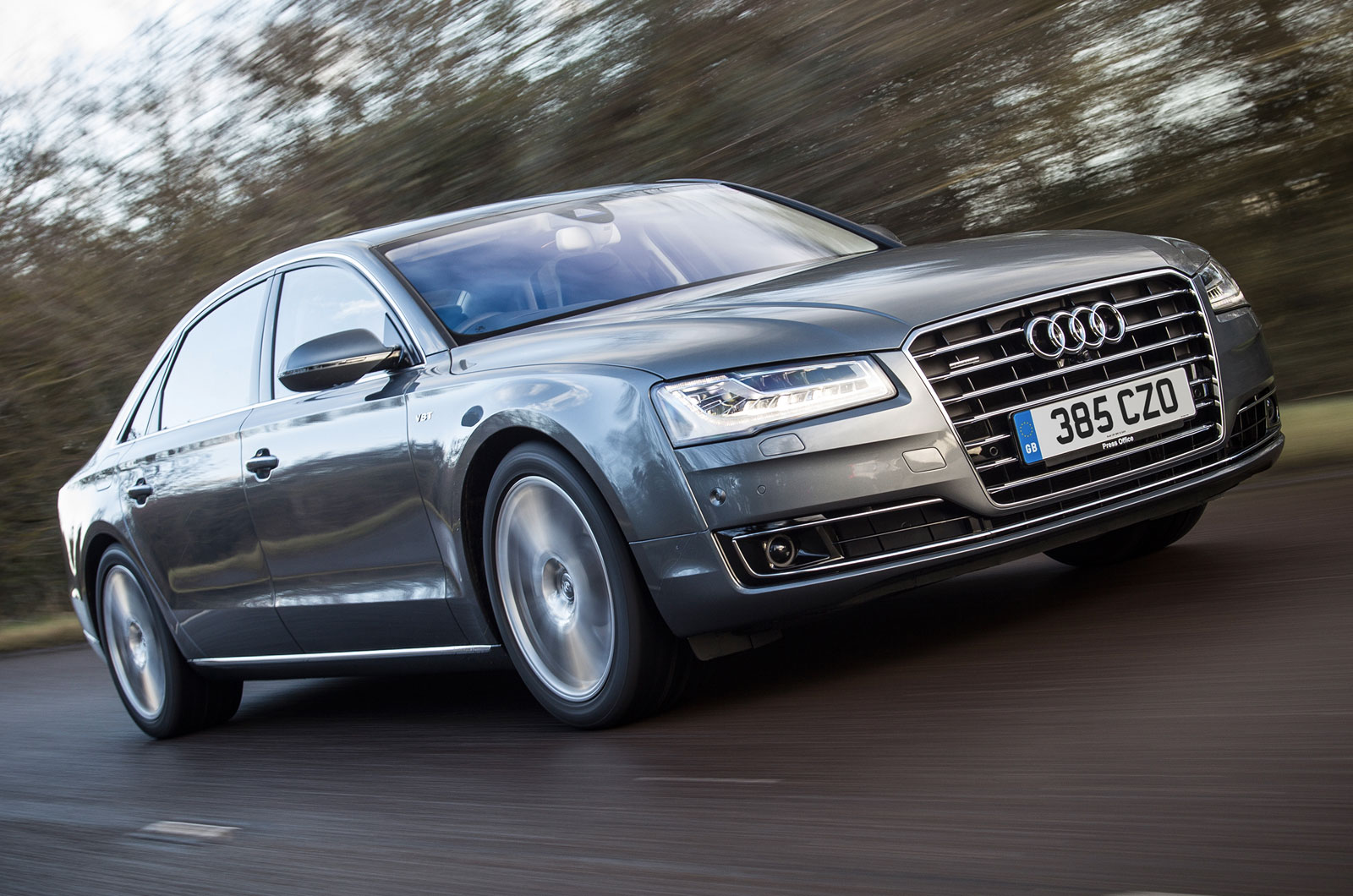
6. Audi A8 D3 (2003–2010)
The Audi A8 of this era represented the pinnacle of luxury sedan design for its generation. Its aluminum intensive body, refined interior materials, and advanced features for comfort and safety made it stand out among premium sedans.
From adaptive suspension to available All Wheel Drive, the engineering was staggering. However, the complexity that made it impressive also made it a machine that demanded attention and significant investment to maintain in peak condition.
One of the signature systems was the adaptive air suspension that worked to smooth out road imperfections. In theory, it offered near flawless ride quality. In practice, leaks in air springs, failing compressors, and worn components were common as mileage increased. Repairing these parts required time consuming labor and costly assemblies. Some owners opted to convert to more conventional suspension setups to avoid long term expense, yet each path required careful planning and money.
The advanced electronics that controlled comfort and safety functions also presented recurring challenges. Modules that managed adaptive cruise, lane sensors, or climate systems could fail without clear symptoms. Diagnosing these issues was often a process of elimination. Independent shops without Audi specific diagnostic tools sometimes struggled, leading to prolonged repair times. Owners quickly learned that patience was essential when system faults occurred.
Engine choices on the D3 A8 were broad, ranging from efficient six cylinder units to powerful V8s. None were immune to high maintenance demands. Timing chain wear on certain engines, if ignored, could lead to internal damage requiring engine teardown. Routine parts such as water pumps or tensioners were also expensive compared to simpler engines in less sophisticated sedans. Vigilant upkeep and a proactive service mindset were necessary to avoid surprise failures.
Despite all the hurdles, the A8 rewarded dedicated owners with quiet cabin refinement, impressive long distance comfort, and a presence that drew admiration. The way it absorbed road irregularities at high speed and provided ample space for passengers made it a favorite for those who valued serenity in automotive form. For anyone considering this model, readiness for ongoing care and a robust maintenance budget were part of responsible ownership.
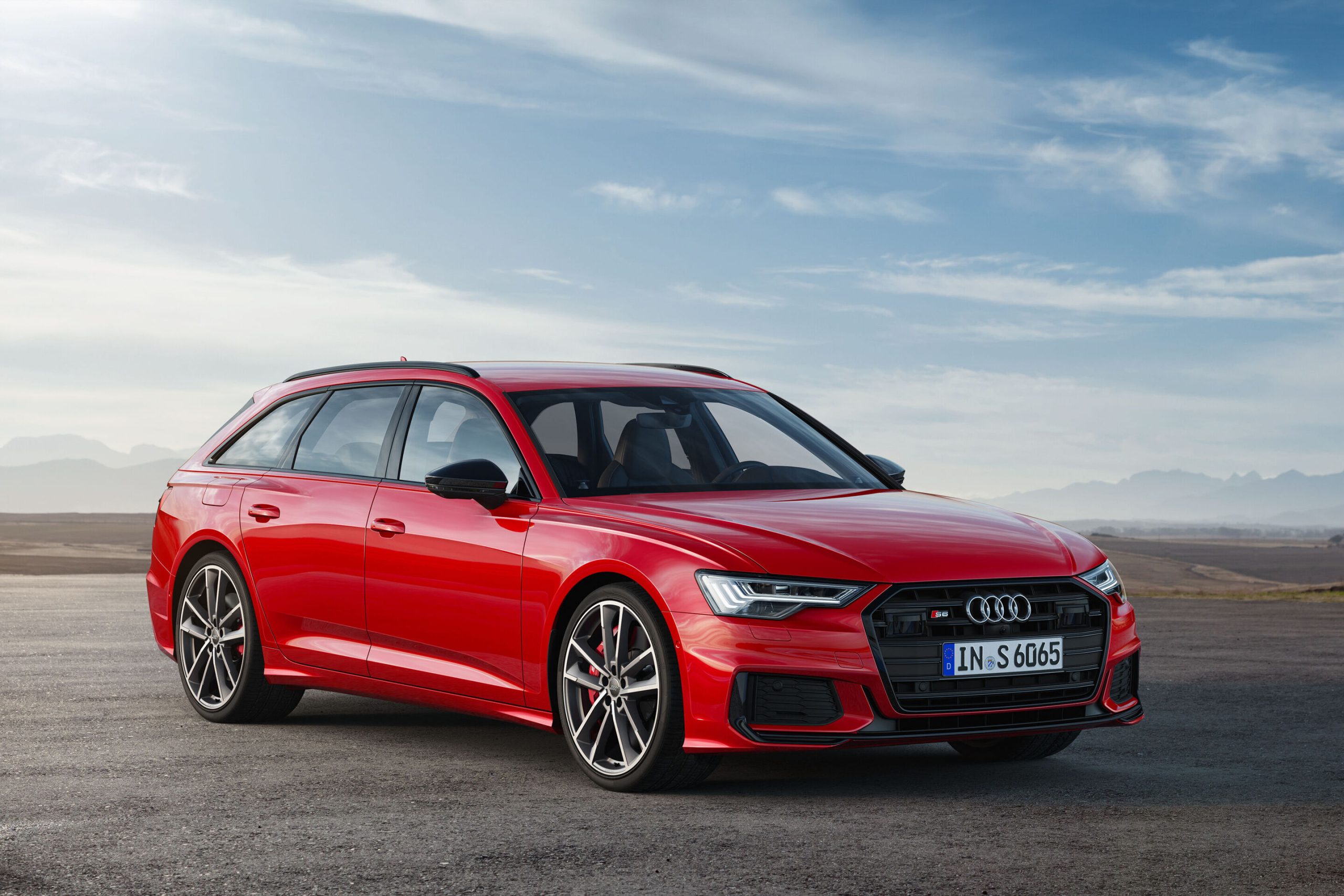
7. Audi S6 C6 (2006–2011)
The S6 of this generation was known for combining everyday usability with a performance edge that appealed to enthusiasts. Its powerful V10 engine delivered a soundtrack and acceleration that defined excitement for many drivers. The quattro system provided grip that boosted confidence in various conditions. These attributes, however, came with complexity that often strained patience and finances over long term ownership. Understanding what could go wrong helped owners prepare.
The V10 engine was a mechanical marvel with immense power potential. It rewarded high engine speeds with a rush of acceleration. At the same time, it required strict adherence to service intervals.
Oil changes with premium fluids, attentive cooling system checks, and timing component inspections were all parts of keeping the engine healthy. Failing to stay on top of these items could lead to worn components and expensive repairs down the line.
Another area that tested owners was the dual clutch transmission paired with the S6. While shifts were quick and smooth when functioning properly, the mechatronics unit and clutch packs were known to develop issues. Failure of these systems did not always produce clear warning signs. Sometimes the first indication was in harsh shifts or unexpected behavior at launch. Replacing or rebuilding such components often meant bills that surprised even seasoned Audi owners.
Suspension and steering components were built to handle performance driving, yet they wore faster than parts on more comfort oriented sedans. Bushings, tie rods, and control arms sometimes needed replacement earlier than expected. Each visit to the shop peeled away at savings. Owners who drove the S6 hard found that performance thrills came with regular expense and planning for preventive work.
Despite all the maintenance realities, the S6 provided a blend of power and refinement that few rivals matched. On a twisty road, its chassis confidence and engine vigor made every bend feel rewarding. Many owners found that the costs were worth the emotional connection they had with the car. The experience of driving it fast and smooth remained a highlight that justified the effort.
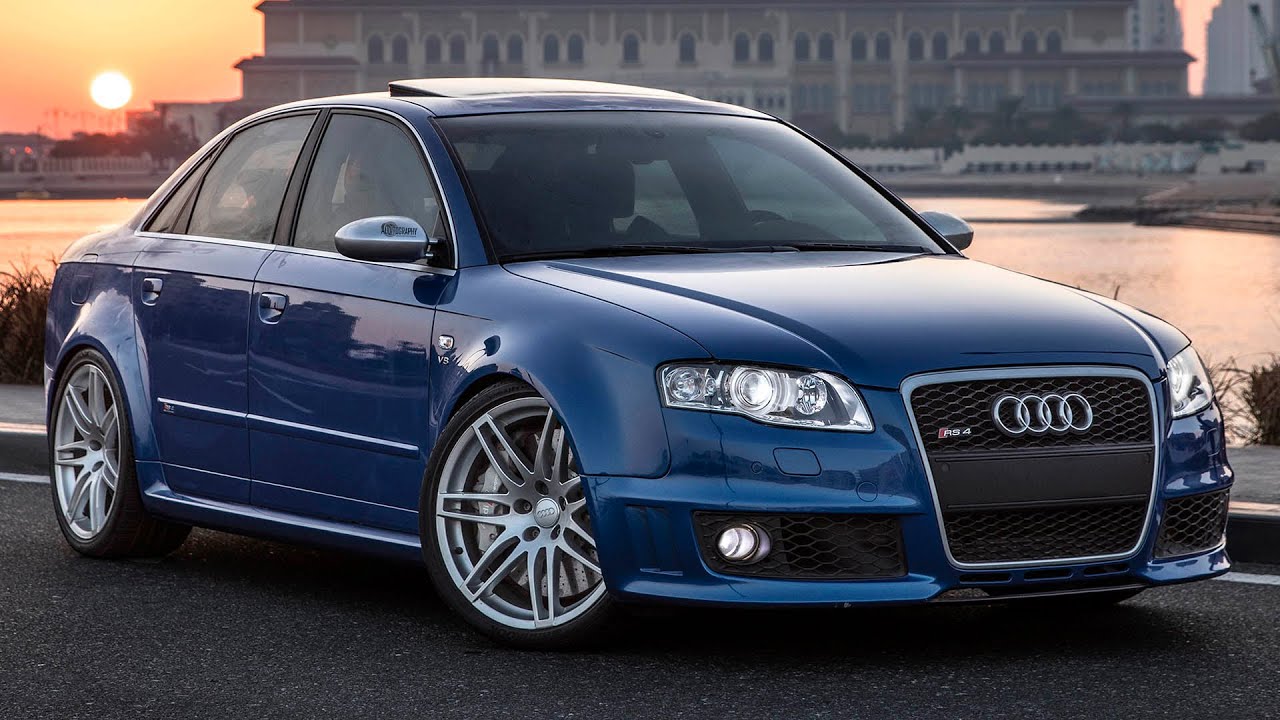
8. Audi RS4 B7 (2006–2008)
The Audi RS4 from this generation captured attention with a naturally aspirated V8 that breathed with urgency and delivered exhilarating performance. Its wide stance, purposeful design, and precise handling made it feel ready for a track as soon as it left the showroom. Enthusiasts appreciated how it combined aggression with sophistication. Still, the reality of ownership included maintenance demands that required planning and financial readiness.
The heart of the RS4 was its high revving engine that loved to stretch its legs. To maintain peak performance, frequent oil changes with high grade lubricants were recommended. Other routine checks such as valve adjustments, cooling system service, and careful belt inspections were part of preventative maintenance. Letting these needs slip could result in uneven wear and bigger bills later.
The quattro system on the RS4, combined with performance tuned suspension, gave it cornering ability that felt planted. However, this also meant that components like differentials, driveshafts, and bearings saw heavy loads. Replacing these parts was not inexpensive, and tracking down subtle noises or vibration took patience. The interplay between mechanical grip and wear was a constant consideration for owners.
Interior features, while focused on driver engagement, still included complex climate control, navigation, and audio systems that could act unpredictably. Fixing these issues often required sophisticated scanning tools to isolate faults.
Independent shops that lacked these tools sometimes guessed at solutions, leading to repeated visits. Patience became as important as budget when restoring full comfort and convenience.
Despite all these factors, the RS4 B7 delivered a driving experience that felt alive at every turn. The engine response, the transmission feel, and the composure through bends made it unforgettable. Owners who accepted the maintenance requirements found that the performance and joy far outweighed the challenge. This model remains celebrated for how it combined raw ability with Audi’s refined engineering.
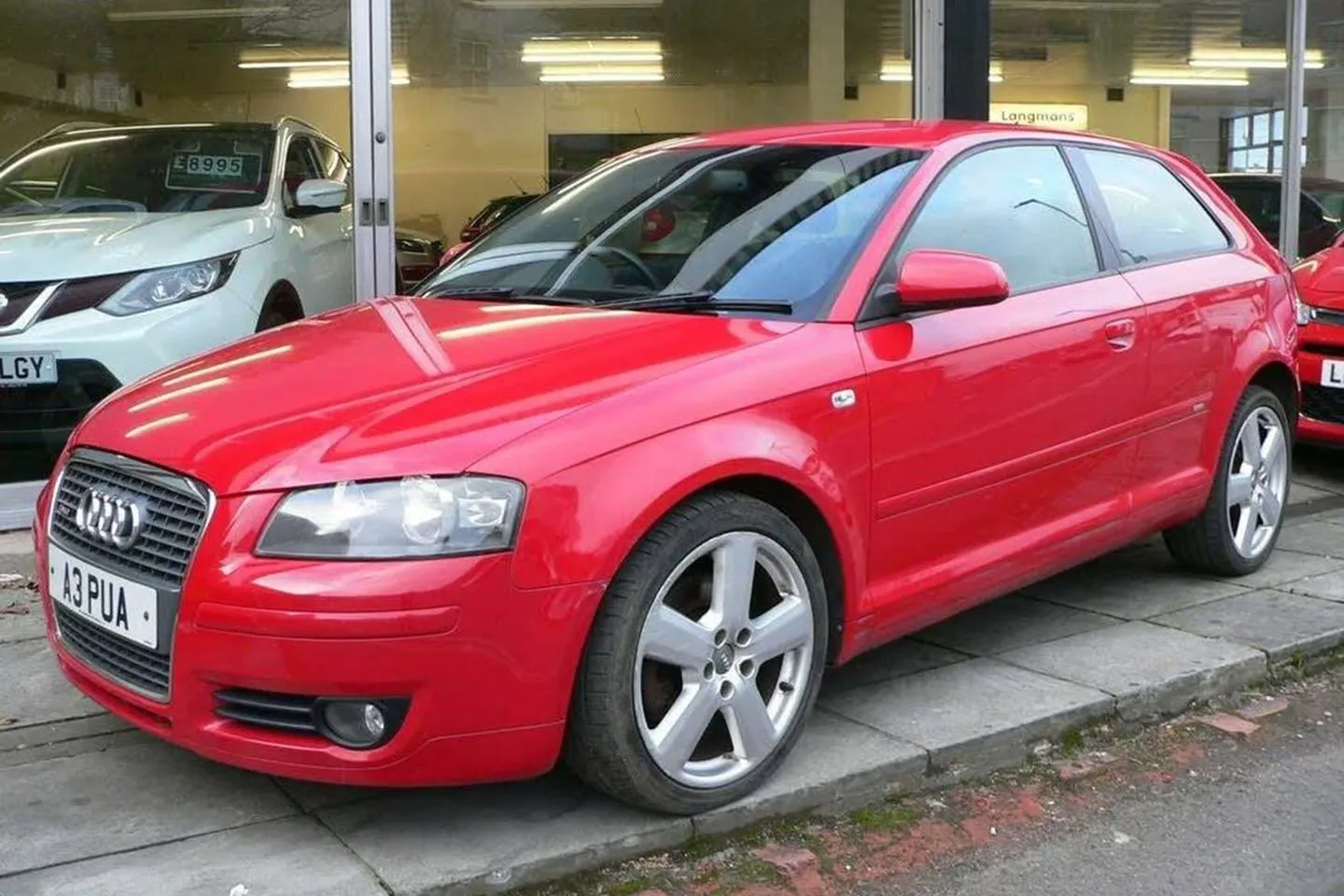
9. Audi A3 8P (2003–2013)
The Audi A3 in this generation was popular for its compact size, premium touches, and available sporty versions that injected extra fun into everyday driving. Its refined interior and quality fit and finish made it feel more expensive than its class. Prospective buyers appreciated its versatility for city and highway use.
However, beneath this attractive package were systems that could test owners with unexpected expenses and complex maintenance demands.
One of the primary areas of concern involved the turbocharged engines fitted to many trims. These engines provided lively performance and good fuel efficiency when healthy.
At the same time, they were sensitive to oil quality and change intervals. Ignoring these basics often resulted in clogged intake systems or worn turbo bearings. Repairing or replacing these components was not cheap and sometimes required specialists.
Another challenge was the dual clutch transmission available on many A3s. While fast and smooth when functioning perfectly, this gearbox was known to have mechatronics issues as mileage increased.
Symptoms could appear as hesitation, rough shifts, or unexpected engagement behavior. Diagnosing these problems often took multiple visits and specialized diagnostic tools. Even then, parts and labor costs were significant.
Suspension components on this model were also subject to quicker wear when driven on rough roads or enthusiastically. Tie rods, control arms, and bushings sometimes needed replacement earlier than owners expected. Each of these repairs required careful alignment and calibration. The total service bill added up faster than many first time Audi buyers anticipated.
Still, the A3 provided an engaging driving experience with a compact footprint and a premium feel. Drivers appreciated how the agile steering and responsive engines made everyday journeys more enjoyable. Owners who accepted the need for attentive service found that the A3 rewarded them with satisfaction that justified the investment of time and money.
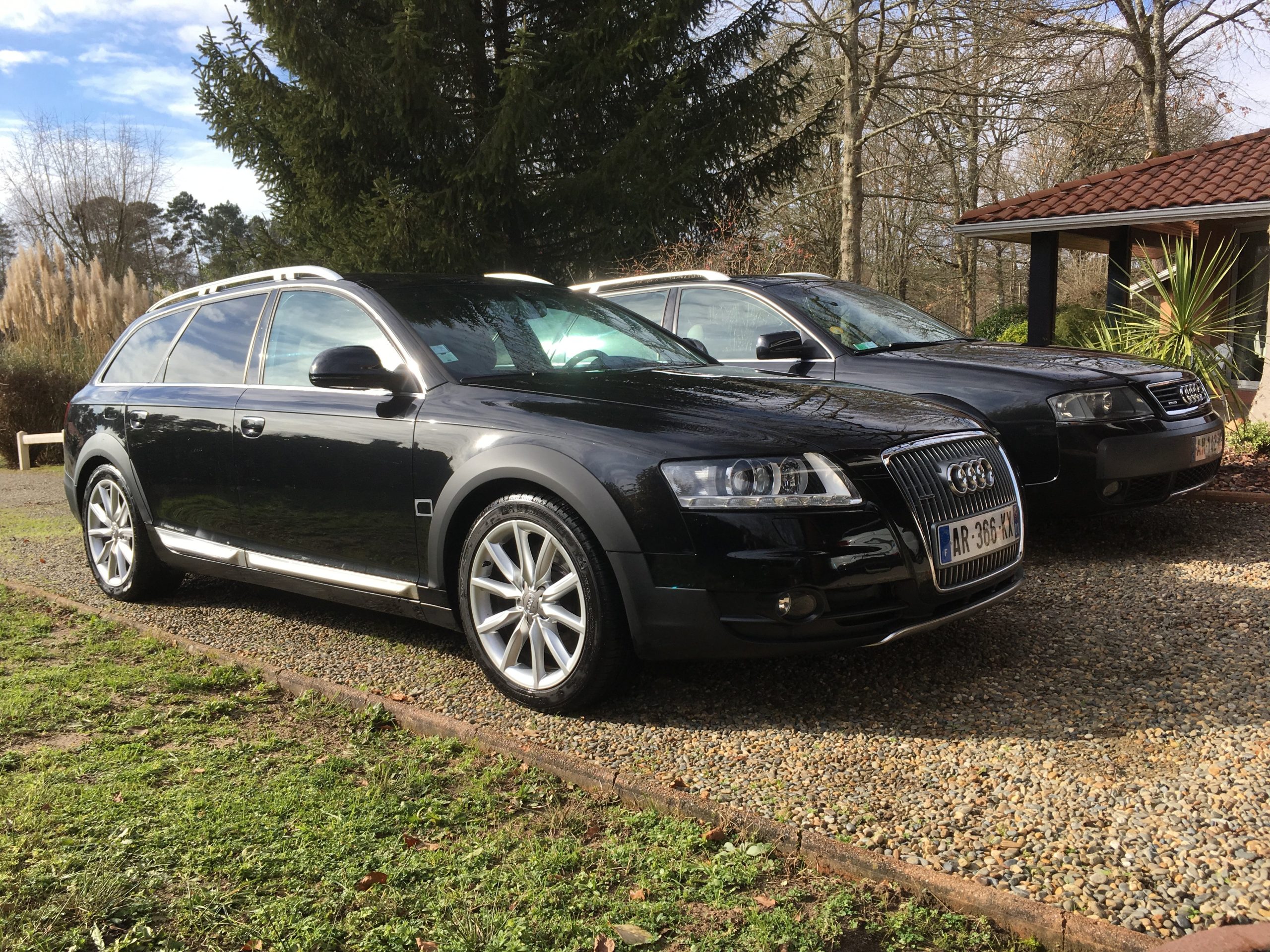
10. Audi Allroad C5 (2001–2005)
The Allroad variant of the A6 blended wagon practicality with rugged styling and advanced suspension that promised versatility for varied terrain. Its raised ride height, protective cladding, and quattro system made it a favorite among drivers who wanted a capable all weather vehicle.
Yet beneath its go anywhere image were components that could test patience and budgets over time. Understanding these realities helped owners prepare for long term care.
The signature adaptive air suspension in the Allroad aimed to provide a smooth ride and varied ground clearance. This system featured air springs, compressors, and height sensors. As the vehicle aged, leaks in air bellows and failures of compressor units became more common.
Replacing these parts required considerable labor and part costs that far outpaced simple spring setups. Many owners chose to retrofit traditional springs to simplify maintenance, but this also required thoughtful planning.
Engine choices on the Allroad ranged from V6 gasoline units to turbodiesel options that offered excellent torque. The diesel variants, especially, required regular attention to emissions systems and high pressure fuel components. Particulate filters and injection systems were known to be fussy and expensive when they failed. Gasoline engines were not immune to timing chain wear or sensor failures that demanded timely service.
Another challenge was the complex quattro drivetrain that included multiple differentials and drive components. Fluid changes were recommended at intervals shorter than many owners expected. Failing to stick to schedules often resulted in noise or vibration that required differential or transfer case service. Each of these repairs involved parts and labor that tested personal budgets.
Despite the maintenance realities, the Allroad remained beloved for its combination of space, practicality, and confident performance in varied conditions. When working well, it felt composed and capable whether on highways or gravel roads.
Many owners found that the effort required became part of the story of ownership rather than a deterrent. With proper attention, this model continued to deliver satisfaction well into later years.
