
Mercedes‑Benz has earned a reputation for crafting luxury SUVs that offer impressive styling, cutting‑edge features, and refined performance. For many buyers, the idea of owning a Mercedes SUV represents prestige and comfort wrapped up in a powerful machine.
What many owners do not anticipate is how quickly costs can escalate when maintenance, repairs, and complex electronics begin to demand attention. The prestige of the three‑pointed star badge comes with a price tag that extends far beyond the sticker price at the dealership.
These vehicles are engineered with high levels of technology, from advanced suspension systems to intricate infotainment interfaces. While such features enhance the driving experience, they also introduce layers of complexity that can make even minor issues expensive to fix.
Parts for these models are often costly because they are specialized components designed to meet exacting standards. Independent mechanics may charge more due to the expertise required, and many owners find themselves returning to authorized dealers for work, which often costs more.
Another factor that impacts expenditure is the pace at which technology evolves. A feature that was cutting‑edge a few years ago can quickly become outdated, yet the cost to replace or upgrade remains high.
Electronics and sensors are integrated deeply into every system of modern Mercedes SUVs, from lighting and braking to climate control and driver assistance. When sensors fail or software issues arise, troubleshooting can take time, leading to higher labor costs.
Fuel consumption in some Mercedes SUV models also contributes to the total cost of ownership. Larger engines with high performance figures tend to sip fuel more generously than smaller or less potent counterparts.
Owners in regions with high fuel prices may find themselves budgeting significantly for routine driving. Efficiency ratings may look favorable on paper but real‑world conditions often present a different picture.
Insurance and depreciation are additional considerations for buyers who are focused on long‑term ownership. Luxury SUVs can draw higher insurance premiums because of the value of their parts and the cost of specialized repairs.
Depreciation hits many premium models hard within the first few years of ownership. As a result, owners may find that they owe more on a vehicle than its market value if they decide to sell or trade it in early.
Read on to learn about ten specific Mercedes SUV models that are widely noted for their costly ownership tendencies. Each one on our list has its own reasons that have caused owners to complain about unwelcome expenses.
From electrical gremlins to pricey scheduled services, our examination covers the most frequent and financially painful issues. Understanding these challenges can help potential buyers make more informed decisions before committing to one of these luxury vehicles.
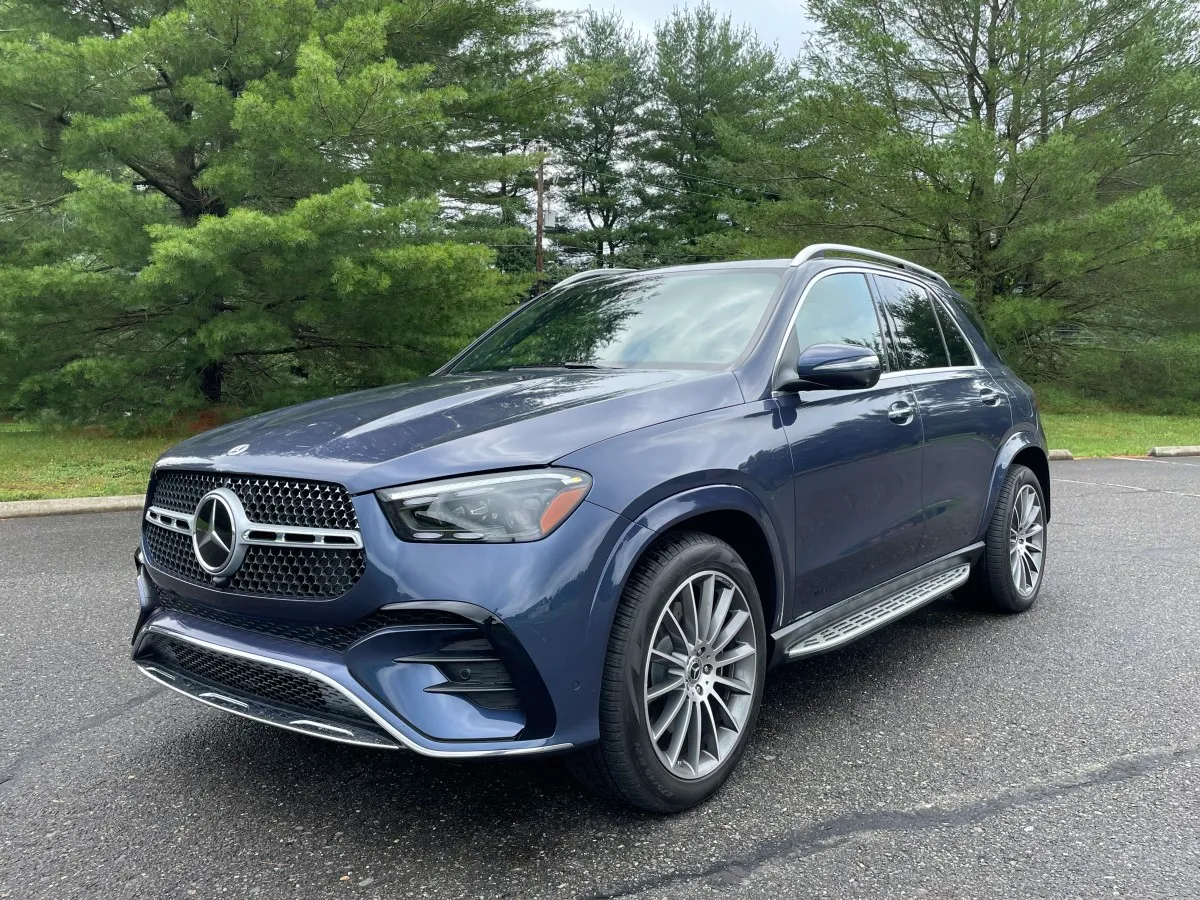
1. Mercedes‑Benz GLE
The Mercedes‑Benz GLE has been a popular choice among buyers looking for a luxury mid‑size SUV with strong performance. Many owners praise its ride quality and spacious cabin, but complaints about ownership costs often surface shortly after purchase. One common concern is the complexity of the suspension system. The advanced air suspension offers comfort but can be expensive to repair when components fail.
Electrical issues are another frequent source of frustration for GLE owners. With a cockpit full of screens and sensors, any malfunction can require deep diagnostic work. That often translates to hours of labor billed at premium rates. Replacement of display units or body control modules can easily run into the thousands of currency units.
Routine maintenance on the GLE also comes with a high price tag. Scheduled services often require specialized tools and fluids that are more expensive than those for more mainstream SUVs. Owners report that even simple services like brake pad changes can be significantly higher than expected.
Fuel economy for many GLE variants falls short of owner expectations. Drivers who choose the more powerful engine options find that real‑world fuel consumption can be steep. Given rising fuel prices in many markets, this adds another recurring cost. For owners using their GLE for daily driving, this can add up quickly.
Resale value for earlier GLE models has not always held up well. Depreciation bites fast once a vehicle ages past a couple of years. Some buyers find themselves losing a large portion of their investment when it comes time to sell. For those who upgrade frequently, the GLE’s ownership costs can be a real financial burden.
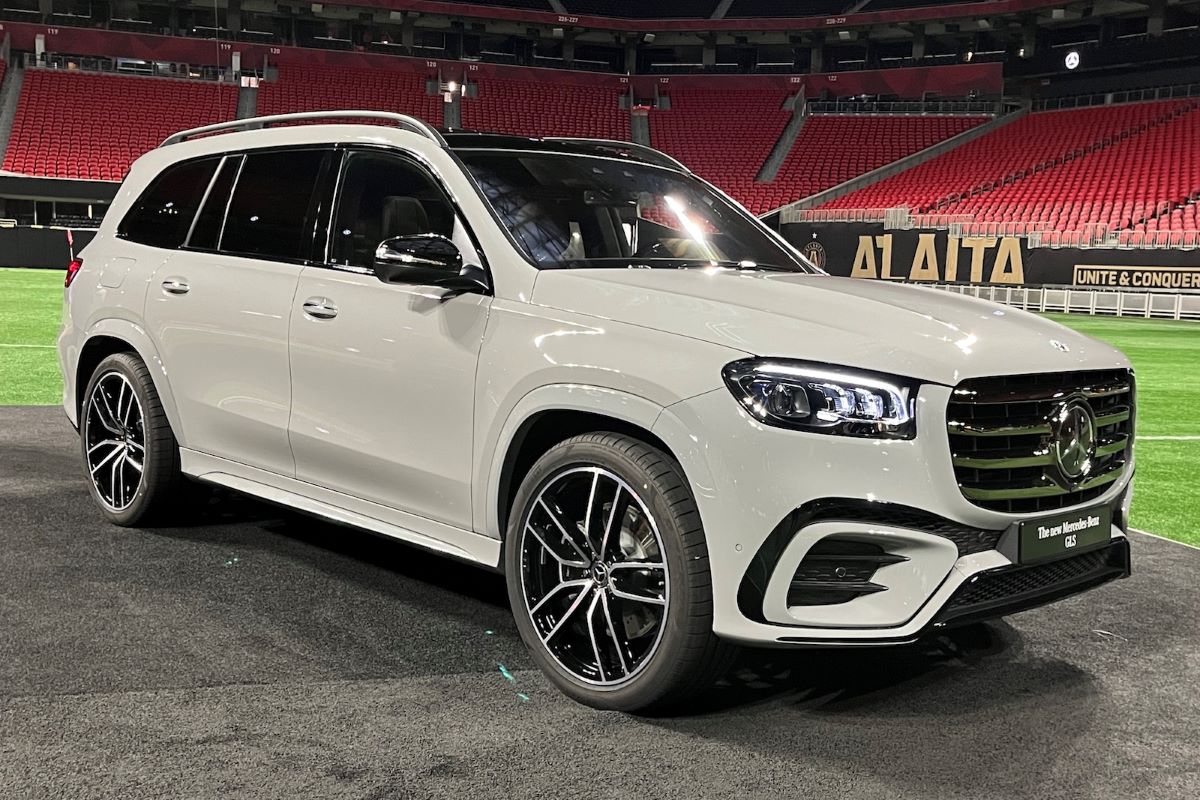
2. Mercedes‑Benz GLS
The Mercedes‑Benz GLS sits at the top of the brand’s SUV lineup in terms of size and presence. Owners appreciate its three‑row seating and powerful engines, yet the cost of keeping such a large luxury SUV on the road can be daunting.
Routine services are more expensive due to the number of components that need inspection. From complex braking systems to advanced torque distribution, every maintenance visit adds up.
Another area that has drawn criticism is the GLS’s infotainment and electronics suite. With multiple screens and connectivity features, diagnosing glitches requires dealer‑level hardware. Such diagnostic sessions can be billed at high hourly rates. Replacement parts, from display screens to sensor arrays, are hardly inexpensive.
Brake system upkeep is a frequent concern for GLS owners. The SUV’s mass demands robust hardware, which also wears down more quickly under heavy use. High‑performance brake pads and rotors for these models cost significantly more than average SUV parts. Frequent pad replacements can thus become an unwelcome annual expense.
With large displacement engines and heavy curb weight, average fuel economy figures often fall under what many drivers expect. Owners commuting long distances or using the SUV for family trips find that fuel bills form a major portion of monthly automotive spending. Those who tow regularly will notice even higher consumption figures.
Insurance premiums for the GLS typically run on the higher side for its class. Its luxury designation and costly parts contribute to this trend. Even minor accidents can lead to expensive claim repairs. For families balancing a tight budget, the GLS’s ownership costs can quickly erode the initial joy of driving such a capable SUV.
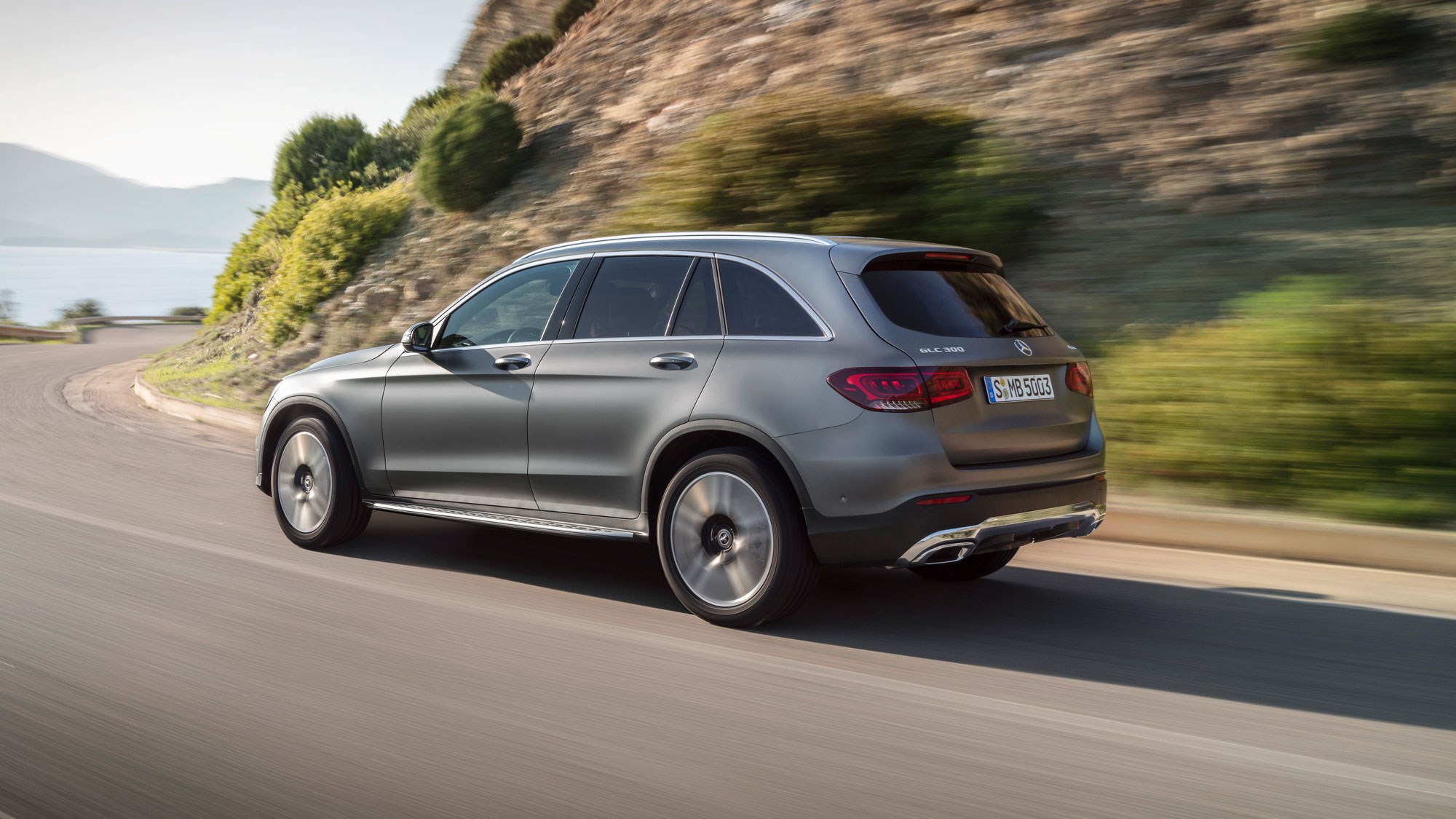
3. Mercedes‑Benz GLC
The compact Mercedes‑Benz GLC is often chosen for its stylish design and road manners. While it may be smaller than its GLE and GLS siblings, ownership costs can still be surprisingly high over time. One key issue owners face relates to transmission costs. The sophisticated automatic gearbox in many GLC models can be costly to service or repair when problems appear.
Another frequent expense for GLC owners is software related. Modern vehicles rely on constant updates to control modules for everything from climate control to drive mode selection. When updates fail or glitches occur, dealer visits are required. Technical assistance often takes premium billing, especially if multiple systems need attention.
Suspension and tire wear is a common topic among GLC users. The SUV’s sportier tuning leads to quicker tire degradation than expected. While performance handling is enjoyable, the cost of replacing low‑profile tires can be significant. Adding to the expense is the need for wheel alignment and balancing that must be done carefully to maintain ride quality.
Fuel performance in heavier trim levels of the GLC can also disappoint. Buyers expecting economy may find themselves filling up more often than planned. The difference between advertised figures and real‑world consumption hits the wallet. Commuters find this especially noticeable during long city traffic conditions.
Depreciation affects total cost of ownership, especially for buyers who trade vehicles within a few years. The combined financial impact of depreciation, maintenance, and fuel costs can make long‑term ownership more expensive than anticipated by new owners.
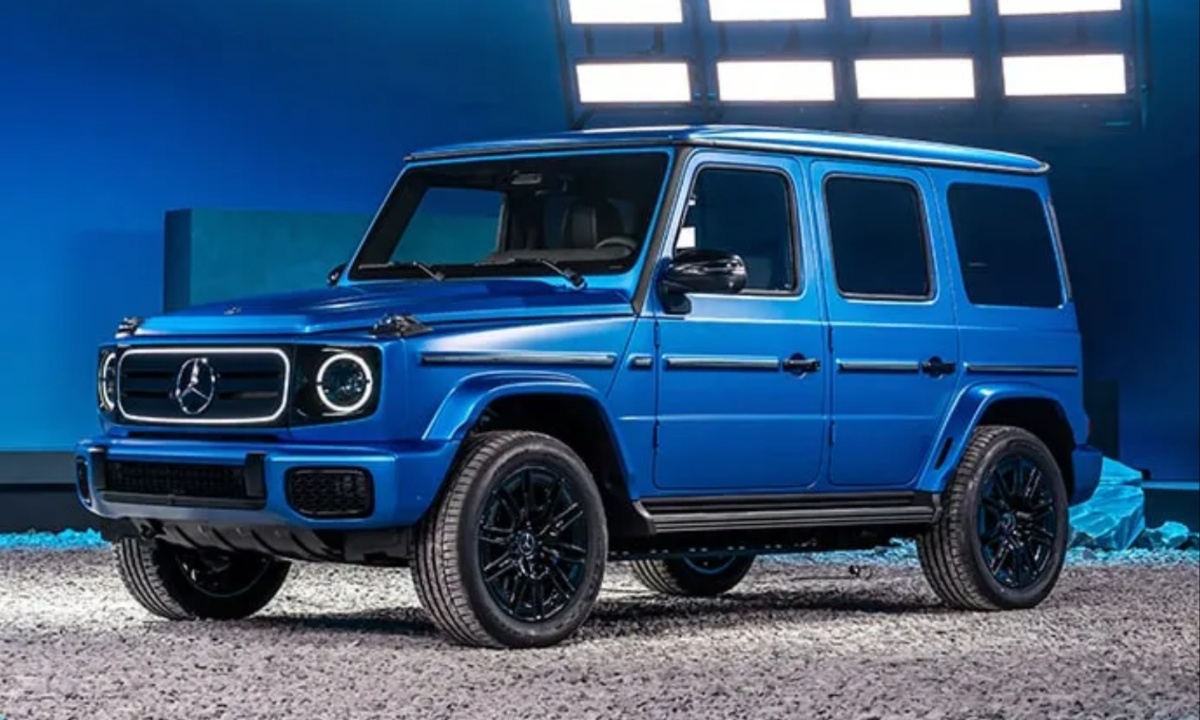
4. Mercedes‑Benz G‑Class
The Mercedes‑Benz G‑Class carries an iconic design that dates back decades, but that classic look comes with modern complexity. Known affectionately among enthusiasts, this SUV has a commanding presence and exceptional off‑road capability. Owners quickly learn, however, that authenticity and desire come at a premium cost. The G‑Class is equipped with specialized hardware and bespoke parts that are unique to its platform.
Routine servicing of the G‑Class is significantly more expensive than many other SUVs due to its bespoke nature. Oil changes, brake checks, and routine inspections involve extra labor. Technicians must be familiar with its unique layout and systems. That expertise is typically billed at a higher hourly rate, reflecting both skill and scarcity.
Replacement parts for the G‑Class are rarely budget friendly. The handcrafted elements and rugged components contribute to a higher parts price point. Even seemingly small items such as trim pieces or bushings can cost multiples of similar parts in more common vehicles. Owners often face long lead times when ordering parts, creating downtime and costs.
Fuel consumption for the G‑Class remains a sore point for many buyers. These boxy, heavy vehicles do not yield favorable economy figures, especially with larger engines. Daily driving or long highway runs can result in frequent fuel stops. For owners in markets with higher fuel taxes, this adds a significant recurring cost.
Insurance premiums for the G‑Class can be steep due to its high value and expensive repair profile. The SUV’s status and unique parts amplify repair costs after even minor incidents. Premiums reflect this heightened risk. Families and enthusiasts alike may find that the financial burden offsets some of the pride of owning such a distinctive vehicle.
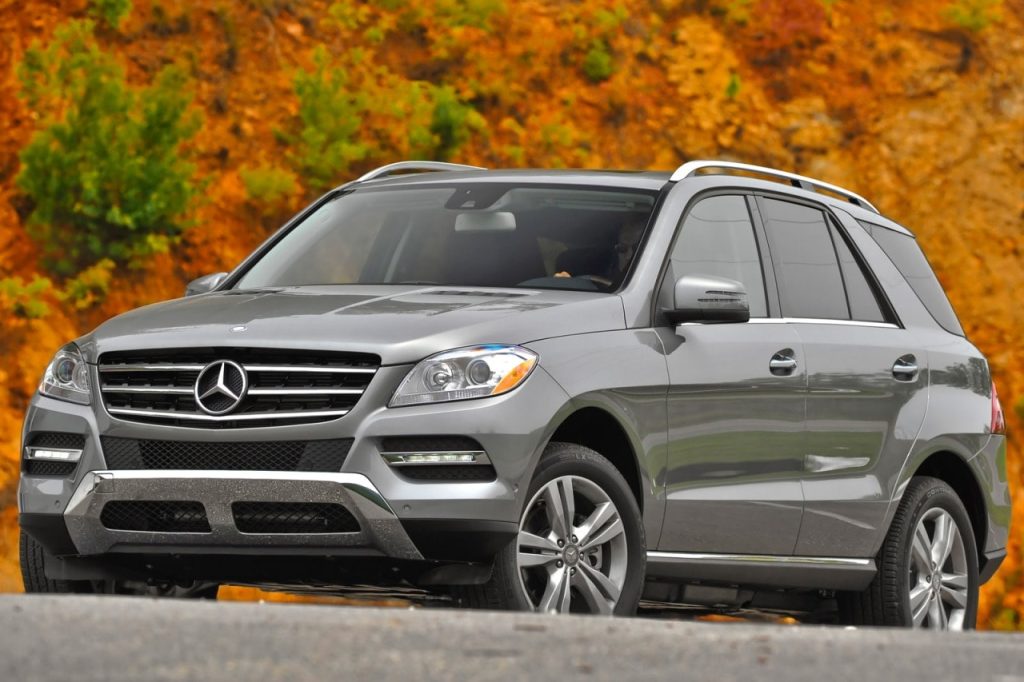
5. Mercedes‑Benz ML‑Class
The predecessor to the GLE, the Mercedes‑Benz ML‑Class became popular for its comfort and performance. Today, used‑car buyers still seek these SUVs for their luxury feel. However, over time many owners have encountered recurring costs that undermine the appeal. Issues with older electronics, suspension wear, and transmission problems are frequently cited as expensive to correct.
Air suspension is one of the common trouble spots on the ML‑Class. When the air springs or compressor fail, repairs are costly due to part prices and labor intensity. Owners often find that independent garages may not carry the required components, leading to dealer dependence. This dealer specialization translates to higher bills.
Older engine designs in the ML‑Class also attract attention for oil consumption issues. Over time, some engines exhibit increased oil usage requiring frequent top‑ups. While not always catastrophic, the ongoing expense adds up. Buyers who are not attentive to oil levels may face secondary problems, amplifying repair costs.
Transmission control module faults have been known to surface in higher‑mileage units. When shift patterns become erratic or warning lights appear, professional diagnostics are necessary. Fixing or replacing control modules is neither cheap nor simple. Many owners end up spending thousands to restore smooth gearbox performance.
Rust and wear on high‑mileage ML SUVs can also demand attention. As the vehicle ages, body and undercarriage corrosion may require panel repair or rust treatment. Bodywork and protective coatings are costly, especially if done thoroughly. For buyers who intended to keep these SUVs long‑term, the cost of addressing age‑related wear becomes a significant ongoing burden.
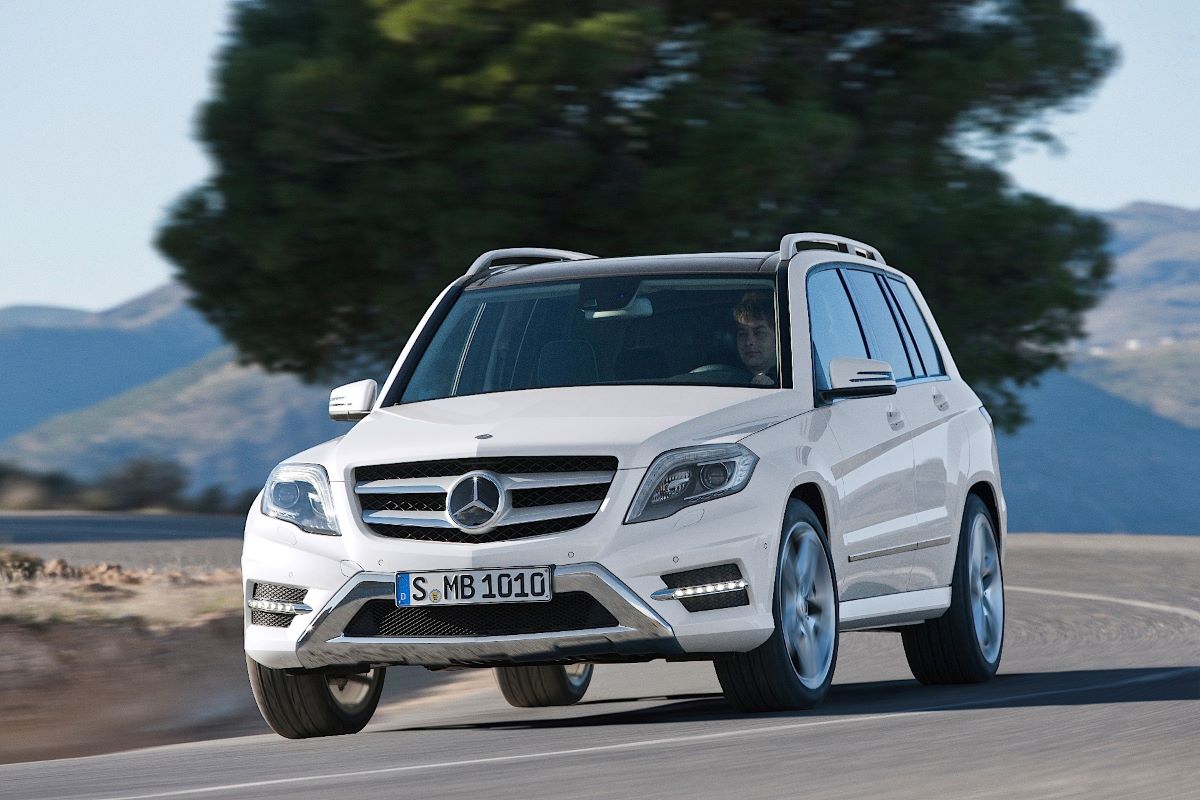
6. Mercedes‑Benz GLK
The compact luxury SUV Mercedes‑Benz GLK launched with fanfare for its solid build and dynamic handling. Yet over years of ownership many drivers note expenses that catch them off guard. One frequent complaint is associated with transfer case and drivetrain components. All‑wheel‑drive systems are intricate and costly to service when faults develop.
Electrical gremlins also appear regularly in older GLK models. Issues ranging from faulty sensors to problematic window regulators lead to shop visits. Diagnosing such faults demands time and expertise, which in turn leads to higher labor charges. Component replacement for electrical systems also carries above‑average costs.
Heating and cooling system problems are another source of expense for GLK owners. Climate control modules and blower motors can fail or behave erratically, especially on higher‑trim models. Replacements and diagnostics are both labor‑intensive and parts‑heavy. Seasonal discomfort quickly turns into budget stress.
Fuel economy in some GLK variants disappoints when compared to rivals in its class. Buyers expecting efficient cruising find that spirited driving or city traffic takes a toll on mileage figures. The gap between advertised expectations and actual experience becomes evident at the pump. Frequent fuel stops contribute to cumulative monthly costs few anticipated at purchase.
Resale value for the GLK can also drop significantly after a few years of ownership. Depreciation is particularly harsh on models with higher mileage or cosmetic wear. Sellers often need to price lower to attract buyers quickly. Owners who planned to trade in within a short time frame may find their investment has diminished more than expected.
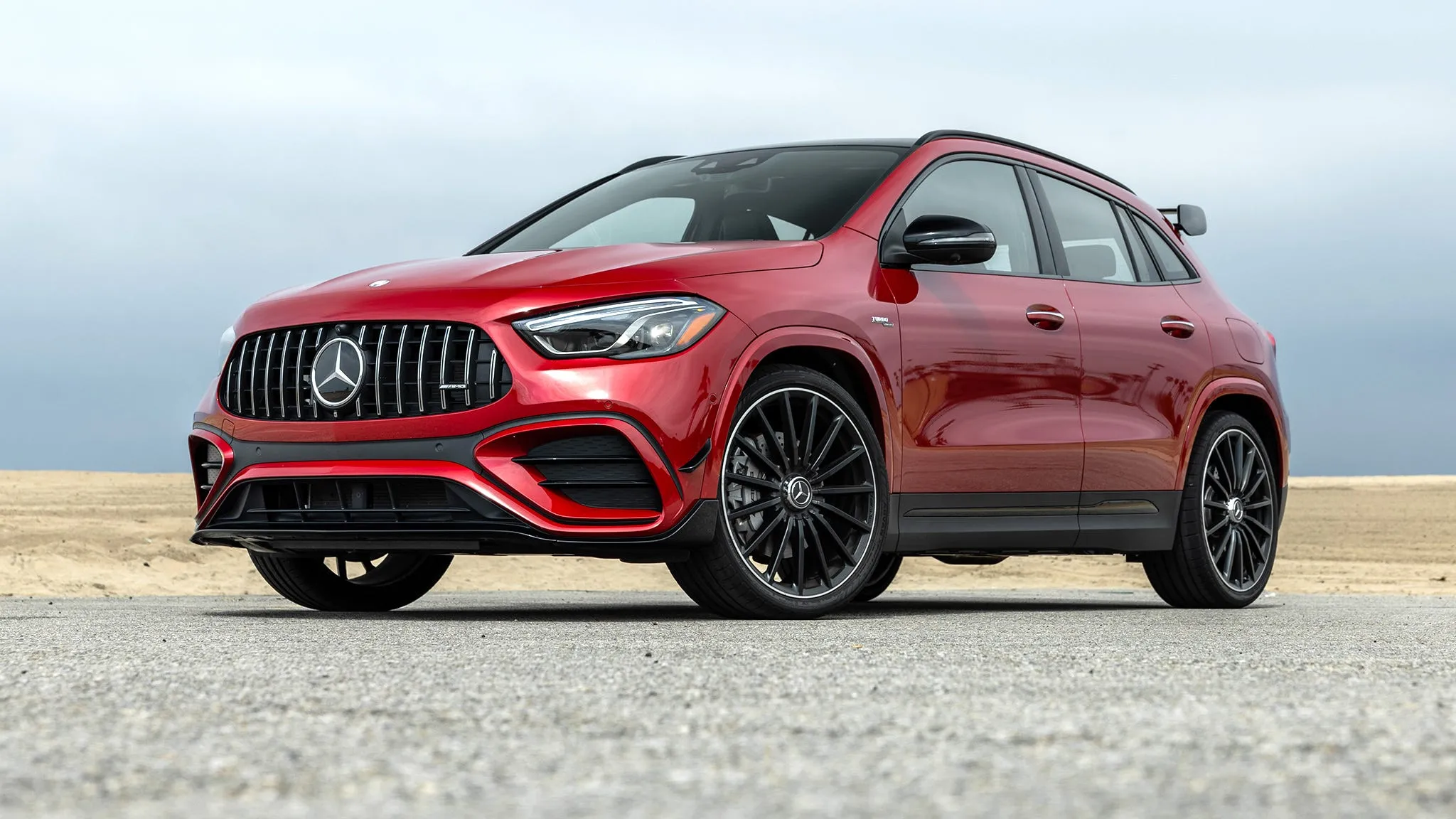
7. Mercedes‑Benz GLA
The subcompact Mercedes‑Benz GLA appeals to urban buyers seeking the brand’s badge in a smaller footprint. In reality, ownership costs for the GLA can be surprisingly steep once maintenance and repairs accumulate. A common issue relates to turbocharged engines that demand careful attention. Turbocharger repairs or replacements are known to be pricey due to specialized parts and labor.
Transmission issues also crop up for some GLA owners. Shifting hesitation or unexpected engagement behavior often leads to dealer visits. Modern transmissions rely on complex electro‑hydraulic control systems. When these systems need attention, diagnostic and repair costs add up rapidly.
Suspension and steering components are another area where owners face bills. The GLA’s nimble handling comes from precise engineering, yet that precision can mean faster wear on bushings and tie rods. Replacing these components with OEM parts isn’t cheap. Regular alignment and inspection visits further add to ongoing costs.
Insurance rates for the GLA tend to be higher than expected for a subcompact SUV. The luxury badge increases perceived value for insurers, which reflects in premiums. Even minor claims can result in higher renewal costs. For young drivers or first‑time luxury SUV owners, this can be a substantial part of annual vehicle expenses.
Resale value for the GLA fluctuates widely based on condition and mileage. Models with comprehensive service records and clean history may retain value better. However, many buyers find that depreciation erases a large part of their initial investment. Considering the operating costs, some owners feel the financial equation favors alternative compact SUV options.
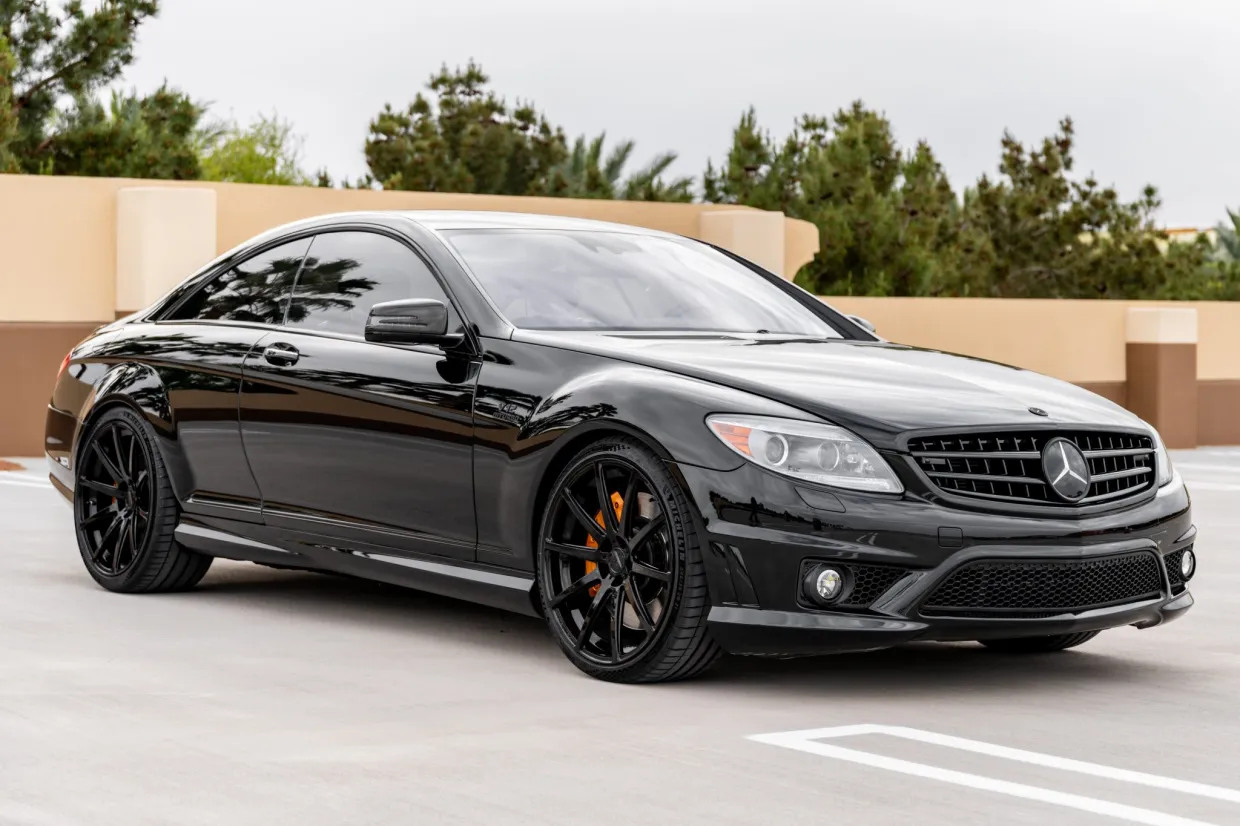
8. Mercedes‑Benz AMG GLE
The high‑performance AMG variant of the GLE offers thrilling acceleration and sport‑tuned dynamics. For enthusiasts, the promise of blistering speed and refined handling may outweigh normal ownership concerns. In practice, the AMG GLE’s operating costs can be extraordinarily high. Maintenance and repairs often reflect the performance pedigree of the model.
Engine servicing for AMG variants is more demanding than regular GLEs. High‑output engines have tighter tolerances and require premium fluids. Scheduled services are more frequent, and the cost of quality parts is elevated. Owners who neglect specialized maintenance can face even higher bills due to avoidable failures.
Tire and brake wear is another expensive aspect of owning an AMG GLE. The SUV’s performance demands robust hardware that also degrades faster under spirited use. High‑performance tires have shorter lifespans and carry premium price tags. Brake pads and discs designed for performance handling also cost significantly more to replace.
Fuel consumption for AMG models is higher than their non‑performance counterparts. Even moderate driving habits can lead to frequent fuel stops. Owners find that average real‑world economy lags expectations for everyday use. This continuous fuel burden contributes to the total cost picture in a meaningful way.
Insurance premiums for performance‑tuned SUVs are often steep. Higher power output and costlier parts raise the stakes for insurers. Premiums reflect both replacement cost and accident risk. Owners on a budget may find themselves paying far more annually than originally anticipated.
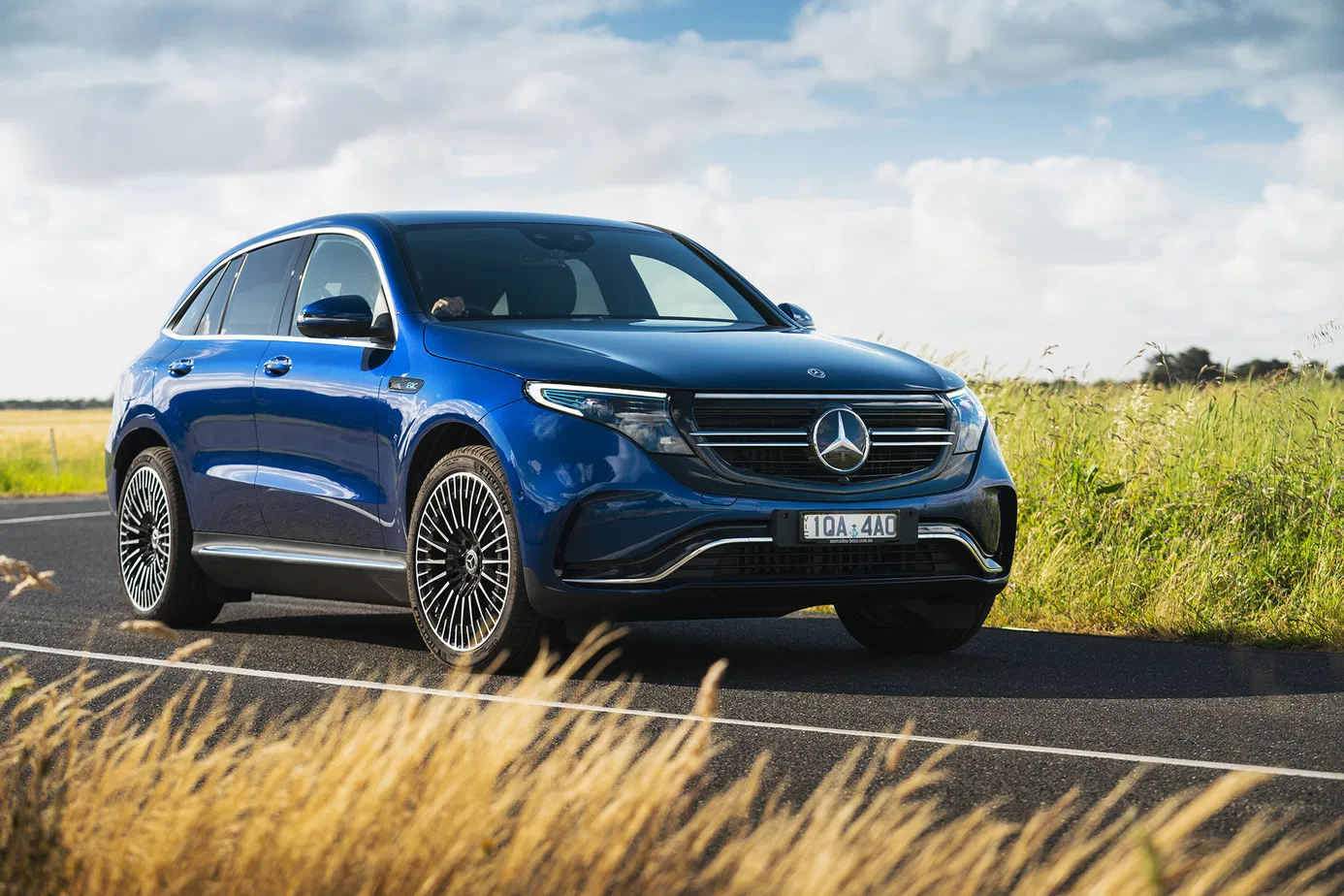
9. Mercedes‑Benz EQC
Mercedes‑Benz entered the electric SUV segment with the EQC, offering zero‑emission driving and quiet operation. Electric propulsion is attractive, but the EQC has its own ownership challenges. Battery maintenance and eventual replacement loom large on the list of potential expenses. While warranties cover initial years, long‑term costs on high‑mileage units can be significant.
Battery pack issues demand specialized attention when they arise. Diagnostics and repair require dealer level tools and software expertise. Costs can soar if cells need replacement or reconditioning. Independent shops are often unable to service these high‑voltage systems, leading owners back to costly dealer visits.
Software updates and electronic component replacements also contribute to ownership expense. Electric vehicles rely on a complex network of control units to manage performance and safety. Any malfunction leads to time‑intensive troubleshooting. Labor charges for electronic systems are high.
Tire wear and alignment issues are also prevalent concerns for the EQC. The SUV’s weight and instantaneous torque delivery accelerate tire wear. Premium tires required for safety and performance are not cheap. Alignment checks and tire replacements become routine budget items.
Depreciation on the EQC has affected resale values. Buyers of used models need to consider potential loss in value due to newer electric models entering the market frequently. The rapid evolution of battery technology shortens the perceived useful life of older units. Owners who planned long‑term ownership may find that the financial return is not as favorable as expected.
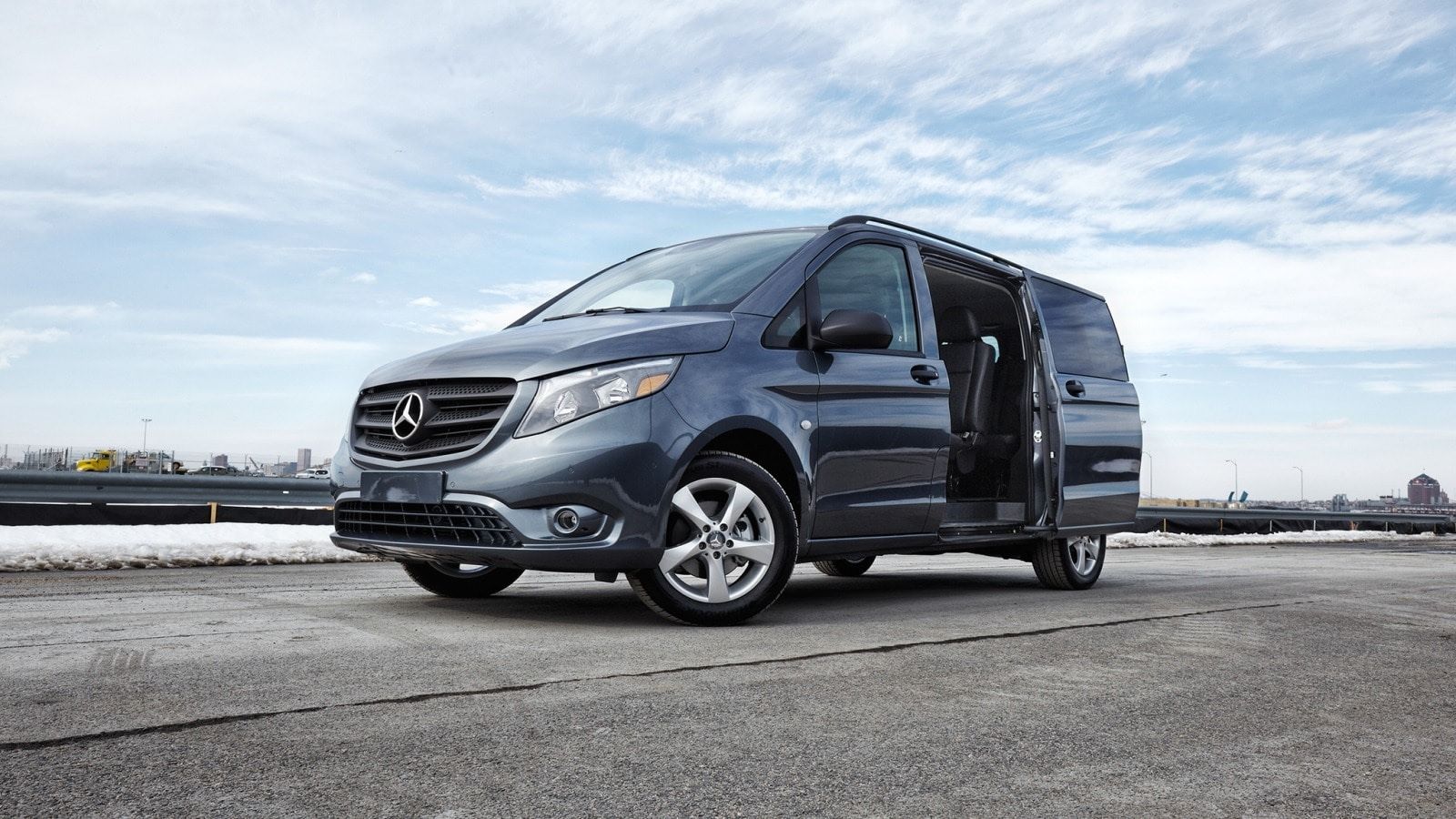
10. Mercedes‑Benz Metris (as SUV conversion)
The Mercedes‑Benz Metris is primarily a mid‑size van, but many owners convert it into SUV‑like vehicles for family or recreational use. Custom conversions introduce a unique set of costs rarely seen in factory SUVs. Conversion work often includes suspension upgrades, interior customization, and advanced electronics installation. Each modification requires parts and labor that add up quickly.
Once converted, maintenance of the Metris can be unpredictable. Parts for van‑based platforms and aftermarket components may not mesh seamlessly. Troubleshooting hybrid systems of original and added parts becomes complex. Many independent mechanics charge more due to the unusual nature of the work.
Fuel costs for a converted Metris are influenced by its van origins. Larger engines and heavier bodies can lead to inefficient fuel consumption. Frequent refueling becomes an expected part of long trips or daily use. Owners who took on conversion projects often find this recurring cost adds up year after year.
Insurance for converted vehicles can be higher because of their modified status. Insurance companies often treat custom vehicles as higher risk for repair cost. Premiums reflect the potential complexity of claims. Owners may struggle to find policies that balance cost and coverage satisfactorily.
Resale of converted vehicles is another financial challenge. The market for customized SUVs based on vans is limited and niche. Potential buyers may be wary of unconventional modifications. As a result, resale value often drops significantly compared to standard SUVs.
