
Muscle cars have always carried a reputation built on loud engines, aggressive styling, and straight line speed, but that image often makes people assume they are impractical for everyday use, uncomfortable on long drives, and difficult to live with outside of weekend fun.
That assumption ignores how much these cars have changed over the decades, especially as manufacturers began blending classic performance formulas with modern technology, refined interiors, better suspensions, and drivetrains that can behave calmly when not pushed hard.
Many muscle cars now offer comfortable seating, usable trunk space, reasonable fuel efficiency when driven sensibly, and advanced driver aids that make commuting, errands, and long highway drives far less tiring than people expect.
When judged honestly, a daily driver is not about being boring or slow, but about reliability, comfort, ease of use, visibility, safety features, and how well a car adapts to real life situations like traffic, weather, and longer ownership cycles.
The surprise factor with certain muscle cars comes from how effortlessly they balance character with convenience, giving drivers emotional satisfaction without constant compromise or frustration.
Modern muscle cars benefit from improved cooling systems, smoother automatic transmissions, lighter steering modes, and suspension setups that can soften for city driving while still remaining capable when driven hard. Even older examples that have stood the test of time earned their reputations because they were built on durable platforms and offered straightforward mechanical designs that owners could maintain without high cost.
Insurance costs, maintenance access, and parts availability also play a major role, and many muscle cars score surprisingly well in these areas compared to exotic or luxury performance vehicles. When driven responsibly, several muscle cars prove to be calmer, quieter, and more civilized than many sporty compact cars that sacrifice comfort in the name of agility.
The following list focuses on ten muscle cars that manage to keep their identity intact while fitting into daily routines without turning every commute into a chore. These cars may still roar when asked, but they also know how to behave when the day calls for nothing more exciting than traffic lights, grocery runs, and steady highway miles.
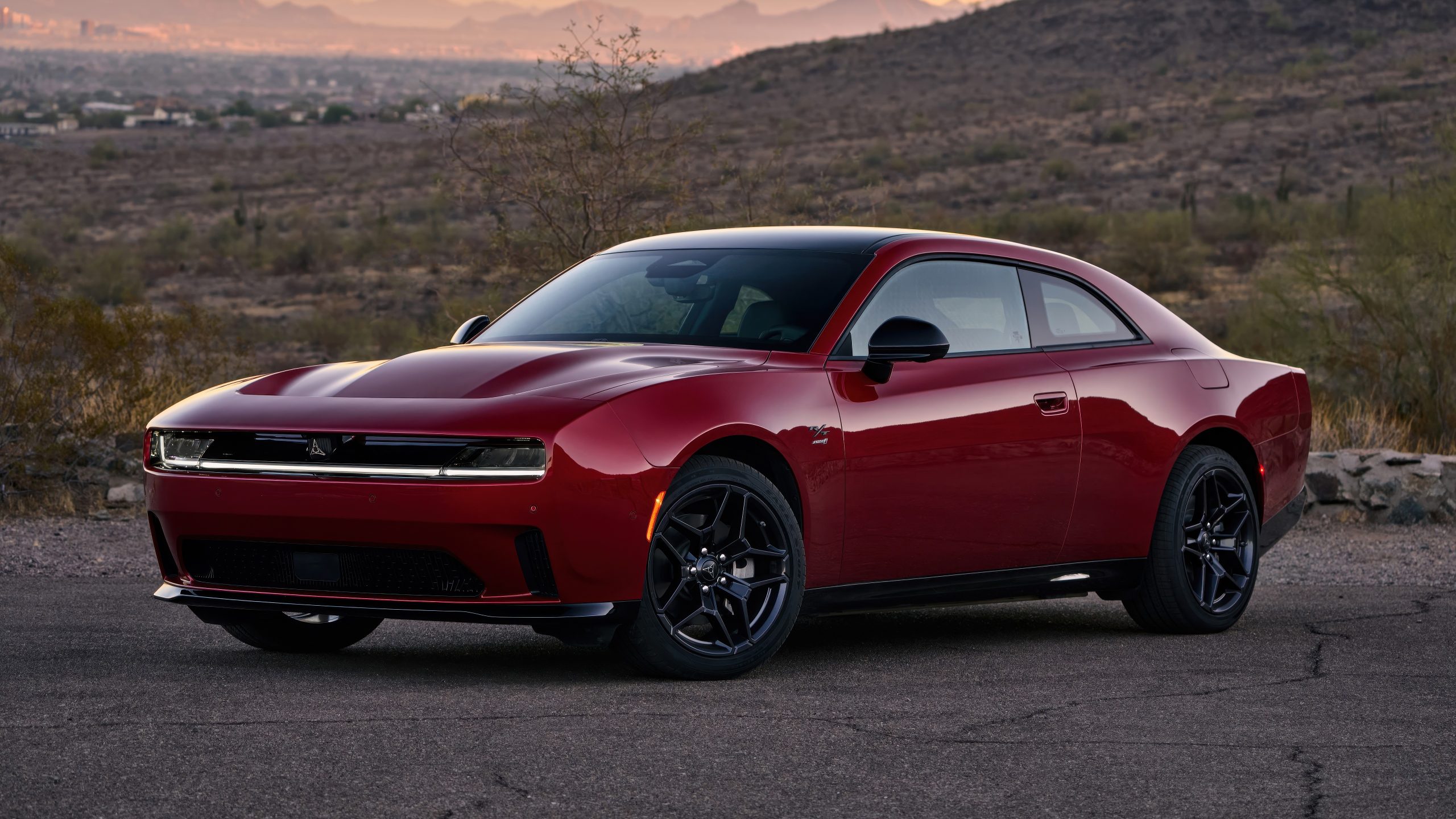
1. Dodge Charger R T
The Dodge Charger R T stands out as one of the most practical muscle cars ever made thanks to its four door layout and spacious interior. Rear seat room is generous enough for adults, and the wide cabin makes longer drives feel relaxed rather than cramped.
The trunk is large and easy to load, making it useful for shopping, luggage, or work related needs. Despite its size, the car feels stable and predictable in daily traffic.
Under the hood, the V8 engine delivers smooth power that does not feel jumpy or difficult to manage at low speeds. Cylinder deactivation allows the engine to run more efficiently during light throttle driving, which helps with fuel consumption during commuting.
The automatic transmission shifts gently when left in normal driving mode, keeping the ride calm and composed. This makes stop and go traffic far less stressful than expected from a performance focused sedan.
Ride quality is another reason the Charger R T works well every day, especially on longer trips. The suspension absorbs road imperfections without constant harshness, and highway cruising feels planted and quiet. Steering is light enough for city driving while still offering decent feedback. The long wheelbase contributes to stability rather than clumsiness.
Interior comfort plays a huge role in daily usability, and the Charger delivers in that area. Seats are supportive without being overly firm, and climate control is effective in all seasons. Infotainment features are intuitive and easy to use without distraction. These small conveniences add up and make the Charger feel like a true daily companion rather than a compromised performance car.
The Charger R T also benefits from strong reliability and widespread parts availability. Maintenance costs remain reasonable due to shared components across multiple models. Insurance rates are often lower than expected because of the sedan body style. All of this combines to make it a muscle car that fits daily life naturally.
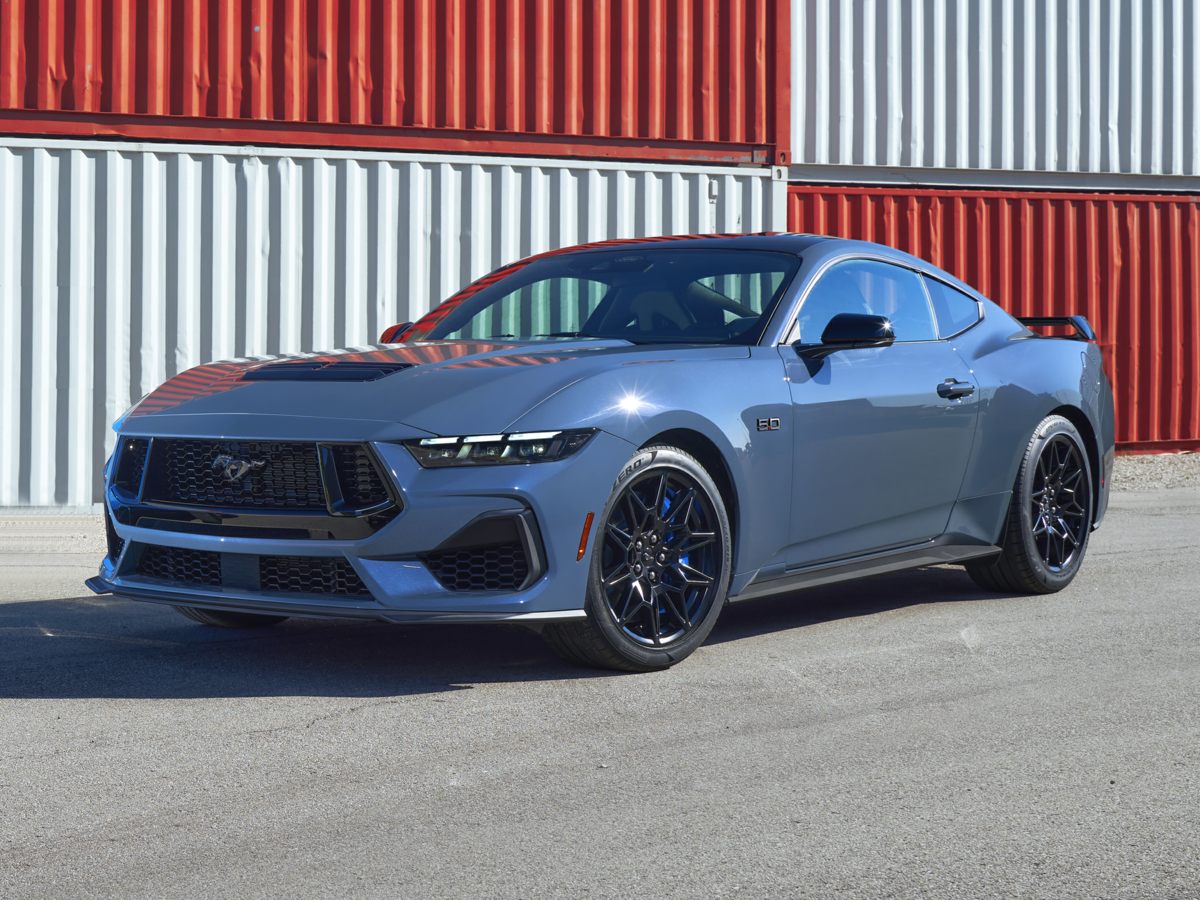
2. Ford Mustang GT
The Ford Mustang GT has evolved into a well rounded car that blends performance with everyday usability. Modern generations offer improved visibility, refined interiors, and smoother ride quality compared to older models. The cabin feels thoughtfully designed rather than purely aggressive. These changes make daily driving far more pleasant.
The V8 engine is powerful yet controllable, delivering smooth torque even at low speeds. When driven calmly, the Mustang behaves like a comfortable cruiser rather than a restless performance machine. The automatic transmission is especially well tuned for daily driving, providing seamless shifts in traffic. Fuel economy remains reasonable when the car is not pushed hard.
Suspension tuning allows the Mustang GT to handle rough roads better than many expect. Normal driving modes soften throttle response and steering effort for relaxed commuting. Highway driving feels stable and quiet, reducing fatigue on longer trips. The car no longer feels overly stiff or punishing during daily use.
Interior technology adds to the Mustang’s practicality. Driver assistance features help with safety and confidence in busy environments. Infotainment systems are responsive and easy to learn. Storage spaces are adequate for everyday items, which improves livability.
Maintenance and ownership costs are manageable due to strong aftermarket support. Parts are easy to source and repairs are straightforward for many mechanics. Reliability has improved significantly over recent generations. These factors make the Mustang GT a muscle car that fits into daily routines with ease.
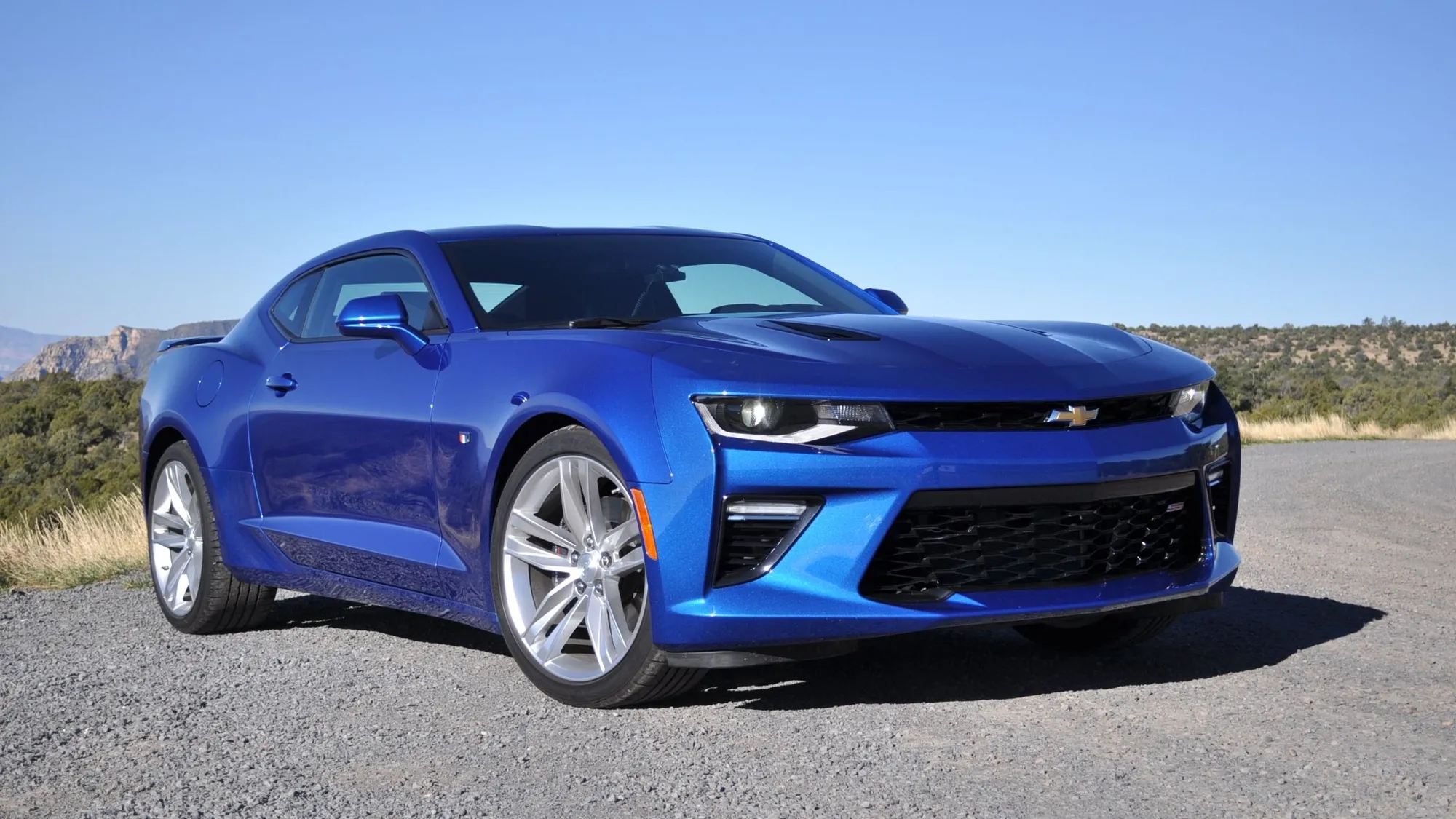
3. Chevrolet Camaro SS
The Camaro SS often surprises people with how refined it feels during normal driving. Despite its aggressive appearance, the car delivers a composed and planted ride. Weight distribution helps maintain balance even at lower speeds. This stability makes it less tiring to drive daily.
The V8 engine offers strong performance without feeling unruly. Throttle response is smooth when driving casually, allowing easy control in city conditions. Automatic transmission options make commuting simple and stress free. The engine remains quiet and relaxed when cruising.
Ride quality has improved greatly compared to earlier generations. Suspension tuning absorbs bumps without excessive stiffness. Long highway drives feel secure and comfortable. Road noise is kept at a reasonable level.
Interior quality has steadily improved, offering supportive seats and modern controls. Infotainment systems are straightforward and responsive. Climate control and sound insulation contribute to comfort. These details matter when the car is driven every day.
Ownership costs remain reasonable for a high performance vehicle. Chevrolet’s widespread service network makes maintenance convenient. Parts availability is excellent. The Camaro SS proves that a serious muscle car can still function well as a daily driver.
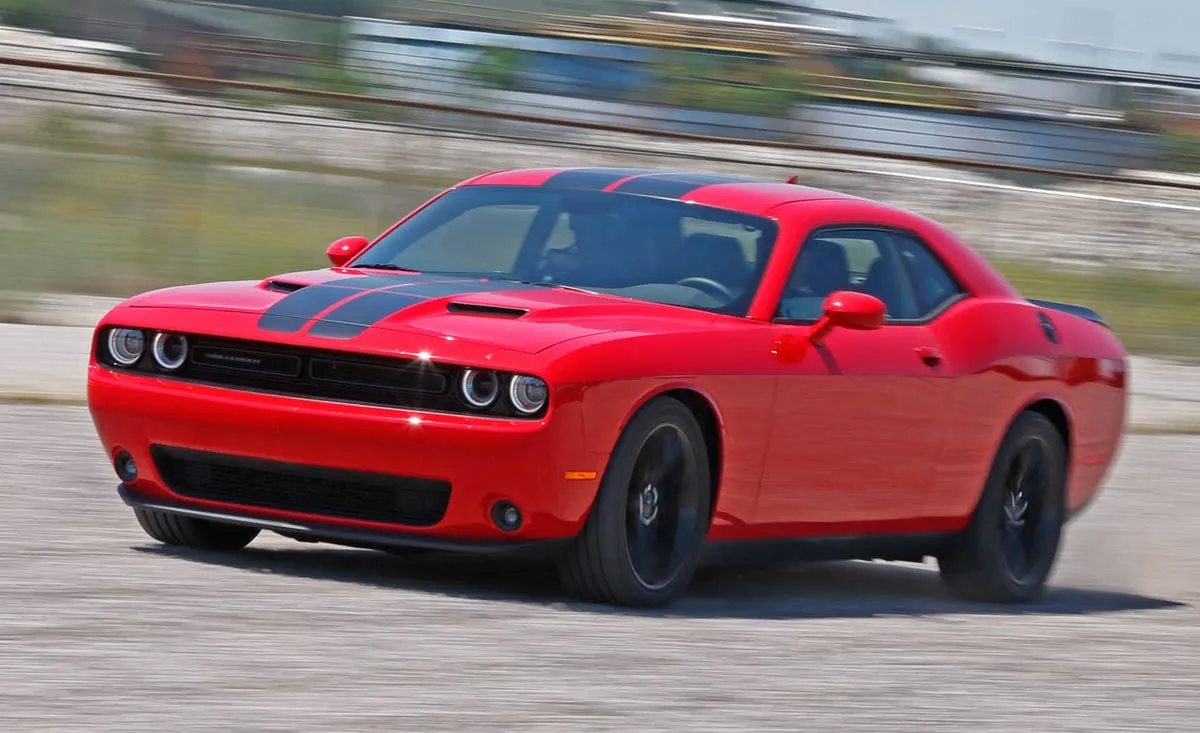
4. Dodge Challenger R T
The Dodge Challenger R T embraces comfort more than many muscle cars. Its large interior offers generous headroom and legroom. Seats are wide and supportive, ideal for longer drives. This layout makes daily commuting far more relaxed.
The V8 engine delivers power smoothly without constant aggression. Low speed driving feels easy and predictable. Automatic transmission tuning favors comfort over harshness. This helps the Challenger feel calm in traffic.
Suspension setup prioritizes ride comfort, especially on uneven roads. The long wheelbase contributes to a stable and composed feel. Highway cruising is smooth and quiet. These traits benefit daily use.
Interior design focuses on usability and comfort. Controls are easy to reach and intuitive. Storage compartments are practical and well placed. Technology features add convenience without being distracting.
The Challenger R T is known for durability and simplicity. Maintenance is straightforward and parts are widely available. Insurance costs are often reasonable. All of this makes it a surprisingly friendly daily muscle car.
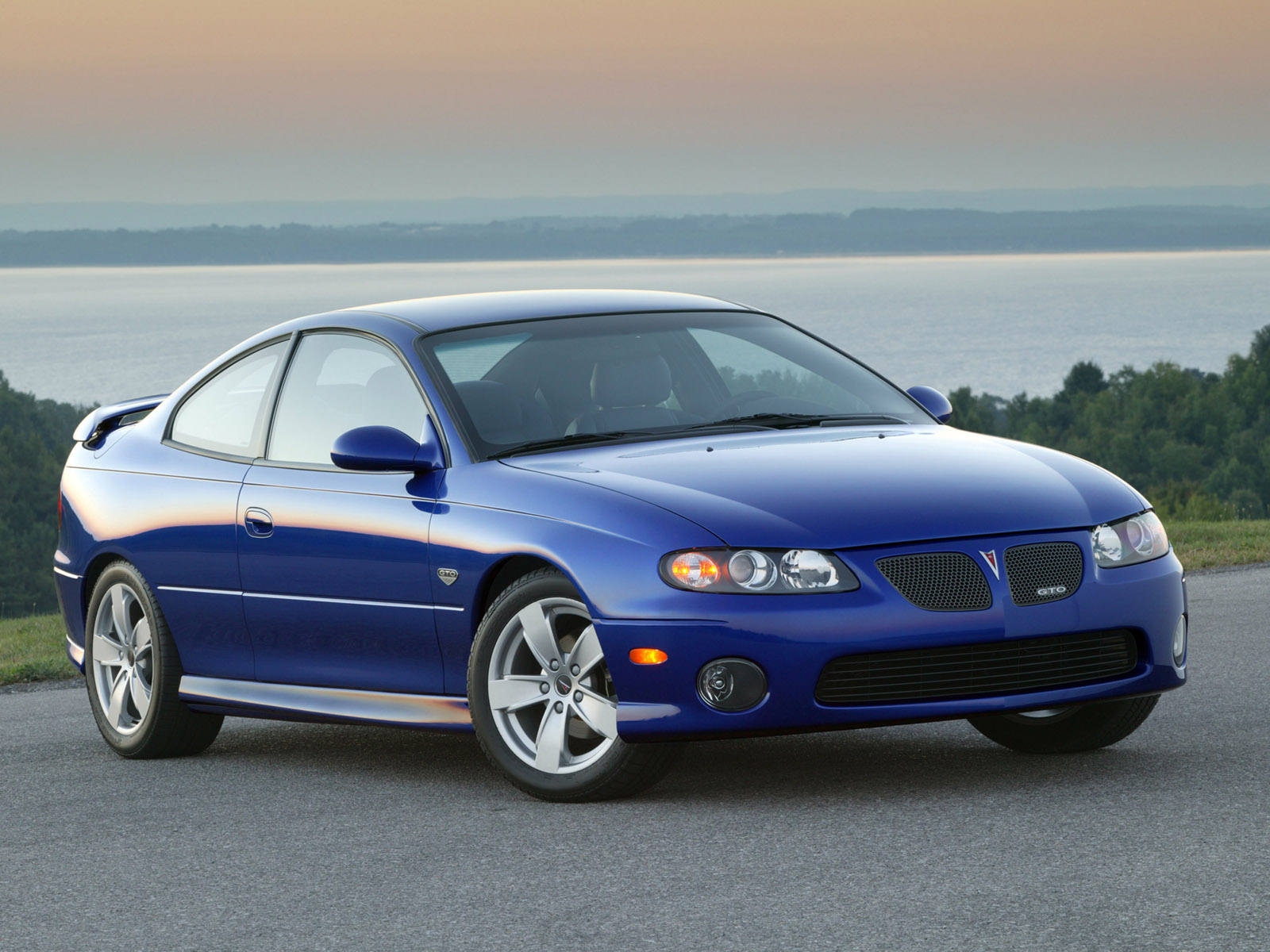
5. Pontiac GTO 2004 to 2006
The modern era Pontiac GTO blended muscle performance with understated comfort. Its design avoided excessive aggression, which suited daily driving well. Interior space was practical and well organized. Visibility was also better than many muscle cars.
The V8 engine delivered linear power that felt smooth rather than abrupt. Throttle response was predictable, helping in traffic situations. The suspension favored comfort while maintaining control. This balance made the car enjoyable in routine driving.
Ride quality was tuned for real roads, not just performance scenarios. Bumps and imperfections were absorbed effectively. Long drives remained comfortable and stable. Steering effort felt natural and easy.
Interior materials emphasized comfort and durability. Seats were supportive and suitable for daily use. Controls were simple and logically placed. These features reduced driver fatigue.
Reliability was one of the GTO’s strongest traits. Parts availability remains solid due to shared components. Maintenance costs stayed reasonable. This made the car practical long after purchase.
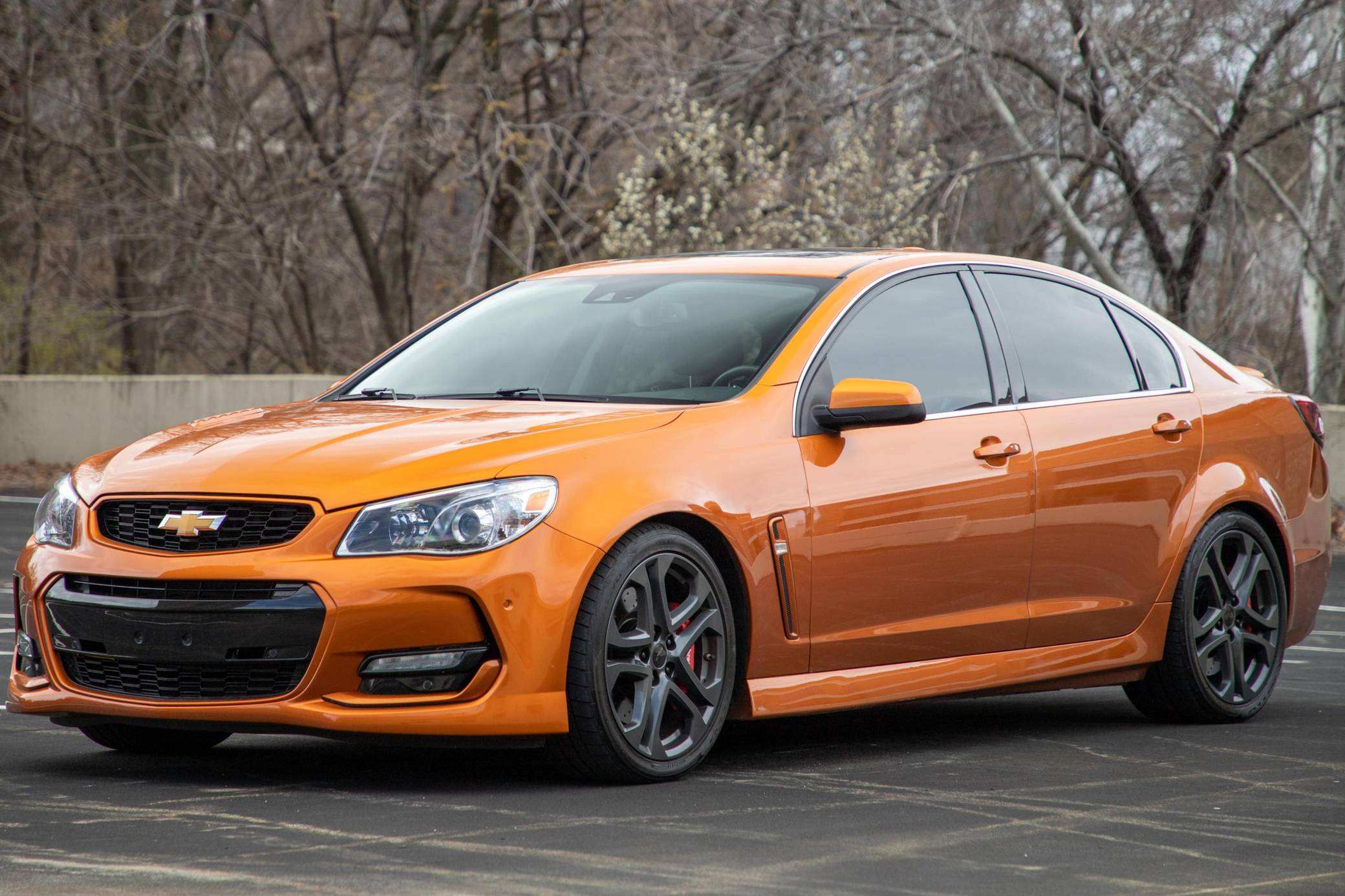
6. Chevrolet SS
The Chevrolet SS combined muscle performance with a refined sedan platform. Its four door layout made it surprisingly practical for families or commuters who need extra space. Rear seat room was generous and supportive, making long drives comfortable for passengers of all sizes. Cabin materials felt premium for a muscle car, blending leather, soft touch surfaces, and well-placed controls. This attention to comfort gave the SS a presence that was both aggressive and usable.
Under the hood, the V8 engine delivered smooth and controllable power. Low speed driving felt refined, and throttle input was easily managed in city traffic. The automatic transmission shifted effortlessly, providing a relaxed driving experience without sacrificing performance when needed. Acceleration could be dramatic, but it never felt unwieldy for daily situations. Cylinder deactivation and careful tuning also helped improve fuel efficiency.
The suspension setup contributed significantly to daily usability. It absorbed bumps and imperfections without excessive harshness, providing a smooth ride over rough urban streets. Cornering remained confident, with minimal body roll despite the car’s weight. Highway cruising was calm, with excellent stability and limited tire noise. This balance between performance and comfort is rare in a V8 sedan.
Inside, the Chevrolet SS offered thoughtful technology integration. The infotainment system was responsive and user-friendly, while safety features like stability control and parking sensors enhanced confidence. Climate control worked quickly and efficiently, keeping both driver and passengers comfortable. Storage compartments were practical, with cupholders, a sizable trunk, and small cubbies for everyday essentials.
Reliability and build quality were strengths of the Chevrolet SS. Maintenance was straightforward, thanks to shared components across GM’s platforms. Replacement parts were easy to source and relatively affordable compared to more exotic muscle cars. Insurance costs were moderate for a high performance sedan, further improving daily practicality. All these factors combined to make the Chevrolet SS a muscle car capable of serving as a true daily driver without compromise.
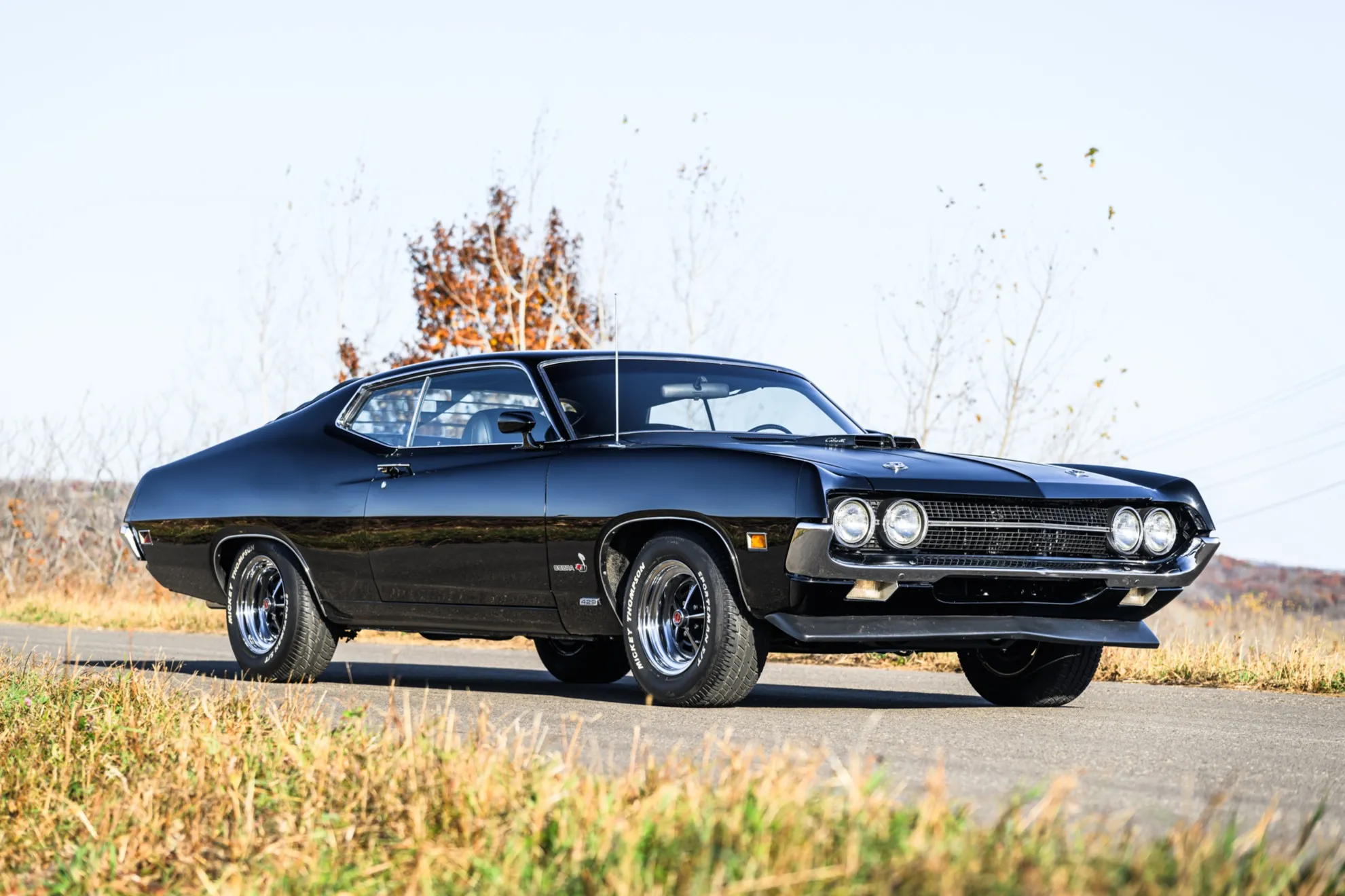
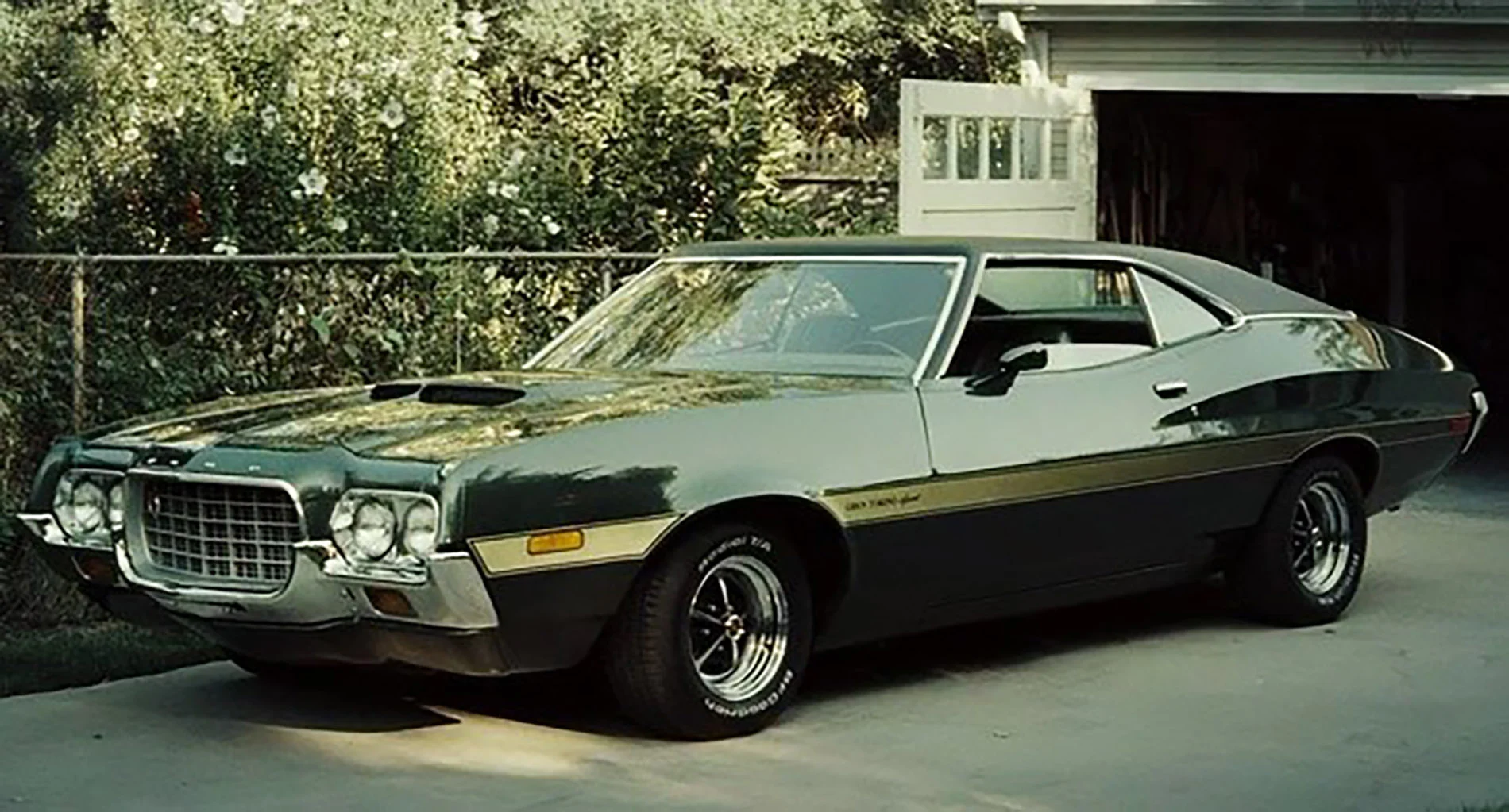
7. Ford Torino
The Ford Torino was designed during a time when cars were expected to serve multiple roles, from family transportation to spirited driving. Large interiors and wide seating made it easy to accommodate adults in the front and back comfortably.
The long wheelbase contributed to a smooth and composed ride, which helped reduce fatigue during daily commutes. Interior visibility was surprisingly good, helping the car feel less cumbersome in city driving conditions.
Engine options were tuned for smooth power delivery rather than harsh performance bursts. The V8 provided ample acceleration when needed, but could also be driven at relaxed speeds without excessive noise or vibration. Throttle control remained predictable, making it easier to navigate traffic. Even in low gears, the Torino maintained composure, avoiding the abruptness sometimes associated with muscle cars of the era.
Suspension design emphasized ride comfort and stability. Roads felt smoother, and bumps were absorbed effectively, reducing the strain of daily use. Long-distance drives were comfortable thanks to the balanced chassis and weight distribution. Steering effort was reasonable, providing a sense of control without being tiring during city driving.
Inside, the Torino focused on simplicity and functionality. Controls were intuitive, with large knobs and switches for climate and audio systems. Visibility was well thought out for a car of its size, with minimal blind spots. Interior materials were durable and easy to clean, important qualities for regular use.
Durability and reliability were key advantages of the Torino. Mechanical simplicity allowed for straightforward maintenance and repairs. Parts were widely available, and the car could handle higher mileage without excessive issues. These qualities made the Torino not only a capable muscle car but also a practical daily driver that could stand up to years of use.
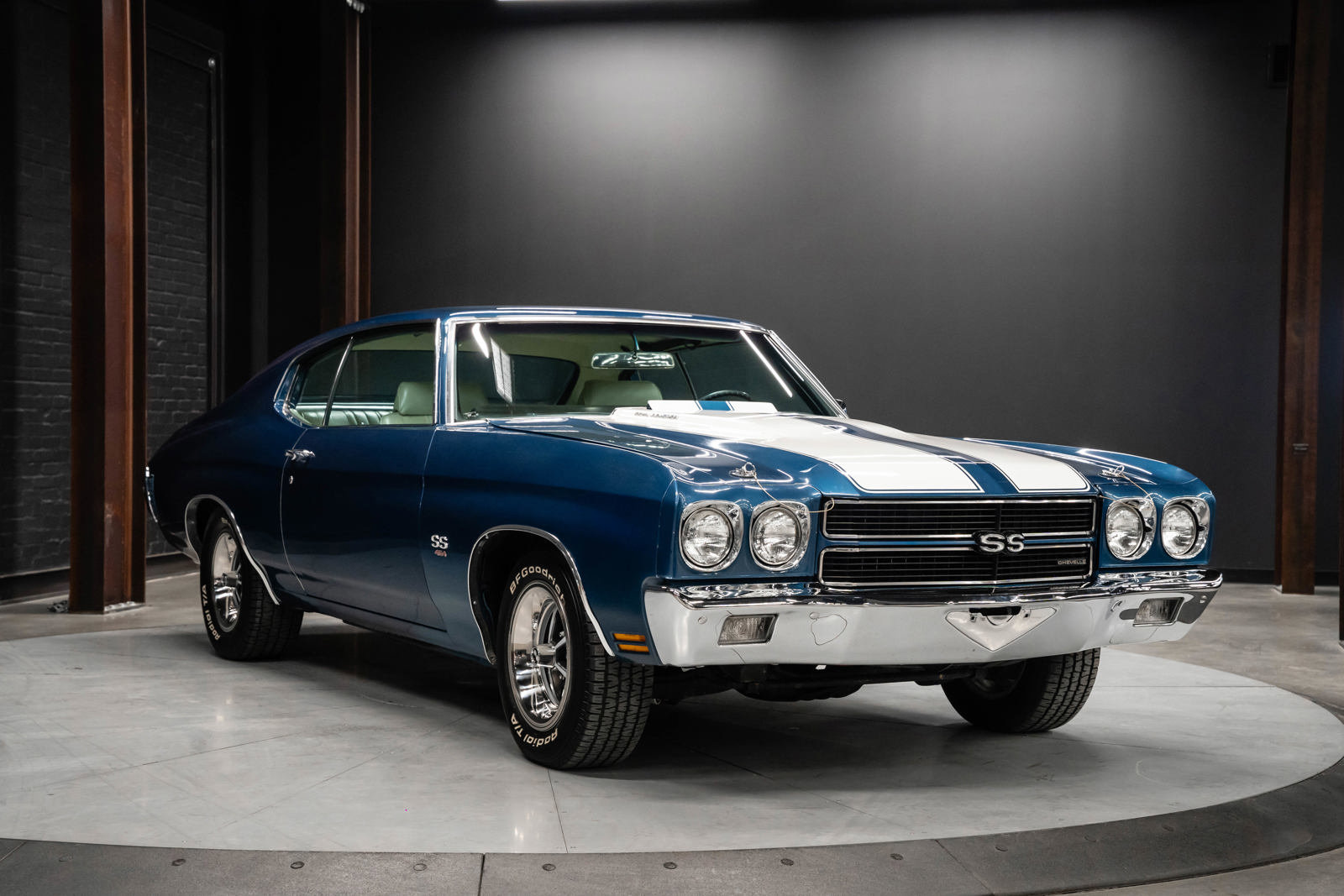
8. Chevrolet Chevelle
The Chevrolet Chevelle offered a practical balance between performance and everyday usability. Cabin space was generous, with comfortable seating that accommodated adults without crowding. Headroom and legroom were sufficient for longer trips, making the car viable for commuting or road trips. Interior layout prioritized functionality, with easy access to essential controls and storage compartments for everyday items.
Engines delivered predictable and smooth power. Even the higher output V8 models could be driven gently in urban environments without overwhelming the driver. Acceleration was accessible but never abrupt, which made stop-and-go traffic manageable. Throttle modulation felt natural, helping avoid excessive fuel use in daily driving situations.
Suspension tuning focused on comfort over extreme performance. Road imperfections were absorbed efficiently, keeping passengers comfortable even on rough streets. Highway driving felt stable and composed, reducing fatigue on longer journeys. Steering was direct enough to remain engaging but light enough to prevent strain during city driving.
The interior design was functional and focused on driver comfort. Controls were easy to reach and understand, limiting distraction during operation. Visibility from the driver’s seat was reasonable for the car’s size, aiding parking and lane changes. Seats offered adequate support for both short errands and extended travel.
Maintenance and reliability were strong points for the Chevelle. Mechanical simplicity allowed for easy repairs and servicing, while parts availability remained robust. Insurance costs were typically reasonable due to the car’s non-exotic platform. The Chevelle proved that classic muscle could serve both performance enthusiasts and daily drivers with minimal compromise.
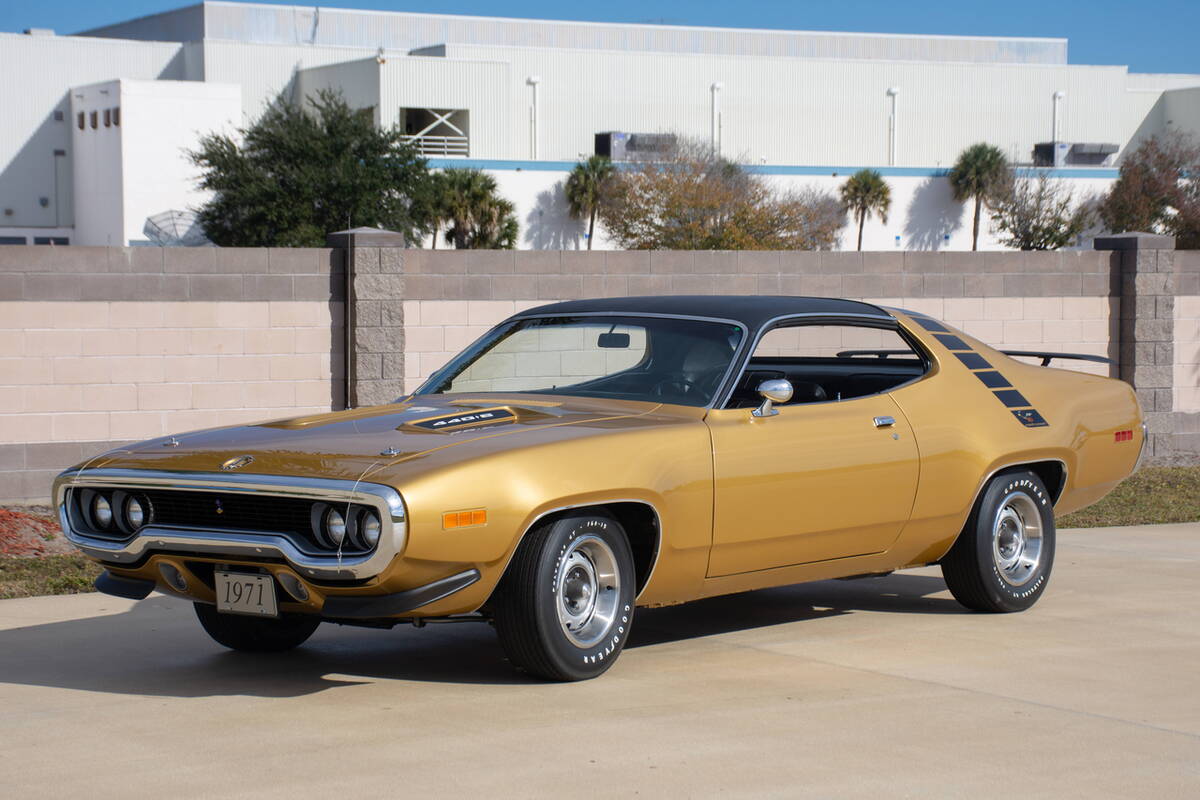
9. Plymouth Road Runner
The Plymouth Road Runner blended traditional muscle car excitement with surprising practicality. Its interior offered usable space, with seats that were supportive enough for longer drives. Cabin access was convenient, with doors wide enough for easy entry and exit. Trunk space was adequate for groceries, luggage, or daily errands, increasing usability.
Engine options were tuned to provide smooth power delivery at low speeds. Even the larger V8 variants could be managed easily in city traffic. Throttle response was predictable, which made commuting more comfortable than expected. The car delivered excitement when prompted but remained manageable for routine driving.
Suspension design emphasized a balance between ride comfort and control. Bumps and rough surfaces were absorbed without overly harsh feedback. The chassis remained stable at higher speeds, creating confidence on highways. Steering effort was moderate, allowing for comfortable maneuvering in tight urban streets.
Interior layout focused on simplicity and reliability. Controls were intuitive, reducing the learning curve for daily use. Seating remained comfortable during extended drives. Storage solutions were practical and sufficient for everyday needs.
Durability and maintenance accessibility were important strengths of the Road Runner. Simple mechanics and widely available parts reduced repair costs. Reliability was a known trait, even for older models. These factors allowed the Road Runner to function as both a fun muscle car and a practical daily vehicle.
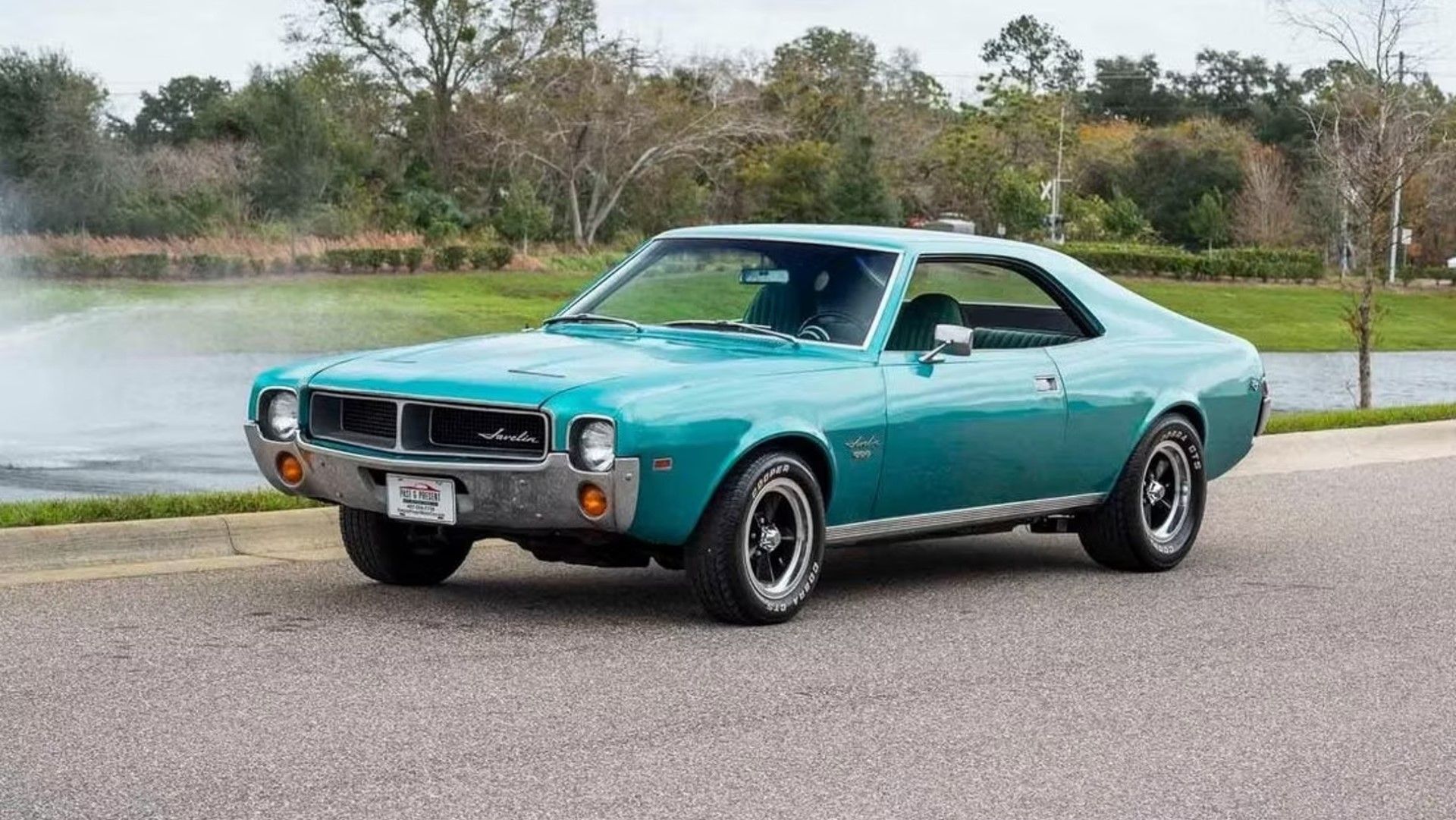
10. AMC Javelin
The AMC Javelin offered a compact and practical approach to the muscle car formula. Its smaller dimensions helped with parking and maneuvering in urban environments. Interior space was used efficiently, with seats that were comfortable enough for everyday driving. The car avoided feeling cramped despite its performance-oriented design.
Engines provided smooth and controllable power for regular driving conditions. Throttle response was predictable and the car remained composed in stop and go traffic. Acceleration could be spirited, but it did not compromise usability for routine tasks. Even higher output variants could be driven casually without constant attention.
Suspension tuning provided a blend of comfort and road control. The ride was compliant over uneven surfaces, yet the chassis remained stable at highway speeds. Handling was predictable and reliable, making the Javelin manageable for daily use. Steering was light enough for city streets without sacrificing feedback entirely.
Interior ergonomics focused on usability. Controls were simple, within reach, and easy to understand. Seating was supportive for longer commutes. Visibility from the driver’s position was adequate, reducing blind spots and stress during daily driving.
Maintenance and reliability made the Javelin practical over time. The mechanical setup was straightforward, allowing for easier servicing and repair. Parts availability was generally good, supported by AMC enthusiasts. The Javelin demonstrated that muscle cars could combine excitement with real world usability.
