
The 1990s were a turning point for Japanese performance cars, a decade where manufacturers chased speed, balance, and engineering pride rather than mass appeal. Japan’s domestic market became a playground for advanced drivetrains, lightweight construction, and engines that punched far above their official numbers.
These cars were built for mountain roads, expressways, and circuits, shaped by strict domestic regulations that encouraged creativity instead of limitation. What resulted was a golden era of machines that earned near mythical status outside Japan, especially in places where they were forbidden for decades.
For enthusiasts overseas, these cars existed mostly through magazines, grainy videos, and late night racing games. Import laws made ownership impossible unless you had deep pockets or rare exemptions.
That distance only amplified the fascination. The idea that somewhere across the ocean, regular drivers could buy turbocharged all wheel drive monsters or high revving coupes straight from a dealer felt unreal. These were not concept cars or limited showpieces, they were everyday vehicles with race bred DNA.
As time passed, the legends only grew. Stories about factory underrating, bulletproof engines, and handling that embarrassed European rivals became part of car culture folklore. Each model developed its own personality, its own tribe of fans, and its own place in tuning history. Some were refined and technical, others raw and aggressive, but all of them shared a sense of purpose that feels rare today.
Now, decades later, the barrier has finally lifted. Import rules have aged these cars into eligibility, opening the door for a new generation of owners. What was once unreachable is now attainable, at least for those willing to search, restore, and preserve. Prices are rising, but the chance to own a piece of 1990s Japanese engineering history is no longer a fantasy.
This list focuses on ten machines that defined that era. They are cars that shaped street racing culture, professional motorsport, and the global image of Japanese performance. Each one represents a different philosophy, from technological dominance to lightweight purity. These are the 1990s JDM legends you can finally import, not as museum pieces, but as living, breathing reminders of a time when performance came first.
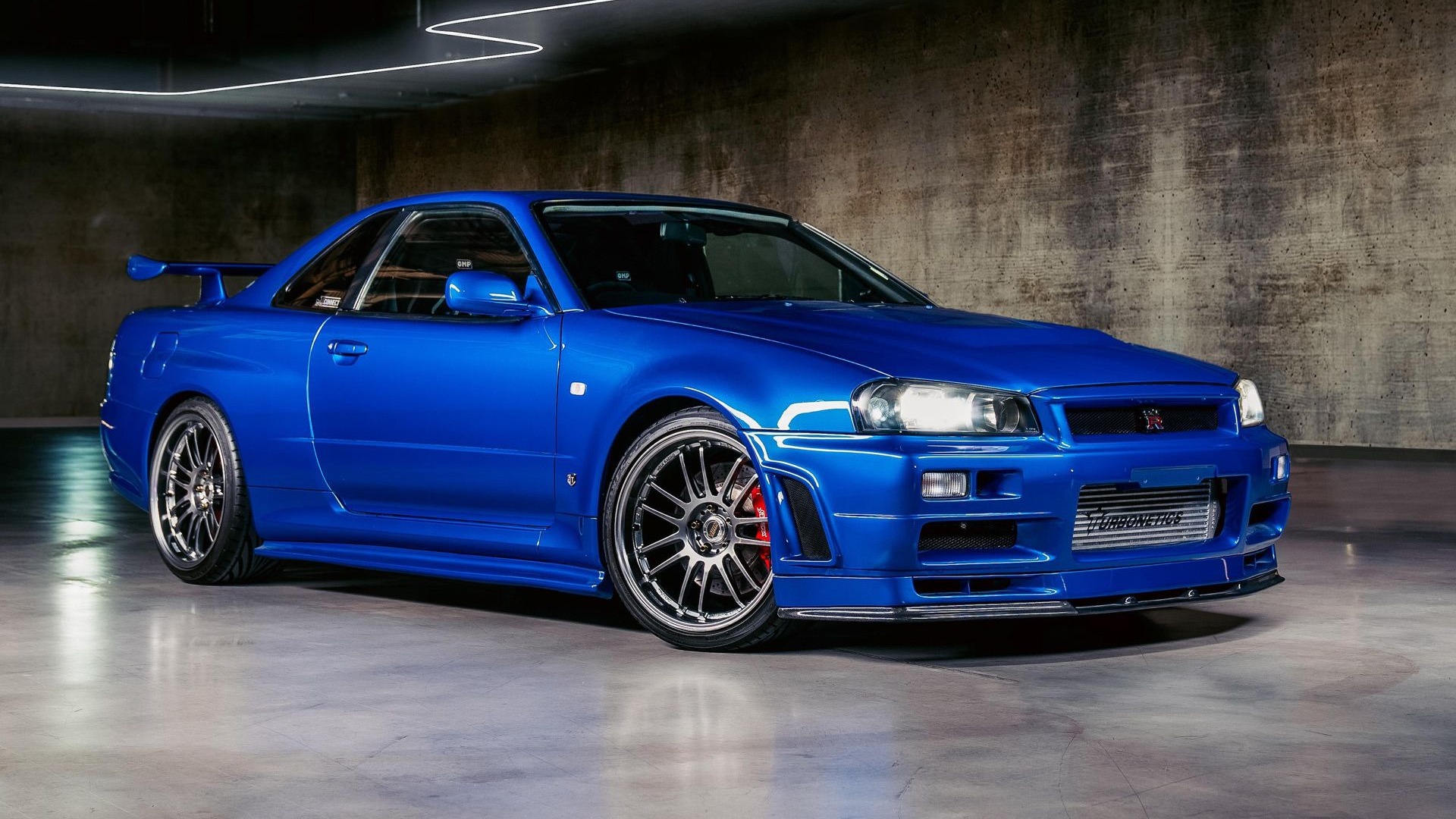
1. Nissan Skyline GT R R34
The R34 Skyline GT R represented the pinnacle of Nissan’s Skyline evolution. Its RB26DETT engine combined twin turbos with an exceptionally strong block, delivering immense tuning potential. The car’s advanced ATTESA E-TS all-wheel drive system distributed power with precision. For drivers, this meant both raw speed and exceptional control under aggressive conditions.
The exterior conveyed purpose and sophistication. Boxy yet aerodynamic lines provided downforce and stability at high speeds. Wide fenders and iconic quad taillights reinforced the car’s identity without exaggeration. Each visual element was engineered to complement performance rather than distract from it.
Inside, the cockpit reflected a technology-forward approach. The multifunction display showed real-time engine stats, turbo boost, and oil temperature. Controls were driver-focused, and seating supported aggressive maneuvers. It gave a sense of precision unmatched by many contemporaries.
Driving the R34 offered a blend of power and confidence. The chassis absorbed high-speed forces while responding faithfully to input. Acceleration was relentless, and handling precise. The car rewarded skillful driving, demanding respect while remaining intuitive.
Importing the R34 today gives enthusiasts access to a living legend. Its combination of engineering, history, and performance has few equals. Ownership delivers both cultural significance and an extraordinary driving experience, making it a centerpiece of any collection.
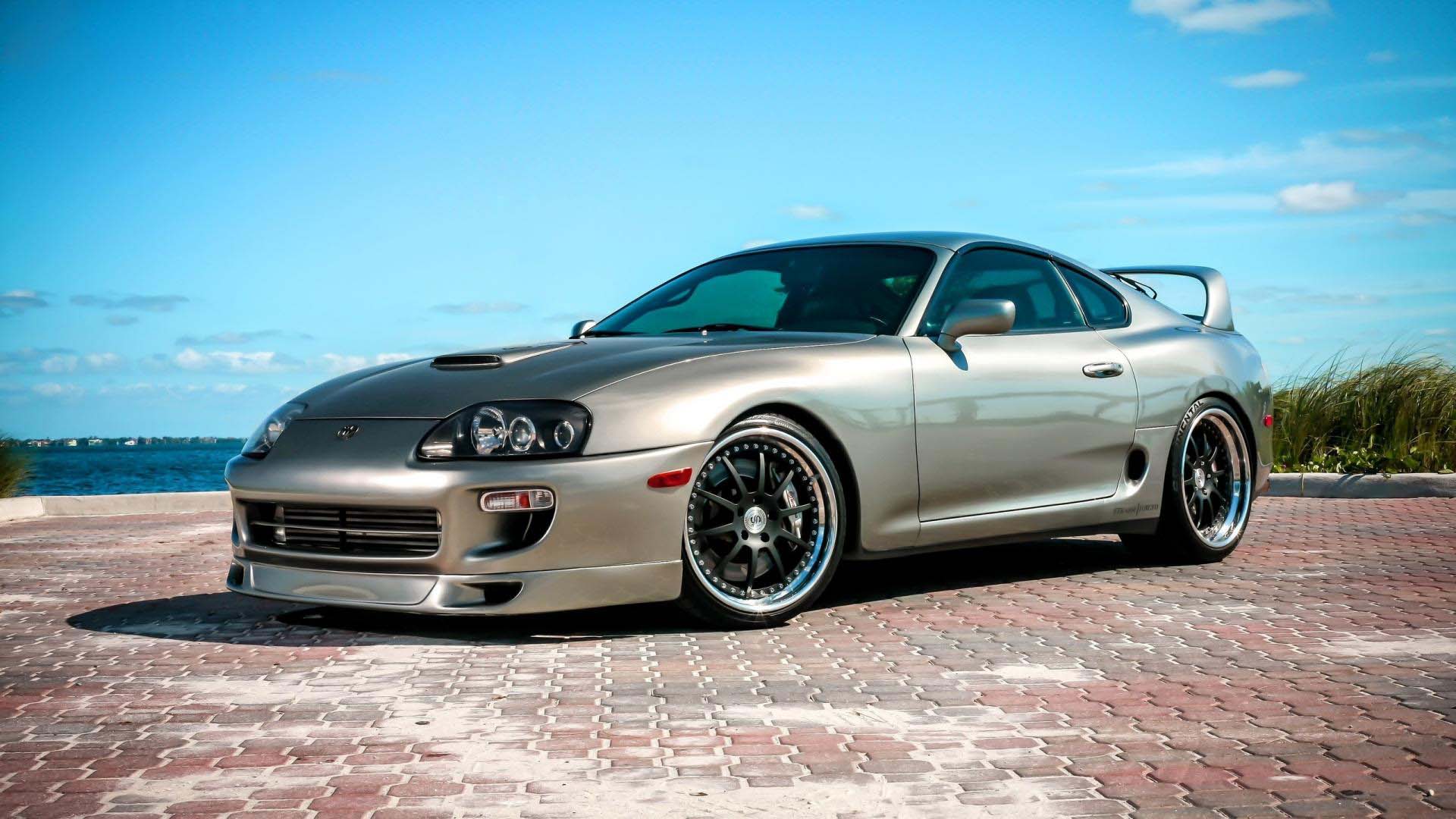
2. Toyota Supra Mk4
The fourth-generation Supra showcased Toyota’s commitment to performance and refinement. Its 2JZ GTE engine was capable of tremendous output while maintaining smooth reliability. Turbocharging was balanced and responsive, creating a car that felt alive across the rev range. Power was both immediate and controllable.
The Supra’s design blended elegance and athleticism. Wide fenders, a long hood, and curving lines created an impression of restrained aggression. Despite its size, the car felt nimble and purposeful. Its form perfectly reflected the performance within.
Inside, ergonomics focused on driver engagement. Controls were within easy reach, seating supported aggressive maneuvers, and instrumentation delivered clear feedback. The cabin balanced sportiness with comfort, allowing both spirited driving and long-distance cruising.
Driving the Mk4 felt balanced and confident. The suspension provided composure through corners while allowing the chassis to communicate road conditions. Acceleration was linear, but turbo response provided excitement when needed. Every element contributed to a sense of harmony between driver and machine.
Today, importing a Mk4 Supra allows access to one of the most celebrated Japanese performance cars ever built. Its tunability, legendary engine, and timeless design continue to make it a symbol of 1990s automotive excellence.
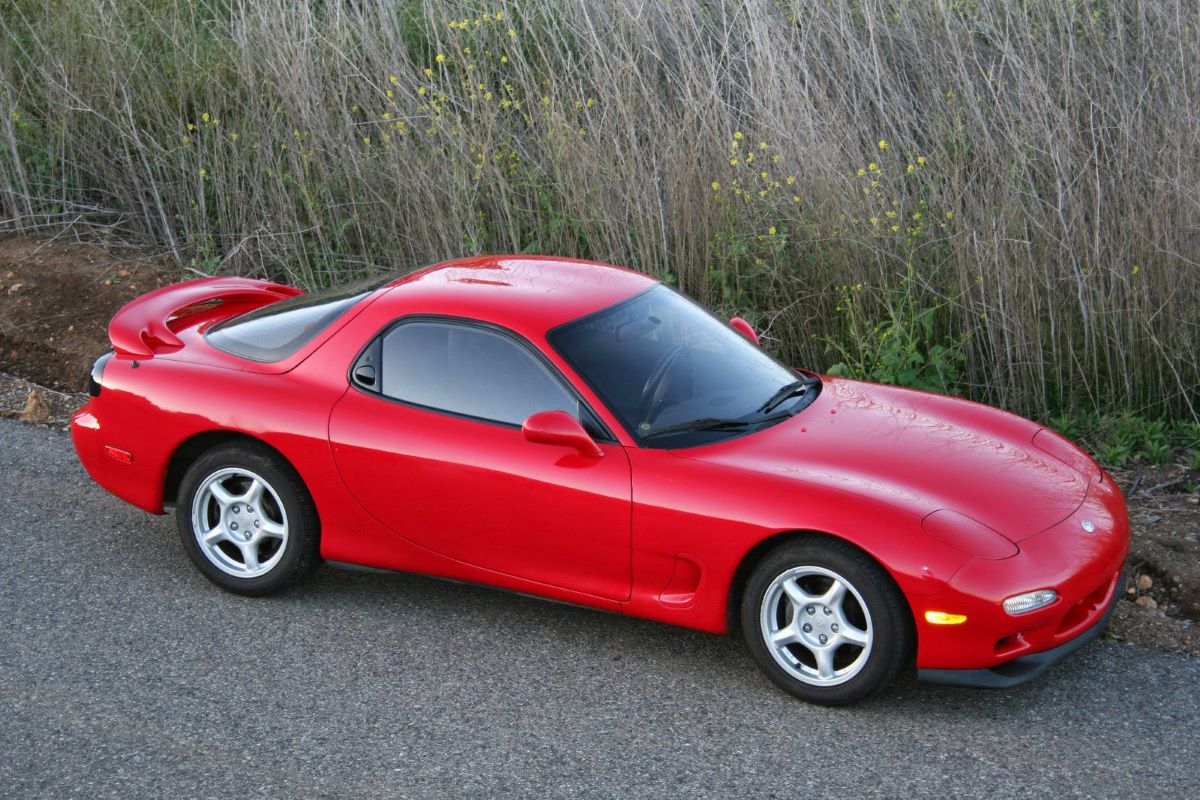
3. Mazda RX 7 FD
The FD RX 7 reflected Mazda’s philosophy of lightweight performance and balance. Its twin-rotor 13B engine offered a unique blend of smoothness, high revving capability, and distinctive sound. Unlike piston engines, the rotary allowed compact packaging and a low center of gravity. Every drive offered a different kind of engagement.
Styling emphasized flowing elegance and aerodynamics. The low, wide stance and rounded lines suggested speed while maintaining harmony. Proportions were engineered for performance rather than style alone. It remains one of the most visually striking JDM sports cars of the 1990s.
Driving the FD required attention and finesse. Steering was precise, chassis feedback was direct, and throttle inputs influenced handling dramatically. The car encouraged mastery and rewarded smooth driving. It created a connection rarely matched by other cars of its era.
Maintenance was part of the experience. Rotary engines demanded care, but enthusiasts who respected them were rewarded with exceptional reliability and performance. This engagement created a community of dedicated drivers who appreciated the RX7’s uniqueness.
Importing an FD RX 7 today is about more than speed. It’s about connection, balance, and enjoyment. Its rarity, design, and performance make it a highly sought-after machine for collectors and drivers alike.
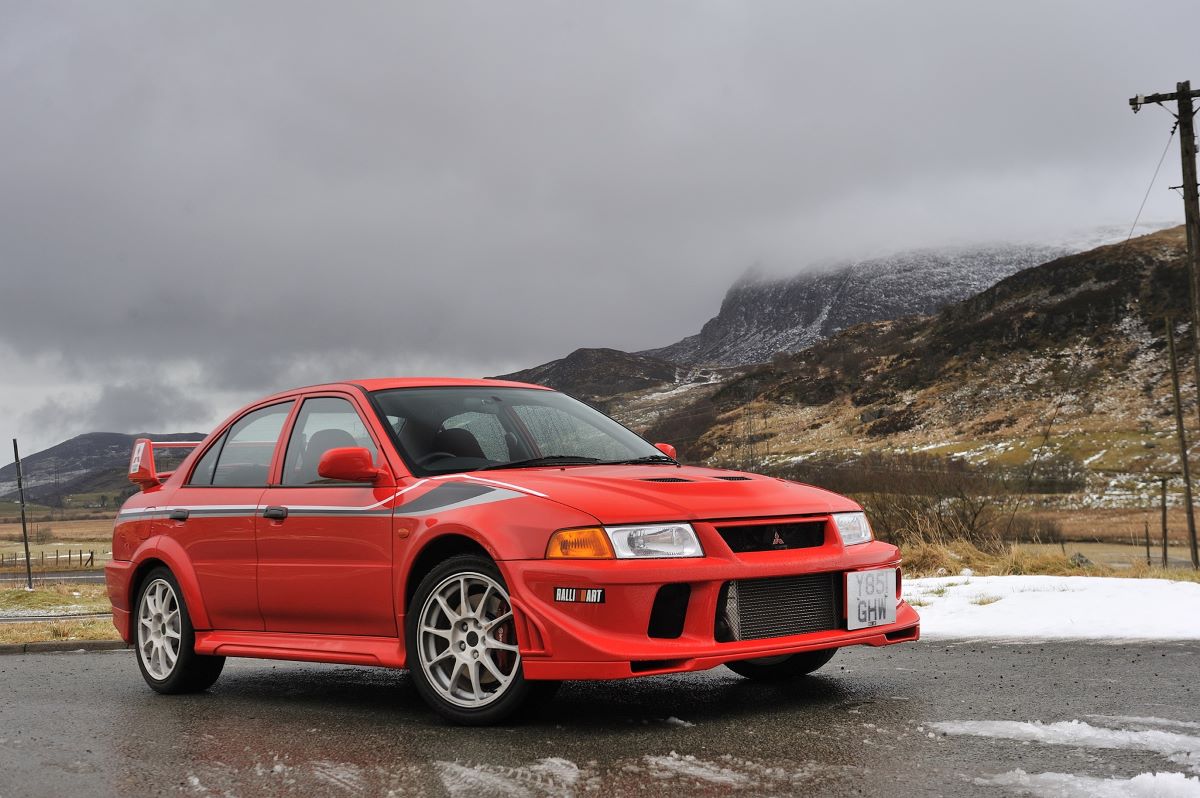
4. Mitsubishi Lancer Evolution VI
The Evolution VI exemplified Mitsubishi’s rally expertise. Its turbocharged 4G63 engine produced strong, responsive power, while advanced all-wheel drive provided grip in all conditions. The car combined raw performance with technical sophistication, making it suitable for streets and circuits alike. Every system worked in harmony to deliver control.
Design focused on function. Wide fenders, front air dams, and rear spoilers were crafted to improve cooling, aerodynamics, and stability. Aggression was purposeful rather than aesthetic. Every exterior element served a specific performance role, reflecting Mitsubishi’s engineering philosophy.
On twisty roads, the Evo VI was uncompromising. Its steering and suspension allowed precise control through corners. Traction and balance encouraged drivers to push limits safely. The car felt alive and connected, rewarding skill with confidence and speed.
The interior emphasized utility and engagement. Supportive seats, simple controls, and clear instrumentation reinforced the rally roots. Comfort was secondary to performance, but ergonomics allowed focus and long-distance usability. The cockpit created a sense of purpose every time it was entered.
Importing an Evo VI today provides access to a rally-bred legend. It combines precision, durability, and excitement, making it a highly desirable vehicle. Its motorsport pedigree and driving purity continue to attract enthusiasts worldwide.
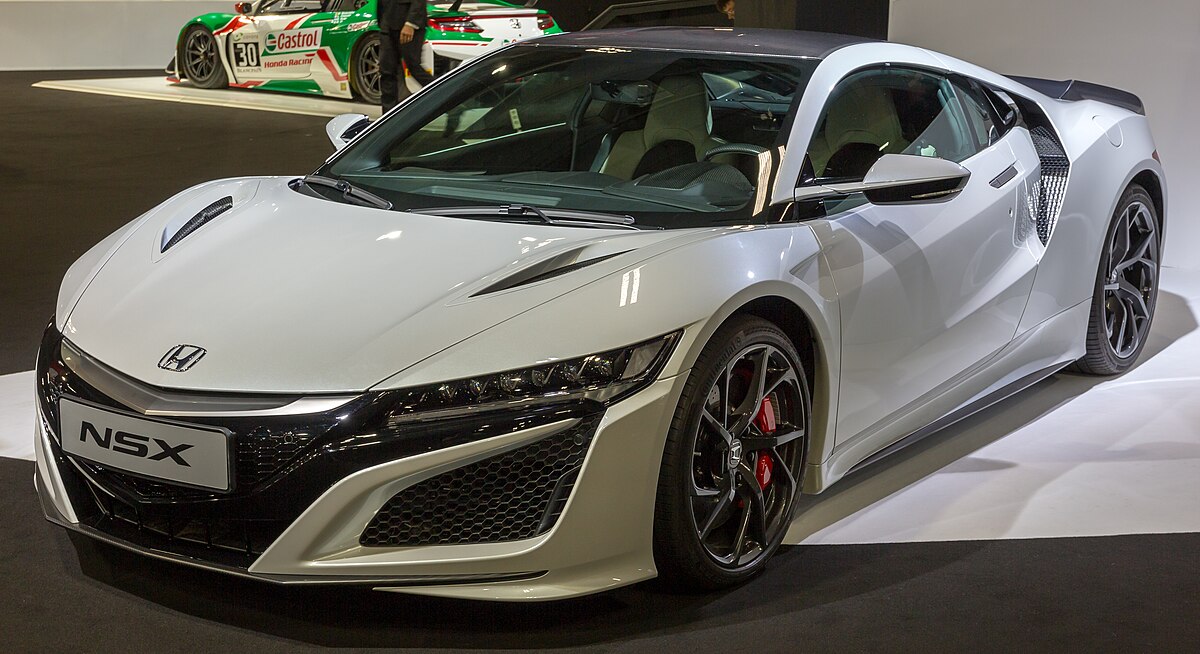
5. Honda NSX
The NSX redefined expectations for sports cars in the 1990s. Its mid-mounted V6 engine produced smooth, high-revving power, emphasizing precision rather than brute force. Lightweight aluminum construction lowered weight and increased rigidity, creating an agile, predictable driving experience. Every aspect highlighted engineering excellence.
Exterior design focused on aerodynamics and balance. Proportions were low and wide, enhancing stability while maintaining elegance. Unlike many supercars, the NSX communicated speed and purpose without ostentation. Its lines were functional yet beautiful, a reflection of Honda’s approach.
Inside, driver comfort and usability were prioritized. Controls were light and responsive, seating supportive, and instrumentation clear. The cabin allowed drivers to explore performance without distraction, balancing engagement with practicality. Comfort and performance existed in harmony.
On the road, the NSX delivered confidence. Steering was precise, handling balanced, and acceleration smooth. It encouraged exploration of limits without overwhelming the driver. The car created a sense of connection that few supercars could match at the time.
Importing a 1990s NSX now allows enthusiasts to experience one of the most refined and balanced sports cars ever built. Its combination of reliability, performance, and engineering sophistication makes it a timeless legend in the JDM world.
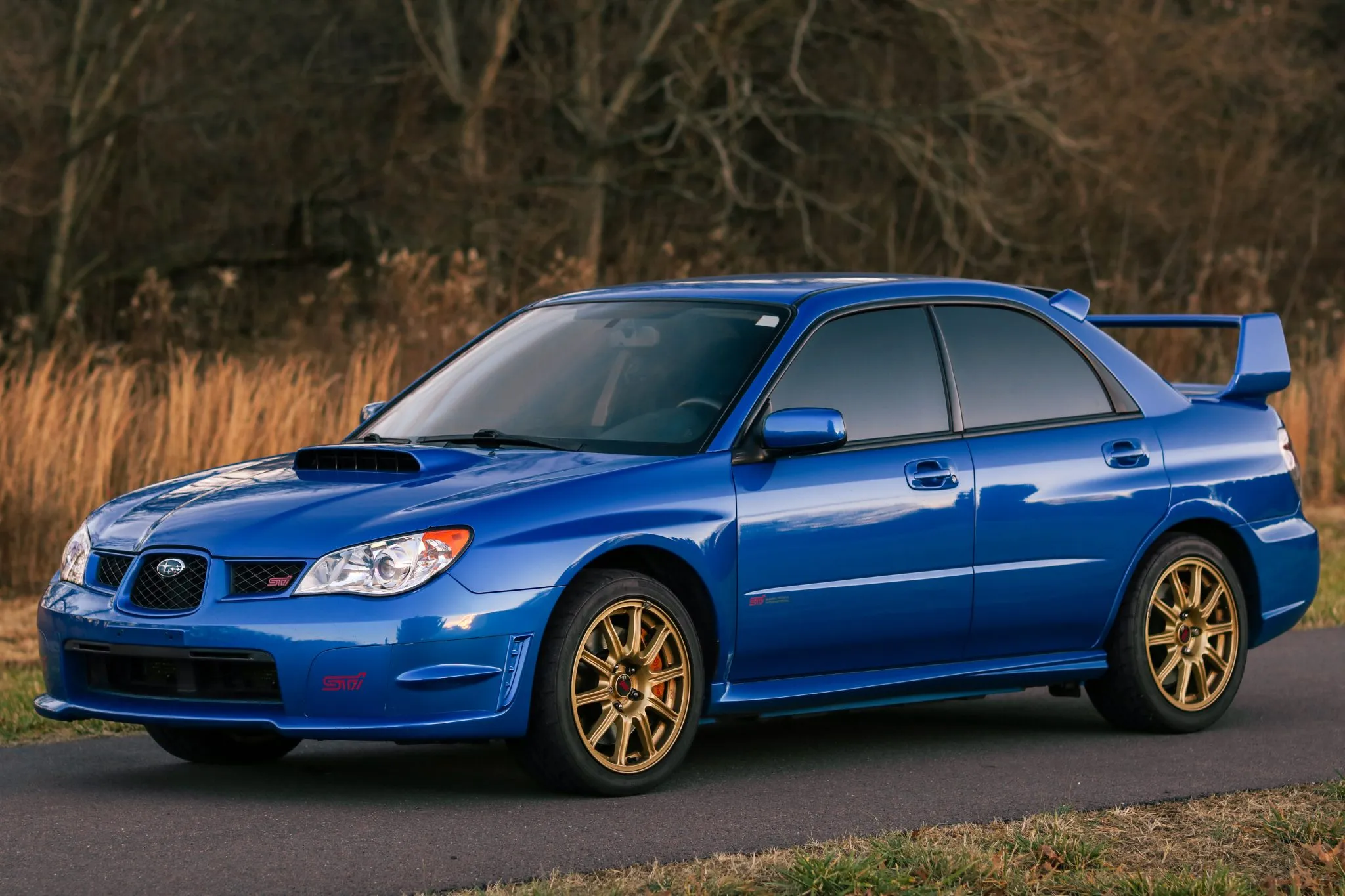
6. Subaru Impreza WRX STI GC8
The GC8 STI emerged from Subaru’s rally dominance, translating competition technology directly to the street. Its turbocharged flat-four engine produced a strong mid-range surge, giving the car immediate responsiveness. Symmetrical all-wheel drive combined with a short wheelbase created a machine that could handle almost any surface with confidence. Drivers immediately felt connected, as though the car was reading every input.
The exterior design balanced aggression and practicality. Wide fenders, functional hood scoops, and subtle spoilers hinted at its capability without being ostentatious. Unlike many flashy JDM cars, the GC8 wore its performance quietly. Its understated nature made it appealing for those who wanted rally pedigree without drawing excessive attention.
On twisty roads, the GC8 felt alive. Grip was tenacious, and cornering was precise, allowing controlled slides when desired. The steering offered clear feedback, enabling drivers to sense the car’s limits intuitively. Each drive encouraged focus and skill, making every journey an exercise in mastery.
Inside, the cabin reflected rally-inspired utility. Seats were supportive, materials were durable, and controls prioritized function over luxury. The ergonomics encouraged an active driving style, keeping the driver engaged without distractions. Every element was designed to enhance performance rather than impress visually.
Ownership today is both nostalgic and practical. The GC8 STI represents accessible JDM performance, combining durability, adaptability, and motorsport heritage. Enthusiasts importing it gain more than speed—they gain a platform that rewards skill, engineering excellence, and a connection rarely felt in modern vehicles.
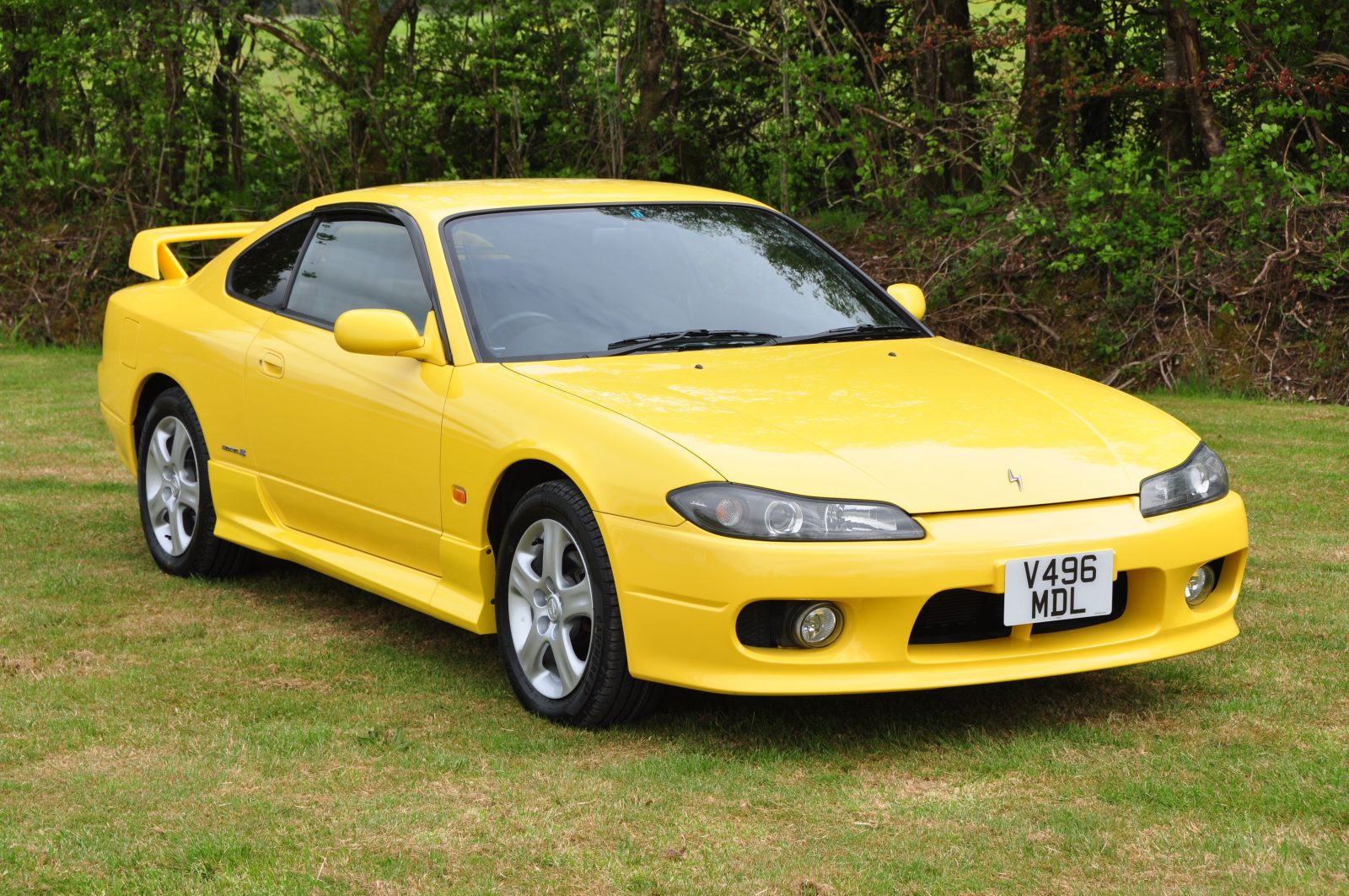
7. Nissan Silvia S15
The S15 Silvia marked the culmination of Nissan’s rear-wheel-drive sports coupe philosophy. Its turbocharged SR20DET engine offered linear power and tunability, making it a favorite among enthusiasts worldwide. Lightweight construction emphasized agility over brute force. Every curve and chassis choice contributed to a responsive, driver-focused experience.
The styling was compact and purposeful. Aerodynamic lines, sharp headlights, and a low stance communicated performance without being excessive. Unlike larger JDM coupes, the S15’s proportions encouraged precision and technical driving. Its appearance mirrored its function: sleek, balanced, and ready to perform.
Driving the S15 was a lesson in feedback and control. Steering was sharp, throttle response immediate, and the chassis encouraged cornering skill. It allowed subtle corrections and rewarded smooth inputs. For enthusiasts, every turn became an opportunity to experience the car’s balance firsthand.
The interior was straightforward yet functional. Simple controls, well-placed instrumentation, and excellent visibility supported an engaging driving experience. Comfort was sufficient for daily use, but the focus remained squarely on connection and control. The cabin reflected Nissan’s philosophy of pure performance.
Importing an S15 now offers access to one of the most versatile 1990s JDM machines. It thrives as both a daily driver and a performance platform. Its combination of power, agility, and handling finesse continues to earn admiration decades after its production ended.
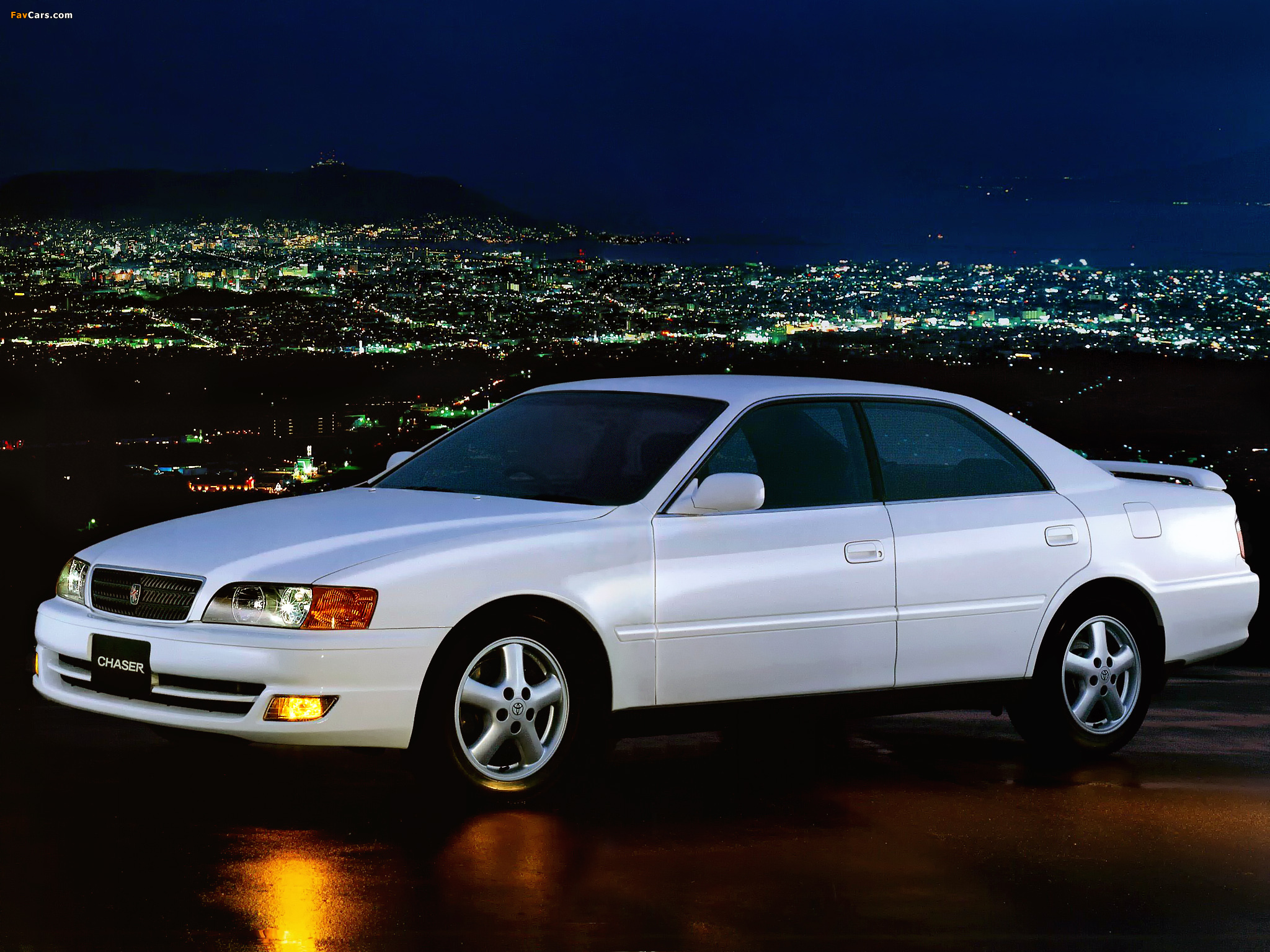
8. Toyota Chaser JZX100
The Chaser JZX100 blended performance with sedan practicality in a way few other cars managed. Powered by the turbocharged 1JZ GTE engine, it delivered strong, reliable output with impressive tuning potential. Rear-wheel-drive dynamics ensured responsive handling, while the chassis remained comfortable for everyday use. This duality made it unique among Japanese performance sedans.
Its exterior design was understated yet purposeful. Unlike coupes, the Chaser avoided flashy lines, presenting a sleeper appearance. Subtle spoilers, clean lines, and modest proportions hinted at capability without revealing the car’s full potential. This discreet elegance made it desirable for enthusiasts who preferred low-profile performance.
On the road, the Chaser balanced comfort and agility. Suspension tuned for stability handled high-speed cruising while supporting spirited driving. Steering felt precise, and the engine delivered consistent torque for smooth acceleration. It encouraged confidence, letting drivers explore its capabilities gradually.
Inside, the cabin was spacious and functional. High-quality materials, supportive seats, and a driver-focused layout combined with comfort for passengers. Controls were intuitive, maintaining engagement without distraction. This blend of performance and usability made the Chaser an exceptional daily driver with hidden capabilities.
Today, importing a JZX100 offers access to a rare blend of practicality and performance. It represents a class of 1990s Japanese cars that could be both unassuming and thrilling. Enthusiasts can enjoy the sedan’s understated presence while experiencing its dynamic potential fully.
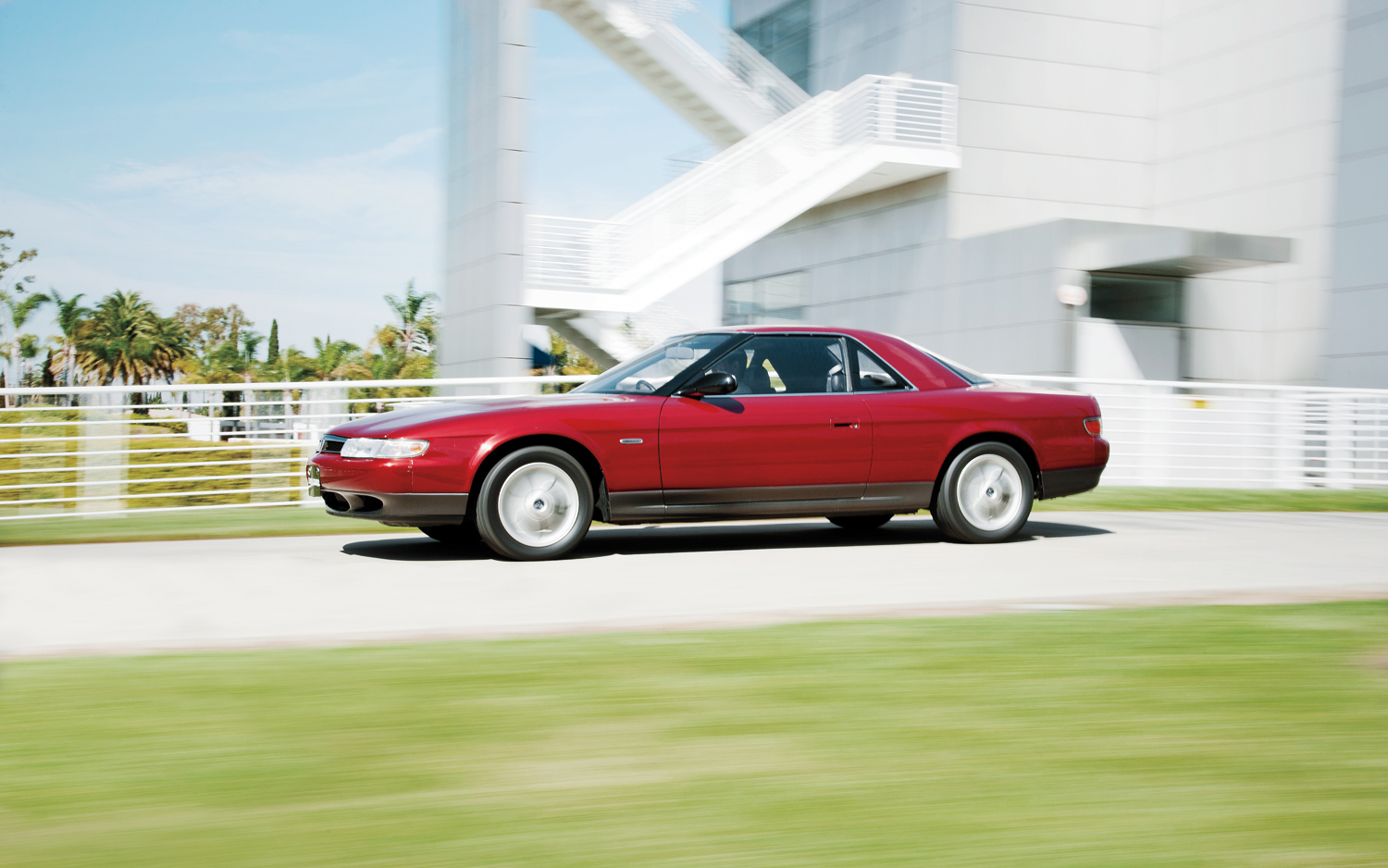
9. Mazda Cosmo 20B
The Mazda Cosmo 20B showcased technological ambition through its three-rotor rotary engine. Unlike conventional powertrains, it delivered smooth, high-revving performance with a unique exhaust note. Lightweight construction and low center of gravity enhanced handling. Driving it felt different from any piston-engine car, offering a combination of precision and character that remains unmatched.
The design was elegant and futuristic, emphasizing sophistication over aggression. Curves flowed seamlessly, creating a low, wide stance. Unlike other 1990s JDM sports cars, the Cosmo avoided flashiness, instead projecting confident innovation. Its appearance communicated refinement and performance simultaneously.
On the road, the Cosmo offered effortless acceleration and predictable handling. Its rotary engine delivered power in a smooth, linear fashion, making it suitable for both spirited runs and cruising. Suspension tuning balanced agility and comfort, providing a composed ride at all speeds. Drivers quickly discovered a refined, responsive experience.
Inside, technology and comfort combined seamlessly. Advanced instrumentation, quality materials, and thoughtful ergonomics created a cabin ahead of its time. Drivers and passengers could enjoy performance without sacrificing daily usability. Every aspect of the interior reflected Mazda’s desire to merge innovation with refinement.
Importing the Cosmo today means acquiring one of the rarest and most distinctive 1990s JDM machines. Its combination of engineering audacity, unique performance, and timeless styling ensures it stands out in any collection. The Cosmo is proof that Mazda dared to be different, and that difference still resonates decades later.
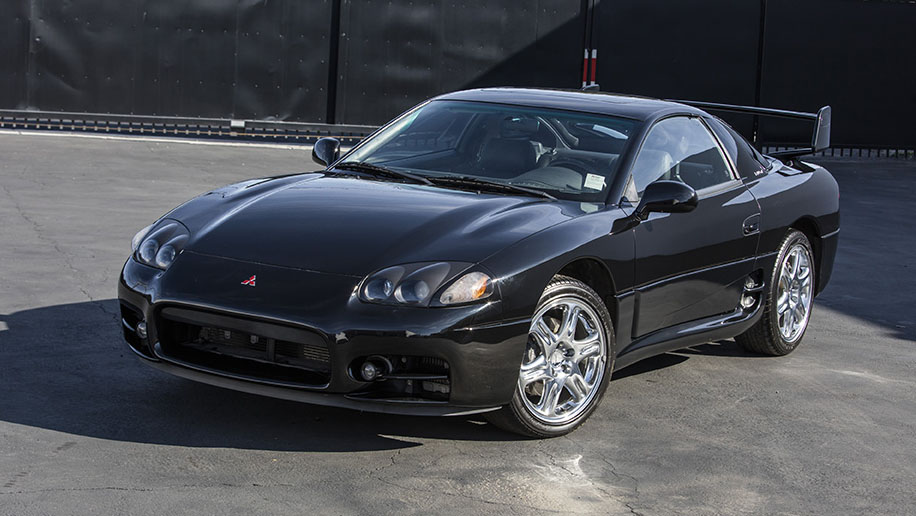
10. Mitsubishi GTO Twin Turbo
The GTO Twin Turbo represented a high-tech approach to Japanese grand touring. Twin turbochargers delivered potent acceleration, while all-wheel drive and advanced aerodynamics enhanced stability at speed. Electronic systems complemented mechanical design, creating a sophisticated, capable package. It combined raw performance with technology-driven refinement.
Its exterior conveyed power and precision. Wide proportions, aggressive lines, and aerodynamic features emphasized capability. Unlike understated sleepers, the GTO announced its presence with confidence. The design matched its ambition, signaling advanced engineering without being overdone.
Driving the GTO offered a blend of performance and comfort. Acceleration was smooth yet forceful, and chassis tuning provided composure in corners. The car felt planted, encouraging confidence while maintaining a sense of fun. Every system worked together to create a cohesive driving experience.
Inside, the cabin focused on luxury and usability. Comfortable seats, advanced controls, and high-quality materials supported long-distance driving. Performance remained a priority, but the interior demonstrated that a high-tech GT could also be a comfortable daily driver. It reflected Mitsubishi’s goal of balancing speed with refinement.
Importing the GTO Twin Turbo now allows enthusiasts to experience a unique chapter in 1990s Japanese automotive history. It represents a time when manufacturers pursued innovation boldly. Owning one delivers rare performance, technological intrigue, and a distinctive statement of ambition.
