
Four cylinder sports cars have carried a reputation that shifts between admiration and skepticism. For decades, enthusiasts debated whether fewer cylinders could truly deliver excitement, durability, and emotional driving experiences.
Yet history has quietly proven that performance is not measured by cylinder count alone. Engineering balance, intelligent tuning, and thoughtful design have allowed many four-cylinder sports cars to stand confidently beside far more powerful rivals.
Modern automotive development has reshaped what a four cylinder engine can achieve. Advances in turbocharging, weight reduction, chassis stiffness, and electronic control systems have transformed modest displacement engines into serious performers.
These cars often provide sharper handling, better efficiency, and lower ownership costs, making them accessible without sacrificing enjoyment. For many drivers, this balance creates a stronger long term connection with the car itself.
Another overlooked advantage lies in reliability. Four cylinder engines typically feature fewer moving parts, simpler layouts, and lighter internal components. When designed correctly, this leads to engines that tolerate daily use, spirited driving, and extended ownership with fewer complications.
Sports cars built around these engines often focus on driver involvement rather than brute force, resulting in vehicles that remain rewarding even at legal speeds.
Affordability plays a role as well. Insurance, fuel, maintenance, and replacement parts often cost less compared to larger engine alternatives. This allows owners to drive more, modify responsibly, and explore the limits of their cars without constant concern. For many enthusiasts, a car that can be enjoyed frequently is more valuable than one that remains parked most of the time.
This article highlights ten four cylinder sports cars that have earned reputations for dependability, engaging performance, and lasting appeal. Each model demonstrates that confidence on the road does not require excessive complexity or inflated numbers. These vehicles continue to prove that thoughtful engineering and focused design can create machines that remain satisfying long after the initial excitement fades.
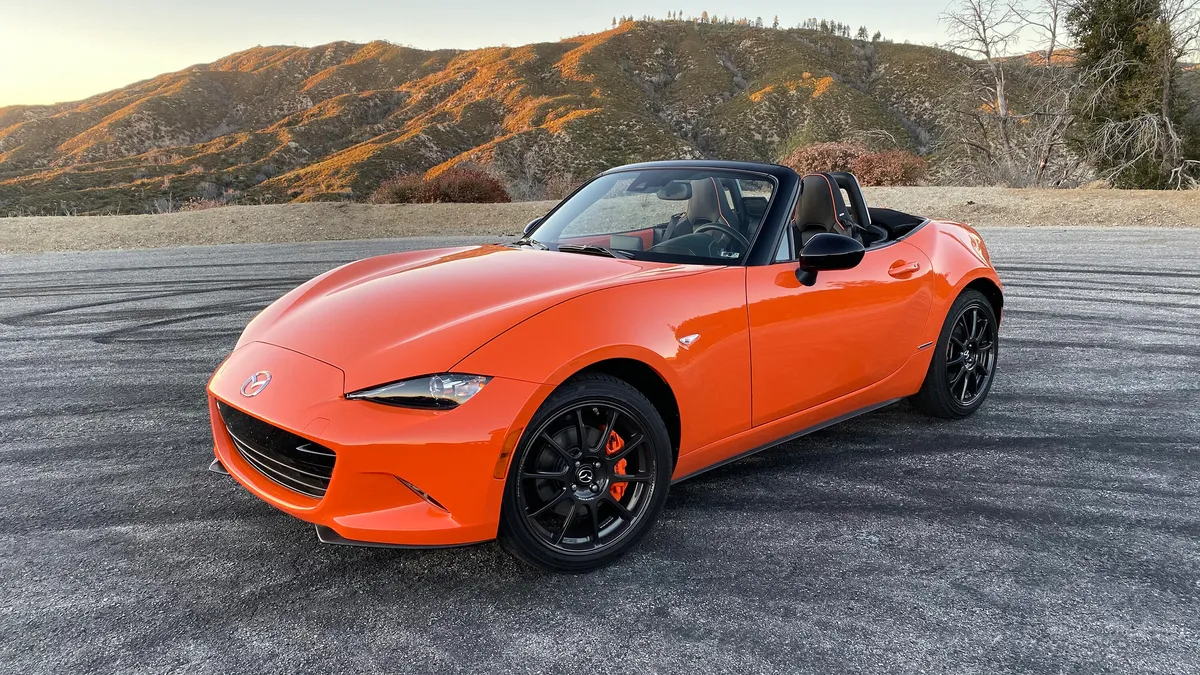
1. Mazda MX 5 Miata
The Mazda MX 5 Miata has built its identity around simplicity and balance rather than outright speed. Its naturally aspirated four cylinder engine prioritizes responsiveness and smooth power delivery over raw horsepower.
The car’s lightweight design enhances acceleration and cornering, allowing drivers to feel every nuance of the road. Unlike heavier sports cars, the Miata rewards skillful inputs with immediacy and precision that feels natural and intuitive.
Reliability has always been one of the Miata’s strongest traits, making it appealing for long-term ownership. Mazda engineered the car with durable components and straightforward systems, resulting in engines and transmissions that often surpass 200,000 miles with basic maintenance.
Parts are widely available, and repairs remain relatively simple. Owners frequently report minimal issues even after years of spirited driving, which reinforces its reputation as a dependable sports car.
Handling defines the Miata more than straight line performance, and it has consistently been praised for its sharp, communicative steering. The near perfect 50/50 weight distribution allows the car to pivot gracefully through corners, while a low center of gravity reduces body roll. Suspension tuning is precise, giving drivers both confidence and excitement. The driving experience emphasizes skill and connection rather than pure engine output, making every twist of the road engaging.
The interior design remains functional and driver-focused, with controls easily accessible and ergonomically arranged. While the cabin is compact, it feels well thought out, balancing comfort with sportiness. Noise levels are minimal, but the car still transmits enough engine and road sound to maintain excitement. Long drives remain comfortable for the driver, while the car’s small footprint makes urban maneuvering effortless.
Ownership costs are reasonable across all generations of the Miata, which adds to its long-term appeal. Fuel efficiency is excellent, tires and brakes are affordable, and insurance rates are generally lower than larger sports cars.
This combination allows owners to enjoy spirited driving regularly without financial strain. The Miata proves that a lightweight four cylinder sports car can deliver excitement, reliability, and practicality in a single, cohesive package.

2. Toyota GR86 and Subaru BRZ
The Toyota GR86 and Subaru BRZ represent a collaboration focused on driving purity, with a naturally aspirated flat four cylinder engine emphasizing balance and control.
Power delivery is smooth and linear, allowing drivers to push the chassis confidently without unexpected surprises. The engine may not boast overwhelming horsepower, but its responsiveness and revving character create a thrilling and engaging experience. Lightweight construction further amplifies the sense of agility.
Reliability stems from conservative engineering choices and proven mechanical components. Both Toyota and Subaru invested in creating an engine capable of sustained high rpm operation without compromising longevity. Cooling systems, oil flow, and material strength were optimized to handle spirited driving. This attention to detail results in vehicles that remain dependable even when driven aggressively over extended periods.
Chassis design is the GR86 and BRZ’s defining feature, prioritizing feedback and balance. Low engine placement and precise suspension geometry reduce body roll and enhance cornering stability. Steering is communicative, offering immediate insight into the car’s behavior. This creates a car that encourages precise driving, rewarding both novice and experienced enthusiasts with a sense of mastery over the road.
Interior space is compact but thoughtfully arranged to support the driving experience. Controls are logically placed, and seats provide adequate lateral support for spirited driving. While not luxurious, the cabin feels functional and engaging, reinforcing the car’s identity as a driver’s tool. Minimal distractions ensure that focus remains on the road and vehicle dynamics, enhancing the sense of connection.
Affordability remains a key advantage, as both models provide exceptional driving satisfaction at a reasonable price. Fuel economy is competitive, maintenance is predictable, and insurance costs remain manageable. Combined with durable engineering, these cars offer an accessible pathway to high-quality sports car enjoyment. The GR86 and BRZ demonstrate that excellent driving engagement does not require excessive power or complex technology.
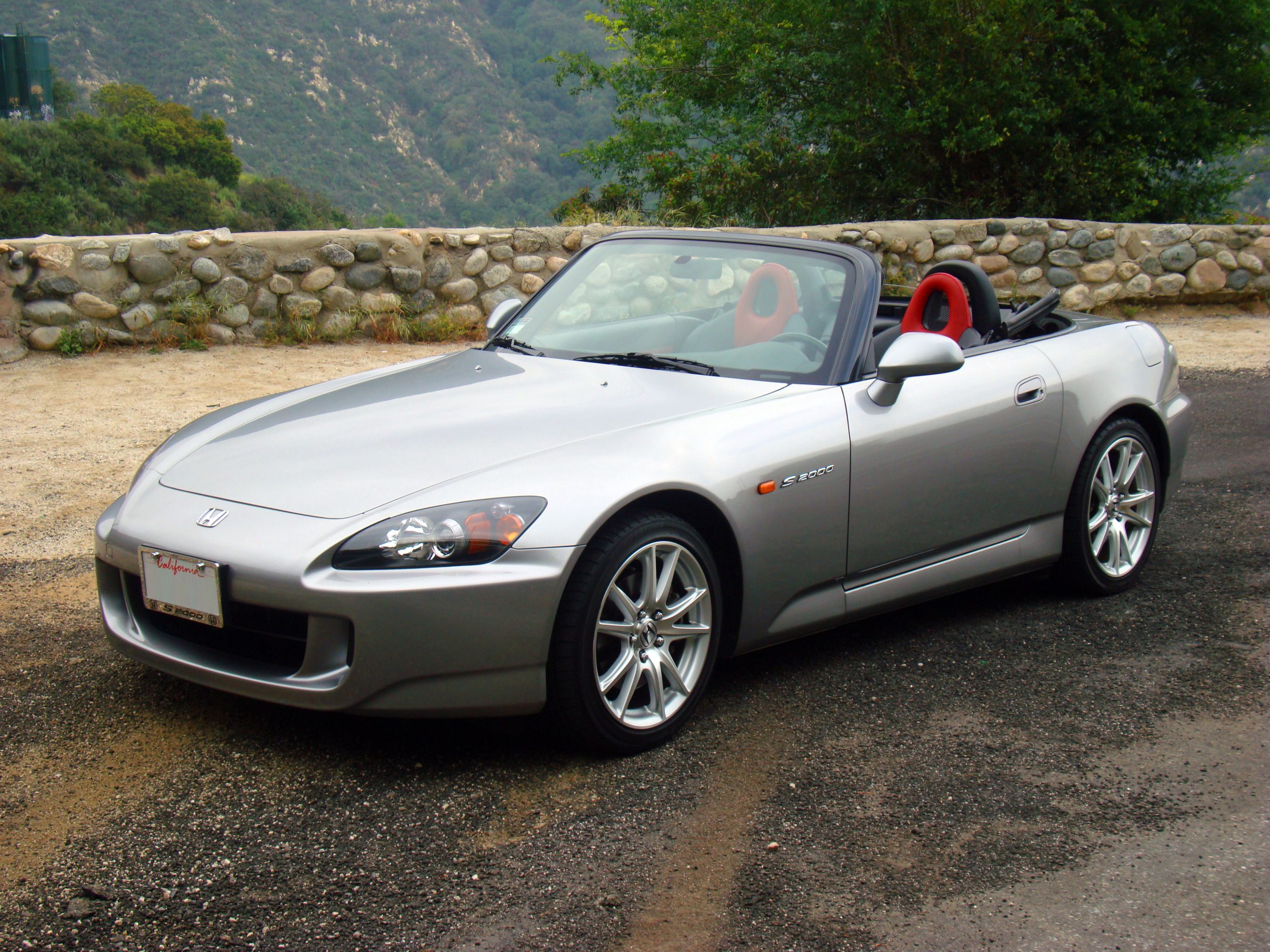
3. Honda S2000
The Honda S2000 is widely regarded as a benchmark for naturally aspirated four-cylinder sports cars, with a high-revving engine that delivers exhilarating power throughout the rpm range. Its engine is engineered for both precision and excitement, creating an experience that feels responsive and balanced.
Every shift and throttle input is immediate, providing an unmatched sense of control. The lightweight chassis complements the engine’s output, making the car feel lively and purposeful at all speeds.
Durability and reliability are central to the S2000’s enduring popularity. Honda designed the engine with reinforced internals and precise tolerances, allowing it to operate consistently at very high rpm without premature wear.
Many examples have exceeded 250,000 miles with routine maintenance. This mechanical robustness reinforces the car’s reputation as a dependable performance machine, capable of handling spirited daily driving and track use alike.
Handling characteristics reflect Honda’s motorsport expertise, with a rigid chassis, double wishbone suspension, and precise steering. The car rewards careful inputs, providing feedback that encourages skill development. Cornering is sharp and predictable, with minimal body roll and excellent balance. Drivers often report a visceral connection with the car, as if it responds to their intentions instantly.
The interior combines simplicity and driver focus, emphasizing ergonomics over luxury. Controls are logically placed, seats offer strong support, and visibility is excellent for a roadster. While the cabin is small, it maximizes the driving experience by reducing distractions. Every element of the interior reinforces the feeling that the driver is at the center of a finely tuned machine.
Ownership of an S2000 requires attention to detail, but the rewards are significant. Maintenance costs are reasonable for a high-performance vehicle, parts are available, and engines are generally durable.
Long-term ownership can be incredibly satisfying, as the car remains engaging and reliable even after years of use. The S2000 proves that careful engineering can make a four cylinder roadster both thrilling and dependable.
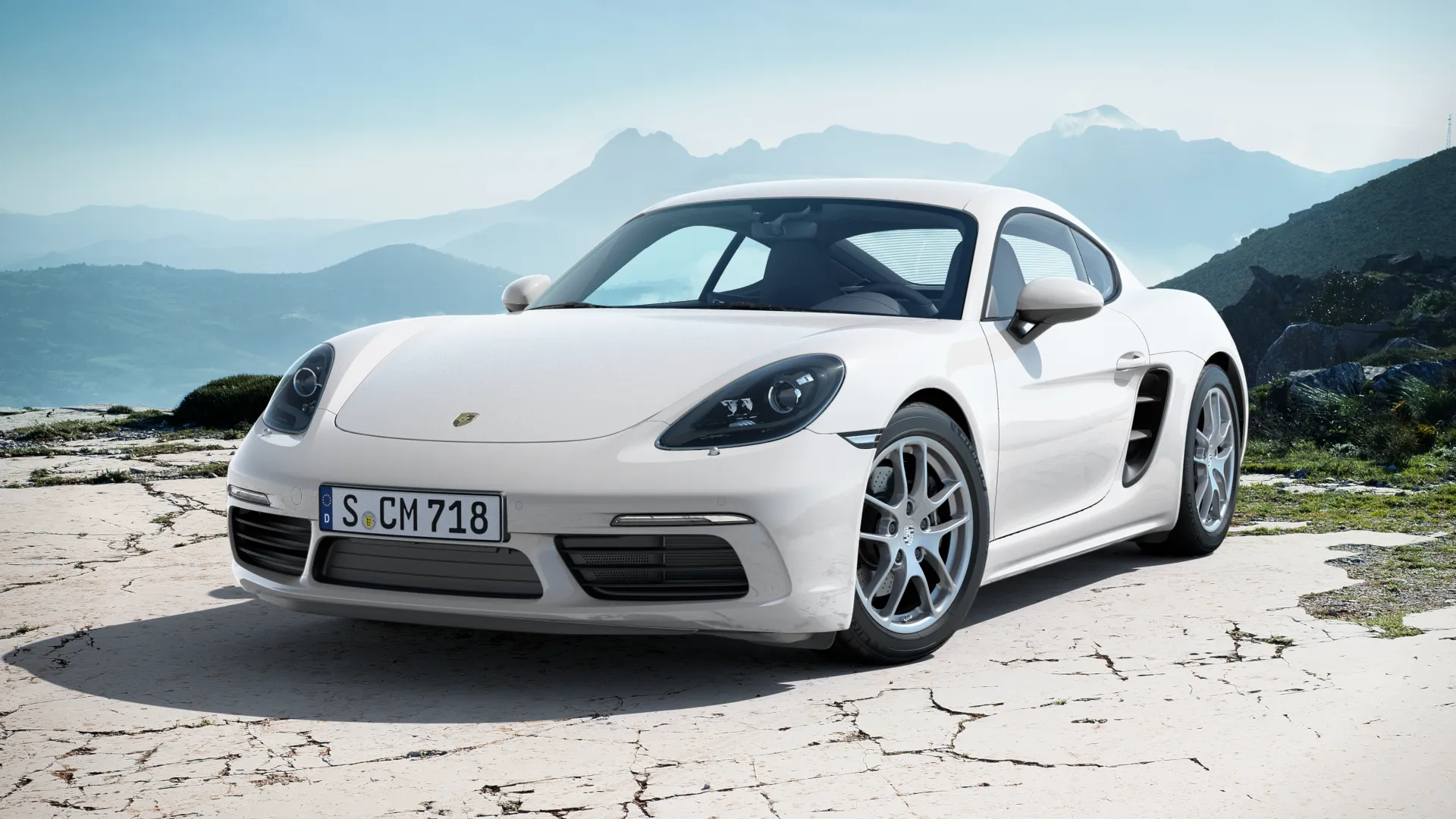
4. Porsche 718 Cayman
The Porsche 718 Cayman introduced turbocharged four-cylinder engines to a lineage traditionally dominated by six-cylinder units, and it surprised enthusiasts with its performance and balance. Turbocharging provides robust low-end torque while maintaining smooth acceleration, making the car both fast and controllable.
Despite having fewer cylinders, the engine integrates seamlessly with the chassis to provide a cohesive driving experience that feels unmistakably Porsche.
Reliability is supported by Porsche’s commitment to engineering excellence and material quality. The 718’s cooling systems, lubricants, and engine internals are optimized for consistent operation even under spirited driving conditions.
Attention to durability ensures that the turbocharged engine can withstand repeated track sessions and spirited road use. Routine maintenance is crucial, but the car’s inherent engineering allows confidence in long-term ownership.
Handling remains the Cayman’s defining feature, with a mid-engine layout that enhances weight distribution and cornering precision. Steering feedback is direct and communicative, while suspension tuning ensures stability and agility. The car remains composed through high-speed bends, offering drivers a clear sense of control. This combination of chassis balance and engine response builds confidence in a variety of driving scenarios.
The cabin balances driver-focused design with modern technology. Controls are intuitively arranged, displays provide useful information without distraction, and seating positions allow excellent visibility. While interior luxury is secondary to performance, the refinement reinforces the car’s premium character. Every detail emphasizes engagement and control, supporting the driver’s connection to the road.
Ownership costs are higher than those of some four-cylinder rivals but remain justified by engineering quality and performance. Tires, brakes, and service items are premium, yet the car retains strong resale value. The 718 Cayman proves that a well-executed four-cylinder sports car can compete with more powerful alternatives while offering reliability, balance, and pure driving enjoyment.
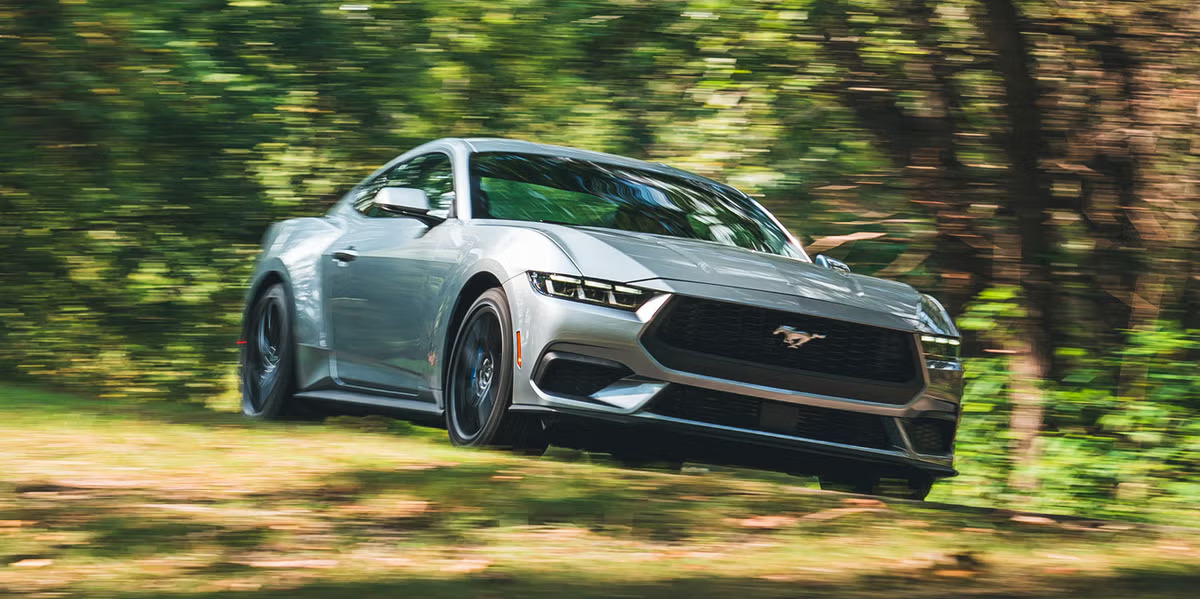
5. Ford Mustang EcoBoost
The Ford Mustang EcoBoost redefined expectations for an American icon by offering a turbocharged four cylinder engine capable of impressive performance and strong efficiency. Torque delivery is immediate, providing satisfying acceleration at lower rpm while maintaining smooth behavior at higher speeds.
The EcoBoost engine allows the Mustang to remain competitive in terms of performance, yet lighter weight and smaller displacement make it more manageable and efficient.
Ford engineered the EcoBoost platform with long-term durability in mind, incorporating reinforced internals and robust cooling systems to handle spirited driving. Many owners report consistent reliability even after high mileage and extended periods of aggressive driving.
Preventive maintenance is straightforward, and the engine layout allows easier servicing compared to larger V8 options. This makes the EcoBoost Mustang a reliable daily driver as well as a weekend sports car.
Handling has improved dramatically compared to previous Mustang generations, thanks to the adoption of independent rear suspension and revised chassis geometry.
Cornering stability is stronger, steering is more precise, and body control is enhanced. These improvements complement the engine’s performance, making the EcoBoost Mustang capable of providing confidence-inspiring handling for both street and track use.
The interior provides a blend of practicality and performance-focused design. Controls are logically arranged, seating is supportive for spirited driving, and technology is integrated to enhance convenience without detracting from the driving experience. While the cabin may lack the refinement of European competitors, it reinforces the Mustang’s identity as an accessible, fun sports car.
Affordability is a major advantage for the EcoBoost Mustang. Purchase price is lower than traditional V8 models, fuel economy is improved, and maintenance costs remain reasonable. This combination allows owners to enjoy a powerful, responsive sports car without excessive financial burden. The EcoBoost Mustang proves that a well-engineered four cylinder engine can deliver both reliability and engaging performance for a broad audience.
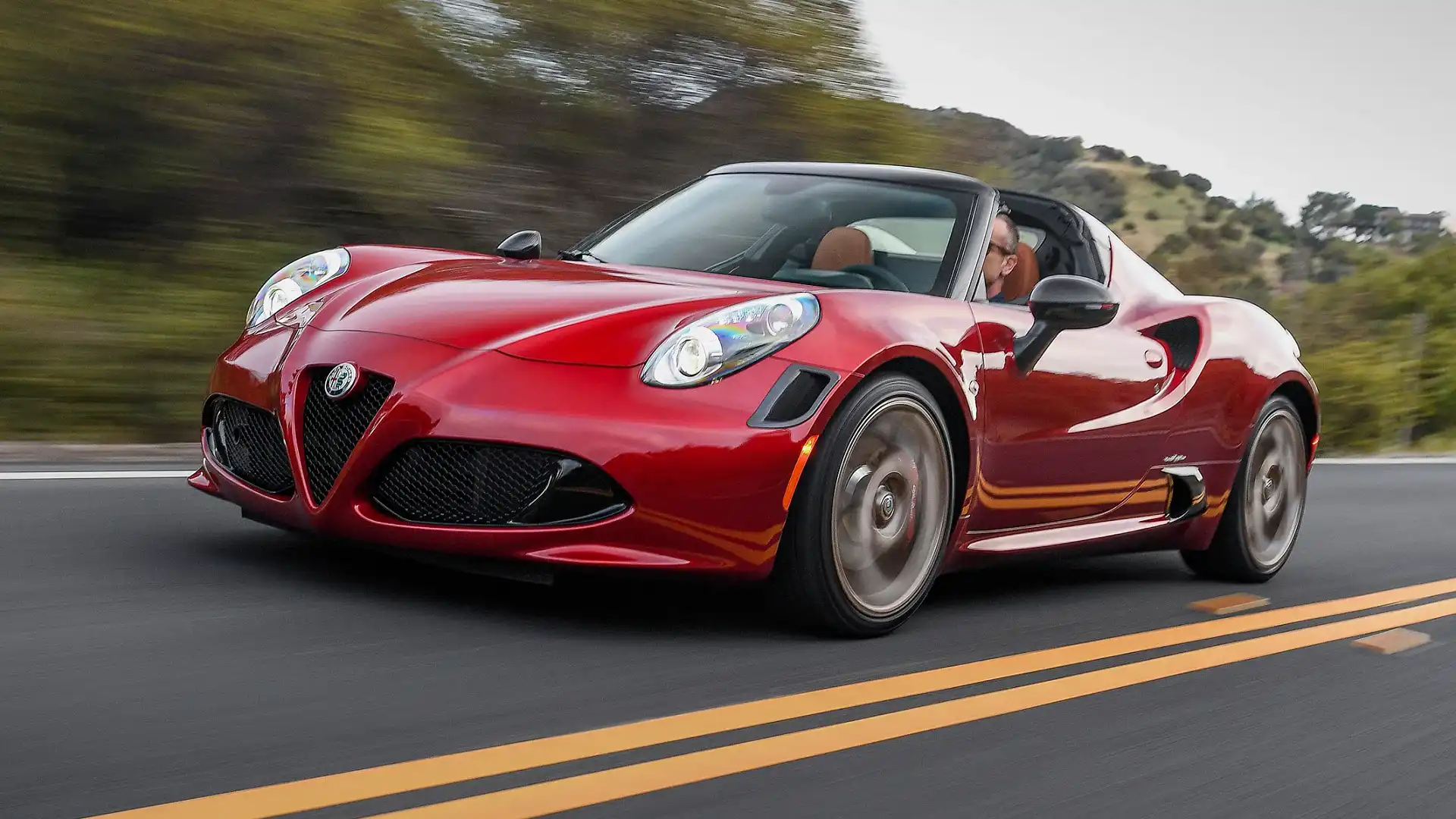
6. Alfa Romeo 4C
The Alfa Romeo 4C emphasizes lightweight construction and precise engineering, making it a sports car focused on agility rather than raw power. Its turbocharged four cylinder engine delivers immediate throttle response, creating a feeling of urgency in every corner.
Acceleration is lively, and the engine’s character is sharp yet controllable. Every aspect of the car contributes to a connected, driver-centered experience that feels rewarding on twisty roads.
Reliability benefits from a simplified mechanical layout, with fewer components that could fail under stress. The carbon fiber monocoque chassis not only reduces weight but enhances structural rigidity, allowing the four-cylinder engine to be fully utilized without compromising stability. Routine maintenance is relatively straightforward for a car of its class, and the combination of proven components supports long-term ownership with careful care.
Handling is sharp, responsive, and direct, giving the driver a sense of complete control. Steering feedback is unassisted, transmitting road texture and vehicle behavior with clarity. Suspension tuning prioritizes precision over comfort, allowing cornering to feel immediate and natural. The car rewards careful inputs and punishes mistakes subtly, which makes mastering it a satisfying challenge.
The interior focuses on function and driver engagement rather than luxury. Minimalist design elements keep weight low while essential controls remain easily accessible. Seats are supportive, and the cockpit provides an immersive feel of the car’s mechanical interactions. While the cabin may feel spartan to some, every detail emphasizes a pure and unfiltered connection between driver and machine.
Ownership requires commitment but offers a unique experience in return. Parts and servicing may be slightly more specialized than mainstream cars, but the car’s mechanical simplicity compared to larger sports cars limits potential complications. The Alfa Romeo 4C proves that restraint in design and power can result in an exhilarating driving experience, emphasizing connection and precision over excessive performance figures.
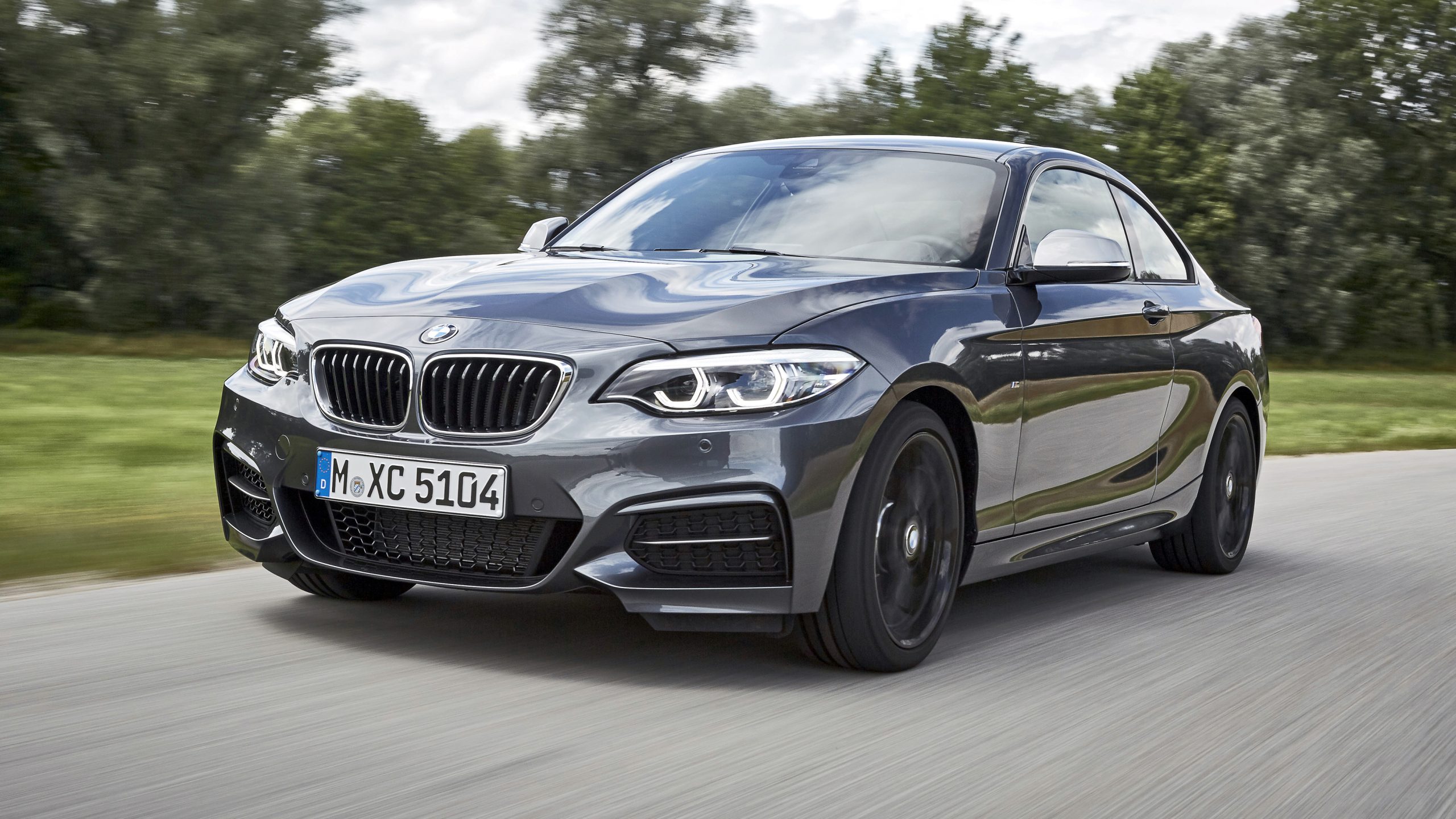
7. BMW M240i Four Cylinder Variant
BMW’s four cylinder performance models, like the M240i variant, strike a balance between everyday usability and spirited driving enjoyment. The turbocharged four cylinder engine provides smooth, linear power delivery that feels refined yet athletic.
The car remains manageable in urban traffic while retaining the responsiveness needed for challenging roads or highway acceleration. This combination allows a wider audience to enjoy driving dynamics without excessive intimidation.
Reliability has improved through careful engineering and modern component design. Turbocharging is implemented with robust cooling systems and strengthened internals, allowing consistent operation under spirited conditions. Owners benefit from a car that handles regular use and occasional track days with minimal concern for mechanical failure. Routine maintenance ensures longevity and maintains strong performance over time.
Chassis tuning highlights stability, control, and predictability. Independent suspension systems balance comfort and performance, reducing body roll while preserving handling sharpness. Steering remains precise, translating road feedback accurately to the driver. This makes the car adaptable, offering confidence whether navigating tight turns or accelerating onto open stretches of road.
The interior strikes a blend of practicality and performance-focused design. Seats provide excellent lateral support, controls are intuitive, and infotainment and driver assistance systems remain accessible. The cabin balances sportiness and comfort, making the M240i suitable for daily commuting as well as spirited weekend driving. The driver-centric layout reinforces confidence and engagement during every journey.
Ownership costs are reasonable for a performance-oriented car, and parts availability supports long-term use. Regular service intervals, combined with durable construction, create a dependable ownership experience.
The M240i four-cylinder variant demonstrates that BMW can provide a satisfying sports car experience without requiring a larger or more complex engine, while still delivering driving enjoyment and reliability.
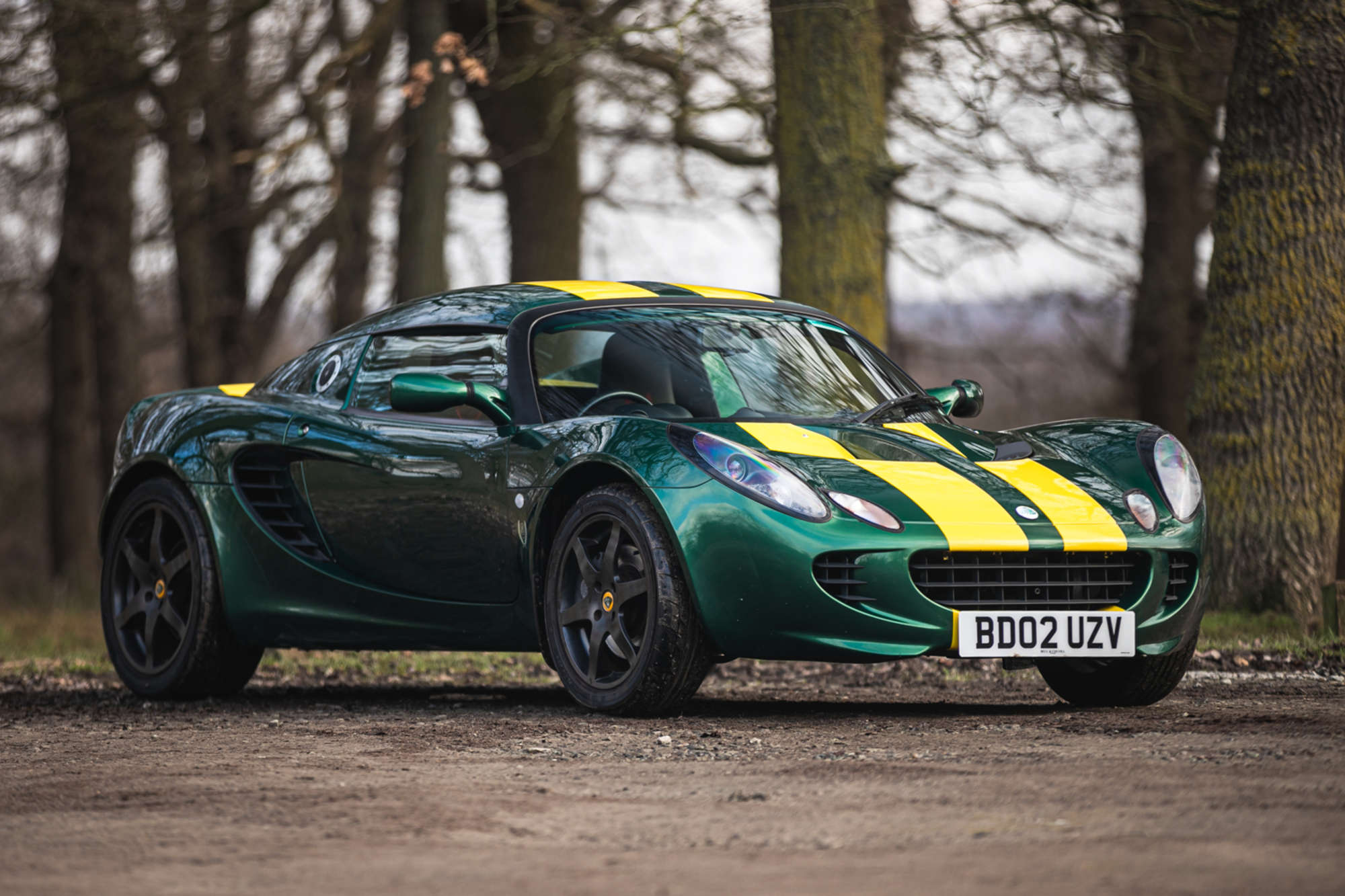
8. Lotus Elise
The Lotus Elise is a masterpiece of minimalist engineering, prioritizing weight savings and driving purity above all else. Its naturally aspirated four cylinder engine is modest in output but feels potent due to the car’s extremely low mass. Acceleration is immediate, handling is razor sharp, and every input produces a measurable response. The Elise embodies the philosophy that performance is more about balance and control than sheer horsepower.
Reliability benefits from mechanical simplicity and thoughtful component selection. The lightweight chassis reduces stress on suspension and drivetrain parts, while proven engine designs minimize potential failures. Maintenance is straightforward, with fewer complex systems to service. This ensures the car can remain consistent over time despite aggressive driving and spirited use.
Handling defines the Elise’s identity, with responsive steering and minimal body inertia. The car feels like an extension of the driver, communicating road conditions and grip levels with remarkable clarity. Suspension and chassis tuning favor responsiveness and precision, making cornering intuitive and exciting. Enthusiasts often describe driving the Elise as a connection-focused experience unmatched by heavier sports cars.
The interior remains spartan, designed entirely to support driving focus. There are few distractions, with essential controls placed for immediate access. Seating is firm but supportive, emphasizing road feel over luxury. While the cabin is tight and comfort is limited, the design philosophy reinforces the car’s dedication to pure performance and driver engagement.
Ownership is unique and requires acceptance of certain limitations, such as minimal amenities and tight space. However, the Elise rewards attentive drivers with unmatched engagement and satisfaction.
Maintenance remains manageable, and the car’s simplicity reduces the likelihood of major failures. The Lotus Elise stands as proof that a small, light, and focused four cylinder sports car can offer extraordinary enjoyment.
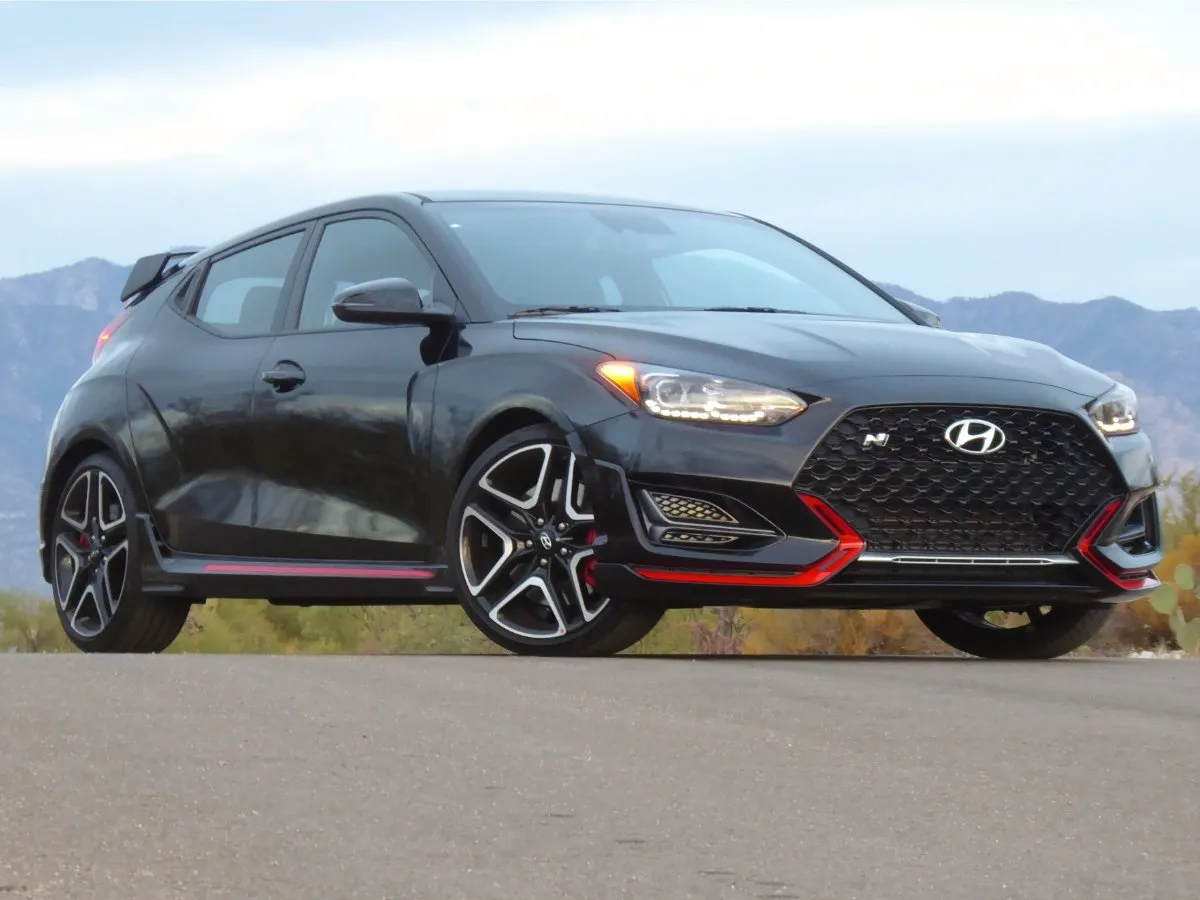
9. Hyundai Veloster N
The Hyundai Veloster N represents a modern approach to affordable performance, featuring a turbocharged four-cylinder engine that delivers lively output and enthusiastic character. Torque is readily available at lower rpm, and throttle response is sharp and predictable. Drivers experience immediate feedback from both engine and chassis, making the car feel playful and engaging on back roads and city streets alike.
Reliability is enhanced by Hyundai’s attention to durability and warranty coverage. Engine components, cooling systems, and drivetrain parts are designed to withstand aggressive driving conditions, ensuring consistent performance. Owners benefit from peace of mind, knowing the car can handle spirited acceleration and frequent use without major concerns. Regular maintenance helps retain the car’s performance and reliability over time.
Chassis tuning emphasizes agility and confidence-inspiring handling. Adjustable driving modes allow customization of throttle response, suspension stiffness, and steering effort to suit different conditions. The car remains composed and predictable even when pushed to its limits. This makes the Veloster N versatile, offering excitement without compromising control.
The interior blends driver-focused design with practicality, offering supportive seats, logical controls, and modern infotainment systems. Cabin space is optimized for a compact sports car, balancing usability and comfort for short to medium trips. The driver experience is enhanced by a cockpit that emphasizes visibility, ergonomics, and connection to the vehicle’s dynamics.
Affordability is one of the Veloster N’s strongest points. Pricing, fuel efficiency, and maintenance costs remain competitive, allowing enthusiastic driving without financial strain. The car demonstrates that a turbocharged four-cylinder sports car can be both fun and practical, providing spirited performance for a broad range of drivers without sacrificing reliability or usability.
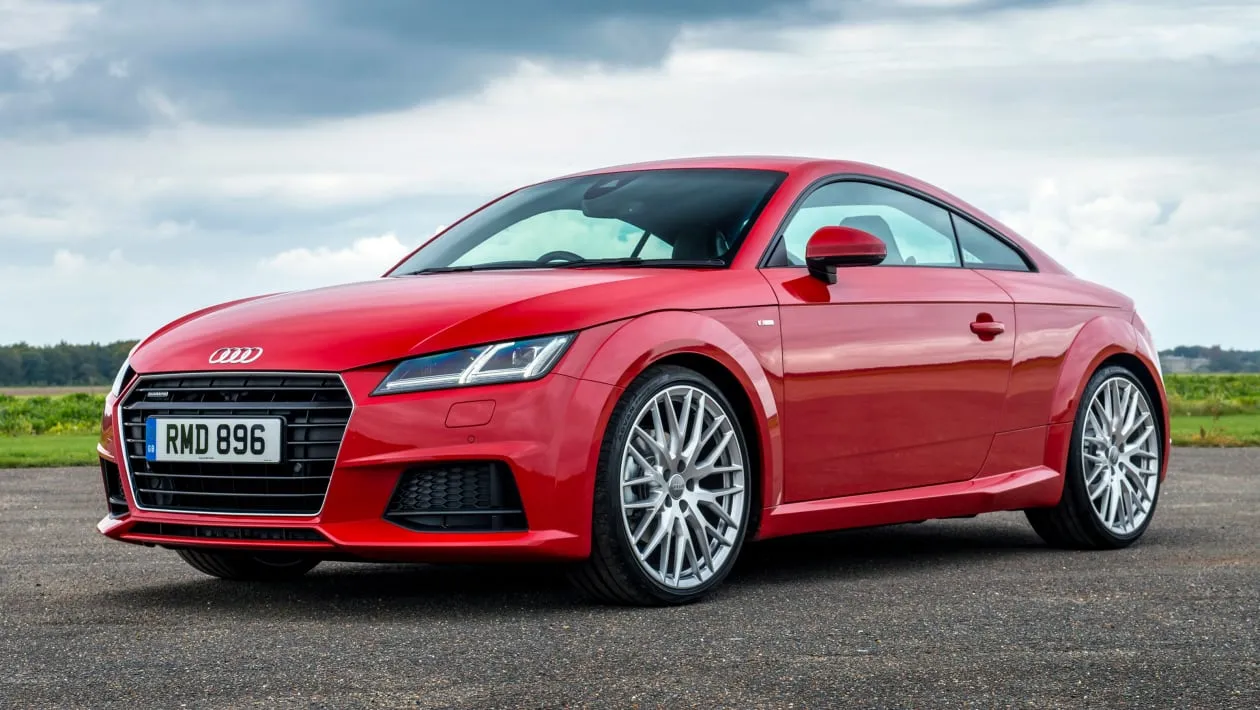
10. Audi TT
The Audi TT combines sleek design, advanced technology, and turbocharged four-cylinder performance into a cohesive sports car package. Acceleration is smooth, linear, and refined, while turbocharging ensures low-end torque for lively city and highway driving.
The engine integrates seamlessly with Audi’s chassis dynamics, providing balance and composure. The TT prioritizes a controlled, enjoyable driving experience rather than raw aggression.
Reliability benefits from Audi’s rigorous engineering standards and material quality. Engine components, cooling systems, and electronics are designed to withstand consistent use and occasional spirited driving. Modern TT models also feature updates to improve durability and serviceability. Routine maintenance ensures long-term confidence and reinforces the car’s dependability.
Handling is precise, stable, and intuitive, aided by Audi’s Quattro All Wheel Drive system. Cornering is predictable, steering communicates effectively, and traction remains consistent in various conditions. These characteristics instill confidence for drivers, whether negotiating tight curves or accelerating on open roads. Balance and composure remain central to the TT’s appeal.
The interior emphasizes refinement and driver usability, blending sport-oriented elements with comfort and technology. Ergonomically placed controls, supportive seats, and advanced infotainment systems enhance the experience without overwhelming the driver. Cabin quality reinforces the car’s premium character while maintaining a focus on driving enjoyment.
Ownership combines modern conveniences with reliable performance. Build quality, parts availability, and service support allow for long-term enjoyment with minimal complications. The Audi TT demonstrates that a turbocharged four-cylinder can deliver both refined performance and everyday usability, making it a dependable and engaging sports car choice.
