
Luxury cars from the 1990s occupy a rare and meaningful place in automotive history because they represent a moment when craftsmanship, engineering confidence, and restrained design worked together without digital overload.
This was a decade when manufacturers were not yet chasing touchscreen dominance or aggressive performance branding, and instead focused on making vehicles that felt solid, refined, and quietly impressive.
Interiors were trimmed with real wood, thick leather, and metal switches that clicked with intention, while exteriors favored proportion and balance rather than visual noise. These cars were designed to age with dignity rather than chase short-term trends.
What makes many 1990s luxury cars still feel special today is their sense of mechanical honesty. Steering systems communicated directly with the road, engines delivered power smoothly rather than theatrically, and suspensions were tuned for comfort without feeling detached.
Many of these vehicles were overengineered, built with the expectation that they would remain on the road for decades. That mindset resulted in doors that shut with authority, drivetrains that tolerate high mileage, and cabins that still feel composed after years of use.
Another reason these cars maintain their appeal is the way they balanced prestige with understatement. Owners did not need oversized grilles or dramatic lighting signatures to signal success, because the reputation of the badge and the quality of the vehicle spoke for itself.
Luxury was expressed through silence at highway speed, consistent panel gaps, and controls that felt satisfying to use every day. These elements created an experience that rewarded long ownership rather than quick admiration.
Modern luxury cars often prioritize technology and performance metrics, sometimes at the expense of tactile pleasure and long-term character.
By contrast, many 1990s luxury vehicles feel cohesive, as if every component was designed with the same philosophy in mind. They do not overwhelm the driver with features, yet they offer an environment that feels calm and purposeful. This sense of balance is what allows them to feel relevant and desirable even decades later.
Looking back at the top luxury cars from this era is not just an exercise in nostalgia. It is a reminder of a time when manufacturers invested deeply in quality, refinement, and engineering integrity.
The following ten vehicles stand out as examples that continue to feel special today, not because they try to impress, but because they succeed quietly and confidently.
Also read: 5 Cars That Are Urban-Friendly Daily Drivers vs 5 That Aren’t
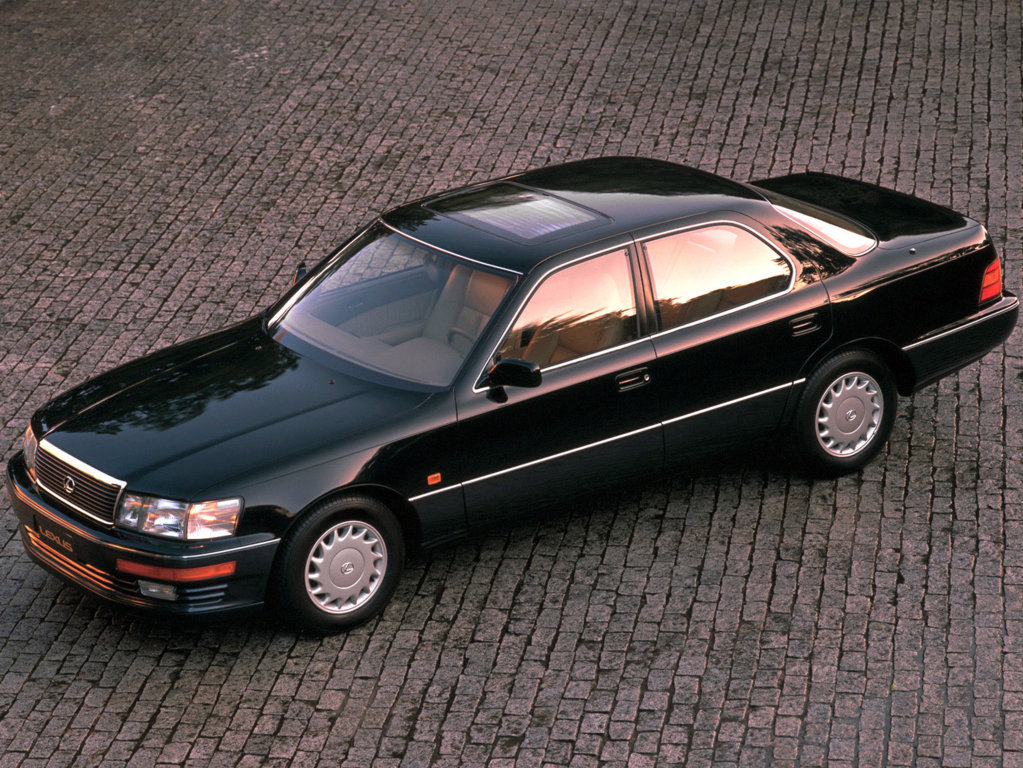
Lexus LS 400
The Lexus LS 400 redefined expectations when it arrived, immediately establishing a new benchmark for refinement and reliability. Its exterior design was conservative, yet perfectly proportioned, giving it a timeless presence that still looks composed today.
The clean lines, smooth curves, and subtle detailing combined to create an aura of understated elegance that transcends trends. Even decades later, it manages to convey both prestige and subtlety, showing that simplicity can be as powerful as flamboyance.
Under the hood, the V8 engine delivered power in a smooth and controlled manner that felt effortless at any speed. Acceleration was not dramatic, but it was consistently strong and confidence-inspiring, allowing drivers to merge onto highways without hesitation.
The engine’s refinement contributed to an almost serene driving experience, as vibrations and noise were minimized through thoughtful engineering. This mechanical polish remains impressive even by modern standards, proving that true quality endures.
The interior layout focused on clarity and comfort, avoiding unnecessary complexity that could distract the driver. Buttons and switches were logically placed and built to last, creating a sense of trust between car and driver from the moment one touched the controls.
Seats were designed with excellent lumbar support, yet remained soft enough for extended journeys, showing a careful balance of ergonomics and luxury. The cabin, bathed in high-quality leather and tasteful wood trim, was meant to provide both pleasure and peace in equal measure.
Ride quality was a major strength of the LS 400, absorbing imperfections without isolating the driver completely, giving a grounded yet smooth sensation. The suspension tuning allowed the car to glide over rough surfaces while remaining stable at high speeds, demonstrating a mastery of comfort without sacrificing composure.
Steering felt precise enough for its size, contributing to a feeling of control that made highway driving a confidence-building experience. Every detail worked in harmony to create a driving experience that continues to feel refined and rewarding.
What truly keeps the LS 400 special is its reputation for durability and consistency, which remains unmatched by many modern luxury sedans. Many examples continue to operate smoothly with high mileage, reinforcing the idea that it was built without compromise and with the owner’s long-term satisfaction in mind.
The car does not rely on nostalgia alone, because its fundamentals remain strong and engaging. It stands as a reminder that quiet excellence, thoughtful engineering, and attention to detail can leave a lasting impression that spans generations.
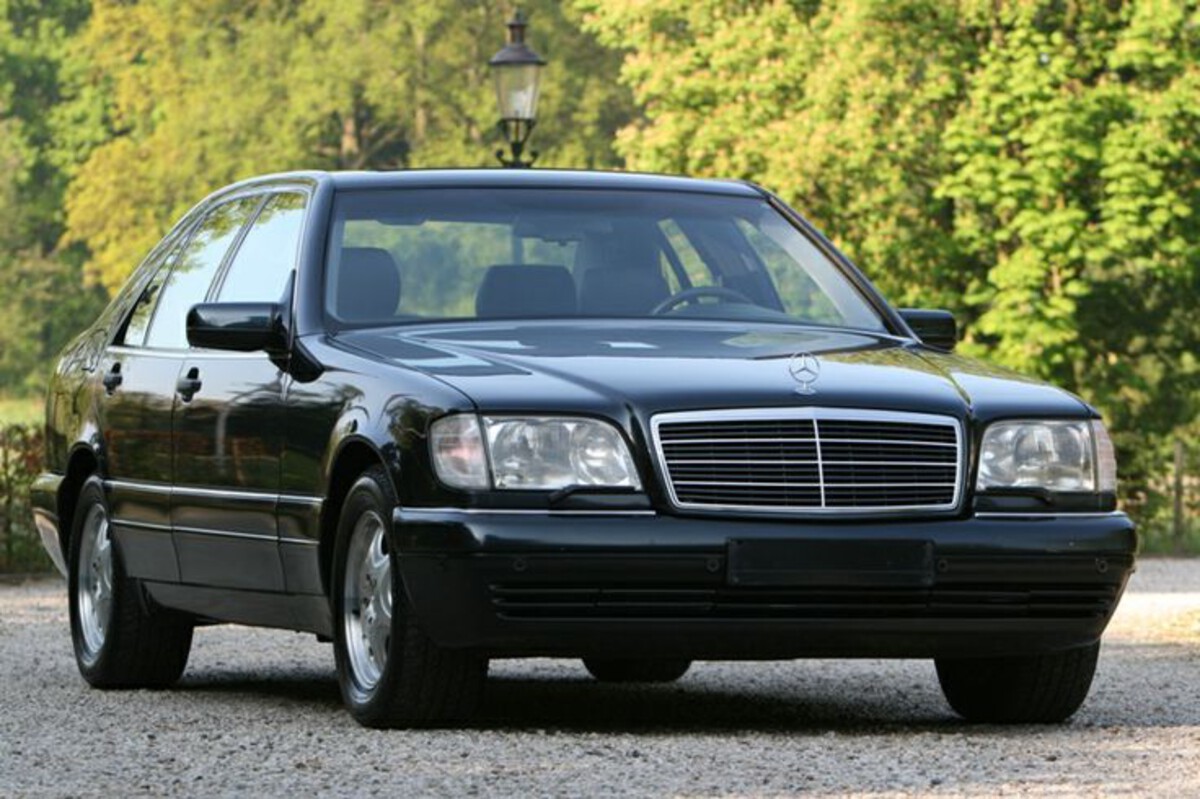
Mercedes-Benz S-Class W140
The W140 S-Class represented Mercedes-Benz at the height of its engineering ambition, embodying a combination of innovation, luxury, and sheer presence. It was unapologetically large, solid, and complex, designed to showcase what was possible without cost restraint or compromise.
The exterior conveyed authority through mass and proportion rather than decoration, giving the vehicle an imposing yet dignified appearance. Even today, it commands attention and respect simply by being on the road, demonstrating the timelessness of thoughtful design.
Inside, the W140 felt like a private lounge on wheels, insulated from the outside world in ways that were nearly unmatched at the time. Thick glass, heavy doors, and extensive soundproofing created an environment of serene silence that made every journey feel significant.
Materials were chosen for longevity rather than trend appeal, with leather, polished wood, and metal accents creating a sense of permanence. Every surface conveyed seriousness and purpose, leaving no doubt that this car was built to impress through quality and refinement rather than gimmicks.
Engine options ranged from refined six-cylinders to powerful V12 units, all focused on smooth delivery and effortless performance. Power was abundant but never aggressive, reinforcing the car’s dignified character and making long drives a relaxed affair.
The transmissions were engineered to shift seamlessly, contributing to a calm and confident driving experience. This combination of strong yet understated performance remains a defining trait that allows the W140 to feel special even decades later.
The suspension balanced comfort with stability, especially impressive given the vehicle’s considerable size and weight. At speed, the car felt planted and secure, inspiring confidence without the need for sporty pretension.
Steering was deliberate rather than nimble, reflecting the S-Class philosophy of measured precision over thrills. The driving experience emphasized composure, control, and reassurance, making it a perfect companion for both urban streets and long highway journeys.
The W140 still feels special because it represents a peak philosophy that is unlikely to return in modern vehicles. It was built as a flagship meant to demonstrate absolute capability, engineering mastery, and long-term dependability.
Owners today continue to appreciate its combination of size, comfort, and sophistication, enjoying a sense of occasion every time the door closes. This model stands as a powerful example of what luxury cars can achieve when ambition meets meticulous attention to detail.
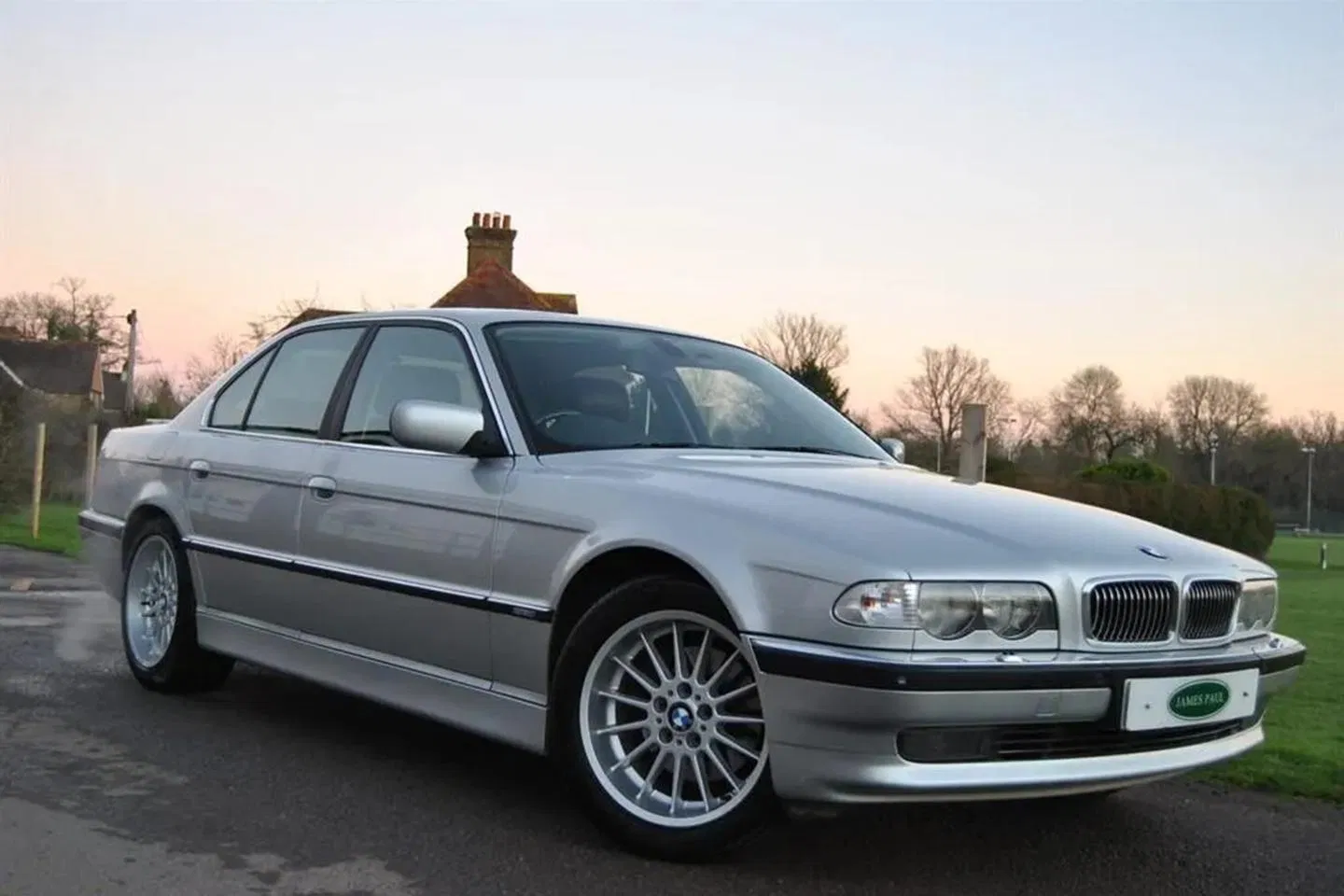
BMW 7 Series E38
The E38 BMW 7 Series achieved a rare balance between executive comfort and driver involvement, blending luxury with a sense of purpose that few competitors managed at the time. Its design was clean and athletic, featuring subtle curves and precise lines that gave it a timeless elegance.
Proportions were nearly perfect, allowing it to dominate roads without appearing overbearing or ostentatious. This visual restraint contributes to its lasting appeal and gives it a presence that is both refined and confident.
Behind the wheel, the E38 felt smaller than it actually was, with steering that offered excellent feedback and a chassis tuned for harmony. The suspension allowed the car to glide smoothly over bumps while maintaining composure through corners, creating a driving experience that was both engaging and comfortable.
Acceleration from its engines felt purposeful and deliberate, never overwhelming, but providing just enough power for confidence. This dual nature of comfort and responsiveness set the E38 apart from many other executive sedans of its era.
Engine options ranged from smooth inline-six units to strong V8s and even a V12, all tuned for refinement and consistency. Power delivery was linear and predictable, supporting the car’s balance between luxury and sportiness. Transmissions shifted with precision, enhancing the sense of control and sophistication. This engineering ensured that every journey, whether short or long, felt composed, deliberate, and satisfying.
Inside, the cabin prioritized ergonomics and clarity, designed to put the driver in command while remaining comfortable for passengers. Controls were logically placed and angled toward the driver, making operation intuitive.
Materials felt solid and premium, from the leather seats to the polished wood accents. Comfort was never sacrificed for the sake of technology, ensuring a classic luxury experience that remains purposeful today.
The E38 still feels special because it successfully merged luxury with dynamic ability in a way that few cars have managed. It did not force a choice between comfort and control, instead excelling at both simultaneously. Many modern sedans struggle to achieve this level of balance, which makes the E38 a benchmark for excellence.
Its combination of design, engineering, and driving satisfaction ensures that it remains a coveted model among enthusiasts and collectors alike.
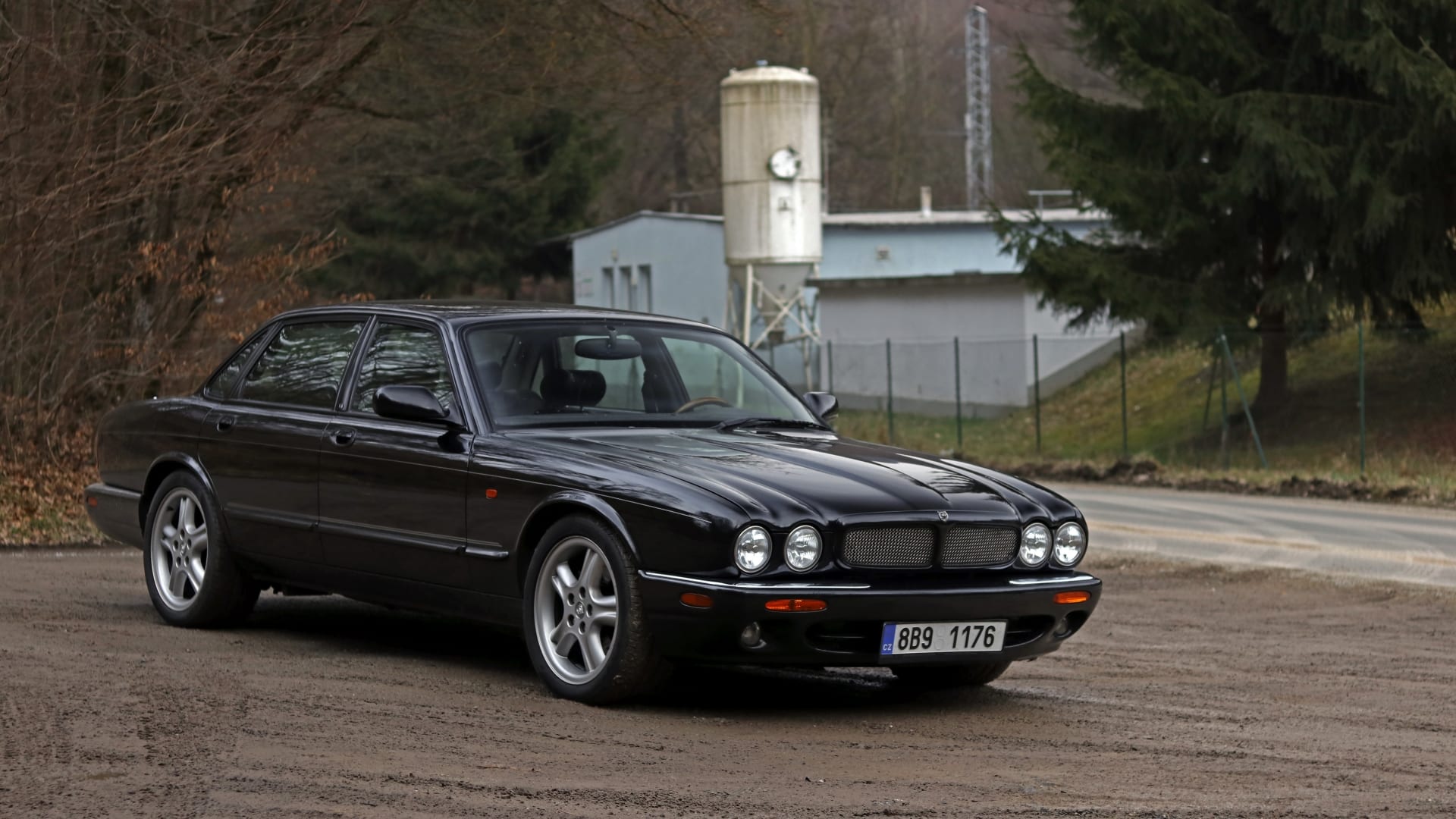
Jaguar XJ X308
The Jaguar XJ X308 carried forward a design lineage that emphasized elegance, tradition, and timeless proportions. Its long hood, flowing roofline, and gently sloping rear created a silhouette that has remained graceful and distinctive over decades.
The subtle chrome accents and rounded edges gave it character without exaggeration. Even today, the XJ manages to stand out in a crowd without trying too hard, demonstrating the enduring power of thoughtful design.
Inside, the XJ focused on warmth and charm rather than minimalism, emphasizing a traditional luxury experience. Wood veneers, leather upholstery, and classic analog gauges created an inviting and tactile environment that rewarded attention to detail.
The cabin felt intimate rather than imposing, fostering a connection between car and occupant. This approach made the car feel personal and refined, giving it a unique personality compared with contemporary German competitors.
The V8 engine offered smooth and confident power delivery, emphasizing refinement over outright aggression. Acceleration was measured, yet the car responded willingly to driver inputs, providing a sense of control and confidence.
The transmission complemented the engine’s character, delivering seamless shifts without fuss. This combination ensured the X308 could perform comfortably at any speed while maintaining a calm and sophisticated demeanor.
Ride quality leaned toward comfort, absorbing road imperfections gracefully without compromising composure. The suspension was tuned to provide stability while maintaining a sense of luxury and refinement.
Steering was light, precise, and fluid, enhancing the relaxed and elegant driving experience. Together, these traits created an experience that felt distinctly Jaguar, refined, stylish, and utterly coherent.
What keeps the X308 special is its sense of occasion and character, which is distinct from its German rivals. It communicates luxury through atmosphere rather than cold precision alone, offering an emotional connection with the driver and passengers.
The car has a personality that is both reassuring and engaging, making it memorable in a way that transcends simple performance figures. Its combination of design, comfort, and presence continues to attract enthusiasts who appreciate character over flash.
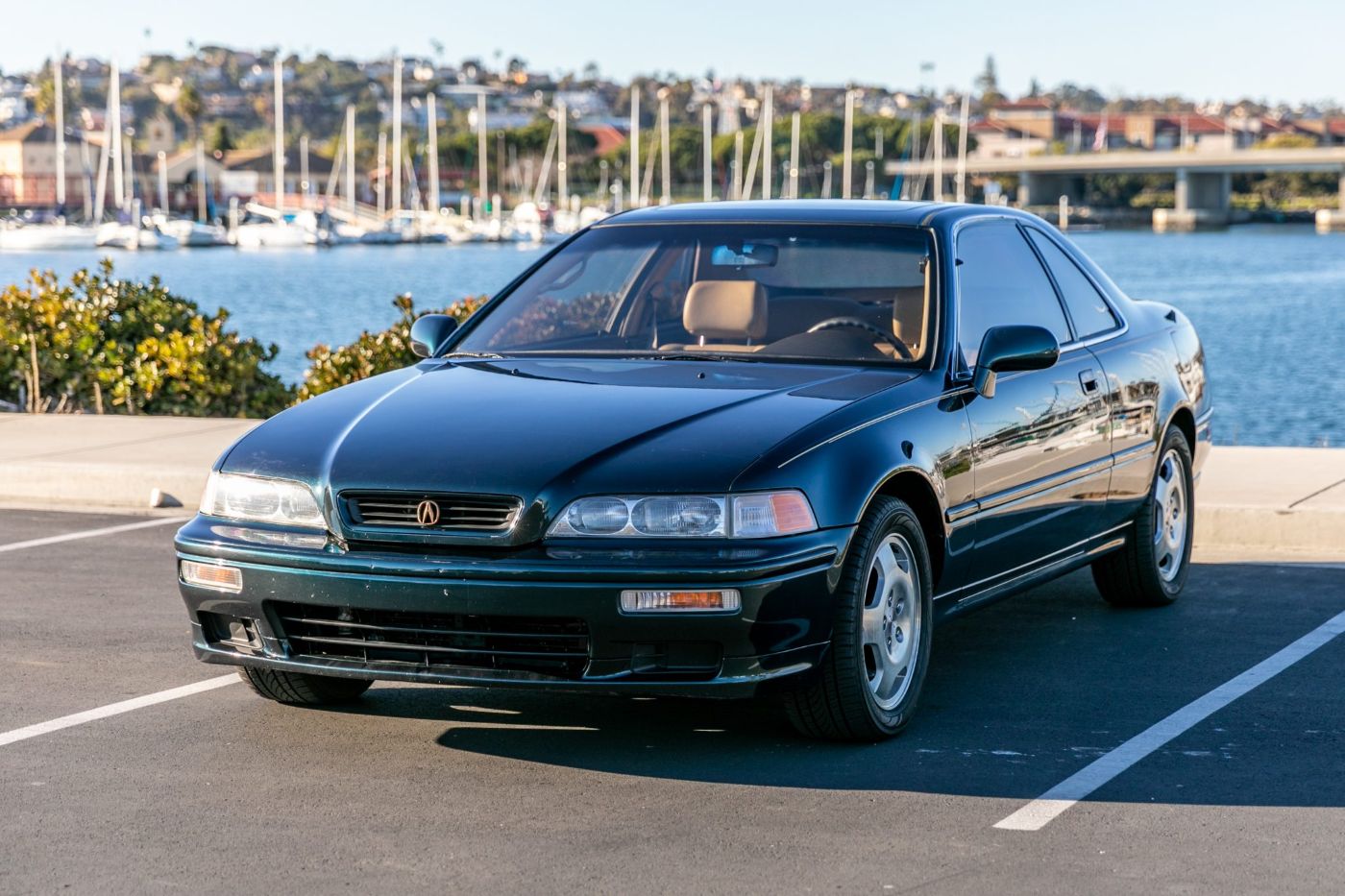
Acura Legend
The Acura Legend demonstrated that luxury could be delivered with simplicity, reliability, and thoughtful engineering. Its exterior design was understated, avoiding flashy elements while remaining clean and well-proportioned.
The long hood, gently sloping roofline, and balanced stance created an elegant and composed appearance. Over the years, its restrained styling has allowed it to age gracefully, with lines that remain attractive and purposeful.
Inside, the Legend focused on comfort, usability, and driver-centric design. Seats were supportive yet soft, controls were intuitive, and visibility was excellent from every angle. Materials were chosen for durability and pleasant tactile feedback, contributing to a sense of solidity and quality. The cabin was designed to prioritize function and comfort without feeling bland, striking a careful balance between simplicity and sophistication.
The V6 engine provided smooth and consistent performance that complemented the car’s serene character. Power delivery was linear and predictable, making the car easy to drive in both urban and highway environments. The transmission shifted seamlessly, creating a sense of cohesion with the engine. This combination ensured a reliable and satisfying driving experience for owners seeking both comfort and confidence.
Ride quality was well judged, blending comfort with competent control to ensure a composed journey. The suspension absorbed irregularities efficiently while maintaining composure, giving the car a sense of poise. Steering felt predictable and reassuring, reinforcing the car’s calm personality. Every element worked together to make the Legend feel dependable and consistently enjoyable behind the wheel.
The Legend remains special because of its balanced execution, showing that luxury does not need complexity or extravagance to succeed. It delivered a refined experience without unnecessary technology or attention-seeking features. Owners appreciated its dependability and comfort, along with the quiet confidence it exuded. This honest and thoughtful approach continues to earn respect, highlighting the Legend as a model of understated excellence.
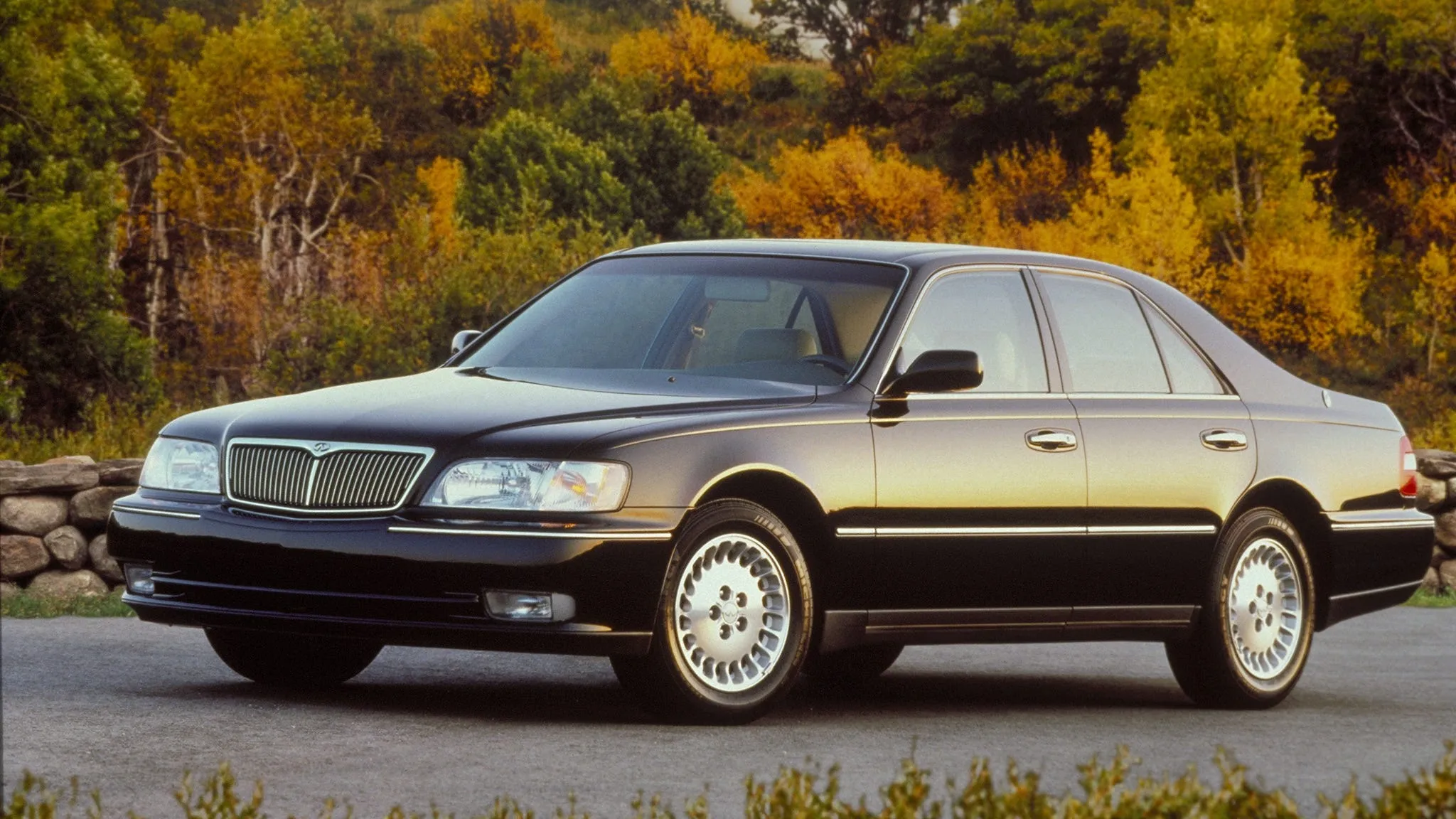
Infiniti Q45
The Infiniti Q45 took a bold approach to luxury by rejecting traditional cues and emphasizing clean, understated design. Its exterior avoided heavy chrome or elaborate ornamentation, opting for smooth surfaces and precise lines. The result was a car that immediately stood apart from the more conservative European and American sedans of the era. Even today, its design feels purposeful and distinctive, signaling confidence without trying to dominate attention.
Inside, the cabin emphasized ergonomics, usability, and a driver-focused layout, creating a sense of cohesion and control. Controls were logically arranged and easily reachable, while materials felt solid and high quality, giving the impression of durability.
Leather seats were supportive and comfortable for long journeys, while wood and subtle metallic accents added a touch of refinement. The interior felt modern and thoughtfully designed, a blend of comfort and sophistication that appealed to discerning drivers.
The V8 engine offered strong and smooth performance, prioritizing refinement over brute force. Acceleration was confident and effortless, yet never harsh, making highway driving a controlled and relaxed experience.
The transmission shifted seamlessly, complementing the engine’s character and reinforcing the car’s composed personality. This balance of power and smoothness gave the Q45 a driving presence that was engaging without being intimidating.
Handling was surprisingly capable for a full-size luxury sedan, with a chassis tuned to offer both comfort and stability. Steering was precise, allowing drivers to navigate corners with confidence while maintaining a sense of poise.
The suspension absorbed irregularities gracefully, yet the car never felt disconnected from the road. This duality of comfort and engagement made the Q45 feel special in a segment often dominated by either extreme.
The Q45 continues to feel remarkable because of its unconventional philosophy and confident individuality. It challenged norms rather than following established patterns, giving it a distinct character among 1990s luxury sedans.
Drivers today still appreciate its boldness, understated elegance, and refined mechanical performance. Its combination of innovation and refinement ensures it remains a standout example of thoughtful luxury engineering.
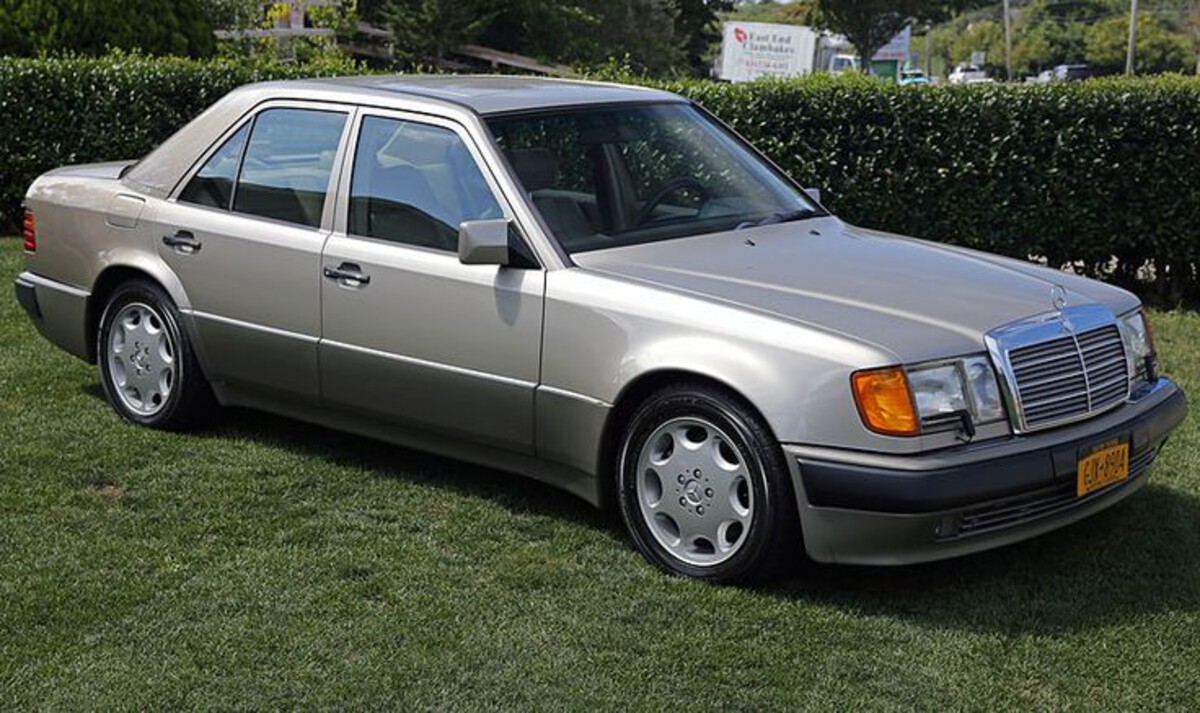
Mercedes-Benz E-Class W124
The W124 E-Class earned a reputation for exceptional build quality, intelligent design, and enduring engineering excellence. Its exterior was understated, with clean lines and purposeful proportions, emphasizing functionality over ostentation. Despite its simplicity, the styling conveyed refinement and professionalism, allowing the car to remain visually appealing decades later. This timeless approach contributed to its enduring relevance among luxury sedans.
Inside, the cabin was focused on durability, comfort, and clarity of layout. Controls felt solid and responsive, materials were chosen for longevity, and the environment inspired confidence.
Ergonomic placement of switches and gauges made the car intuitive to operate, even after years of use. The interior combined practicality with quiet sophistication, ensuring both driver and passenger enjoyed a comfortable and secure space.
Engine options were varied and dependable, ranging from efficient inline units to smooth V8s, all designed to provide refined power delivery. Acceleration was predictable, and the transmission worked seamlessly with the engine to deliver a composed driving experience.
The car never felt strained, even under demanding conditions, which reinforced its reputation for reliability and consistency. Owners could enjoy long-term ownership without compromising on comfort or confidence.
Ride quality was composed and steady, with suspension tuned to balance comfort and control effectively. The car absorbed road imperfections gracefully while maintaining stability at higher speeds. Steering offered precise and reassuring feedback, giving drivers a sense of command over the vehicle. Together, these elements combined to create a driving experience that was satisfying, dependable, and distinctly Mercedes-Benz.
The W124 continues to feel special because of its integrity, reliability, and timeless design. It was engineered with thoughtfulness, prioritizing long-term durability over fleeting trends. Owners today still value its solid construction and consistent performance. This combination of practical excellence and understated luxury has cemented its status as one of the most respected vehicles of its era.
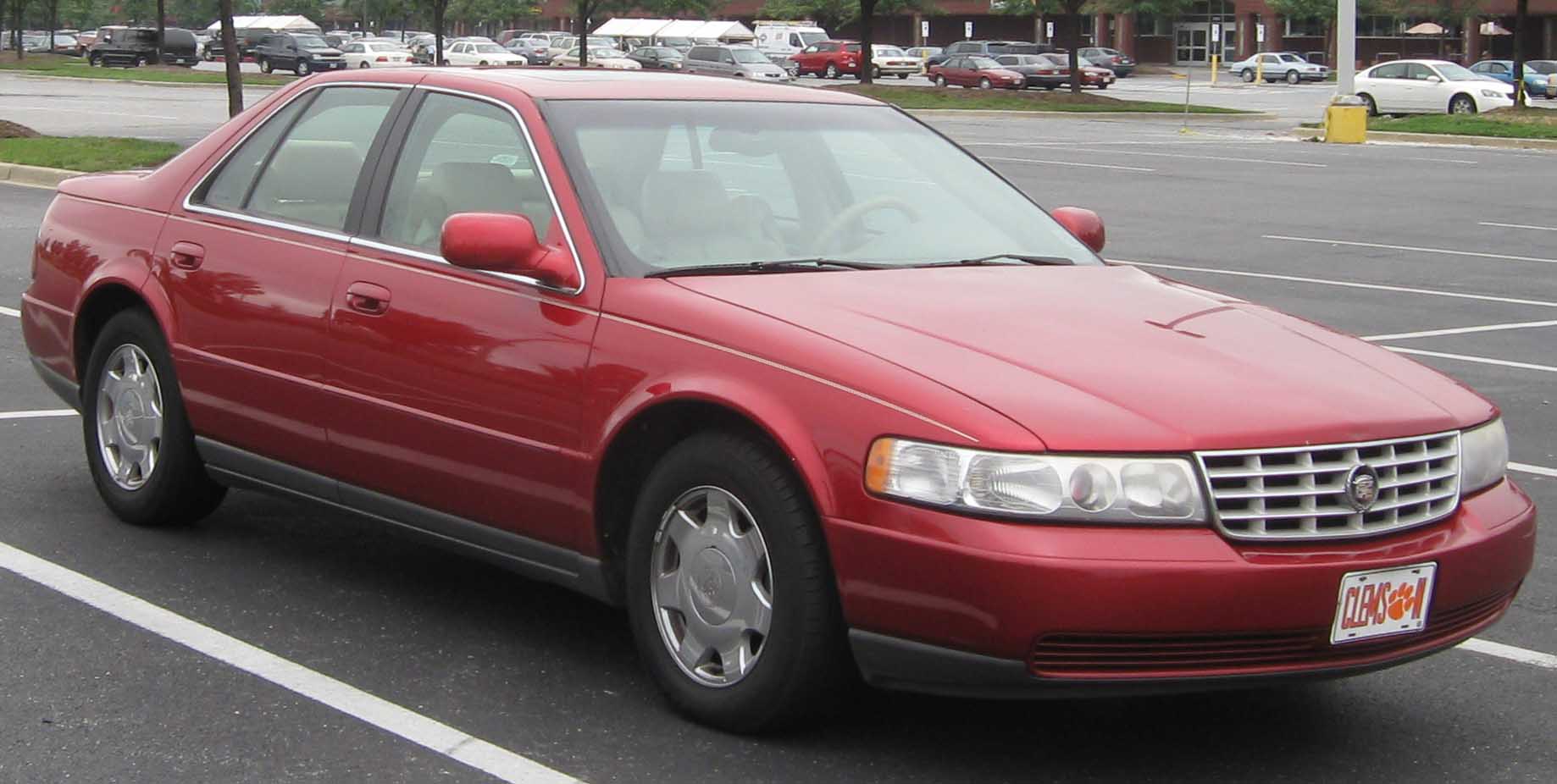
Cadillac Seville STS
The Cadillac Seville STS represented a turning point for American luxury sedans, blending modern styling with improved driving dynamics. Its exterior design combined sharper lines, a commanding stance, and subtle curves, signaling a more refined and contemporary approach.
The styling felt assertive without being flashy, marking a departure from the oversized sedans of the previous decade. Even today, the Seville STS stands out as a confident and recognizable luxury presence on the road.
Inside, the cabin married technology with comfort, offering an intuitive, driver-friendly layout while maintaining premium materials. Leather seating was generous and supportive, complemented by polished wood and well-placed digital instruments. Controls were logically organized, making the car easy to operate while retaining a sense of sophistication. The interior struck a balance between modern amenities and traditional luxury, creating an environment that was both inviting and functional.
The V8 engine delivered smooth and responsive power, providing acceleration that felt confident and assured. The transmission was tuned for refinement, offering seamless shifts to complement the engine’s character. The combination of performance and comfort allowed the STS to feel capable without sacrificing composure. It reassured drivers of a powerful yet well-mannered luxury sedan, ideal for both city driving and highway cruising.
Steering was responsive enough to inspire confidence in corners, while the chassis kept the vehicle stable at speed. Road irregularities were absorbed gracefully, preserving comfort for occupants. The car achieved a rare harmony of poise, capability, and ease in a segment often criticized for softness or unpredictability.
The Seville STS remains special because it redefined American luxury for its time. It demonstrated that Cadillac could create a modern, competent, and stylish sedan without abandoning refinement.
Its blend of performance, comfort, and thoughtful design continues to resonate with collectors and enthusiasts. This balance of traditional luxury and improved dynamics ensures the STS retains its status as a noteworthy example of 1990s automotive innovation.
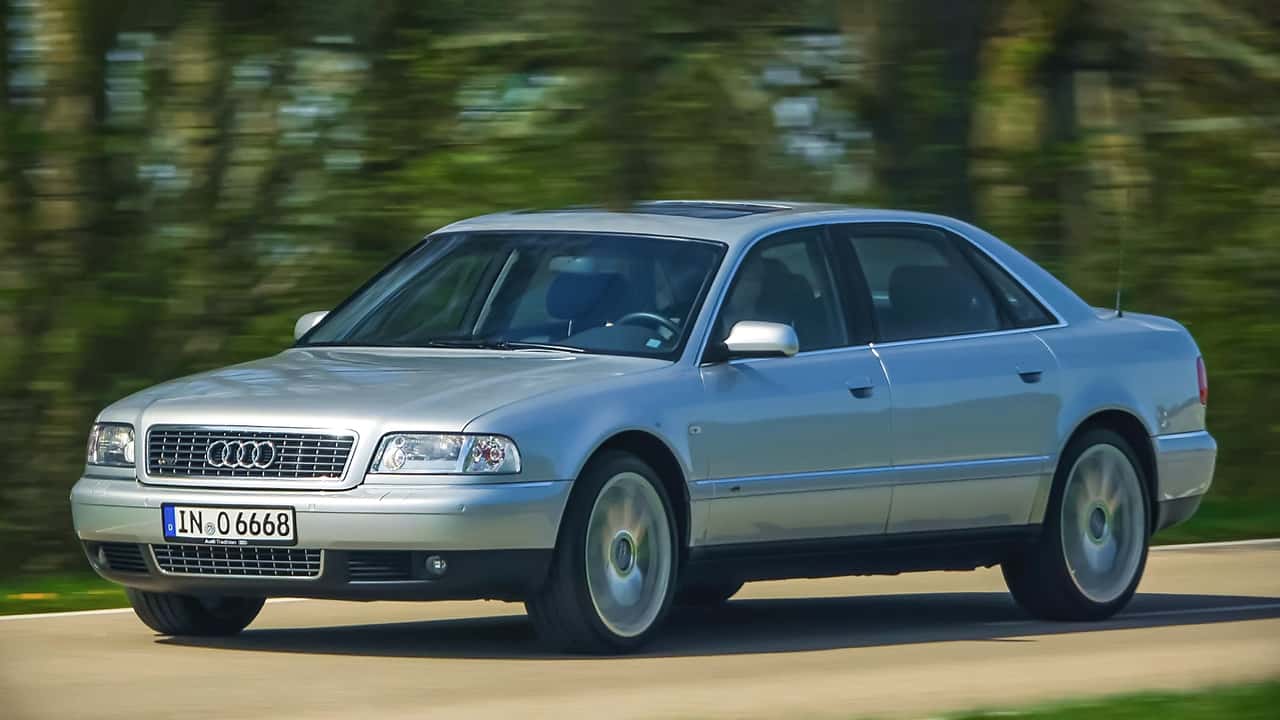
Audi A8 D2
The Audi A8 D2 introduced revolutionary construction techniques to the luxury sedan segment, particularly with its lightweight aluminum body structure. This innovation reduced weight without sacrificing rigidity, improving both performance and fuel efficiency.
The exterior design was restrained and modern, featuring clean surfaces and sharp details that conveyed elegance. Its understated appearance gave the car a confident, composed presence that remains relevant even decades after its debut.
Inside, the cabin emphasized precision, quality, and driver-focused ergonomics, creating a space that felt both refined and purposeful. Materials were carefully selected, with soft-touch surfaces, fine leather, and subtle metallic accents contributing to a cohesive and sophisticated environment.
Controls were intuitive, built to last, and arranged for ease of use. The interior reinforced the A8’s philosophy of engineering excellence, combining comfort with functionality in a way that felt thoughtful and deliberate.
Engines provided smooth, capable, and reliable performance across a variety of configurations, from inline-sixes to V8s. Power delivery was refined and predictable, supporting effortless highway cruising while remaining responsive when demanded.
Transmissions complemented the engines, offering seamless shifts and maintaining a calm, composed demeanor. The mechanical harmony contributed to a driving experience that felt balanced and assured, reflecting Audi’s focus on engineering integrity.
Suspension and handling were tuned to provide a balance between comfort and control, with the aluminum structure enhancing stability and ride quality. Steering was precise, offering feedback that encouraged confidence without compromising comfort. The suspension absorbed road imperfections efficiently while maintaining composure, giving occupants a sense of calm and security. These attributes ensured the A8 felt special both as a driver’s car and a passenger-focused luxury sedan.
The A8 remains special today because it pushed the boundaries of technology and design while remaining elegant and understated. Its combination of innovation, durability, and precise engineering gave it a forward-looking identity that few competitors matched.
Drivers continue to appreciate its refinement, quiet authority, and balanced performance. The D2 A8 remains a milestone in automotive design, blending advanced construction with classic luxury principles.
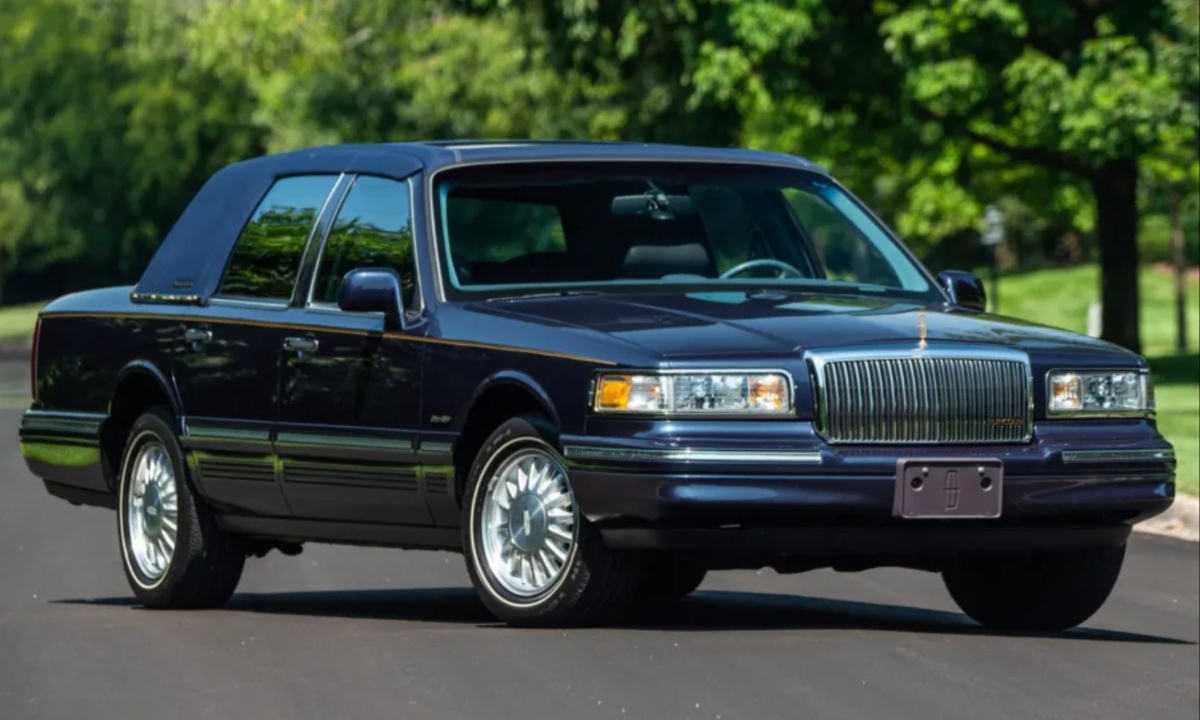
Lincoln Town Car
The Lincoln Town Car embodied traditional American luxury values, emphasizing comfort, space, and a calm, dignified presence on the road. Its large dimensions, smooth lines, and understated design conveyed authority without being ostentatious.
The exterior styling prioritized familiarity and elegance over experimentation, allowing it to age gracefully over decades. Even today, the Town Car communicates reliability and prestige simply through proportion and presence.
Inside, the cabin focused on space, comfort, and convenience, creating an environment ideal for both driver and passengers. Seats were wide, soft, and supportive, providing excellent cushioning for long journeys.
Controls were simple and intuitive, requiring minimal attention while retaining a sense of quality. The interior prioritized relaxation and ease of use, giving occupants a sanctuary on wheels rather than a technical showcase.
The V8 engine offered smooth and predictable performance, prioritizing refinement over high-speed thrills. Power delivery was gentle and steady, making city and highway driving effortless and stress-free. The transmission shifted seamlessly, complementing the engine and reinforcing the car’s relaxed personality. Every mechanical component was tuned for comfort, emphasizing a serene and dignified driving experience.
Ride quality was exceptionally soft, isolating occupants from most road imperfections while maintaining stability. The suspension absorbed bumps with ease, delivering a smooth, floating sensation. Steering was light and unhurried, further enhancing the impression of effortless cruising. This combination of composure and comfort ensured that every journey felt calm, luxurious, and controlled.
The Town Car remains special because it stayed true to its purpose, offering unpretentious luxury in a large, comfortable package. It never attempted to be sporty or flashy, instead focusing on timeless refinement and a quiet sense of dignity. Its consistent delivery of comfort, reliability, and ease continues to resonate with enthusiasts and collectors. The Lincoln Town Car stands as a testament to an era when American luxury prioritized serenity, proportion, and long-lasting enjoyment.
