
The market for classic muscle cars has shifted dramatically over the past few decades as collectors, enthusiasts, and speculators have driven prices higher and higher, transforming machines that were once affordable symbols of youth and speed into multi‑hundred‑thousand dollar investments that challenge the limits of what a car should be worth, judged not just by its performance or heritage but by sheer rarity and desirability in a market hungry for marquee names and performance pedigrees.
For many buyers, the emotional tie to the roar of a V8 engine, the swept lines of a fastback roof, and the memory of these cars tearing down straightaways in their prime overrides any rational assessment of price versus value, leading to sales figures that can seem disconnected from historical selling points, actual restoration costs, and the simple enjoyment of driving.
When a car that once sold for a few thousand dollars in the 1980s now commands figures that eclipse the median price of a house in many parts of the country, it is natural to question whether the numbers are justified or if the market has simply entered a phase of exuberance where investment potential overshadows real automotive appreciation.
This phenomenon has attracted a broad range of participants, from seasoned restorers who know the intricate differences between original trim codes to newcomers looking for a quick return on their spending, and the result is often a bidding war in which the cost of securing one of these icons becomes part of a competitive statement as much as a purchase.
The Top Ten list that follows represents vehicles whose prices have risen to levels that many observers consider disproportionate relative to what they offer in terms of authentic performance, historical significance, and everyday value, and while each entry has a compelling story behind its feverish demand, the numbers associated with these cars have, in some cases, stretched the traditional concept of value to its limits.
In assembling this list, factors such as auction results from premier venues, private sale reports from respected brokers, and the general trajectory of enthusiast interest over the past decade were weighed against each car’s production numbers, racing history, and cultural footprint, resulting in a roster that includes names familiar to any fan of American performance but also raises questions about where true worth should be measured.
Some of these models achieved fame through limited production runs and factory option lists that make them rare almost by accident, while others earned acclaim on the track or in period magazines that cemented their legend long after their performance ceased to be competitive with newer machinery.
Yet in every case, there is a sense that the current price has become more of a statement about what collectors believe the car might be worth rather than what it actually conveys in terms of tangible automotive satisfaction.
This list does not diminish the joy these machines bring to passionate owners, nor does it criticize the cultural reverence for a time when horsepower was king and style signaled identity, but it does reflect a careful look at how far pricing has diverged from traditional metrics of value, suggesting that some of these muscle cars are now as much trophies of financial commitment as they are artifacts of a golden era of internal combustion.
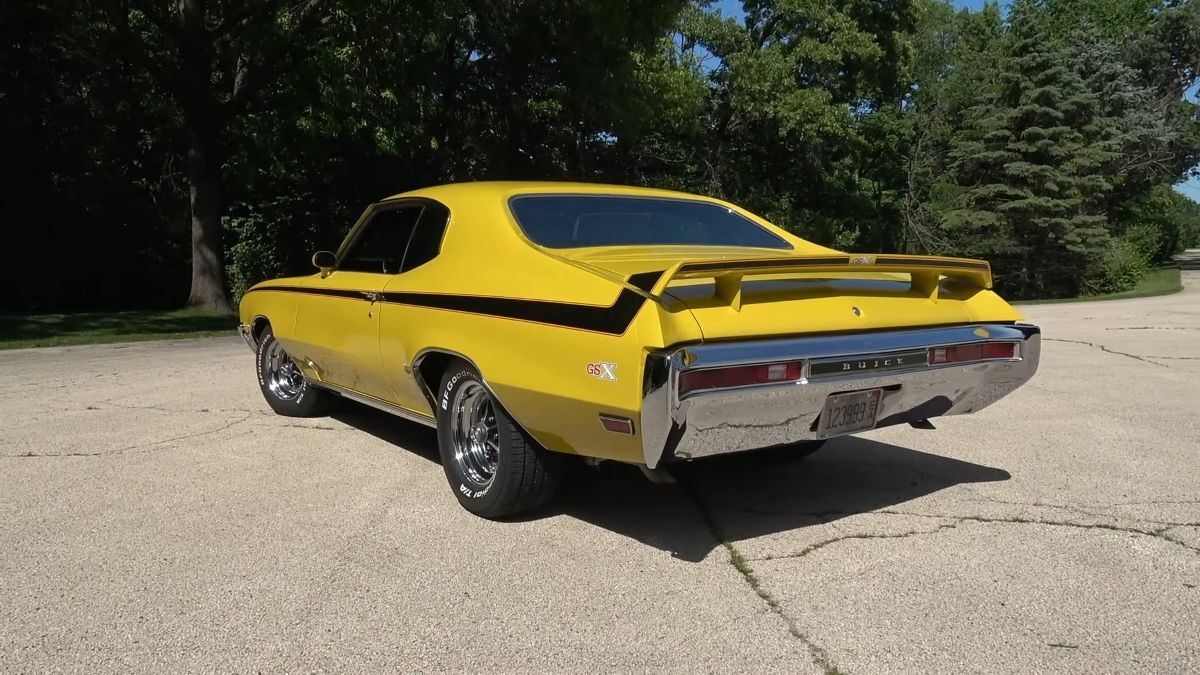
1970 Buick GSX and 1969 Chevrolet Camaro ZL1
The 1970 Buick GSX stands as a monument to what can happen when rarity, performance, and collector interest collide in a way that drives pricing to levels that far outstrip its original market impact, and this machine, equipped with a powerful Stage 1 package, was always impressive for its acceleration figures and stability at speed but has become disproportionately valued relative to comparable muscle cars from the same period.
Enthusiasts flock to the GSX not only for the stout V8 under its hood but also for its unique combination of functional hood scoops, heavy duty suspension, and limited production numbers that make it a headline attraction at major auctions and a darling of investment‑oriented buyers, each of whom sees a potential for appreciation that transcends what driving the car itself might offer.
When restored examples appear at auction, bidding frequently escalates beyond six figures with remarkable speed, a testament to the fervor of those who see the GSX as a blue‑chip asset in a collection, even though some critics argue the car’s on‑road dynamics and historical racing achievements do not quite justify the steep premiums being paid.
The result of this heightened demand is that many people interested in owning a piece of Buick’s performance heritage find themselves priced out of the market or compelled to settle for lesser models, which ironically serves to further boost the mystique and price of the GSX itself.
In contrast, the 1969 Chevrolet Camaro ZL1 was an even more extreme example of limited availability when new, boasting an all‑aluminum big block designed originally for racing applications, and this pedigree has driven collectors to treat survivors as the Holy Grail of first-generation Camaros, resulting in valuations that reach astronomical levels.
Few of these cars were built, making each one a rare artifact coveted by museums, private collectors, and serious enthusiasts alike, and while its performance was legendary in its day, the actual experience of driving a ZL1 today can be intimidating for those unaccustomed to its brutish power and minimal modern safety features.
Auctions have seen examples trade hands for sums that defy simple comparison with other performance cars of the late 1960s, often exceeding the earnings of many professional athletes in a single sale, a trend that raises questions about whether the value is truly grounded in significance or has become inflated by competition among wealthy bidders intent on securing a blue ribbon.
Despite the genuine historical interest in the ZL1, the pricing patterns indicate a market where rarity and mystique often count for more than tangible usability, pushing this Camaro into a stratosphere of desirability that few other muscle cars share.
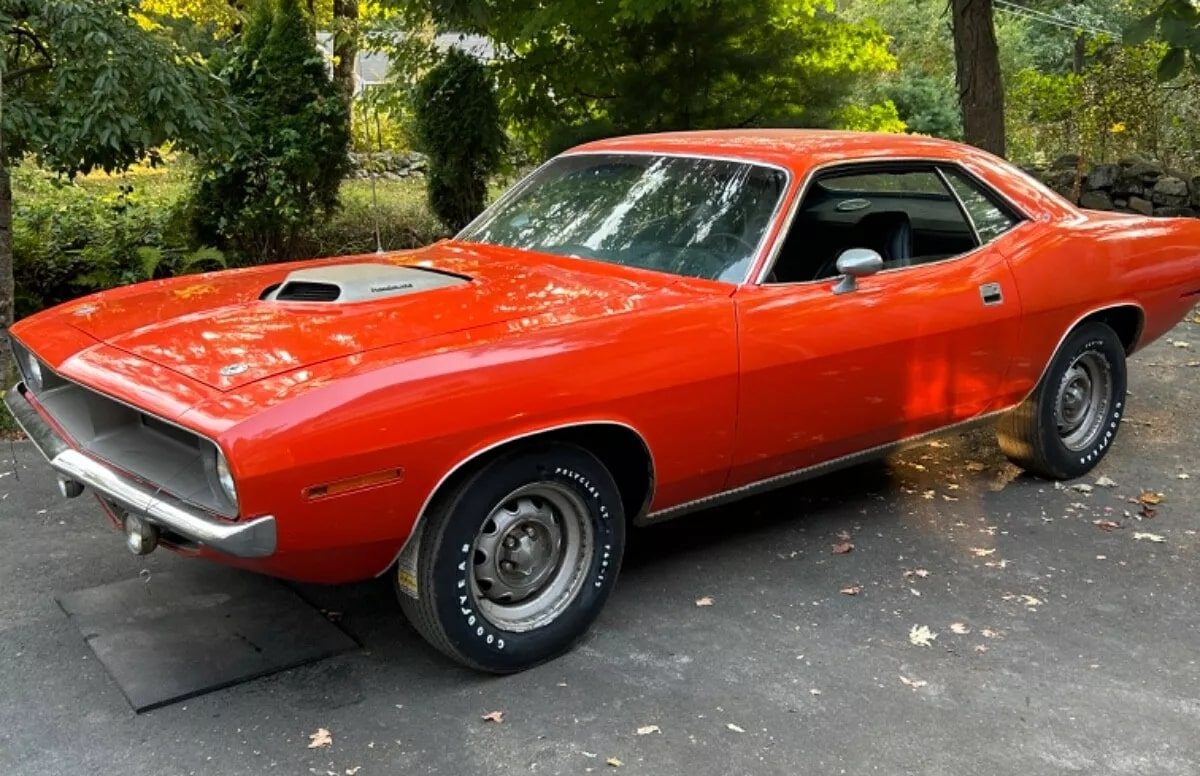
1970 Plymouth Hemi ‘Cuda and 1969 Dodge Charger R/T 426
The 1970 Plymouth Hemi ‘Cuda occupies a near‑mythical status among performance car collectors, and the combination of its potent Hemi V8, dramatic styling, and extremely low production totals has resulted in values that appear, to many, to far exceed rational benchmarks for classic automobiles.
A fully outfitted Hemi ‘Cuda represents one of the rarest and most sought‑after specimens of American muscle, and when one comes up for sale it becomes the centerpiece of auctions where bidders push the price ever upward in pursuit of automotive immortality.
Many of these transactions break records, with consignments trading hands for figures that rival the cost of luxury homes, a trend that fuels a feedback loop in which each sale sets a new bar for the next. Critics of this dynamic argue that while the Hemi ‘Cuda’s performance and cultural impact are undeniable, the premiums attached to pristine examples reflect speculation and collectability mania rather than true intrinsic worth measured by driving pleasure or everyday usability.
The 1969 Dodge Charger R/T 426 occupies a similarly exalted place in muscle car lore, with its broad, aggressive stance and legendary Hemi powerplant making it a fixture in period advertising, films, and the collective imagination of performance enthusiasts, contributing to its desirability.
Though more Chargers were produced than some other high‑end muscle cars, the specific combination of R/T trim and the 426 Hemi engine remains rare, especially in untouched or fully restored form, and collectors prize these configurations above more common variants.
Auction results have shown that top‑flight examples often attract fierce bidding wars, leading to price tags that many consider detached from the car’s practical merits and reliant instead on a blend of nostalgia, celebrity association, and scarcity.
These valuation trends highlight how certain combinations of options and production anomalies can dramatically accelerate price appreciation, sometimes overshadowing how the vehicle actually performs or feels compared with less rare but similarly capable machines.
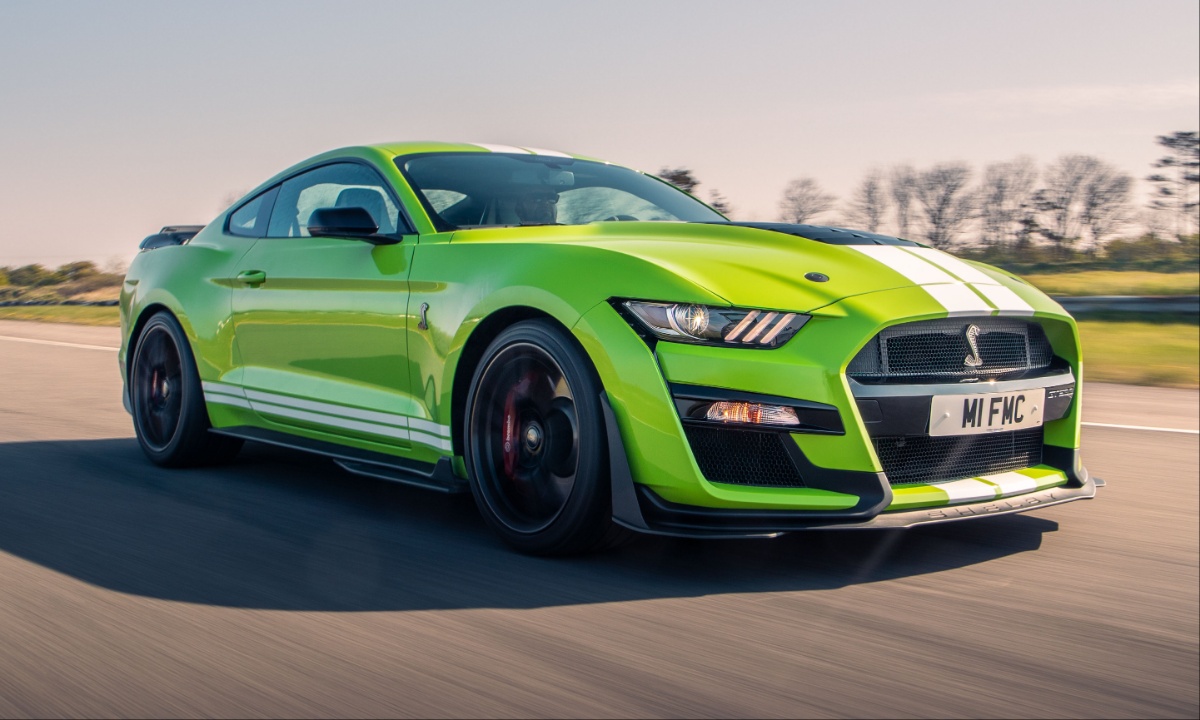
Shelby GT500 and Pontiac GTO Judge
The Shelby GT500, particularly in its late 1960s and early 1970s iterations, has become synonymous with high performance and desirability, and this reputation has translated into valuations that often seem out of proportion with its historical context, especially when compared to other factory muscle cars of similar capability.
Carroll Shelby’s influence on Mustang performance is undisputed, but the mania surrounding early GT500 models has led to staggering prices at auctions where examples with documented pedigree and correct engine numbers are treated as crown jewels.
Bidders in these markets often weigh the car’s connection to Shelby’s legacy as heavily as its mechanical condition, leading to price inflation that few outside the collector circle can easily justify. The end result is a vehicle that, while undeniably important, now trades on a valuation tier that overshadows its actual driving experience for many observers.
Pontiac’s GTO Judge occupies a parallel position in the collector hierarchy, partly born from its colorful branding and presence in period pop culture, and partly because production numbers for desirable option packages were limited enough to make certain versions rare.
The Judge was Pontiac’s answer to performance demands during the peak of the muscle car era, and while the car’s performance was formidable in its day, comparable machines from the same period can often be acquired for much less today, raising eyebrows at how far Judge prices have climbed.
Collectors, however, remain enamored of its flair, unique graphics, and association with the GTO nameplate, driving a strong secondary market where top examples command six‑figure sums with regularity. The valuation of these automobiles reflects a combination of nostalgia and status as much as performance credentials, creating a situation where scarcity and branding power heavily influence pricing.
Many prospective buyers find themselves caught between admiration for these cars’ legacy and concern about paying premiums that may not correlate with actual mechanical worth, a tension that reveals much about contemporary collector priorities.
Where once value might have been tied to acceleration figures or racing pedigree, today the narrative surrounding a Shelby GT500 or a GTO Judge can sway markets with remarkable force, suggesting that storytelling and heritage often drive price more than hardware.
This evolution has sparked debate among enthusiasts about whether such models are being valued for what they do or what they represent, a philosophical question with practical implications for market behavior. The ongoing enthusiasm for these cars, even at lofty price points, highlights the deep emotional resonance they hold for many fans.
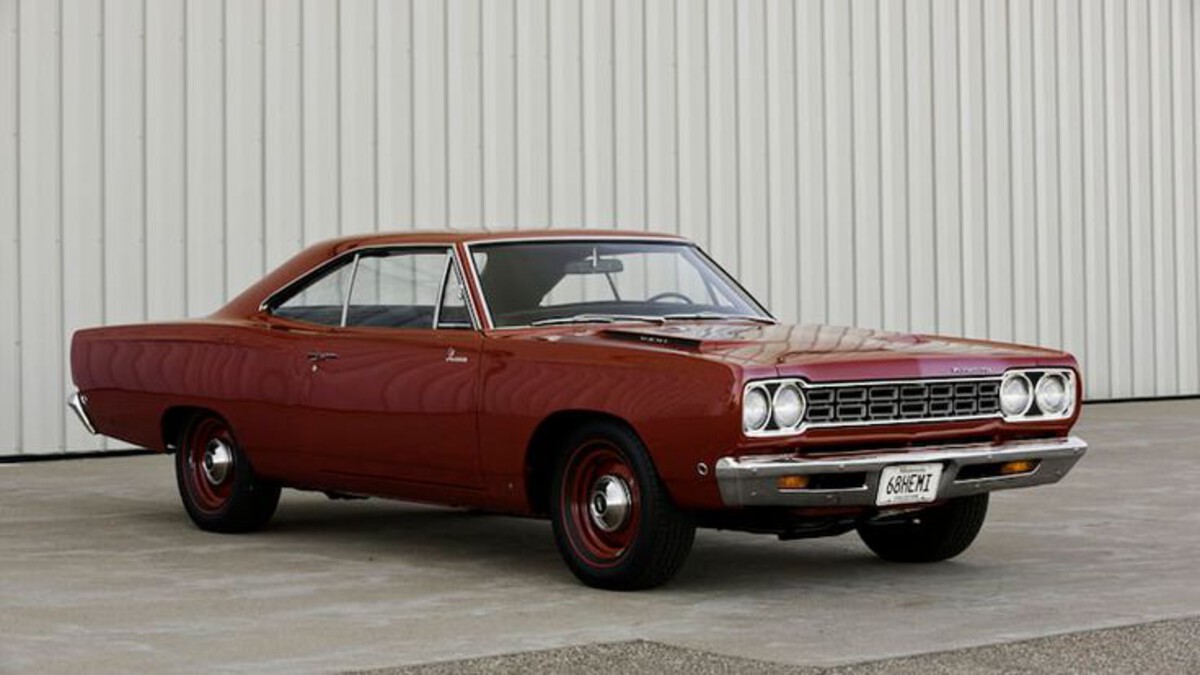
Chevelle SS 454 LS6 and Plymouth Road Runner Hemi
The Chevrolet Chevelle SS 454 LS6 is often touted as one of the quickest and most powerful muscle cars of its era, and this reputation has fueled collector interest to levels that push pricing beyond what many view as reasonable for a car that, while impressive, was not unique in its performance bracket.
The LS6 variant of the SS 454 was indeed a potent machine, and its combination of wide stance, bold styling, and straight‑line acceleration made it a favorite among performance enthusiasts even before collector markets emerged in force.
Today, however, pristine examples with documented history and matching numbers regularly command sums that rival rarer and more exclusive muscle cars, an indicator of how desirability can translate into elevated valuations irrespective of relative production volumes.
Many argue that this phenomenon reflects the passionate support of the Chevelle’s legacy rather than an objective assessment of its place in automotive history, and the result is a valuation that can be bewildering to newcomers and veterans alike.
The Plymouth Road Runner Hemi is another muscle car whose pricing trajectory has seized the attention of collectors, and while its combination of affordability and brute force made it a legend on the street and strip, its scarcity in original Hemi form has made it a headline attraction at auctions.
Enthusiasts often point to the Road Runner’s no‑frills design and emphasis on raw performance as part of its charm, yet these very qualities, once associated with budget‑friendly speed, now contribute to valuations that many consider inflated relative to other classic performance cars of similar vintage.
The Road Runner’s appeal lies in its authenticity and direct connection to performance without excess, but the premiums paid for untouched or meticulously restored examples suggest a market driven more by narrative and rarity than by broader considerations of worth. This has sparked discussions about how nostalgia and simplicity can evolve into financial pressure points in collector circles.
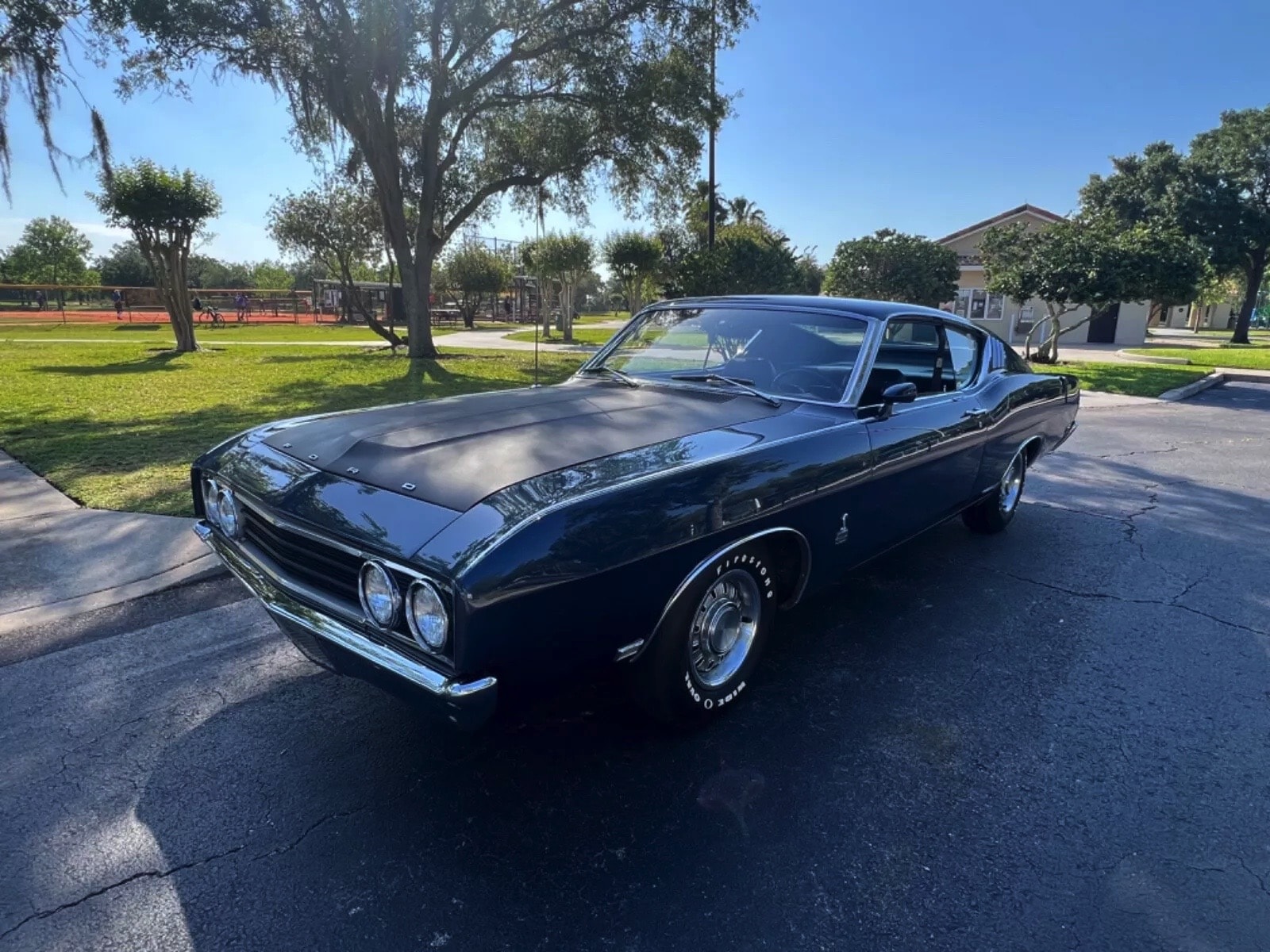
Dodge Challenger T/A and Ford Torino Talladega
The Dodge Challenger T/A occupies a special niche among classic performance cars due to its connection with Trans Am racing and the distinctive options package that set it apart from other Challengers of its day, yet this very distinction has made it a candidate for valuations that many consider disproportionate relative to its actual historical impact.
Built for racing homologation reasons, the T/A blended performance upgrades with striking visual cues that made it a standout on both street and track, and these qualities have translated into strong collector demand decades later.
Auction results for factory‑original examples with documented history and minimal restoration frequently achieve price levels that overshadow more common Challenger variants, reflecting the premium attached to authenticity and recognized heritage. Some observers argue that while the T/A deserves respect, its current valuations suggest a level of speculation underpinning sales that may not align with its true place in muscle car lineage.
Owners of T/As and Talladegas often speak of their cars with a reverence that highlights the emotional connection these machines can foster, and it is this bond that often justifies, in their minds, the high prices paid to secure them.
The allure of owning a piece of racing history or a finely engineered performance model can eclipse more pragmatic considerations, turning what might once have been a weekend driver into a treasured centerpiece of a collection.
Yet this dynamic also contributes to ongoing debates within classic car communities about whether certain models are being priced based on financial speculation rather than authentic automotive merit, a conversation that continues to shape perspectives on collector markets. These dialogues underscore the complex relationship between desire, heritage, and value that defines the most sought‑after muscle cars today.
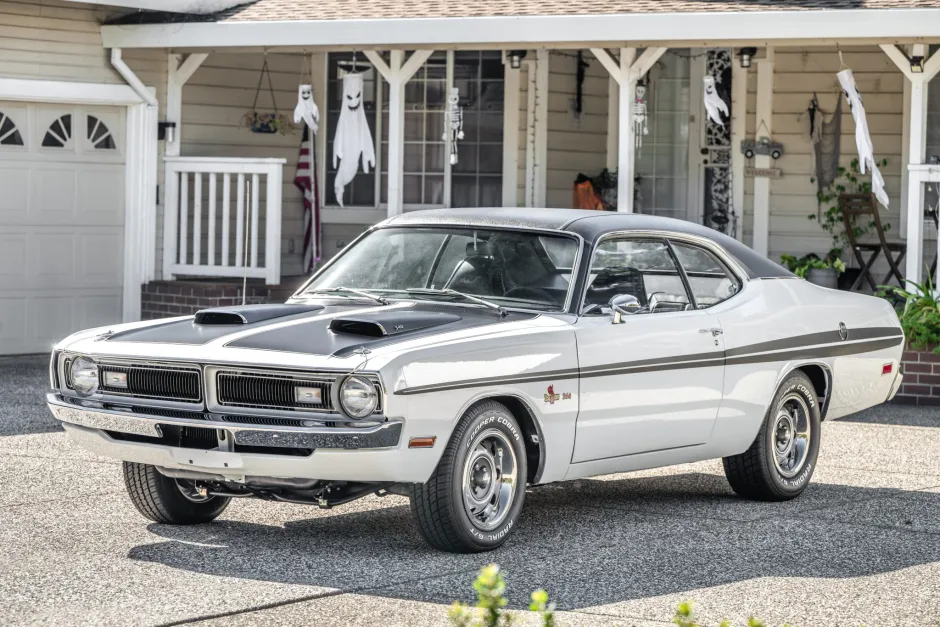
1971 Dodge Demon 340
The 1971 Dodge Demon 340 was Chrysler’s answer to a growing demand for small-block, high-revving muscle cars, offering punchy performance at a relatively low curb weight. Originally marketed as an affordable pony car with serious acceleration potential, the Demon 340 was never meant to be a collector’s trophy.
Today, however, pristine examples command sums that often rival larger, more historically significant muscle cars, making it one of the most overvalued cars relative to its original performance.
Its 340-cubic-inch V8 delivered exciting speed and spirited handling, yet the driving experience is surprisingly raw and unforgiving by modern standards. Collectors are drawn to its rarity in original trim and the scarcity of options like factory black paint or Rallye instrumentation. This has caused prices for untouched or correctly restored vehicles to spike, often out of proportion with what the car actually delivers on the street.
Auctions frequently see bidding wars for numbers-matching examples, particularly those with original drivetrain components. The Demon 340’s market is driven as much by nostalgia and visual appeal as by performance. In many cases, these cars now serve more as status symbols than as machines intended for daily enjoyment or spirited driving.
Despite its affordability relative to larger, heavier muscle cars at the time, the Demon 340 has entered a collector market dominated by wealthier enthusiasts. The contrast between its modest performance legacy and current pricing illustrates the extreme of market inflation for niche muscle cars.
Many buyers may end up paying more for a Demon 340 than the car would merit in terms of outright performance or historical racing significance.
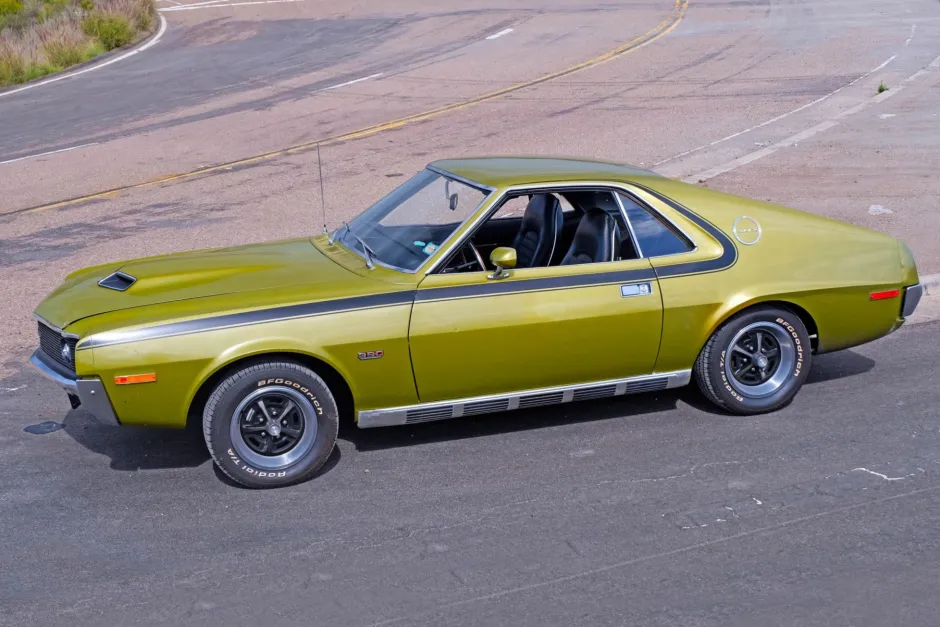
1970 AMC AMX
The 1970 AMC AMX was a bold attempt by American Motors to compete with the Big Three in the muscle car arena. With a short wheelbase and a range of V8 options, it offered nimble handling and surprising speed for its size. Despite this, the AMX never gained the widespread attention of Mustangs or Camaros, making it an underdog in both its era and in modern collector circles.
Today, however, the AMX has developed a dedicated following, and top-tier, original-condition examples fetch prices that seem excessive when compared to more historically significant muscle cars. Auction results show that rare options like the 390 or 401 V8 and factory-accented trim packages can drive valuations into six figures. This reflects a market fueled by scarcity and uniqueness rather than broad cultural impact.
Collectors prize these cars for their lightweight design and balanced chassis, yet the AMX was never designed to dominate the muscle car industry. Its current status as a highly valued collector car demonstrates how rarity, originality, and visual appeal can redefine a model’s perceived worth. Enthusiasts willing to pay top dollar often do so for the prestige of owning something uncommon rather than for outright performance.
Some buyers are drawn to the AMX’s story as AMC’s bold foray into performance, which adds a layer of narrative interest to the purchase. Others are motivated purely by investment potential, seeking models that have already shown rapid appreciation at auction. Both perspectives contribute to prices that may exceed the AMX’s intrinsic automotive value.
Despite being overshadowed in its day, the AMC AMX now commands a position among highly prized collectibles. It serves as an example of a car whose value is less about speed, power, or racing history and more about scarcity, originality, and brand storytelling. For many, owning a 1970 AMX represents both a trophy and a calculated bet on its ongoing desirability.
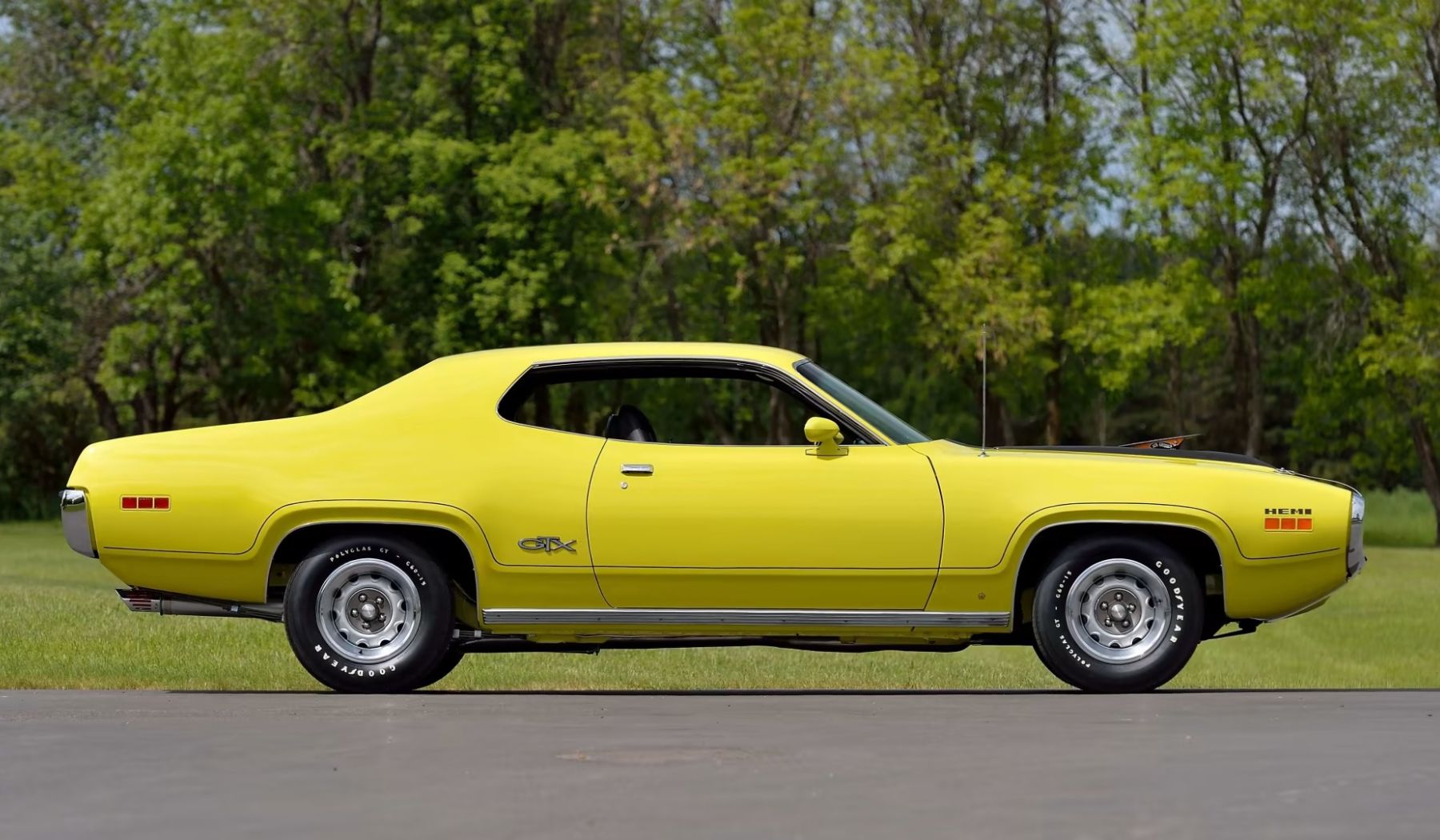
1971 Plymouth GTX
The 1971 Plymouth GTX combined aggressive styling with a range of potent engines, including the 440 Magnum and optional Hemi. It was marketed as a “gentleman’s muscle car,” offering comfort and performance in one package. At the time, it appealed to buyers seeking a combination of street presence and straight-line speed.
Modern valuations, however, have elevated pristine GTX examples to levels many consider inflated. Limited production numbers for top-spec Hemi-equipped models make them particularly sought after, often resulting in auction prices that rival the most legendary Mopars.
Collectors are willing to pay a premium for numbers-matching examples with original trim and options, despite performance that, by today’s standards, is modest.
The GTX’s market value is heavily influenced by its design and historical significance as one of Plymouth’s premier muscle cars. While the car delivered formidable acceleration, many contemporaries were similarly capable for less money, highlighting the disconnect between performance and current valuation. Enthusiasts pay for rarity, pedigree, and the presence of a Hemi badge rather than purely for driving pleasure.
Restored GTXs often require meticulous attention to detail, with matching engine numbers, trim codes, and interior components significantly affecting market value. Even minor restoration discrepancies can lower a car’s desirability and auction result. This reality reinforces how collector interest drives pricing well above what an average buyer might expect for performance or usability.
The Plymouth GTX represents a high point in Mopar’s muscle car era and a cautionary tale of market inflation. Its allure stems from style, rarity, and performance pedigree, but prices often exceed what the car delivers in real-world driving experiences. For collectors, it is both a coveted icon and a high-stakes investment.
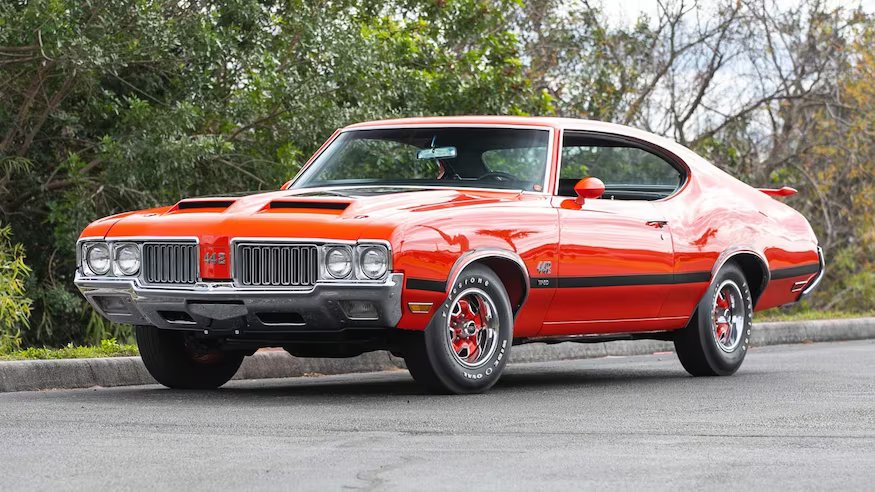
1970 Oldsmobile 442 W30
The Oldsmobile 442 W30 was a top-tier performance model featuring a 455-cubic-inch V8 with upgraded intake, camshaft, and heads. Its combination of straight-line power and relative refinement set it apart from more brutish contemporaries. Originally, it was accessible compared with rare Hemi or big-block Mopars, offering serious muscle in a manageable package.
Today, W30s in original condition command astonishing prices at auctions, often exceeding $150,000 for numbers-matching examples. The rarity of authentic W30 packages, combined with its documented performance credentials, makes it highly desirable to collectors seeking a balance of style and muscle. Many buyers are motivated as much by investment potential as by enjoyment behind the wheel.
While its performance remains impressive, the W30 was never the fastest in its era and has largely been overshadowed by more iconic muscle cars. Modern valuations, therefore, are driven less by objective speed and more by scarcity, originality, and historical significance. Enthusiasts frequently note that the W30 is a car best appreciated as a collector item rather than a daily driver.
Restoration of W30s requires precise attention to detail, particularly with matching numbers and trim codes. Deviations can drastically reduce market value, a factor that contributes to the overall inflation of prices as collectors compete for authentic examples. The attention to provenance drives the auction market far beyond the car’s raw capabilities.
The 442 W30 exemplifies a muscle car whose value has been elevated by desirability, rarity, and documented history. Its combination of refined muscle, iconic styling, and scarcity ensures it will remain a high-priced collectible, even if its performance alone would not justify current valuations.
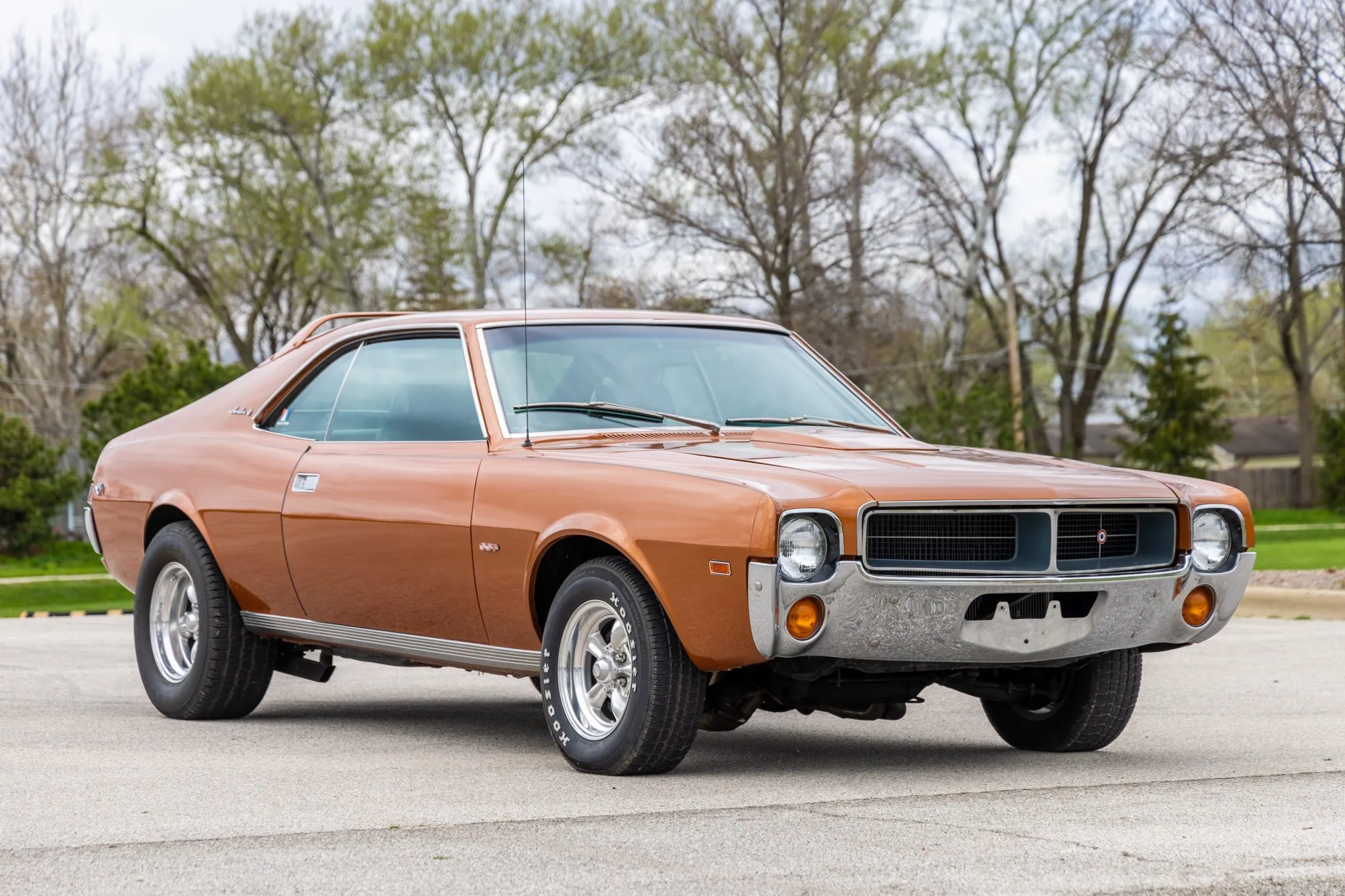
1969 AMC Javelin AMX
The 1969 AMC Javelin AMX was a bold and stylish entry into the pony and muscle car market, featuring a strong V8 and a sporty profile designed to compete with Mustang, Camaro, and Firebird. AMC’s limited production and bold styling have made surviving examples rare and highly prized among collectors.
Current valuations of pristine 1969 Javelin AMXs are considerably higher than historical context would suggest, with top examples achieving six-figure auction results. Its rarity and brand mystique have elevated it to a status that far exceeds its original market impact, making it an overvalued muscle car relative to performance benchmarks.
The Javelin’s performance was competitive but not class-leading, and its handling and build quality reflected AMC’s focus on style and economy rather than raw dominance. Collectors, however, prize originality, paint schemes, and option packages, often bidding aggressively for well-documented cars. This has made the AMX a trophy for enthusiasts seeking rarity and pedigree rather than outright speed.
Authenticity plays a major role in value, with attention to trim codes, matching numbers, and documented history determining auction results. Buyers often compete over these details, pushing prices higher than practical assessments of the car’s capability might justify. The Javelin AMX is now more of a collector statement than a traditional performance machine.
The 1969 AMC Javelin AMX represents how rarity, style, and manufacturer uniqueness can elevate a car’s market value far beyond its original intent. It exemplifies the modern collector market, where scarcity and narrative can outweigh performance, making it one of the more overvalued muscle cars today.
