
Sports cars have always held a special place in automotive culture, symbolizing speed, status, and passion for driving. Enthusiasts often line up to experience the thrill of these machines, imagining their performance and prestige justify the cost.
However, not every car in this segment truly delivers value proportional to its price. While some vehicles boast technical innovation, others rely heavily on branding and exclusivity to command exorbitant sums. Buyers are sometimes drawn in by reputation rather than measurable performance, and this can lead to paying far more than the car’s capabilities warrant.
Several factors contribute to the inflated price of certain sports cars. Limited production runs, luxury interior materials, and unique design features all add to the cost, but they do not always translate into superior driving experience or reliability.
Some models carry a hefty premium simply because of their name, creating a perception that owning them elevates social status. Meanwhile, many competitors offer comparable performance and features at a fraction of the price, making the overpriced models a questionable choice for those focused on value.
Moreover, maintenance, insurance, and depreciation often compound the financial strain of owning an expensive sports car. A vehicle that initially seems impressive can become a burden if upkeep costs are disproportionately high.
Buyers must consider whether they are paying for genuine engineering excellence or for the allure of exclusivity and image. In some cases, performance figures are exaggerated or only achievable under ideal conditions, further questioning the justification of the high price tag.
The psychology behind these purchases also plays a role. Car enthusiasts are frequently influenced by marketing, celebrity endorsements, and online hype, which can overshadow practical considerations. The thrill of ownership and the desire to impress can cloud judgment, making an overpriced sports car seem like a rational investment. Yet, when the actual driving experience and utility are compared to alternatives, the imbalance becomes apparent.
This article examines ten sports cars that are often criticized for being shockingly overpriced relative to what they offer. Each example will highlight the specific aspects of the vehicle that make the price difficult to justify, including performance, technology, design, and value.
By analyzing these vehicles, readers can gain insight into the distinction between genuine innovation and marketing-driven premiums, helping them make more informed decisions when considering high-end sports cars. This guide will serve as both an informative critique and a cautionary overview of automotive extravagance.
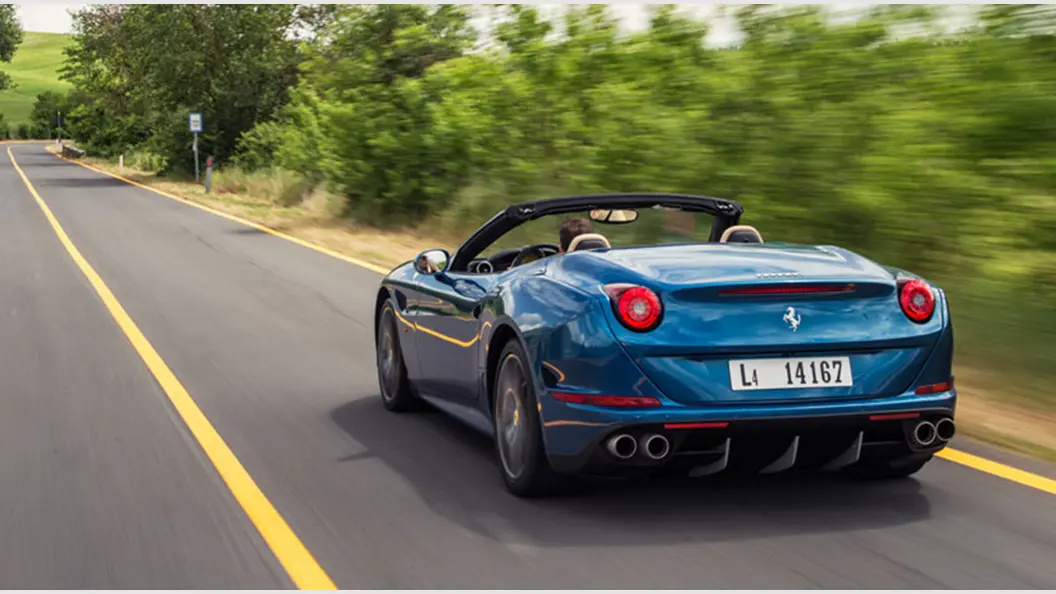
1. Ferrari California T
The Ferrari California T combines a convertible body style with a turbocharged V8 engine. While the car looks stunning and provides the Ferrari badge, its price exceeds the performance gains it delivers.
Many buyers expect raw speed and handling unmatched by competitors, yet comparable models from Porsche and Aston Martin offer similar thrills at lower cost. The California T seems to rely heavily on brand image rather than revolutionary engineering.
Inside, the cabin boasts leather upholstery, advanced infotainment, and a driver-focused layout. However, the materials and technology feel dated compared to other cars in its price range. Features that are standard in rivals are either optional or absent, further raising the effective cost. Despite being luxurious, the California T does not offer a truly unique interior experience that justifies the high entry price.
On the road, the car performs adequately with responsive steering and quick acceleration. However, the turbocharged engine introduces turbo lag, reducing the immediacy that enthusiasts expect from a Ferrari. Cornering grip and braking are strong but not exceptional when compared to other high-end sports cars at similar or lower prices. Performance alone does not fully justify the premium.
Maintenance and running costs contribute to the perception of overpricing. Ferrari ownership comes with expensive servicing, parts, and insurance. Even routine maintenance is costly, which adds a continuous financial burden beyond the initial purchase. When combined with rapid depreciation, the California T becomes a less practical choice for those seeking value in a high-performance vehicle.
Collectors and brand loyalists may overlook these flaws, attracted by exclusivity and style. Yet, from a practical standpoint, the California T demonstrates how the Ferrari name can command a significant premium without corresponding performance improvements. Its aesthetic appeal cannot fully mask the imbalance between cost and the driving experience, highlighting why it is often cited as overpriced.
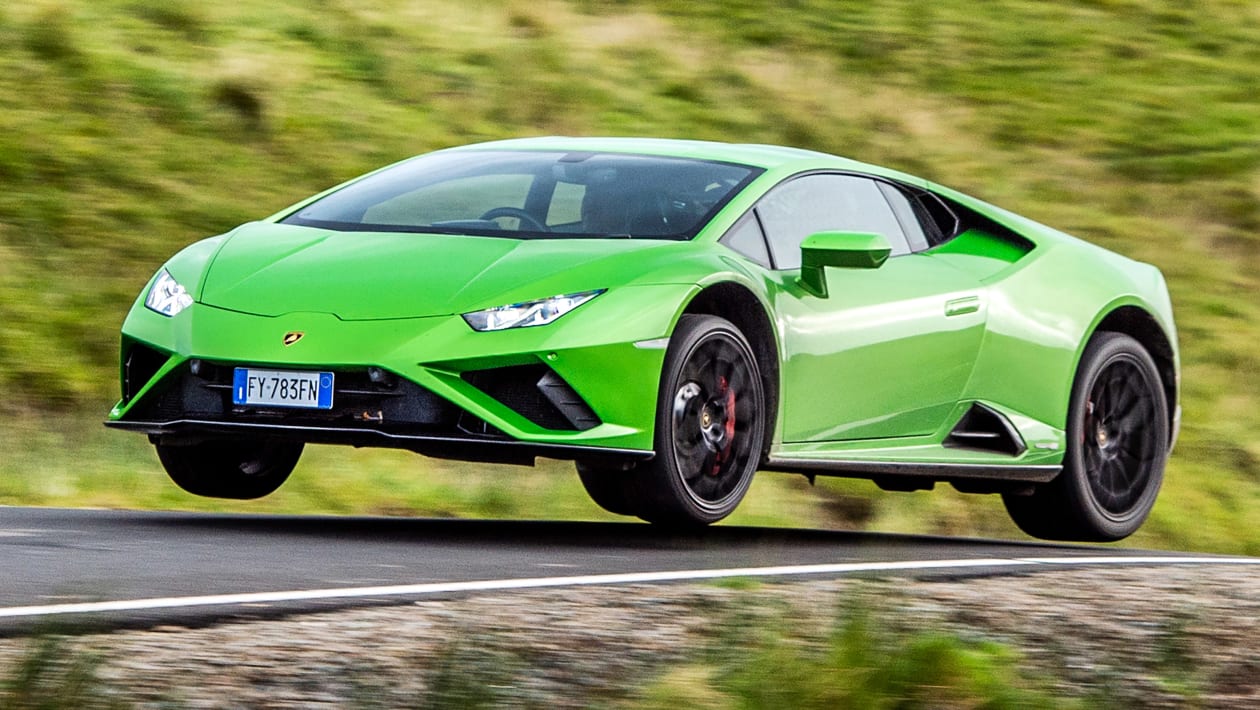
2. Lamborghini Huracán
The Lamborghini Huracán offers aggressive styling, all-wheel drive, and a naturally aspirated V10 engine. While visually stunning and attention-grabbing, its price is extremely high relative to what it provides on a performance basis. Similar vehicles from McLaren or Audi can achieve comparable acceleration, handling, and top speed, challenging the justification for the Huracán’s cost. Brand perception plays a major role in inflating the price.
The interior showcases Italian craftsmanship with leather, Alcantara, and a digital dashboard. However, functionality and comfort often lag behind competitors. The infotainment system is not as intuitive, and seating can feel rigid during longer drives. For a vehicle costing several hundred thousand dollars, these compromises suggest that buyers are paying more for design cues than for real-world usability.
On the track, the Huracán offers impressive acceleration and cornering stability. The naturally aspirated V10 provides a distinctive exhaust note, which enthusiasts appreciate. However, compared to rivals like the McLaren 570S, the handling precision and ride comfort are only marginally better, making it difficult to justify the price premium solely on driving performance.
Lamborghini ownership comes with high insurance, maintenance, and fuel expenses. Parts replacement is expensive, and service centers are limited, adding to the financial burden. The car also suffers from rapid depreciation, especially compared to models that retain value due to practicality or technological innovations. Buyers must weigh image against long-term cost.
Despite these factors, the Huracán maintains its appeal through exclusivity and dramatic design. Its presence commands attention and admiration, which can outweigh practical shortcomings for some buyers. Yet, when examined objectively, the car exemplifies how aesthetic allure and branding can elevate a price far beyond the measurable performance it delivers.
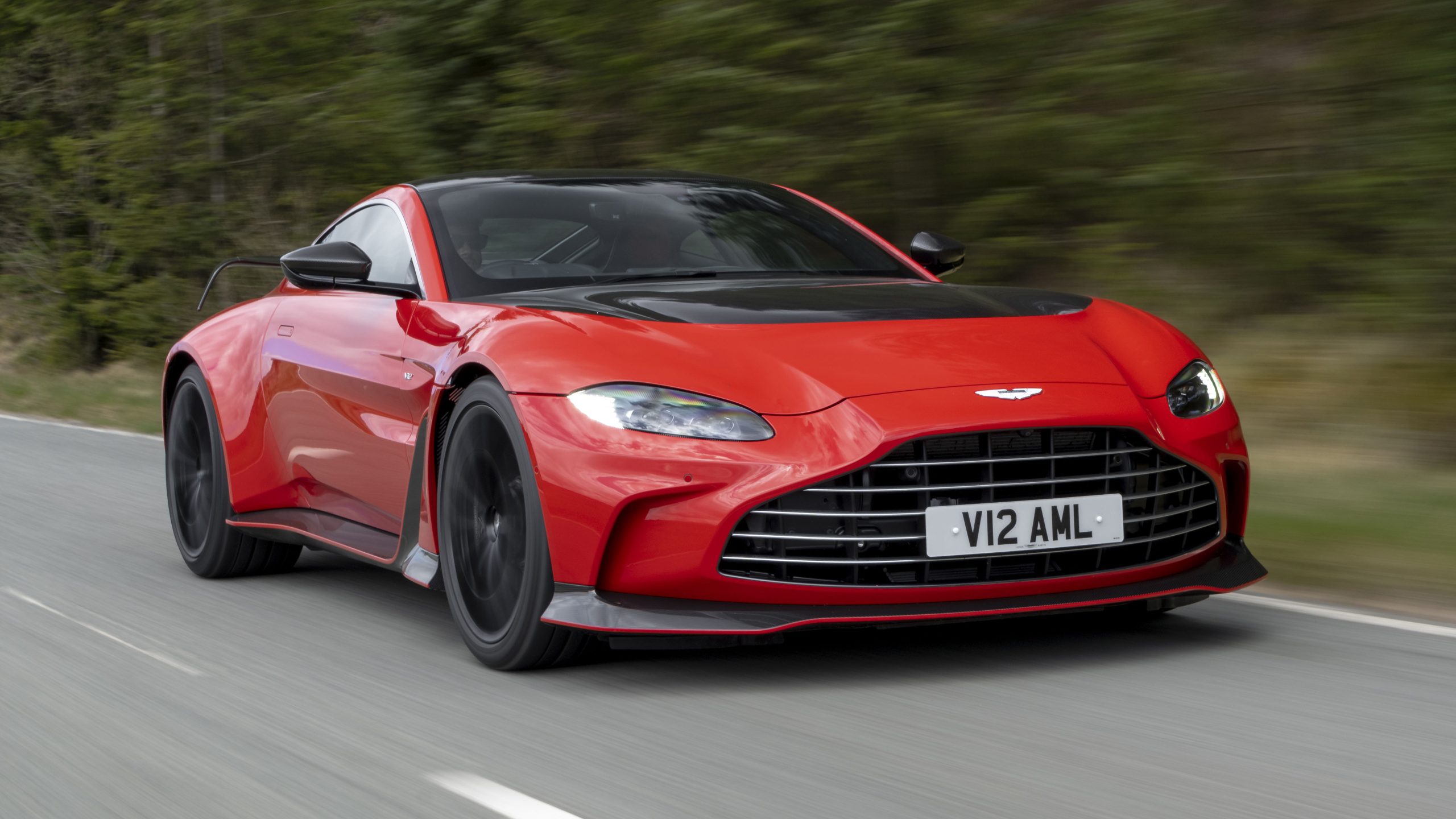
3. Aston Martin Vantage
The Aston Martin Vantage presents a refined British design, blending elegance with sporty performance. Its naturally aspirated V8 engine produces solid power, yet competitors achieve similar acceleration at lower prices. The Vantage often prioritizes styling over engineering breakthroughs, which can make its price feel inflated for the actual experience it delivers.
Inside, the cabin reflects craftsmanship with leather and carbon-fiber accents. Infotainment and ergonomics, however, fall behind rivals like Porsche or BMW M-series cars. The controls are less intuitive, and the technology feels somewhat dated for a vehicle in its segment. Buyers pay more for prestige than practical features.
Handling is composed and predictable, with responsive steering and stable cornering. Still, it lacks the razor-sharp dynamics of higher-performing sports cars. While enjoyable for casual driving, the Vantage does not consistently deliver the thrill expected for its price point, making it a less convincing choice for performance enthusiasts.
Running costs for maintenance and insurance are high, and fuel consumption is substantial due to the V8 engine. Repairs can be costly, and depreciation further reduces its value over time. Owners must consider the total financial commitment beyond the sticker price, which can amplify the feeling of overpricing.
Despite these concerns, the Vantage’s design and exclusivity remain appealing. Many buyers are drawn to its iconic styling and the aura of owning an Aston Martin. However, when analyzing the value proposition, it becomes evident that the car leans more on heritage and branding than on tangible performance advantages.
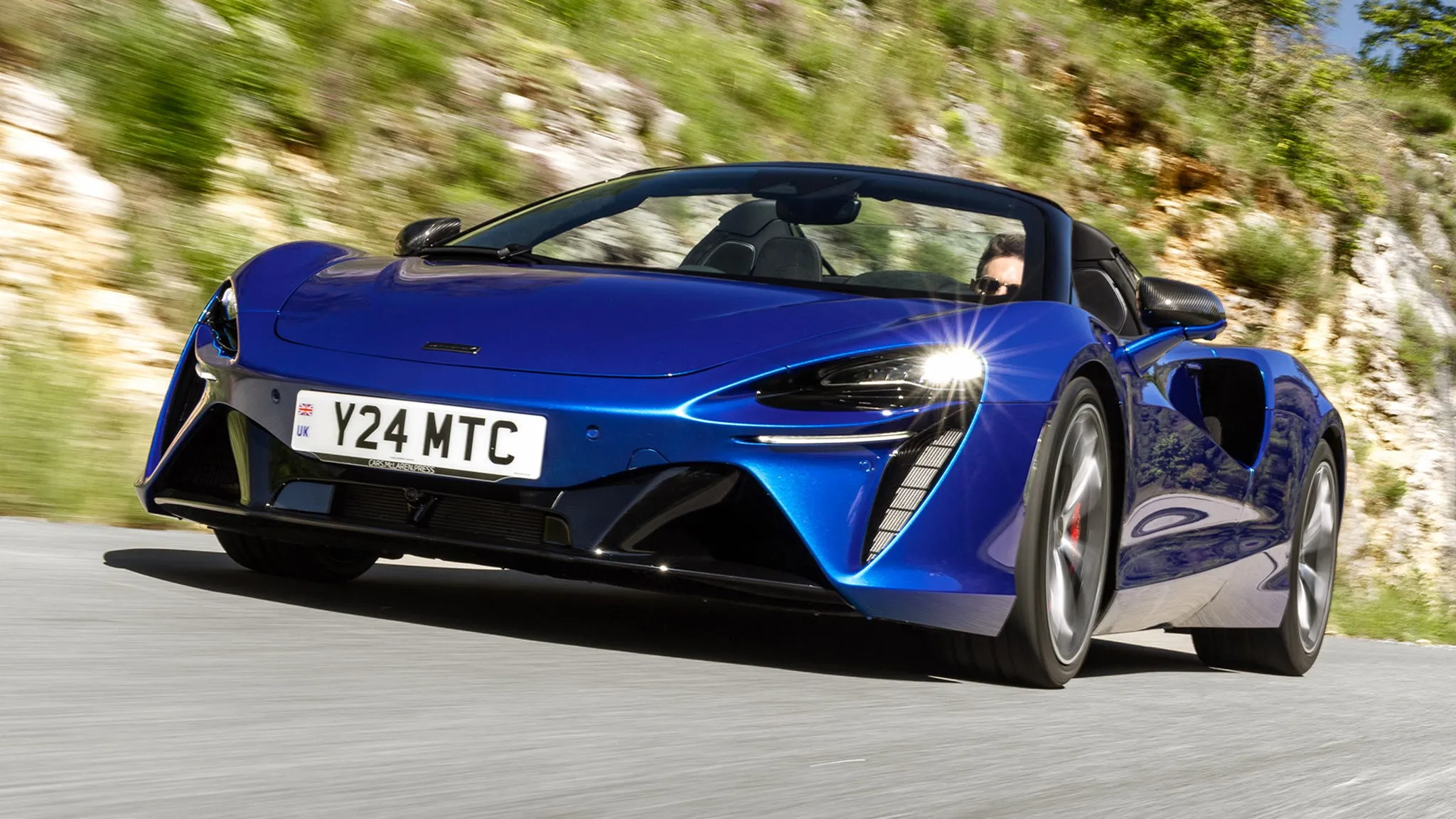
4. McLaren 570S
The McLaren 570S offers a twin-turbo V8 engine and a lightweight carbon-fiber chassis. Its performance figures are impressive, but the price is steep compared to vehicles with similar speed and handling. While McLaren is known for innovation, the 570S does not provide a clear advantage over Porsche 911 Turbo or Audi R8, making it feel overpriced in context.
The interior emphasizes driver engagement, with minimalist design and premium materials. However, comfort and practicality are limited. Storage space is minimal, and infotainment lacks polish, which can frustrate everyday usability. For the price, these compromises highlight an imbalance between performance and value.
On the road, acceleration and braking are excellent, with precise handling. Yet, the car’s performance advantage is not dramatically superior to competitors, especially in everyday conditions. The thrill is undeniable but does not fully justify the large financial premium attached to the McLaren name.
Ownership costs are considerable, including maintenance, tires, and insurance. Carbon-fiber components increase repair expenses, and service intervals are strict. Depreciation is also steep, especially when compared to similar performance cars that retain value better. These factors reinforce the perception that the 570S is overpriced.
Despite this, the 570S commands attention with its exotic styling and unique exhaust note. For some buyers, the brand’s exclusivity is worth the price, but objectively, the car demonstrates that extreme styling and engineering prestige can inflate cost without delivering proportionate value in performance or practicality.

5. Maserati GranTurismo
The Maserati GranTurismo blends Italian styling with a Ferrari-derived V8 engine. While the car looks luxurious and sounds dramatic, its performance does not match its price tag. Acceleration and handling are adequate but lag behind similarly priced rivals from Porsche or Jaguar, making the GranTurismo a questionable investment for driving-focused buyers.
Inside, the cabin is spacious and comfortable, with leather upholstery and fine trim. Yet technology and build quality are inconsistent, and some features feel outdated. Infotainment responsiveness is poor, and ergonomics are less refined compared to competitors. Buyers are paying for style and badge recognition more than functional superiority.
The ride quality favors comfort over aggressive handling. While the GranTurismo is smooth on highways, it does not excel in cornering precision or track performance. Enthusiasts may find the driving experience lacks excitement relative to the cost, highlighting the imbalance between price and real-world capability.
Maintenance costs are high, and parts availability can be limited. Maserati vehicles often require specialized service, which increases expenses. Insurance premiums are elevated, and depreciation is significant. The cumulative cost makes the GranTurismo one of the sports cars where the sticker price is only the beginning of the financial commitment.
Despite performance compromises, the GranTurismo retains appeal through its design and Italian heritage. Many buyers are drawn to its visual impact and exclusivity. However, when comparing objective value, the combination of price, performance, and upkeep suggests the car is often shockingly overpriced relative to what it offers.
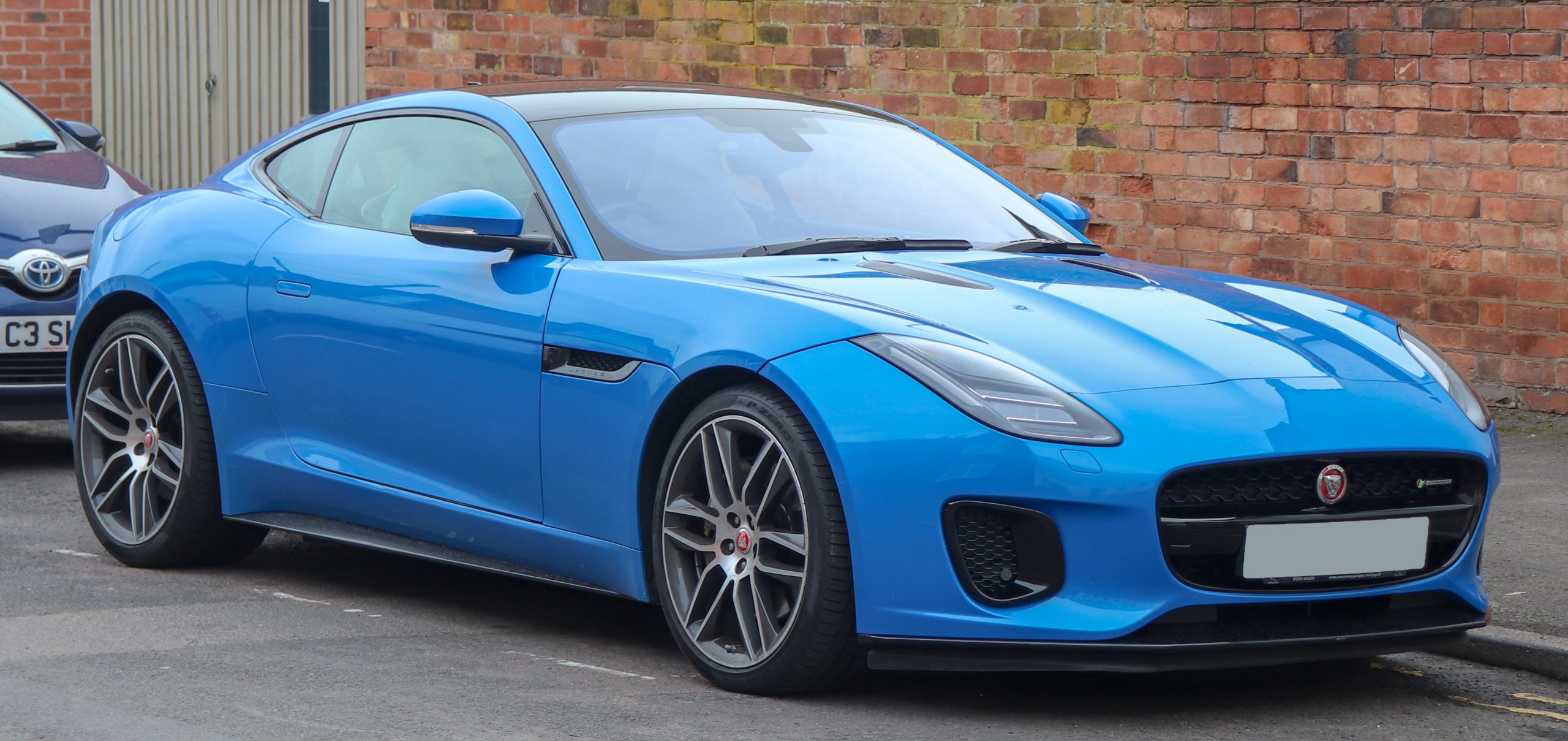
6. Jaguar F-Type R
The Jaguar F-Type R is powered by a supercharged V8 engine and offers a balance of luxury and performance. However, the asking price is high compared to similarly performing models like the Chevrolet Corvette or Porsche 911. While it delivers a distinct exhaust note and stylish appearance, its performance does not significantly exceed cheaper alternatives.
The interior is elegant, with leather seats and advanced controls, but ergonomics and technology lag behind competitors. Infotainment responsiveness and touchscreen clarity are subpar for the price range. Buyers pay more for aesthetics and badge prestige than for superior functionality or innovation.
On the road, acceleration is strong and handling is competent, yet it falls short of the sharpness seen in rival sports cars. Steering feedback and chassis precision are good but not exceptional. Enthusiasts looking for high-end performance may find the F-Type R disappointing when considering its cost.
Running costs for maintenance, insurance, and fuel are substantial. Depreciation is also considerable, particularly for non-limited editions. While ownership carries prestige, the ongoing expenses reinforce the perception of overpricing when compared to more practical or performance-oriented options.
Despite these factors, the F-Type R’s design and exhaust note continue to attract attention. Its aesthetic appeal and emotional driving experience resonate with buyers. However, the vehicle remains a case where branding and style inflate the price beyond the tangible performance and technological merits it offers.
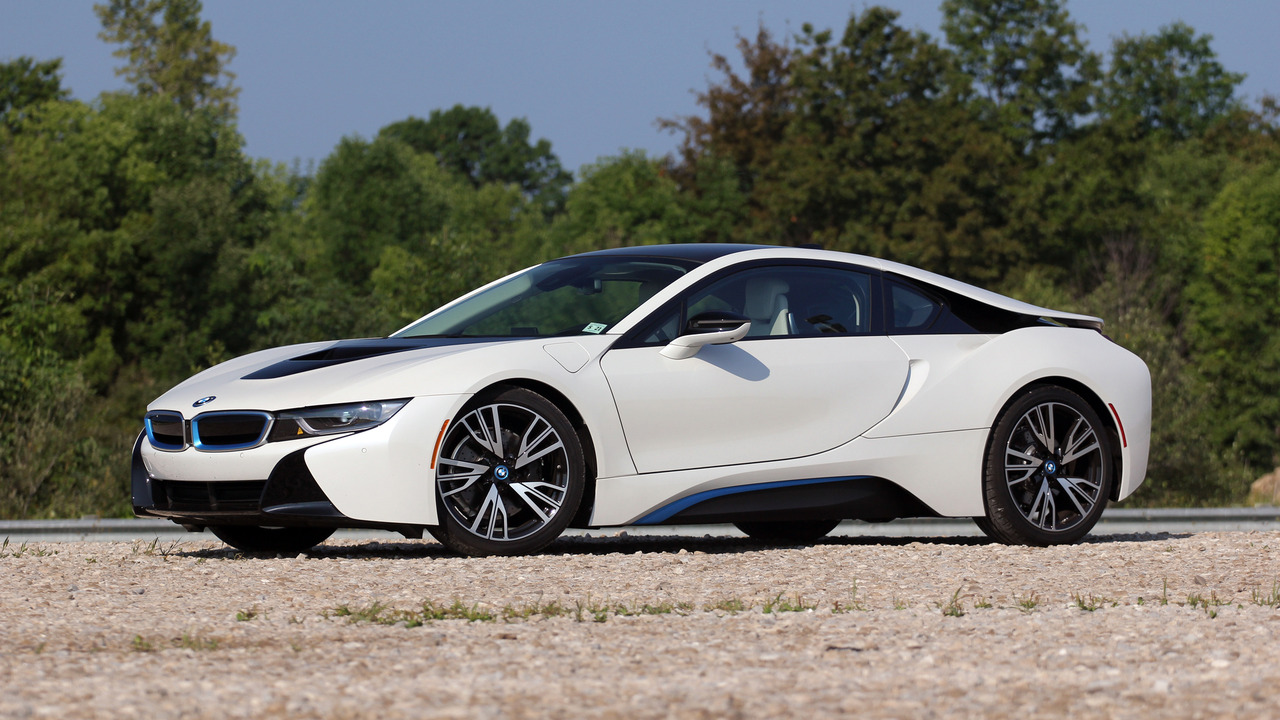
7. BMW i8
The BMW i8 combines hybrid technology with futuristic styling and a twin-turbo engine. Despite its high-tech appearance, the i8’s performance does not match the price, especially when compared to traditional sports cars. Acceleration is modest for the cost, and handling, while sharp, is limited by its hybrid setup and lightweight design constraints.
Inside, the i8 features premium materials, digital displays, and ambient lighting. Yet space is cramped, and usability is compromised by the small cabin and limited storage. Infotainment is technologically advanced but not necessarily intuitive, leaving drivers paying more for novelty than functional superiority.
The i8’s driving experience emphasizes efficiency over raw excitement. While cornering is agile and braking responsive, the hybrid powertrain introduces inconsistencies in throttle response. This detracts from the pure sports car feel, making it difficult to justify the high purchase price on performance grounds alone.
Maintenance and battery replacement costs are high, and parts are specialized. Insurance premiums reflect the car’s exotic status, and depreciation is steep due to the niche appeal. Ownership expenses add to the perception that the i8 is not an ideal value proposition for its price.
Despite the concerns, the i8’s futuristic looks and hybrid innovation attract attention and admiration. Many buyers are drawn to the concept of combining performance with eco-friendly technology. Still, the car demonstrates how style and innovation can justify a premium in perception more than in tangible performance metrics.
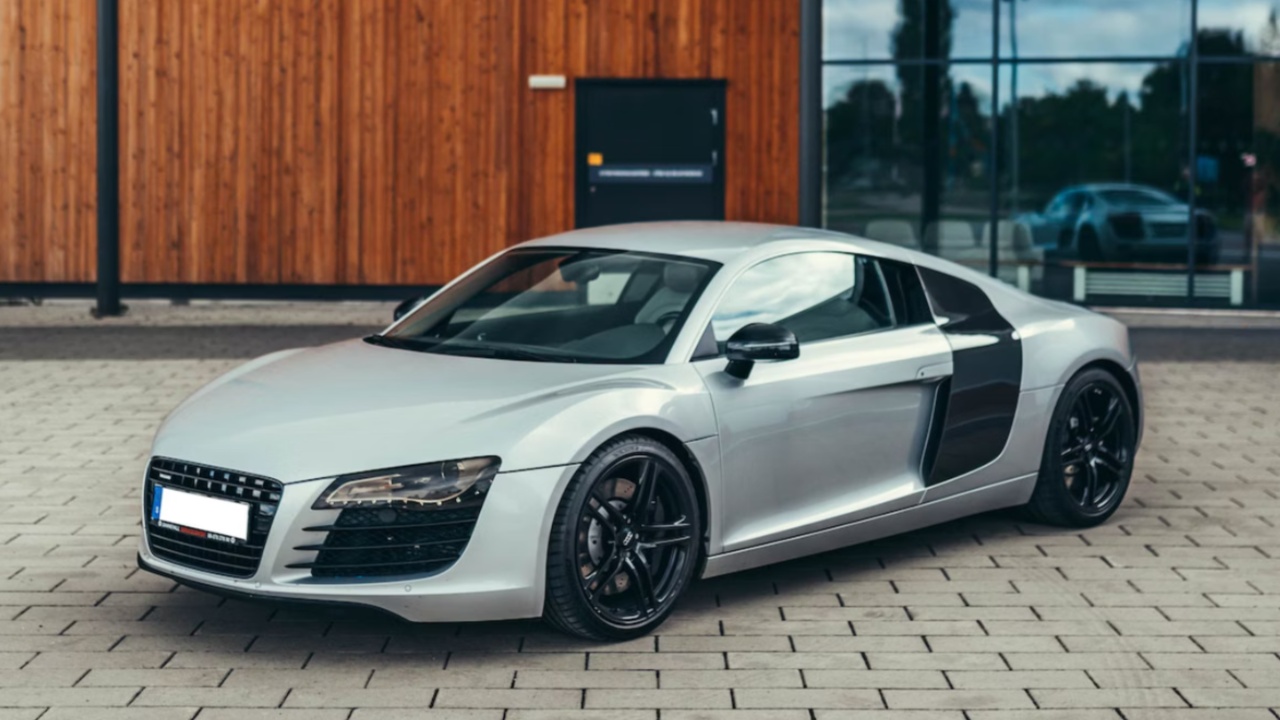
8. Audi R8 V10 Plus
The Audi R8 V10 Plus features a naturally aspirated V10 engine and Quattro all-wheel drive. Performance is excellent, yet the car’s price is high compared to other supercars like the McLaren 570S or Porsche 911 GT3. While reliable and fast, the R8 V10 Plus does not always provide enough differentiation to justify its steep cost.
The interior combines luxury with a minimalist layout, but some elements feel utilitarian for the price. Infotainment is competent but lacks the flair of rivals. Buyers are often paying for the badge and reputation rather than an exceptionally unique cabin experience.
On the road, the R8 excels in stability, acceleration, and braking. However, the driving thrill is less extreme than some competitors, which offer sharper handling and more track-oriented dynamics. The performance is strong but not exceptional relative to cost.
Ownership costs include expensive maintenance, high insurance, and rapid depreciation. Specialized parts and servicing add to the financial burden. These factors reinforce the notion that the car’s price is elevated beyond its practical or performance-based value.
Despite these drawbacks, the R8’s aggressive styling and prestige appeal to buyers seeking exotic design and brand recognition. While satisfying emotionally, the R8 V10 Plus remains an example of a vehicle whose price often surpasses the tangible benefits it provides.
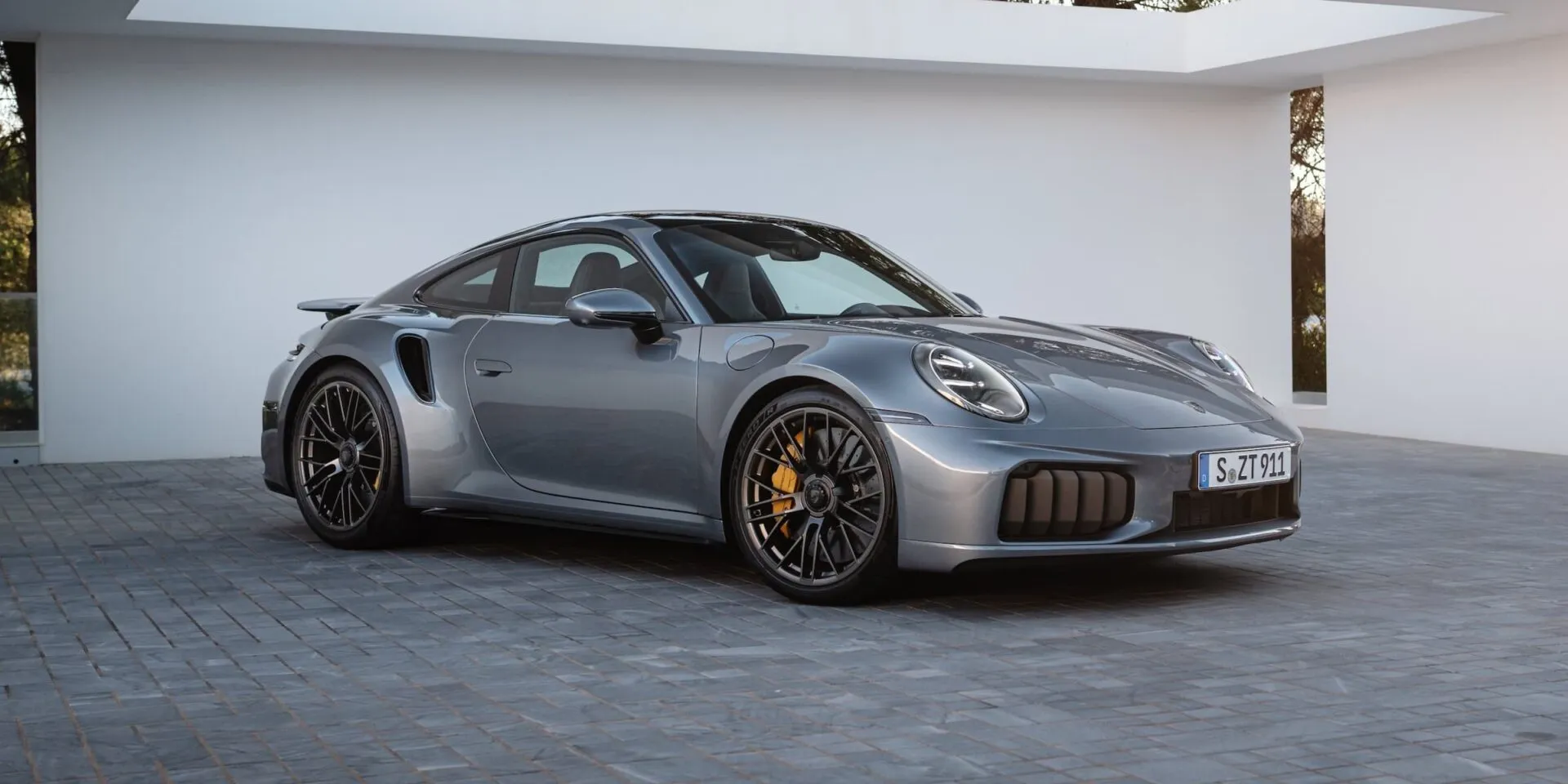
9. Porsche 911 Turbo S
The Porsche 911 Turbo S is a benchmark for performance and refinement. However, its price is significantly higher than the driving experience warrants when compared to previous-generation 911s or competitors like the Audi R8. While fast, the Turbo S relies on brand history and reputation to command its premium.
The interior combines high-quality materials with ergonomic controls, yet technology offerings are incremental compared to slightly lower-priced models. Infotainment and comfort are excellent but do not represent a breakthrough worthy of the price jump. Buyers pay for incremental improvements and brand assurance.
Performance is explosive, with rapid acceleration and capable handling. Yet, the car’s refinement and stability sometimes reduce the raw excitement sought by some sports car enthusiasts. Its predictability makes it less thrilling despite technical excellence.
Maintenance and ownership costs are high, and depreciation can be steep despite Porsche’s historically strong resale values. Repairs and tires are costly, emphasizing that the initial sticker price is just one aspect of ownership.
Still, the 911 Turbo S appeals through precision engineering and timeless design. Buyers value status and performance credibility, which justifies the premium in perception. Objectively, the car demonstrates how incremental improvements and reputation can drive prices higher than the raw driving experience might suggest.
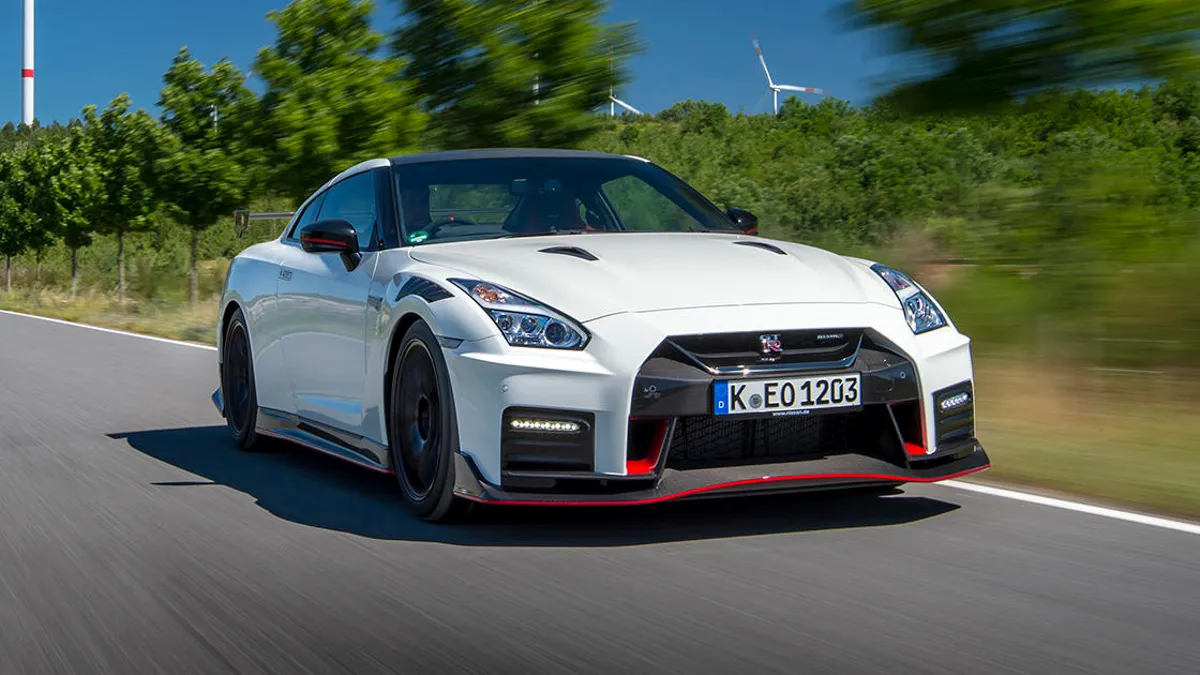
10. Nissan GT-R Nismo
The Nissan GT-R Nismo offers twin-turbo V6 power and all-wheel drive. It delivers excellent performance on paper, yet the high price does not fully align with real-world experience. While technically capable, the GT-R Nismo lacks the refinement, interior quality, and brand prestige that justify its cost compared to European rivals.
Inside, the cabin is functional but utilitarian. Materials are durable but feel cheap relative to the price tag. Infotainment and comfort features are limited, highlighting that buyers are paying primarily for performance numbers and heritage rather than refinement.
The car is fast in straight-line acceleration and handles well for its weight. However, ride quality is harsh, and interior noise can be intrusive. When compared to European sports cars in the same price range, the GT-R Nismo often feels less polished and less enjoyable in daily driving.
Maintenance, tires, and insurance costs are high, and depreciation is rapid despite the car’s legendary status. Repairs often require specialist service, adding to ownership expenses. These practical drawbacks make the high price difficult to justify.
Despite these issues, the GT-R Nismo maintains appeal through its engineering achievements and performance pedigree. Enthusiasts respect its capabilities, yet objectively, it exemplifies a car that commands a high price for perceived performance rather than complete refinement or practicality.
