
Urban living brings a unique set of challenges and opportunities when it comes to choosing the right family vehicle. Families in cities often juggle tight parking spaces, congested streets, and the need for practicality without sacrificing comfort or style.
An SUV can seem like the perfect solution, offering higher seating, extra cargo space, and a sense of safety, yet not every SUV is suitable for a city environment. The ideal urban family SUV balances maneuverability, efficiency, and functionality, allowing parents to transport children, groceries, and belongings with ease.
Safety features, fuel efficiency, and reliability take on heightened importance when navigating busy streets, crowded parking lots, and frequent short trips. Beyond the physical aspects, urban families also consider technology and convenience, from infotainment systems that keep children entertained to driver assistance tools that simplify parking and lane management.
In addition, an SUV’s design plays a role in daily practicality. While some large models can be cumbersome in tight spaces, others are compact yet versatile, providing ample seating and storage without feeling overwhelming. Families also prioritize comfort for both short commutes and longer trips, ensuring that children remain secure and comfortable while adults can maintain control and visibility.
Cost of ownership and long-term reliability factor into decisions, as urban driving often involves frequent stop-and-go traffic, which can affect fuel consumption and wear on the vehicle. With so many options available, it becomes essential to identify which SUVs truly serve the urban family’s needs and which may create more frustration than benefit.
This discussion will present ten SUVs, separating those that fit seamlessly into urban family life from those that present challenges despite their popularity. By examining features, design, and practical utility, parents can make informed choices and understand why some SUVs thrive in the city while others struggle to meet the daily demands of urban life.
5 SUVs That Fit Urban Families
Toyota RAV4
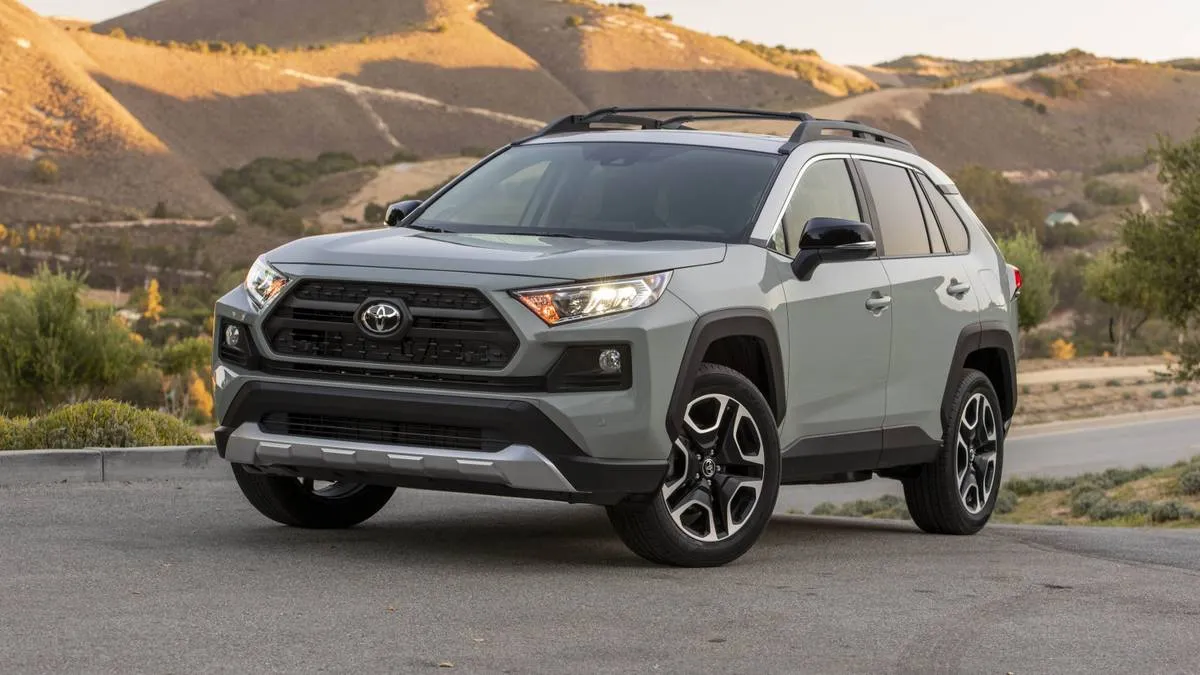
The Toyota RAV4 stands out for its balance of size and practicality, making it ideal for city families. Its compact footprint allows for easier parking while still offering ample cargo space. The interior is designed with families in mind, including accessible storage compartments and comfortable seating. Advanced safety features like adaptive cruise control and lane-keeping assist enhance confidence on crowded streets.
Fuel efficiency is another strong point of the RAV4, reducing frequent trips to the gas station for families who rely on daily commutes. The hybrid variant adds extra savings without sacrificing performance. Its smooth ride and responsive handling make navigating tight corners or heavy traffic less stressful. Additionally, the cabin is quiet, which helps minimize distractions for drivers.
Parents appreciate the RAV4’s technology suite, including an intuitive infotainment system and smartphone integration. Rear-seat USB ports keep children entertained during trips, and the cargo area can accommodate strollers or sports gear.
The vehicle’s height ensures good visibility, which is crucial for spotting cyclists or pedestrians. It is a reliable SUV that adapts well to urban demands.
The resale value of the RAV4 is consistently strong, offering families financial reassurance. Maintenance costs are generally moderate, and Toyota’s reputation for longevity means fewer unexpected issues. The SUV also supports roof racks for additional storage if a family enjoys outdoor activities. Its reputation as a safe and efficient city vehicle has made it a consistent choice for families seeking both convenience and versatility.
In addition to these advantages, the RAV4 has a range of trim levels to suit different budgets and preferences. From basic models with essential features to fully loaded trims with premium options, families can find a configuration that meets their needs. Its combination of size, comfort, efficiency, and reliability makes it one of the top choices for urban family life.
Honda CR-V
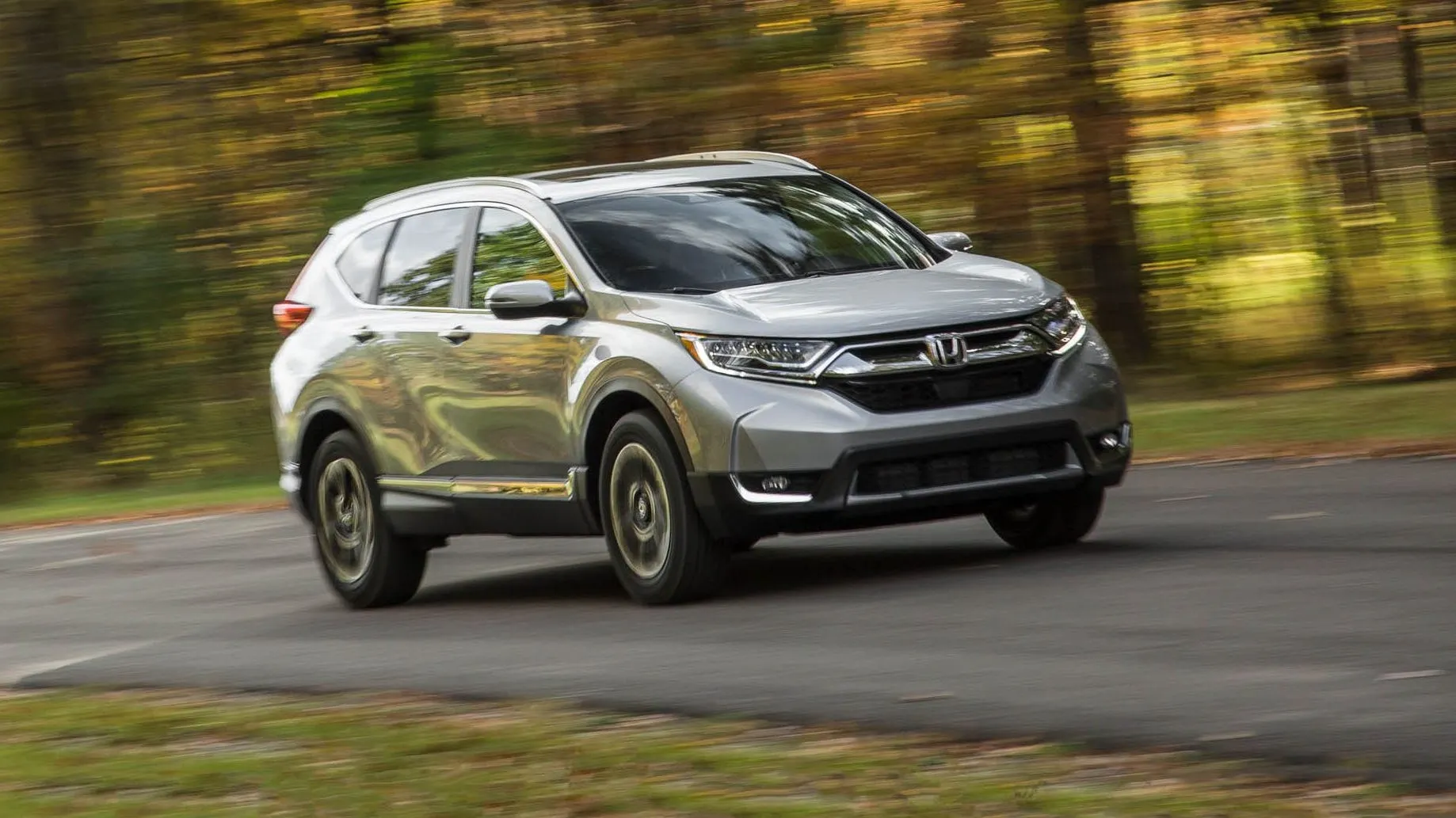
The Honda CR-V is a compact SUV that has built a reputation for reliability and practicality. Its moderate size allows for easy maneuvering on city streets while providing generous interior space. Families benefit from a roomy back seat that can comfortably fit car seats and boosters without crowding. The CR-V’s cargo area is versatile, accommodating groceries, sports equipment, and luggage for weekend trips.
Safety remains a key strength, with features like collision mitigation braking, road departure mitigation, and adaptive cruise control standard in many trims. These technologies help parents navigate busy streets with increased confidence. The CR-V also offers a smooth ride quality, absorbing bumps and potholes common in urban environments. Steering is precise, which makes tight turns and parallel parking more manageable.
Fuel efficiency is another area where the CR-V excels, particularly the hybrid model. Reduced fuel consumption is ideal for families with frequent city errands. The engine performance is sufficient for highway driving as well, making the CR-V versatile for both local and longer trips. Its maintenance requirements are moderate, and Honda’s reliability record adds peace of mind.
The cabin layout is family-friendly, with easy-to-use controls and plenty of cup holders and storage spaces. Rear passengers enjoy adjustable climate vents, and the infotainment system keeps everyone connected and entertained. Parents appreciate features like keyless entry, push-button start, and a spacious glove compartment. The combination of comfort, efficiency, and safety makes the CR-V an excellent urban choice.
Finally, the CR-V’s design blends style with function. Its exterior is compact enough for city streets yet modern in appearance. With various trims, families can choose between a simple, budget-friendly option or a higher-end configuration with premium touches. This adaptability, along with consistent performance, secures the CR-V’s position as a top urban family SUV.
Mazda CX-5
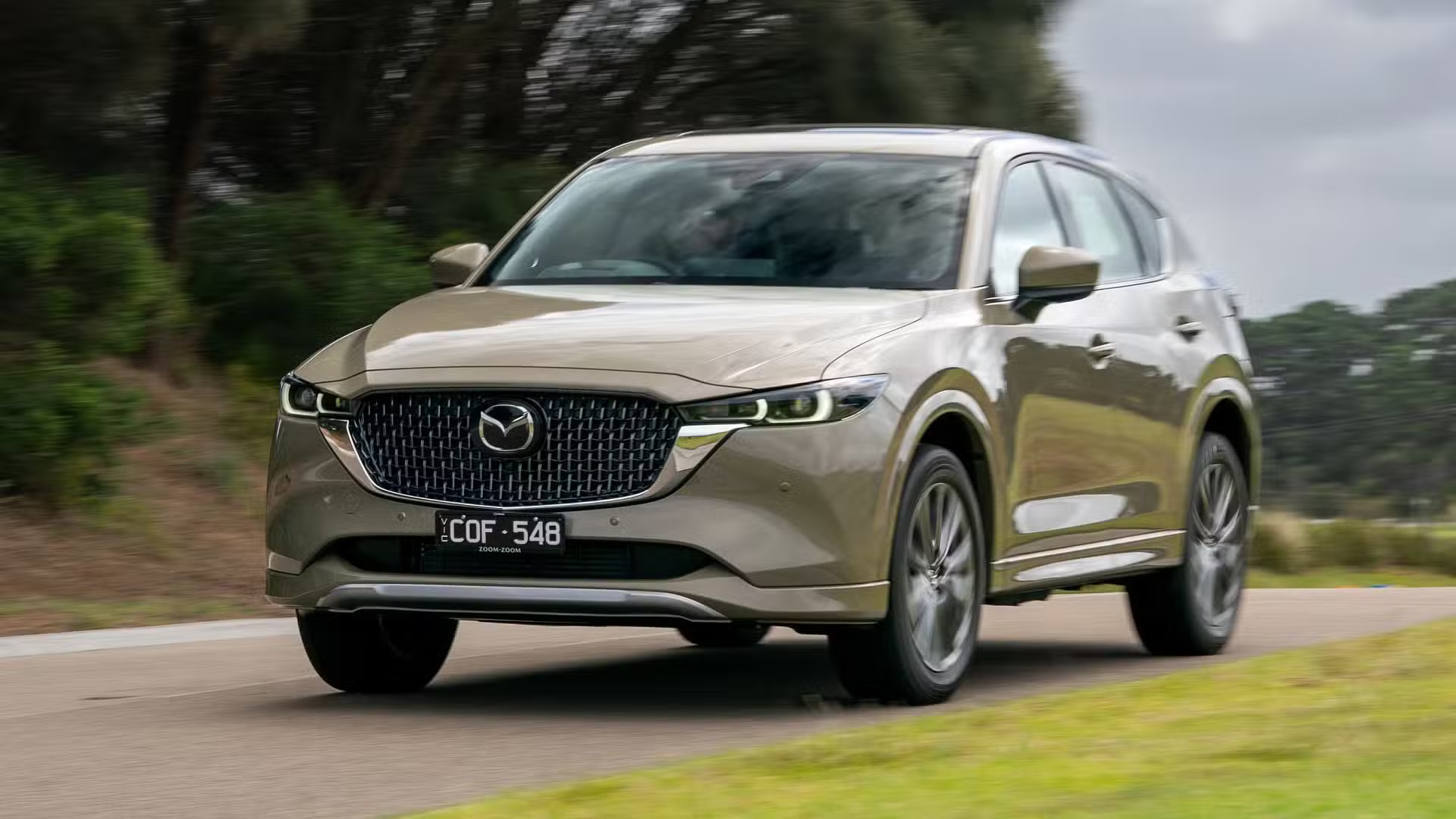
The Mazda CX-5 emphasizes a blend of sporty driving dynamics and family practicality. It is compact enough for city streets but offers enough cargo space for daily errands. Its interior combines quality materials with intuitive design, creating a comfortable environment for both children and adults. Rear seats are spacious, with enough legroom for longer commutes.
Safety technologies are comprehensive, including blind-spot monitoring, rear cross-traffic alert, and lane departure warnings. These systems help parents feel secure in congested traffic conditions. The CX-5’s handling is responsive, and steering precision enhances maneuverability in urban areas. Ride quality remains smooth, even on uneven surfaces.
Fuel efficiency is competitive within its class, allowing families to save on running costs. The vehicle is also quiet, reducing stress during city driving. Mazda’s attention to interior ergonomics ensures controls are within easy reach, and infotainment features support smartphone connectivity. Families will find the CX-5 both practical and enjoyable for short trips and weekend getaways.
The vehicle’s style is another appeal, combining sleek lines with a refined profile. Families who value aesthetics will find the CX-5 attractive without sacrificing usability. It also offers optional all-wheel drive, which can provide extra security in wet or slippery conditions. Storage solutions, like under-floor compartments, enhance convenience.
Finally, the CX-5 maintains a reputation for long-term reliability. Regular maintenance is straightforward, and parts are readily available. Resale value remains strong, reflecting the SUV’s continued popularity. This combination of style, safety, efficiency, and family-oriented design makes the CX-5 an excellent urban choice.
Subaru Forester
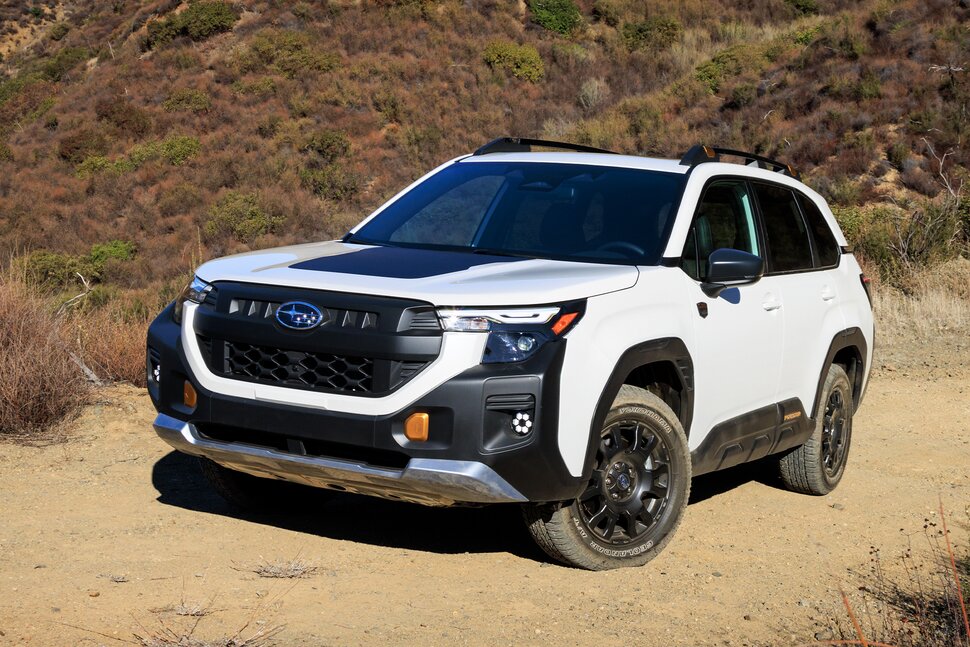
The Subaru Forester is well suited for urban families who value safety and practicality. Its boxy design maximizes interior space without becoming difficult to maneuver in city traffic. Rear seats are wide and comfortable, making it easier to install child seats. Large windows improve visibility, which is important in crowded neighborhoods.
Standard all-wheel drive provides added confidence during rain or uneven road conditions common in cities. The Forester’s safety systems include pre-collision braking and lane guidance features. These tools assist parents during busy school drop-offs and rush-hour traffic. The suspension absorbs road imperfections smoothly.
Fuel efficiency remains competitive, especially for a vehicle with all-wheel drive. Families benefit from fewer fuel stops during weekly errands. The engine delivers steady power without feeling aggressive, which suits stop-and-go driving. Steering response is predictable and light, easing tight turns.
Inside the cabin, controls are simple and clearly labeled. The infotainment system supports smartphone connectivity and voice commands. Rear passengers have enough headroom even as they grow older. Cargo space is generous, fitting strollers, backpacks, and grocery bags comfortably.
The Forester also holds its value well over time. Maintenance costs are manageable, and Subaru’s reliability record strengthens buyer confidence. Roof rails come standard, adding flexibility for family activities. This combination of space, safety, and durability makes it a strong urban family option.
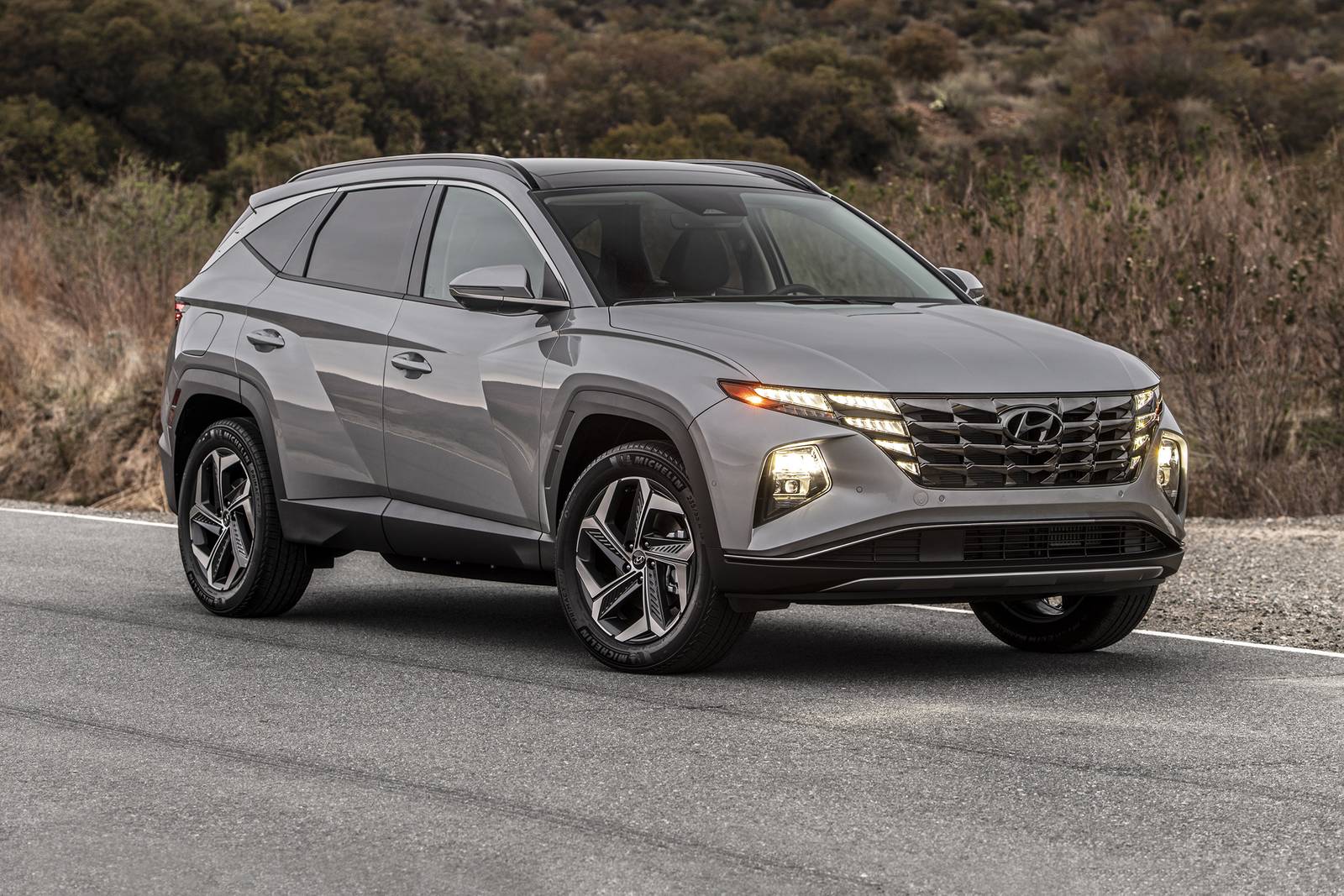
Hyundai Tucson
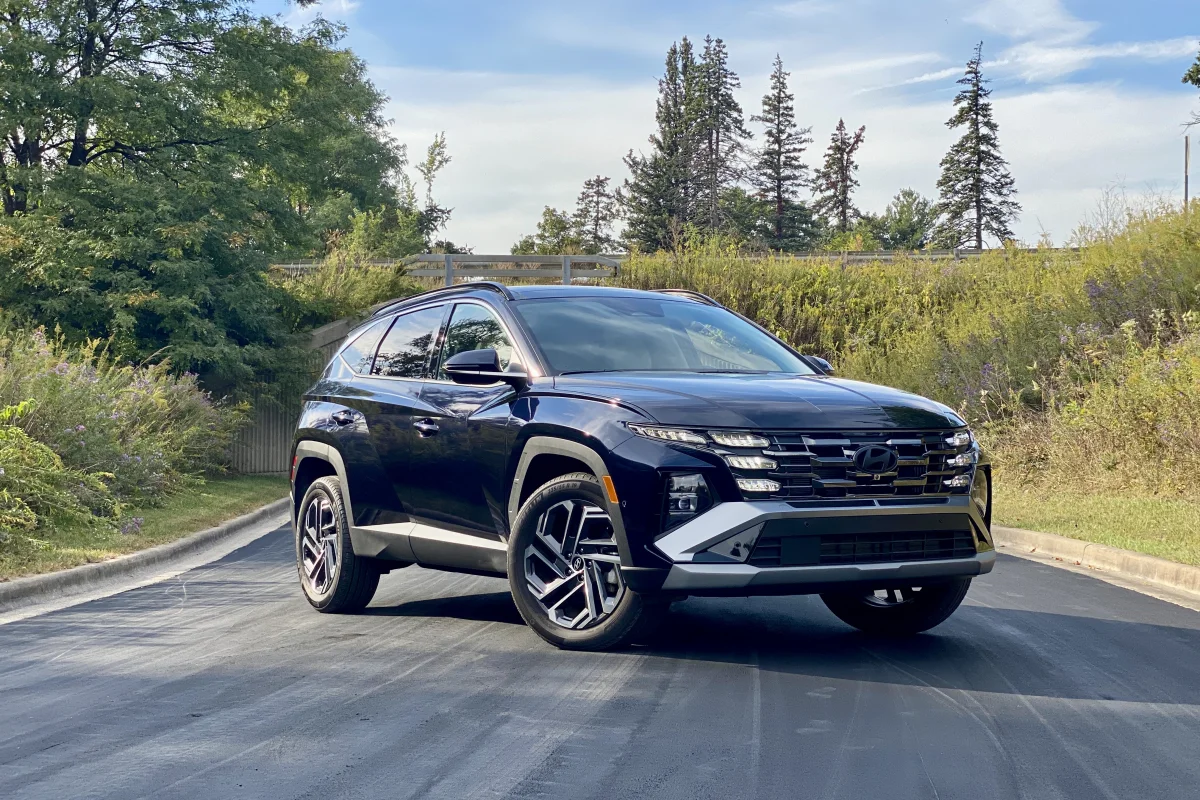
The Hyundai Tucson offers modern styling combined with family-friendly features. Its compact size helps drivers navigate narrow streets and parking garages. The interior feels spacious, with supportive seating and ample legroom. Families appreciate its calm ride quality during daily commutes.
Safety is a key highlight, with standard features like forward collision avoidance and driver attention monitoring. These systems assist parents during long or stressful drives. The Tucson also includes parking assistance tools that reduce anxiety in tight spaces. Its braking response is smooth and predictable.
Fuel economy is competitive for its segment, making it suitable for frequent urban use. Hybrid versions provide additional efficiency for families focused on long-term savings. Acceleration is controlled and adequate for merging into traffic. Noise levels remain low inside the cabin.
Technology plays a strong role in the Tucson’s appeal. The infotainment screen is easy to read and respond to. Rear-seat passengers benefit from charging ports and climate comfort. Storage compartments throughout the cabin help keep family items organized.
Hyundai’s warranty coverage adds reassurance for families planning long-term ownership. The Tucson’s design balances practicality and modern appeal. With flexible trims and pricing options, it accommodates different budgets. Its efficiency and comfort make it well suited for city-based family life.
5 SUVs That Don’t Fit Urban Families
Chevrolet Tahoe
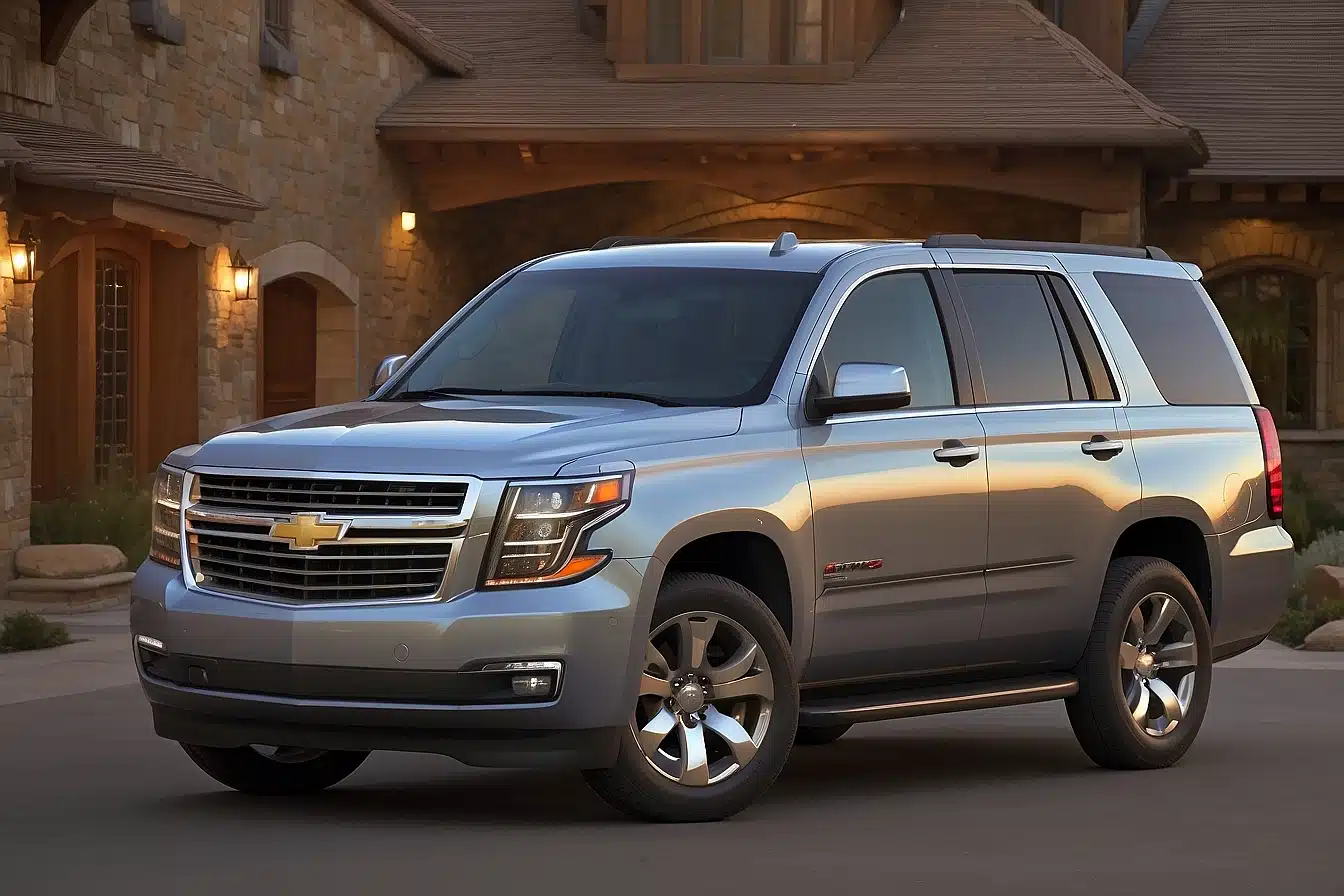
The Chevrolet Tahoe is a full-size SUV that presents challenges in urban environments. Its large dimensions make maneuvering through narrow streets difficult. Parking in tight city spaces often becomes stressful and time-consuming. Urban families may struggle with daily usability.
Fuel consumption is high, especially in stop-and-go traffic. Frequent refueling increases running costs for city dwellers. The Tahoe’s size can feel excessive for short errands or school runs. Its turning radius limits ease of movement in congested areas.
While interior space is generous, much of it goes underused in city life. Loading children and groceries requires navigating a high step-in height. Visibility can be limited in crowded parking lots. This adds strain during everyday driving situations.
Maintenance and insurance costs tend to be higher than smaller SUVs. Urban wear and tear affects large vehicles more quickly. Tight garages and older infrastructure are not designed for such size. This creates unnecessary inconvenience for families.
Despite its comfort and power, the Tahoe suits suburban or rural settings better. Urban families often prioritize efficiency and ease over size. The Tahoe’s strengths rarely align with daily city needs. As a result, it becomes more of a burden than a benefit.
Ford Expedition
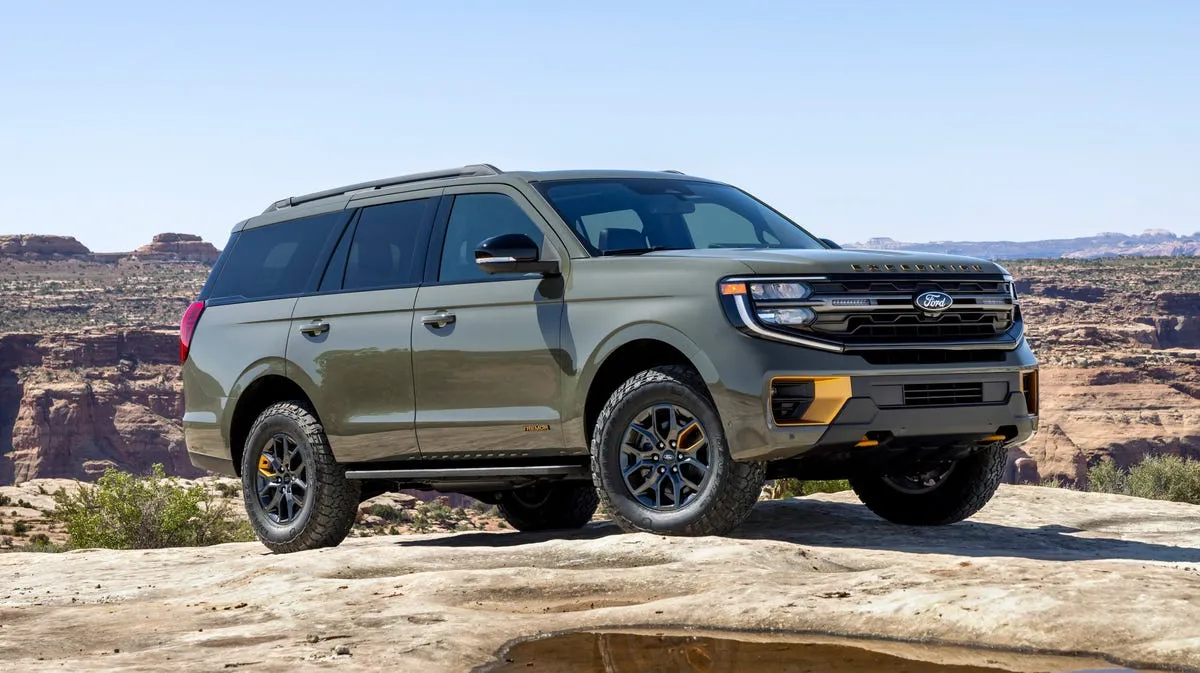
The Ford Expedition shares many of the same issues faced by large SUVs in cities. Its extended length makes parallel parking difficult. Navigating busy streets requires constant attention and patience. Urban driving becomes more demanding than necessary.
Fuel efficiency is low, particularly in traffic-heavy areas. Families face higher fuel expenses during routine commutes. The vehicle’s weight also affects braking and agility. These factors reduce comfort in city conditions.
Although the interior offers luxury and space, it exceeds what most urban families need. Loading children can feel cumbersome due to the vehicle’s height. Tight turns in parking garages become challenging. Everyday errands feel less convenient.
Ownership costs add another layer of concern. Insurance premiums and maintenance expenses are higher than average. City driving increases wear on brakes and suspension. These costs accumulate over time.
The Expedition excels on highways and long-distance travel. However, its advantages do not translate well to dense urban settings. Families living in cities may find it overwhelming.
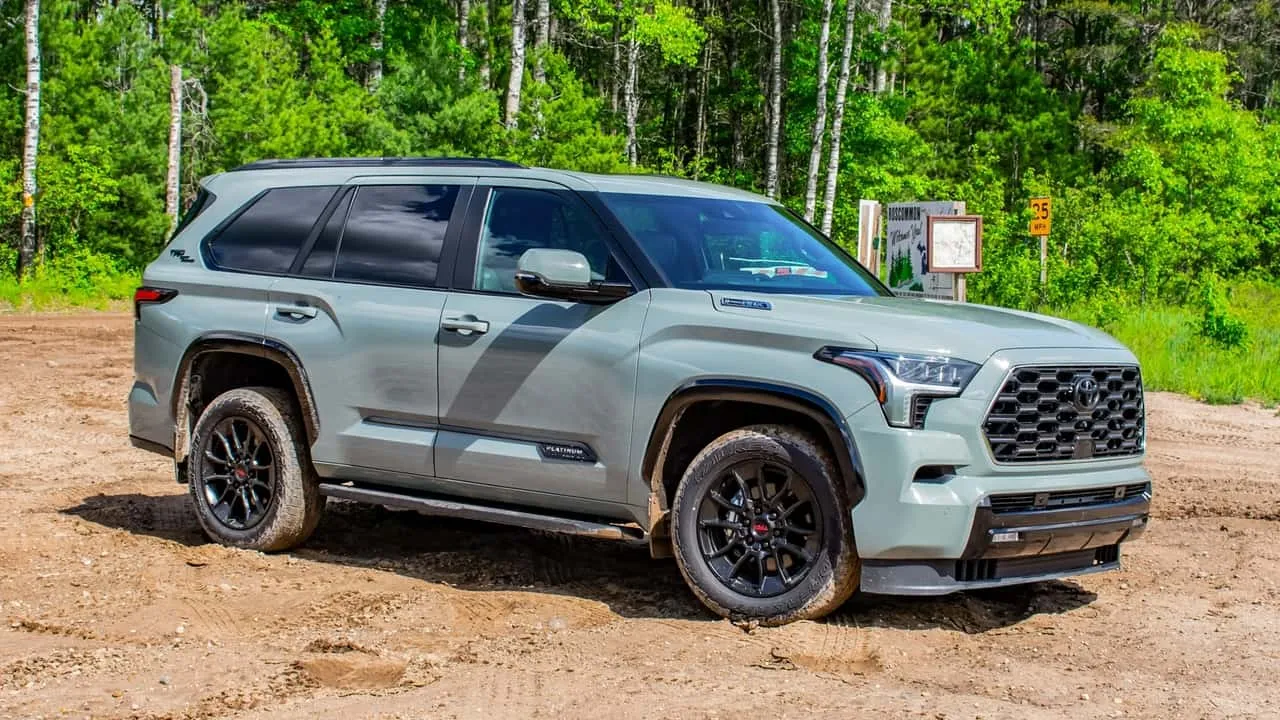
Toyota Sequoia
The Toyota Sequoia is known for durability, but its size works against it in urban areas. Its bulk makes it difficult to navigate narrow streets. Parking often requires larger spaces that are hard to find in cities. This adds daily frustration.
Fuel economy is a significant drawback for city use. Stop-and-go traffic amplifies consumption levels. Families face frequent fuel stops and higher costs. This reduces its appeal for daily errands.
While seating capacity is impressive, urban families rarely need such scale. Managing children in tight parking lots becomes more complicated. The vehicle’s height can be intimidating for shorter drivers. Visibility challenges add to stress.
Maintenance is generally reliable but costly due to size and components. Urban driving conditions accelerate wear on large vehicles. Garages may not accommodate its height or width. This limits storage options at home.
The Sequoia works best for families with outdoor or long-distance needs. City-focused households benefit more from compact alternatives. Its strengths remain underutilized in urban life. As a result, it feels impractical.
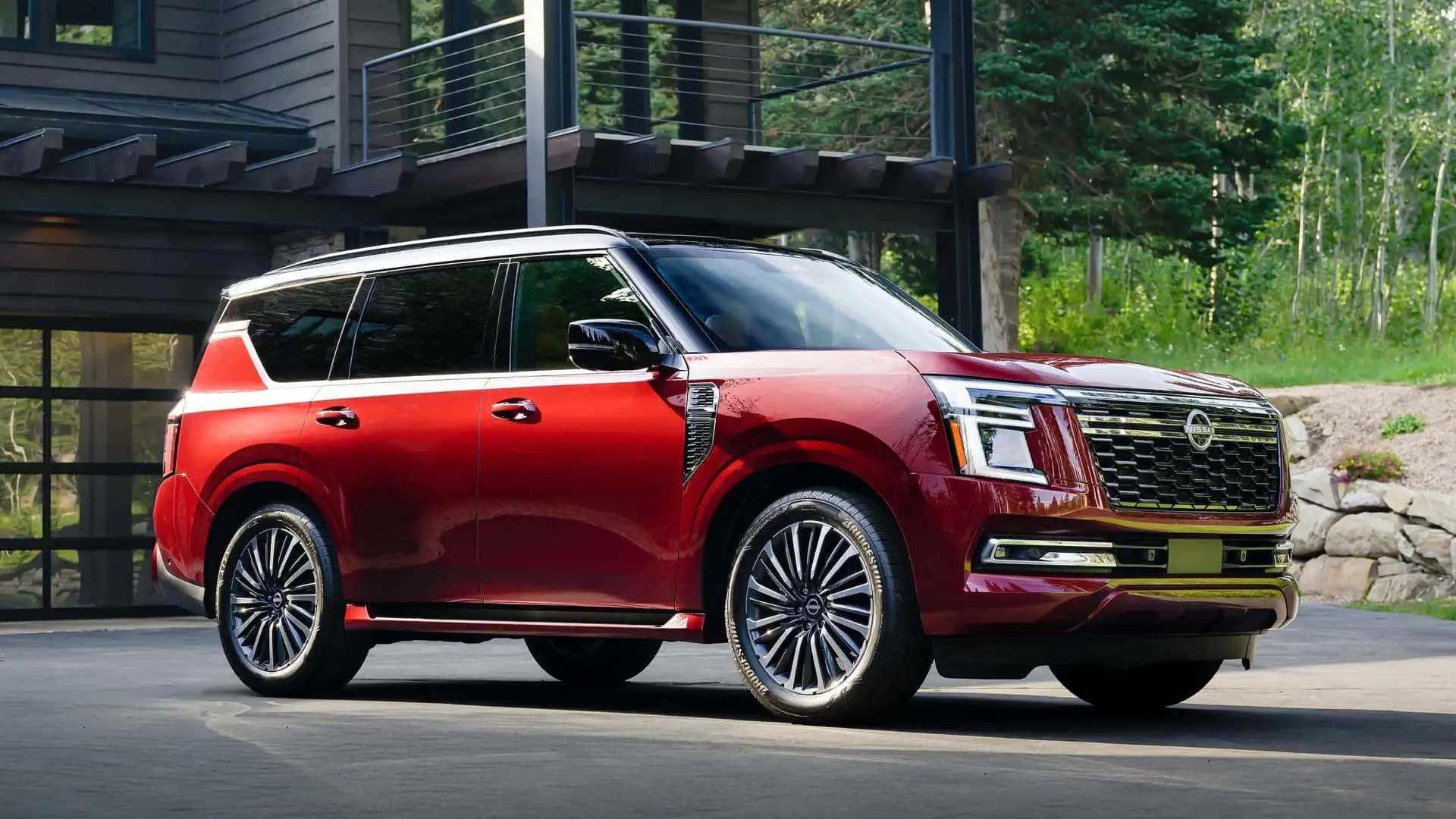
Nissan Armada
The Nissan Armada offers power and interior space, but struggles in city environments. Its size limits maneuverability in traffic. Tight intersections and narrow roads require extra caution. Daily driving becomes tiring.
Fuel efficiency is low, particularly during short city trips. Families face higher operating costs over time. The engine’s power is unnecessary for urban speeds. This imbalance affects usability.
Interior comfort is high, but entry and exit can be difficult for children. Parking in compact spaces often requires multiple adjustments. Urban families value simplicity, which the Armada lacks. These issues compound daily.
Maintenance and insurance costs are also higher than average. City driving increases the likelihood of minor damage or scrapes. Repairs on large vehicles are often expensive. This raises long-term ownership concerns.
While reliable and strong, the Armada suits open roads better. Urban families may feel overwhelmed by its size. Practicality suffers despite its strengths. It remains better suited for non-city lifestyles.
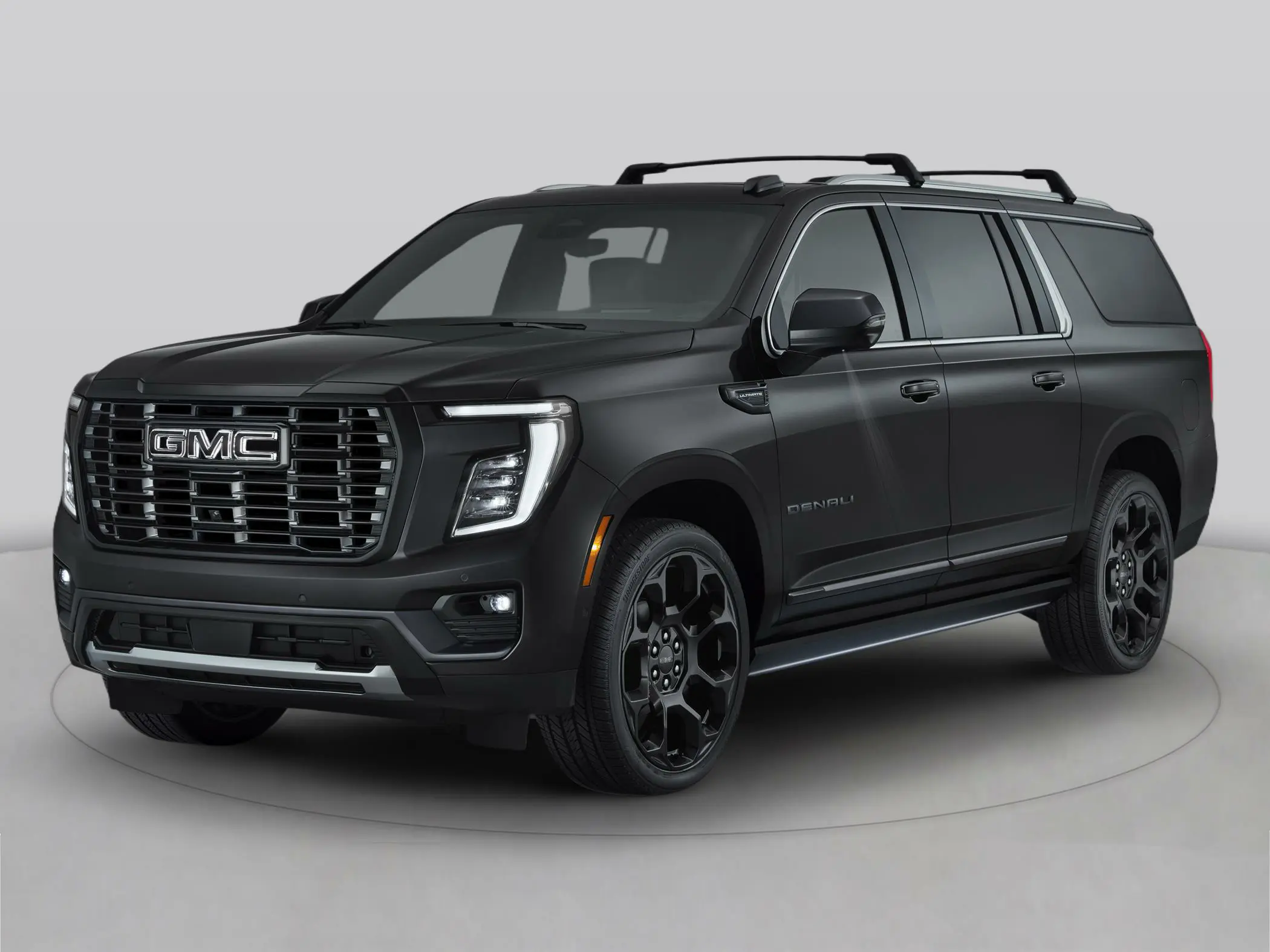
GMC Yukon
The GMC Yukon emphasizes power and presence rather than urban convenience. Its wide body makes navigating narrow streets challenging. Parking requires larger spaces, which are scarce in cities. This limits daily ease of use.
Fuel consumption is high during city driving. Families face increased expenses with frequent refueling. Short trips do not suit its engine efficiency. This reduces cost-effectiveness for urban living.
The interior is spacious and comfortable, but excessive for city needs. Children may struggle with the step-in height. Maneuvering in parking garages becomes stressful. These factors affect daily routines.
Maintenance and ownership costs remain high due to size and complexity. Urban environments accelerate wear on tires and brakes. Insurance premiums reflect its large profile. These costs add up over time.
The Yukon performs best in open areas and long trips. Urban families benefit more from smaller, efficient SUVs. Its size becomes a limitation rather than an advantage. This makes it a poor city fit.
