
When people think about automobiles, they usually imagine not just a means to get from one place to another, but also an investment and a companion that will serve for years without undue trouble.
The concept of practicality in cars is often tied to reliability, cost-effectiveness, ease of maintenance, comfort for daily commuting, and versatility in adapting to different needs like family trips or hauling cargo.
Practical value does not always equate to excitement or status, but it captures the essence of what most owners want in a vehicle they depend on day in and day out.
At the same time, there are vehicles that look stylish, attract attention, and offer a thrilling ride, but in terms of everyday use they may be expensive to maintain, have poor fuel efficiency, or face reliability issues.
Assessing cars through the lens of practical value versus impractical design is an exercise in understanding the priorities of different drivers, and how design choices influence the long term satisfaction of the people behind the wheel. In this article, we will focus on ten cars, separated into two categories.
The first set represents cars that consistently deliver practical value to owners, showing why they are dependable and useful in real world scenarios. The second set comprises vehicles that may be desirable or exciting, but that do not hold practical value for most drivers due to various factors that limit their everyday usefulness.
As we compare these vehicles, we are not just looking at raw performance specs or styling cues, but at how each vehicle fits into the daily life of a typical owner. Some cars excel at low running costs, solid safety records, and straightforward repair needs.
Others may demand high fuel costs, costly service visits, or suffer from poor practicality due to low cargo space or uncomfortable seating. In exploring each example, we will consider factors such as how easy it is to live with the vehicle week after week, how much it costs to keep it on the road, and how well it serves a range of driving needs.
This balanced look helps clarify why some cars earn praise for practicality while others earn a reputation for being less sensible long term choices. The goal here is to offer insight into what makes a vehicle hold practical value versus what causes it to fall short in the everyday experiences of its drivers.
Cars That Hold Practical Value
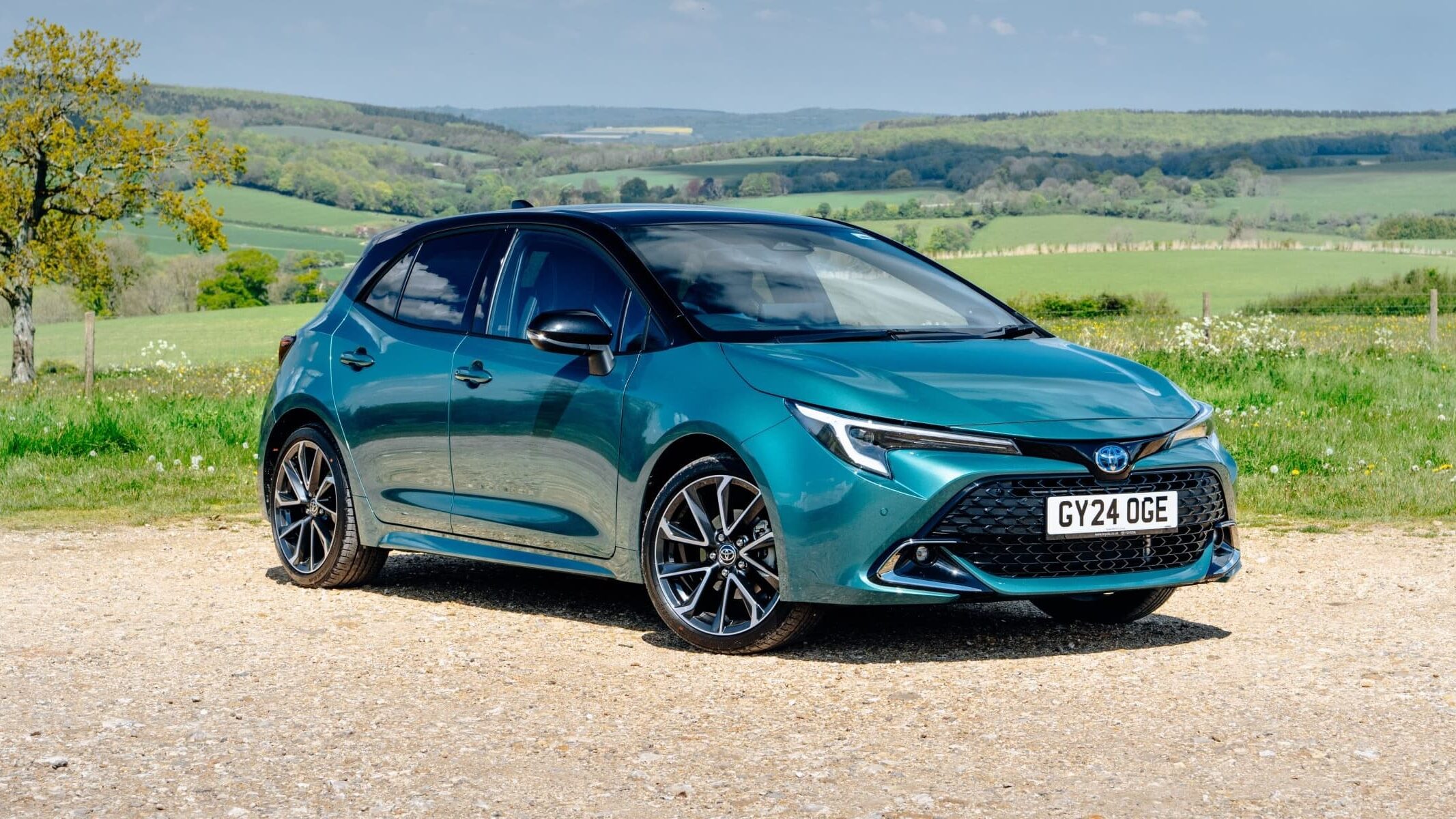
1. Toyota Corolla
The Toyota Corolla is a name that has become almost synonymous with solid, enduring practicality for everyday drivers who want a dependable car without fuss. For decades this compact sedan has been a top choice for people seeking a vehicle that is known to start reliably in all seasons and travel many miles without frequent breakdowns or surprise repairs.
One of the defining features of the Corolla’s practical value is its excellent fuel efficiency, which means that drivers can put in long commuting days or take highway trips without constant stops at the gas pump eating into their budget.
A Corolla owner generally experiences low maintenance costs thanks to the wide availability of parts and the abundance of mechanics familiar with its simple yet resilient design, making it a convenient choice for both the first time car buyer and the seasoned commuter alike.
The interior layout prioritizes ease of use with straightforward controls, comfortable seating for passengers, and a sensible amount of cargo space in the trunk to handle groceries, luggage, or equipment for daily tasks, further enhancing its role as a workhorse of practical transportation.
Although the Toyota Corolla may not win awards for its thrilling performance or cutting edge luxury features, it consistently delivers more than what most drivers need on a daily basis without unnecessary complexity. Owners often appreciate the peace of mind that comes from knowing their car has a strong resale value, a testament to its reputation for reliability and steady demand in the used car market.
Because of its modest insurance costs and generally high safety ratings, families and individuals alike feel confident choosing the Corolla as a reliable partner in their daily routines, whether driving through city traffic or cruising on the open road.
It bridges the gap between value and reliability in a way few other cars can match in its category, and this balance is precisely why it has remained a staple choice among practical vehicles for many years.
One look at the long list of loyal Corolla owners reveals that its sensible engineering and commitment to delivering usable features without frivolous extras has made it a go-to option around the world for those who value function over flash, yet still want a pleasant driving experience that stands the test of time.
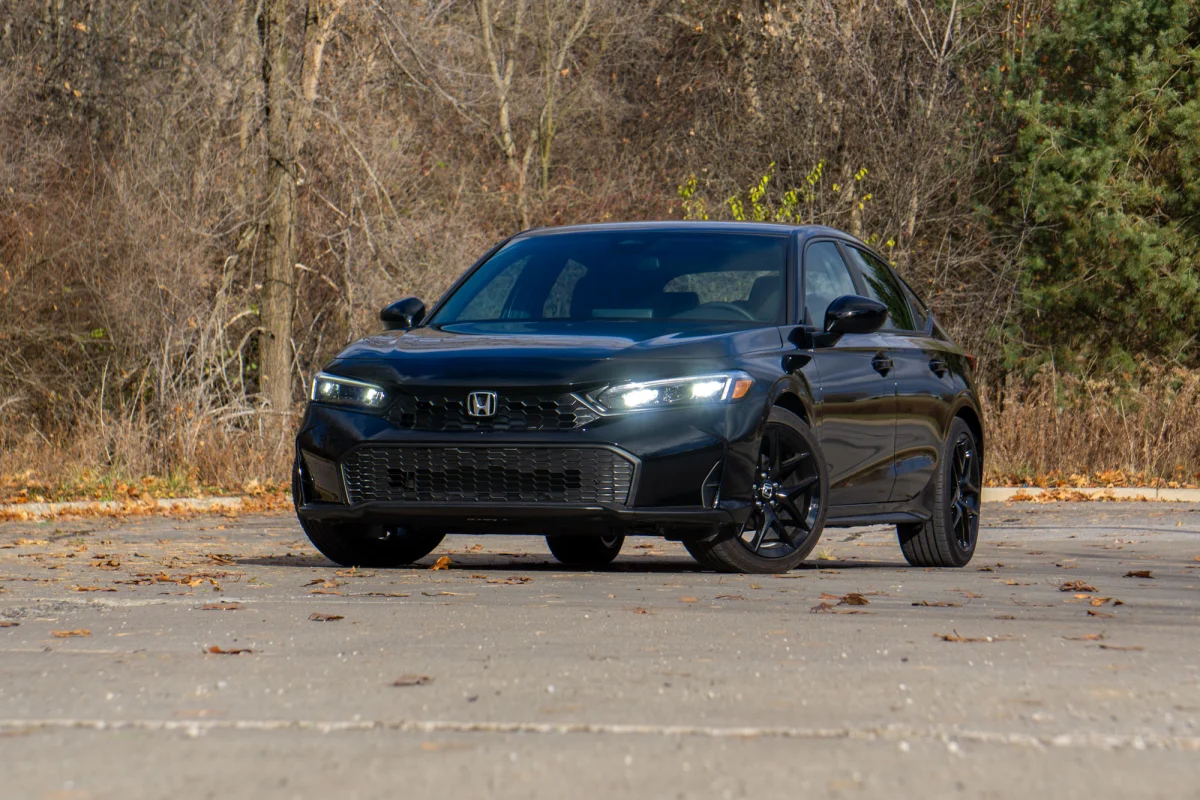
2. Honda Civic
The Honda Civic stands tall as another example of a car that offers outstanding practical value without unnecessary extravagance, fitting perfectly into the lives of drivers who want a balanced blend of dependability, performance, and comfort.
Much like the Corolla, the Civic has built its reputation through decades of solid performance in a wide array of driving conditions, from congested city streets to long cross-country journeys.
Owners of the Civic often highlight its smooth handling and comfortable ride quality, which make daily commuting feel less tiring and more predictable, fostering confidence for drivers in a variety of environments.
The fuel economy is impressive across many of its configurations, allowing drivers to stretch their travel budget further, especially when fuel costs rise unexpectedly or when longer trips become necessary for work or leisure.
In addition, the Civic’s engine and mechanical systems have a proven track record of durability, contributing to lower long-term maintenance costs compared to many competitors, making it a smart choice for people who plan to keep their car for many years.
Another key aspect of the Civic’s practical value is its clever use of interior space, offering generous legroom for both front and rear passengers, and a trunk that accommodates luggage or cargo with ease. Whether it is school runs, grocery shopping, or weekend getaways, the Civic adapts to different roles without squeezing occupants or forcing them to compromise on comfort.
Thanks to wide dealer networks and commonality of parts, repairs are usually straightforward and less costly, providing reassurance to owners worried about unexpected expenses. The Civic’s longevity is also reflected in its resale value, which tends to remain strong because of its reputation, ensuring that owners can recover a fair portion of their investment when it comes time to sell or trade in.
This blend of reliability, economy, and everyday usability make the Honda Civic a car that holds its practical value across multiple aspects of ownership, solidifying its place among the most sensible choices for drivers seeking uncomplicated yet capable transportation.
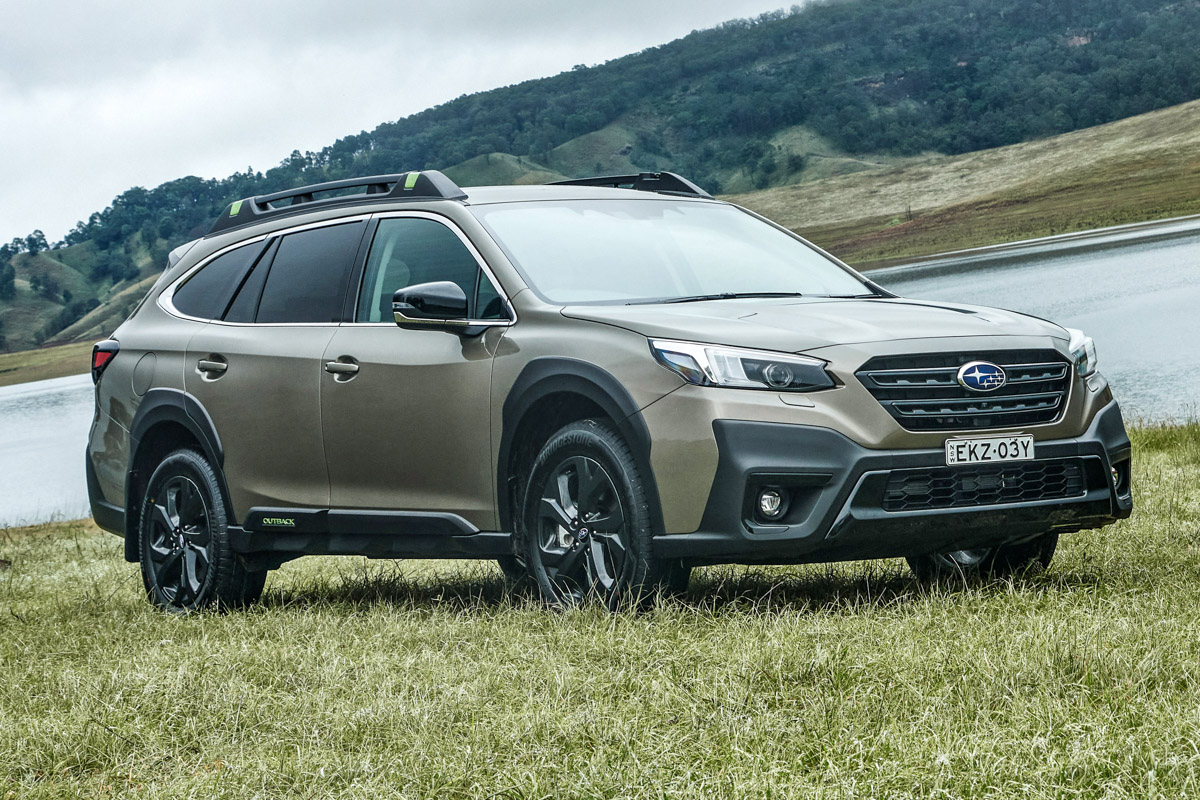
3. Subaru Outback
The Subaru Outback occupies a unique niche among practical cars by combining the benefits of a rugged wagon with the comfort and efficiency required for everyday driving. Its standard all-wheel-drive system provides superior traction in adverse weather conditions, making it especially appealing to drivers in regions with rain, snow, or unpaved roads.
For people who value versatility, the Outback offers generous cargo space, roof rails for gear hauling, and a suspension system that strikes a smart balance between comfort on paved roads and capability on rougher terrain.
These qualities mean that families can load up camping equipment, strollers, or luggage without a second thought, adding a degree of adaptability seldom seen in typical sedans or compact cars.
The interior is thoughtfully laid out with durable materials and intuitive technology that enhances convenience without overwhelming drivers with complexity, contributing to a sense of confidence and control while behind the wheel.
In addition, the durability and robust engineering behind Subaru’s boxer engine architecture and drivetrain components lend the Outback a reputation for long service life when routinely maintained.
Its fuel economy may not match that of the smallest sedans, but for a vehicle of its size and capability, it remains reasonably efficient, ensuring owners do not suffer from excessive running costs over time.
Safety ratings for the Outback have consistently been strong, giving drivers peace of mind knowing that their vehicle offers solid protection for passengers in a range of conditions.
All of these features come together to form a vehicle that offers practical value for people needing more flexibility than a typical commuter car can provide, whether they are city dwellers, outdoor enthusiasts, or anyone requiring a dependable all-around performer.
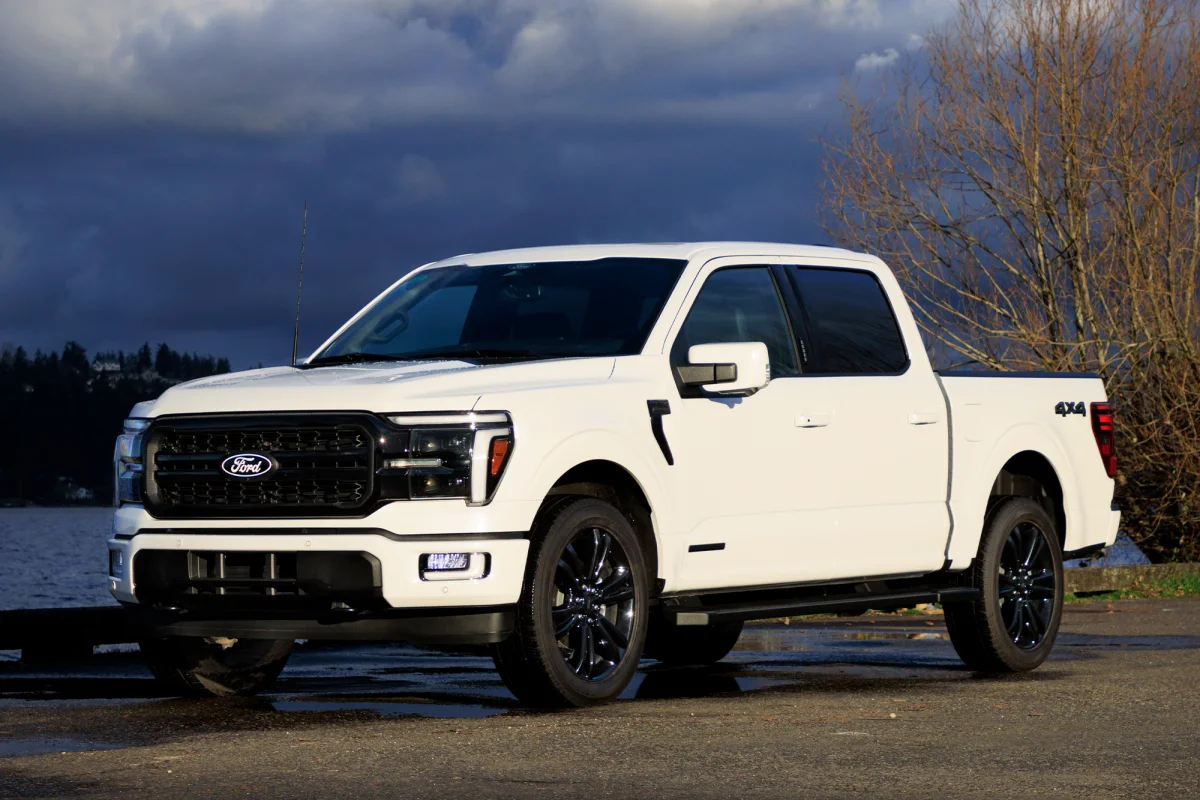
4. Ford F-150
The Ford F-150 has cemented its place as a practical choice among pickup trucks for drivers who require strength, versatility, and a vehicle that can tackle both work-related tasks and daily commuting without feeling out of place.
Its full-size design and powerful engine options make it capable of towing trailers, hauling heavy loads, or transporting equipment for construction, or recreational use.
These capabilities do not come at the expense of everyday usability, as modern iterations of the F-150 feature comfortable interiors that rival those of family sedans, complete with advanced connectivity and convenience features that make long drives more enjoyable.
The spacious cabin allows drivers and passengers to stretch out, while the bed offers practical hauling space that can accommodate everything from furniture to building materials without difficulty. This blend of utility and convenience is a key reason the F-150 continues to be among the top choices for those seeking a truck that can handle both life’s daily routines and demanding tasks.
Another important aspect of the F-150’s practical value lies in its wide range of configurations, which allow buyers to select the version that fits their specific needs without paying for features they do not require.
From basic work trucks to more refined trims with luxury amenities, the F-150 adapts to diverse lifestyles while retaining its core strengths in durability and performance.
Fuel economy varies significantly depending on engine choice, but even larger displacement options often deliver respectable mileage for the class, especially with recent improvements in aerodynamics and powertrain efficiency. When it comes to maintenance and repairs, the extensive dealer network and availability of parts make it easier for owners to manage upkeep without unreasonable downtime or expense.
The F-150’s longstanding reputation for toughness translates into strong resale value as well, which underlines its practicality as an asset that holds worth over time rather than diminishing rapidly like some less sought-after vehicles. For drivers who want a truck that works hard, adapts to many different tasks, and remains comfortable for everyday use, the Ford F-150 represents a practical choice that stands up to real-world demands.
5. Honda CR-V
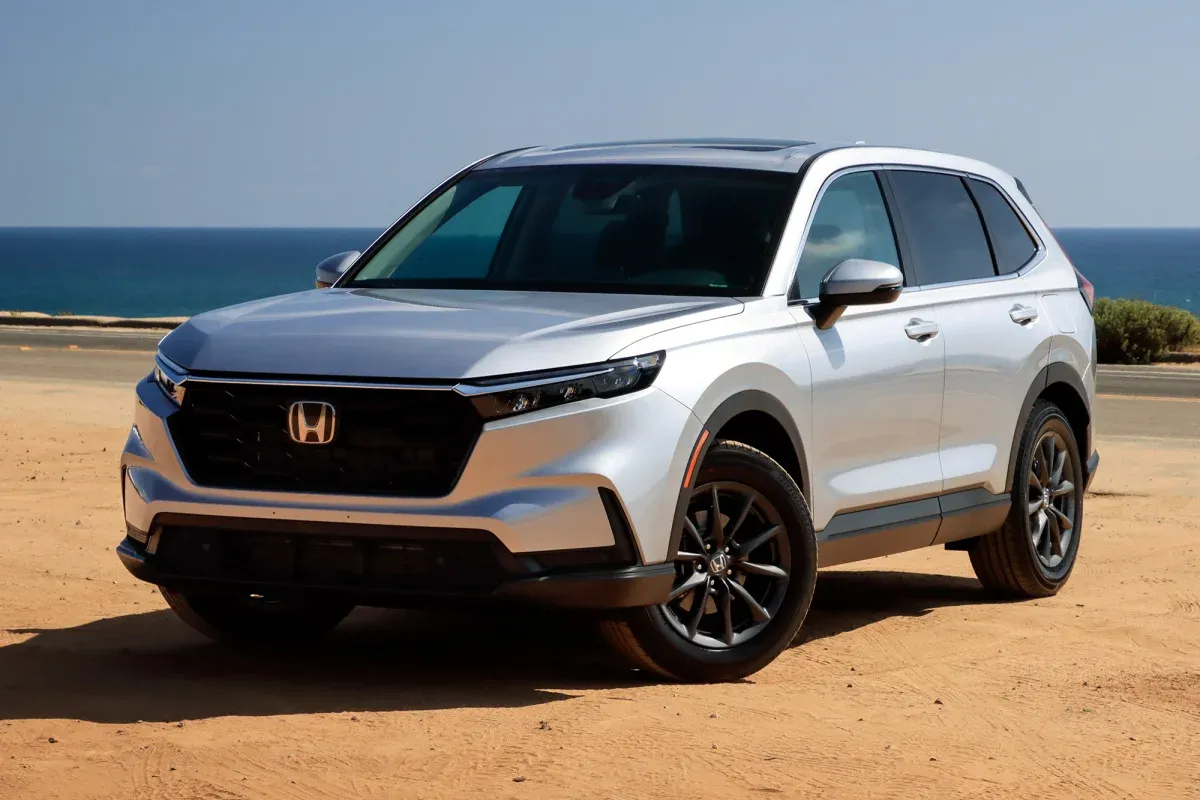
The Honda CR-V is an example of a compact SUV that offers everything many drivers wish for in a practical and versatile vehicle without introducing unnecessary complexity or excessive cost. It balances efficiency with enough space to carry passengers and cargo comfortably, making it suitable for families, commuters, and those who appreciate an elevated driving position.
The CR-V’s fuel economy is competitive within its class, meaning that owners enjoy lower fuel costs over time compared to larger, heavier SUVs, while still benefiting from the capability that a crossover design provides. Its interior layout is thoughtfully conceived, with user-friendly controls, adaptable cargo solutions like folding seats, and materials chosen for durability and comfort during daily use.
All of these factors contribute to a sense of practicality that appeals to people who need a vehicle able to manage varied demands, from school runs to weekend adventures.
Like other Honda vehicles, the CR-V tends to hold its value well in the resale market, which reflects both owner confidence and consistent demand for reliable compact SUVs. Repair and maintenance costs are generally moderate, supported by the widespread availability of parts and technician familiarity with Honda platforms.
Safety features are comprehensive, often including modern driver assistance systems that enhance peace of mind on busy roads or long drives, further reinforcing the CR-V’s appeal as a sensible choice for everyday transportation. The combination of comfort, utility, and economic operation makes the Honda CR-V a solid representative of vehicles that hold practical value for a wide range of drivers, proving that versatility need not come at the expense of functionality or affordability.
Cars That Don’t Hold Practical Value
1. Lamborghini Huracán
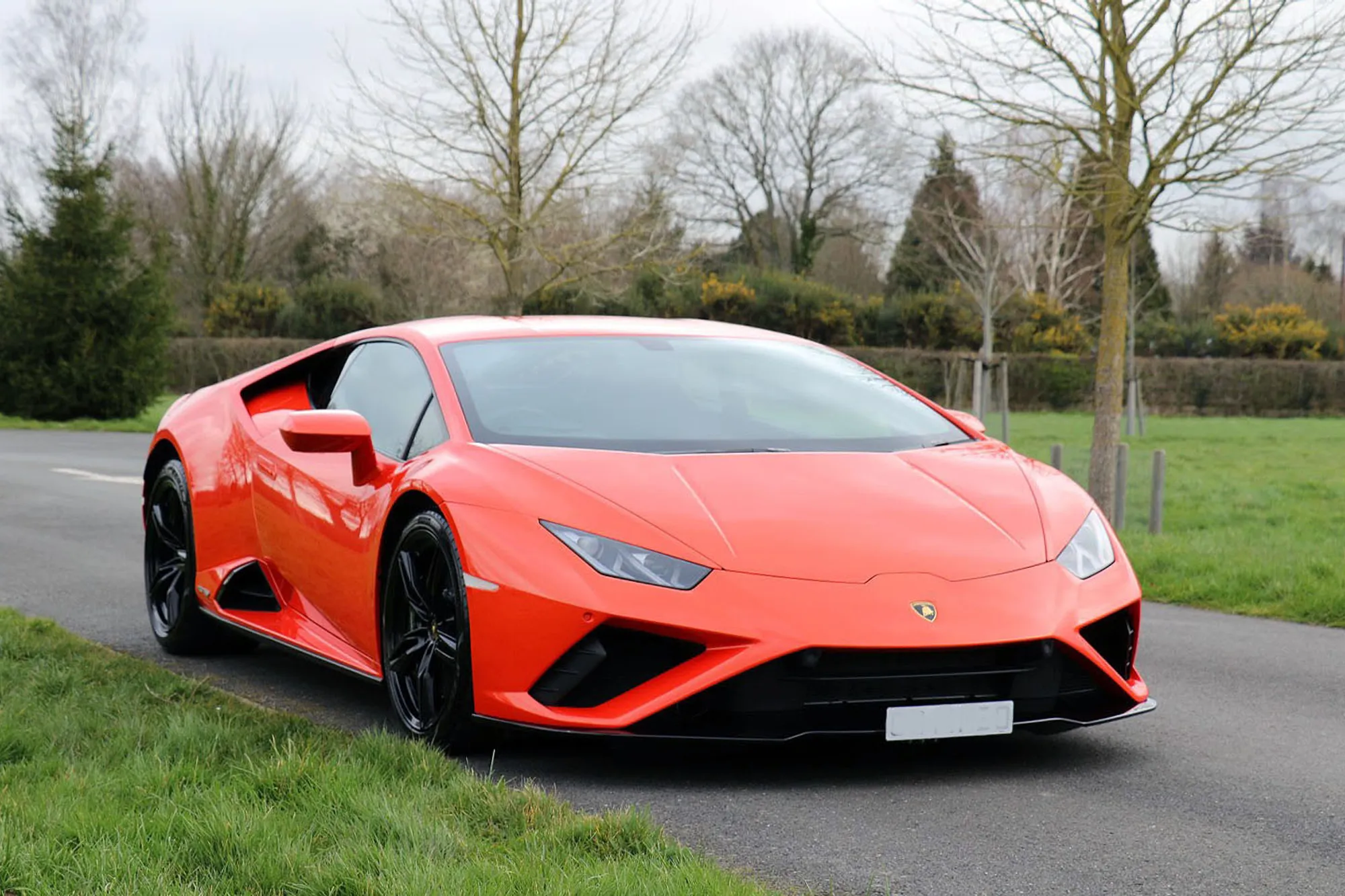
The Lamborghini Huracán is a car that demands attention at first glance with its exotic design and high-revving engine, but for most drivers its lack of everyday practicality quickly becomes apparent once real-world use is considered.
While the Huracán’s acceleration and handling on a race track may thrill enthusiasts, those qualities do not translate into sensible transportation for regular commuting or errands around town. Low ground clearance, stiff suspension tuning, and limited cargo space mean that even simple tasks like navigating speed bumps or carrying groceries become chore-like experiences that highlight the impractical nature of the vehicle.
Inside, seating is tight with minimal headroom, making it uncomfortable for passengers on anything beyond the shortest of trips, especially for adults who might find the layout restrictive compared to commonplace sedans or SUVs.
Maintenance costs alone serve as a significant barrier to practical ownership, with specialized parts and labor that incur premiums far beyond what is typical for mainstream cars. Fuel economy is low by design, with the Huracán thirsting for premium fuel and offering little in the way of efficiency, ensuring that fuel stops become more frequent and costly.
Insurance rates are similarly high due to the car’s performance profile, making the cost of ownership steep even for those who can afford the purchase price. The limited usability of the vehicle outside of open, smooth roads becomes even clearer when considering daily driving scenarios, where the Huracán’s focus on speed and style does not accommodate the simple comforts or conveniences that make ordinary cars suitable for long term, consistent use.
Furthermore, the resale market for such high-end sports cars fluctuates heavily and may not return a meaningful portion of the initial investment, particularly as newer models with updated features enter the market.
The Huracán shines in contexts where performance and image are the primary goals, but when judged by common metrics of practicality such as comfort, cost, usability, and adaptability to varied tasks, it falls short of meeting the needs of most drivers seeking dependable transportation on a daily basis.
2. Fiat 500 Abarth
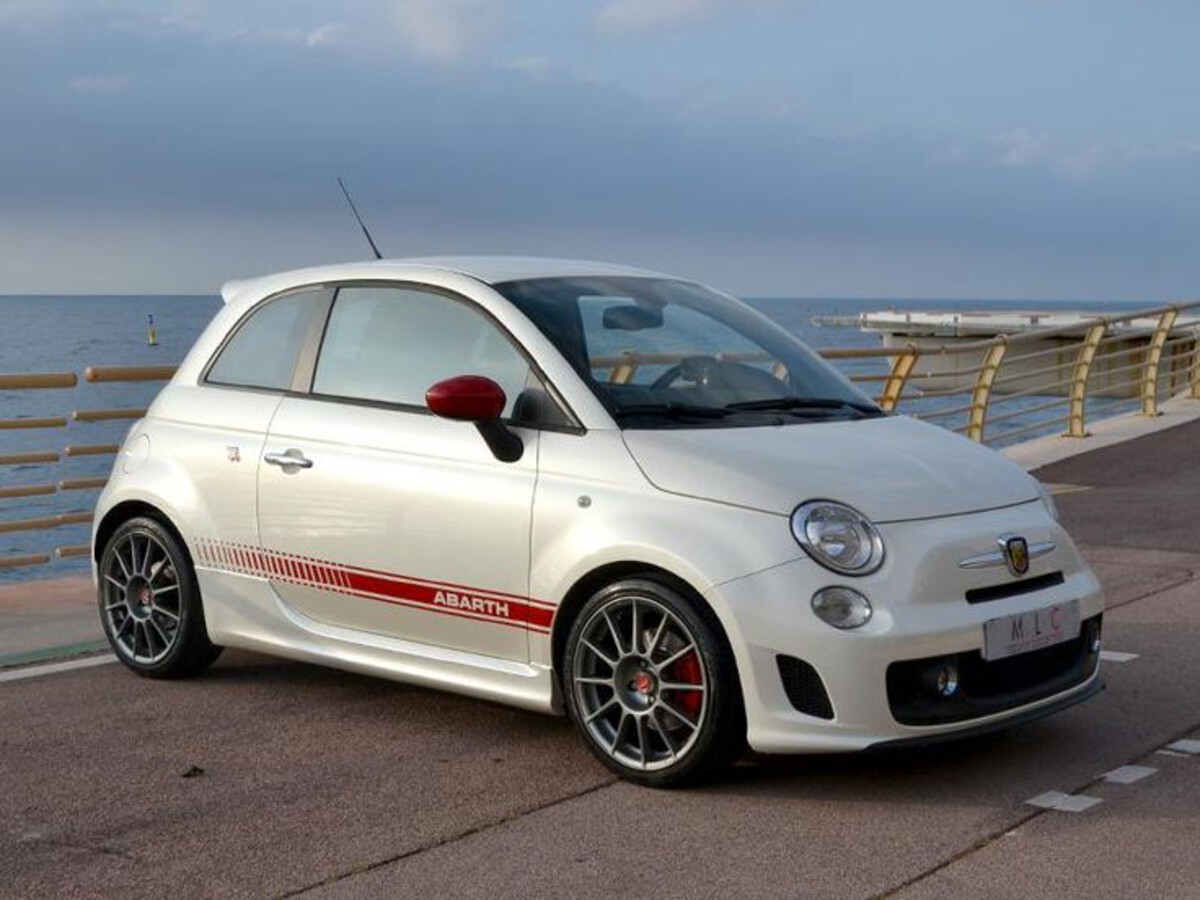
The Fiat 500 Abarth embodies a quirky, punchy personality that may endear it to certain drivers, but its small size and performance-oriented setup limit its appeal as a practical everyday car for many people.
Its compact dimensions mean cabin space is constrained, with rear seat passengers often squeezed and cargo capacity minimal, making it less suitable for families or individuals who need to carry bags, equipment, or more than one passenger comfortably.
While the turbocharged engine adds a spirited feel on twisty roads, the firm suspension and limited sound insulation can make routine city driving feel harsher and louder than most drivers would prefer for daily commuting or errands. This focus on sportiness detracts from qualities that typically define practical vehicles, such as ride comfort, interior flexibility, and ease of use in varied scenarios.
Fuel economy for the Abarth is respectable, but when combined with the higher cost of insurance and the potential for increased wear due to spirited driving tendencies, the cost of ownership can climb above what many expect from a small hatchback.
The Fiat brand’s historical reliability record does not always inspire confidence, and the availability of qualified service centers outside major urban areas can be limited, further discouraging owners who value trouble-free ownership.
Even basic tasks like parking on narrow streets or navigating tight turns can feel more cumbersome due to the car’s unique steering and responsiveness, which may not align with the expectations of drivers used to smoother, more predictable handling.
While the Abarth offers a fun personality and distinctive style, these traits do not compensate for its shortcomings in providing the comfort, space, and peace of mind that form the foundation of practical transportation for most drivers.
The Fiat 500 Abarth appeals to a niche group that values personality and performance over everyday functionality, but as a general choice for practical use, it falls short when compared to more versatile, comfortable, and cost-effective alternatives in the small car segment.
3. Maserati GranTurismo
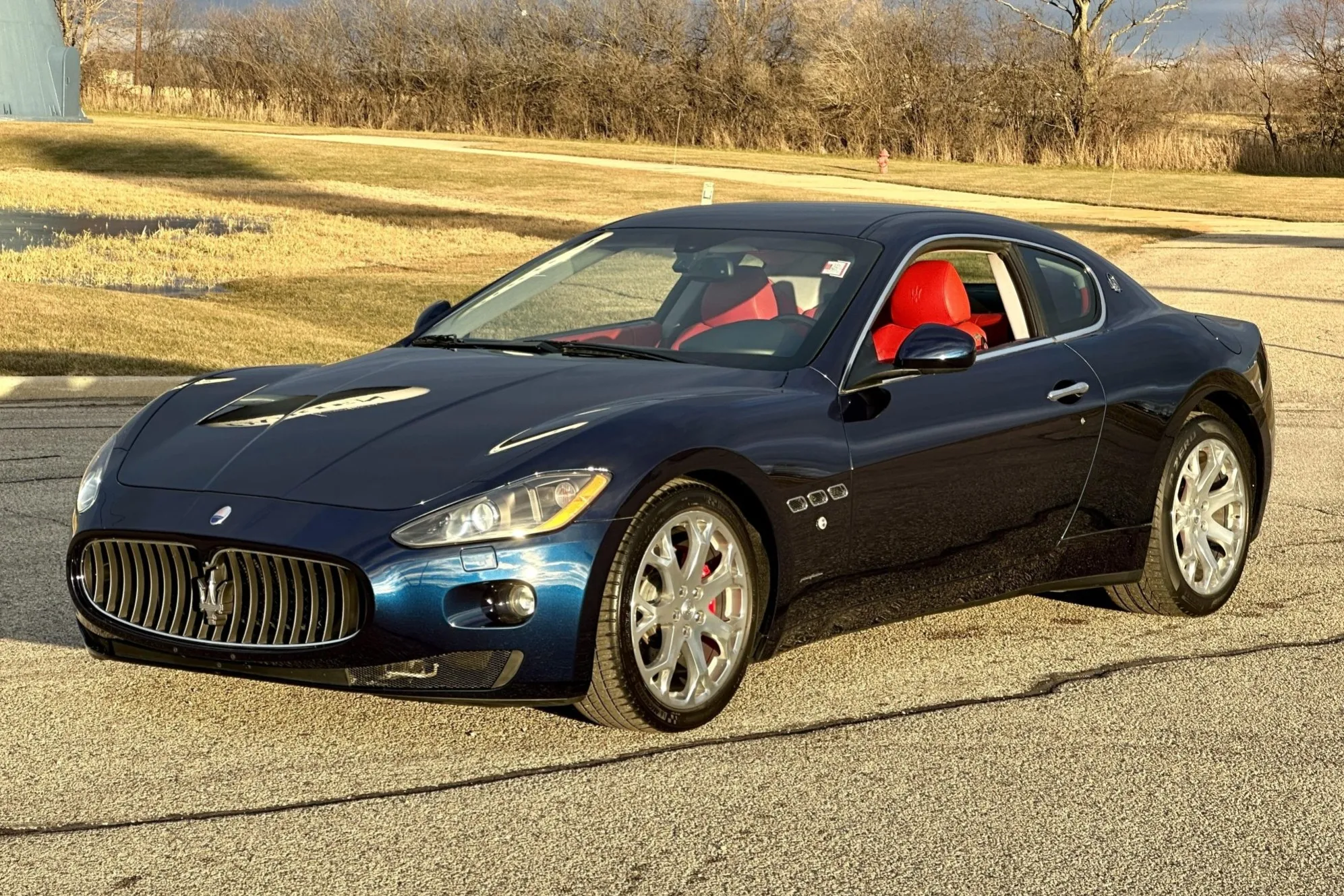
The Maserati GranTurismo carries an aura of elegance and performance that makes it an aspirational choice for those captivated by Italian design flair and the throaty rumble of a powerful engine. However, these strengths are offset by compromises that limit its usefulness as a practical car for regular drivers with typical transportation needs.
The GranTurismo’s large size and performance focus lead to fuel consumption figures that are high even by luxury grand touring standards, requiring frequent stops for premium fuel and increasing the daily cost of operation.
Parking and maneuvering in urban settings can be challenging due to its wide stance and lower visibility compared to more mainstream sedans or crossovers, making everyday driving less convenient and stress-free than owners might hope.
Maintenance and repair costs for the GranTurismo are steep, with specialized parts and labor driving up ownership expenses significantly over time, and routine servicing requiring visits to authorized dealerships or experienced specialists.
The interior, while plush and stylish, prioritizes aesthetic appeal over adaptable functionality, with limited rear seat space that makes carrying adult passengers less comfortable on longer trips, and cargo space that is modest for a car of its price range. Ride quality can be firm, a byproduct of tuning for performance and handling precision rather than isolated comfort, which can make longer drives on rougher roads less pleasant for occupants used to smoother rides.
All of these factors contribute to the GranTurismo’s sense of being more of a weekend indulgence or showcase piece than a daily driver capable of meeting the demands of typical transportation without making frequent concessions.
For those who want a blend of luxury and everyday utility, other vehicles offer a more balanced approach, but the Maserati GranTurismo’s focus on spectacle and performance places it outside the realm of cars that deliver strong practical value in the long run.
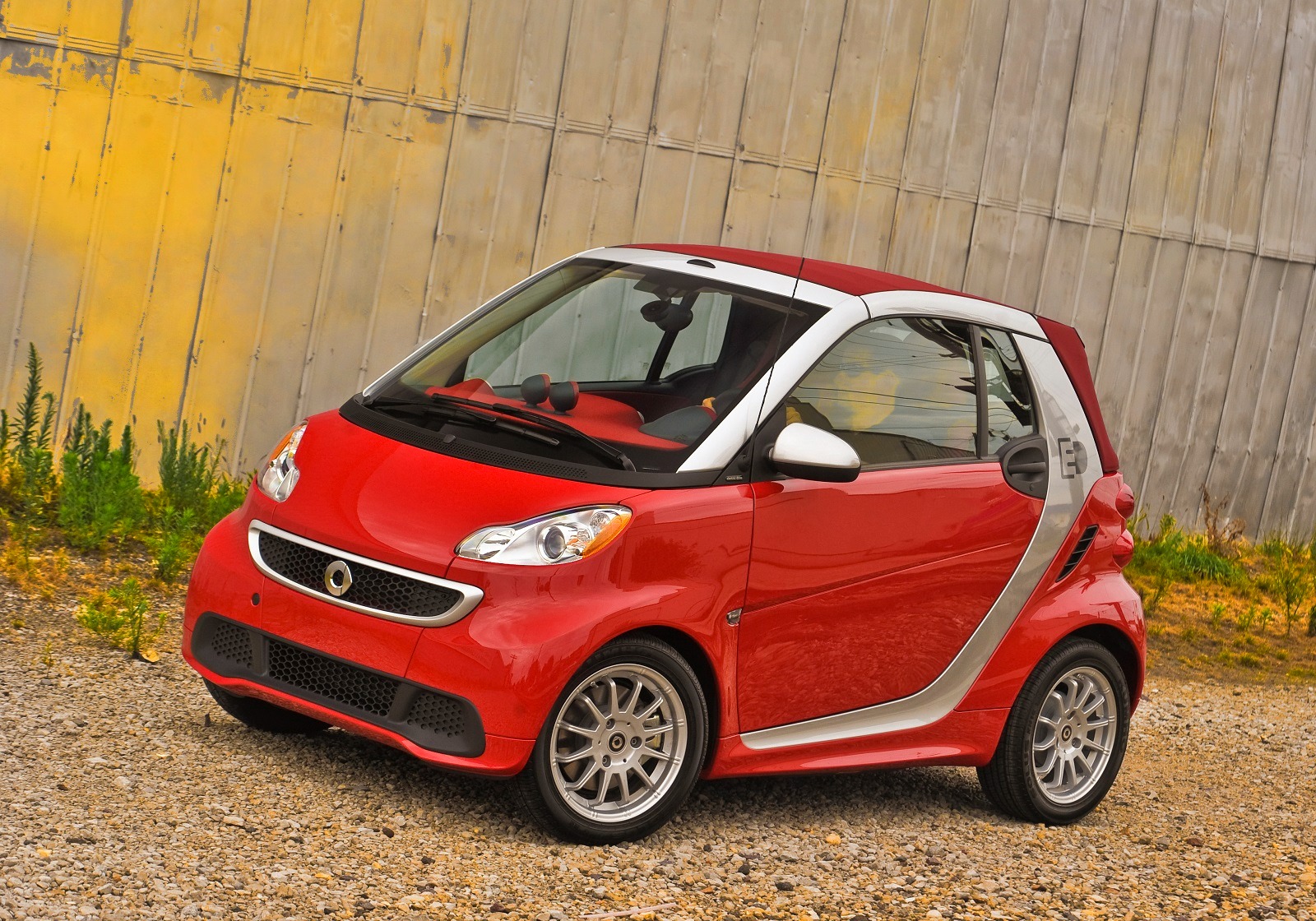
4. Smart Fortwo
The Smart Fortwo may first appear to be an innovative solution to urban congestion and parking woes, but when looking at its real-world usefulness, it reveals a series of compromises that hinder its practicality for many drivers.
Its extremely compact dimensions do make it easy to slip into tight parking spots and navigate narrow city streets, but these very attributes translate into a cabin that feels cramped for adults, especially on longer journeys where comfort becomes a higher priority.
Cargo space is minimal, prompting limitations on what can be carried without resorting to external carriers or leaving items behind, which reduces convenience for grocery trips or luggage hauling. The ride quality, while acceptable at slow urban speeds, can feel unsettled on open roads or highways, where the Fortwo’s short wheelbase and light weight become liabilities rather than advantages.
Fuel economy is decent, but because the vehicle is small and lightweight, the actual savings in fuel costs may be offset by the need for drivers to take multiple trips instead of carrying more in a single outing.
Safety ratings, particularly in side impacts, are not as strong as those of larger cars, making some drivers uneasy about placing themselves or their passengers in harm’s way during everyday use.
Furthermore, the limited dealer network in many regions means that service and repairs can be less convenient, and potential owners may find themselves traveling farther or paying premiums for minor issues. Insurance rates for smaller, less common models can also be disproportionately high relative to their value, further eroding the financial advantage one might expect of such a compact car.
While the Smart Fortwo does succeed in particular niches, such as serving as a secondary vehicle for short urban hops, its practical value as a primary daily driver is questionable for many people who require greater comfort, cargo capacity, and peace of mind on a wider variety of roads.
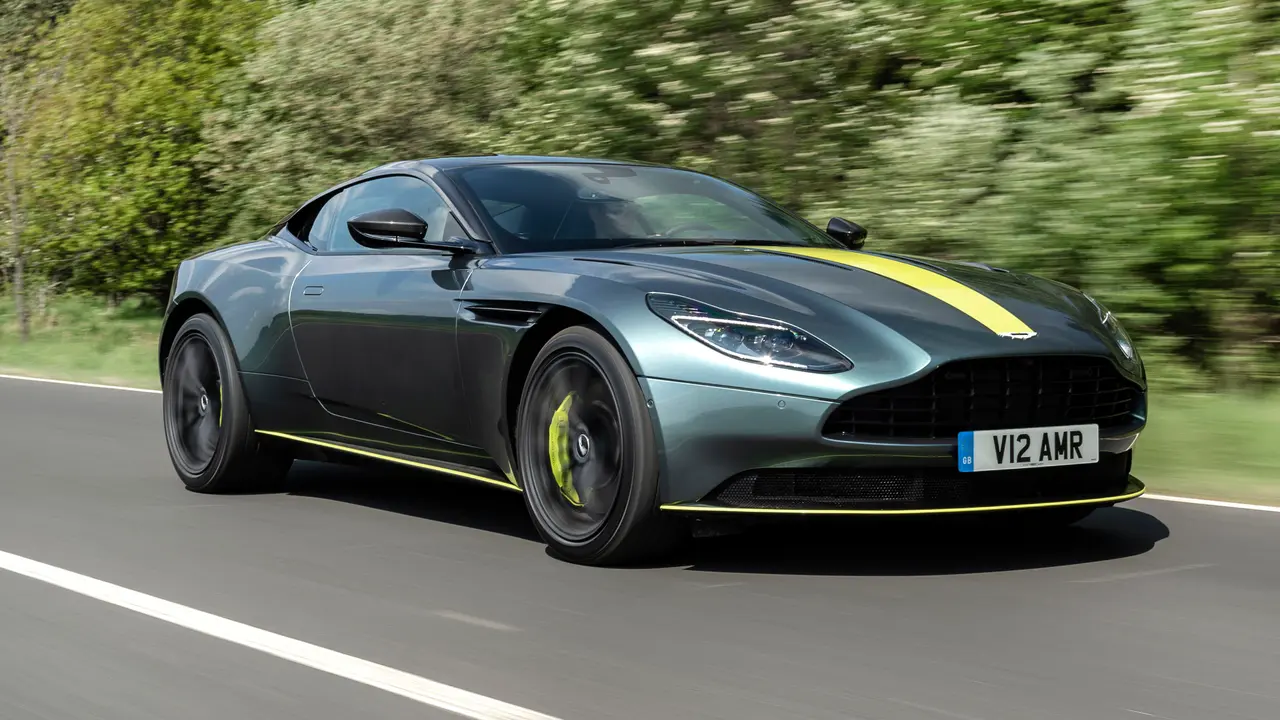
5. Aston Martin DB11
The Aston Martin DB11 embodies sophistication, performance, and visual appeal, but when assessed through the lens of practical everyday use, it reveals several aspects that do not align with the demands of typical drivers seeking sensible transportation.
Its powerful engine and luxurious cabin deliver an impressive experience on open roads, but these qualities come at a cost that makes routine ownership challenging for many.
Fuel consumption is high, requiring frequent visits to expensive fueling stations, while insurance rates for such a high-end sports luxury car are often steep, imposing ongoing financial burdens beyond what is common for more practical vehicles. The low ground clearance and performance-tuned suspension mean navigating familiar city streets with potholes or speed bumps can become an exercise in caution, detracting from the convenience expected in everyday travel.
Ownership expenses for the DB11 extend beyond fuel and insurance to include specialized service requirements, with parts and labor priced at the higher end due to the bespoke nature of Aston Martin engineering.
Seating and cargo space are designed to complement a grand touring experience rather than accommodate the practical needs of grocery runs, errands, or transporting multiple passengers comfortably each day. The narrow rear seats and limited trunk volume make the DB11 less versatile than sedans or crossovers that prioritize passenger comfort and utility.
While the vehicle excels in providing a refined and thrilling ride, these attributes do not translate into a machine that easily adapts to the mundane, routine tasks that form the backbone of most drivers’ daily lives.
For individuals whose primary goal is a usable, adaptable, and cost-effective car for regular use, alternatives that emphasize comfort, efficiency, and convenience represent more practical investments than the Aston Martin DB11, which stands firmly in the realm of luxurious indulgence rather than everyday functionality.
